The global magazine and marketplace for classic car enthusiasts, by enthusiasts.


Filter
Make a choice:
- Cars
-
Make >>
-
Year >>
-
- Bikes
-
Location >>
- Parts & more
-
Make of car >>
-
Manufacturer >>
-
Category >>
- Bicycles & more
-
Year >>
-
Countries


Mystery Miss from a glass negative
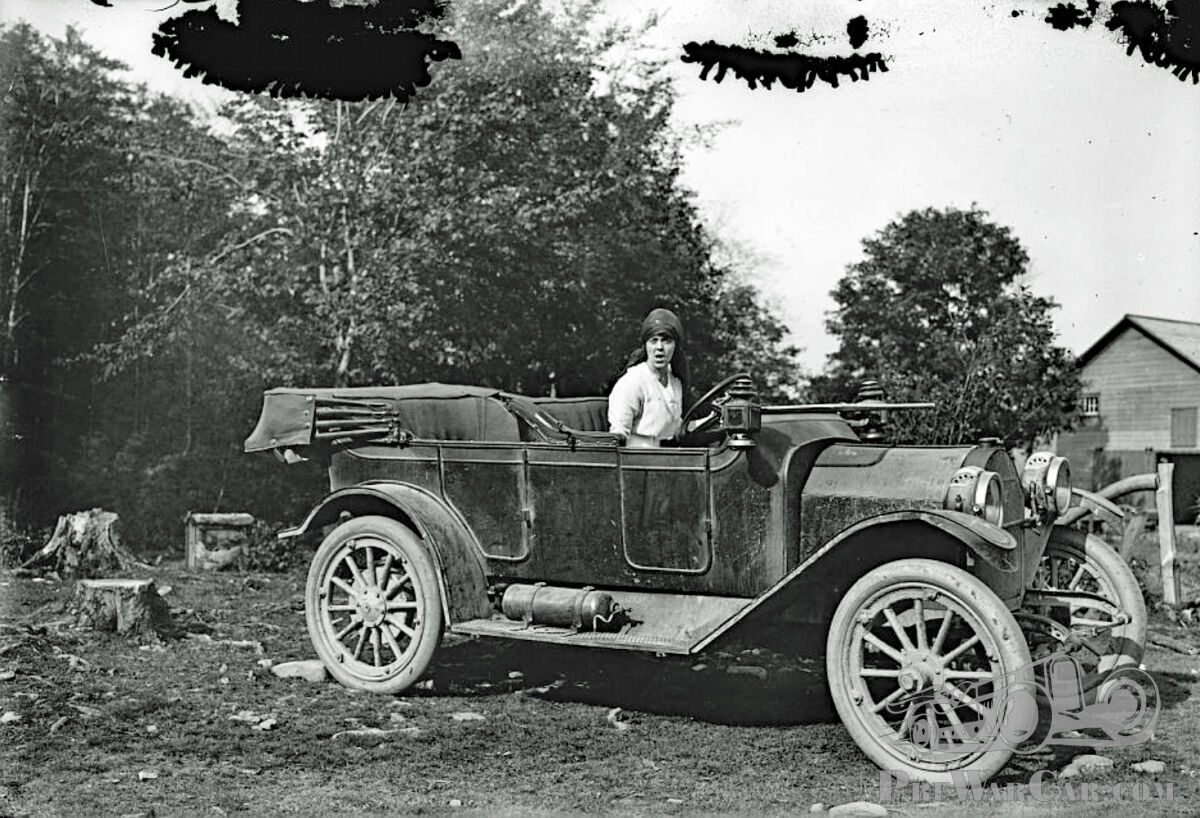

Apart from some blemishes at the top, this image has survived the last 111 years very well. Well, that number is a bit of a rough guess, as the image itself is believed to date back to circa 1915. And that is also all the information supplied with it – other than that it was a glass negative originally donated by Herbert A. French in 1947.
Thank you, Sir, but that does leave us with questions. Two predominate: who’s the missus and what’s the car? Is she perhaps an actress, and was the photo made to promote a movie? Or is she just a lady posing for the photographer all those years ago? And the car? Right-hand drive, but surely American? Apart from that bottle on the running board, there are not too many peculiarities that make identification easy – well, for us, that is…
Words: Jeroen Booij, Picture: Library of Congress
Published:
Friday February 27th, 2026
Facebook
LinkedIn
Twitter
WhatsApp
Email
Copy
Comments
Hergen Deuter
15 March, 20:42
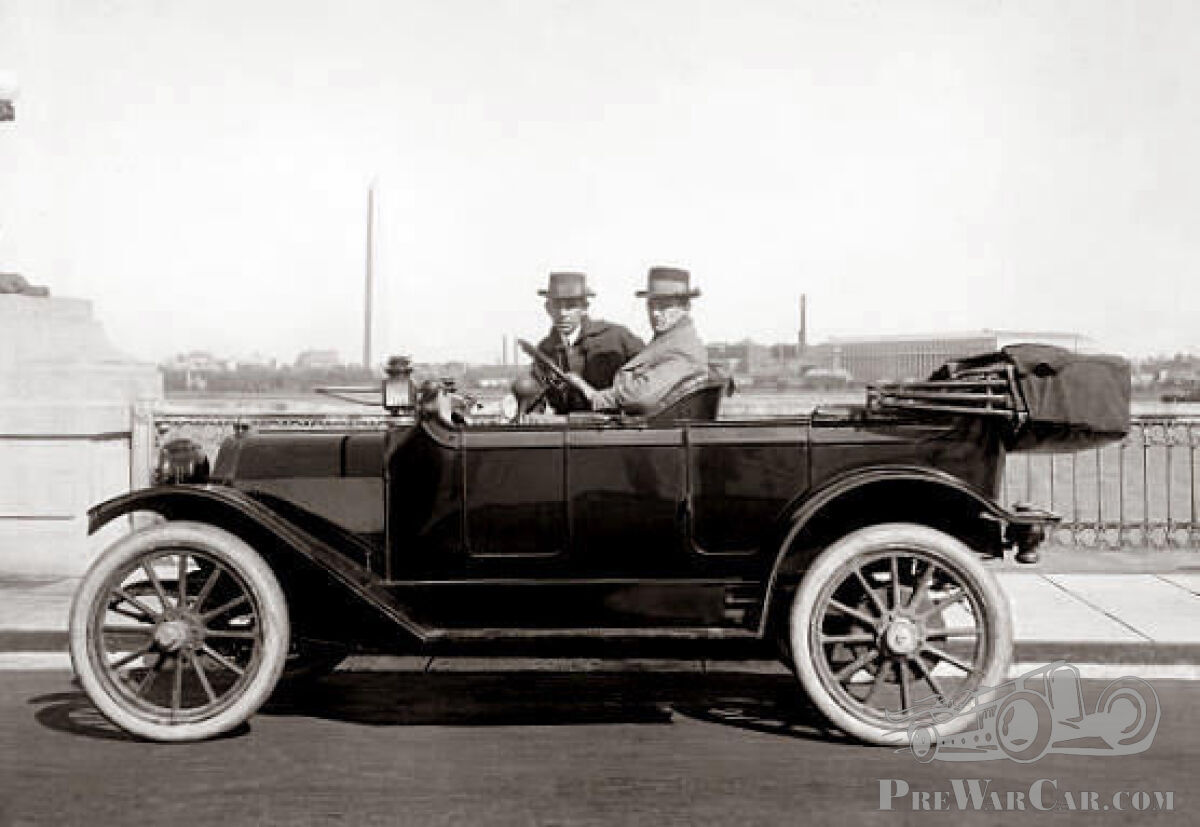
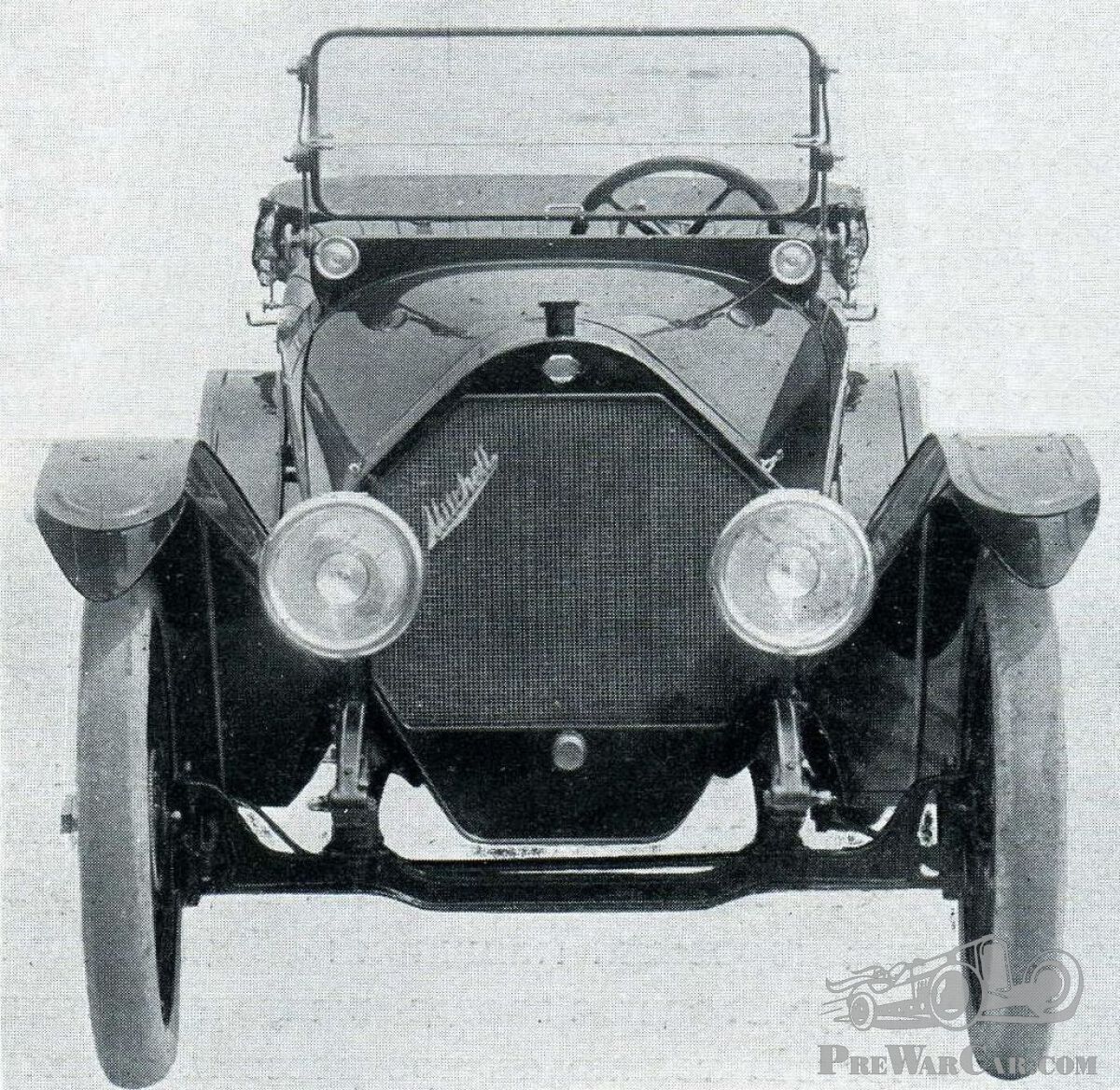
The car seems to be a Briggs-Detroiter, built from 1912 to 1917. The accompanying photo shows apparently this exact vehicle with Herbert E. French, an early press photographer from Washington, D.C. It can therefore be assumed that both very different scenes show his own car; however, the identity of the woman with the headscarf remains unclear.
Read more
John Stokes
01 March, 22:19
Cylinder on side is a Prestolite acetylene cyinder for the head lamps, car could be Overland 1912-13. I wouldn't be too positive about that.
Read more


Roger Garnett
01 March, 20:14
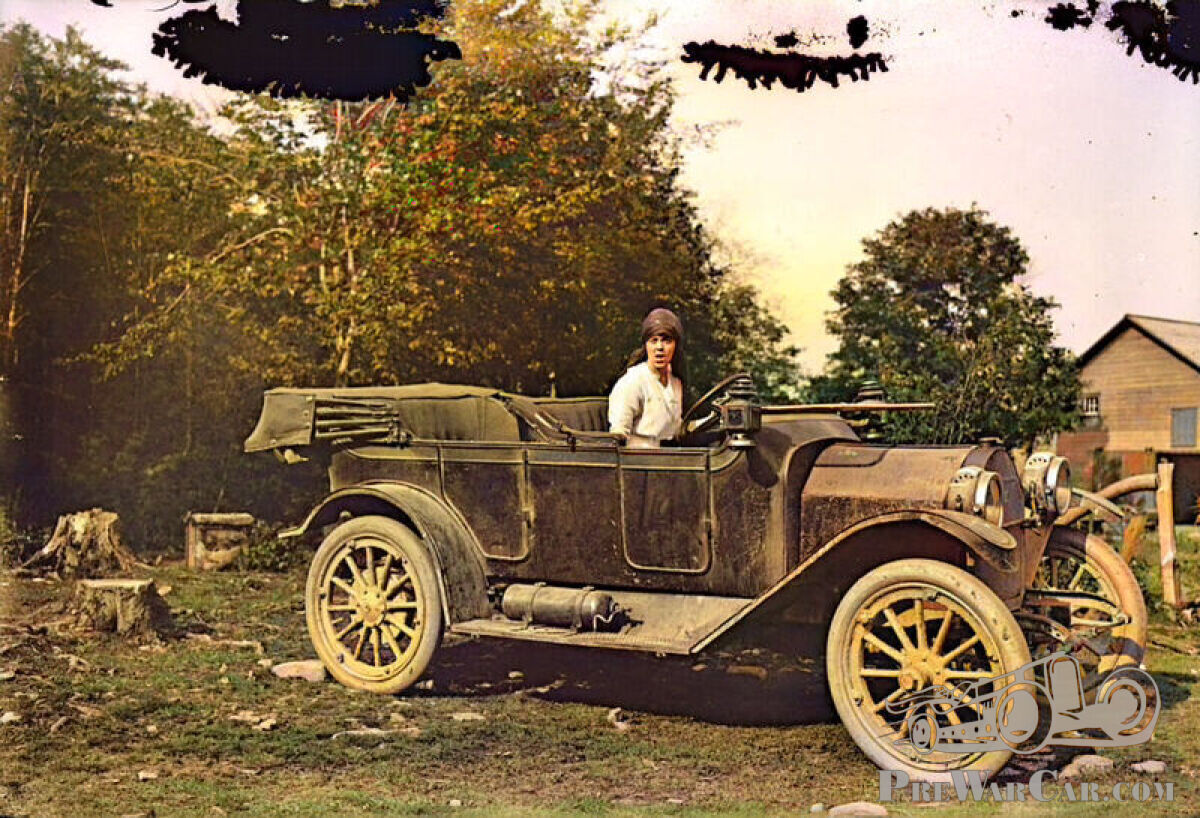
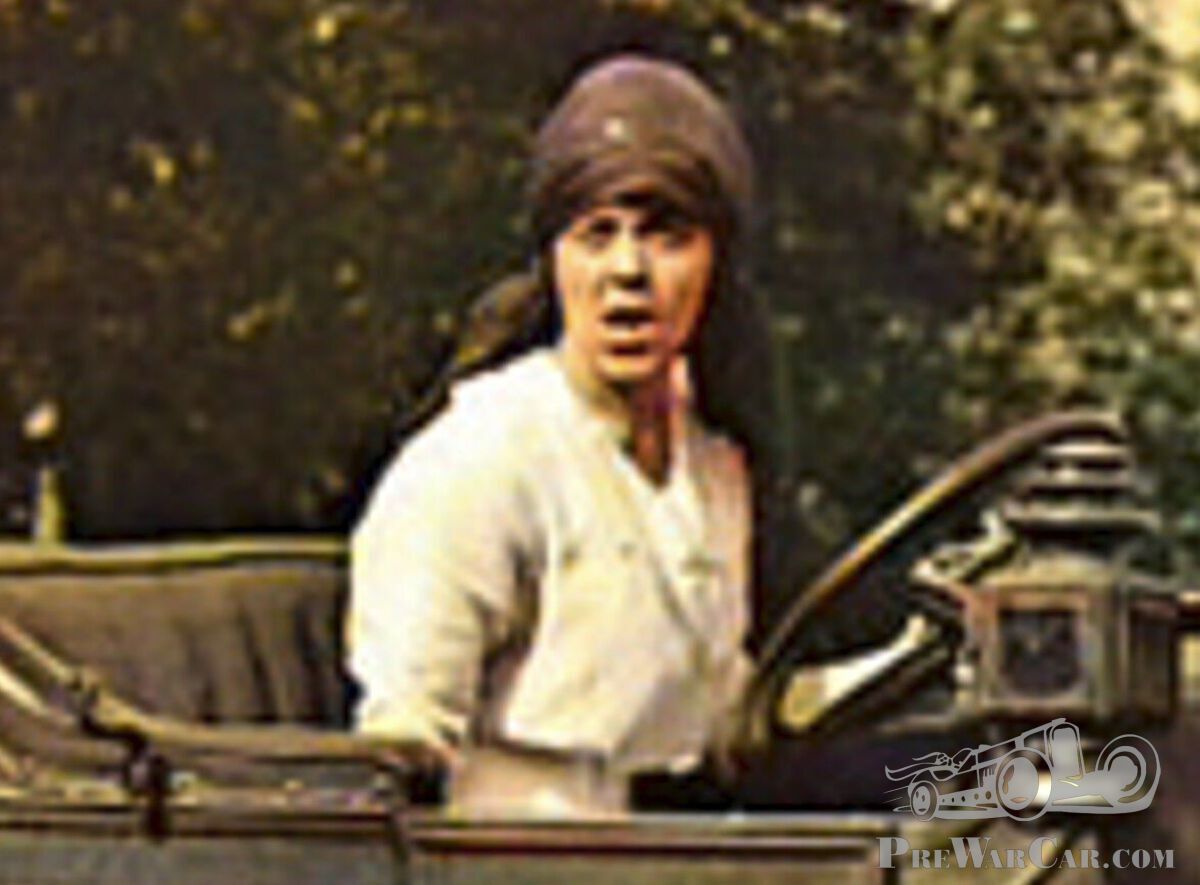
Detroiter looks like a match. And all the signs of a 1912, with acetylene & oil lights and front doors. As is often the case, colorizing this photo makes a few more details apparent. The car has been well used, showing dirt, and possibly rust on the hood - which could be from many years of use. Yet it still has white, non-treaded tires. The woman looks to have long hair, worn down, and casual clothes which seem a later style. And I can't figure what the hat is, possibly military?
Read more
Peter Eglinton
01 March, 17:46
The headlight bodies seem to have ventilation holes. Does that mean they are not electric? Curious.
Read more
John Bates
01 March, 12:47
I don’t know the percentage but many American cars of this era were right-hand drive. I understand that the reason was poor street lighting. Driving on the right, the driver could more easily see the side of the road.
Read more
Layden Butler
28 February, 21:36
Overland purchased their radiators from Kinwood. The fliptop oval filler was a Kinwood feature seen on other brands of cars as well.
Read more
Ariejan Bos
28 February, 10:10
After a better look the lady seems to be sitting on the left hand side of the front bench, holding the steering wheel. So the final conclusion must be, that the photo has been correctly printed!
Read more
Ariejan Bos
27 February, 22:05
The photo indeed must be mirrored, which is more often the case with prints of glass negatives. The Detroiter was produced with left hand drive from the beginning (i.e. 1912)
Read more
Christoph Röhrs
27 February, 13:39
Is it really a right-hand drive vehicle, or was the photo simply reversed?
Read more
Ariejan Bos
27 February, 10:36
Overland was not the only make having this rad filler type. Besides several details just don’t match with Overland: radiator shape, body and wheel hubs among other things. So not an Overland, but a 1912 Detroiter.
Read more