The global magazine and marketplace for classic car enthusiasts, by enthusiasts.


Filter
Make a choice:
- Cars
-
Make >>
-
Year >>
-
- Bikes
-
Location >>
- Parts & more
-
Make of car >>
-
Manufacturer >>
-
Category >>
- Bicycles & more
-
Year >>
-
Countries


Ninety years down the road: the Talbot Owners' Club celebrates a major anniversary

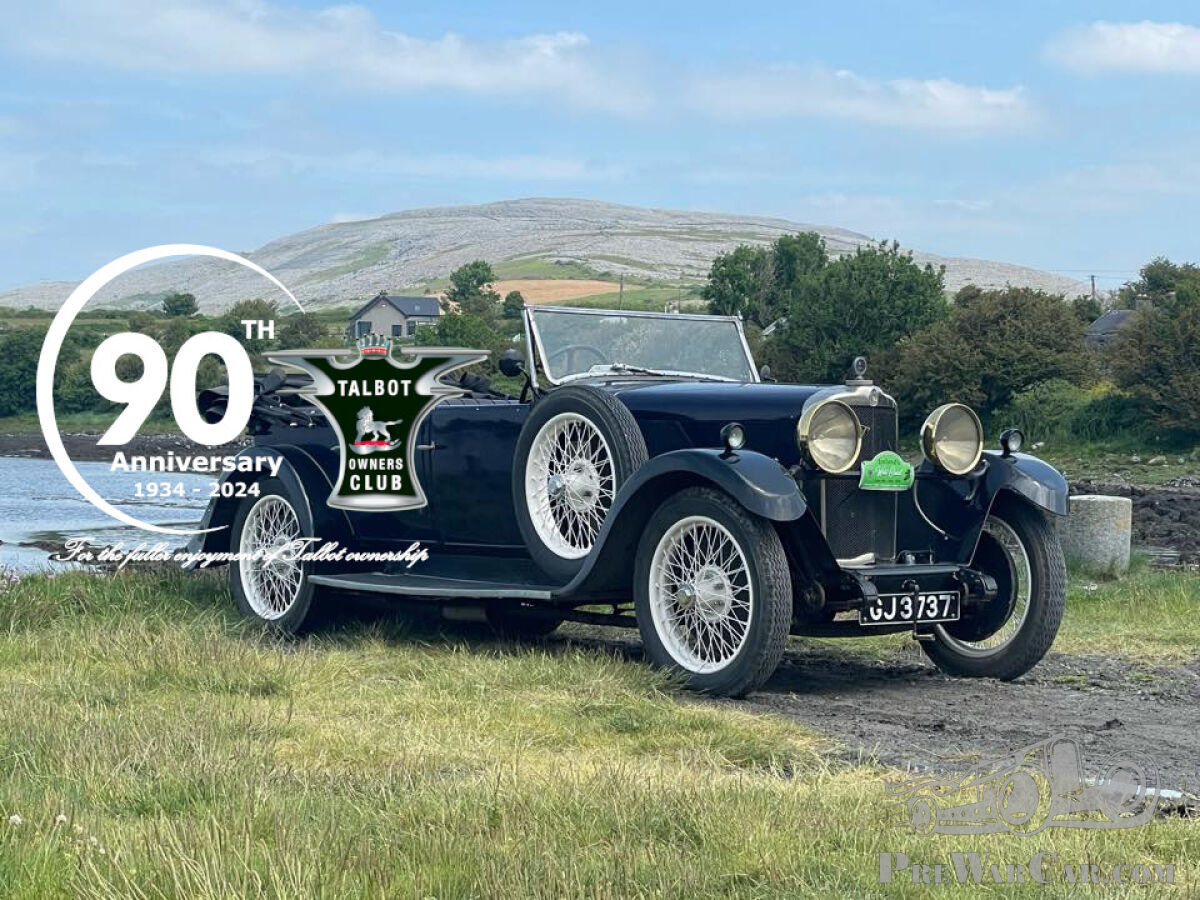
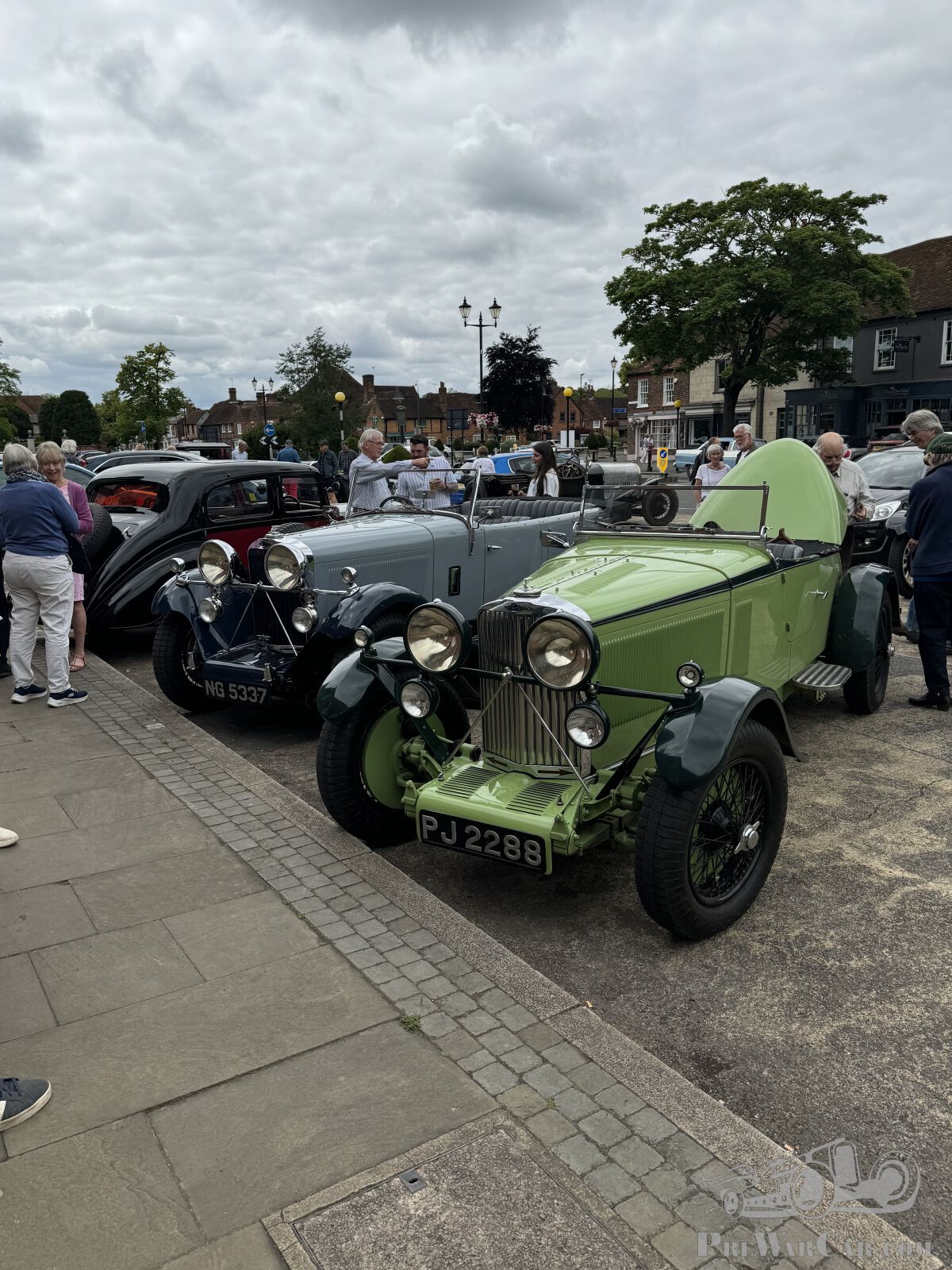
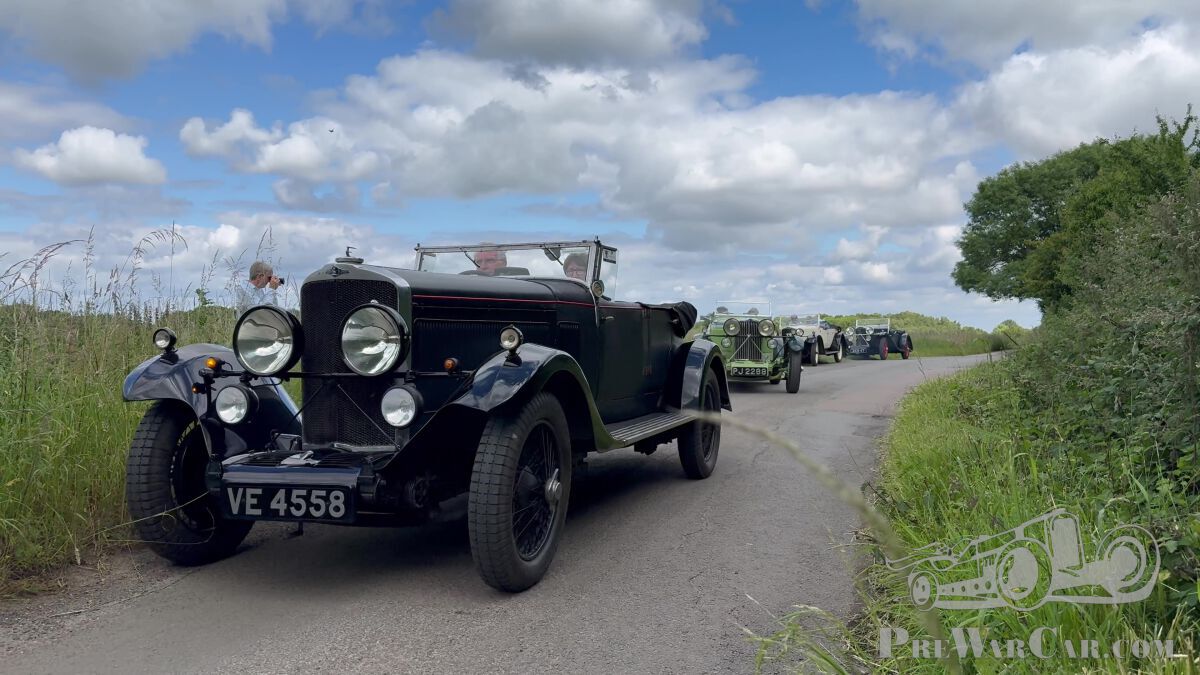
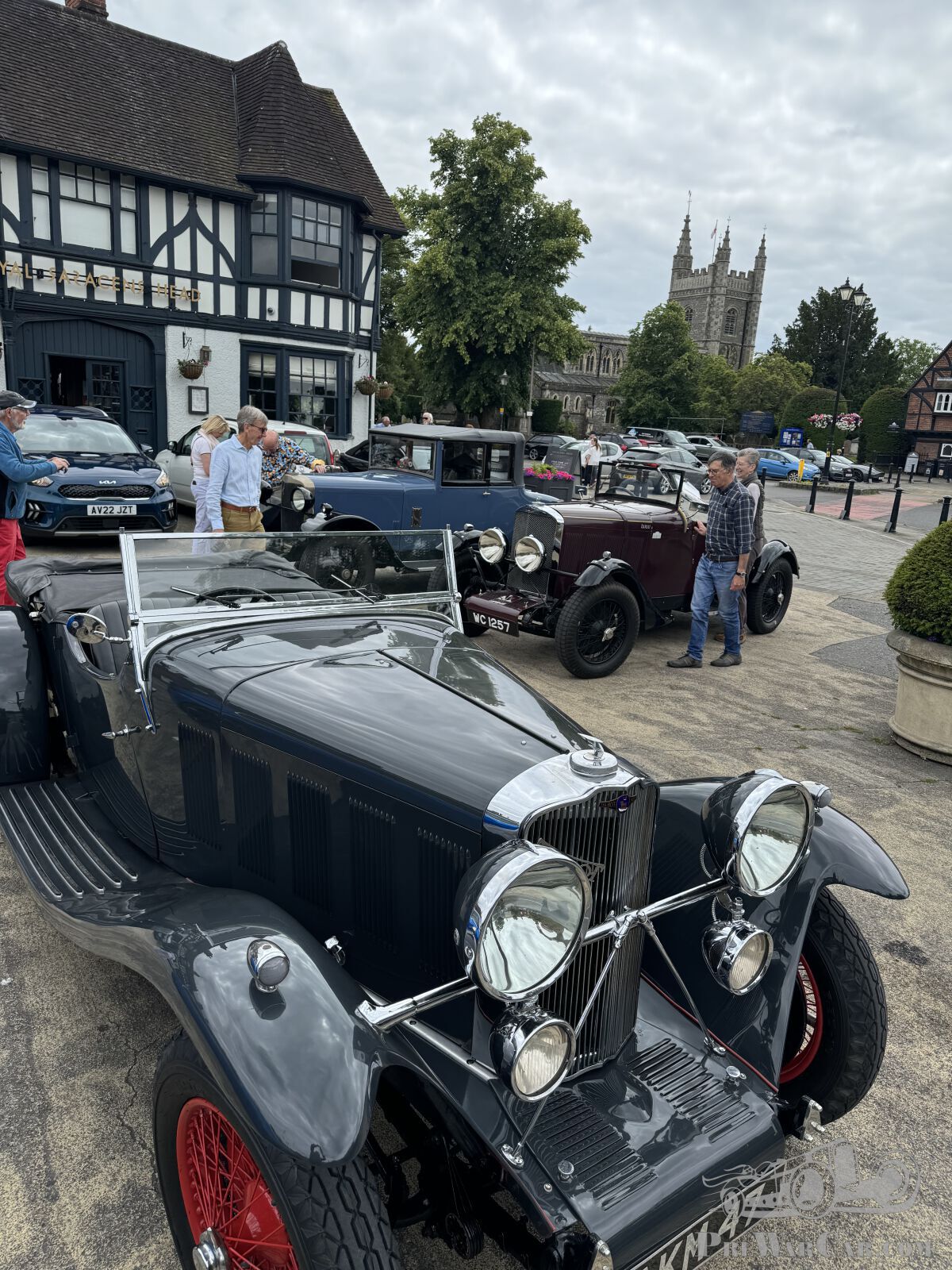
One of the highlights of the year was a re-enactment of the tour from the Royal Saracen's Head in Beaconsfield
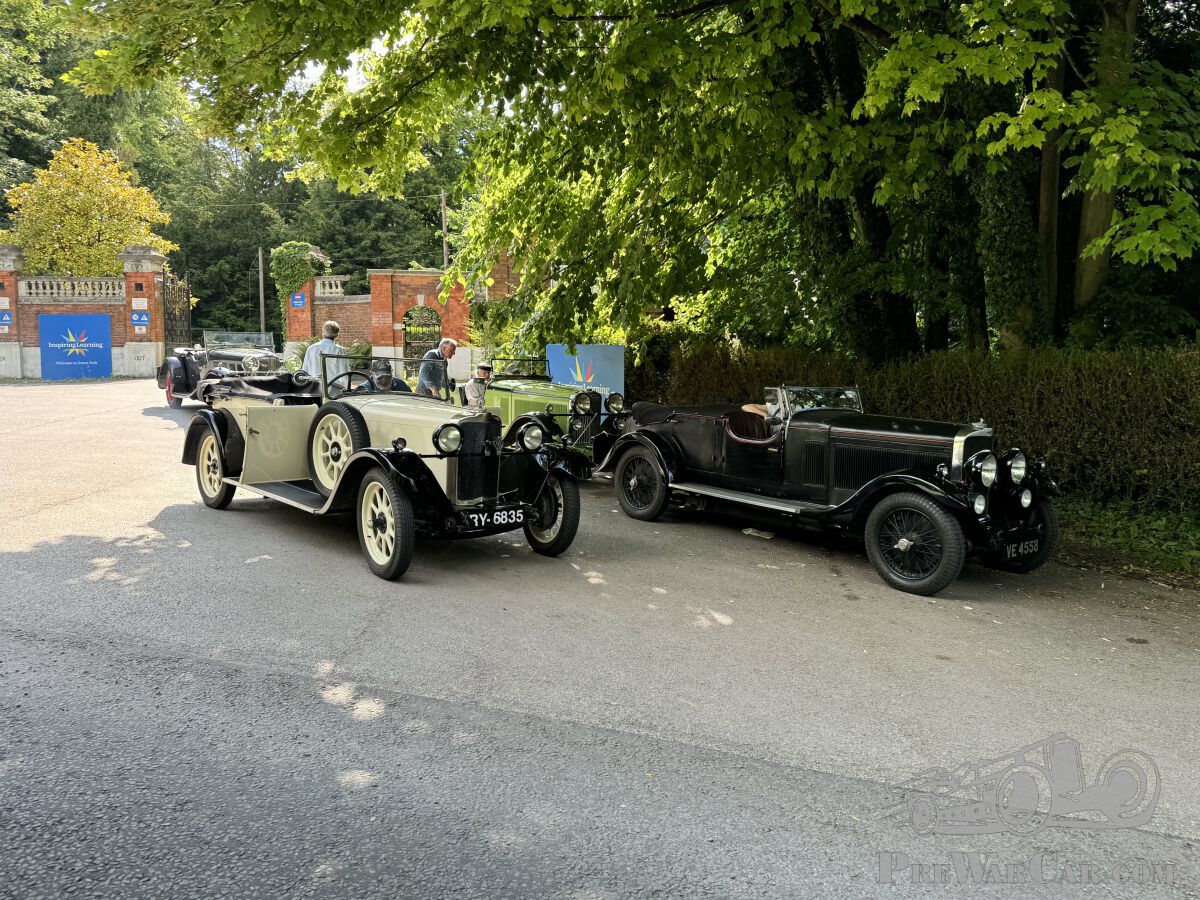
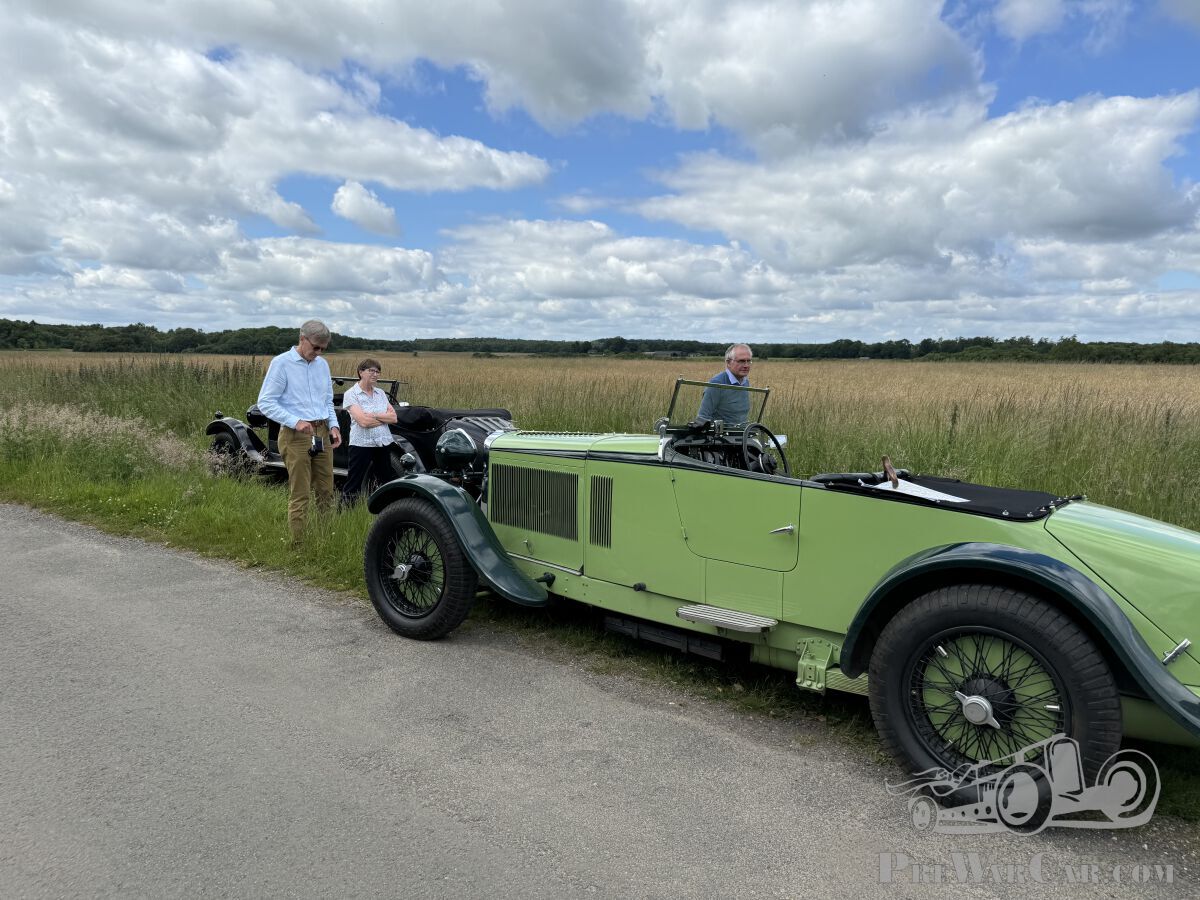
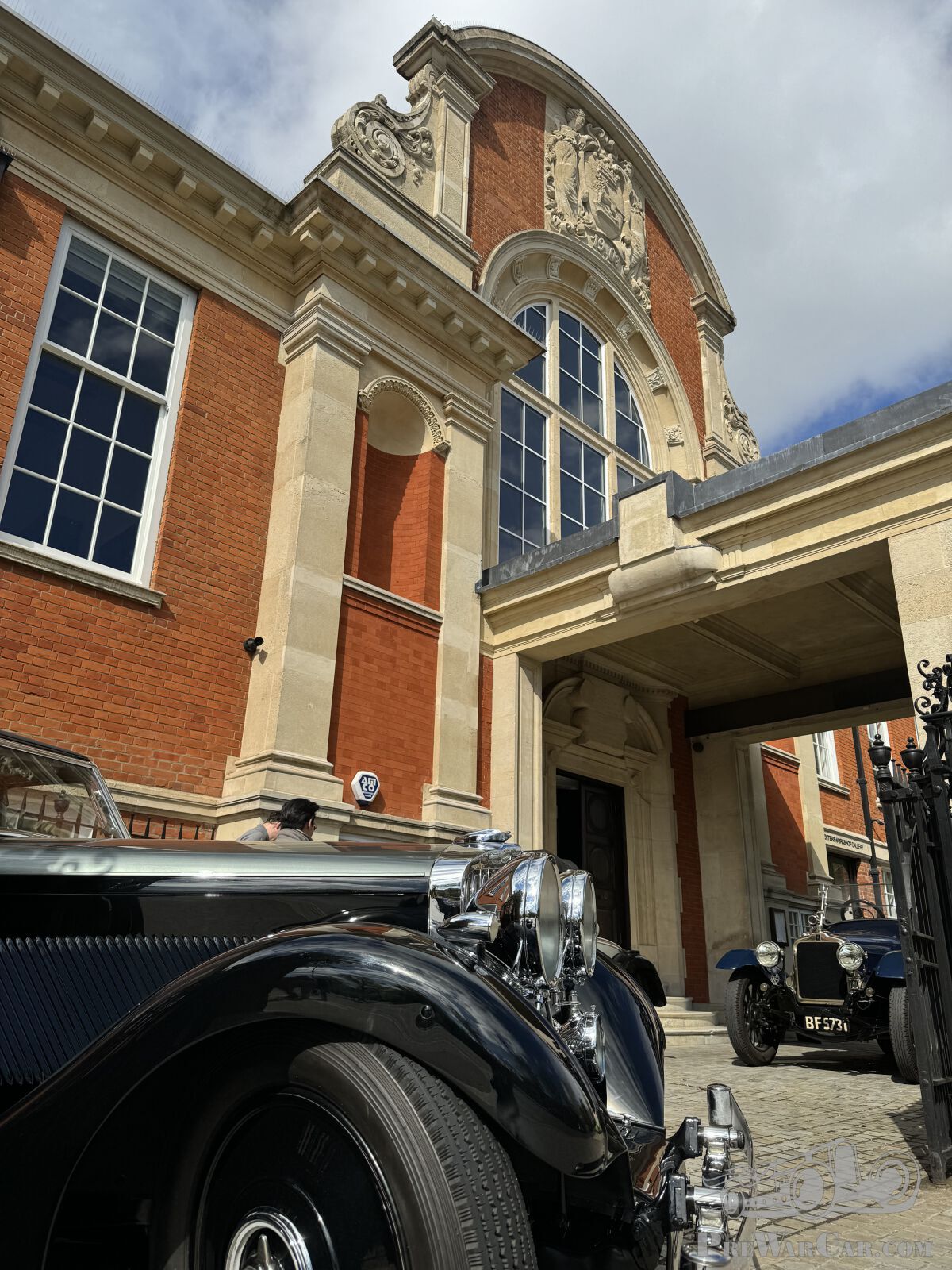
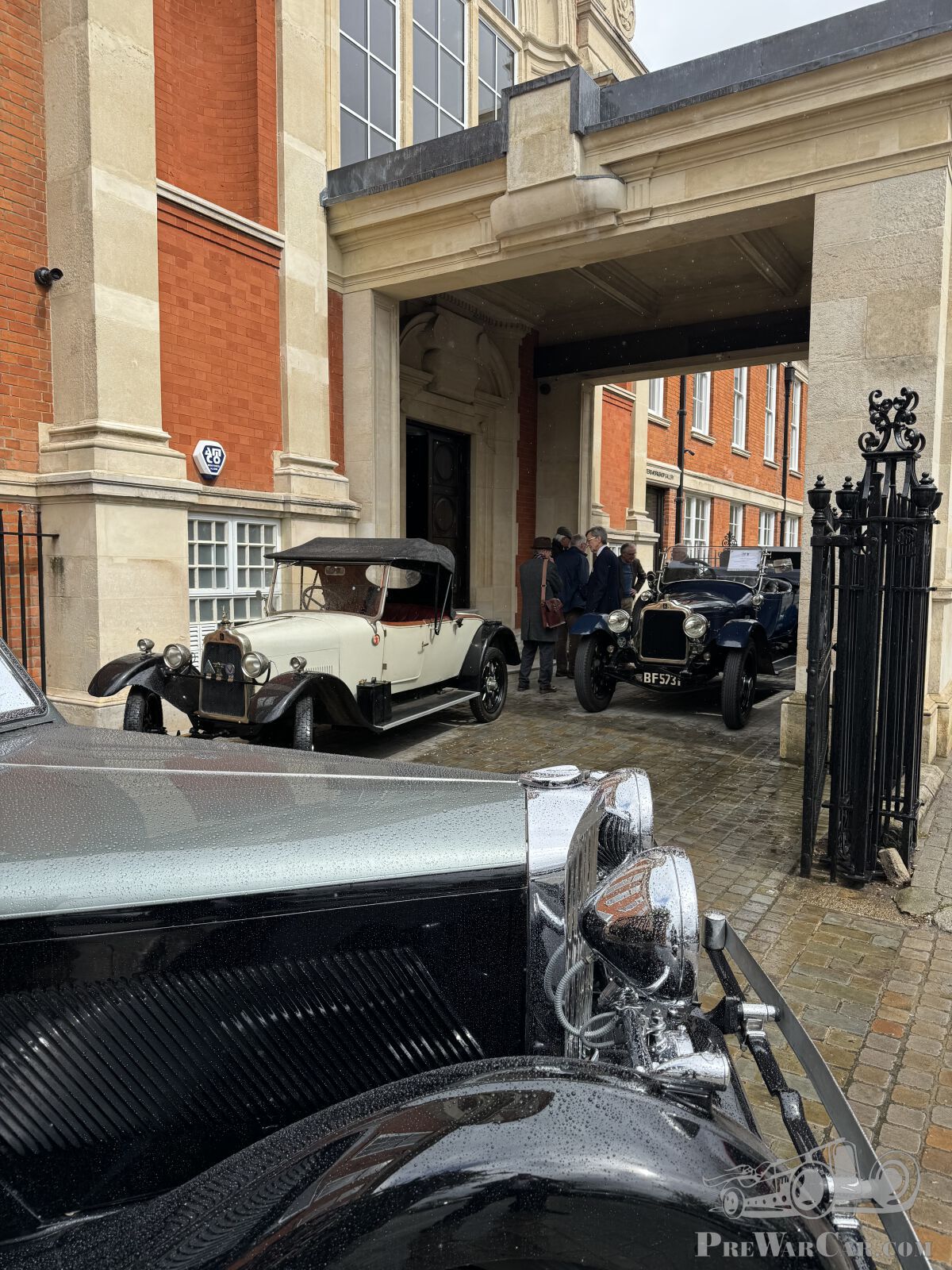
It is a privileged few who get to visit the Barlby Road factory
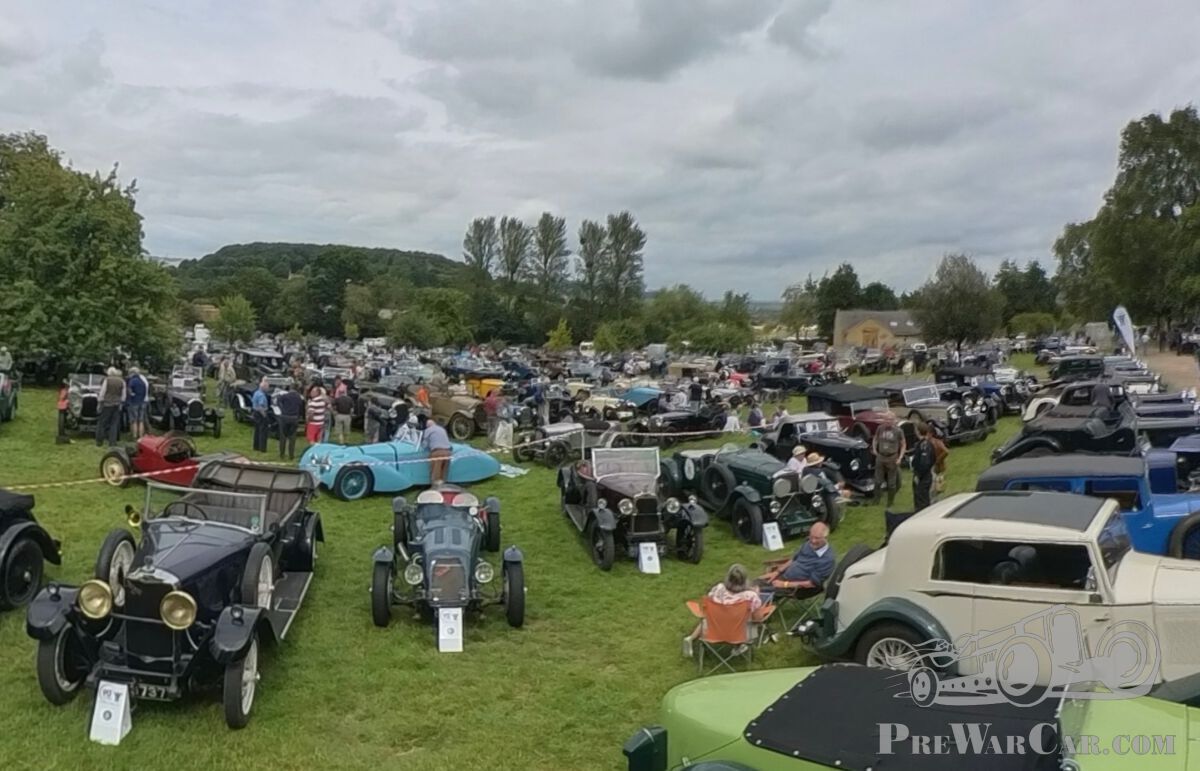
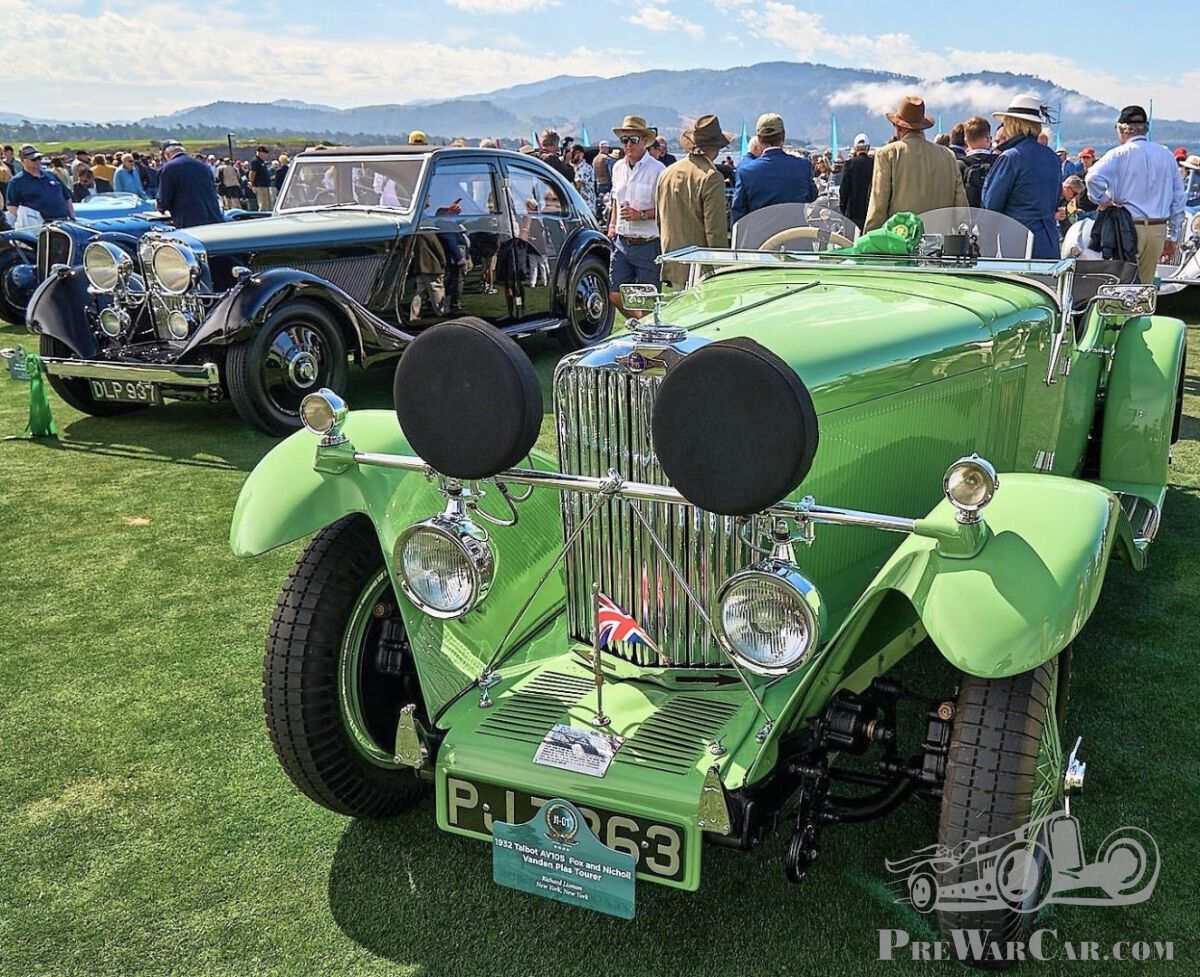
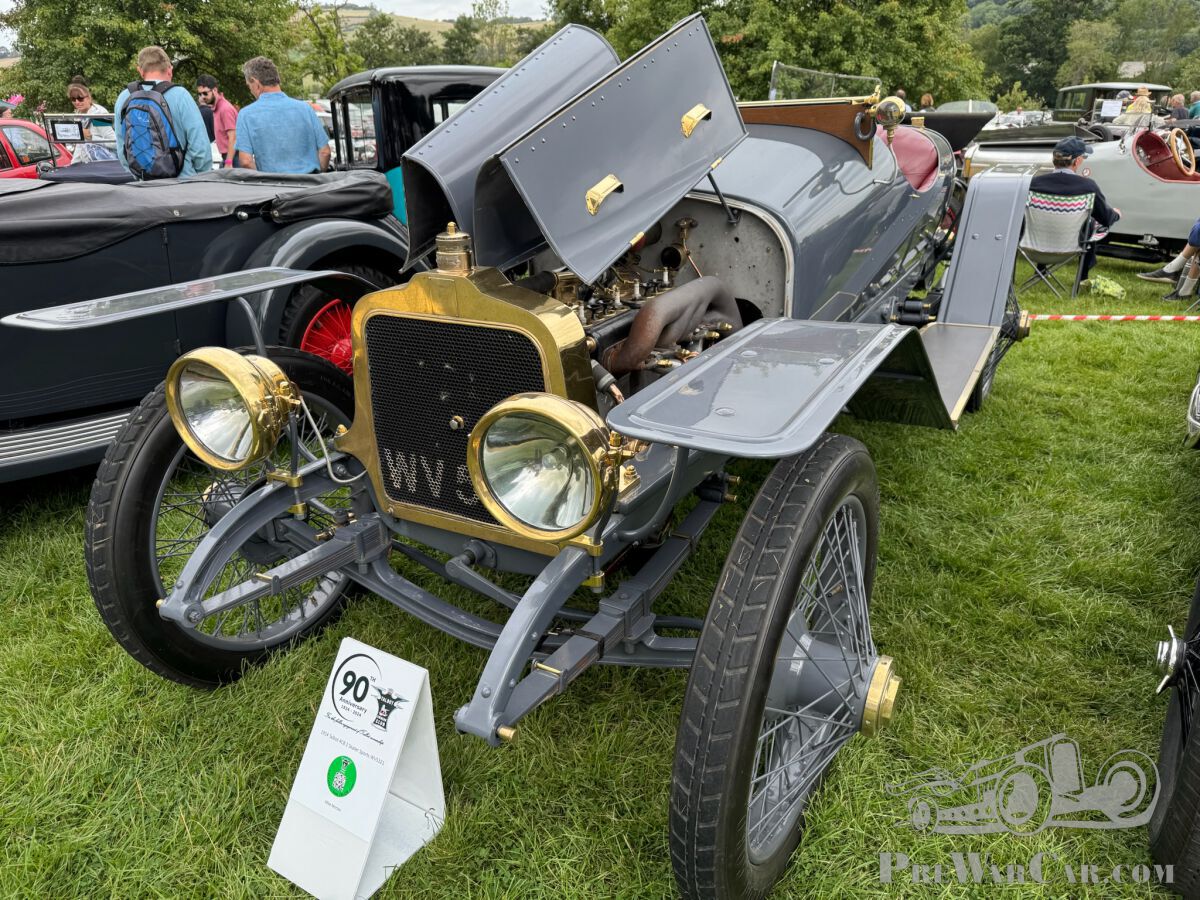
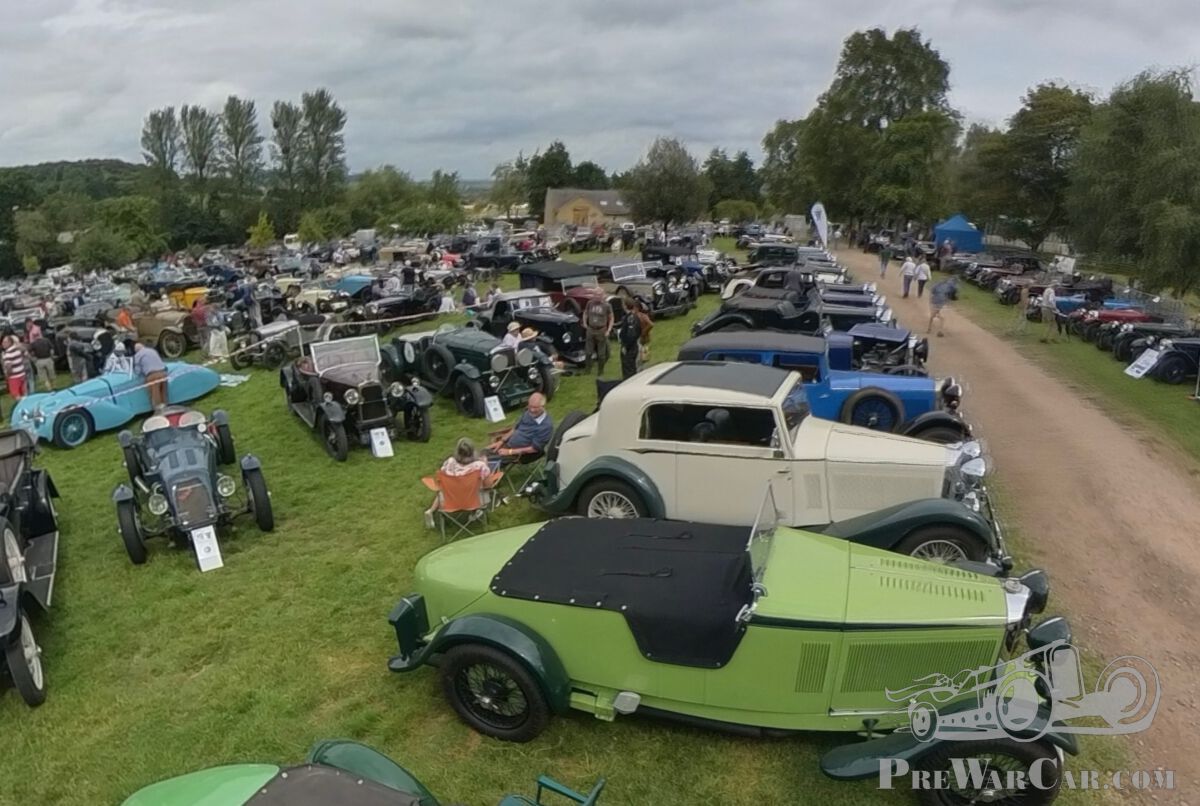
A wide array of Talbots greeted visitors to Prescott
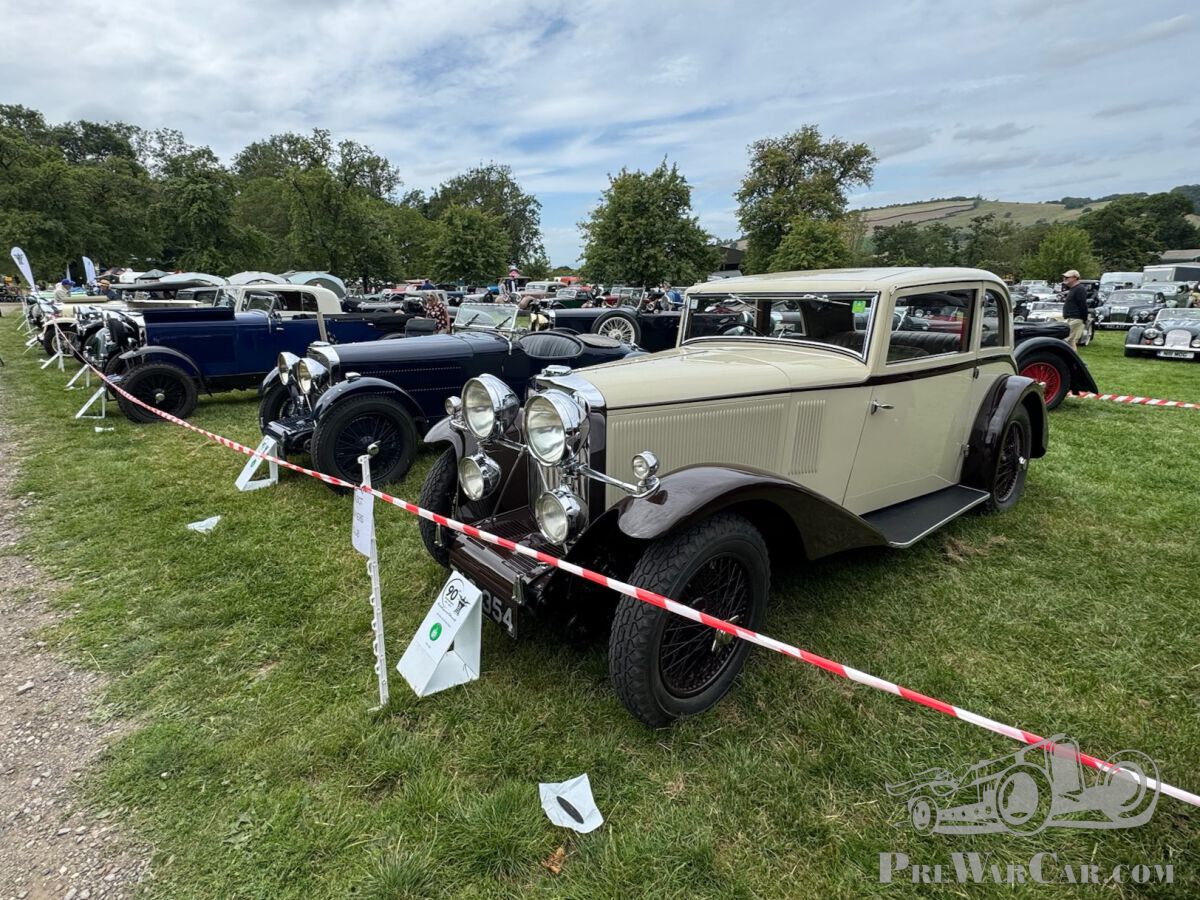
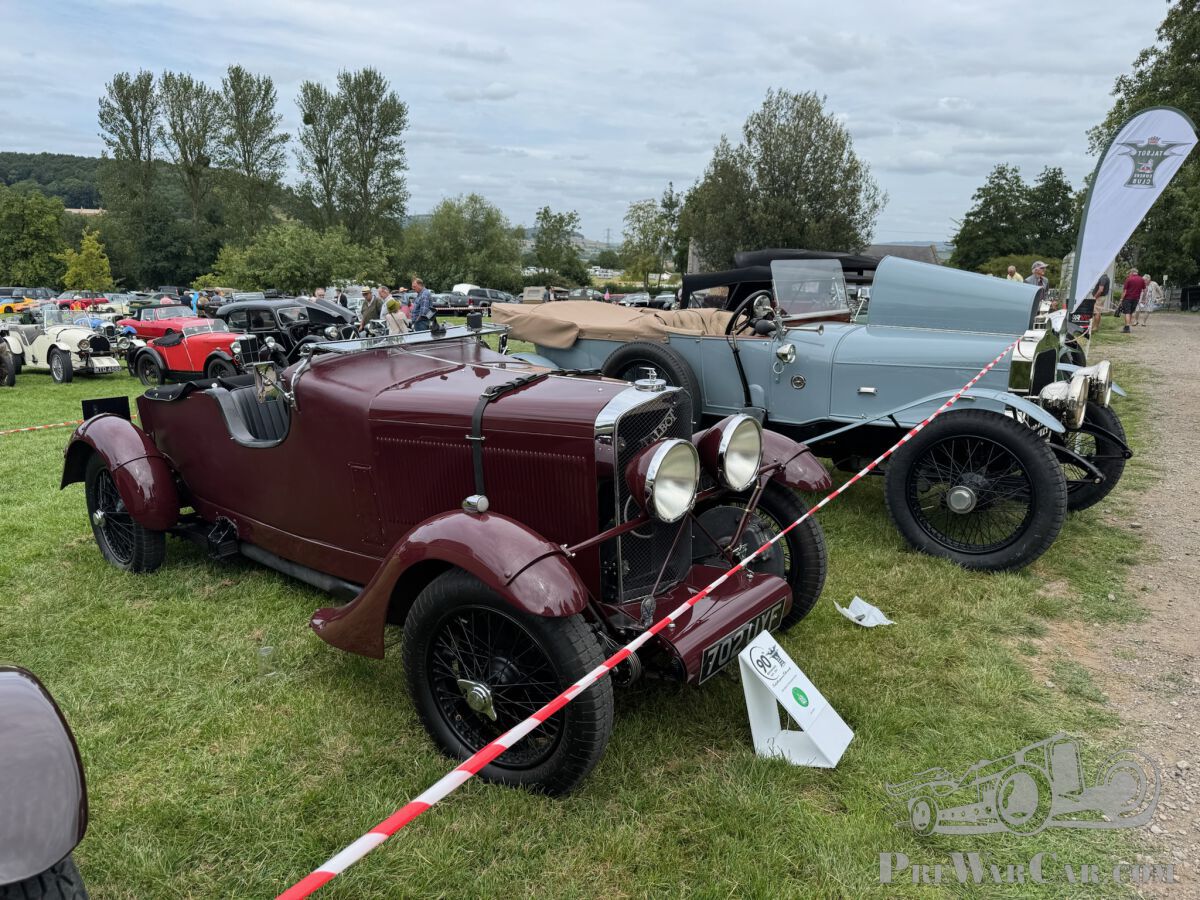
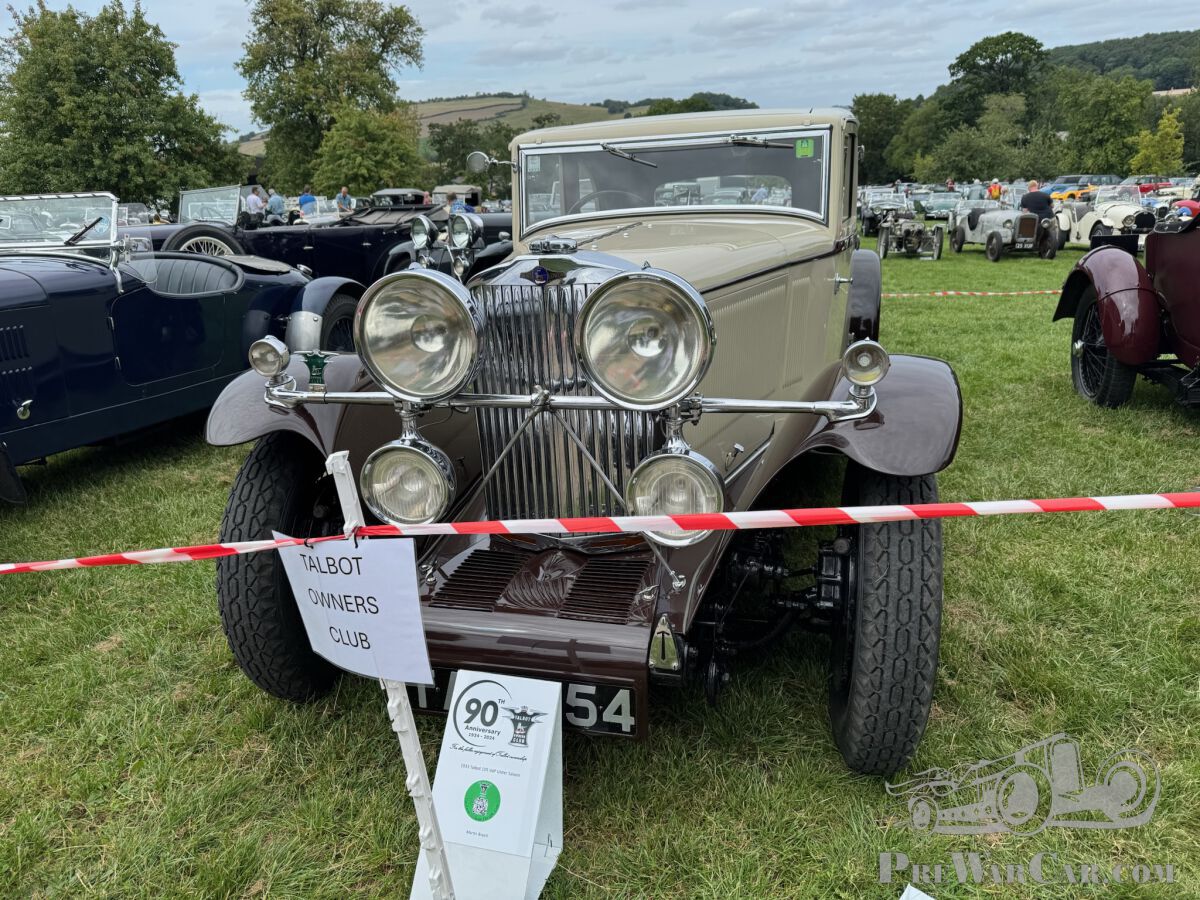
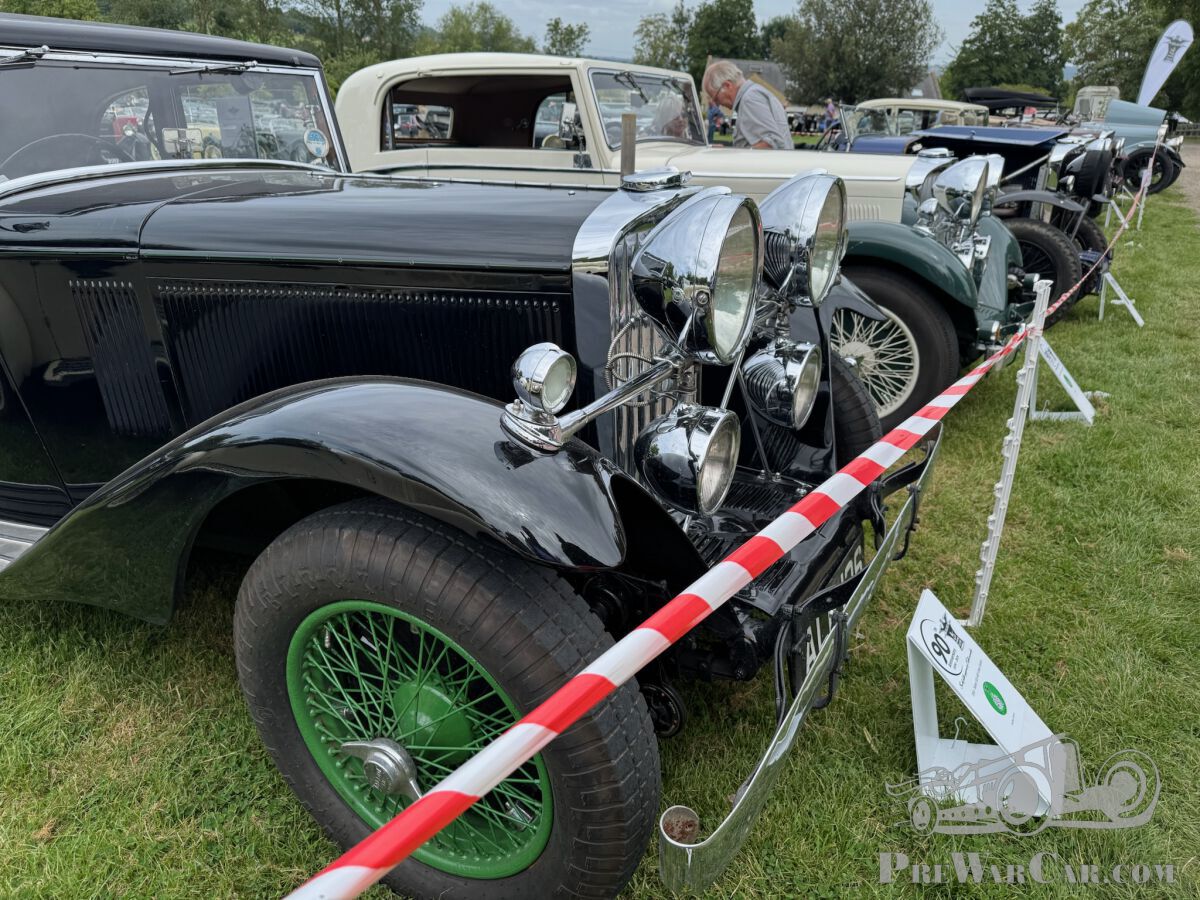

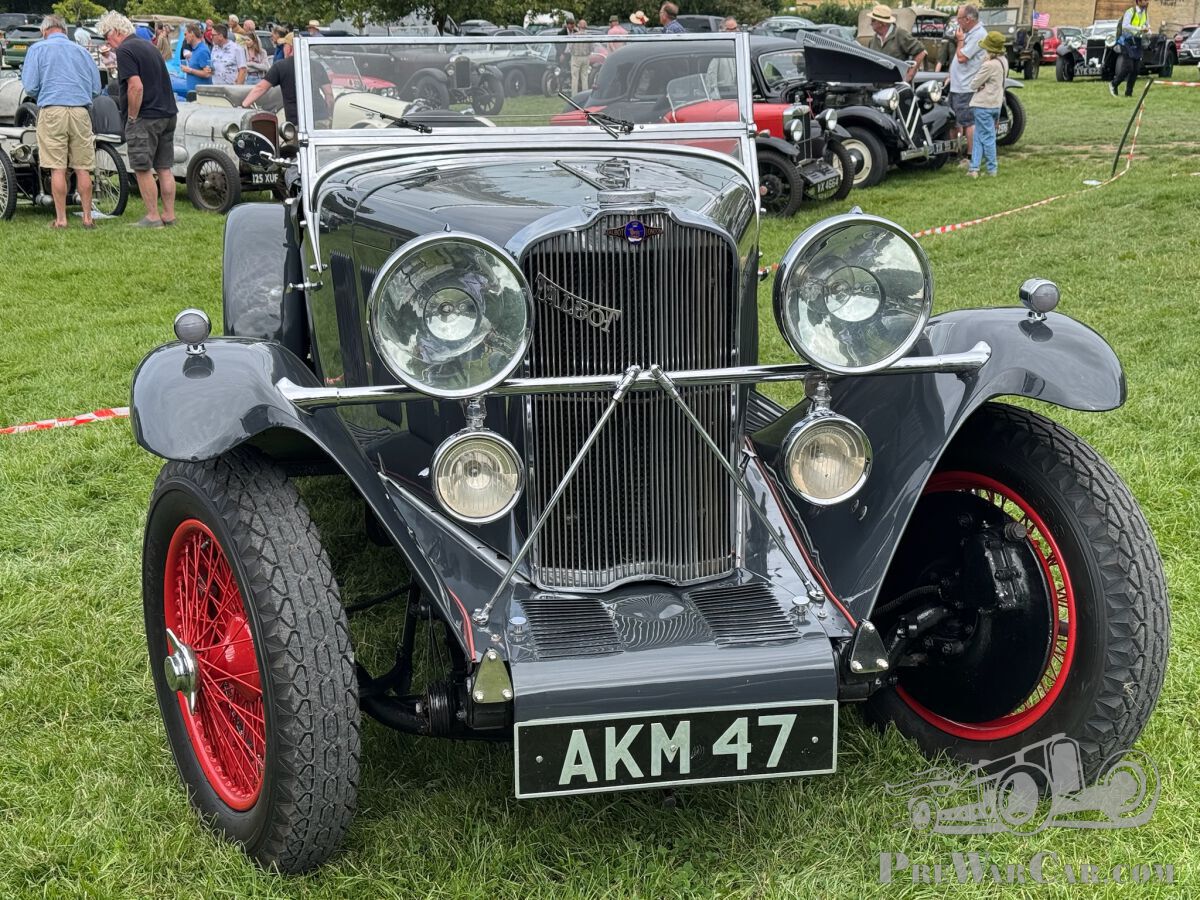


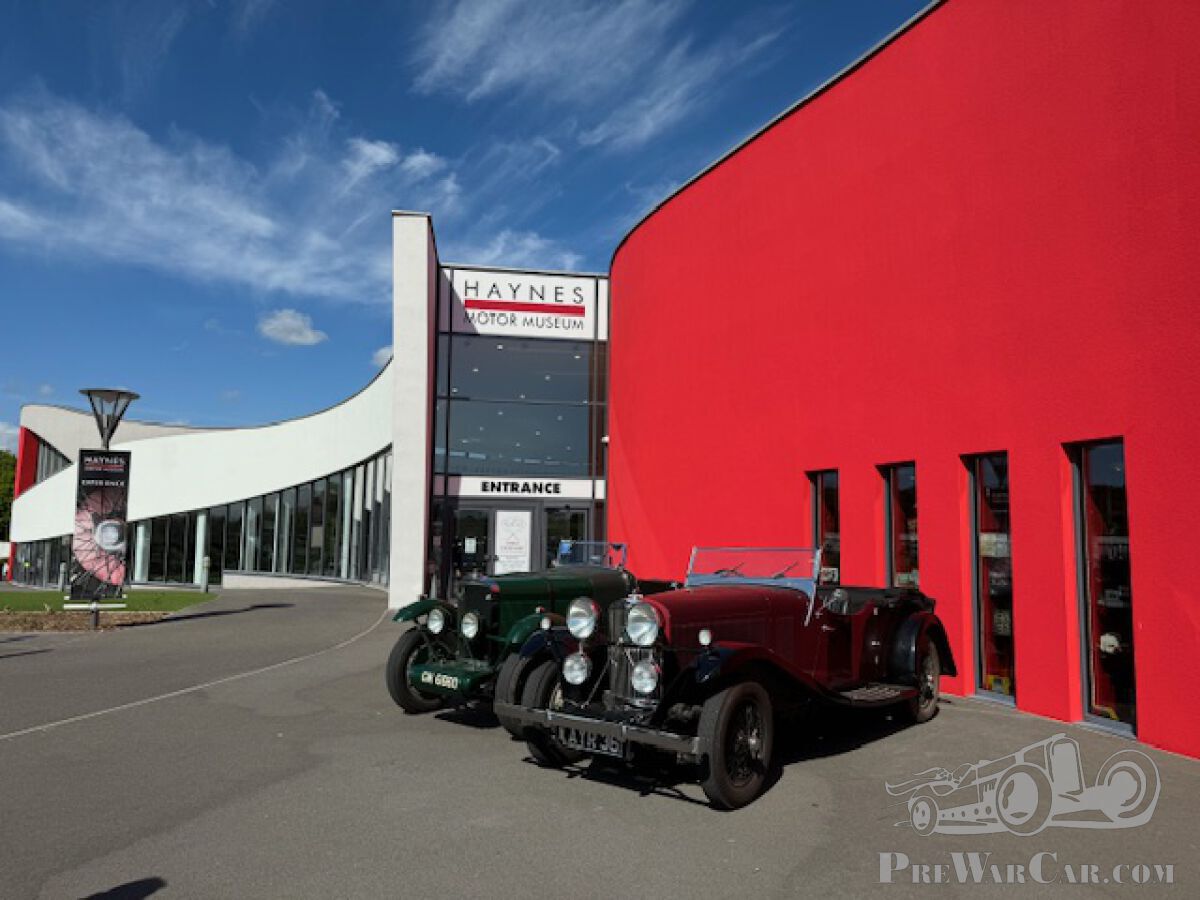
The 2024 A.G.M. took place at the Haynes Motor Museum
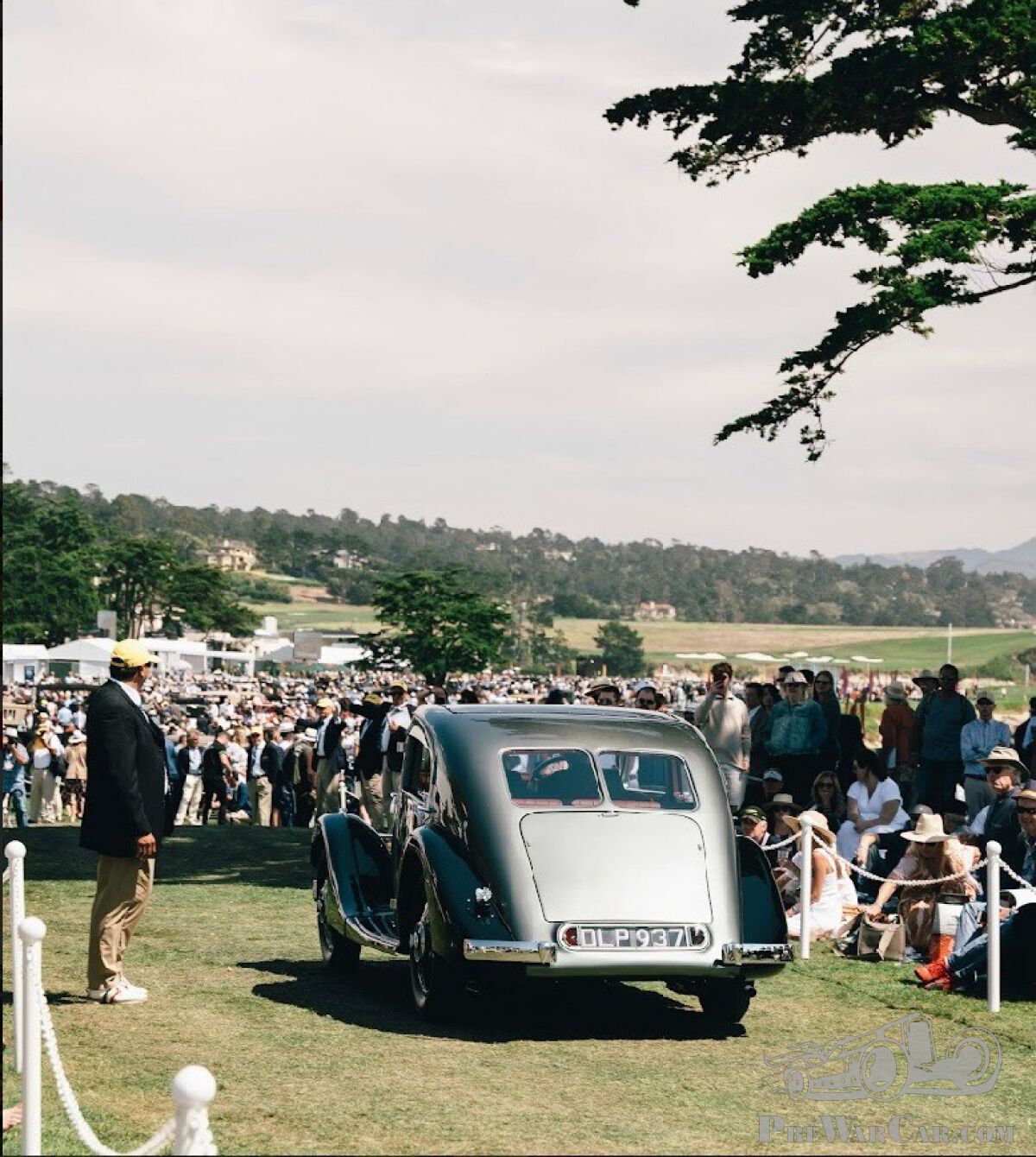
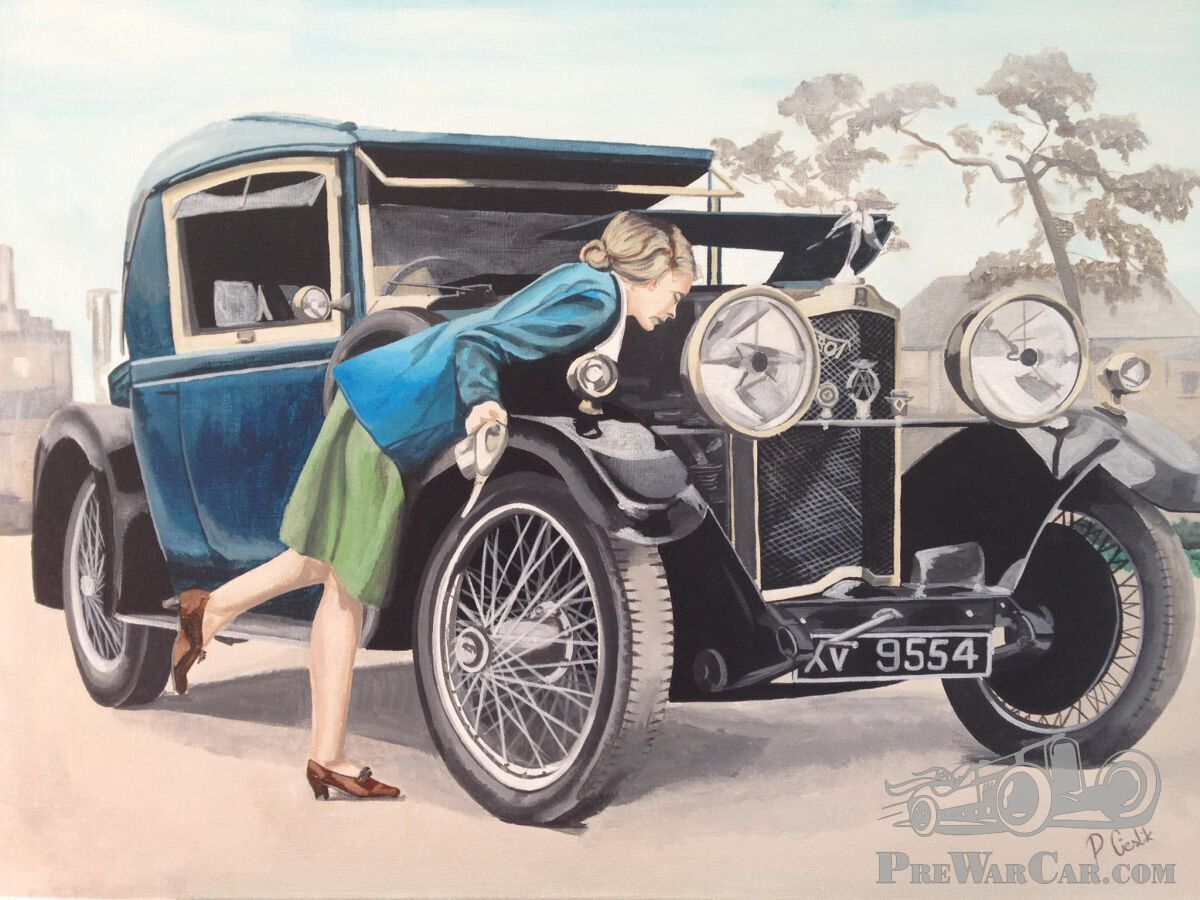


While there's always a flurry of activity whenever a major marque or model celebrates a significant anniversary, club anniversaries tend to pass unnoticed by non-members, but some of those are themselves historic remainders of our pre-war motoring heritage, and they still provide a vital function supporting and promoting ownership of some of our cherished machines. The Talbot Owners' Club is one such organisation, founded in 1934, resurrected in 2003, and still very active.
Considering the high standards to which Talbots were built, especially during the Georges Roesch era from 1925, it was only natural that a group of like-minded enthusiast owners should band together to share their appreciation of the thoroughbred sports and touring cars on the road and on the race track. I was in February, 1934, that the club was inaugurated, with the keen support of Clément-Talbot Ltd. The club was launched with a luncheon meeting at the Talbot factory on Kensington's Barlby Road, which still stands today, an Edwardian gem with its elegantly ornamented redbrick façade. The meeting was chaired by James Pratt, Earl of Brecknock, a director of Darracq, who was therewith elected President.
The ensuring report in Modern Travel, Clément-Talbot's in-house magazine, noted: "The objects of the Club will be to arrange rallies, hill-climbing, speed trials, racing, reliability trials, tours at home and abroad and other sociable gatherings (treasure hunts, etc.). It was agreed that the Club should be organised into zones with London, Glasgow, Manchester, Liverpool, Birmingham, Bristol and Harrogate as the first centres, and that its annual general meeting should be held in London during the period of the Motor Show. The annual subscription was tentatively fixed at £2 2s. 0d. per annum, this subscription to include associate membership of the R.A.C. The matter of the badge was discussed, and Mr. Scott, sales manager of Clement Talbot, undertook to obtain suggested designs for this. It was agreed that a letter should be circulated to Talbot owners giving particulars of the Club and asking their support."
From the Chilterns to the Alps
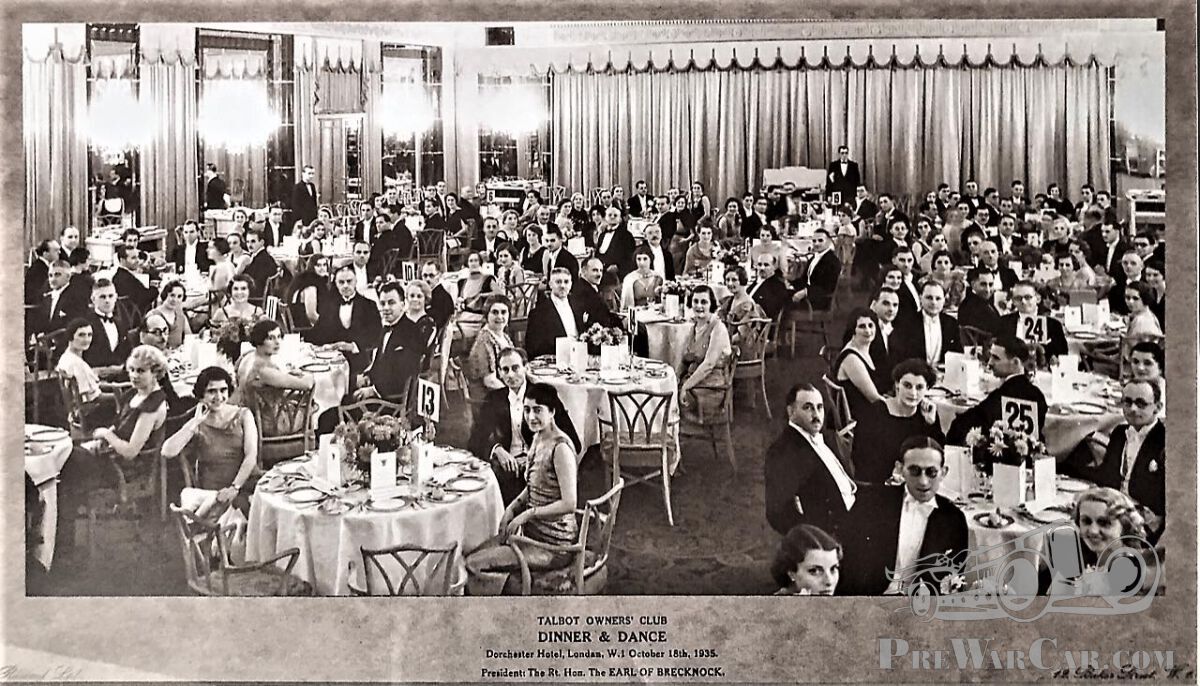
For two happy years, the club did just as intended. Within just a few months, it had grown to almost 80 members, and staged its first event on Sunday, June 24th, 1934, that being a reliability trial and speed test, starting after lunch from the Royal Saracen's Head Hotel in Beaconsfield and proceeding over the course of two and half hours "through beautiful country" to Howards Park Hotel in Aston Clinton for tea. Special tests en route introduced a competitive element, and a section of private road in the hotel grounds was secured for the post-refreshment speed trials. In September, 1935, the club reached quite a glorious height with a 17-day Continental tour of France, Switzerland, Germany and Austria, attended by nearly 50 persons. Traversing grand Alpine passes, the chronicler of the event noted: "The doyen of the participants was Mr. Wm. Palmer, of Bognor, who is aged 84, but nevertheless enjoyed himself thoroughly in the luxurious interior of his "105" limousine." A formal dinner-dance at the Golfe Hôtel in Le Touquet completed the trip, while another was staged at London's Dorchester Hotel in October.
Sadly, it was too good to last; there was upheaval on 1936 when the Sunbeam-Talbot-Darracq group was bought by Rootes Securities and assimilated into its stable with Humber, Hillman, Commer and other automotive concerns. Rootes started mass production of Sunbeam-Talbot cars as slightly upmarket, sportier companions to its other offerings, and the T.O.C. was merged into the Sunbeam-Talbot Owners' Club. Sadly, neither club reformed after the war, but the separate Sunbeam Register started admitting Talbots from late 1952 and would eventually become the Sunbeam-Talbot-Darracq Register, providing a home for the cars from Kensington.
Can you have too much of a good thing? Probably not, if that thing is a Talbot. With that in mind, a group of enthusiasts gathered in 2003 to revive the Talbot Owners' Club from its 60 years of dormancy, and so re-establish an even more specialised group with which to put into effect one of the original founding principles of the club, that it be run "For the fuller enjoyment of Talbot ownership." Twenty-one years later, the T.O.C. is still going strong, while conforming very much to its original ethos, and has just enjoyed a packed summer of events to commemorate its 90th anniversary, including a re-enactment of the inaugural Saracen's Head tour, a visit to the preserved Barlby Road factory, a visit to the Cycle Museum at Walton Hall, near Warrington, and large exhibition of Talbots dating back to 1909 at the V.S.C.C. Prescott weekend in August. Doubtless, the members are very much looking forward to the many activities still to be enjoyed before the centenary.
Words: Zack Stiling
Photographs: Talbot Owners' Club
Published:
Tuesday October 15th, 2024
Facebook
LinkedIn
Twitter
WhatsApp
Email
Copy
Comments
Nigel Thomas
01 December 2024, 00:25
I remember my dad having an AV105 James Young drophead, BPA 220. Anyone got it still? It was a marvellous motor.
Read more


John Jarrett
15 October 2024, 19:14
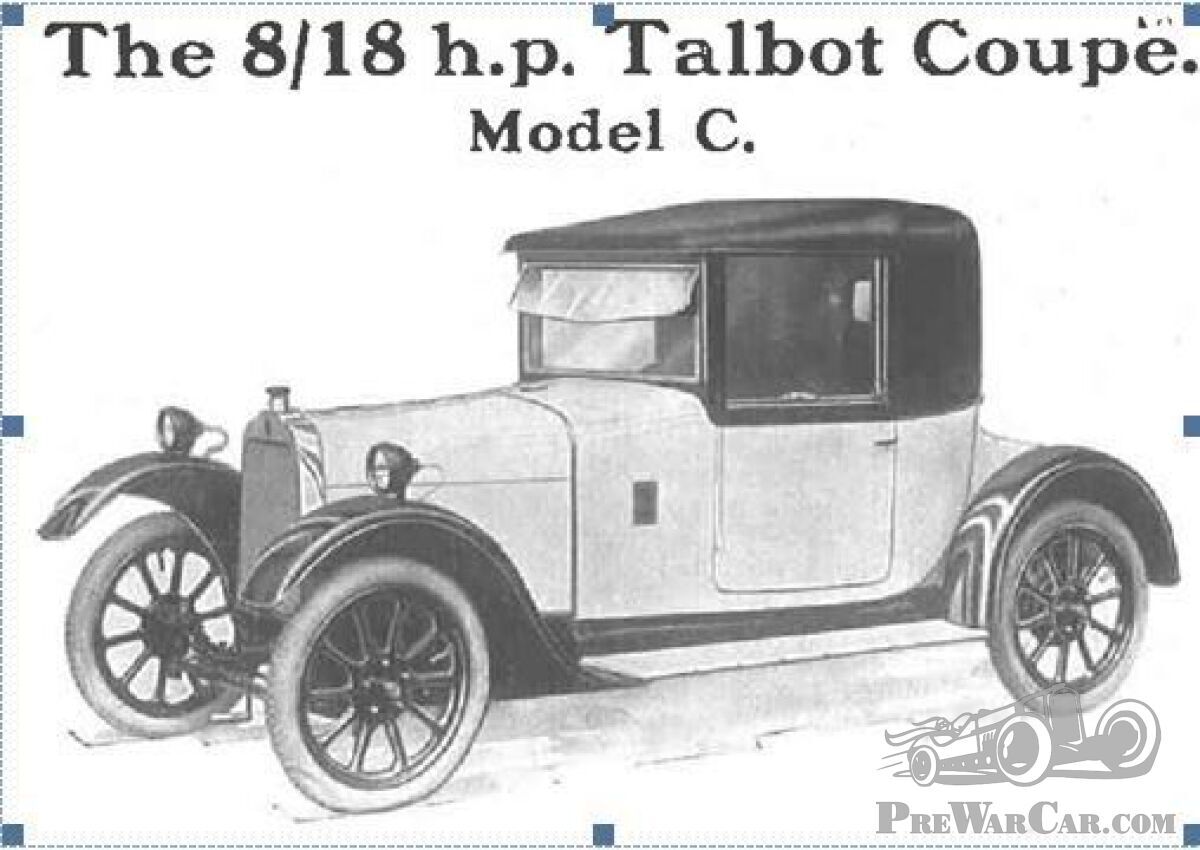
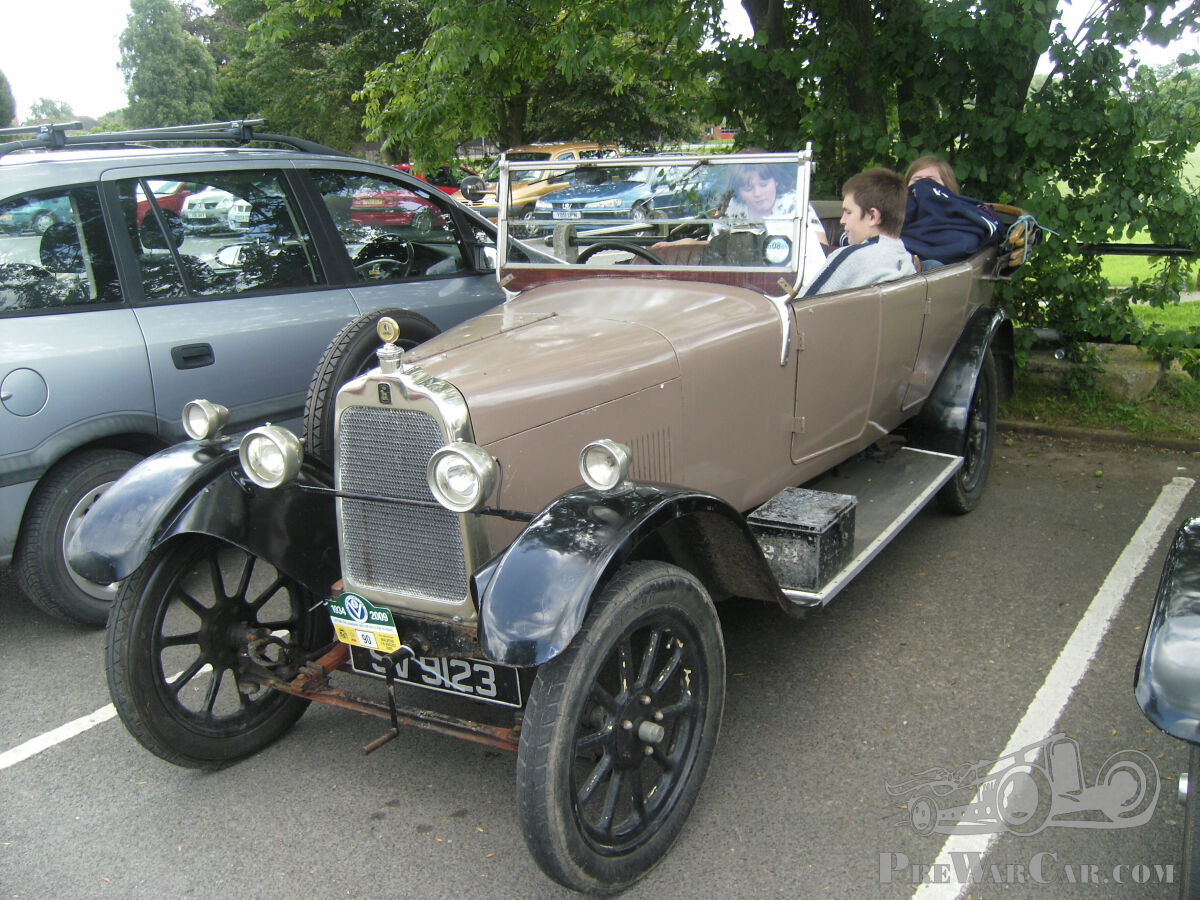
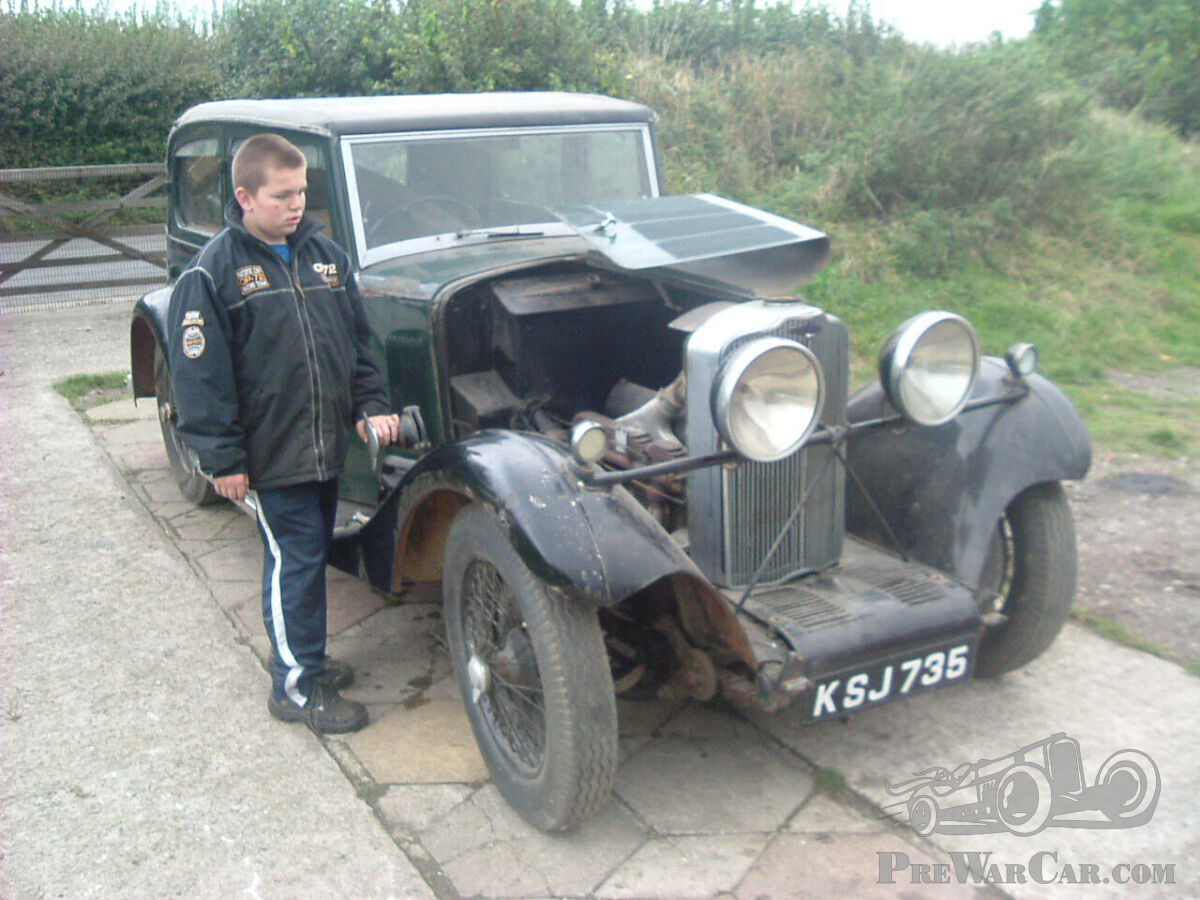
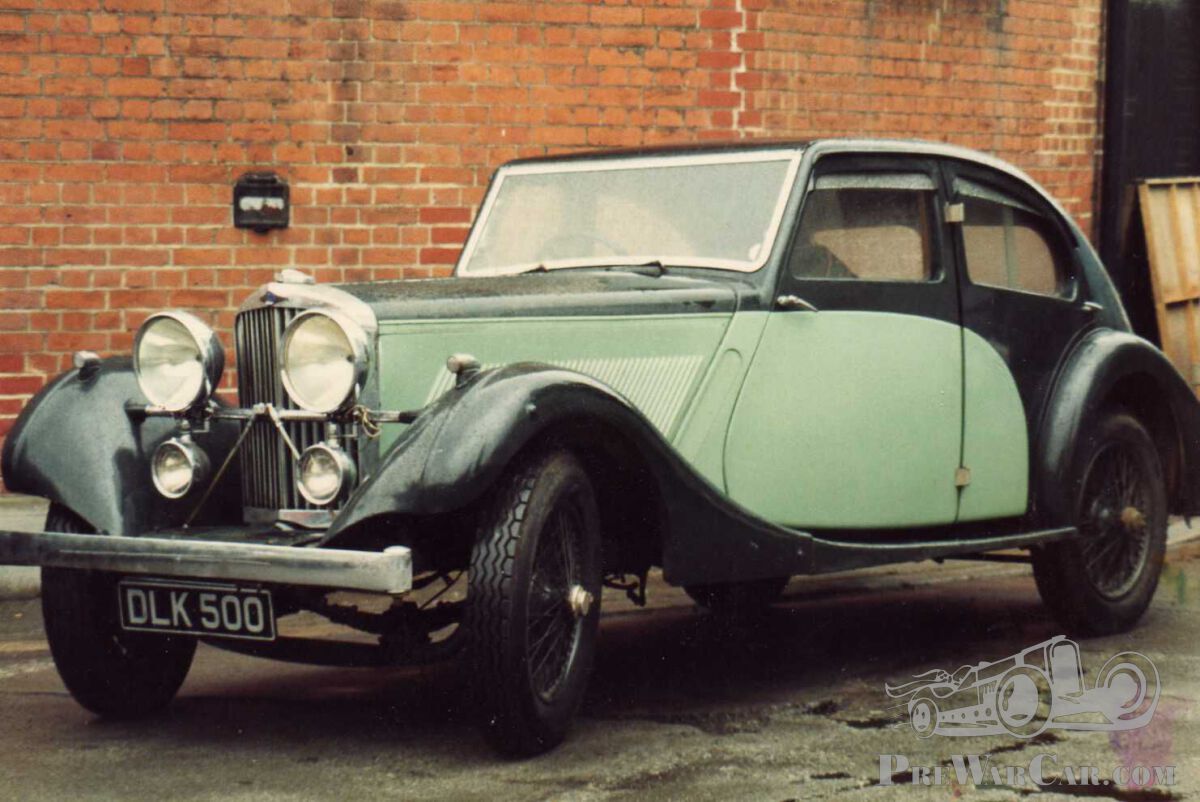
I'm sure Georges Roesch had a hand in redesigning the Coatalen Talbot 8/18, a much simpler car after the twin-cam straights were considered too complicated for mass production, when all the First World War's repatriated Sunbeam and Talbot cars had been used up. It was the reason Talbot, Darracq and Sunbeam got together, to get the U.S.A. to sell all the residual motor stock left over in Europe to STD, Sunbeam being the more upmarket and Darracq the lesser know of the three. Roesch installed a differential and increased the bore to 61mm for more power and the 10/23 was born; also a six-cylinder was produced of similar dimensions. But as these were quite expensive, Roesch used existing tooling, refined crankshaft design and lighter valve operation; he secretly built a new car to compete with the more expensive Rolls Royce. Management were about to close the works, but Roesch convinced the chairman to have go at the Olympia Show in 1926. It was a success, with loads of orders and the Talbot 14/45 was born, the progenitor of the 70, 75, 90, 95, 105 and 110 (3½-litre) line. Shown are my 10/23, 65 and 105 Airline.
Read more