The global magazine and marketplace for classic car enthusiasts, by enthusiasts.


Filter
Make a choice:
- Cars
-
Make >>
-
Year >>
-
- Bikes
-
Location >>
- Parts & more
-
Make of car >>
-
Manufacturer >>
-
Category >>
- Bicycles & more
-
Year >>
-
Countries


On the road in a Talbot 105: underrated yet invincible
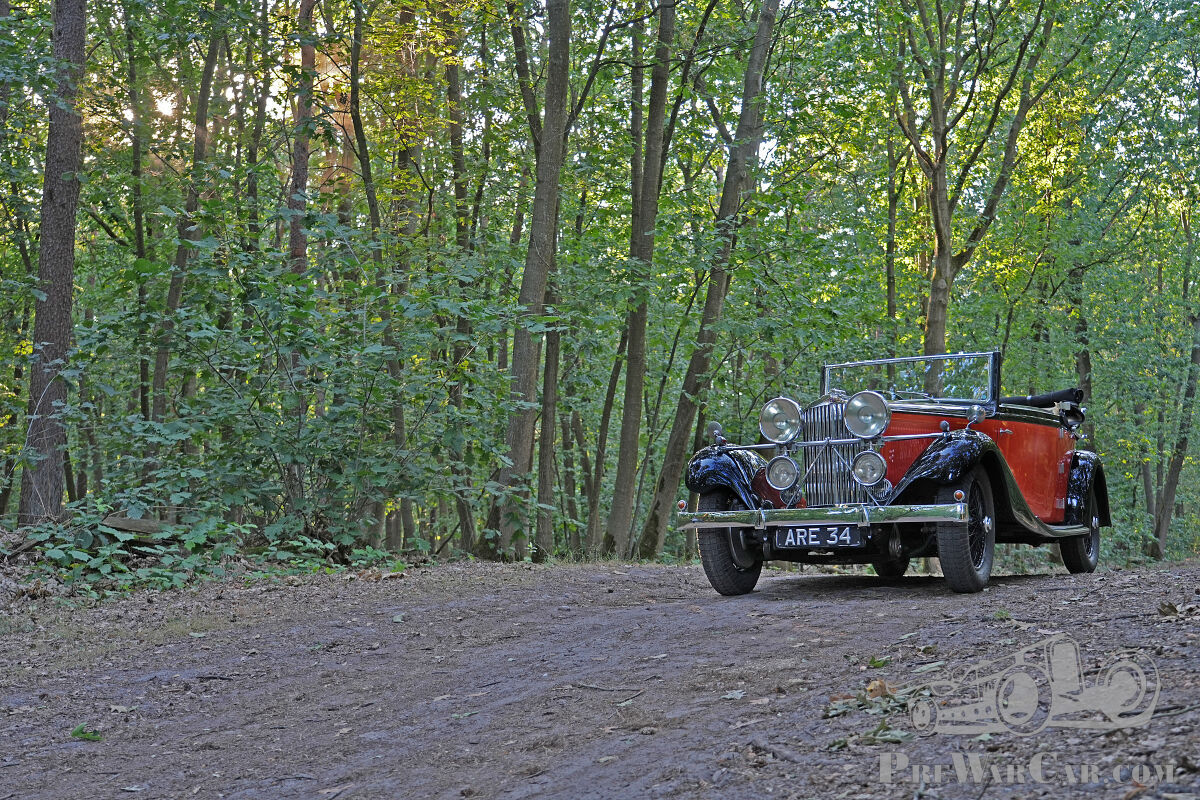
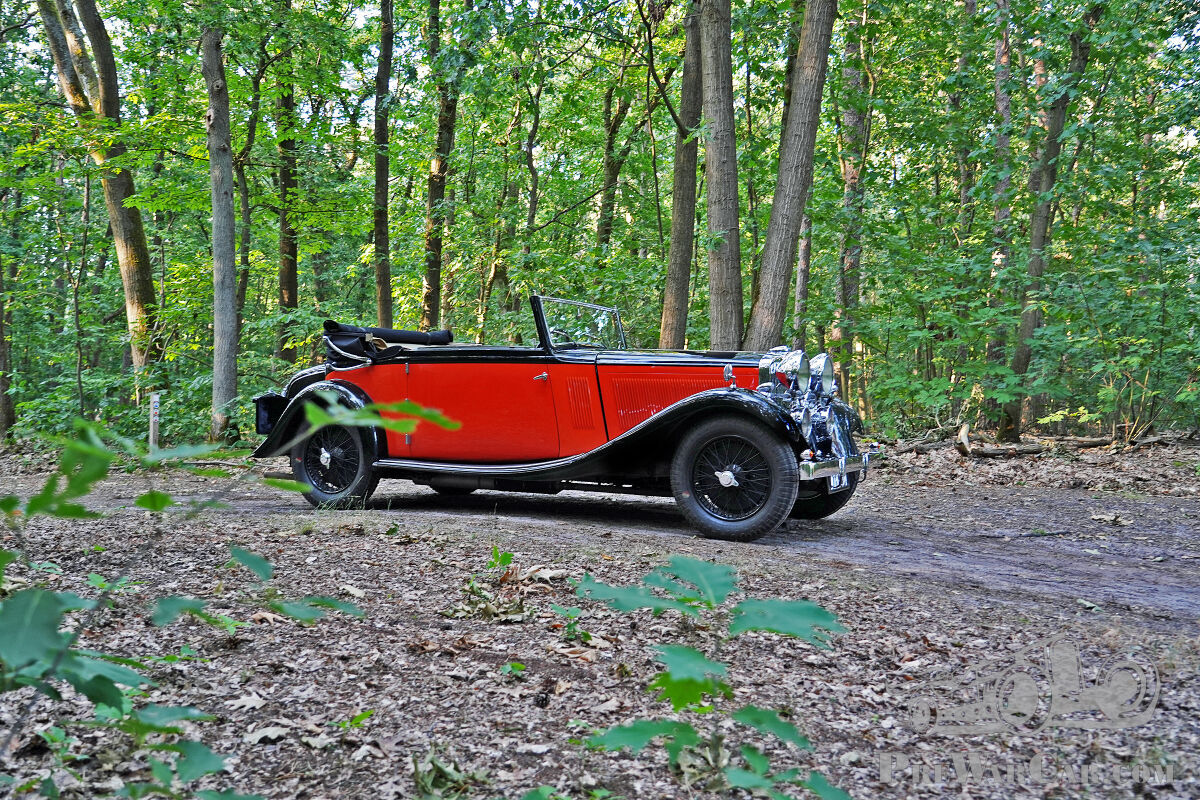
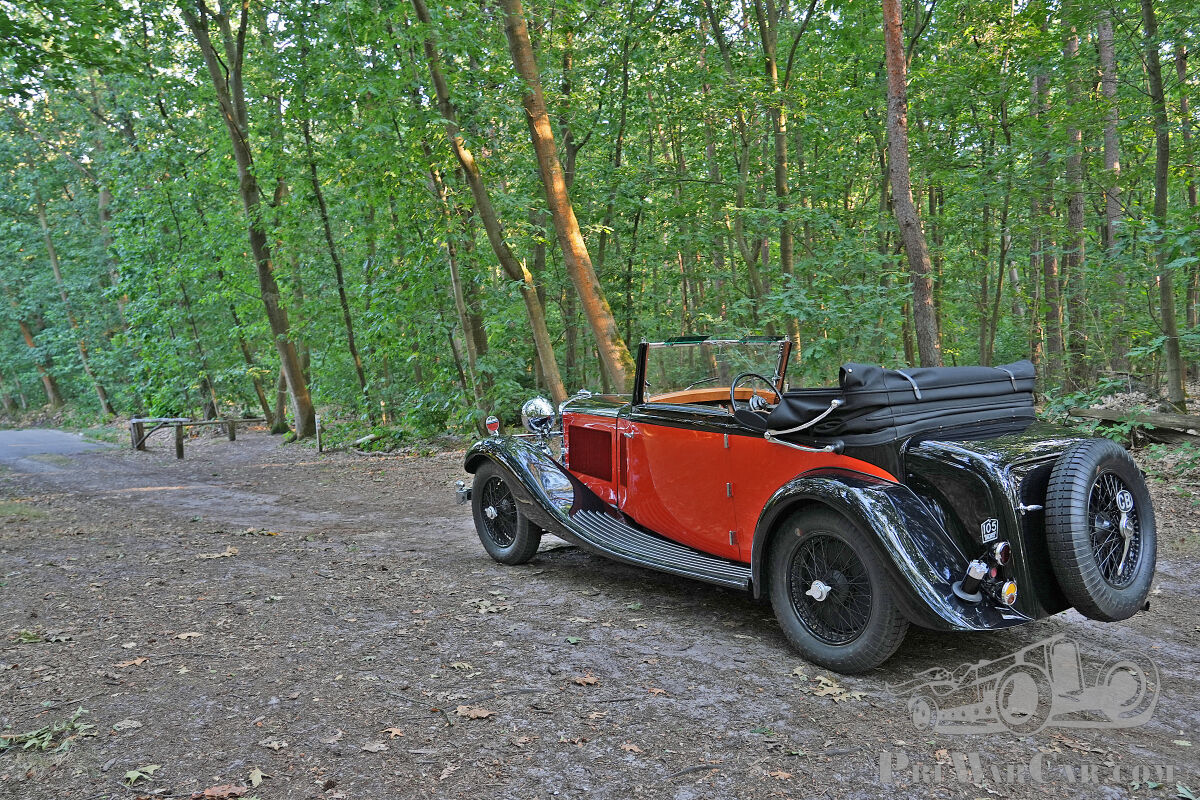
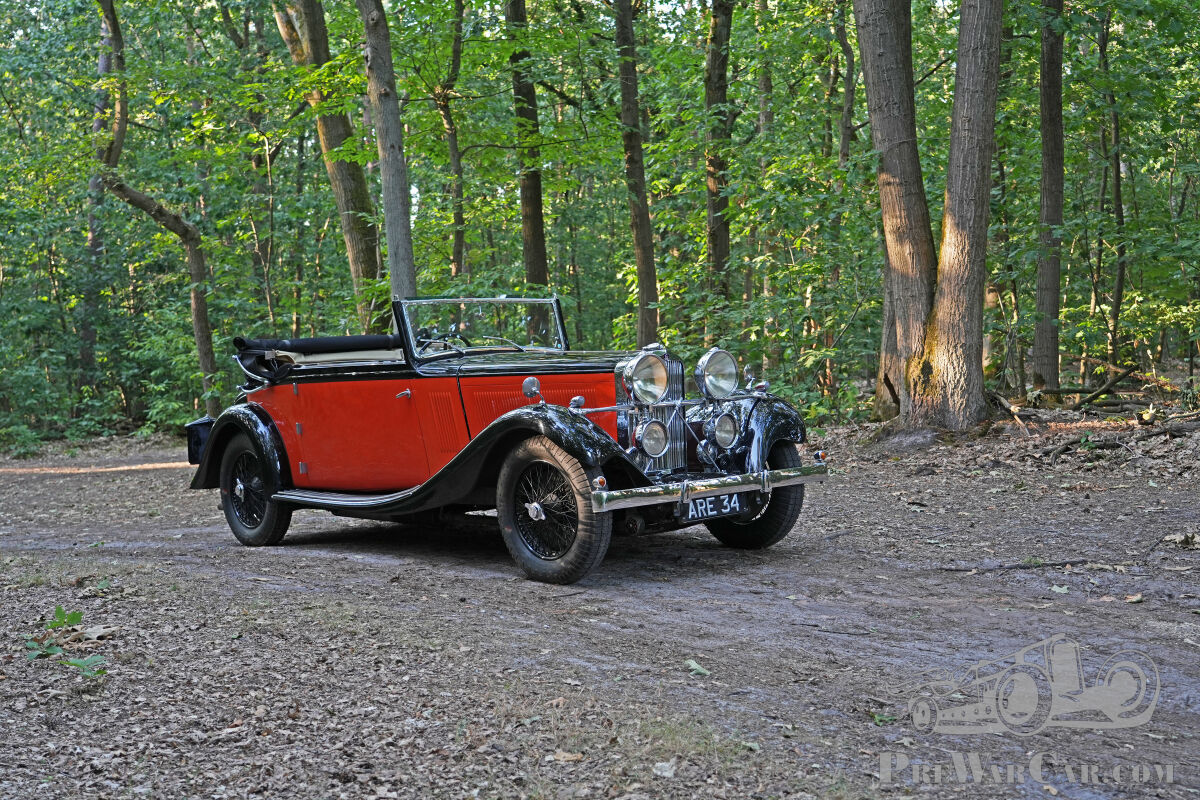
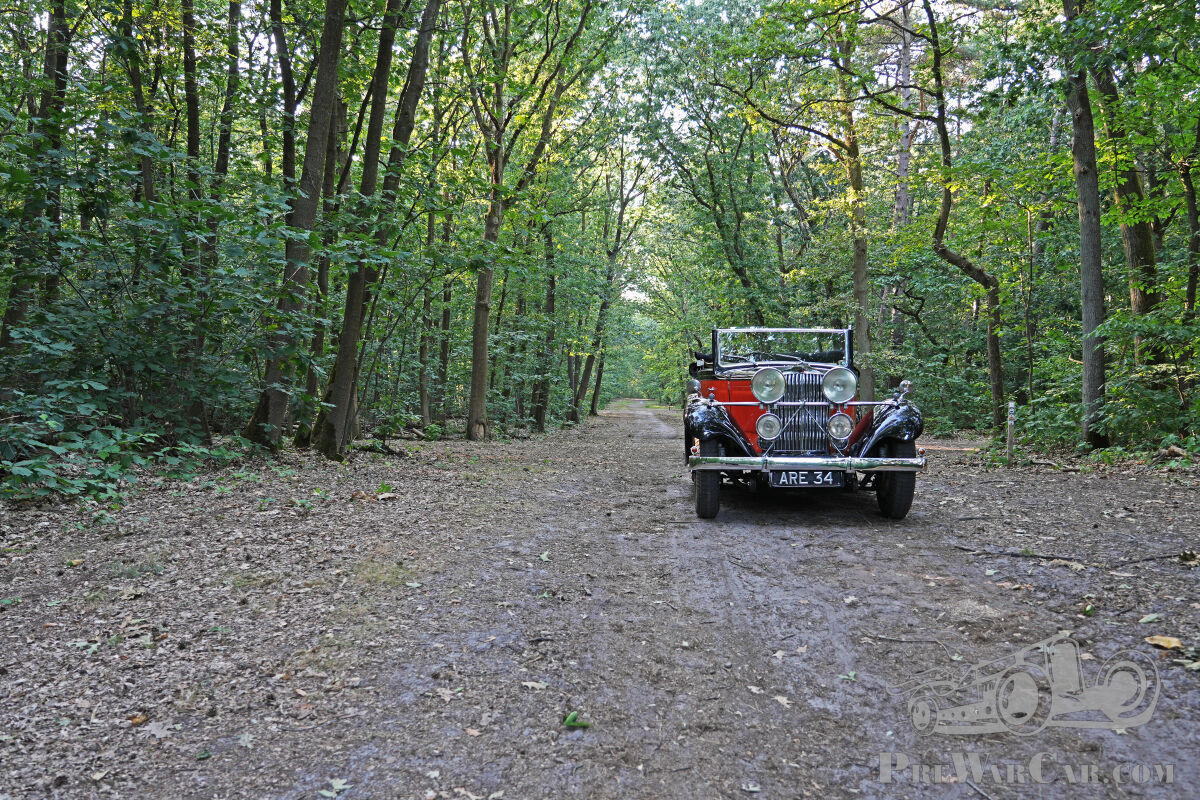
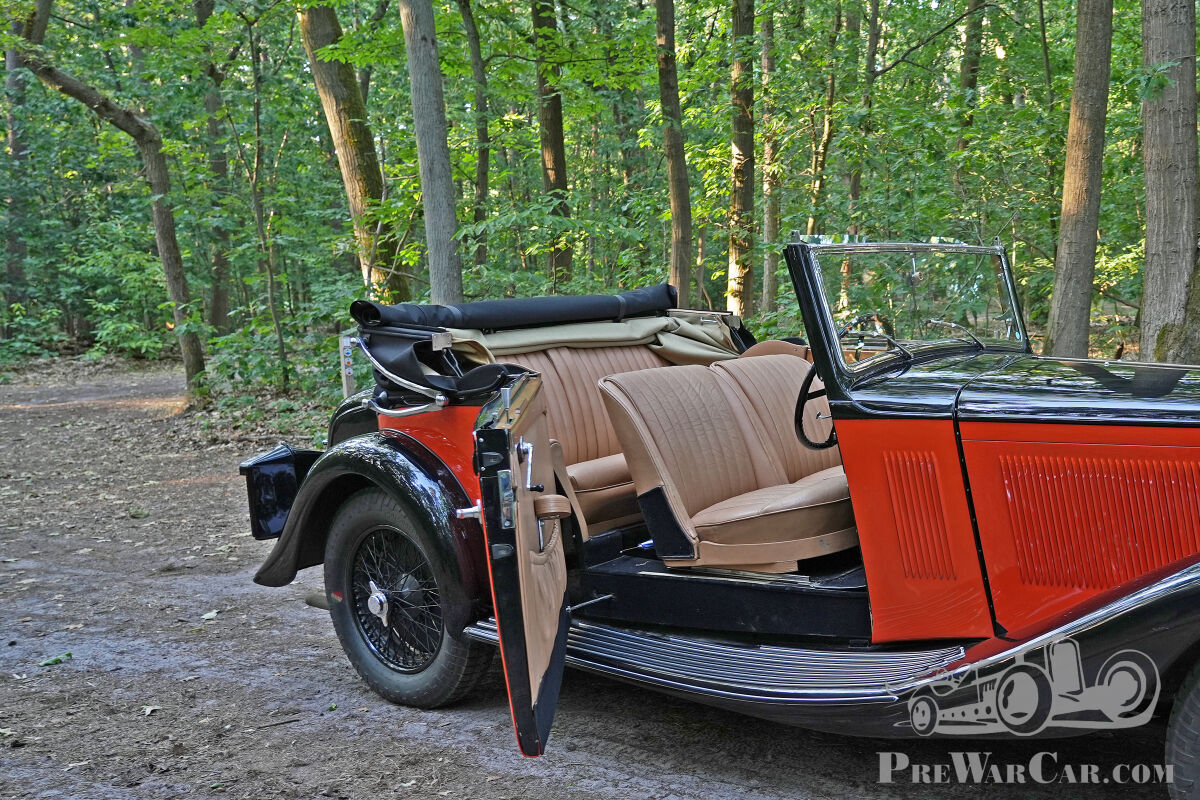
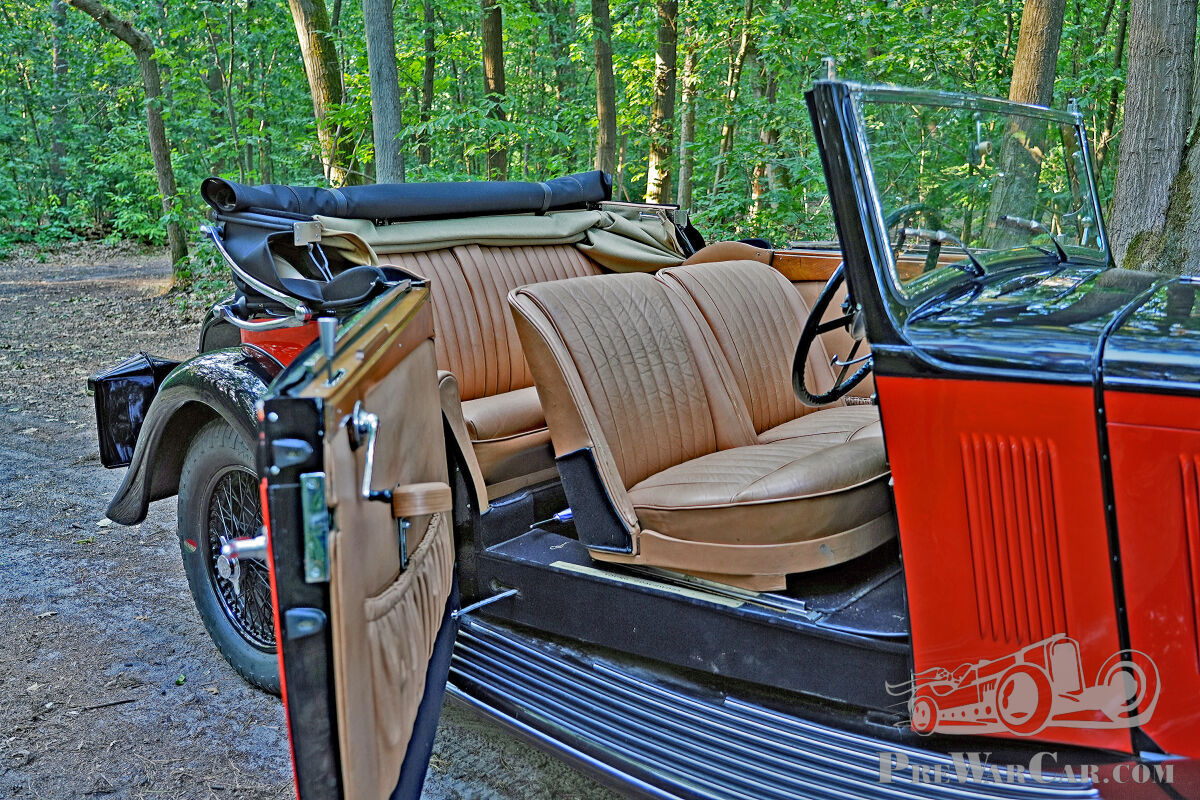
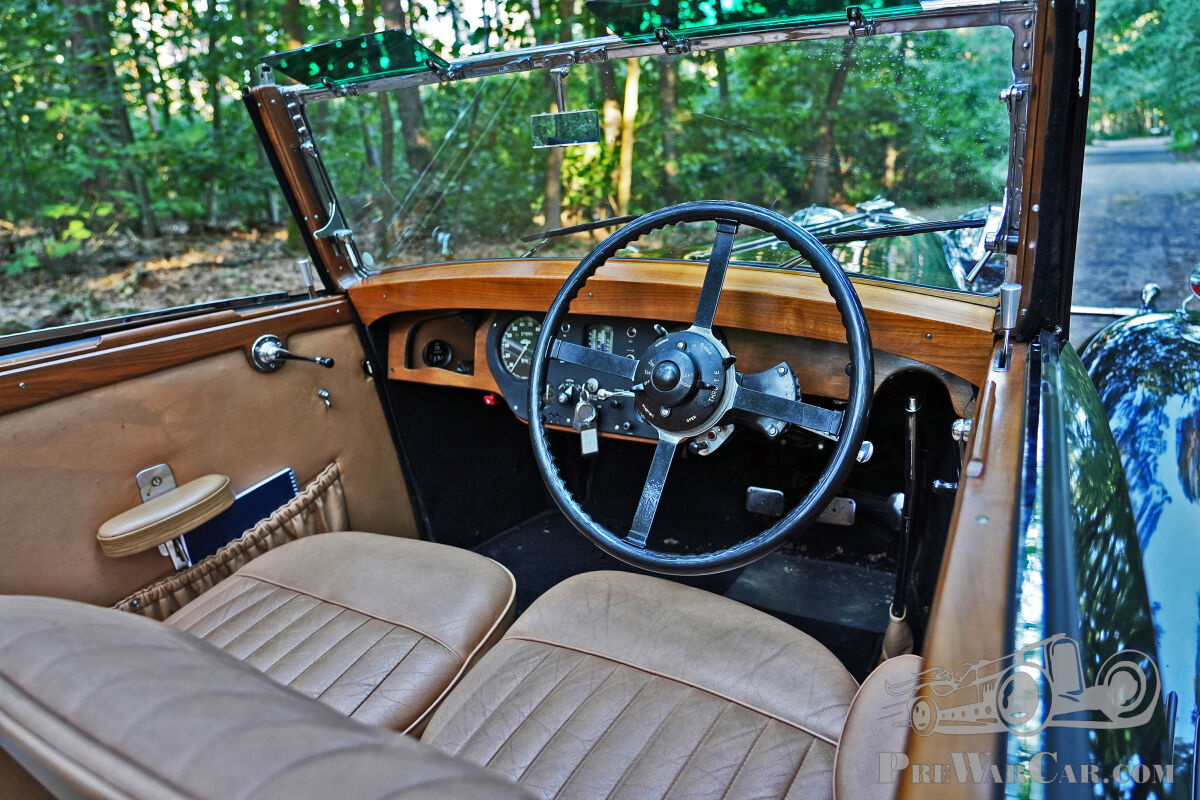
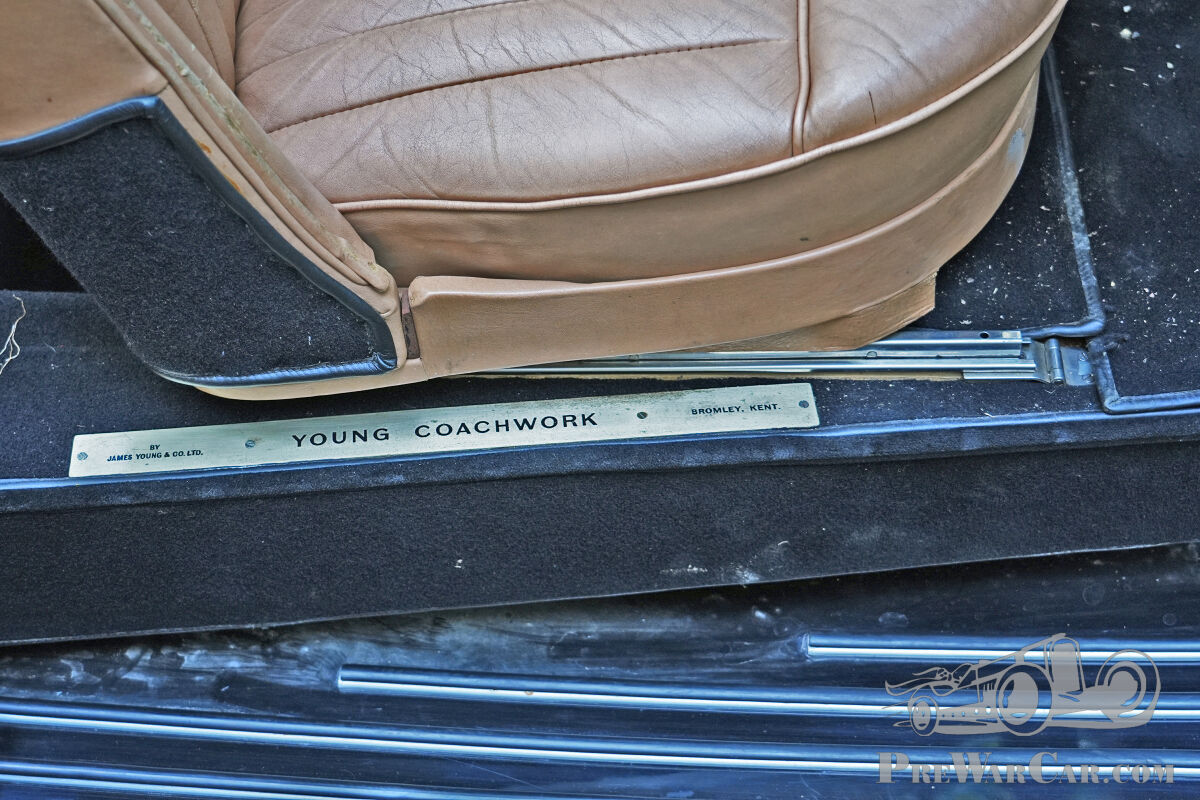
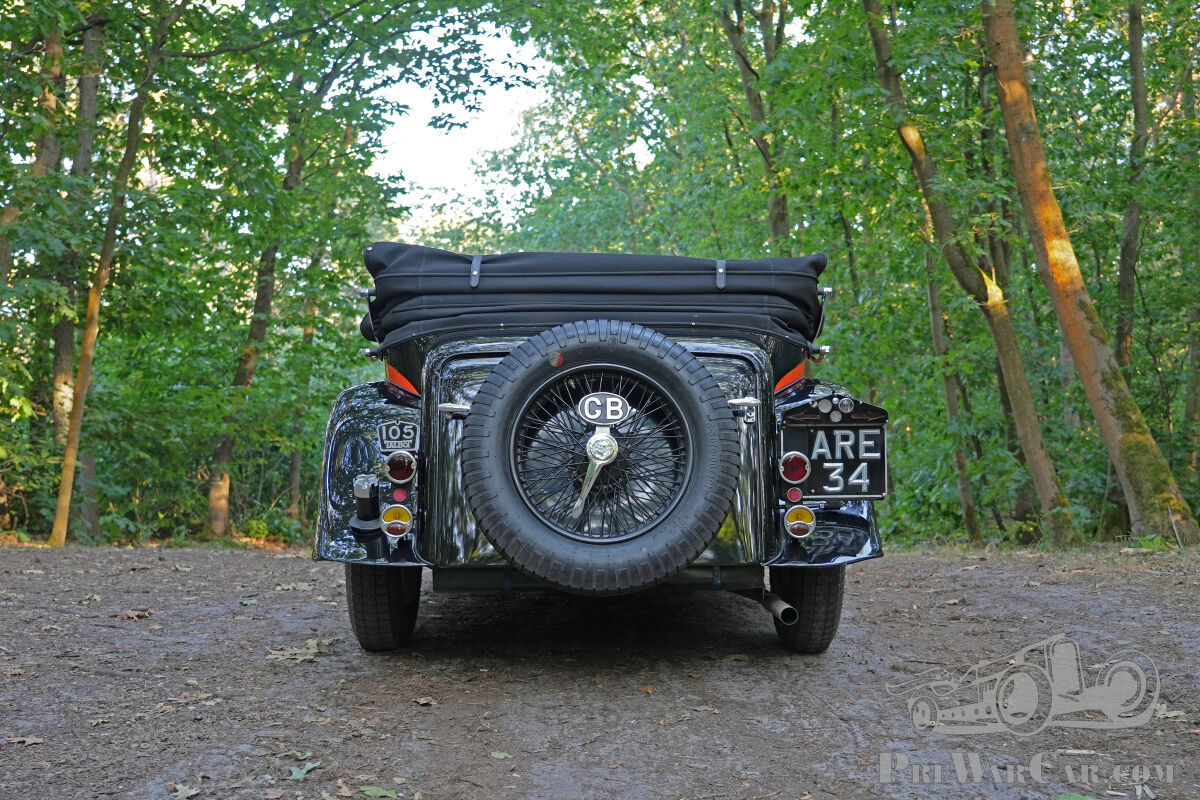
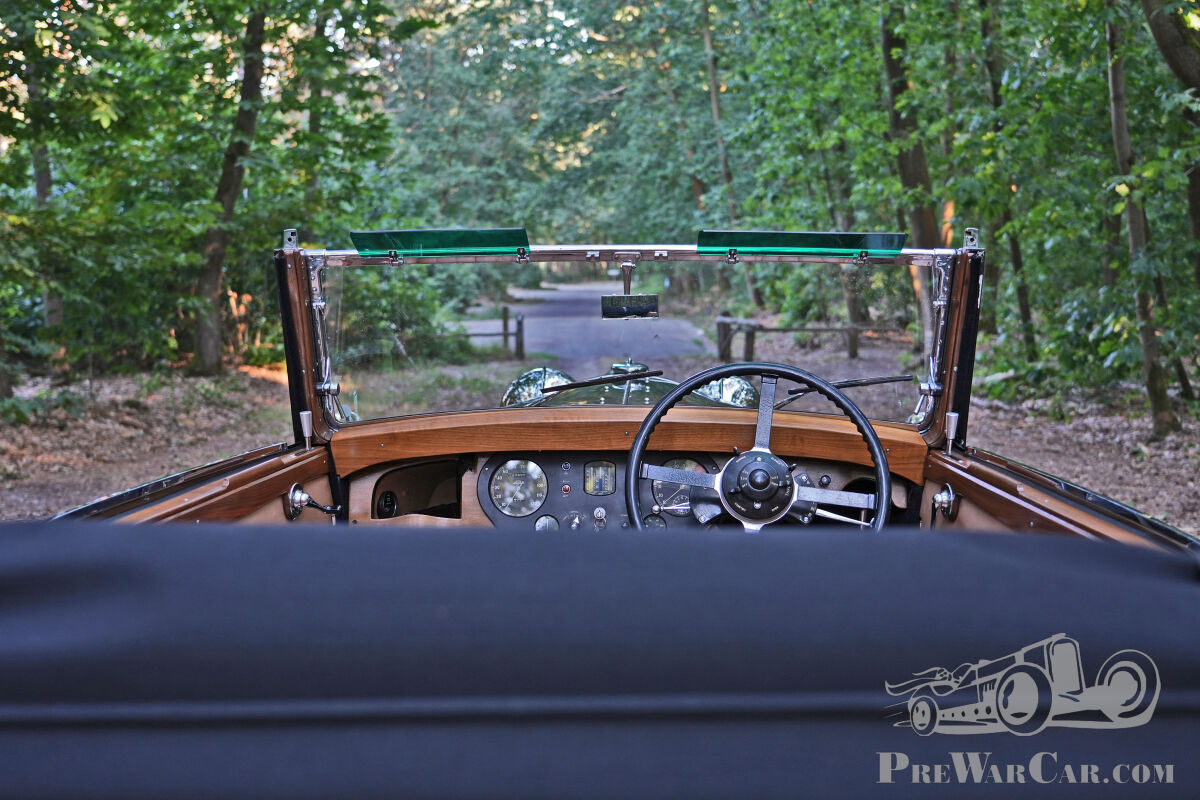
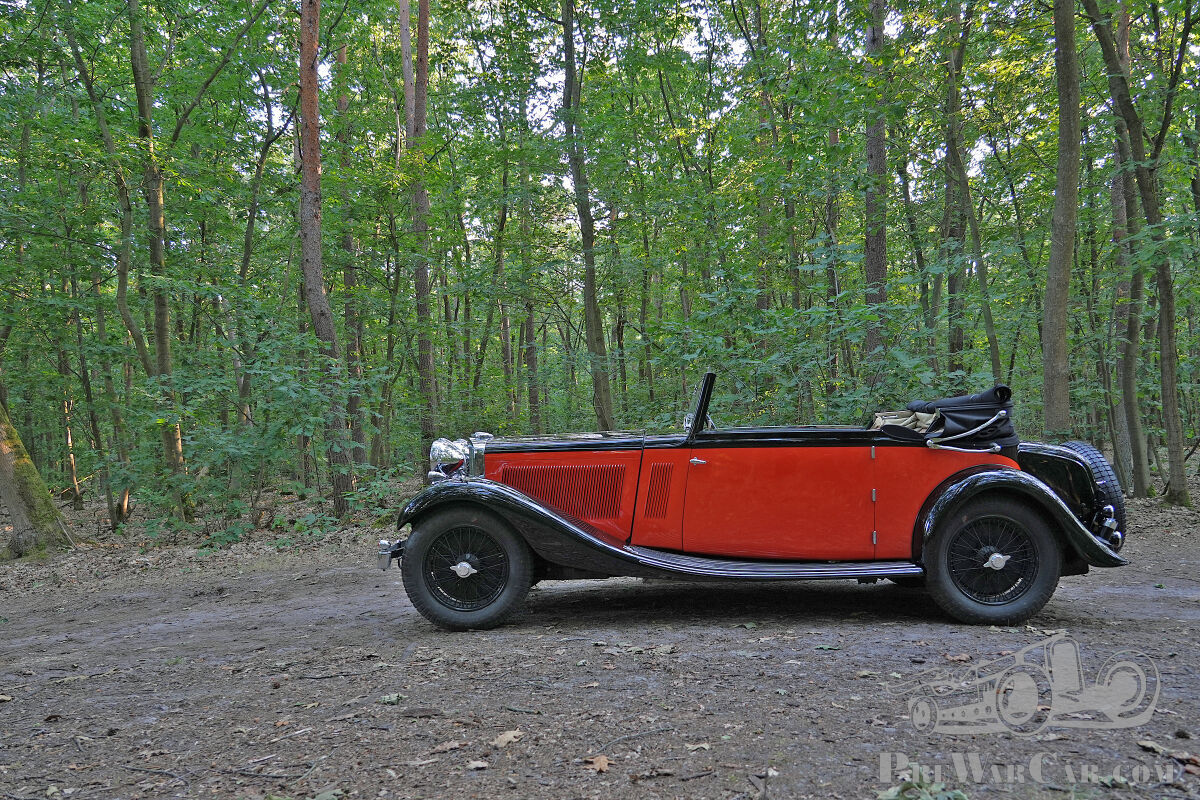
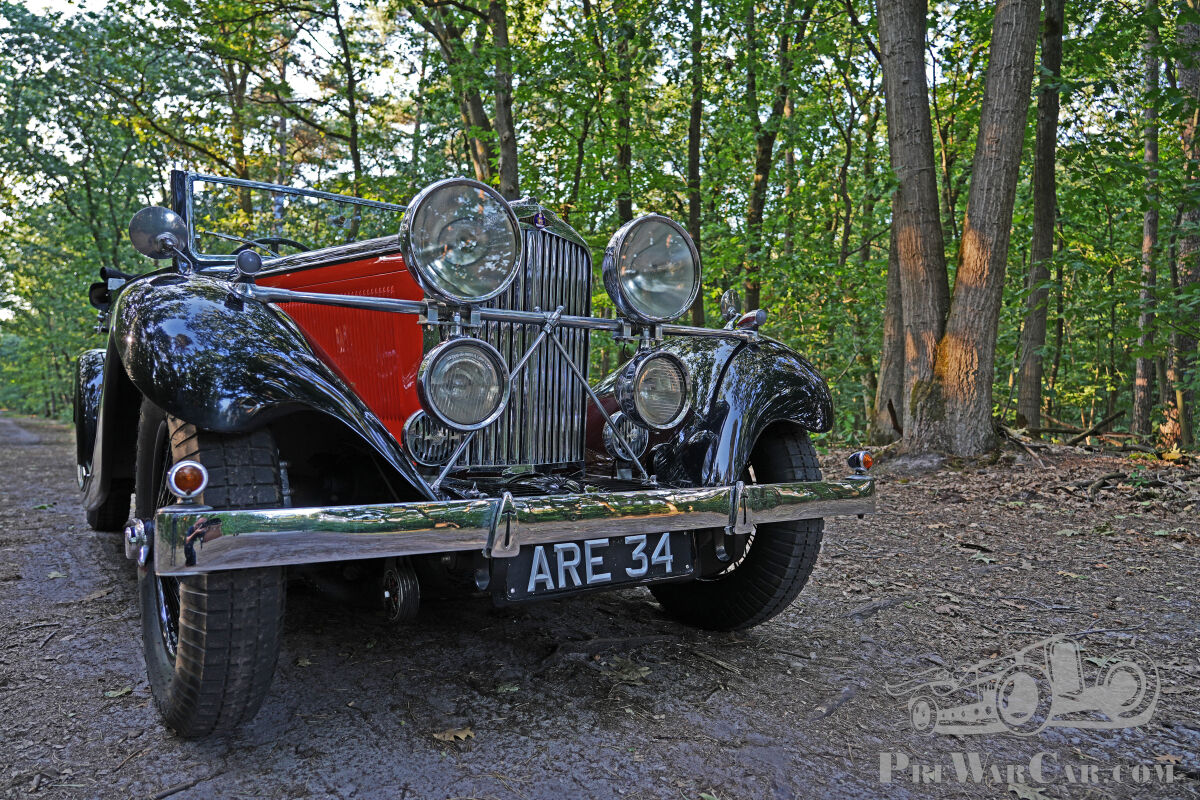
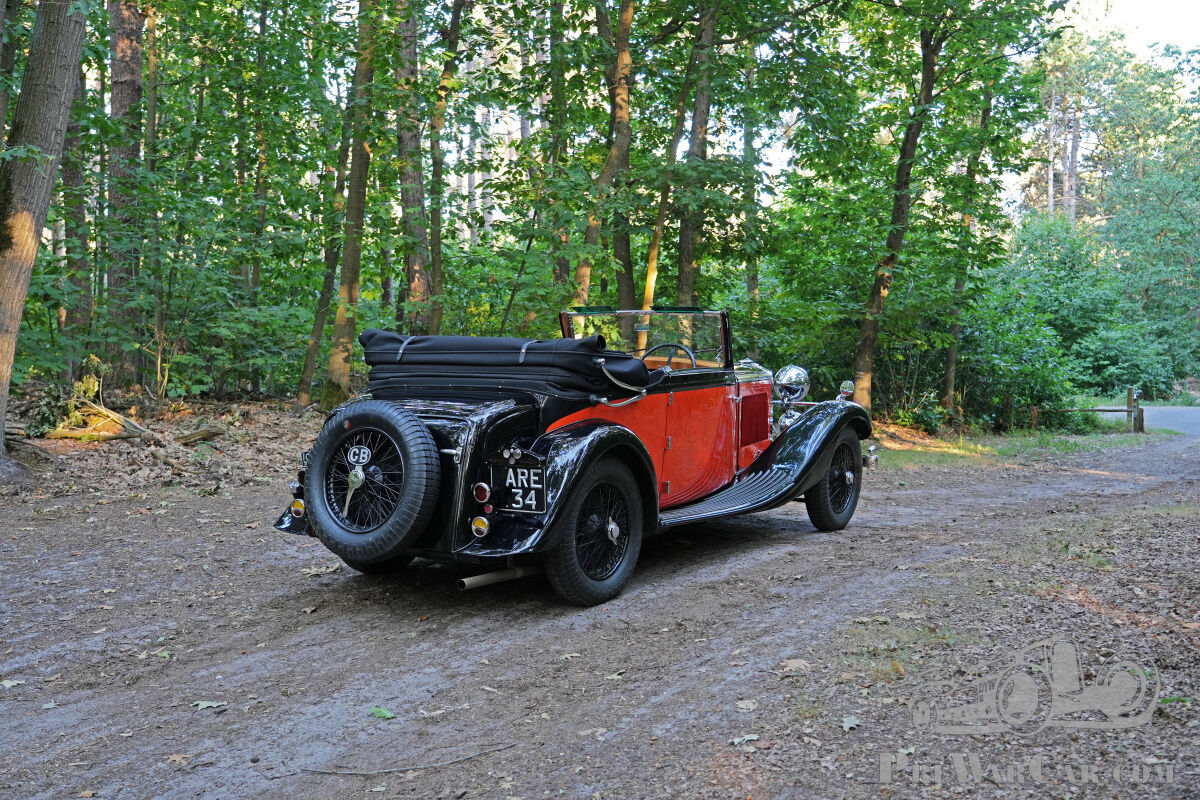
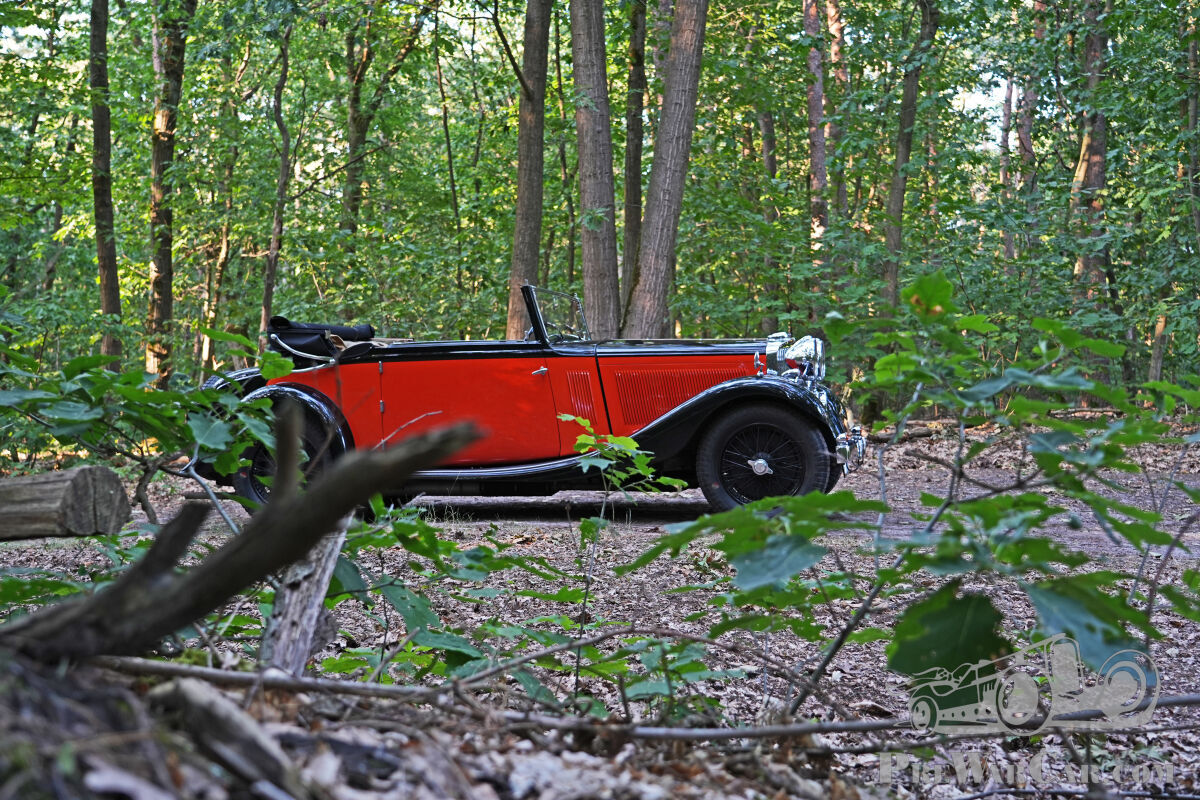


A sunny afternoon takes us to a group of motoring enthusiasts in north-eastern Belgium. Here we find a Talbot 105 that we had seen advertised for sale. British-built Talbots have interested me for a long time, not least because, in my view, they remain remarkably underrated. Why? I have no idea. The marque enjoyed considerable success at Le Mans, while its road cars were technically closely related to the racing machines.
‘May I take it for a drive?’ I ask. The owner hesitates for a moment. ‘It hasn’t been driven for four months. I simply don’t have enough time to use everything; that’s why it is for sale.’ But enthusiasm soon gets the better of him. The Talbot is pushed outside and the master switch is turned on.
There is little evidence of those months of inactivity. The Dynastart spins the engine over briskly and, moments later, it fires. Once the engine has warmed up slightly, you can barely tell that it is running. What refinement! The three-litre engine is silky-smooth, supple and beautifully even.
The gearbox is a Wilson preselector. You select the desired gear in advance, then engage it by pressing the pedal. It all happens without crunching, protesting gears or any other unwelcome noises. Pulling away, however, makes it clear that this is no racing car. Although the engine provides more than enough power, this Talbot feels heavier than other examples we have driven. The benefit is that it is also less nervous. This one was built to be a thoroughly enjoyable touring car.
Once up to speed, it glides along the road with almost unruffled composure. It takes little imagination to picture yourself driving it from London to the Le Mans circuit: swiftly, comfortably and entirely in style.
The clutch is relatively heavy and takes a little getting used to at first. The seats are extremely comfortable and, although you sit fairly close to the steering wheel, there is sufficient room. The wheel itself, as with many Talbots, does not feel particularly substantial. The steering, however, is surprisingly light and smooth, both through corners and when manoeuvring or parking.
The owner tells us that when he bought the Talbot in England, it had received several modern modifications, including power steering. He removed it again – quite rightly, in my opinion, as it is certainly not needed. The heater fitted later in the car has remained. His passengers were especially grateful for it on winter drives, he tells us. We, however, are driving on a warm summer’s day and are chiefly longing for a cooling breeze.
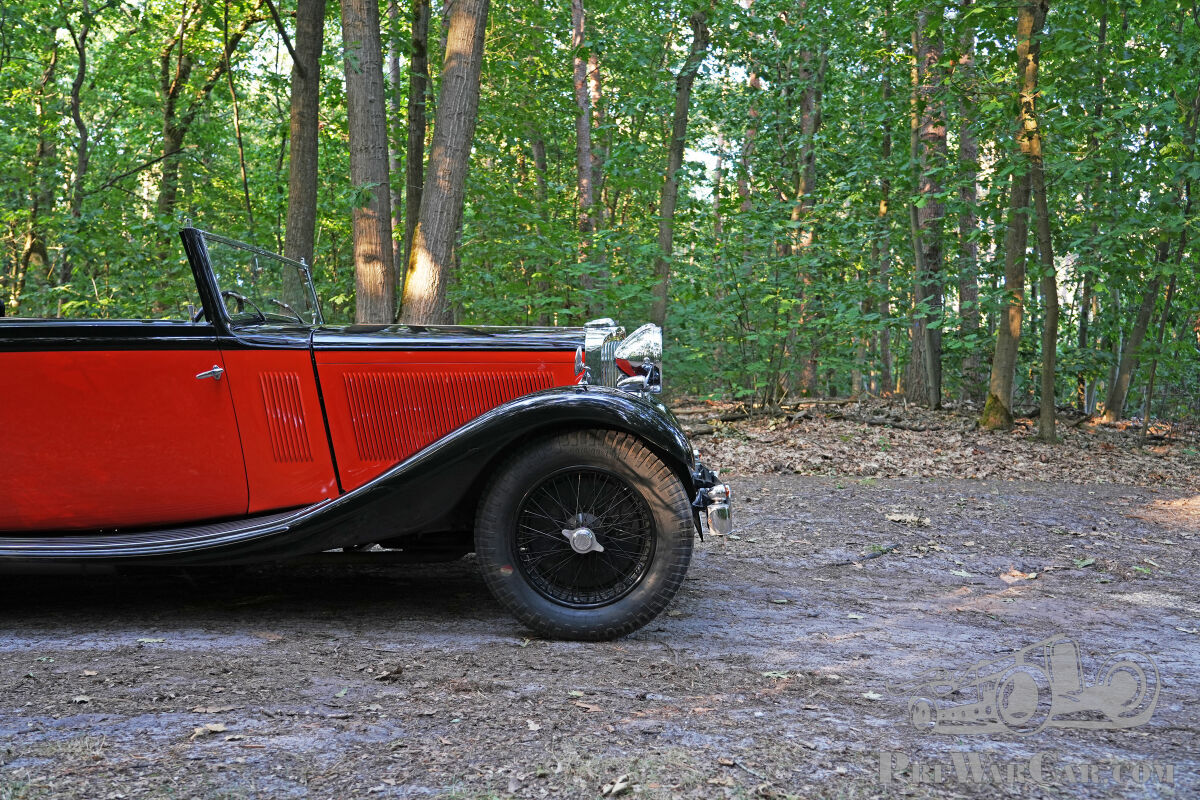
The engine, too, needs a little extra fresh air. The bonnet louvres open automatically, controlled by a thermostat in the radiator hose. A technical solution that is as simple as it is elegant.
Along the way, we try the various settings of the adjustable shock absorbers. As we pass through a village with speed humps, there is indeed a noticeable difference. It once again underlines the character of this Talbot: sporting in origin, yet clearly configured for comfortable and relaxed touring.
By the time we return to the garage, we are once again deeply impressed by a Talbot. This is a genuinely dependable and pleasant motor car in which you can reach your destination in comfort, yet at a respectable pace. Once advertised as ‘The Invincible Talbot’, the marque lived up to that proud old slogan once again with the remarkably successful 105. The inevitable comparison is with a Bentley 3 Litre. With an asking price of €110,000, this Talbot is considerably less expensive. But does that mean you get less of a car? We do not think so.
Words and photographs: Laurens Klein
Published:
Friday July 31st, 2026
Facebook
LinkedIn
Twitter
WhatsApp
Email
Copy
Comments
Dudley Smith
04 August, 19:44
The preselector gearbox was made by Talbot using Wilson patents. George Roesch was dissatisfied with the Wilson boxes and made a number of improvements, making it more robust, among other things.
Read more
Jos van Genugten
02 August, 16:55
I’ve had the pleasure of driving this particular car some time last year and I can second mr Thomas’ comment on that it is wonderful. The light and easy operation of such a large car is remarkable.
Read more
Nigel Thomas
02 August, 12:08
My father had one James young drophead AV 105 BPA 220 remember it well a superb car steering brakes engine and not a nightmare to work on.A better car than a 3 half litre Bentley more of a rigid chassis.
Read more