The global magazine and marketplace for classic car enthusiasts, by enthusiasts.


Filter
Make a choice:
- Cars
-
Make >>
- Bikes
-
Location >>
- Parts & more
-
Make of car >>
-
Manufacturer >>
-
Category >>
- Bicycles & more
-
Year >>
-
Countries


Our favorites from the Broad Arrow Monterey Jet Center Auction 2025
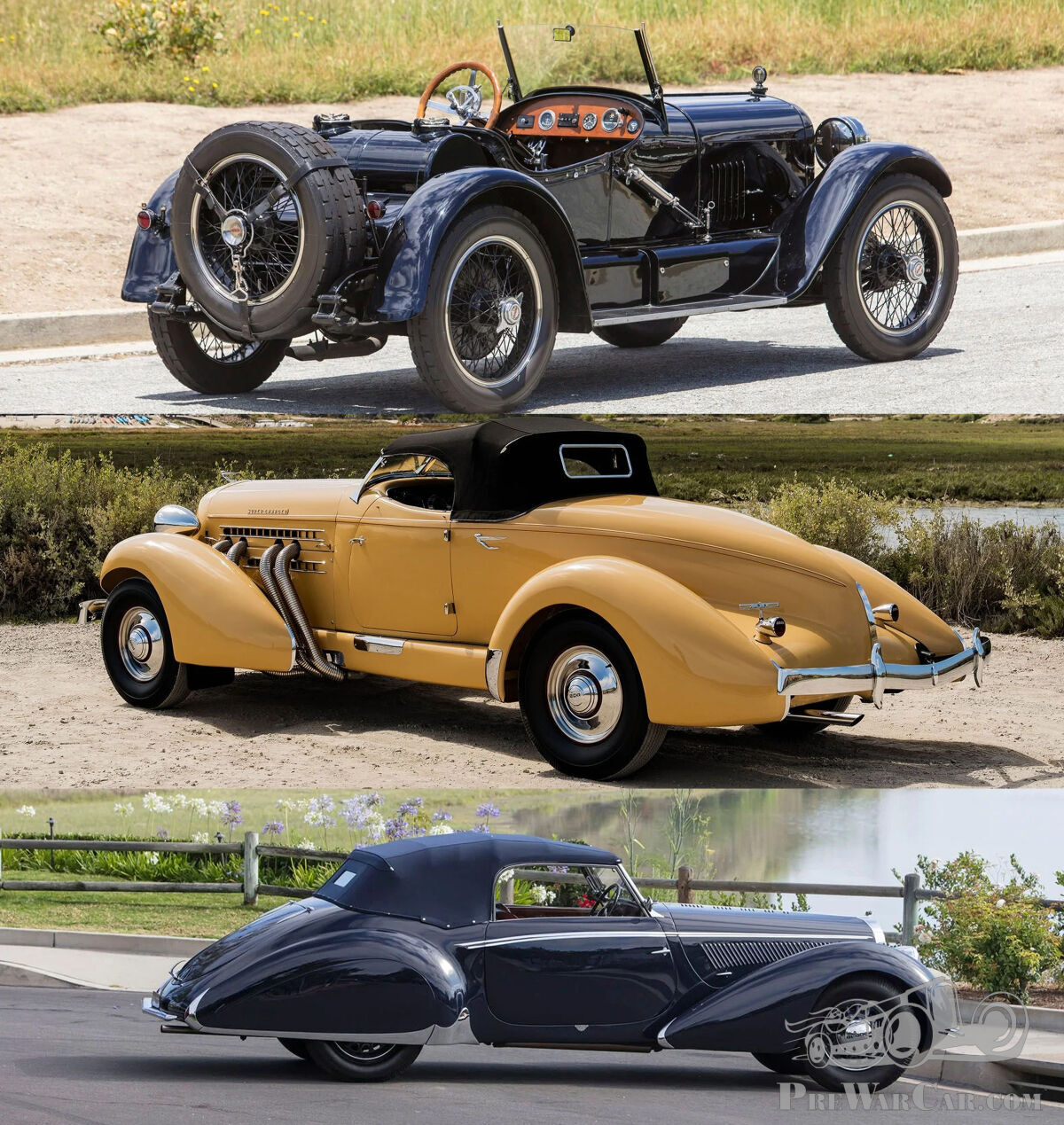
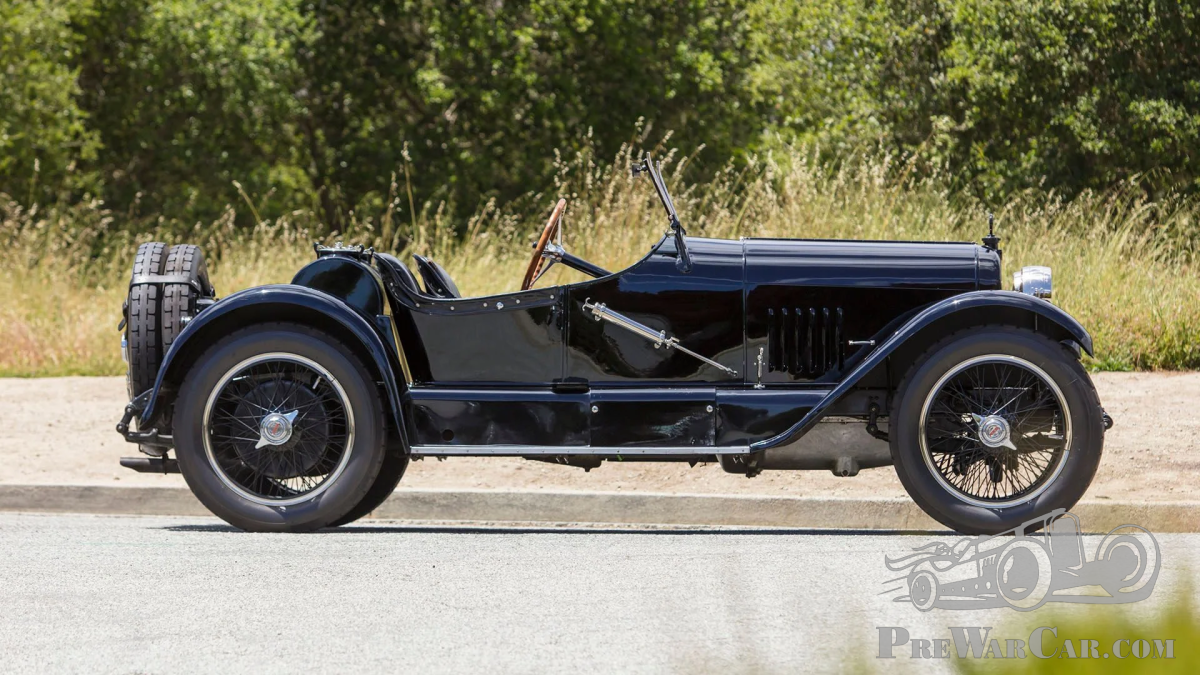
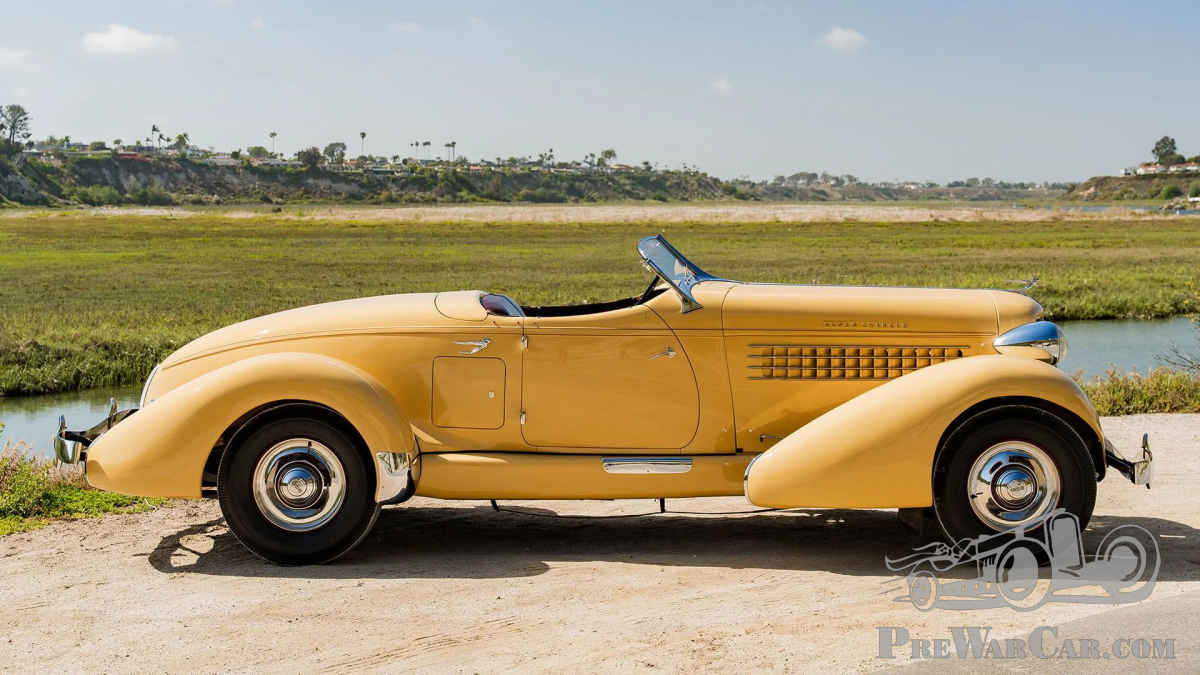
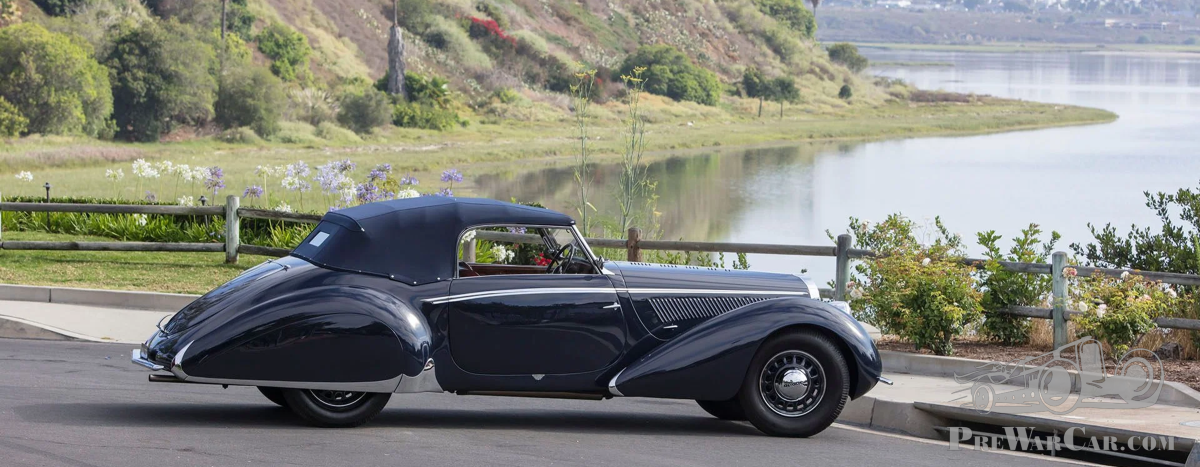
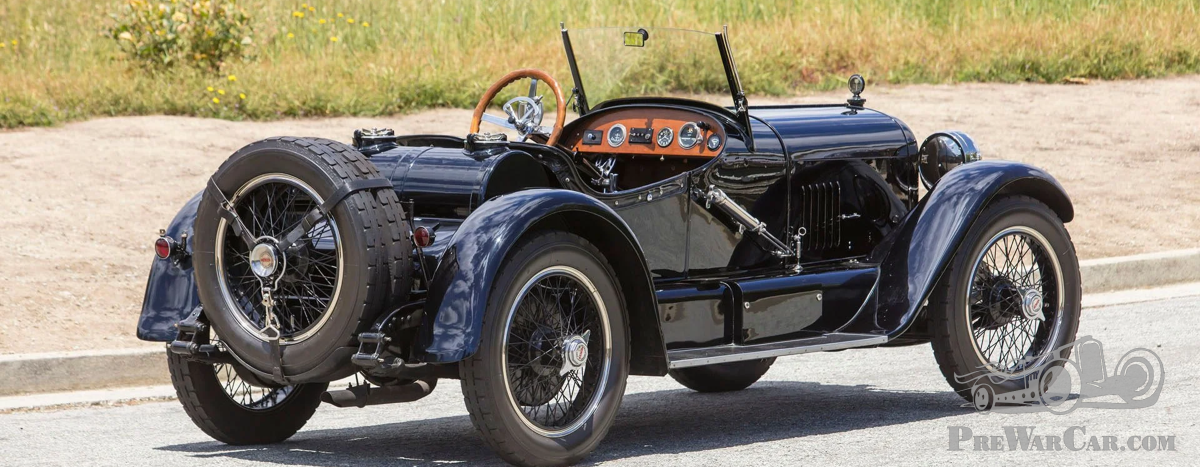
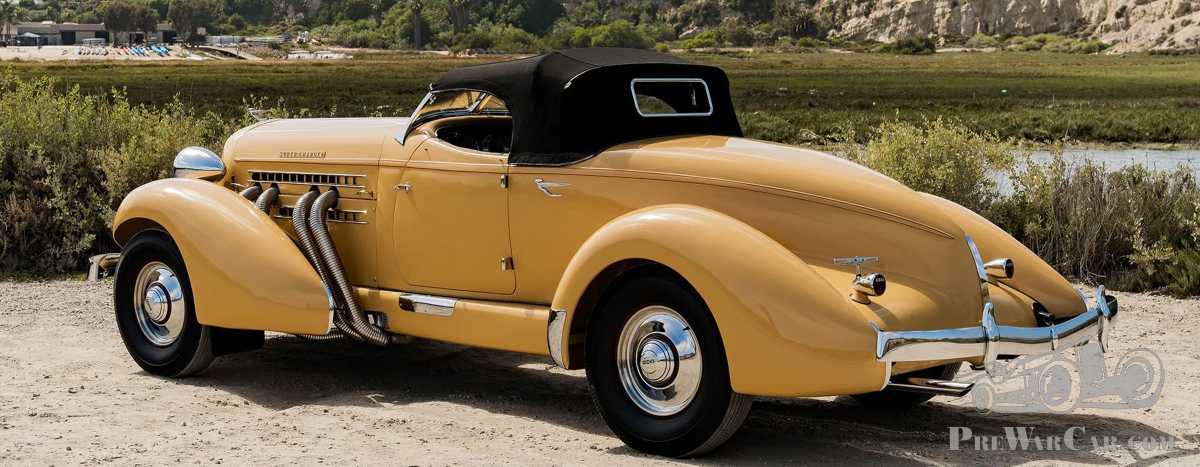
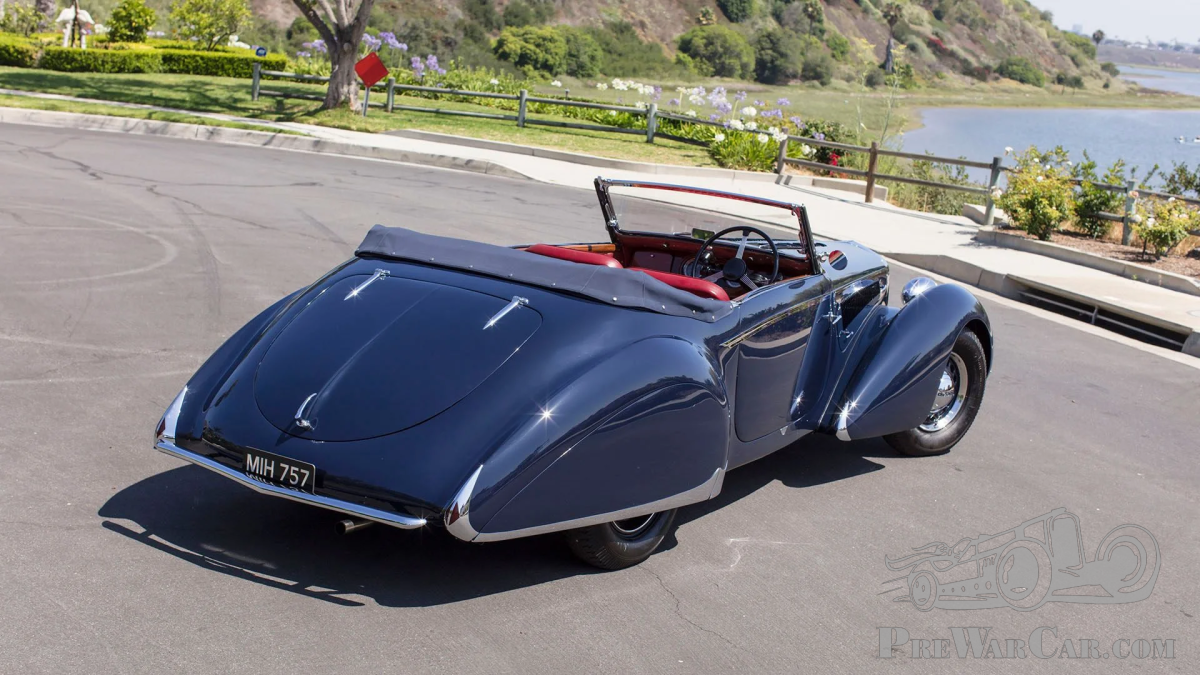


Picture the scene: the scent of oil and aged leather, the soft gleam of polished fenders under the Californian sun. Amid rows of postwar Ferraris and Aston Martins, a handful of early gems stand out – not for loud spoilers or bright colors, but for their sheer quality and timeless presence.
This August, the Monterey Jet Center once again hosts a Broad Arrow Group auction. Though still a relatively young auction house, Broad Arrow has quickly established itself, thanks in part to its partnership with Hagerty and a team of specialists who understand how to properly value classics. The catalog offers a mix of iconic sports cars and rare classics – but for enthusiasts of pre-war engineering, there is plenty to admire. Here are our three favorites.
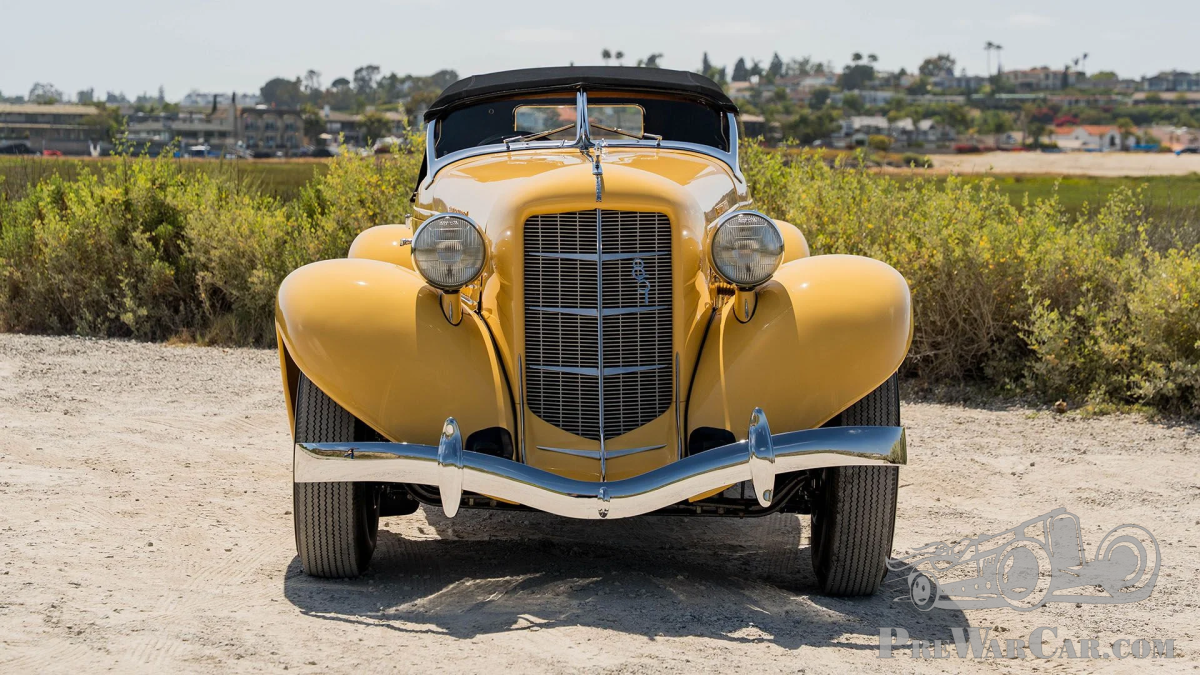
1935 Auburn 851 Super-Charged “Boattail” Speedster
Being in the U.S., thoughts immediately turn to Duesenberg, Cord, Packard – and, of course, Auburn. The 851 Speedster is perhaps the ultimate expression of American Art Deco on wheels. Designed by Gordon Buehrig and powered by a supercharged 4.6-liter straight-eight producing around 150 hp, it embodied both speed and style in 1935. Only about 150 supercharged Speedsters were built, and legendary driver Ab Jenkins set records in one on the salt flats – adding to the car’s mythical reputation.
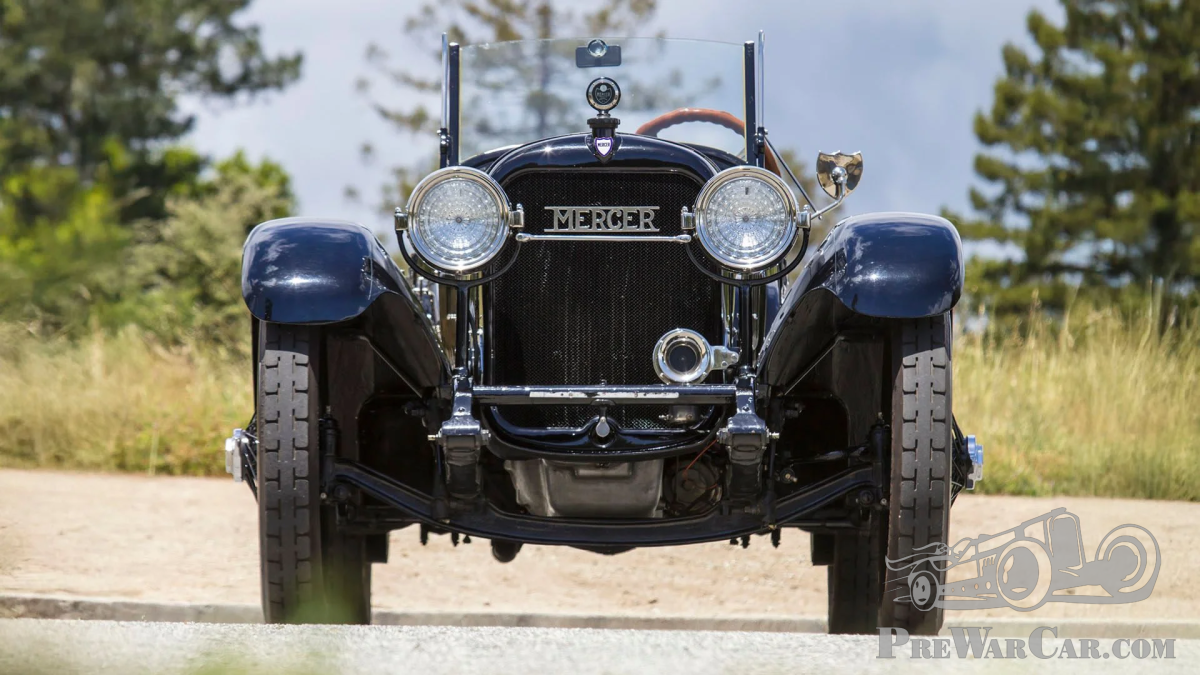
1922 Mercer Series 5 Raceabout
The Mercer Raceabout was already a legend before World War I, and the 1922 Series 5 continued that legacy. Founded in 1909 in New Jersey, Mercer focused on building pure performance machines. With a 72 hp four-cylinder engine, a four-speed gearbox, and no frills – just a seat for the driver and one passenger – the Raceabout exudes raw, unfiltered sportiness. Only about 120 Series 5 cars are known to survive, making it a rare relic of America’s earliest sports car culture.
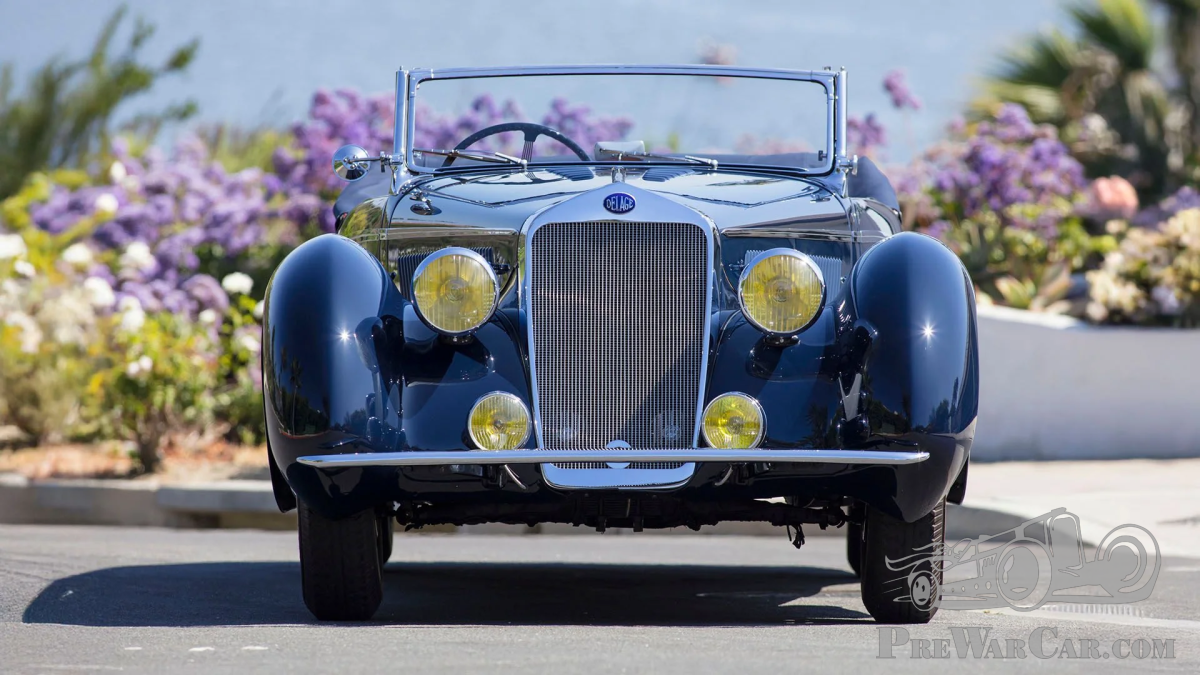
1939 Delage D6-70 Figoni et Falaschi Drophead Coupe
Not all the attention should go to American steel: the French Delage D6-70 represents refined European elegance at its finest. Legendary coachbuilder Figoni et Falaschi gave this 3-liter six-cylinder a three-position drophead roof and a body that resembles rolling sculpture. Debuting with a prize at the Concours Bois de Boulogne, the car survived World War II in Portugal, resurfaced in 1974, and after a careful restoration, crossed the Atlantic in 2001 – where it continues to captivate audiences today.
Details
- Broad Arrow Auctions
- Dates: August 13–14, 2025
- Location: Monterey Jet Center, USA
- See the full catalog >>
Published:
Wednesday August 6th, 2025
Facebook
LinkedIn
Twitter
WhatsApp
Email
Copy