The global magazine and marketplace for classic car enthusiasts, by enthusiasts.


Filter
Make a choice:
- Cars
-
Make >>
-
Year >>
-
- Bikes
-
Location >>
- Parts & more
-
Make of car >>
-
Manufacturer >>
-
Category >>
- Bicycles & more
-
Year >>
-
Countries


Perfect Circle visits France's oval: see the rebuilt DePaolo Miller at Montlhéry


Thinking outside the box is too often a double-edged sword. Even if a man’s ideas are brilliant, that is no guarantee of his fellow men appreciating, and he may consigned to the history books as nothing more than an eccentric, an amusing footnote, when a more astute people might have hailed him as an innovator. Harry Miller’s ideas must have met with their share of derision, but he, at least, was able to prove their worth beyond all doubt.
Born in 1875, Miller was experimenting with engines as early as the 1890s, and after spending some years successfully manufacturing and marketing his own design of carburetter, he decided he could have a go at making his own engines. Inspired by Duesenbergs and Peugeots, his three-litre, four-cylinder engine featured double overhead camshafts and four valves per cylinder. An already successful racer, Jimmy Murphy, agreed to try it in his Duesenberg, and with the Miller engine he drove all the way to victory in the 1922 Indianapolis 500-Mile Race.
With such instant success, why stop at engines? Why not go all the way and build a whole racing car from scratch? Miller did exactly that, and his own single-seaters were to dominate racing at Indianapolis throughout the 1920s. What most distinguished Millers from other Indianapolis racers and established their maker’s reputation as one of the most brilliant engineering minds of his time was their pioneering use of front-wheel drive, which had barely been entertained by makers of ordinary road cars, much less racing car builders, and certainly Miller was the first constructor to have consistent racing success therewith.
Forward-thinking Millers lead the pack
The Miller 91, many would say, marked the pinnacle of Indianapolis racers in the 1920s, especially with front-wheel drive, though the majority of 91s were rear-drive. It had one shortcoming, which was that it was essentially in a continuous state of development and experimentation, and not every experiment worked. When it was on song, however, it put the rest of the field to shame: the only two front-drive Millers in the 1926 500 Miles qualified in pole and fourth; in 1927 they qualified second, third and fourth; in 1928 and 1929, they occupied all of the first three spaces on the grid.
The first front-drive 91 appeared in early 1926 and was only the third front-wheel drive Miller built, after the two special Miller 122s which were completed in late 1924; most 122s were built conventionally with rear-wheel drive. A total of four 91s would be produced in 1926, another four in 1927, one in 1928 and one in 1929. Two further front-drive racers would be built not by Miller but using Miller components, and three Cooper Specials would be built to a Miller design. With no need to accommodate a driveshaft underneath the bodywork, one of the great advantages of the front-drive Millers was their lowness.
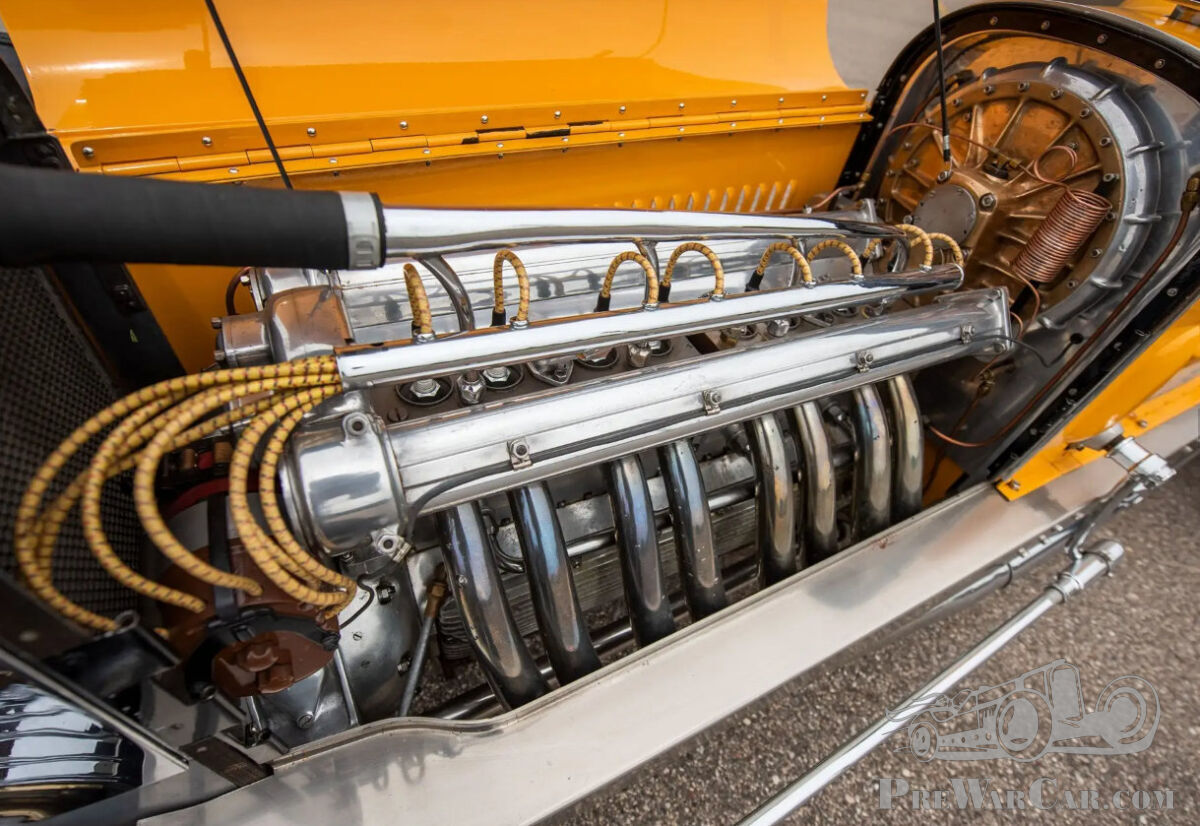
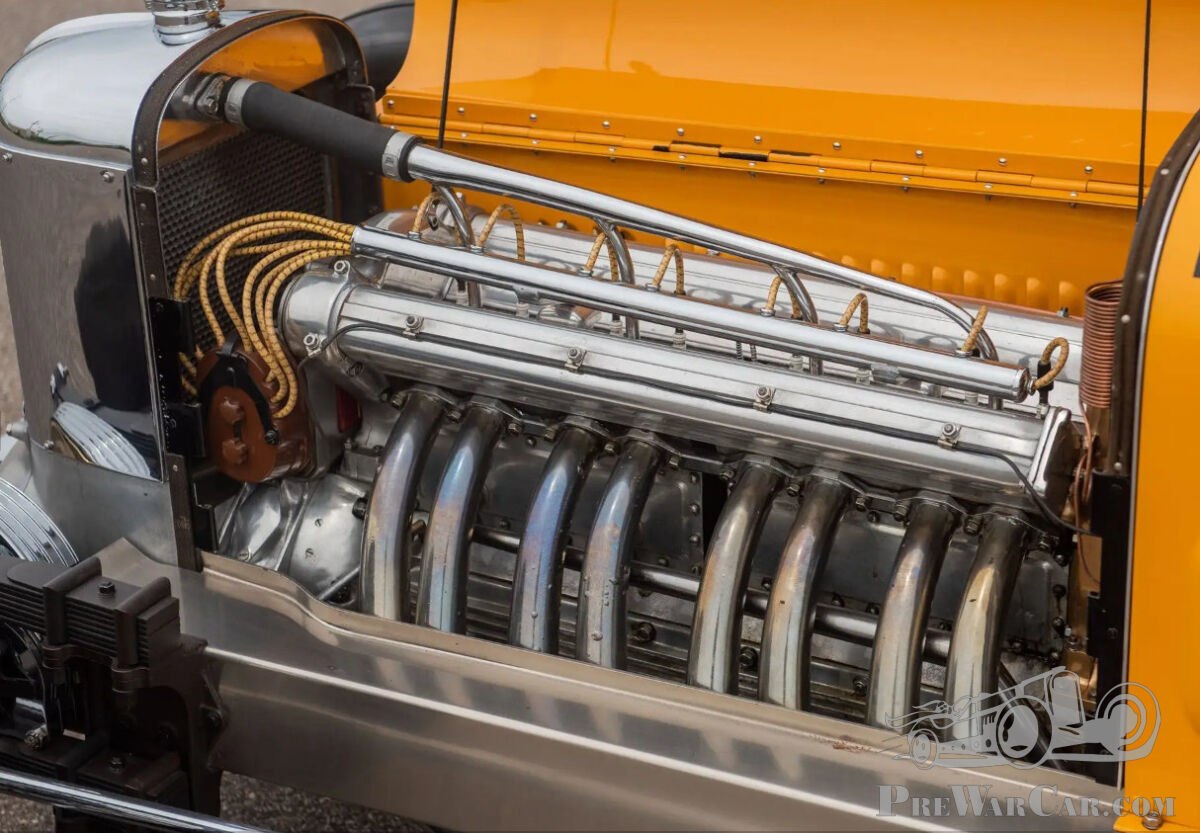
The 91 chassis differed little from the 122's (both named after their respective displacements in cubic inches), but instead of a two-litre four, Miller developed a 1½-litre straight-eight to satisfy new displacement restrictions for the 1926 season. Both cars used hemispherical combustion chambers and a double overhead camshaft arrangement inspired by the 1913 Grand Prix Peugeots, but the use of cast-iron for the 122's block was superseded by all-alloy construction for the 91. With supercharger, it was developed over time to produce 250bhp, and so neat was the design that it heavily influenced Jean Bugatti when he was developing the Type 51.
One of the brightest young stars of Indianapolis, Frank Lockhart, drove a 1½-litre Miller to more than 170mph. The first 91 of 1927 was purchased by Pete DePaolo, another driver who ranked among the greatest of his time. He paid the colossal sum of $15,540 just for the car as offered, and then proceeded to spend another $5,000 with Miller making further refinements. Like other Miller drivers, DePaolo discovered his car had a tendency to overheat and also for the timing gears to break. A larger radiator core and new, stronger gears helped, but the timing gears remained a weakness in all front-drive 91s.
Victory for DePaolo
At the 1927 Indianapolis 500, DePaolo was leading the race for a time after the Miller of Frank Lockhart retired, but his chances of victory were shattered when a supercharger problem forced his retirement after 31 of the 200 laps. In other races, however, he fared consistently well: apart from one other DNF at Atlantic City, he racked up three wins, three second places, two thirds and a fourth in the 11-race AAA Championship, winning it by a clear margin with 1,440 points, ahead of Lockhart with 1,040.
That was the beginning of a long and very active career for the DePaolo car. After a qualifying accident at Indianapolis in 1928, the first race of the season, the car was repaired and taken over by Wilbur Shaw, but timing gear trouble resurfaced and proved its downfall. DePaolo sold it in 1929 to M. R. Dodds, on whose behalf it was raced by Bob McDonough, but it failed to reach the speeds it had attained at earlier races.
Noted Miller racer Harry Hartz then bought it and, after a stint of appearing in films, it was rebuilt to comply with new regulations for the 1930 season. The AAA’s ‘Junk Formula’ required cars to have two seats and not weigh less than 1,750lbs., and banned the use of superchargers. This was a major blow for Miller, but Hartz ensured the DePaolo car raced on, with a widened chassis and 122 engine bored-out to 2½ litres. Now past his prime as a driver, Hartz assigned racing duties of the Miller-Hartz to the young Billy Arnold, who drove it all the way to victory at Indianapolis, finishing laps ahead of second-placed Louis Meyer's 16-cylinder Sampson, and then finished the season by claiming the Championship.
Disaster struck at Indianapolis in 1931 when Arnold ignored Hartz's instructions not to drive so hard, and the rear axle broke, sending the car into a spin which resulted in it being hit side-on by another racer and bursting into flames. Hartz rebuilt it while Arnold recuperated over the winter, but when car and driver were reunited in May, Arnold again crashed in a hell-for-leather dash for the lead and, after another stay in hospital, retired from the sport. Fred Frame bough the car once repaired and drove it in 1933, but crashed it himself in 1934. Pete Kreis drove it at Indianapolis in 1933, and Frame took the wheel himself for 1934, but retired that season after a third crash. It returned for 1935 and, owned by Mike Boyle, continued racing, sometimes with a 4.2-litre Miller four, into 1936 and 1937, still achieving podium finishes.
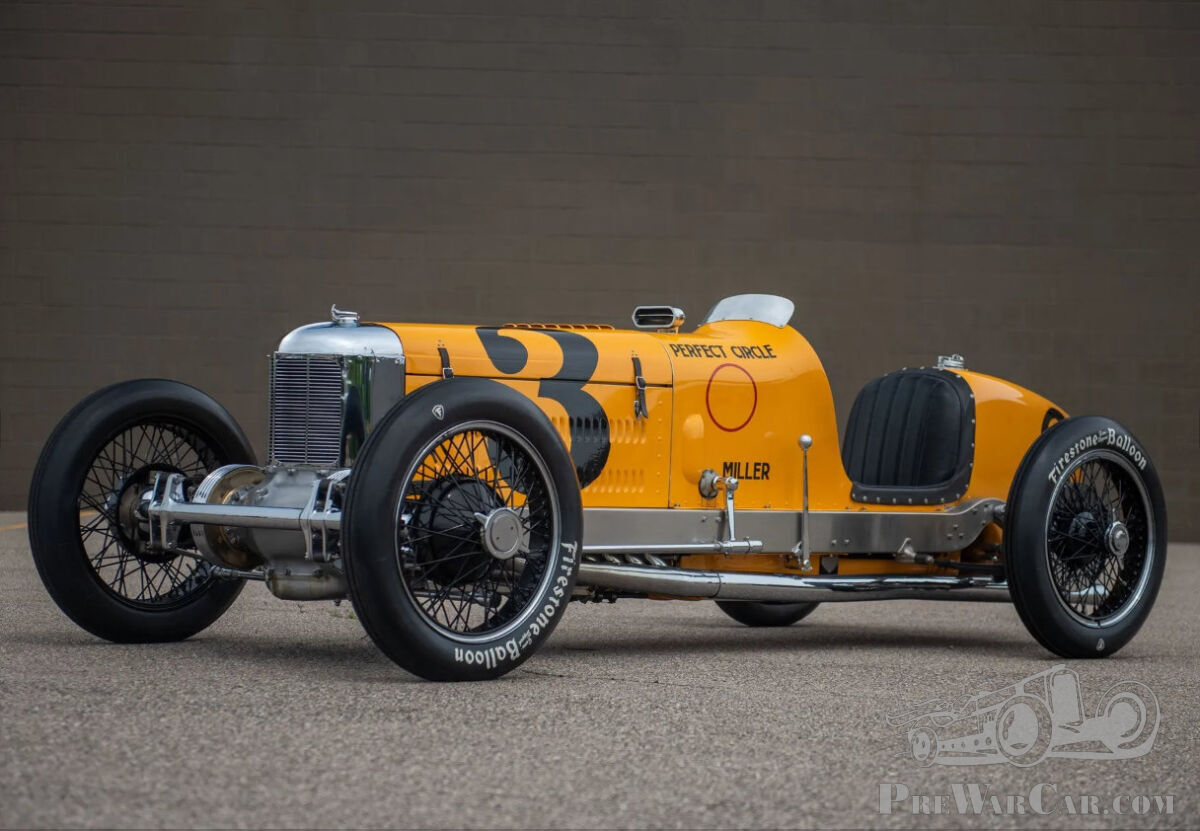
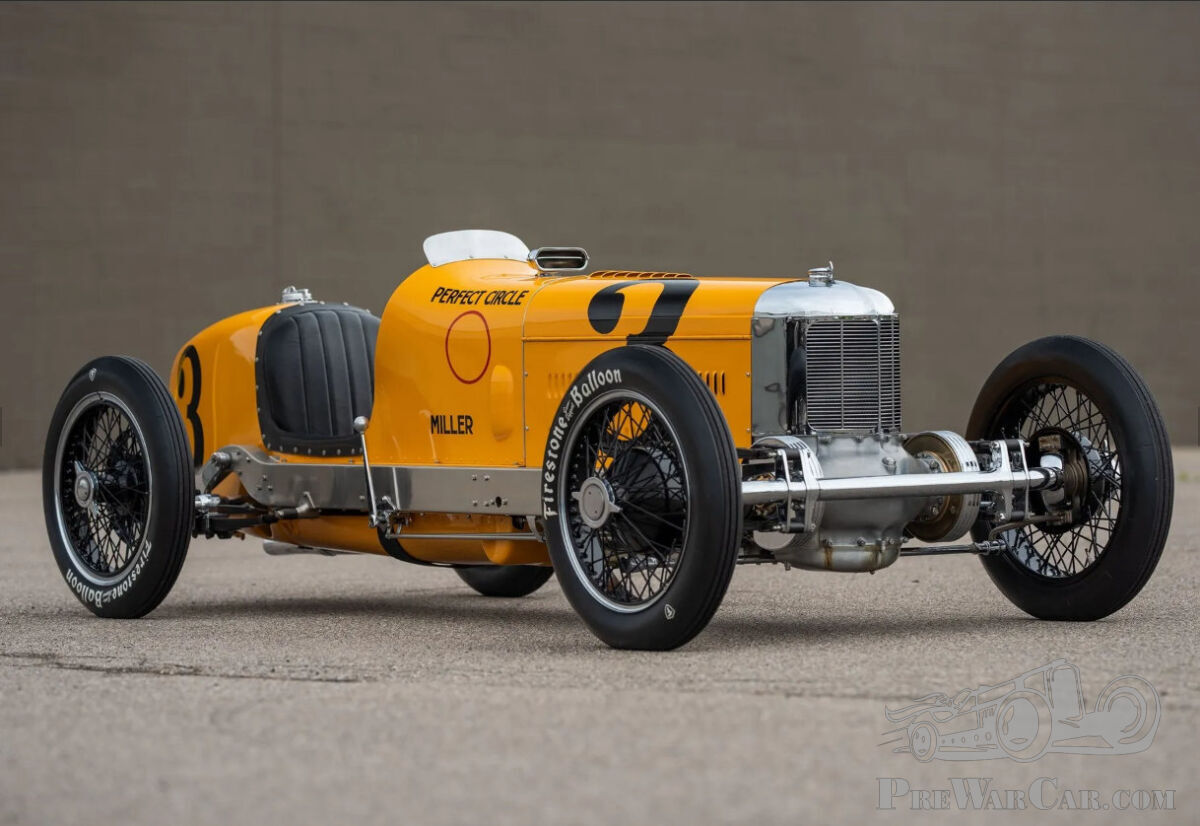
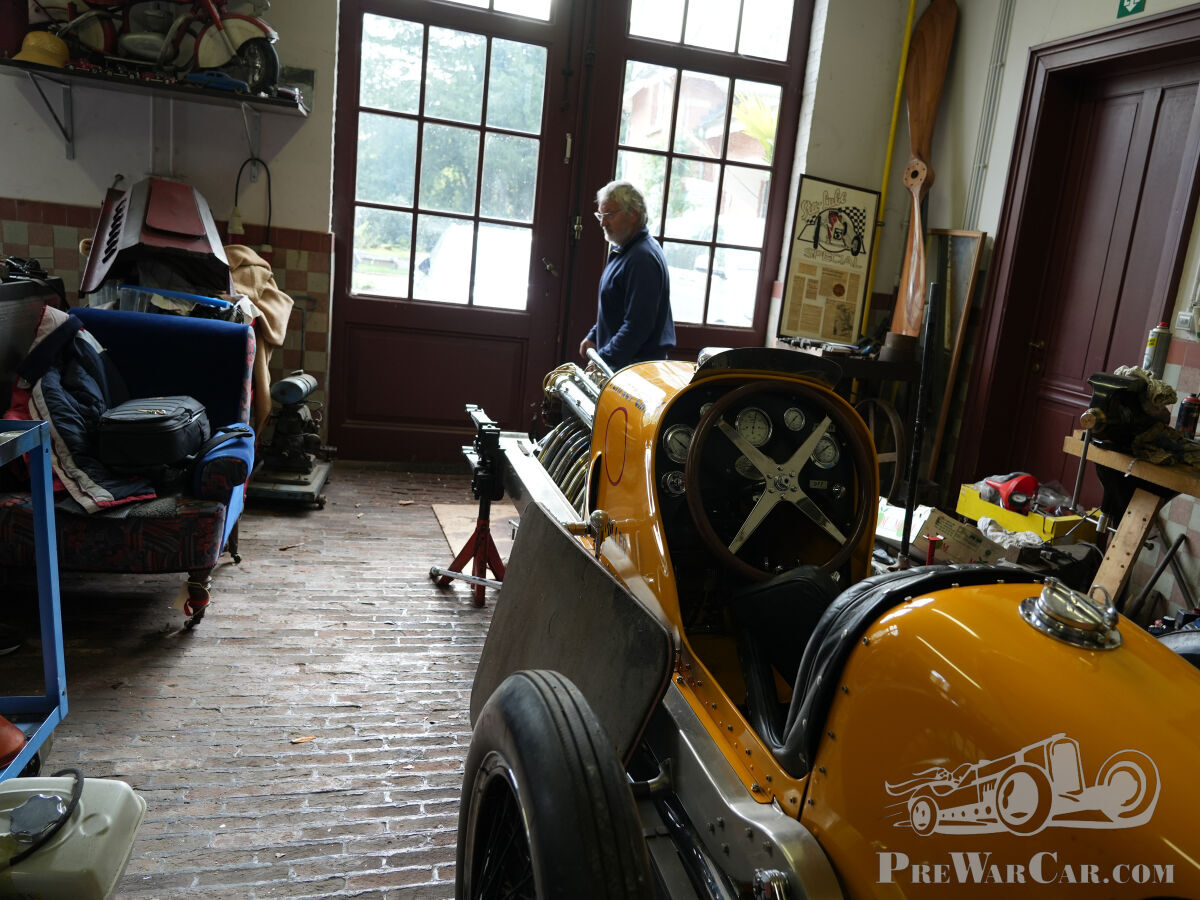
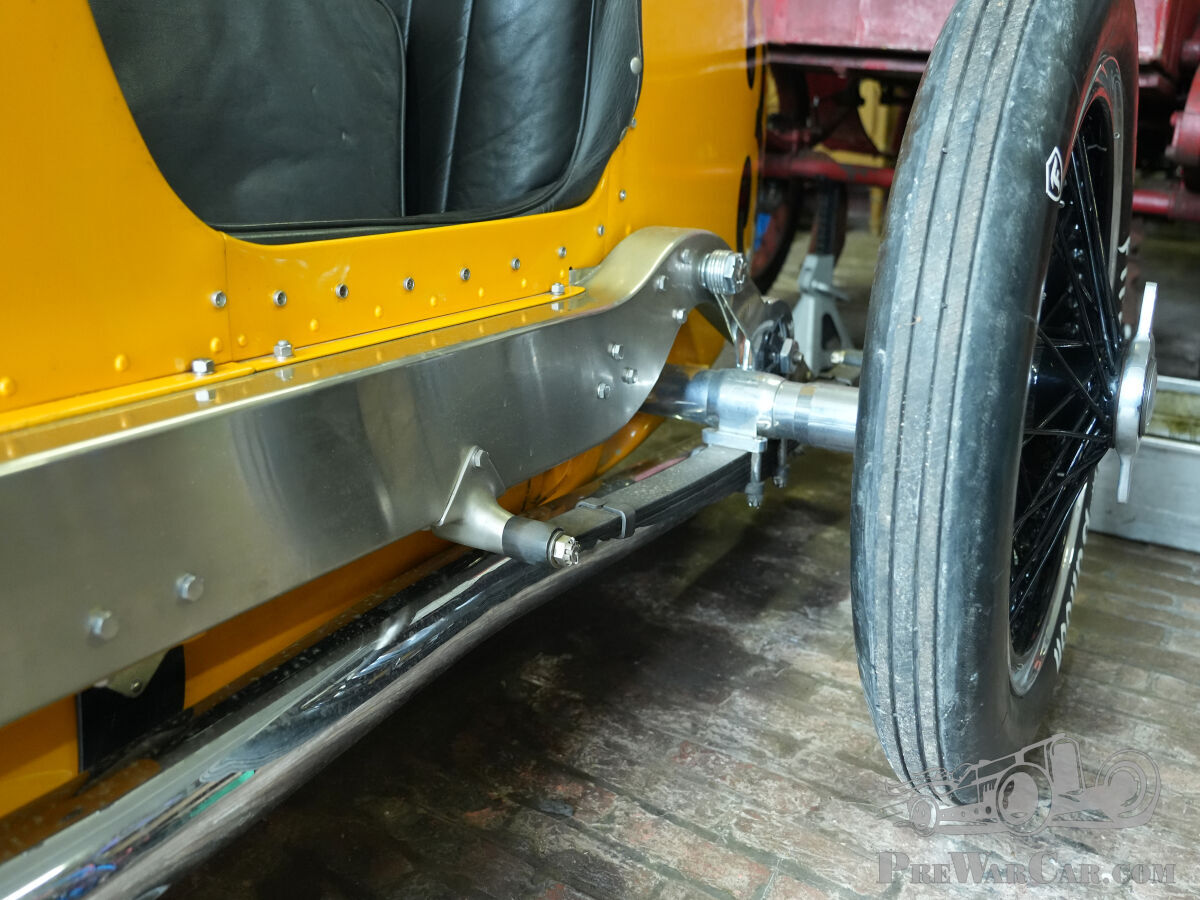
With the Junk Formula no longer enforced, for 1938 the car became a single-seater once more but with the big four installed. Chet Miller (no relation) drove it until another accident in 1939 ended the car’s racing career, and it disappeared into the whirling mists of time until it was eventually tracked down by Chuck Davis, a leading collector of and authority on Miller cars. Years passed while Davis gathered together a stock of original Miller parts, including what he determined was the original engine run by DePaolo, until he was at last able to reconstruct the car in its 1927 Indianapolis specification, with the radiator shell, frame, body and tanks all having to be painstakingly formed from scratch. Since then, the car has remained mainly in private collections, firstly Davis’s, then Terence Adderley’s, with few opportunities for the public to admire it. In 2022, it was shipped across the globe to join the stable of its present Belgian owner, who will be exhibiting it at Vintage Revival Montlhéry from May 10th to 12th.
Engineering meets artistry
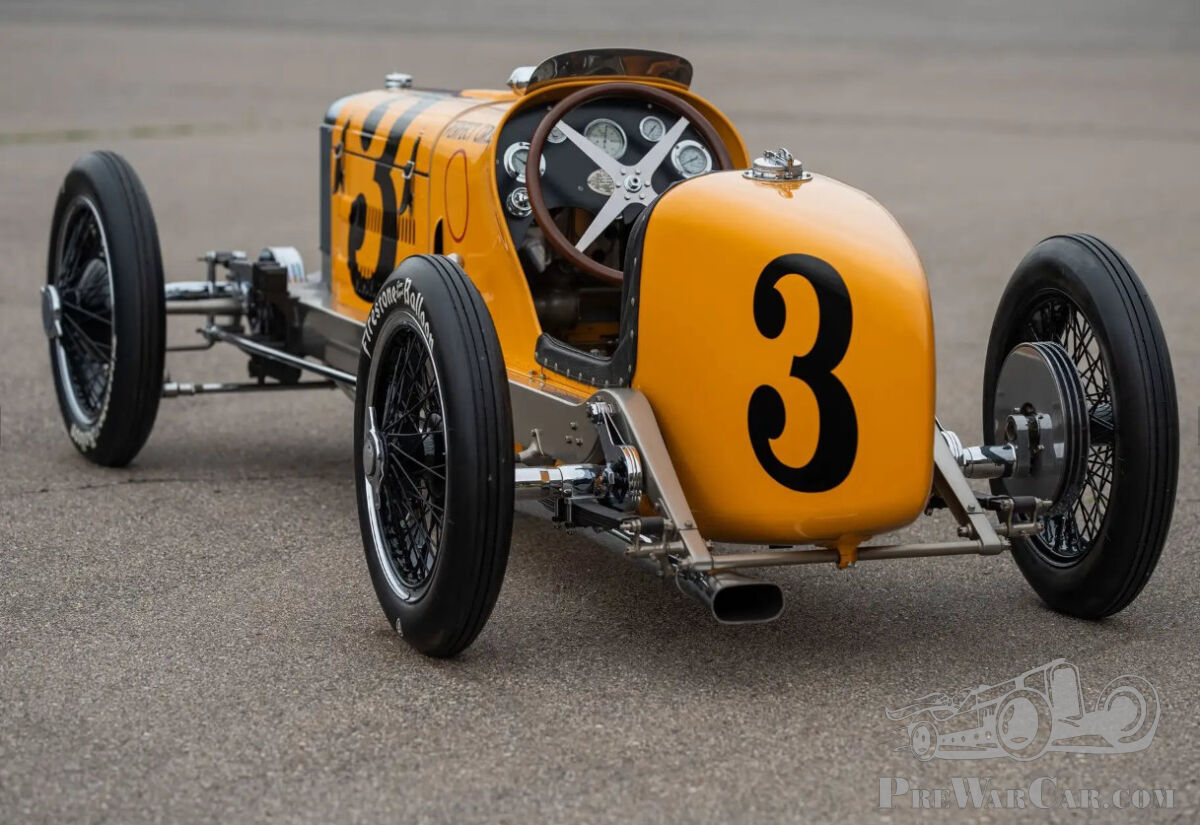
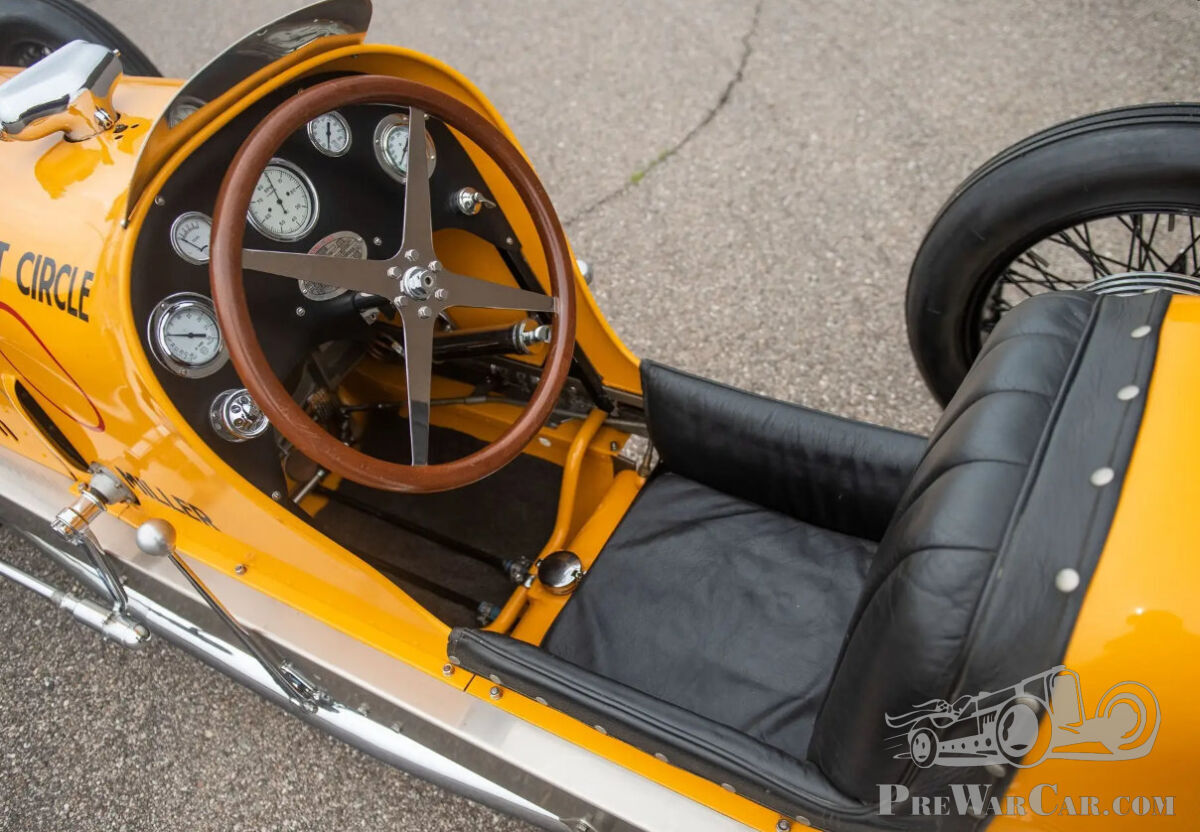
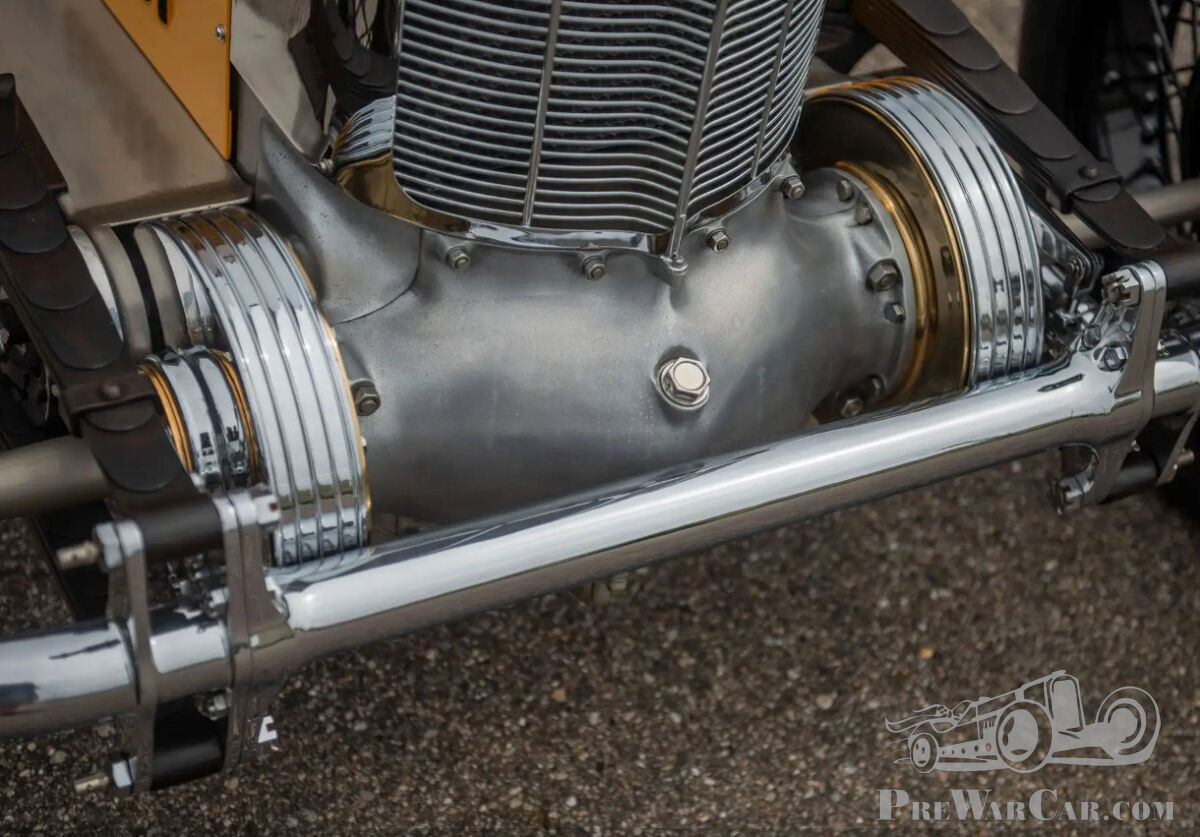
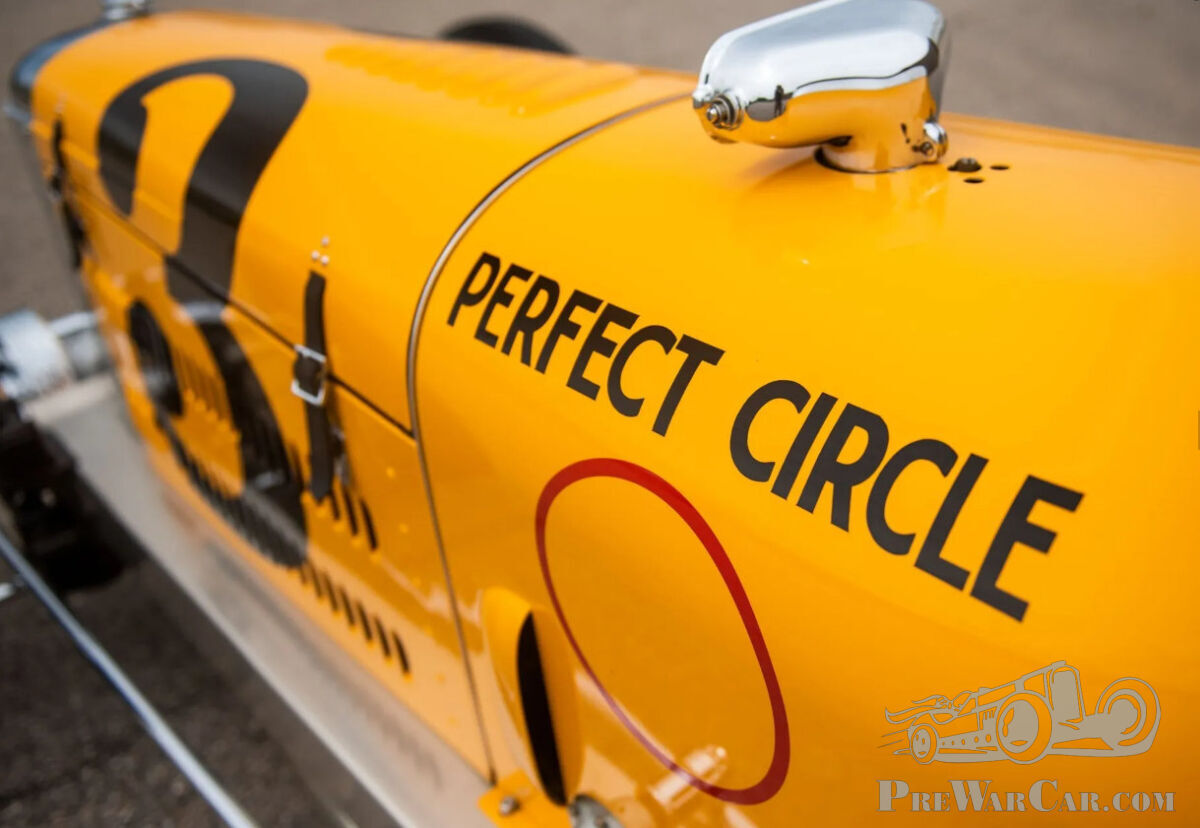
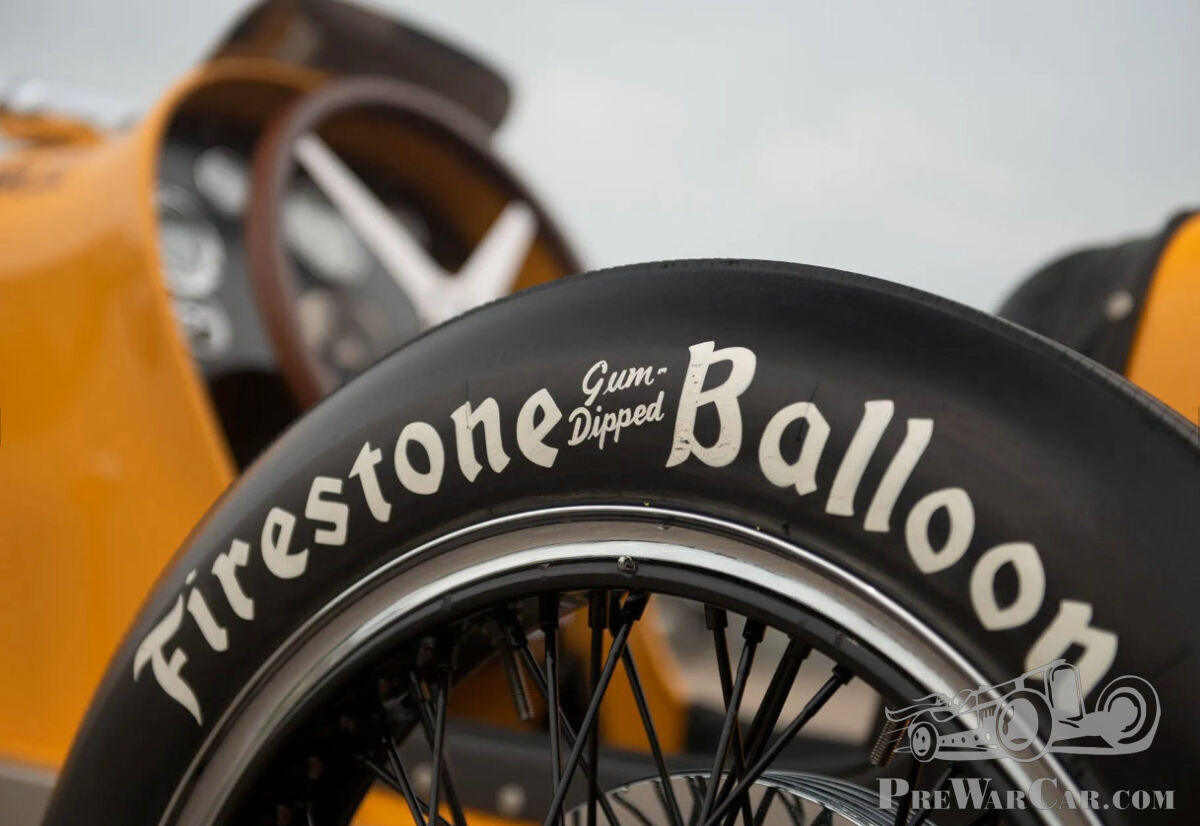
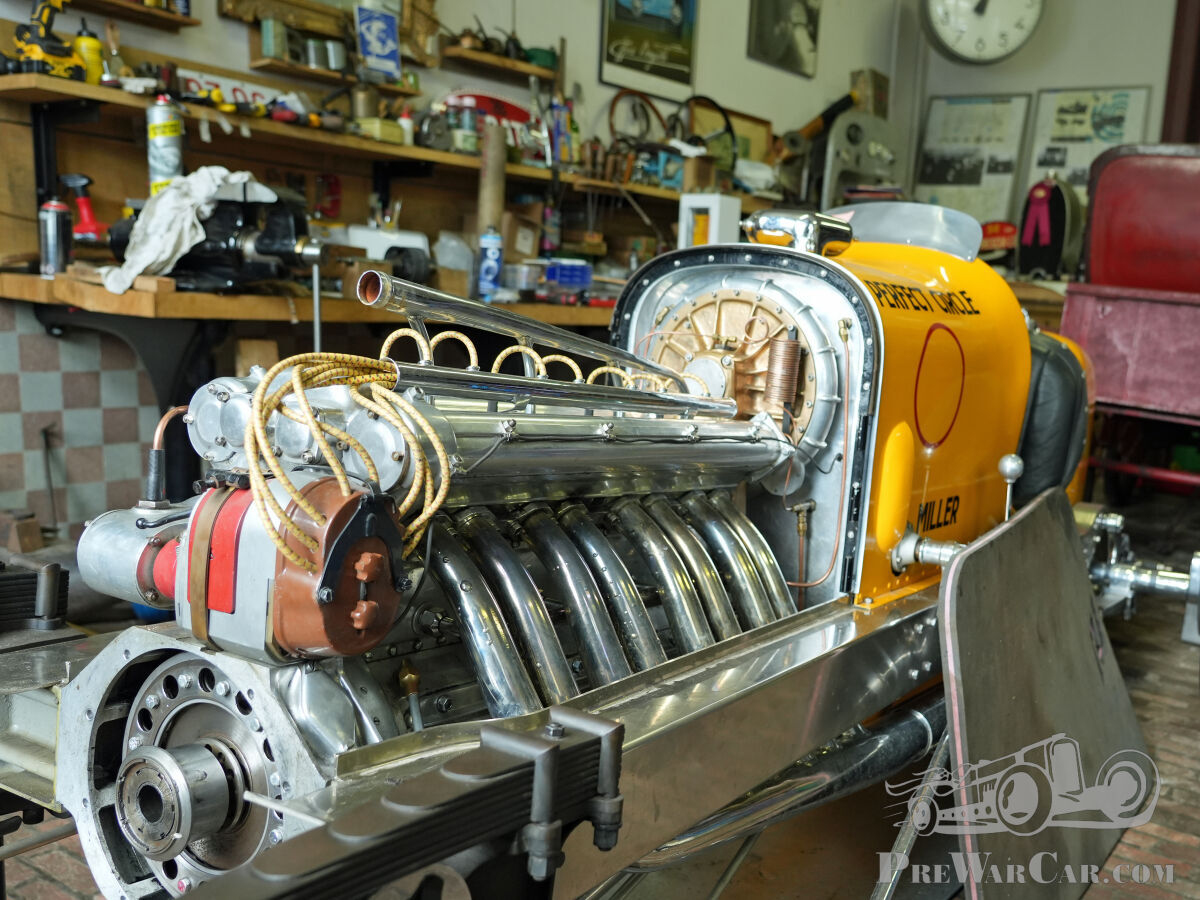
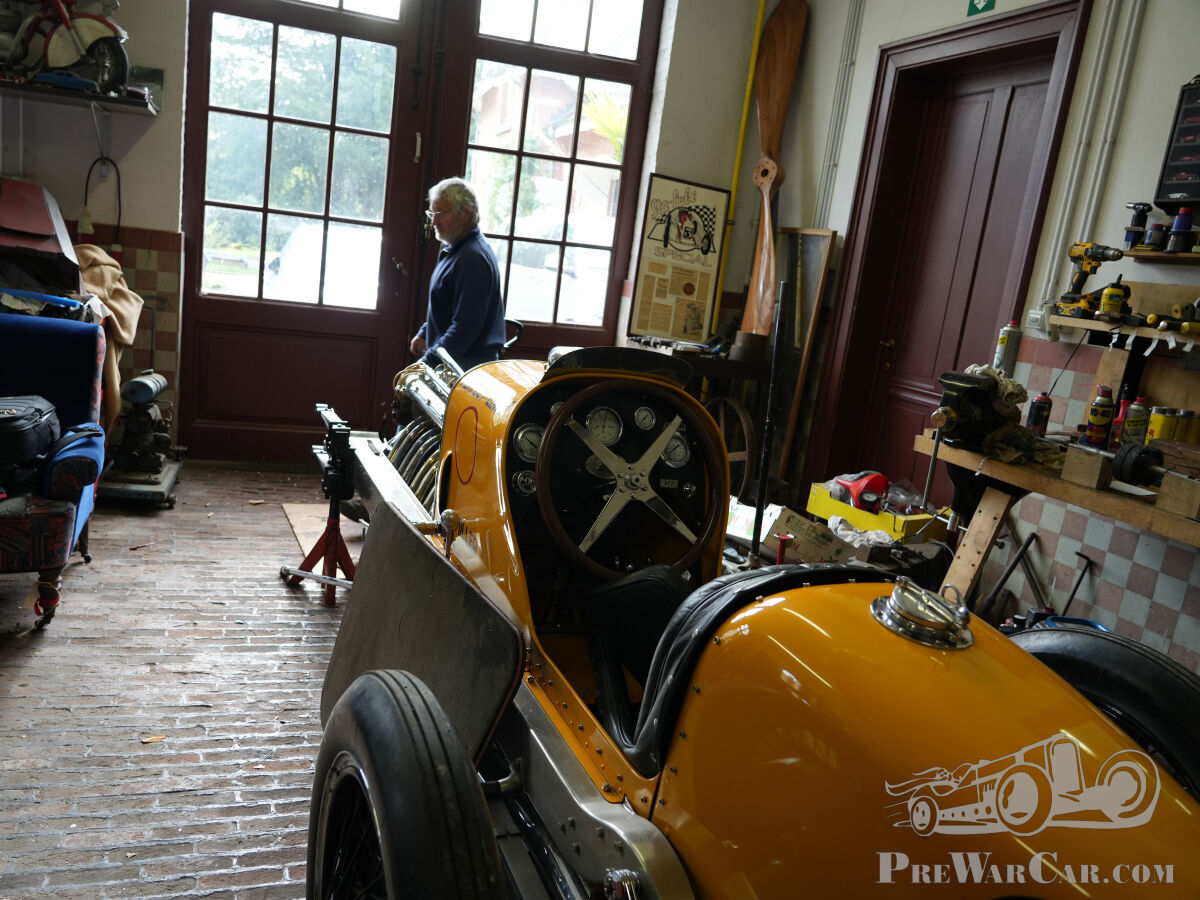
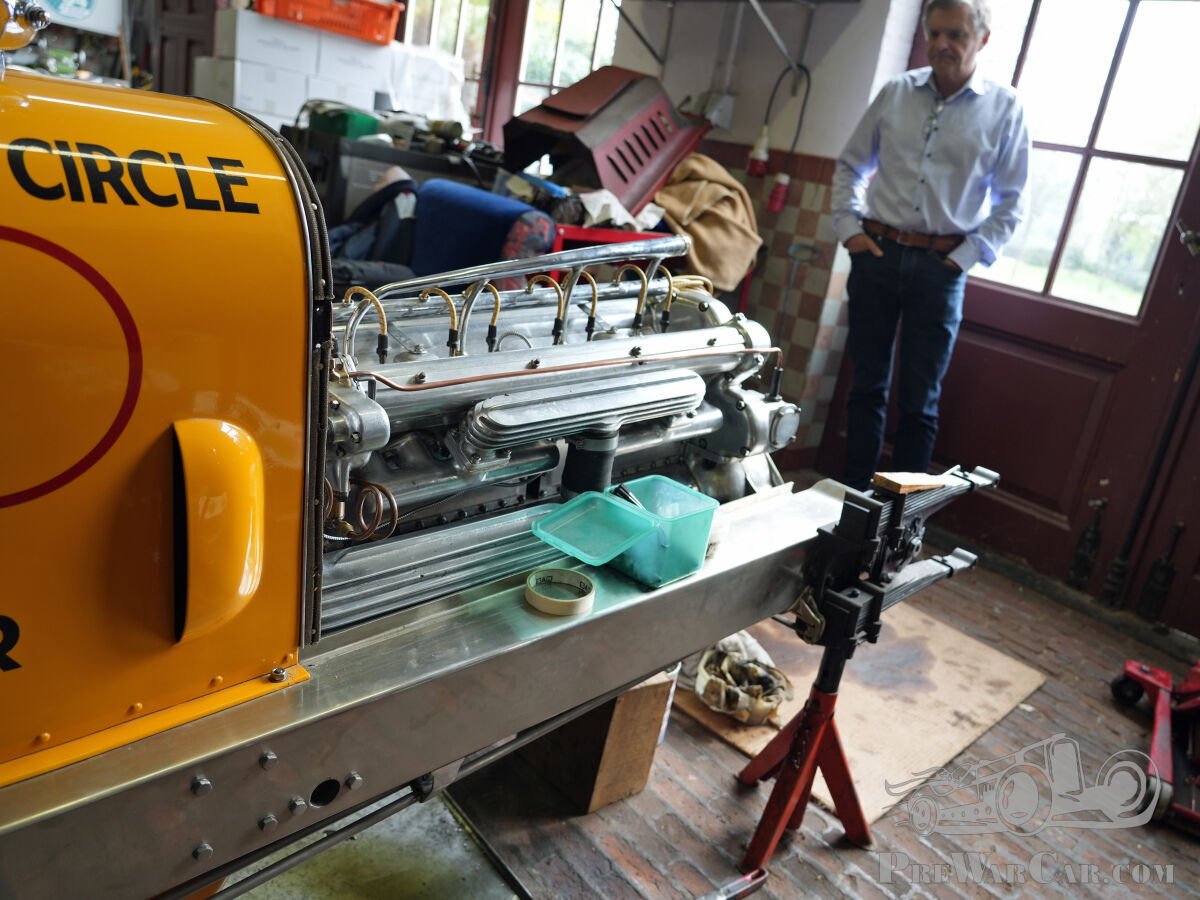
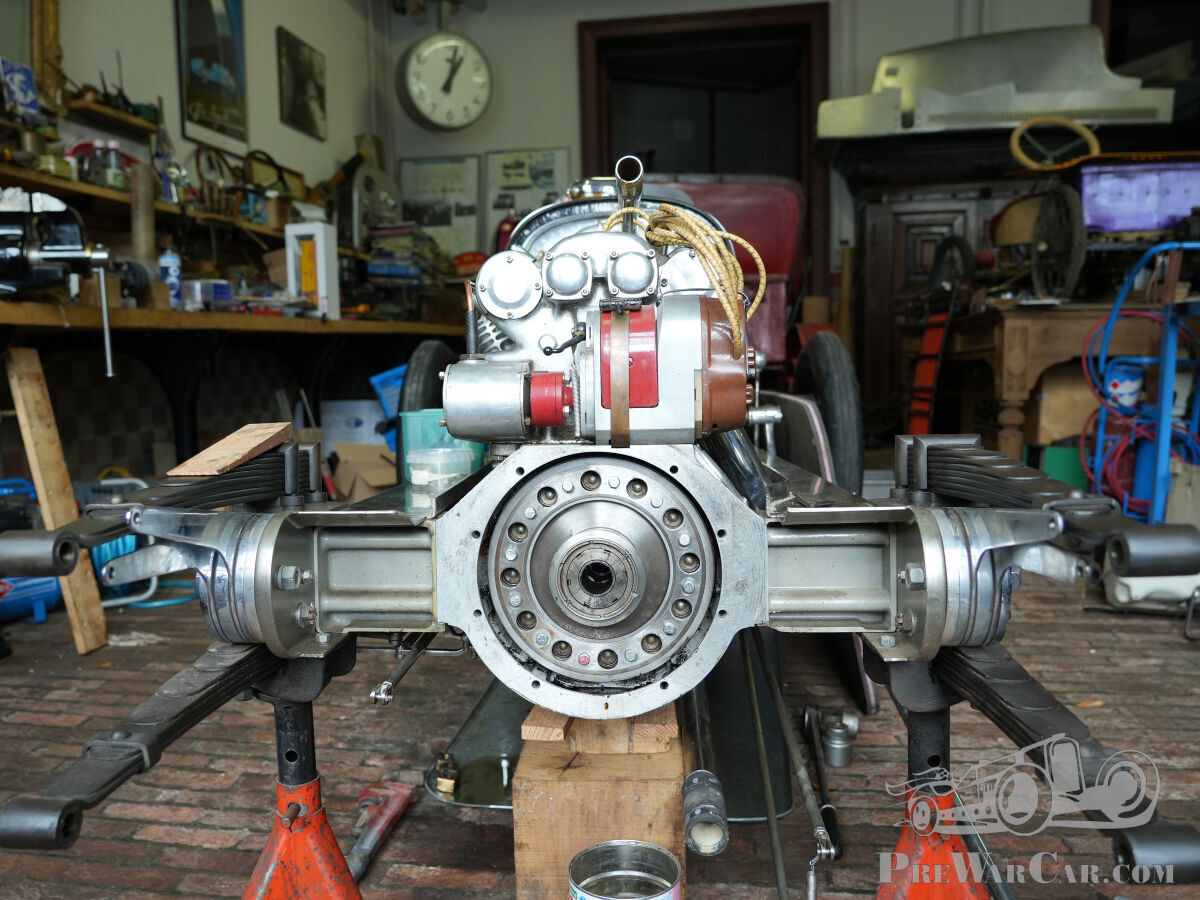
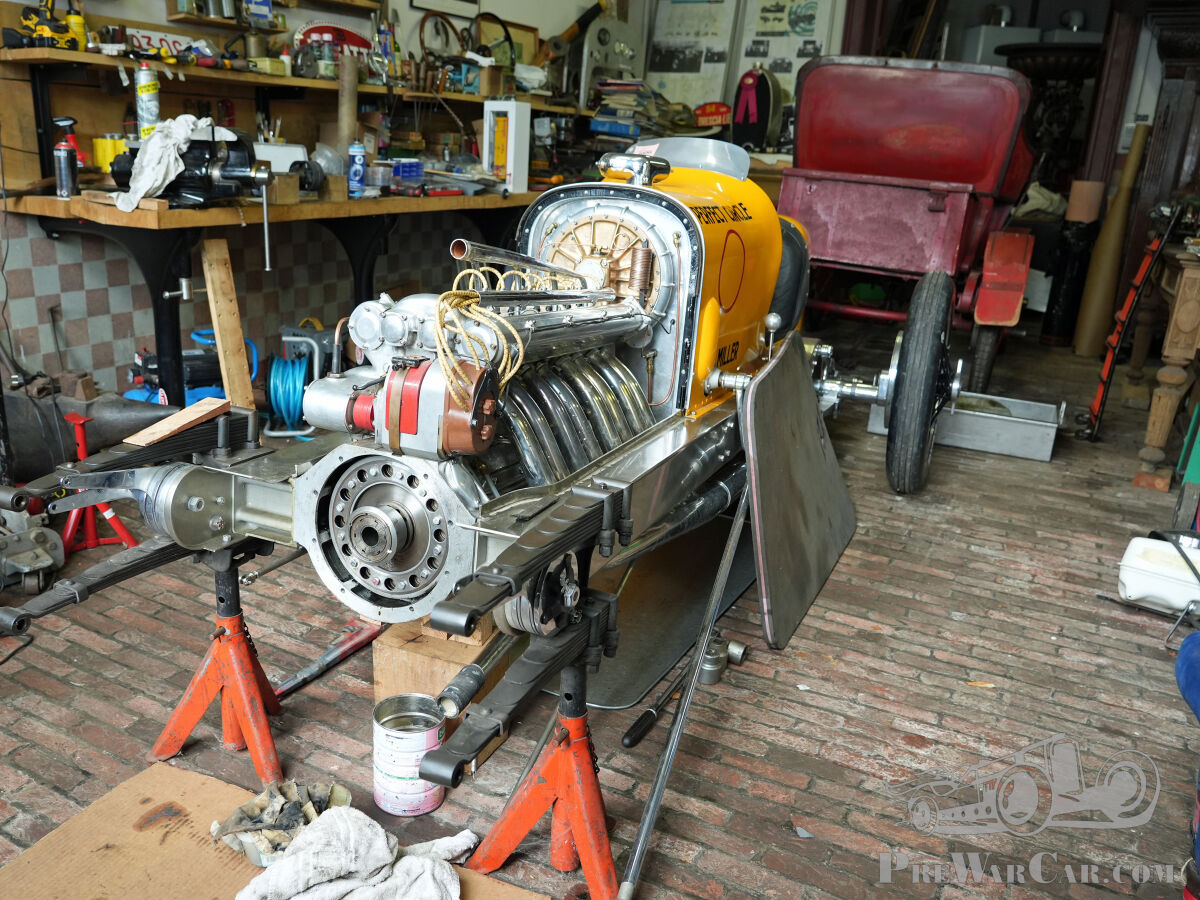
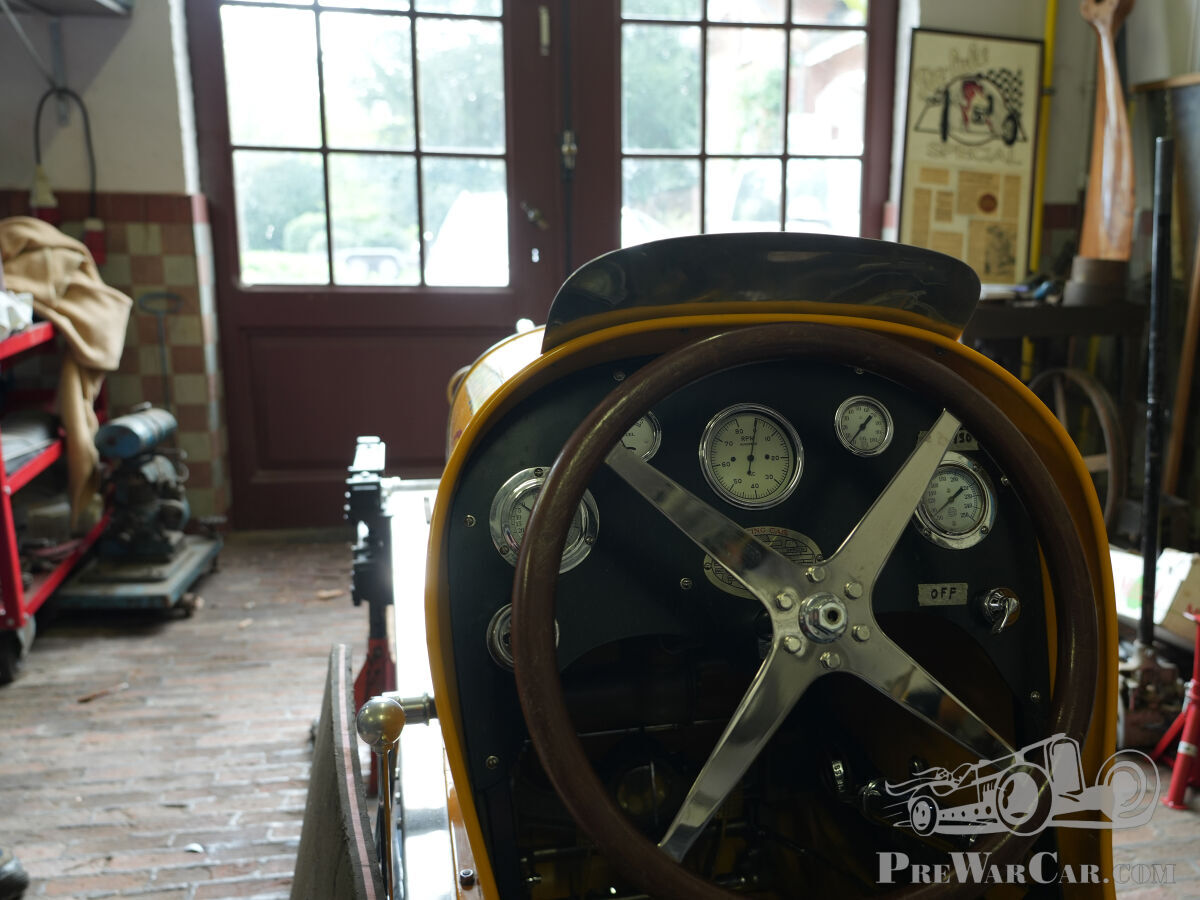
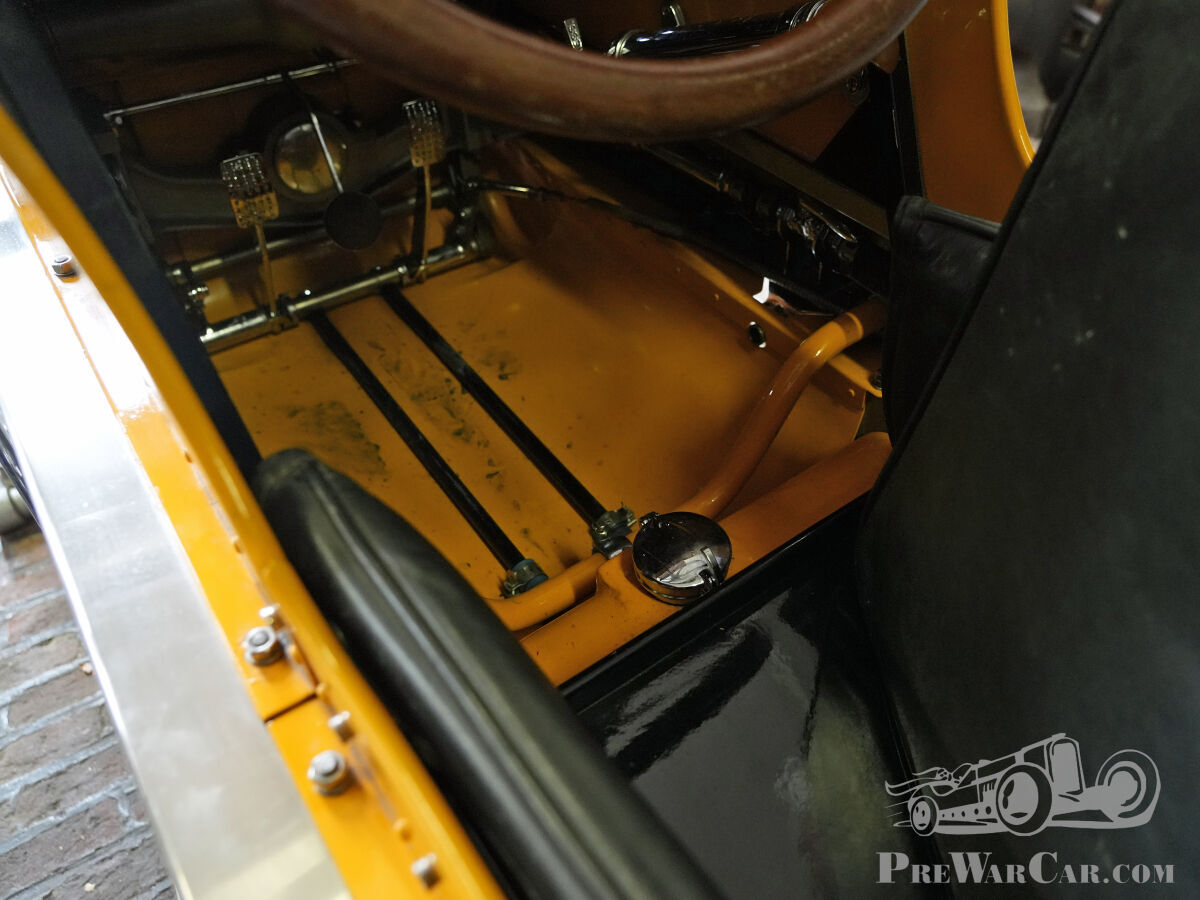
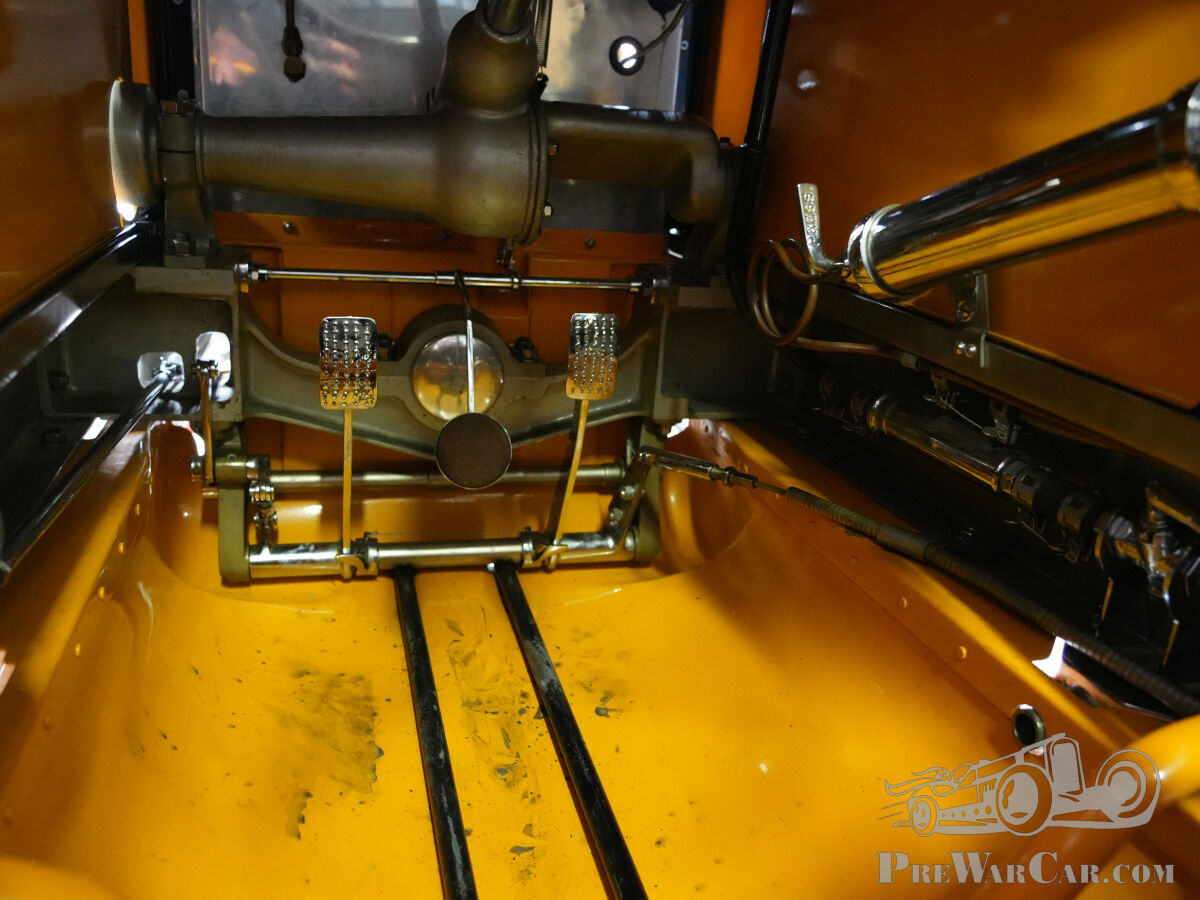
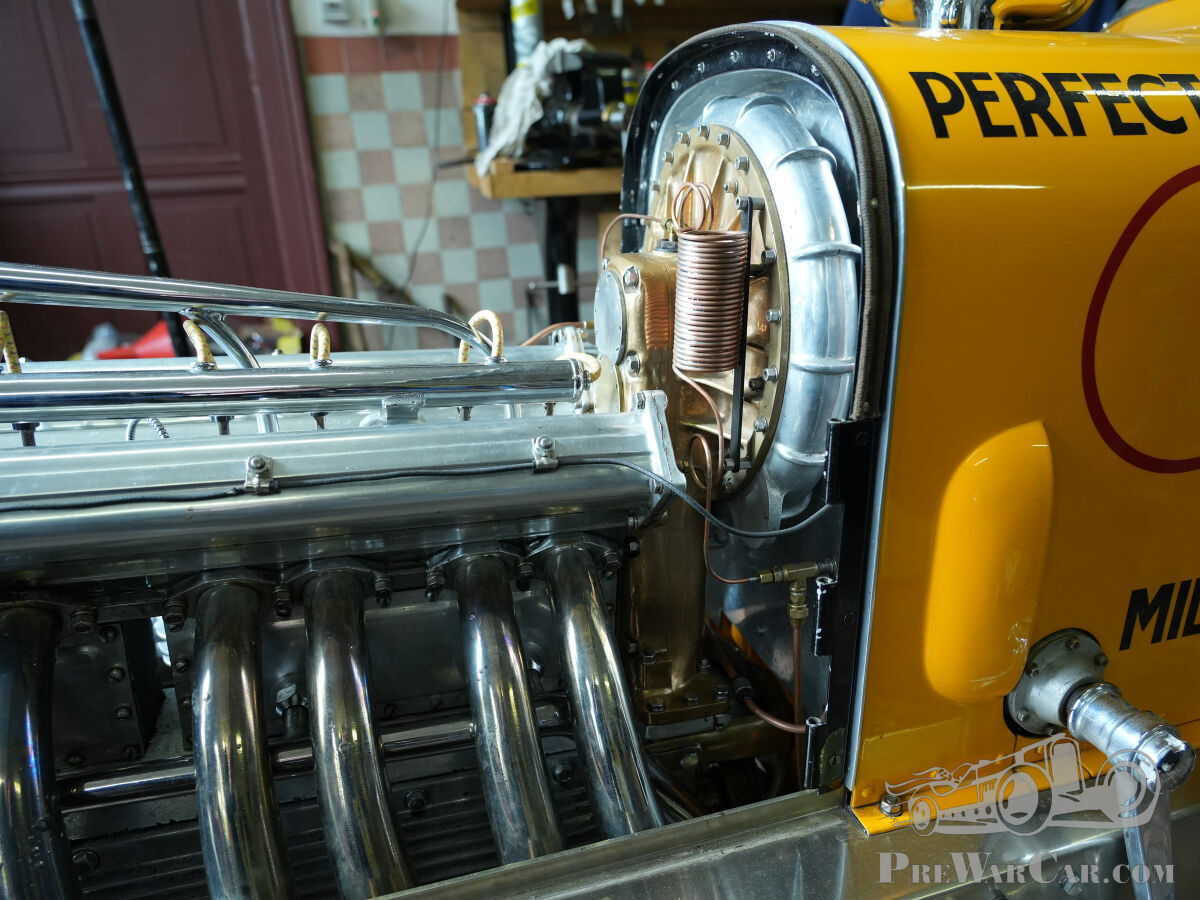
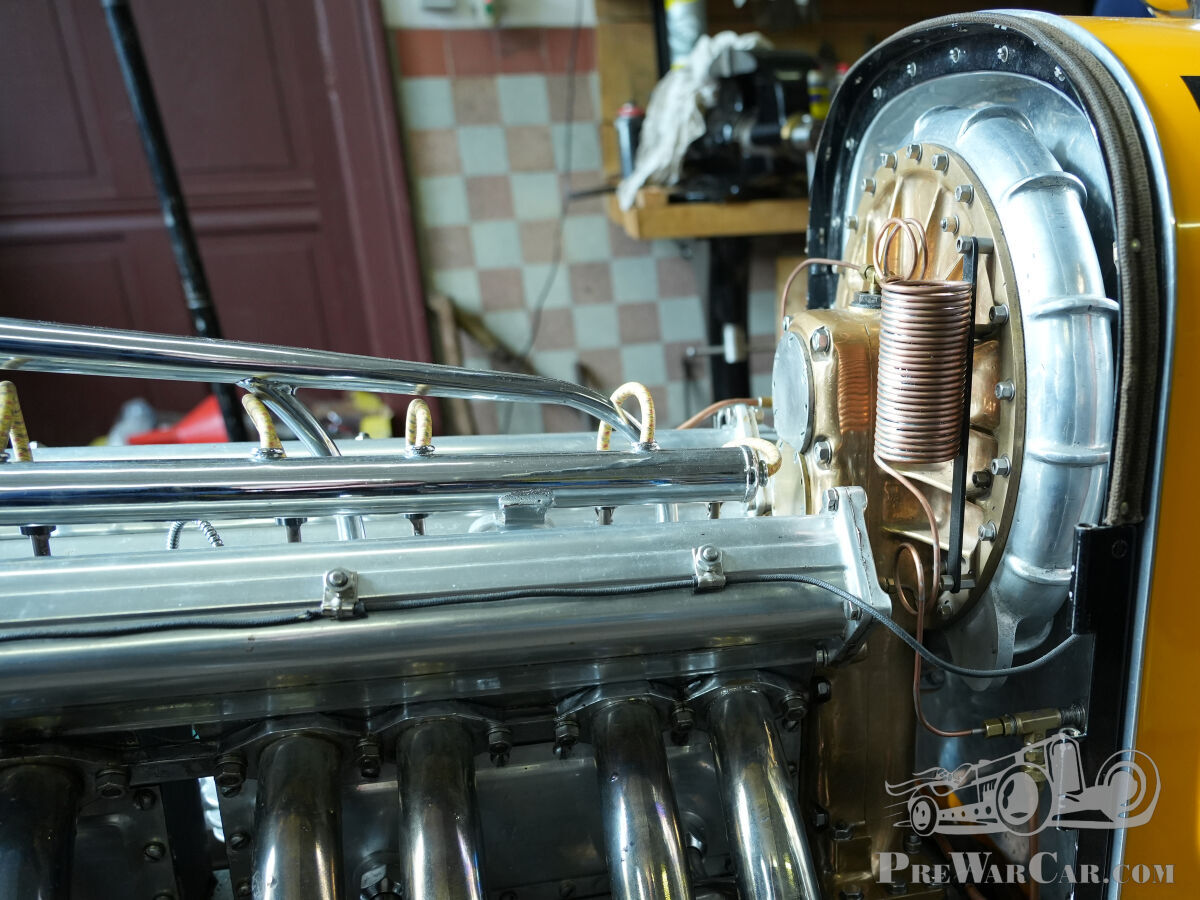
There will, of course, be hundreds of special and historic cars to admire at Montlhéry, but the Miller really is deserving of a close look in order to firstly appreciate the extraordinary ingenuity of Miller’s original design, as well as the quality of its more recent restoration. The positioning of the radiator directly on top of the gearbox gives the car an extremely distinctive appearance, with Miller making the most of its positioning to run a water pipe into the gearbox to help it remain cool. The supercharger’s position at the back of the engine forces the carburetter to be mounted close to the pedal box, and the racy-looking scoop poking through the scuttle is the air intake. The engine is hand-started through a hole in the frame on the right-hand side, and the differential has been described as “very small and elegant.”
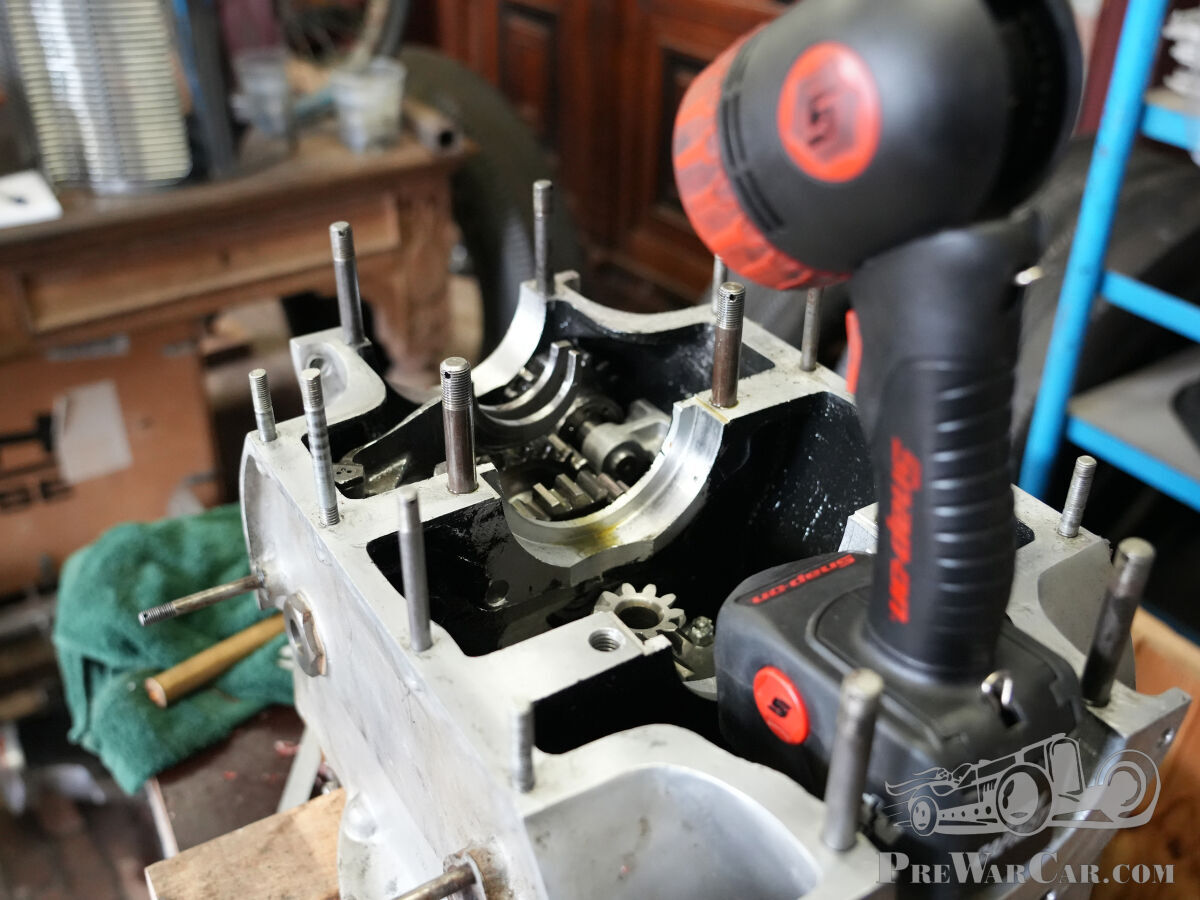
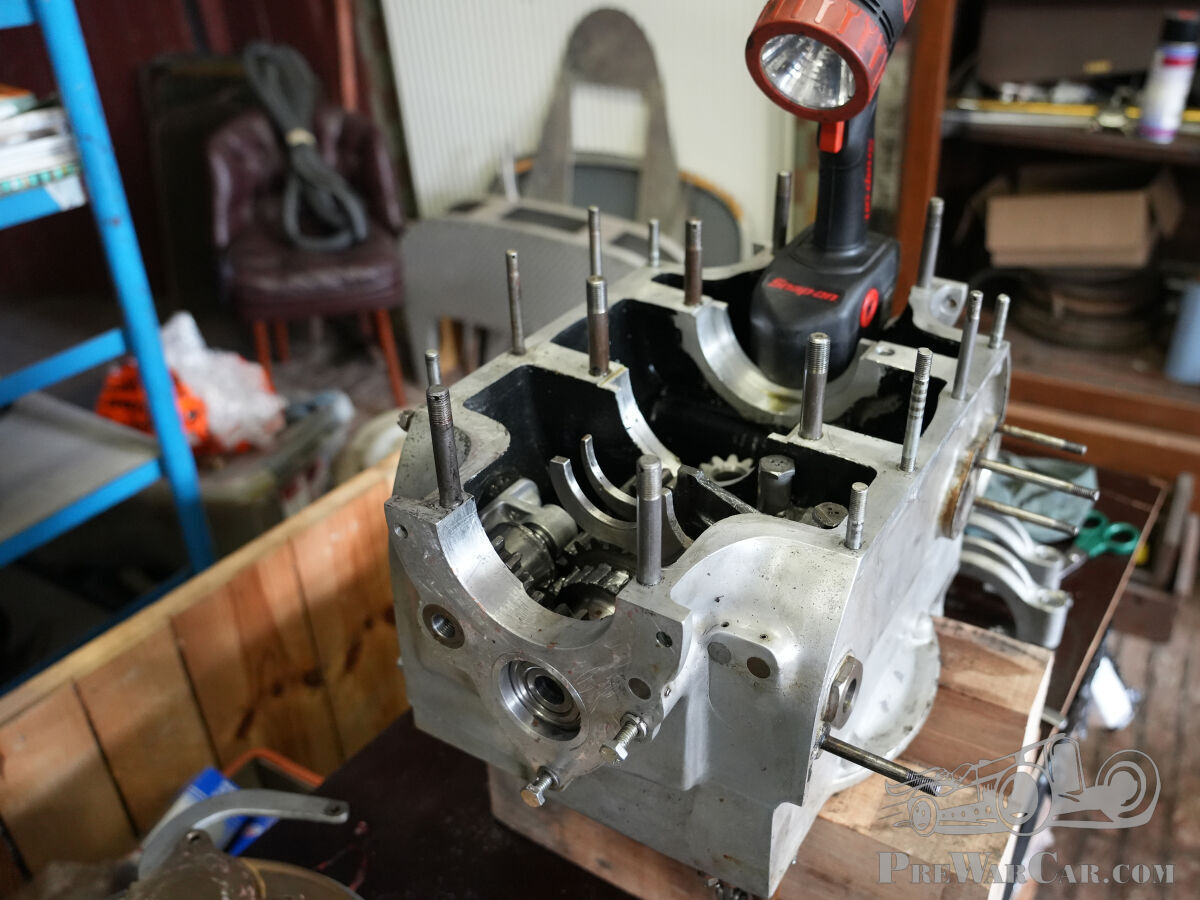
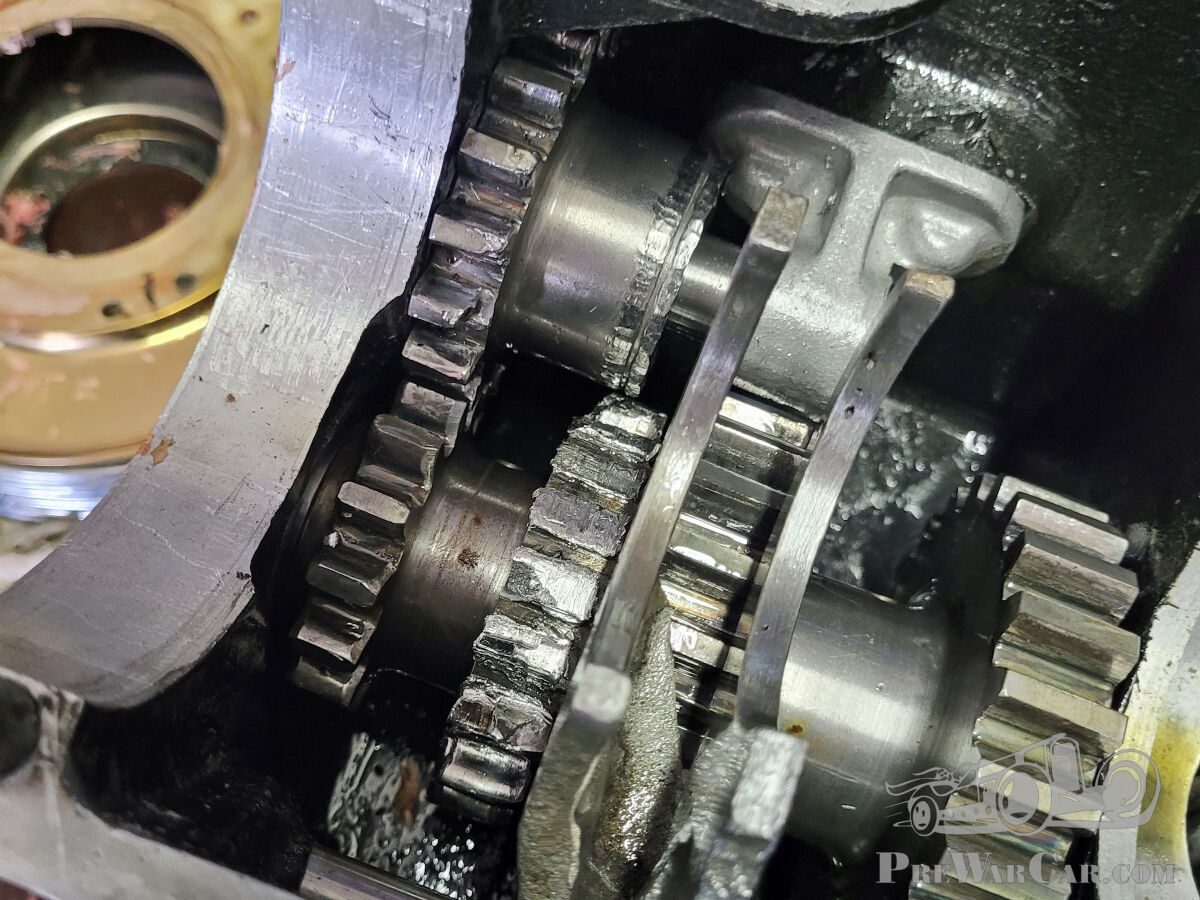
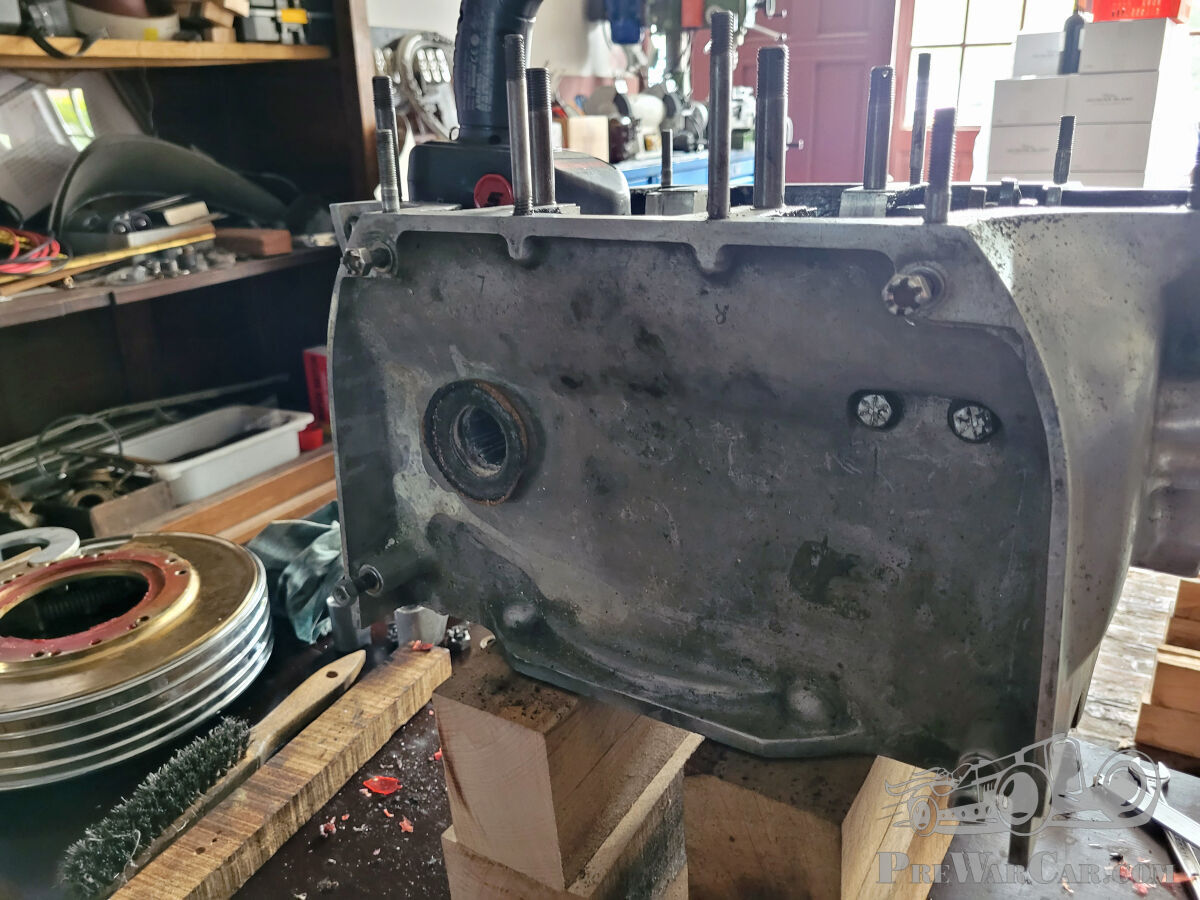
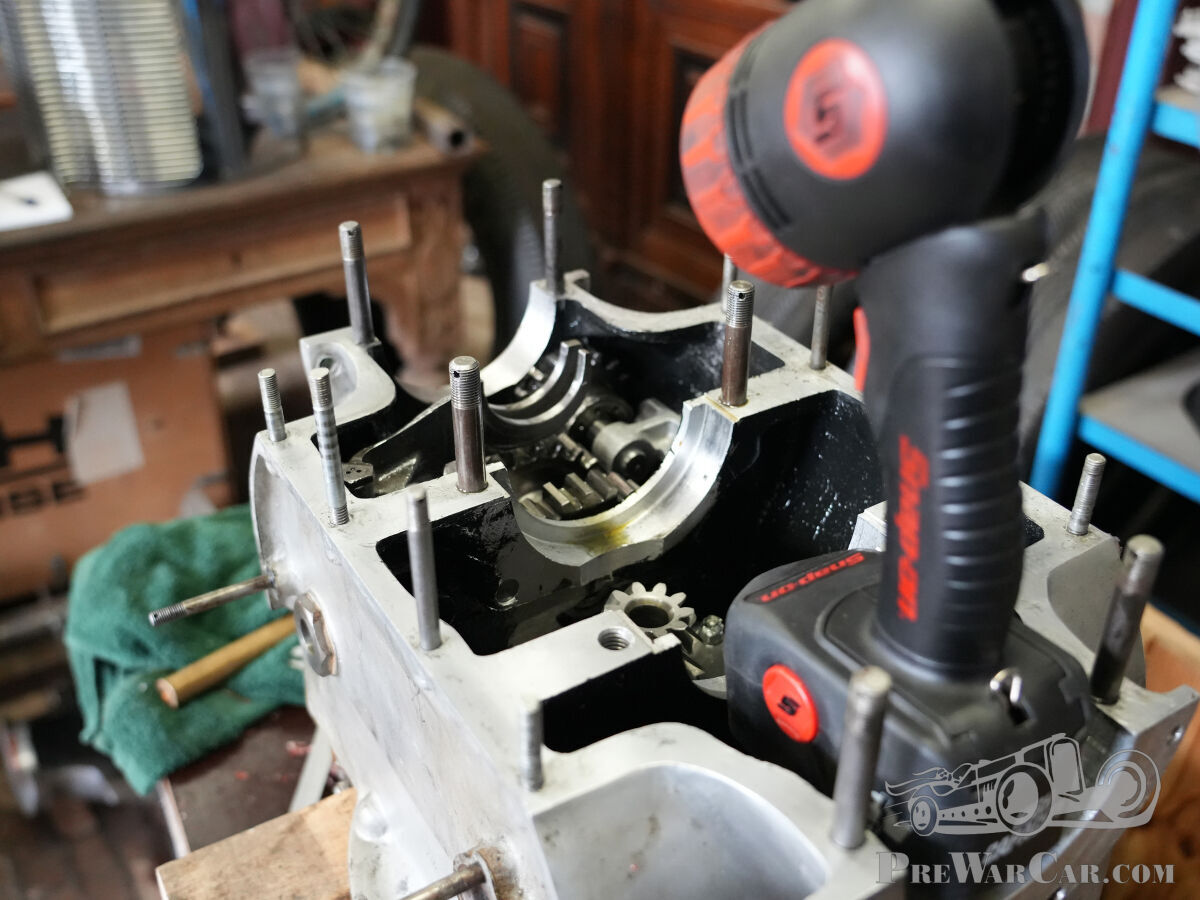
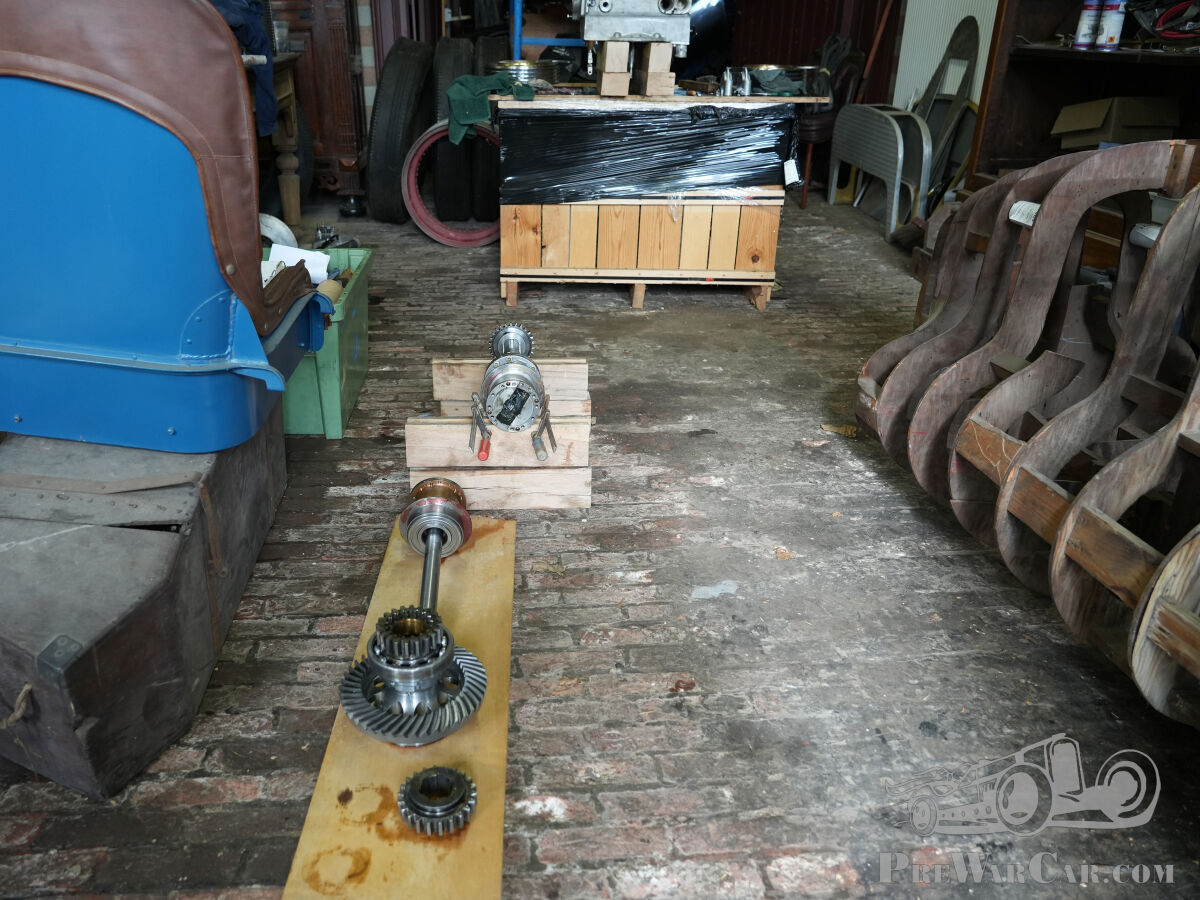
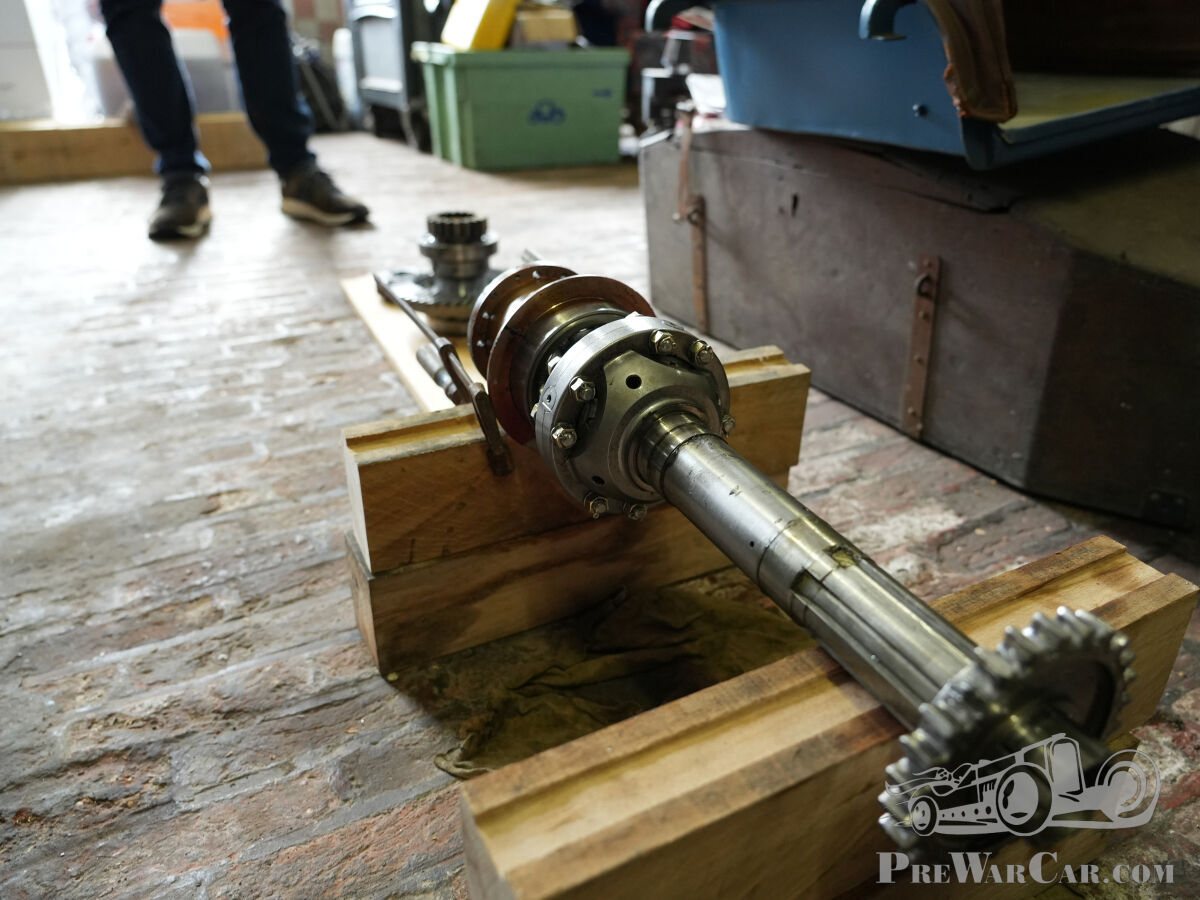
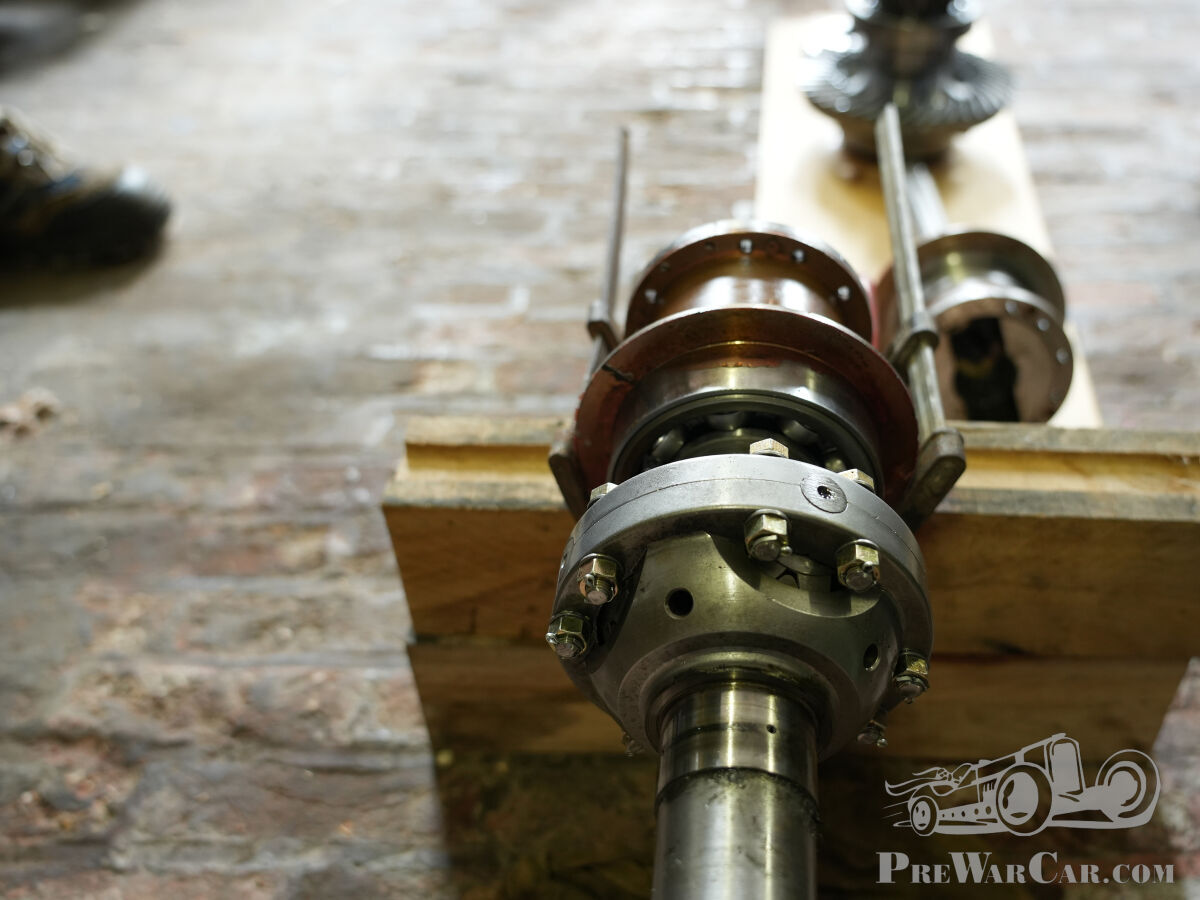
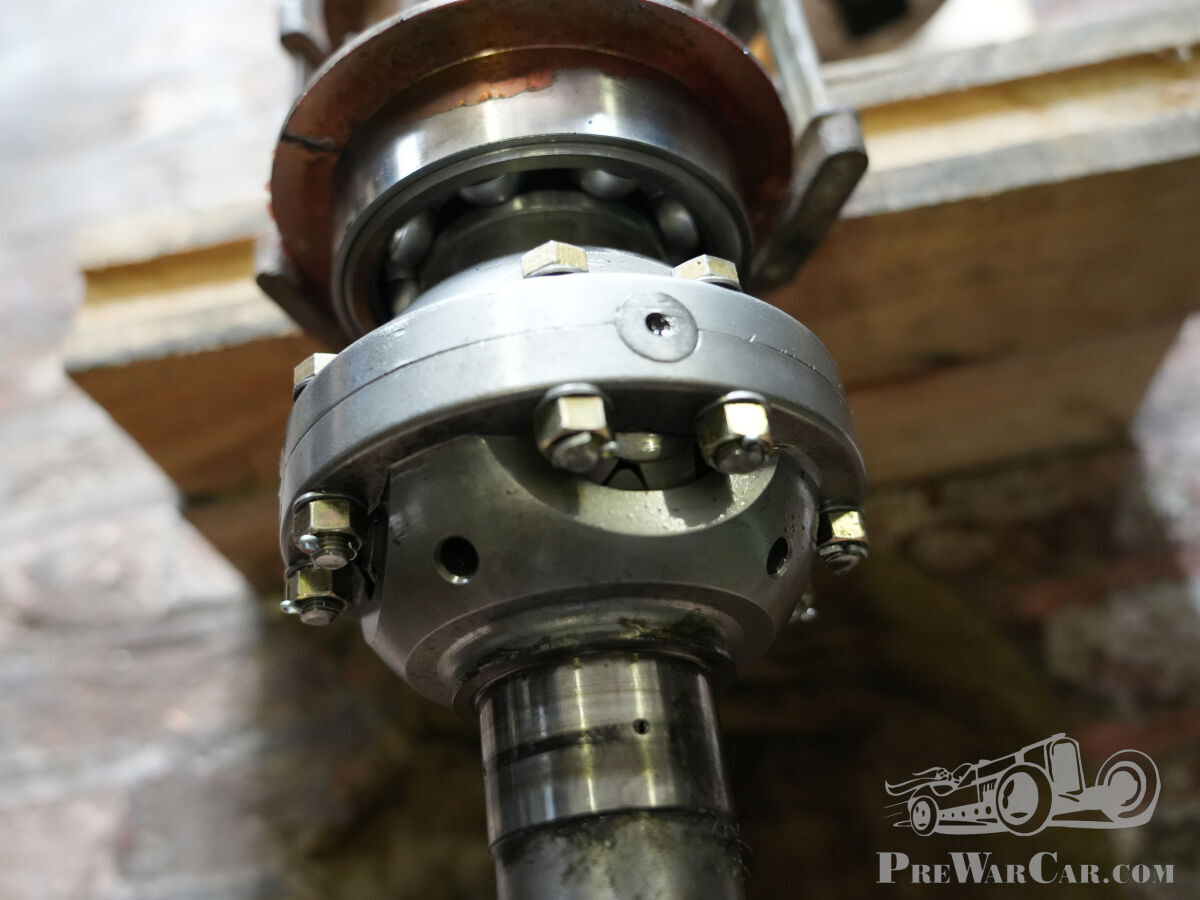
Readers will want to join us in cheering on the owner in these last days leading up to the event. As we all know, old-car ownership is fraught with hazards, especially so when the car in question is an extremely powerful and delicately-engineered racing machine, and our Miller suffered a slight catastrophe when it was being tested at a Belgian circuit a few weeks ago and some of the gears broke. It was a strange privilege for us that, when we went to see it, we got to see it in a dismantled state with the gearbox internals exposed, but the owner has been working apace to get it repaired and back together for Montlhéry.
Truly, the Miller seems to have been as much the work of an artist as an engineer, and the mechanically curious could spend hours poring over each fascinating detail. To do that, of course, you’ll have to make your way to Vintage Revival Montlhéry. For more information about the event, or to buy tickets, visit www.vintage-revival.fr
Words: Zack Stiling
Photographs: Darin Schnabel, courtesy of RM Sotheby's
Published:
Tuesday May 7th, 2024
Facebook
LinkedIn
Twitter
WhatsApp
Email
Copy