The global magazine and marketplace for classic car enthusiasts, by enthusiasts.


Filter
Make a choice:
- Cars
-
Make >>
-
Year >>
-
- Bikes
- Parts & more
-
Make of car >>
-
Manufacturer >>
-
Category >>
- Bicycles & more
-
Year >>
-
Countries


Peugeot's streamlined baby
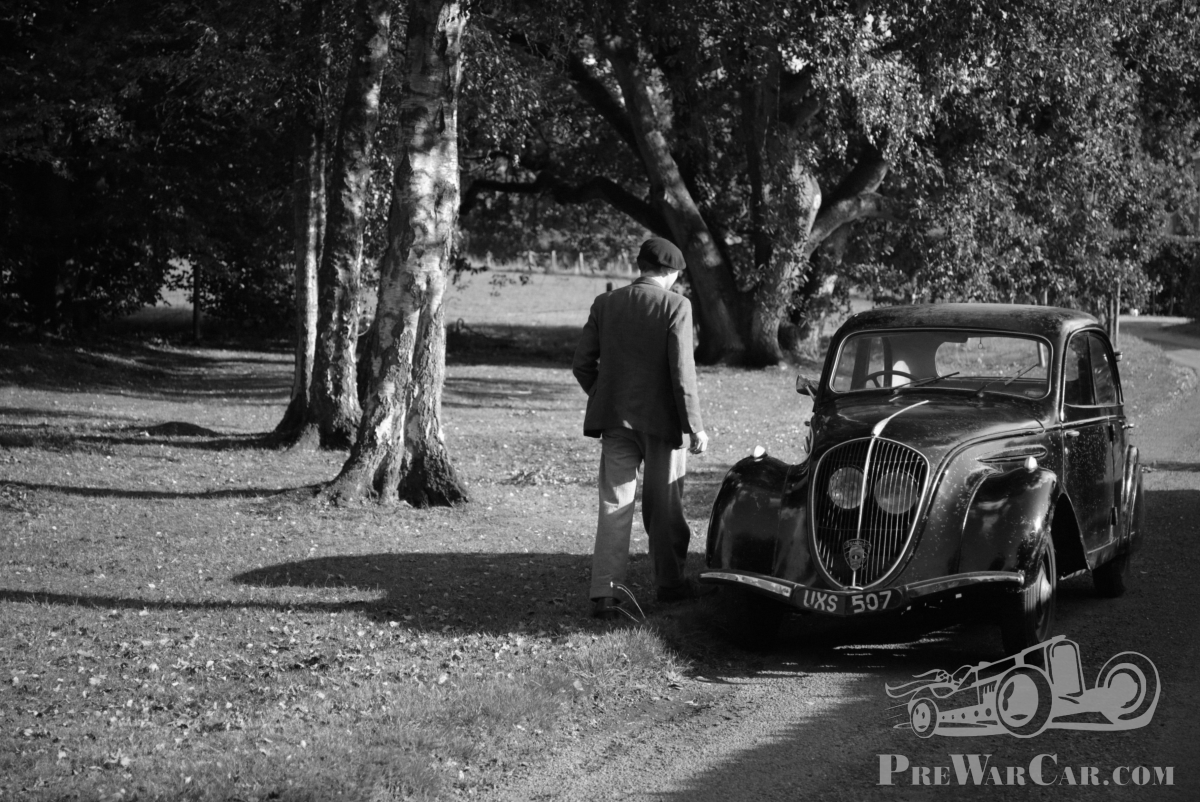
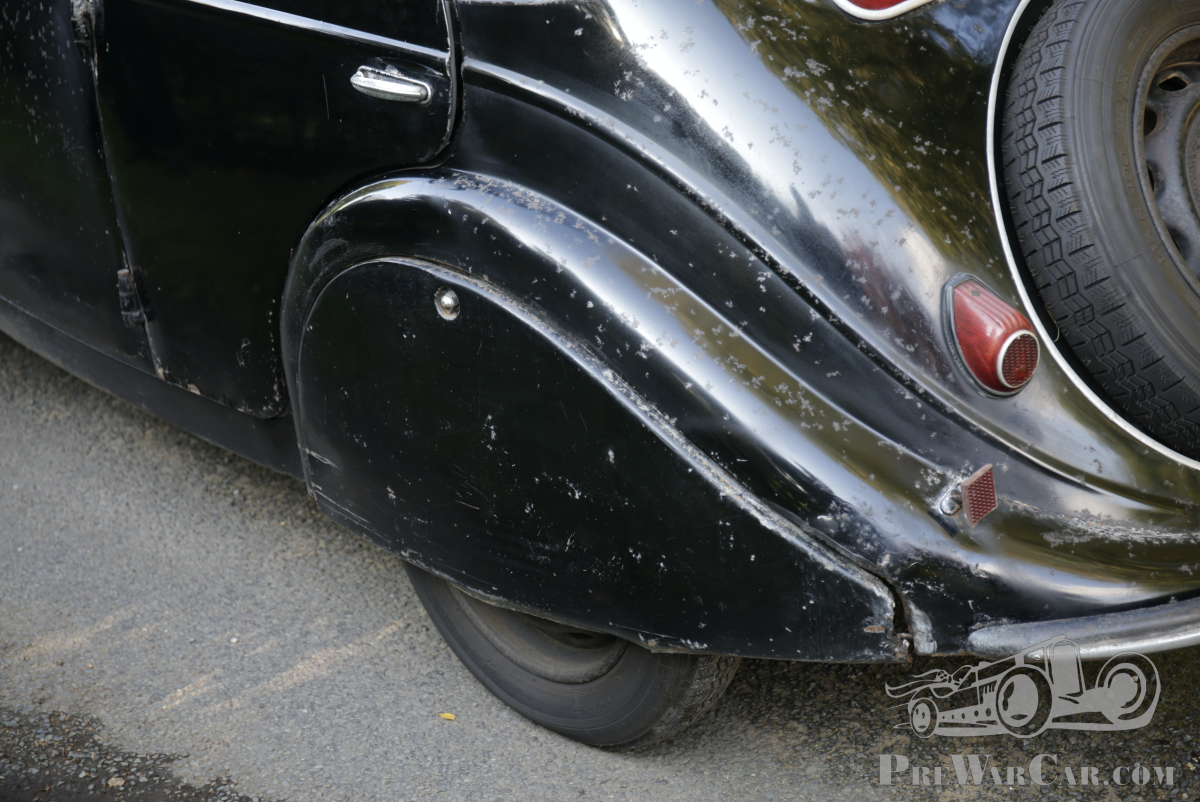


The 1930s is remembered as the age of streamlining, although it’s not always obvious from the cars of the time. Some fashion-conscious stylists helped popularise sweeping wings and fastback bodies, but there was little genuine scientific interest in the practical benefits of streamlining. The aesthete’s idea of streamlining often differed from the real thing, and serious attempts at applying aerodynamic principles frequently became costly disasters, as cars like the Chrysler Airflow and Singer Airstream were rejected for their strange appearance.
Peugeot could claim to succeed where others had failed, because its 202, 302 and 402 series of sold in their thousands between 1935 and 1949. Then again, such a claim would be slightly disingenuous when they only amounted to superficial copies of earlier streamliners and did not attempt anything technically revolutionary. Their appearance was merely a question of style; it was not arrived at through comprehensive wind-tunnel testing. They had the advantage, too, of being offered mainly to the French, a people not known for their conservative inhibitions.
The 02 range really were the vehicles that made fully streamlined motor cars acceptable to the mainstream buyer. Delwyn Mallett drives an unrestored 202 and traces the roots of the Peugeot’s style in the May issue of The Automobile, on sale now.
Words by Zack Stiling. Photographs by Nick Clements.
Published:
Thursday April 22nd, 2021
Facebook
LinkedIn
Twitter
WhatsApp
Email
Copy
Comments
Henk Oost
24 April 2021, 10:48
The launch of 402-series of Peugeot in October 1935 for the model year 1936 was a direct answer to the Citroën Traction-Avant launched one year earlier. As the Citroën was front wheel driven, Peugeot remained the rear drive with the bronze worm, typical for Peugeot. A new type box-sectioned chassis was designed for lowering the complete new bodyline designed by Henri Thomas and made the absence of running boards possible, such an improvement compared with the Chrysler Airflow of 1934 that maintained the traditional chassis with running boards. The 202 of 1938 was the successor of the 201, outdated by 1937 and followed the 402-302 line in simplified expressions. The 402 of it’s first production year 1936, is my favorite already for 45 years – I’m the longest during owner - and I admire the fluent lines of it’s bodywork. It is a very comfortable car to drive and quite underestimated compared with de front wheel driven Citroën, but it lacked a fourth gear (the Citroën also) and there never came a 6-cylinder version although there was a V8-project to rival with Citroën’s 22CV, but for both brands it came to nothing. It was to much!
Read more
Tony Haycock
22 April 2021, 23:30
While the Sochaux Fuseau style cars were not a technical revolution, under their delightfully art-deco skin, their efficient ohv four cylinder engines and independent front suspension still put them on a par with, or ahead of many of their competitors in low to mi price bracket. My totally original oily rag 1937 302 is almost at the end of the recommissioning process and from the few miles I've driven it so far, compares very favourably to other cars of the era. Once I have the road-legal my plan is a back-to back comparison with a French-assembled Traction Avent.
Read more
John Elema
22 April 2021, 21:08
This is me on a saturday afternoon somewhere in the 1950’s. On that occasion my dad expected me to be ready for an initial driving lesson, with a 202U suitable for that purpose. At the time my legs proved to have insufficient length to reach the pedals but a few years later I could ride his VW
Read more
Michael Schlenger
22 April 2021, 00:49
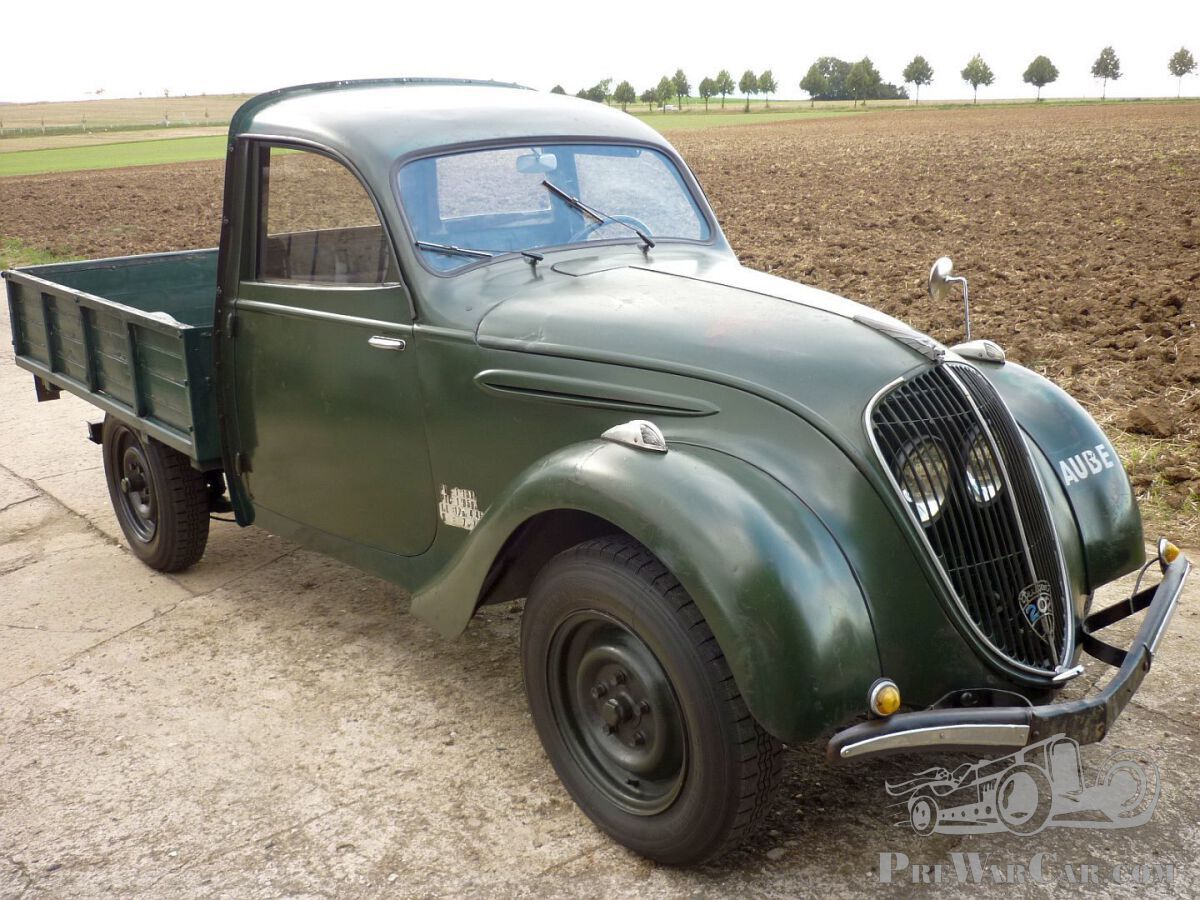
Indeed, Peugeot's 02 models showed how streamlined looks and elegance can chime in with each other. Yet, I particularly like the "utility" versions of the rugged little 202, where streamlining didn't make much sense. Attached is a photo showing my "oily rag" 202 from 1949 with original body. First, it was used by the French army - one still finds lots of traces of the original painting on the car - before it was sold to a farmer in the Champagne area (around Troyes). He had it resprayed it in a similar coulour and used it until the 1970s. I bought it from a chap who had discovered it in France and had it only mechanically restored. With its unconventional looks it's a real headturner...
Read more