The global magazine and marketplace for classic car enthusiasts, by enthusiasts.


Filter
Make a choice:
- Cars
-
Make >>
-
Year >>
-
- Bikes
-
Location >>
- Parts & more
-
Make of car >>
-
Manufacturer >>
-
Category >>
- Bicycles & more
-
Year >>
-
Countries


Conservation piece: an oily-rag Voisin restored
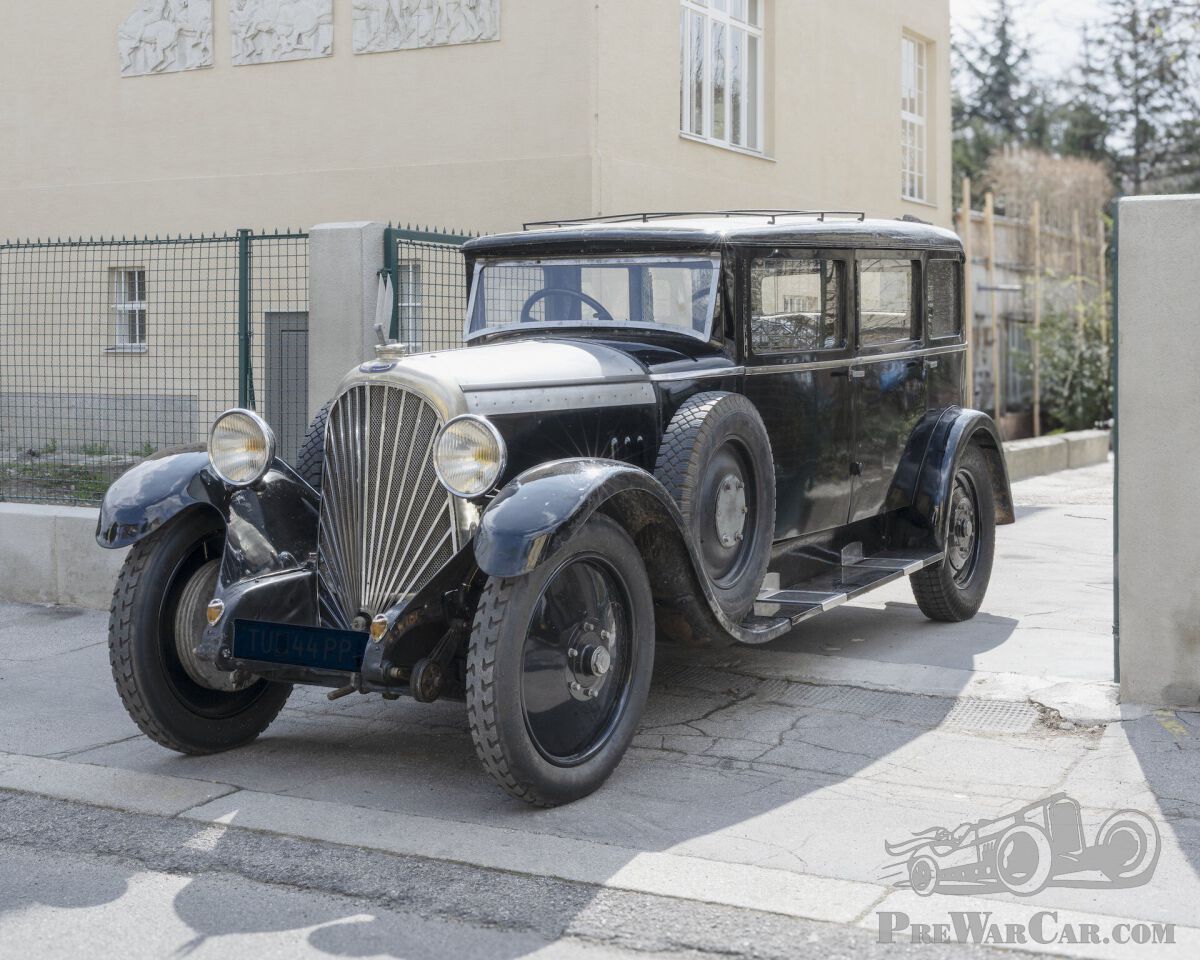
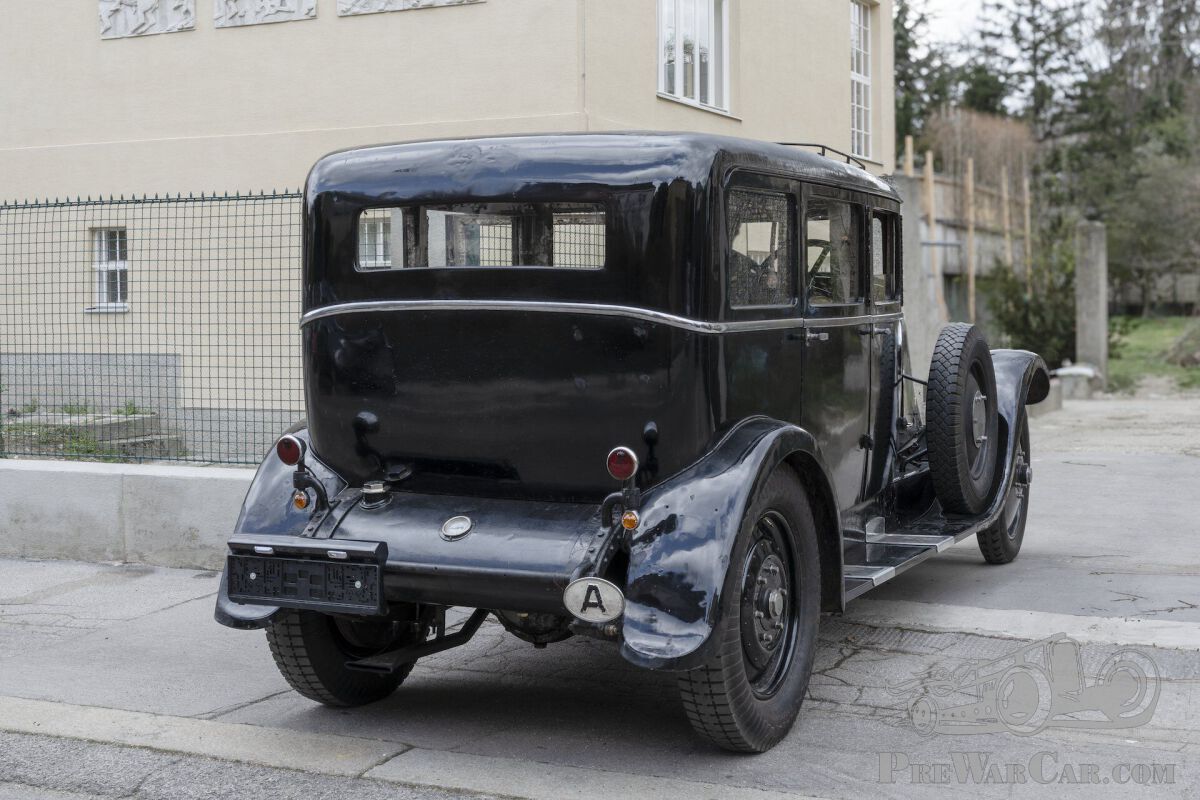
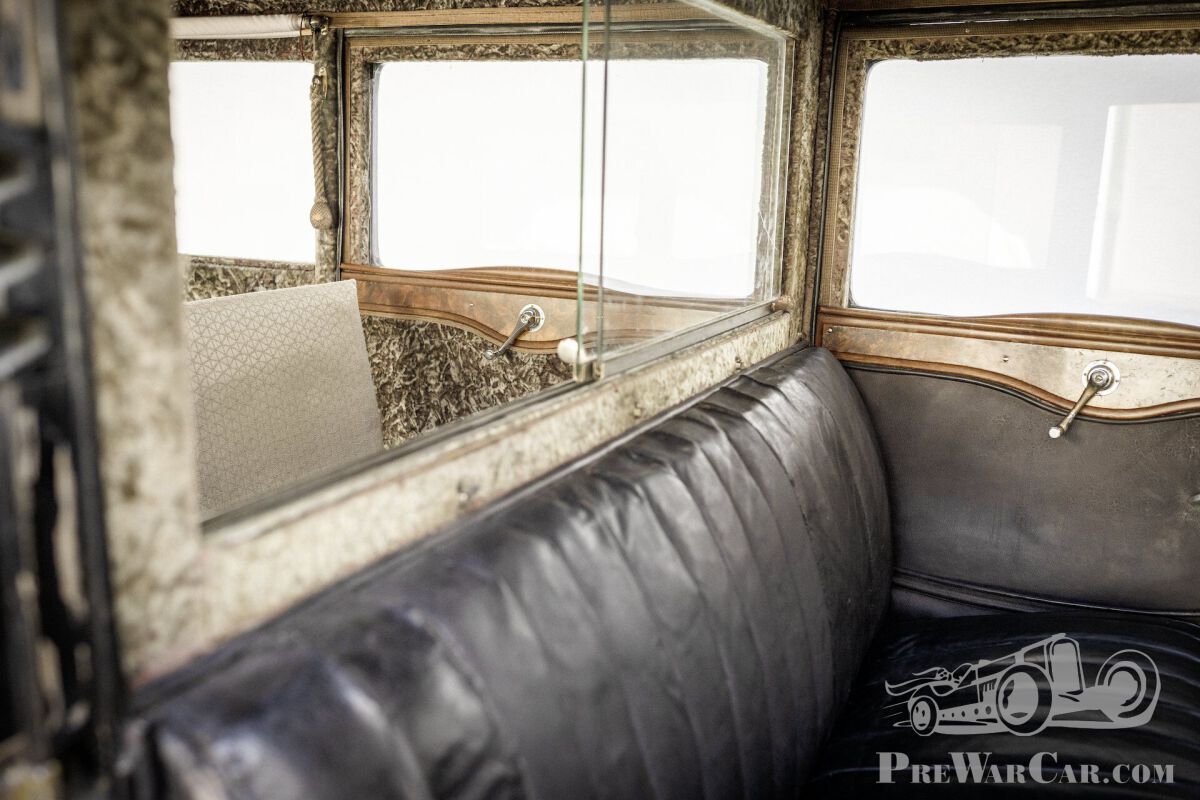


Restoring a car when necessary is a worthwhile and rewarding pursuit, but preservation is to be favoured whenever possible. Few cars offer a chance to combine the two disciplines, but this 1924 Voisin C3L did. When bought by a Voisin enthusiast in 2022, it had been off the road for decades, but it had been stored well enough that its berline body from circa 1930 had survived with the original paint largely intact. The interior had sustained some damage but, since it retained the most remarkable period upholstery, to reupholster it would have been unforgiveable. The project required the most creative and intelligent approach.
The Austrian conservationists at Craftlab took great pains to ensure they never deviated from original specification. The original walnut discs in the shock absorbers, for example, were still in good condition and were therefore reused; the bushes in the connecting flanges had to be renewed, but since they were elm originally, elm was used for the replacements.
Damaged areas of paintwork were retouched with mixtures of paint and hardening oils, which also restored adhesion to the historic paint where it had started to crack and flake. The extraordinary fur-like upholstery was essentially irreplaceable, so the damaged areas were repaired using surplus sections of the original material.
The methods employed in this most sympathetic of restorations could provide valuable guidance to anyone responsible for fragile historic vehicles. Zack Stiling details the process in the May issue of The Automobile, available now.
Words by Zack Stiling
Photographs by Elena Henrich
Published:
Friday May 16th, 2025
Facebook
LinkedIn
Twitter
WhatsApp
Email
Copy