The global magazine and marketplace for classic car enthusiasts, by enthusiasts.


Filter
Make a choice:
- Cars
-
Make >>
-
Year >>
-
- Bikes
-
Location >>
- Parts & more
-
Make of car >>
-
Manufacturer >>
-
Category >>
- Bicycles & more
-
Year >>
-
Countries


What happened to the remarkable Macher Coupé?
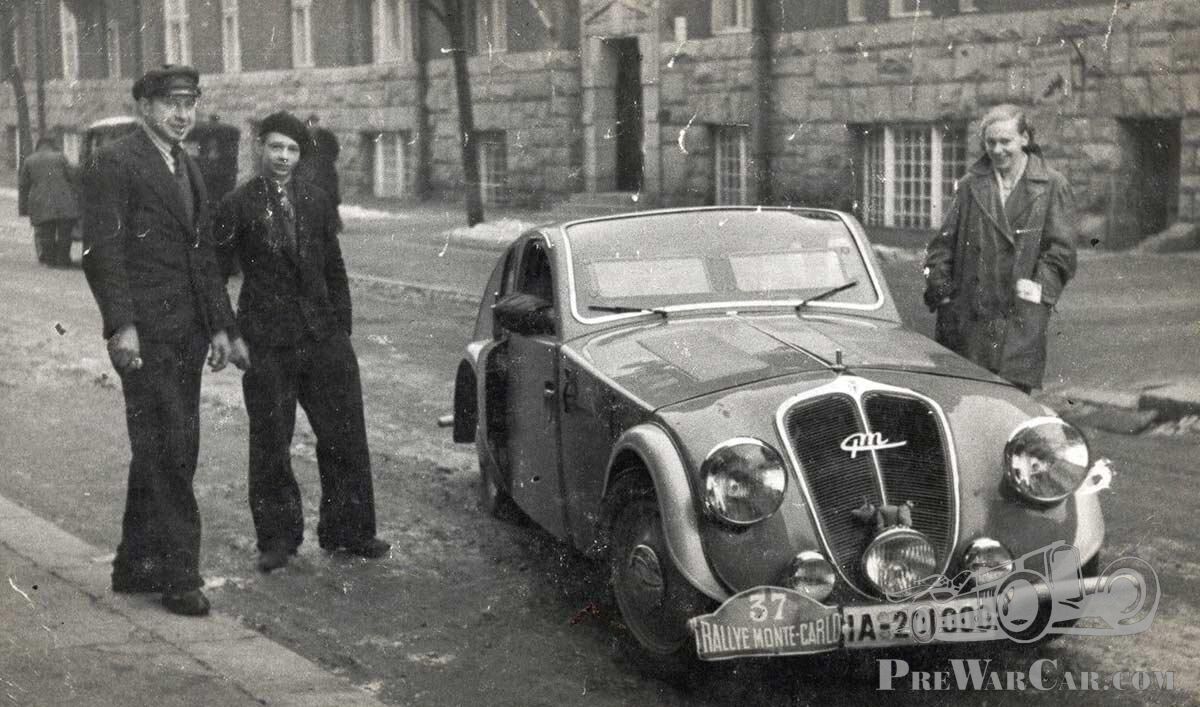
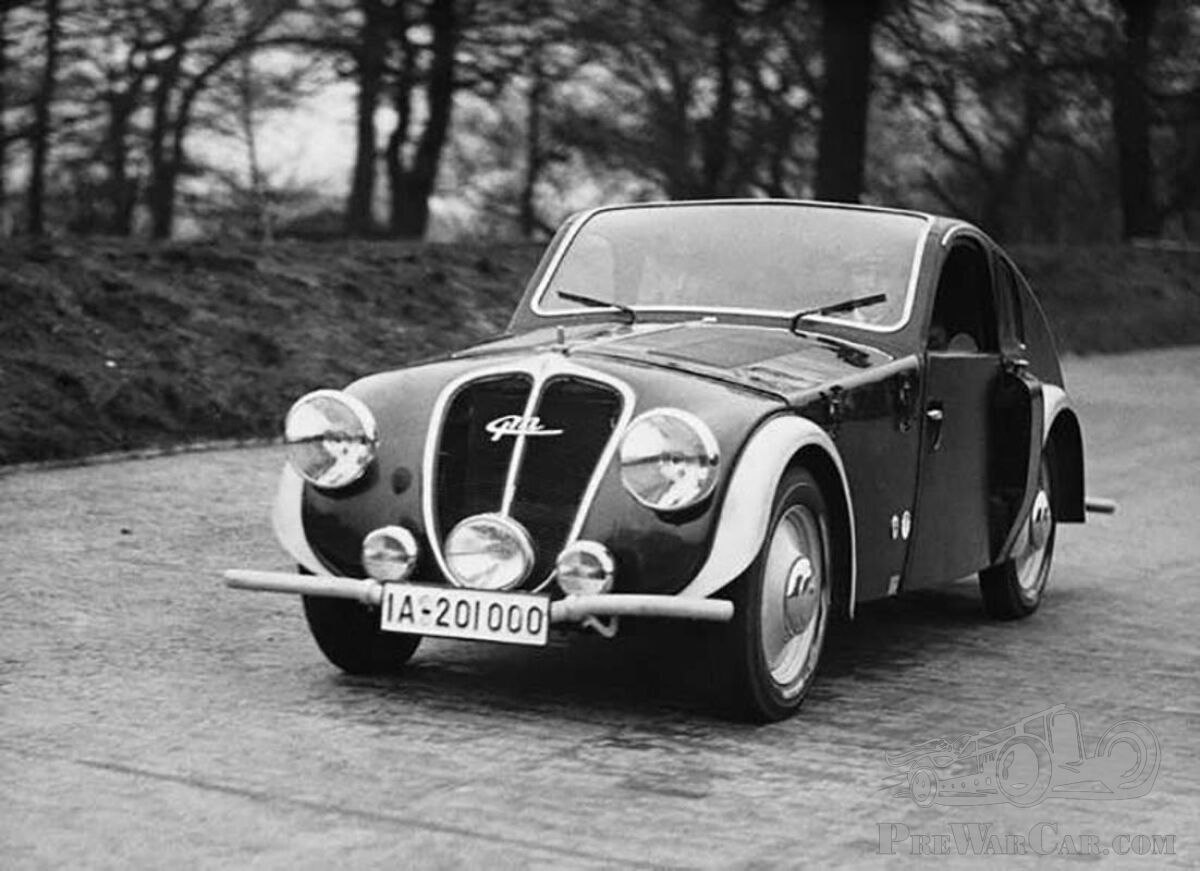


What do you do when you are eager to compete in international 1.5-litre racing events in the mid-1930s, but only have a 692cc two-stroke, twin-cylinder DKW engine at your disposal? Berlin engineer, racer and rally driver Gerhardt Macher – “a two-stroke man through and through” – decided to modify his car by installing a second engine at the rear, bringing the total displacement to 1,384cc.
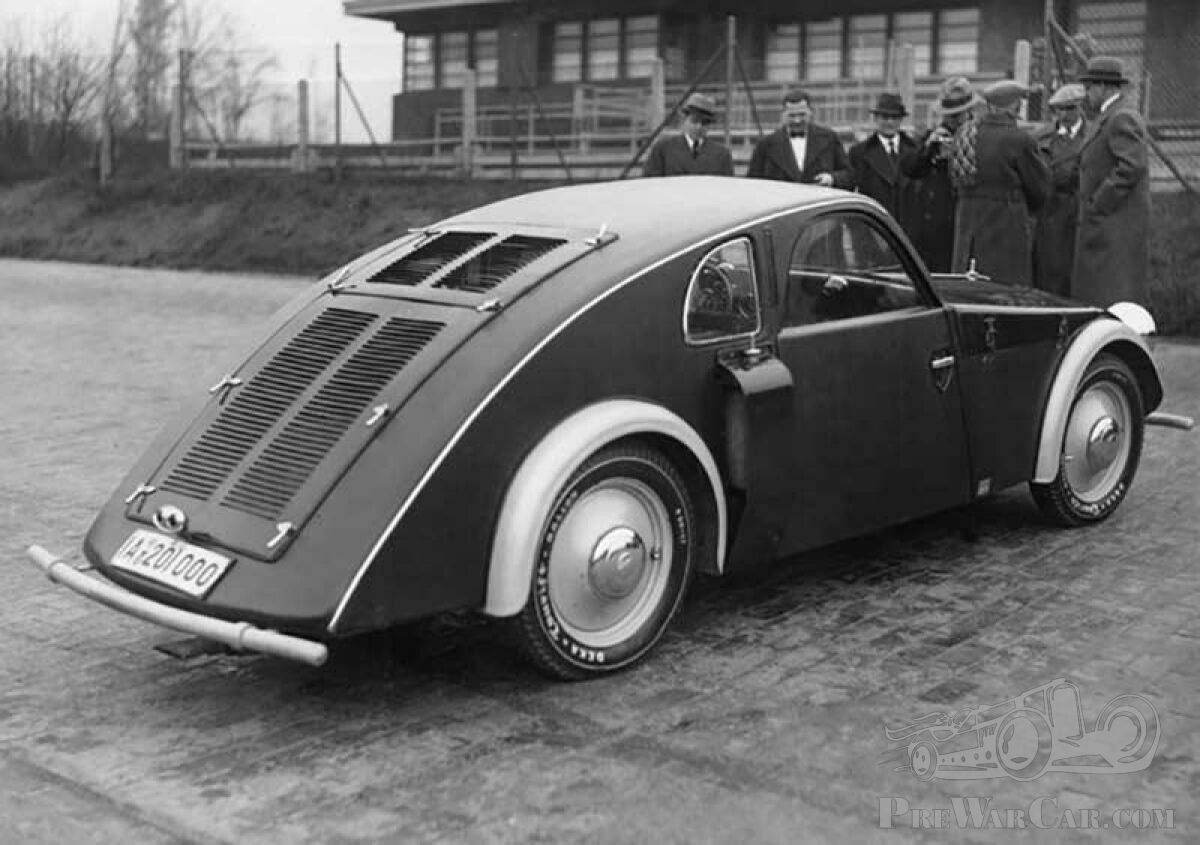
It sounds simple, but it can hardly have been. Macher coupled both engines to the front engine’s three-speed manual gearbox in a heavily modified chassis. The front two-stroke engine was water-cooled, while the rear unit was air-cooled and mounted in reverse, requiring modifications to the starter motor and dynamo. It was also connected to a second driven axle. With a single accelerator cable operating both engines, the four-wheel-drive GM Special was reportedly capable of a top speed of 125 km/h while consuming 12 litres of fuel per 100 kilometres.
With such extensive modifications to the chassis, suspension, transmission and other mechanical components, it is hardly surprising that the bodywork also required substantial alterations. Macher created a new coupé body featuring an aerodynamic fastback profile and air intakes on either side behind the doors. The car’s curved windscreen was equally remarkable, anticipating Zagato’s Panoramica designs by many years. Even more remarkably, Macher’s windscreen was made of Plexiglas. The number of innovations and ingenious engineering solutions incorporated into this car is truly mind-boggling.
We do not know what became of it, but we would love to discover that it has survived. Who knows?
Words: Jeroen Booij, Picture: Science Museum Group
Published:
Friday June 26th, 2026
Facebook
LinkedIn
Twitter
WhatsApp
Email
Copy
Comments
Herman van oldeneel
26 June, 10:39
the German magazine "OldtimerMarkt" published in November 1997 some background history about the GM. Gerhardt Macher entered his GM special in the Monte Carlo Rallye in 1936 (instead of 1935 as stated in the article) , but DNF.
Read more