The global magazine and marketplace for classic car enthusiasts, by enthusiasts.


Filter
Make a choice:
- Cars
-
Make >>
-
Year >>
-
- Bikes
-
Location >>
- Parts & more
-
Make of car >>
-
Manufacturer >>
-
Category >>
- Bicycles & more
-
Year >>
-
Countries


Rally of the Giants 2024: where have all the vintage cars gone?

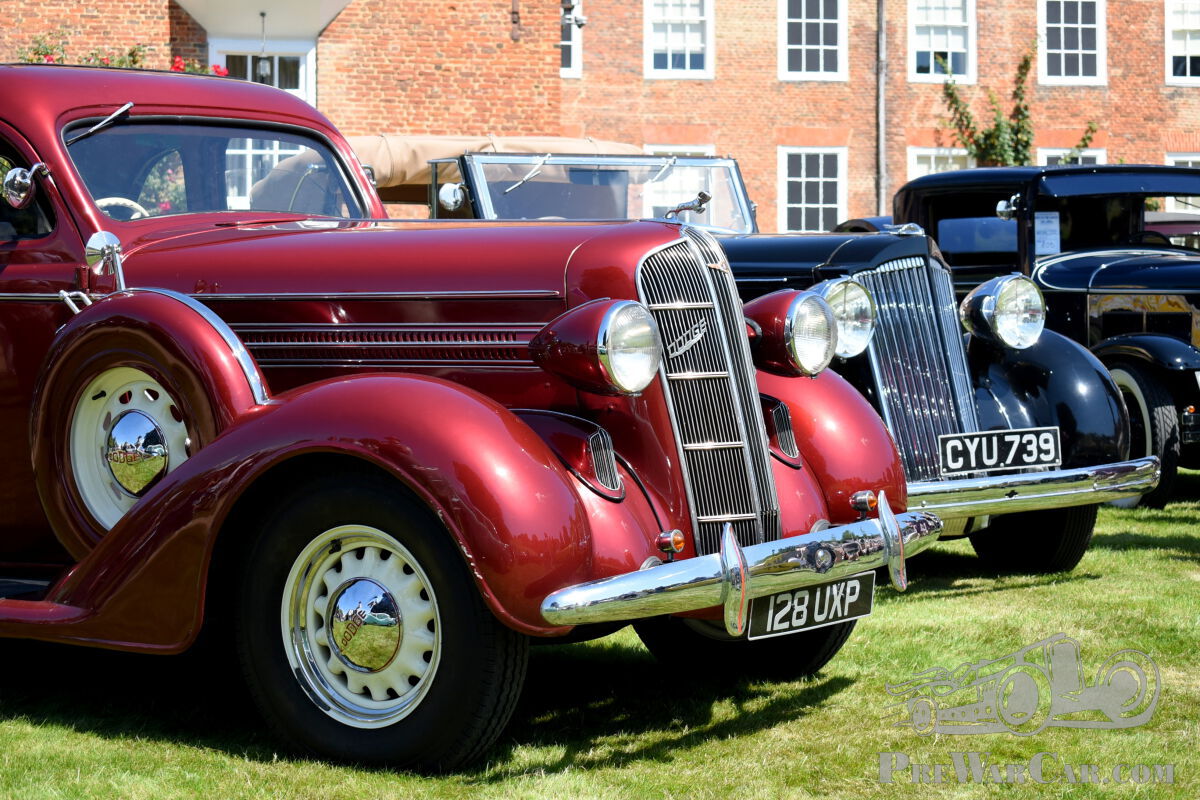
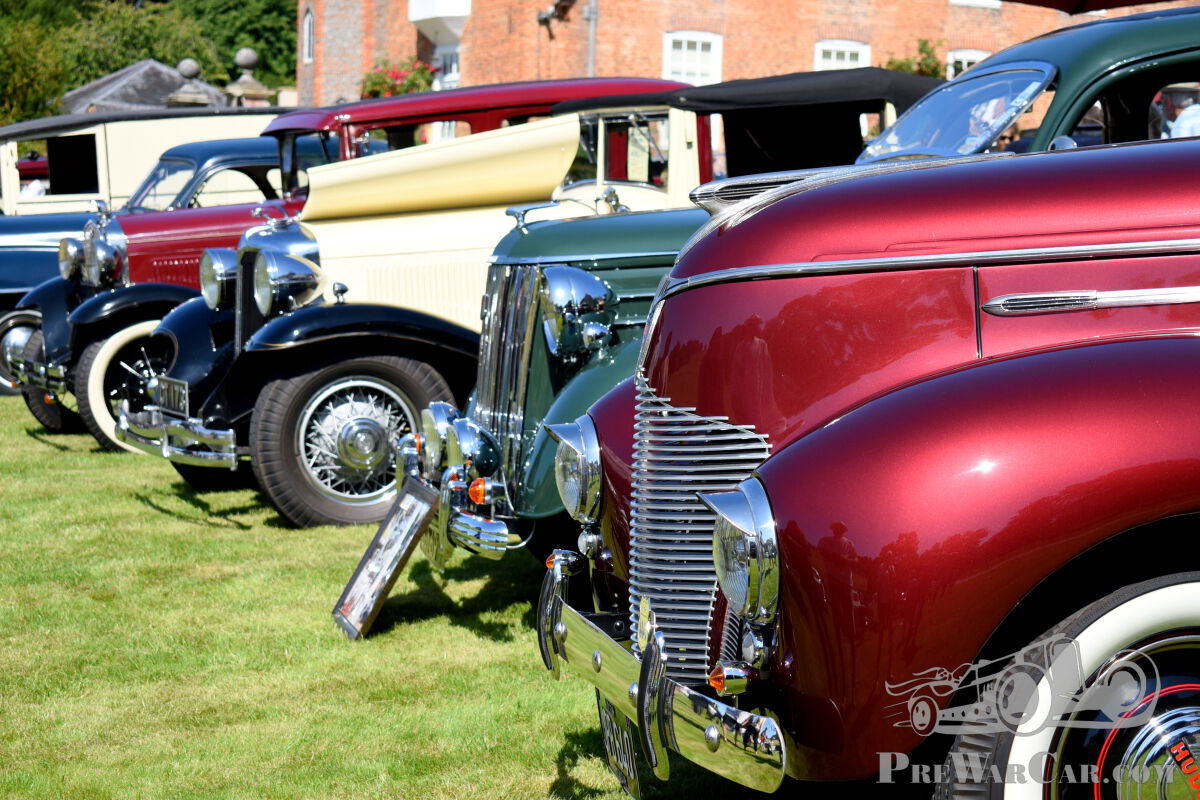
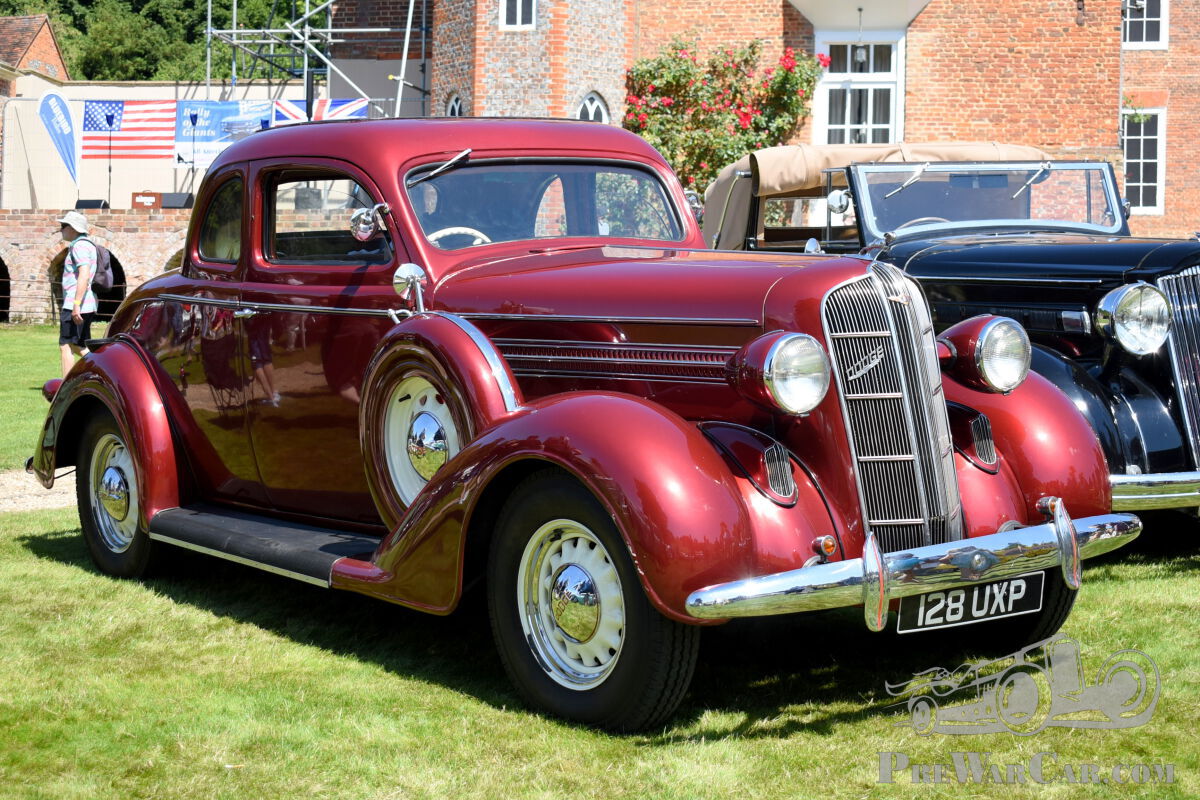
1936 Dodge coupé

1929 Ford Model A Fordor sedan
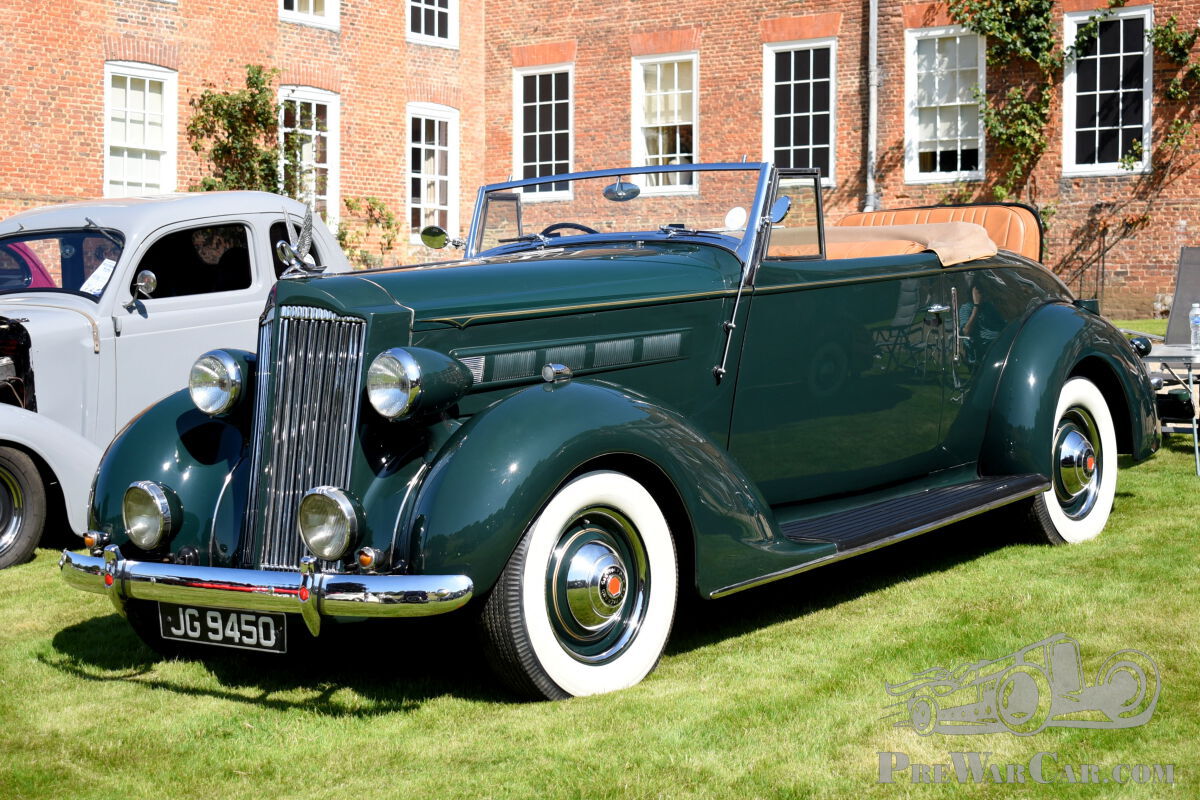
1937 Packard 115-C roadster
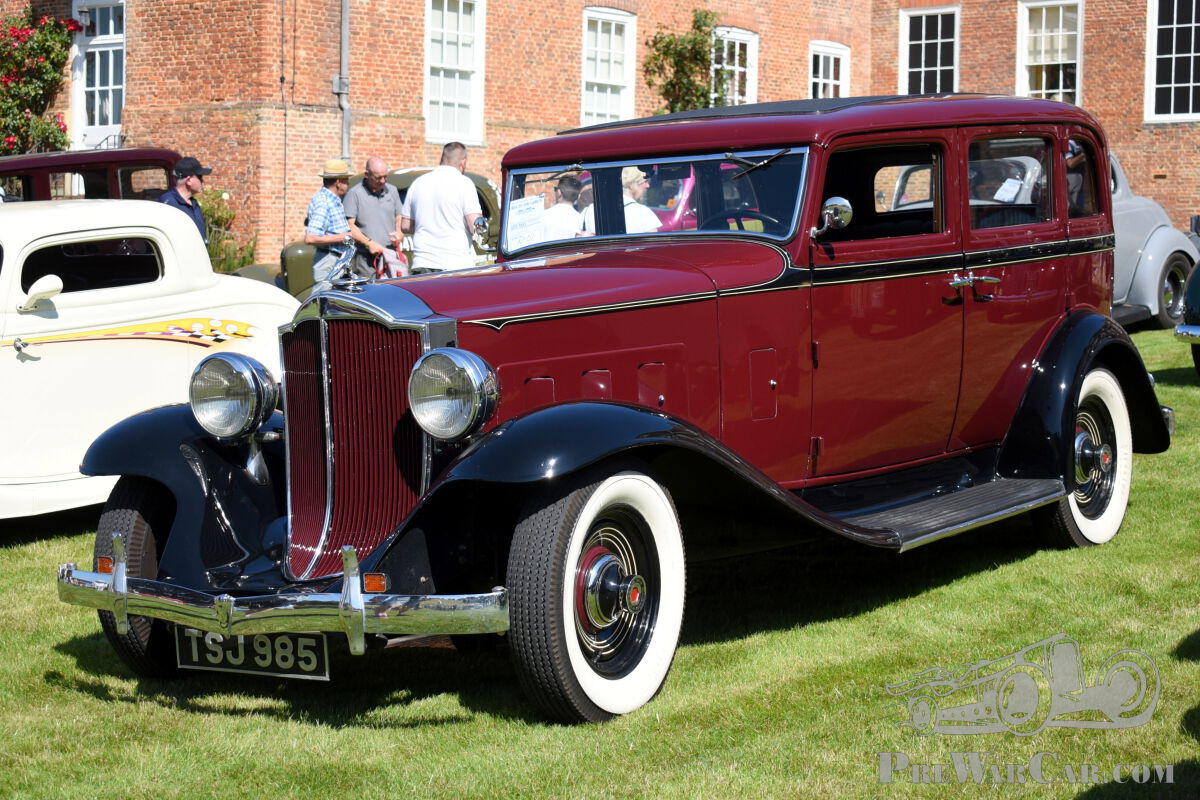
1932 Packard Light Eight Model 900 sedan
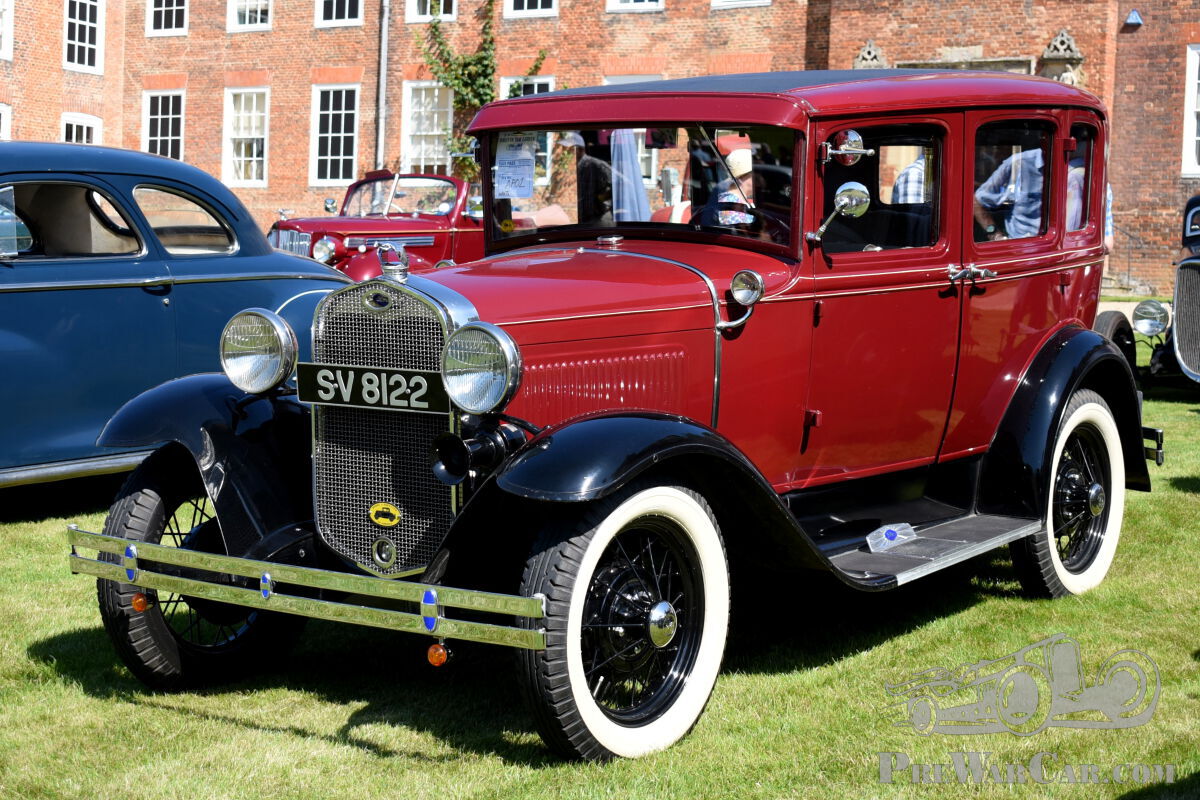
1930 Ford Model A Fordor sedan
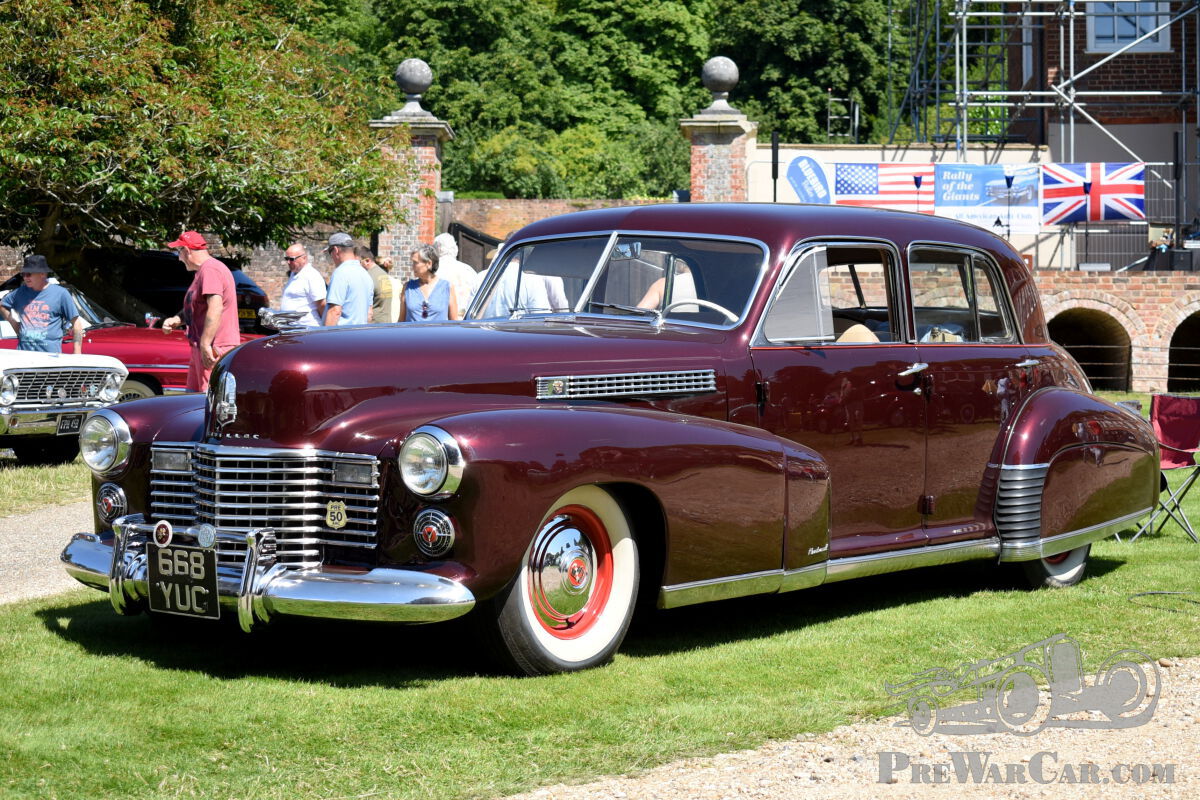
1941 Cadillac sedan
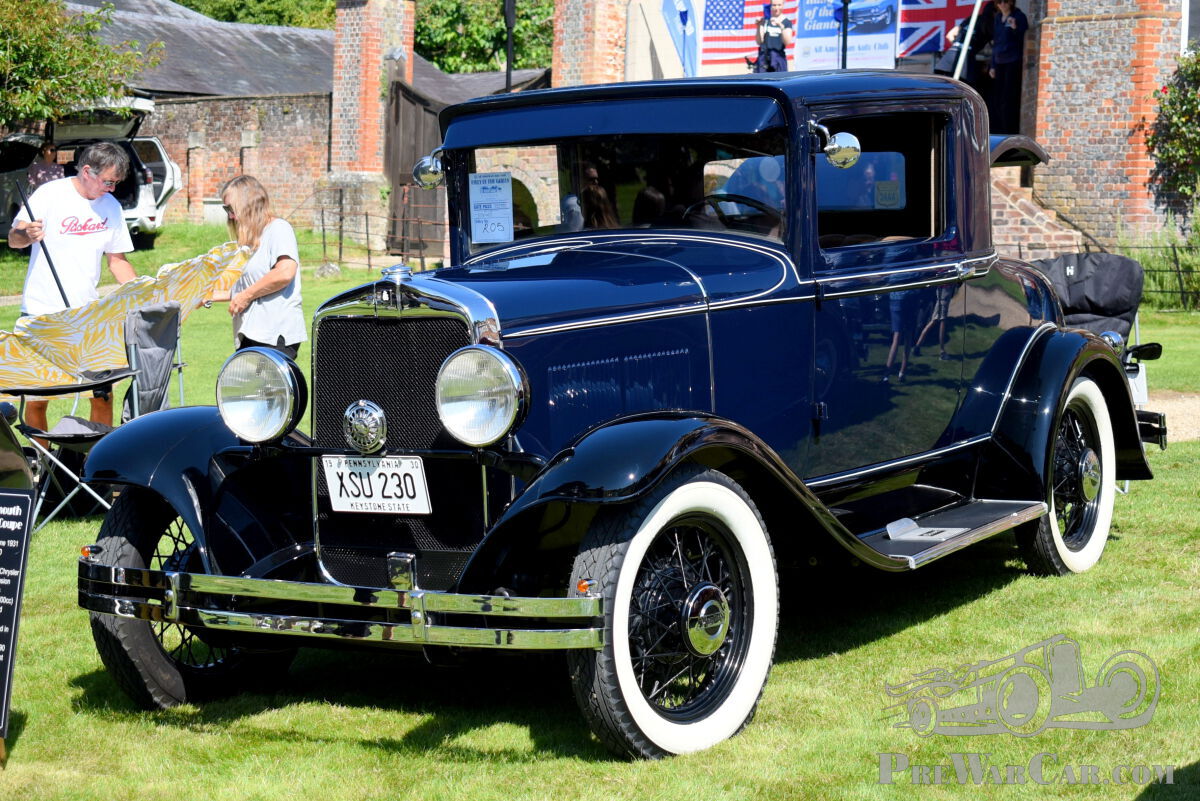
1930 Plymouth coupé
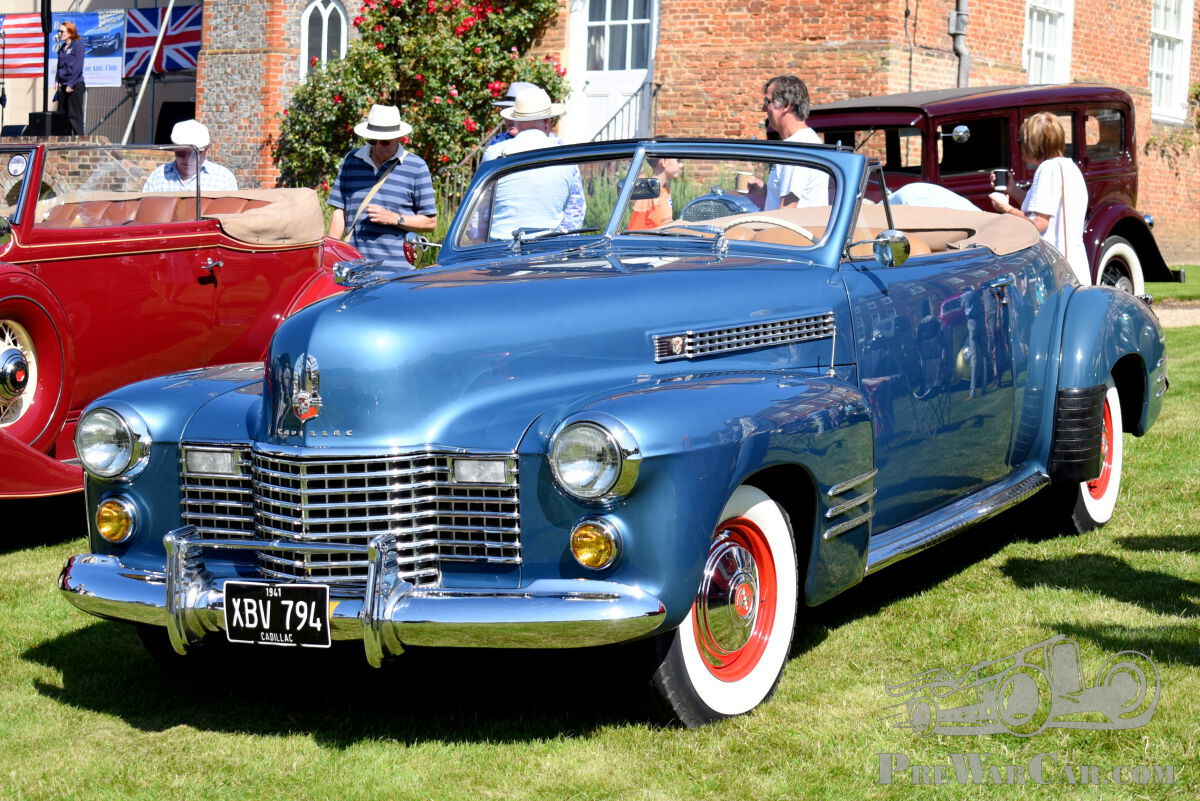
1941 Cadillac convertible
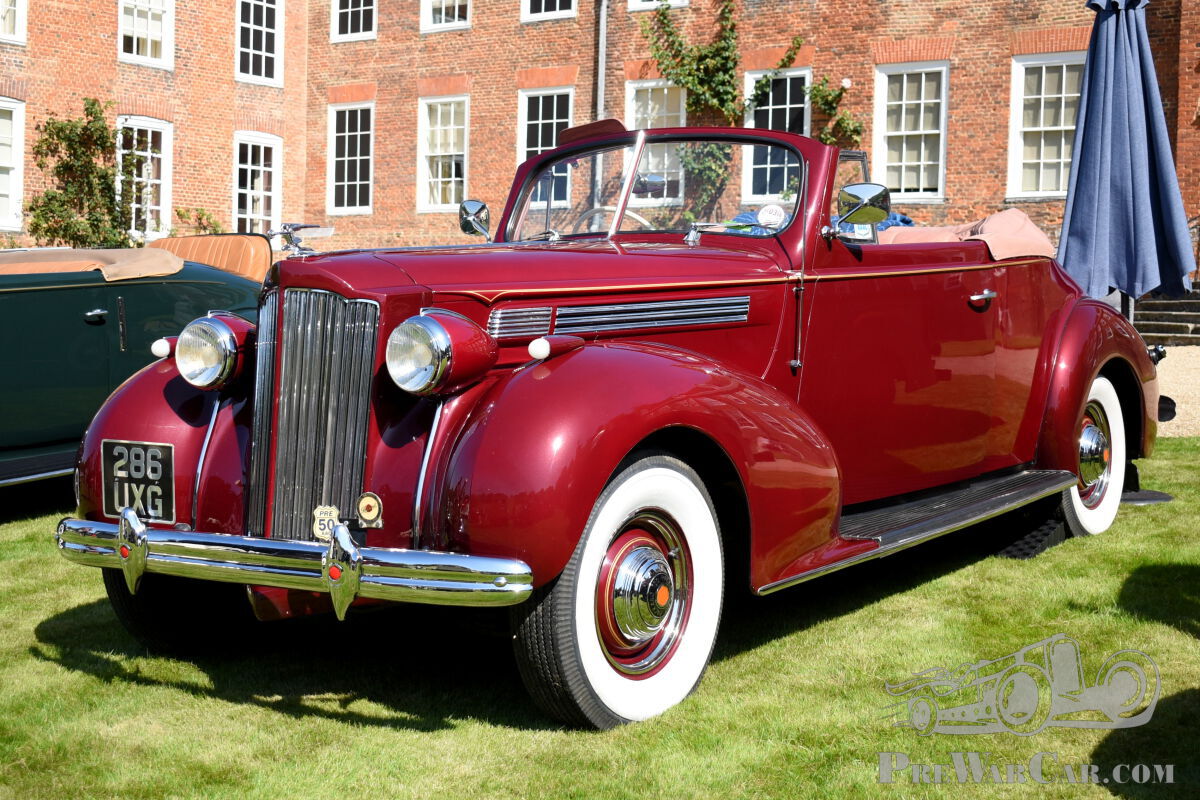
1939 Packard convertible
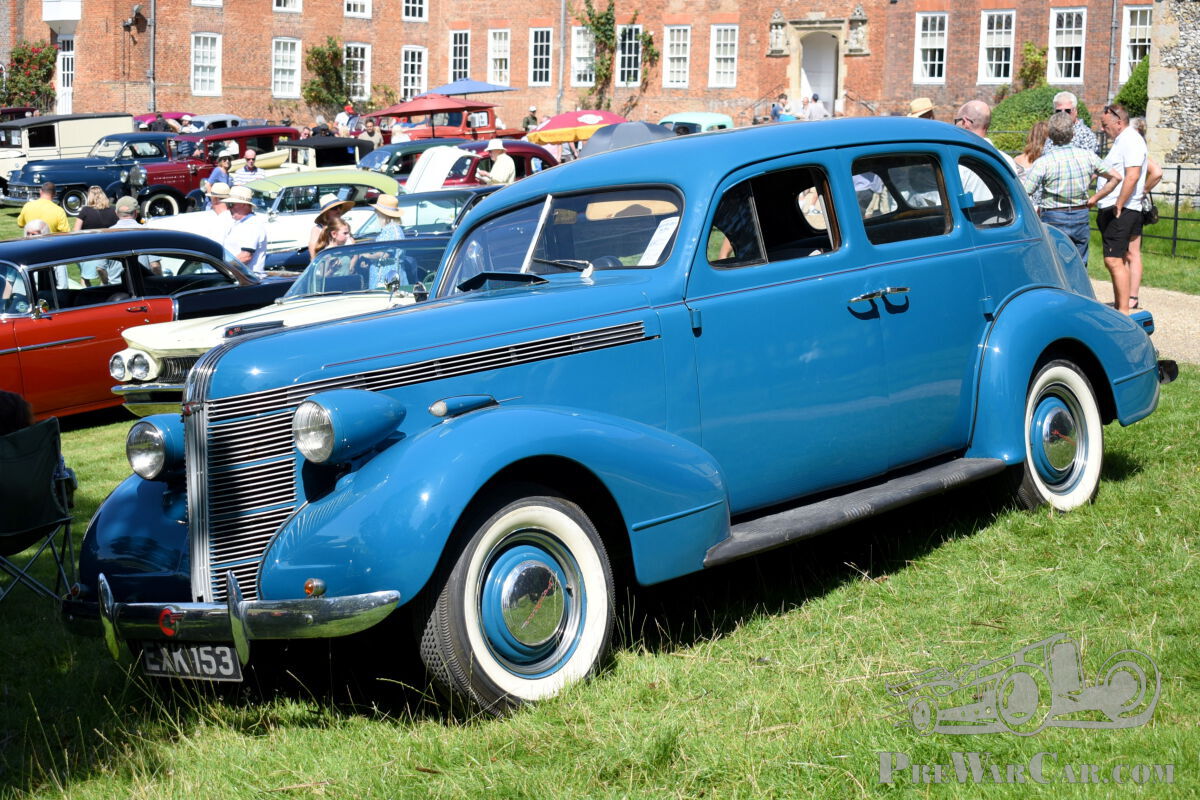
1938 Pontiac sedan
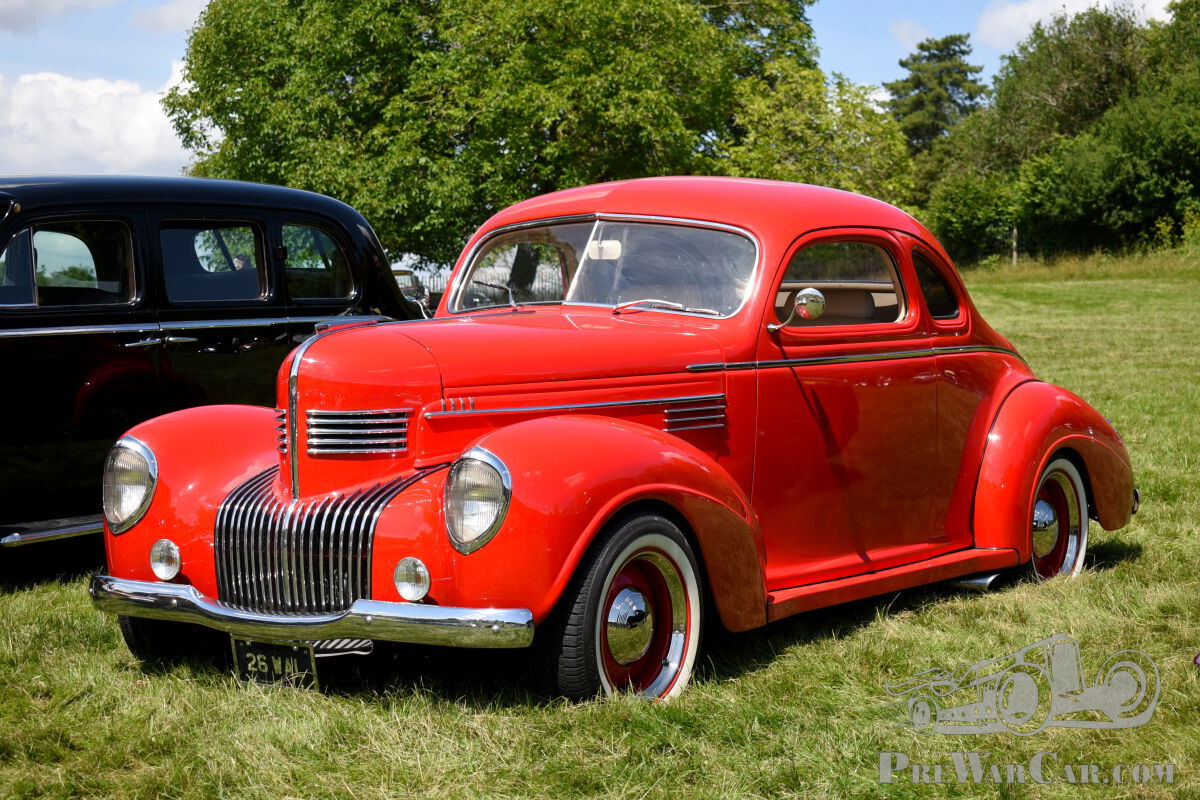
1939 Chrysler coupé sported evidence of being hot-rodded
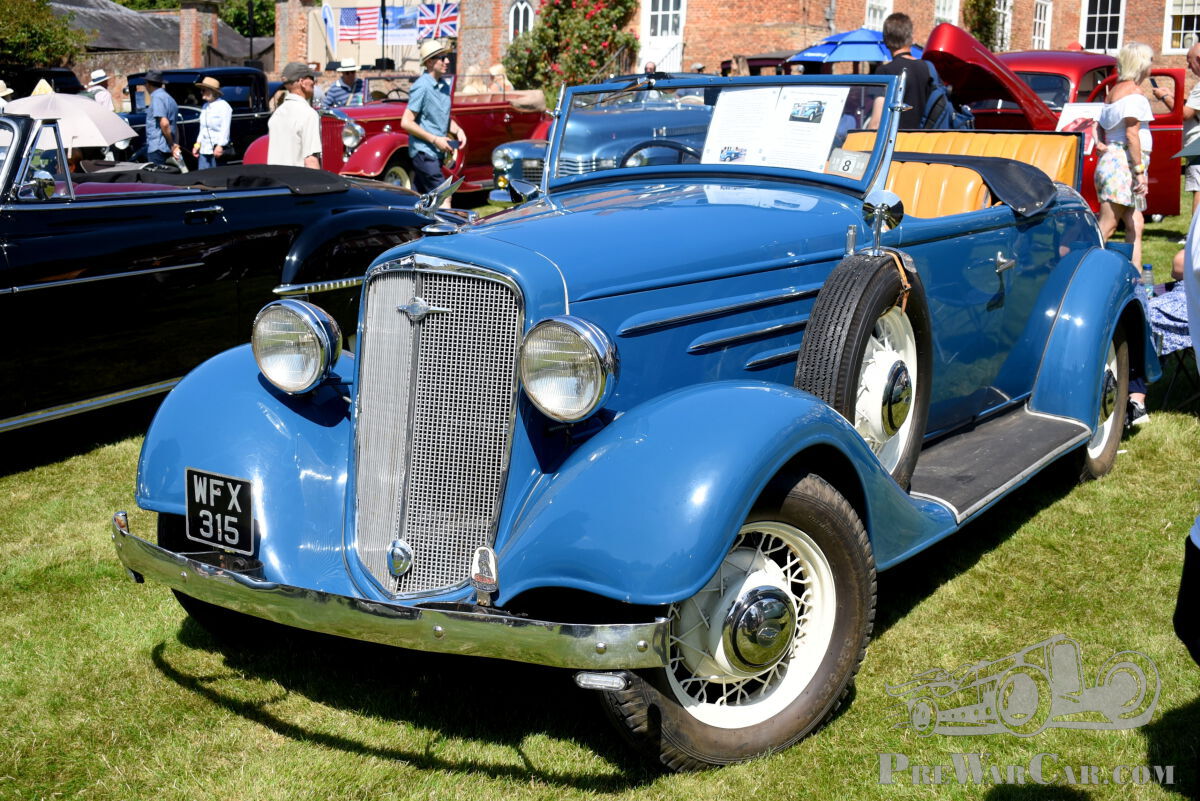
1934 Chevrolet Standard Roadster with Australian coachwork by Holden
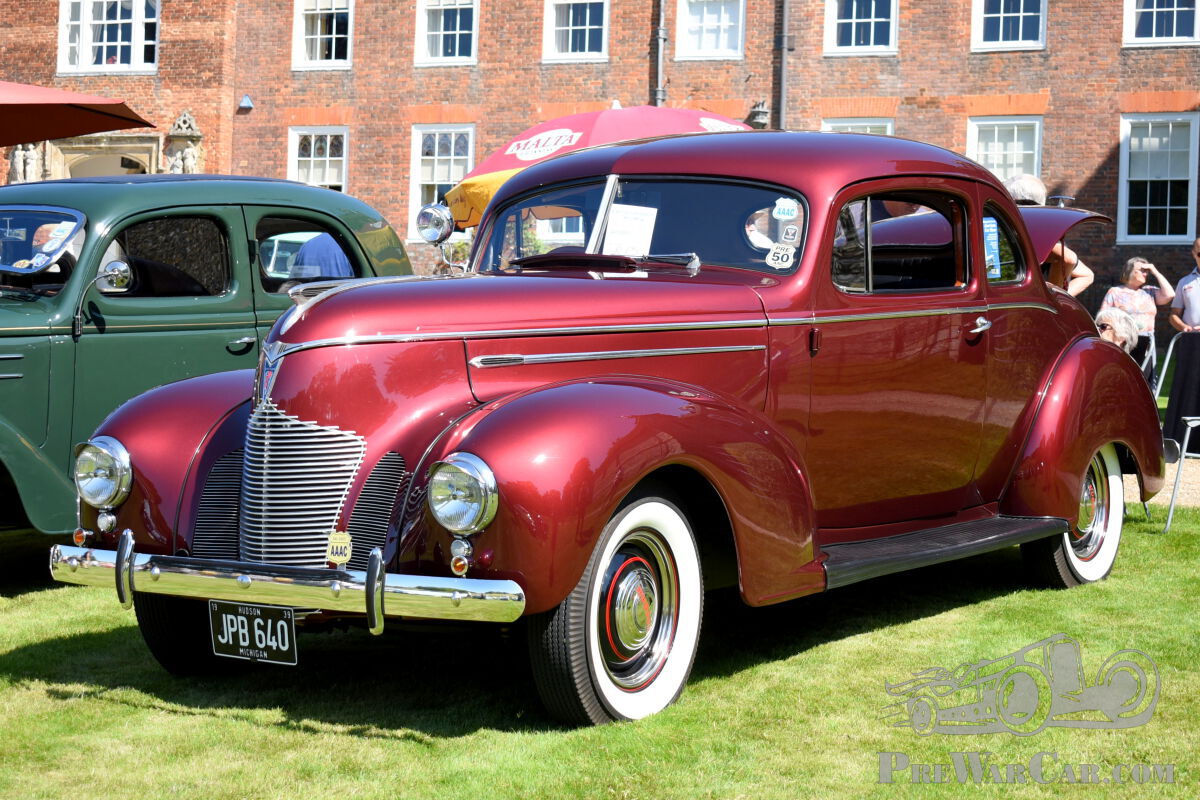
1939 Hudson Series 92 coupé has been in single ownership since 1965 and was recently restored
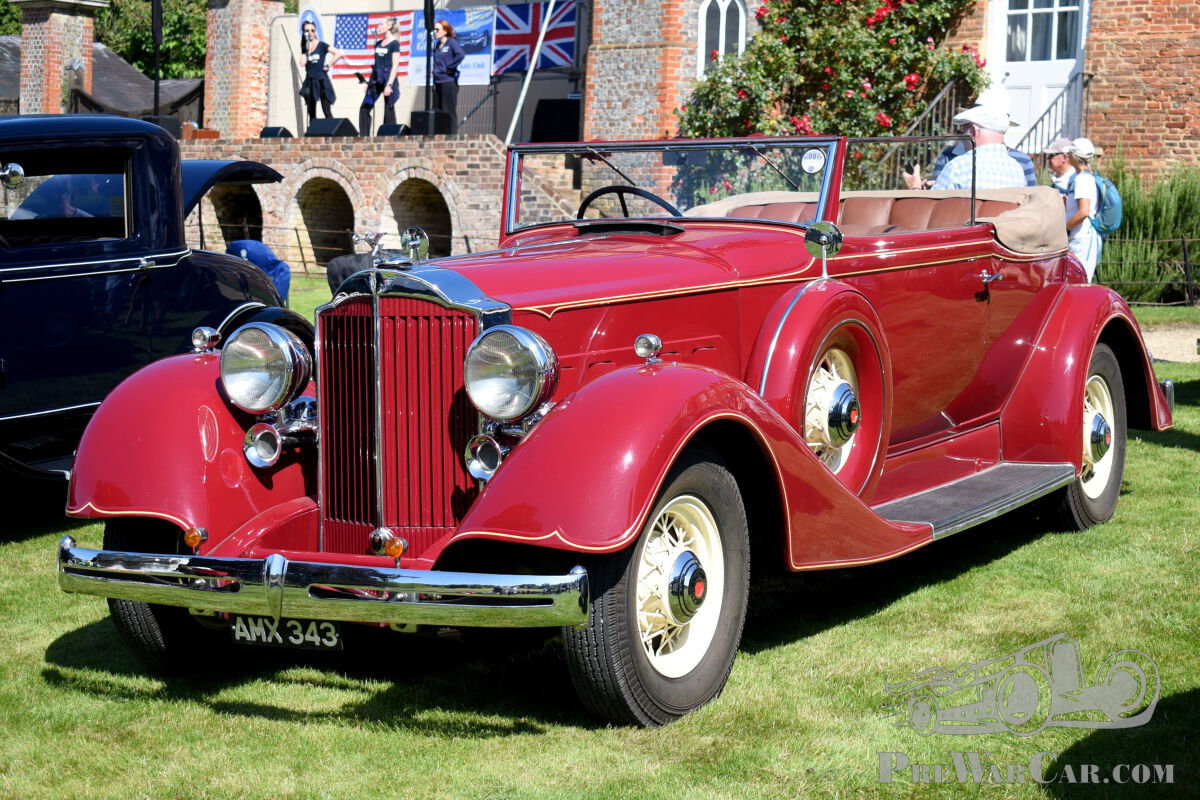
1934 Packard Eight Convertible Victoria was supplied new to England
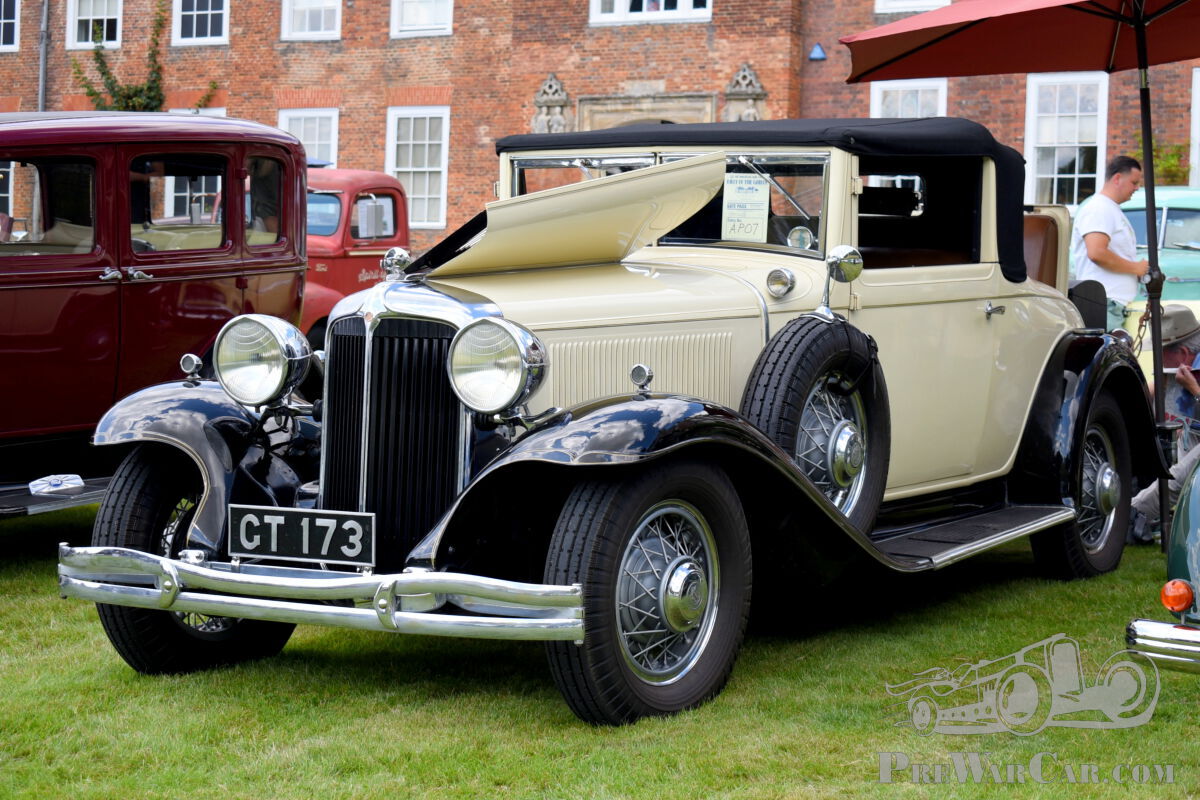
1931 Chrysler convertible coupé has been a regular sight at the Rally of the Giants since the 1980s
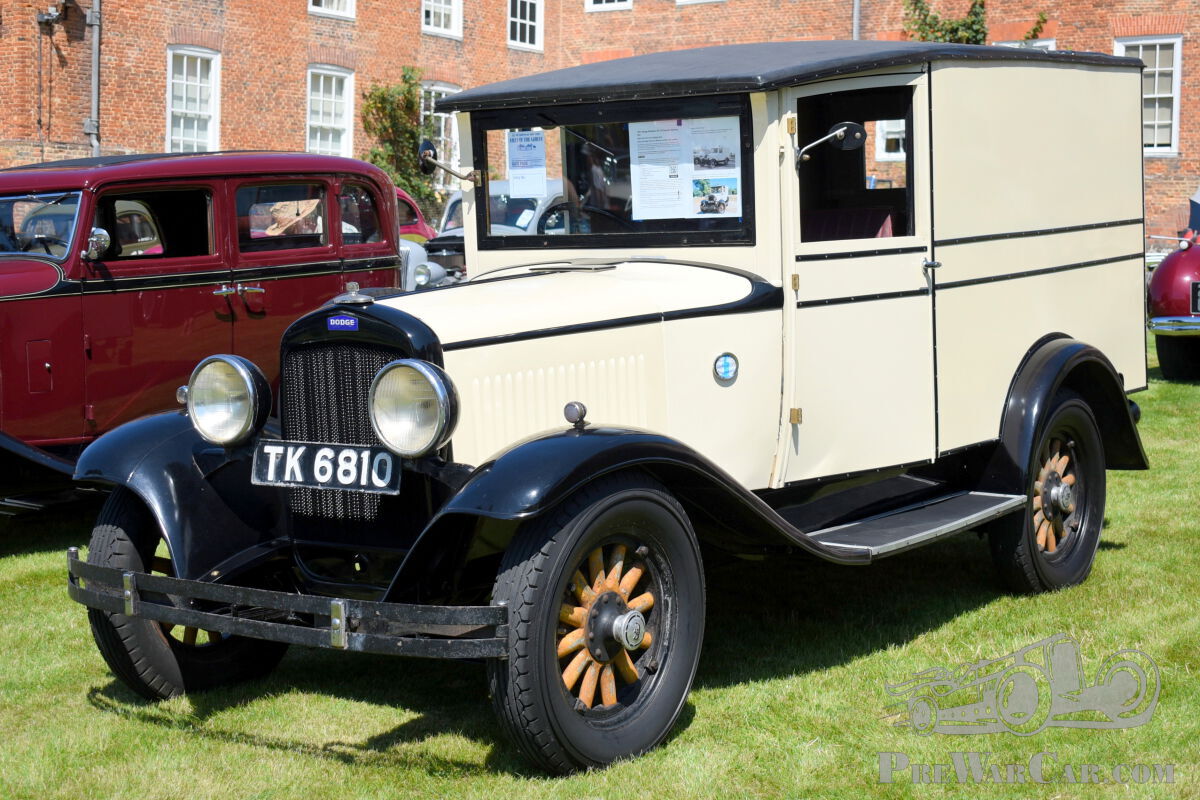
Kew-built 1931 Dodge UF-10 Express van was saved for preservation by a founder of the Pre-'50 A.A.C. in 1967 and has just been restored by a younger enthusiast
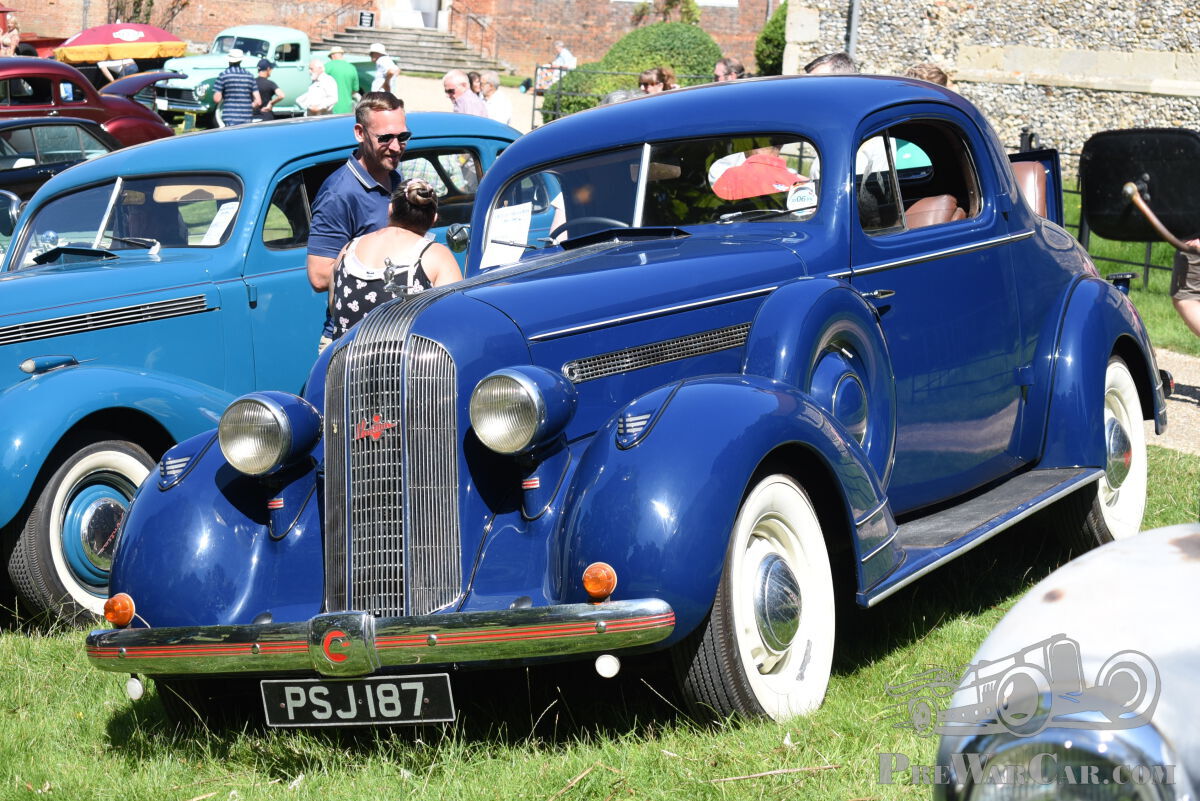
1935 Pontiac coupé
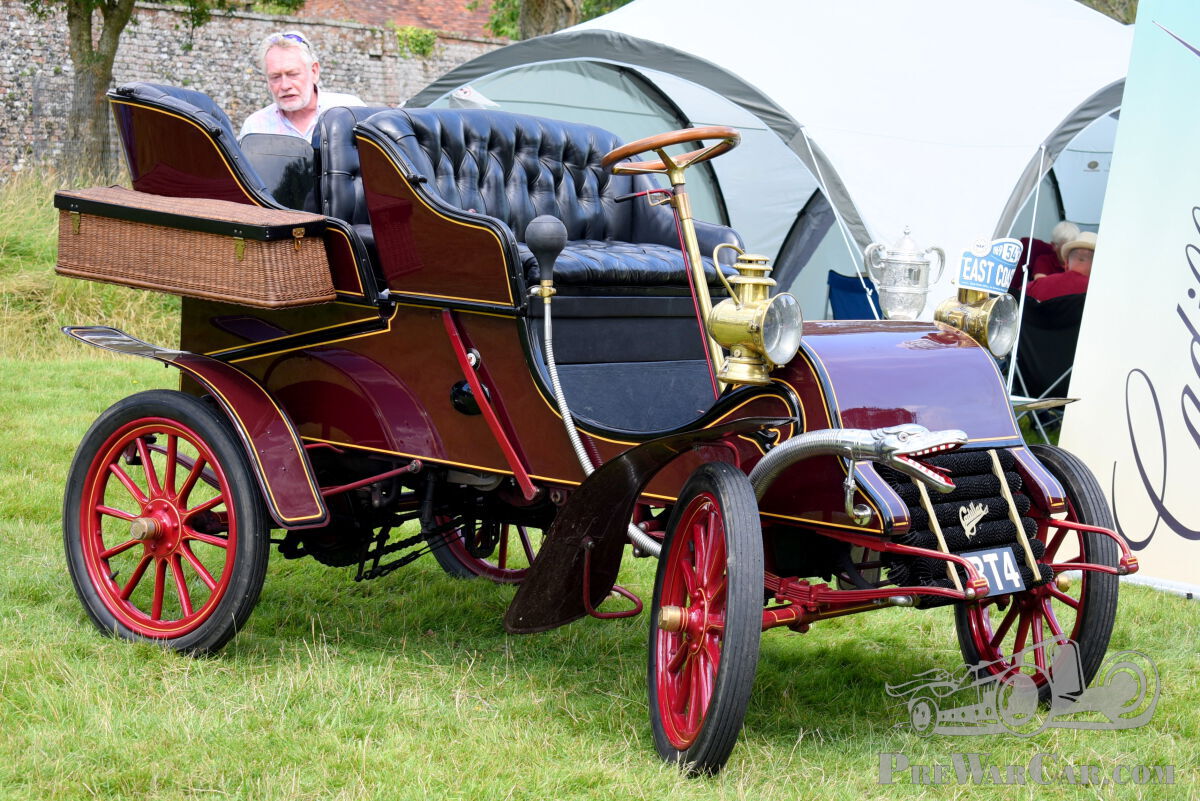
Pete Wood's 1903 Cadillac Model A hails from the first year of Cadillac production
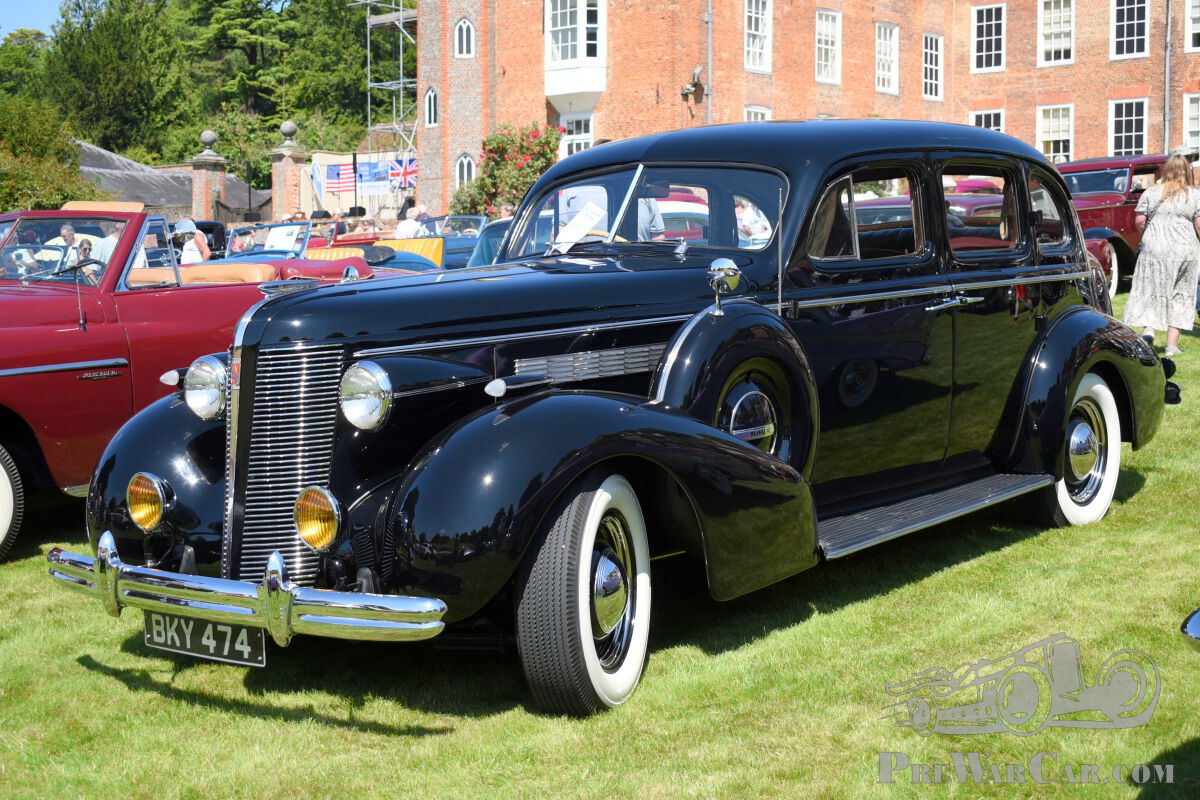
1937 McLaughlin-Buick sedan was built in Canada for export to Britain
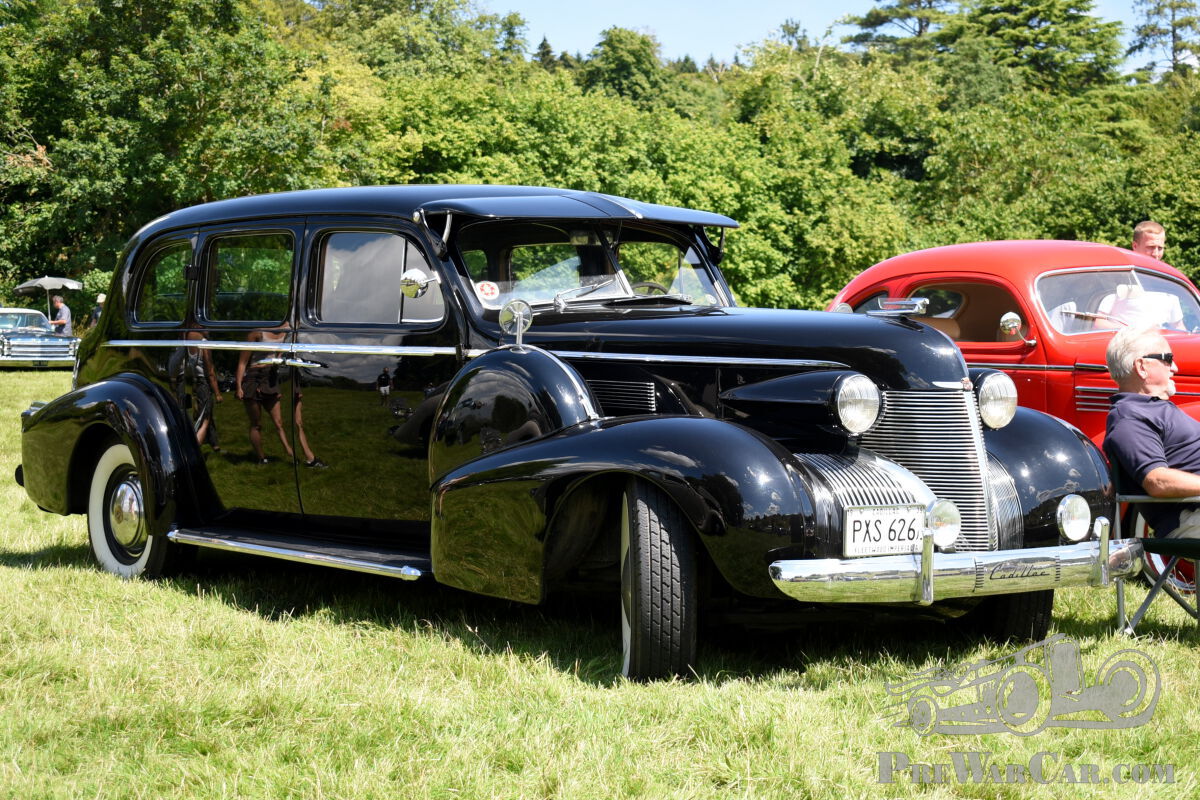
Extremely rare 1939 Cadillac Series 75 Imperial Sedan by Fleetwood
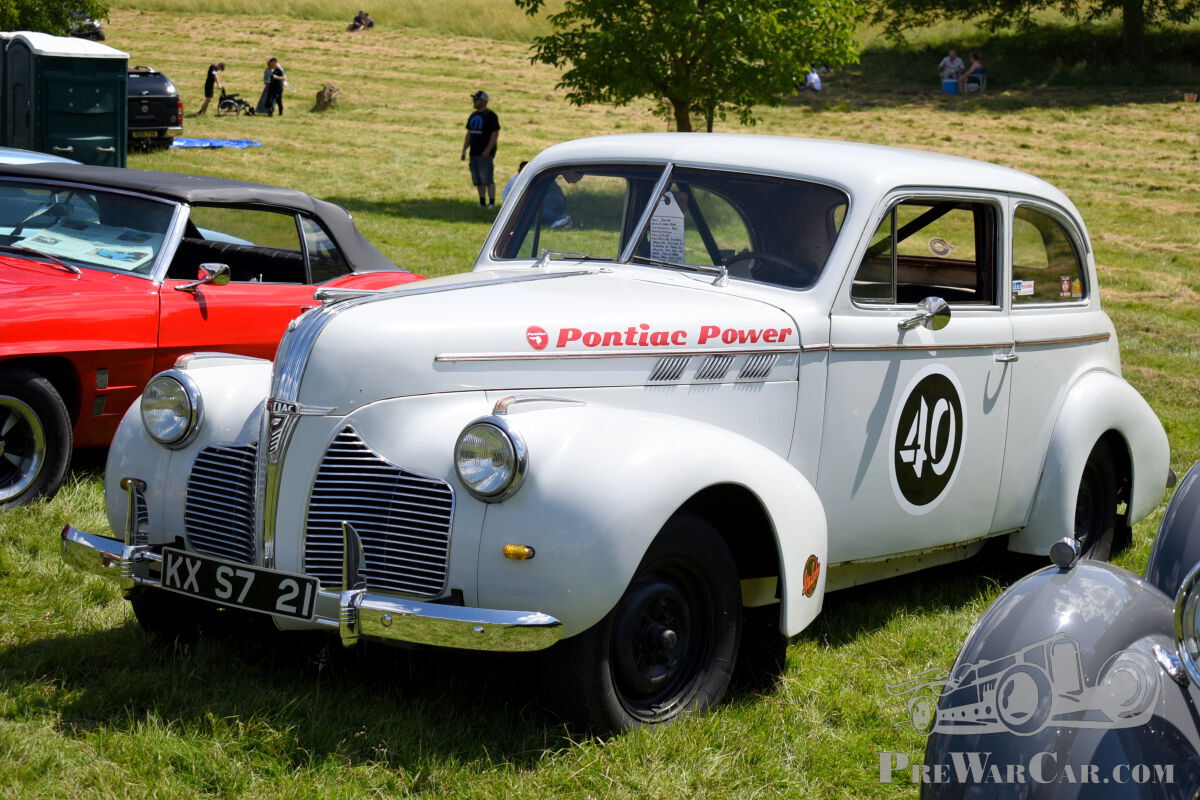
1940 Pontiac sedan prepared for endurance rallying
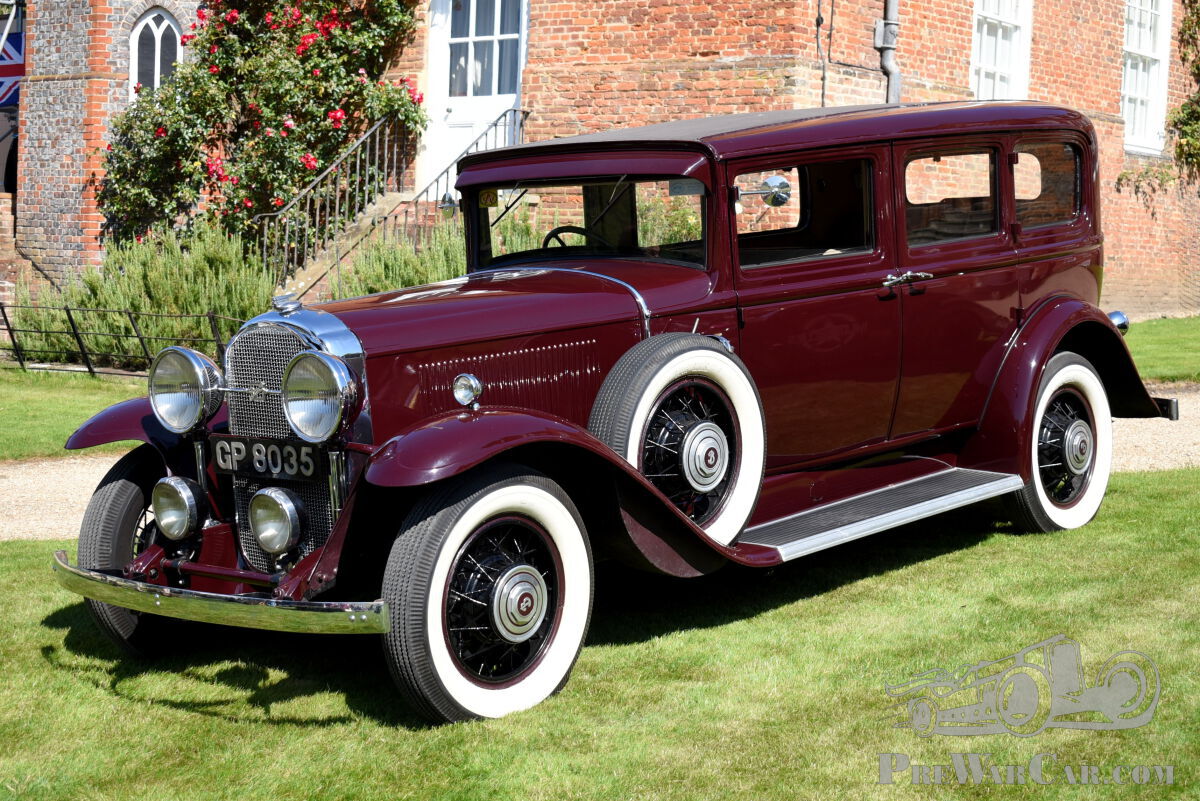
1931 Buick sedan
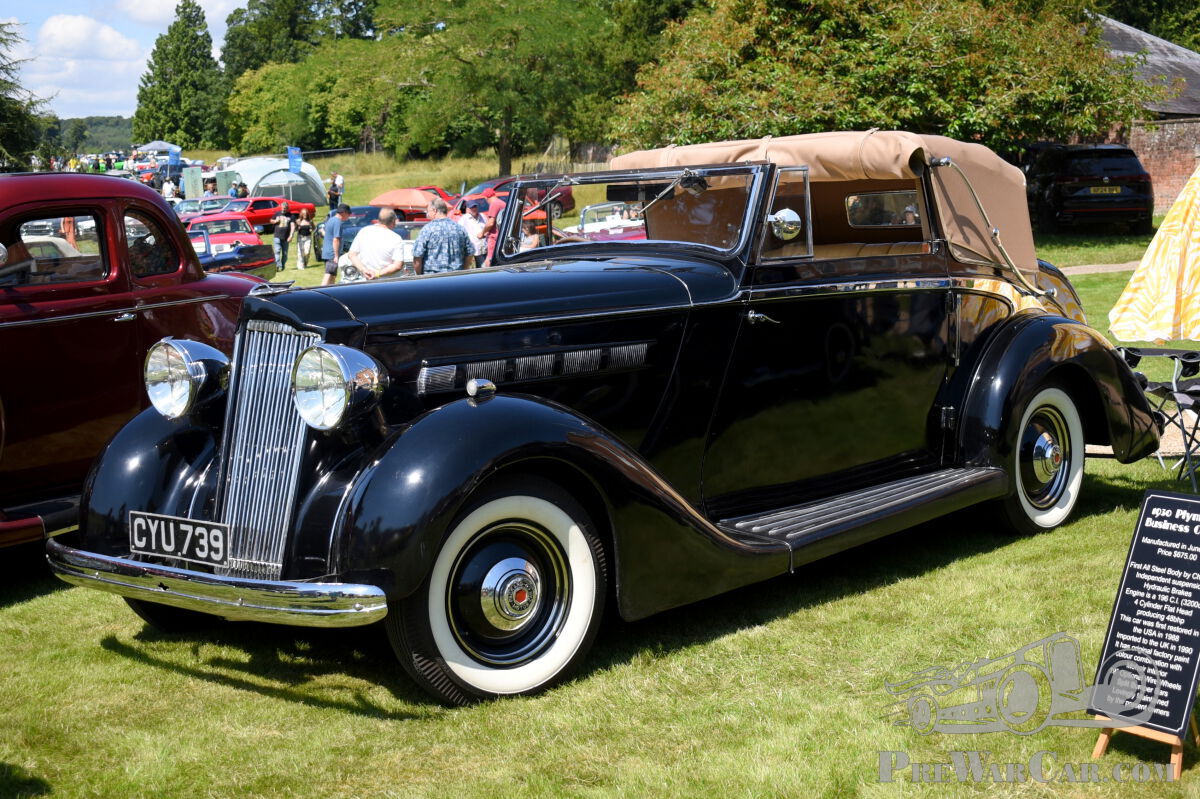
1936 Packard 120 with English drophead coachwork
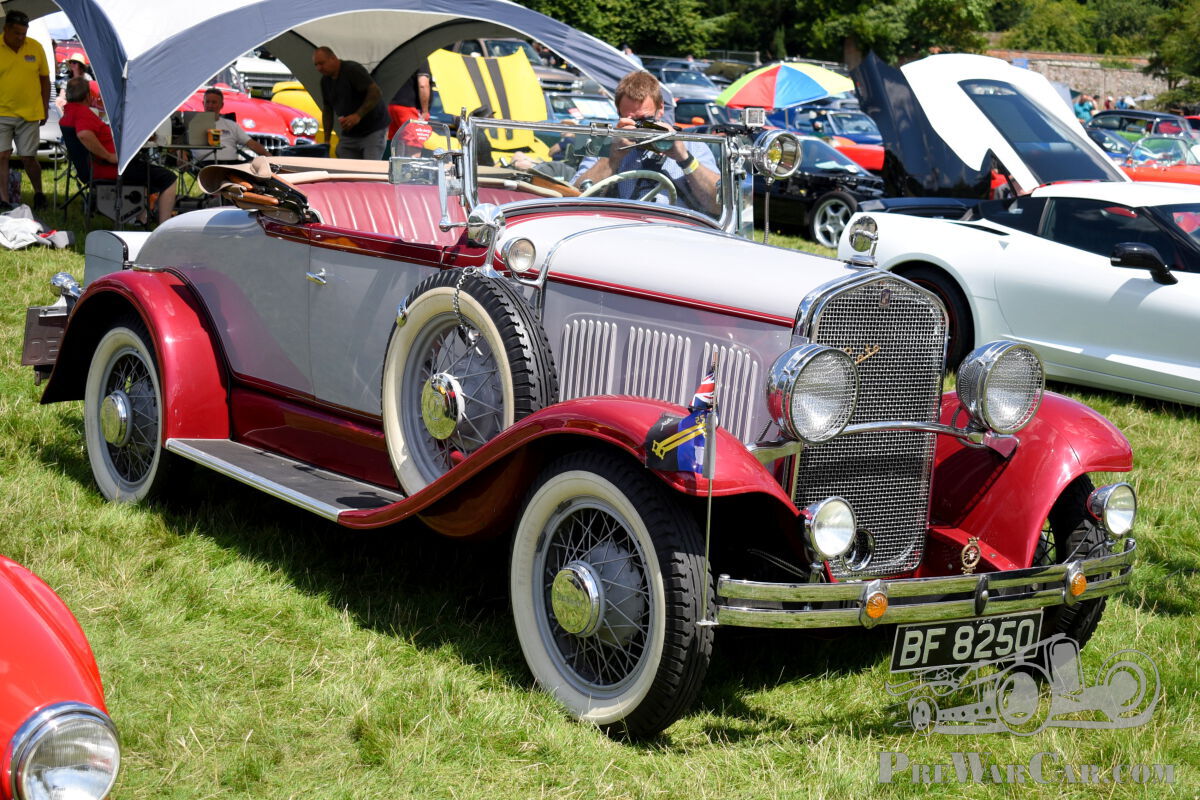
1929 DeSoto Model K roadster


Besides pre-war cars, American automobile styling of the '50s and '60s has always been a penchant of mine, so I make sure to attend the Rally of the Giants, which is the oldest-established American car show in Britain. It's a very good show if one hopes to encounter some genuinely special machinery—one might, for example, find a Kaiser-Darrin or a one-of-99 1959 Cadillac Eldorado Brougham—and it probably also doubles as Britain's largest annual gathering for pre-war American cars. The question, though, must be for how much longer?
When the Rally of the Giants started in the 1960s, it was organised by the Pre-'50 American Automobile Club and its attendees naturally corresponded with the focus of the club. That was at a time when there was still a smattering of vintage and post-vintage American cars which could be encountered in daily use on English streets. By the early '70s, the rally was not just a place where vintage cars parked in a field. There were commercial vehicles, too—huge ex-military Diamond Ts and Ward LaFrances, which were still in everyday use with garages and recovery fleets, fought against each other in games of tug-of-war.
Over time, sadly, that focus has become diluted. The Pre-'50 American Auto Club first of all broadened its remit to include pre-1960 cars, and then established a rolling cut-off for anything over 25 years old. For the past year or two, there has been no Pre-'50 American Auto Club; it is now the All-American Auto Club, with no age restriction, and one must therefore wonder how it differs from the American Auto Club U.K. As for the rally itself, it still enjoys an atmosphere somewhat distinct from other American car shows, with a higher concentration of rare and unmodified machinery, and a magnificent stately home setting—Stonor Park in Oxfordshire, following a recent move from Blenheim Palace—which backdrop complements well the more antique automobiles. All the same, I counted 24 pre-1942 cars this year, not including hot rods, which seems to indicate that numbers are steadily falling by a couple of cars each year. This makes an unfortunate projection for the future of this historic event.
Certainly it's a pity, if one considers that pre-war American cars have always been a relatively unusual sight in England, while at the same time playing their own part in our national motoring heritage; Hudsons were assembled in Brentford, Chryslers in Kew and Willys at the Crossley plant in Manchester. Many right-hand drive models were produced specially for export; numerous Packards arrived as chassis to be clothed by prominent British coachbuilders, and the imported General Motors models outside Lendrum & Hartman were quite the London landmark.
One might point the finger of blame at the Pre-'50 American Auto Club (as was) for allowing itself and the event to be diluted so, but the counterpoint would be that neither would have survived for six decades if they had not adapted for changing tastes. If anyone is to be held accountable for the low turnout of pre-war cars at events, is it not the owners who decline to show them? Considering how many Model A Fords are in the country, it was rather alarming that only two appeared at Stonor this year. On the other hand, an assortment of five 1930s Packards, some with English coachwork, was impressive. Considering there is an active branch of the Early Ford V8 Club in Britain, how come not a single pre-war Ford V8 was present among the hundreds of cars which graced the Stonor lawns?
Pete Wood, who travelled some 80-odd miles for the event, has the right attitude. As the owner of the oldest vehicle present, a 1903 Cadillac, he kept himself busy all day inviting visitors to sit in it and have a go at starting it. It's not the first time he's travelled some distance to show the Cadillac at an American car rally where it's been surrounded by hot rods and land yachts, and one would like to think that each outing generates a few more veteran car enthusiasts. Surely, if the owners of these cars don't show them and engage with members of the general public, it would be unreasonable to expect anyone who was not born and raised around such cars to take an interest in them.
All the same, one wishes the All-American Auto Club would do a little more to promote the vehicles it was originally founded to preserve. Given the current state of the Rally of the Giants, many owners might come away with the impression that the A.A.A.C. doesn't cater for their vehicles anymore, and so things continue in a downward spiral. Hopefully, someone from the club will read this and be moved to take up the fight on behalf of the pre-war American movement. Until then, it's up to you owners, whether your cars be American or not, to get out and drive them, and evangelise if you must—just do whatever it takes to make sure your enthusiasm rubs off on others.
Words and photographs: Zack Stiling
Published:
Monday August 5th, 2024
Facebook
LinkedIn
Twitter
WhatsApp
Email
Copy
Comments
Edward David Hosford
13 August 2024, 17:30
Mike Costigan
05 August 2024, 15:36
Similar comments could be made about most well-established events. Thirty years ago you could expect to see a significant gathering of pre-war cars at even a small local event. Now even at the large events pulling entrants form far afield one can count the number of pre-war cars on the fingers of one hand. I attended a major local event this year at which I was the only one with a pre-war car—just five years ago there were over fifty pre-war cars present.
Read more
They could go back in time and use the man with the red flag to allow late entry and early exit... plus all sorts of other discouraging "'elf and safety" regulations. I just cant be bothered with pettifogging jobsworths.
A 1927 Morris owner