The global magazine and marketplace for classic car enthusiasts, by enthusiasts.


Filter
Make a choice:
- Cars
-
Make >>
-
Year >>
-
- Bikes
- Parts & more
-
Make of car >>
-
Manufacturer >>
-
Category >>
- Bicycles & more
-
Year >>
-
Countries


Rare Bird

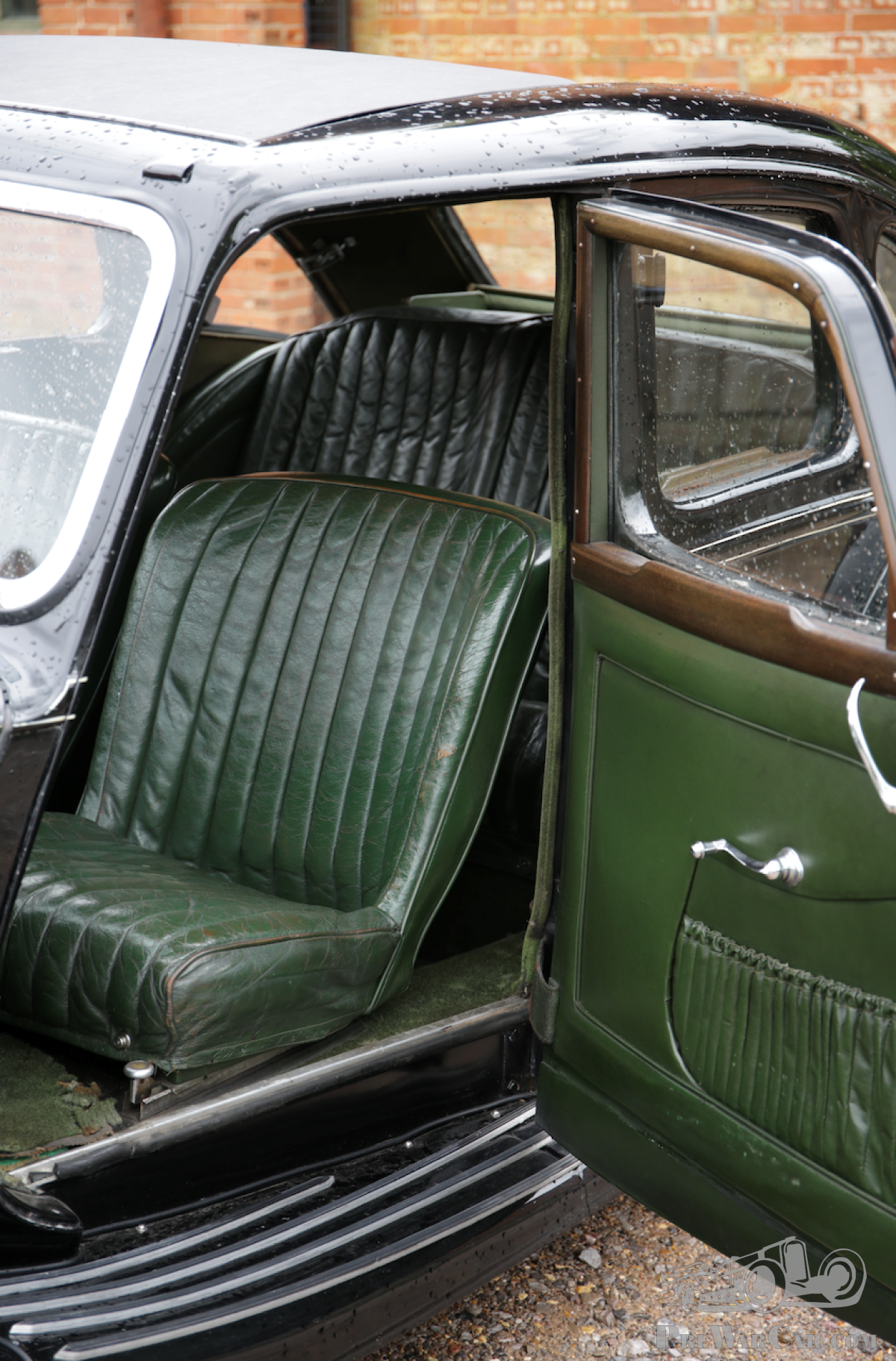
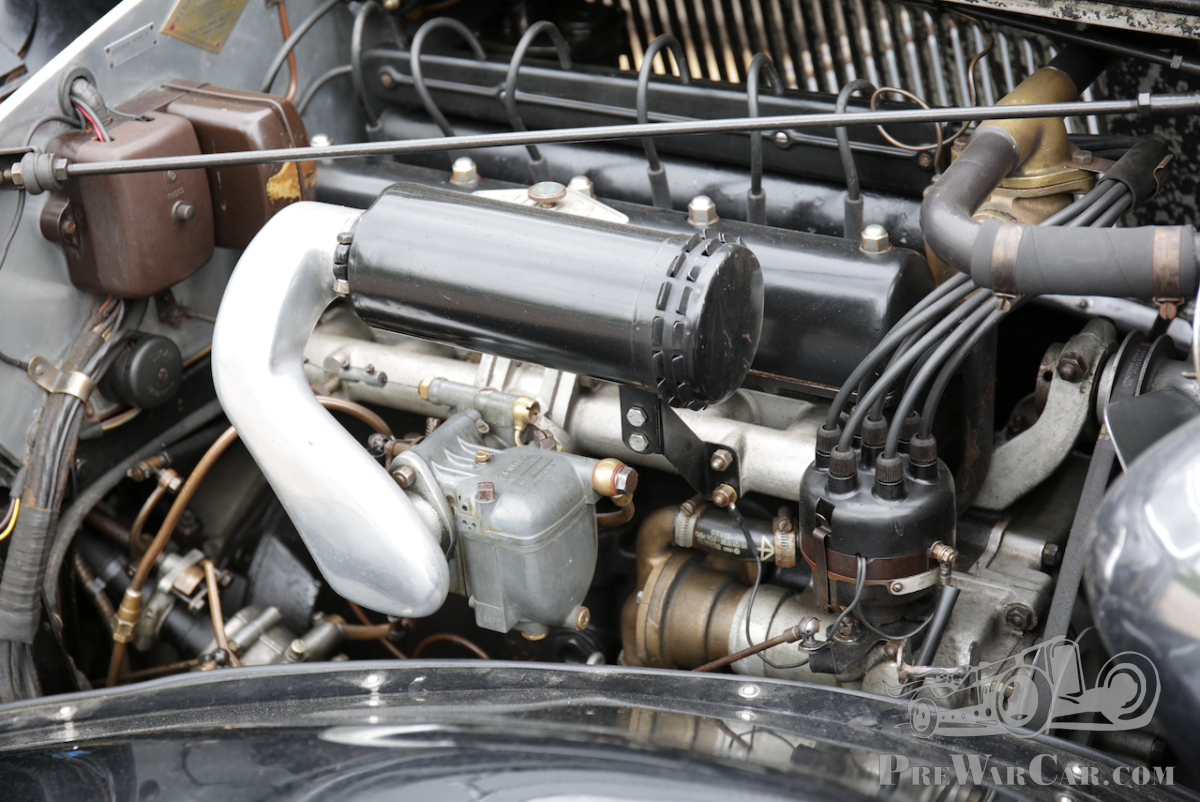


The Riley catalogue in the 1930s was simply bewildering. Even people who know nothing else about Rileys know that. With a seemingly inexhaustible combination of chassis, engines and bodies to choose from, it takes a lot of earnest study before anyone can properly get their head around it all. Even so, one can generally acquire an overview of the Nine and 12/4, Riley’s best-sellers, without too much trouble. The 15/6 is a much rarer breed.
Riley 15/6
Launched in 1935, it was one of the first Riley engines not to be designed by the Riley brothers themselves. Instead, Victor Riley hired Hugh Rose, an experienced designer whose portfolio included Sunbeams, to develop its 1700cc six-cylinder, but his work still borrowed heavily from Percy Riley’s ingenious short-pushrod design for the Nine from 1925. As with the other models, the 15/6 chassis could be clothed as anything from a racy two-seater to a well-appointed saloon, and the six-light Kestrel fastback was one of its most handsome incarnations.
It wasn’t enough, though, for the 15/6 to be a good car. Could it justify itself when offered alongside its lighter, cheaper four-cylinder siblings in which so many enthusiasts delighted? Scott Barrett ponders this question from behind the wheel of an unrestored survivor in the July issue of The Automobile, available now.
Words by Zack Stiling. Photographs by Nick Clements.
Published:
Thursday June 24th, 2021
Facebook
LinkedIn
Twitter
WhatsApp
Email
Copy
Comments
Joop Terpstra
25 June 2021, 19:04
At the end of the 80's I bought a black 1935 Riley Adelphi 15/6 with Wilson preselect from a friend. The car had dark red wirewheels. It was a fast car and ran so smooth with that quick gearchange before the corner, just lovely but because the body was rather tall and high up so fast cornering was something that didn't felt nice. But that 1700cc six cylinder was a gem in every way. I regret I sold it after just one year of ownership and mainly because for the poor roadholding and that was a pity....
Read more