The global magazine and marketplace for classic car enthusiasts, by enthusiasts.


Filter
Make a choice:
- Cars
-
Make >>
-
Year >>
-
- Bikes
-
Location >>
- Parts & more
-
Make of car >>
-
Manufacturer >>
-
Category >>
- Bicycles & more
-
Year >>
-
Countries


Streamlining America: Brooks Stevens and the Western Clipper
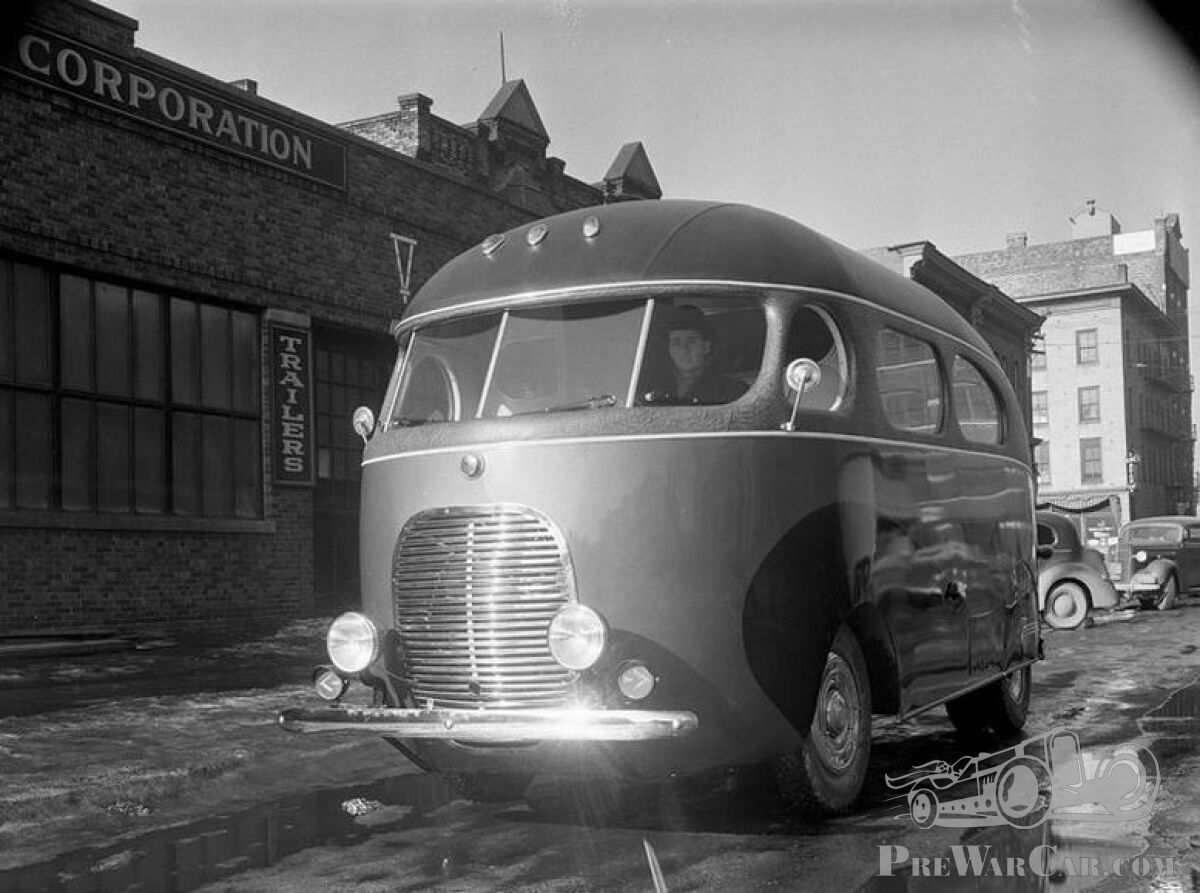
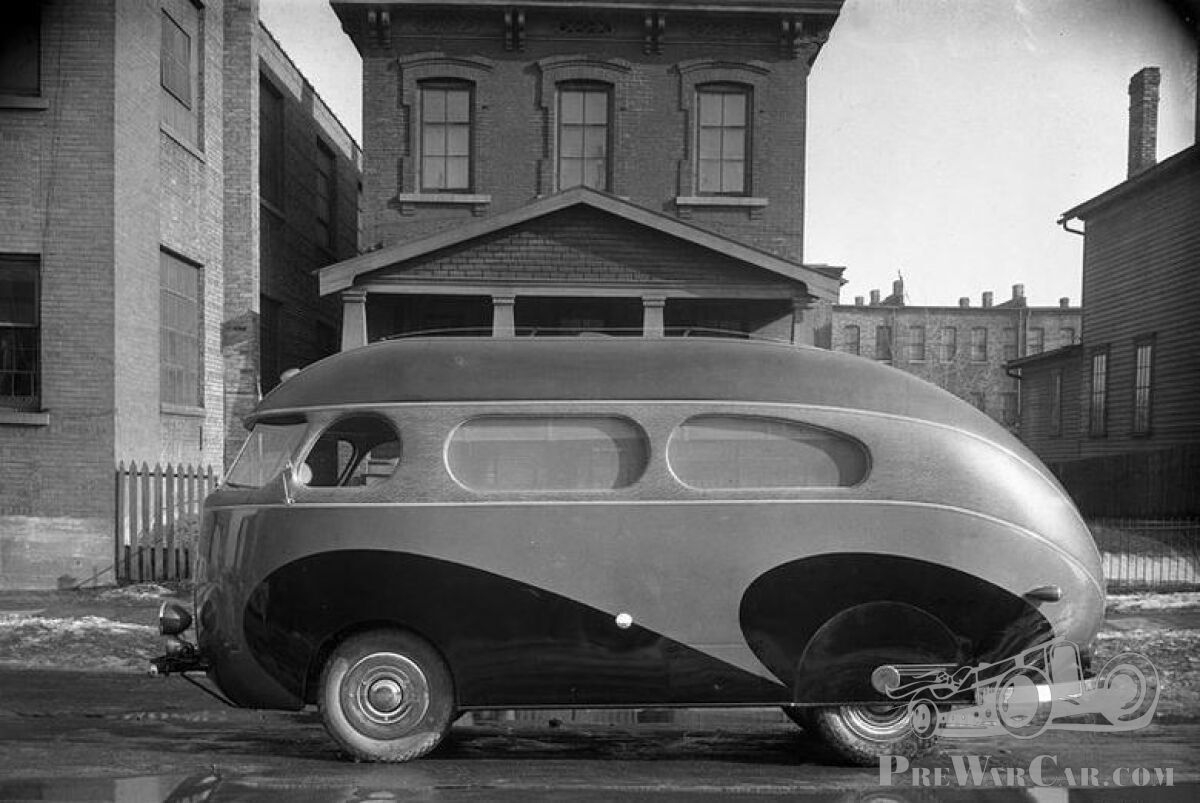
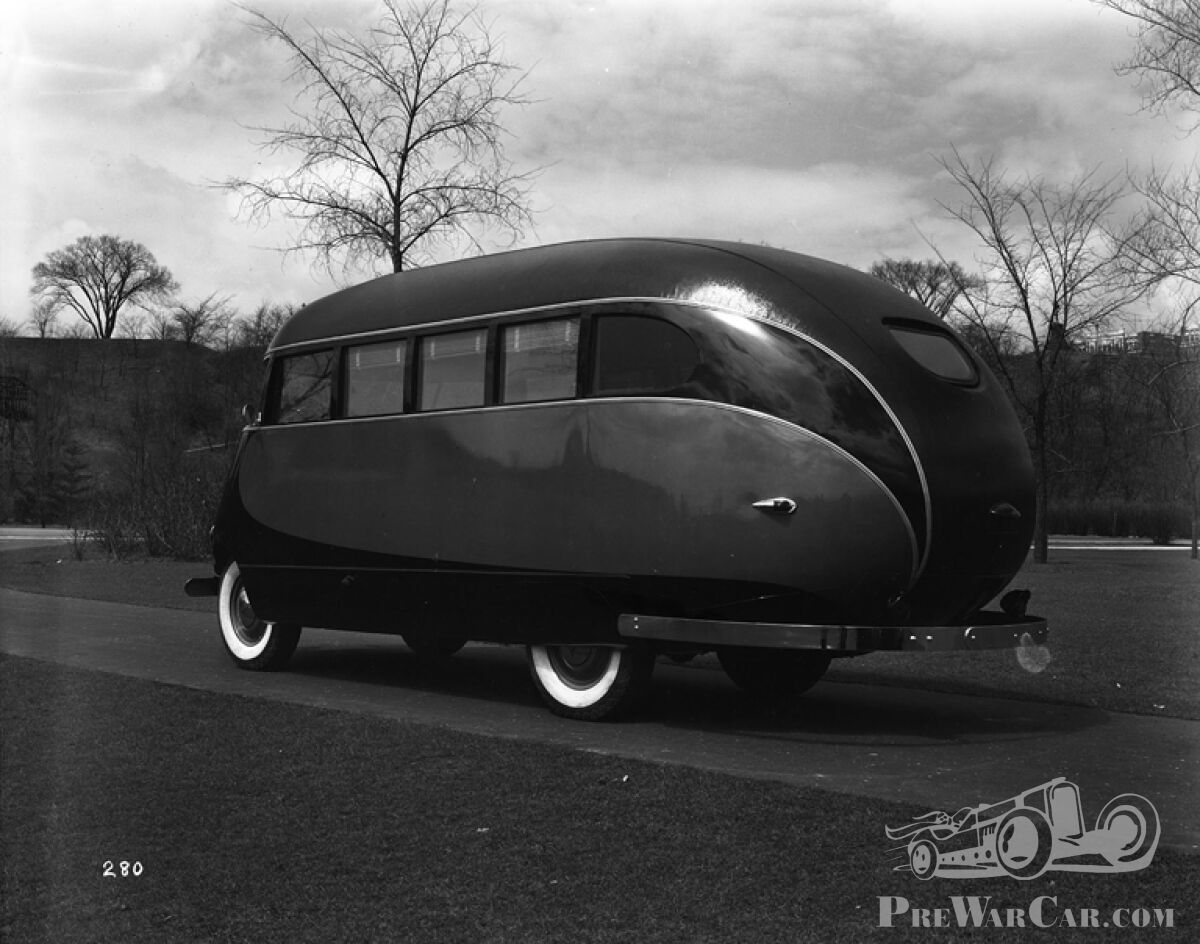
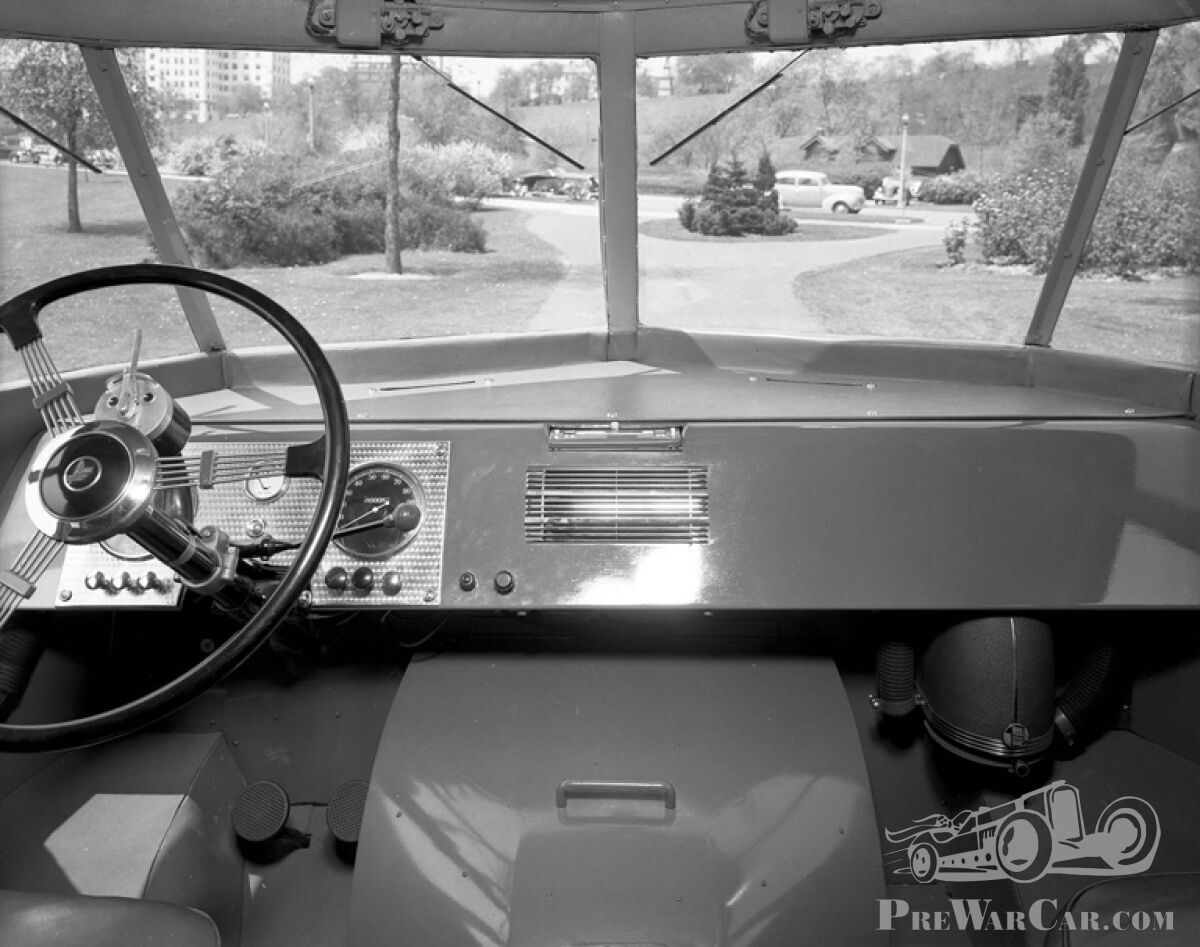
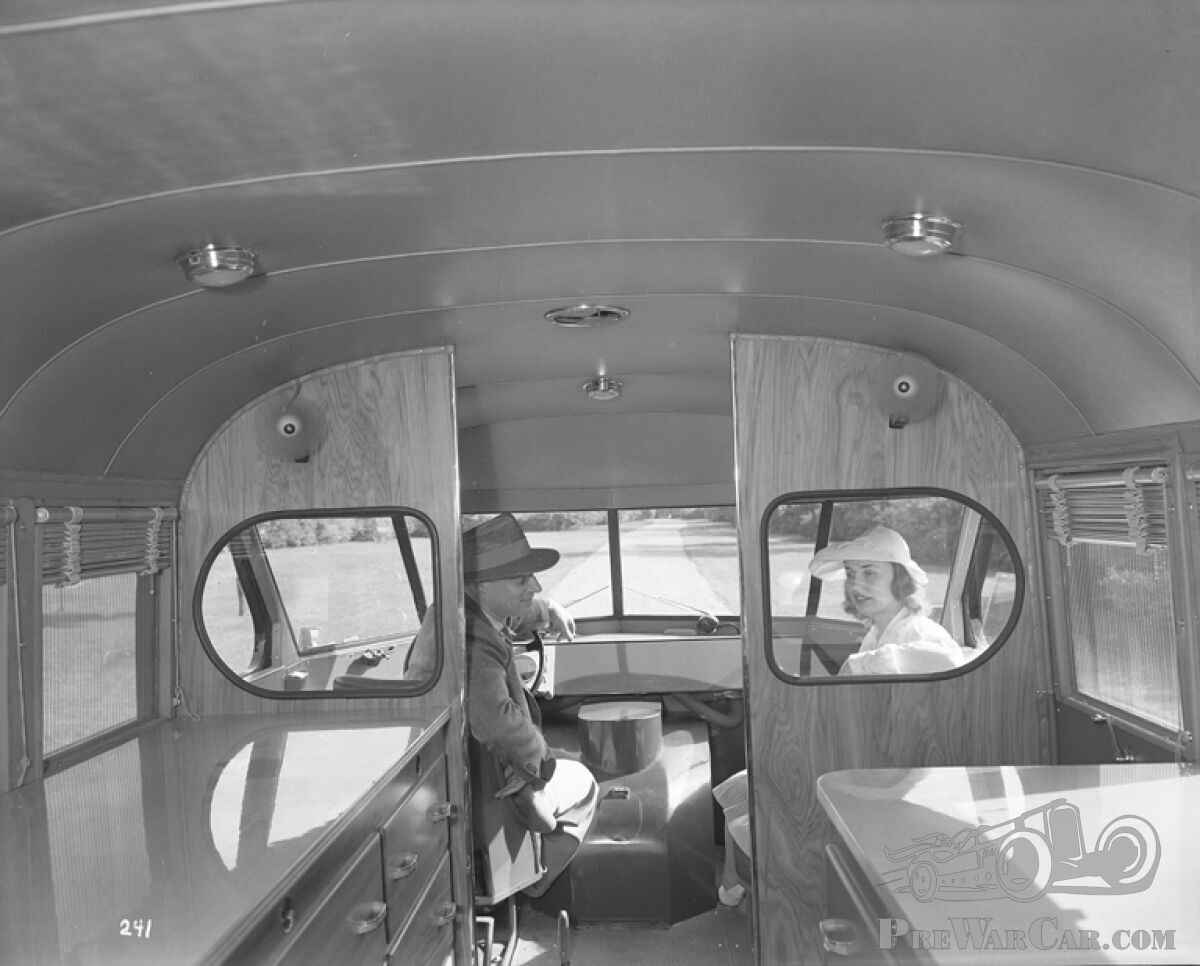
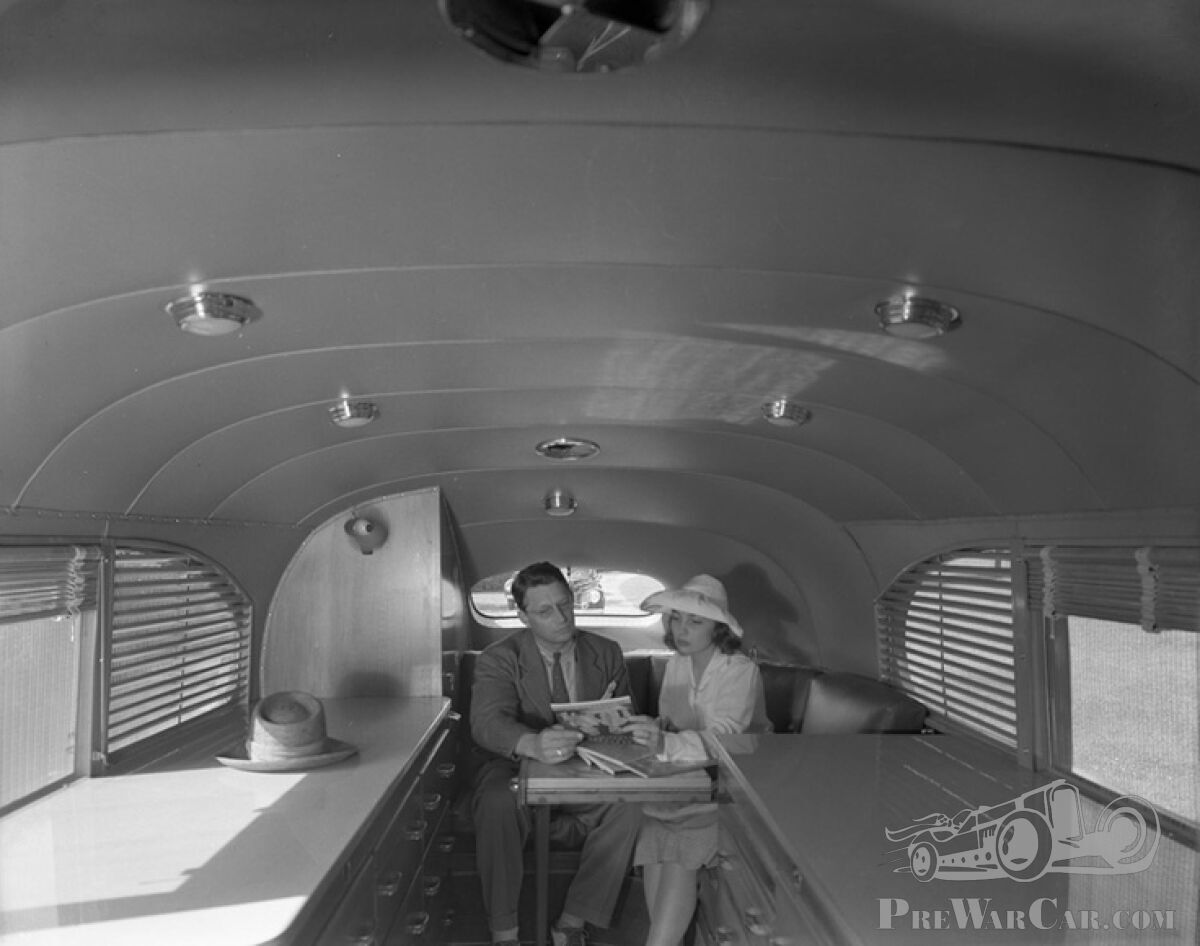


Moving house or office can be a pain. If only houses and offices were on wheels, life might be so much easier. Motorhomes exist, of course, but usually as cumbersome objects which fail to live up to futuristic conceptions of a dynamic home. What a shame nobody thought to appoint Brooks Stevens as Minister for the Future...
Many will already know Stevens's name, whether its for one of his post-war automotive designs, which included Harley-Davidsons, Jeeps, Studebakers and the 1960s "contemporary classic" Excalibur, or for his excellent collection of historic cars which went on display when he opened the Brooks Stevens Automotive Museum in 1959. His career started, however, in the 1930s, and the little-known Western Clipper stands out as one of his finest designs.
The Clipper arose from a commission by Western Printing, which wanted some mobile sales offices in which to clinch deals with clients, who could be made to feel at ease in a "room" appointed with soft chairs, coffee tables and cupboards full of product samples. Apparently, the firm had been impressed by a streamlined, articulated motorhome which Stevens had designed for a private client in 1936, when he was 25. Beyond that, little is known about the Clippers, but it's said they used International truck chassis with Ford flathead V8s. Certainly, several of them were made and a few survive, and all appear to have been slightly different from one another. One source claims 26 were produced between 1937 and 1941. It's said that they had to be less than 20ft. long, so they could be parked in cities, and were able to hit 85 m.p.h. and return 15 m.p.g. Later Clippers were produced for other companies, and also as motorhomes for private buyers.
Was there ever a more desirable motorhome than Brooks Stevens's Clipper?
Words: Zack Stiling
Published:
Friday May 2nd, 2025
Facebook
LinkedIn
Twitter
WhatsApp
Email
Copy