The global magazine and marketplace for classic car enthusiasts, by enthusiasts.


Filter
Make a choice:
- Cars
-
Make >>
-
Year >>
-
- Bikes
-
Location >>
- Parts & more
-
Make of car >>
-
Manufacturer >>
-
Category >>
- Bicycles & more
-
Year >>
-
Countries


Righting wrongs in the search for Russia's first Chevrolet
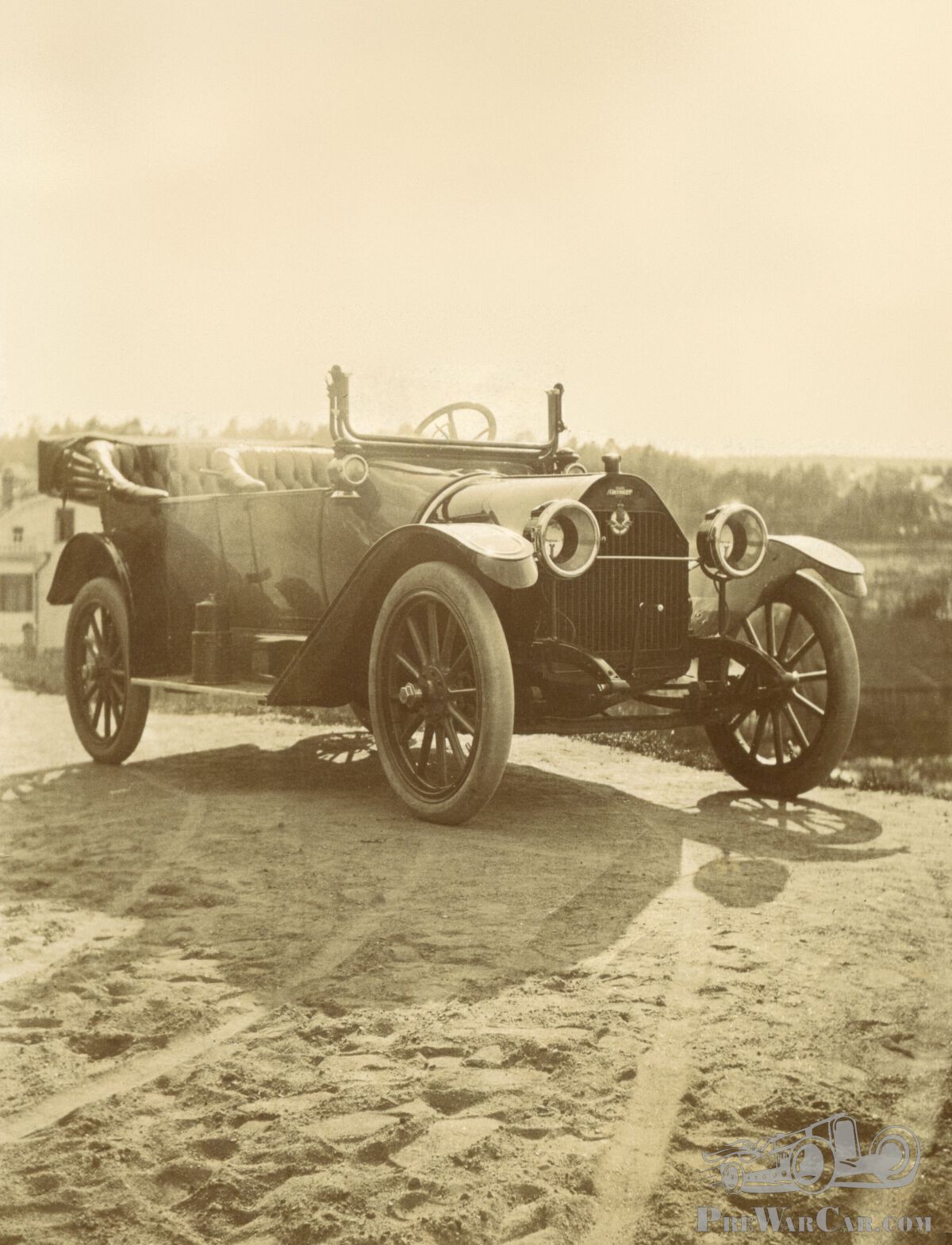
Chevrolet H-4 Baby Grand with a torpedo body and a distinctive sign on the radiator—possibly the very first Chevrolet in Russia

First advertisement for Chevrolet in Russia, July, 1914
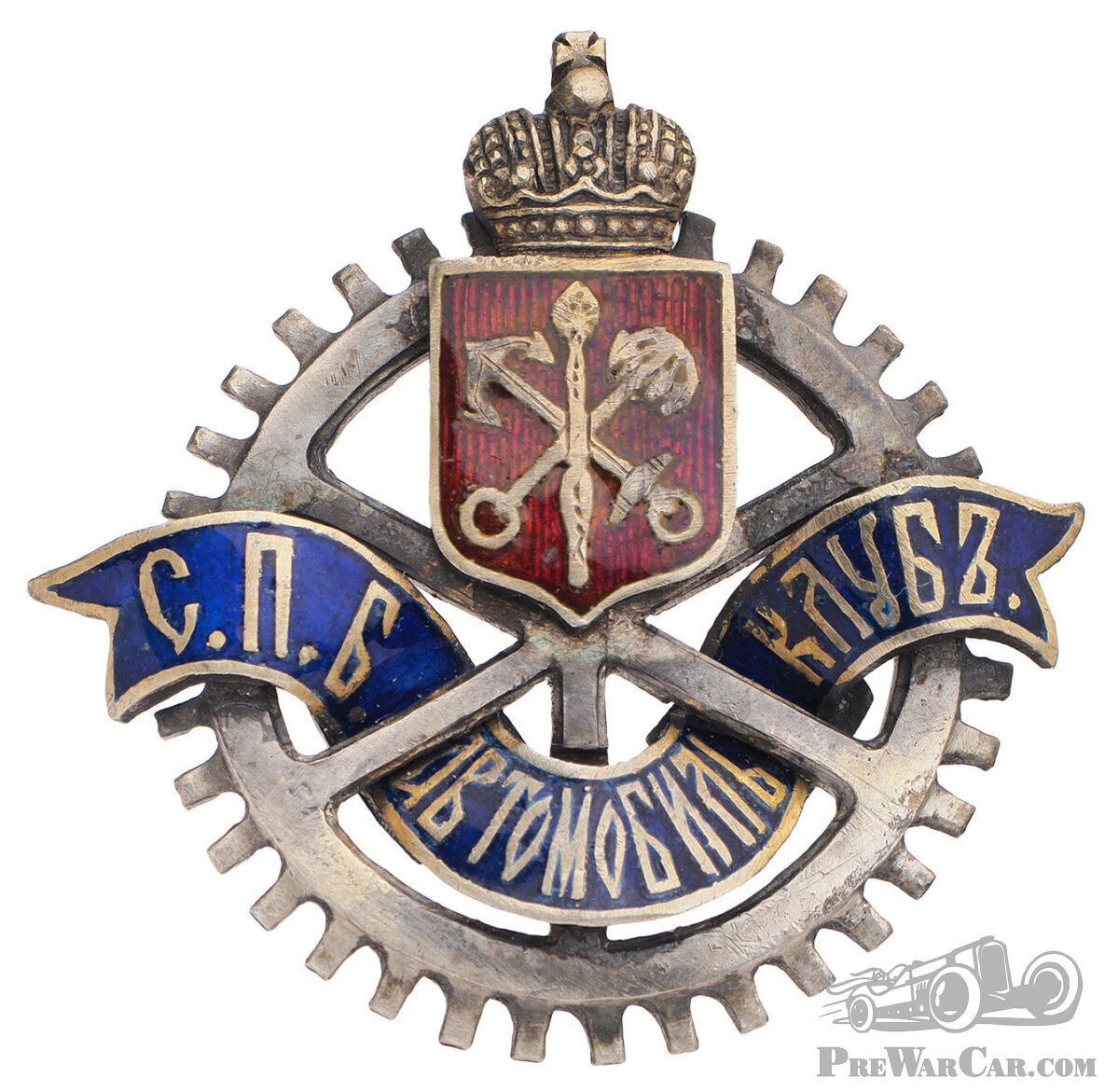
The emblems of the St.Petersburg and Petrograd Automobile Club. The differences are only in the first letters of the Cyrillic alphabet.
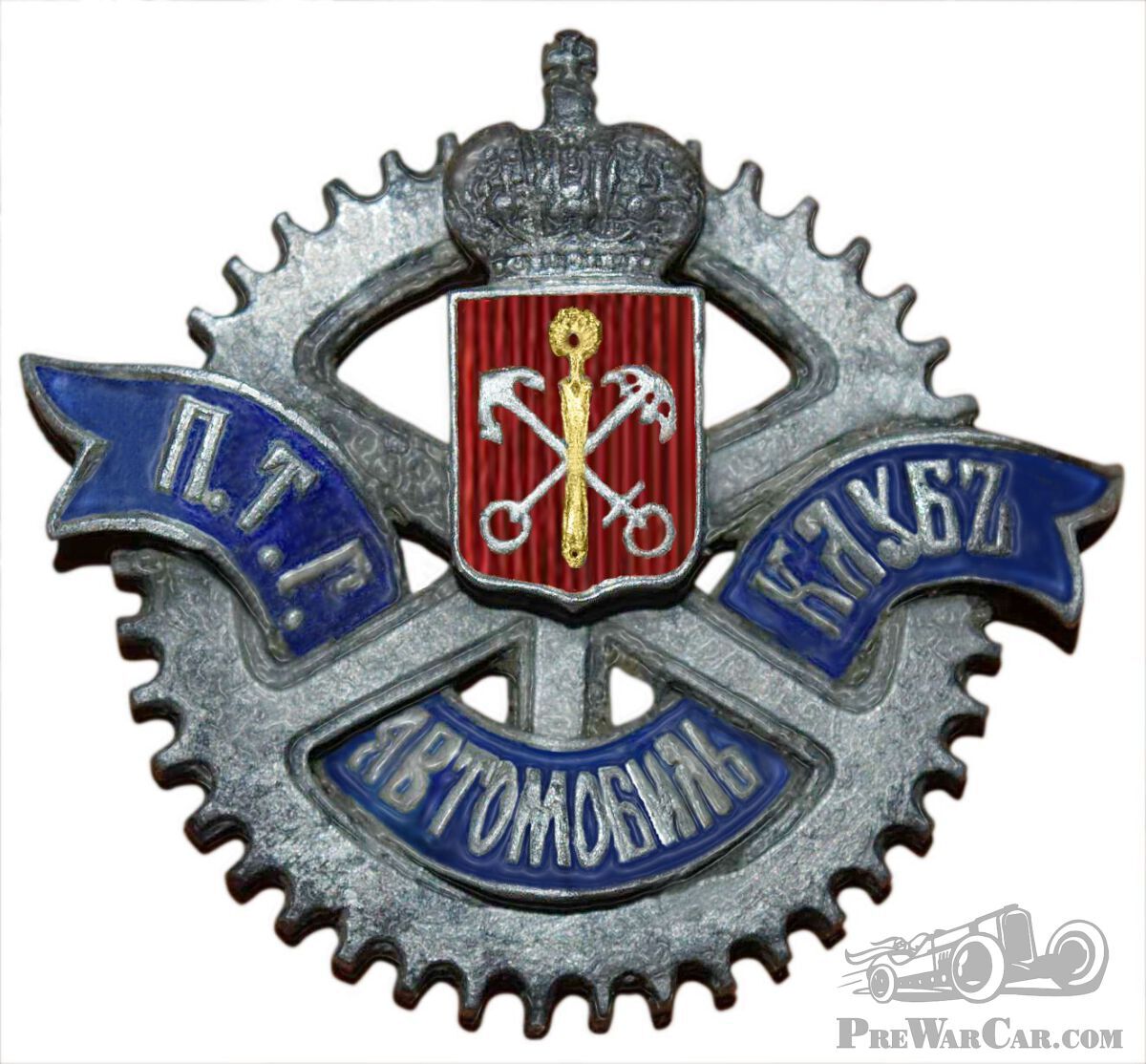
The emblems of the St.Petersburg and Petrograd Automobile Club.The differences are only in the first letters of the Cyrillic alphabet.
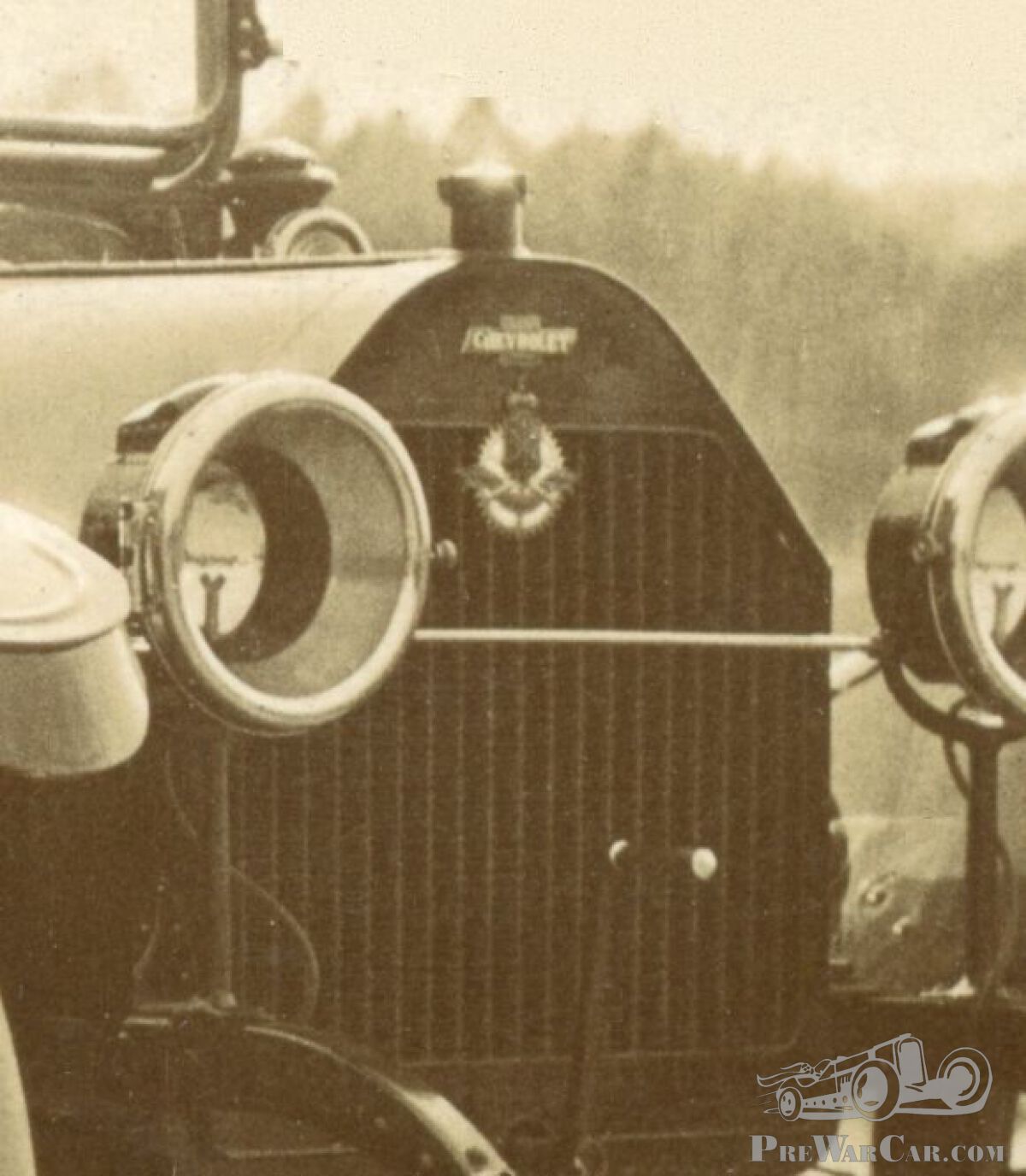


A lucky find! At an auction, I purchased an old photograph of a Chevrolet H-4 Baby Grand. While initially unremarkable, I noticed an unexpected detail—the emblem of the St. Petersburg (formerly Petrograd) Automobile Club on the car’s radiator. Though the car's owner remains unknown, I identified the location. This prompted me to investigate the presence of American cars in early 20th-century Russia, uncover new information, and debunk widespread myths.
Early American cars in Russia
The Russian automobile market was first dominated by German manufacturers, followed by French and Belgian companies. Americans entered the market later, with mixed success. Early brands like Rambler, Northern, and Winton sold very few cars, while Cadillac and Locomobile managed only about two dozen each. However, Olds Motor Works found greater success. The famous Oldsmobile "Curved Dash" was produced from 1901 to 1907 and, for a time, dominated Russian streets. By 1905, Moscow had 38 of them out of a total of 114 motor vehicles. Some were even assembled in Russia under the name Duxmobil.
Ford gradually gained a foothold, but American dominance was short-lived, soon replaced by more advanced European models. By 1910, U.S. automobile imports had fallen to just 3% of the market. In 1913, they rebounded slightly to 4%, primarily due to Ford. Other American manufacturers also attempted to enter the market, including Buick, Case, Chandler, Studebaker, and Overland, but they remained a minority. American companies generally marketed cheaper cars, hoping to attract Russian buyers with affordability.
The Chevrolet myth
One persistent myth claims that Chevrolet entered the Russian market as early as 1911 with a model called the T-90. This claim appears in the Russian Wikipedia and has been widely repeated by journalists and bloggers without verification. However, Chevrolet was only founded on November 3, 1910, making it highly unlikely they started exporting to Russia so soon. Despite thorough research, I found no evidence supporting this claim, and serious historical sources—including English and German Wikipedia—do not mention it. Russian automotive records from 1911–1913, as well as lists of mobilized vehicles during World War I, show no trace of Chevrolet before 1914.
Chevrolet's actual entry into Russia
The earliest verified mention of Chevrolet in Russia appears in Avtomobil magazine (issues No. 13 and 14) from July 1914. The advertisements featured a Chevrolet H-4 Baby Grand with a four-cylinder engine but did not specify a distributor. Instead, an address in St. Petersburg (SPB, Alexandrinskaya Square 5) was listed.
During 1915–1916, occasional classified ads mentioned Chevrolet in conjunction with a dealership called the Chevrolet Garage (1915) and the Chevrolet Store (1916). These establishments sold multiple car brands, including Opel, Cadillac, and Hupmobile, but Chevrolets were rare—one was advertised with a sports body, another as a three-seater torpedo. The dealership was later linked to a trading house owned by Isidor Citron, though he was likely only a seller rather than an official distributor.
At the time, the Russian military heavily relied on automobile imports. In 1914, as Germany dominated the market with an 80% share, the war created an urgent need for vehicles. The U.S. then regained market access, but Chevrolet was not among the preferred brands. The Russian Ministry of War showed no interest in Chevrolet, and there are no documented cases of their cars serving in the Russian Army. My photograph remains the only known image of a Chevrolet in Russia from this era.
Why Chevrolet failed in Russia
Not all American cars met military standards. In 1915, Russian authorities recommended against accepting vehicles from Studebaker, Ford, Case, Mitchell, Overland, and others due to their poor performance in wartime conditions. These brands were still used but struggled to gain long-term acceptance. Chevrolet could have had a place, but it was not meant to be—perhaps due to the "bad reputation" of its founder, William Durant, and his Russian business partner.
Chevrolet cars eventually appeared in the Soviet Union but in small numbers. Just as before World War I, American imports were dominated by Ford. The Ford Motor Company played the most significant role in shaping the Soviet automobile industry, overshadowing Chevrolet's presence in Russia.
By Stanislav Kiriletz
Published:
Wednesday April 2nd, 2025
Facebook
LinkedIn
Twitter
WhatsApp
Email
Copy
Comments
Dan O'Day
09 April 2025, 05:28
Stanislav Kirilets
09 April 2025, 13:50
Thank you very much for your kind words. Feel free to use the information and the image if you wish. I also wrote a longer article about it, with all the background information, including the representative—the Citron & Co. trading house (Chevrolet-Garage division)—but it was in Russian, and no Russian magazine showed any interest in the topic, unfortunately.
Best regards from Germany!
Stanislav Kiriletz
kiriletz@t-online.de
Read more
Best regards from Germany!
Stanislav Kiriletz
kiriletz@t-online.de
Lars Legaard
03 April 2025, 07:06
Anyway, Chevrolet didn´t have Armand Hammer to promote and sell their products (including Fordson) like Ford did.
Read more
Stanislav Kirilets
06 April 2025, 01:59
Yes, the big deals for Ford—first a licence to build tractors and later assembly of Ford A and AA cars and trucks, then participation in the construction of the factory in Gorky, where these models were mass-produced as GAZ. Very profitable for both sides.
Read more
It's interesting that the H4 is left-hand drive when it could have been ordered right-hand drive for export.
Regards,
Dan O'Day
Director, V.C.C.A. H Model Chapter