The global magazine and marketplace for classic car enthusiasts, by enthusiasts.


Filter
Make a choice:
- Cars
-
Make >>
-
Year >>
-
- Bikes
-
Location >>
- Parts & more
-
Make of car >>
-
Manufacturer >>
-
Category >>
- Bicycles & more
-
Year >>
-
Countries


Saving the showgirl's Lagonda
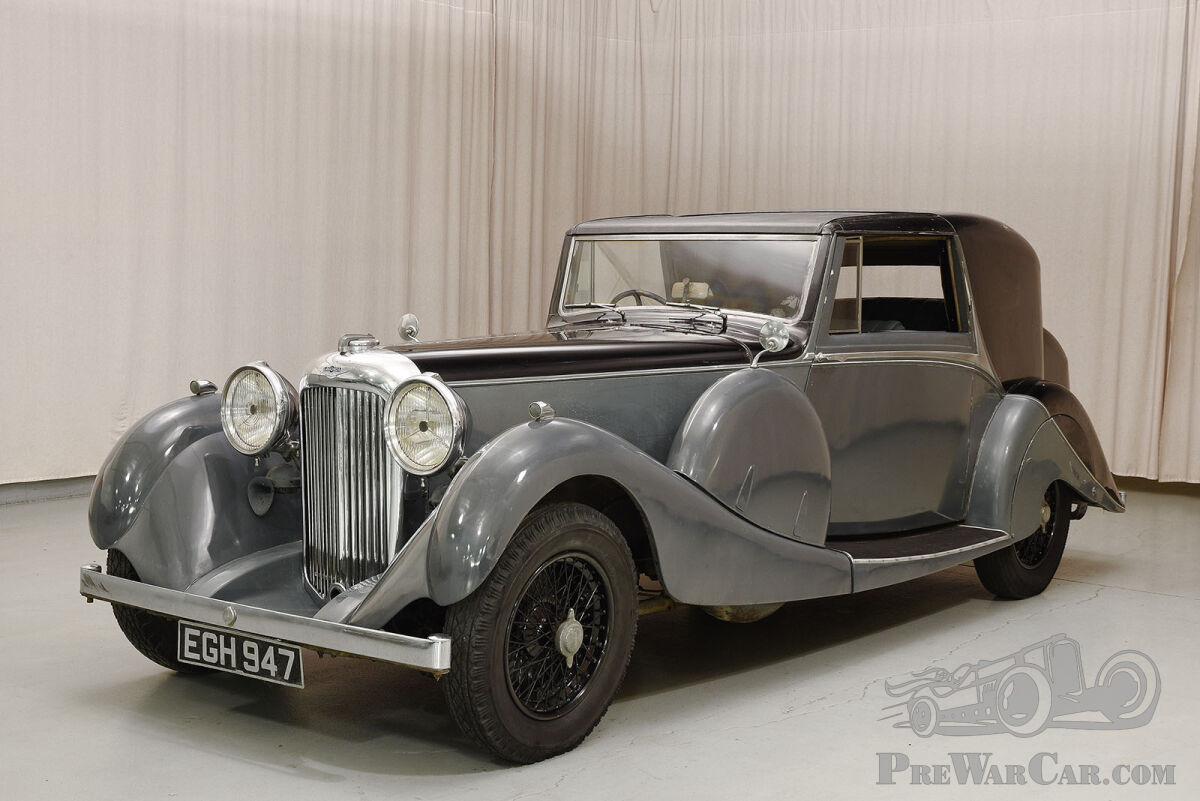
The Lagonda as purchased by Walter Czech

It looked a well-preserved car from the outside, but the exterior was extremely fragile.
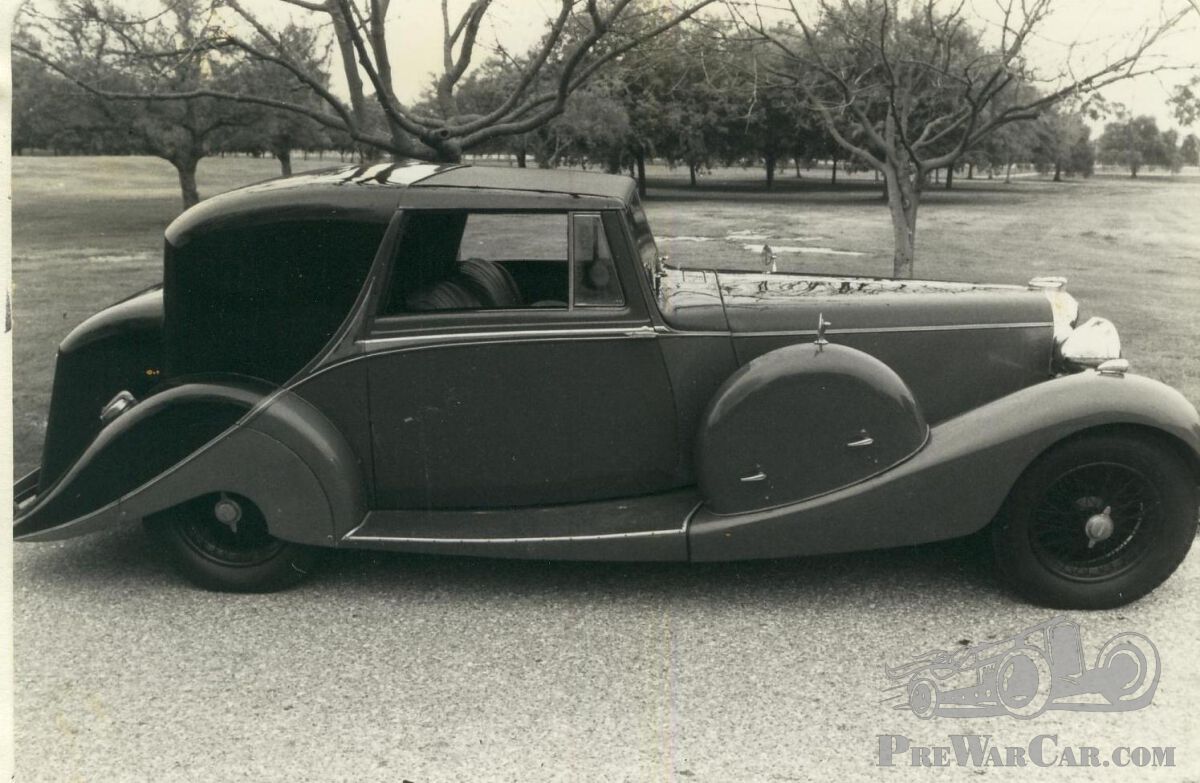
The car when new in 1938
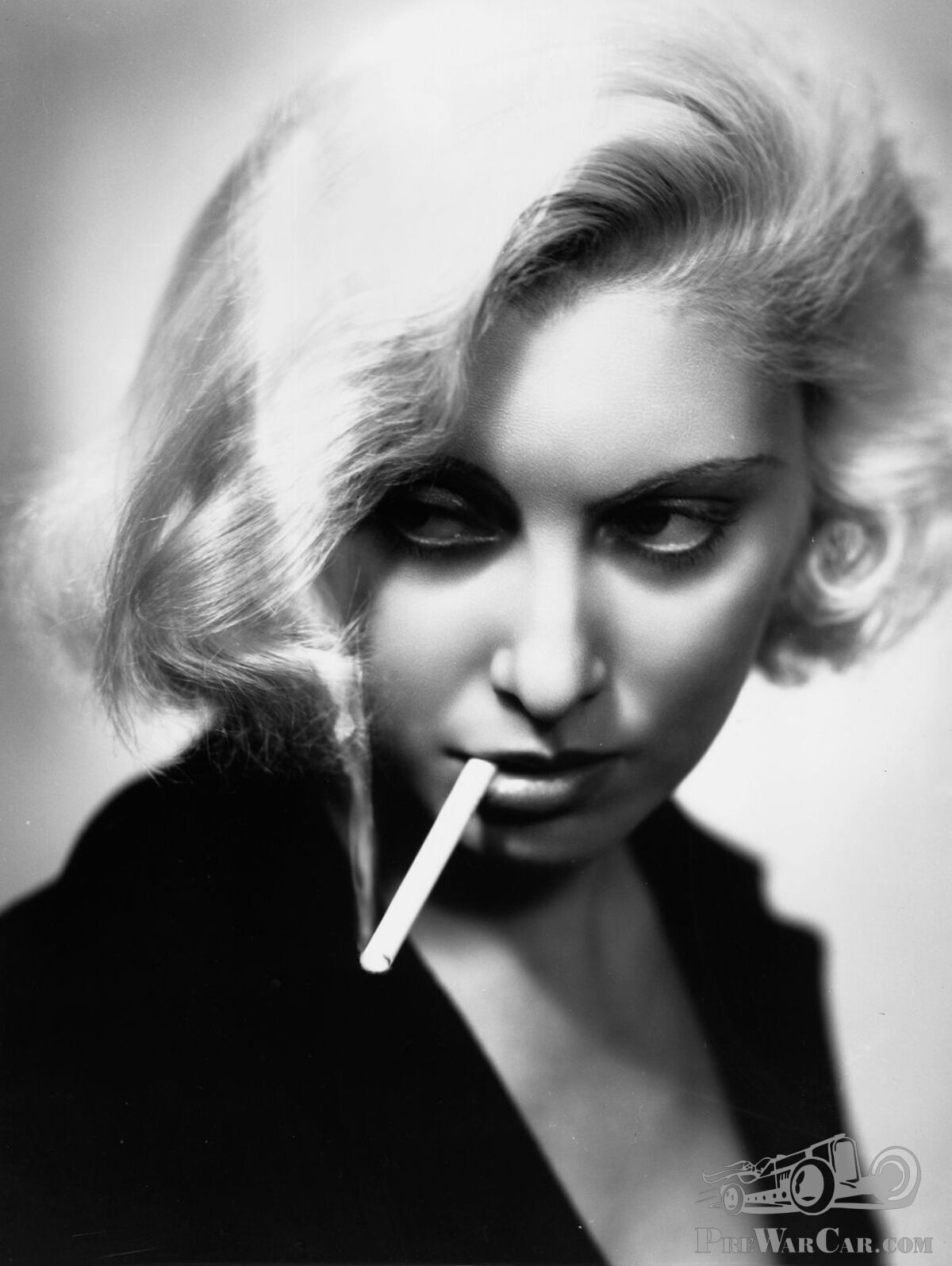
The sultry Frances Day, singer and actress, for whom the extravagant Lagonda was built
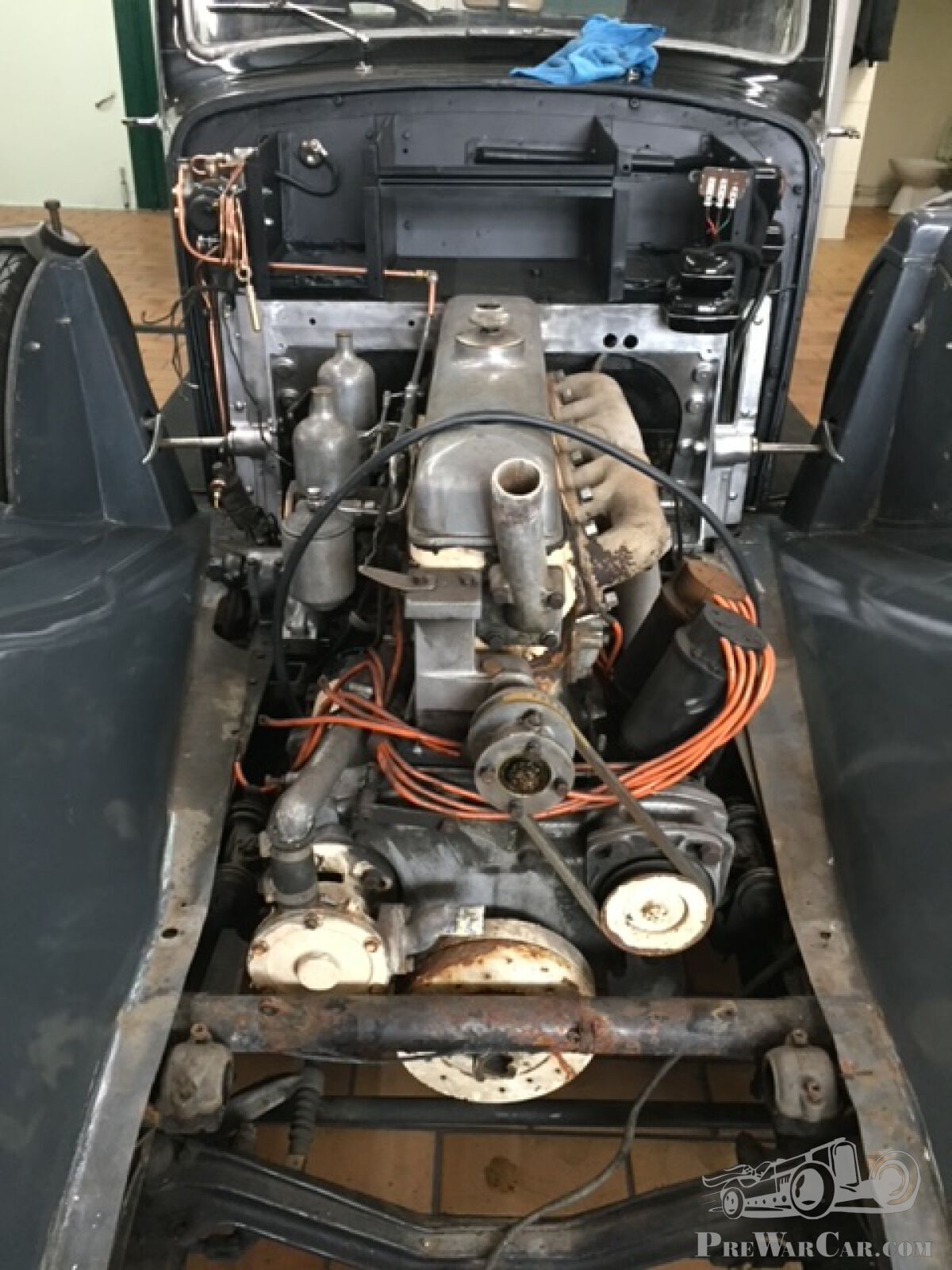
The engine bay in the process of disassembly
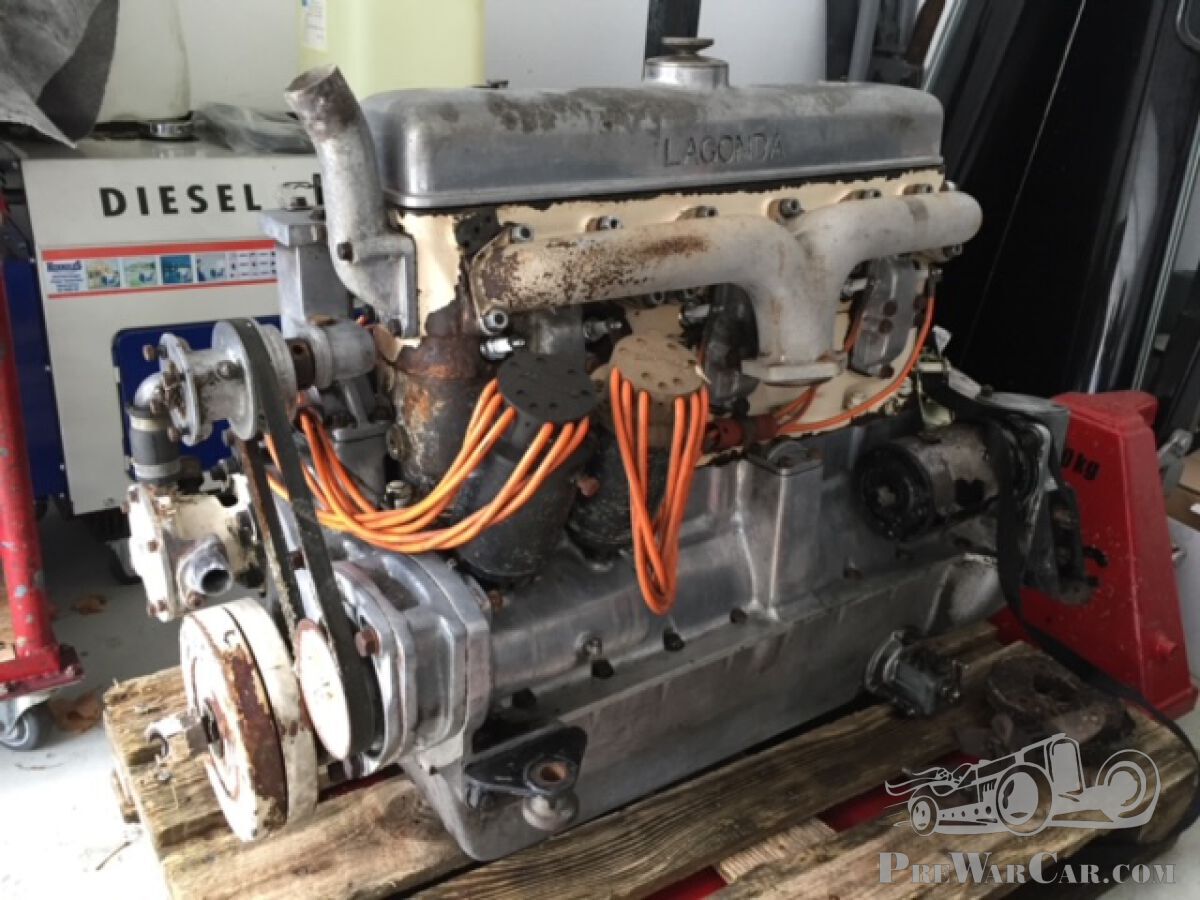
The unrestored engine when removed from the car
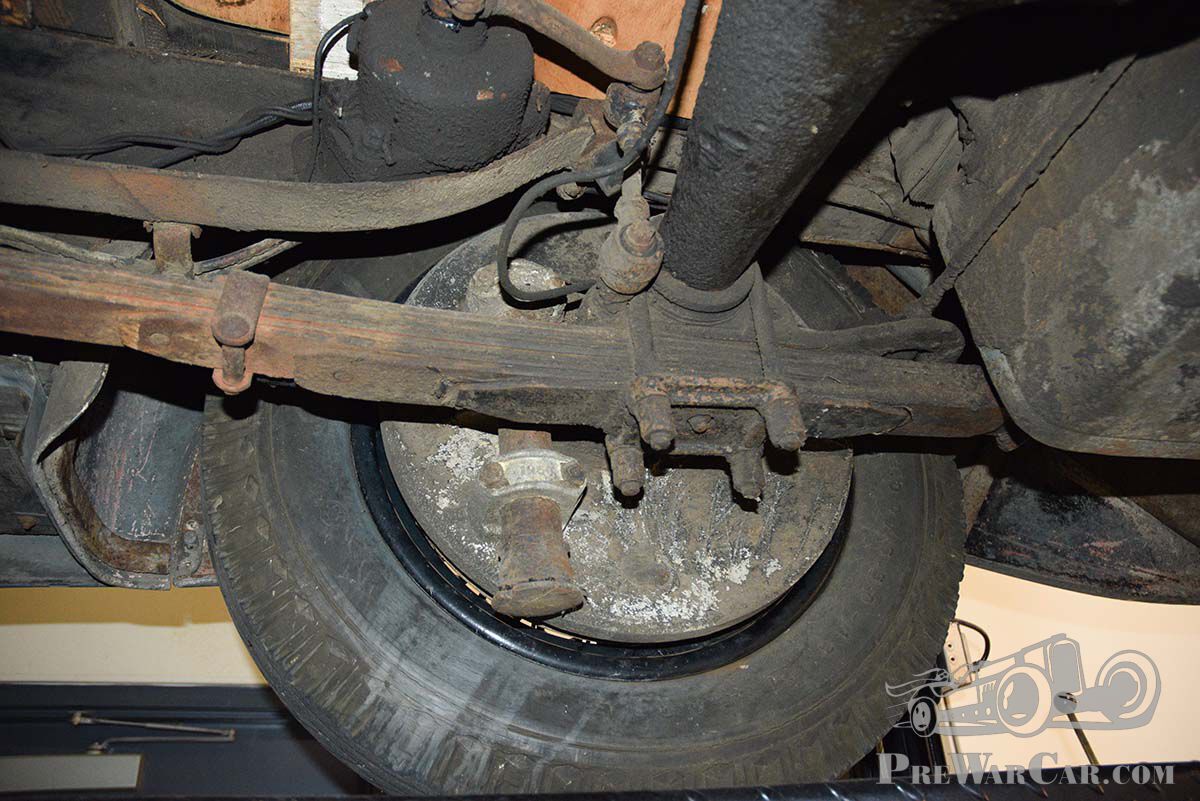
Underneath, the Lagonda showed its age
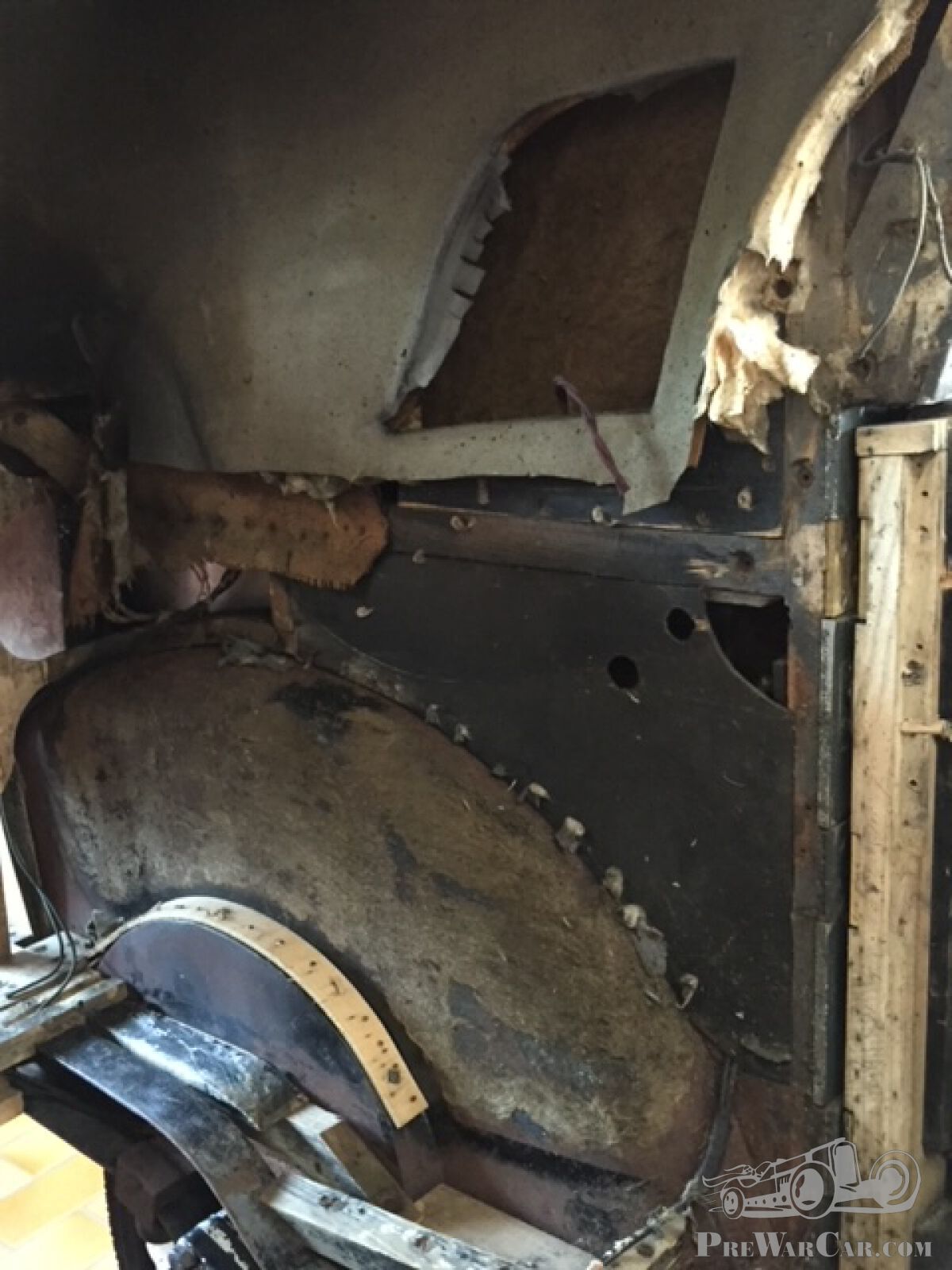
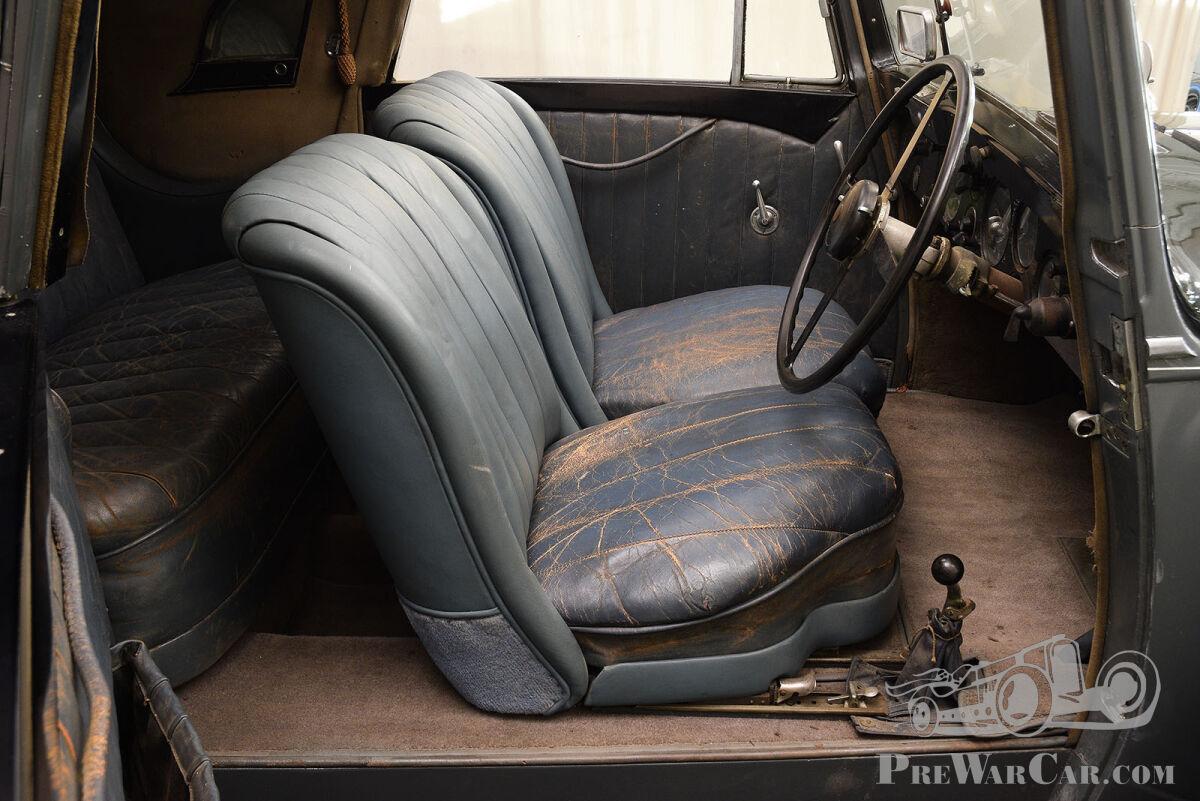
Internally, the car was in extremely rough condition
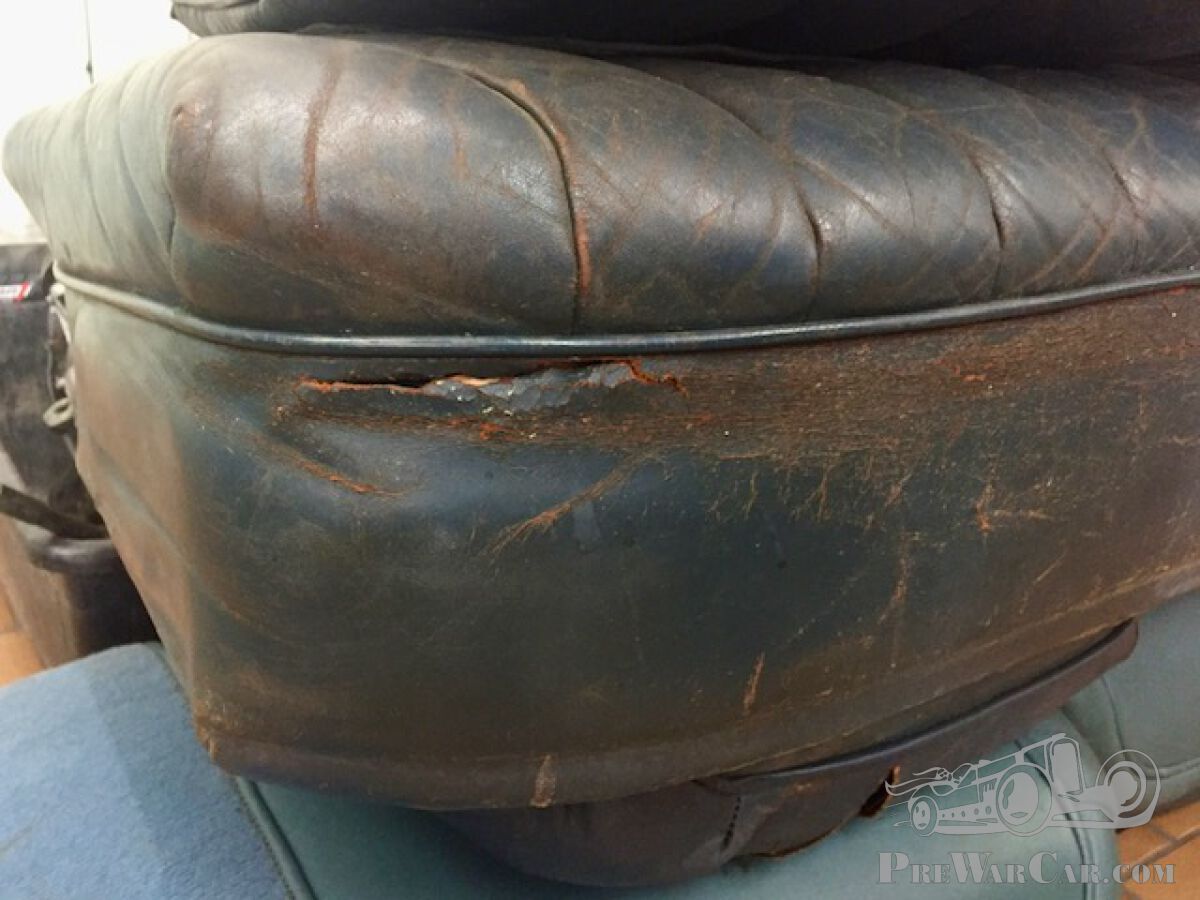
This picture highlights how brittle the leather upholstery had become
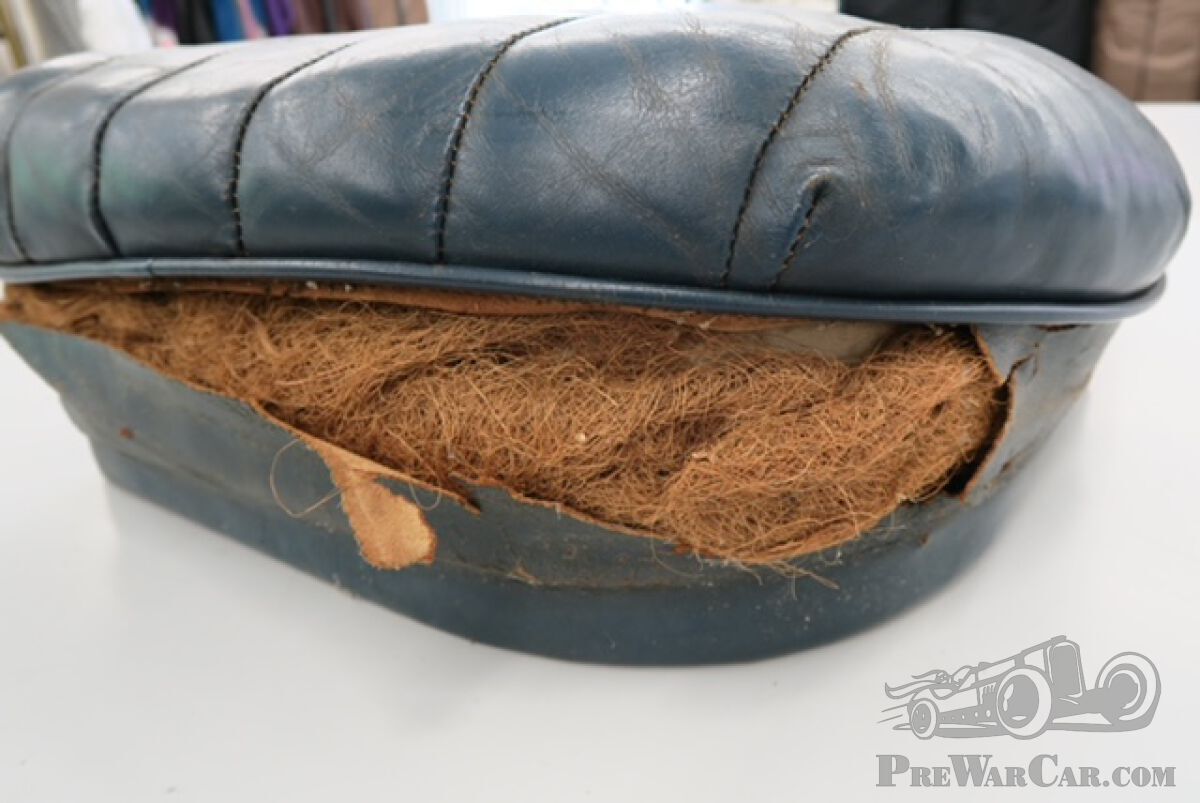
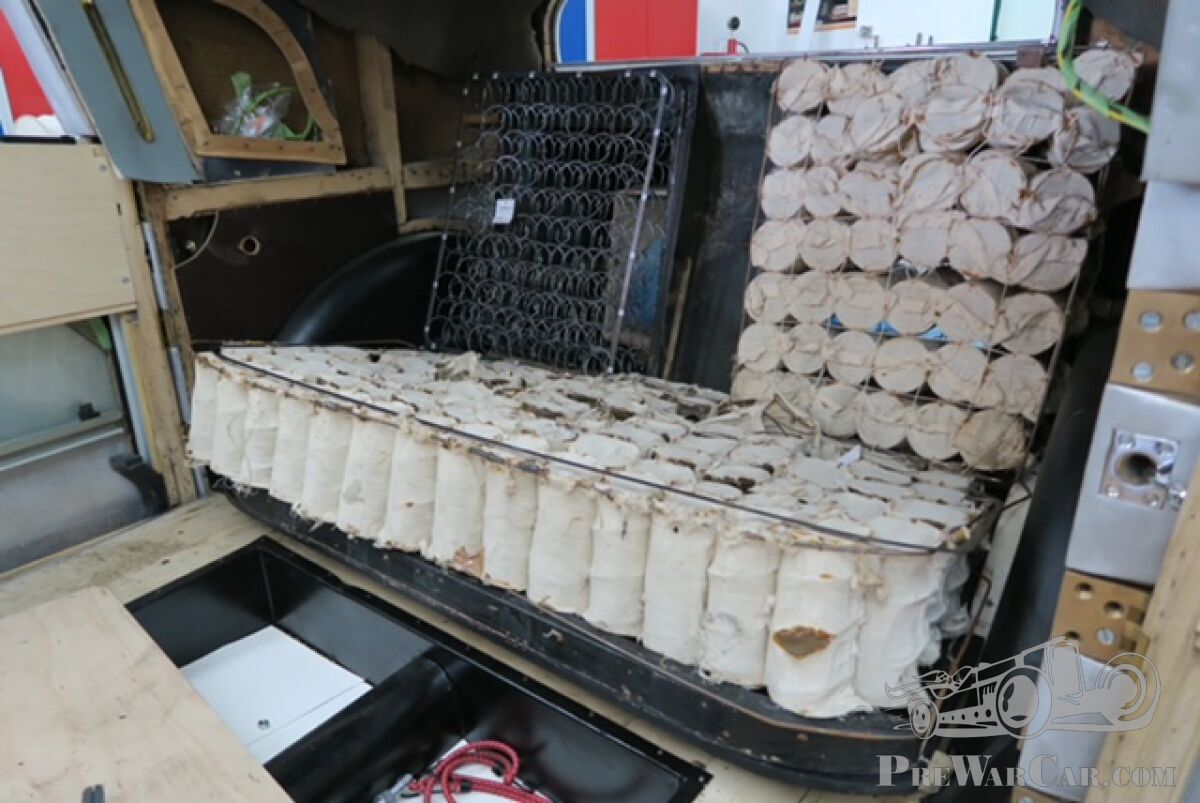
It's not often one glimpses original horsehair padding
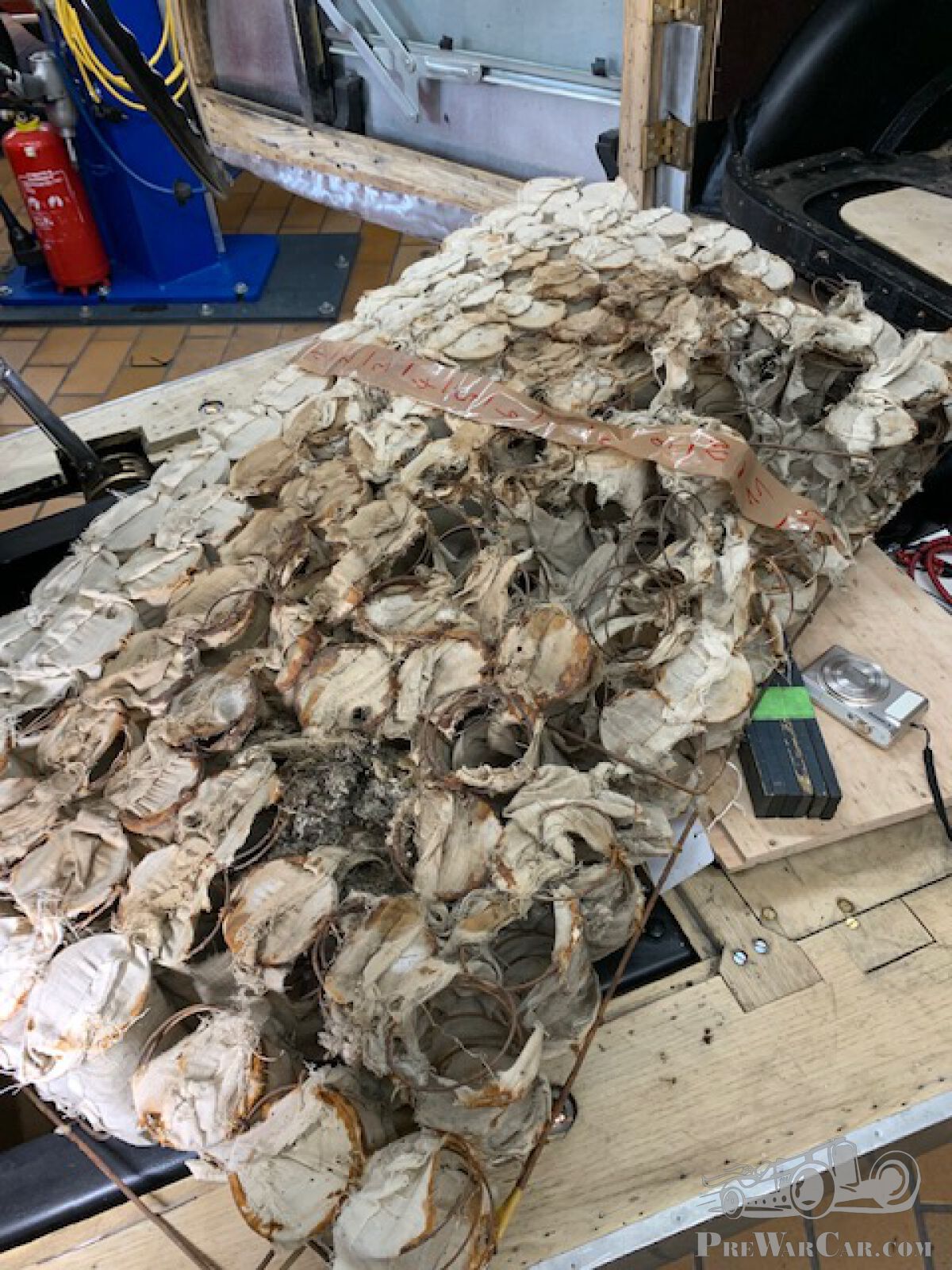
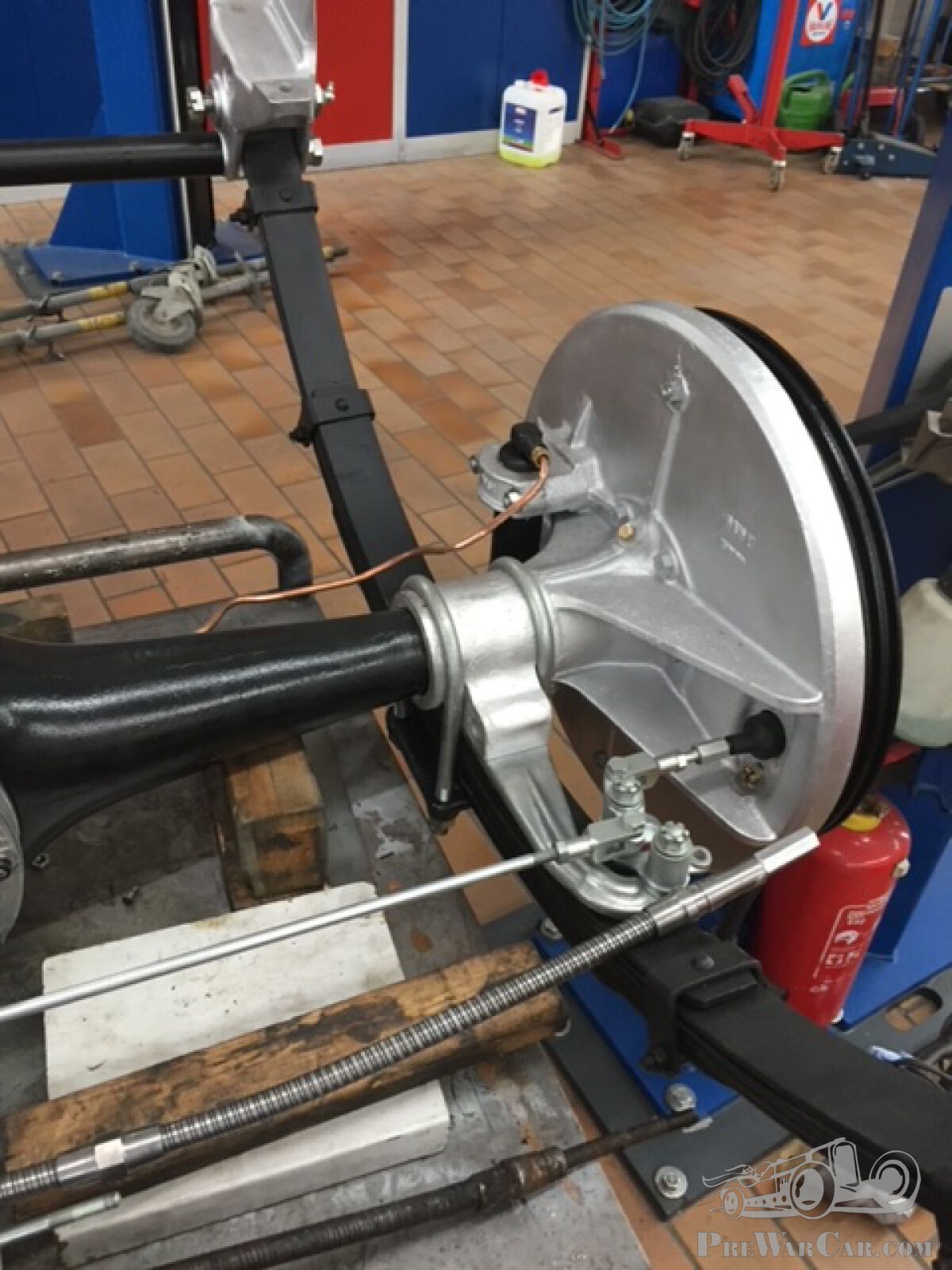
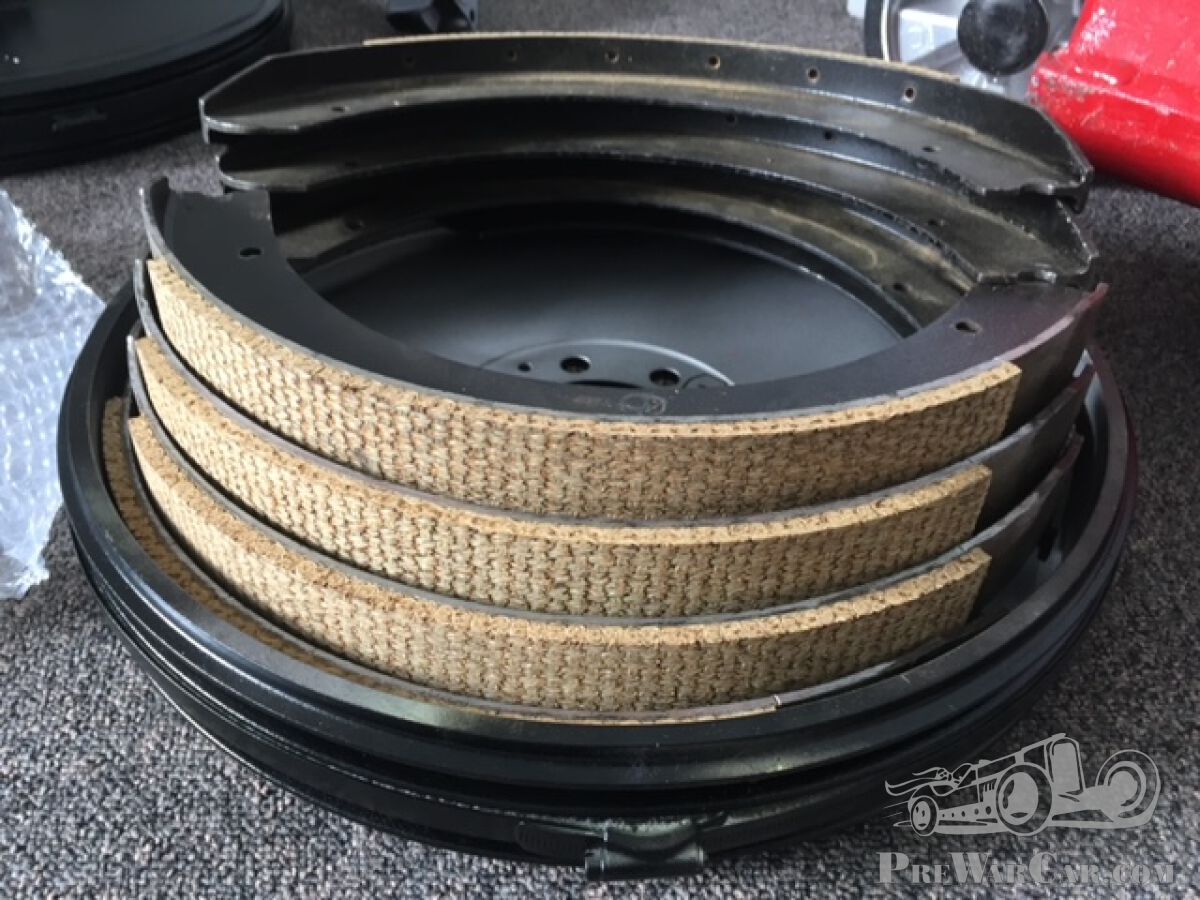
The brakes presented well following refurbishment
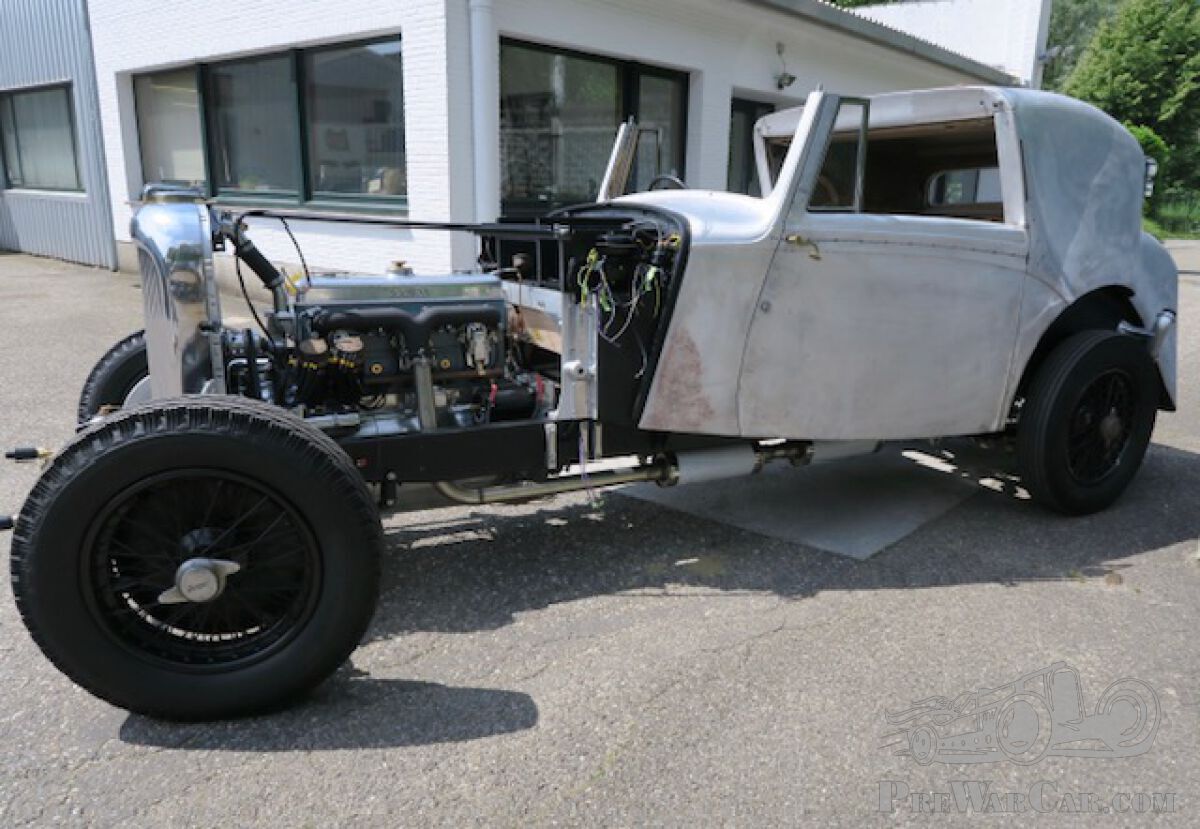
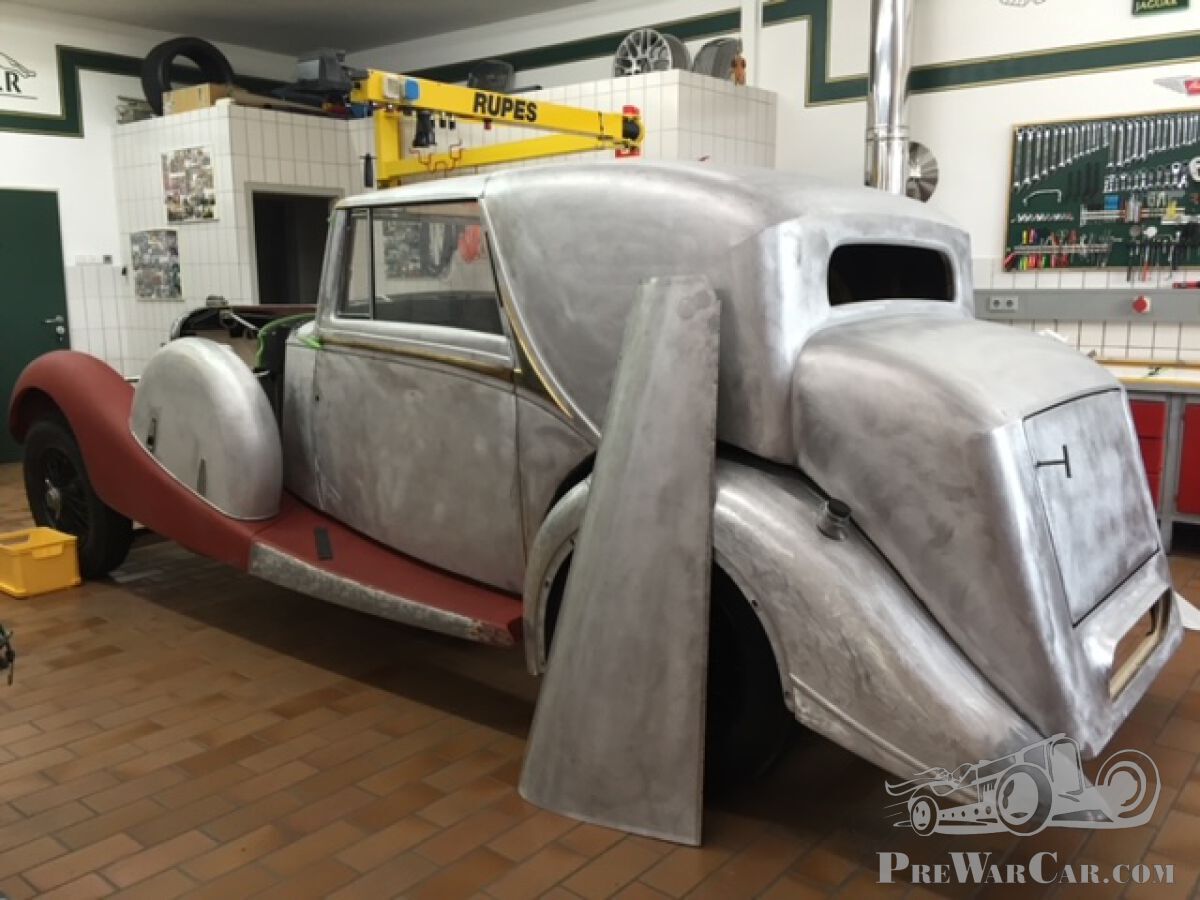
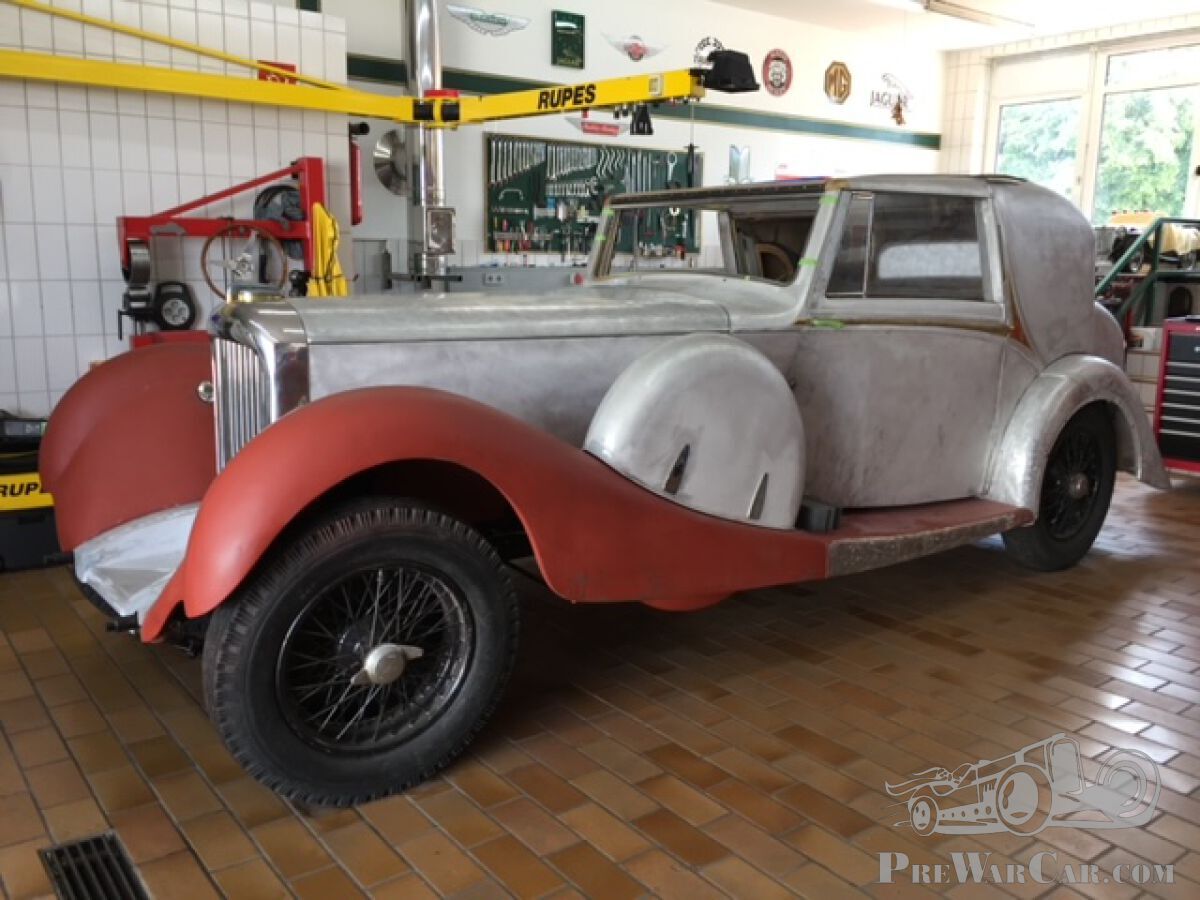
With panels in place, it started to resemble a car again
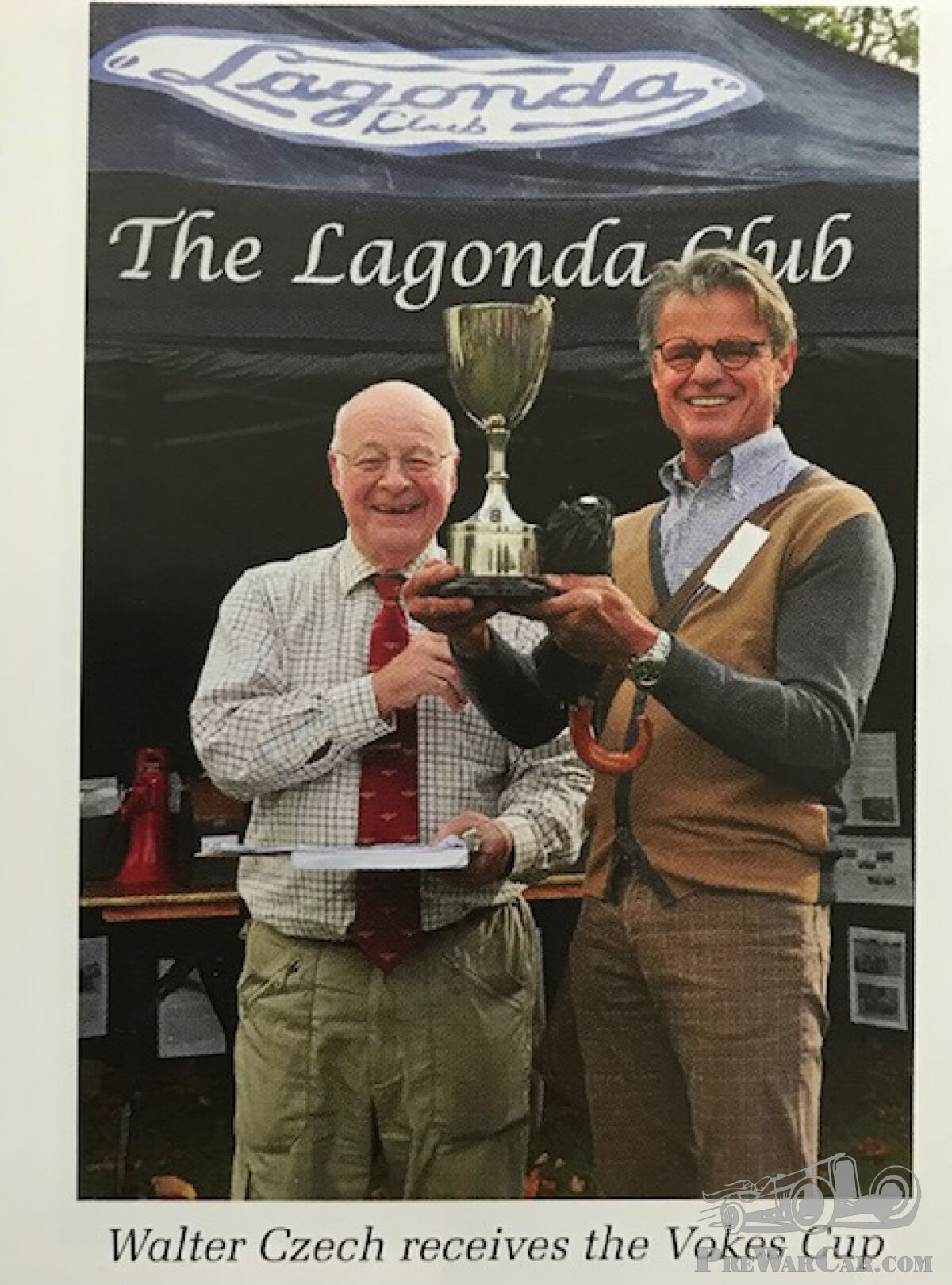
The Lagonda as it was awarded the Voke Cup by the Lagonda Club
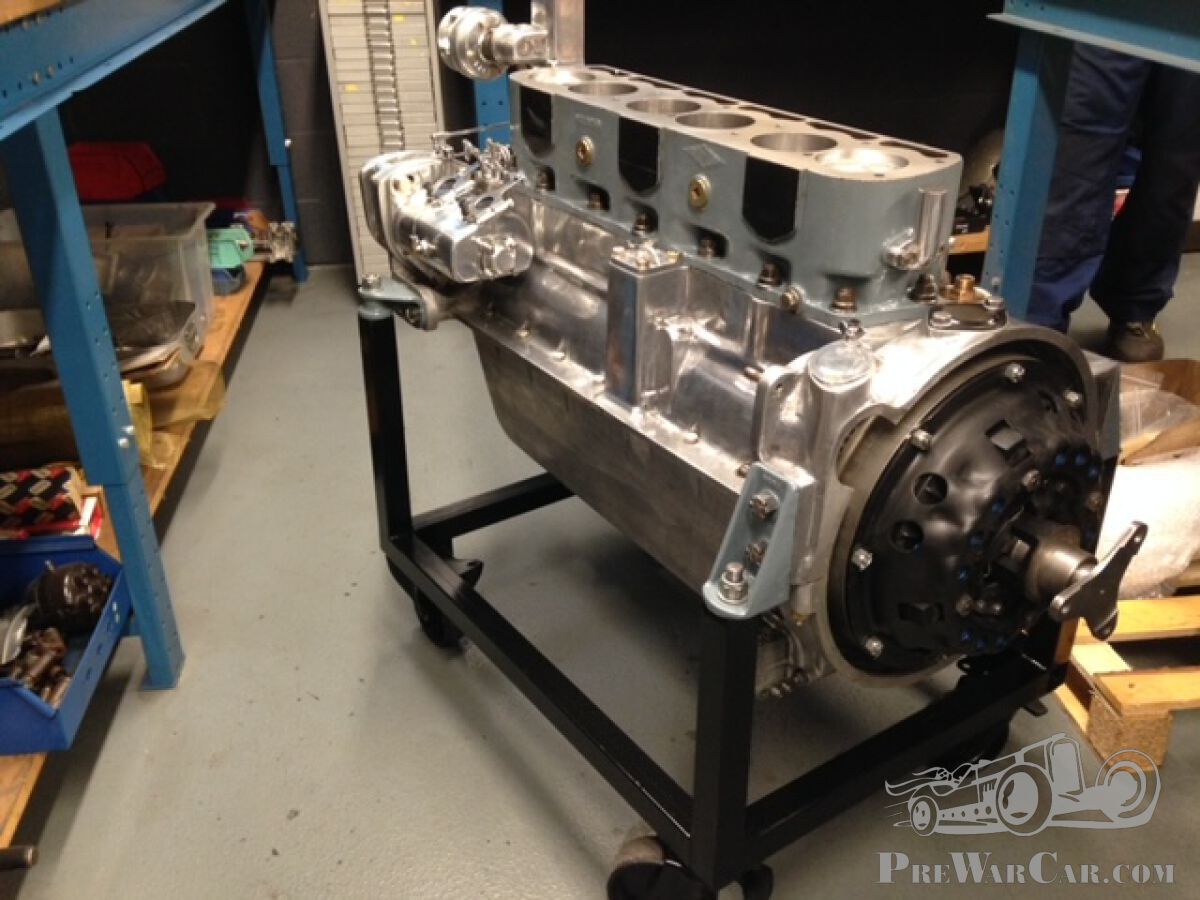
Once stripped and cleaned, the block and head were not in bad condition
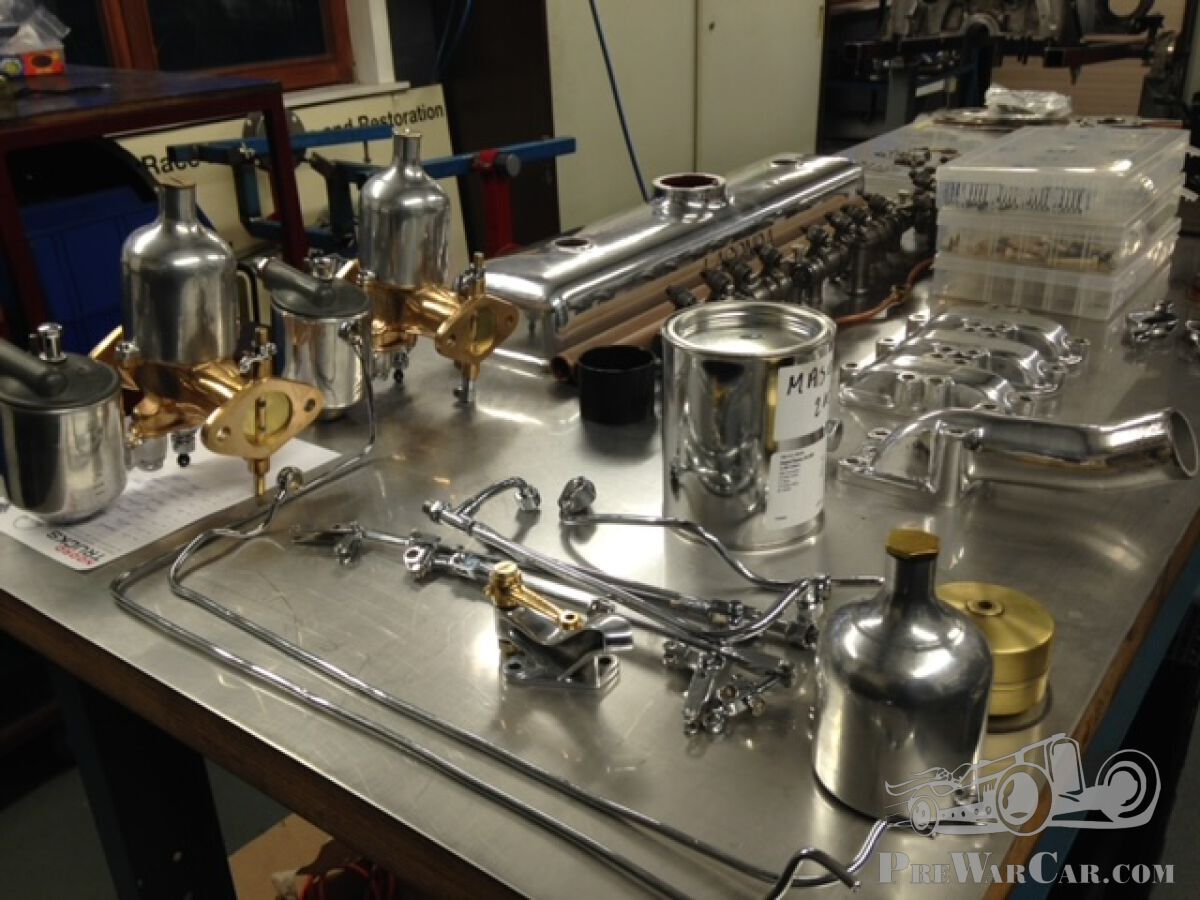
All the bolt-ons were plated for a pristine finish
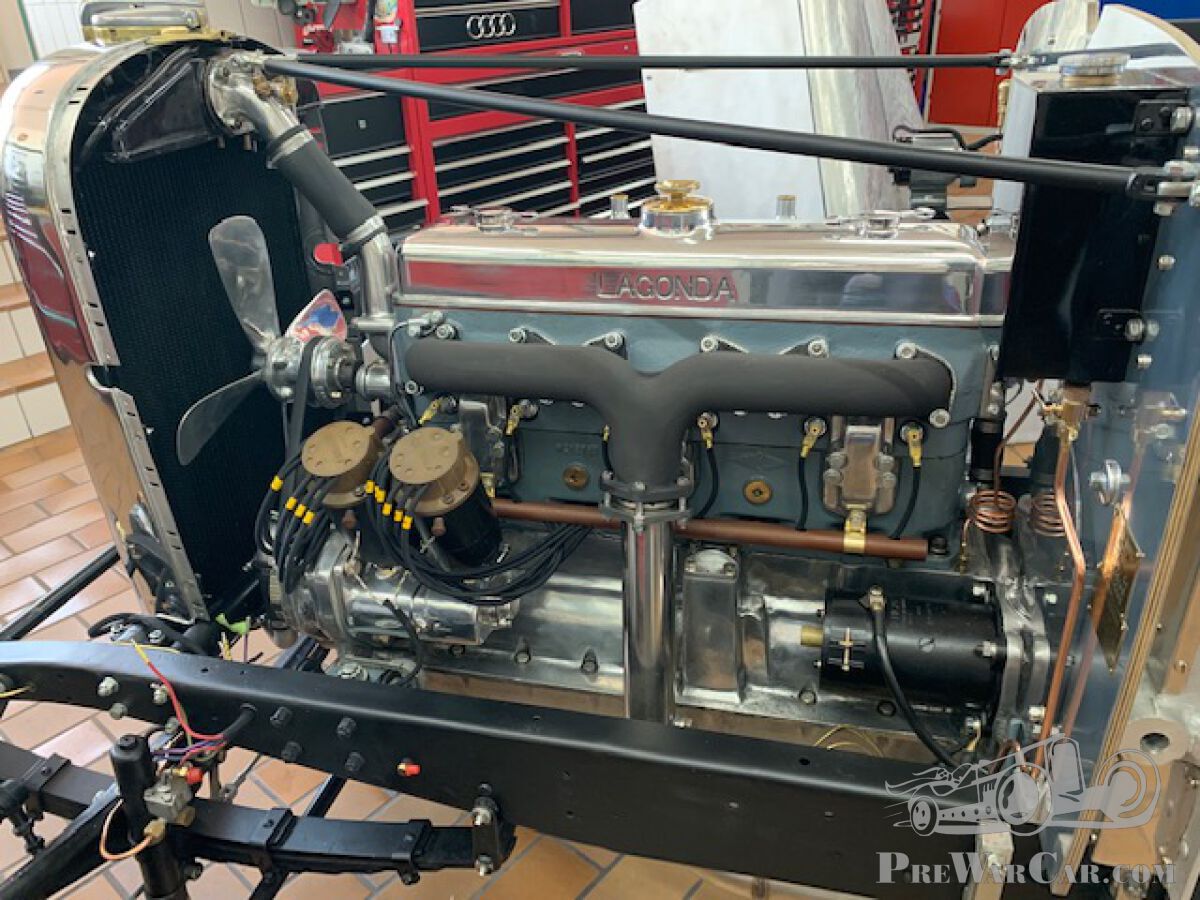
The rebuilt engine is a thing of beauty
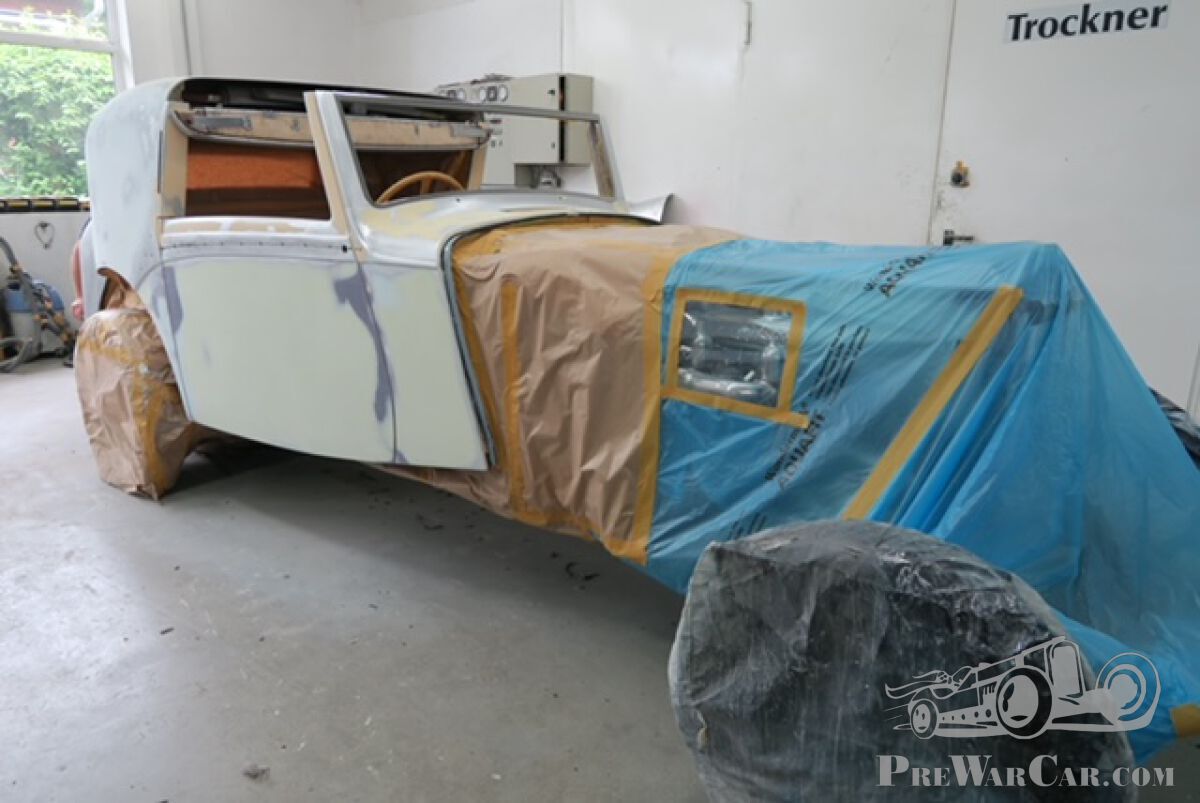
With the filler going on, the car is almost ready for painting
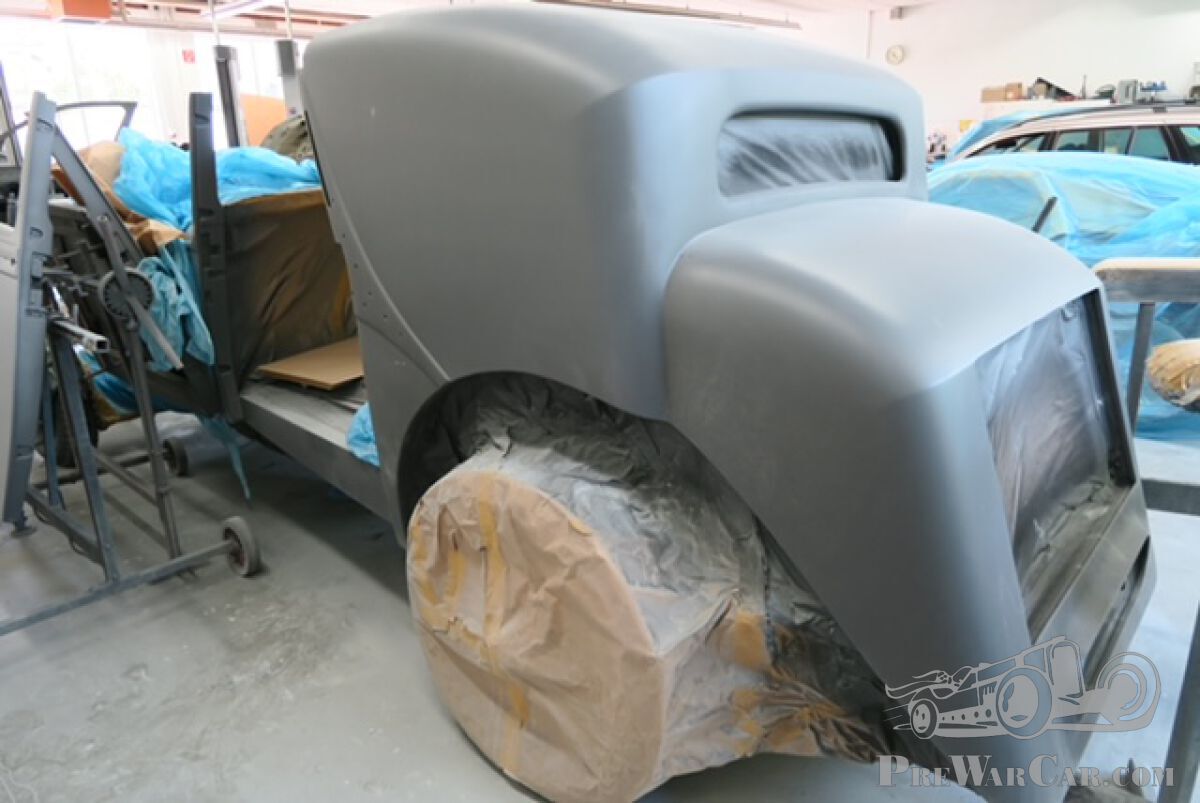
Of course, it needed priming first
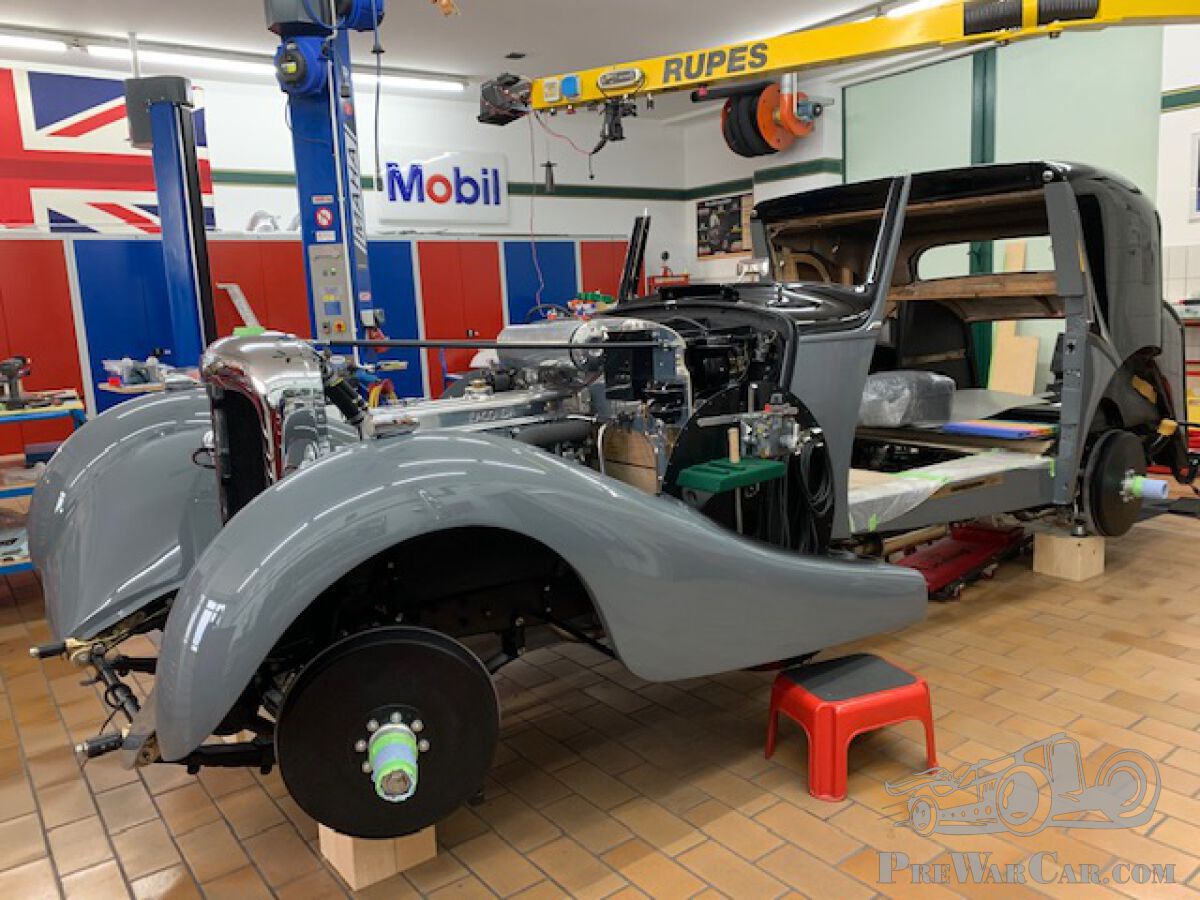
A duotone finish is even better, though
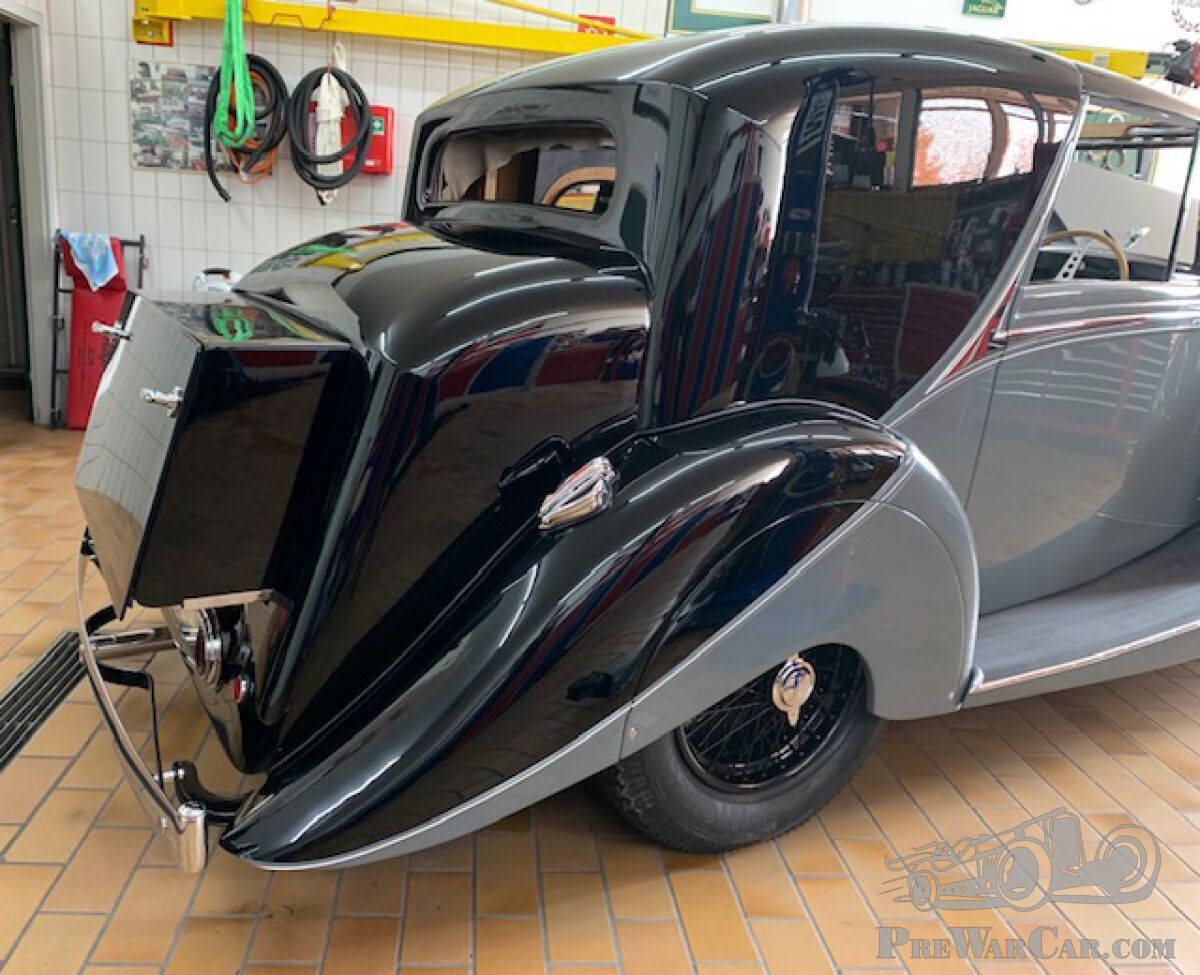
The Lagonda shows off its neat extending boot
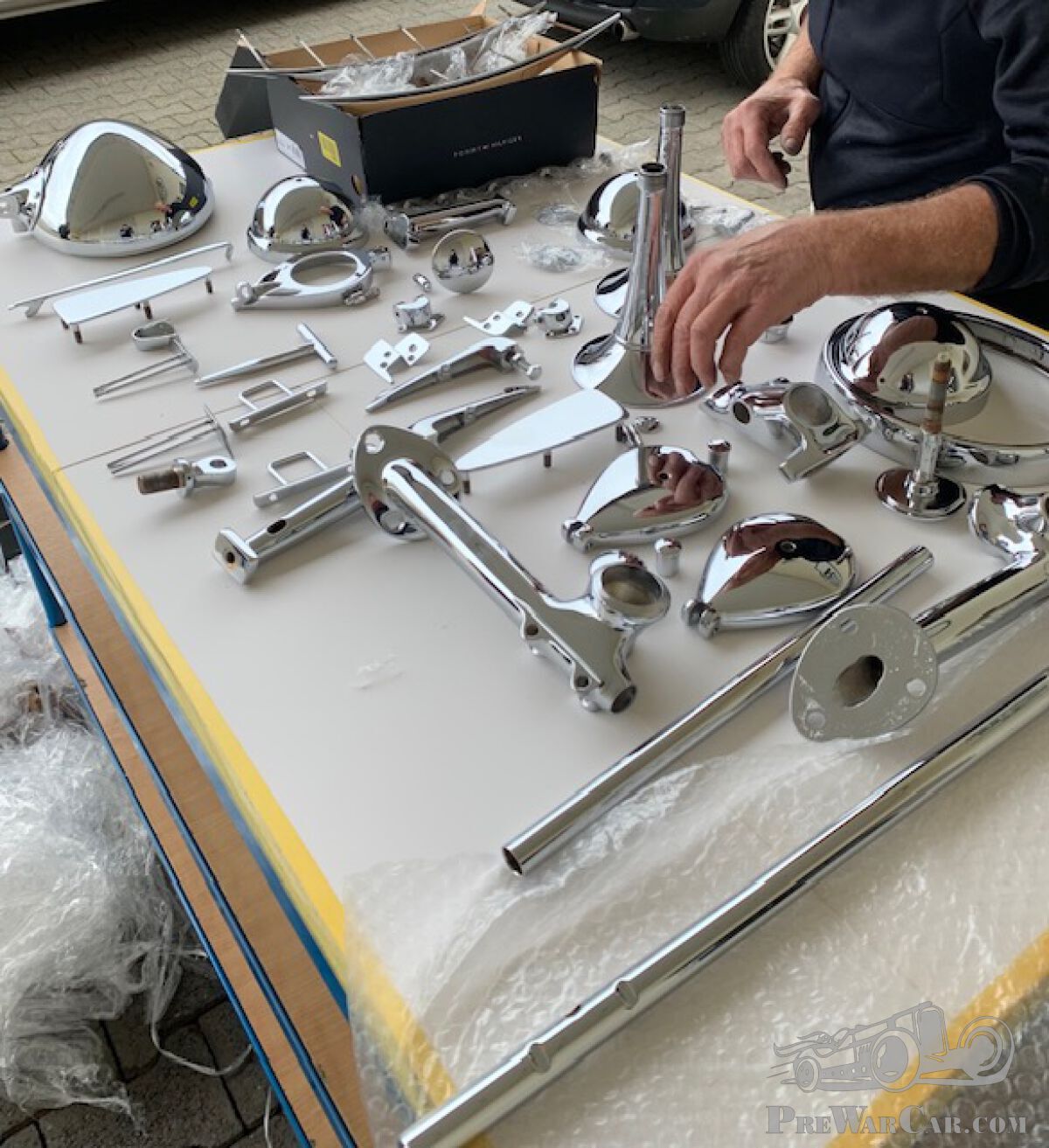
No car would be suitable for Frances Day without lots of sparkling chromework
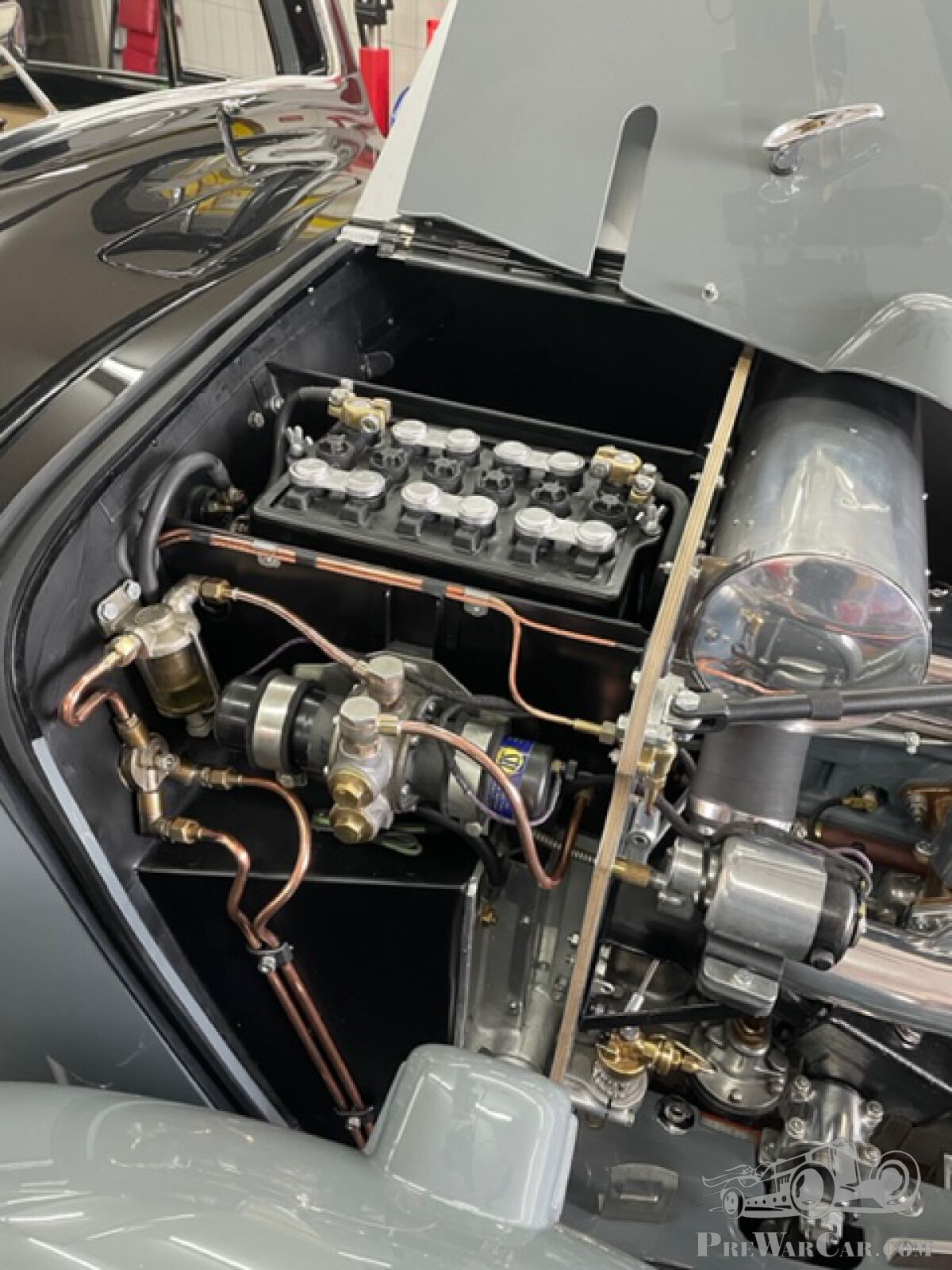
A period-correct battery finishes off the engine bay
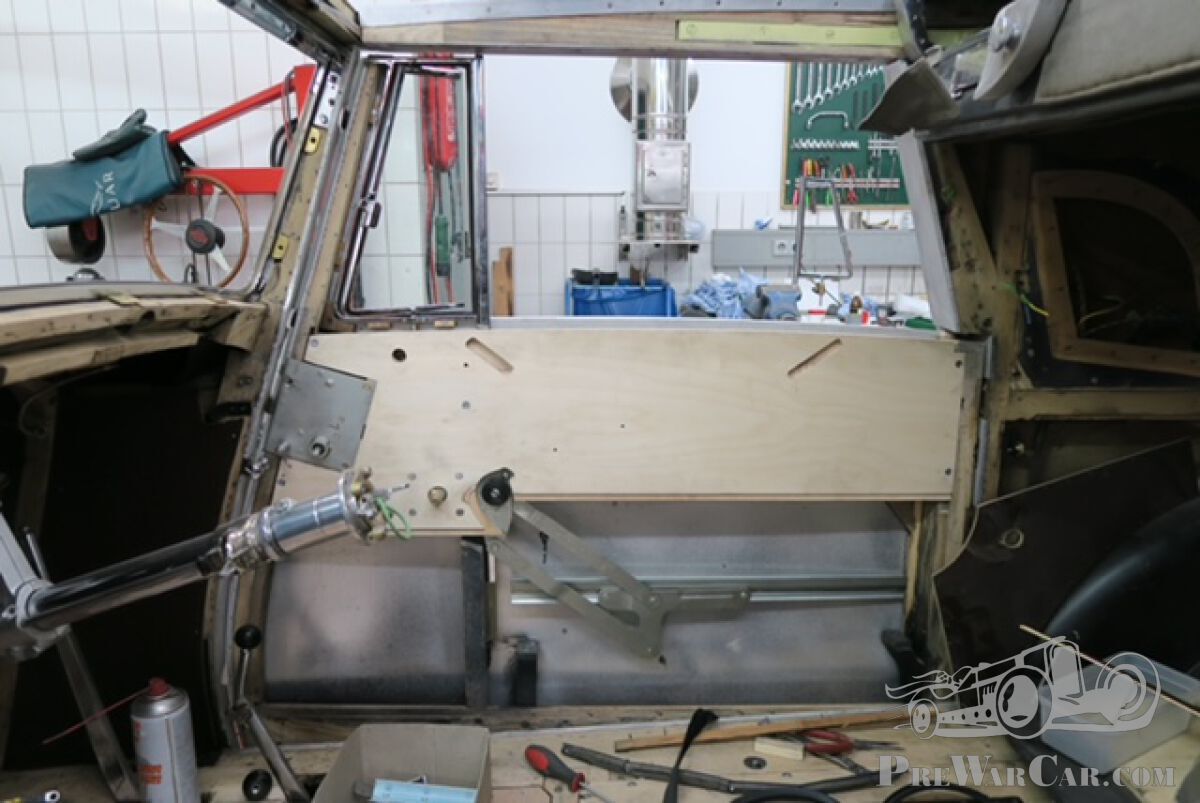
A lot of new woodwork had to be cut for the interior
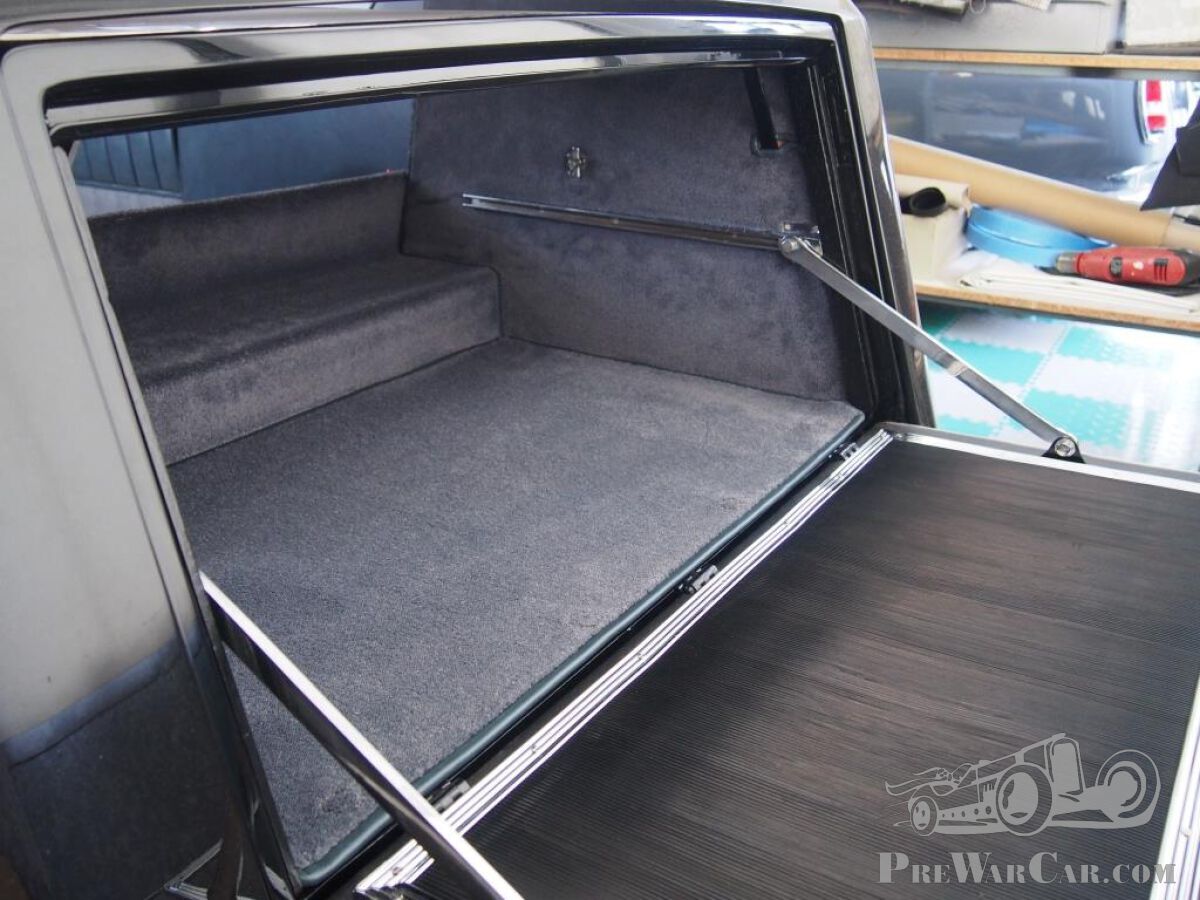
When extended, the capacious boot makes for an ideal touring car
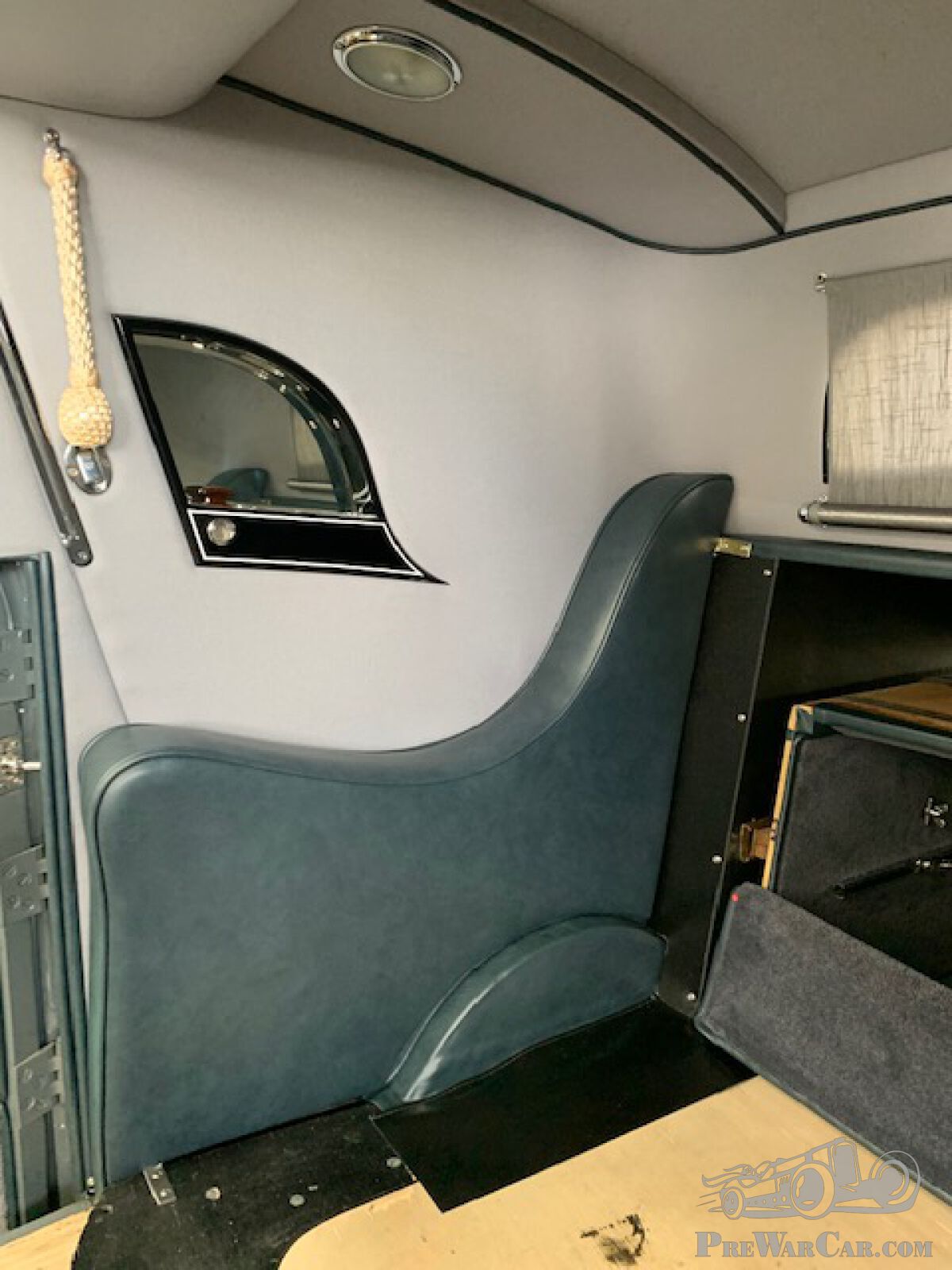
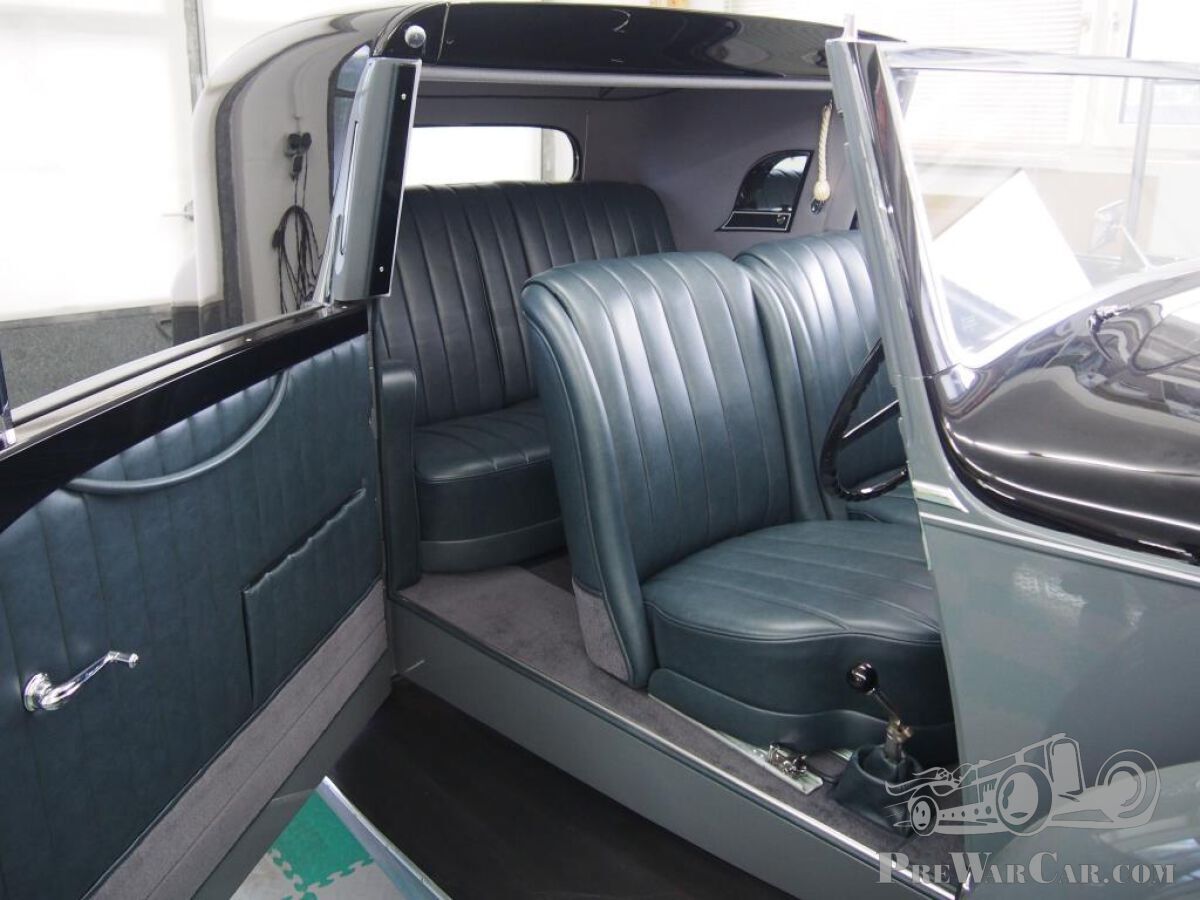
The interior is the epitome of elegance
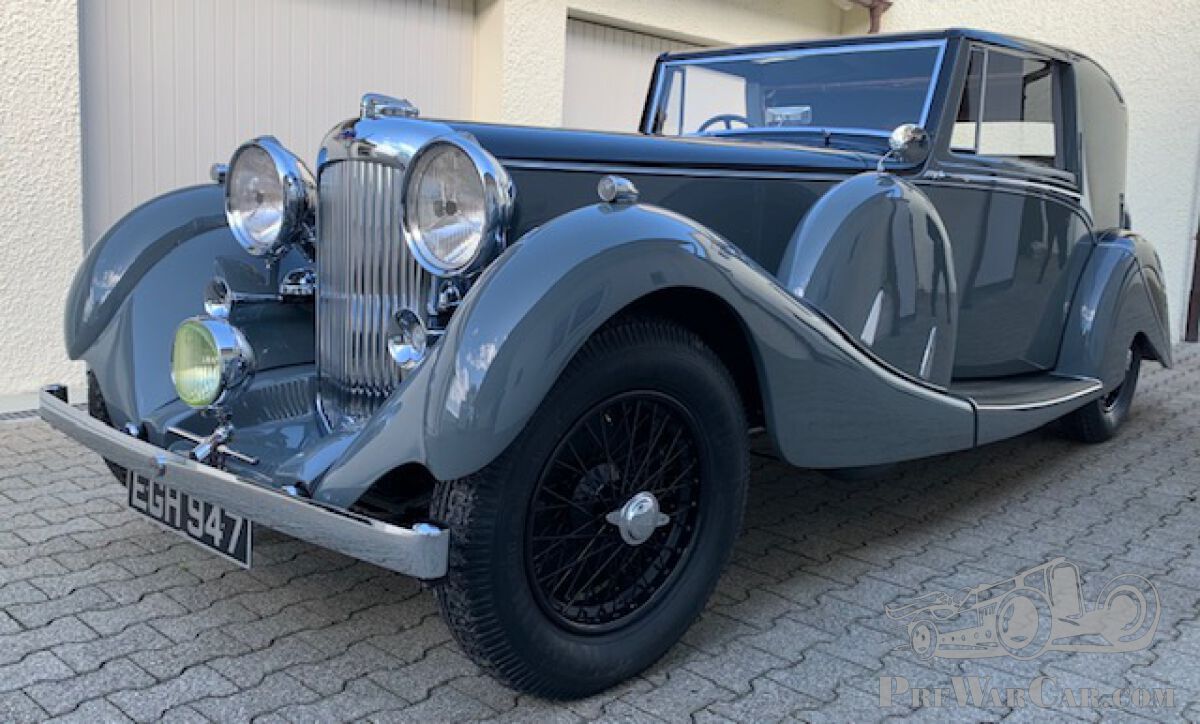
The Lagonda after restoration: a beautiful motor-car worthy of the best concours d'elegance


Lagonda, as we all know, built some of the finest large sporting cars of the 1930s. From the two-litre model introduced in 1925 to the great 4½-litres of the late '30s, the Staines factory produced a multitude of high-speed tourers and dashing close-coupled saloons which appealed enormously to the driving enthusiast. Generally speaking, Lagondas were cars for driving with vim and vigour, not for cruising around town and posing in. Most people who desired to be seen and photographed would have plumped for a Rolls-Royce or Bentley.
However, the 4½-litre models were well-suited to carrying grandiose coachwork, and being treated as luxurious grand-tourers as much as sports-cars. Consequently, they found plenty of willing buyers for whom 'the look' was everything.
One such buyer was Frances Day, the actress, cabaret star and general talking point. Although not a household name today, at the time she was popular and well-connected enough to be in a position to order what might have been the most opulent Lagonda ever built.
Born in New Jersey in 1907, Day's showbusiness career began as a cabaret singer in New York and London in the late 1920s. In 1928, she married one of London's theatrical agents and thereafter was never short of work in the West End, where she had rôles in a string of stage musicals, or the film industry, where again musical comedies were her domain.
If one is to believe everything one reads on the internet, Day was the illegitimate daughter of car-maker Horace Dodge and pursued amorous affairs all through the 1930s, including with two future kings, Edward VIII and George VI, future Prime Minister Anthony Eden, Lord Mountbatten, Prince Bernhard of the Netherlands, Prince Bertil of Sweden, Marlene Dietrich and Tallulah Bankhead. Reputedly, Eleanor Roosevelt wrote to Day, 'I find I am quite unable to resist your extraordinary and tempestuous magnetism.' However much of that may or may not be true, we can be sure that she was a sensational figure.
.jpg)
.jpg)
.jpg)
Motor Show glamour and West End glitz
Despite a close friendship with Dorothy Hartman, wife of Lendrum & Hartman co-founder Frank, Frances Day looked to Kevill-Davies & March, the London agents for various upmarket marques, when, as a 28-year-old star with the world at her feet, she decided she fancied a new car, something which would look suitably dramatic outside her home at Wayneflete Tower, the magnificent 15th-century Gothic gatehouse where she lived in Esher, Surrey.
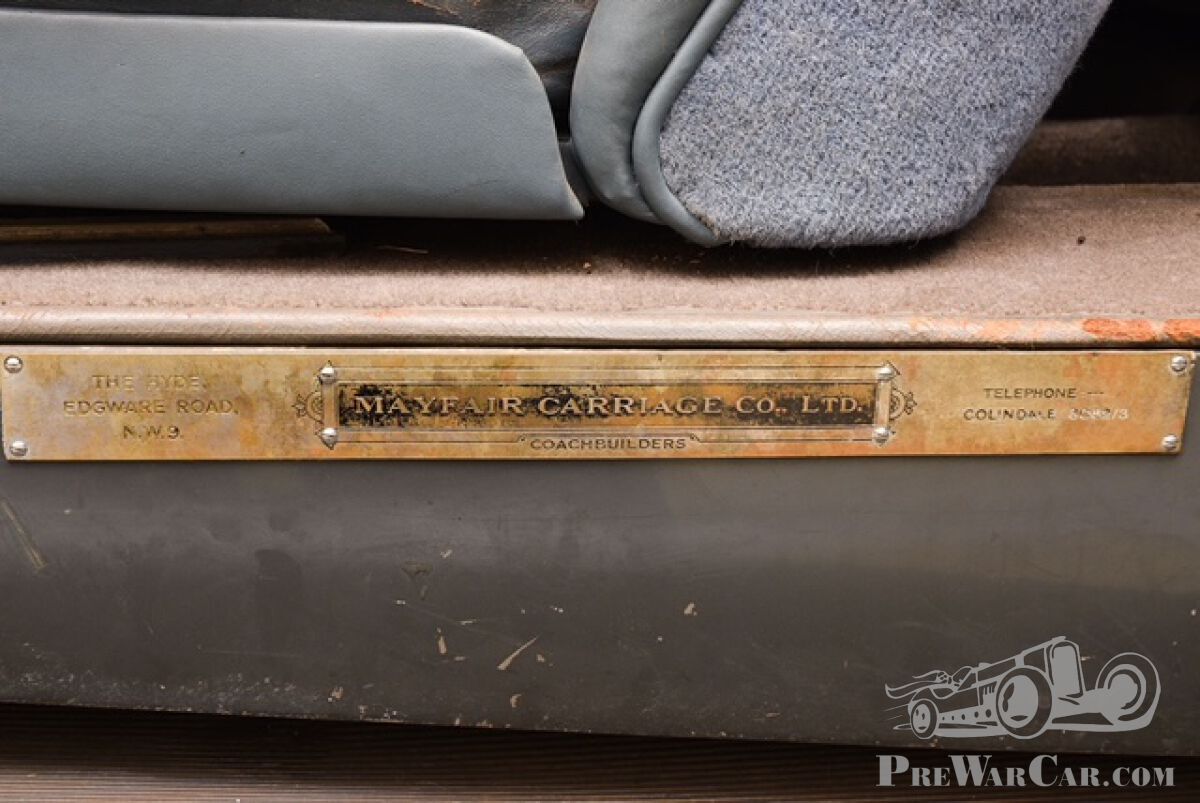
She placed an order for a Lagonda from Kevill-Davies & March on 14th April, 1936. She could easily have specified a drophead-coupé or sports saloon, had she had more modest tastes, but she chose instead to send the chassis to the Mayfair Carriage Co. The order form for chassis 12145 read: 'To be mounted with Mayfair body for exhibition on their stand at at Olympia (2-door Coupé de Ville)'. A special feature of the coachwork was an extending boot.
The finished car, painted black and grey, was delivered on 28th August, but Day never actually took delivery and nobody quite knows why. Perhaps her extravagance exceeded her personal wealth, and she had to flash a disarming smile at Kevill-Davies & March and say sorry. Some reports say that the car was also exhibited at the 1936 Paris Auto-Expo, but it seems to have remained unique. We are not aware of Mayfair building any more bodies in the same flamboyant style.
Ultimately, 12145 was bought by Frederick Neville Shinwell Melland, son of one Britain's leading surgeons and a brilliant ice hockey player who represented Britain at the 1928 Winter Olympics. It remained in use throughout the war, obviously travelling no further than fuel rationing would permit. In 1950, Melland sold it to decorated RAF Wing Commander Theodore D. Misslebrook, and he in turn sold it Derwood Hollar of southern California in 1977. The following year a for-sale advertisement appeared in Hemmings Motor News, and then nothing was heard of it again. At least, not until very recently...
.JPG)
.JPG)
A show-stopper once more
Walter Czech was looking for a historic racing car in February 2017 when he saw an Alvis Speed 20 special advertised by Tom Hardman which looked to be just right for his purposes. From Germany, he flew to the drizzly north of England to inspect the car. The test-drive wasn't decisive and Walter continued to mull it over. It was only when he was about to leave that he noticed an unusual Lagonda in the corner with a dull, grey finish which caused it to be overshadowed by the various brighter and shinier cars. Seeing Walter's eyes settle on it, Hardman proceeded to tell him all about it. At first, he wasn't interested - he'd gone to buy a racer, had just been for a test-drive in an open car in the steady, freezing rain, and wanted nothing more than to warm up in the airport. However, the more he thought about owning a unique car with special provenance and the potential, after some spit and polish, to be truly elegant, the more it appealed to him.
To cut a long story short, he bought it. It arrived at his home in March, and then he began to assess exactly what to do with it. This is where the old restoration-versus-preservation debate rears its head. The Lagonda was by no means a wreck, but there was no chance of it gleaming again as it had done when new. With the assistance of Herr Rist, Walter's trusted mechanic and a British-car specialist, he started to dismantle the Lagonda and gradually came to the realisation that, under the skin, it really needed a careful restoration.
"Though plagued by doubts," says Walter, "I made the decision to completely restore the car from the ground up with a view to preserving the highest possible degree of originality. Special importance was given to the reuse of original materials. Rotten sheet metal and and parts of the wooden frame were only to be replaced in badly affected areas.
"A particular challenge was the intended preservation of the interior trim. The material was so brittle that refurbishment with the usual care products could not prevent its deterioration. The carpet, the leather and the material of the headliner were damaged to such an extent that even the lightest contact would irreparably destroy them. As a leather expert, I had to admit to myself that any attempt to refurbish the leather would not be crowned with success, as the decomposition was too advanced and the pressure of a thumb was enough to cause cracks and holes."
There is not so much value in preservation if it prevents a car from being used, and Walter fully intended that the Lagonda should be a joy to drive, not a worry. As he took the car apart, he made an inventory of all the components which could be reused and sought the advice of specialists from engine reconditioners to saddlers. Before going too far, he invited Eckhard Fabricius, German Representative of the Lagonda Club, to inspect it to hear his views and recommendations.
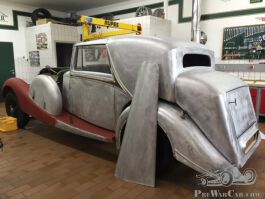
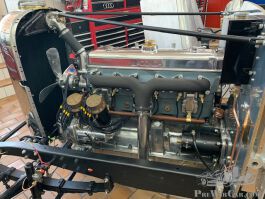
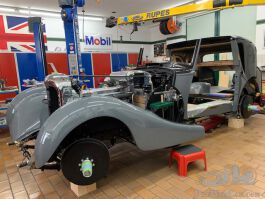
A laborious rescue mission
In the end, it was a very happy outcome and not a single part went to waste, as Walter explains: "It was possible to preserve almost 90 per cent of the original substances and materials and to implant their properties into the vehicle in a functional and serviceable manner. Since I had decided on the unconditional preservation of originality, the materials in the interior, from the headlining to the carpets and the leather, should also be authentic and in their compositions correspond to the originals. The Connolly leathers used at the time were pure vegetable-tanned and dyed with aniline dyes. Since no solvent-based opaque dyes were used, the leathers had a slightly two-tone, cloudy effect. The disadvantage of this tanning process, however, is insufficient lightfastness, so with prolonged exposure to UV light the leathers fade, which can be seen in many interiors with their original leather.
"I was able to find a tannery that was able to produce the finish I wanted and dye it the blue of the original. Using the information from an original sales brochure, the paint scheme could be determined: 'Body, exterior and wings Grey 53750 combined with black and the coach line in white.' With the collaboration of very capable enthusiasts, it was possible to restore the LG45 coupé de ville authentically as it appeared at Olympia and Paris."
While that may be the end of the Lagonda's restoration, it is by no means the end of the story. When the car reached the bare-metal stage, Walter loaded it onto a trailer and displayed it at the British Lagonda Club's Annual Gathering. Apart from being awarded a titanic trophy for the furthest distance travelled, Walter also received the Voke Cup for exceptional services to Lagonda preservation.
"Besides Herr Rist," Walter adds, "LMB in Belgium, the experts for Lagondas on the Continent, was also deeply involved. Their experience and knowledge is outstanding and their garage is a 'must-visit' once in every Lagonda enthusiast's life."
Walter's labours have now been well rewarded. He has been invited to display the Lagonda at the Concours of Elegance at Hampton Court Palace on 1-3rd September 2023, alongside 60 other exceptional automobiles. If you can get there, it'll be well worth taking a close look at the car. If you can't make it, never mind. Walter wants the car to be seen, so maybe it'll appear at a concours near you soon.
Words: Zack Stiling; pictures: Hyman Ltd. / Walter Czech
Published:
Tuesday March 21st, 2023
Facebook
LinkedIn
Twitter
WhatsApp
Email
Copy
Comments
Walter R. Czech
01 April 2023, 13:47
Dear vintage car enthusiasts,
No doubt it would be then an extraordinary eye-catcher, but not original
as ordered by Frances and displayed from Mayfair at KD&M‘s booth
during the exhibition at Olympia.
I wanted to have the car preserved, with minimal compromises and upgrades.
Sincerely,
Walter
Read more
No doubt it would be then an extraordinary eye-catcher, but not original
as ordered by Frances and displayed from Mayfair at KD&M‘s booth
during the exhibition at Olympia.
I wanted to have the car preserved, with minimal compromises and upgrades.
Sincerely,
Walter
Steve Diggins
28 March 2023, 09:18
I am with you James. As it should be, this adds something special to the car. Another good look for a car with black wire wheels are finned aluminum brake drums.
Read more
James Simpson
27 March 2023, 05:07
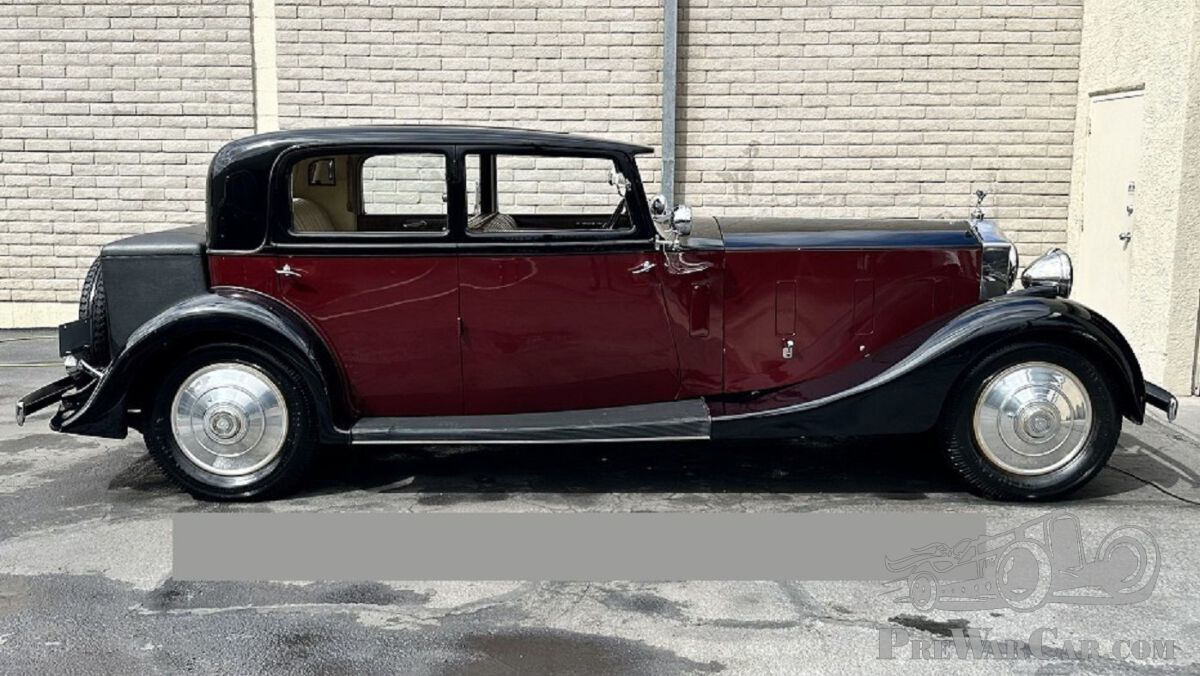
For an "Opulent" vehicle, the visual appeal of the black on black spoke wheels leads over 30% of the side view of the vehicle into "Shadow Mass".
As an "Era Correct" embellishment to "opulence" a completed set of wheel covers, whether polished, or painted would return the vehicle to the ground, make a statement of connection to the "new" aluminum alloy of the time, and further favorably echo to aircraft popular Emilia Earhart and "modern" styling. Below is a similar visual statement on an earlier vintage Phantom II.
Read more
As an "Era Correct" embellishment to "opulence" a completed set of wheel covers, whether polished, or painted would return the vehicle to the ground, make a statement of connection to the "new" aluminum alloy of the time, and further favorably echo to aircraft popular Emilia Earhart and "modern" styling. Below is a similar visual statement on an earlier vintage Phantom II.
David Haywood
21 March 2023, 20:30
I bought this car; all original, so evocative of a flamboyant coachbuilder. It came over to U.K., only to lose its passenger door being loaded for its last step from port to Kent. Expertly fixed by Julian Wilton, and it weighs 112 lbs! Wood, aluminium and steel in perfect if heavy harmony.
A beautiful, tasteful restoration!!!
Read more
A beautiful, tasteful restoration!!!
Tom Hardman
21 March 2023, 11:57
Since 2017, I have loved receiving regular updates from Walter, I still remember that cold day in January as sharing a lovely meal with him near the fire at the local pub. We spoke about his other cars and plans for the racing Alvis. Also touching on the Divill. His phone call a few days later saying he would buy the Divlli was a curve ball. But with Walter's passion for the car he has saved her for another 100 + years.
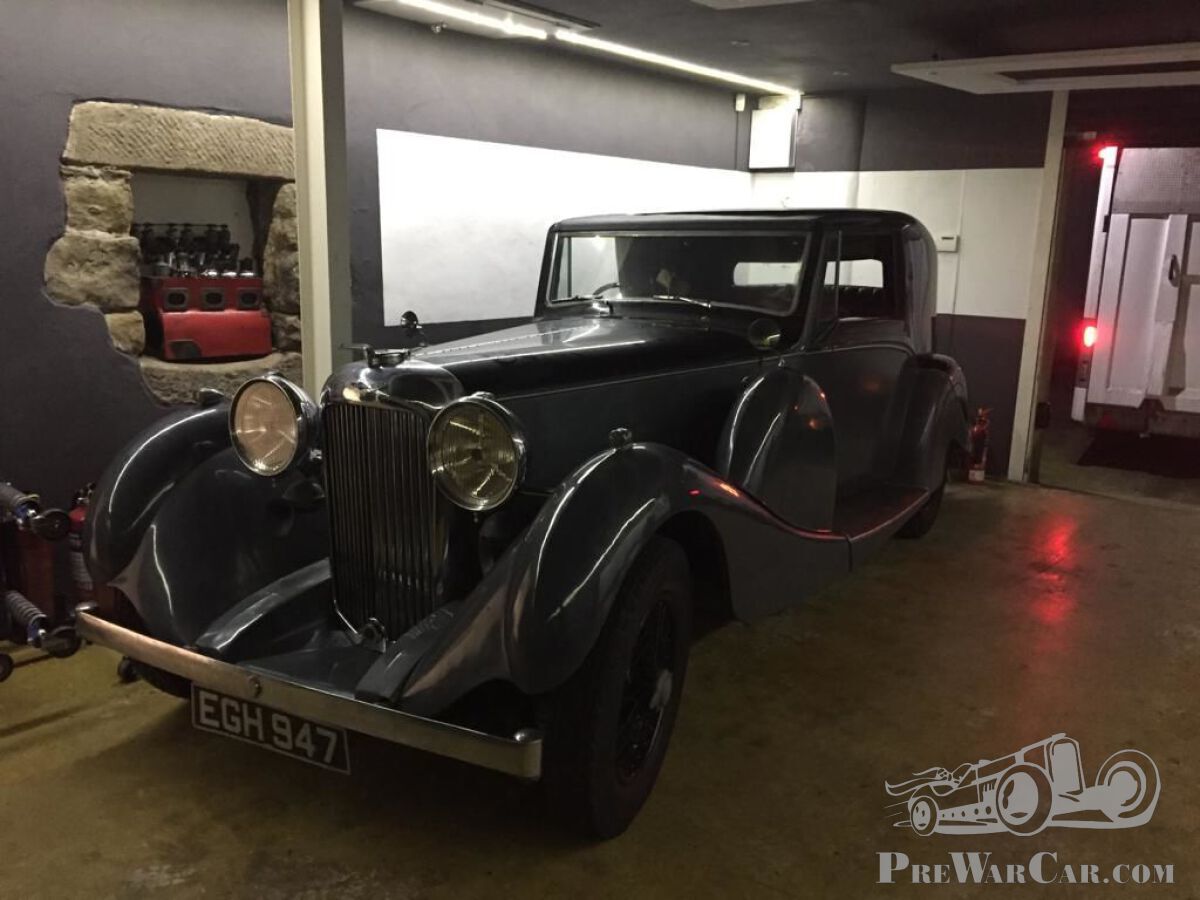
I only have one photo of her back in our first showroom the evening she was delivered, to us for sale from a long-time supporter and friend of the company and family from Kent. Can't wait to see her again. Tom H
Read more
I only have one photo of her back in our first showroom the evening she was delivered, to us for sale from a long-time supporter and friend of the company and family from Kent. Can't wait to see her again. Tom H
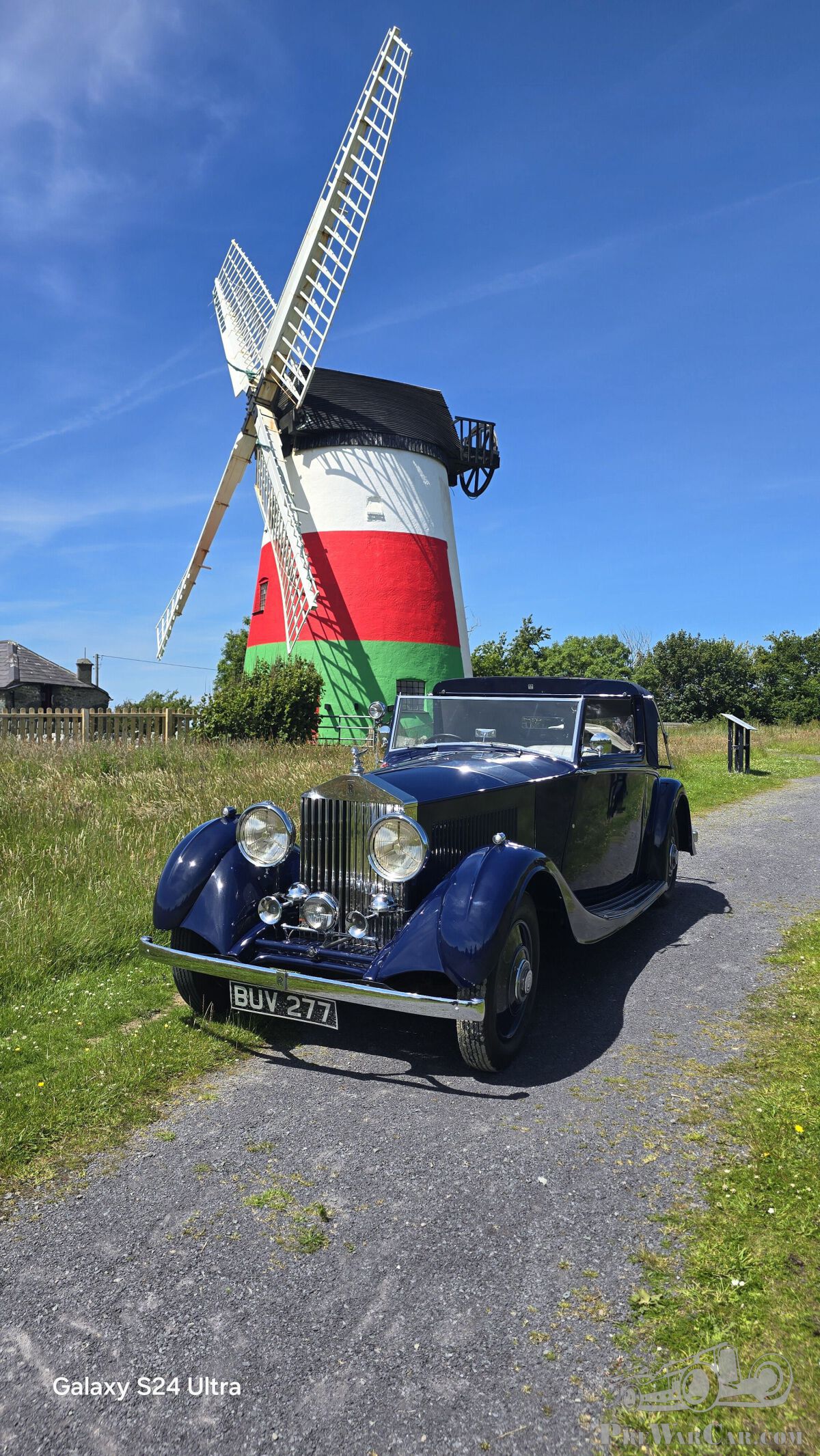
I have the pleasure of owning BUV 277. A 1934. H J Mulliner DHC. Chassis GFE 34
Frances Day purchased it new to her specification.
She kept it in her possession for over 20yrs