The global magazine and marketplace for classic car enthusiasts, by enthusiasts.


Filter
Make a choice:
- Cars
-
Make >>
- Bikes
-
Location >>
- Parts & more
-
Make of car >>
-
Manufacturer >>
-
Category >>
- Bicycles & more
-
Year >>
-
Countries


Second-hand shopping: vintage bargain-hunting in post-war London
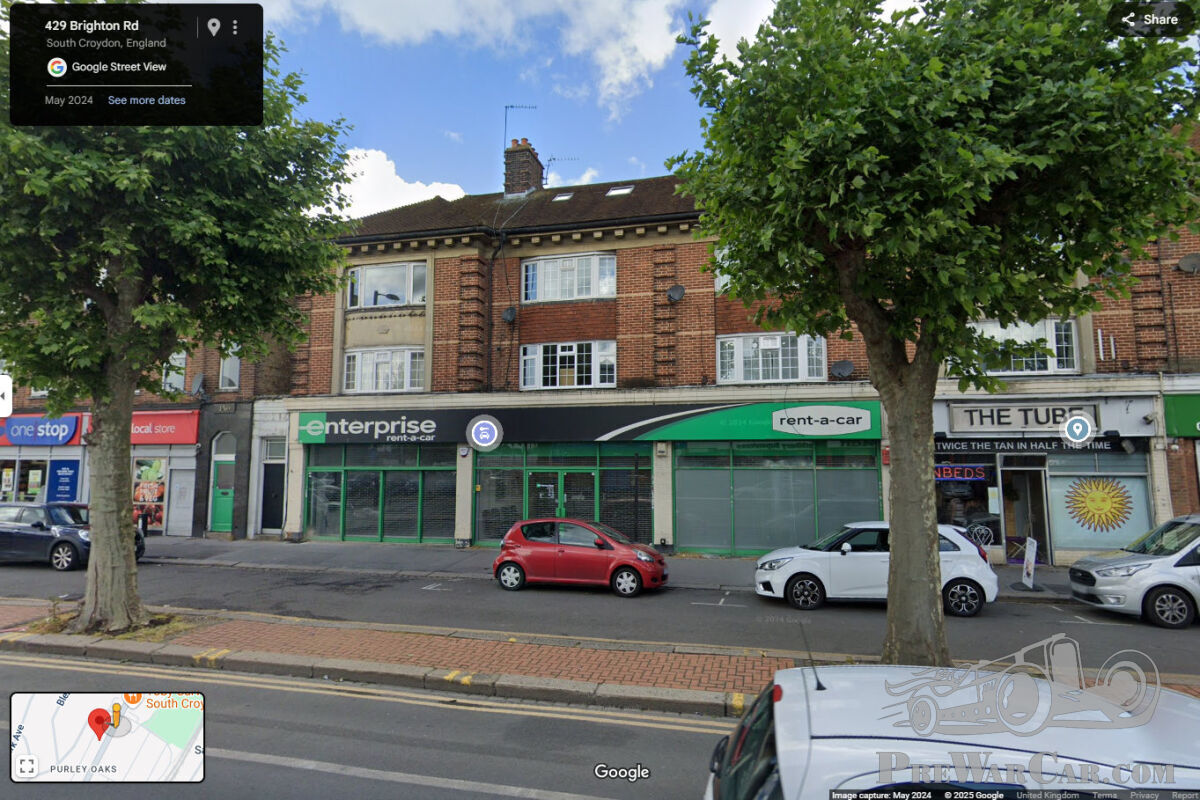
South Croydon Motors occupied typical 1930s premises
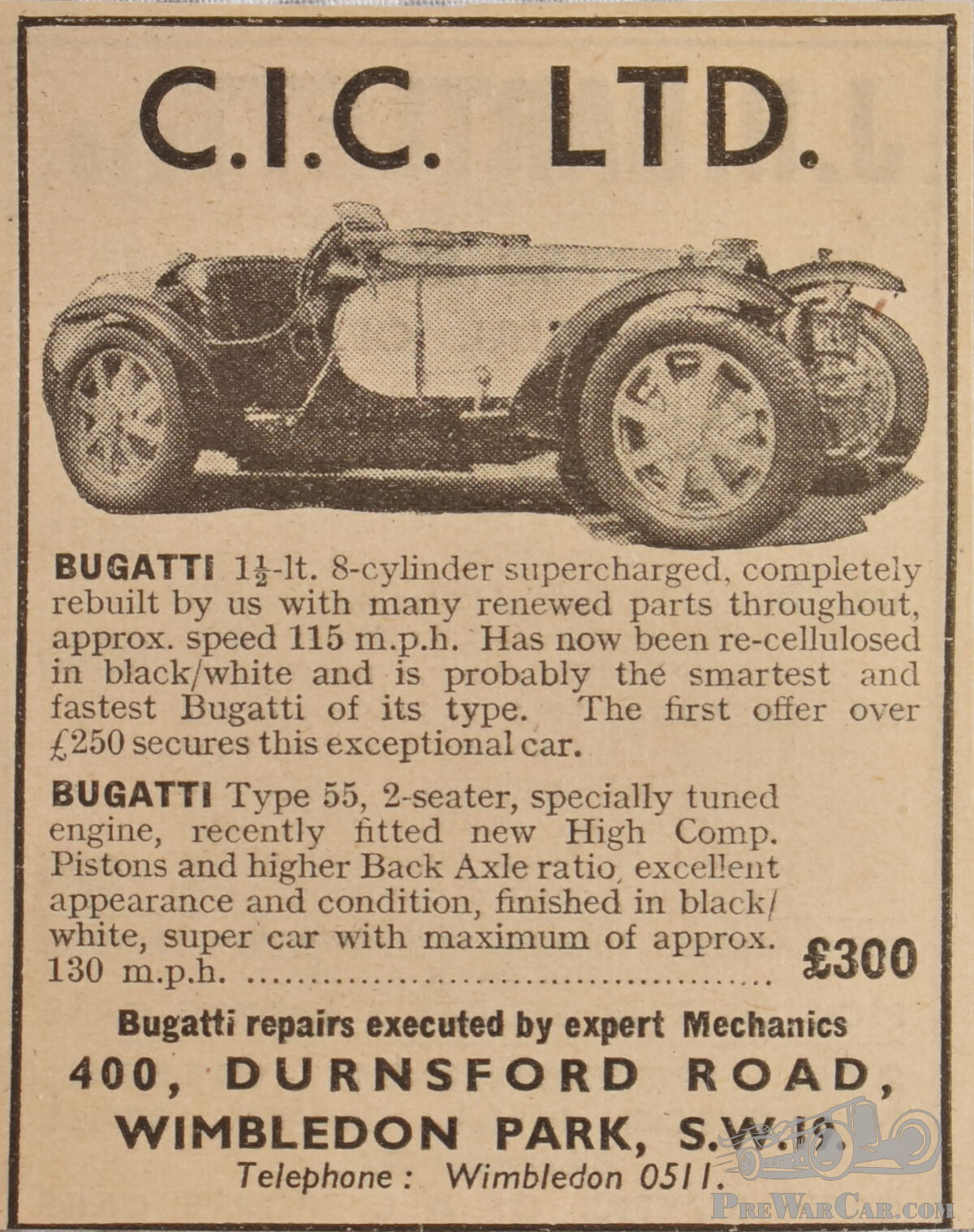
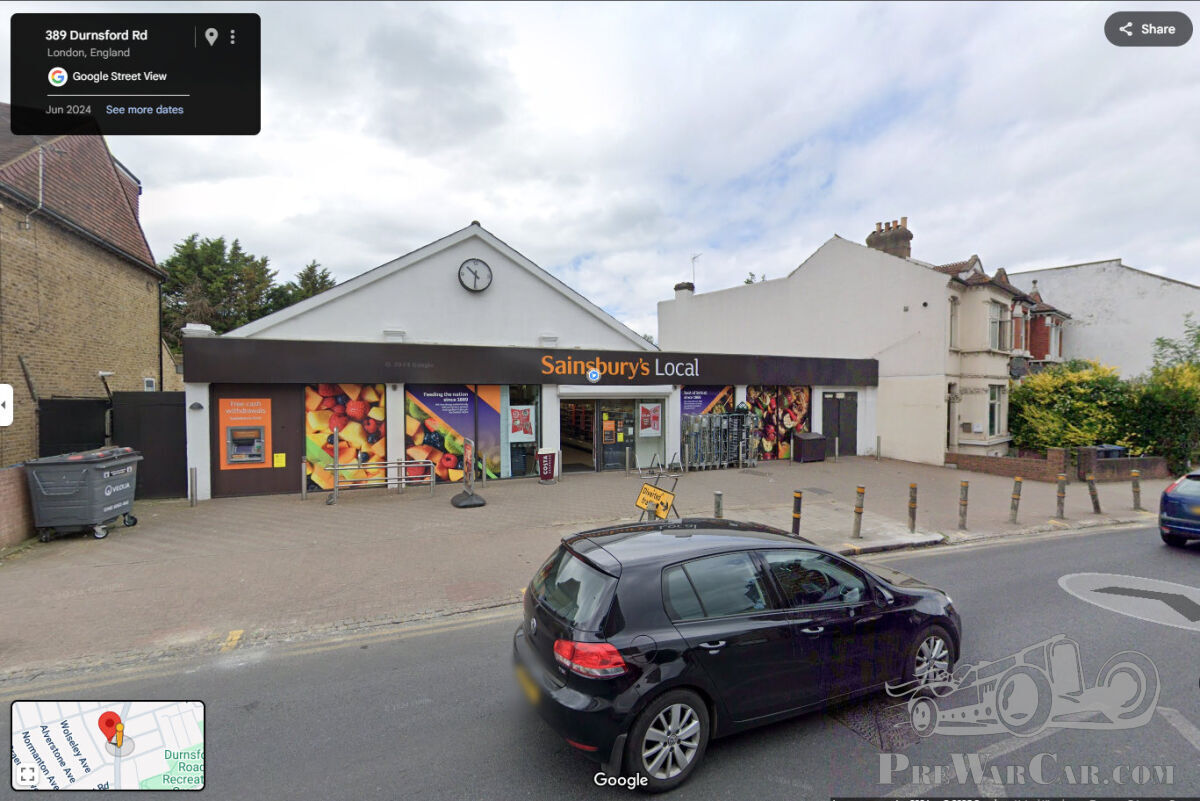
The former home of C.I.C. Ltd. is clearly identifiable as a garage
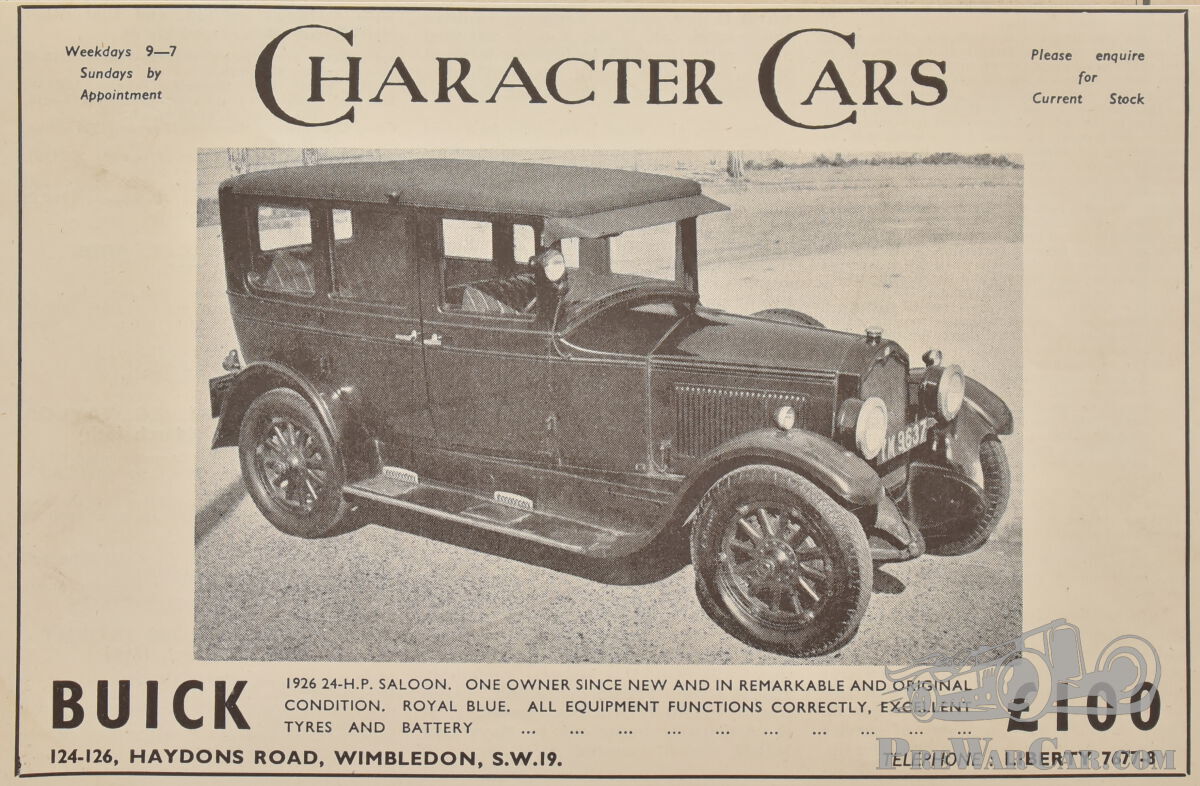
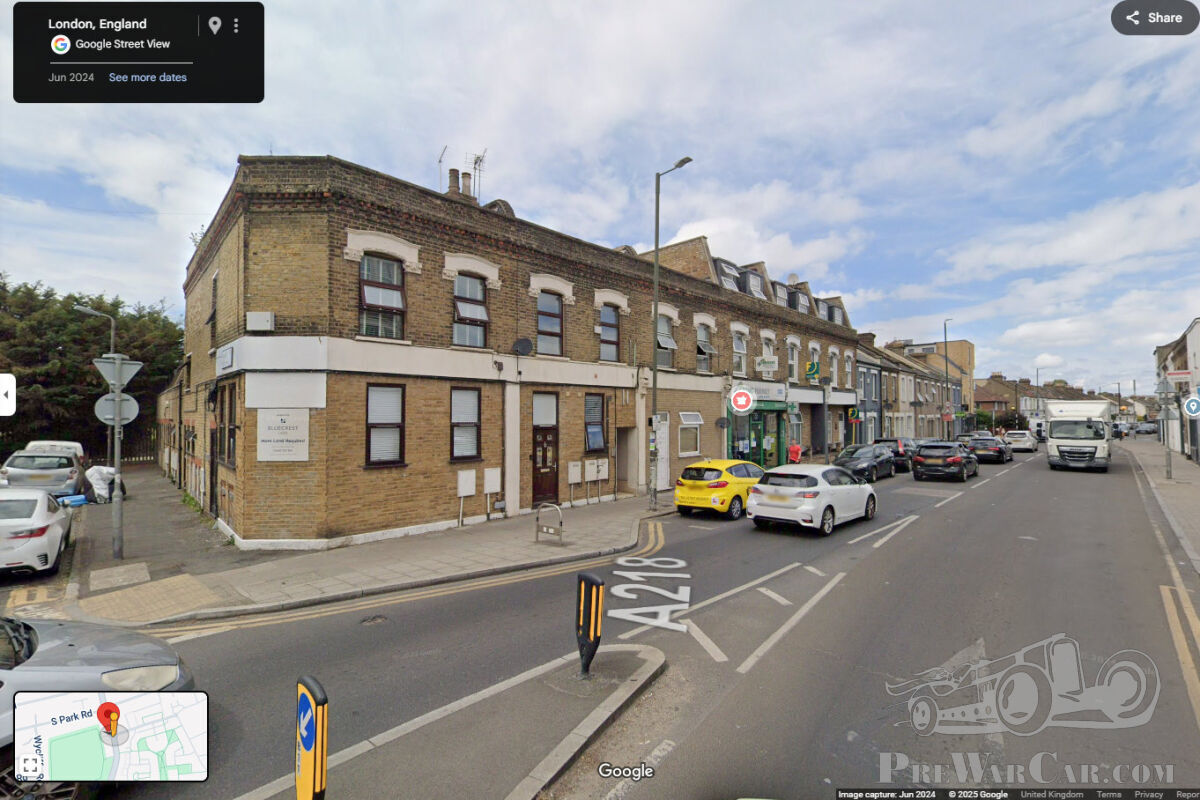
The retail space occupied by Character Cars has been filled in and turned into housing


I recently agreed to rehome a large file of clippings from old motoring magazines, containing all sorts of odds and sods from news to road tests, but some of the most interesting things by far were the classified advertisements dealing with second-hand vintage and P.V.T. cars. As a not-quite-Londoner, I was rather overcome with nostalgia for a time when it was possible to walk along my local high road and catch sight of a rare and successful 1920s racing car for sale in the little garage on the corner. No chance of that happening today, alas, but we can dream. To fuel our dreams, here are just a few examples of the cars that appeared in the classifieds in the back of Motor Sport, The Autocar and other magazines in the late '40s or early '50s.
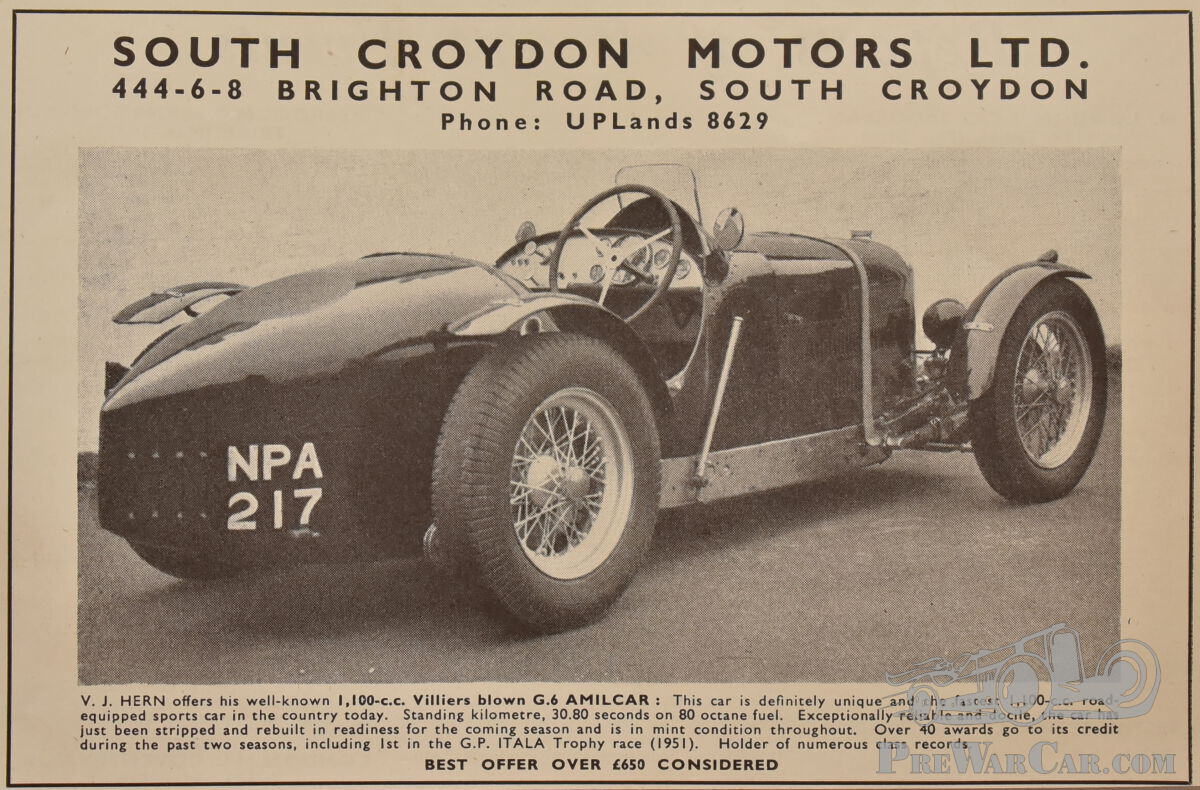
Proceeding alphabetically, we first of all find a Villiers-supercharged Amilcar C6 with South Croydon Motors. The particular stretch of the Brighton Road on which it was located has historically been home to a large number of car dealerships, new and second-hand, though the most interesting car I can ever recall seeing in one was a sit-up-and-beg Ford Popular, and that was about 20 years ago. The advertisement makes it clear that this was a pretty important car—for one thing, Amilcar only ever built fifty C6s—but it doesn't mention its origins. This Amilcar was originally one of a pair supplied to racer Harry Clayton and his friend F. Monkhouse, who made a fortune manufacturing custard. They raced the cars round Britain at venues including Brooklands, Crystal Palace and Donington. They were put in the storage for the war but, sadly, Clayton sustained a shrapnel wound in 1944 from which he would not recover well enough to race again. The following year, they were bought by Owen Finch, proprietor of a garage in Weybridge, who converted them for road use. The registration NPA 217 was issued in 1949, and the sister car became MPC 702. Both painted dark green, Finch entered them in competitions at venues such as Prescott, Blandford Camp and Gransden Lodge, but sold them in 1950. NPA 217 was bought by V. J. (Vic) Hern, whose impressive achievements were detailed in the advertisement and must have helped justify the price of "Best offer over £650"—an enormous sum of money in 1952. We only wonder what has become of the car today. The D.V.L.A. records a change to the logbook in in 1984 but makes no mention of when it was last taxed for the road. Perhaps it has been sold overseas?
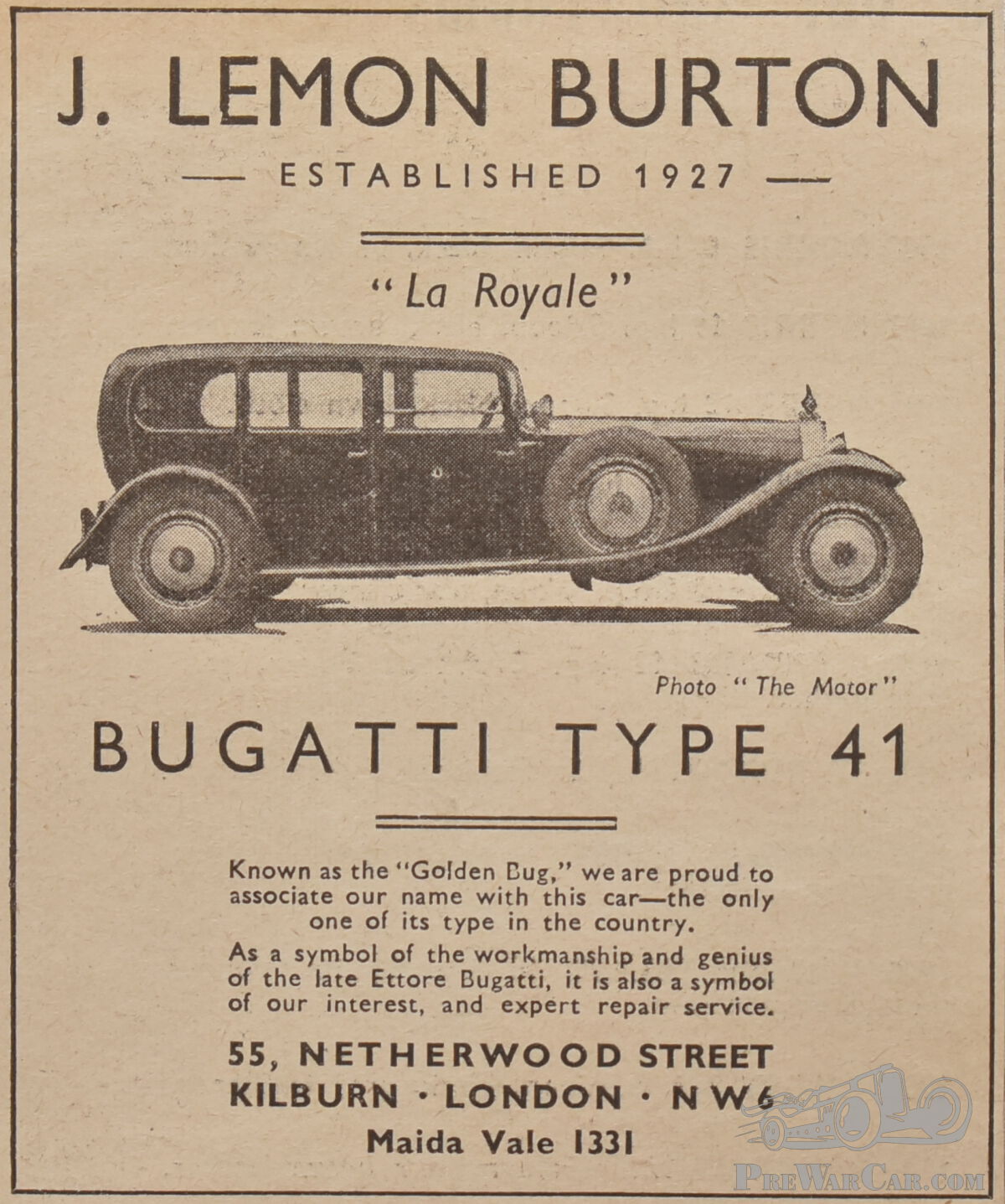
My eyes were arrested by the sight of a 1933 Bugatti Type 41 Royale, chassis 41131, in the advertisements, though it doesn't appear to have been for sale at the time. Its owner, Jack Lemon Burton, was a well-known Bugattiste and a Kilburn native, who bought the Park Ward-bodied limousine from its first owner, Captain Cuthbert W. Foster, heir to the Jordan Marsh department store in Boston, Massachusetts. Lemon Burton sold it in 1956 to American collector John Shakespeare, who in turn sold it to the Schlumpf brothers; it remains the Schlumpf Collection in Mulhouse today. However, that is merely preamble to two Bugattis which were for sale with C.I.C. Ltd. in Wimbledon. The very rakish Type 55 looked reasonably-priced at £300, but it's a pity there seems to be no way of positively identifying which chassis it was and there is even less of an indication as to what the 1½-litre supercharged model might have been. It's unlikely that a Type 35 or Type 37 would have been painted black and white and advertised for less than a Type 55. Could it have been a Type 40 with a blower installed?
We are not just interested in flashy sports cars, and a brisk stroll to the other side of Wimbledon would take us to Character Cars, where we could find a lovely 1926 Buick 24 h.p. saloon—a perfect car for touring and taking to vintage rallies with the family. Its "Royal blue" paint looked in excellent condition and with the description "One owner since new and in remarkable and original condition" it would be most deserving of preservation awards today. Unfortunately, I cannot find any evidence that it still exists.
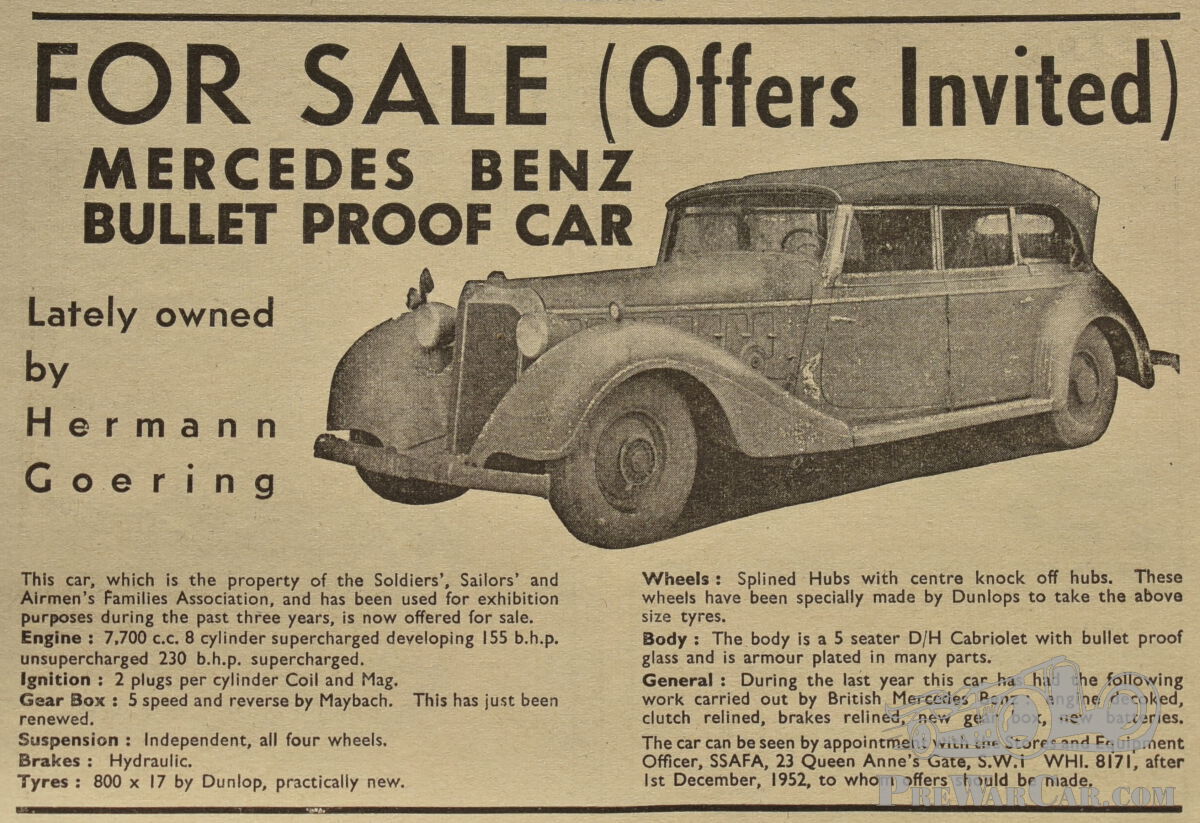
Lastly, we come to the most eyebrow-raising car of all, which was reputedly Herman Goering's bulletproof Mercedes-Benz; the specifications given would make it a 770 Großer model, with the humongous 7,665 c.c. straight-eight, of which 205 were produced from 1930 to 1944. Advertised in The Autocar of November 14th, 1952, it was understandably not being proudly displayed by a car dealer, but was instead being offered by the Soldiers', Sailors' and Airmen's Families Association, which had spent three years exhibiting it. It invites a lot of questions, the first one being was it really Goering's car? Certainly, a car with such thick bulletproofing must have belonged to some high-ranking Nazi official. Secondly, who bought it and for how much? And finally, where is it now? We note that a 770K with a similar body and apparently used by Hitler is on display in the Sinsheim Technology Museum in Germany. Could that be the same car?
Words: Zack Stiling
Published:
Friday August 15th, 2025
Facebook
LinkedIn
Twitter
WhatsApp
Email
Copy
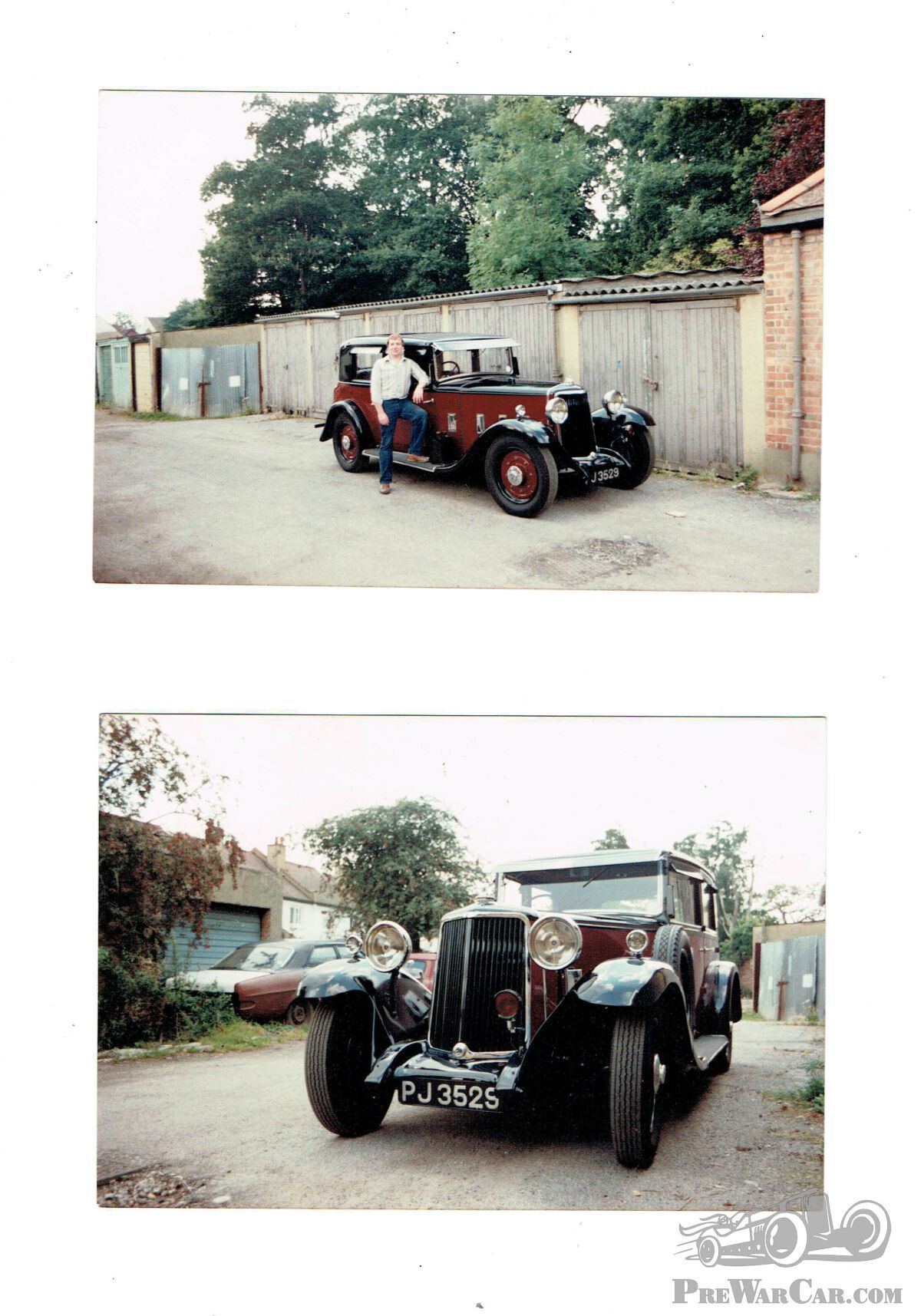
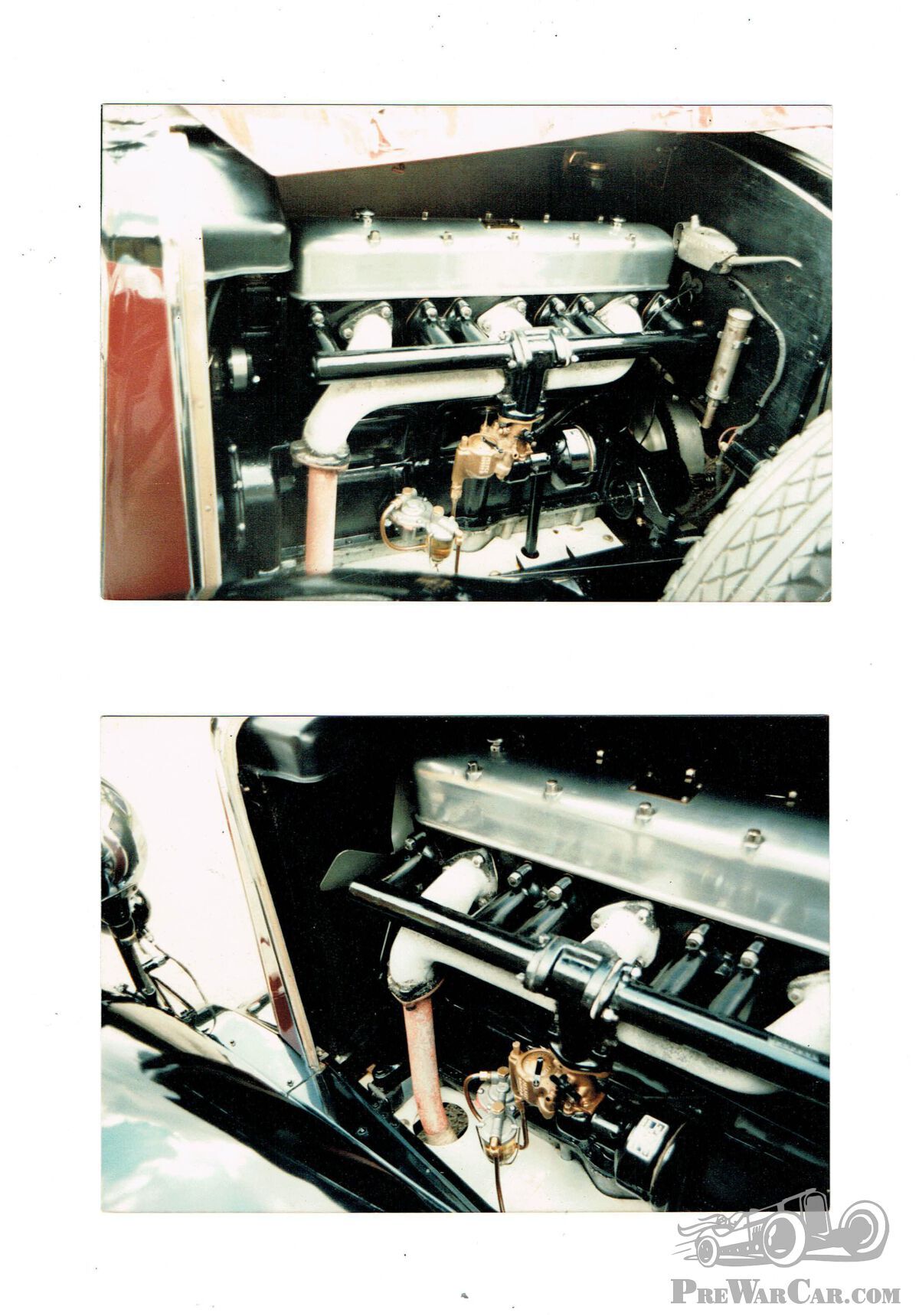


The Armstrong was a 'special order' car with a Daimler fluid flywheel, as well as a bench front seat and some other non-standard features.
I was the second owner on the log book. The first was a Mr. O. J. Dodwell, his family having disposed of the car shortly after his death and the car had languished behind the service station for more than a year until I bought it. For many years it was my sole transport. It was a really nice sporting saloon with a usable top speed of around 80 mph. Its only drawback was that in town petrol consumption was less than 12 mpg. This was due to the fluid flywheel which did not transmit full power under 1500 rpm. A great disadvantage at any speed under 30 mph in a car geared at around 22 mph/1000 rpm in top !
Restoring it taught me a lot about motor cars. Happy days.