The global magazine and marketplace for classic car enthusiasts, by enthusiasts.


Filter
Make a choice:
- Cars
-
Make >>
- Bikes
-
Location >>
- Parts & more
-
Make of car >>
-
Manufacturer >>
-
Category >>
- Bicycles & more
-
Year >>
-
Countries


Shaving weight: Aston-Martin's remarkable Razor Blade
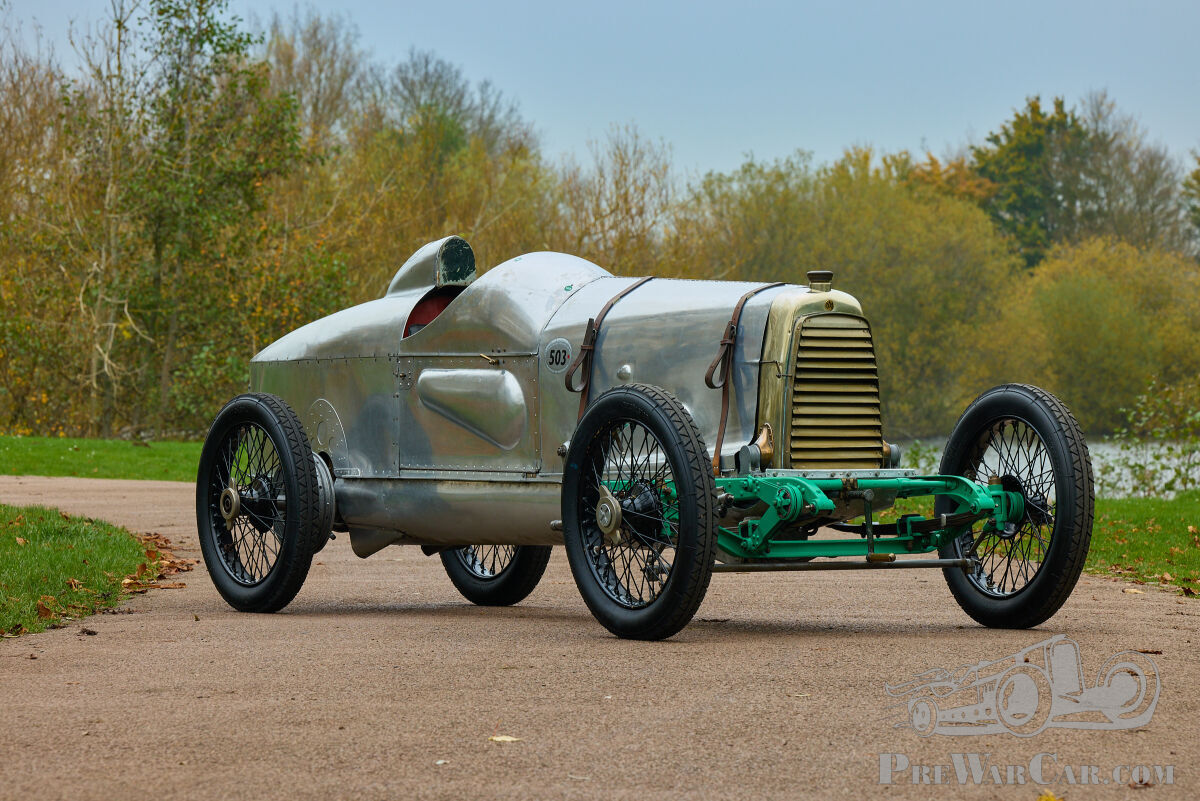
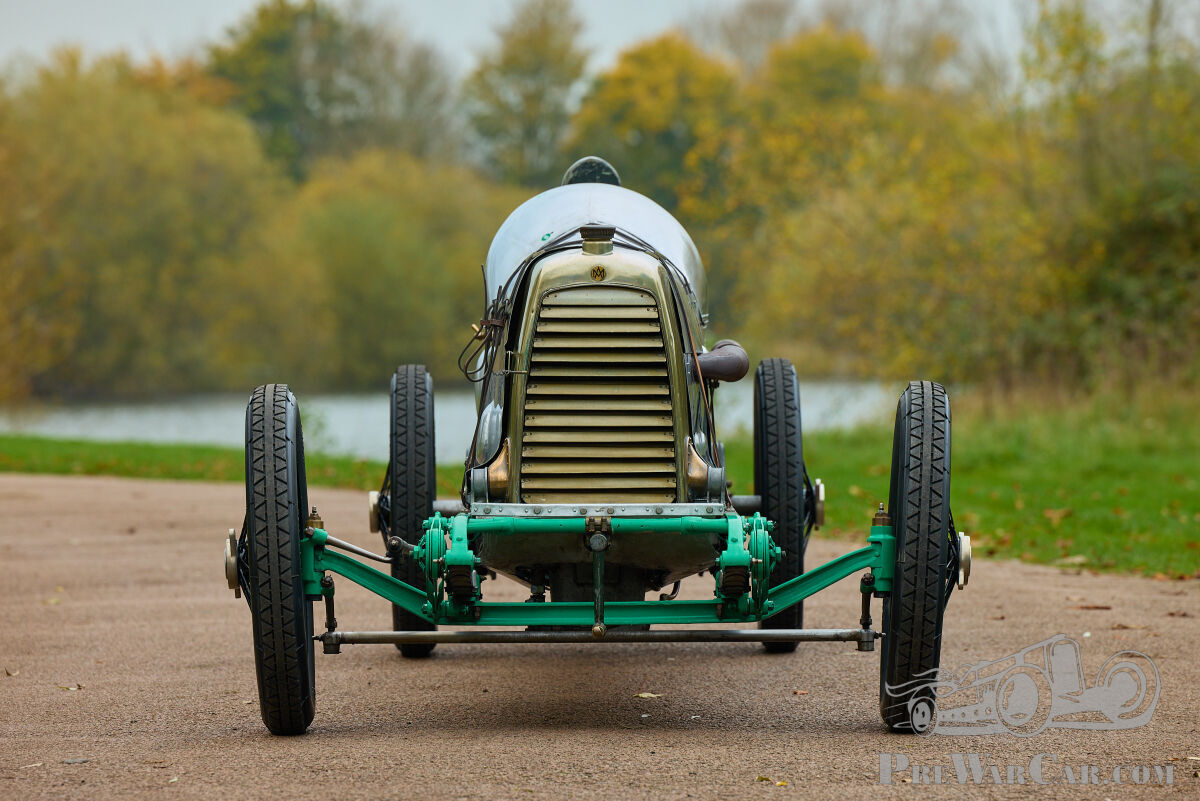
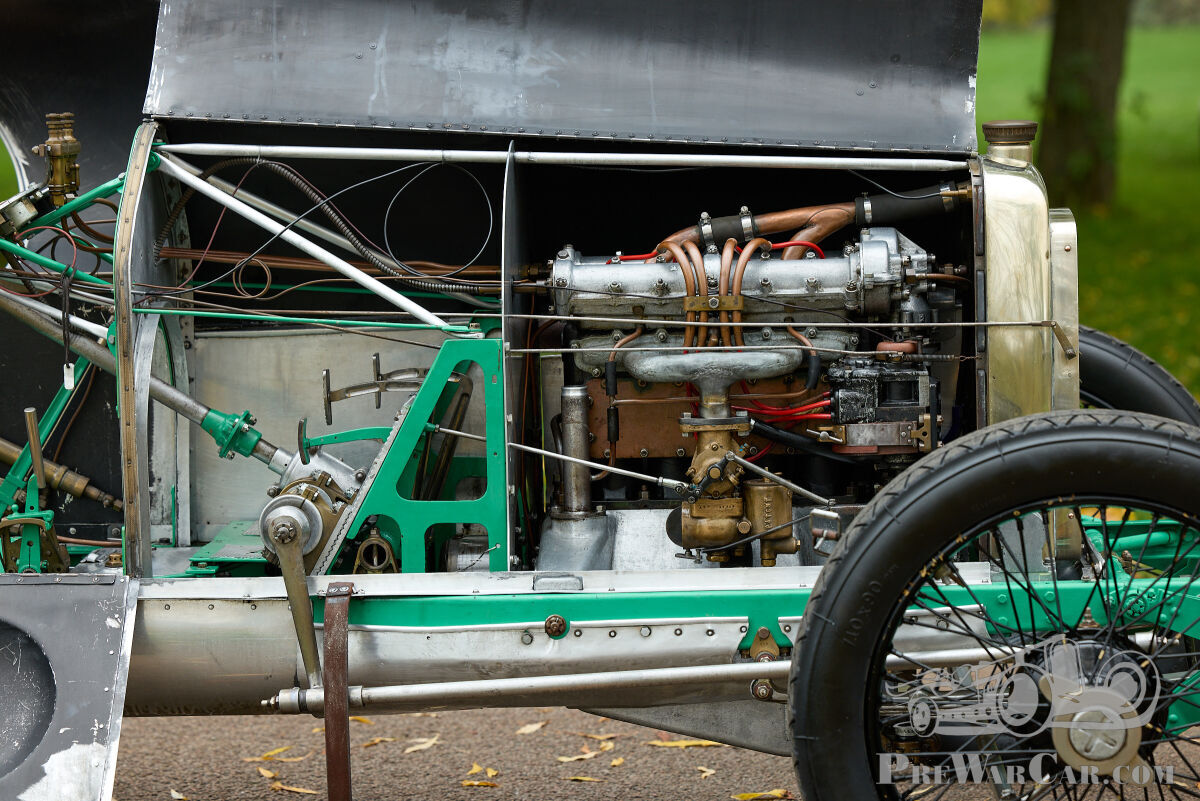
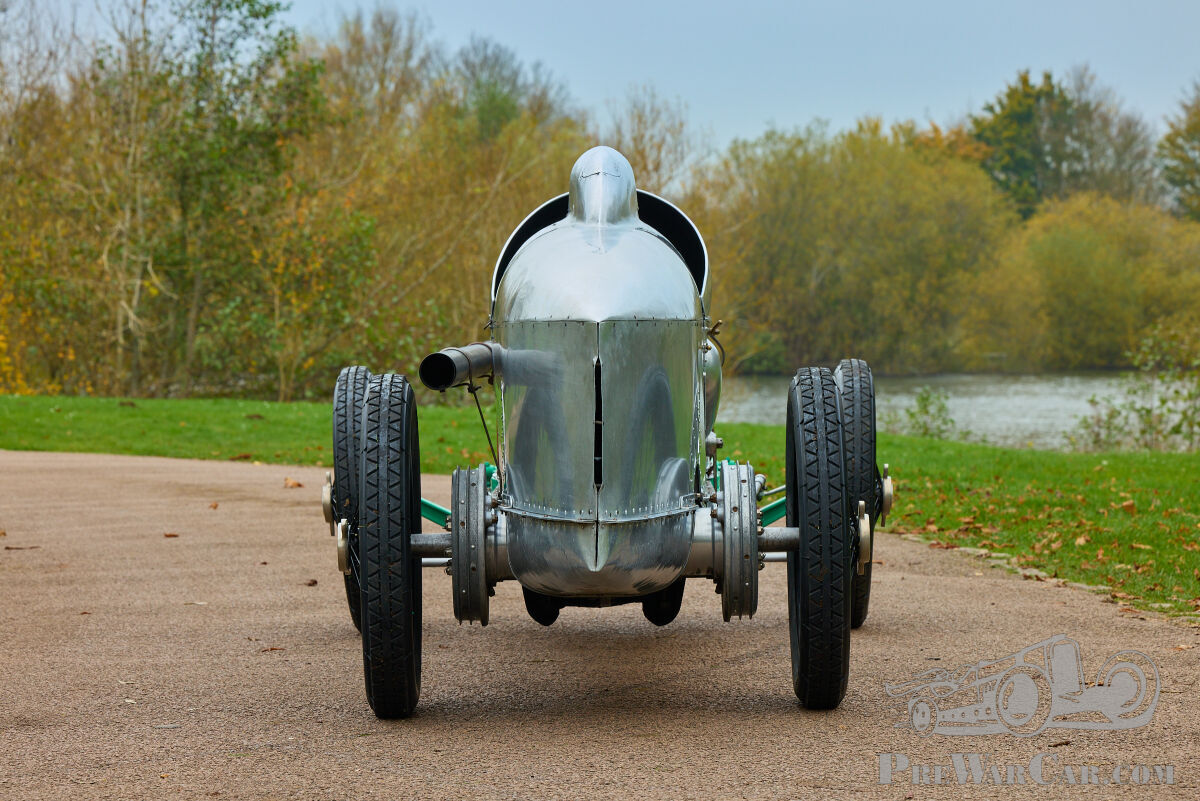


Before Aston Martin's LM team cars and Ulsters started accruing trophies at major sports-car meetings in the 1930s, some of its best early competition performances came from one-off racing specials. Of these, one of the best-known is the skinny little Razor Blade.
While we use the term "special," Razor Blade was very much an official works creation from the mind of Lionel Martin, carrying chassis number 1915. His object was to build the first light car (under-1,500 c.c.) to complete 100 miles in less than an hour, and he intended to do it by making the lightest, narrowest car possible. In 1923, when Razor Blade was constructed in Aston-Martin's Kensington mews garage, the existing one-hour light car distance record was held by AC. In order to achieve what was, by the standards of the time, an advanced, wind-cheating streamliner, Martin produced a tapering chassis and body which was only just wide enough to accommodate himself and the 1½-litre, 16-valve d.o.h.c. four-pot which had been used to good effect in Astons since 1922. It had a 4ft. front track and 3ft. rear, with no differential and rear-wheel brakes only. The brakes were appropriated from a 10 h.p. Singer and, in Martin's own opinion, not highly effective...
For the purpose of building a lightweight aluminium body, Martin sought aeronautical expertise. He entrusted the task to the de Havilland Aircraft Co., and they produced a wisp of a body just 18½in. at its widest point. Martin, with his streamlining cap firmly on his head, even went so far as to try to make the body enclosed, but eventually conceded that, because it would be necessary for a human to enter the car, sit upright and face forward, there was no choice but to leave it open-topped.
When it came to the record attempt, Razor Blade, of course, went to Brooklands. For reasons best known to himself, Martin fitted archaic steel artillery wheels instead of much lighter wires, but that didn't seem to hinder the car's ability to reach high speeds. On its first run in the summer of 1923, it was recorded at 98.04 m.p.h., which boded well for the one-hour record, but what did become a hindrance was the habit it developed of discarding its offside front tyre at high speeds.
Other records available...
Frustratingly for Martin, it was AC again which would later break its own record and become the first light car to travel 100 miles in the hour the following November. Martin gave up that particular record after a few weeks, but his efforts were vindicated when Razor Blade set the 1,500 c.c. standing-start one-mile record at 74.12 m.ph. with Bertie Kensington-Moir, and the one-kilometre record at 66.54 m.p.h. with Major Frank Halford.
With those achievements behind it, it was repurposed for straightforward racing. Halford was behind the wheel for its Brooklands race début, and George Eyston drove it at the August, 1923, Southsea Speed Trials where he reached the finals, only to be beaten infuriatingly by Mr. Joyce, that well-known AC racer... Humphrey Cook took it up Spread Eagle Hill-Climb in Dorset, and in September, 1923, with a radiator cowl added, Eyston hurled it round Brooklands. It was Capt. J. C. Douglas, though, who had the greatest success. Making a nest for himself at Brooklands in 1925—by which time Razor Blade was at last sporting Rudge wire wheels—he came second in the 100 Miles Outer Circuit Handicap at the Essex M.C. meeting in the early summer, averaging 87.53 m.p.h. and beaten by an Alvis 12/50. Outright victory was finally achieved at the Whitsun meeting, and a second-place again followed at the August Bank Holiday News of the World 100-Mile Handicap where, even at 88.94 m.p.h., Douglas didn't have a chance against Parry Thomas's 98.23 m.p.h. in the Thomas Special. During the period, 'Sammy' Davis was also acquainted with the car, and it's said that its narrow front profile inspired his design for the B.R.D.C. badge.
Afterwards, Douglas was distracted by a Bugatti, and Razor Blade disappeared from sight, only to re-emerge as little more than a Spartan chassis at V.S.C.C. speed trials in the 1930s. Post-war, it was rebodied and continued to run with the V.S.C.C. after receiving modifications including wellbase wheels and front brakes. Subsequently, it was restored to its original appearance, but with the Rudge wheels, by the great marque enthusiast Fred Ellis, and then migrated over the haddock pond to the collection of William Harrah. By 1986, it was back in England, being offered for sale by Dan Margulies.
If, in recent years, you have come across Razor Blade, it will almost certainly be because you have seen it on static display at Brooklands, although it has had occasional trips out for exercise at events such as the Goodwood Festival of Speed. Now, however, it is set to begin a new chapter of its life, as it is being offered for sale for the first time since 1986. Pre-war Aston Martin specialist Ecurie Bertelli has been entrusted with handling the historic racer, and it would be a wonderful thing if it could be seen to run in anger again at V.S.C.C. hill-climbs and race meetings.
For more information about the sale, click here.
The author is indebted to research by A. B. Demaus originally published in the April, 1986, issue of The Automobile
Published:
Tuesday January 14th, 2025
Facebook
LinkedIn
Twitter
WhatsApp
Email
Copy