The global magazine and marketplace for classic car enthusiasts, by enthusiasts.


Filter
Make a choice:
- Cars
-
Make >>
- Bikes
-
Location >>
- Parts & more
-
Make of car >>
-
Manufacturer >>
-
Category >>
- Bicycles & more
-
Year >>
-
Countries


Sir Henry Segrave: faster than fate
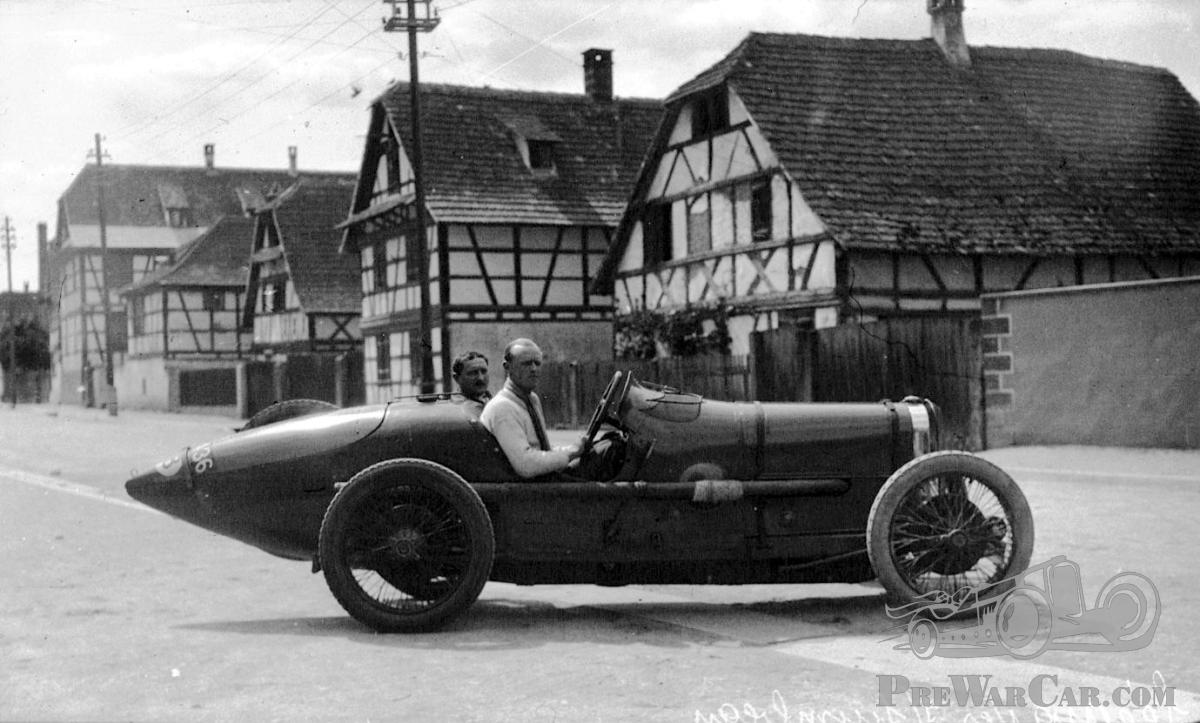
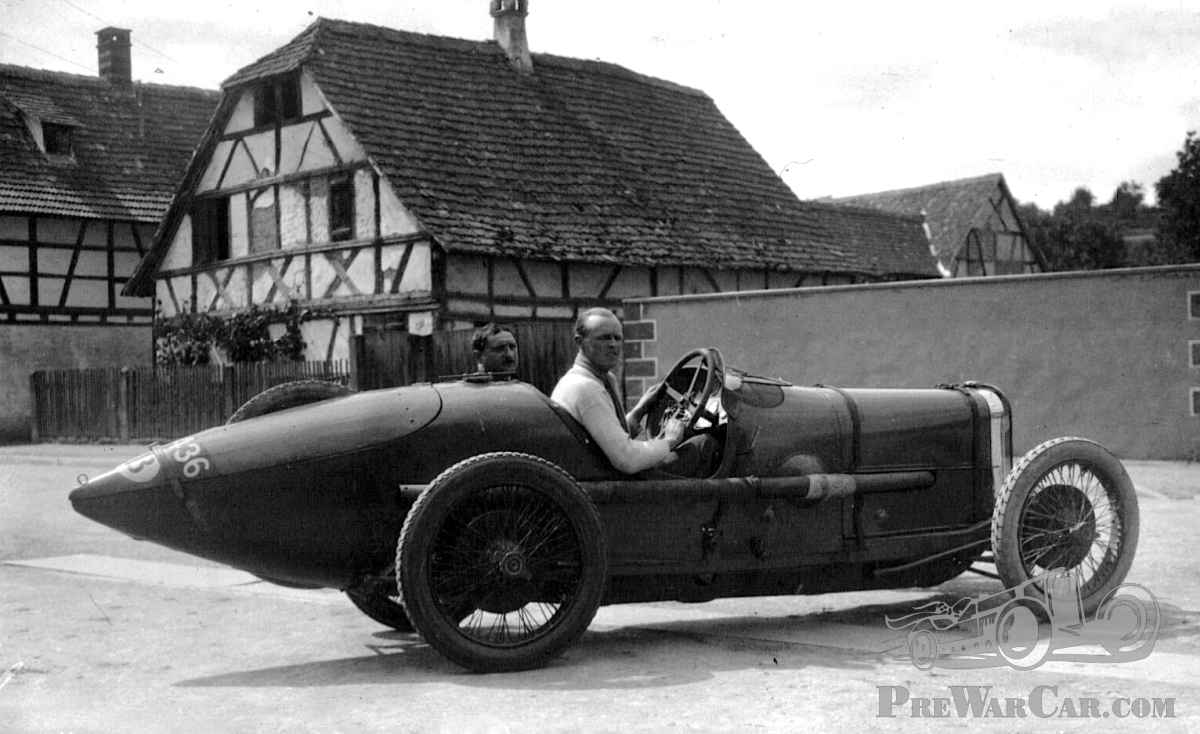
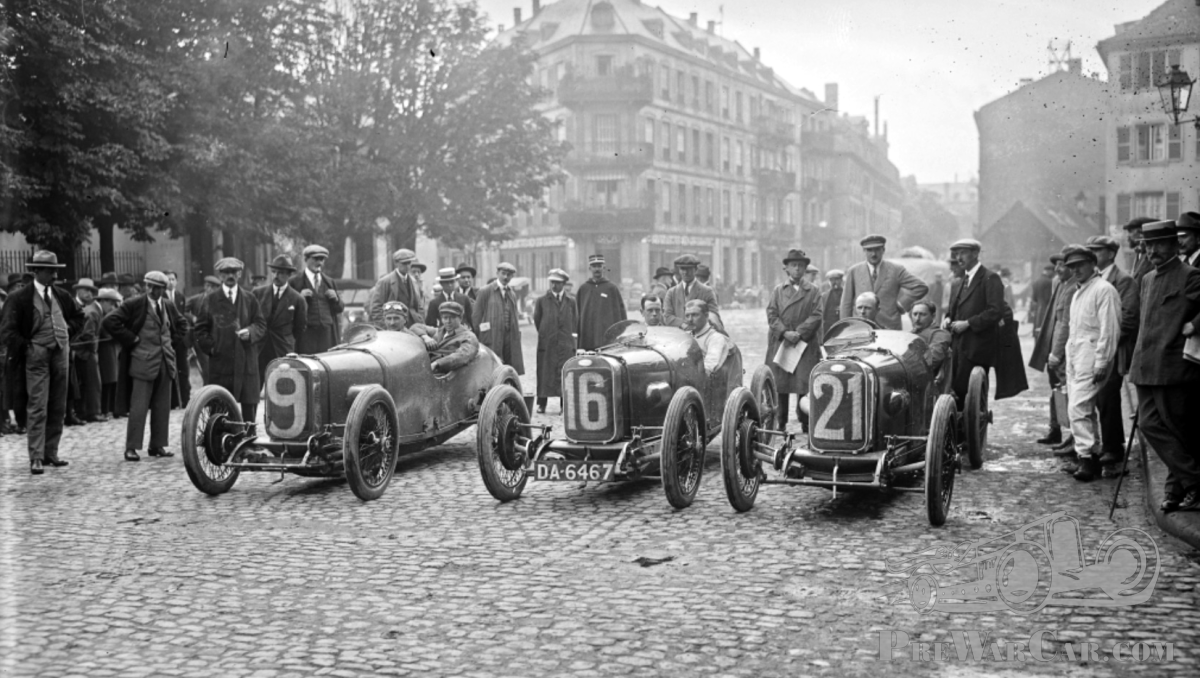


The name of Sir Henry Segrave is mostly associated with record-breaking speeds both on land and on water. No wonder: he was the first man to break the 200 mph barrier on wheels, only to meet a tragic death later while attempting something similar on the waters of Lake Windermere.
But before making a name for himself in the pursuit of record speeds, Henry O'Neal de Hane Segrave was an avid racing car driver who rapidly built a career on circuits in both the UK and France. He won the first long-distance car race (200 miles) to be run in Britain—at Brooklands in 1921—while also competing that same year in the French Grand Prix in a Talbot. Story has it that, when that marque was reorganised as part of the (British) Sunbeam-Talbot-Darracq Motors conglomerate shortly before, Segrave replaced fourteen engine covers on his Talbot to impress French designer Louis Coatalen in hopes of securing a place in the works team.
It worked, or so it seems. The following year, Segrave was regarded as part of the three-car-strong works team of Sunbeam, built in Wolverhampton. The French Grand Prix of 1922 would again be their battlefield—and that’s where these lovely pictures were taken. Although Sir Henry retired from that year’s GP de l’ACF, he remained loyal to the Sunbeam marque and actually won the race in 1923 in a newly developed car. He even drove it back to London after the race.
Words: Jeroen Booij
Images: Bibliothèque Nationale de France
Published:
Wednesday July 16th, 2025
Facebook
LinkedIn
Twitter
WhatsApp
Email
Copy
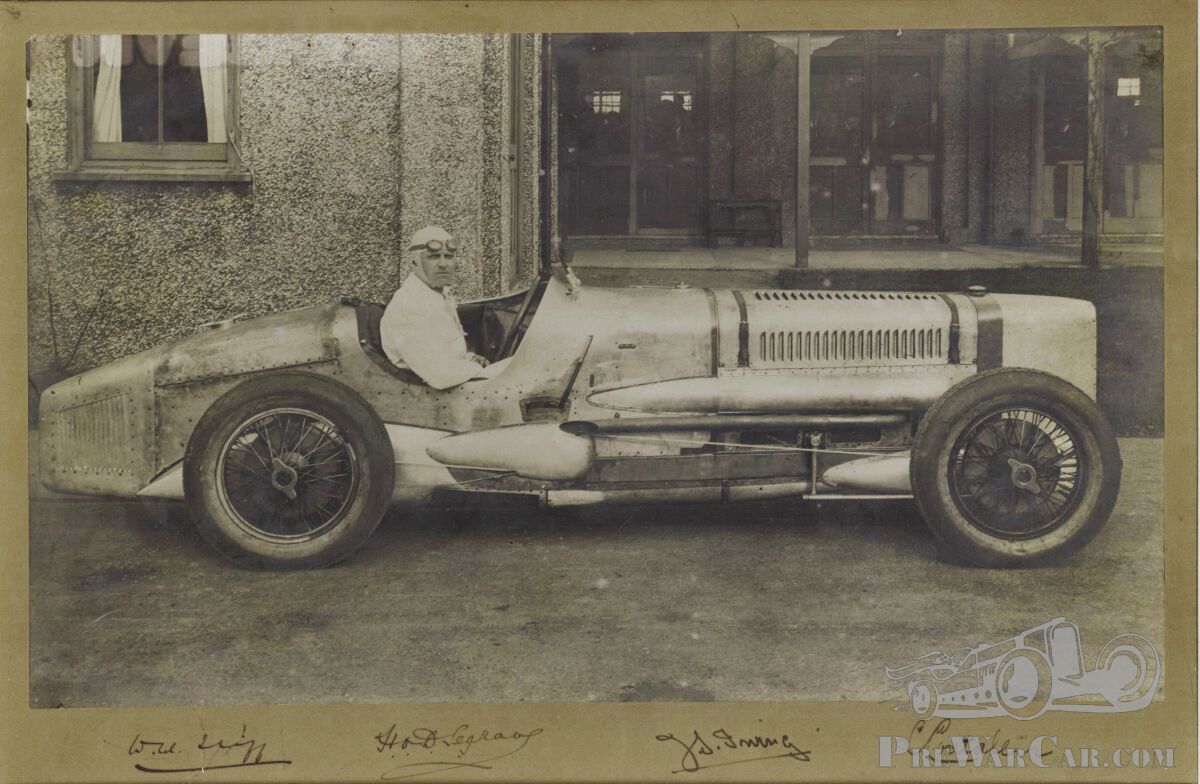
Richard peskett.