The global magazine and marketplace for classic car enthusiasts, by enthusiasts.


Filter
Make a choice:
- Cars
-
Make >>
-
Year >>
-
- Bikes
- Parts & more
-
Make of car >>
-
Manufacturer >>
-
Category >>
- Bicycles & more
-
Year >>
-
Countries


Smiles and phones at the London to Brighton Veteran Car Run 2021
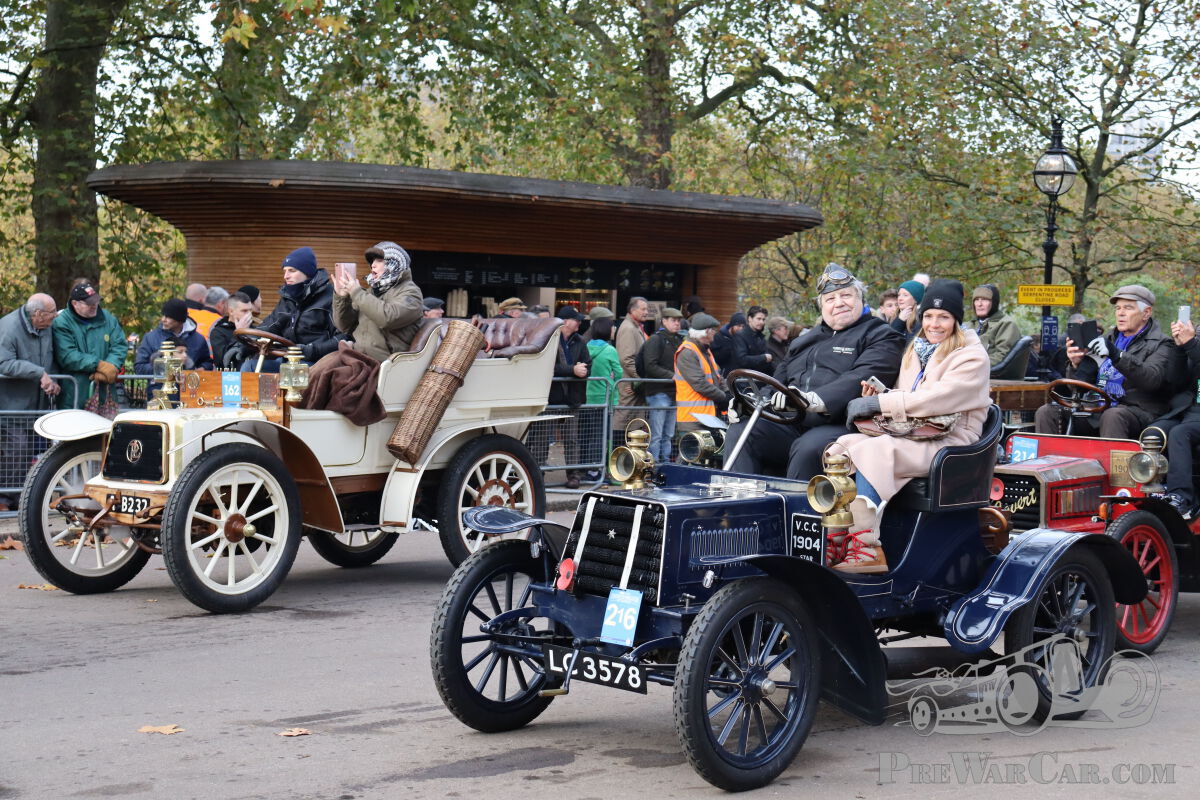
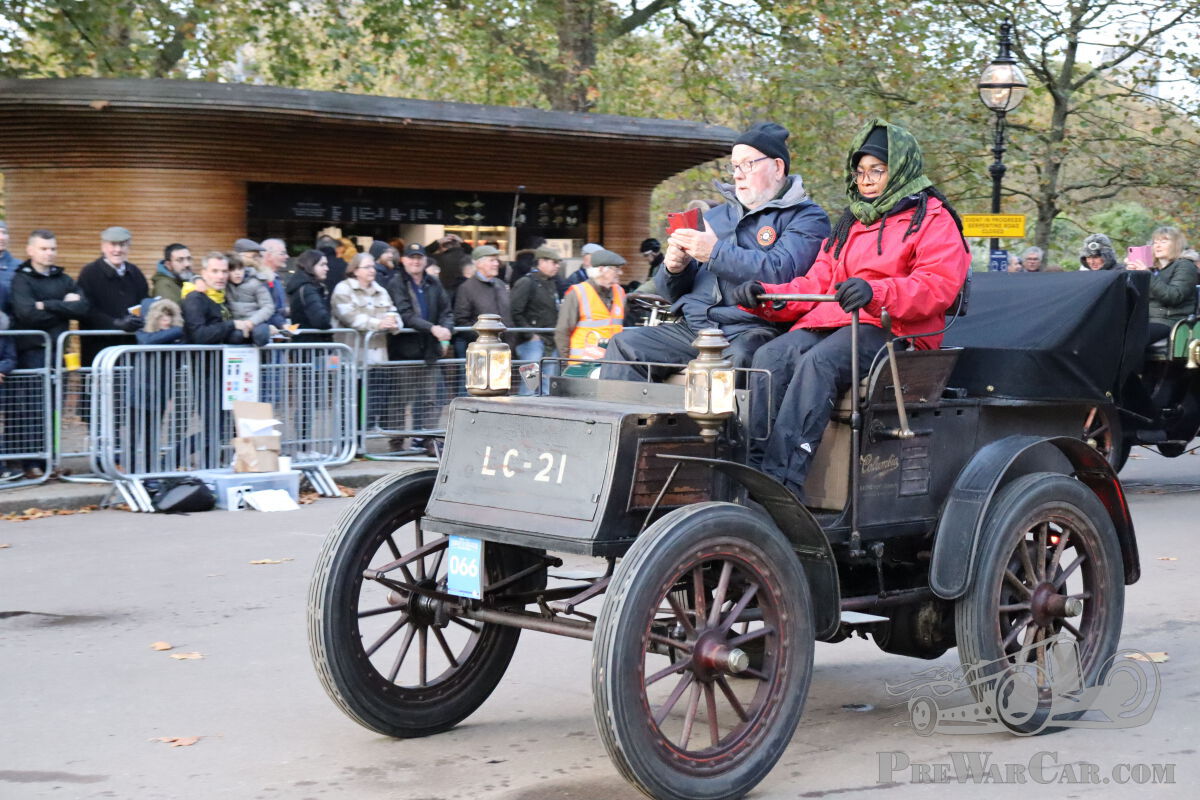
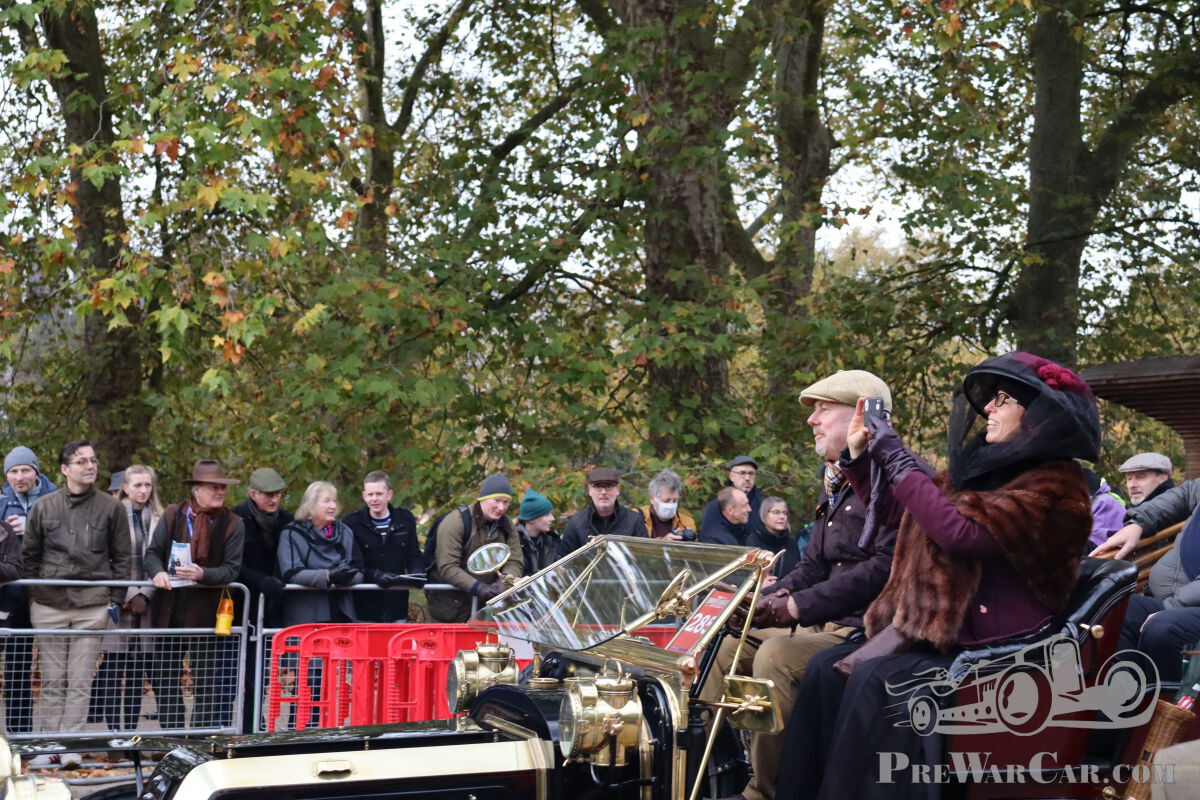
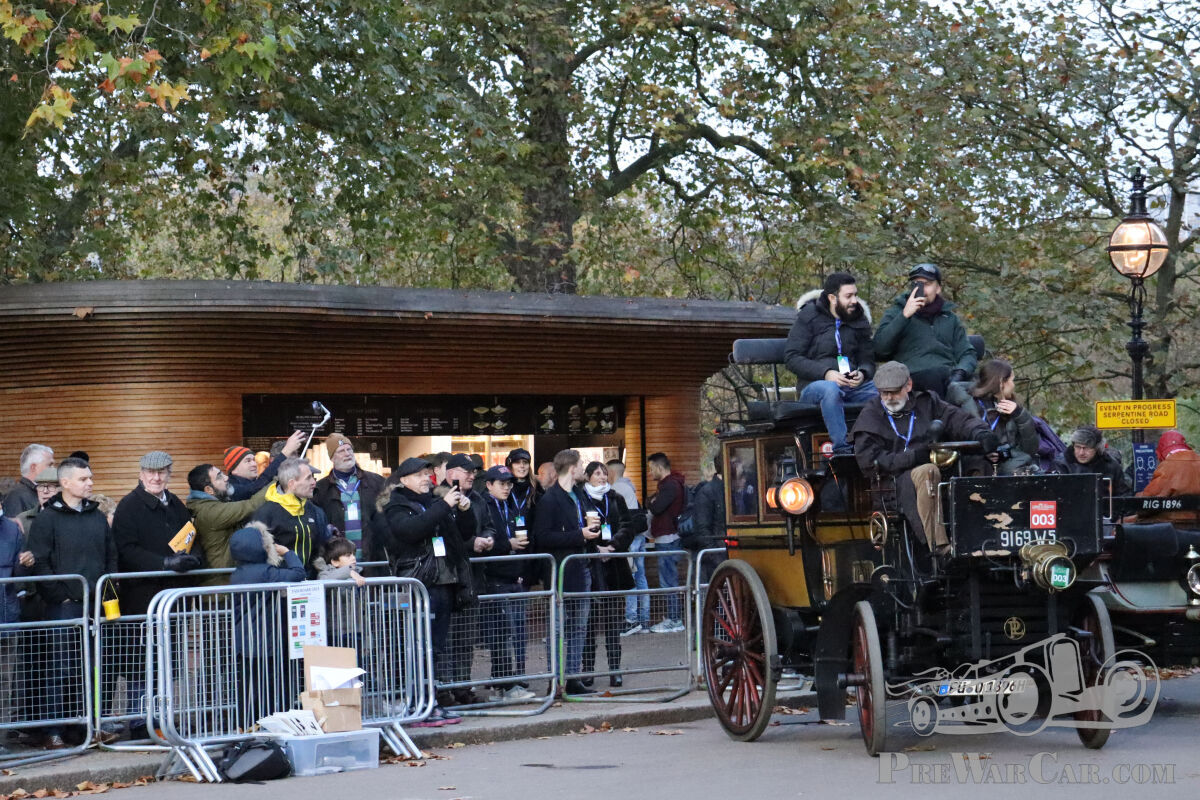
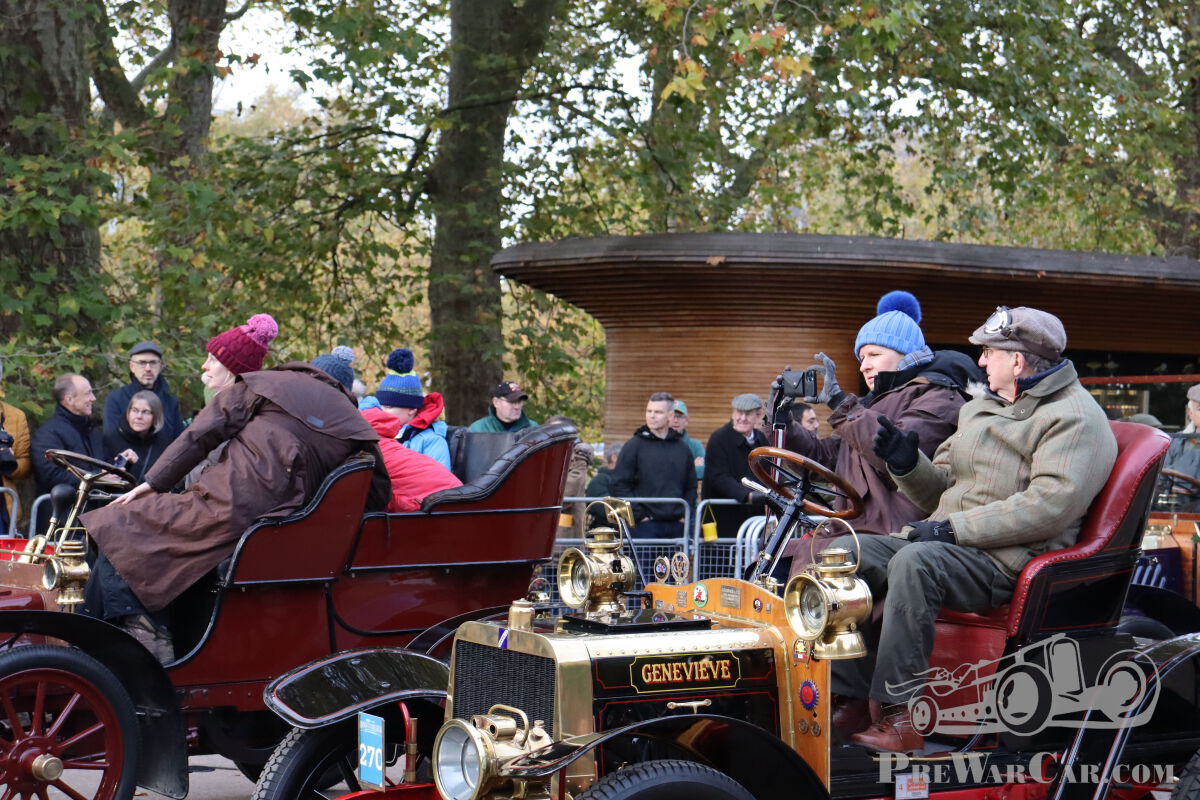
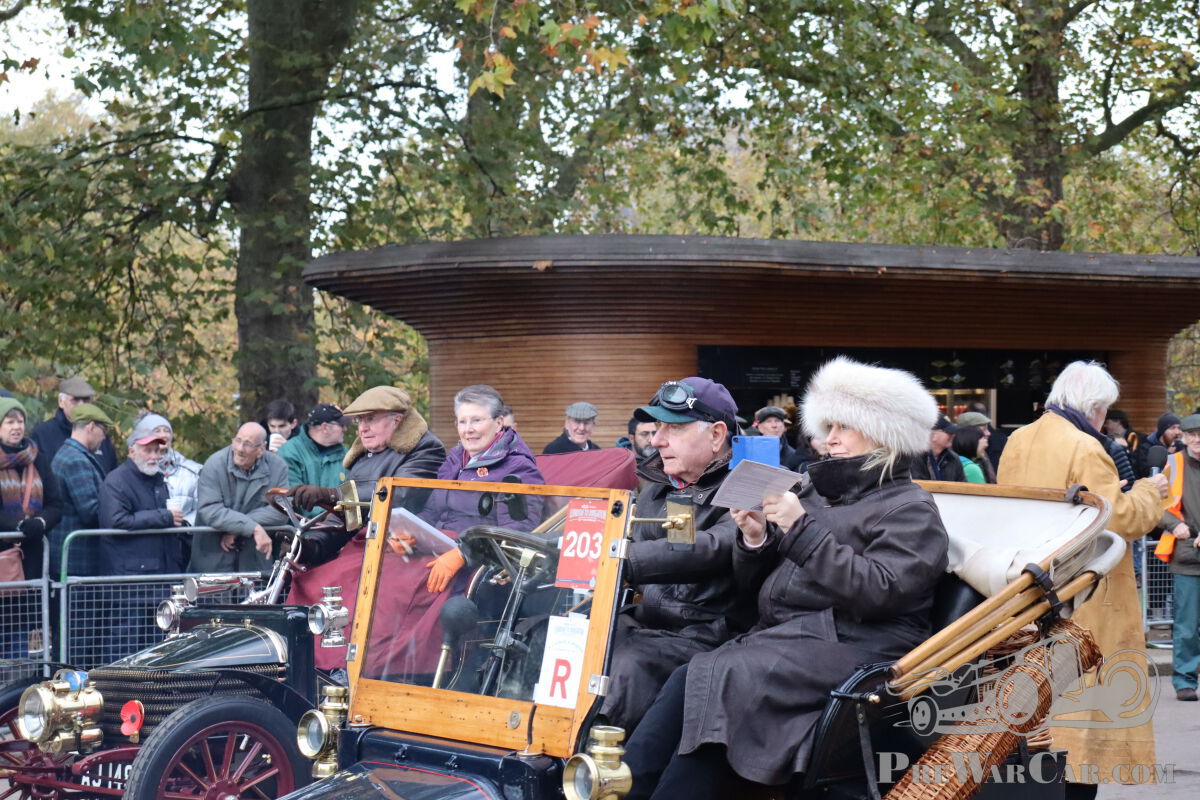
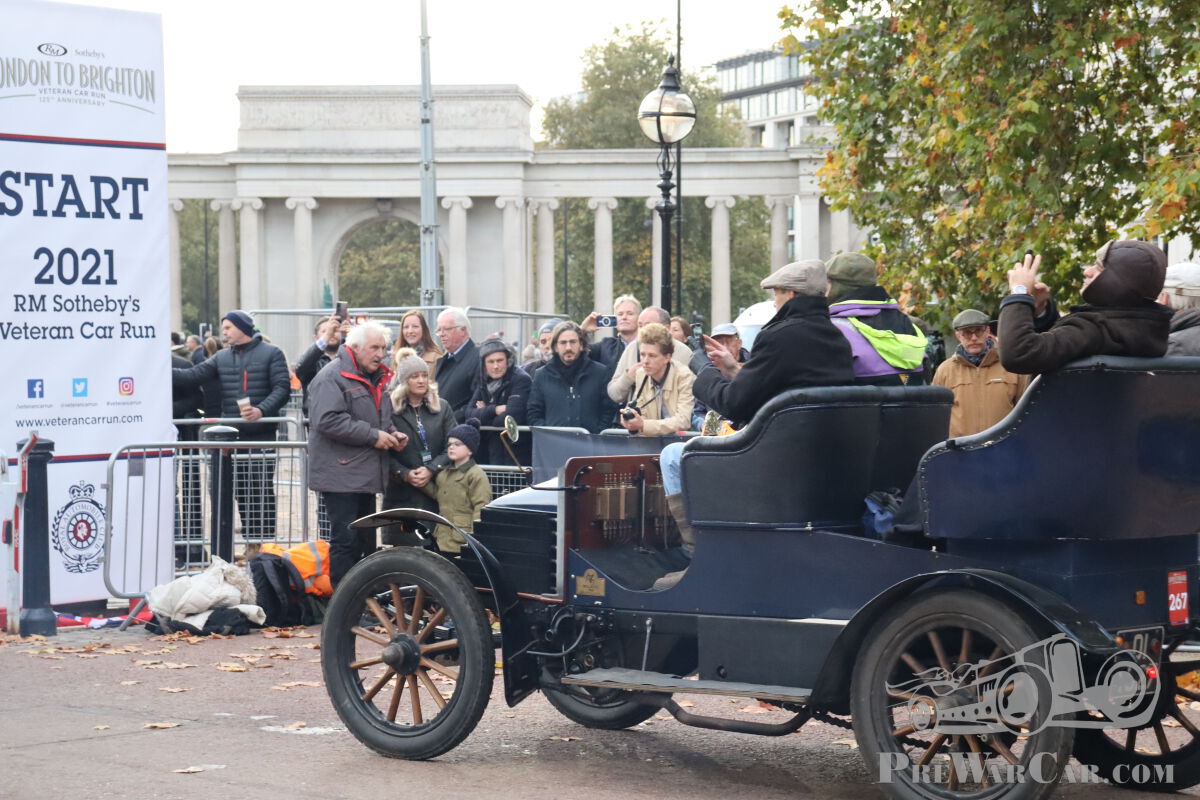
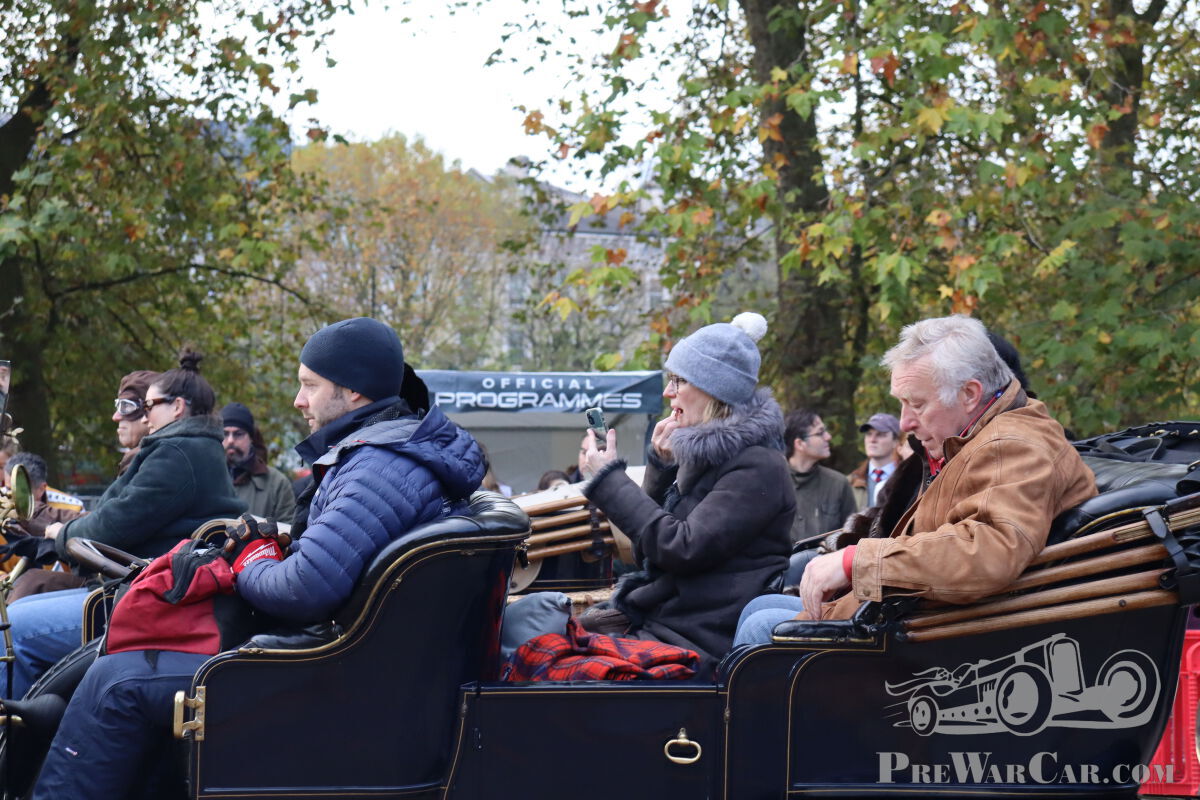
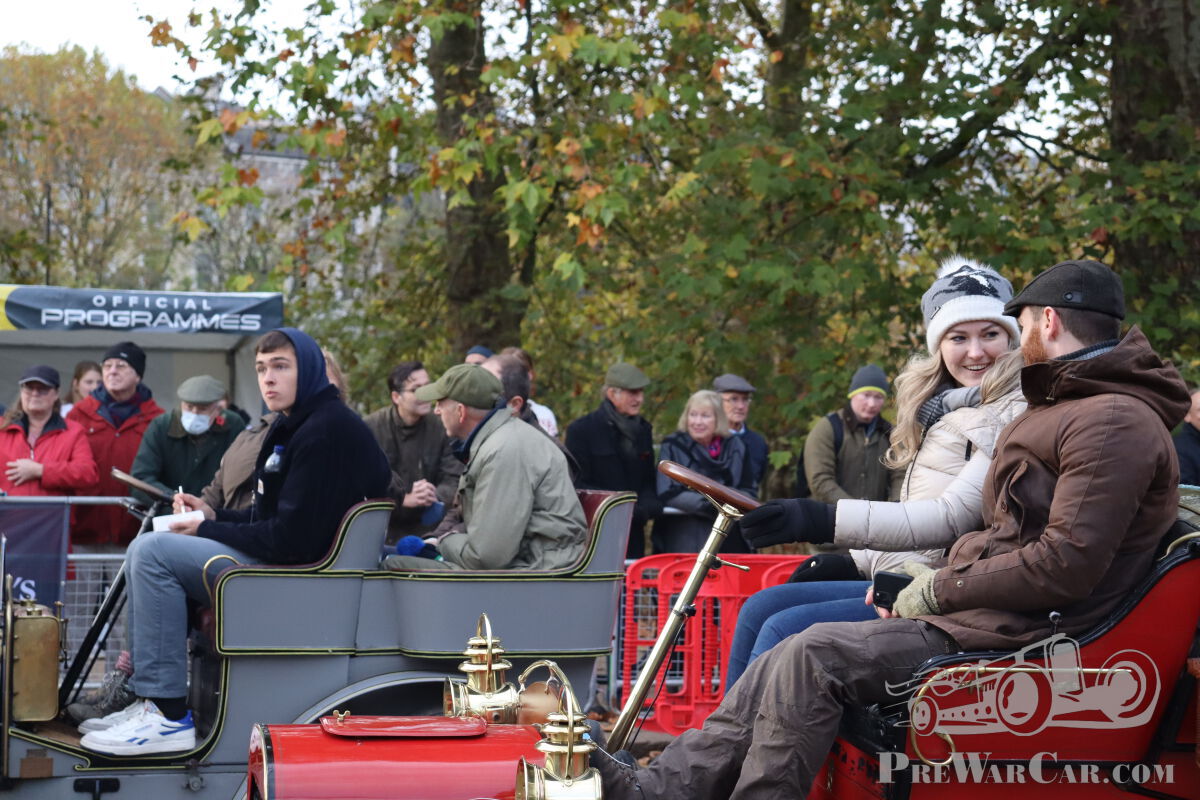
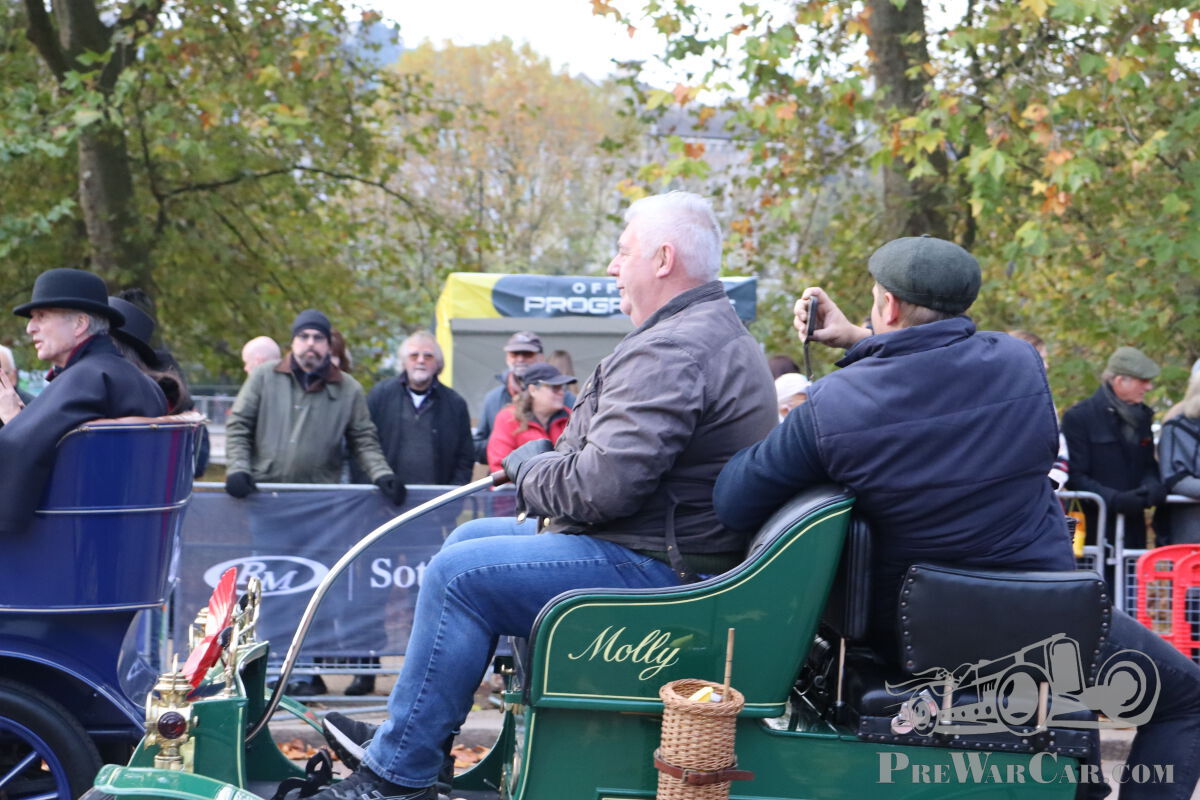
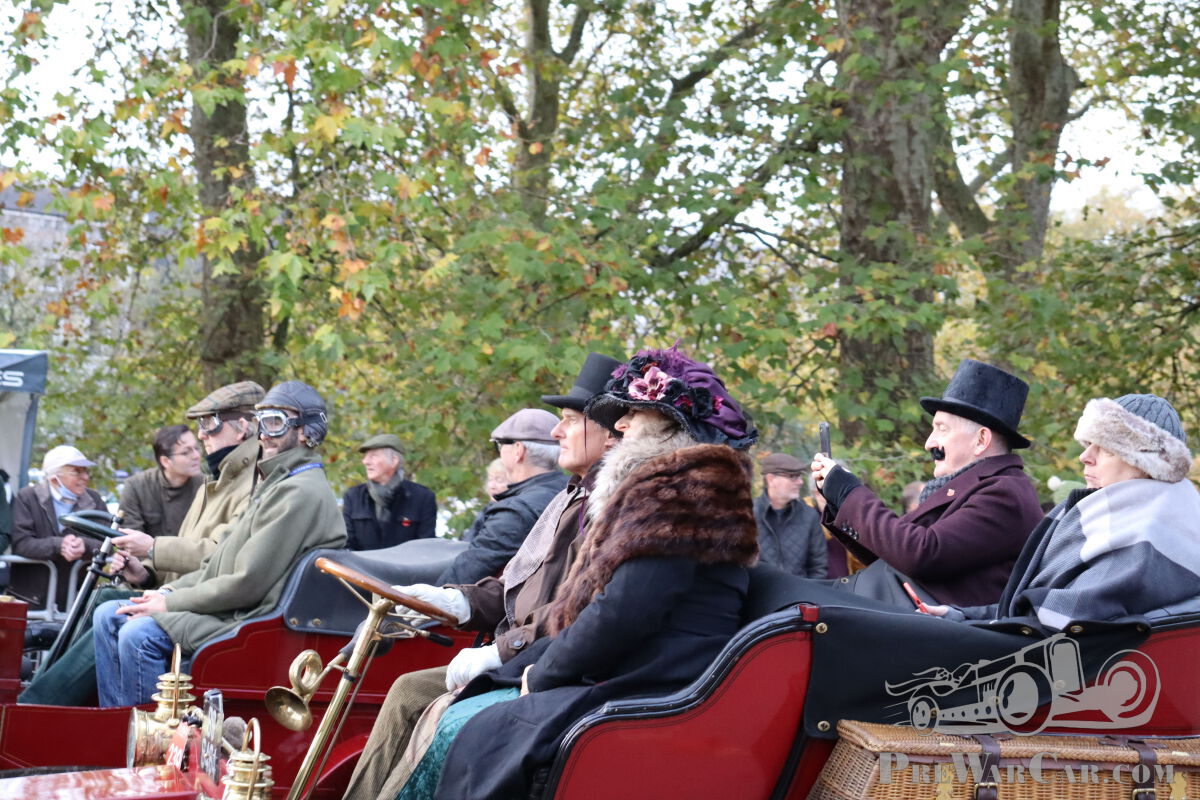
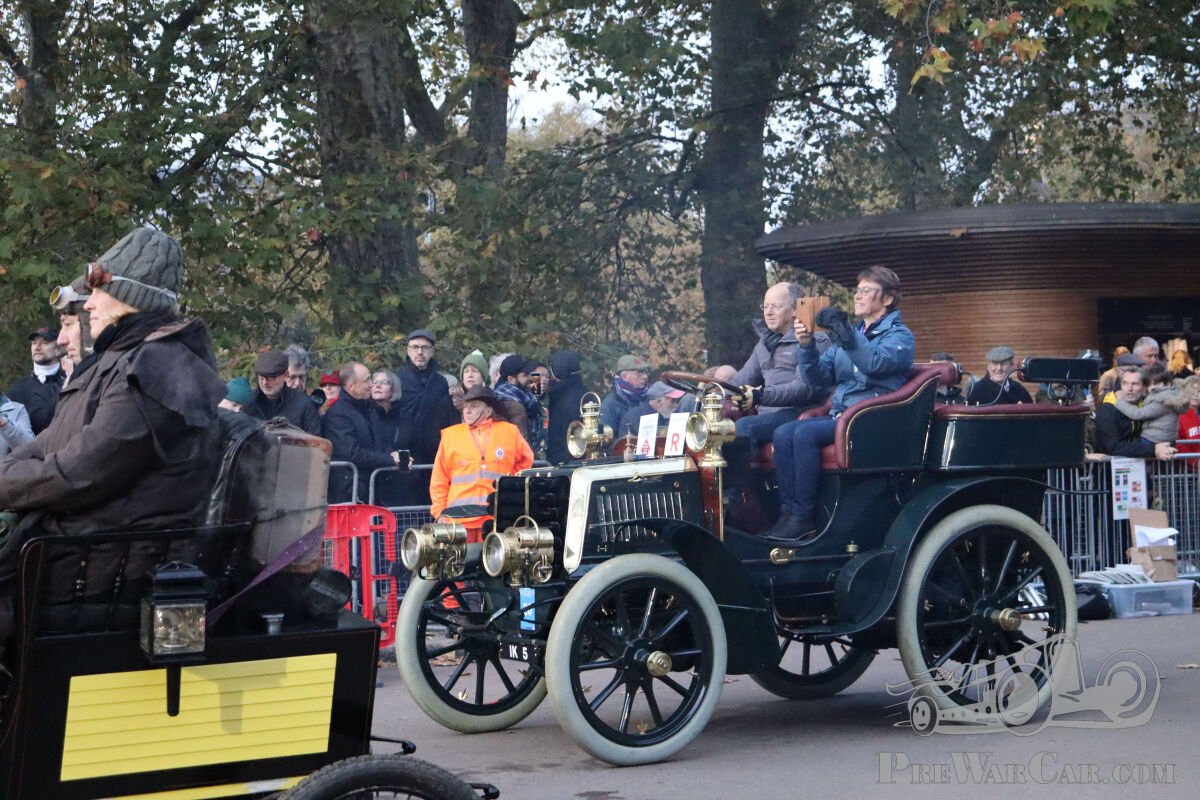
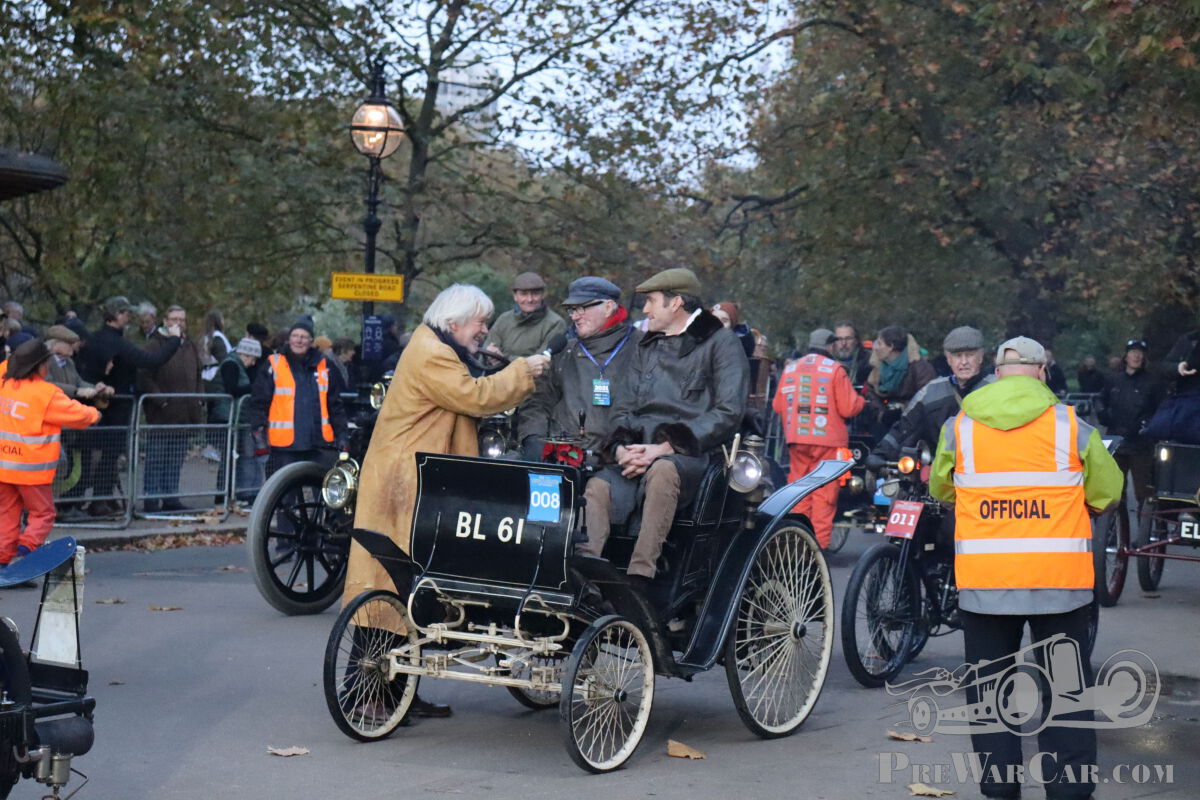
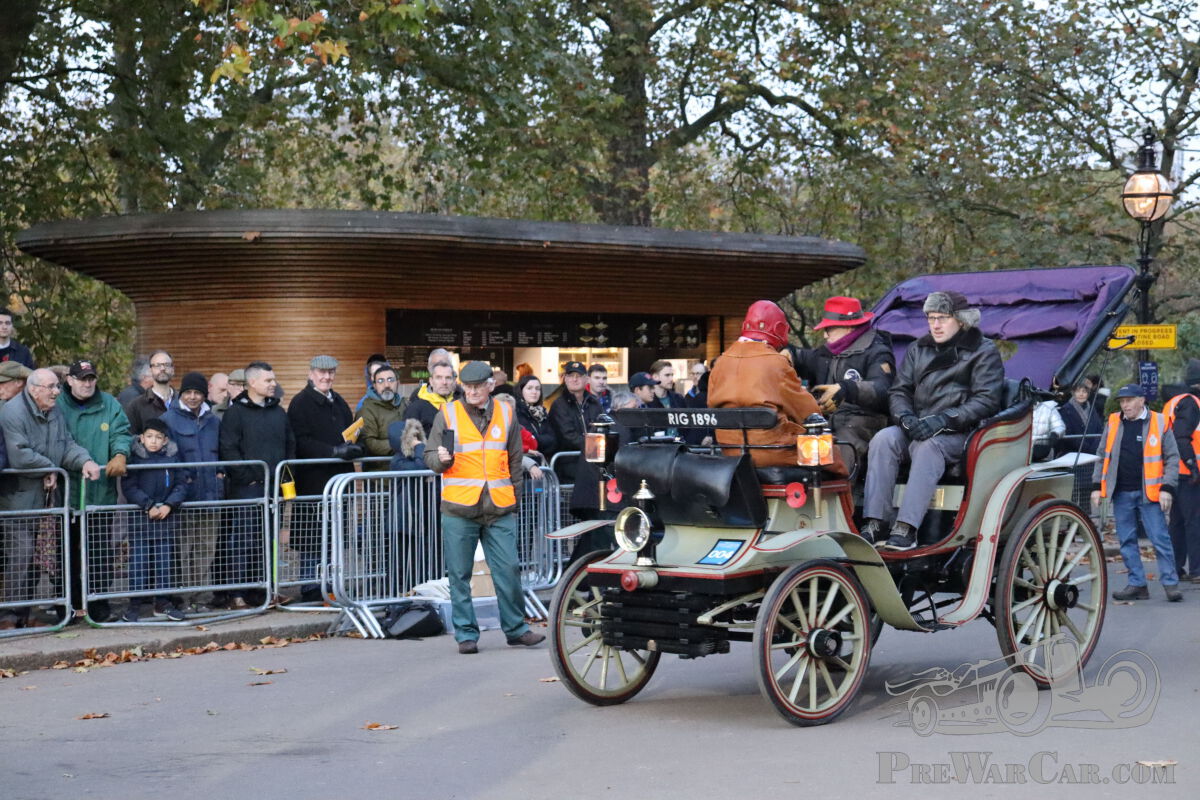
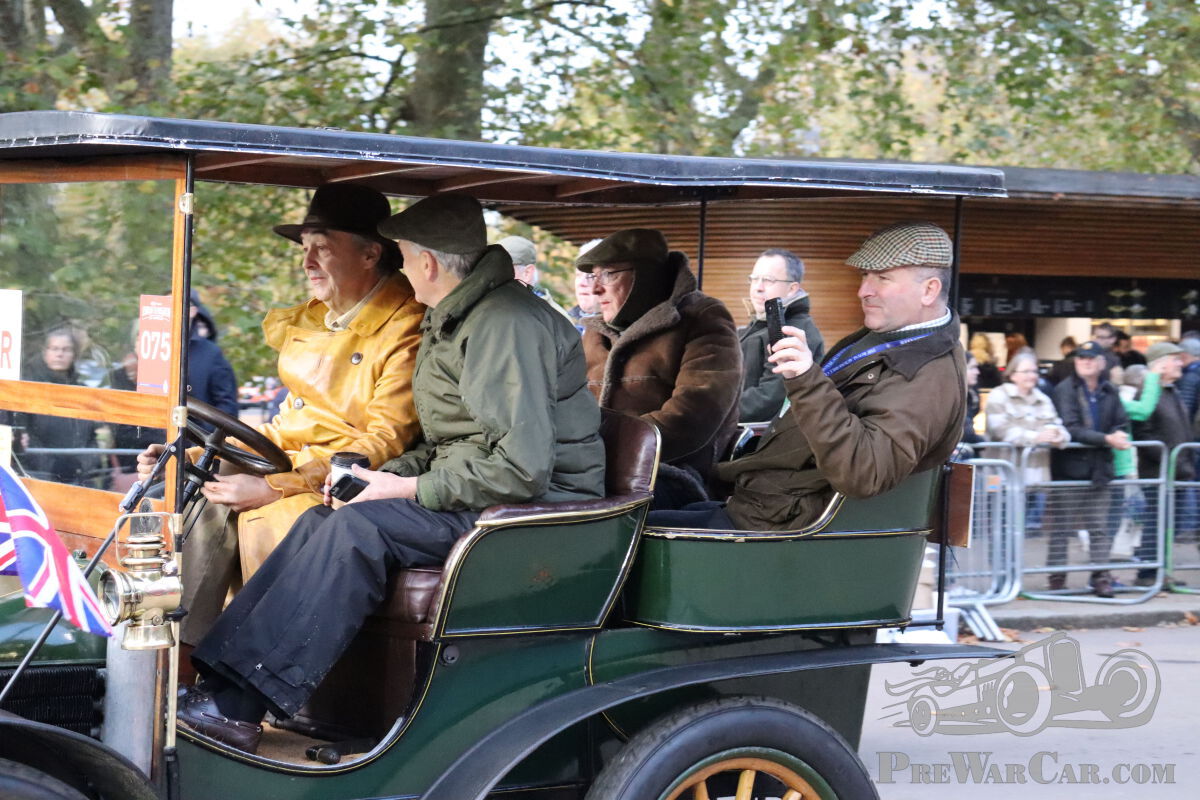
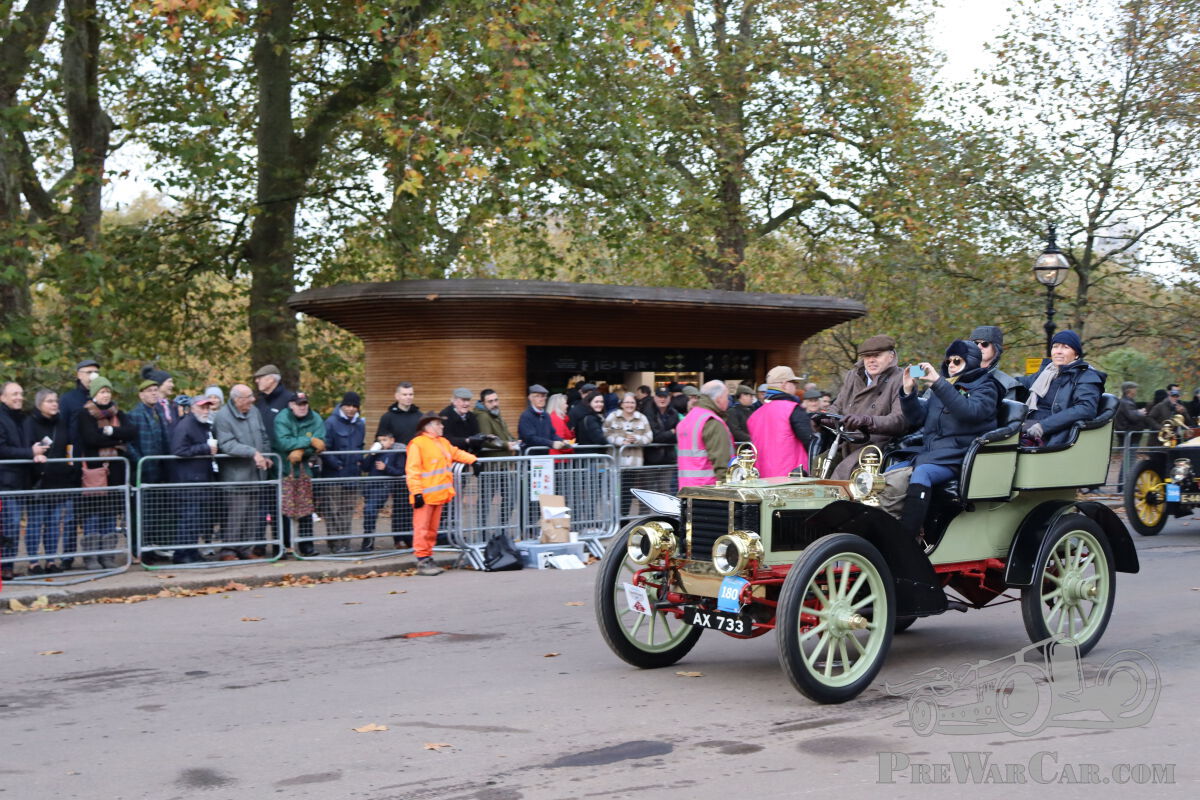
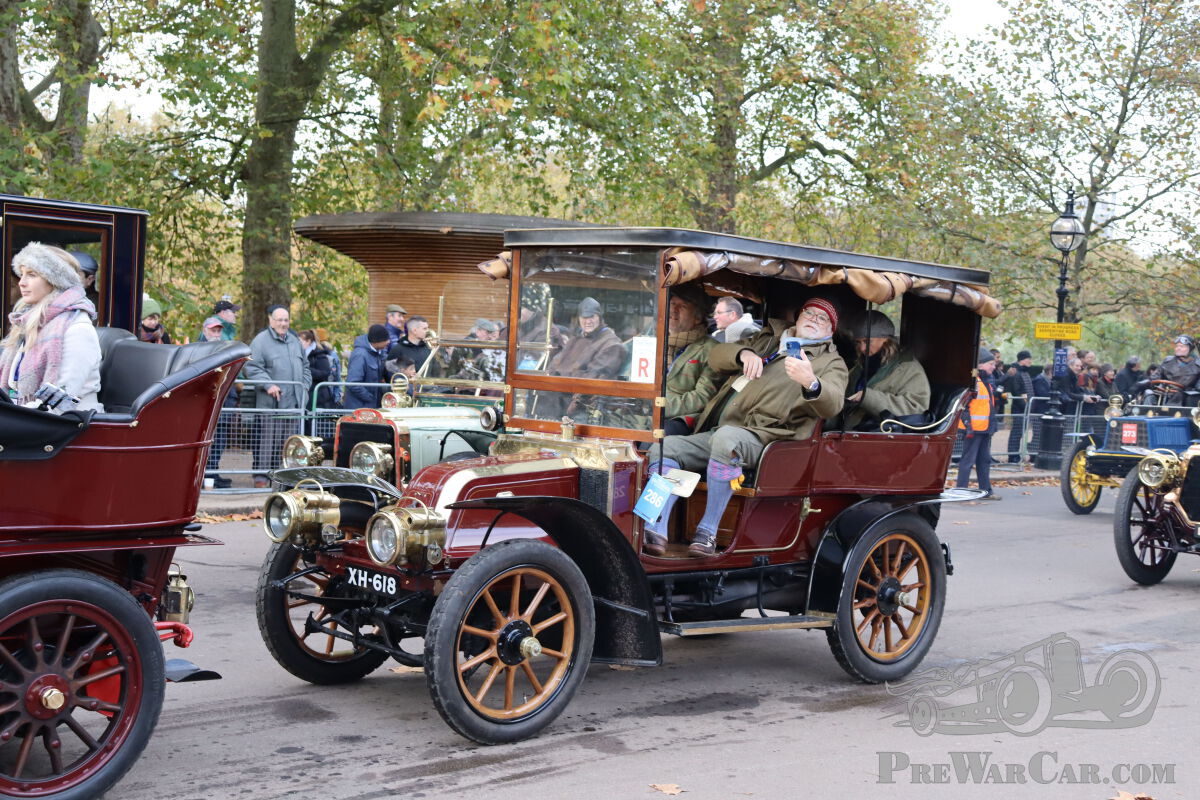
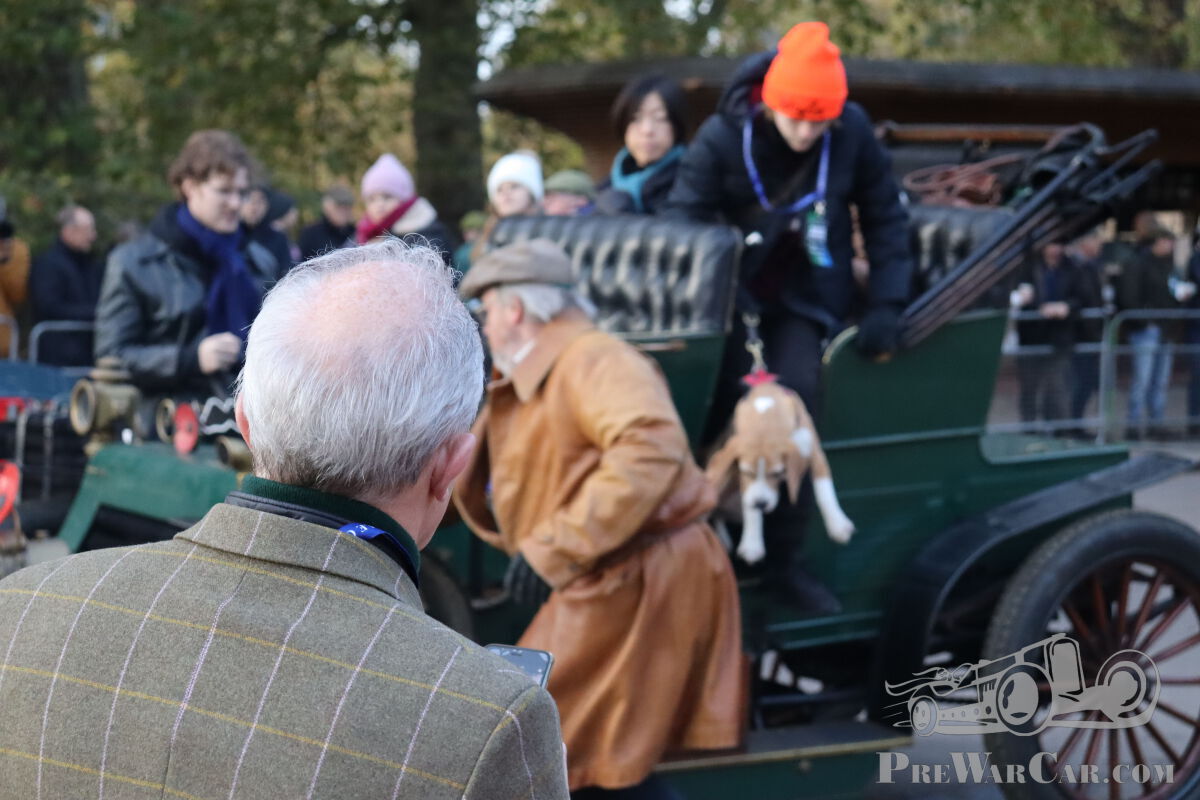
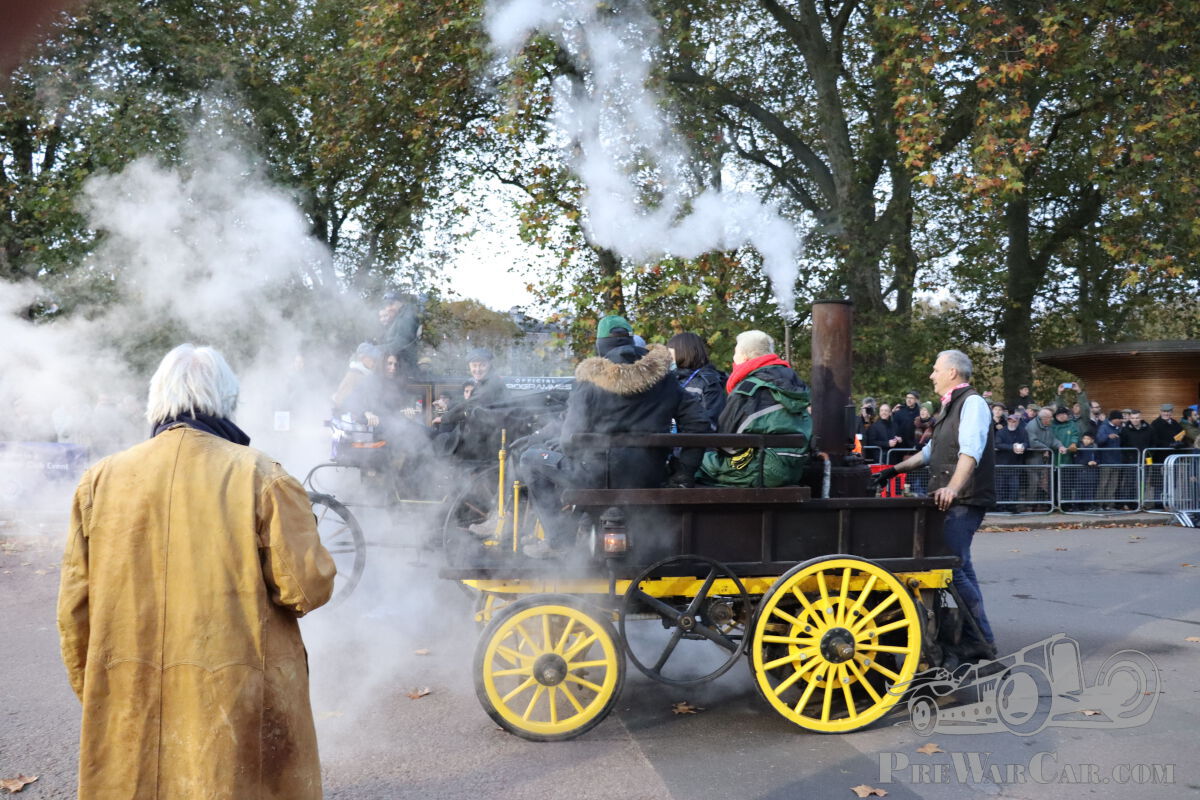
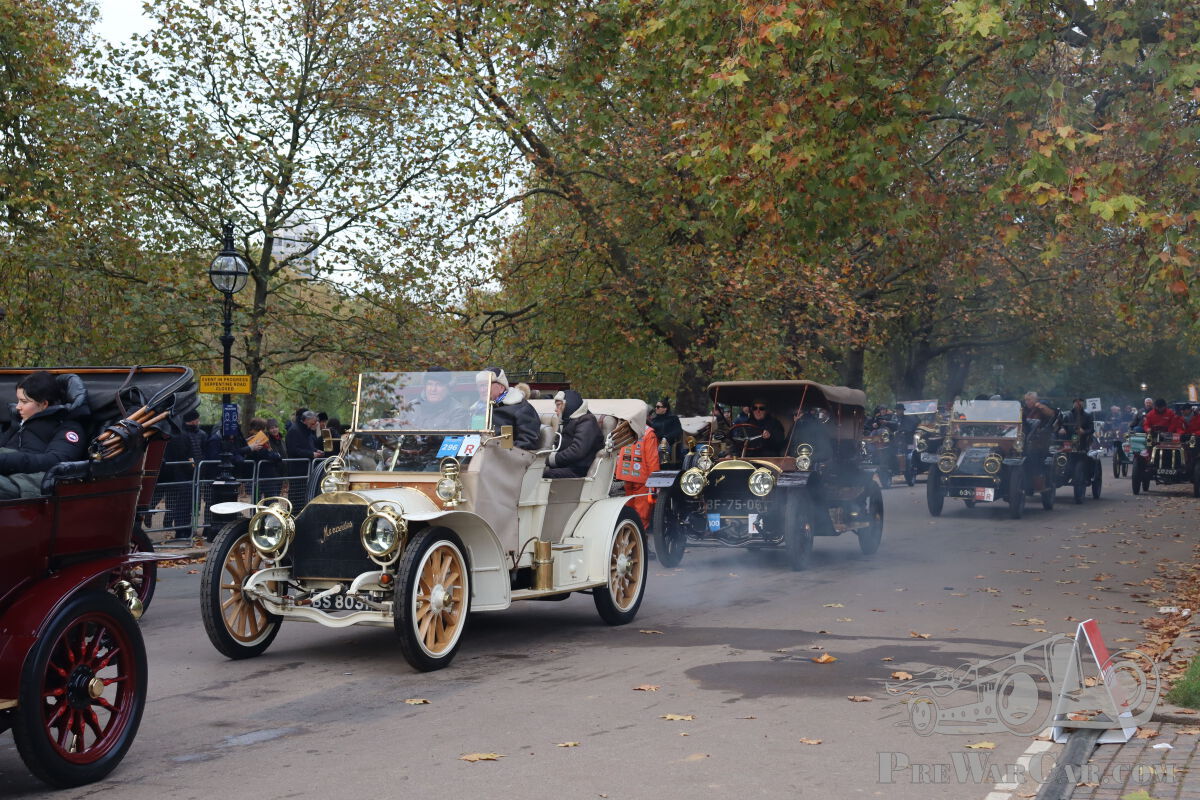
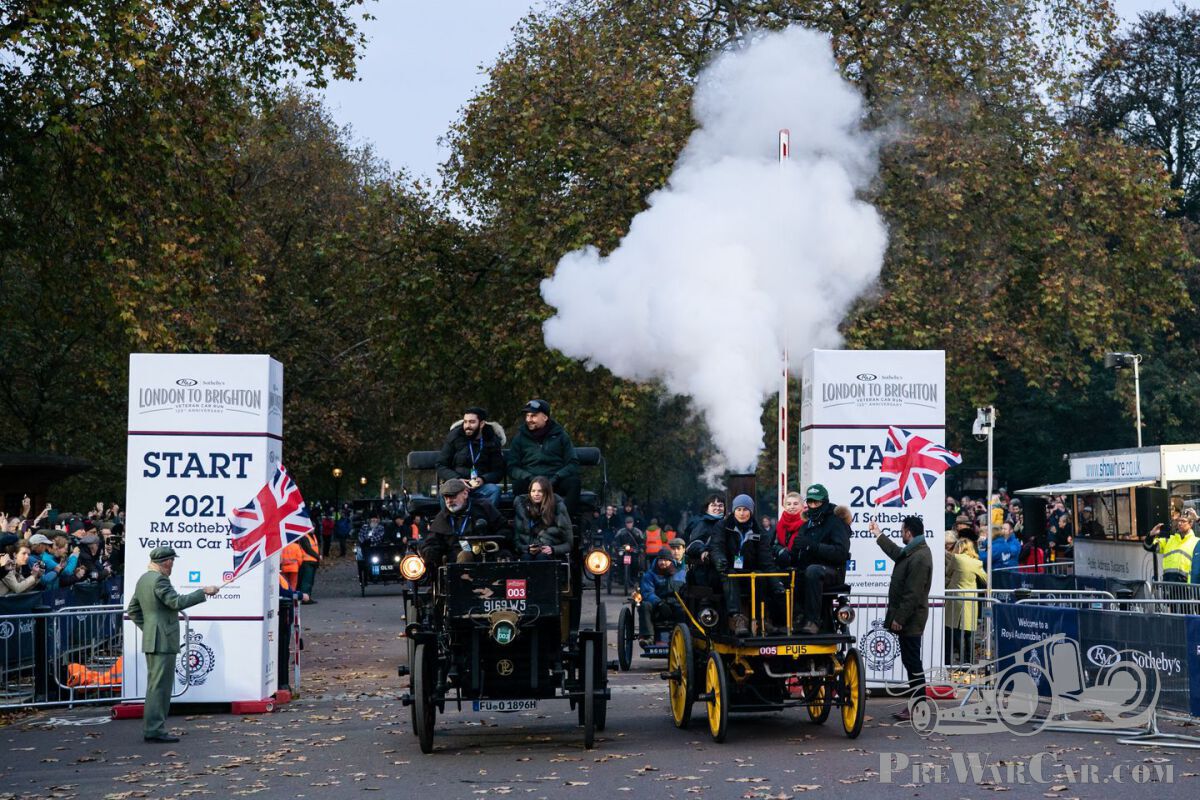
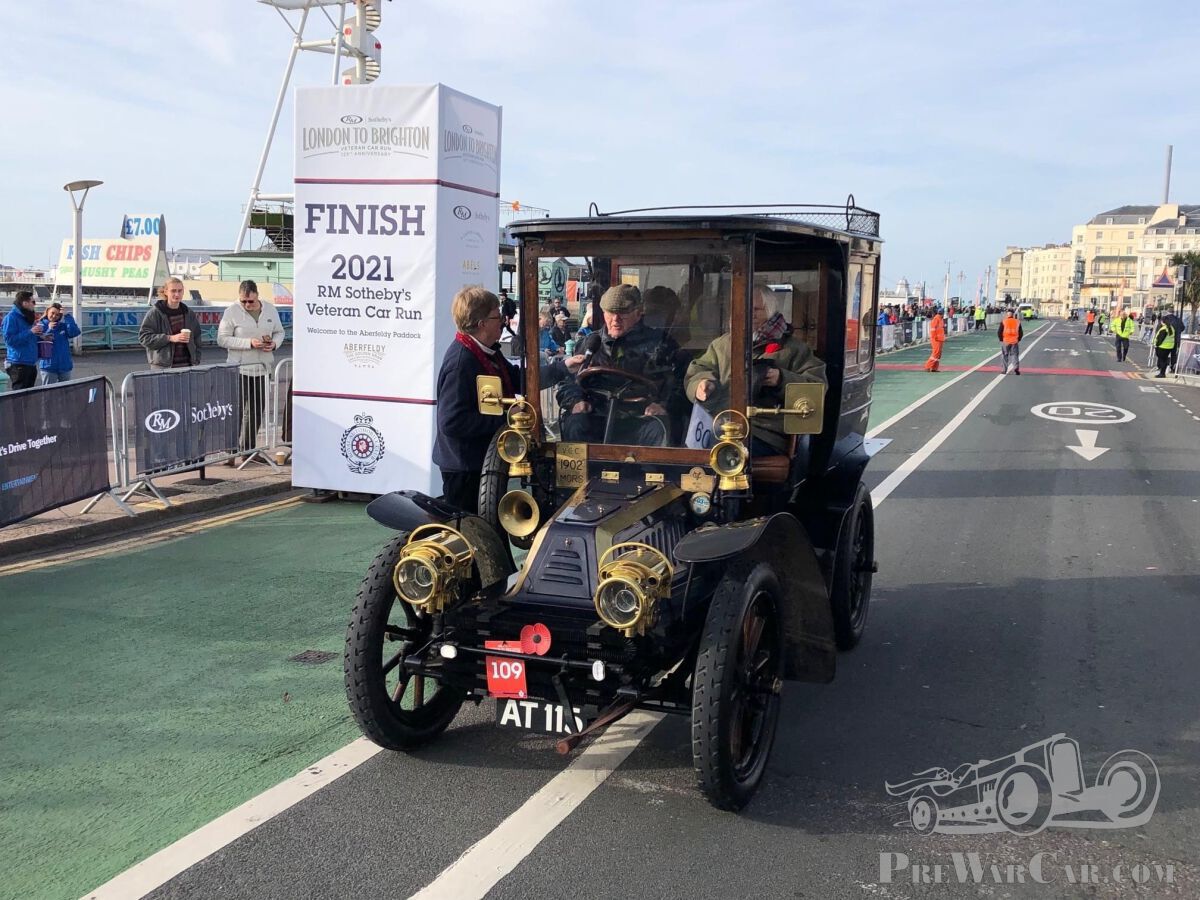


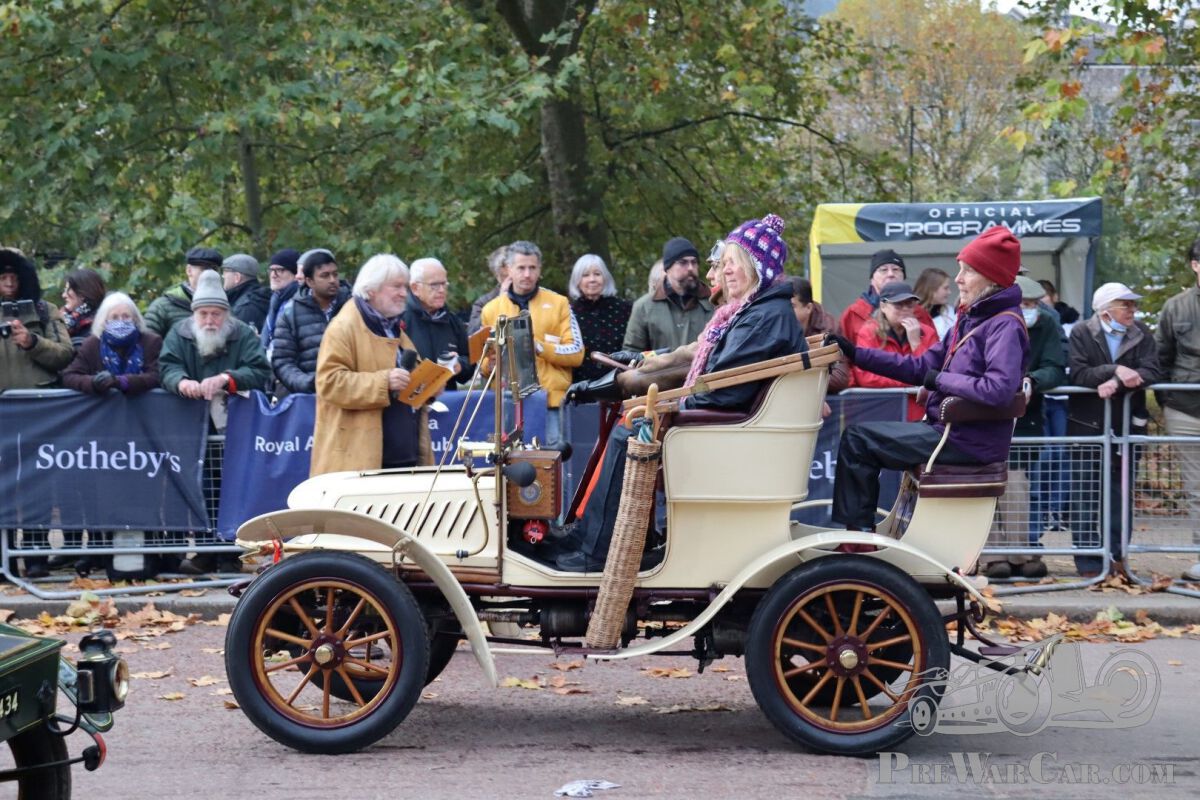
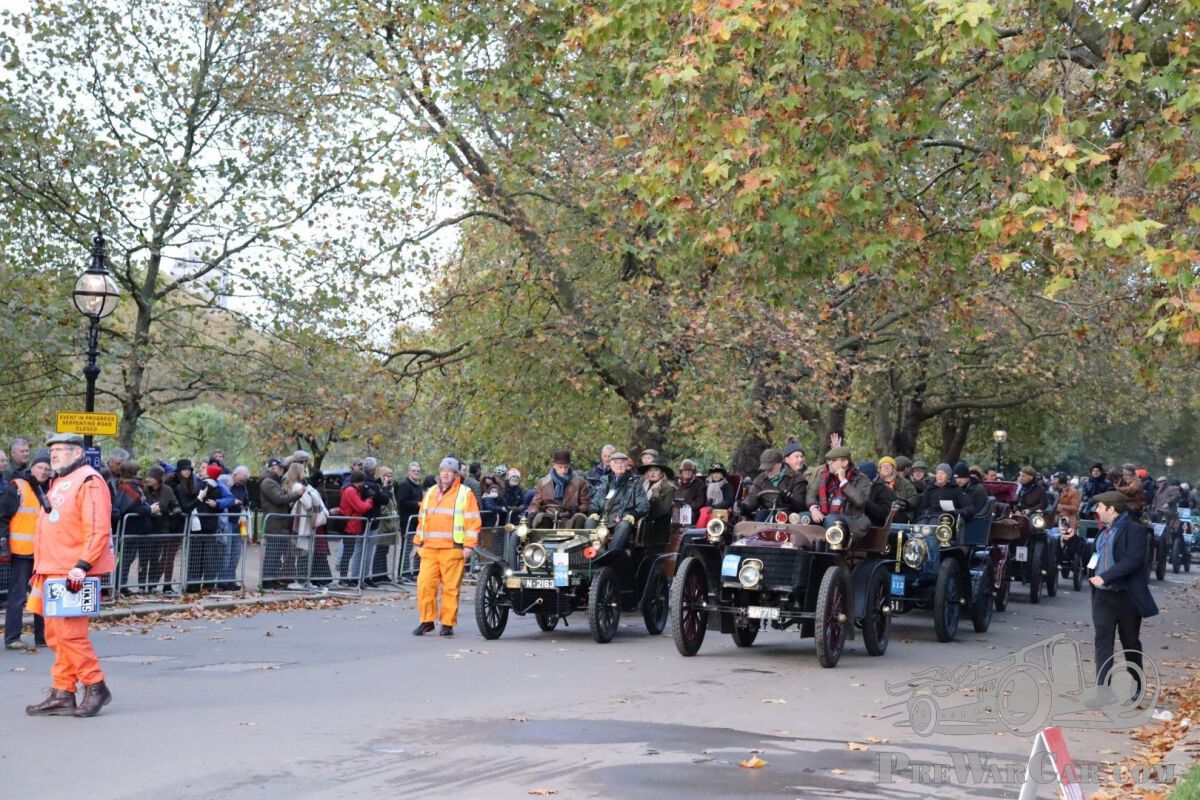
Last weekend saw the 125th anniversary of the London to Brighton Veteran Car Run and although the world and cars have changed over those years, some things have not. In 1896, the latest technology was demonstrated: the automobile, or rather the horseless carriage. In 2021, the latest technology was shown again. However, it was not the cars this time (obviously since the cut-off date for participating cars was 1904) but phones and, better still, cameras on the phones. The latest iPhones and Samsungs were in the trusted hands of the passengers to film the moment when the driver slid the gear lever forward, released the pedal and set off for an epic drive to Brighton pier.
Luckily, we had the same idea and filmed the start, as you may have seen before (otherwise click here), and took photos at the beginning of the drive. We have photos of most of the cars so if you want to see them, comment below with your start number and we'll see if we have them for you.
Our favourite car was the 1896 Panhard et Levassor two-cylinder 6hp Private Omnibus that was shown and successfully driven to Brighton by Dutchman Tony Paalman. This true carriage can transport 9/10 people and was impressive not only for its size but also for its originality. The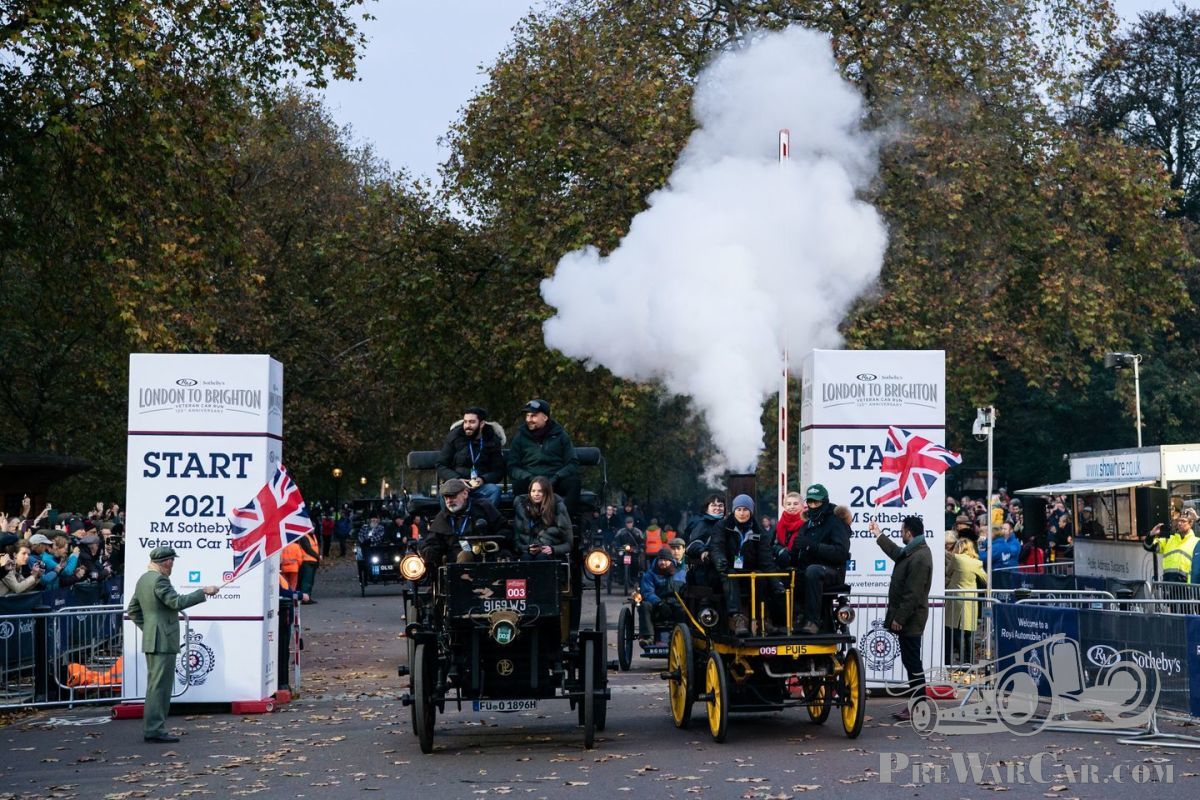
There were fewer cars than in previous years (286 starters), most likely due to Covid and Brexit, but as heavy traffic takes its toll on the old cars we don't think participants will complain.
The first car to arrive in Brighton was a 1902 Mors four-cylinder 15hp Rear-Entrance Tonneau driven by Clive Evison. It covered the 60 miles in under three hours and arrived in Brighton just in time for a seaside brunch.
Published:
Wednesday November 10th, 2021
Facebook
LinkedIn
Twitter
WhatsApp
Email
Copy
Comments
Rupert Banner
16 November 2021, 17:30
Any photo's of No 94 would be welcome please
Read more
Tony Press
13 November 2021, 01:35
Grand display- I would like to see a Tesla in 125 years :-)
Read more
Laurens Klein
10 November 2021, 10:46
Christopher, is this the car?
Unfortunately not the best photo there is. Did you have a good run?
Read more
Unfortunately not the best photo there is. Did you have a good run?
Christopher Myerscough
10 November 2021, 10:22
We were number 114 , in a Crestmobile. Any photos?
Read more