The global magazine and marketplace for classic car enthusiasts, by enthusiasts.


Filter
Make a choice:
- Cars
-
Make >>
-
Year >>
-
- Bikes
-
Location >>
- Parts & more
-
Make of car >>
-
Manufacturer >>
-
Category >>
- Bicycles & more
-
Year >>
-
Countries


Support Plucky Little Belgium: a wartime fundraiser with a little landaulet
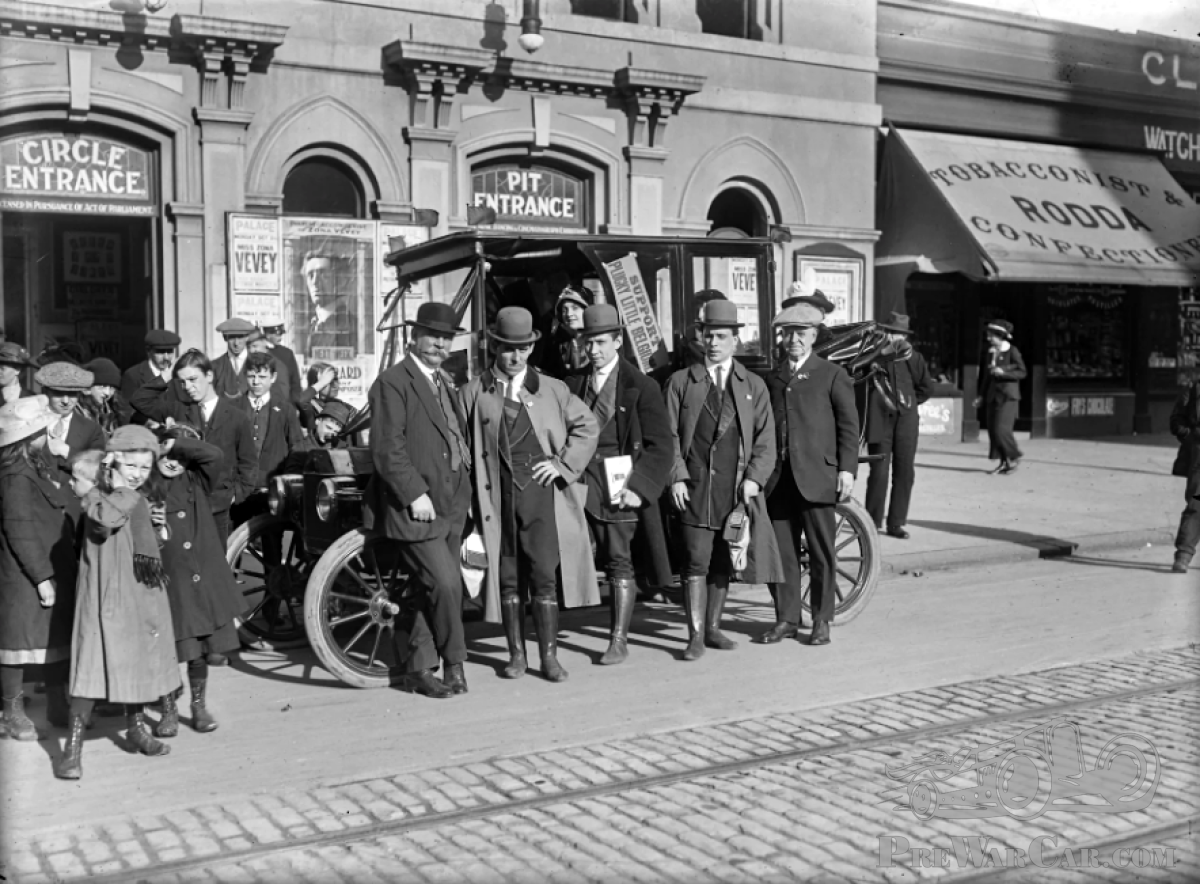
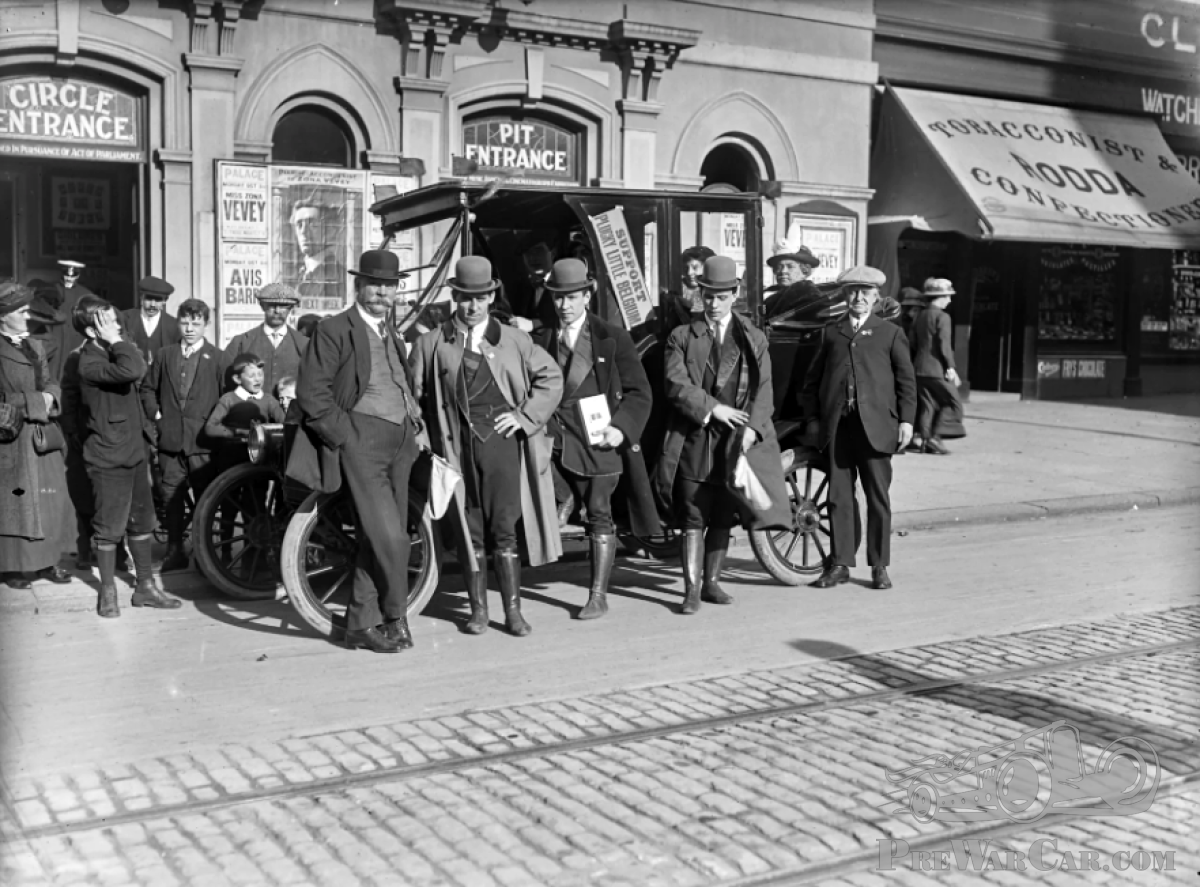


Without wanting to get entangled in any kind of politics, these two pictures quite clearly touch on a political subject, as can be seen from the sign reading "Support Plucky Little Belgium," which has an interesting back story. They are dated "circa 1914", which fits in particularly well, too.
"Plucky Little Belgium" and the British desire to support her has everything to do with the First World War and Britain's admiration for the small country doing her best to resist the German invasion. We consulted an old history textbook and were reminded that, on the eve of the Britain's entry into the Great War, the German army demanded free passage through Belgium to begin an invasion of France. King Albert refused, abiding by the terms of the 1839 Treaty of London by which Belgium was bound to a position of neutrality in exchange for her independence being recognised, and supposedly guaranteed, by Britain, France, Austria, the Netherlands, Russia and the German Confederation. The Germans responded by invading Belgium. Over the remainder of the German occupation, which persisted for the remainder of the war, the Rape of Belgium saw cities razed, civilians murdered and ancient cultural artefacts destroyed.
During the atrocities, millions of Belgians sought safety elsewhere, and 250,000 arrived in Britain. The plight of Belgium became a popular cause for sympathetic Britons. The Hun and the Home, contrasting an illustration of idyllic English village life with Belgian homes turned to rubble, was typical of British government posters produced to inspire support. Meanwhile, the war drew ever closer to English domestic life, as shells from German warships started to land on the Channel coast.
The rapid influx of Belgians led to the War Refugees Committee having to establish a nationwide system of voluntary aids, and 100,000 offers of accommodation for displaced Belgians were received within two weeks of the W.R.C. placing an appeal. All over the country, 2,500 local committees were established with local authority backing, while charitable fundraisers were devised to help their work.
These two photographs, from the Sankey Archive, were taken in front of the Palace Theatre in Barrow-in-Furness, Cumbria. They must show one such committee. Three men in the group wear similar clothing and tall boots—can anyone explain why that might be? Oh, and we’d almost forgotten about the car. Not too much of it is visible, but perhaps just enough to identify it?
Words: Jeroen Booij
Photographs: The Sankey Photography Archive
Published:
Thursday March 6th, 2025
Facebook
LinkedIn
Twitter
WhatsApp
Email
Copy
My grandparents lived in Ilkley, Yorkshire, in pre-war days and their next door neighbours were Belgian refugees who opted to stay, and who contributed generously to life in the town. During the Second World War they and my grandparents housed evacuees for the duration.