The global magazine and marketplace for classic car enthusiasts, by enthusiasts.


Filter
Make a choice:
- Cars
-
Make >>
- Bikes
-
Location >>
- Parts & more
-
Make of car >>
-
Manufacturer >>
-
Category >>
- Bicycles & more
-
Year >>
-
Countries


On the right tracks: Kégresse's Citroëns to be honoured at Rétromobile
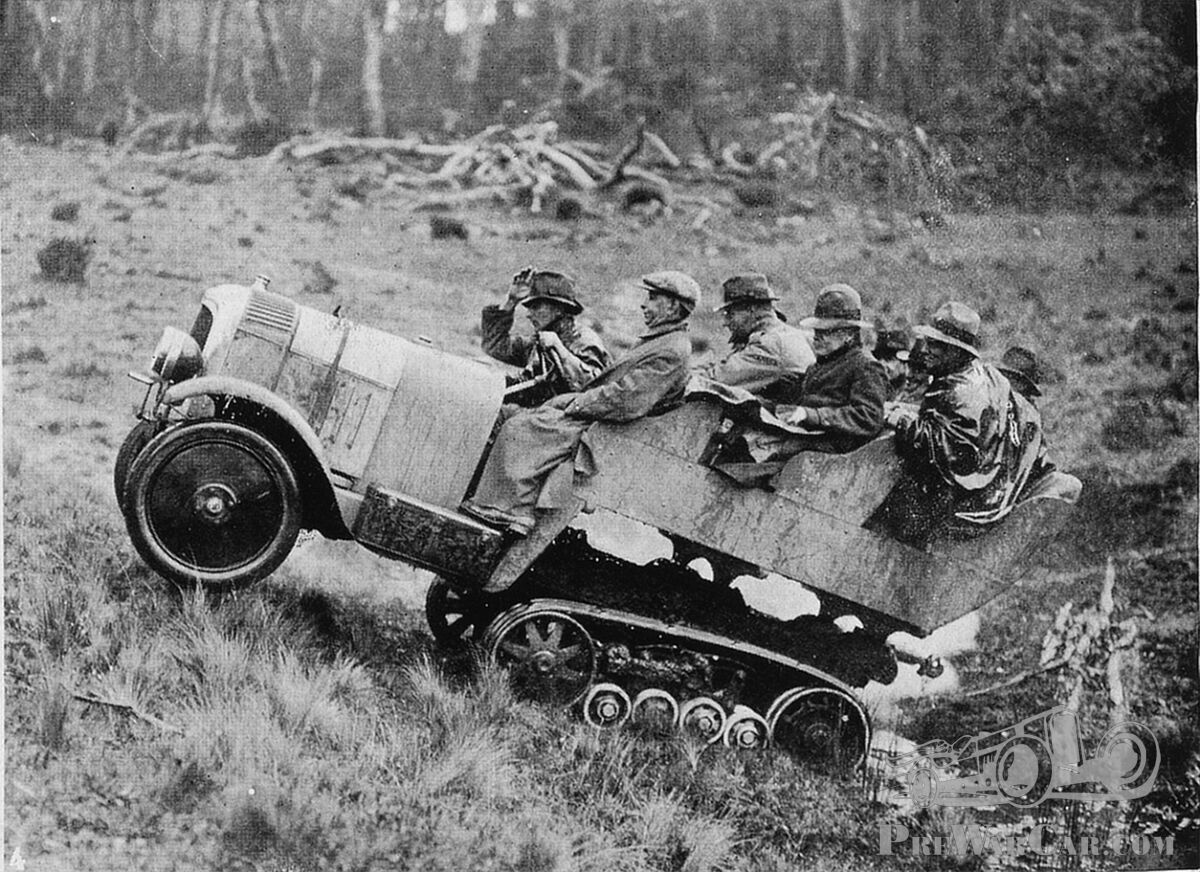
A Citroën-Kégresse is taken up Cradle Mountain, Tasmania, in 1924
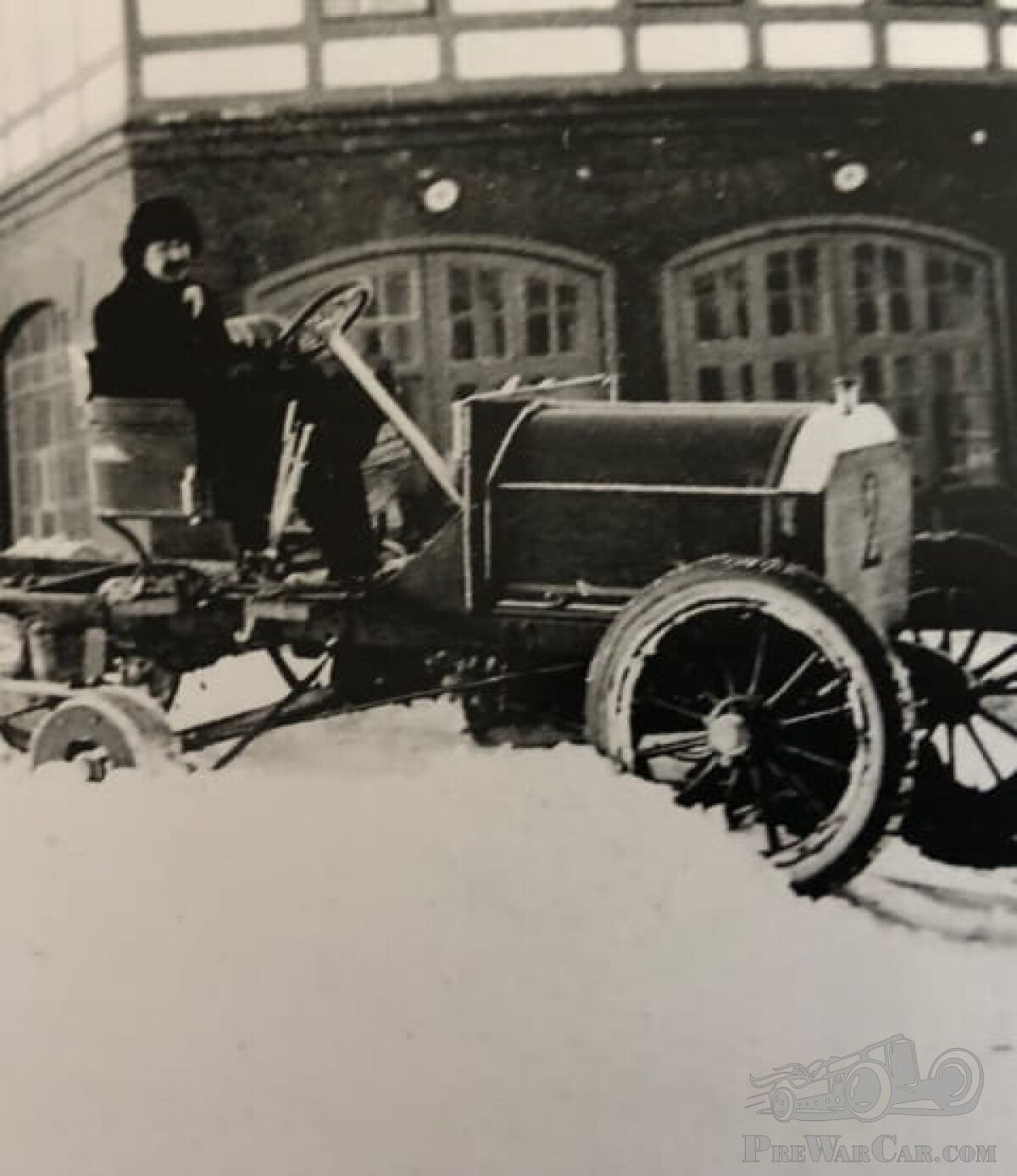
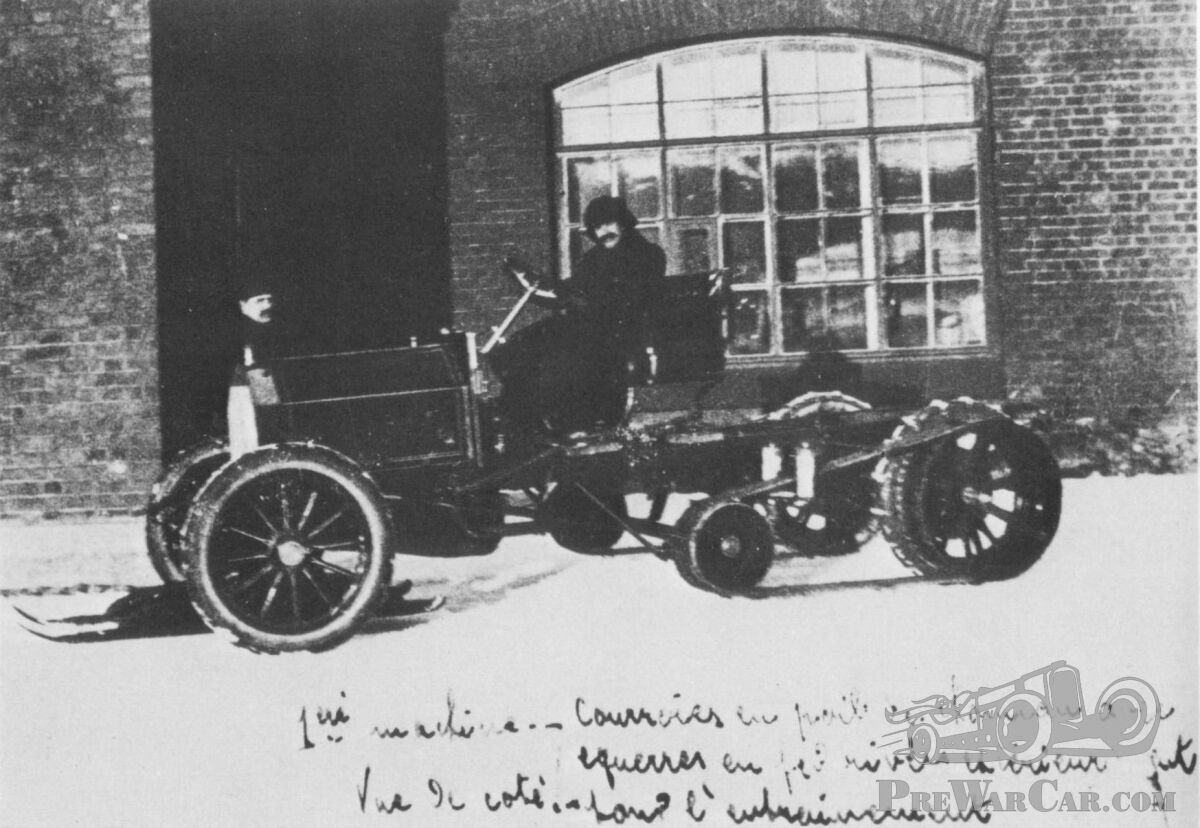
One of Kégresse's very early 'voitures hivers' or 'voitures neiges'
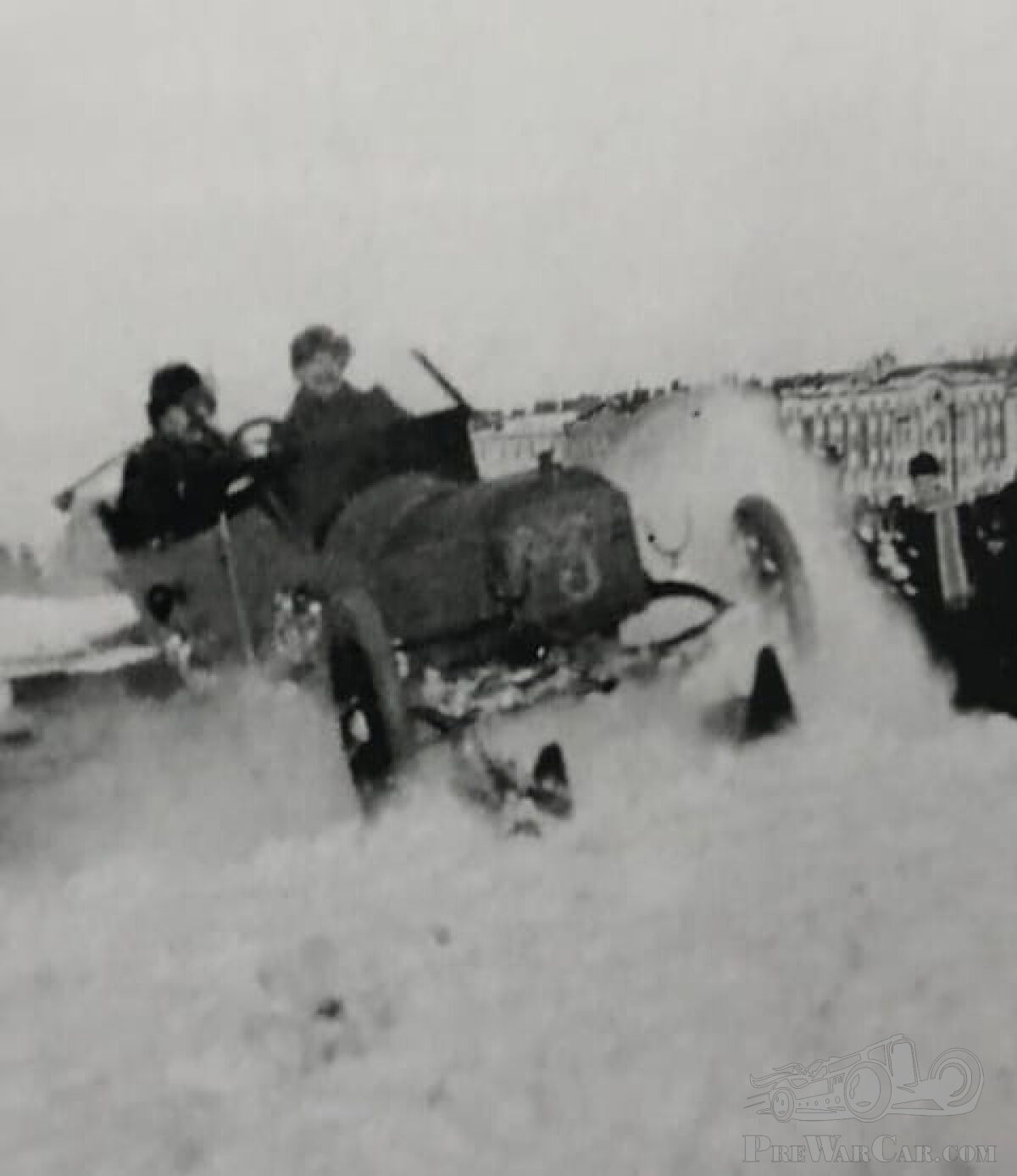
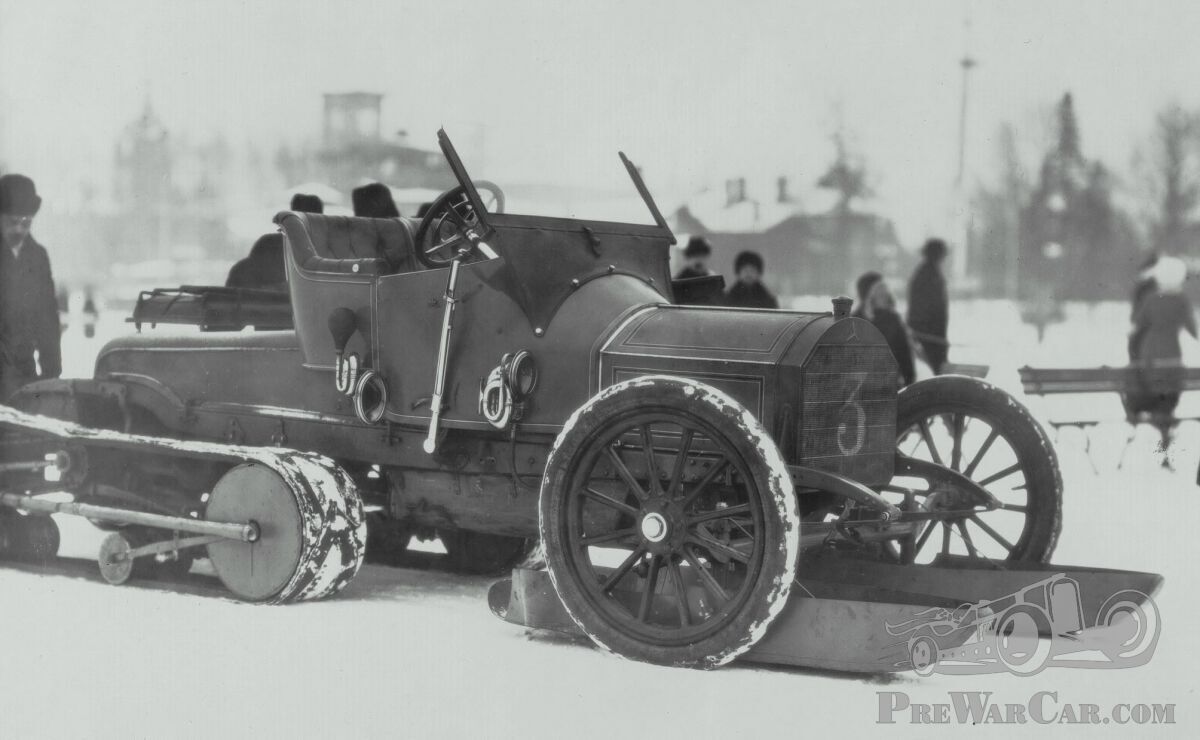
Another early Russian car with Kégresse tracks
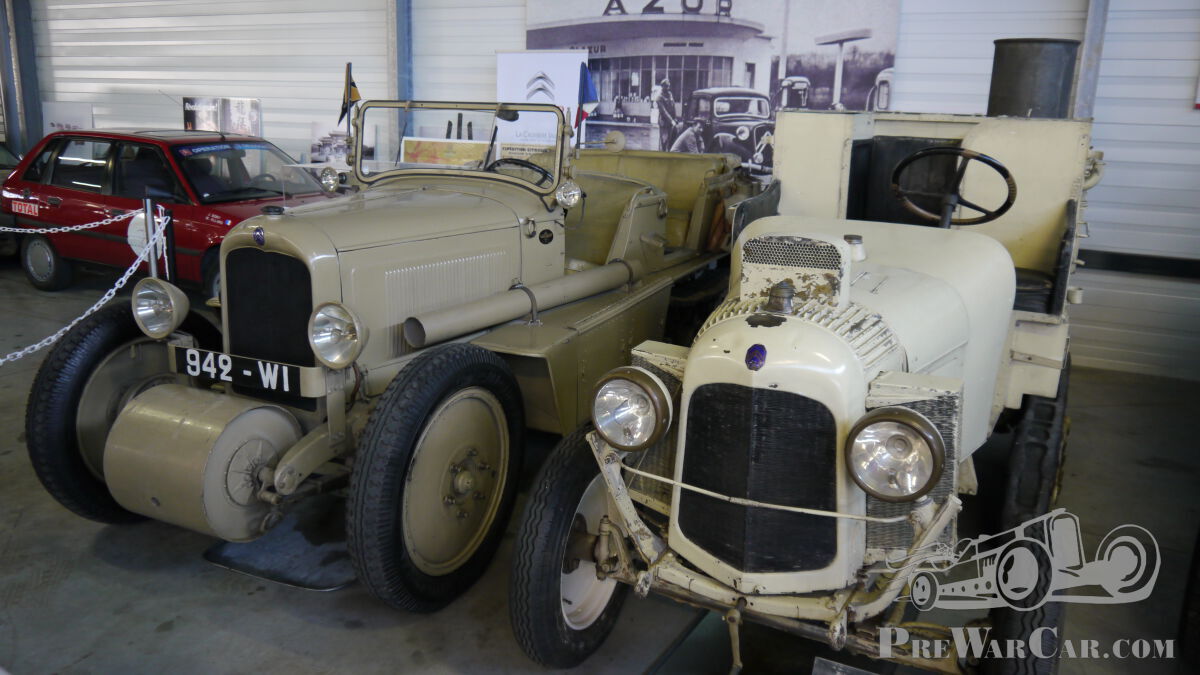
A pair of surviving Citroën-Kégresses in the Conservatoire Citroën
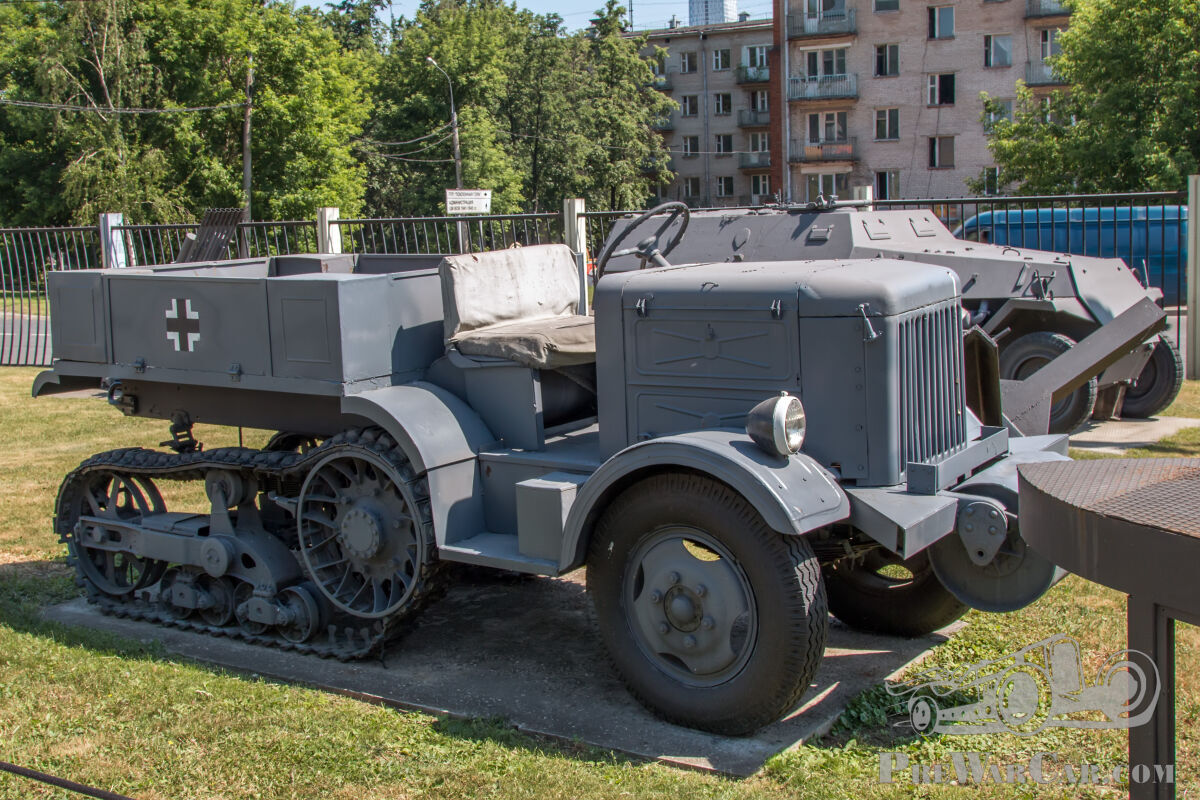
A much later example of the Kégresse system


For years, the dark heart of Africa presented an irresistable challenge to the motoring adventurer. The idea of a trans-Continental railway running from Cape Town to Cairo, a distance of 3,495 miles, was a grand imperial dream which never came to fruition. Even as engineers and construction workers grappled with the difficulties of laying tracks through impenetrable jungles and crossing raging rivers, there was a certain breed of plucky European who fancied that he could traverse the continent by motor before any train would be up to the task.
Ultimately, the motorists would win, but not without several failed attempts and even loss of life. Tom Silver of the Quadrant company attempted a crossing in 1903 aboard one of the firm's motorcycles, and impressively rode from Cape Town to the Soudan before having to abandon his mission. In 1913, army veteran Captain Raleigh Napier Kelsey, with sponsorship from the Daily Telegraph, attempted the expedition in a specially-prepared but unwieldy Argyll. His journey was dogged by ill fortune almost from the very beginning, and ended most unhappily when he was savaged by a leopard while on a hunting excursion; after many painful days, he succumbed to his wounds in a missionary outpost. The Cape-to-Cairo crossing was finally completed in January, 1926, when the famous Court Treatt expedition conducted its two Crossley 25/30hp light trucks into Egypt after 17 months of travelling but, infuriatingly for the English, a French team of Citroëns had successfully crossed Africa in other direction just months before...
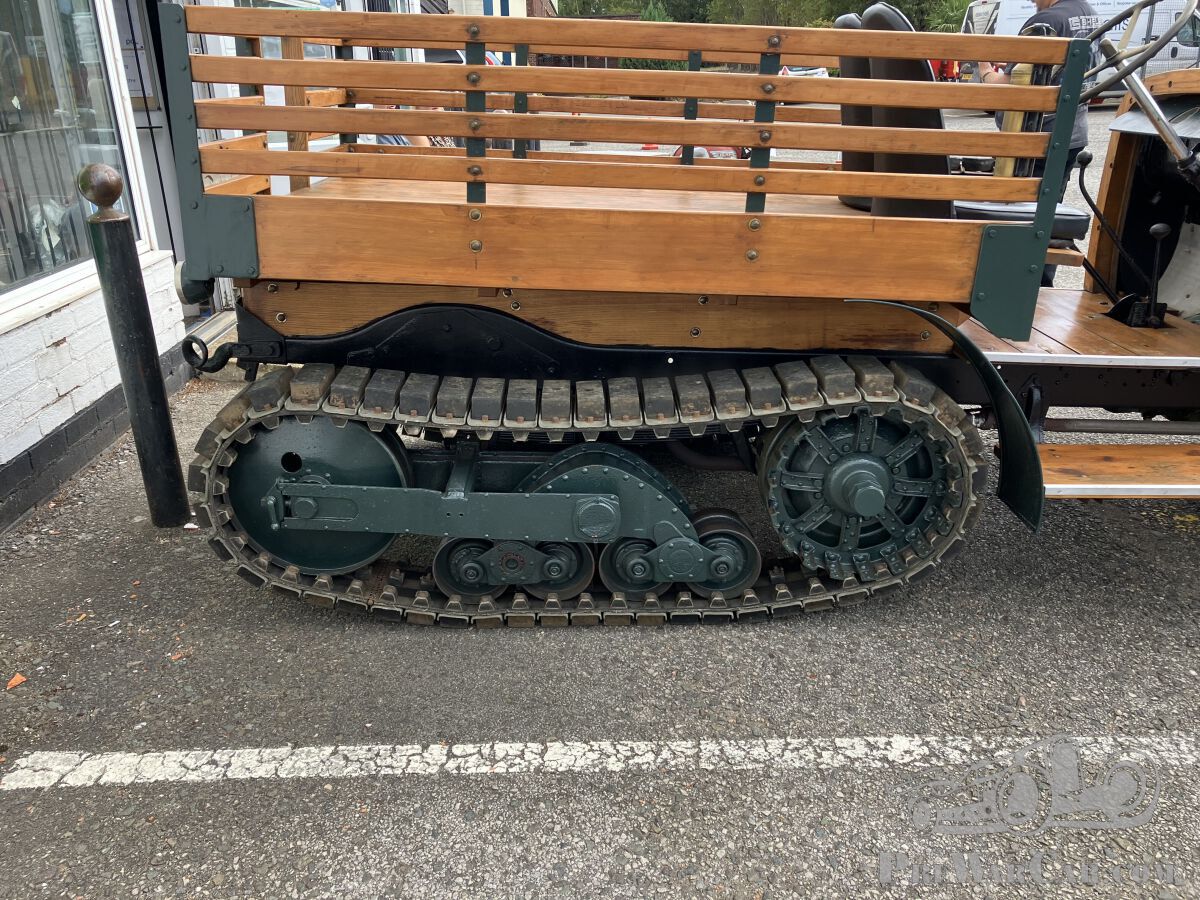
Citroën owed its success to Adolphe Kégresse (1879-1943), a French engineer who travelled to Russia as a young man to work on the railways. A chance encounter with Czar Nicholas II. led to him becoming employed by the Czar as a mechanic, and in 1905 he was placed in charge of the entire imperial garage. Over the years, he maintained and drove examples of various luxurious marques, including Benz, Russo-Balt and Packard. It is said that the Czar was frustrated by the inability to go motoring during Russia's harsh winters, so Kégresse began to experiment with fitting driven tracks to the Czar's cars; the design was patented in 1913. His efforts had much in common with a modern snowmobile, while at the same time looking as if they had been devised by an illustrator of humorous Edwardian Christmas cards; in addition to tracks taking the place of the rear wheels, skis were also fitted to the front wheels, and behind the car could be pulled a sled containing benches for multiple passengers.
Despite serving in the Russian Army when war broke out, Kégresse, who had started a family in 1904, naturally left Russia as presentiments concerning revolution grew stronger by the day, although he may not have had anything to fear, for Lenin himself was pleased to have the Kégresse system fitted to his own humbly-chosen Rolls-Royce Silver Ghost...
A one-track mind?
After an unhappy stint in Finland, Kégresse returned to his home town of Héricourt and made the acquaintance of Georges Schwob d'Hericourt, formerly chairman of the Citroën gear company. He was then introduced to Jacques Hinstin, André Citroën's business partner, and by 1920 the first of many Citroën-Kégresse auto-chenilles had been built. These modified Type A Citroëns were tested that October on unmade land in Saint-Denis, and a satisfied Citroën proceeded to protect Kégresse's work by securing a patent in the name of Citroën-Kégresse-Hinstin.
From there, the Citroën-Kégresses courted publicity with with demonstrations in the Alps and Pyrenees, as well as an ascent of the steps Hôtel Régina. Numerous auto-chenilles would be constructed through the 1920s, for civilian and military purposes, but the most famous were those used for trans-continental expeditions. The first of these was a crossing of the Sahara in December, 1922, which served as a precusor to the celebrated Black Journey (Croisière noire), which started from Colomb-Béchar, Algeria, in October, 1924, and arrived in Cape Town in June, 1925. This was followed by the Yellow Expedition (Croisière jaune) across Asia, in which two teams of Citroën-Kégresses successfully navigated central Asia, spanning the distance between Beirut and Peking.
The Citroën-Kégresse partnership came to an end when Citroën went bankrupt in 1934 and was taken over by Michelin. Kégresse then established SEK (Société d'Exploitation Kégresse), where he worked on automatic gearboxes and dealt with American clients, giving rise to the familiar U.S. Army half-tracks of the Second World War. When he died, he had over 200 patents to his name, but had destroyed many of his plans to prevent them falling into enemy hands during the German occupation of France.
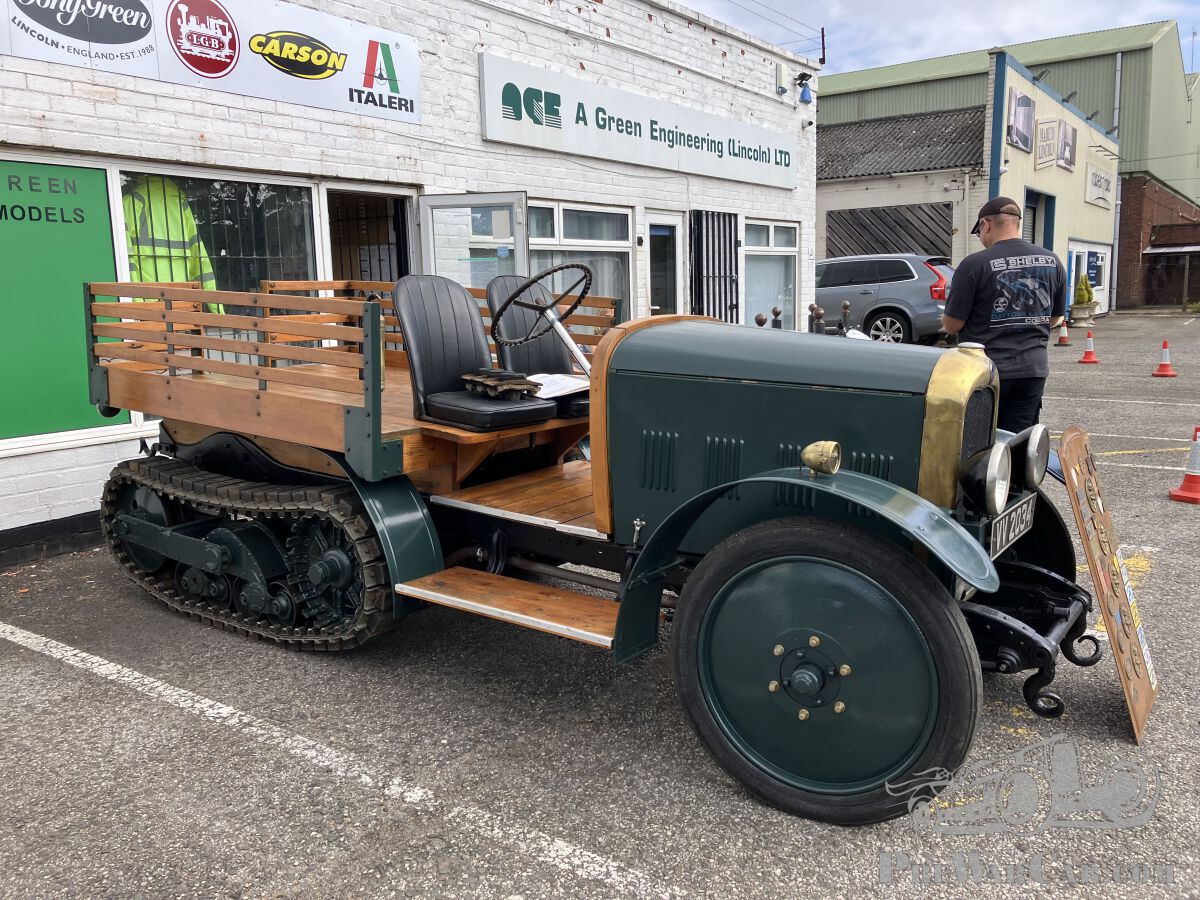
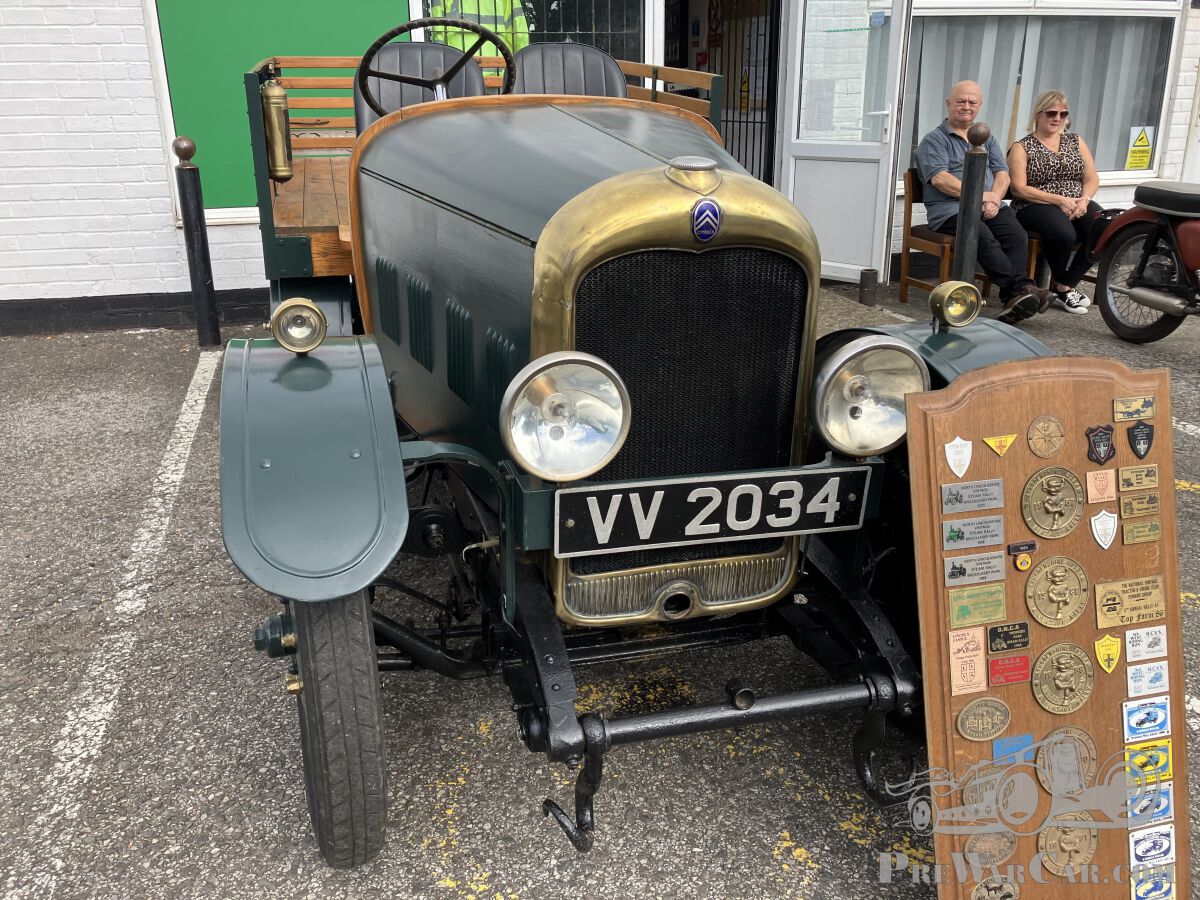
One hundred years after the trans-African journey was fulfilled, Kégresse's outstanding feats of engineering are to be honoured with a special exhibiton at Salon Rétromobile. No fewer than 12 Kégresse half-tracks will be on display, not only including surviving civilian versions but also a Model K1 used in the first Sahara crossing, and a P19 from the Croisière jaune.
If you'd like to see this exceptional gathering, along with hundreds of others of rare and exotic pre- and post-war cars, pay a visit to Salon Rétromobile at the Expo Porte de Versailles, Paris, from February 5th to 9th. More information and tickets are available here.
Published:
Tuesday January 21st, 2025
Facebook
LinkedIn
Twitter
WhatsApp
Email
Copy
Comments


Mahmoud Ezzeldin
02 February 2025, 11:32
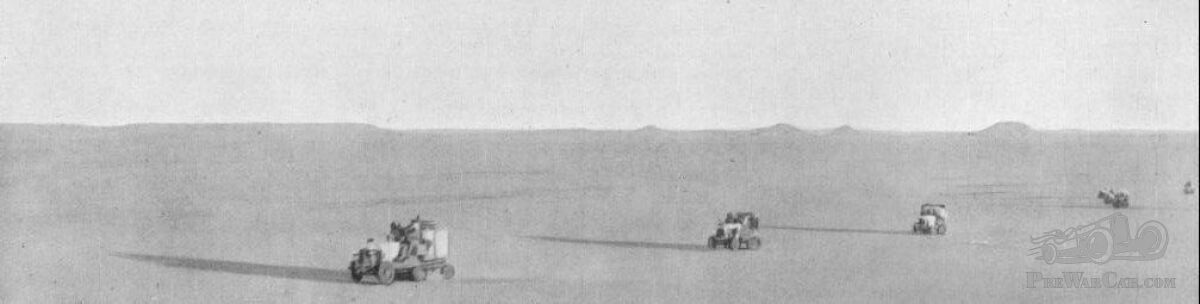
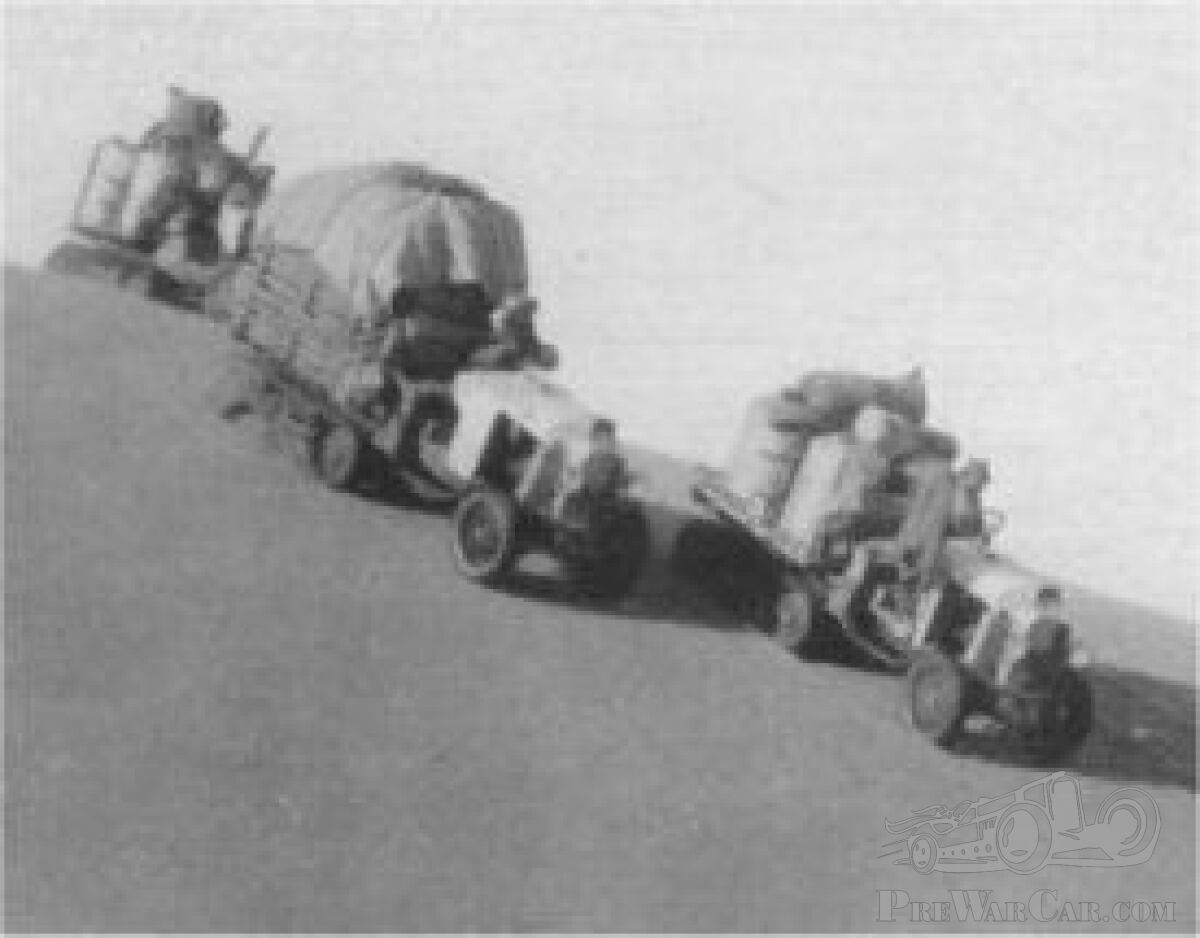
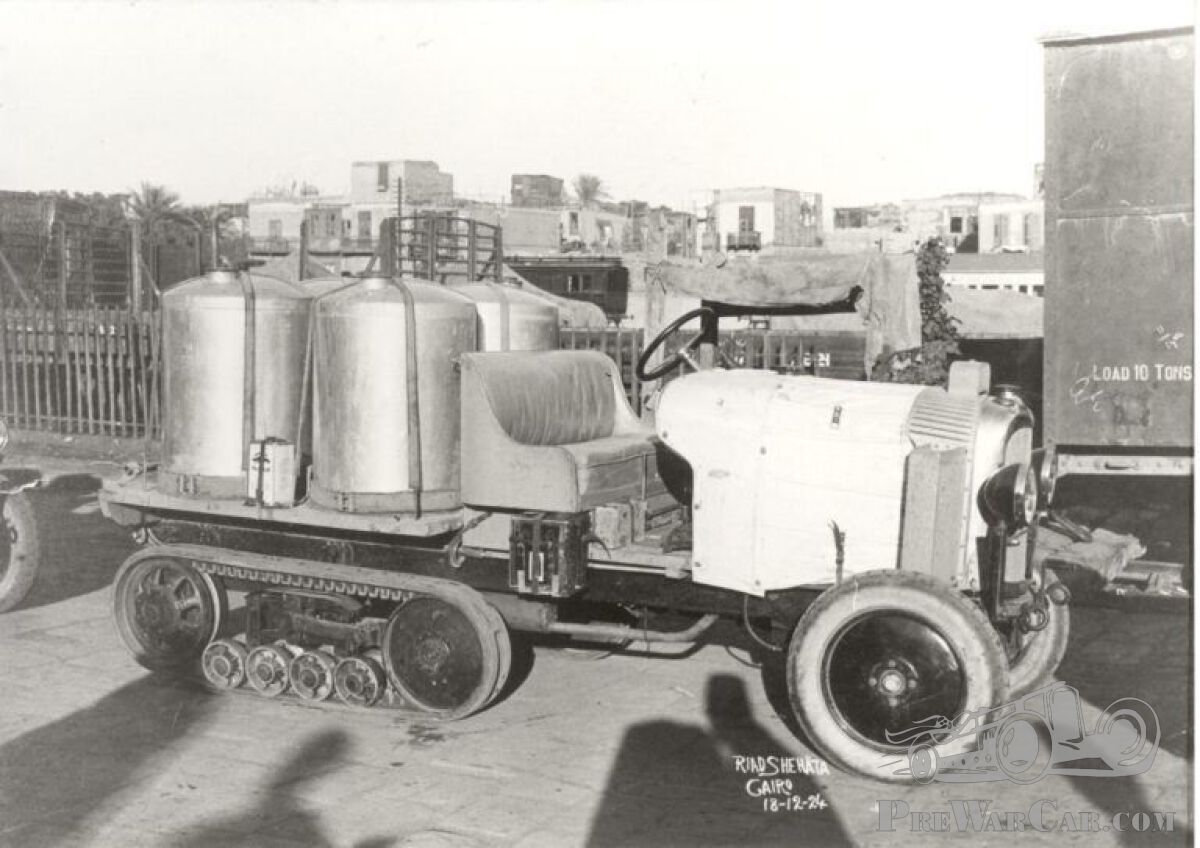
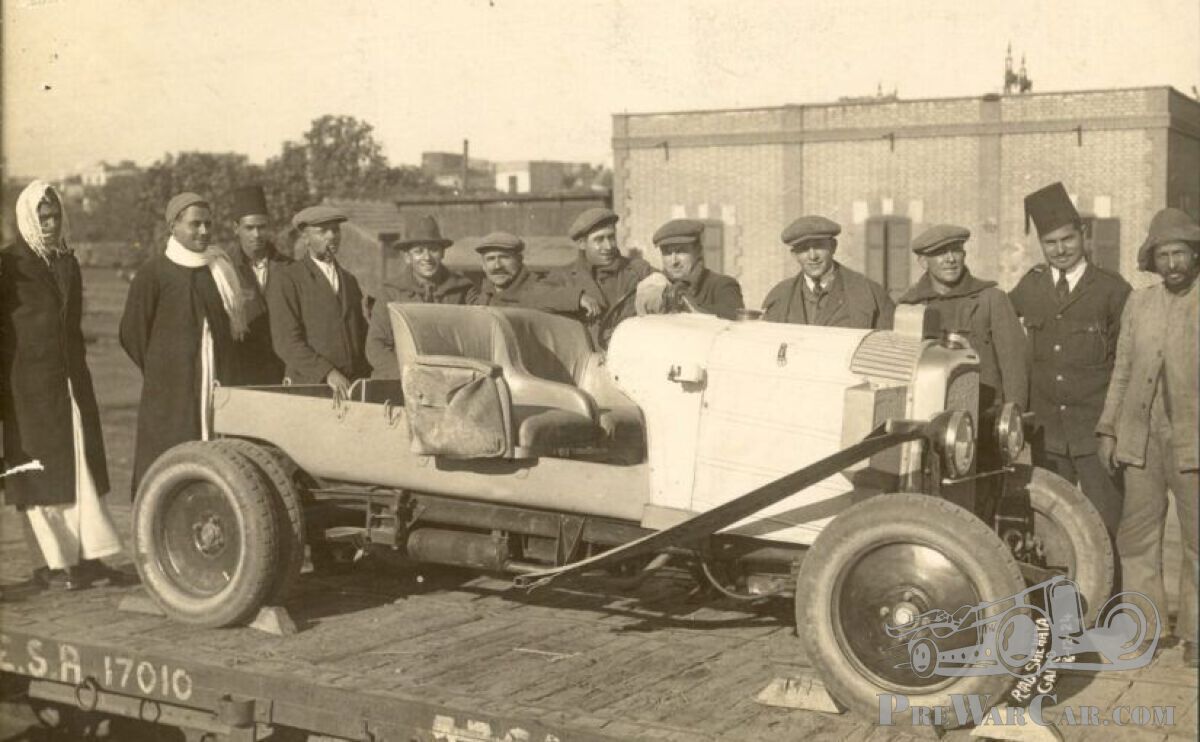
A couple more images from Prince Kamal el Dine's expeditions between 1923 and 1926.
Read more


Mahmoud Ezzeldin
01 February 2025, 21:51
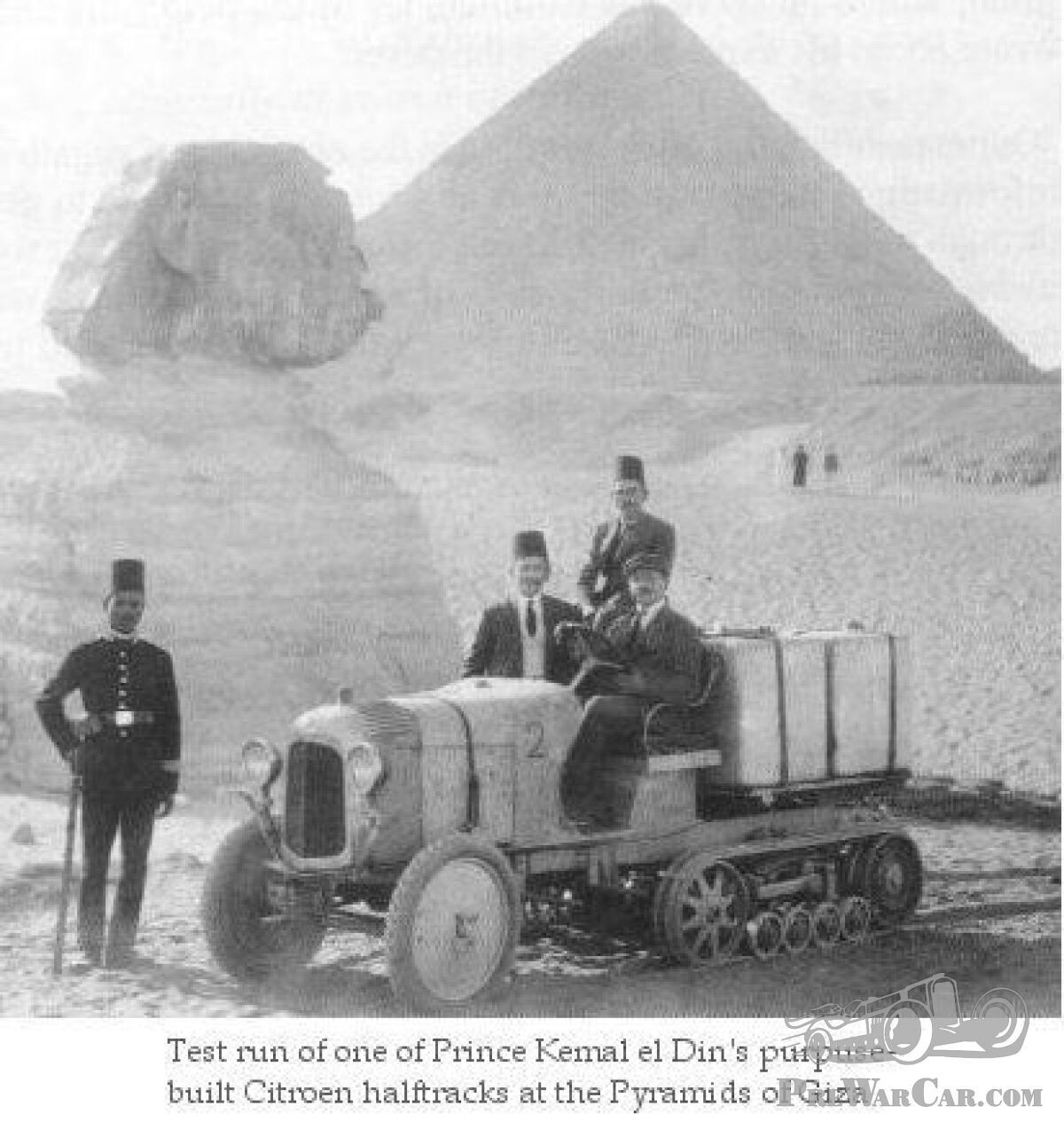
One cannot forget the Egyptian Prince Kamal el Dine Hussein who owned more than 10 Citroën-Kégresses and used them to complete the missing parts on the Egyptian maps and explore the far corners of Egypt's Sahara Desert.
Read more
Grant Slinn
26 January 2025, 19:49
There is one on display at the Reynolds - Alberta Museum, a survivor of the attempt to tour through the Rocky Mountains in Canada
link to you tube video: https://www.youtube.com/watch?v=ijMulki37sw
Read more
link to you tube video: https://www.youtube.com/watch?v=ijMulki37sw


Stanislav Kirilets
26 January 2025, 12:41
Mercédès 45hp Kégresse by the test in Tsarskoe Selo (garage of the Czar) near St. Petersburg, 1911 (second version). And the third and final version, 1913.
Read more


Steve Diggins
23 January 2025, 22:34
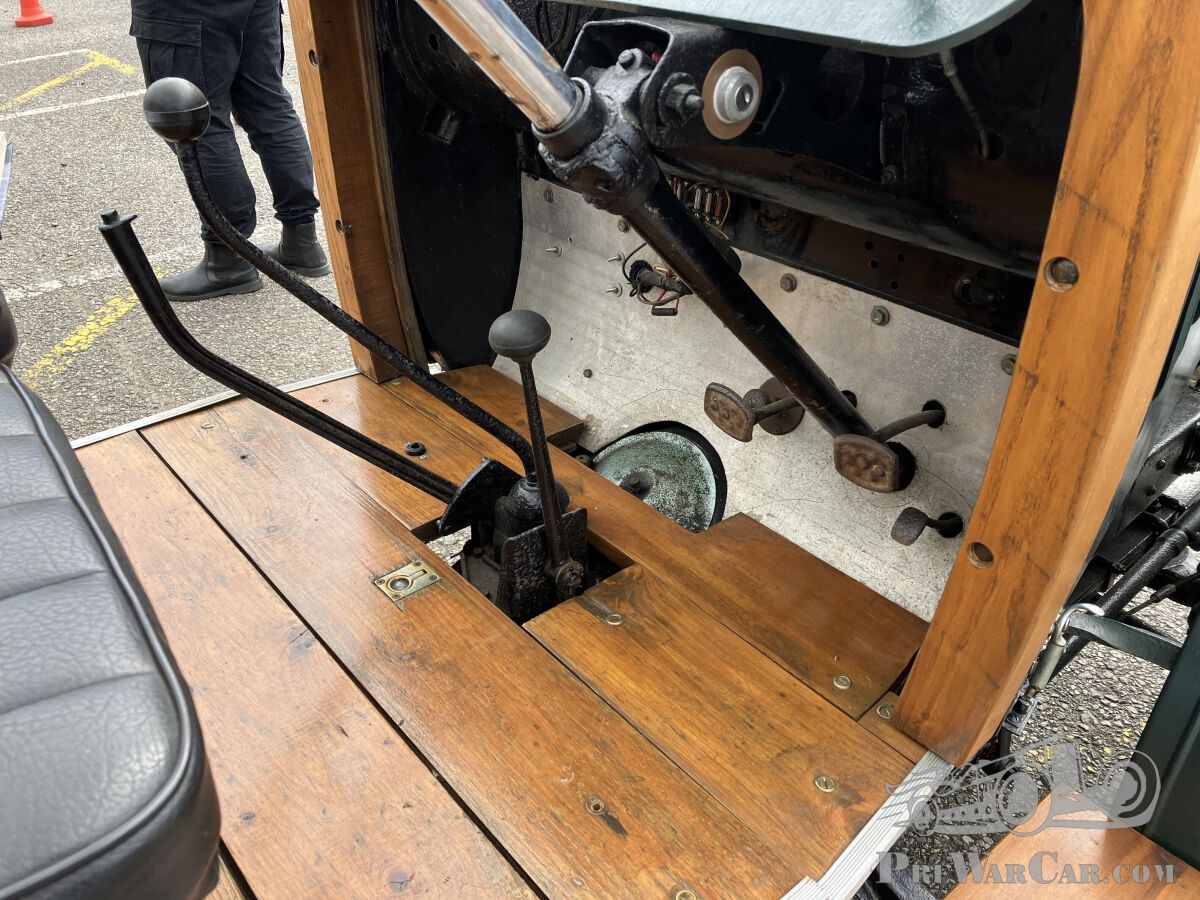
And how about that 'expedition' across northern Canada? Or would you rather forget that one because it did not end well? Considering the large carnivores in the area I think they were lucky to get home in one piece.
Read more
Harit Trivedi
23 January 2025, 11:47
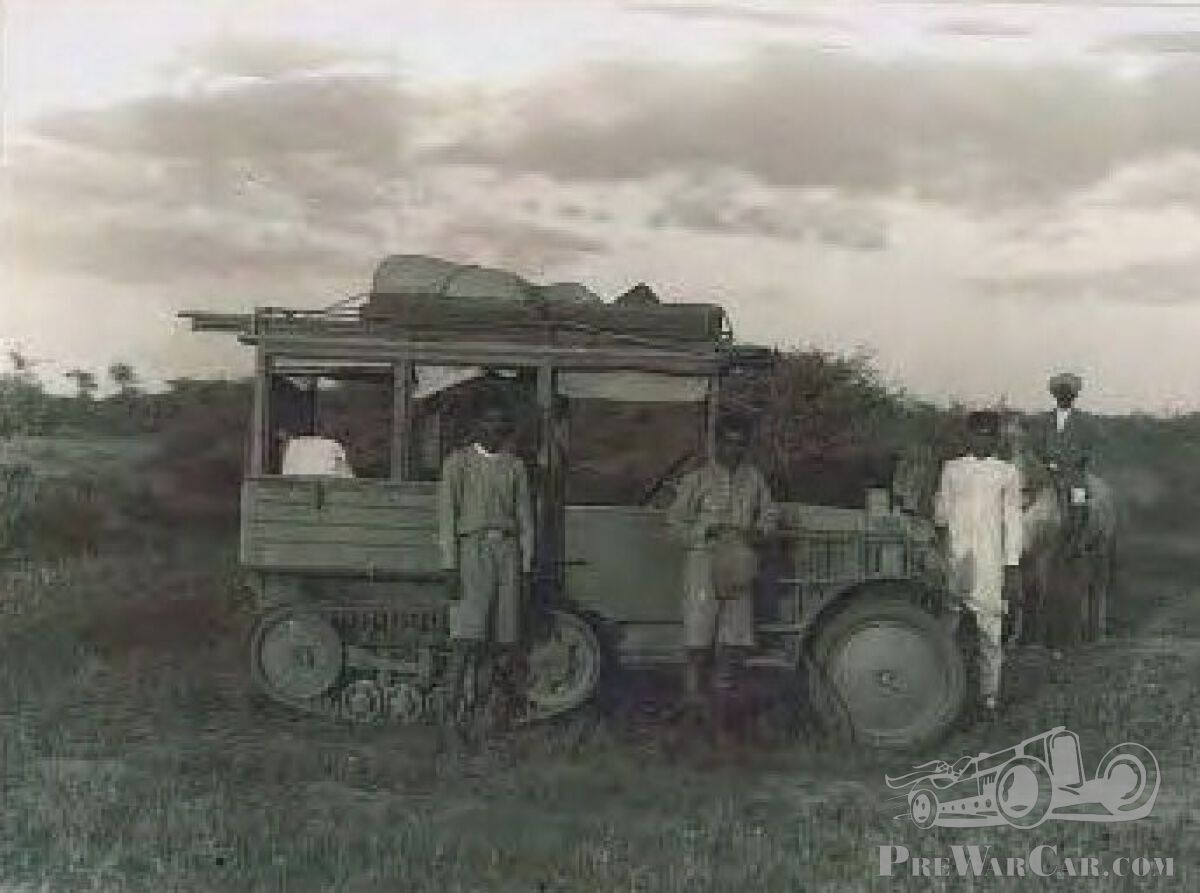
From photographs and stories I heard, possibly two of these Kégresses reached India. One is supposed to have been scrapped in Bangalore; of the other one there is existence of proof in the form of photographs. A friend of mine went to clean out his house and found five glass negatives in good condition, which I managed to scan and have printed. The scene appears to be of some Raja or Indian royalty somewhere in Gujrat or Rajasthan. They went touring and camping, and villagers were astounded. No other details are available. Hope you like this.
Read more
Eugenio
22 January 2025, 00:00
Yes, we will be present at Rétromobile, together with the other enthusiasts at the Kégresse stand. If you want to know more about Kégresse cars, check out our website: kegresse.dk
Read more