The global magazine and marketplace for classic car enthusiasts, by enthusiasts.


Filter
Make a choice:
- Cars
-
Make >>
-
Year >>
-
- Bikes
-
Location >>
- Parts & more
-
Make of car >>
-
Manufacturer >>
-
Category >>
- Bicycles & more
-
Year >>
-
Countries


The Bentley That Never Was: 3-B-50 and the Road to Rationalisation
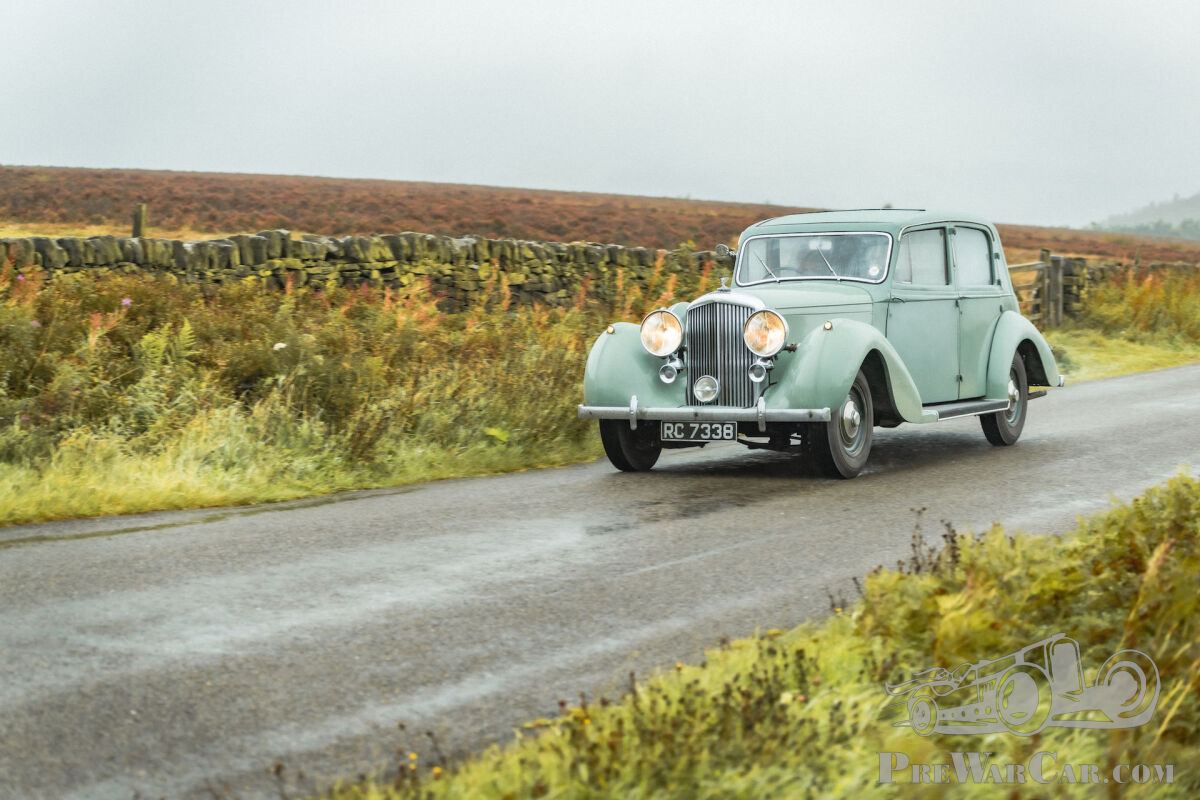
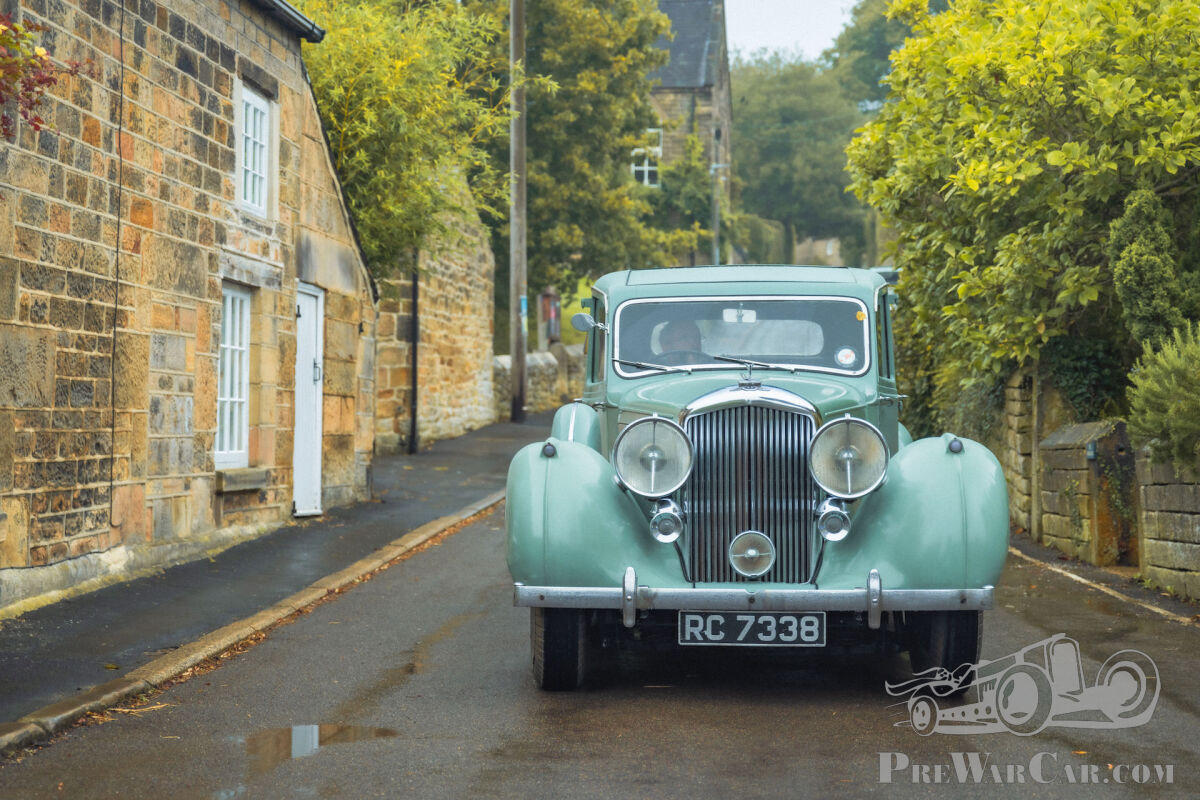
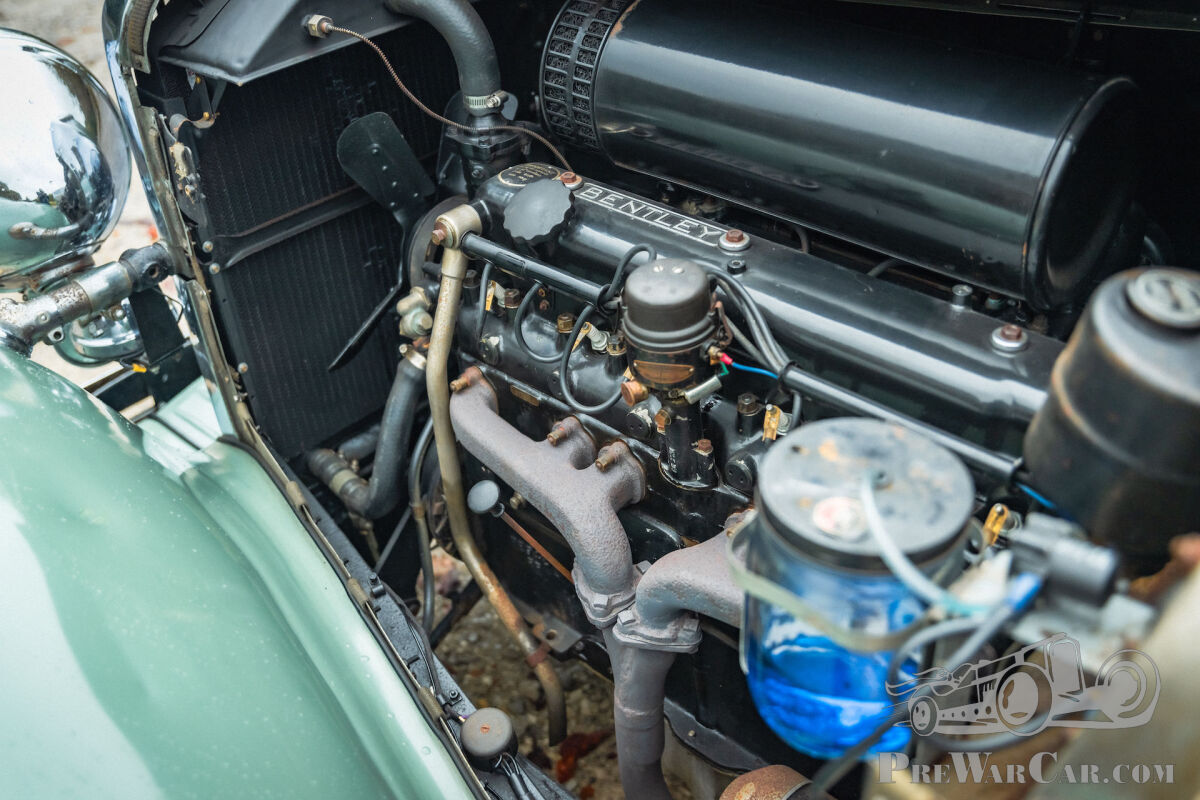


The years of post-Hitler War austerity might have spelt the end for a company such as Rolls-Royce, which relied on customers with disposable wealth, but it weathered the hard times thanks to the Rolls-Royce Silver Dawn and Bentley Mk VI, which used pressed-steel bodies and were, to all intents and purposes, the same car.
They were a radical departure from Rolls-Royce and Bentley’s individually coachbuilt prewar offerings, and they couldn’t simply have been hurried into production. It was as well that Rolls-Royce had been tightening its belt for some time – indeed, since 1937. The fact that the Bentley 4¼ Litre and Rolls-Royce 25/30 and Phantom III had few parts in common was obviously uneconomical, so rationalisation seemed like straightforward good sense.
W A Robotham, of Rolls-Royce’s design team, devised the Rationalised Chassis Range, which would allow for numerous models to be built using chassis of varying lengths and four-, six- or eight-cylinder engines, but otherwise sharing many parts. That led to the creation of the B-series engine family, and four prototypes of which one survives: chassis 3-B-50, the third built, a Bentley with a 4¼-litre six.
Besides being a vital link in Rolls-Royce and Bentley history, this car led a fascinating life. Rolls-Royce’s general manager Ernest Hives used it as personal transport during the war, and when it was discarded by Rolls-Royce in 1950, Robotham bought it for his family car. Andrew Feaver reveals all about this marvellous Oily Rag survivor in the March issue of The Automobile, available now.
Words by Zack Stiling, photographs by Reverendpixel
Published:
Tuesday March 12th, 2024
Facebook
LinkedIn
Twitter
WhatsApp
Email
Copy
Comments
Bruce Duncan
17 March 2024, 21:57
Lovely to see and so good this car is still around. Might be a good parts car for my Mk. VI, he said facetiously...
Read more