The global magazine and marketplace for classic car enthusiasts, by enthusiasts.


Filter
Make a choice:
- Cars
-
Make >>
-
Year >>
-
- Bikes
- Parts & more
-
Make of car >>
-
Manufacturer >>
-
Category >>
- Bicycles & more
-
Year >>
-
Countries


The Esders Rolls Royce Phantom II – a car with elegance and a story to tell
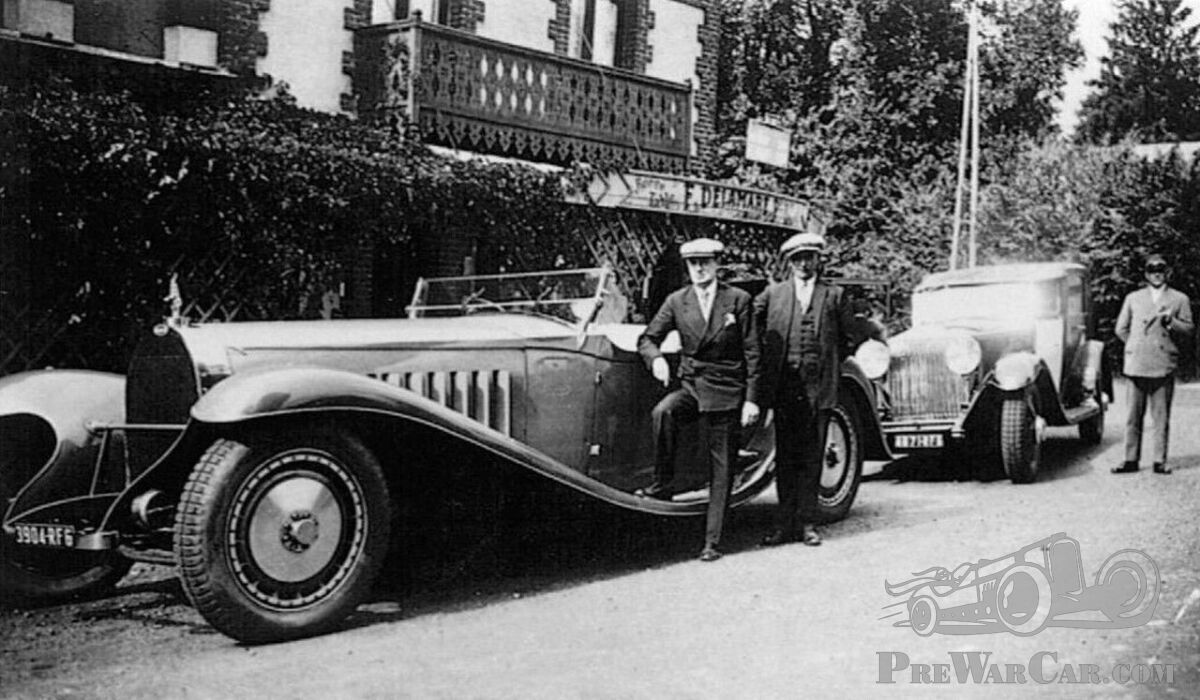


Armand Esders - the name might ring a bell if you are a Bugattist. He is well-known for being the first owner of a Bugatti Royale (chassis number 41.111) that he bought in 1932. A singular feature of this car is the headlights, or better, the missing headlights. Dr. Esders said he would never drive at night, so he needs no headlights as this would impair the beautiful design of Jean Bugatti (son of Ettore).
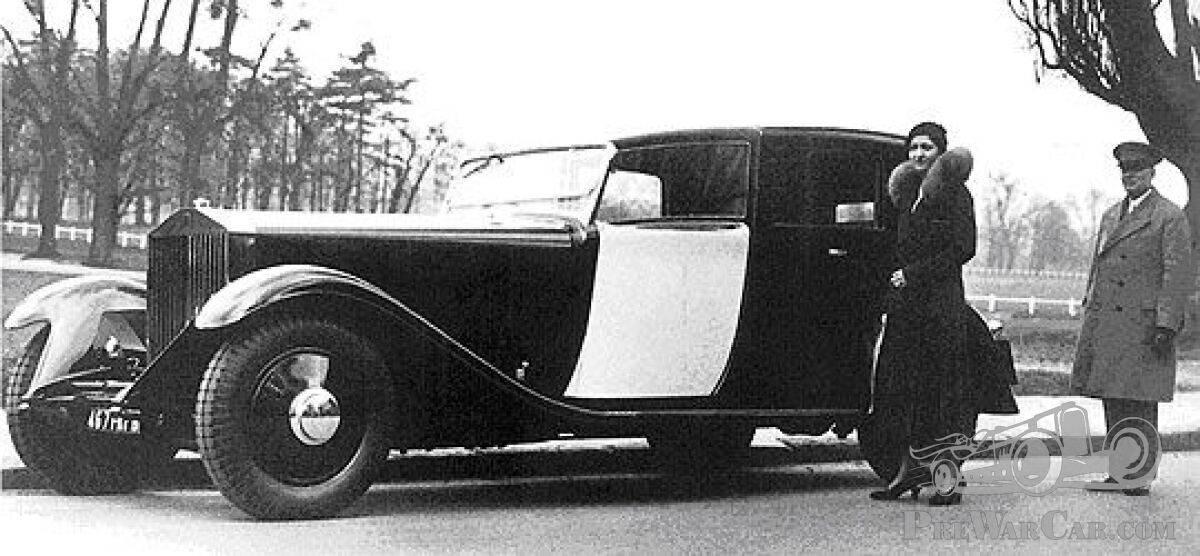
Dr. Armans Esders had great taste in cars. Next to the Bugatti Royale he also had a Hispano Suiza and a Rolls Royce Phantom II in his distinctive style, so with removable headlights.
Dr. Armand Esders
Armand Esders was born in Antwerp, Belgium in 1889 as the son of a clothier. He was raised in the North of France. His father sent him to New York in 1909 (aged 20) when he finished college. He received one million gold francs to start a business in America.
Although his US business didn’t become an instant success, he was successful in bringing revolutionary machinery back to France to use in the family business. Alongside that, he changed the company strategy to that of making ready-to-wear clothes (one of the first in Europe) and became very successful.
Success suited Esders and he had many hobbies to spend his fortune on. Besides cars, his main passion was sailing. He had a great love for yachting. Esders was also passionate about aviation. In his hometown, Deauville in France, he was able to combine his passions. He was the creator of the Deauville Yacht Club and initiator of the 1936 Deauville Automobile Grand Prix.
Unfortunately, this latter was a disastrous event. The circuit was badly suited to fast cars and racer Marcel Leroux died in an accident during the race. The race was won by Jean-Pierre Wimille in a Bugatti T59 followed by two Alfa Romeo 2.9 P3 race-cars, but this was the first and last Grand Prix in Deauville.
Letourneur & Marchand
The famous coachbuilder Letourneur & Marchand had a stand at the Auto Salon in pre-war days, and during the 1931 edition, their star of the show was a 26CV Hispano-Ballot with a Coupe de Ville body. Coloured in polished black laques, with the exception of the two front doors, which were in brilliant ivory. In the book about the company Letourneur, Marchand, Autobineau, Maitres carrossiers Francais, Jean Marchand said that at one point a gentleman with very good quality clothes came to their stand and said he was interested in this type of bodywork but that the car on show wasn't luxurious enough. He told monsieur Marchand that he would bring him a Rolls Royce chassis from London so that they would have to build him a car. That gentleman was Armand Esders.
A week later Esders received the estimate of 50,000 francs, which was already more than other cars the coachbuilder had made before. However, Esders said he would add another 15,000 francs to the estimate if the work was perfect.
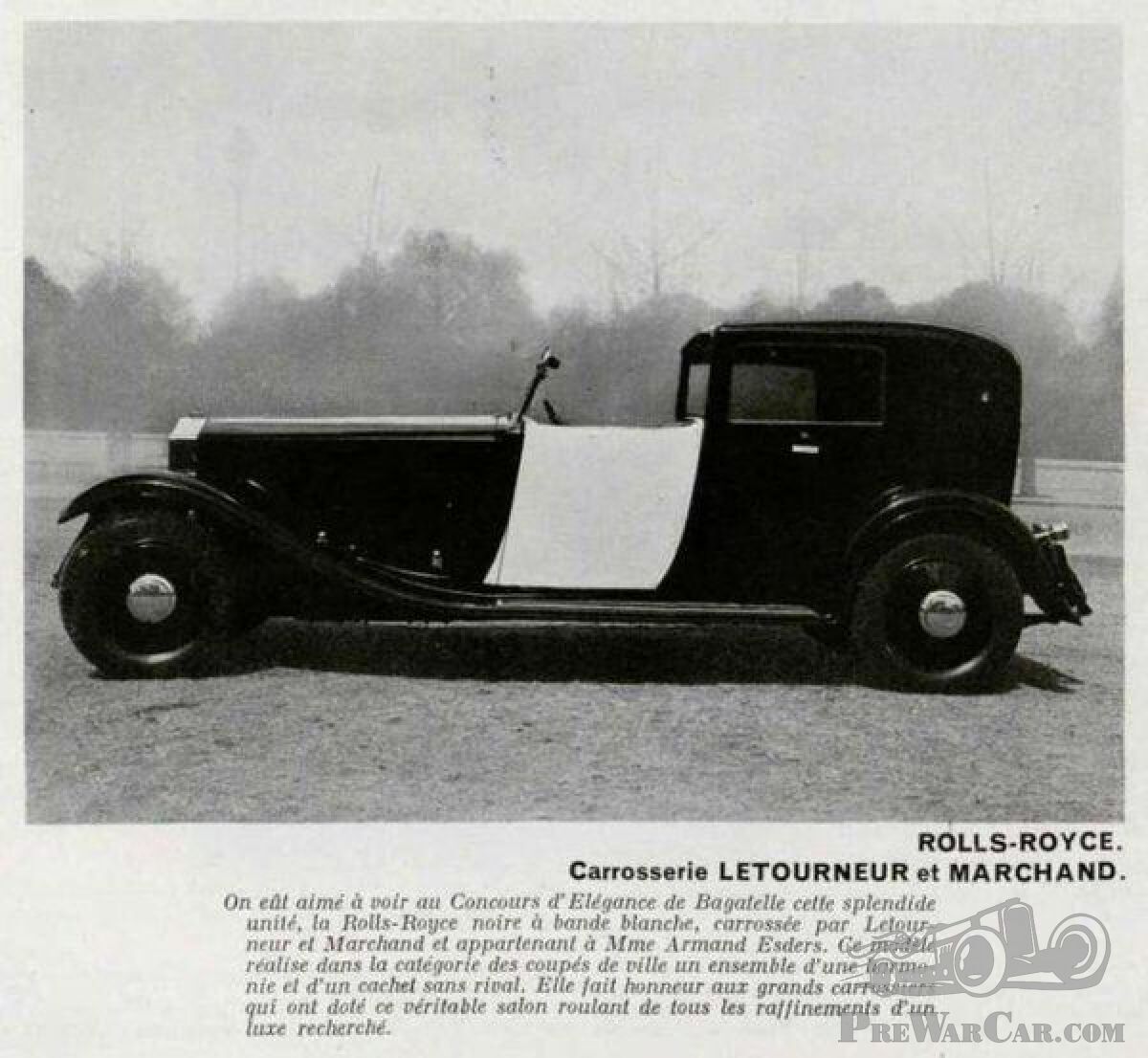
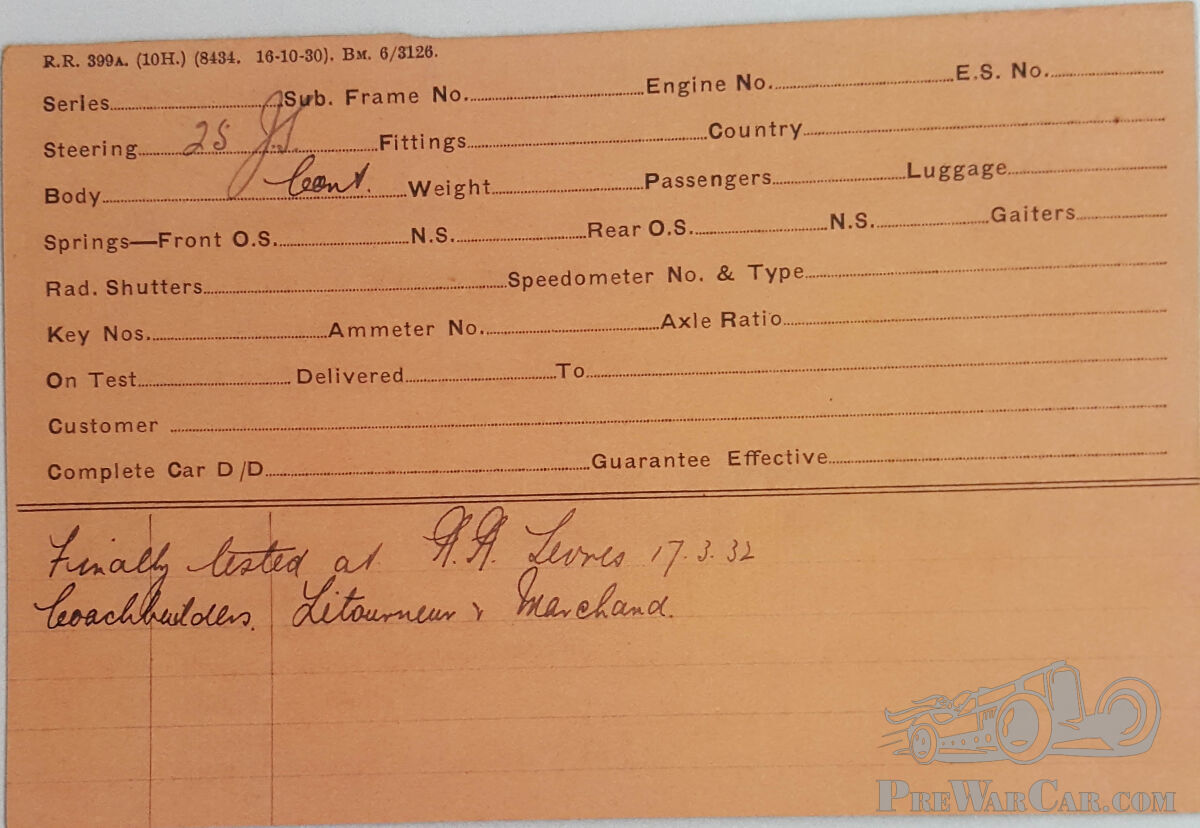
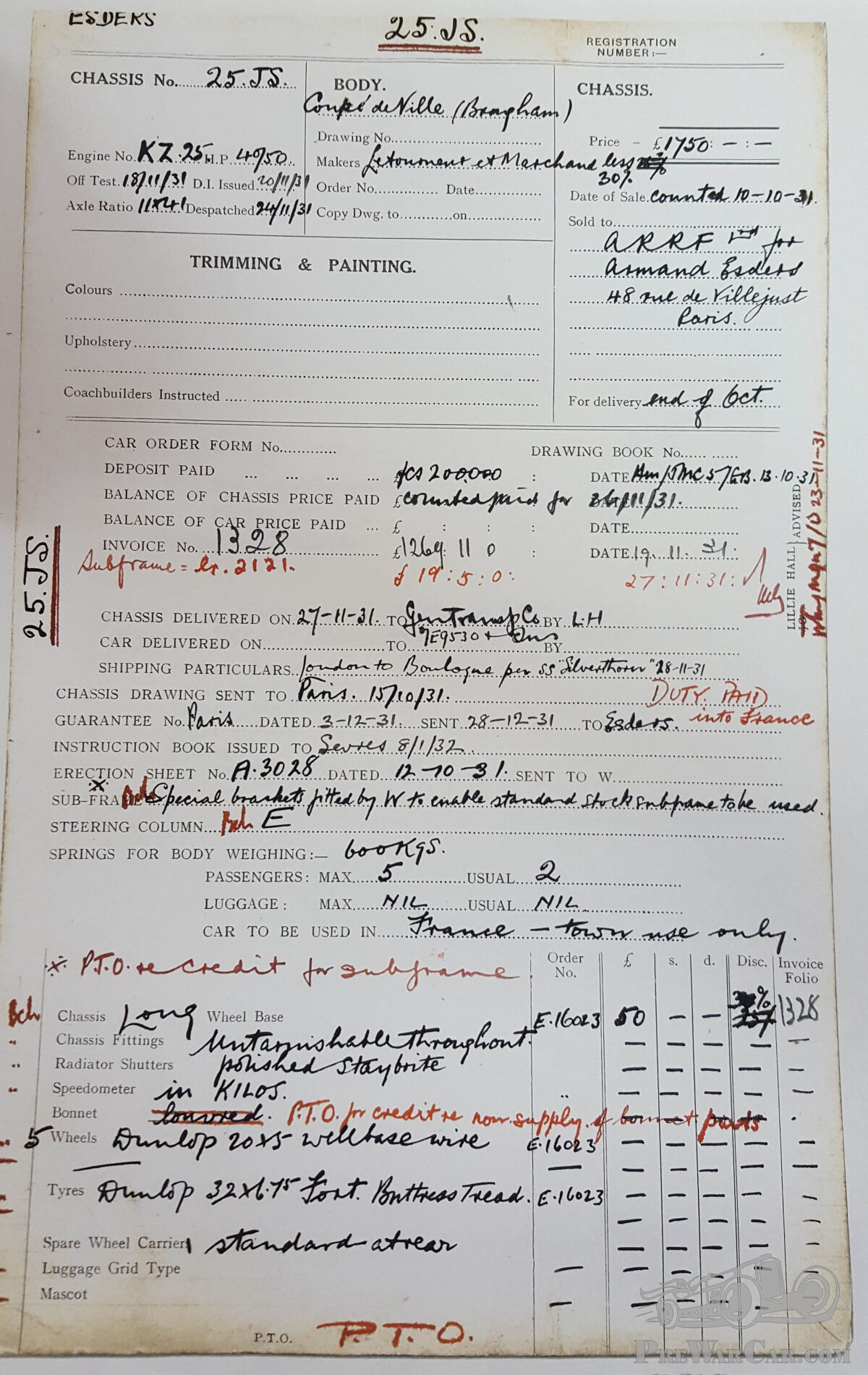
In October 1931, Dr. Armand Esders made an order with Rolls Royce for a long-wheelbase chassis. On the order form, we can see he paid the sum of £1750 for the rolling chassis and also ordered special brackets for the subframe. The rolling chassis was sent to coachbuilders Letourneur & Marchand in Paris, France in order to be bodied as a Coupé de Ville, like the Hispano in the Auto Salon.
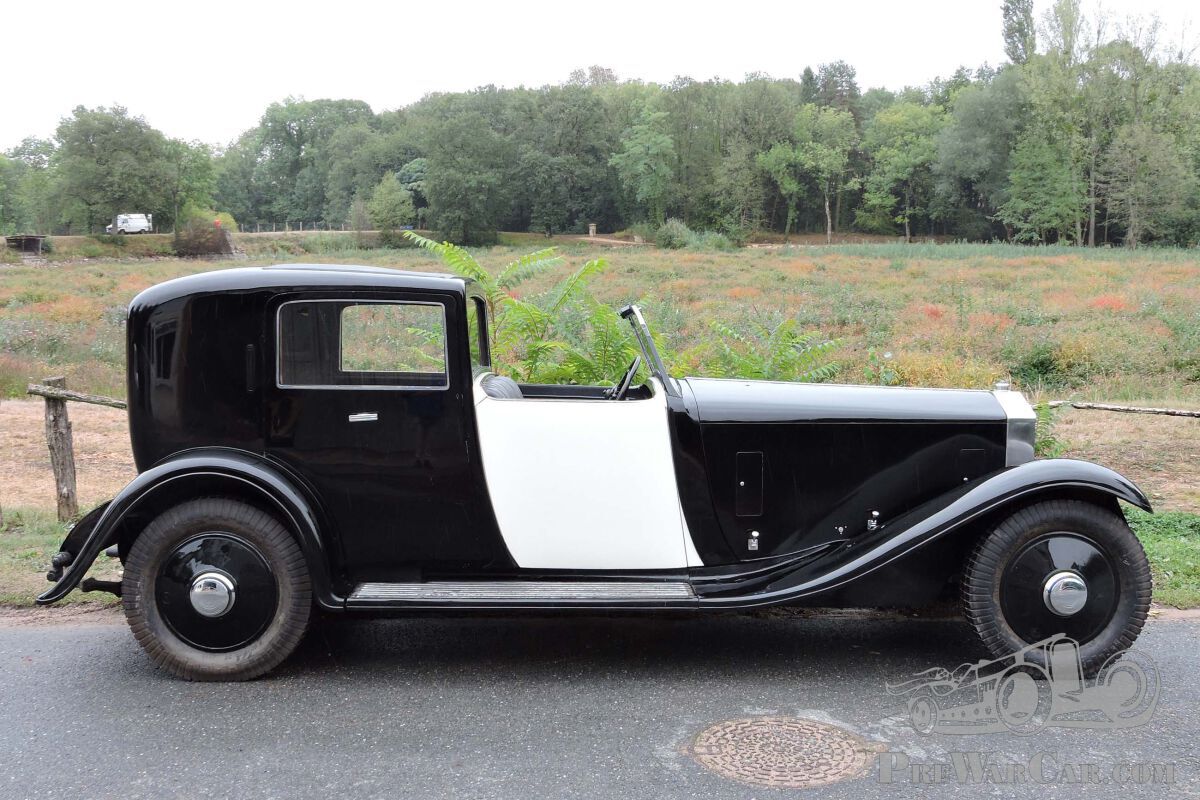
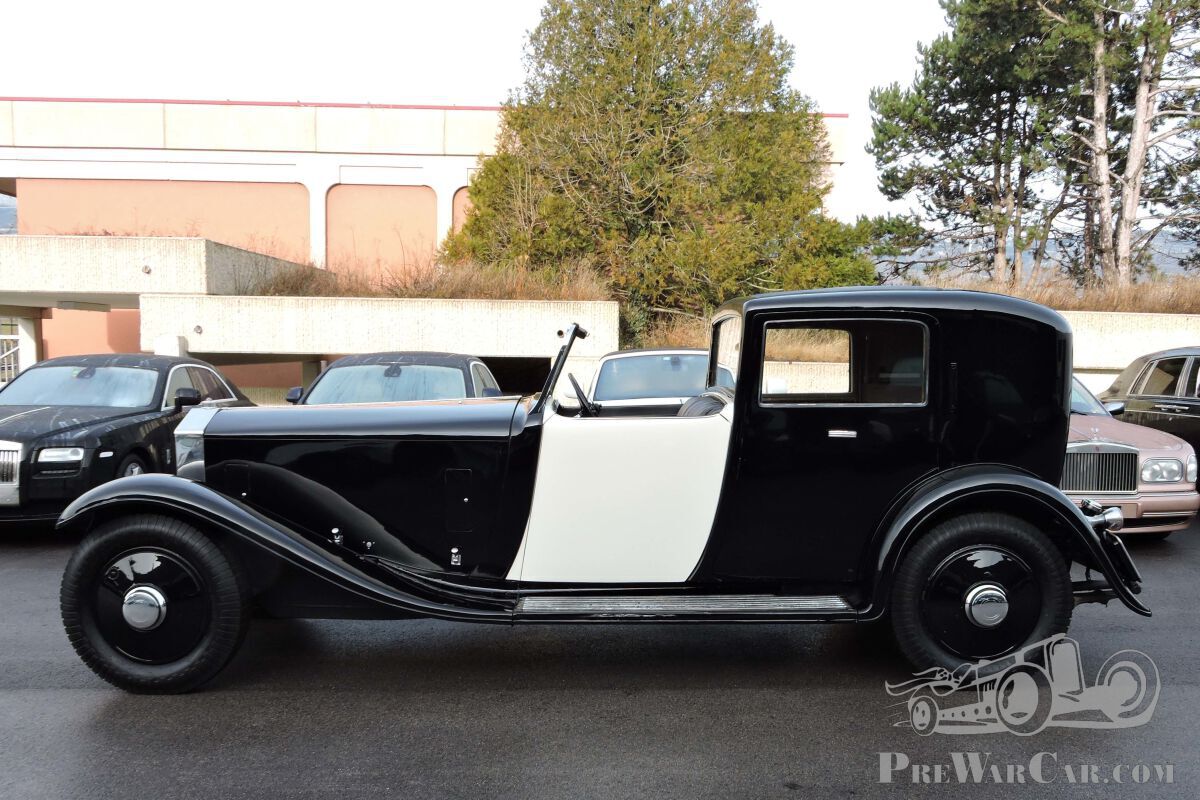
For Esders, the car needed a high-quality finish and he had a certain idea about elegance. Just like the Royale that he ordered later, the car wasn’t for driving during the night and had removable headlamps. Also removed were the famous mascot on the radiator and the Rolls Royce emblems on the wheel discs. There were no visible door handles nor was there a coachbuilders plate on the outside, and as you might have seen in the photos; no bumpers or spare wheel. There was a central handle on the passenger door (this is a Letourneur et Marchand patent) and no chrome on the car. The car was, also like the show car, finished in polished black paint with contrasting ivory driver’s doors, which gives a distinctive look as can also be seen in old photos.
Esders took delivery of the car in March 1932 and he was more than satisfied. He used the car alongside the Royale. It is not clear to us if the Phantom was for him or for his wife Yvonne, but it is certain he was proud of it.
In 1938 he sold both cars and less than 2 years later he passed away aged 50.
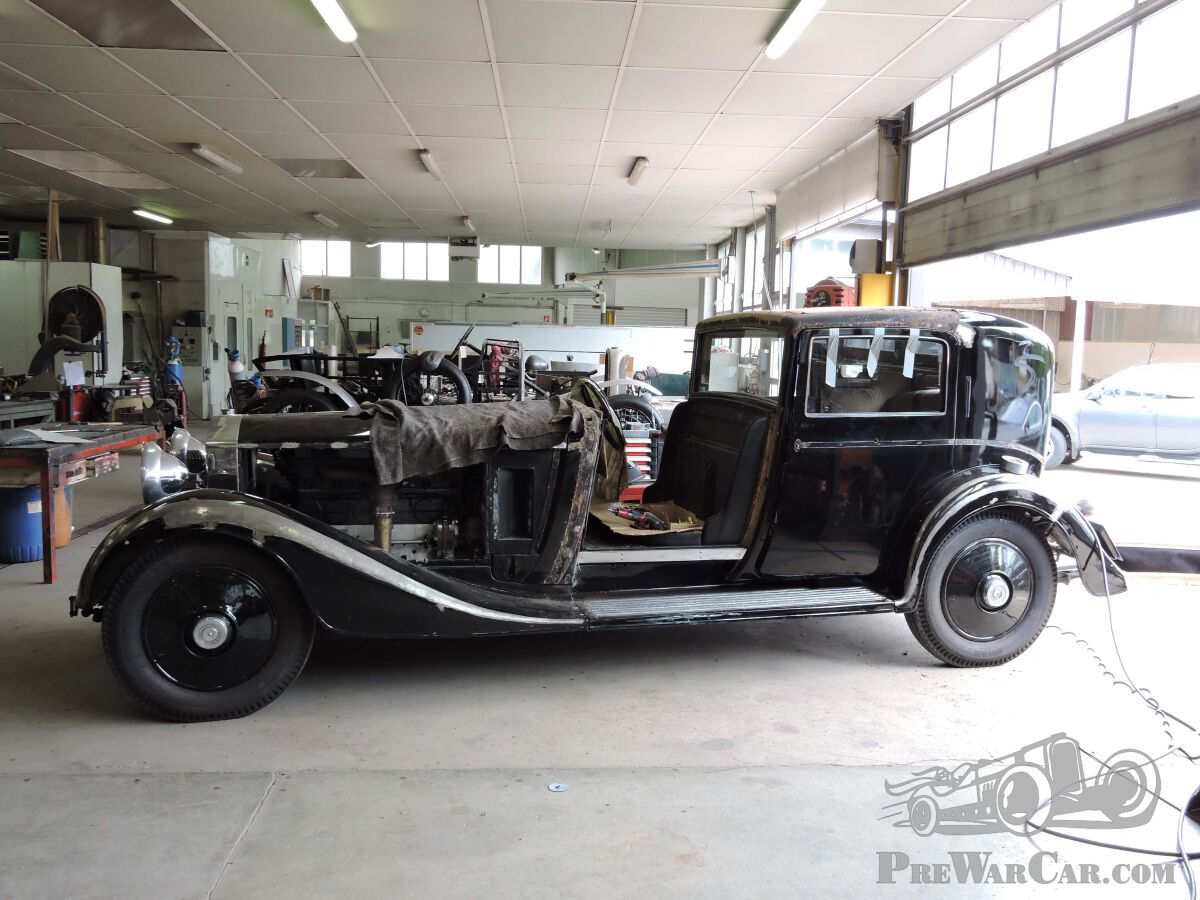
The Royale found its way, after some cosmetic changes and through different ownerships, to the Volkswagen Group collection. The Phantom II Rolls Royce, however, stayed in the South of France for most of its life. The car has been changed cosmetically, just like the Royale. It was modified to become a four-door saloon. However, this was done with much respect for the original configuration.
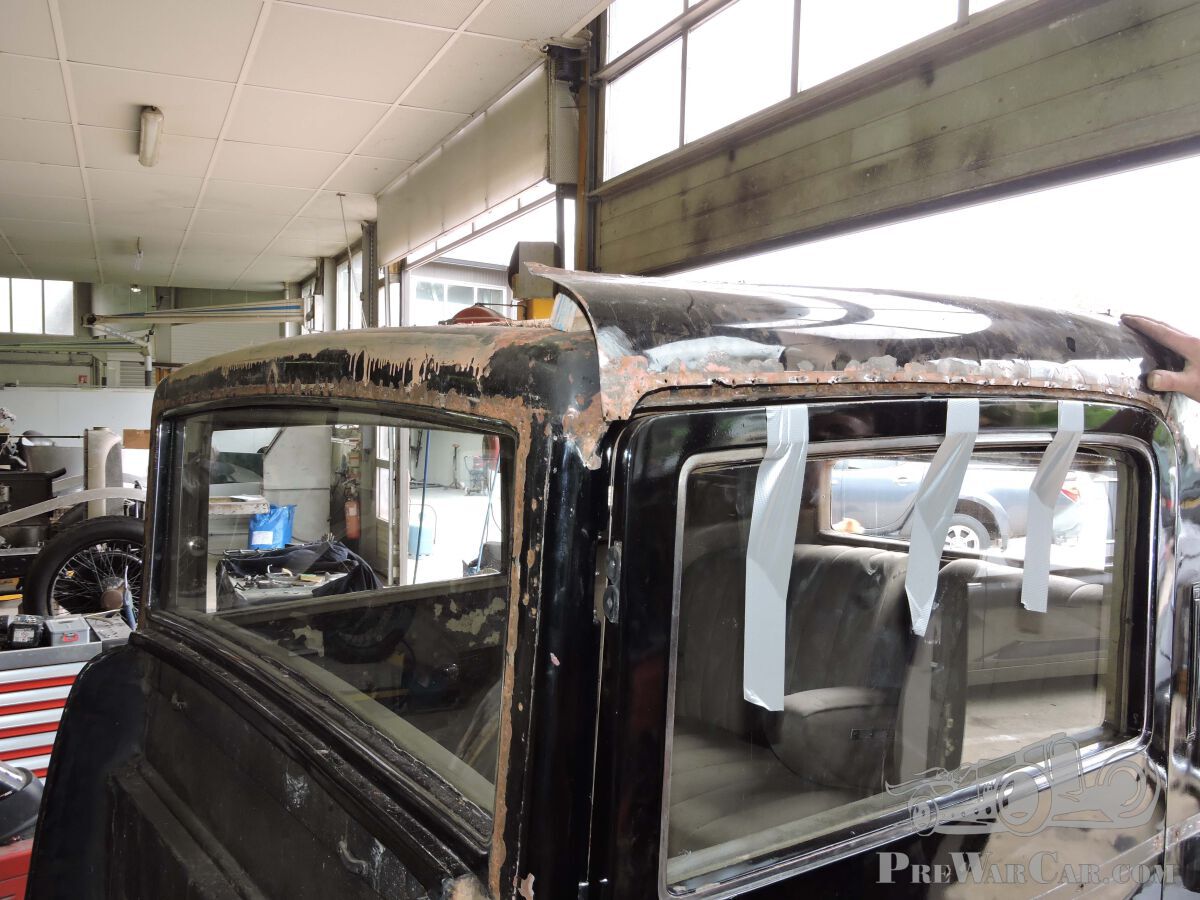
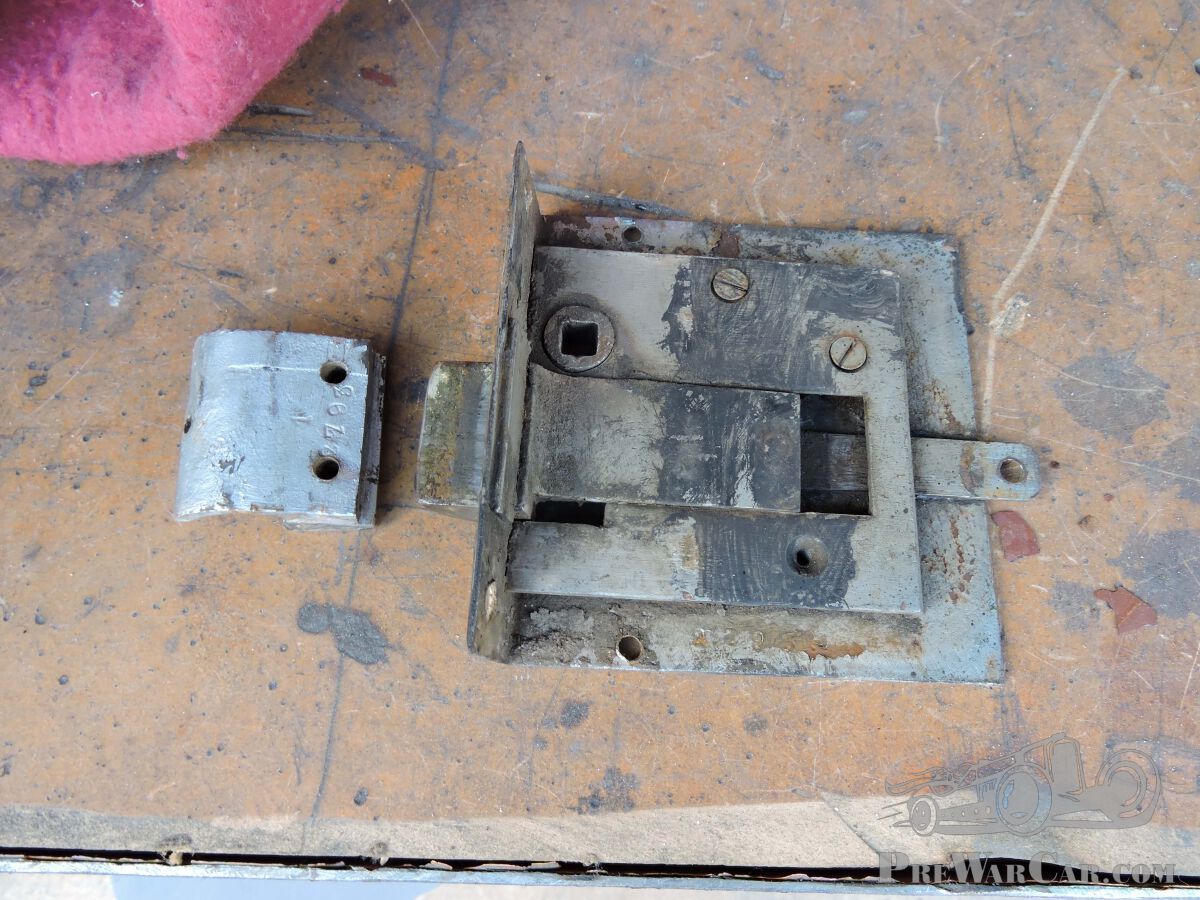
In 2004, the car was discovered in a barn in the South of France. When the current owner bought it in 2017, he found many traces of the original features. The original untouched bodywork was found under the ‘new’ one, just as the original fittings of the door (even with the Letourneur et Marchand body numbers on it) and many more. At that moment, a plan was made to take the Phantom II back to what was originally ordered by Esders. The beautiful and unique Coupé de Ville.
After a lot of work the car is restored to its original and correct specification. It still wears some patina and has the original interior. We hope to see it in full one day at one of the famous Concours d’Elegances.
This 1932 Rolls-Royce Phantom II is for sale by Christoph Grohe. You will find more information in the advertisement.
Sources: Bugattipage, Coachbuild, In Deauville, Normandy by Then and Now. Book Letourneur Marchand Autobineau, Maitres carrossiers Francais.
Published:
Wednesday December 2nd, 2020
Facebook
LinkedIn
Twitter
WhatsApp
Email
Copy
Comments

JEAN CATHERINE
08 June 2025, 18:38
the guy who died in Deauville was https://fr.wikipedia.org/wiki/Marcel_Lehoux (and not Leroux ?)
Read more