The global magazine and marketplace for classic car enthusiasts, by enthusiasts.


Filter
Make a choice:
- Cars
-
Make >>
-
Year >>
-
- Bikes
-
Location >>
- Parts & more
-
Make of car >>
-
Manufacturer >>
-
Category >>
- Bicycles & more
-
Year >>
-
Countries


The grim and the grotesque: the best mascots for Hallowe'en
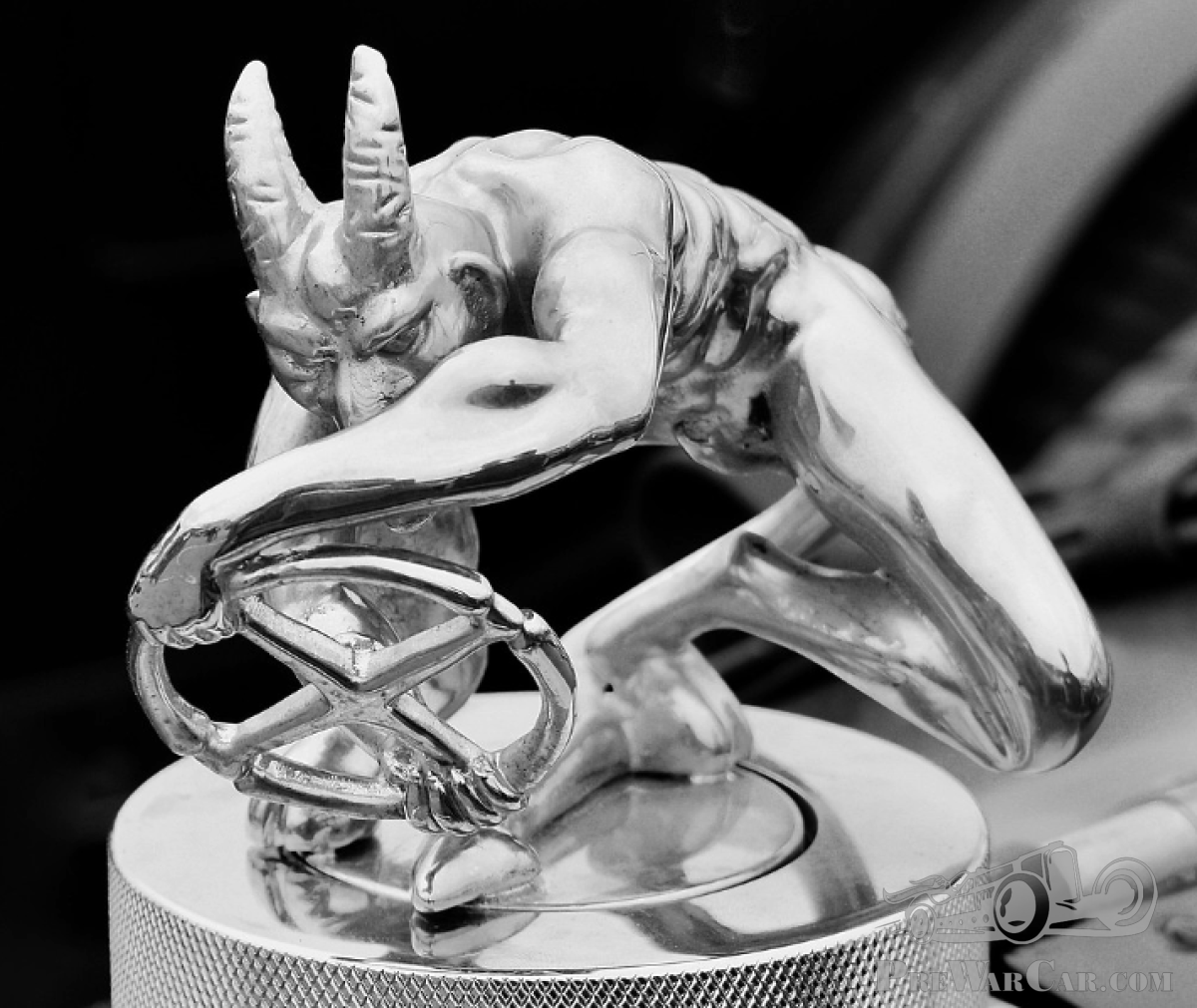
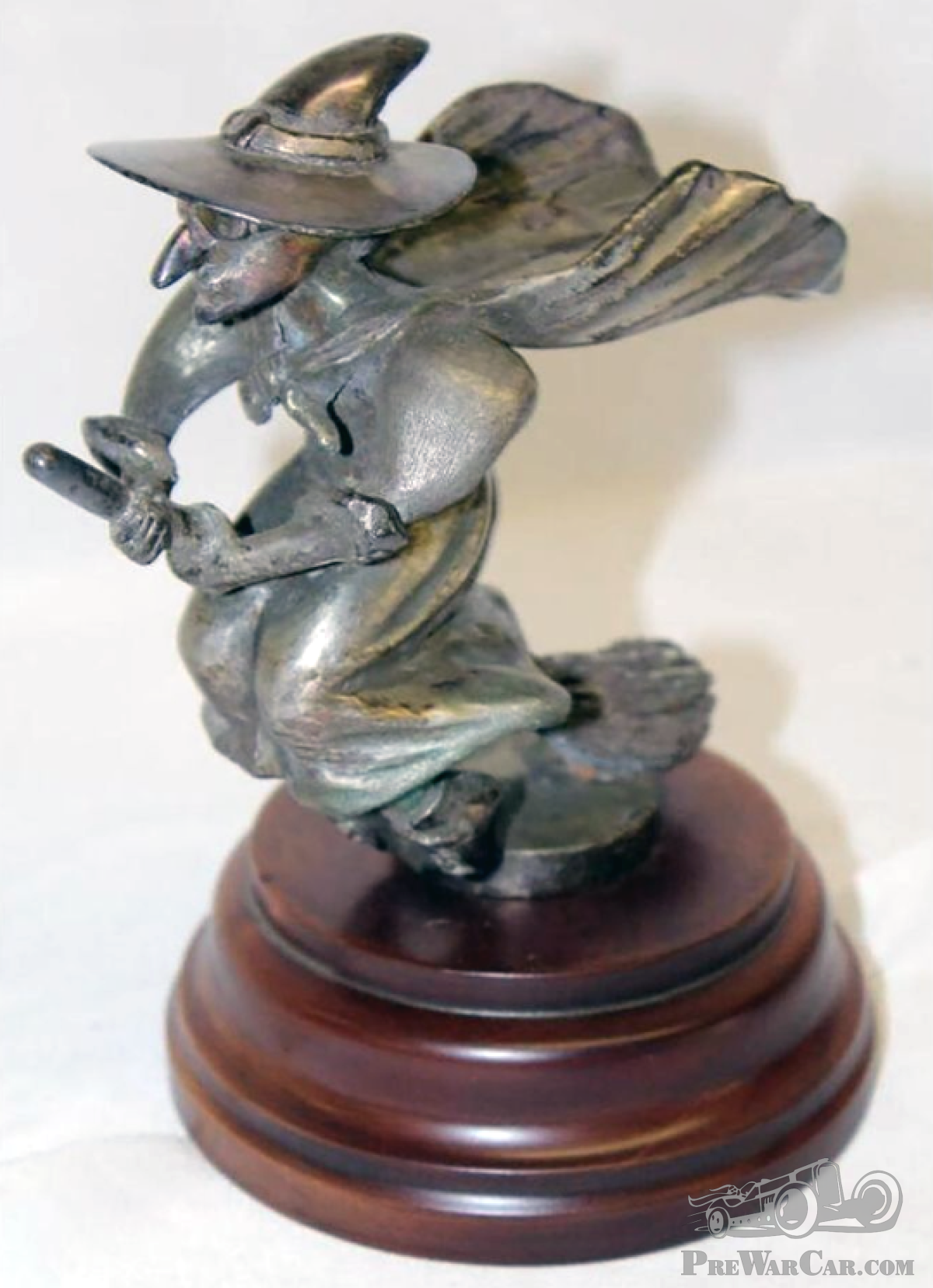

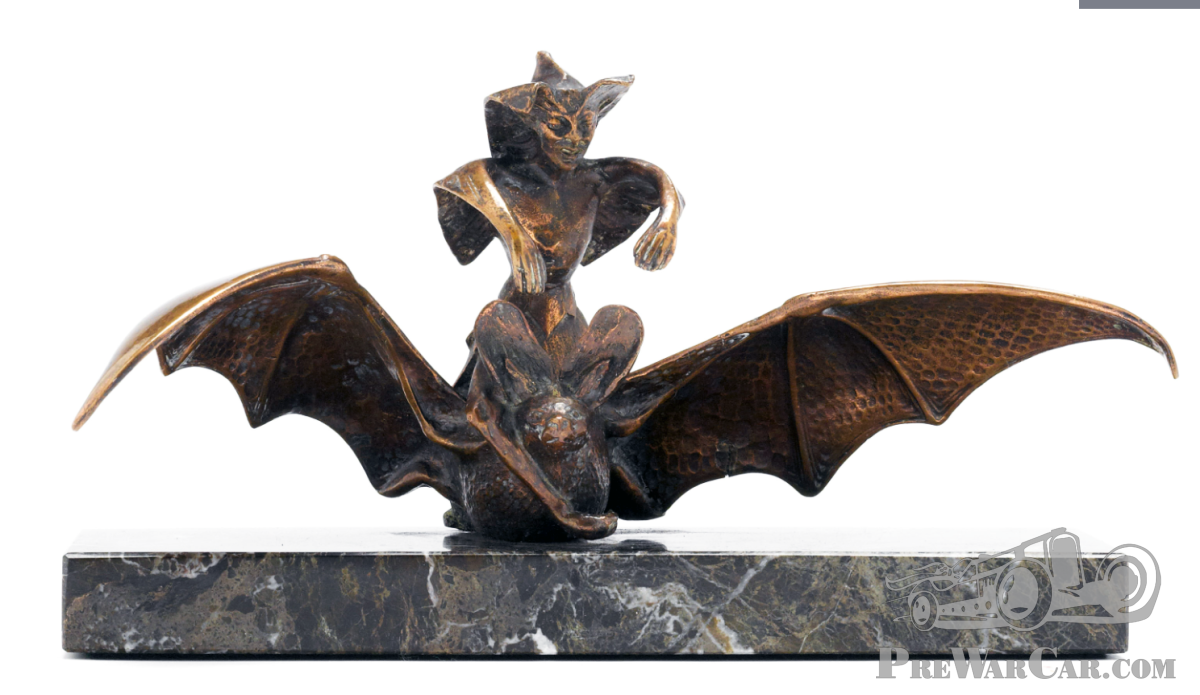
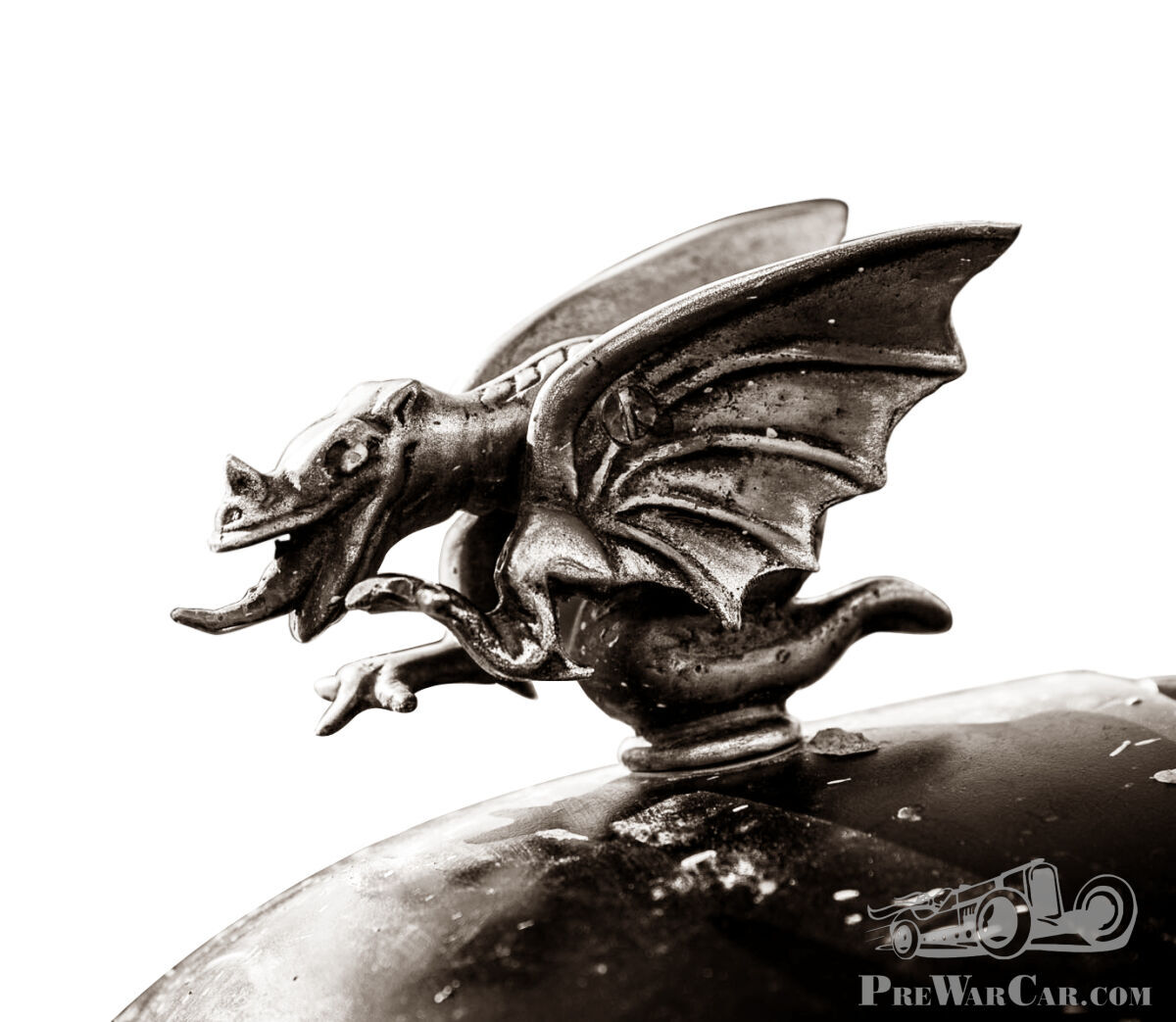
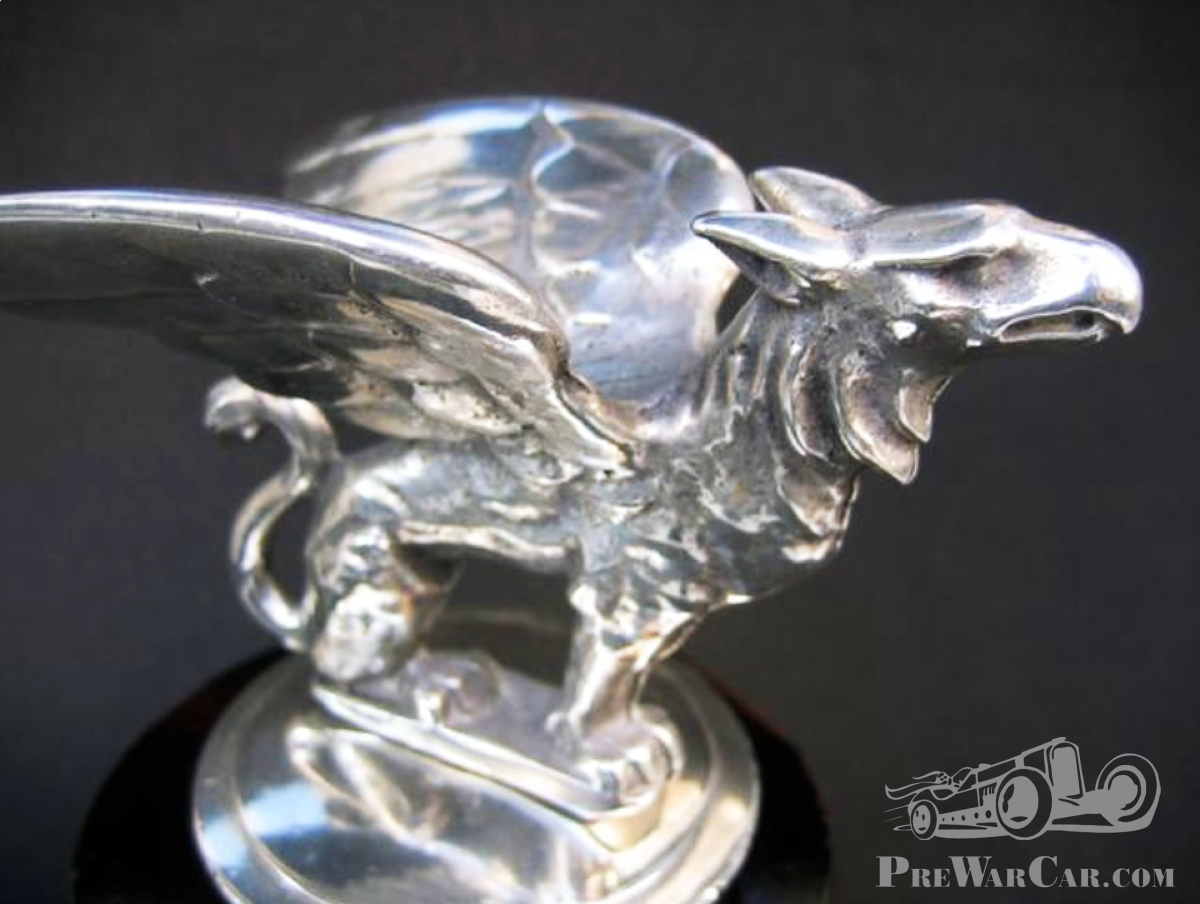
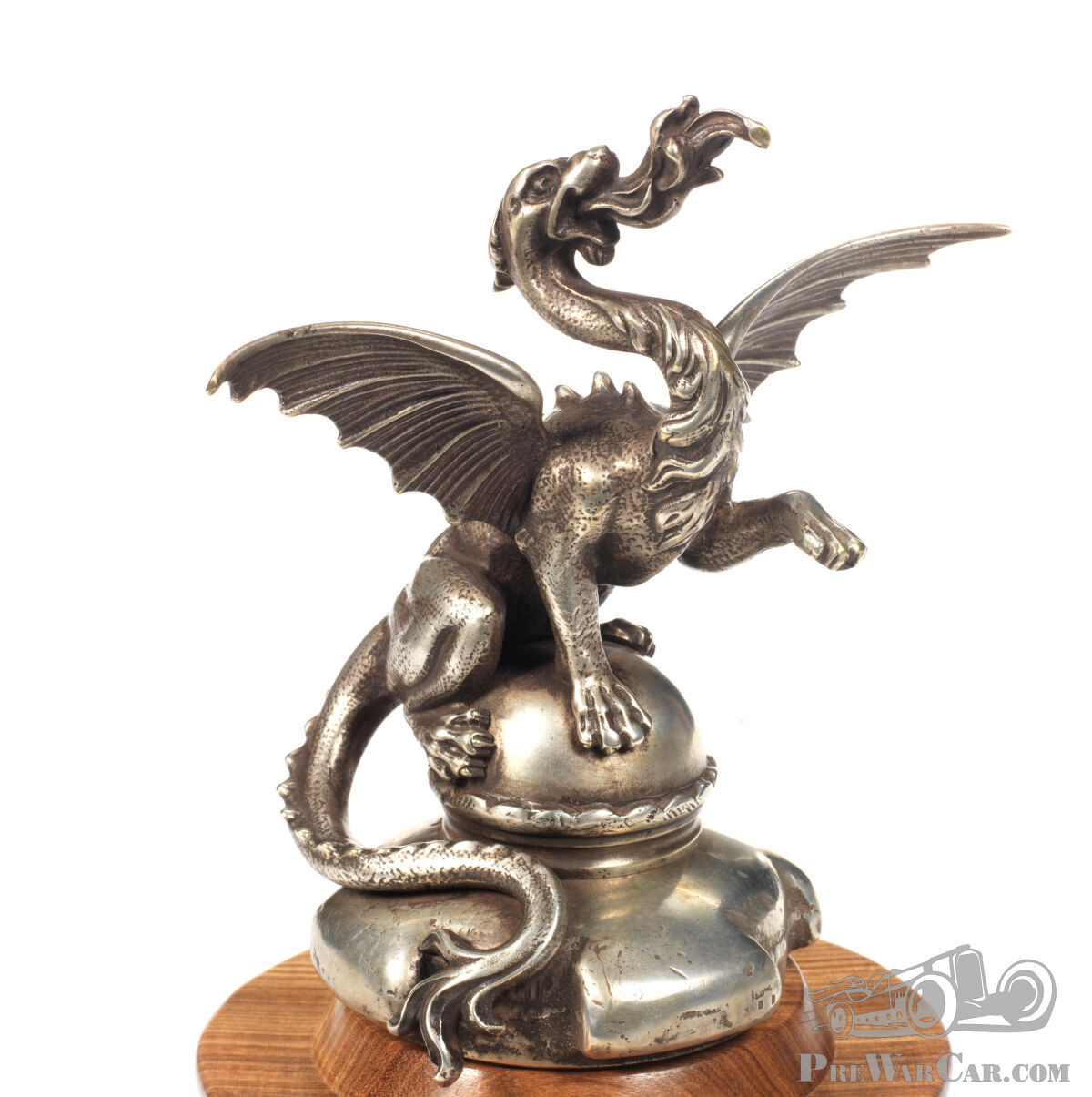
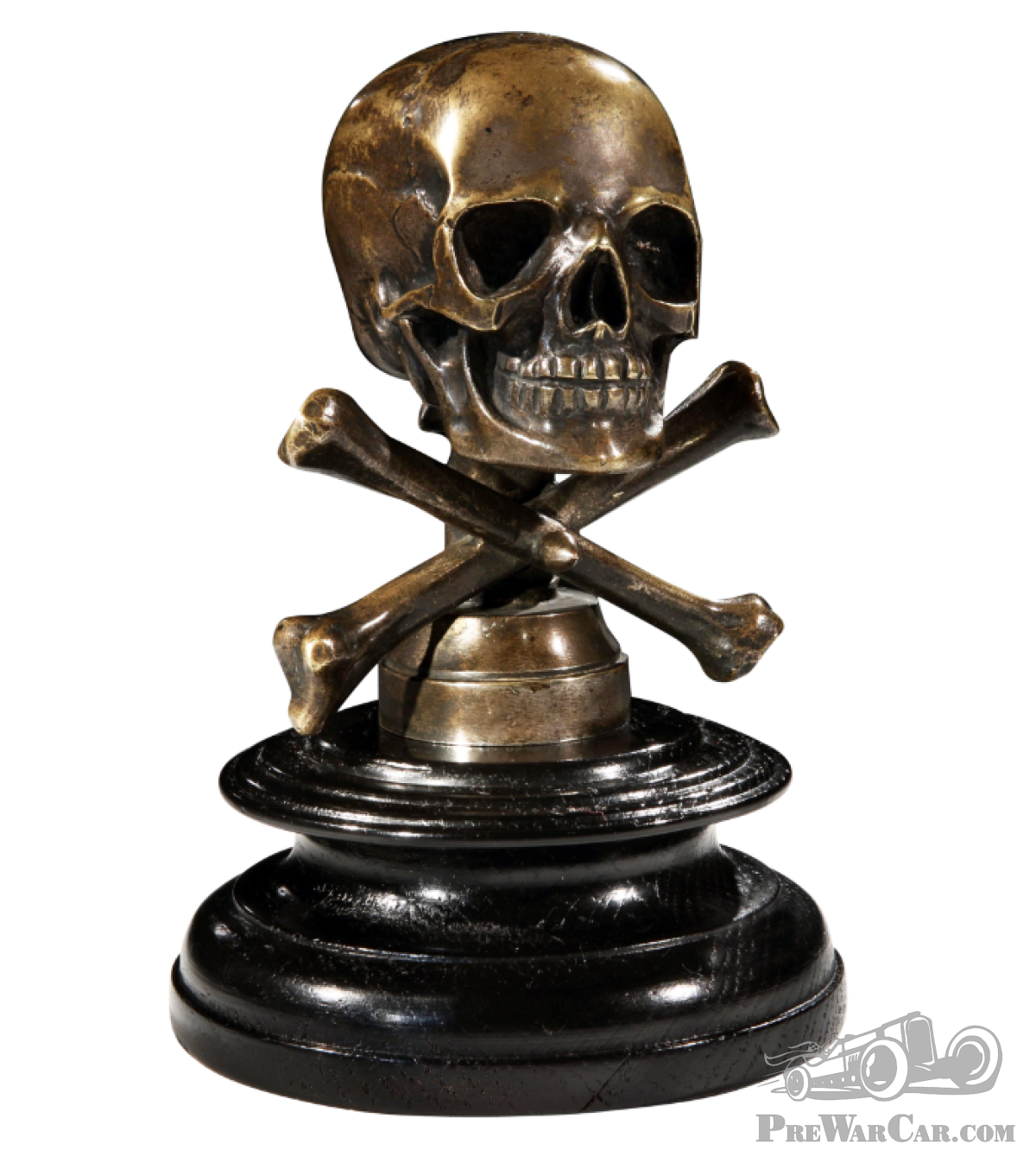
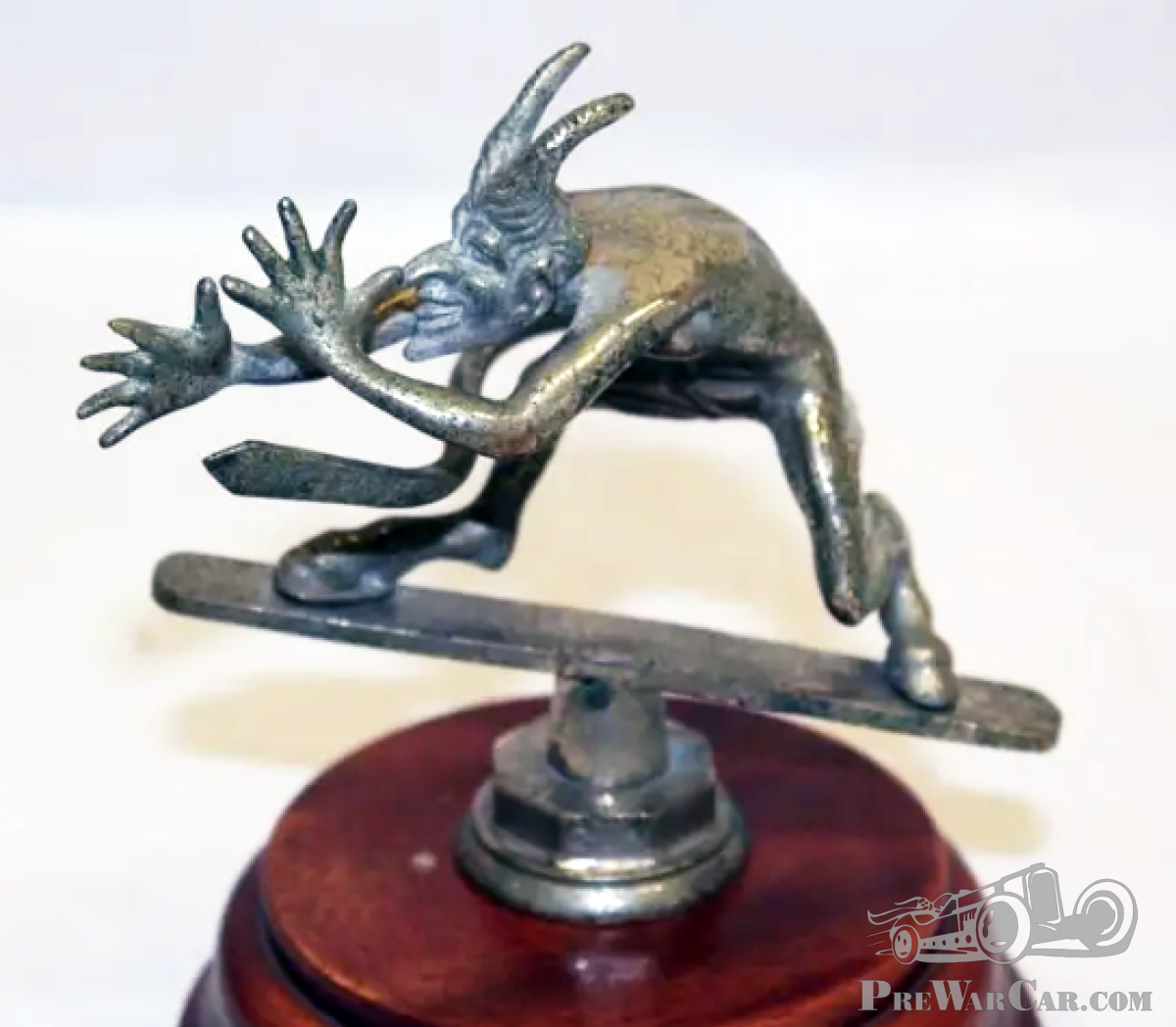
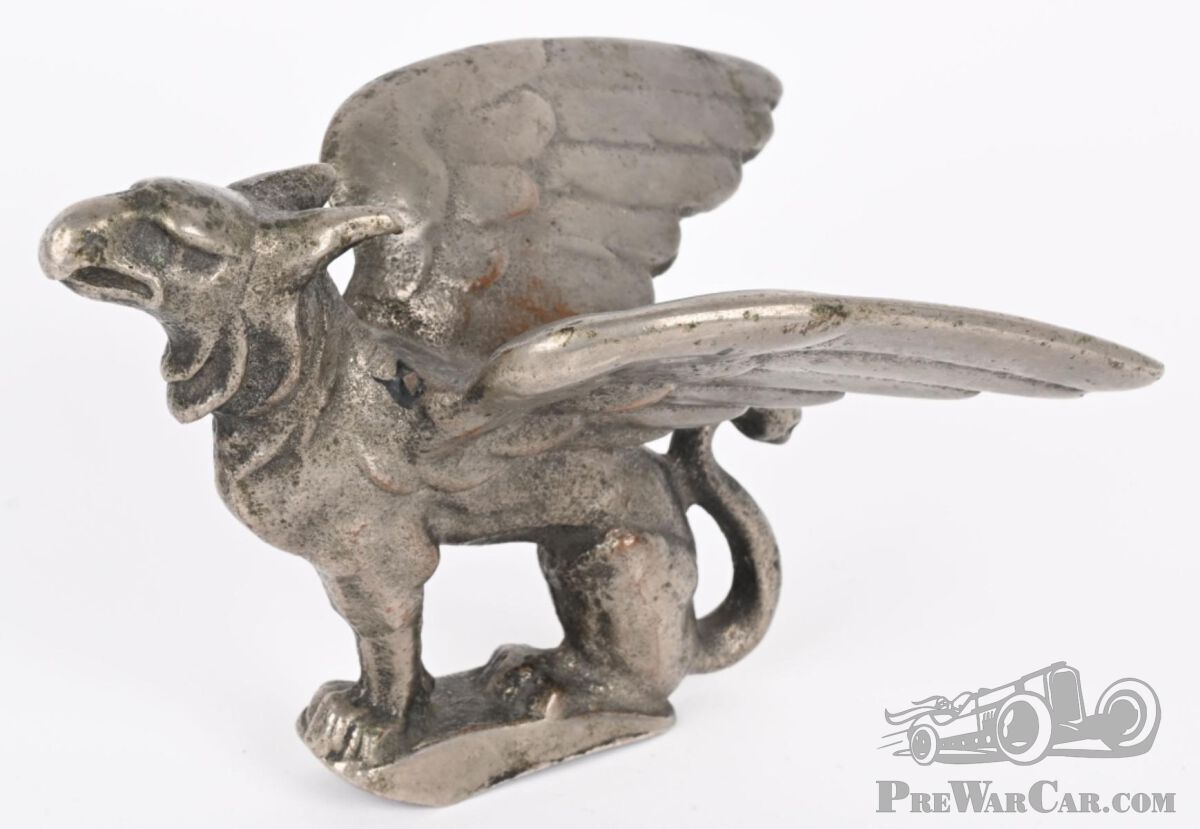
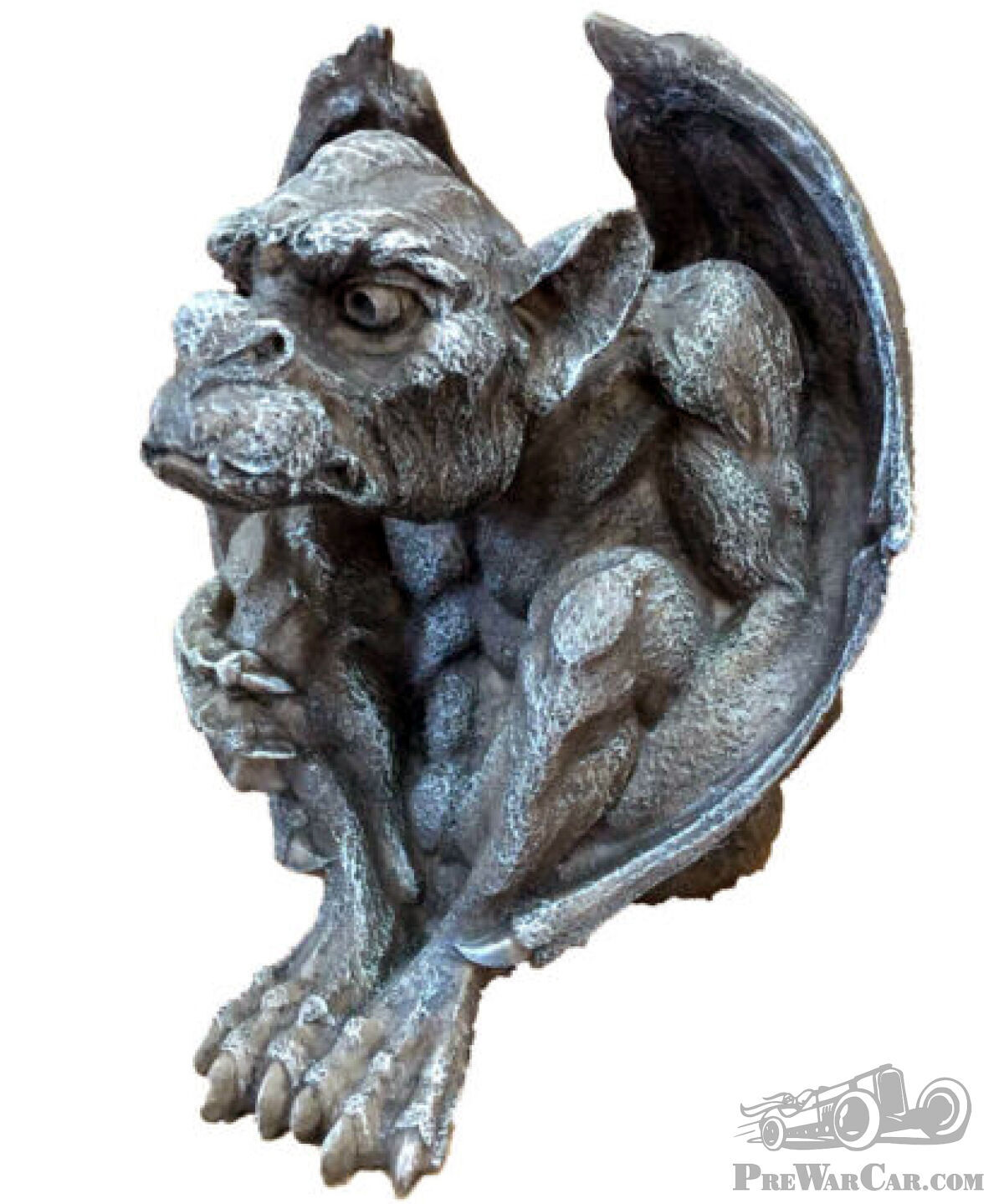


It depends where you live, but you may have noticed some unusual apparitions in you neighbourhood in the last couple of weeks or so—think skeletons, cobwebs and whole front gardens which have been turned into cemeteries. Yes, it’s that time of year again known as All Hallows' Eve, or Hallowe’en.
The origins of this strange festival of the macabre and supernatural have often been questioned, but both Christian and Celtic traditions originally placed an emphasis on the remembrance of the souls of the dead. And the modern Hallowe'en æsthetic seems to have taken an influence from Gothic cathedrals and churches, on which grotesque gargoyles and griffins are a common architectural feature. Their purpose was to channel rainwater away from the building's walls, say the practically-minded, but the element of symbolism which purposed towards the warding off of negative forces and reminding the faithful of the horrors of evil is a more appealingly romantic explanation.
It was those romantic minds who, surely, were the sorts who would have been tempted to adorn the radiators of their vehicles with the mascots, or bonnet ornaments, shown here. We see gargoyles that are hardly inferior to the ones of the Notre-Dame, demons and devils, bats and skulls. Some of these mascots are over a century old now and some of them were made by known sculptors such as Emile Brégeon (the skull) and Etienne Mercier (the dragon). What's your favourite?
Words: Jeroen Booij
Pictures: various auctioneers
Published:
Thursday October 31st, 2024
Facebook
LinkedIn
Twitter
WhatsApp
Email
Copy