The global magazine and marketplace for classic car enthusiasts, by enthusiasts.


Filter
Make a choice:
- Cars
-
Make >>
-
Year >>
-
- Bikes
-
Location >>
- Parts & more
-
Make of car >>
-
Manufacturer >>
-
Category >>
- Bicycles & more
-
Year >>
-
Countries


The lady and the automobile: a rallying cry
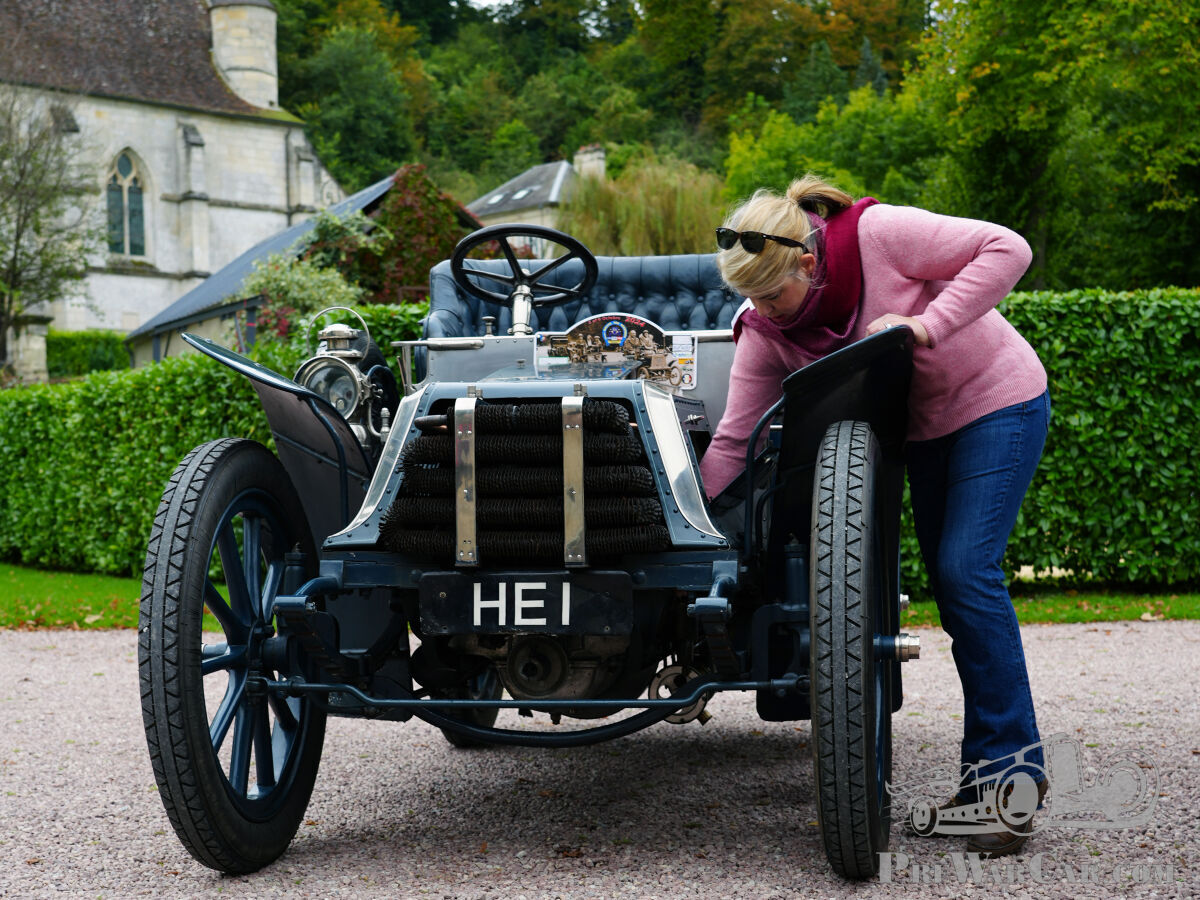
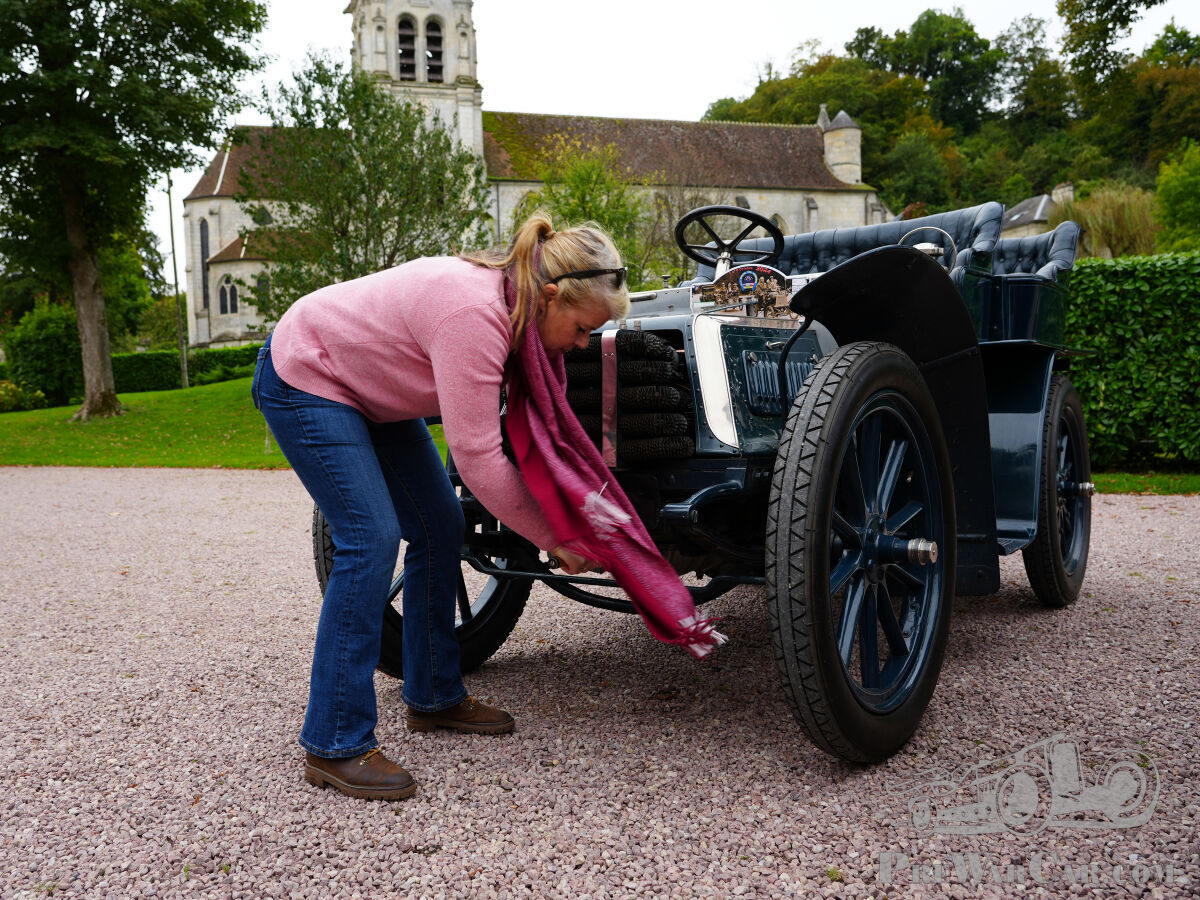
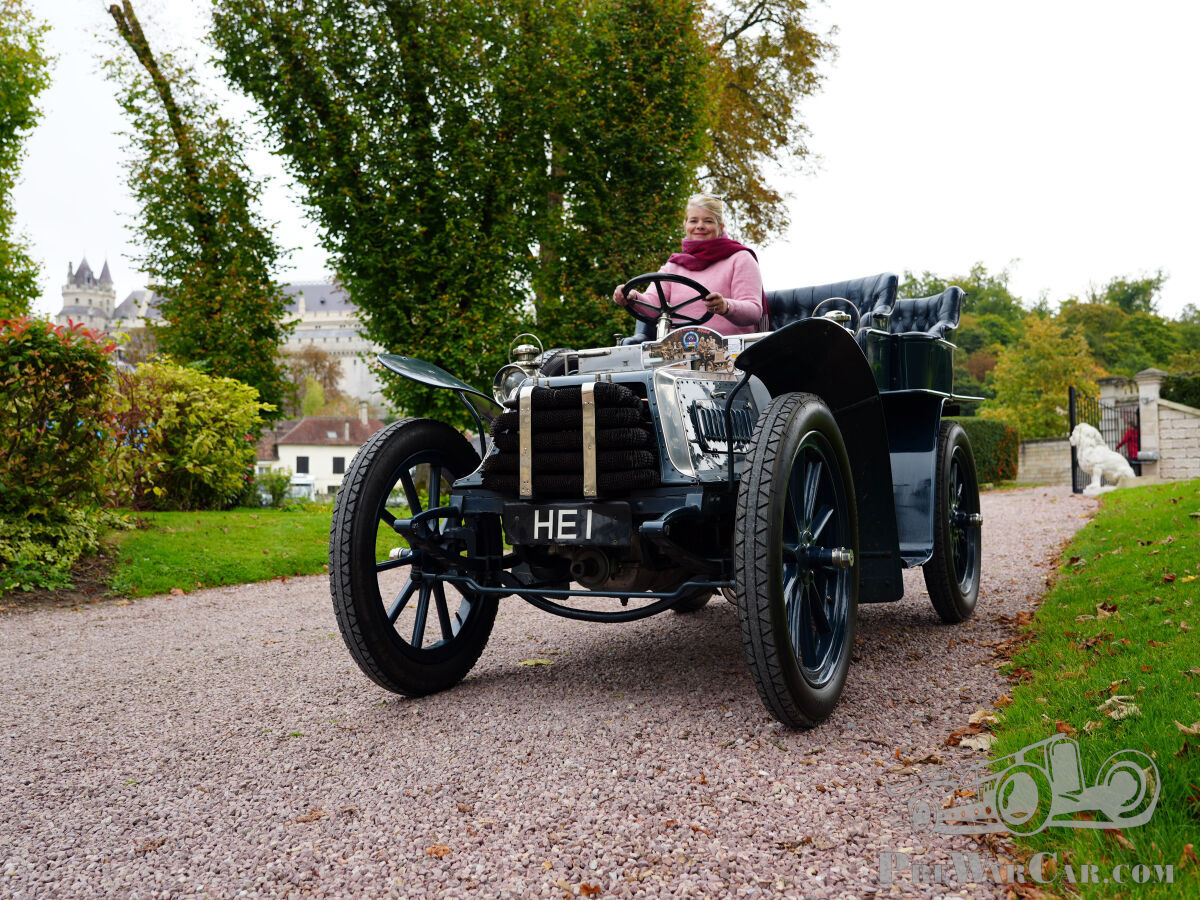
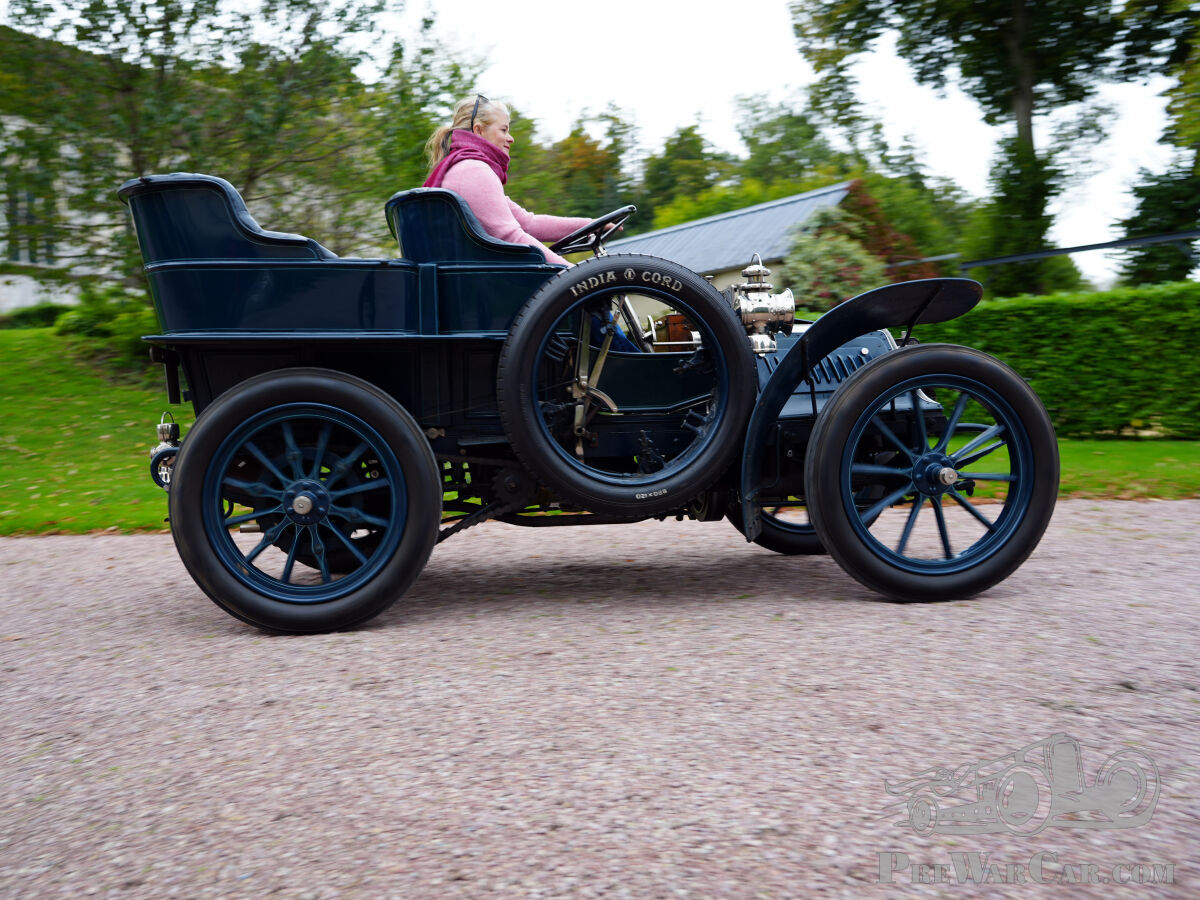

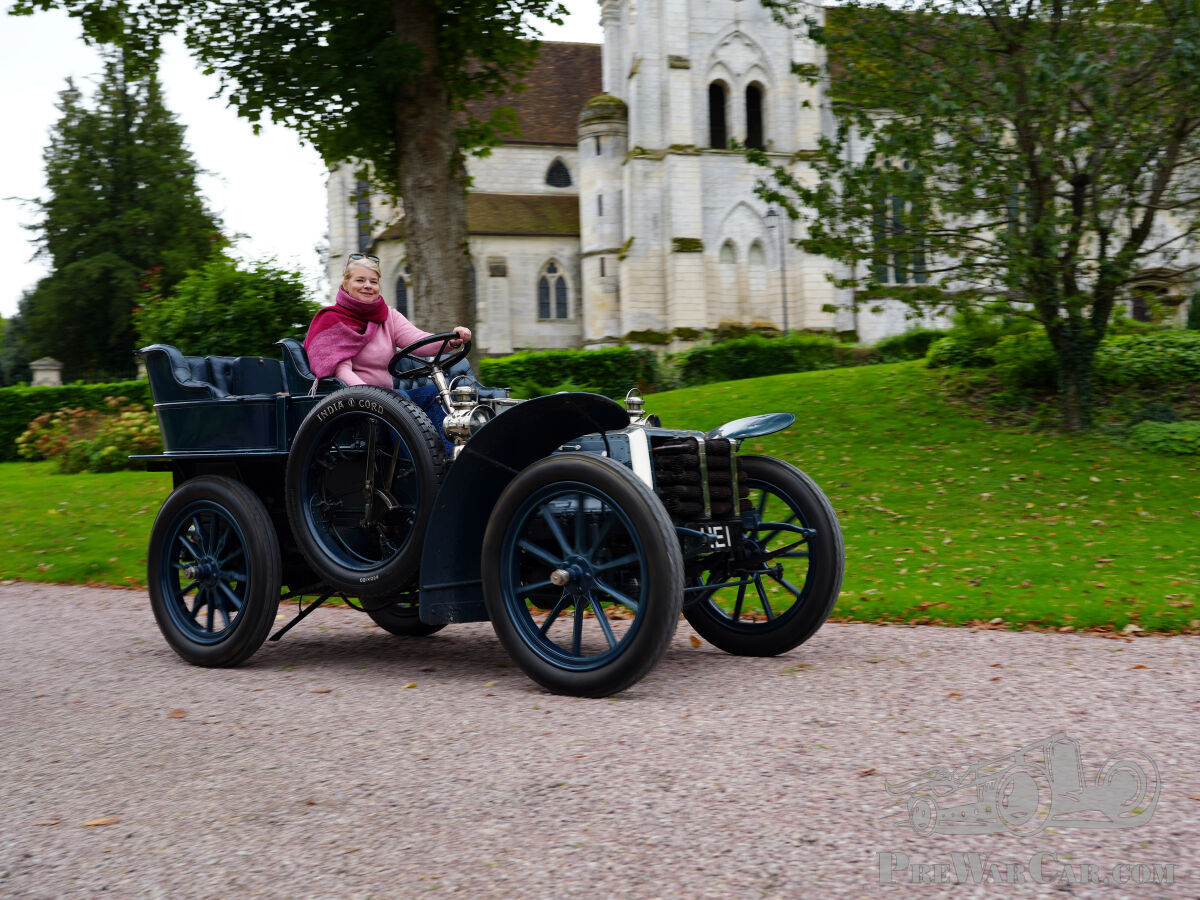
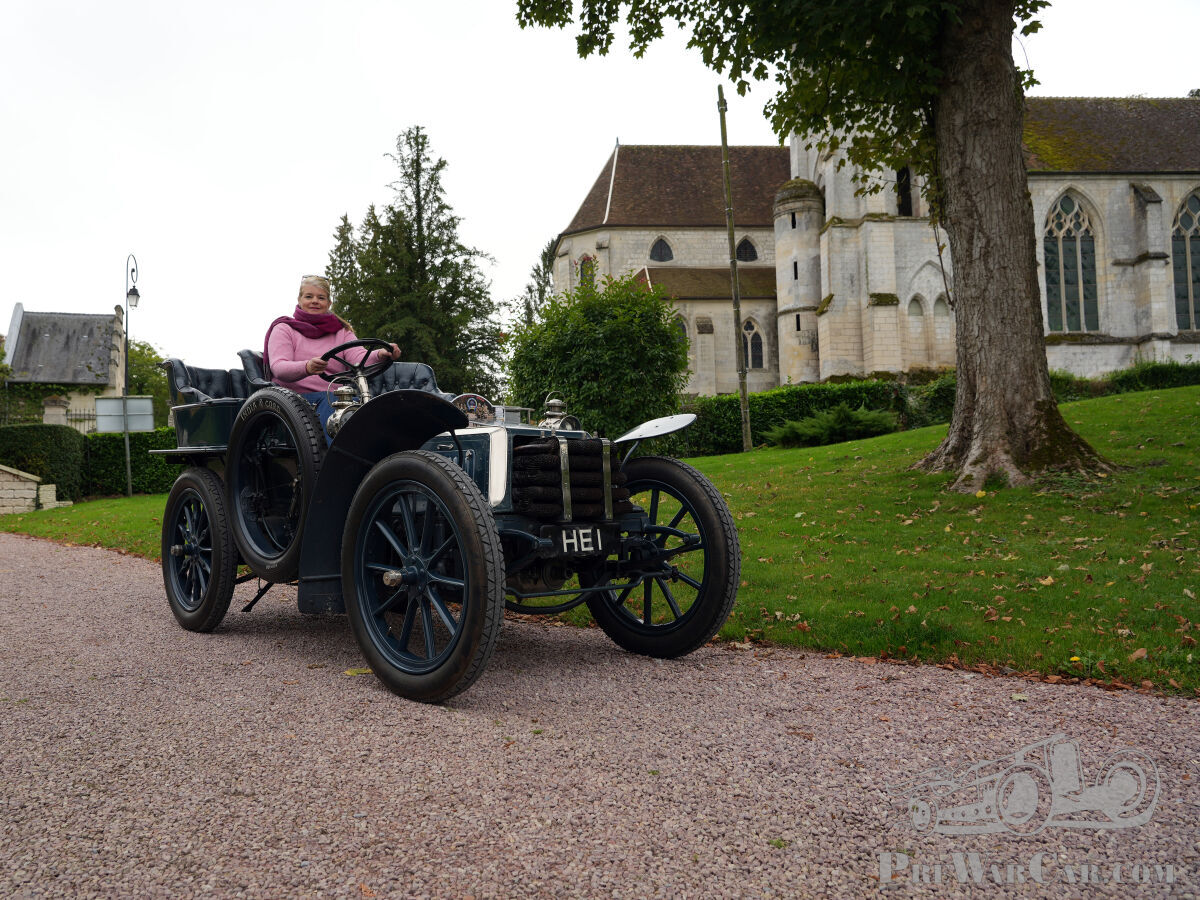
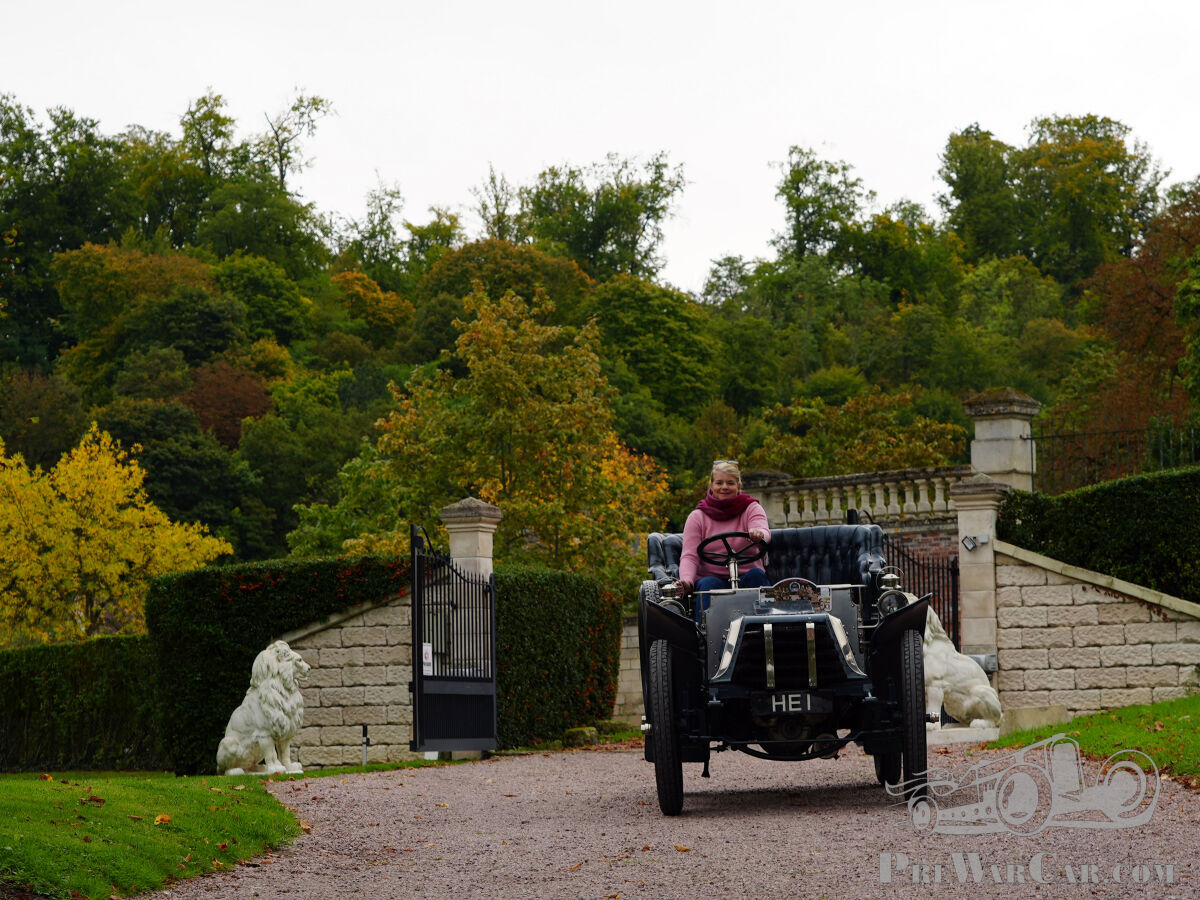


All women should drive early cars—it’s great fun. There is nothing physical that should prevent any lady from becoming a lady motorist. It’s about having the confidence to say "yes" or, like me, saying "Can I have a go?"
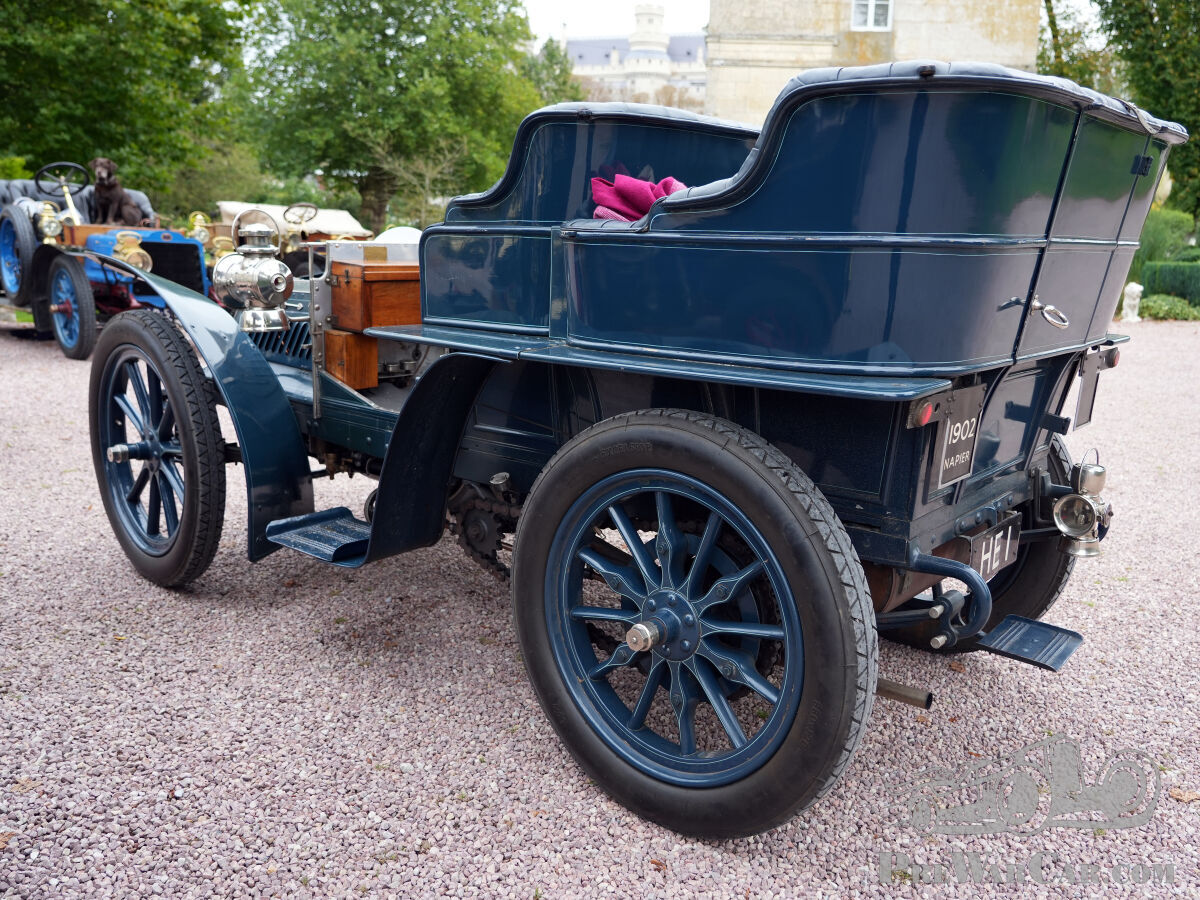
I started driving our family’s 1902 Napier nearly ten years ago, firstly on the quiet roads of France, before tackling the Veteran Car Run, although I confess I prefer the roads and hills south of Crawley towards Brighton to the inner London suburbs.
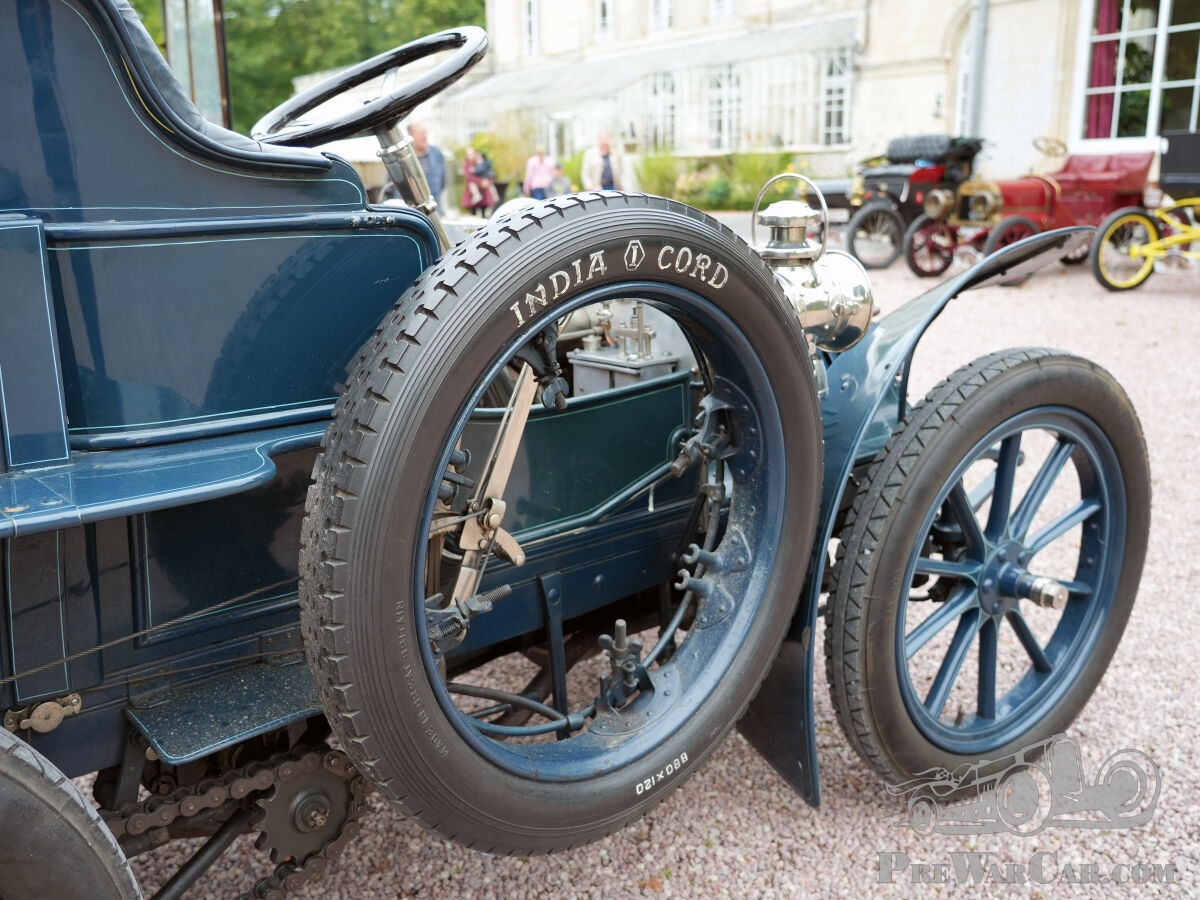
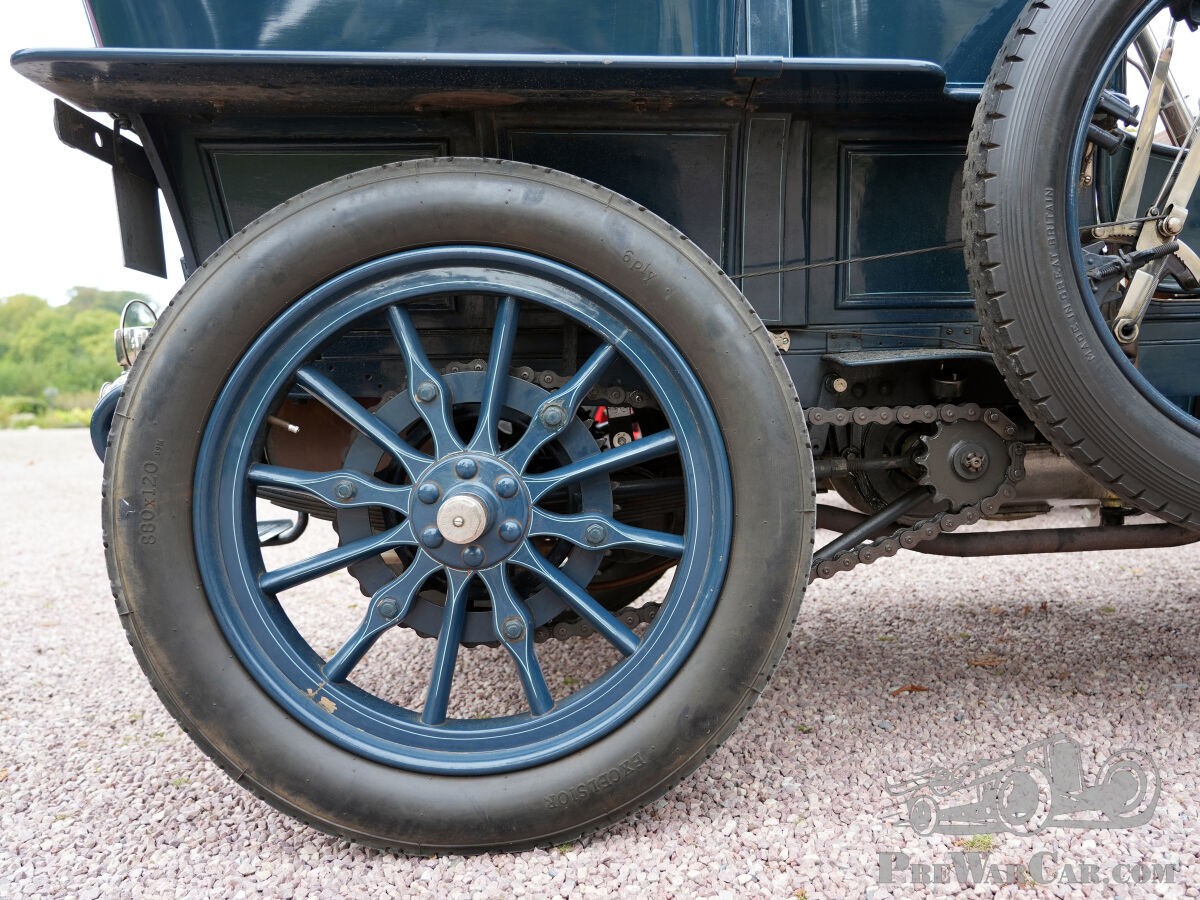
So, what is it like actually driving a veteran car, like our Napier? Well, I can say that each car is different and requires patience and practice. Without front wheel brakes, the Napier has light and direct steering so, once on the move, it’s not heavy. First gear is low—useful on the steepest hills, but a patient change into second and then third is usually called for, double de-clutching as you go. It is just a matter of allowing more time and letting things flow. Fourth gear is almost an overdrive, taking you up to a top speed of some 40mph on the flat. The band brakes, on the back only, are pretty good for the period, although changing down gears before steep descents is advised ("go down hills in the same gear you would go up them" is the old adage). Starting the car is a set routine: petrol on, flood the carburetter, open the hand throttle, retard the ignition, turn the engine over to get mixture into the cylinders, ignition on and a further quarter turn with the starting handle should see it start. Although not strictly necessary, I find being able to start each car part of understanding it; spectators enjoy it and you have the confidence to know you can get it going again if it stalls.
Although I would wish it otherwise, driving early cars is still looked on as something of a male preserve. Sweeping into a crowded car park often brings comments of "Oh, look, it’s a woman driving"—and sometimes worse! But as an established driver of our cars, I get no resistance or untoward comments from those that know me as a person and as a driver. Indeed, I take pride and pleasure from others seeing me drive, who are then encouraged to think that they could do so too. On a recent Teuf-Teuf rally in Compiègne, France, it was a pleasure on our return to the trailer park to give a first veteran driving lesson to another lady driver in her Oldsmobile, who I’m hoping will take to the road soon. This was particularly fun for me as I’ve never actually driven an Olds but I had a two-minute verbal description from her very supportive husband earlier in the day.
You should remember that ladies have been able to drive cars for longer than they have had the vote here in Britain—it is high time more of us took our place behind the wheel of these delightful early cars.
If Camille du Gast in France and Dorothy Levitt here in England could do this 120 years ago, why can’t we?
Elinor Boothman regularly drives a 1902 Napier, 1913 Sunbeam and 1924 Bentley, amongst other cars.
Published:
Friday October 25th, 2024
Facebook
LinkedIn
Twitter
WhatsApp
Email
Copy
Comments
Geoff McCarten
23 November 2024, 17:34
A great article. I drove my 1903 Wolseley 10hp rear-entrance tonneau for ten years and enjoyed it. Thank you for telling us your experience. I live in Naenae, Lower Hutt, Wellington, New Zealand. Every year we have a Ladies' Rally at our branch of the Vintage Car Club of New Zealand. A number of wives and girlfriends drive, with their partners navigating. Normally the men have to bake a cake.
Read more
Thomas
28 October 2024, 15:58
Thank you for the great story. I am also very proud of my wife driving our 1936 Triumph Southern Cross in modern traffic. She is a brilliant driver nicknamed "the 5,000-Mile Lady". I hope the story will get our young daughter interested in the car, so that we can pass it on.
Read more
Terry Cockerell
28 October 2024, 00:13
I see no reason why women cannot drive veterans and enjoy them. I have seen women driving huge interstate trucks here in Australia. Many years ago a girlfriend was employed as a motorcycle mechanic. Go for it, ladies.
Read more
Julie Hensley
27 October 2024, 15:23
Absolutely! I totally agree, more women should get behind the wheel of an early period automobile. It is exhilarating and such a pleasure to drive my 1930 MG M-type. Not only are these lovely cars a work of art, they truly are a motoring wonder! In addition, I’ve met the nicest people associated with vintage and pre-war cars.
Thanks for the article!
Read more
Thanks for the article!
Peter Caunt, Australia
26 October 2024, 23:21
I fully agree with the comments! Interesting that, many years ago, The Automobile had a photo of a teenage girl who passed her driving test in an early 1900s car. I cannot recall the make but what a splendid thing that was. The only comment about slow changes is probably that the early cars did not have a clutch stop to speed upward changes? When did they come into car building?
Read more
Keith Kuehn
25 October 2024, 19:55
As a guy, I sure agree! We need more ladies out there driving these. This last September I met a delightful young lady who is now getting into the brass cars a bit. She rode along with myself and my 92-year-old mum on a tour, and had a blast. Next, I hope to have enough time to get her behind the wheel! Then, in a few years, teach my granddaughter to drive! You go, girls!
Read more
Catherine Strutt
25 October 2024, 11:51
I wholeheartedly agree! As a fellow lady driver (1911 and 1912 FNs), my experience has been the same with regard to comments from fellow male drivers but now I have been driving for over a decade it’s rare to hear these anymore, thankfully. Why should the gents have all the fun!? I cannot think of too many other things that beat the feeling of motoring down a country road in a 112-year-old machine!
Read more