The global magazine and marketplace for classic car enthusiasts, by enthusiasts.


Filter
Make a choice:
- Cars
-
Make >>
-
Year >>
-
- Bikes
- Parts & more
-
Make of car >>
-
Manufacturer >>
-
Category >>
- Bicycles & more
-
Year >>
-
Countries


The last surviving Beckmann: a forgotten Edwardian emerges in Norway

The 1911 Beckmann 24/45 PS as it looks today after restoration

The Beckmann as bought by Rune Anschim in 2006
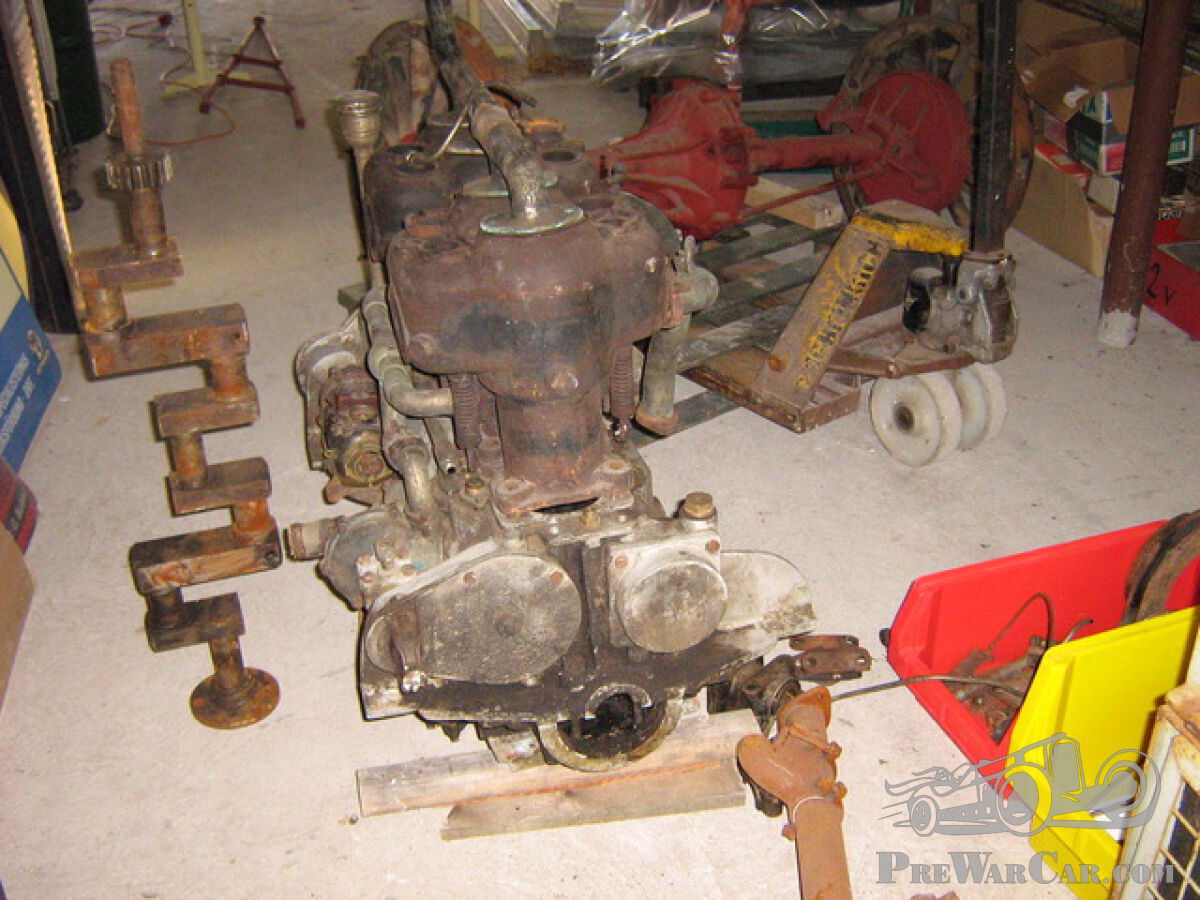
The engine before restoration had seen better days


The restored engine is a very handsome piece of work
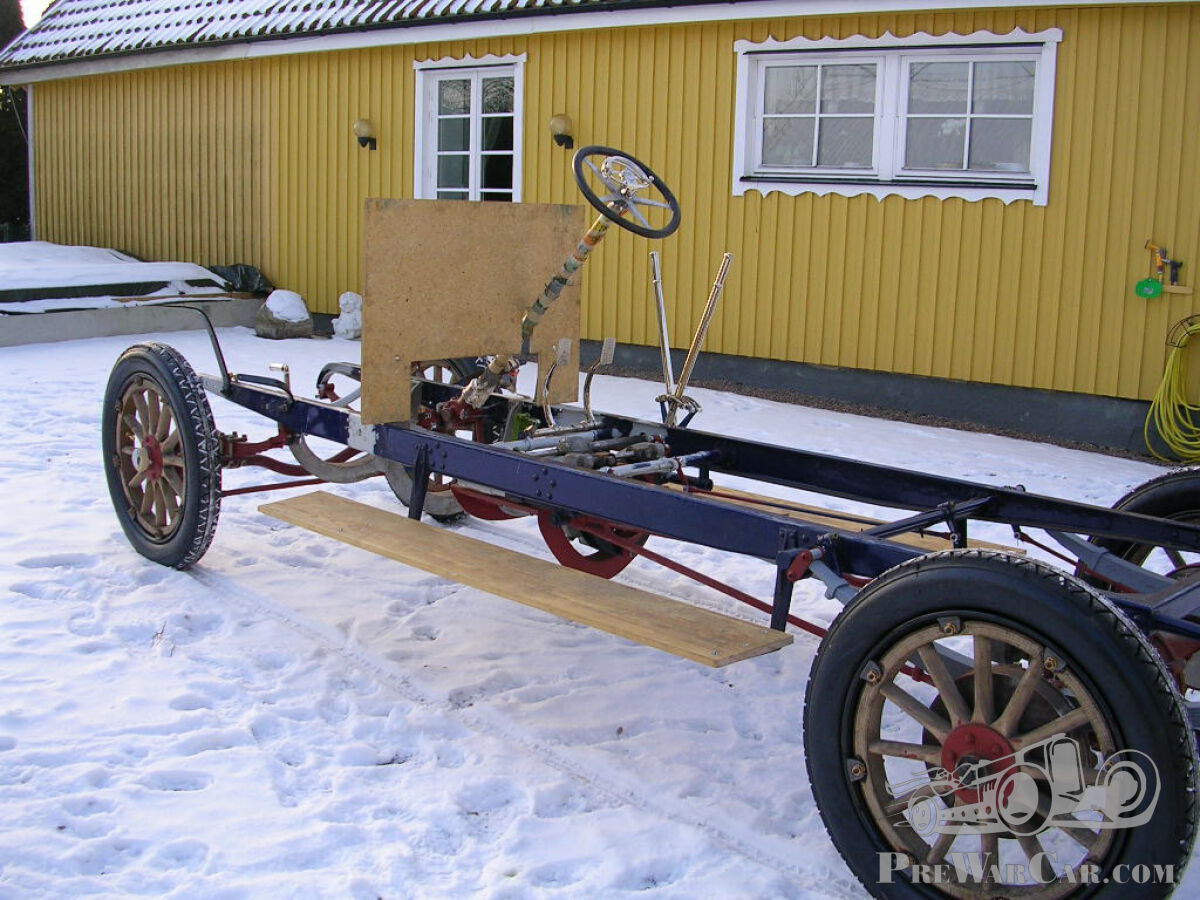
The chassis and springs were restored in Sweden

This was the car which supplied several much-needed body parts
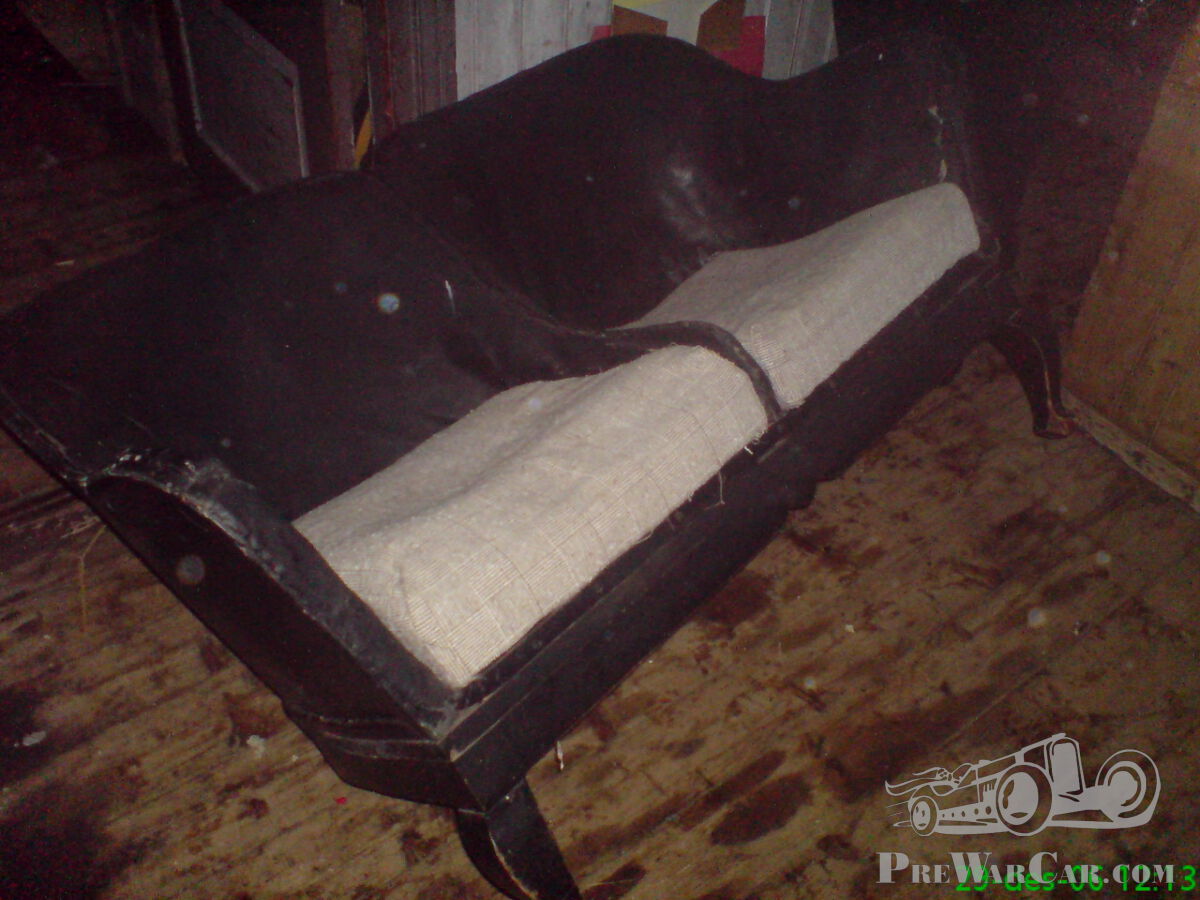
The front seats had survived in the guise of a sofa
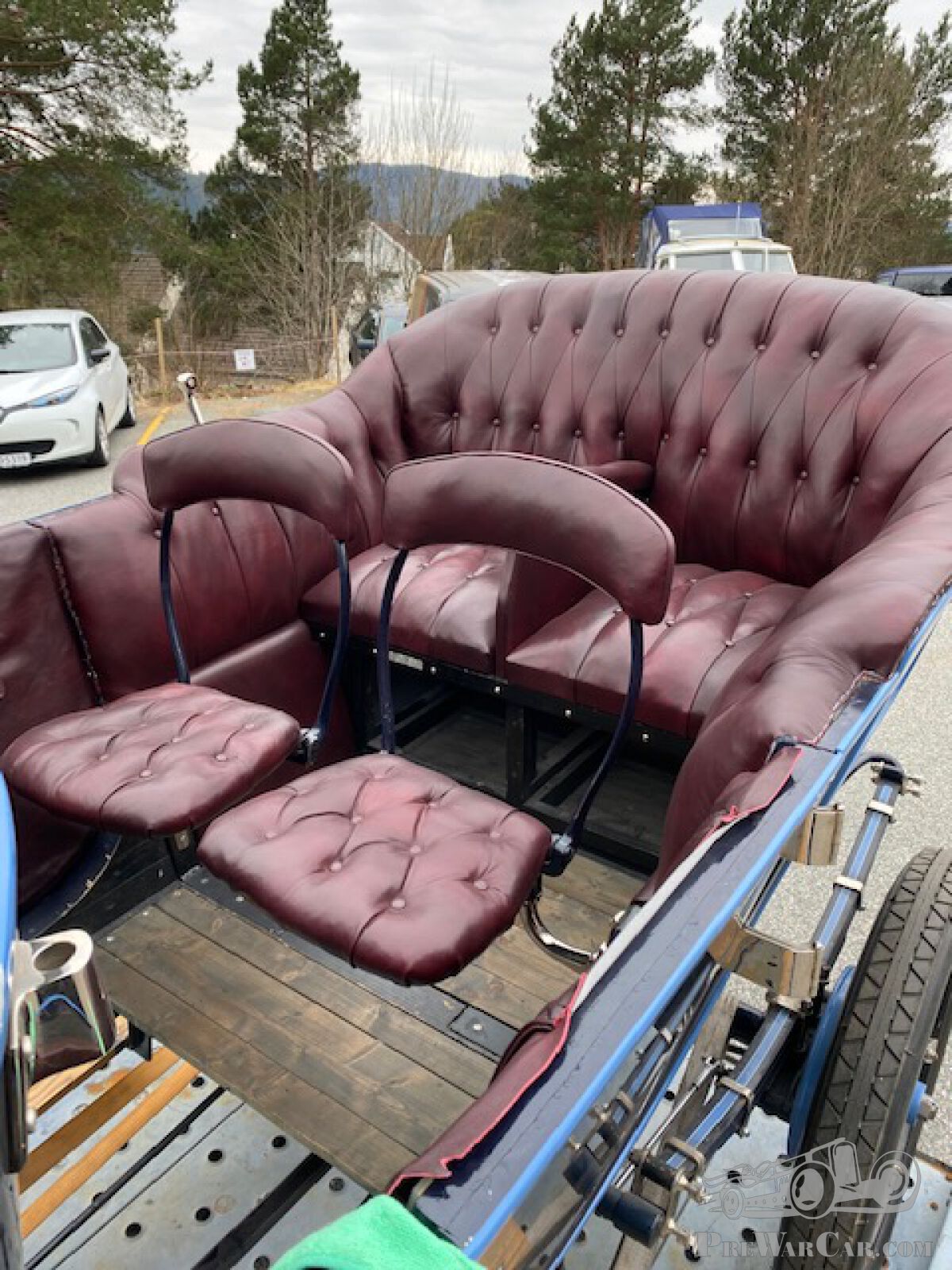
Polish craftsmen did superb work with the upholstery
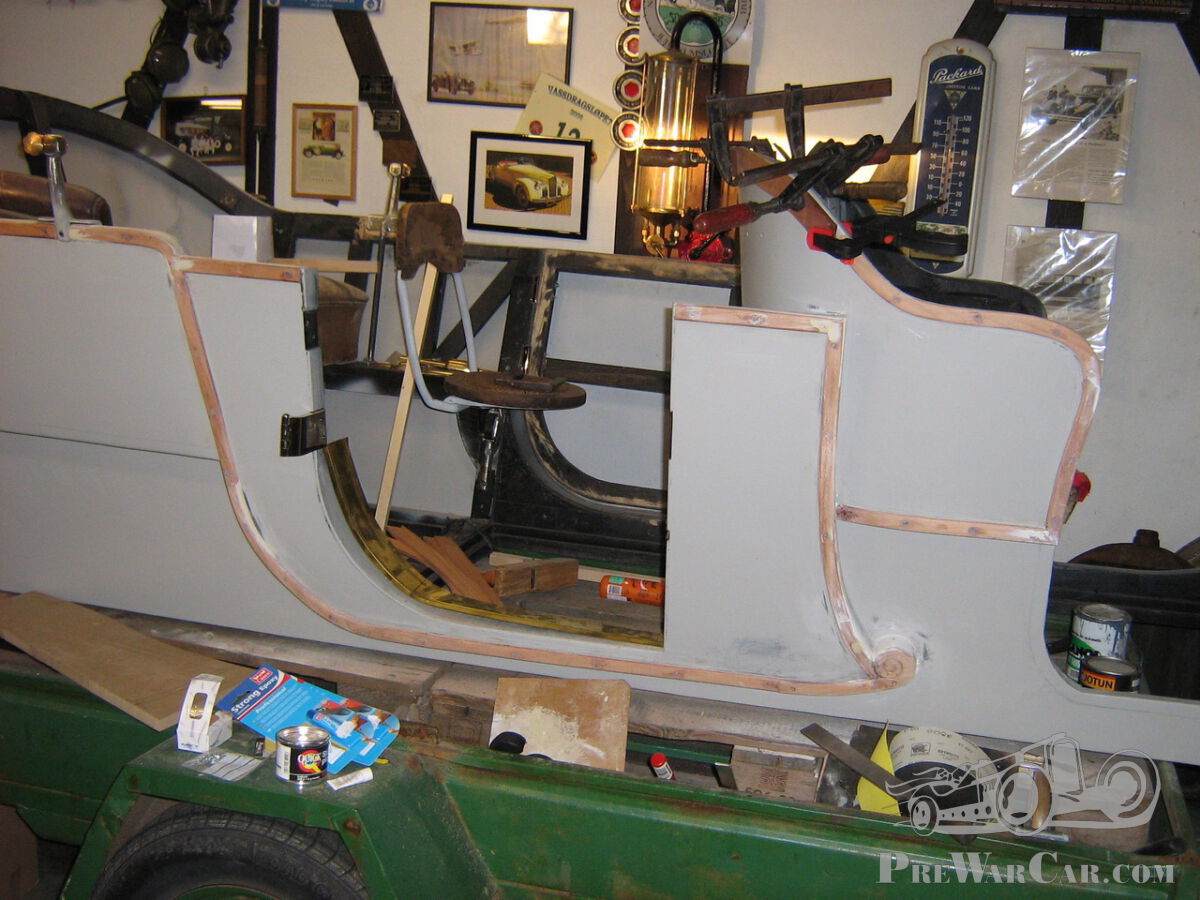
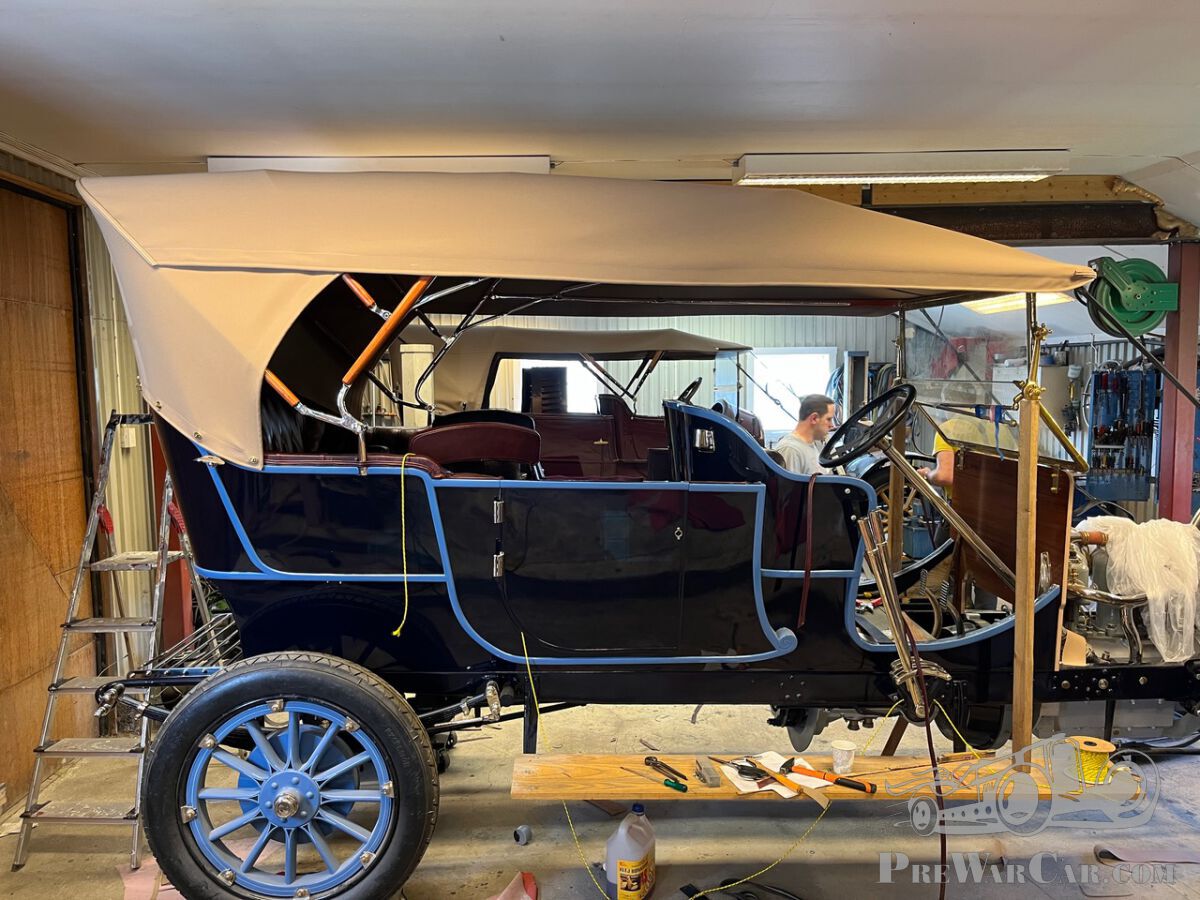
The body took shape in a Swedish workshop
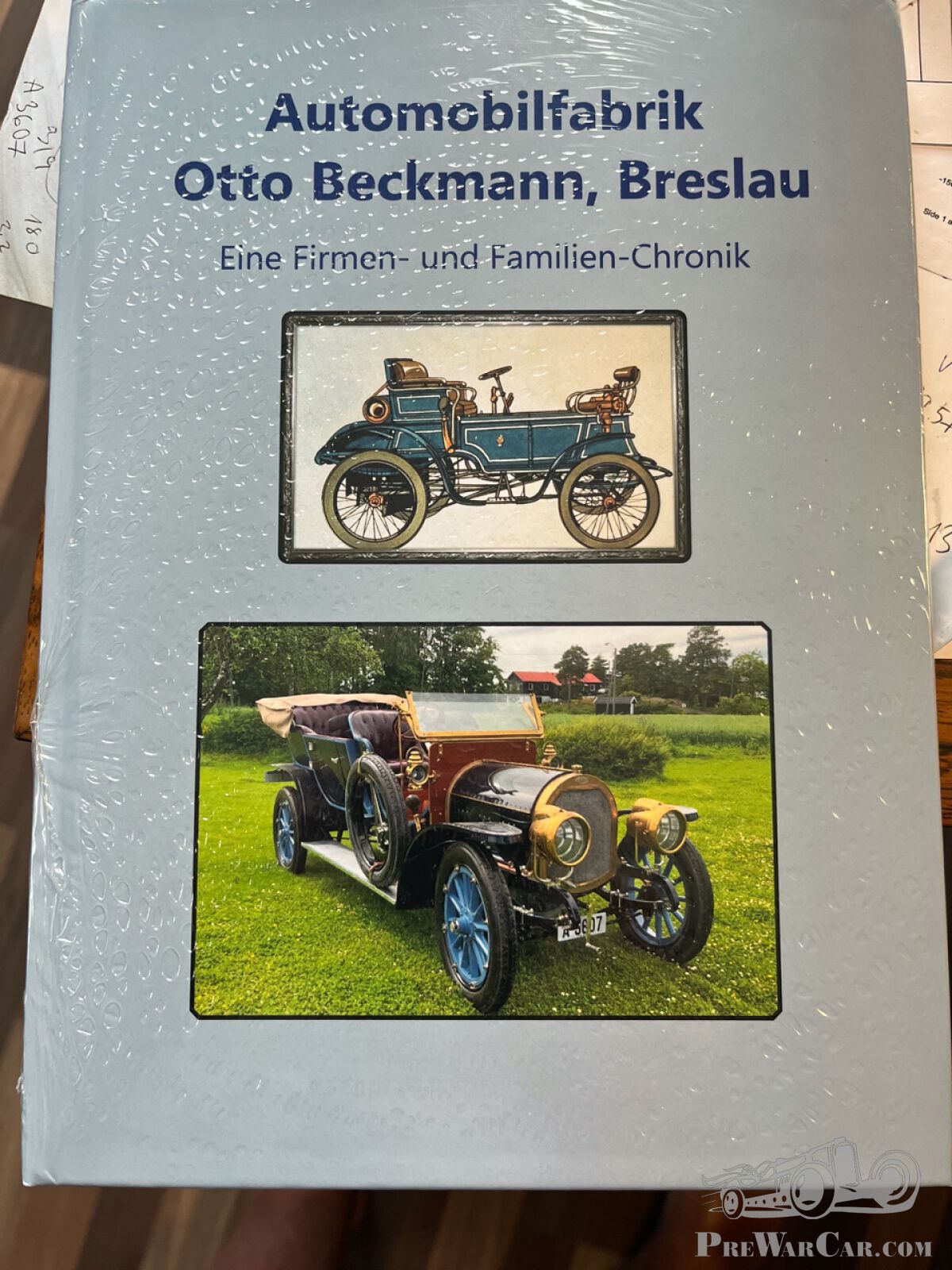
Rune's car adorns the new book about Beckmann by Christian Børner

Paul Beckmann at the wheel of one of his cars


Otto Beckmann & Cie built cars in Breslau, in the German Empire, from 1900 to 1926, Georgano informs us. He started using his own engines from 1904, and very soon had a range spanning two-, four- and six-cylinder models. With a quarter of a century of production to its name, one would think there must be a fair number of Beckmanns which have made it into preservation. Not so—Breslau is situated on territory which was historically contested between various kingdoms, and has since 1945 been located with the present political boundaries of Poland, although in Beckmann's day it fell within the German Reich. Because of its location, Beckmann had little impact in western Europe and sold mainly in the eastern German Empire and other eastern European countries, where the winters are harsh and efforts to preserve historic vehicles were relatively late to gain traction.
What this means is that there is only one known survivor, a 1911 21/45 PS, which has just emerged from a much-needed restoration by Rune Aschim of Norway, who has been in correspondence throughout the time with Otto Beckmann's descendants. The very early years of the car have some question marks around them, but Rune tells us all he knows: "We know little about the car from 1911 in Germany, until it was equipped with a Frankonia body and wings in 1920 and exported to Sweden. Originally, it would have had a Roi-des-Belges body from the factory in Breslau. In Sweden, the car was in use for only five years, but it must have been used a lot, as all the mechanical parts were worn out.
"I bought the chassis from Viklit Graae Jørgensen in Denmark in 2006. I had planned to build a new body in the 1911 style, but I was so lucky to find the remnants of similar car on Andøya, an island in northern Norway. There, the front half of the body had been converted to a sofa. There, I also got the steering wheel, horn, and so on. The engine was restored in Sweden and Åke Lindell in Sweden made new springs and restored the chassis. The wood for the body was from Norway, and the metal panels, hood and wings were made in Sweden. The upholstery was done by Polish craftsmen. The great-grandson of Paul Beckmann, Christian Börner, has written a book about the factory. He has confirmed that my car is the only surivor and has helped with a lot of information."
Rune has achieved a tremendous feat in bringing this unique, and very good-looking, Edwardian back from the dead. In the coming weeks and months, we hope his research efforts will shed some light on those years of the car's history which are, for now, unknown, although Christian has some ideas as to how Rune's car arrived in Sweden. When new, it would have been sold probably as a seven-seater double phaeton for the lofty sum of 15,000 Marks. The owner would have been forced to abandon the car during the Great War, and it may have been requisitioned by the German Army. Following Germany's defeat, it had to recoup has much of its losses as possible by selling its products to foreign markets. Many ex-army cars would have been overhauled and sold on; indeed, some 22,000 motor vehicles were exported from Germany in 1920, and it's likely that this Beckmann was one of them, spruced up with the new body by Frankonia. By December, 1920, it was registered to a wholesaler named Axel Edlund in the municipality of Robertsfors.
We would be interested to know more about the Frankonia coachworks, because we are not familiar with it, but we wonder if it was connected with the Frankonia domed one-piece mudguards, which were advertised in The Autocar in 1912, and available through Barimar Ltd. of 10, Poland Street, London W. Currently, there is a pair of Frankonia side lamps for sale, again with Viklit Graae Jorgenson.
The 21/45 PS model used a 5.3-litre T-head engine with dual ignition. It looks a very capable touring car, so we hope Rune will get plenty of enjoyment from it at Scandinavia's veteran and vintage rallies.
Words: Zack Stiling
Photographs: Rune Aschim
Published:
Wednesday November 13th, 2024
Facebook
LinkedIn
Twitter
WhatsApp
Email
Copy
Comments


Stanislav Kirilets
20 November 2024, 03:32
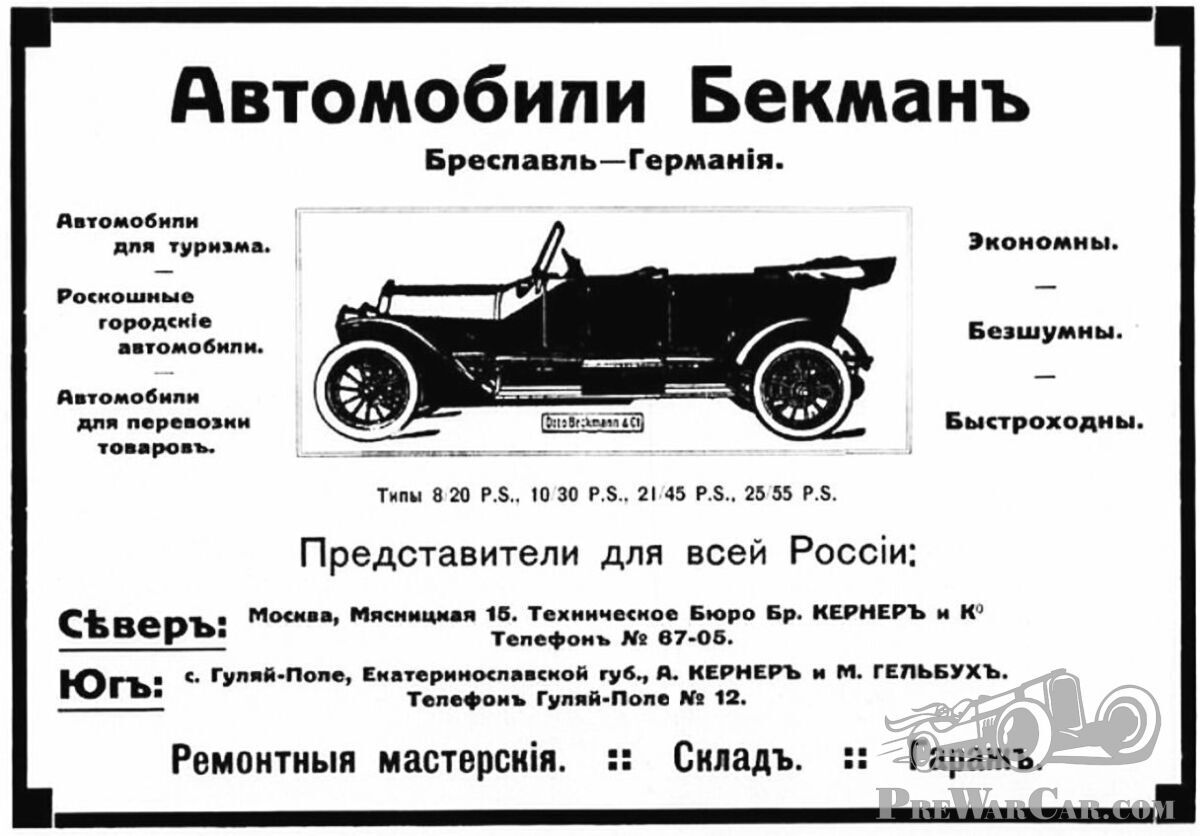
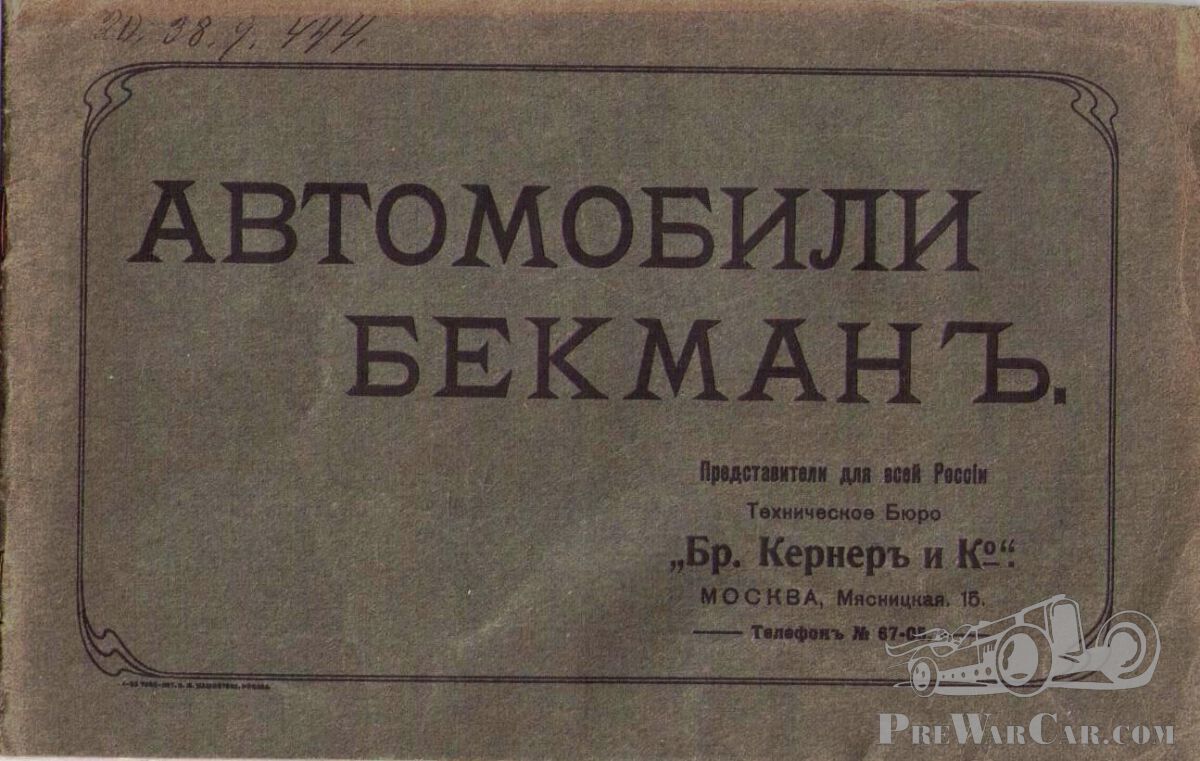
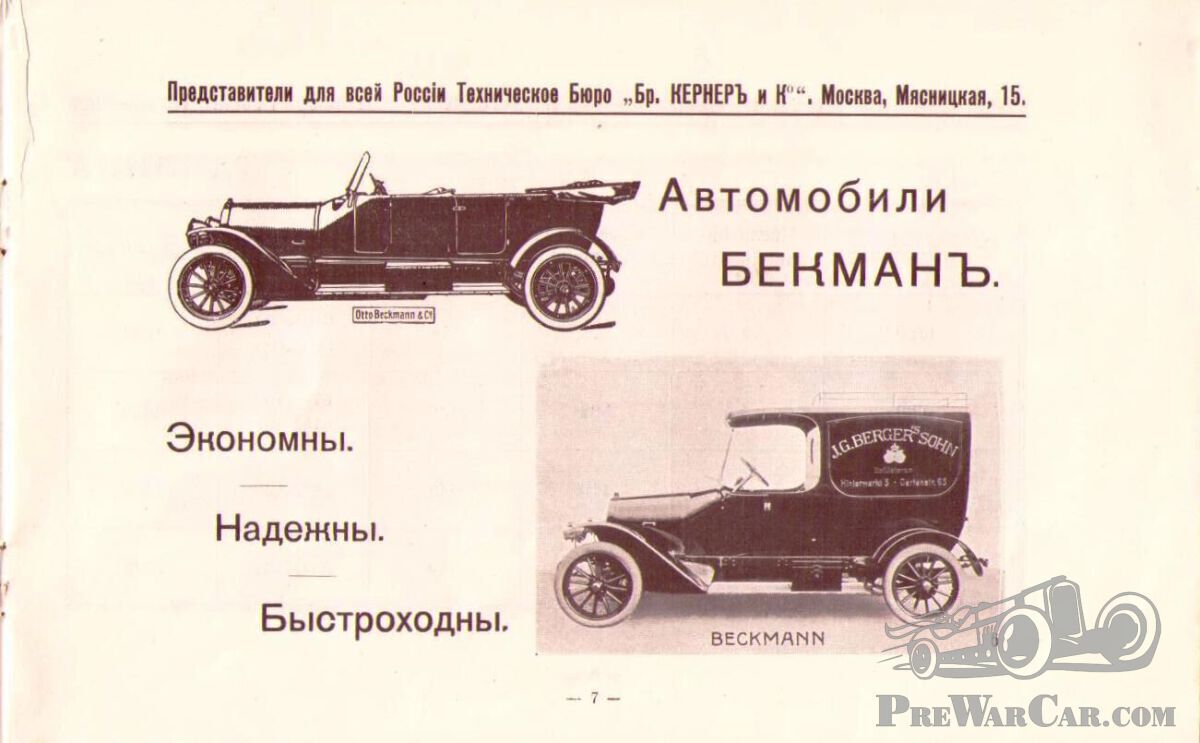
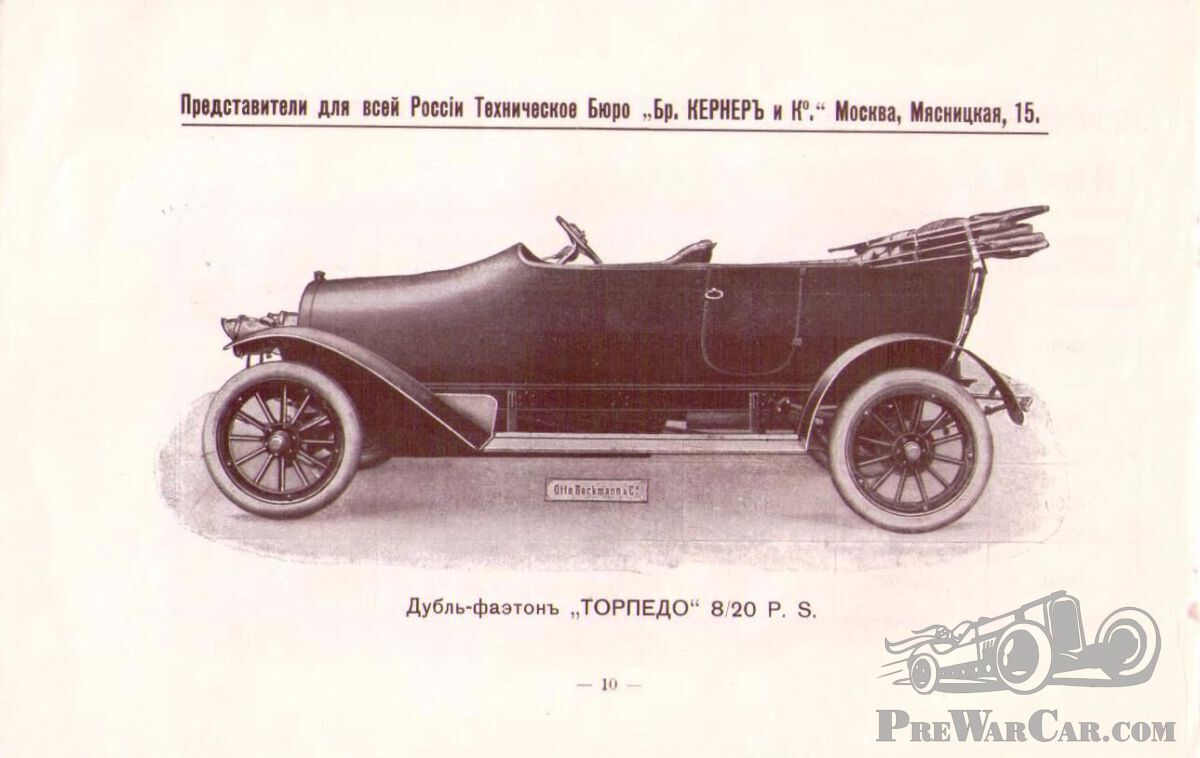
The Beckmann was also represented in Russia. I have the brochure.
Read more
Christian J. Börner
20 November 2024, 17:47
Hello, Mr. Kirilets, do you remember that we communicated with each other in 2017 about whether and how Beckmann was represented in Russia?
Because you are now reporting that you have a Russian-language Beckmann brochure, I would like to ask you to contact me again. I assume that you still have my email address.
Read more
Because you are now reporting that you have a Russian-language Beckmann brochure, I would like to ask you to contact me again. I assume that you still have my email address.
Stanislav Kirilets
20 November 2024, 20:49
Hello! Yes, I remember. But I can't find your email address. Do you have mine? Then contact me:
kiriletz(*)t-online.de
Unfortunately the scans are not big enough.
Regards,
Stanislav
Read more
kiriletz(*)t-online.de
Unfortunately the scans are not big enough.
Regards,
Stanislav
Ariejan Bos
16 November 2024, 10:34
It is definitely a beautiful restoration with a result that seems to have been driven directly out of the showroom. Historically, however, the body doesn't fit with the presumed year of production, when the torpedo shape was fully accepted by Beckmann and integrated in their complete model range. So, although understandable from a cost perspective, the use of this 'luckily found' older type of double phaeton body is not correct from an historical perspective.
An interesting detail which is typically Beckmann is the shackle at the front of the front spring, present till at least 1914. This spring system was used by many other car makes in the early 1900s, but by 1905 most of them had abandoned this. The advantage of this system has never been clear to me, so if anyone can explain I would be grateful!
Read more
An interesting detail which is typically Beckmann is the shackle at the front of the front spring, present till at least 1914. This spring system was used by many other car makes in the early 1900s, but by 1905 most of them had abandoned this. The advantage of this system has never been clear to me, so if anyone can explain I would be grateful!
Rune Aschim
18 November 2024, 16:50
This body style is correct for my car as it has the broad frame. In 1912 Beckmann started with torpedo bodies and the frame was 10cm more narrow. Perhaps late 1911 cars had torpedo bodies. I have evidence of the firewall being cut down to a round curve in 1920 when the modern body was installed and car sent to Sweden, and also of brackets made for the newer hood.
Read more
Michael Schlenger
16 November 2024, 19:37
Regarding the body design, I also share the view that in 1911 all German car manufacturers had adopted the torpedo shape. The transition took place gradually, however. For example, another German niche manufacturer, Oryx, offered both bodies with and without torpedo in its 1910 prospectus. Given the poor documentation of Beckmann motor cars in contemporary photos and prospectuses, I wouldn't completety rule out the possibility that even in early 1911 an individual Beckmann could haven been manufactured with a traditional body lacking a torpedo. The fact that French manufacturers introduced the torpedo much more slowly is an indication that preferences on the buyers' side were pretty diverse before the First World War. Even in the mid-1920s, invididual cars were made with bodies which would have been clearly outdated by 1920 already. So, as long as this body style was available with a Beckmann from c.1910, I wouldn't put too much emphasis on the assessment that the chassis might be one year "too late". Of course, it would be nice to know also the owners thinking in this regard.
Read more
Christian J. Börner
14 November 2024, 15:23
I think it's great that this well-written article appeals to a wide range of experts, collectors and perhaps also authors of relevant literature, and thus saves my great-grandfather's company from oblivion.
As Mr. Schlenger has already written, the start of vehicle construction at Beckmann is not only incorrectly stated by Georgano, but by all authors who have concentrated on this subject after WWII. The most detailed description of Beckmann products can be found in the three books by Hans-Heinrich von Fersen: Autos in Deutschland 1885-1920 (from 1965 with 5 pages), 1920-1939 (from 1967 with 2 pages) and Sportwagen in Deutschland (from 1968 with 2.5 pages). But even he didn't know everything correctly.
The only source that gives the correct year for the start of motor vehicle production—1898—was the publication "Bilder aus der deutschen Automobil-Industrie“ (Images from the German Automobile Industry) from the Verlag Automobil-Welt, Berlin, 1905.
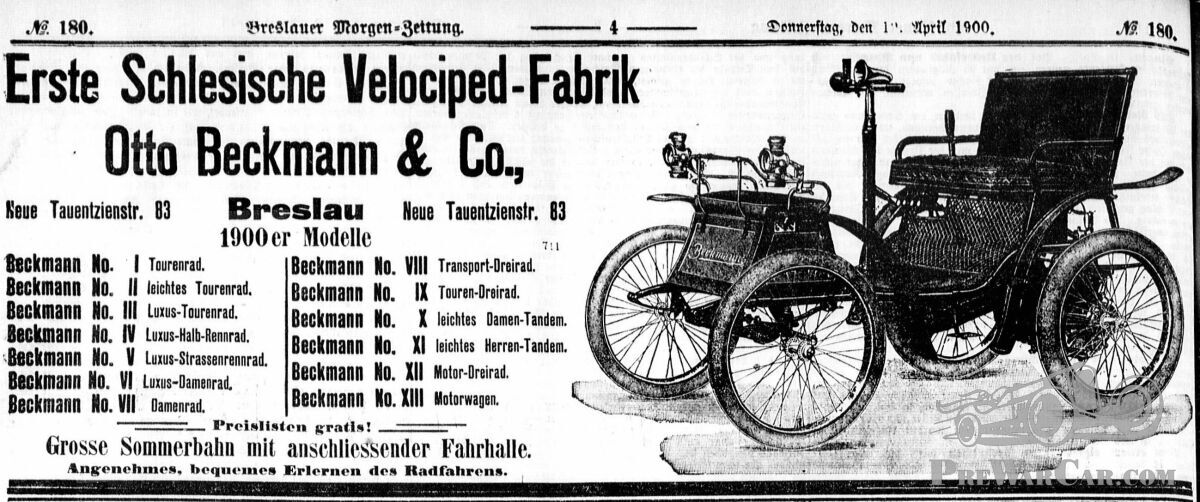
What could have been the reason for this? The first motorized models, the XII, a motor tricycle, and XIII, the first motor vehicle (which came in two versions), were not yet presented to a larger potential buyer group but were only offered at the place of origin, i.e. in the greater Breslau area (which was then the capital of the province of Silesia), initially of course only in minimal quantities. So Paul Beckmann was content to only advertise them in the local press. Here is an advertisement from April, 1900, (models I to XI were exclusively bicycles).
It was only when motor vehicle production had really picked up, that was in 1901, he changed the company name to "Erste Schlesische Velocipeden-Fabrik Otto Beckmann & Co., Fahrrad- und Automobilfabrik".
By the end of 1904, bicycle production had been completely abandoned, which is an indication that automobiles were selling in very good numbers and that production capacities were being exhausted.
I would like to add a few points for interested readers about what happened between these antipodes, the start of motor vehicle production in 1898 and its end when the company was taken over by Opel at the beginning of 1917, in terms of the range of products and in terms of sportiness. I ask for a little patience.
In 1986 I heard that there were fragments of an old Beckmann car in southern Sweden. I drove there immediately, saw the sad remains and had great hopes that one day a fully assembled Beckmann car could be created from them. After an odyssey lasting many years, a brave and experienced collector, Rune Aschim, dared this experiment. The car is now in Norway, perhaps more beautiful and better than it was in 1911. But my greatest wish will hopefully come true in 2025, 39 years after the discovery: I want to be able to see and touch the original and drive it. My friend Rune will be able to arrange it.
Read more
As Mr. Schlenger has already written, the start of vehicle construction at Beckmann is not only incorrectly stated by Georgano, but by all authors who have concentrated on this subject after WWII. The most detailed description of Beckmann products can be found in the three books by Hans-Heinrich von Fersen: Autos in Deutschland 1885-1920 (from 1965 with 5 pages), 1920-1939 (from 1967 with 2 pages) and Sportwagen in Deutschland (from 1968 with 2.5 pages). But even he didn't know everything correctly.
The only source that gives the correct year for the start of motor vehicle production—1898—was the publication "Bilder aus der deutschen Automobil-Industrie“ (Images from the German Automobile Industry) from the Verlag Automobil-Welt, Berlin, 1905.
What could have been the reason for this? The first motorized models, the XII, a motor tricycle, and XIII, the first motor vehicle (which came in two versions), were not yet presented to a larger potential buyer group but were only offered at the place of origin, i.e. in the greater Breslau area (which was then the capital of the province of Silesia), initially of course only in minimal quantities. So Paul Beckmann was content to only advertise them in the local press. Here is an advertisement from April, 1900, (models I to XI were exclusively bicycles).
It was only when motor vehicle production had really picked up, that was in 1901, he changed the company name to "Erste Schlesische Velocipeden-Fabrik Otto Beckmann & Co., Fahrrad- und Automobilfabrik".
By the end of 1904, bicycle production had been completely abandoned, which is an indication that automobiles were selling in very good numbers and that production capacities were being exhausted.
I would like to add a few points for interested readers about what happened between these antipodes, the start of motor vehicle production in 1898 and its end when the company was taken over by Opel at the beginning of 1917, in terms of the range of products and in terms of sportiness. I ask for a little patience.
In 1986 I heard that there were fragments of an old Beckmann car in southern Sweden. I drove there immediately, saw the sad remains and had great hopes that one day a fully assembled Beckmann car could be created from them. After an odyssey lasting many years, a brave and experienced collector, Rune Aschim, dared this experiment. The car is now in Norway, perhaps more beautiful and better than it was in 1911. But my greatest wish will hopefully come true in 2025, 39 years after the discovery: I want to be able to see and touch the original and drive it. My friend Rune will be able to arrange it.
Michael Schlenger
13 November 2024, 08:57
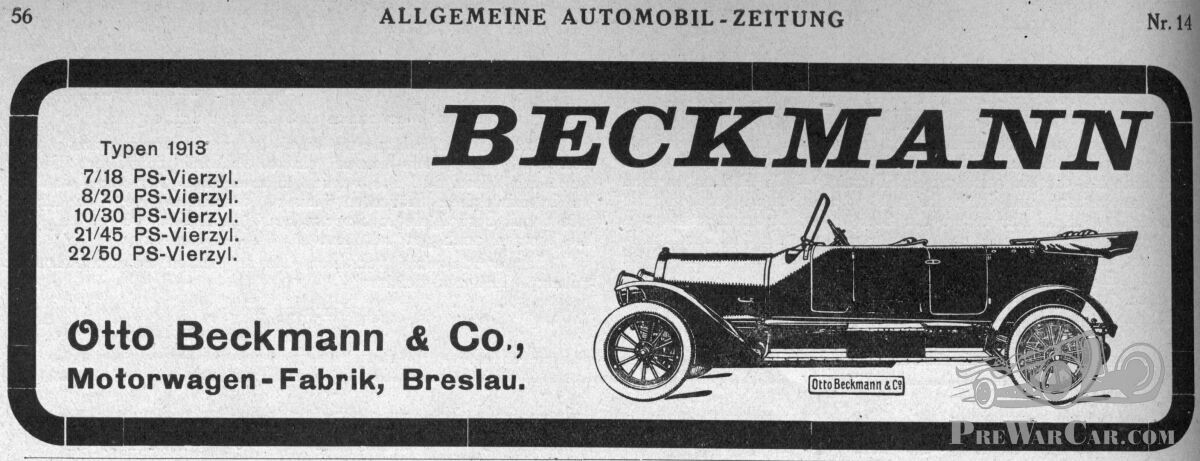
Many thanks for this article on the once important, but largely forgotten German car manufacturer Beckmann, from Breslau in the former province of Silesia. Unfortunately, the first sentence contains a common mistake—according to the research of Beckmann descendant Christian Börner the company started building motor cars in 1898, already. And it wasn't the founder of the company, Otto Beckmann, but his son Paul who was responsible for this important step which in 1904 led to the decision to fully concentrate on automobiles rather than continue to build bicycles which was the original field of business of the "Erste Schlesische Velocipedfabrik Otto Beckmann & Co." which had been the full name of the company since it foundation in 1882 (four years ahead of Opel, by the way). The exact number of cars that were built under the Beckmann brand until the takeover by Opel in 1926 is unknown, but it's reasonable to assume that several thousands must have been produced. Beckmann advertisements can be found in leading German car magazines alongside names like Audi, Bergmann, Brennabor, Dux, Fafnir, Lloyd, Loreley, Mathis NAG and NSU like, for example, in the "Allgemeine Automobil Zeitung" No. 14, from April, 1913. There I found the attached advertisement and together with Christian Börner I hope that other enthusiasts will also take a look into their collections where more documents relating to this once renowned company might slumber...
Read more
Rune Aschim
18 November 2024, 17:04
Thank you for the comment. For me this has been an interesting case. I understood before I bought the remains that this was a high quality car. T-head engines we know from Stutz and Mercer, but very few European cars had them. And why double ignition? A friend here in Norway said it was to be sure that all the gasoline explodes within the 5.3 litres. The double magneto I found at the Hershey swapmeeet in the U.S.A.
Read more