The global magazine and marketplace for classic car enthusiasts, by enthusiasts.


Filter
Make a choice:
- Cars
-
Make >>
-
Year >>
-
- Bikes
-
Location >>
- Parts & more
-
Make of car >>
-
Manufacturer >>
-
Category >>
- Bicycles & more
-
Year >>
-
Countries


The most famous Easter egg on wheels
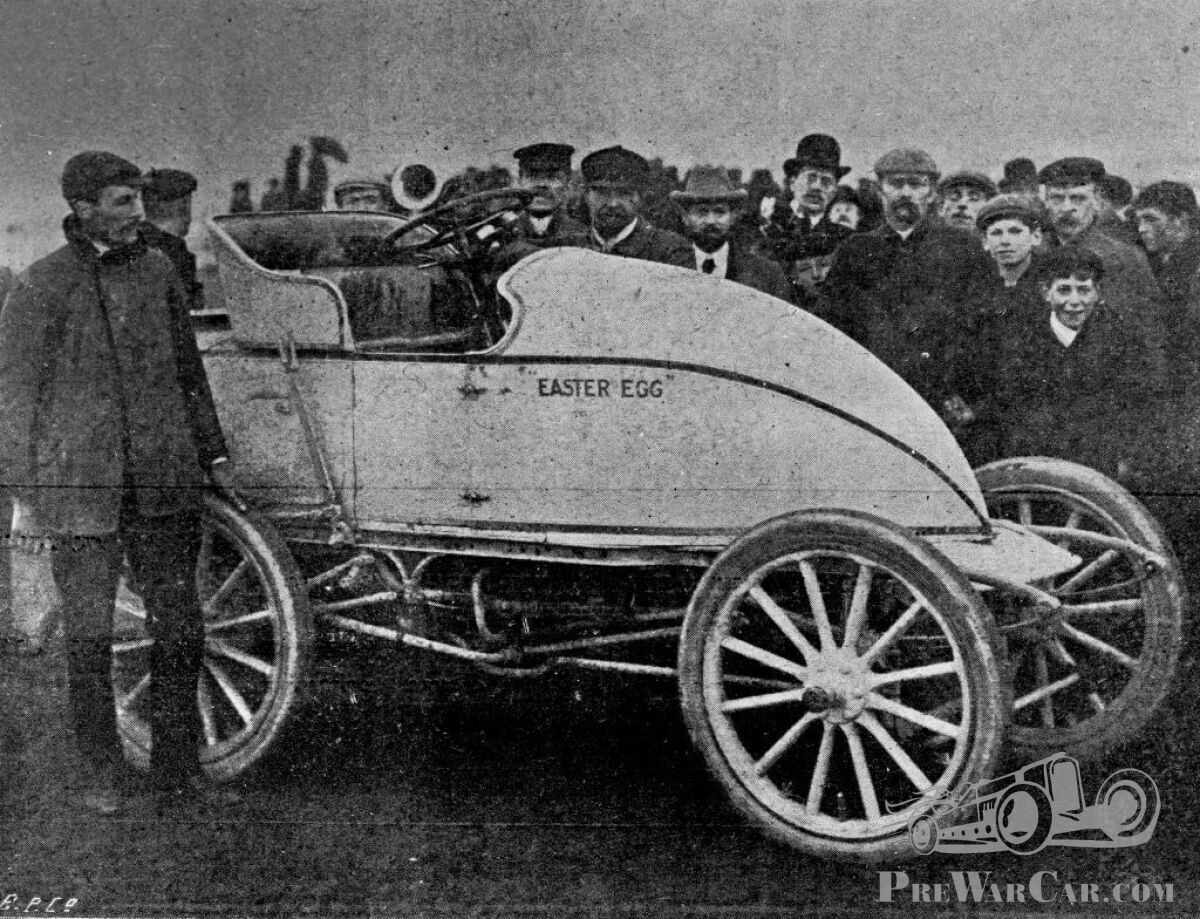
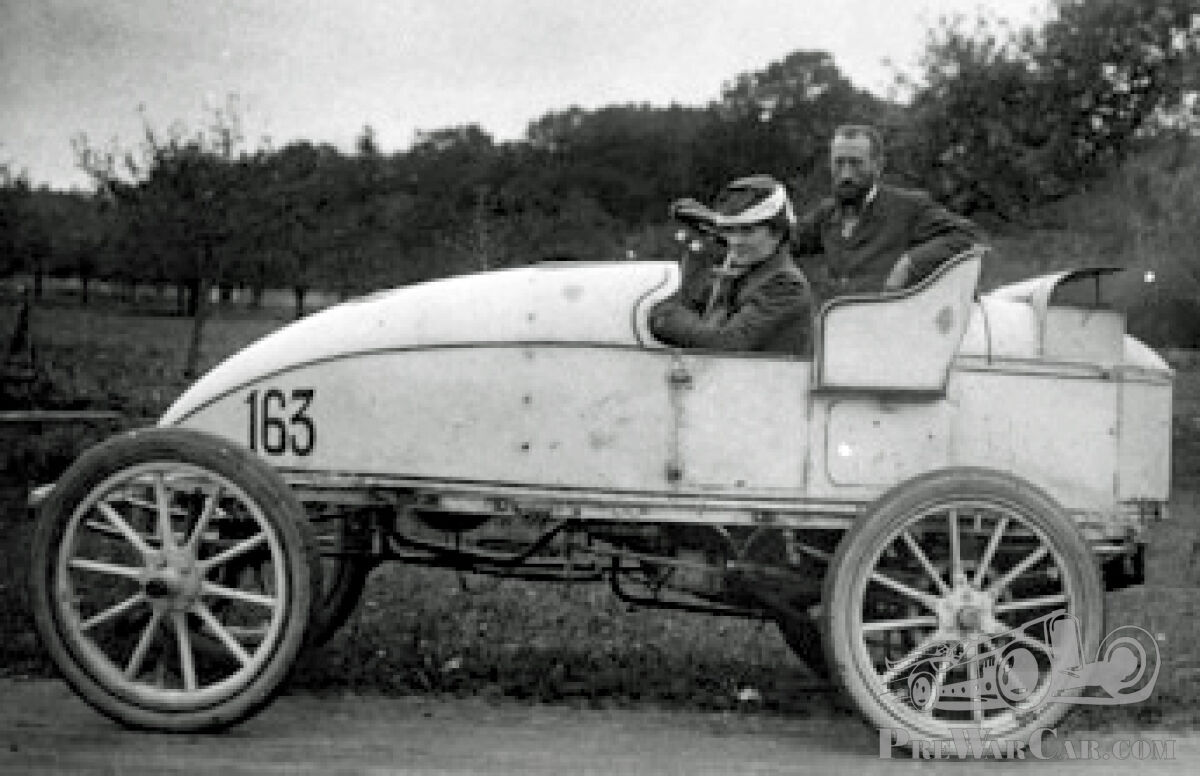
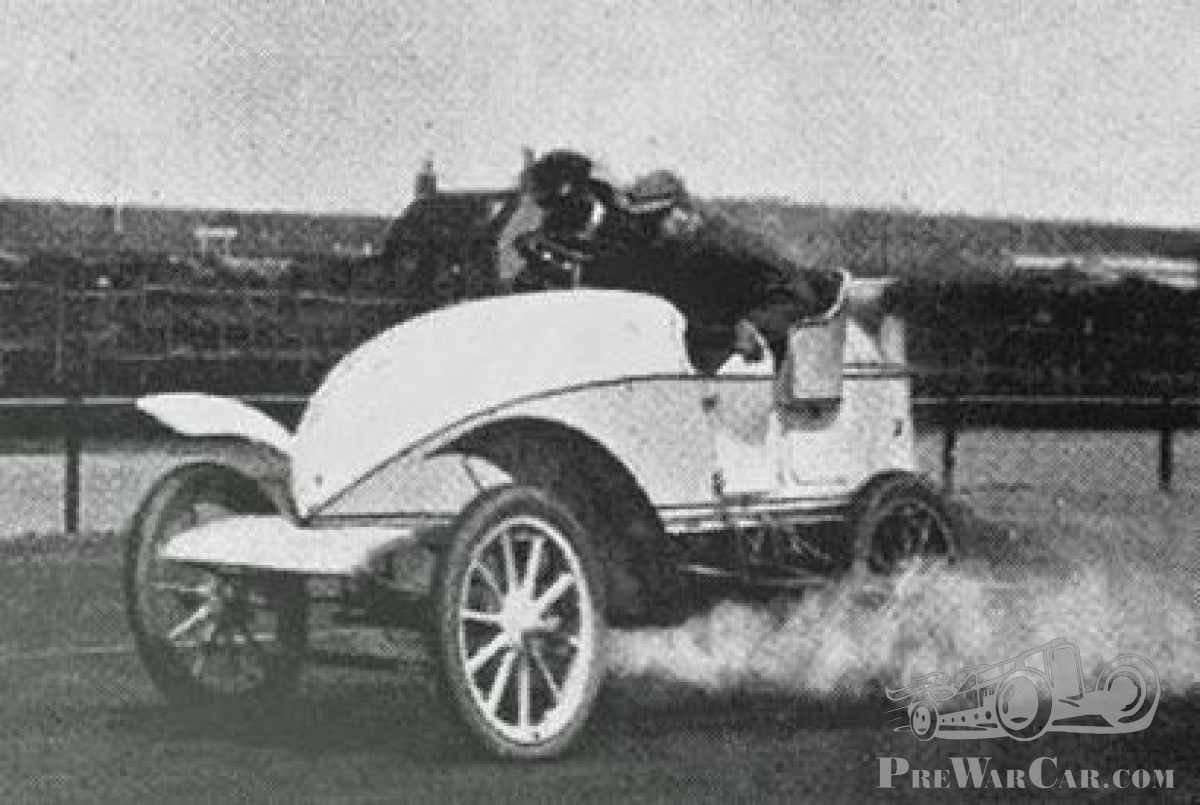


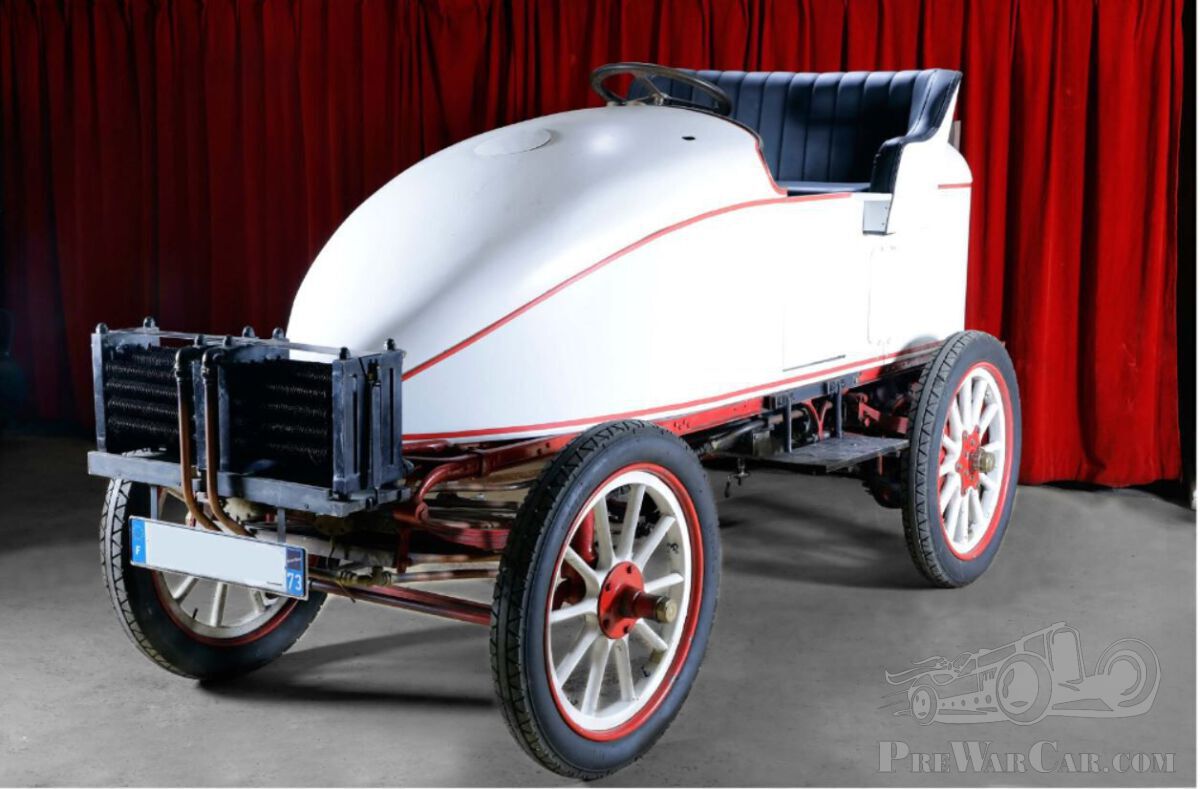
There are moments in automotive history when everything comes together: engineering, daring … and sometimes even the perfect occasion. Easter, for instance. Because around Easter 1902, a curiously shaped machine took to the stage; a car that looked more like an egg than a vehicle—and one that would change the world forever. Welcome to the story of the most famous Easter egg on wheels.
The car in question bore a name as playful as it was telling: “Œuf de Pâques”, French for Easter egg. Designed by the visionary French engineer Léon Serpollet, this was no joke or curiosity, but a serious attempt to push the absolute limits of speed.
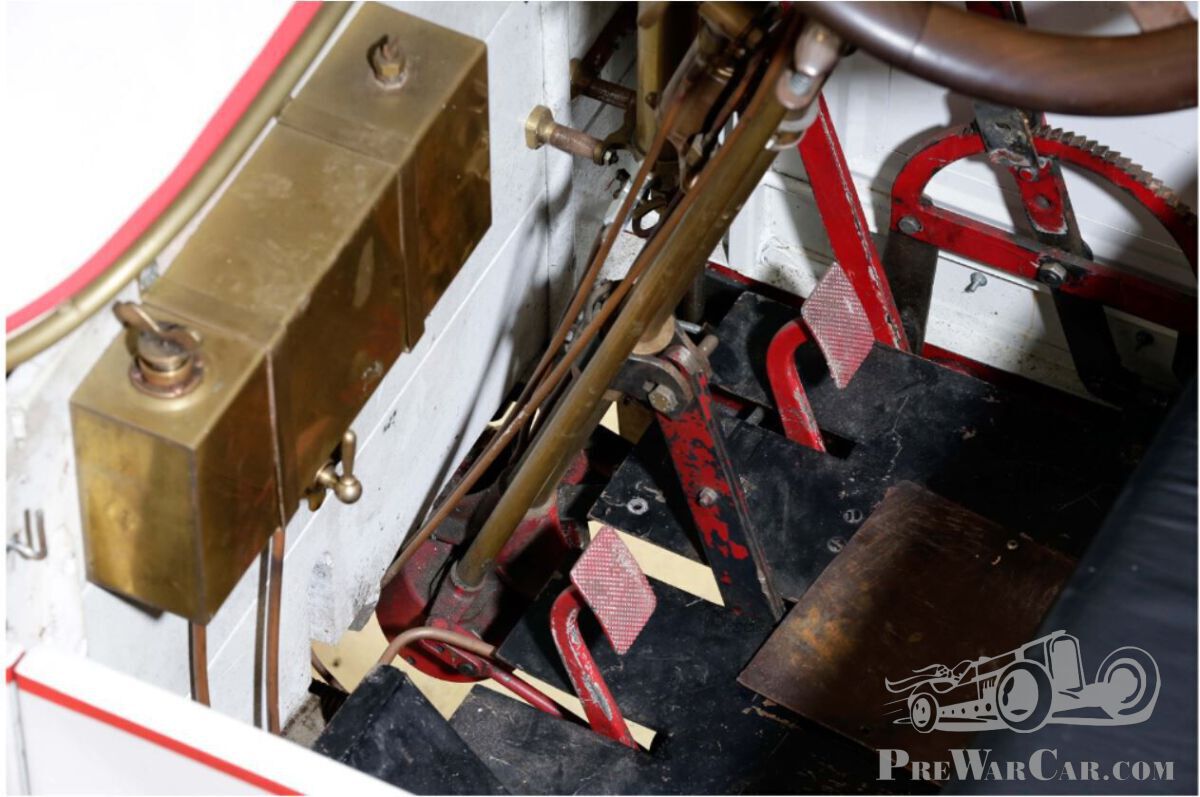
Serpollet firmly chose steam as his means of propulsion and developed an advanced flash steam system capable of generating steam at remarkable speed. The smooth, rounded bodywork was deliberately designed to minimise air resistance—long before terms such as streamlining or aerodynamics became commonplace.
The result? A vehicle that not only looked futuristic, but was genuinely faster than its contemporaries. In April 1902, on the Promenade des Anglais in Nice, the car proved its worth: over 120 km/h.
Perhaps it is the symbolism that makes this story so fitting for Easter. For centuries, the egg has stood for new life, for a beginning. And that is precisely what this car represents: a new chapter in mobility, a breakthrough that paved the way for everything that followed.
In a world where cars are increasingly alike, it is refreshing to look back to a time when anything seemed possible. When an engineer could build an egg on wheels—and make history with it.
So as you read this, perhaps with a cup of coffee and a chocolate egg within reach, take a moment to reflect on that other Easter egg. The one made of steel, steam and speed.
Because some eggs… break records.
Happy Easter!
Words: Laurens Klein
Published:
Sunday April 5th, 2026
Facebook
LinkedIn
Twitter
WhatsApp
Email
Copy
Comments
Richard Heritage
05 April, 12:48
Leo Schildkamp
05 April, 11:43
I'm quite surprised that the name of the vehicle in the photo is 'Easter Egg' and not 'Œuf de Pâques'
Leon Serpollet, a Frenchman, and the race in Nice
Does anyone have an answer to that?
—-
Ben verwonderd dat op de foto de naam van het voertuig is "Easter Egg"en niet " Œuf de Pâques "
Leon Serpollet Fransman en de run in Nice
Wie heeft daar een antwoord op?
Read more
Leon Serpollet, a Frenchman, and the race in Nice
Does anyone have an answer to that?
—-
Ben verwonderd dat op de foto de naam van het voertuig is "Easter Egg"en niet " Œuf de Pâques "
Leon Serpollet Fransman en de run in Nice
Wie heeft daar een antwoord op?
Vasily Shishka
05 April, 12:58
I can answer that question. After winning in Nice, this car was sold to an Englishman. This Englishman wrote the inscription in English. Photos #1 and #3 are not from Nice, but from a competition that took place later in England. Photo #2 shows a completely different car, built later.
I'd like to remind everyone that I'm continuing to work on a book about Serpollet cars. It's going slowly, because the more I know, the more questions arise. Several small discoveries have already been made in this process. One of them is that there were at least two different Easter eggs. The other is published here. My email address is at the end of the article.
https://www.prewarcar.com/the-serpollet-type-h-from-mulhouse-was-not-a-participant-in-the-paris-madrid-1903-race
I would be very grateful to anyone who can help me study the history of Serpollet cars with scans of brochures, user manuals, or rare photographs.
Read more
I'd like to remind everyone that I'm continuing to work on a book about Serpollet cars. It's going slowly, because the more I know, the more questions arise. Several small discoveries have already been made in this process. One of them is that there were at least two different Easter eggs. The other is published here. My email address is at the end of the article.
https://www.prewarcar.com/the-serpollet-type-h-from-mulhouse-was-not-a-participant-in-the-paris-madrid-1903-race
I would be very grateful to anyone who can help me study the history of Serpollet cars with scans of brochures, user manuals, or rare photographs.
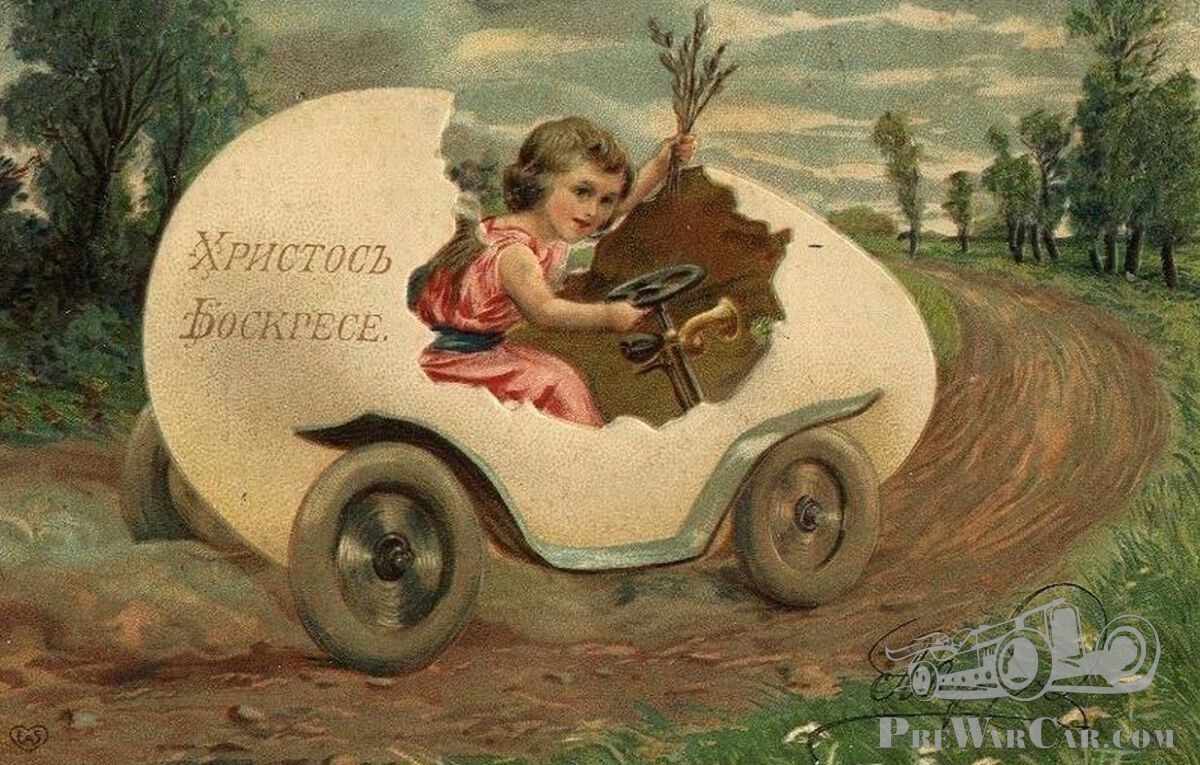


There is an exact replica of the Egg in the Bexhill on Sea Museum.