The global magazine and marketplace for classic car enthusiasts, by enthusiasts.


Filter
Make a choice:
- Cars
-
Make >>
-
Year >>
-
- Bikes
-
Location >>
- Parts & more
-
Make of car >>
-
Manufacturer >>
-
Category >>
- Bicycles & more
-
Year >>
-
Countries


The only racing Dilambda: reviving an African special
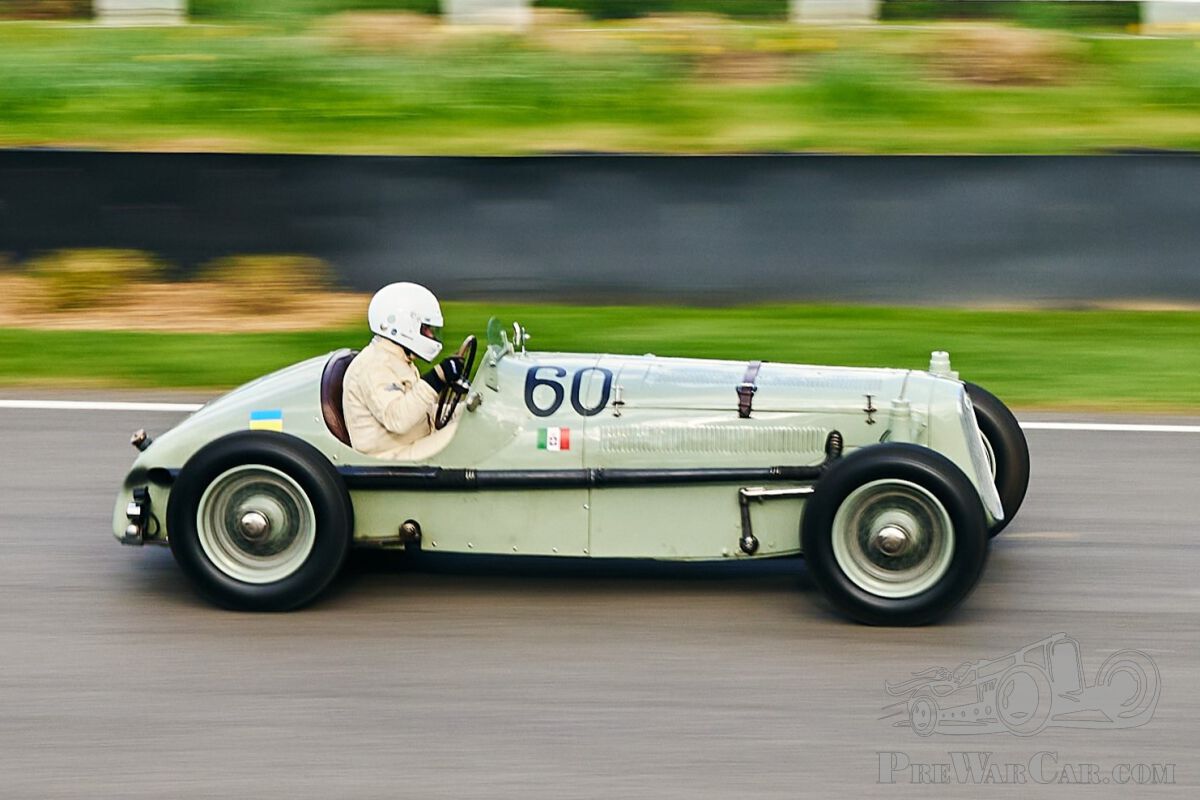
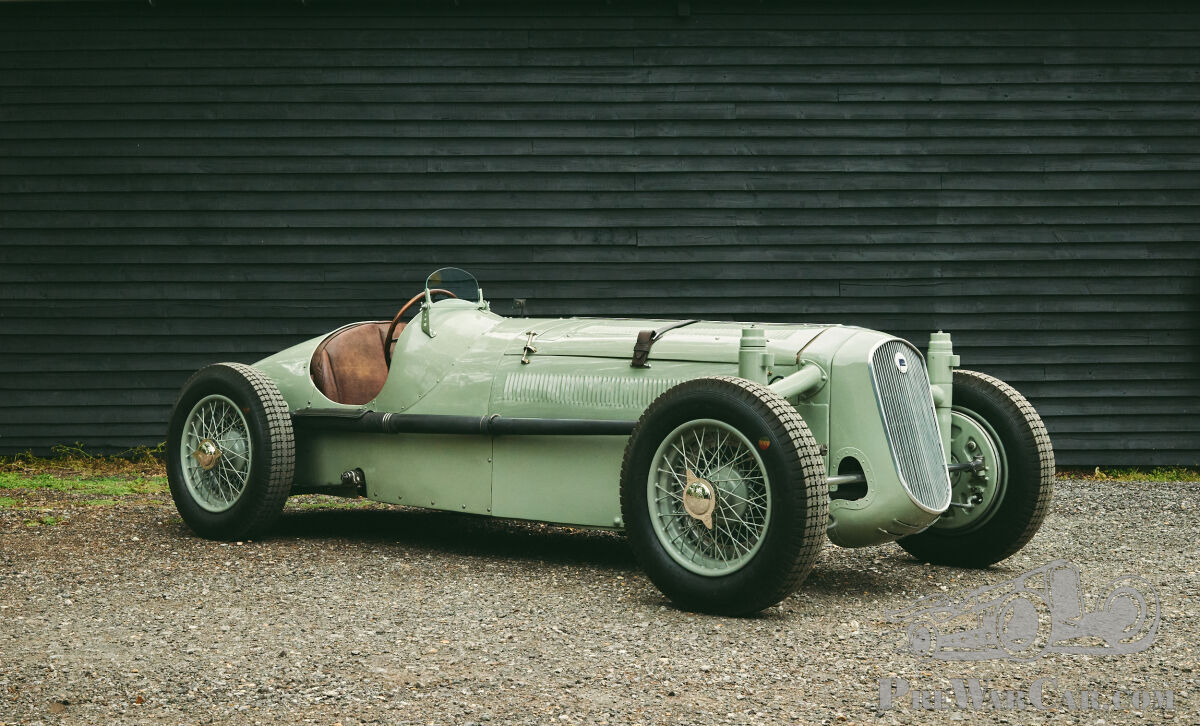
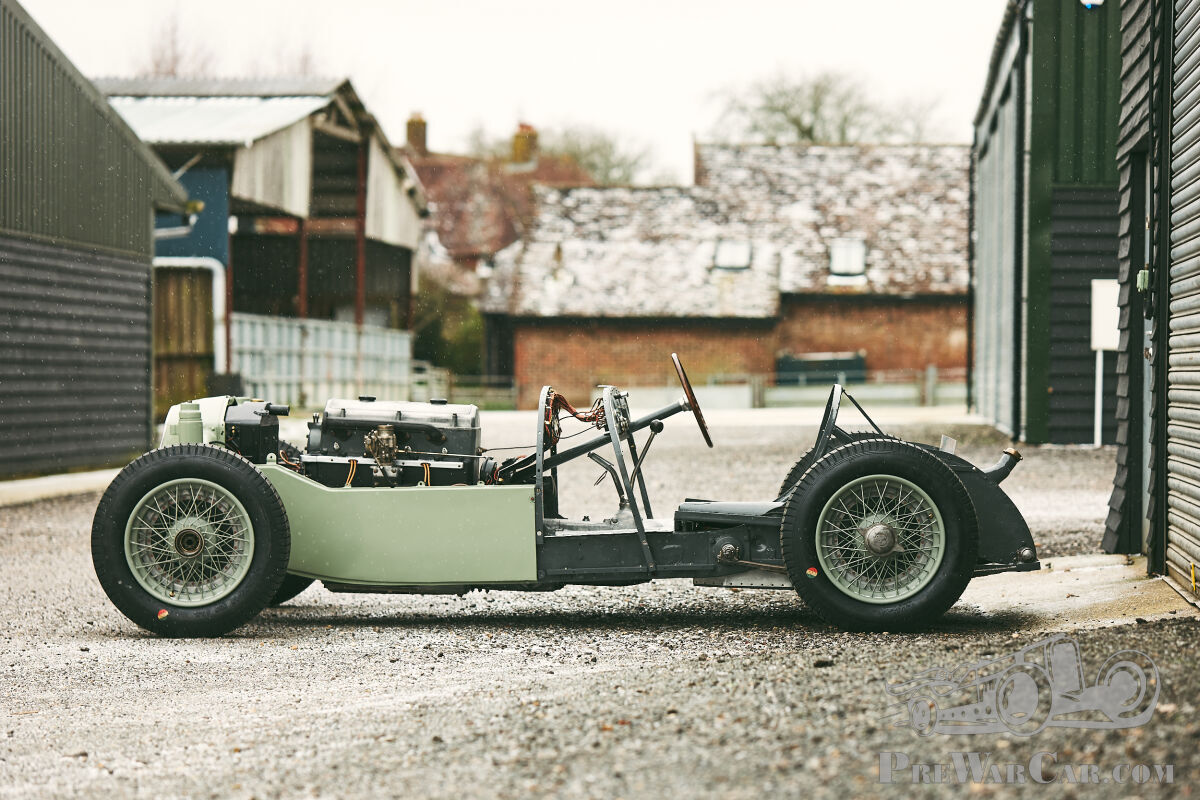
The Lancia Dilambda special as it is today, following a meticulous restoration by Walter Heale
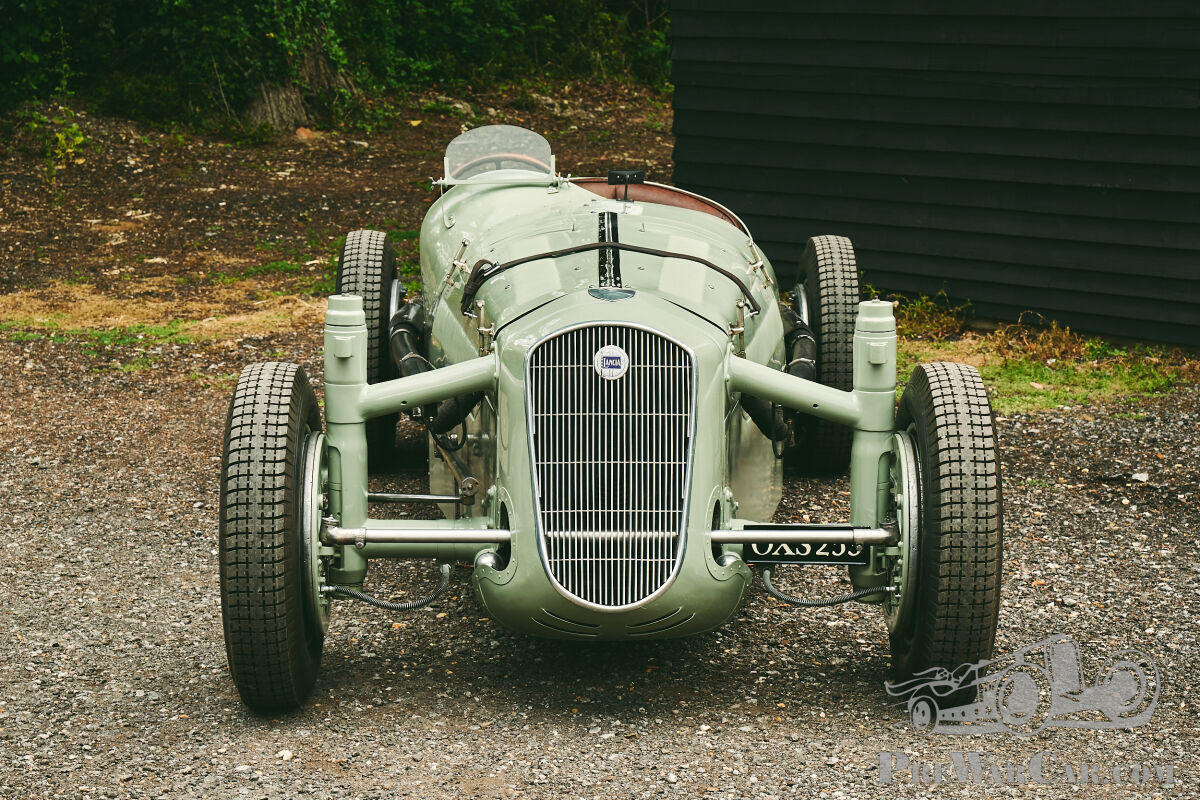
With its prominent sliding-pillar suspension, its origins are unmistakeable

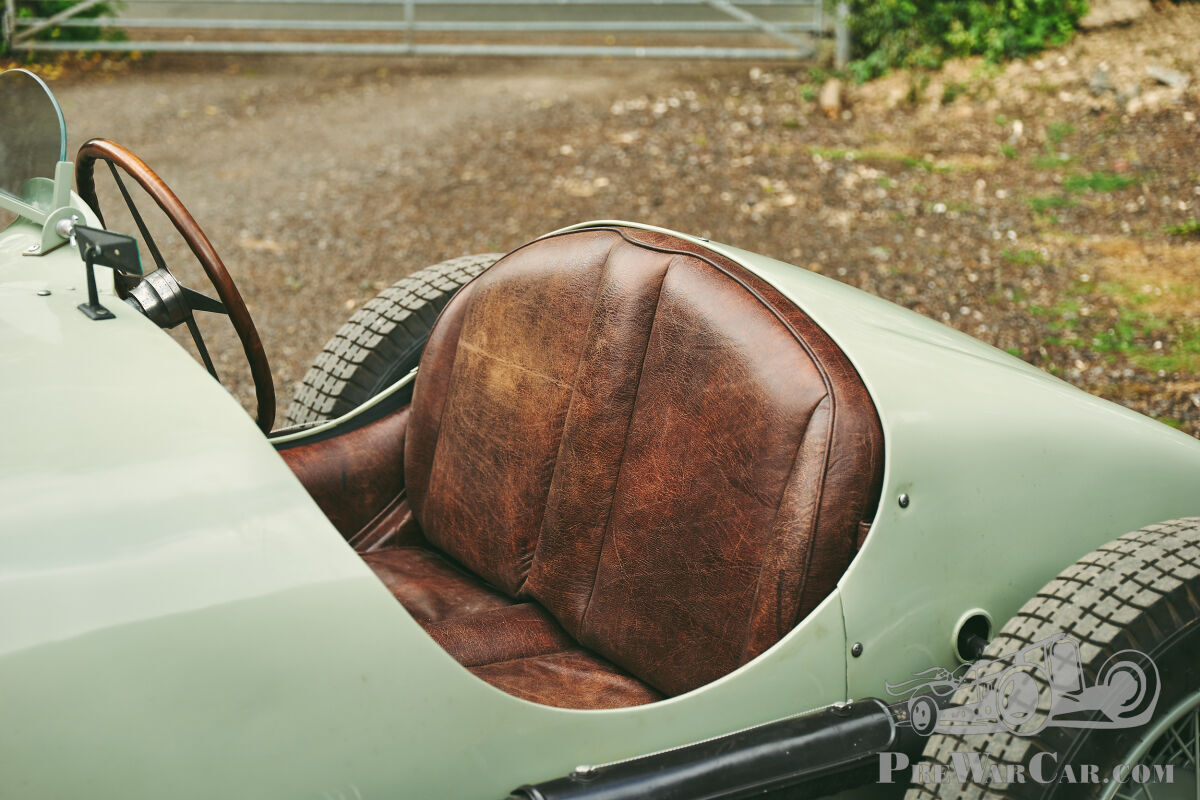

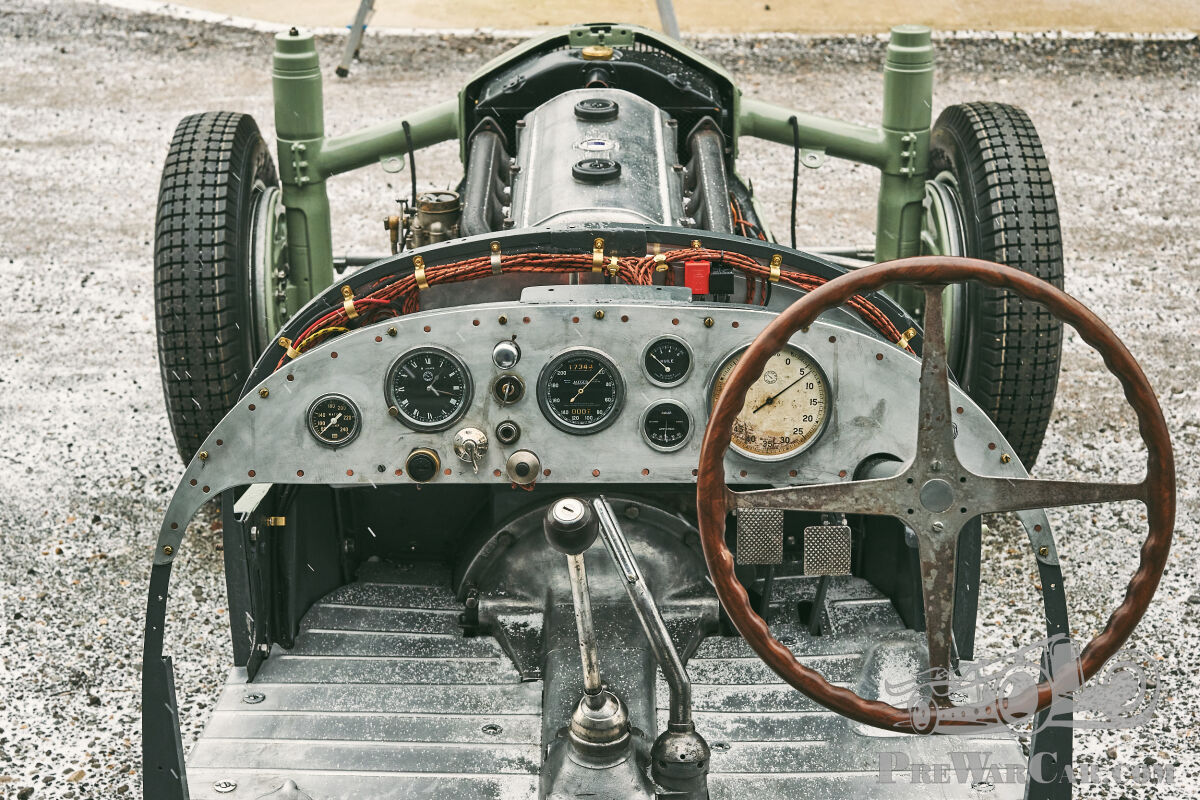
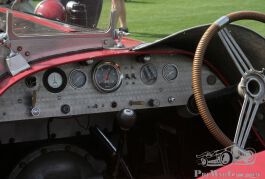
Although the dash has been remade, its patinated condition gives the impression that it is original to the car
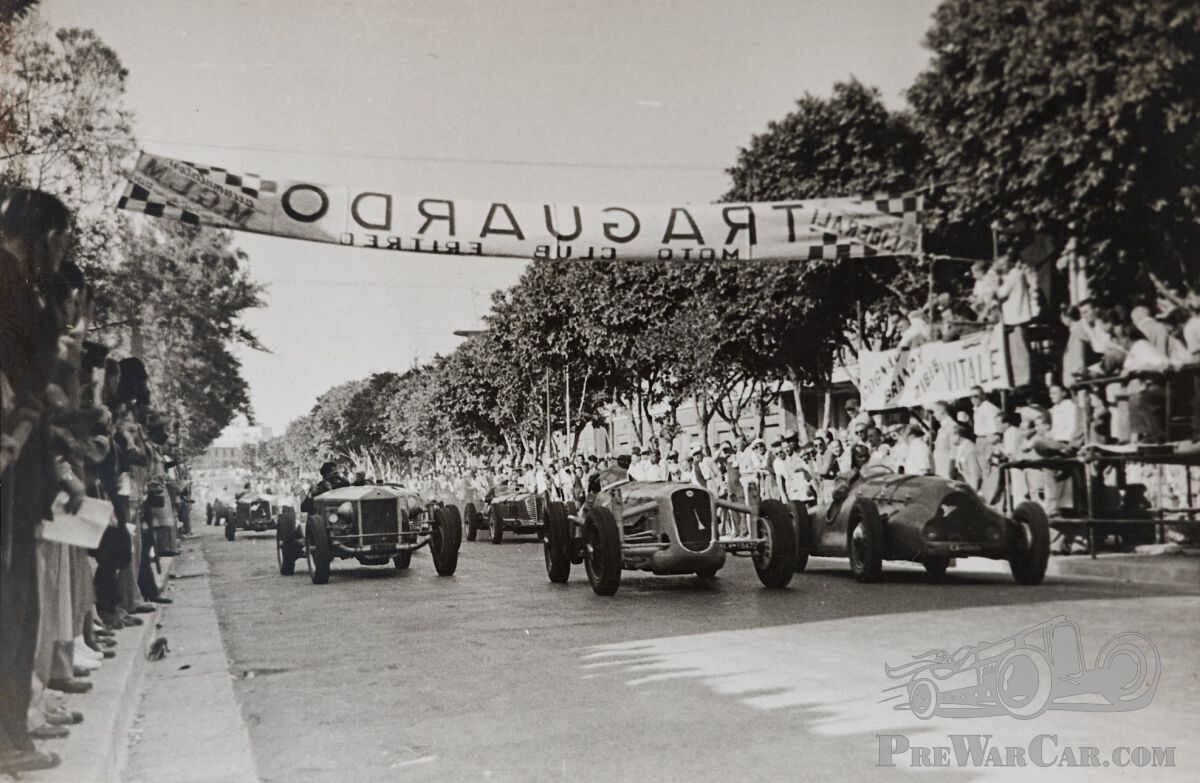
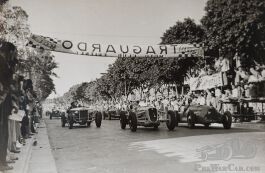
The Dilambda in an early race, seemingly leading the pack from the start line
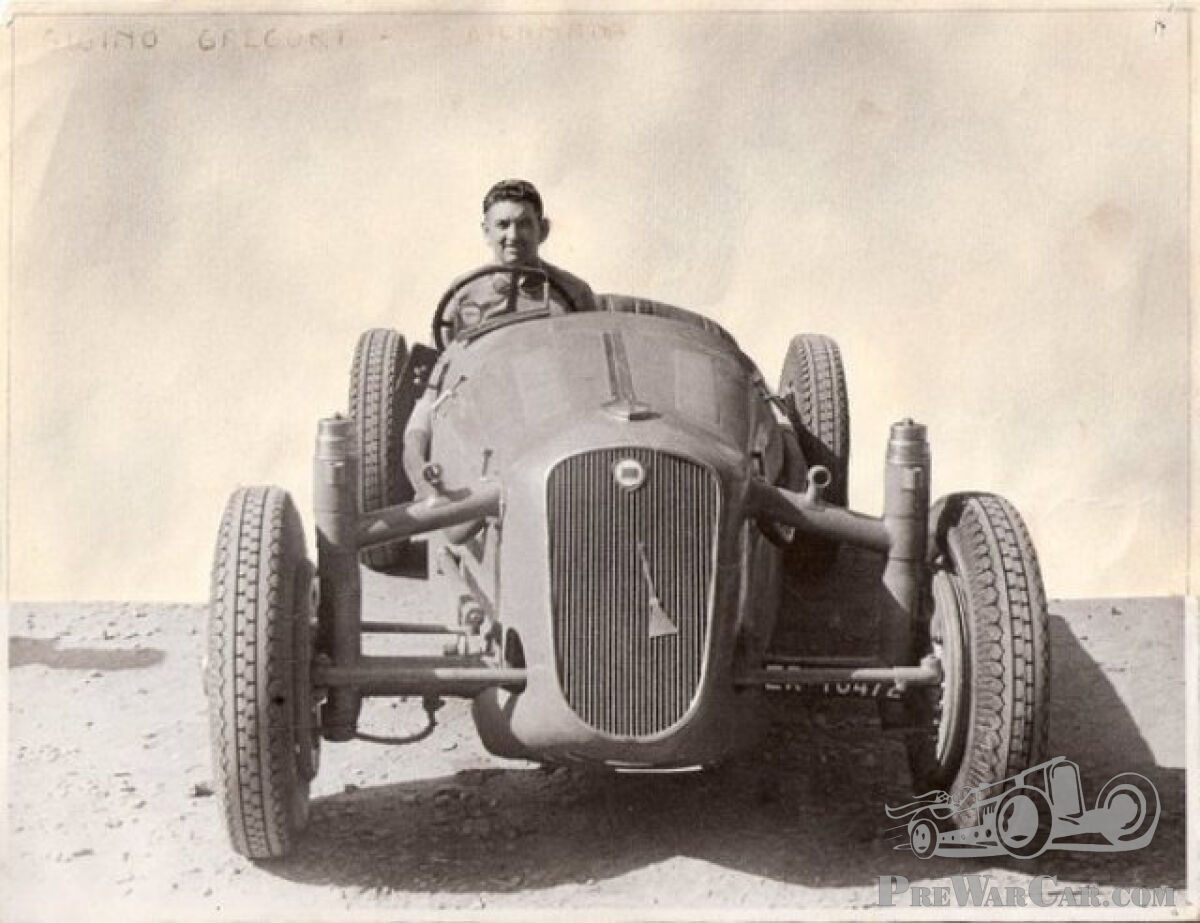
Gigino Gregori was probably the owner of the Dilambda during or just after its conversion to a racing car
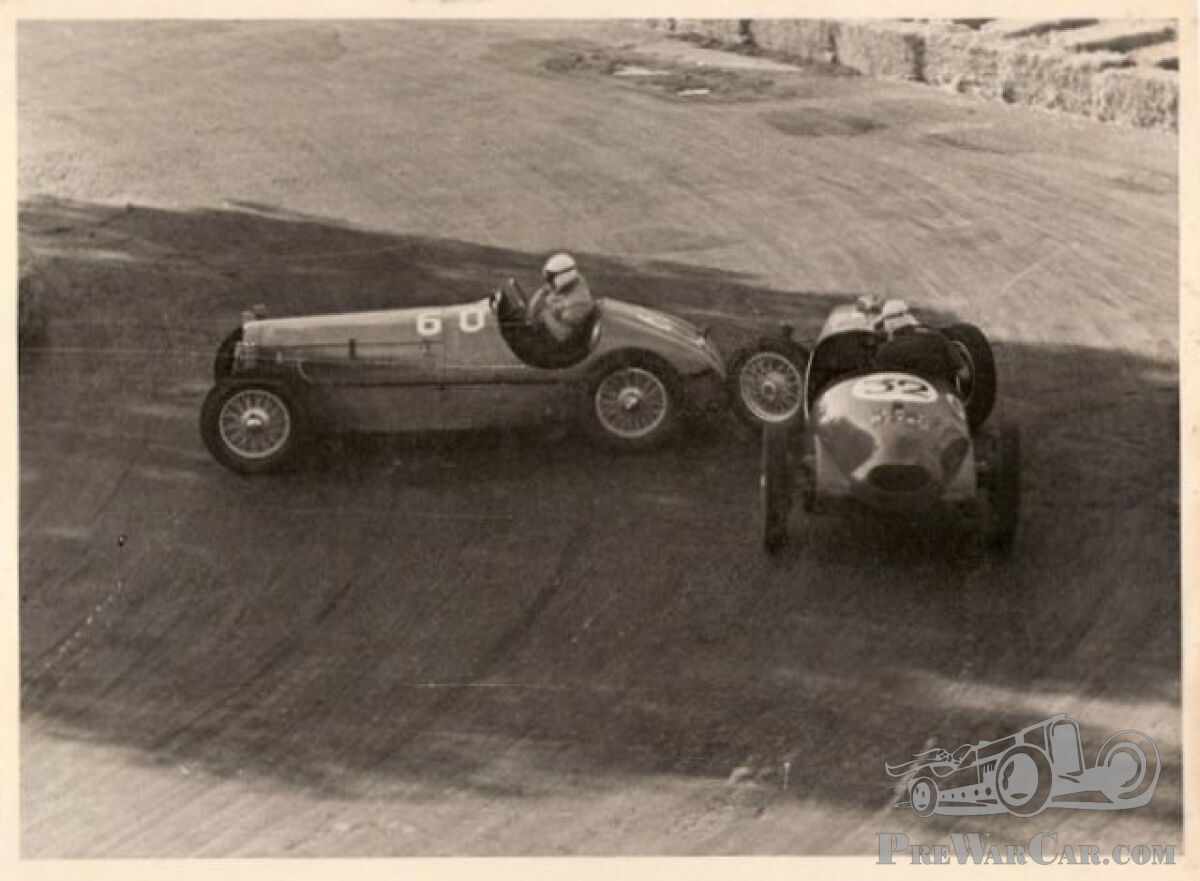
The Lancia was captured in an exciting skirmish with what we believe may be an 1,100cc Fiat
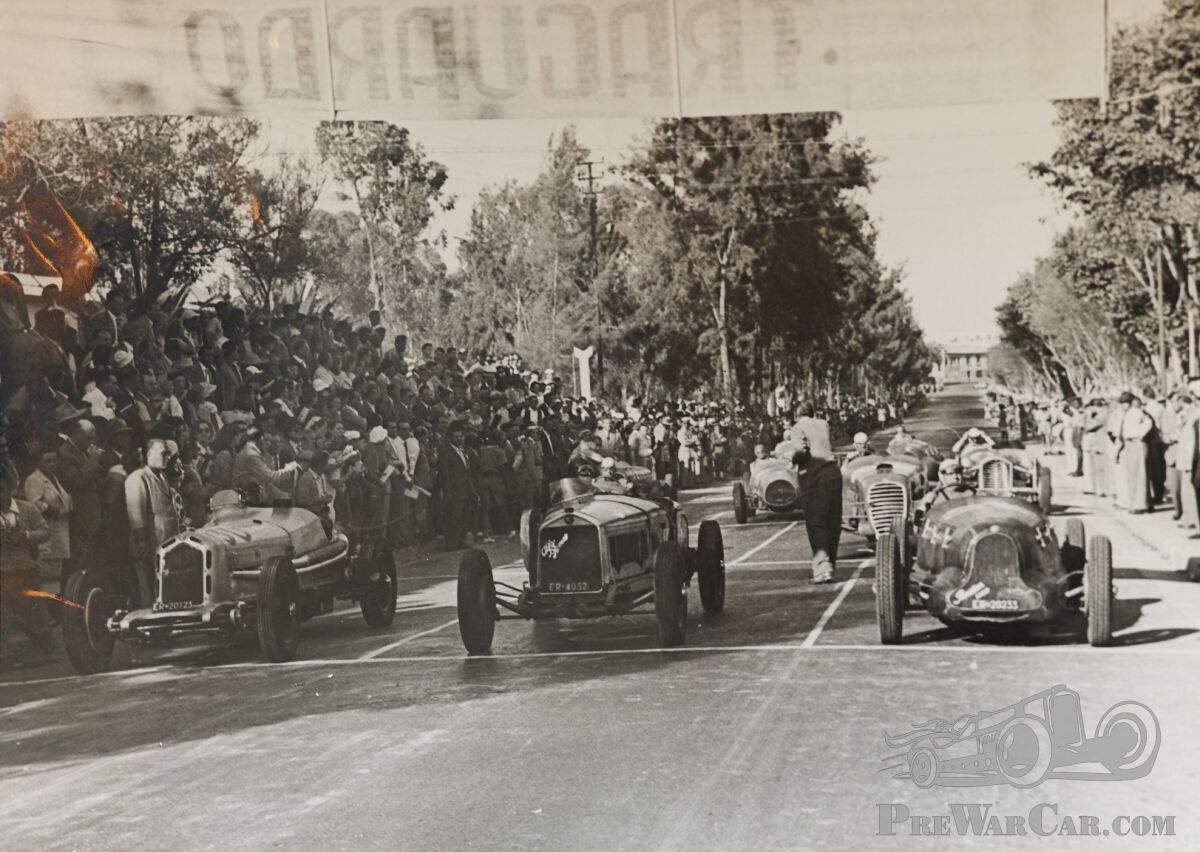
Another grid with the Lancia further back on the right-hand side, having lost its radiator cowl

A clearer shot of the Lancia post-accident and missing its cowl
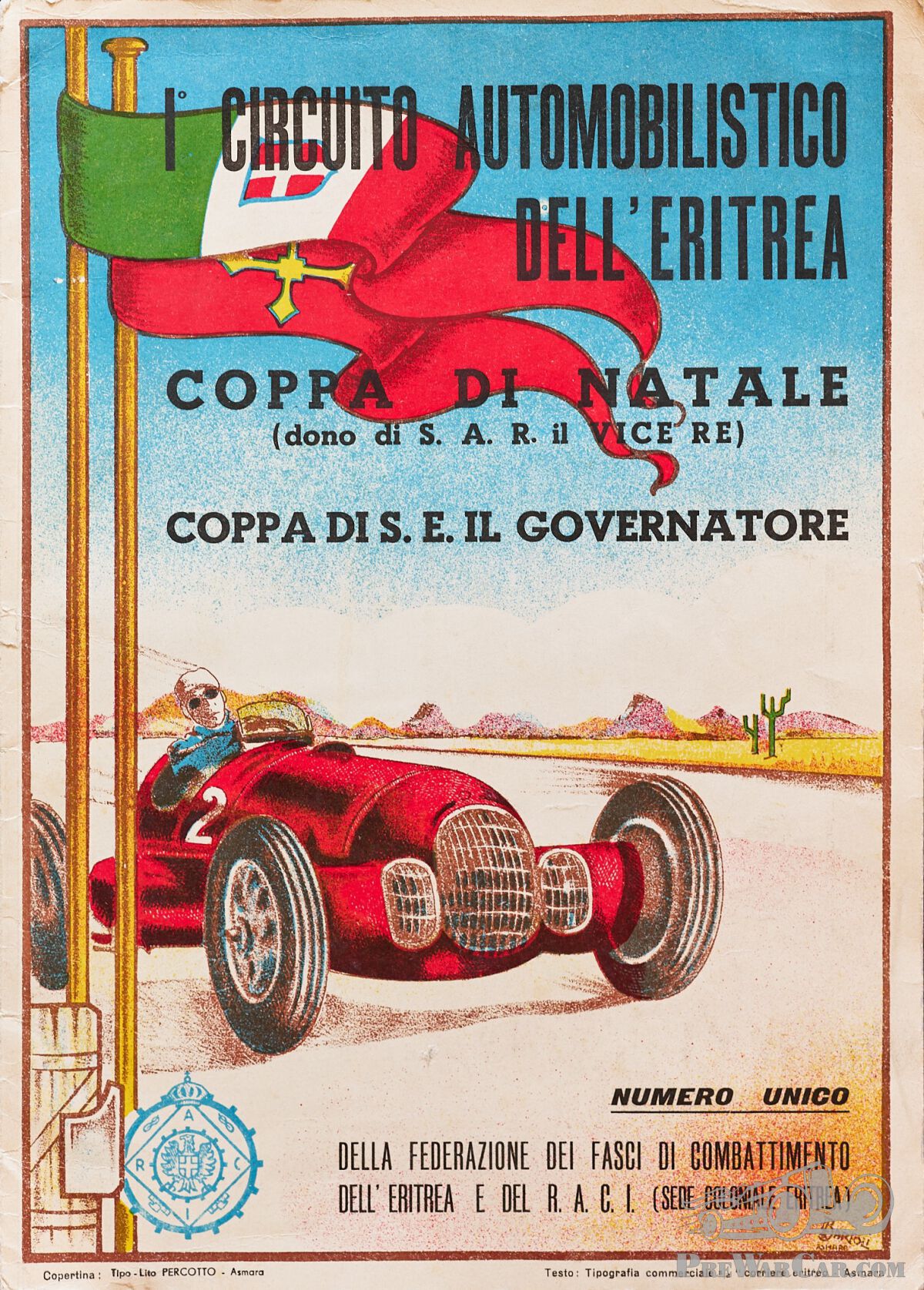
The 1938 Coppa di Natale would have been a popular event with Asmara's sports enthusiasts and socialites
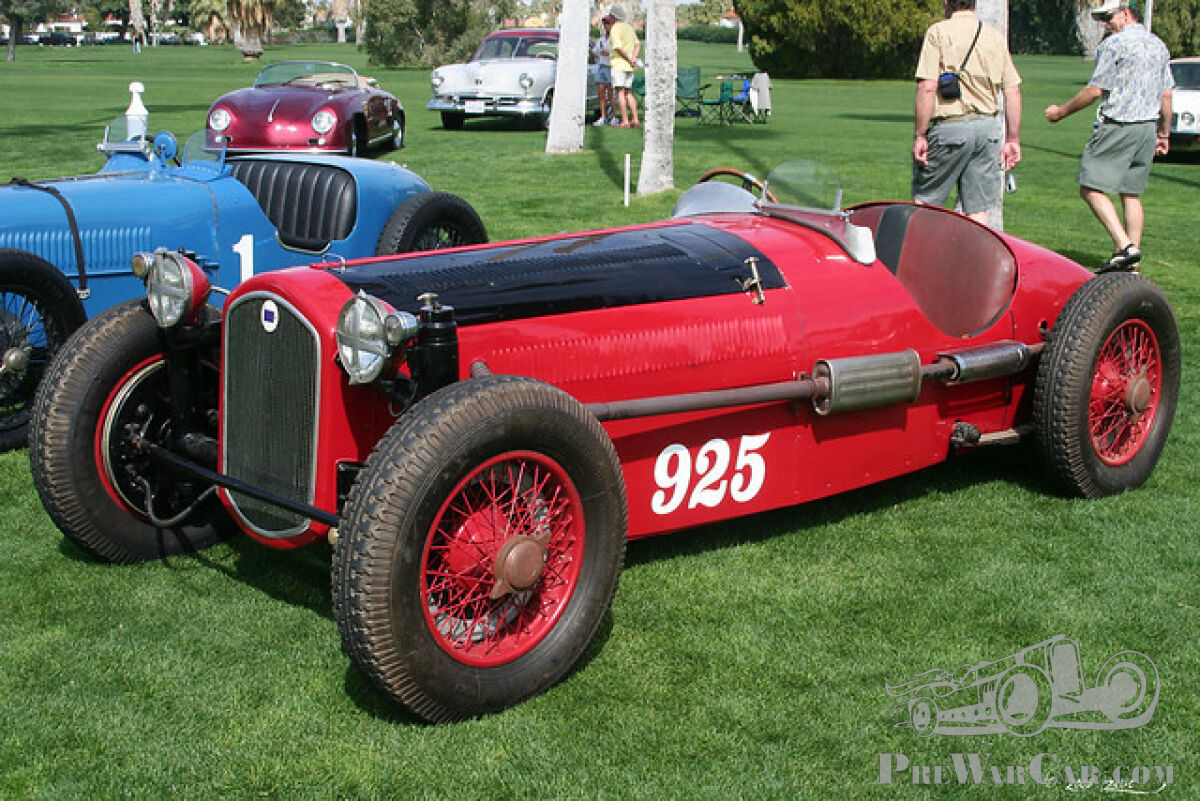
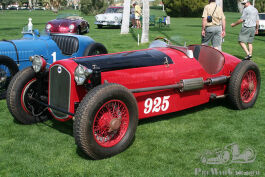
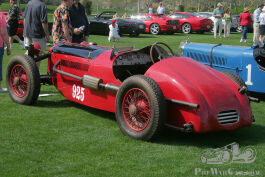
The car looked rather different on the 21st-century American concours circuit
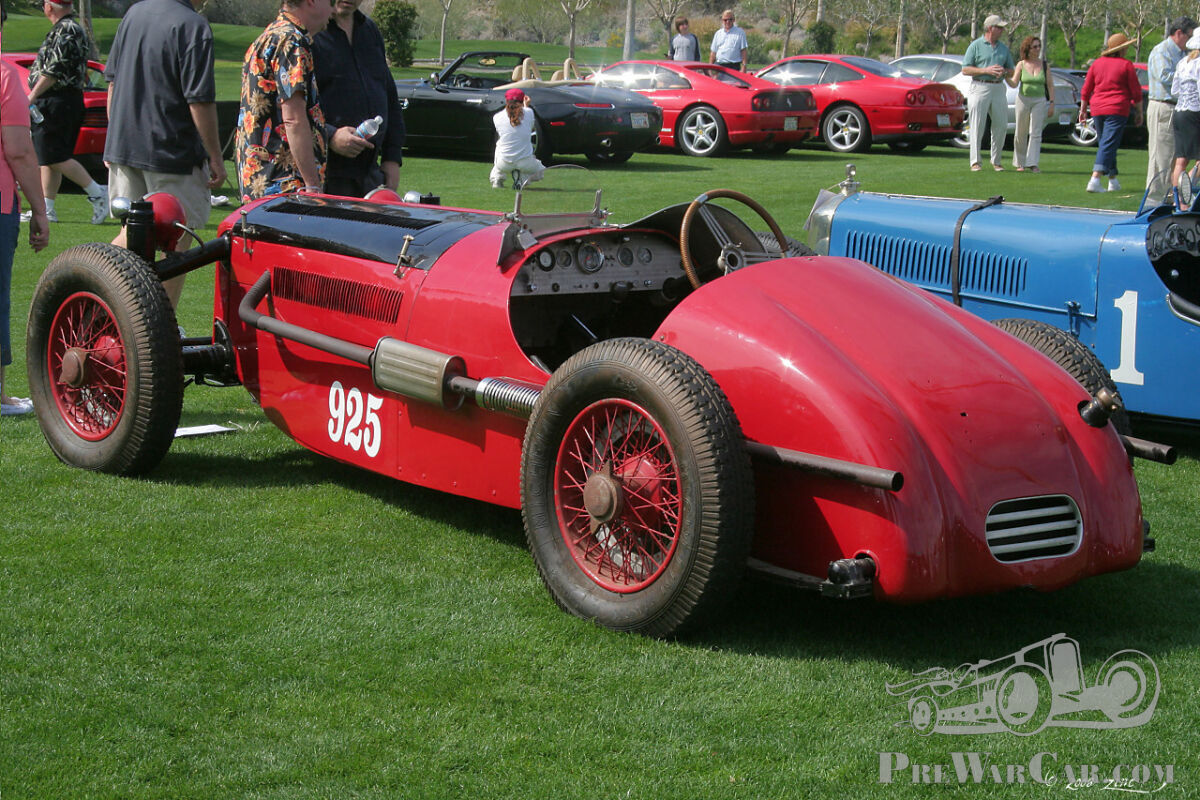
These pictures were taken at the 2008 Desert Classic Concours d'Elegance in Palm Springs, California
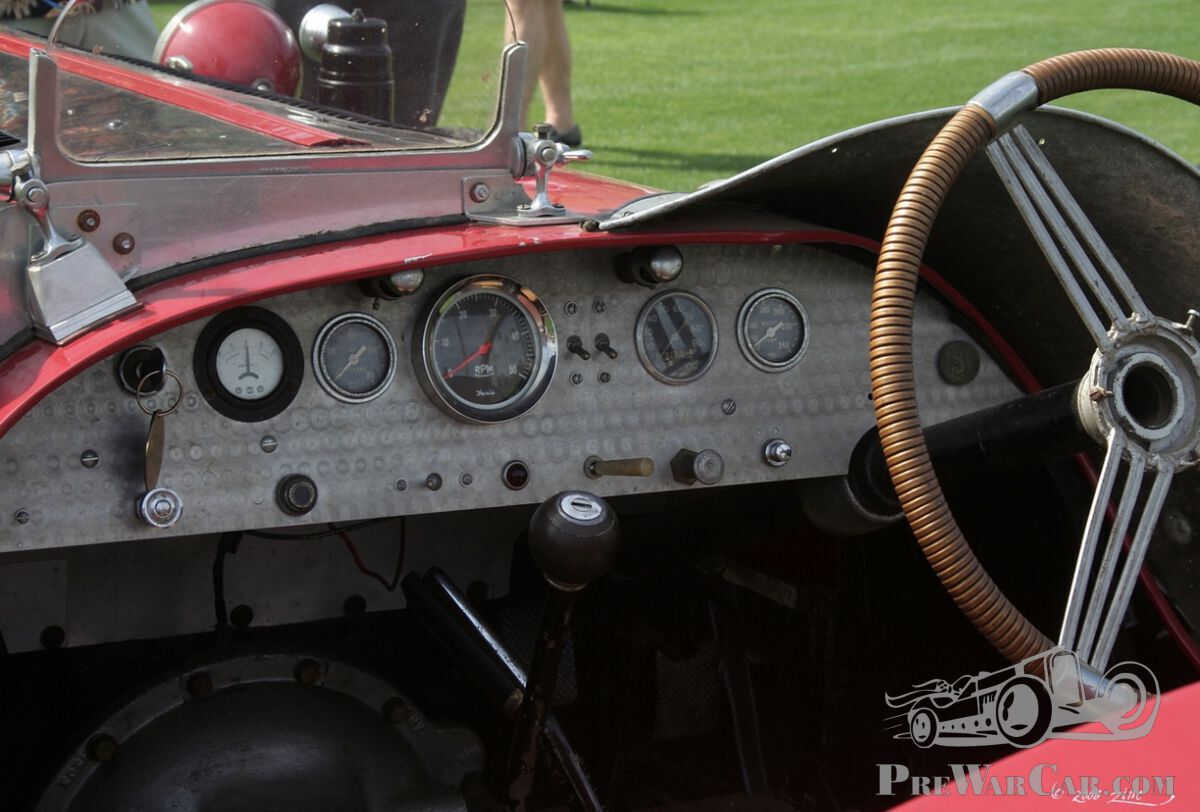
Its facia had been significantly altered, causing the car to lose its period feel
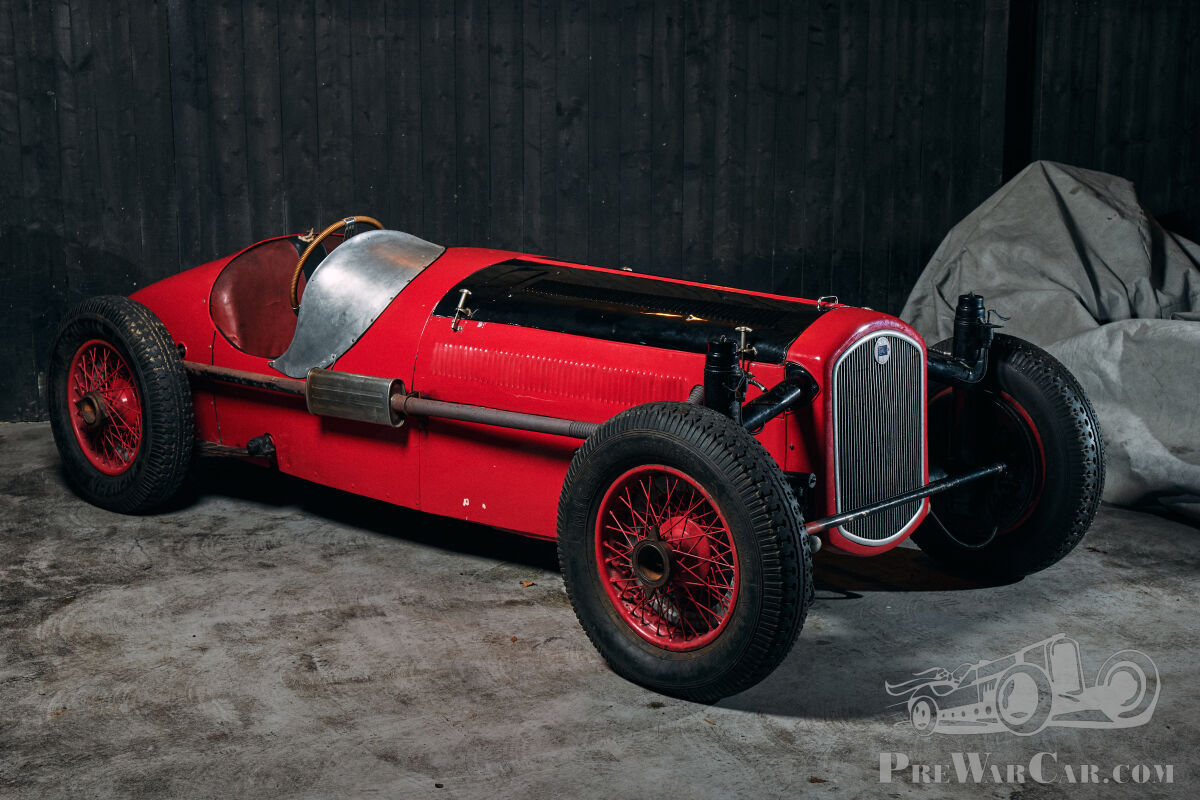
This is how it arrived at Walter Heale's, and how James first saw it
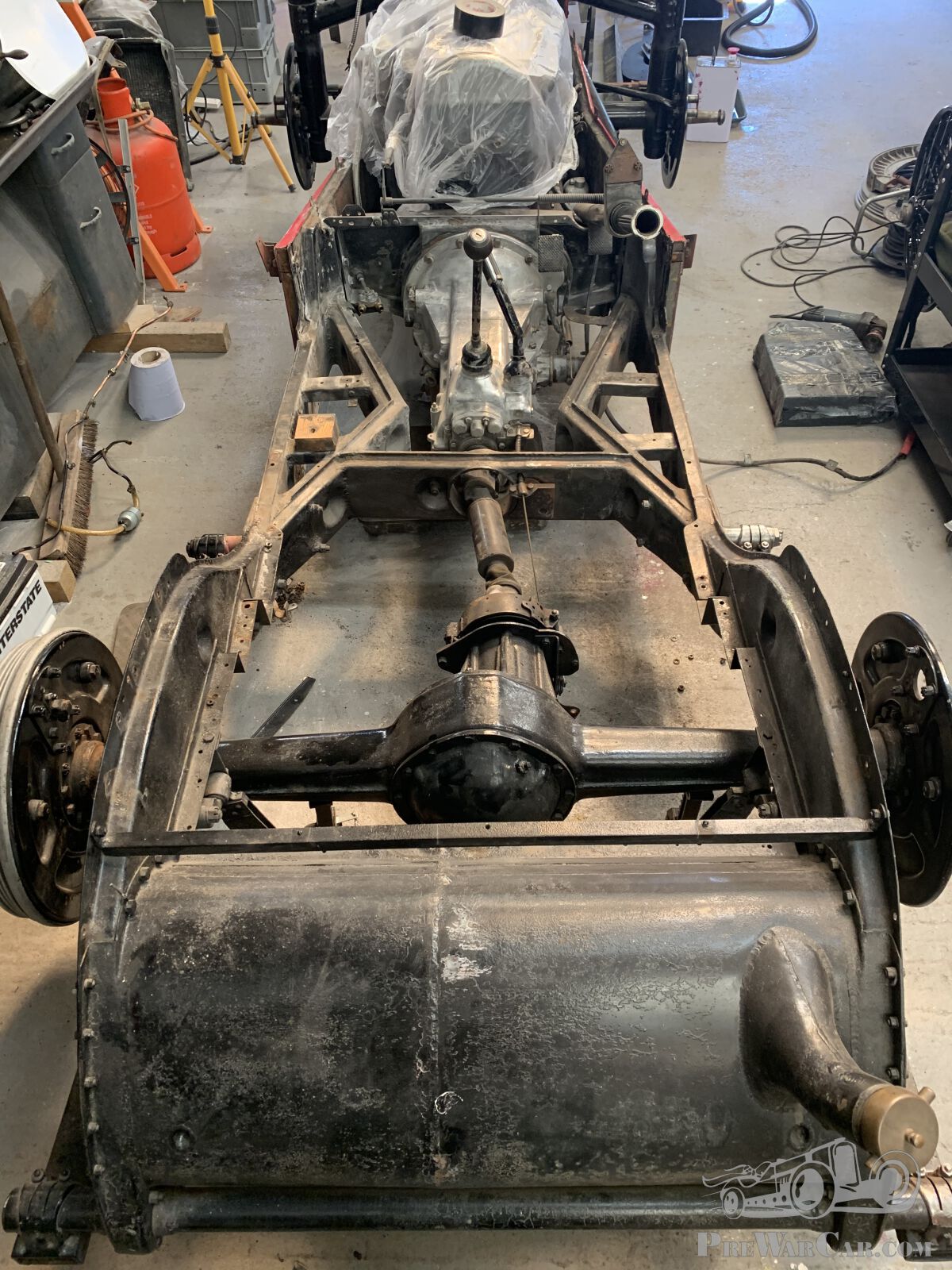
The car had to be stripped right down to its bare chassis...
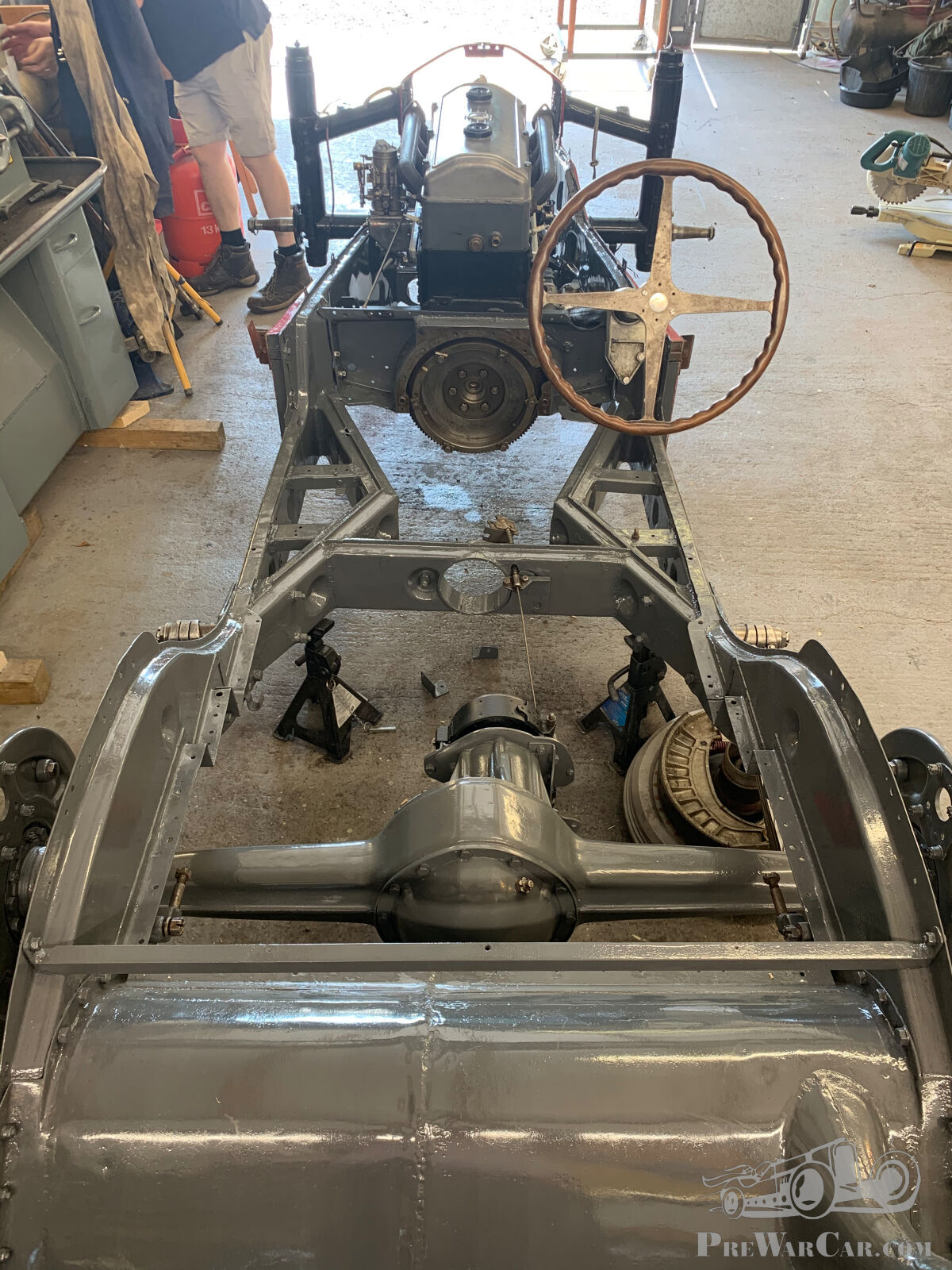
...which looked much better after it had been cleaned and painted
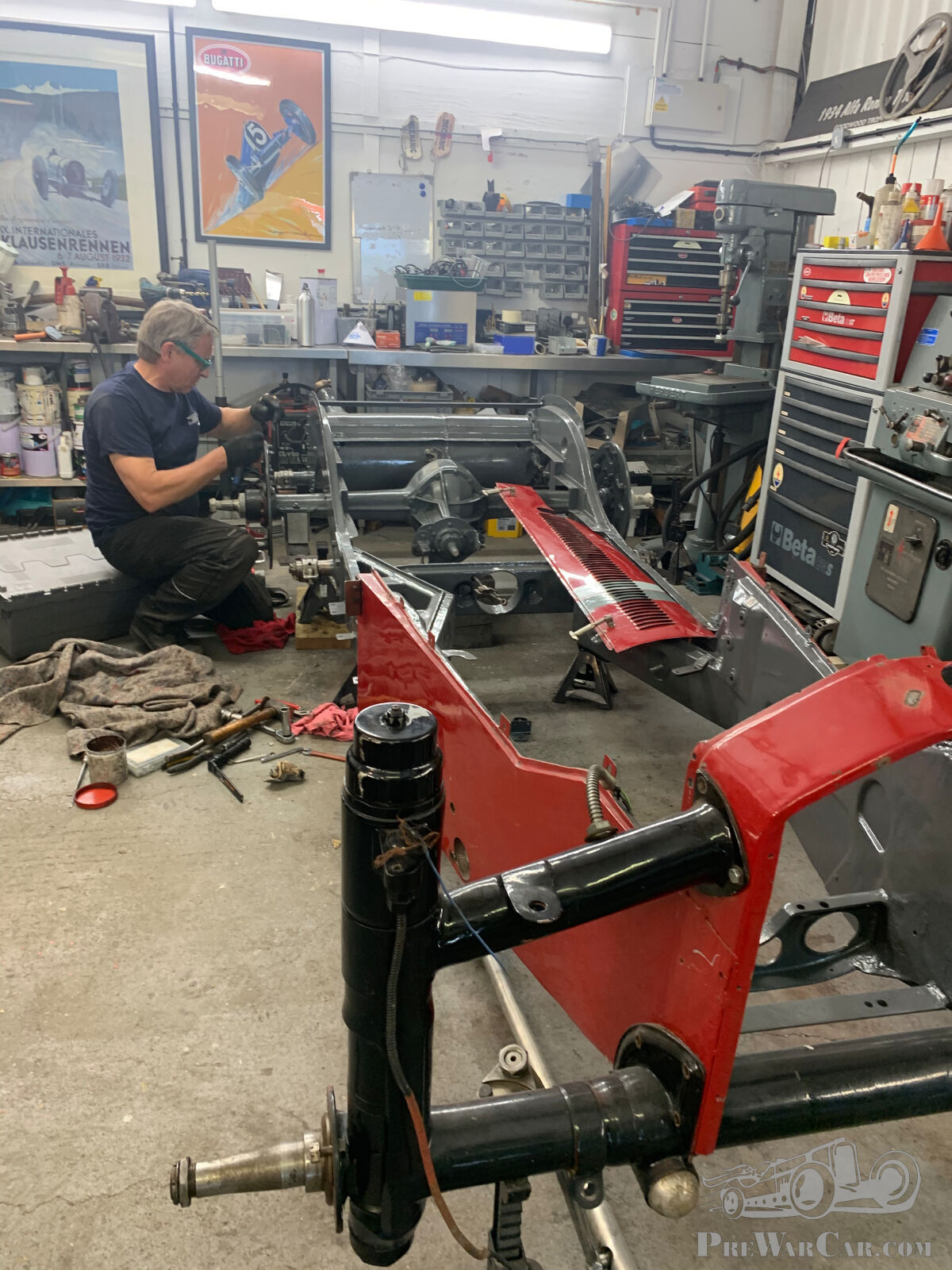
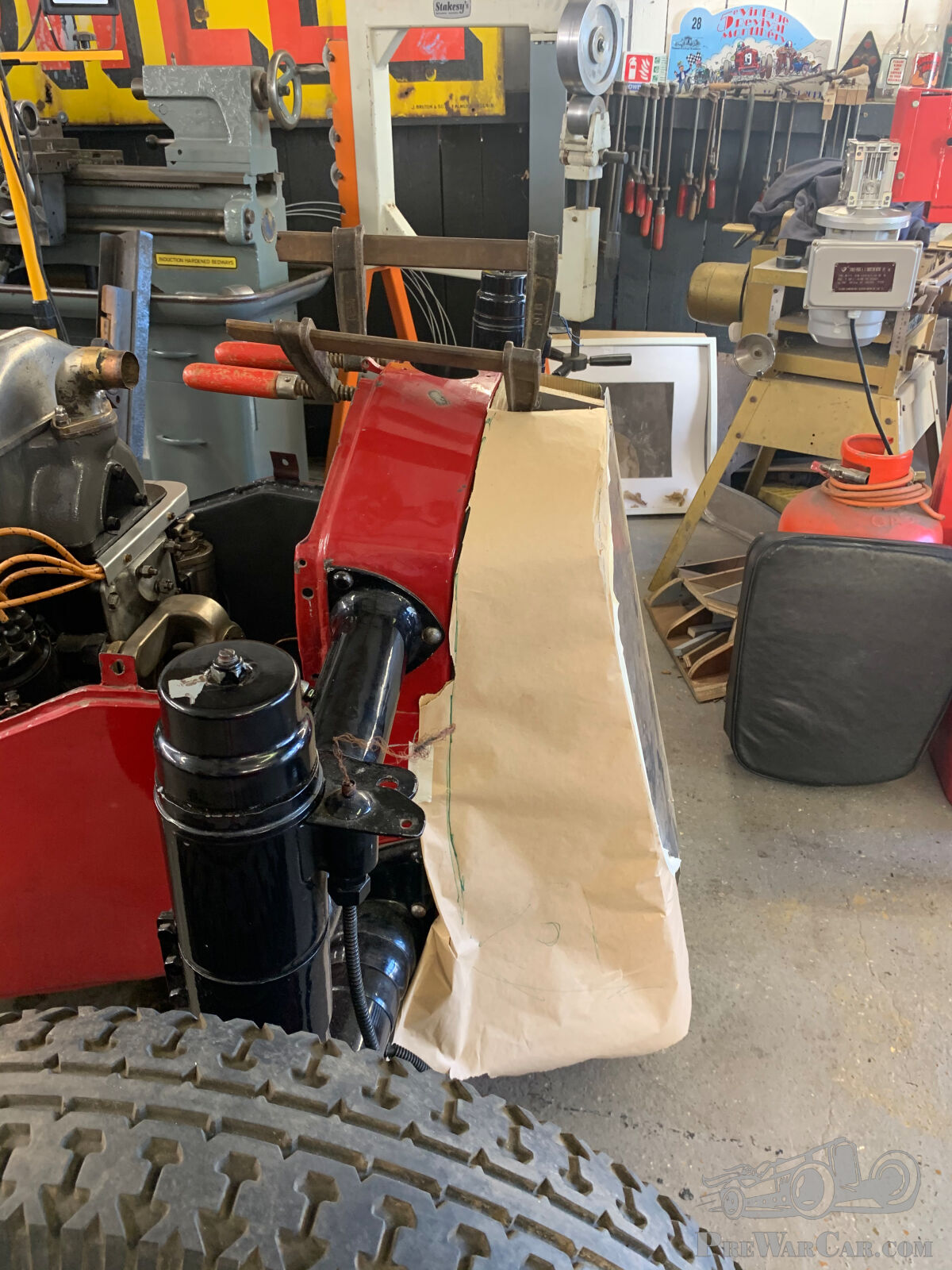
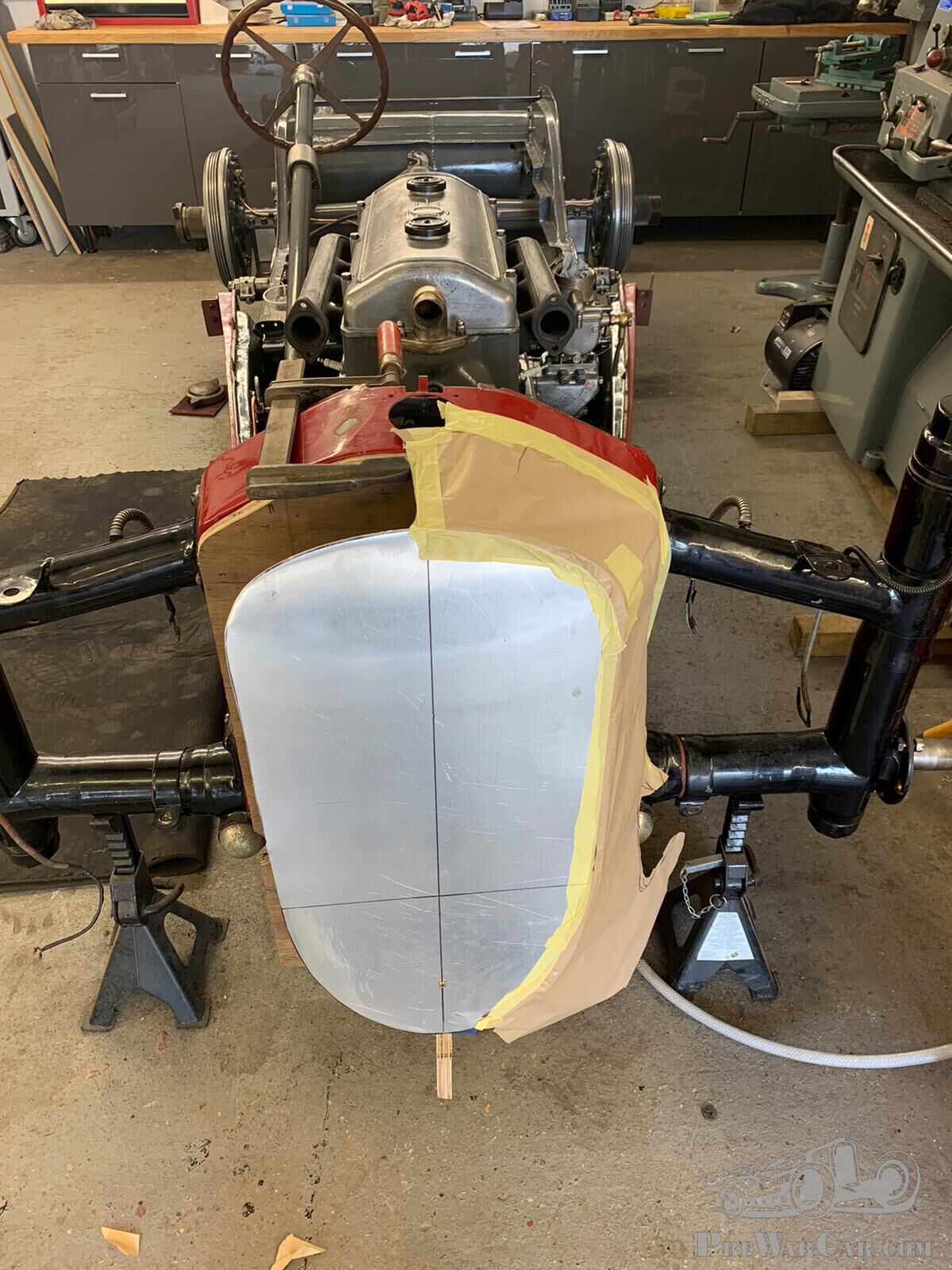
Walter's mock-up indicates how drastically the loss of the radiator cowl altered the car's appearance

Fortunately, the rear clamshell panel had survived undamaged and unaltered
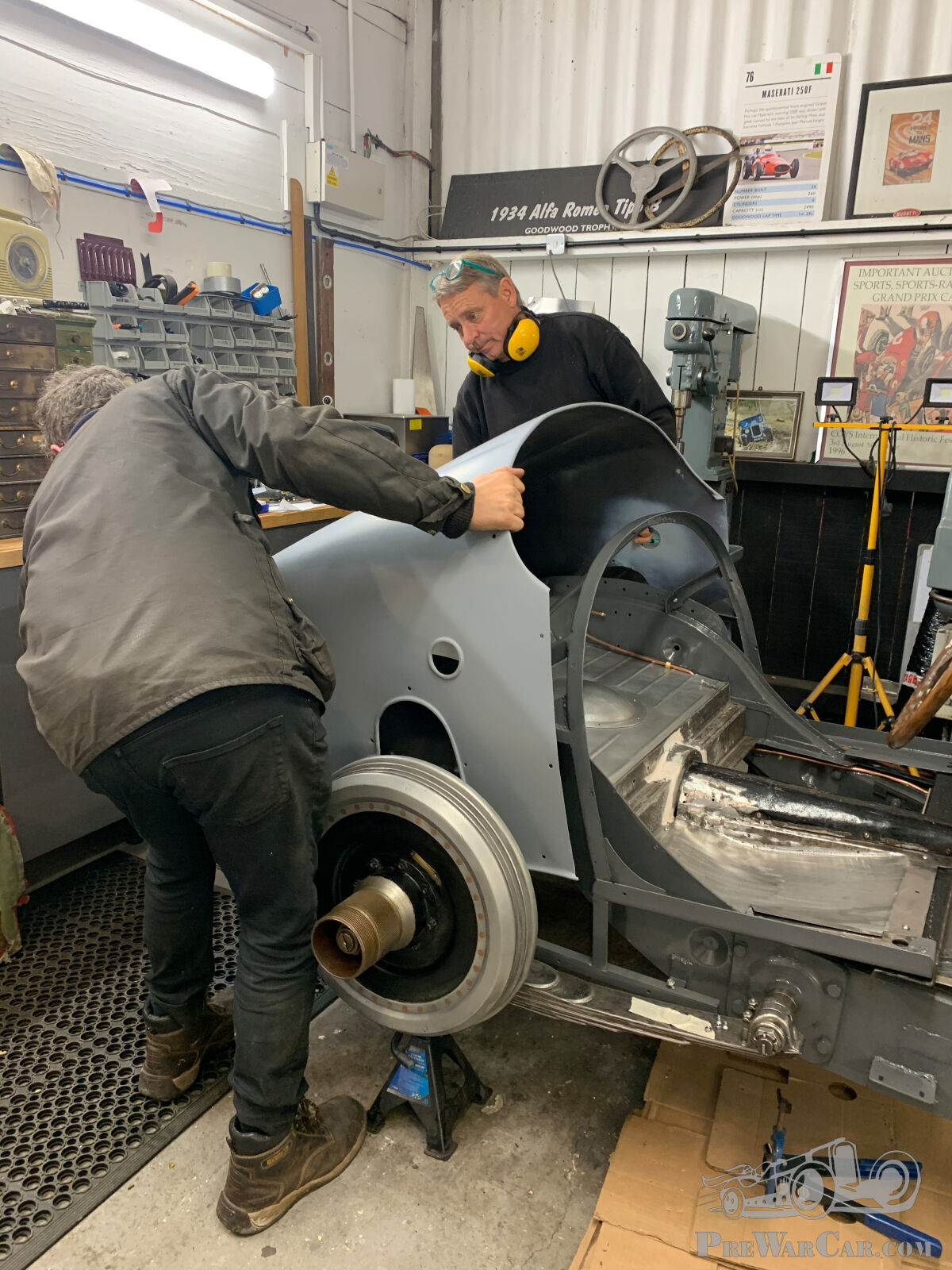
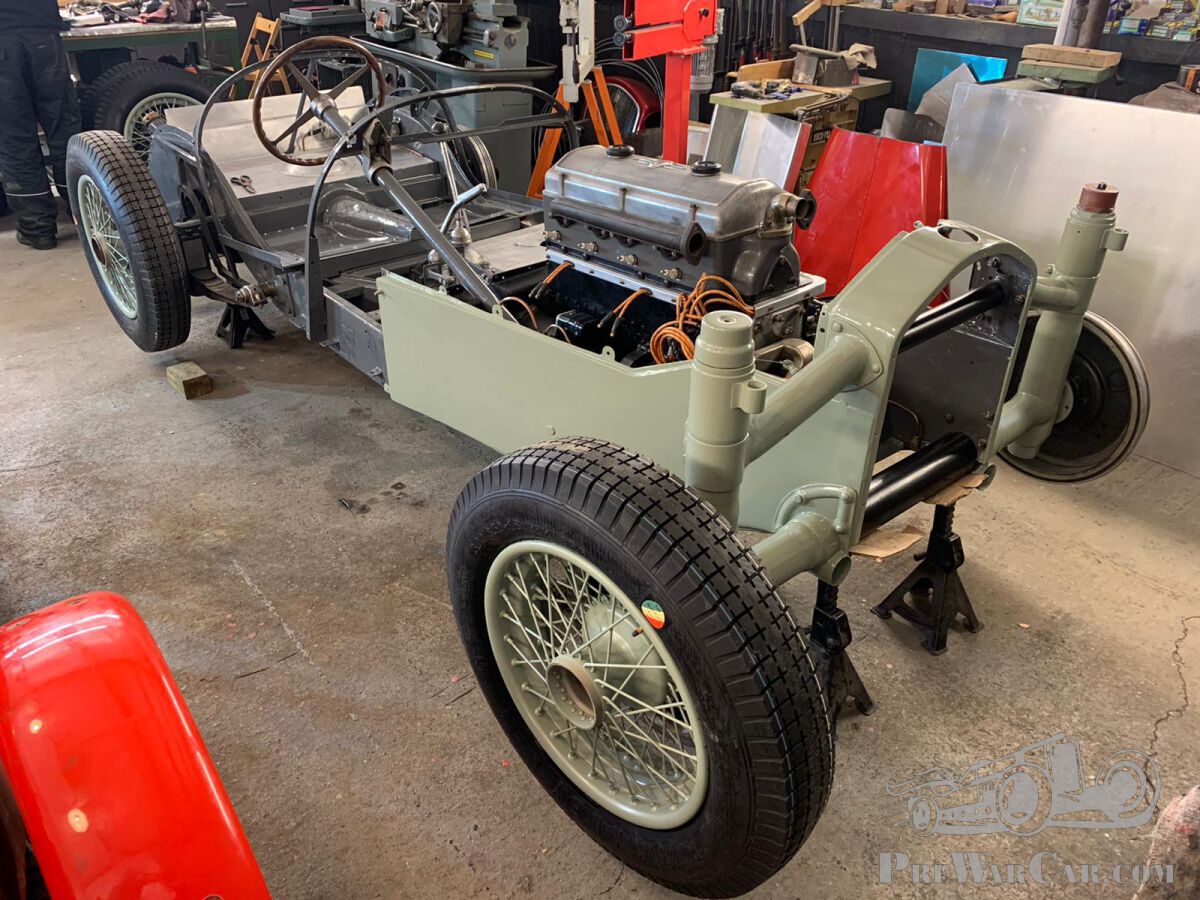
With the hoops for the body fitted and a coat of the correct pale green paint, the car was starting to take shape
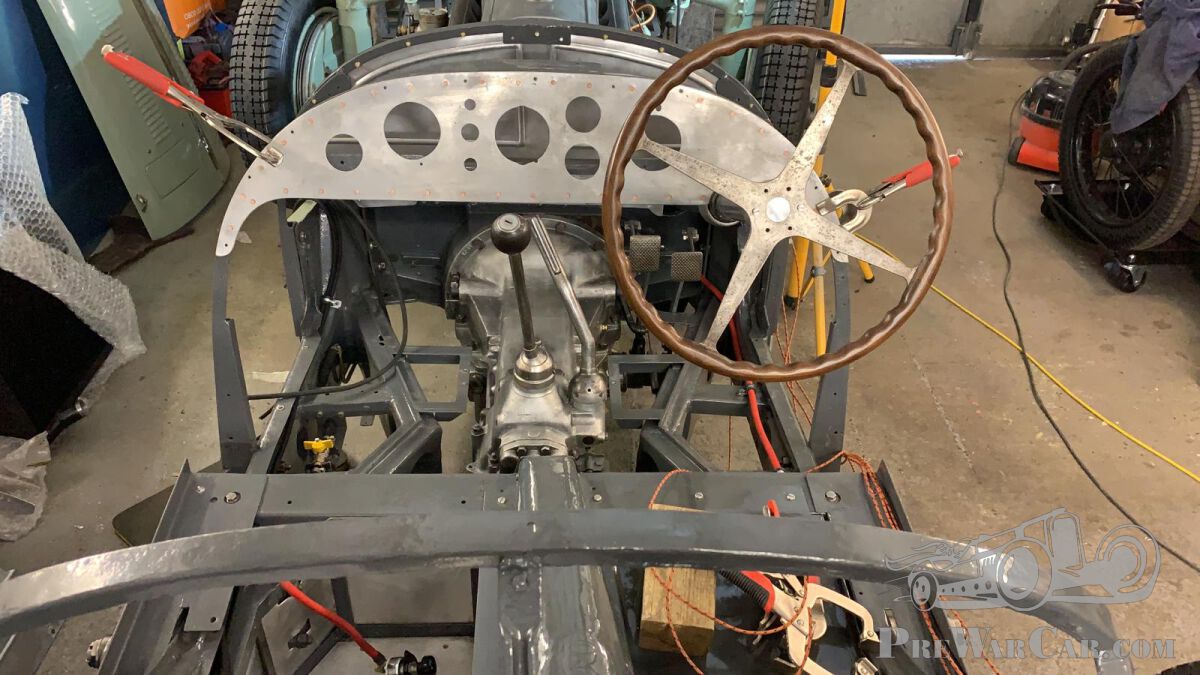
A sheet of aluminium yielded a far more attractive dash panel
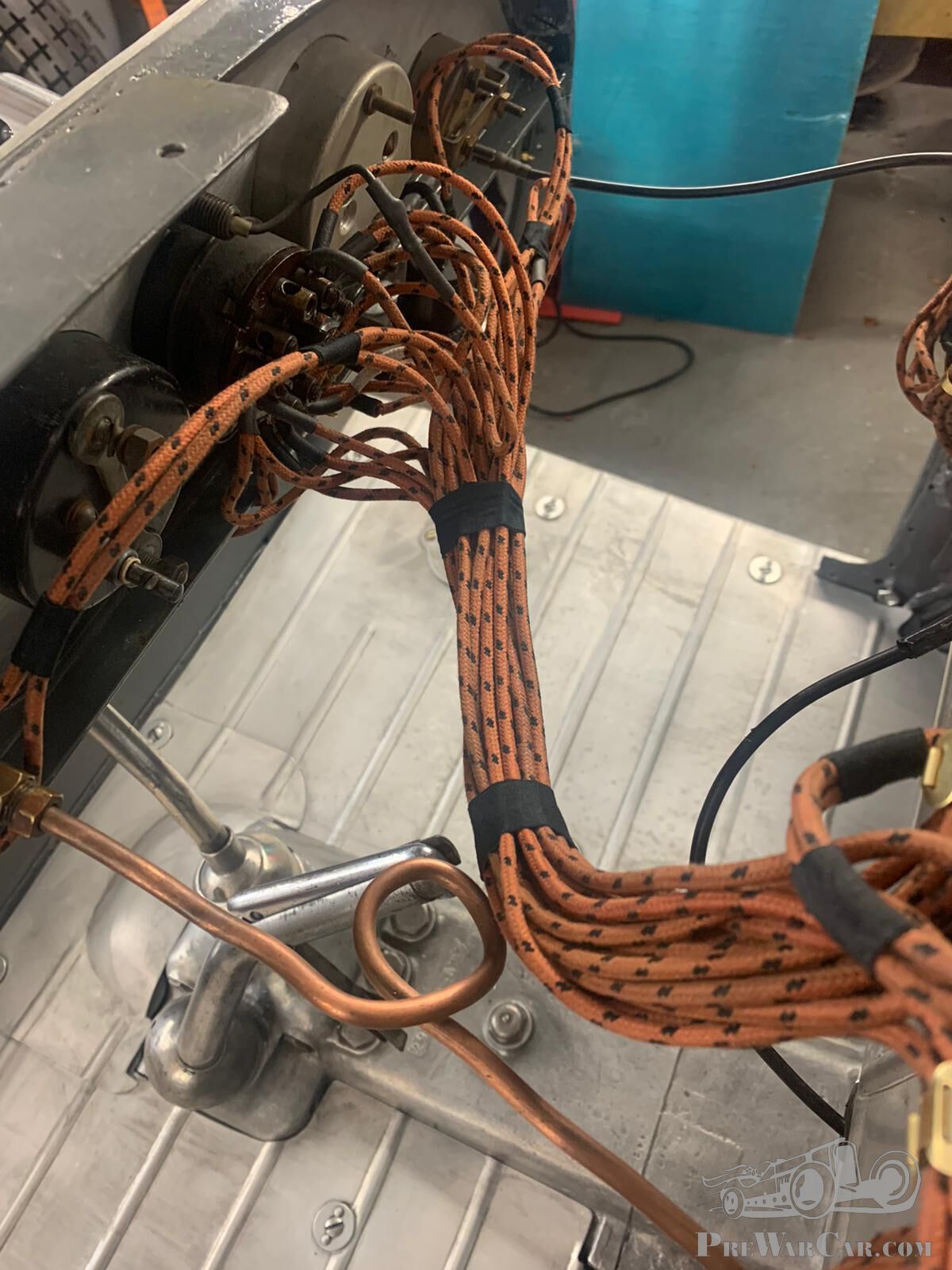
The restoration was wholly period-correct, even down to the wiring
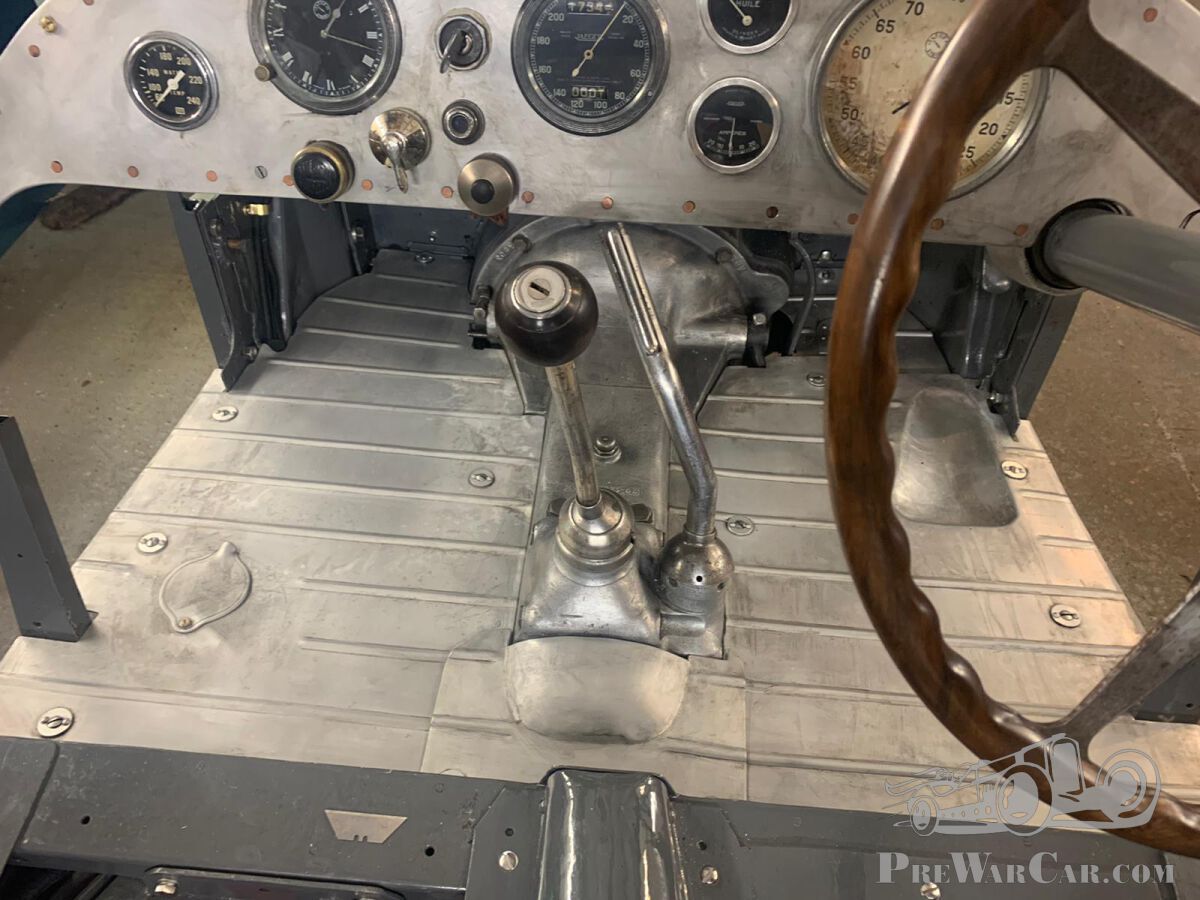
The aluminium floor was made from scratch, a great improvement on the previous plywood floor
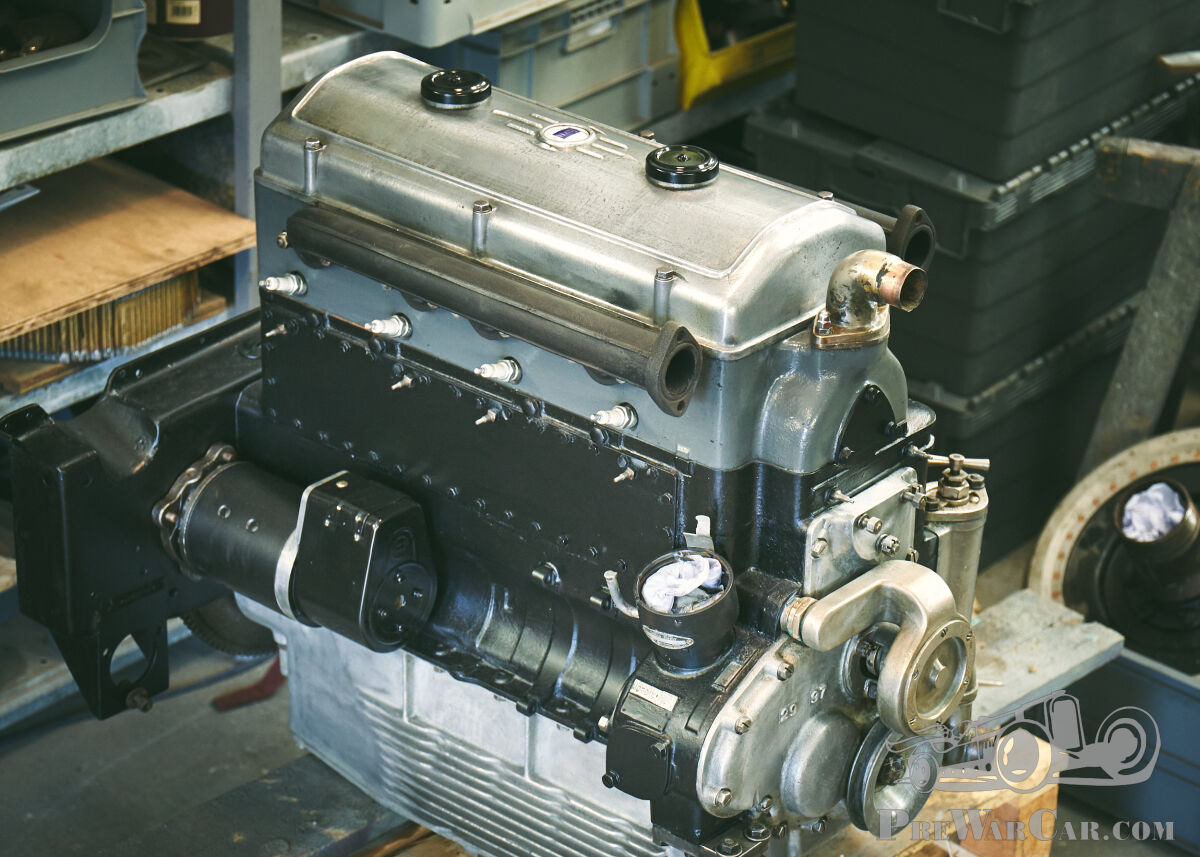
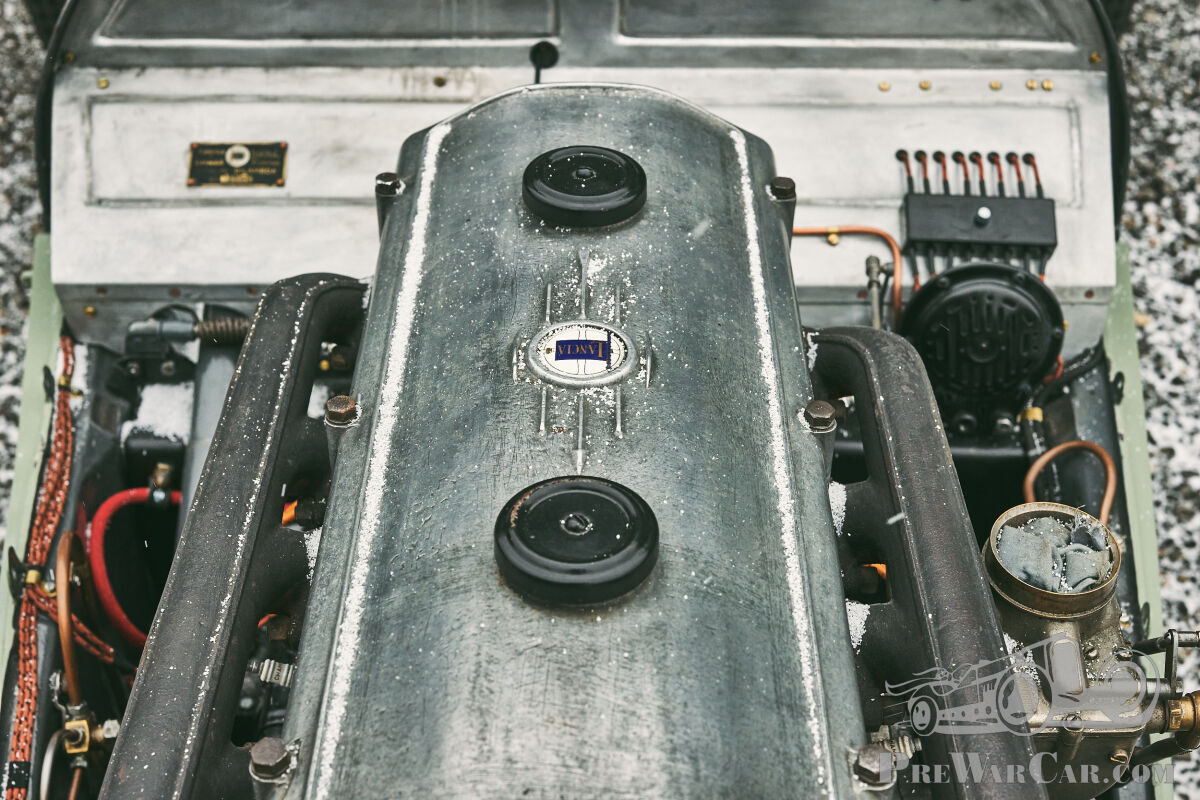
The compact 24-degree V8: unmistakeably a Lancia design
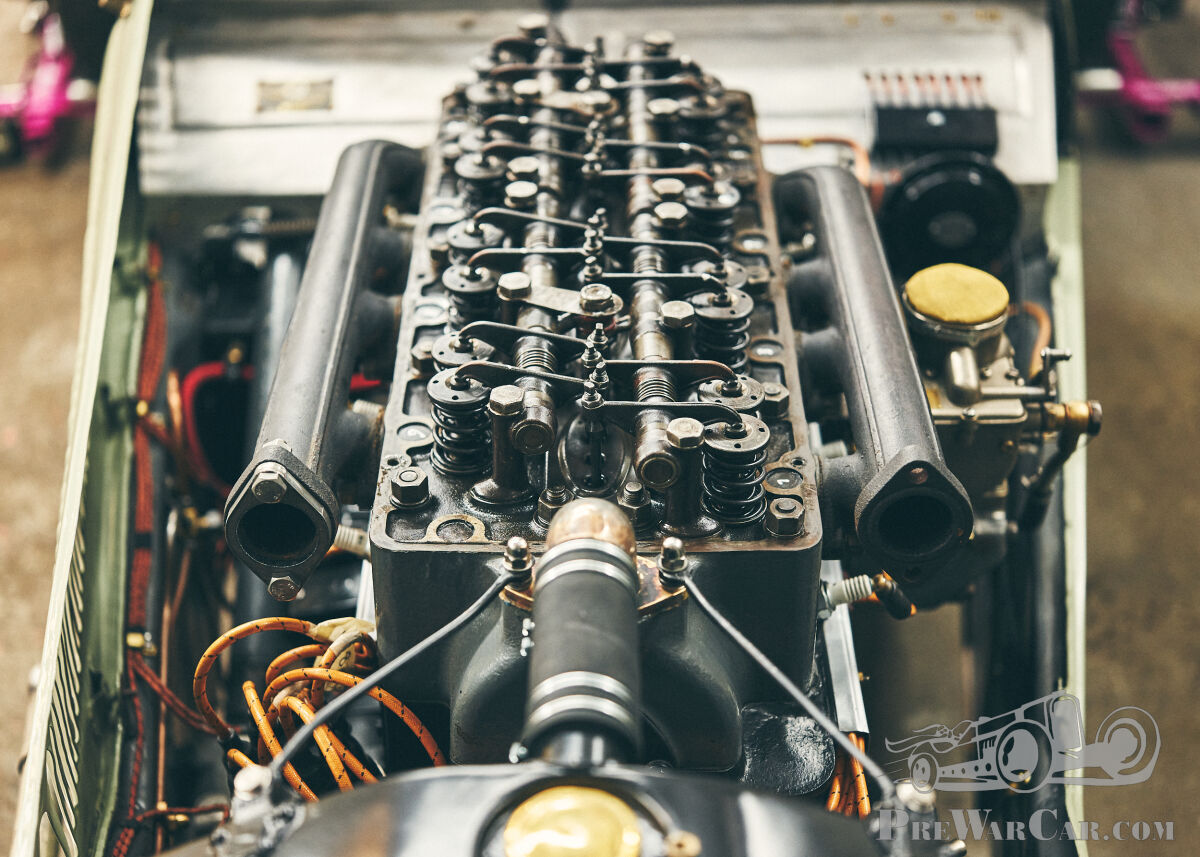
The engine's top-end rebuild exposed the intricacies of its valve gear
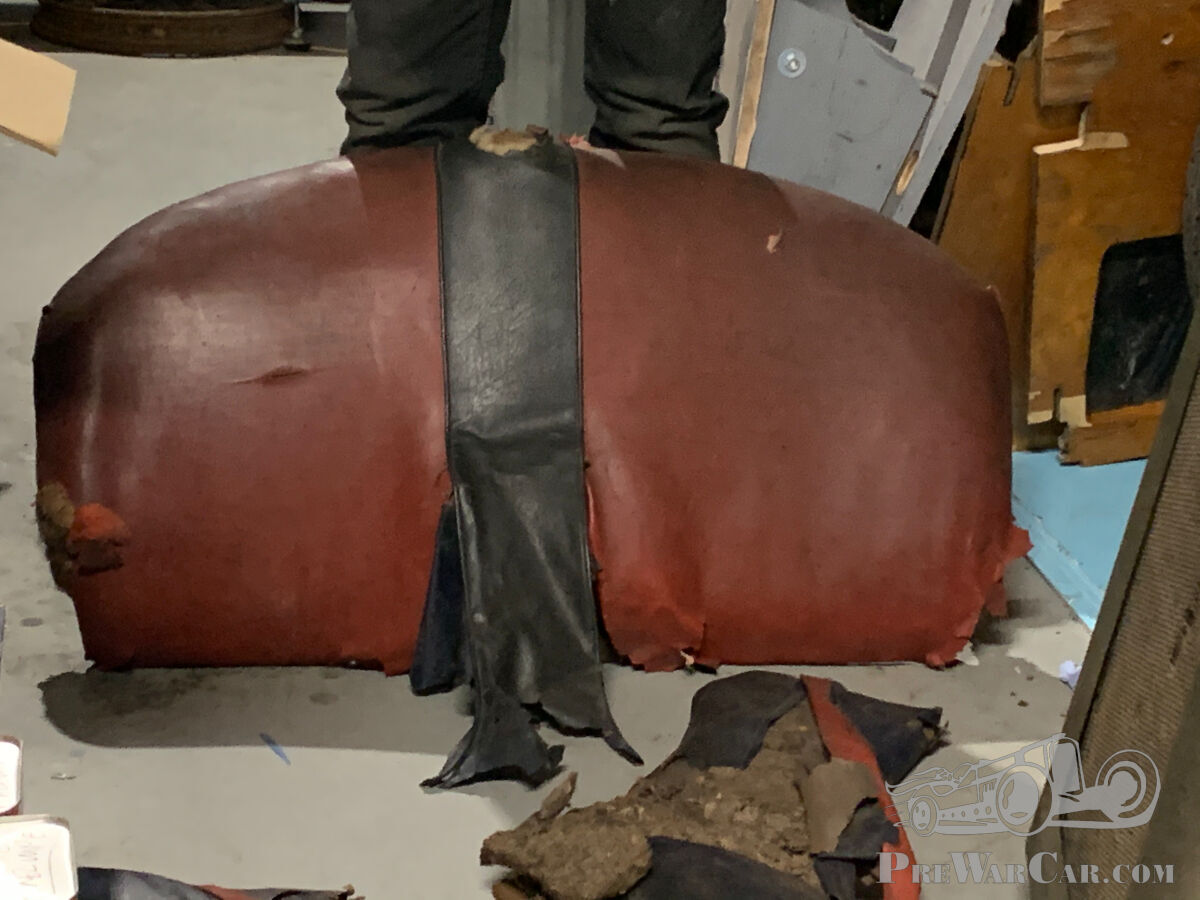
The seats that came with the car were not an attractive sight
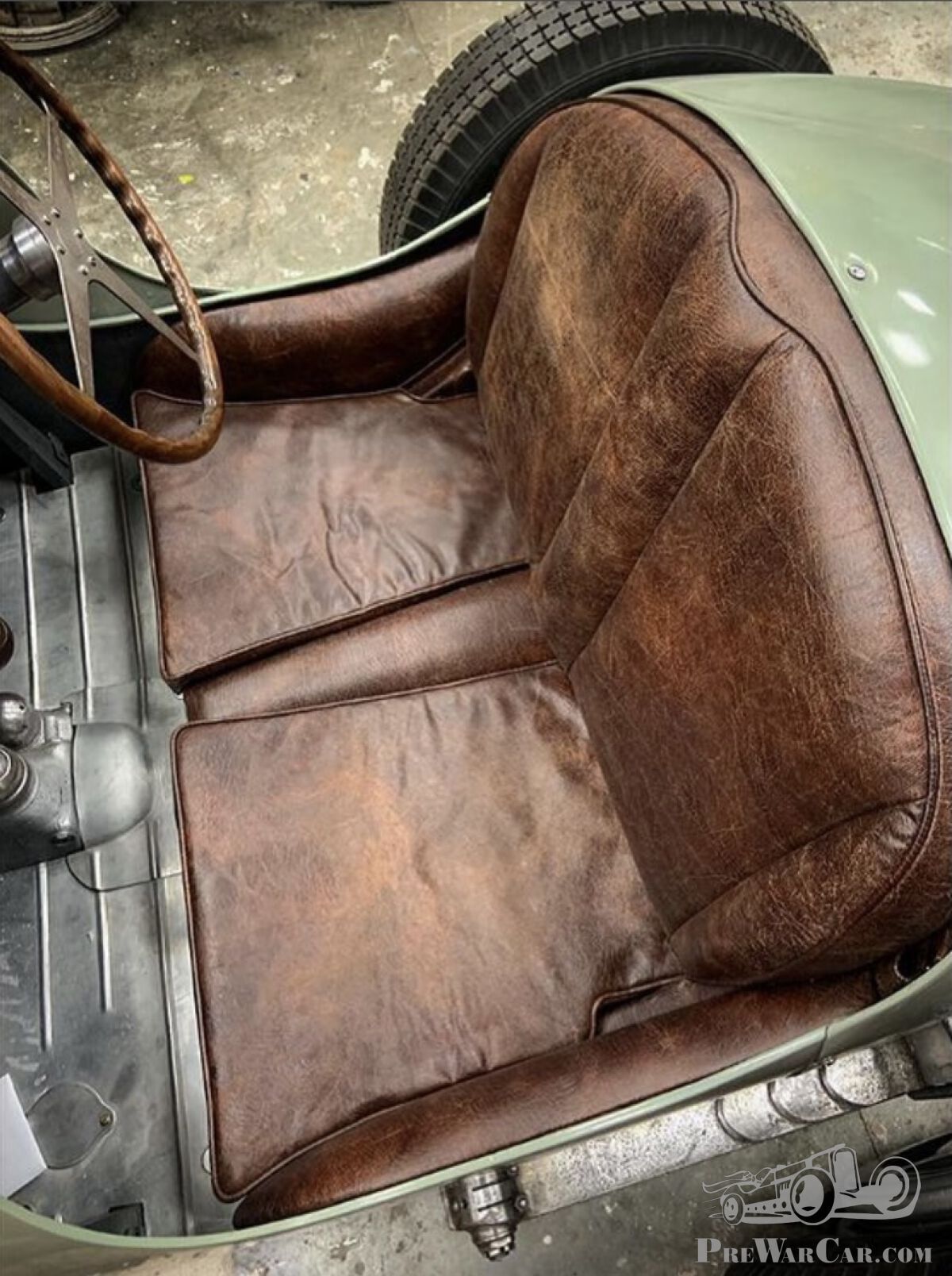
Now newly reupholstered, the use of distressed leather lends a suitably aged feel to the restoration
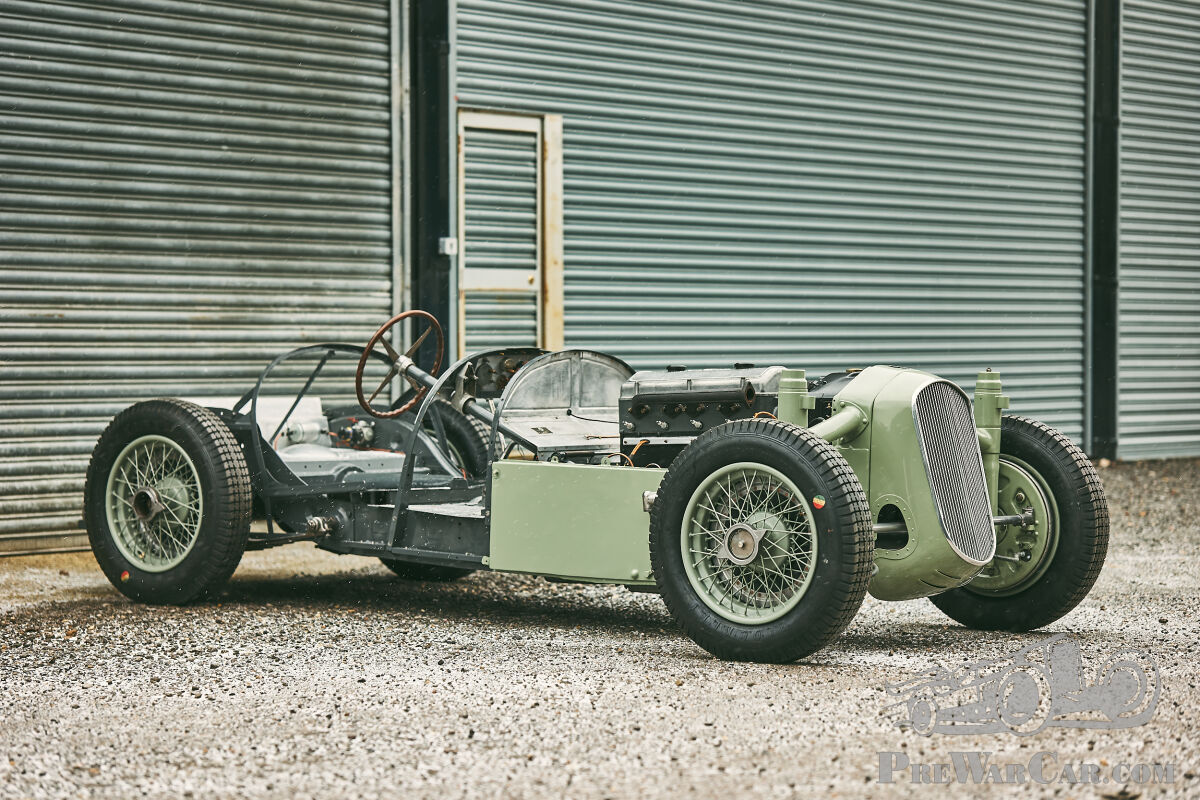
Come early 2021, the Lancia was beginning to look like a racing car again

The Lancia is being enjoyed far and wide. It's seen here on the Passione Engadina in St. Moritz
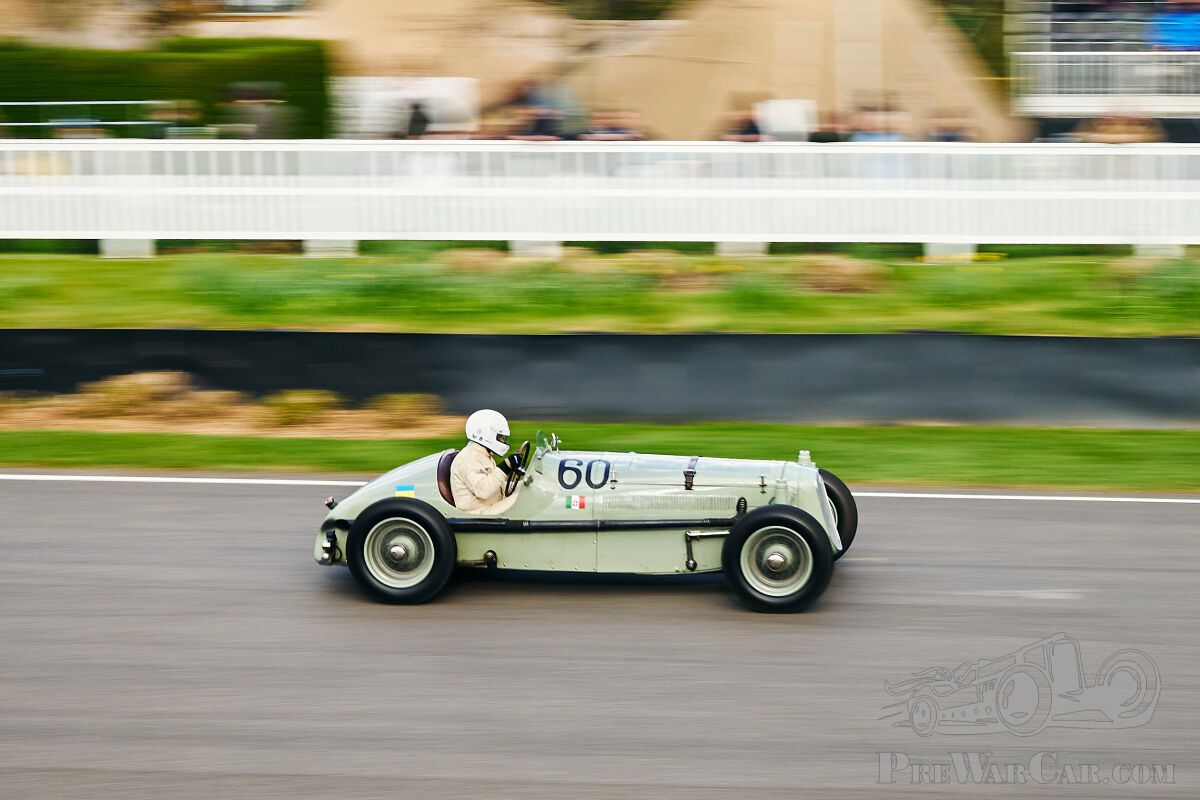
A highlight of the car's post-restoration life has been racing at the 2022 Goodwood Members' Meeting
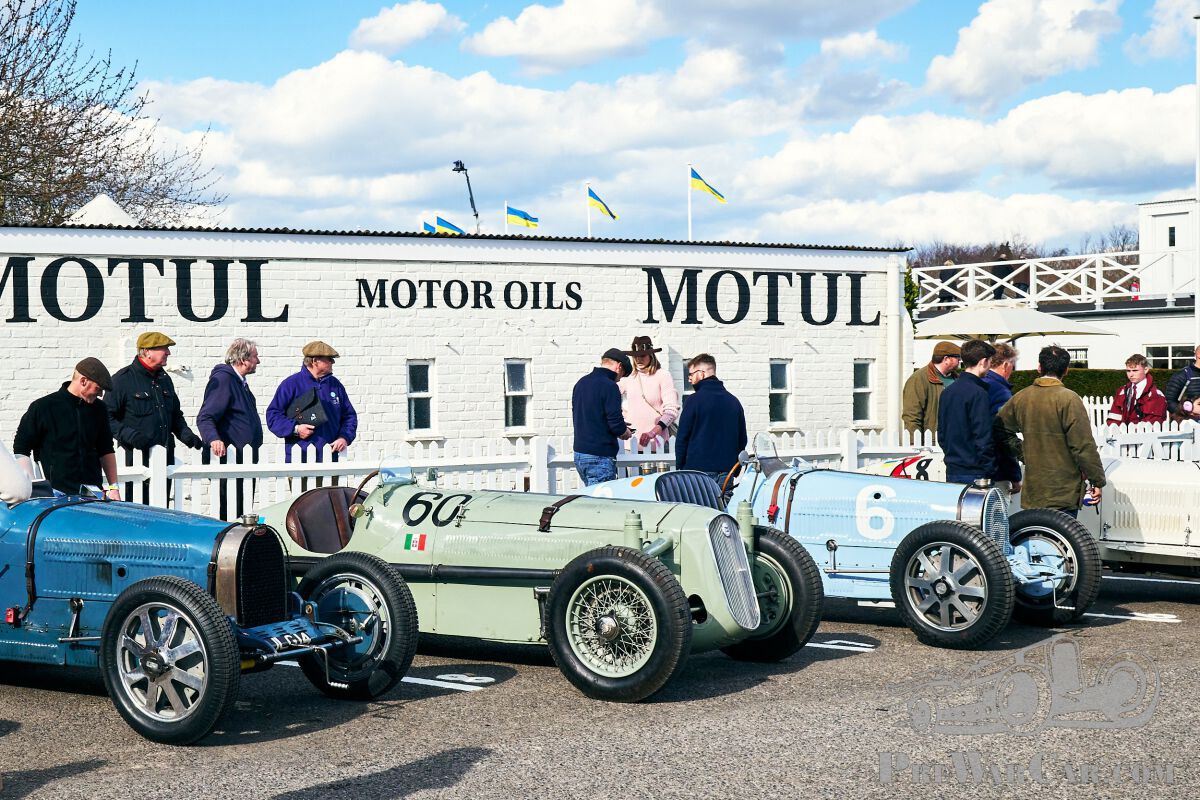
This shot of the paddock could almost have been taken in period


A bright sun beats down on Asmara, but the breeze blows cool. At 7,628 ft. above sea level, the highland setting of Eritrea’s capital city affords it year-round mild weather and makes conditions attractive to Europeans not accustomed to the heat of north Africa. Episodes of political turbulence starting with the Second World War have harmed the prestige it once enjoyed, but to an Italian of the early 20th century, with money to spend and time to spare, there were few destinations more desirable than this secluded mountain-top idyll 65 miles from the Red Sea.
In the 19th century, Italy was getting left behind in the race for empire, but it made a start in the 1880s with the colonisation of Eritrea. Though other territories were added, Italy's remained a modest empire relative to the British and the French, and Mussolini’s rise to power in 1922 was accompanied by grand plans for imperial expansion. Besides the acquisition of more territory, there was a desire to improve what was already there. Asmara had been developed since the 1890s and become a popular resort town, so it made sense to invest in it further.
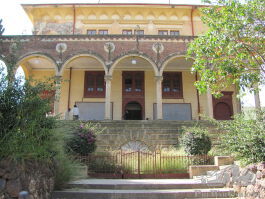
So far, Asmara had been built up in a conventionally Italianate style, but Mussolini’s vision for the future was of Italy as a great industrial power with modern technology at the forefront, a vision shared by the emerging schools of Modernist and Futurist thought. It thus became a hotbed of Art Déco experimentation where architects could try new styles and techniques. Buildings such as the stout Cinema Impero, the gleaming Governor’s Palace and the futuristic, almost otherworldly, Fiat Tagliero service station with its great concrete wings asserted Asmara's status as a city of modern wonders.
.jpeg)

Italianate and Modernist architecture in Asmara, l-r: Asmara Theatre (1918), Enda Mariam Coptic Cathedral (1938) and Fiat Tagliero service station (1938)
Lancia's car for the few
Meanwhile, back in Italy, Lancia was embracing modern thought in its own way. The Lambda of 1922 broke new ground with its compact V4 engine, independent sliding pillar suspension and unitary construction. A more luxurious sibling, the Dilambda, was unveiled at the Paris Salon in 1929. Built around a very substantial chassis, it could never have been called sporting but it was designed to appeal to those who had reached the upper tiers of industry and trade and meant to enjoy their success. With the expectation that its buyers would want to commission bespoke bodywork, unitary construction was eschewed in favour of a separate chassis with a semi-monocoque frame forward of the bulkhead, but in other respects it had all the hallmarks of the Lambda: a narrow-angle vee engine, sliding-pillar suspension and all-round hydraulic brakes.
It was perfect for the wealthy few, a powerful car capable of delivering them at high speeds along Italy's newly-constructed autostrade while they luxuriated in comfort in the back, but hardly a car for throwing around a tight street circuit. Still, racing drivers have always been among the first to experiment, and Gildo Strazza notably transplanted the Dilambda's four-litre, overhead-cam, 24-degree V8 into some of his Lambda specials.
On the subject of racing, il Duce was very keen that the health and vitality of the Italian population should be maintained through sport, and motor racing has been a favourite sport of the Italians since the first Coppa Florio of 1900. The Tripoli Grand Prix was run in Libya, also an Italian colony, from 1925 to 1940. Motorsport in Eritrea included the Coppa del Governatore on May 23rd, 1937, a 16-mile hill-climb running from Nefasit to Asmara, and the Primo Circuito di Asmara on Christmas Day, 1938.
The Primo Circuito marked the first use of the Asmara street circuit and consisted of the Coppa di Natale for cars of 1,500cc or larger, and a separate Coppa del Governatore for cars of less than 1,500cc. While the Tripoli Grand Prix was a major international event attracting star drivers and works teams from the likes of Bugatti, Maserati, Alfa Romeo and Mercedes-Benz, racing in Eritrea was primarily confined to locally domiciled wealthy amateurs. Even so, research by Simon Moore suggests that two teams travelled from mainland Italy from the Coppa di Natale, which included among them the winning driver Romano and his Alfa Romeo.
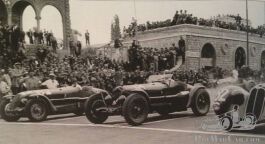

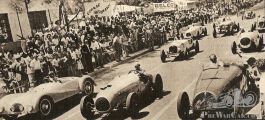
Racing in Asmara pre- and post-war: the start of the 1938 Coppa di Natale (left) and other meetings circa 1950 (centre, right)
A Dilambda like no other
We turn now to the 1933 Lancia Dilambda, chassis 32-1077, which, besides being the only Dilambda known to have been built for racing, is also a survivor from this fascinating period of Eritrean history. It is not known how it started life, whether as saloon or tourer or something else, but the available evidence suggests that it had arrived in Eritrea by 1937. Possibly it had been involved in an accident—whatever the reason, something led to it being substantially modified and rebuilt as a racer. Apart from the biposto body, the main alteration was to the chassis, which was shortened and narrowed. It is thought to have been the work of Cristoforo Bigi, himself a racer who came second in the 1938 Coppa del Governatore, in whose workshops photographs show other racing specials of a very similar appearance.
Bigi may have built the Dilambda for himself or as a commission, but one of the earliest photographs of it shows a driver called Gigino Gregori behind the wheel. The programme for the 1938 Coppa di Natale contains an entry for Fulvio Franciosi as driver of a Lancia Lambda of 3,000cc, but this is thought to be a mistaken entry for 32-1077. Apart from the Christmas Day race, the Dilambda seems to have been campaigned quite extensively, for there are numerous period photographs of it racing among Alfa Romeos and Maseratis. One of these shows it crossing the start line of a race organised by the Moto Club Eritrea. It was also used on the road, carrying the number plate ER 10472.
Sadly, there was little opportunity for the Dilambda to make much of a name for itself, since racing in Eritrea was brought to a standstill by the Second World War, although it is thought that it achieved one class-win during its brief pre-war career. Racing returned post-war, although under rather different circumstances. Fighting in North Africa resulted in Eritrea being captured by British forces in 1941 and the Italians expelled. It remained under British control until it was ceded to Ethiopia in 1952. It was not uncommon for the British occupiers to take possession of the exotic cars which remained behind, but nothing is known of the ownership of 32-1077 during this period.
The Circuito Asmara was revived for its second race in 1948, and was used again in 1950, 1951 and 1952. Racing continued intermittently until 1972. By the end of the 1950s, there was not such wealth in Asmara as it had enjoyed during the 1930s but, if anything, post-war racing was even more colourful. While many of the remaining pre-war racers continued to compete, some of the latest sports cars, including Ferraris, also graced the scene. Meanwhile, in Keren, Eritrea's second-largest city, the sport was accessible to those of more modest means. Photographs from the Keren circuit show racing dominated by standard production cars, such as Alfa Romeo Giulietta Berlinas and Volkswagen Beetles and Karmann Ghias.
It's likely that 32-1077 remained in use for some years, and it's thought to have run at an event at the Campo Polo horse-racing track in 1948, but at some point it was bought by an American, David A. Penttinen. A U.S. Army base had opened in Asmara in 1943 and Penttinen served there, taking the Lancia with him when he returned to America probably in the 1960s or '70s. Penttinen's son, also David, acquired it in 2007, and in 2008 it was sold to Knute Kollman of Arizona. It looked different by this stage, as its original radiator cowl had been discarded after it was damaged in a racing accident in Eritrea, and a few aspects of it were altered during a restoration. It was, at least, being enjoyed. It continued to be raced and was also shown at concours, but little was known then about its early history.
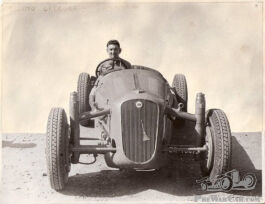
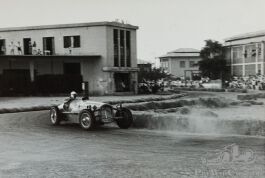
Lancia Dilambda 31-1077 in action at the Circuito Asmara, and with likely owner Gigino Gregori at the wheel
A fortuitous first old car
It was in 2018 that the Lancia was imported into Britain by pre-war Alfa Romeo and Lancia specialist Nicholas Benwell, of the Phoenix Green Garage. It was placed into storage at the premises of Walter Heale and it was still there in 2020 when it was espied by James Brown, an automotive photographer by trade, who felt he ought to take responsibility for restoring it to its original condition.
The most remarkable thing about James's purchase was that he had never owned an historic vehicle before. "I jumped totally into the unknown," he says. "I came across Walter when he had some cars in the Edwardian race, the S. F. Edge Trophy, at the Goodwood Members' Meeting. I popped over to his workshop and, because I'm in the classic car photography and marketing business, I wanted a car to be in the scene. I was chatting to Walter about some post-war cars, but a lot of the pre-war cars in his workshop I was quite interested in. When I came back six months later, he pointed to this car which I quite liked the look of. It was in a sorry state but it was available and I went all in. Luckily it was a very original car and we've preserved it as such."
Walter, whose commitment to originality and period-correctness has resulted in many high-profile projects being entrusted to him, describes what the car was like when it arrived at his workshops. "It had had a blow-over in red two-pack paint and some of the instruments had been changed for typical post-war Stewart Warner instruments. Its last restoration had been very crude in many aspects, there was so much filler and modern paint, but we were lucky that it had preserved quite a few small interesting details. Our mission was trying to return it to the look that it had when racing in Asmara. We were very lucky to find traces of the original paint, which we were able to replicate in period-correct cellulose. We carefully studied other cars which raced there and tried to make sure it was consistent with them. We remade the floors in aluminium as they had been crudely made from plywood."
Despite having been restored in a non-period style, the Lancia was remarkably original when James first set eyes on it
The expert touch
The more the car was taken apart, the more Walter came to appreciate just how accomplished its original builder was and how skilled he had been in shortening and narrowing the chassis. "It has quite sophisticated modifications. Certainly, the chassis work was done to a very high standard. It's all been gas-welded correctly and the cruciform had been kept within the chassis frame. It's indiscernible where they shortened it. The fuel tank acts as a structural member at the back, and it's been cut and very skilfully welded back together. It was definitely built by someone very skilled."
On a mechanical level, the running gear had never received any major modifications, although at some point the original updraft Stromberg carburetter had been swapped for a downdraft Weber. During the restoration, a correct Stromberg was sourced and installed, which has done the engine the world of good. Walter went through the running gear comprehensively. The back axle and gearbox were rebuilt with new gears made where necessary, and the brakes were completely overhauled.
The engine, however, needed little. "We rebuilt the top end but otherwise the engine is untouched," Walter explains. "It's exactly as it was originally, so we decided to go for the light-touch approach. There's no point taking everything apart if it seems to be fairly good. We just took care to refresh it and set it up correctly. It was recommissioning rather than a complete rebuild, and it was rather exciting to do that. It still seems to produce a decent amount of power. That said, we rebuilt all the ancillaries and rewired the car with period correct cloth wire of the same colour they used in Alfa Romeos. It's all secured with brass clips—you won't find any zip ties on this car."
Apart from the replacement radiator cowl, the body remained totally original, and there were enough period photographs to allow for the cowl to be replicated exactly. "You can see the hammer marks on the inside of the rear clamshell, so you get a good feel for its originality," James adds.
Walter points out another interesting detail: "What's really funny about the gear lever is that it's got a Yale lock, which is a security measure. I thought it had to be an afterthought, but it turns out Yale really did design a lock for the Dilambda."
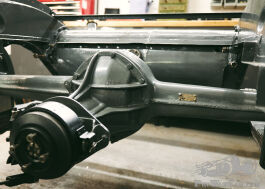


The Lancia was stripped back to its bare bones and sympathetically restored to a period-correct appearance by Walter Heale
Exhilarating motoring
The restoration progressed quite speedily, and after a year it was time for James to try to the Lancia for size. With headlamps and mirrors, it's fully road-legal and a real thrill. "It's exciting, your heart is racing... The gears and pedals are all fairly normal, but the revving of the engine as you change gear—it's exhilarating! Being up in the mountains in summer, in the drizzle, it feels like you're in a grand prix with the spray coming off the wheels and the roar of the twin exhausts."
James wanted a car "which I could possibly take to a concours, or a rally, or Goodwood," and the Dilambda has proved ideal for all three. Dicing with Bugattis and Alfa Romeos, it was raced by Michael Peet in the Varzi Trophy at the 2022 Goodwood Members' Meeting. It received its first large, international audience at the 2021 Concours of Elegance at Hampton Court Palace, and has been exhibited at the Heveningham Concours in Norfolk and taken as far as the Passione Engadina in St. Moritz. Before long, it should also be running in the Mille Miglia. The Dilambda is an eligible model and 32-1077's application is presently being processed. It's not about showing off to crowds, though; James is just as happy going for a short drive to his local VSCC pub meet, shattering the peace and quiet of the Sussex countryside as he goes.
As an owner, James's attitude is laudable. Making several outings a year under its own power, the Dilambda is the antithesis of all those racing cars which sit in private collections and get rolled out once a year if they're lucky. It hasn't taken him long to book the Lancia into its first event of 2024, either, because it will be appearing on the PreWarCar.com stand at Salon Rétromobile in Paris from January 31st to February 4th (stand P-014, Hall One). Even with all the variety that will be on show, there'll be nothing else quite like it, so be sure to come and take a look.
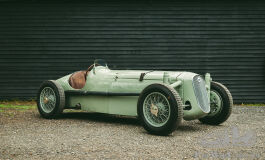
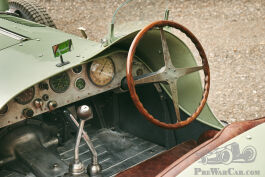
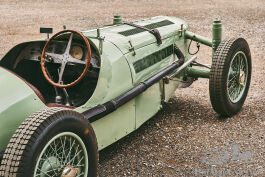
Now fully restored, the Dilambda is a beautiful sight and is being widely enjoyed
Words: Zack Stiling
Photographs of 32-1077 in America by Rex Gray, published under Creative Commons Attribution 2.0 Generic licence
All other photographs of 32-1077 courtesy of James Brown Photography
Published:
Wednesday January 24th, 2024
Facebook
LinkedIn
Twitter
WhatsApp
Email
Copy
Comments
David Penttinen
03 April, 20:38
Hello, I drove and enjoyed this car in the USA my father did not import this car, he purchased it from a farm in New Hampshire.
Read more
