The global magazine and marketplace for classic car enthusiasts, by enthusiasts.


Filter
Make a choice:
- Cars
-
Make >>
-
Year >>
-
- Bikes
-
Location >>
- Parts & more
-
Make of car >>
-
Manufacturer >>
-
Category >>
- Bicycles & more
-
Year >>
-
Countries


Tractors or tow trucks – what are these vehicles?
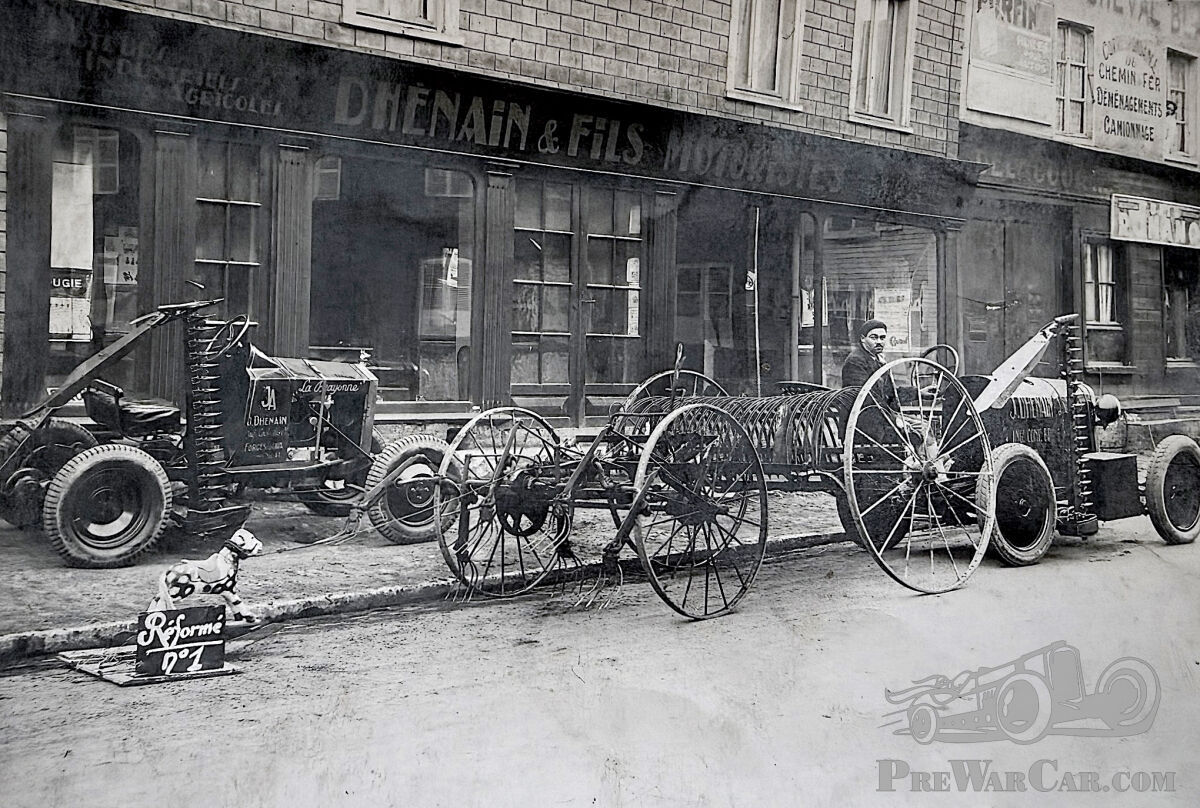
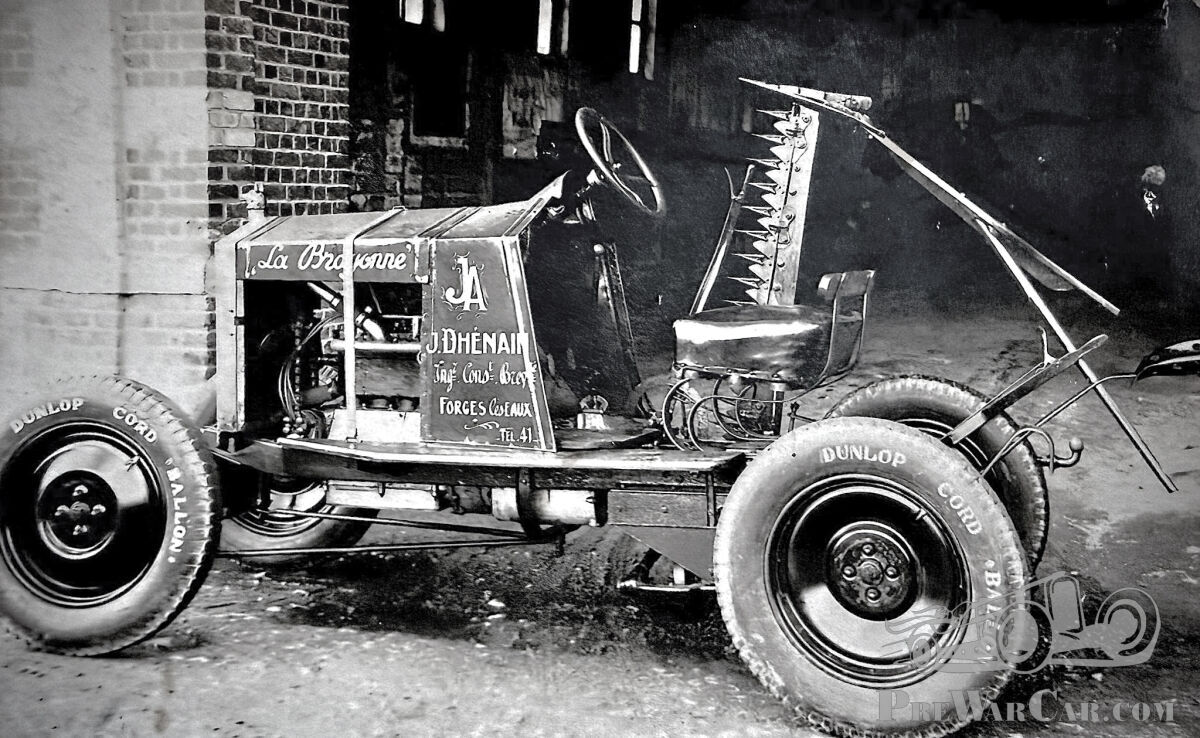


These photographs show Garage J. Dhénain in Forges-les-Eaux, France, in all its 1930s glory, oozing the atmosphere of everyday life centred around family farms and simple village traditions. They were shared by the grandson of the garage owner at the time, who is keen to learn more about them.
What intrigued us were the two vehicles parked in front of the garage, both fitted with attachments that appear to be intended for agricultural use. Then again, Garage Dhénain also specialised in Moteurs Industriels & Agricoles — industrial and agricultural engines — as can be read on the façade. These two machines certainly look like tractors fitted with Dunlop ‘Ballon’ tyres, but are they? With the garage’s name prominently displayed on them, they may well have doubled as tow trucks or recovery vehicles. And who knows what they were based on?
The example parked on the pavement, shown on its own in the second photograph, reveals much of its engine and transmission. That surely ought to make it identifiable to our experts. It even has a name: La Brayonne. Interestingly, there is a B&B nearby that still bears that very name today, which suggests the connection may be more than mere coincidence.
Words by Jeroen Booij
Pictures by Guy Dhénain
Published:
Wednesday June 10th, 2026
Facebook
LinkedIn
Twitter
WhatsApp
Email
Copy
Comments
Gilbert LENOIR
16 June, 17:30
Pascal is right, one is based to a Salmson (Bignan same engine)
Read more
labbe j pascal
15 June, 18:30
Hello, the ‘Brayonne’ tractor is built from a Val Salmson cyclecar!!! You can easily recognise the 1100cc engine, the gearbox and the sadly modified chassis... a common practice at the time and right up into the 1960s... Where is it now? There’s one left... known to the Salmson Club
---
bonjour ,le tracteur "brayonne" est fabriqué a partir d un cyclecar val salmson !!! on reconnais facilement le moteur 1100 et la boite de vitesse et le chassis" tristement" modifié ... pratique courante a l époque et jusque dans les annees 60 .. ou ce trouve t il maintenant ?il en reste un ..connu a l amicale salmson
Read more
---
bonjour ,le tracteur "brayonne" est fabriqué a partir d un cyclecar val salmson !!! on reconnais facilement le moteur 1100 et la boite de vitesse et le chassis" tristement" modifié ... pratique courante a l époque et jusque dans les annees 60 .. ou ce trouve t il maintenant ?il en reste un ..connu a l amicale salmson


YVES ROUSSEL
15 June, 11:25
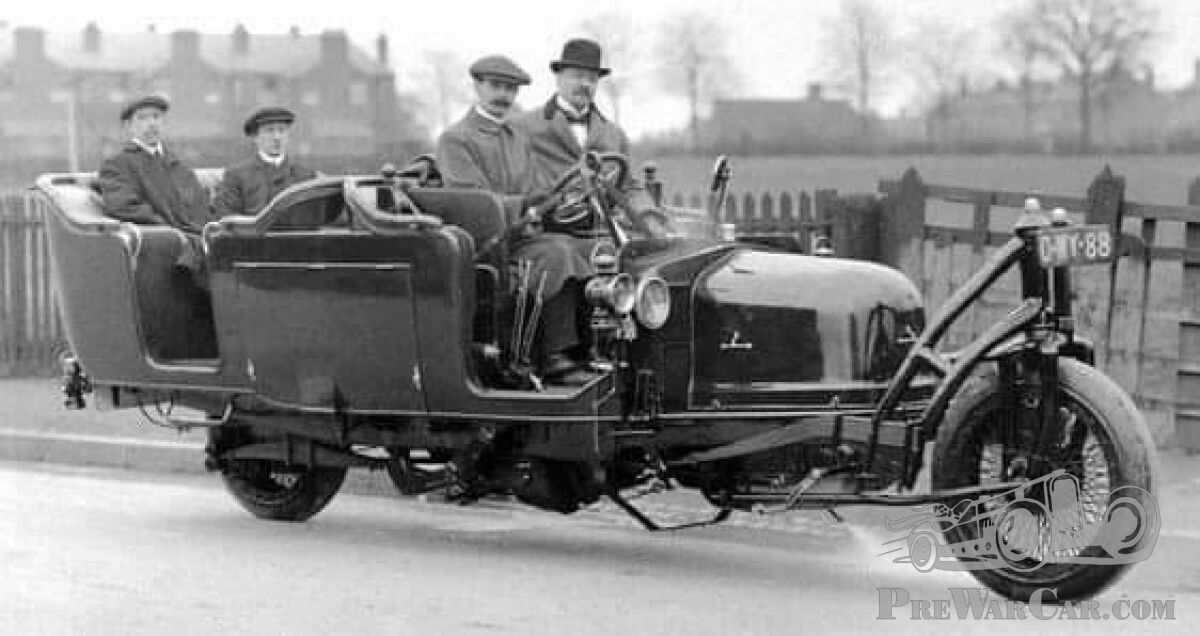
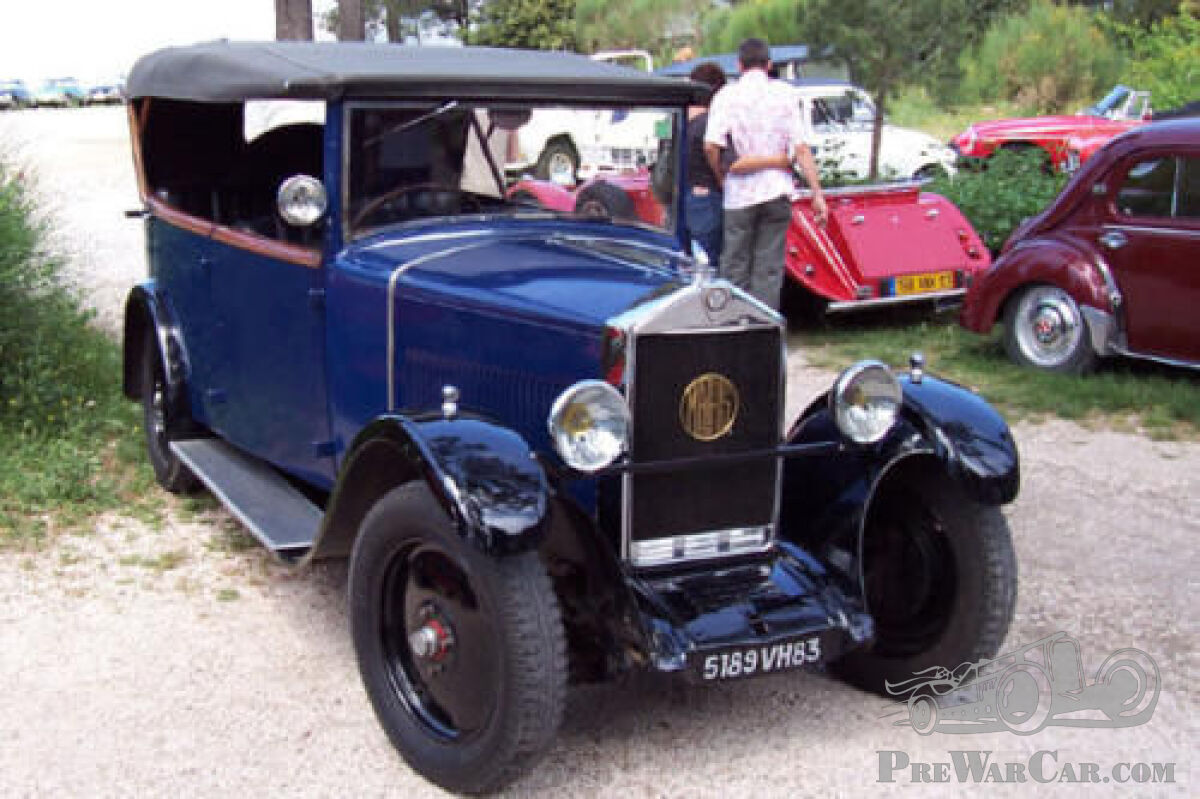
I don’t think we should be looking at British makes, but rather French ones, as this photo was taken in France (probably Forges-les-Eaux). So I’m thinking of a Mathis from the mid-1920s, which had a very similar radiator.
---
Je ne pense pas qu'il faille aller chercher dans les marques anglaises mais bien plus dans les marques françaises car cette photo est prise en France (Forges-les-Eaux probablement). Je pense donc à une Mathis du milieu des années 20 qui avait un radiateur très ressemblant.
Read more
---
Je ne pense pas qu'il faille aller chercher dans les marques anglaises mais bien plus dans les marques françaises car cette photo est prise en France (Forges-les-Eaux probablement). Je pense donc à une Mathis du milieu des années 20 qui avait un radiateur très ressemblant.
Robb
14 June, 17:39
Nobody has commented on the dog pull toy roped to the rake? That's why the driver looks grumpy: now he has to go back to the field to find his child!
Read more
Dr. Paul Lynn
14 June, 16:14
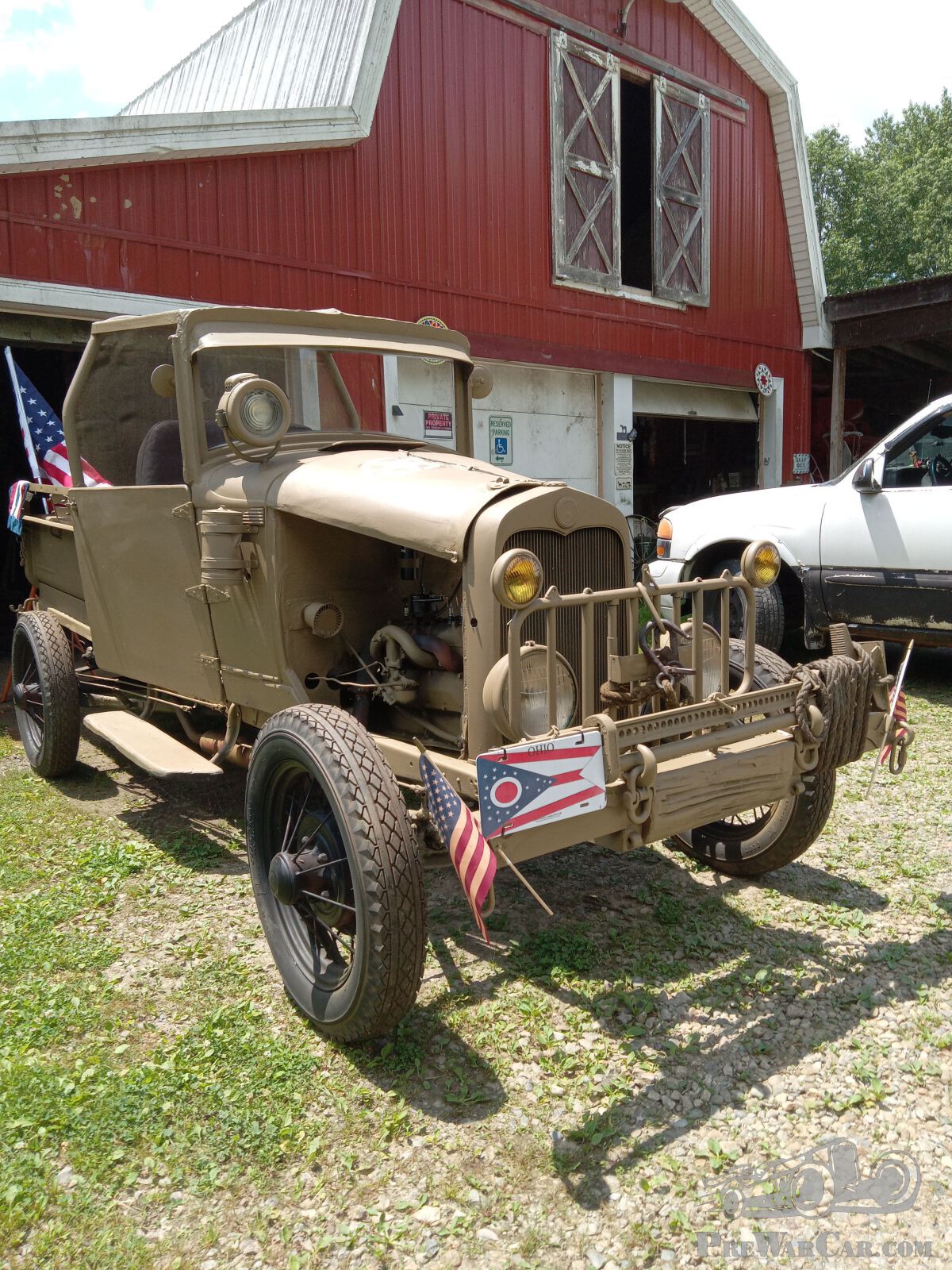
Here in the midwest region of the states , cut down automobiles were often recycled for agricultural use and known commonly as doodlebugs. My grandfather had seven derelict Ford Model Ts fitted with various agricultural implements including belt pulley for powering a sawmill and skidding logs. Enclosed is a picture of a 1926 Willys Model Four artillery tractor restored by our shop. It was commissioned under a congressional contract and manufactured in Stockport, England. The contract was for a one-quarter ton vehicle which could replace four horses. This was a precursor to the very famous Willys Jeep used in WW2.
--Dr. Paul Lynn
Read more
--Dr. Paul Lynn
Malcolm Bailey
10 June, 22:09
Well said, Stig. This certainly is vintage haymaking equipment - complete with a traditional hay fork under the nearest machine. The other interesting bit is the 'tractors'. Both appear to be cut down cars and, if I'm not mistaken, the one on the left has rather come down in the world: that radiator looks to me to be Rolls Royce.
Read more
Stig Larsson
10 June, 14:34
These vehicles is for haymaking. On the tracktor at the street, a beam for moving the grass down, then a mchine for making the grass too a string and last a machine too turn the string uppside down. But in the field you first move the grass down, then you make a string and in third round you turn the string uppside down. All those machines where common agriculture machines from the twnties too the fifties, at least in Sweden.
Read more