The global magazine and marketplace for classic car enthusiasts, by enthusiasts.


Filter
Make a choice:
- Cars
-
Make >>
- Bikes
-
Location >>
- Parts & more
-
Make of car >>
-
Manufacturer >>
-
Category >>
- Bicycles & more
-
Year >>
-
Countries


TT Tribute: restored Straker-Squire among Montlhéry's Edwardian highlights
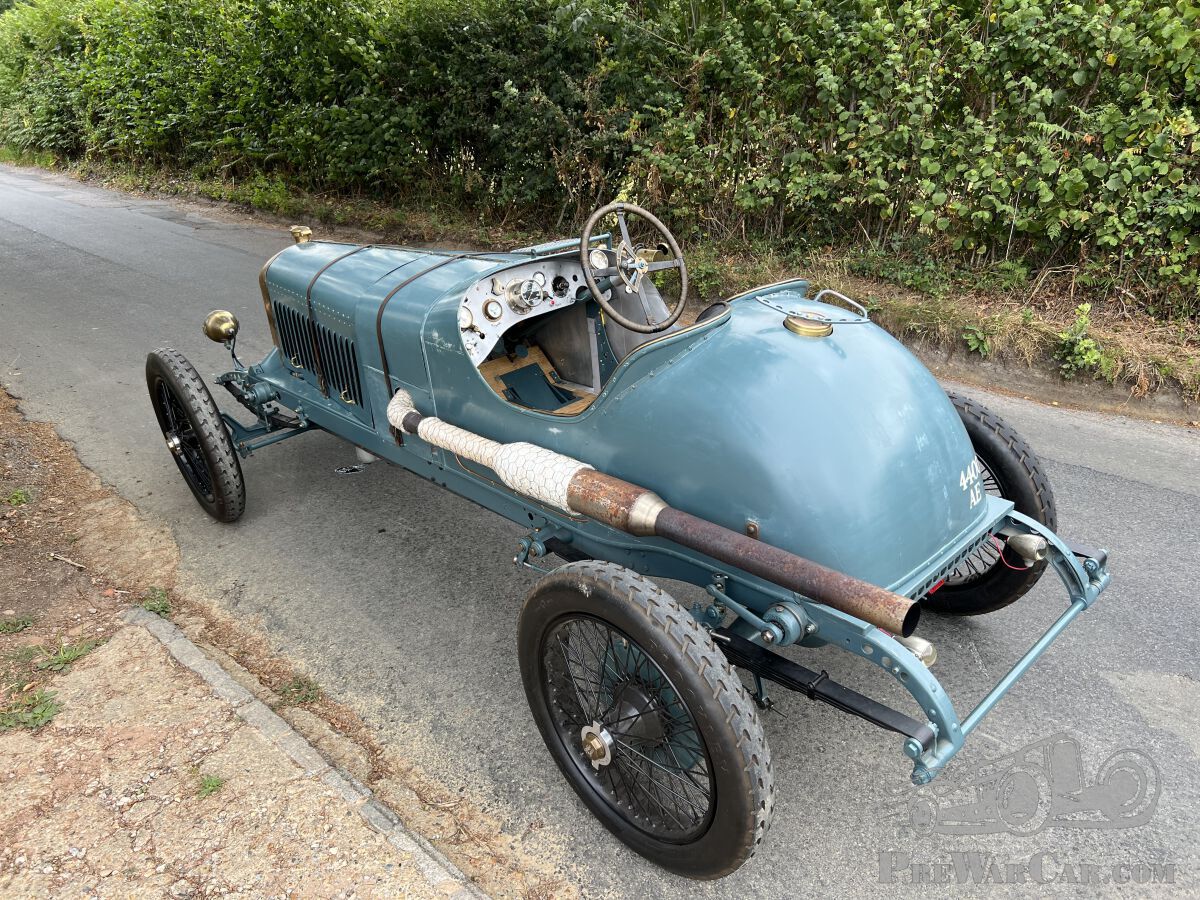
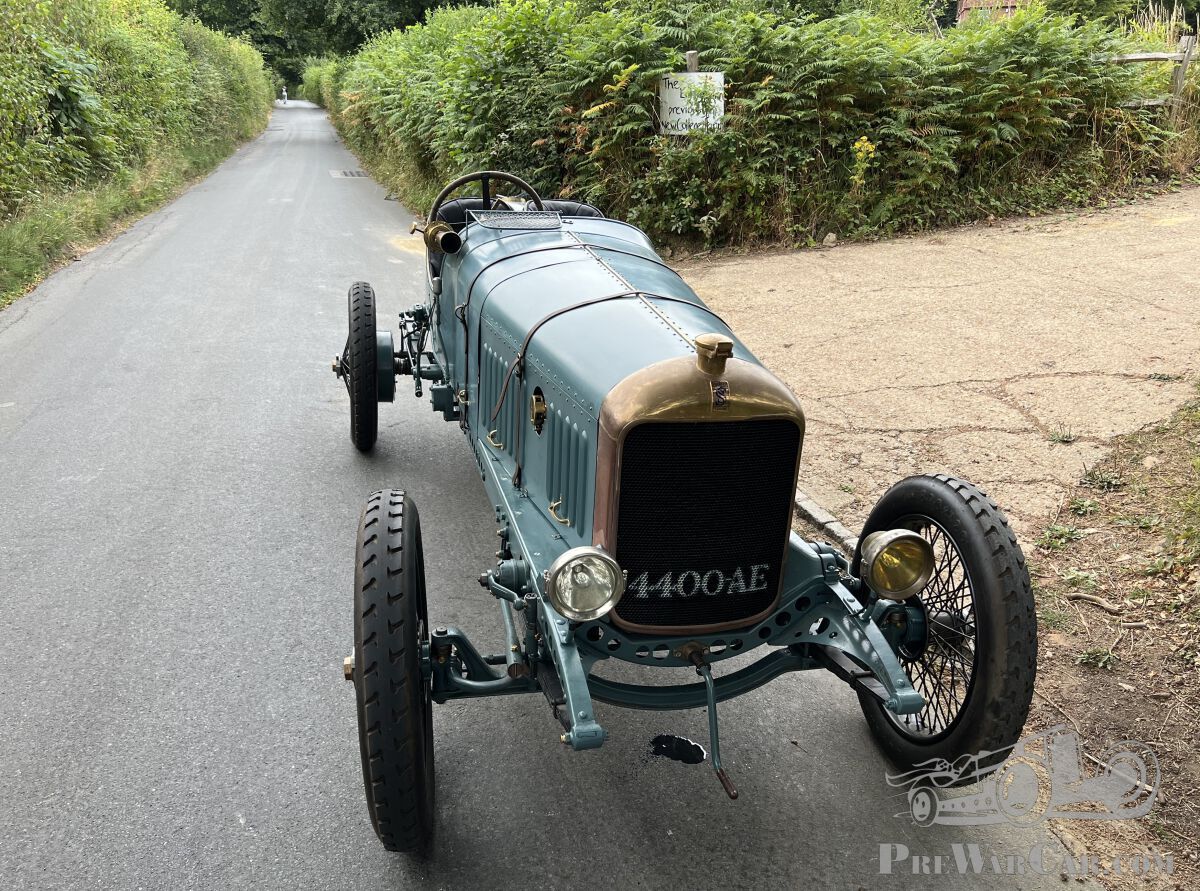
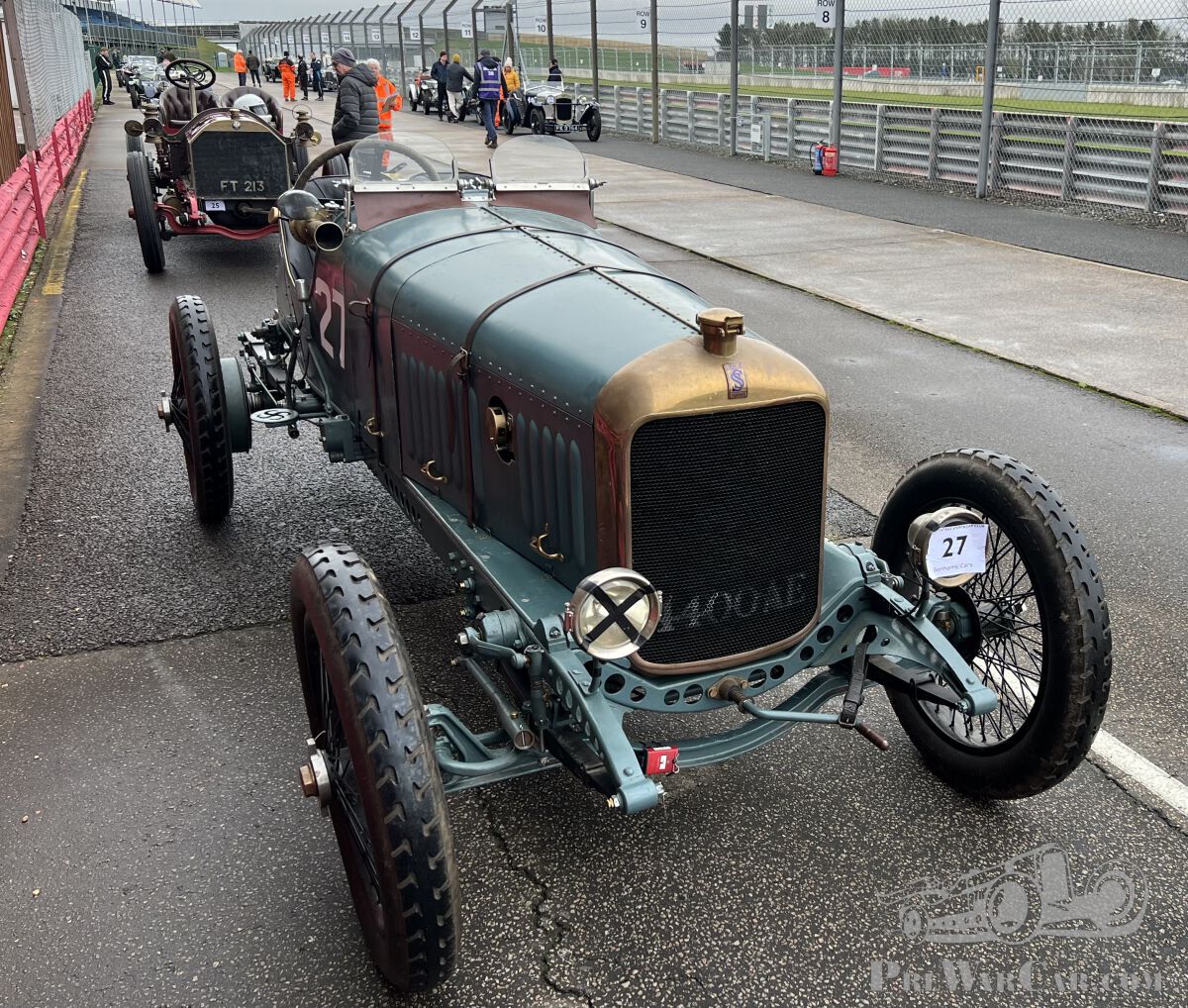
The Straker-Squire has been raced several times since completion, and is seen here at Silverstone for the V.S.C.C.'s Pomeroy Trophy
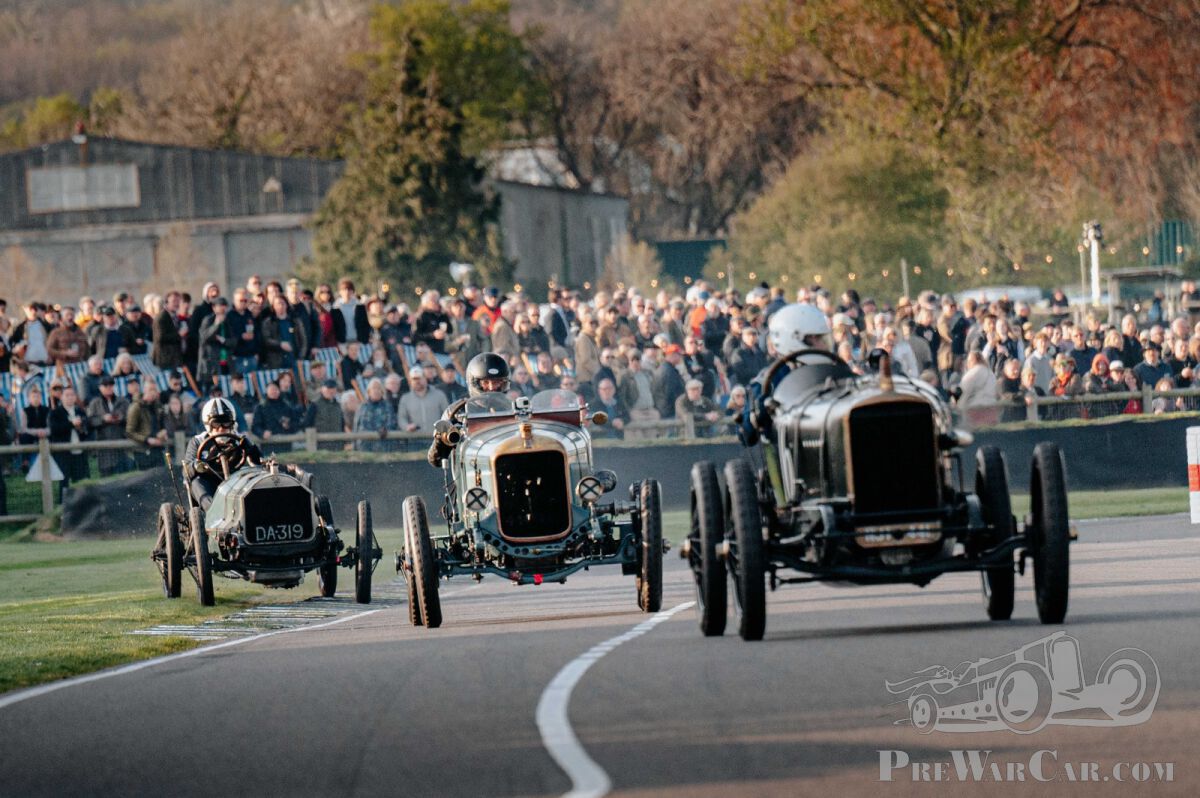
It recently competed in the S. F. Edge Trophy at the 2024 Goodwood Members' Meeting
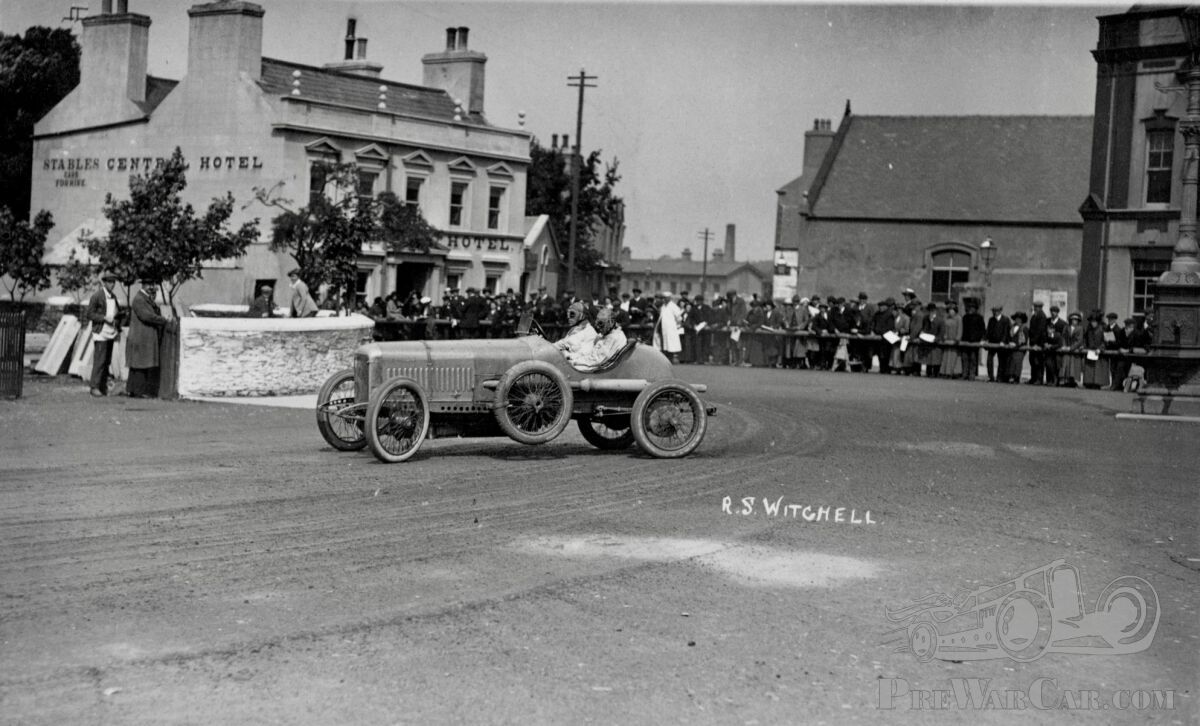
The Straker-Squire raced by Witchell in the 1914 T.T.
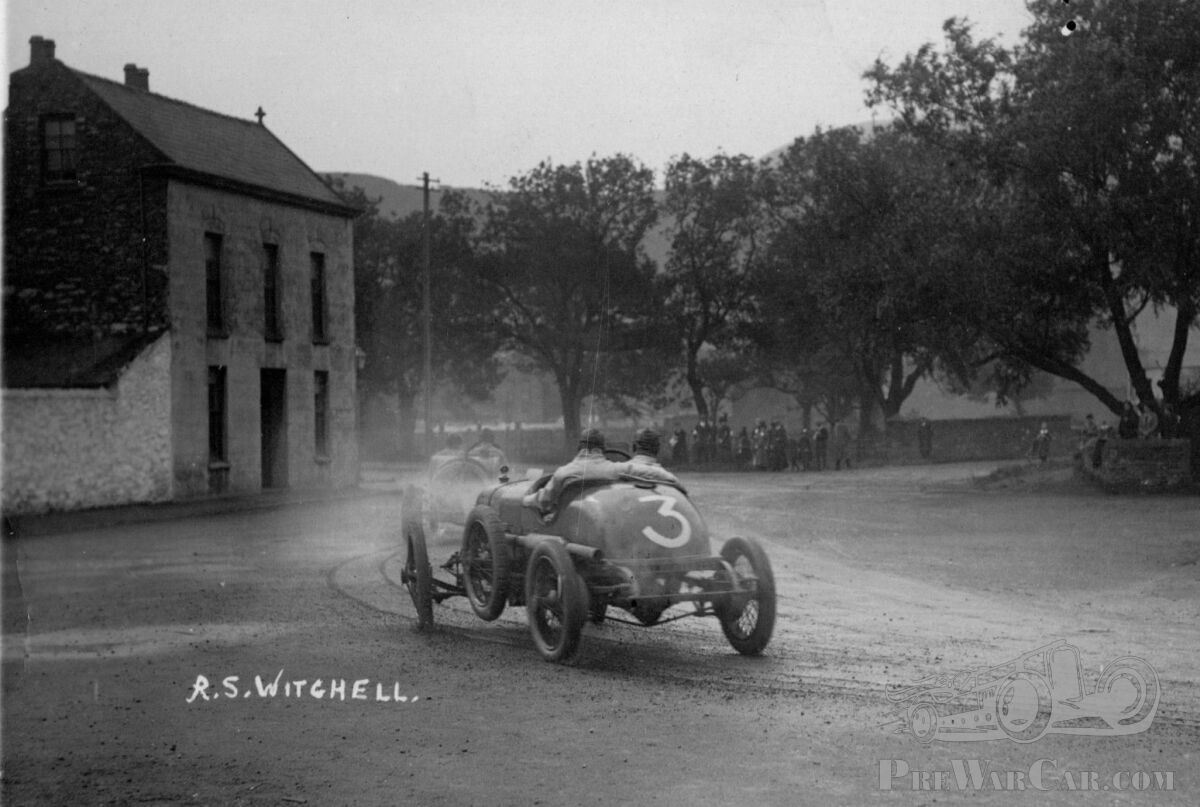
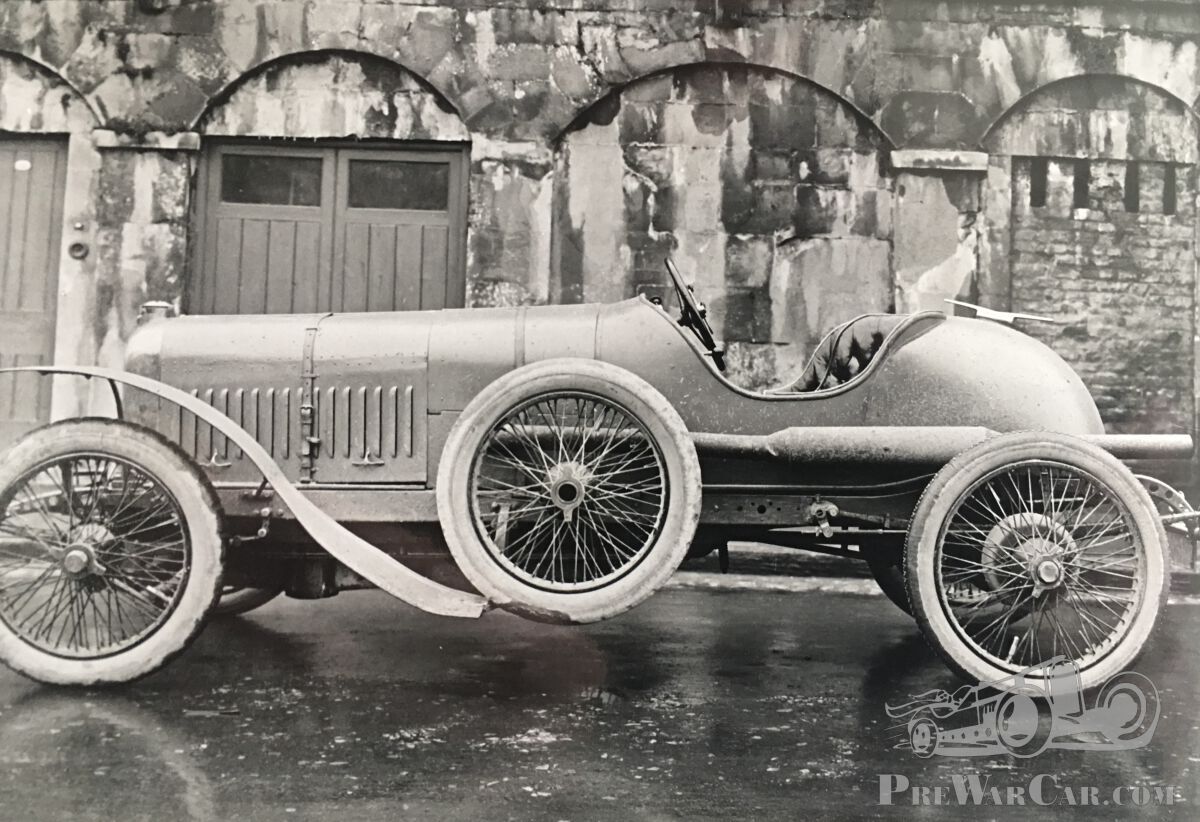
The original car photographed in period


At 4.00 a.m. on May 25th, after a large breakfast at the Station Hotel in Kirkpatrick, on the Isle of Man, the Straker-Squire TT team consisting of Roy Feddon, his crew, and drivers Frank Clement and R. S. Witchell, climb aboard the two works racers for the start of practice, before the actual race date of June 10-11th, 1914. Witchell finished fourth but was unlucky not to finish second, after an ambulance attending a crash on the circuit cost him several minutes. Nevertheless, his fourth place was achieved in 11h. 22m. at an average speed of 52.75 mph over the dirt course roads. Clement’s car suffered from mechanical failure, retiring with a holed piston on the second day. The TT cars also competed in hill-climbs and sprints throughout the remainder of the 1914 racing season.
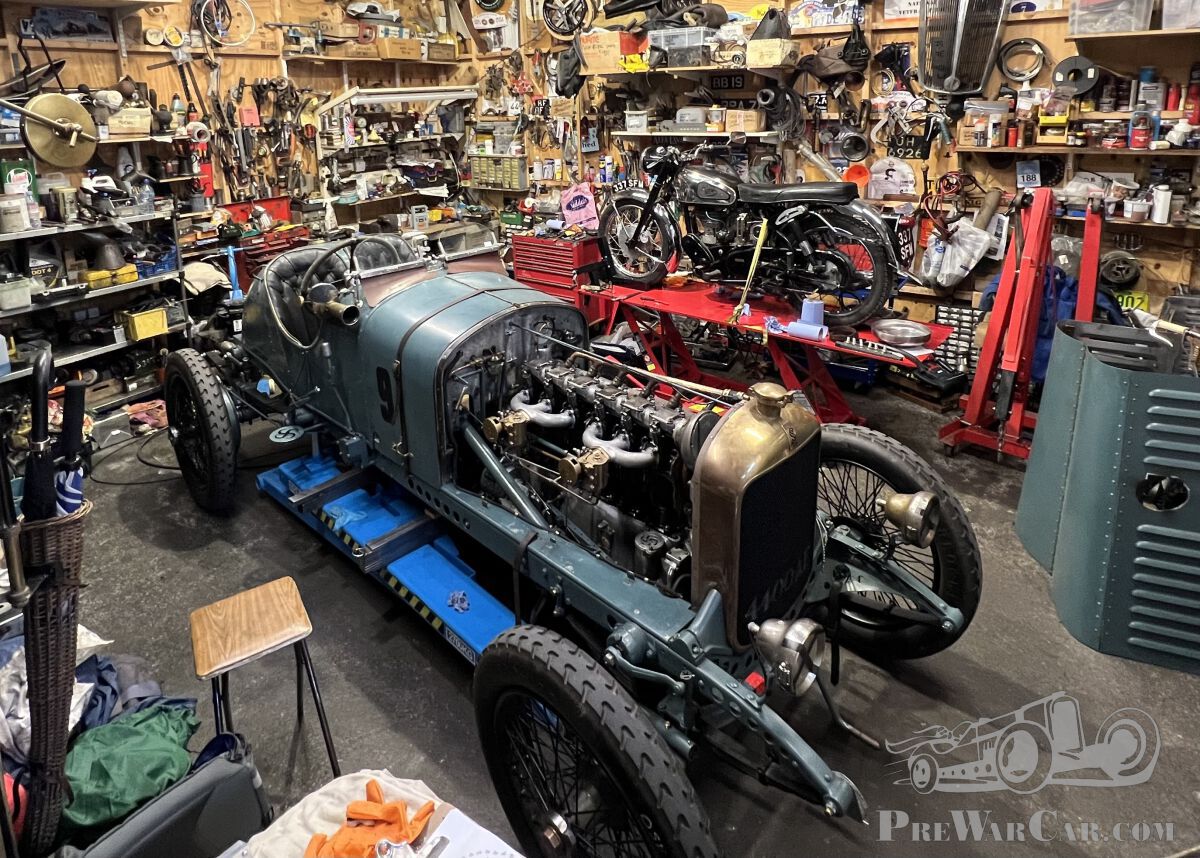
The car with which I shall be attending the Vintage Revival Monthléry centenary event is a tool-room recreation of one those cars, the assembly of which has been full of the usual trials and tribulations, not to mention that ugly word 'costs'!
I found in a garage cellar work pit in Adelaide, Australia, the engine, gearbox and rear axle and other sundries, all of which had come from a single-seat racer built in 1938 at Brooklands by John Granville Grenfell. This car had quite a story to tell—it was comprised of an ERA chassis, my Straker-Squire engine, gearbox and rear axle and a Lancia Lambda front end, with the rear end from Prince Bira’s crashed Maserati (nothing wasted in those days!), then war broke out and Brooklands was bombed, along with my car. The components went to Weybridge, to the Grenfell family home, whence a certain W. Boddy sold them to an Australian gentleman called George Brooks, who owned two of the surviving Straker-Squire tourers in Australia!
In Geelong I found a correct 1914 chassis, along with the steering and many parts. In England I found a correct front axle, and voilà, we had the complete kit. Russ Pain was charged with the assembly, Julian Parker made a beautiful, exacting replica of the aluminium TT body, and every part was rebuilt.
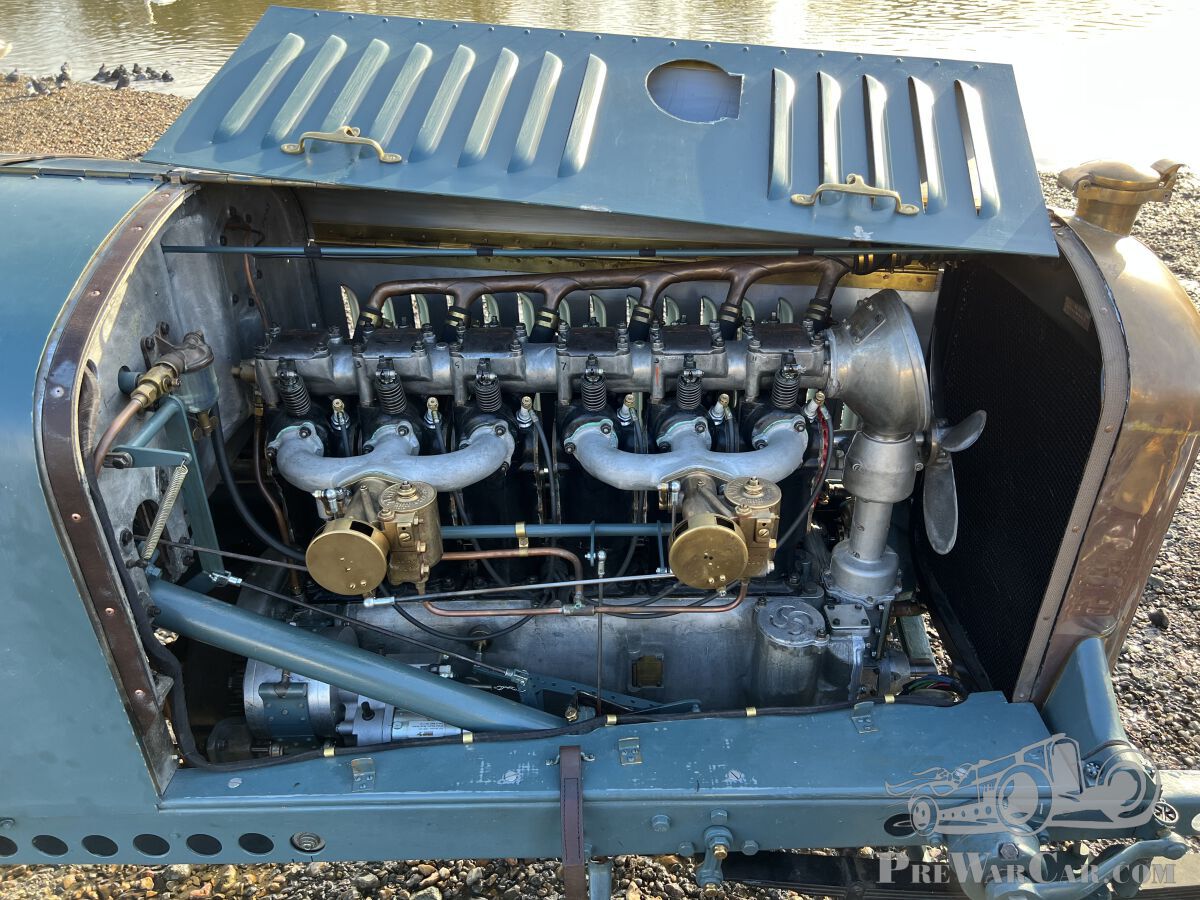
My car differs slightly from the TT cars, which ran a four-cylinder engine with no differential. My engine is in fact the later design of 1918, a six-cylinder version of the Rolls-Royce Hawk, an aero engine used in Great War bombers. After hostilities ended, Roy Feddon redesigned it for motor car use, and 65 such cars were built. There are only five survivors! The engine specification is four litres with a single overhead cam—beautiful. It is a very smooth engine. It has a four-speed gearbox and the rear axle ratio is now 3.00 to one. I have now taken part in a few outings on track, with the result that we are still tweaking performance, and it is slowly improving. It runs on 820 by 120 beaded-edge tyres, and the driving experience is very positive and rewarding.
I’m pleased to report that the car is receiving many complimentary remarks!
The 1914 Straker-Squire TT is just one of the highlights among hundreds of pre-war racing cars and motorcycles scheduled to participate in Vintage Revival Montlhéry, which takes place from May 11-12th. For more information, or to buy tickets, visit www.vintage-revival.fr
Words and photographs: Andrew Howe-Davies
This article was originally published on May 10, 2024
Published:
Sunday August 10th, 2025
Facebook
LinkedIn
Twitter
WhatsApp
Email
Copy
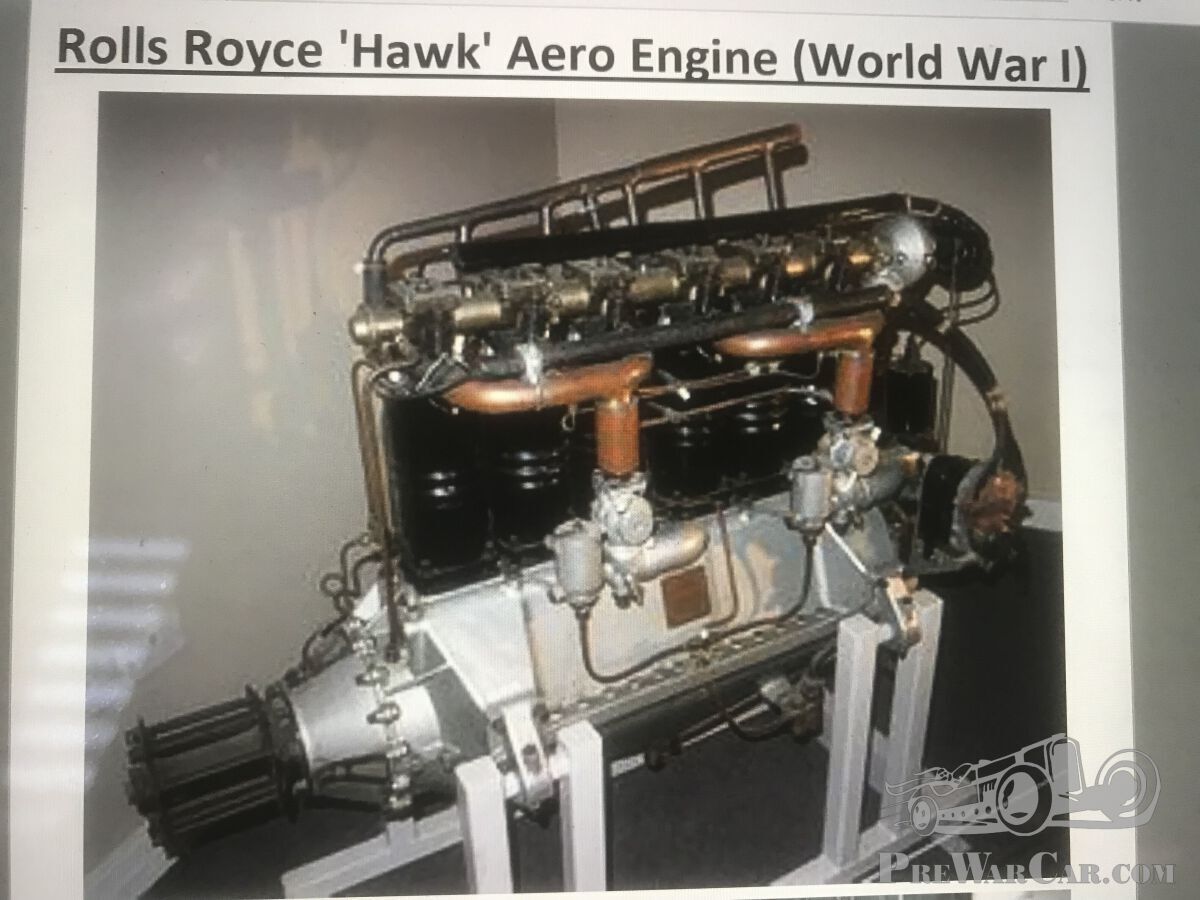
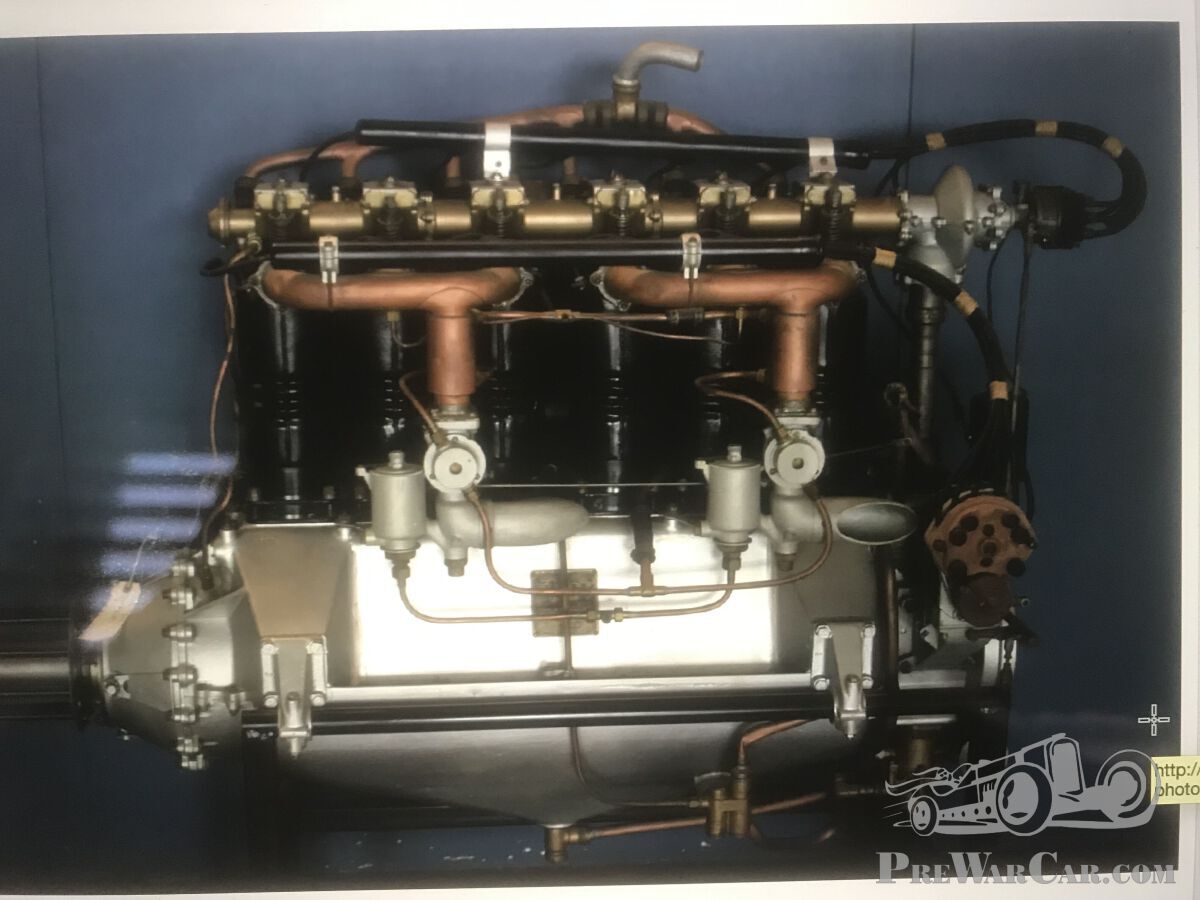
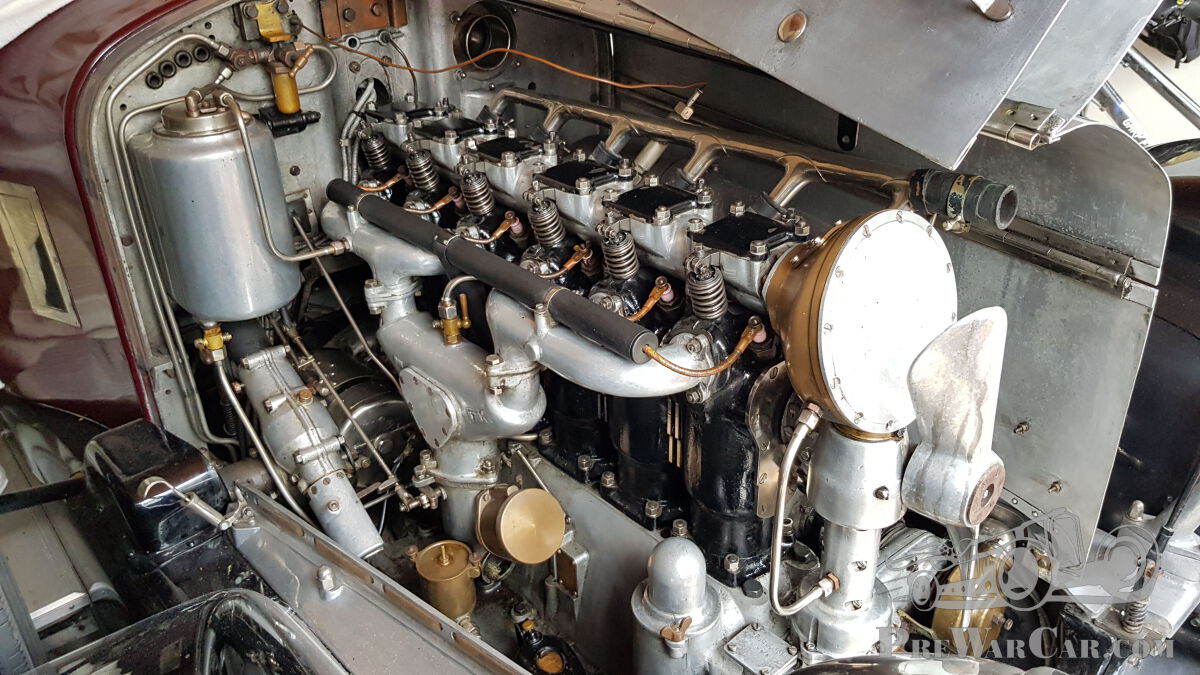


Indeed Straker Squire were, I believe, the only company licensed by Rolls Royce to manufacture the Hawk aero engine, but the Straker Squire six, whilst being similar to the Hawk, followed the 1914 Mercedes GP engine (albeit a four steel fabricated four barrels with four valves per cylinder). The engine's only part stamping that followed RR practice was in the valve gear - probably utilising war surplus stock. The SS6 was a 1917 design.