The global magazine and marketplace for classic car enthusiasts, by enthusiasts.


Filter
Make a choice:
- Cars
-
Make >>
-
Year >>
-
- Bikes
-
Location >>
- Parts & more
-
Make of car >>
-
Manufacturer >>
-
Category >>
- Bicycles & more
-
Year >>
-
Countries


An unknown name: the 1899 Ricordi 8 HP Brake
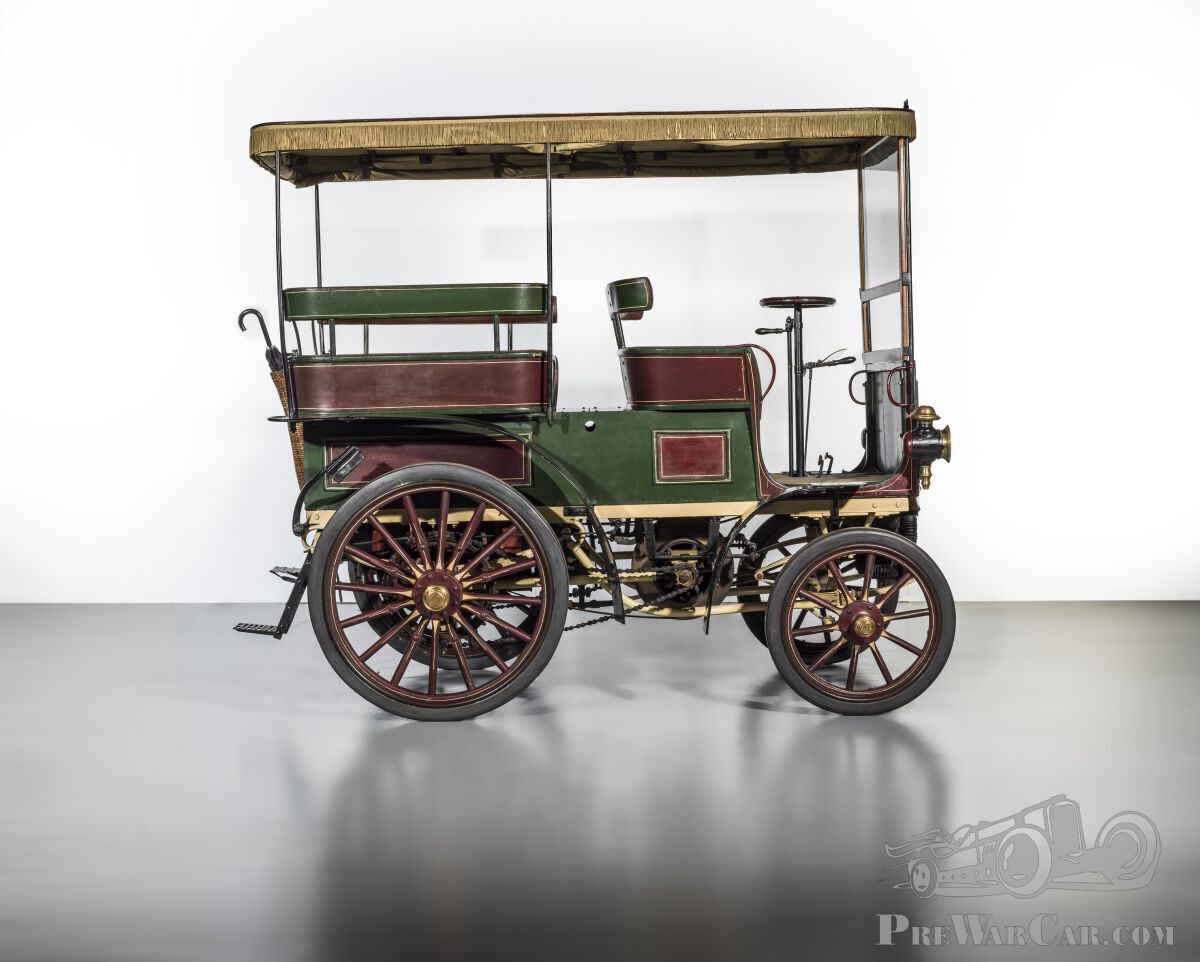
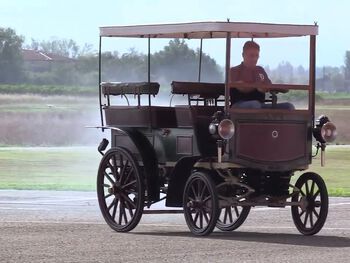
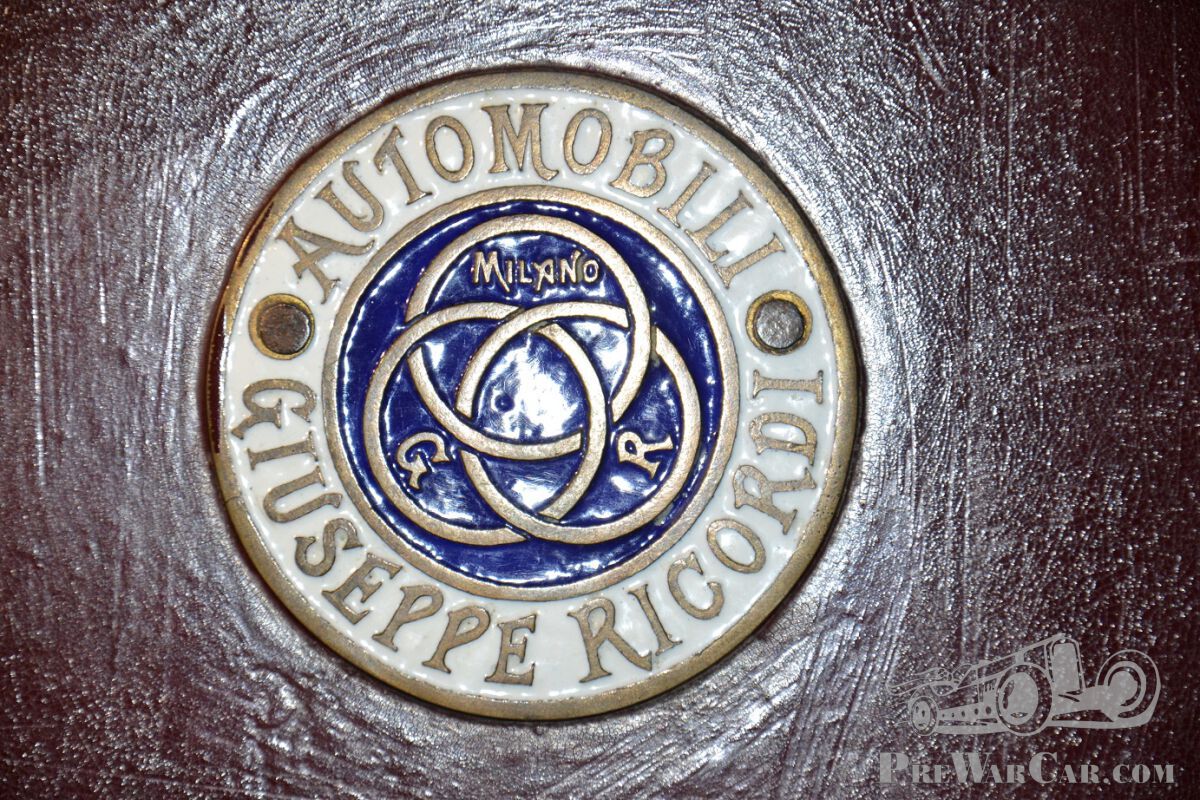
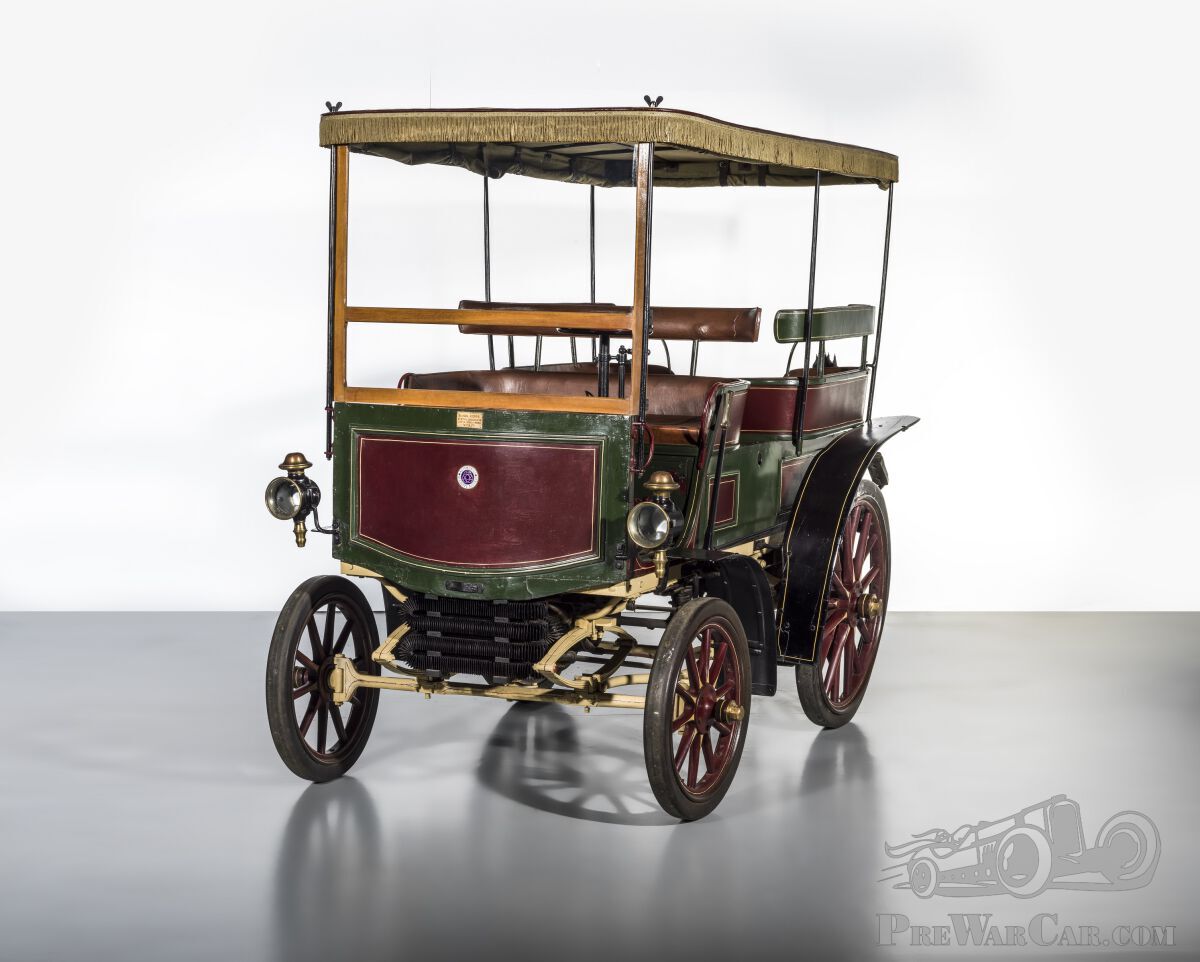
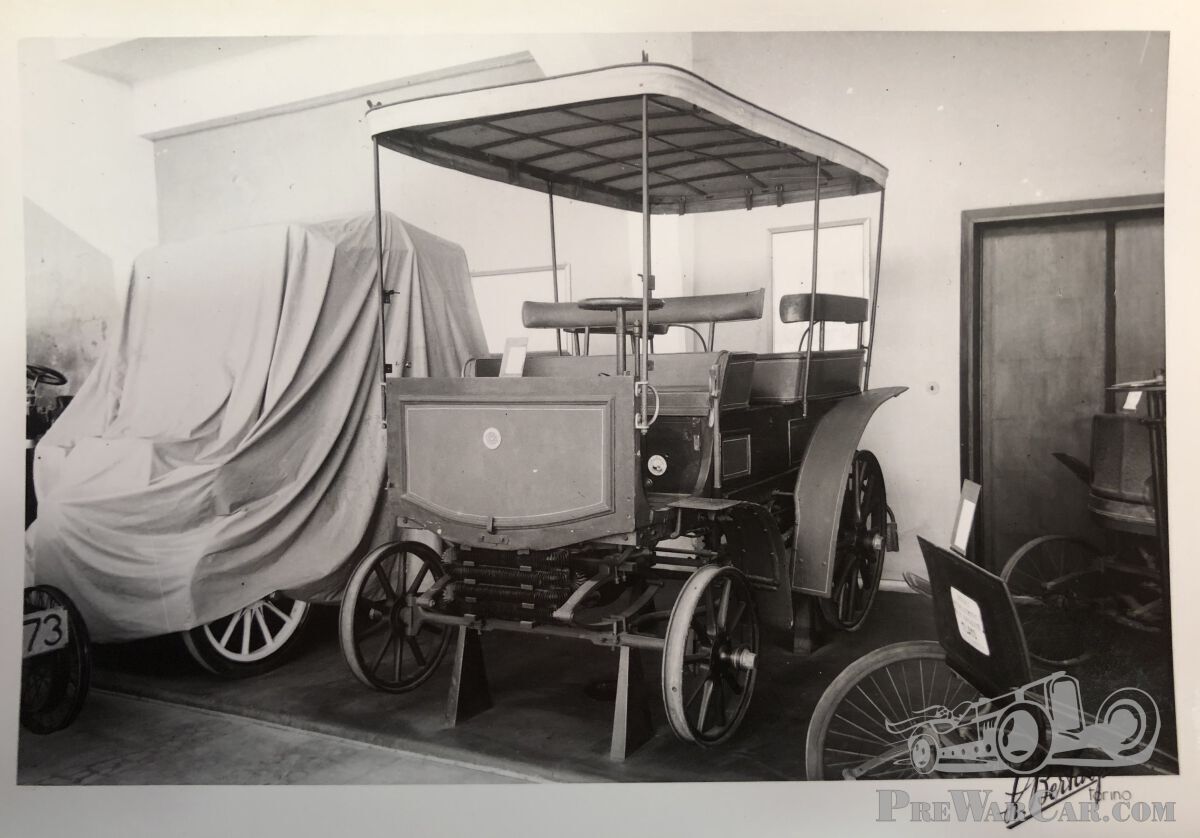


Those who have studied the entry list for this year’s London to Brighton Veteran Car Run may have raised an eyebrow at an unfamiliar name: a 1899 Ricordi 8 HP Brake. We, too, were intrigued — our reference books offered little to no information about this enigmatic machine. So we reached out to the Museo Nazionale dell’Automobile (MAUTO) in Turin, where the car has been part of the collection since 1935.
“The car once belonged to engineer Alfredo Varni from Pallanza, on Lake Maggiore,” explains Davide Lorenzone, curator at MAUTO and this year’s driver of the Ricordi in the Run. “Varni donated the car to the museum in 1935, after a long correspondence with our founder Carlo Biscaretti di Ruffia — letters that are fortunately still preserved. The car was in excellent condition at the time, and apart from a few small parts, it has remained so ever since. Our restoration centre recently decided it was time to make the car operational again, allowing it to take part in cultural events such as the London to Brighton Veteran Car Run.”
Giuseppe Ricordi: a visionary of Italian motoring
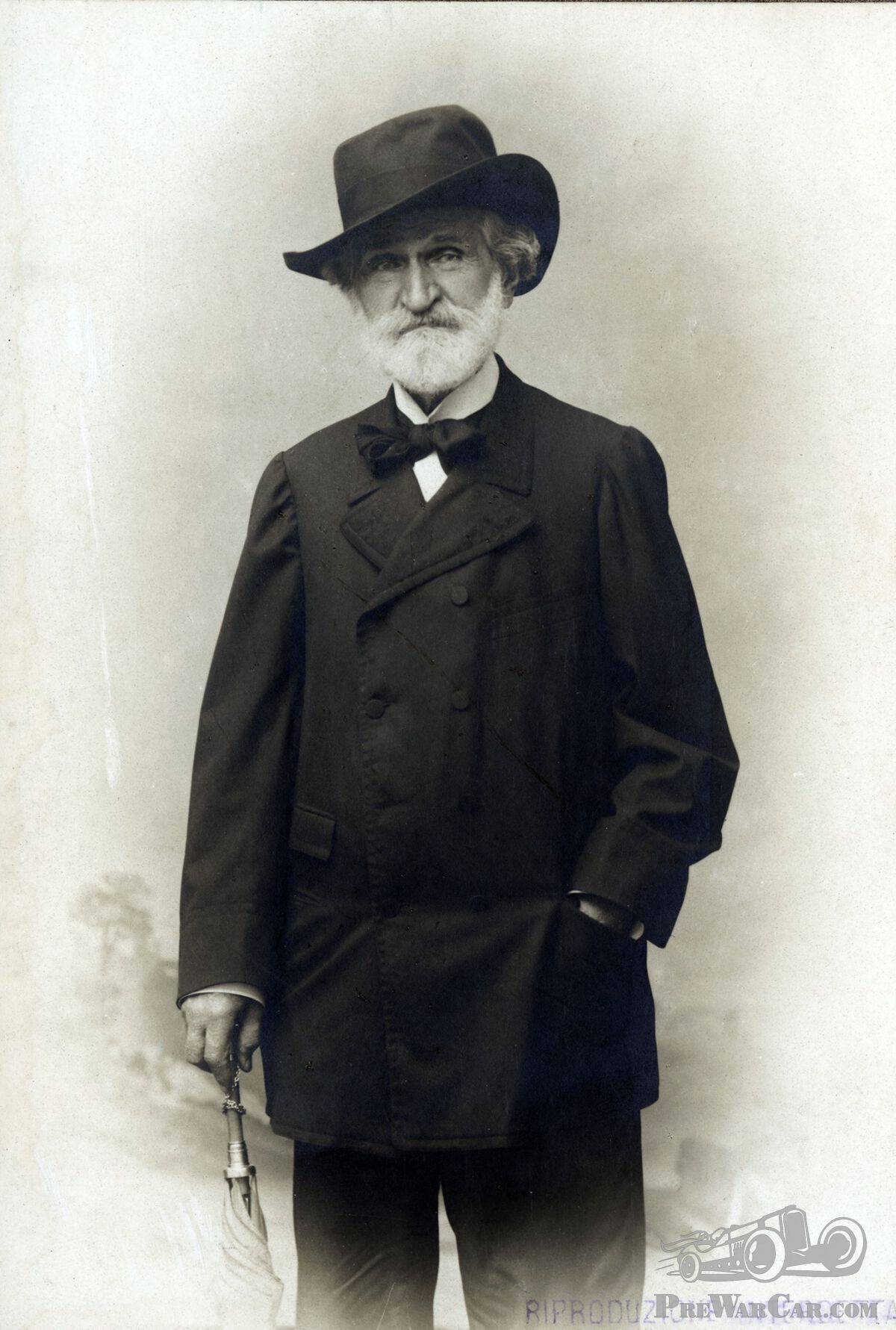
Cavaliere Giuseppe Ricordi was no ordinary man. As heir to the famous music publishing house Casa Ricordi, creativity ran in his veins — but his true passion lay in engineering. Around the turn of the century, he traded the musical staff for the motor shaft and became one of the pioneers of the Italian automotive industry. From his showroom in Milan, he introduced marques such as Benz and De Dietrich to Italy, and worked on creating more elegant, refined automotive forms — the first steps toward what would become the Italian design tradition.
An inventor as well as an entrepreneur, Ricordi patented innovative engine concepts and, together with his sons, competed in Italy’s earliest motor races. In 1897 he founded the Club Automobilisti di Milano, the nation’s very first automobile club.
The car that bears his name is based on a Benz chassis and powered by the famous Benz “Contra engine.” Ricordi collaborated with the renowned coachbuilder Belloni, seeking not only technical excellence but also aesthetic harmony. It was the beginning of the Italian approach to car design: elegant, refined, and unmistakably stylish.
The car today
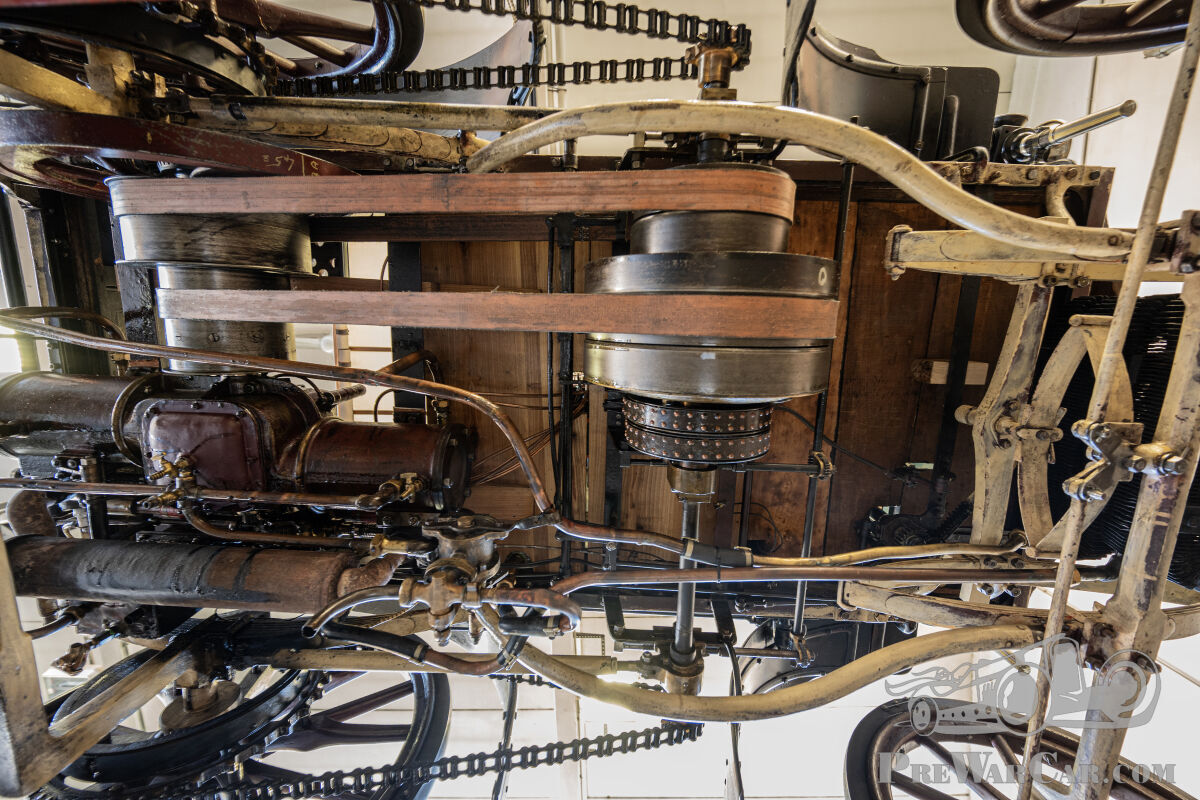
Anyone who assumes the Ricordi is an easy car to drive is mistaken. It’s a belt-driven machine, without a clutch. Two levers on the main axle, right beside the steering wheel, control the gears: two forward speeds, one slow, and one reverse. To change gear, the driver must first find neutral — quickly — with one hand on the wheel and the other managing the belts. The low-speed belt also serves as the reverse gear, operated by a pedal that simultaneously controls the rotation speed of the transmission.
There are two brakes — one for low speed and one for reverse — plus a left-hand parking brake. The Ricordi climbs hills effortlessly thanks to its very low gearing, though with a top speed of about 4 km/h in low gear, it does so at a leisurely pace. Release both brakes, and the car moves along in its normal gear.
Meanwhile, the mechanicals demand constant attention. The oil drip feeds must be watched at all times — one for the cylinders and crankshaft, the other for the valves. The driver can barely see them; that task falls to the passenger, who must contort themselves to keep an eye on the gauges. The carburettor is still the original Maybach design: a large tank with a special float and an exhaust pipe running through it to preheat the fuel. “It took a lot of time to get it right,” says Lorenzone, “but once adjusted, it works perfectly.”
And once you’ve mastered it, the Ricordi drives remarkably well. “It’s quick — almost 40 km/h in high gear,” Lorenzone adds proudly, a claim confirmed by the video footage we received from him.
After more than eighty years on static display, the MAUTO team began a careful restoration two years ago. Both the water and fuel tanks were completely rebuilt, and a missing oil pump was sourced in France. The Ricordi originally ran on pneumatic tyres — size 1010x90 at the rear — but as those are now unobtainable, solid rubber tyres were fitted instead. The front wheels now wear 760x90 pneumatics, improving steering and ride comfort considerably.
The original ignition system was missing and has been replaced by a newly built tremble ignition, while the original-style distributor was retained. The wooden gear wheels were remade exactly to original specification. As far as is known, no other example of this car survives; the museum owns one more Ricordi, but that is in fact a Benz fitted with Ricordi badging.
And so, this Sunday at 6:56 a.m., the 1899 Automobili Giuseppe Ricordi 8 HP Brake will set off with start number 31. A truly special moment: for the first time in over a century, this elegant Italian machine will once again travel under its own power on public roads.
We’ll, of course, be following her — along with the other 400 participants — via the livestream on PreWarCar.com, where we’ll be giving extra attention to this remarkable, elegant and utterly unique piece of Italian motoring history.
Text: Laurens Klein, Photos: Turino Museum Documentation Center, video by Matteo Grazia
Published:
Wednesday October 29th, 2025
Facebook
LinkedIn
Twitter
WhatsApp
Email
Copy
Comments
Tony
02 November 2025, 18:52
Sorry to appear pedantic, but I love our English language and it's vast vocabulary. The word to describe this vehicles bodywork is 'BRAKE' as in shooting brake! 'Break' is what you would most likely do upon falling down stairs.
Read more