The global magazine and marketplace for classic car enthusiasts, by enthusiasts.


Filter
Make a choice:
- Cars
-
Make >>
- Bikes
-
Location >>
- Parts & more
-
Make of car >>
-
Manufacturer >>
-
Category >>
- Bicycles & more
-
Year >>
-
Countries


A conversation with René Verbiest: on cars, rallies and wines

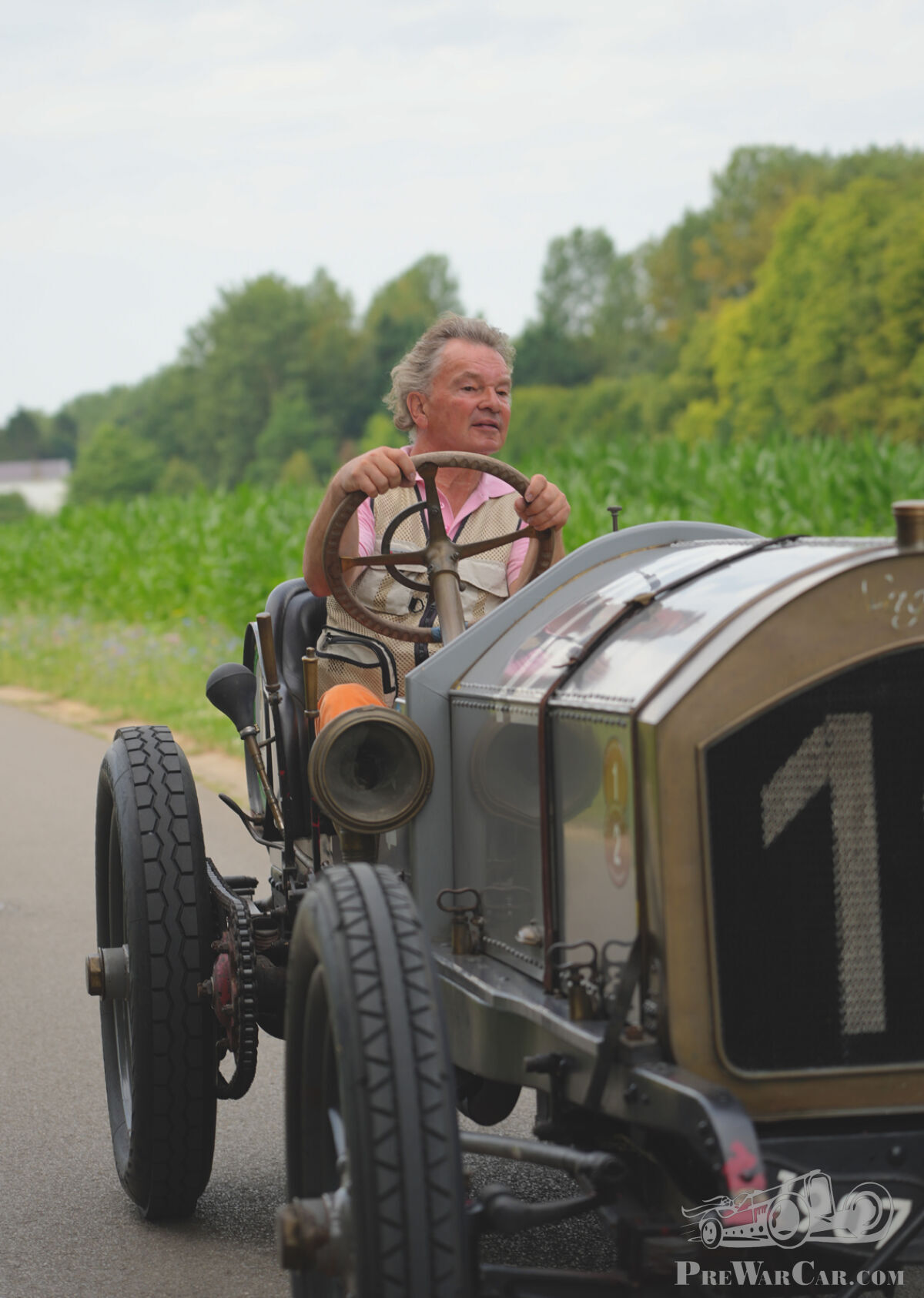
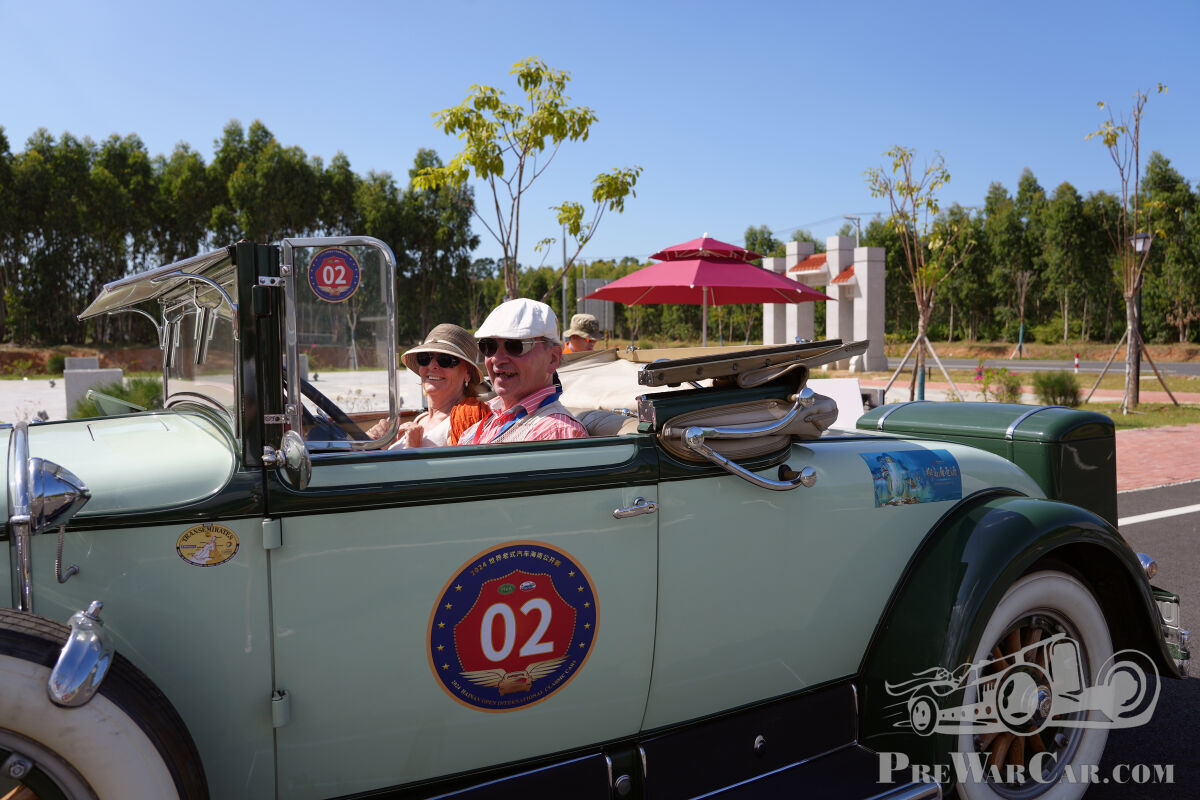
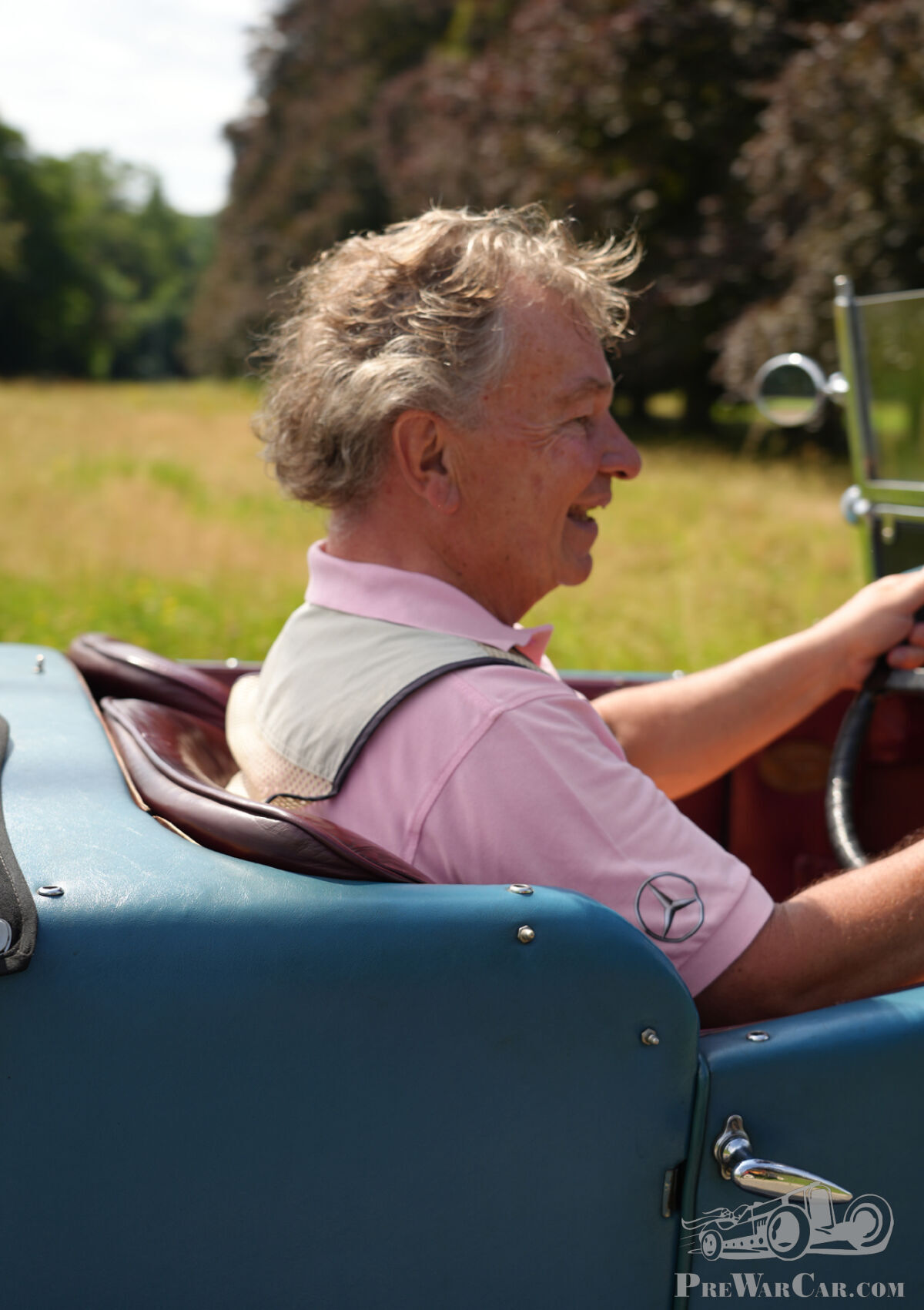
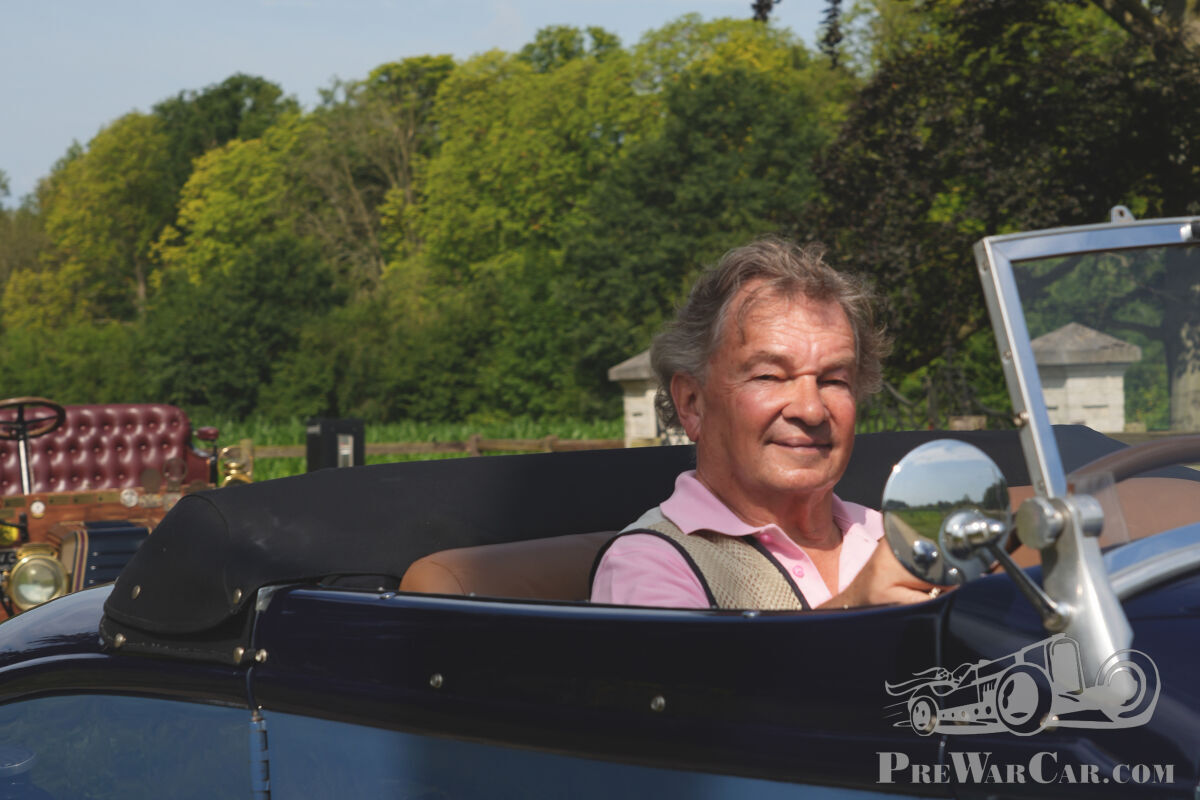
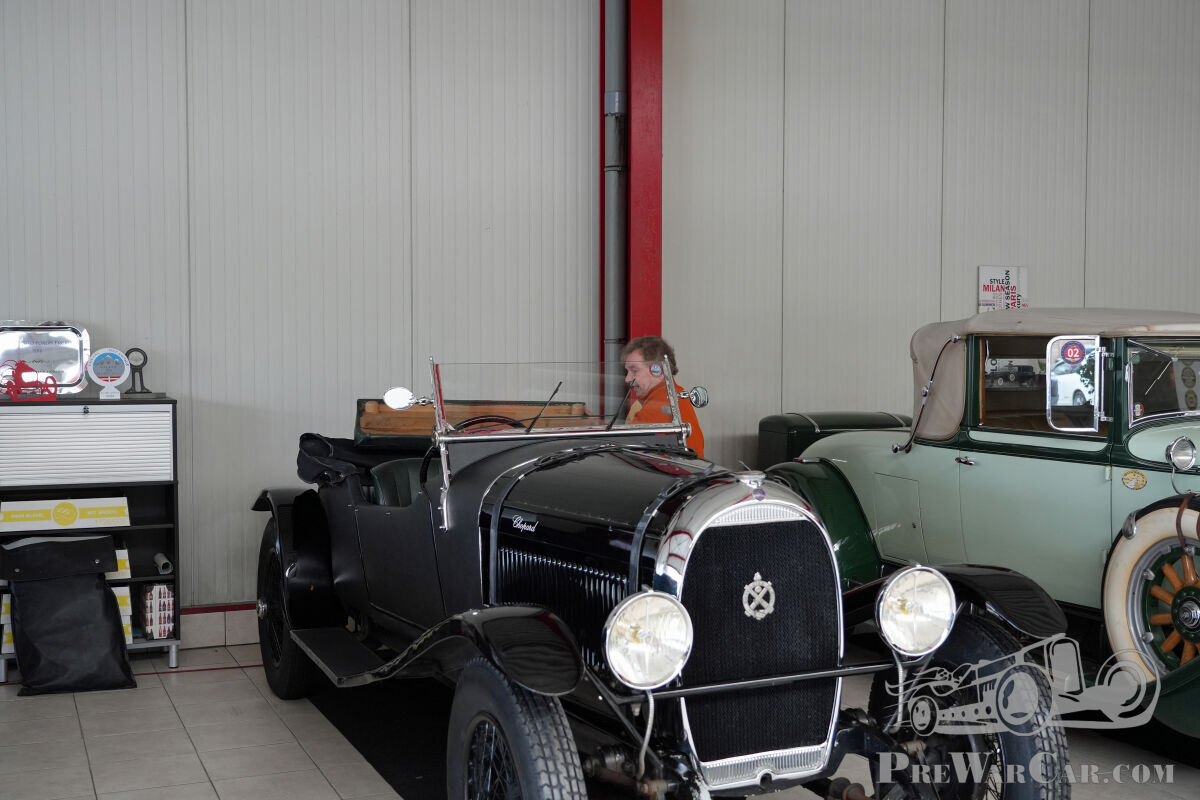
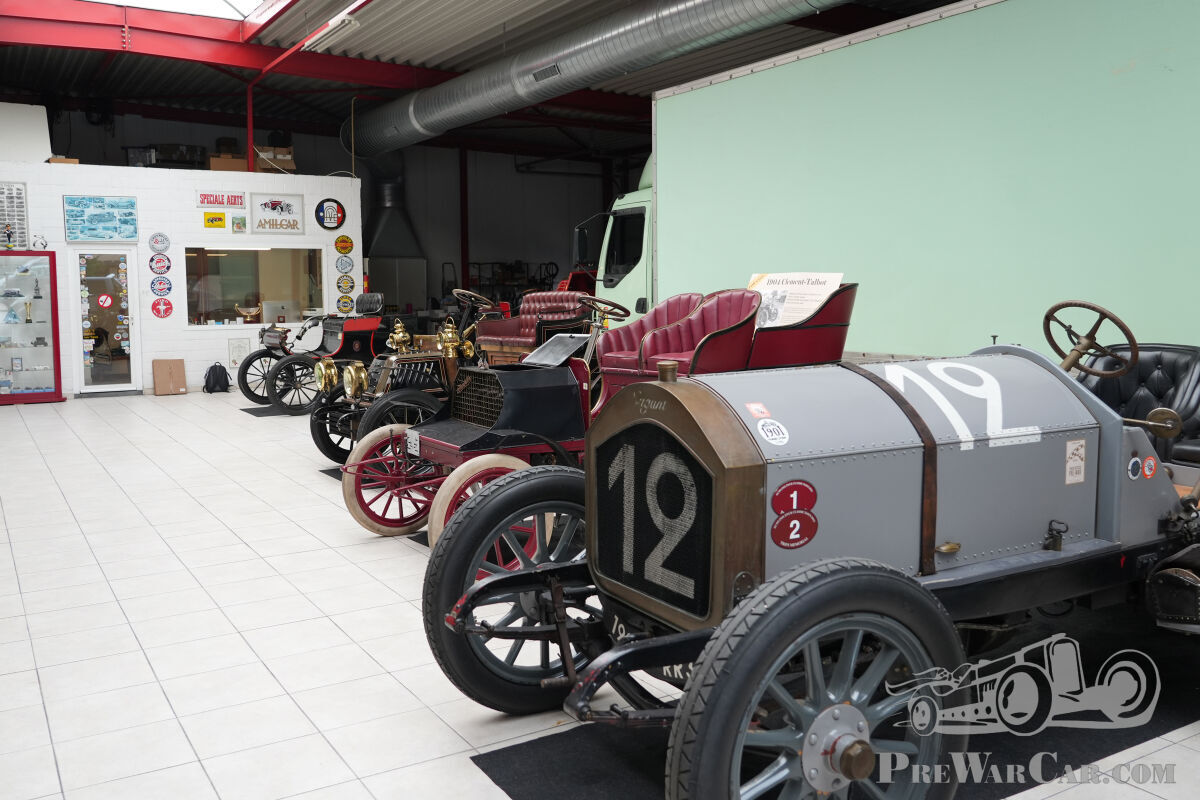
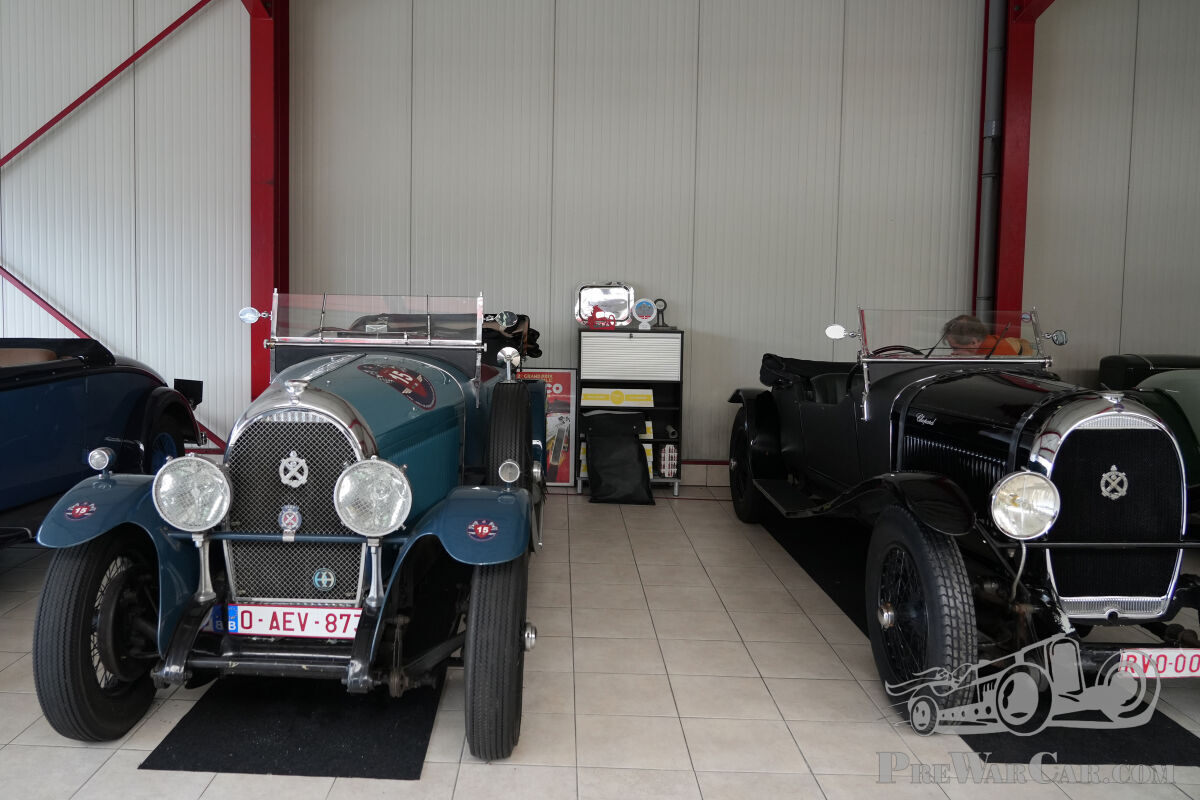
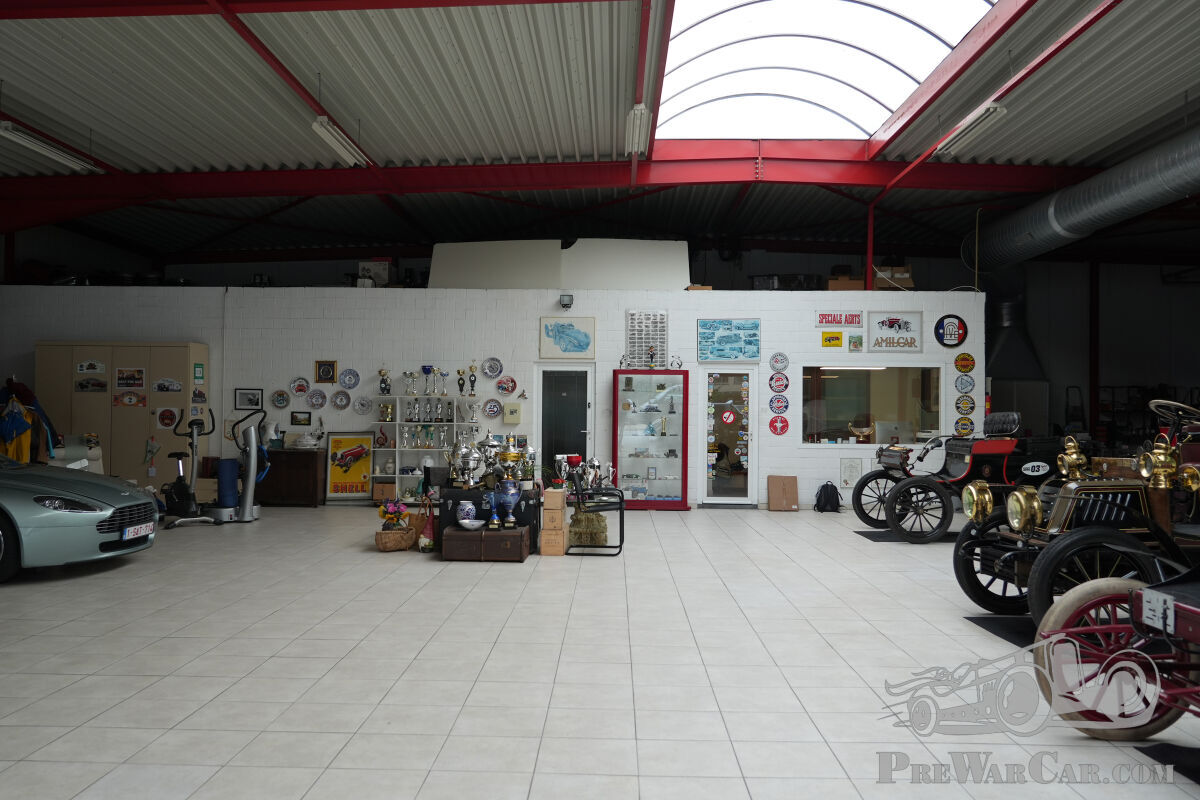
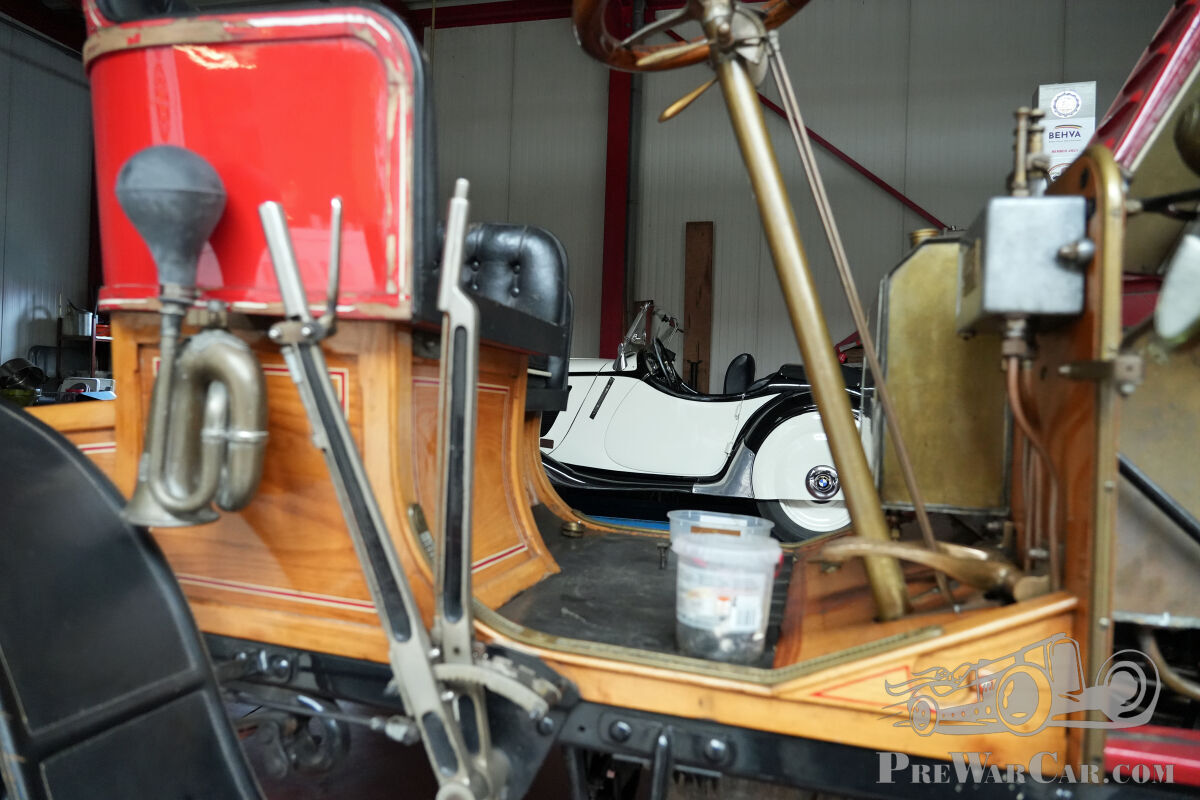
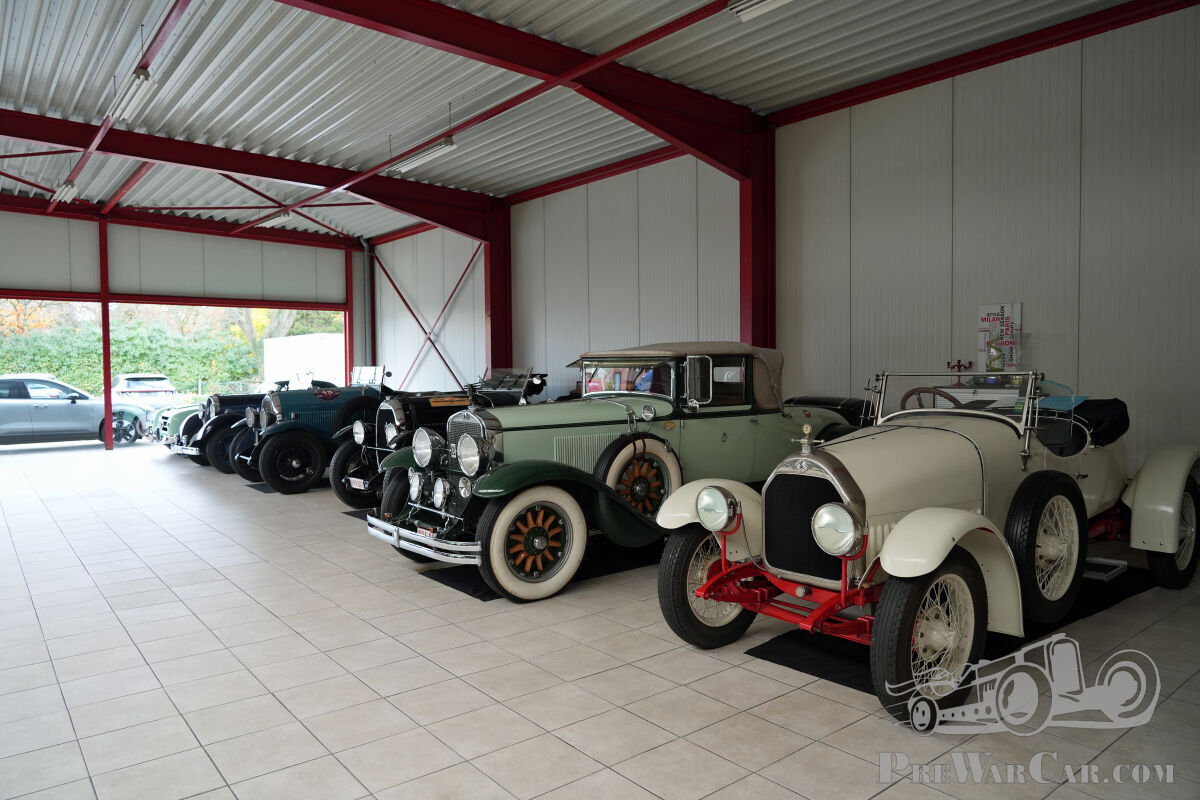


He has seen the world – and most classic-car drivers have seen him. René Verbiest, the always cheerful Belgian, regularly travels the globe with his charming wife Carina to take part in rallies. “Next week we’re off again,” he tells us, “right on the border between France and Spain. It’ll be the 32nd drive of this year.” I’ve known René for years; we run into him everywhere: in France, Belgium, England and even China. René is there. Always ready for a chat – preferably with a good glass of wine, because otherwise he won’t even start.
But about his past, I actually knew very little. That’s why on a grey Thursday morning in November I drove to an industrial estate near Brussels to have lunch with René.
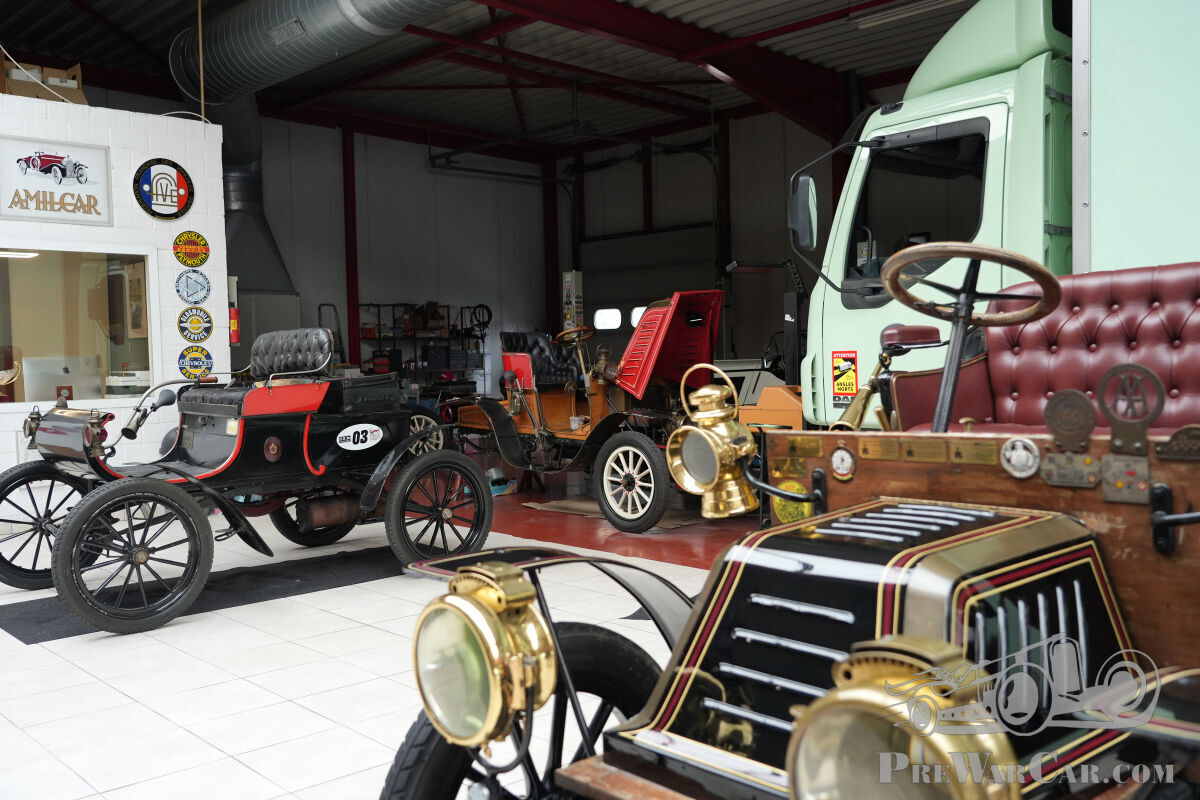
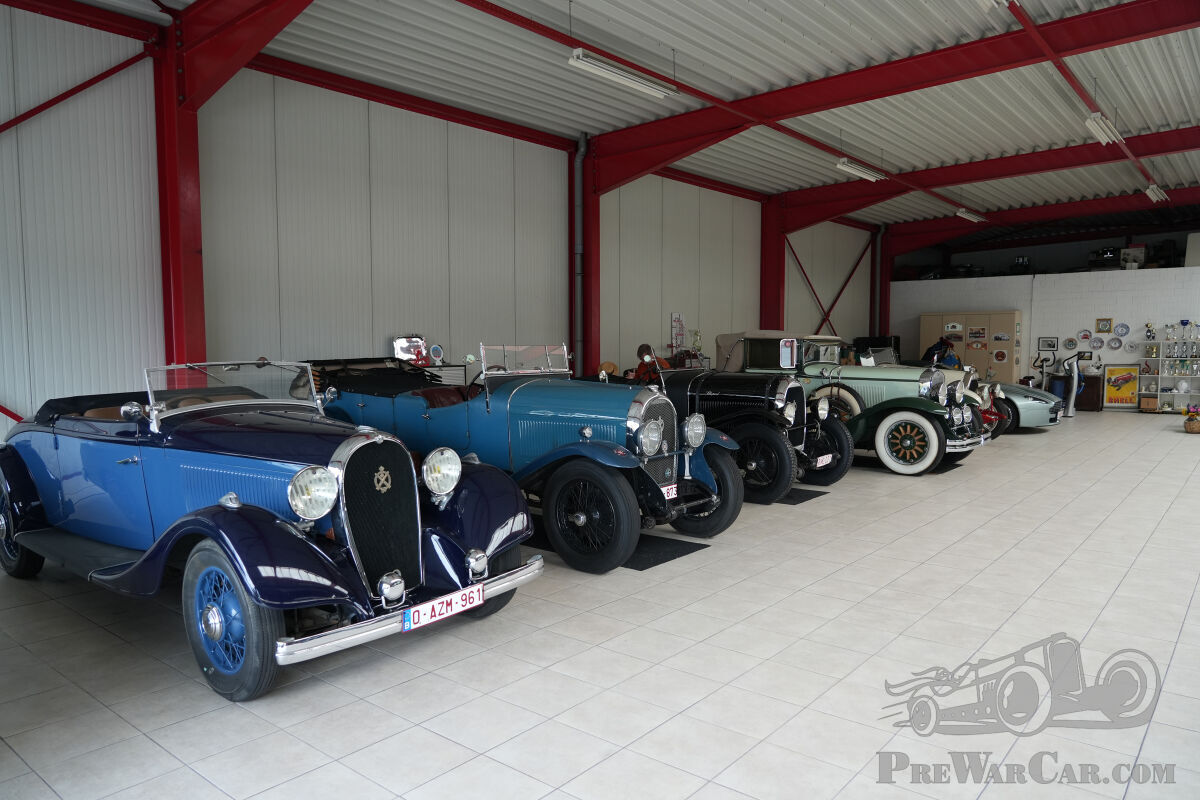
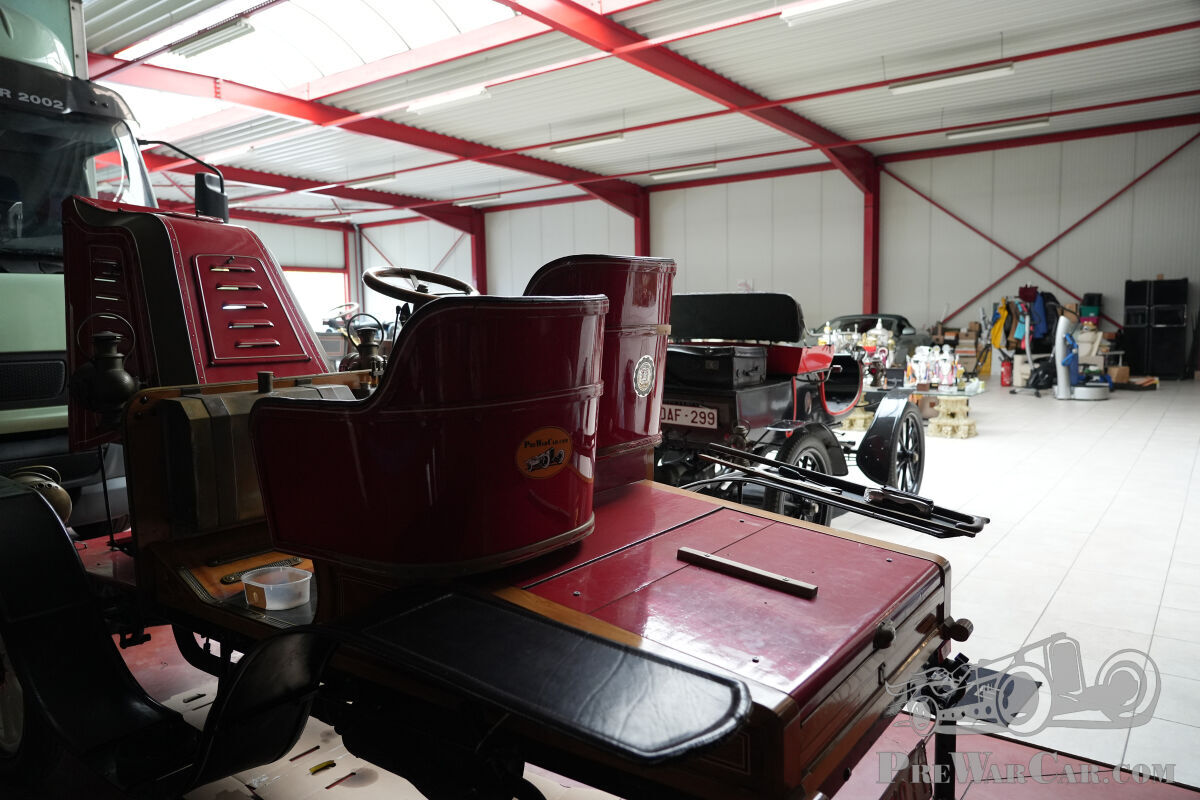
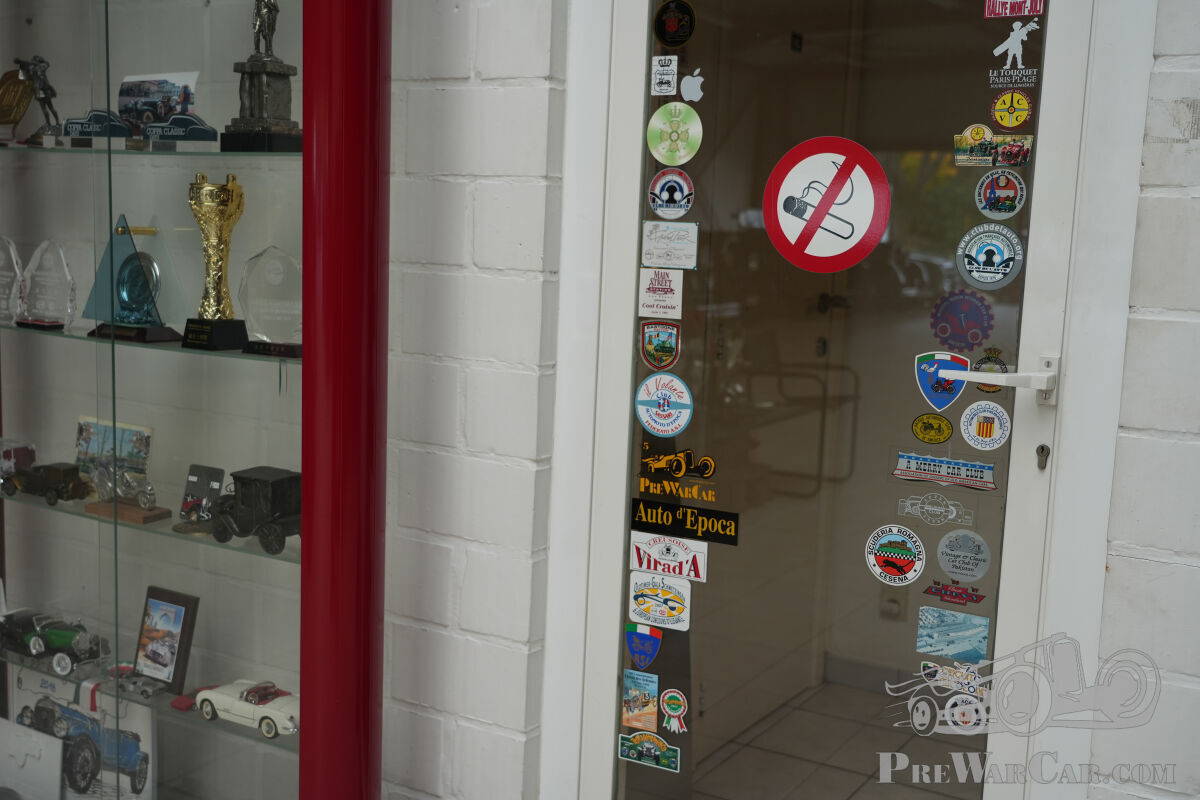
In front of the glass façade, a dozen import cars are lined up; behind them, things become more colourful. We immediately recognise some of the cars, because René wants to shrink his collection and has recently put several of them up for sale. Inside, the first thing you notice are the walls covered with posters from events, while countless awards and stickers show where he has been. René takes us along his cars: from veterans to his beloved Hotchkiss, and even a modern Aston Martin stands neatly in place. He only ever bought what he personally liked – and above all: what drives. Otherwise it simply doesn’t enter.
René began working in a cafeteria at 17. He soon realised: I can do this myself. And so, at 18, he started a hamburger and hot-dog stand at funfairs. “I’ve made so much sauerkraut,” he laughs, “even though I never liked it myself. But always the best quality – with the best, you never get misery.” Business went well, and he gained more and more pitches. Until an acquaintance asked whether he wanted to sell everything. René was 27 and decided to go for it.
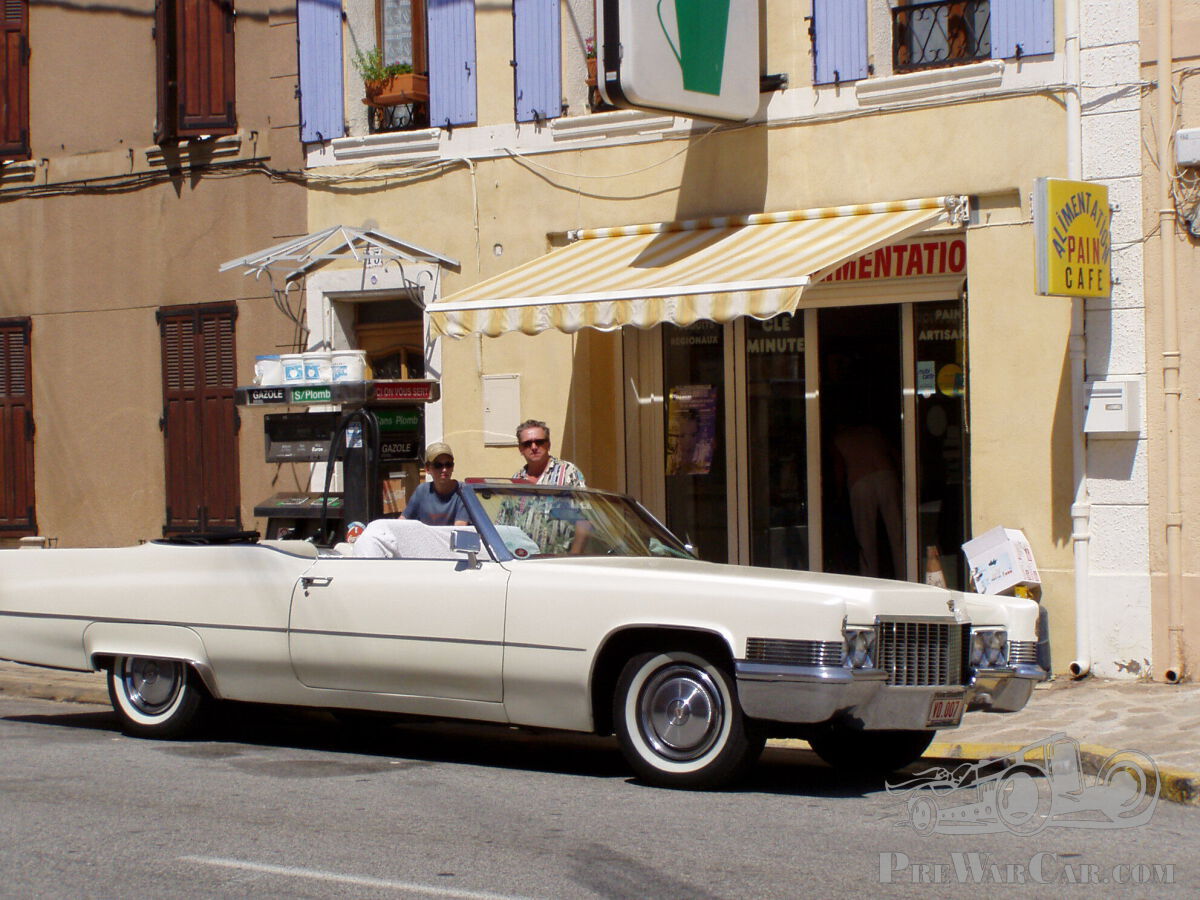
Not much later, a friend asked him to buy a car for him: a Mustang. René flew to America to find one. He immediately saw opportunities and also started selling European cars to the States. Later the market shifted, and he began importing American cars from Texas to Belgium. “I placed one single advertisement in Belgium for an Impala. It sold instantly, but people kept calling. In the end, through that one ad, I sold all four of my cars.” Those were golden times: the demand for big American cars in Belgium was enormous.
Around the age of 32, he flew to the United States every month for a week to buy cars. Years on end. First Corvettes, but when competition increased, he switched to Cadillacs. At a show in Hasselt, a man walked by and bought one Cadillac… and a few minutes later a second, third and fourth – in the end he bought all five cars René had brought. René only bought what he personally found beautiful. That may have limited him commercially, he thinks in hindsight, but he has no regrets.
At the time he lived in a simple apartment in a residential neighbourhood. He rented all nine parking spaces of the building and also took all the surrounding spots. That caused problems, so he switched to a site where he could keep 35 cars. That was soon full as well. They were good years.
Later, René moved into the modern trade, mainly Toyota Land Cruisers and similar vehicles. It was day-and-night work; the classic cars became pure hobby. Work during the week, rallies at the weekend. How he kept it up, he no longer knows.
Nowadays René focuses on the homologation of cars: classics and modern vehicles that need to be registered in Belgium. The classics at home are his private collection. He wants to sell a few, but one of the Hotchkisses never. “It’s not the most valuable one, but we have so many wonderful memories with it: Kuwait, Beijing, Shanghai… we’ve been everywhere with that car.”
The anecdotes fly across the table; stories of rallies, good wine, good food and memorable encounters. Until the mussels are served – then René falls silent for a moment. But as soon as the second bottle of wine appears, the stories continue unabated.
Words and photos: Laurens Klein
Published:
Friday December 26th, 2025
Facebook
LinkedIn
Twitter
WhatsApp
Email
Copy
Comments
Tim Scott
04 January, 17:13
Great article!
I have seen Rene and Carina on a number of rallies over the years from L to B and much further a field.
It was good to learn more about Rene.
Happy New Year Rene and Corina keep enjoying your early car rallying and most of all keep smiling.
All the best,
Tim (Scott)
Read more
I have seen Rene and Carina on a number of rallies over the years from L to B and much further a field.
It was good to learn more about Rene.
Happy New Year Rene and Corina keep enjoying your early car rallying and most of all keep smiling.
All the best,
Tim (Scott)
Novo fred
04 January, 12:00
The Verbiest couple are true legends in the world of classic cars.
René enjoys wine, but he is also generous with his hearty laughter, making moments spent in his company pure joy.
Well done on the article!
—-
Le couple Verbiest est une vraie légende dans le monde de l’automobile ancienne.
Si rené apprécie le vin, il n’est également pas avare de grands éclats de rire faisant des moments passés à ses côtés un pur bonheur.
Bravo pour l’article !
Read more
René enjoys wine, but he is also generous with his hearty laughter, making moments spent in his company pure joy.
Well done on the article!
—-
Le couple Verbiest est une vraie légende dans le monde de l’automobile ancienne.
Si rené apprécie le vin, il n’est également pas avare de grands éclats de rire faisant des moments passés à ses côtés un pur bonheur.
Bravo pour l’article !
Noordijk Klazinus & Renate
28 December 2025, 11:19
Very nice article, it perfectly captures the character we appreciate so much. Always smiling, always listening and with a thoughtful view of the world.
—-
Très bel article, nous y retrouvons parfaitement le personnage que nous apprécions tant. Toujours souriant, toujours à l'écoute et un regard réfléchi base sur le monde.
Read more
—-
Très bel article, nous y retrouvons parfaitement le personnage que nous apprécions tant. Toujours souriant, toujours à l'écoute et un regard réfléchi base sur le monde.
Dirk