The global magazine and marketplace for classic car enthusiasts, by enthusiasts.


Filter
Make a choice:
- Cars
-
Make >>
-
Year >>
-
- Bikes
-
Location >>
- Parts & more
-
Make of car >>
-
Manufacturer >>
-
Category >>
- Bicycles & more
-
Year >>
-
Countries


A new era for GP2: the last pre-war ERA returns to the track
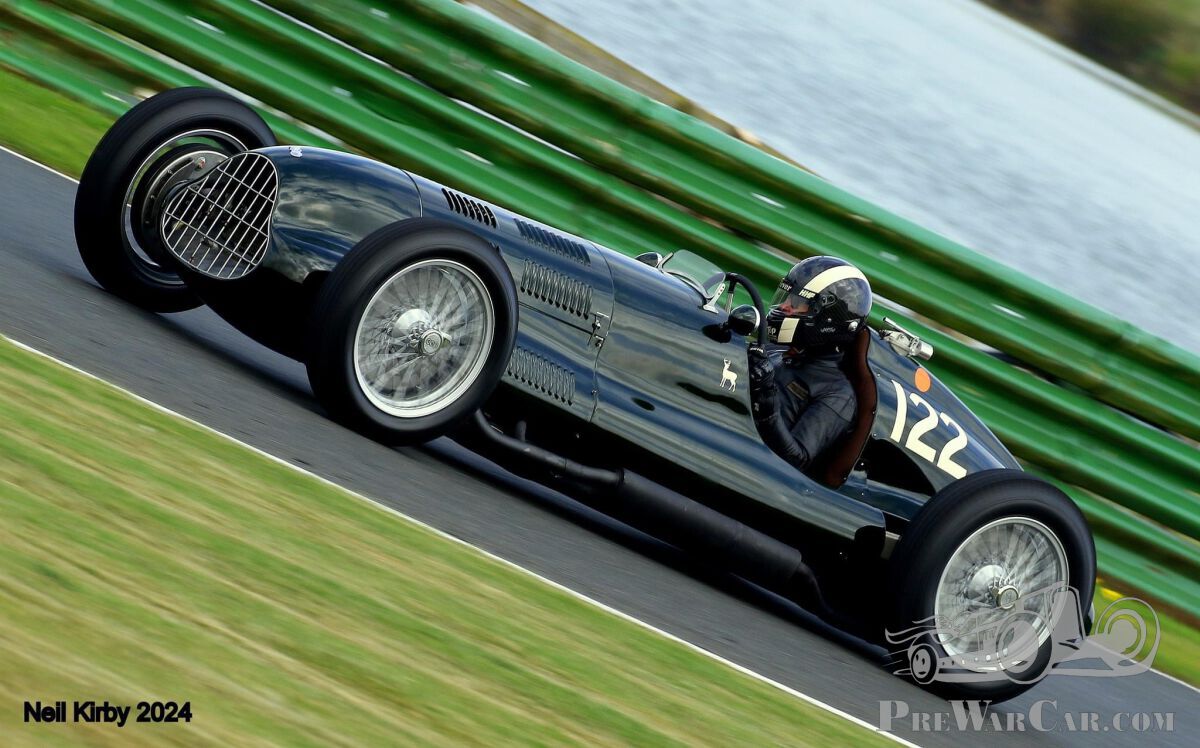
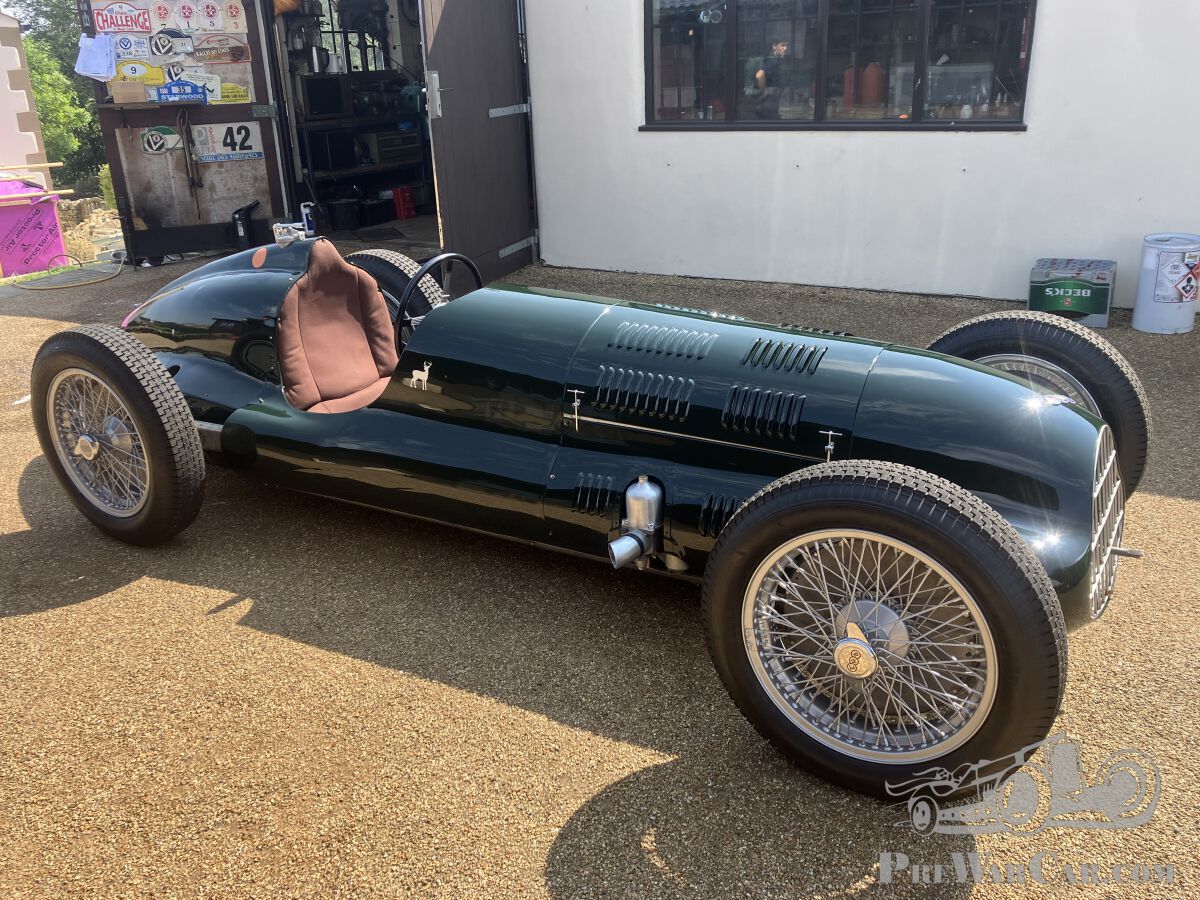
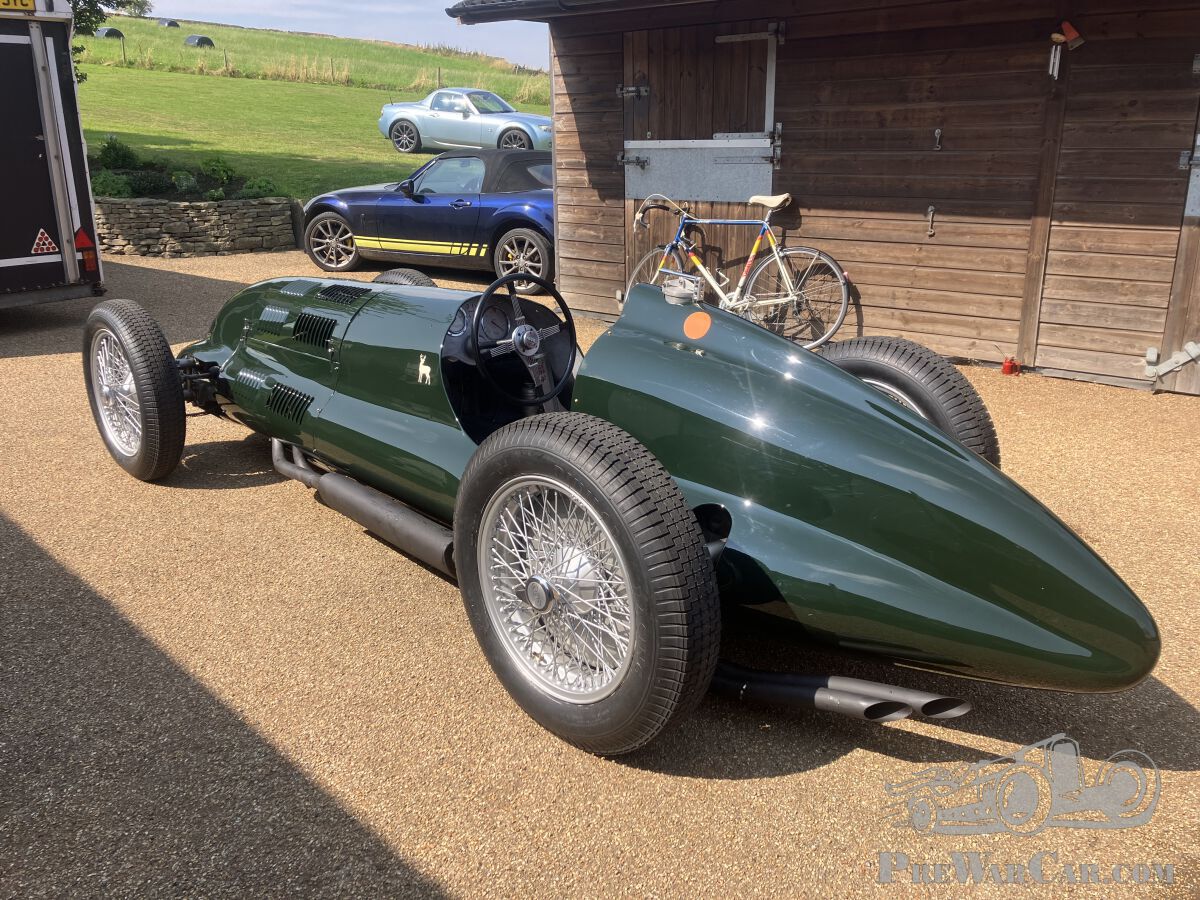
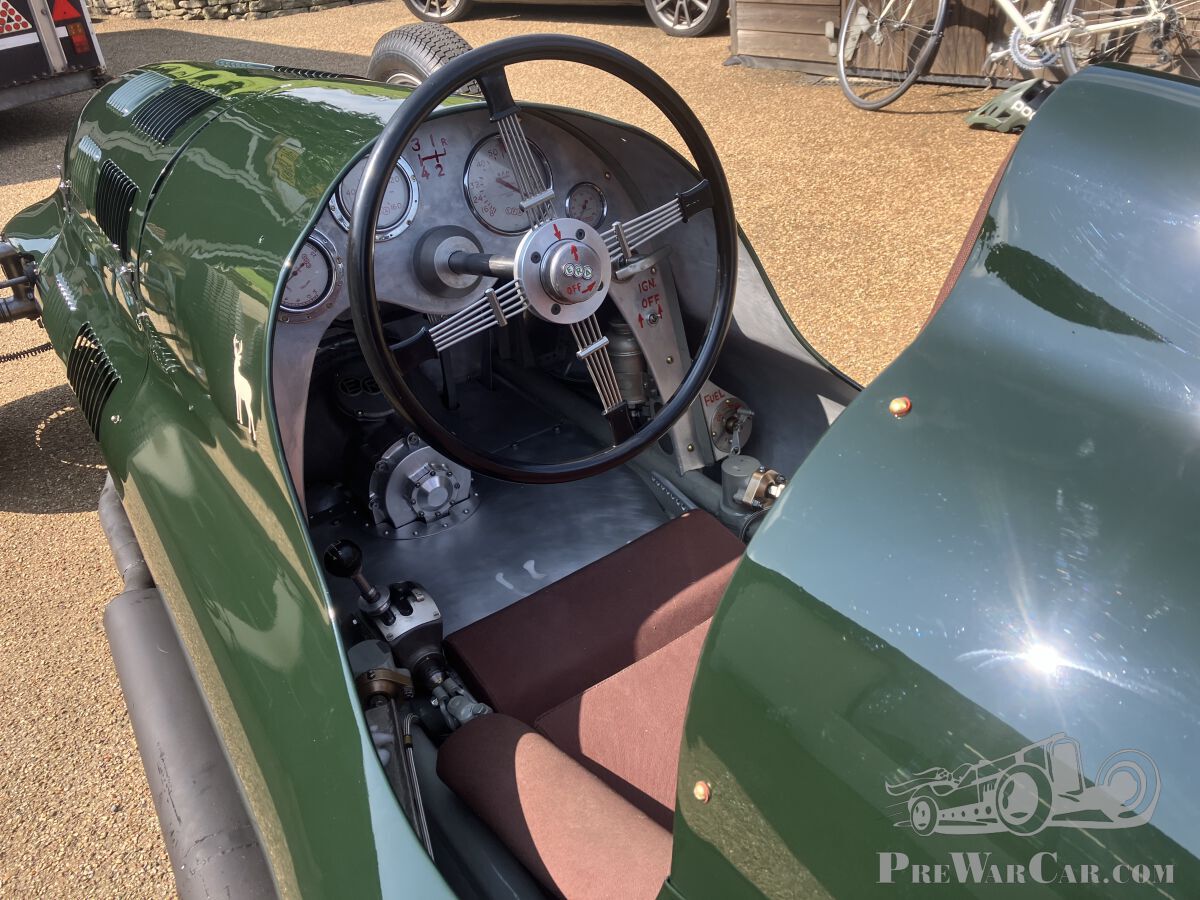
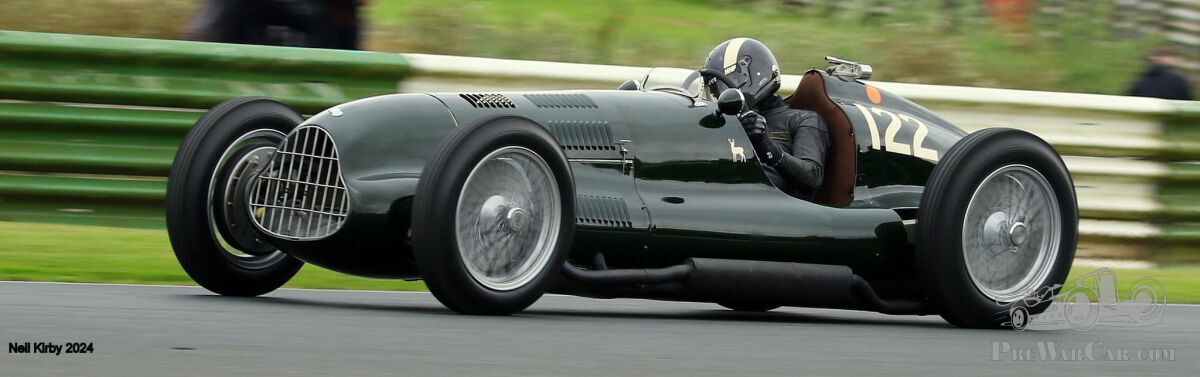
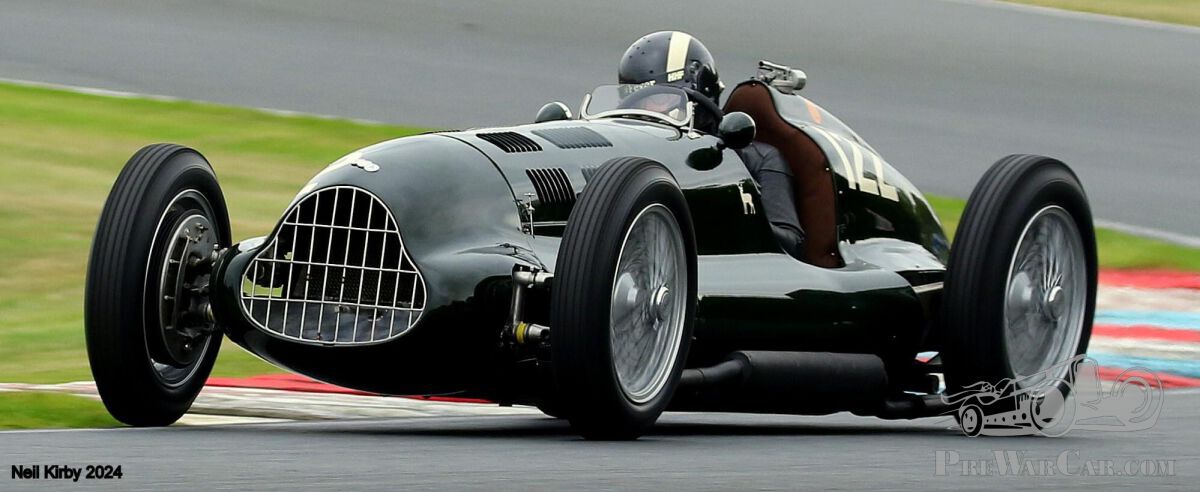
The newly-restored GP2 is a very handsome sight

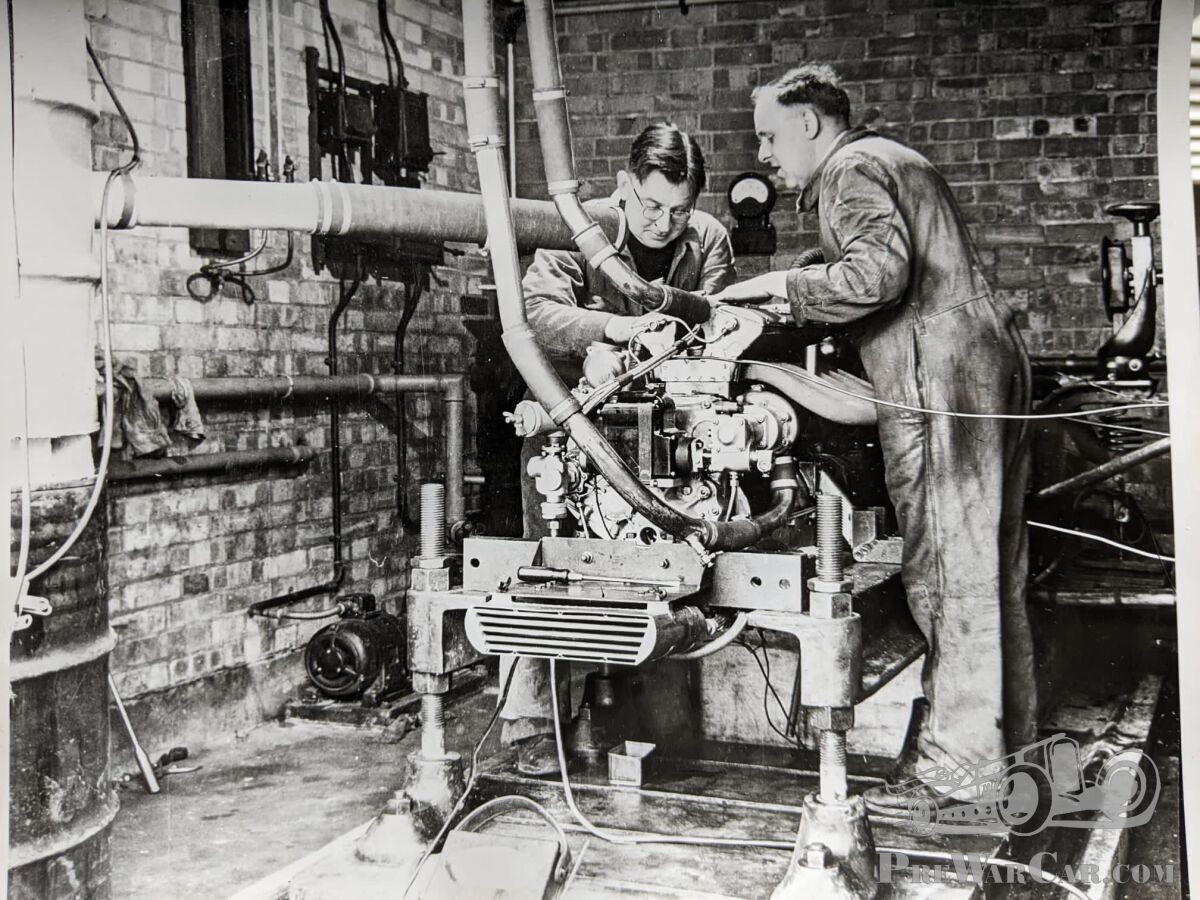
In this early photo, an E-type engine is seen being fettled on a test bed by two mechanics at the ERA works
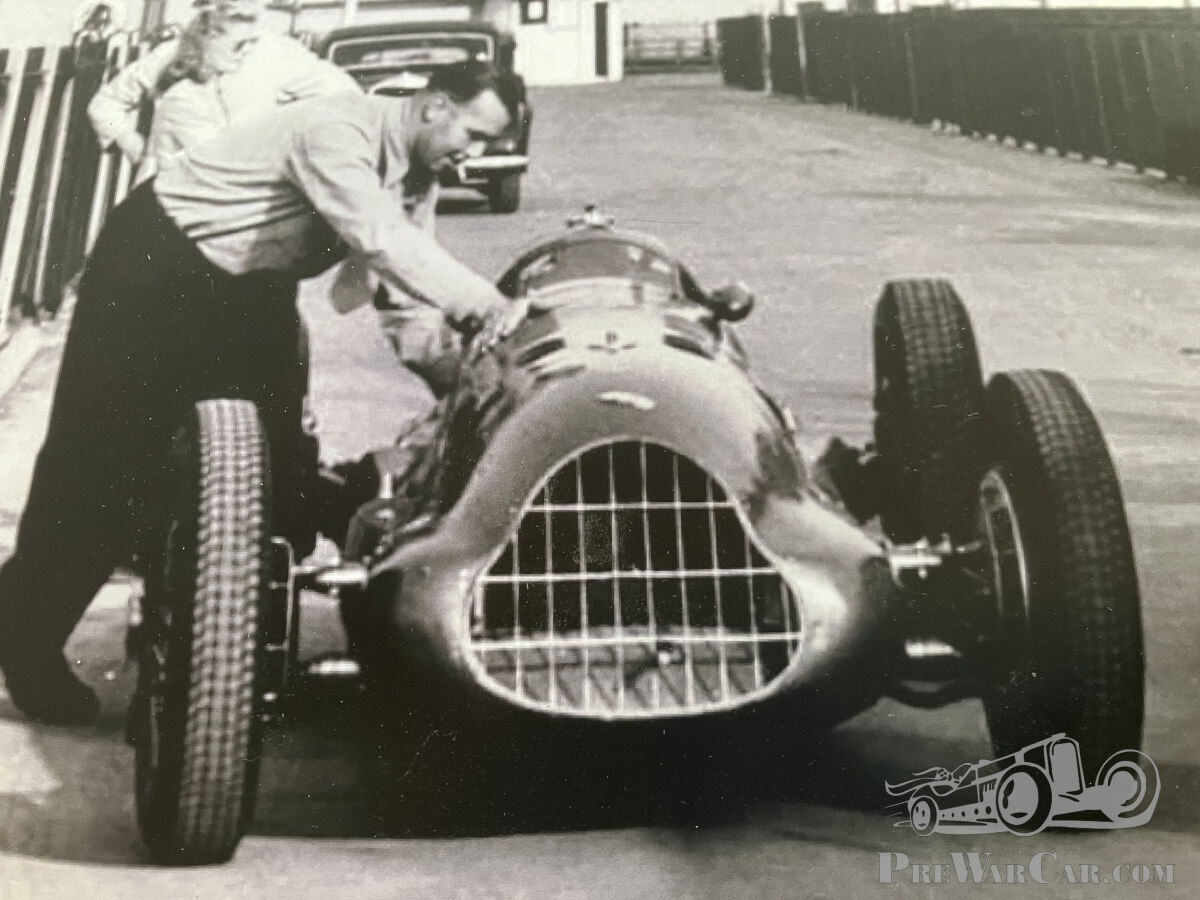
This and the next two pictures show a fond Leslie Brookes at the wheel
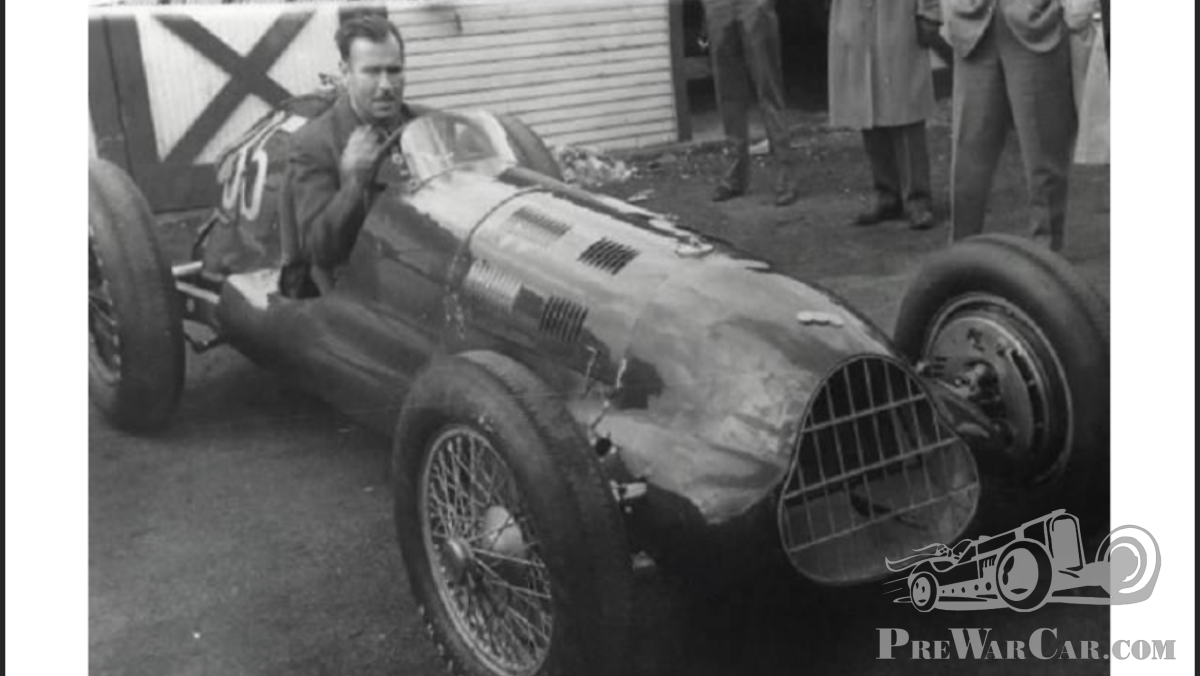
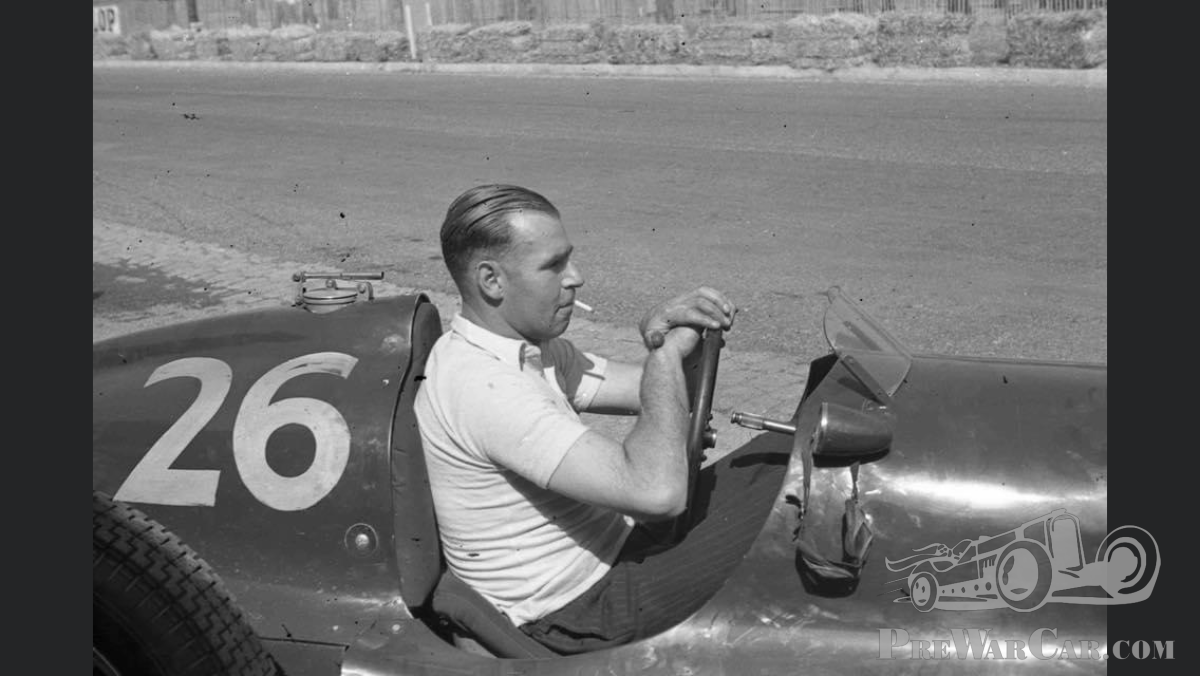

Here, Brookes speeds through the Isle of Man on course for a fourth-place finish in the 1947 British Empire Trophy
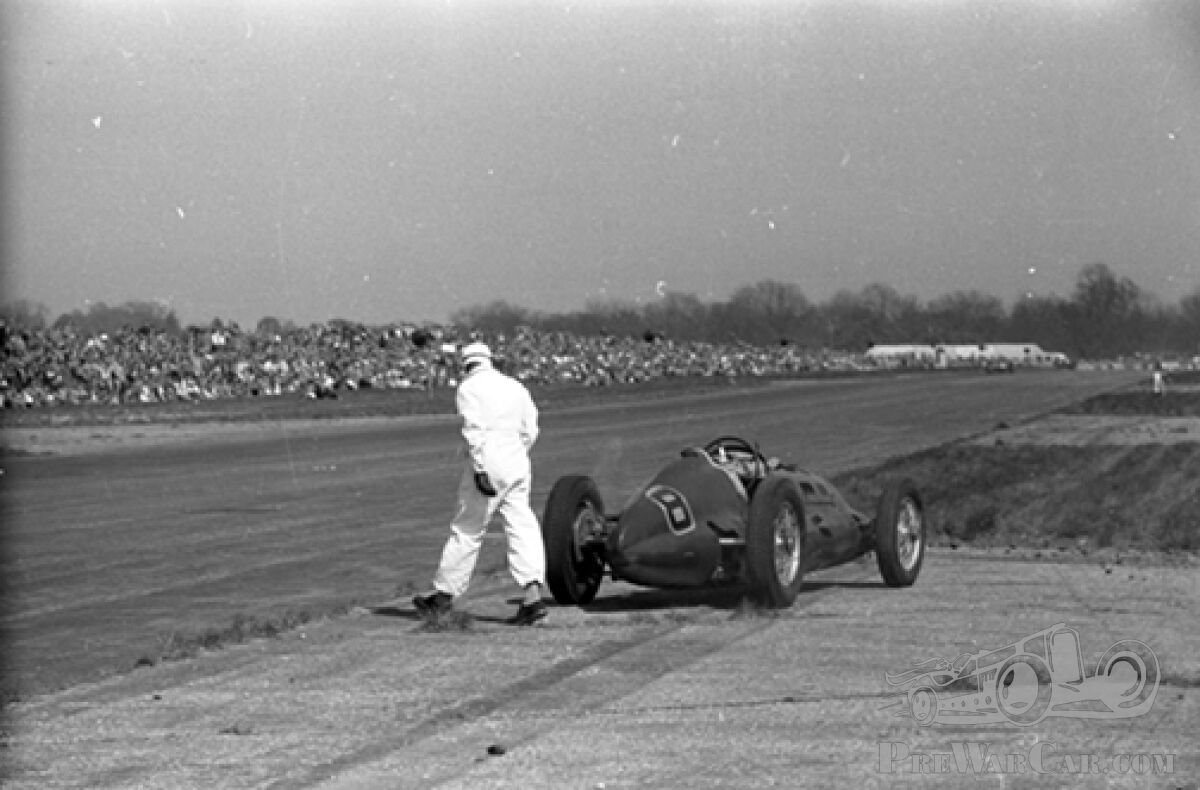
Leslie Johnson contemplates the end of GP2's career; it is seen here having just retired from its last race, the 1950 Grand Prix d'Europe at Silverstone, with a broken supercharger
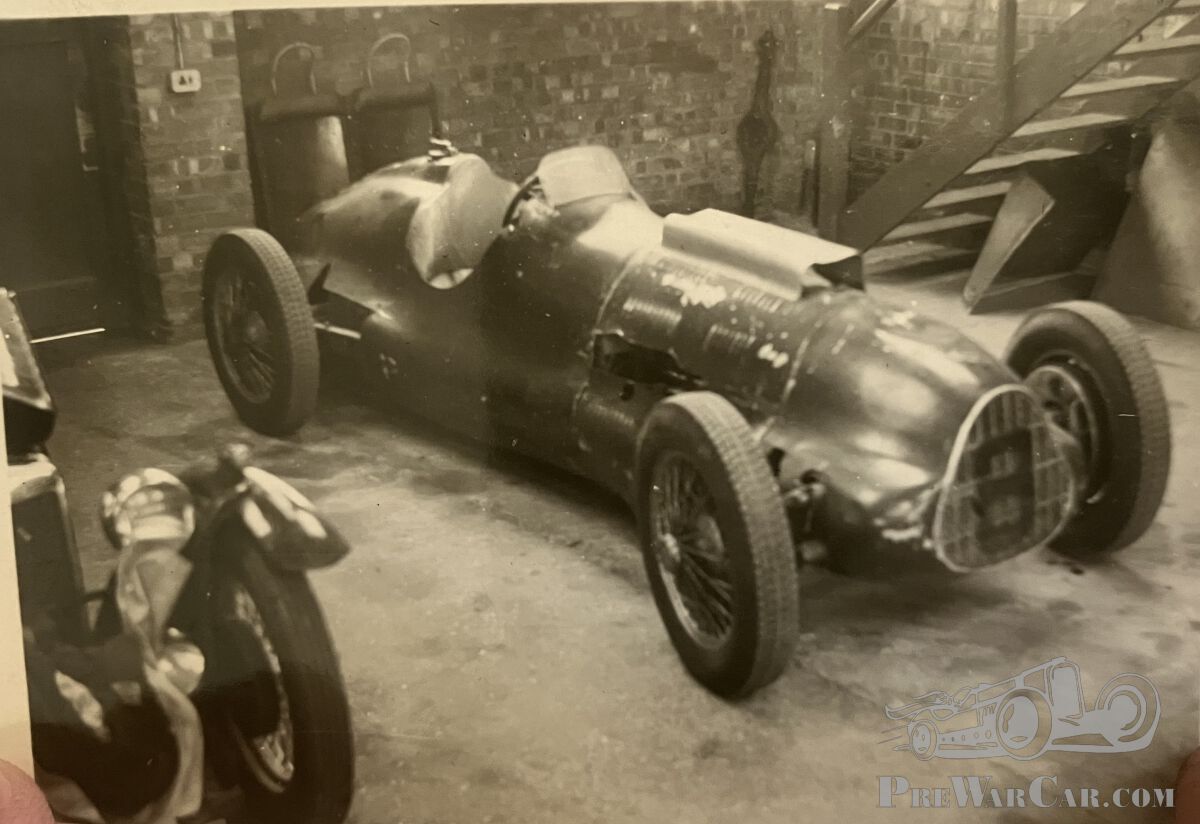
As seen in Peter King's ownership, a slightly tired GP2 sports a rough-and-ready bonnet extension to facilitate the larger Bristol engine
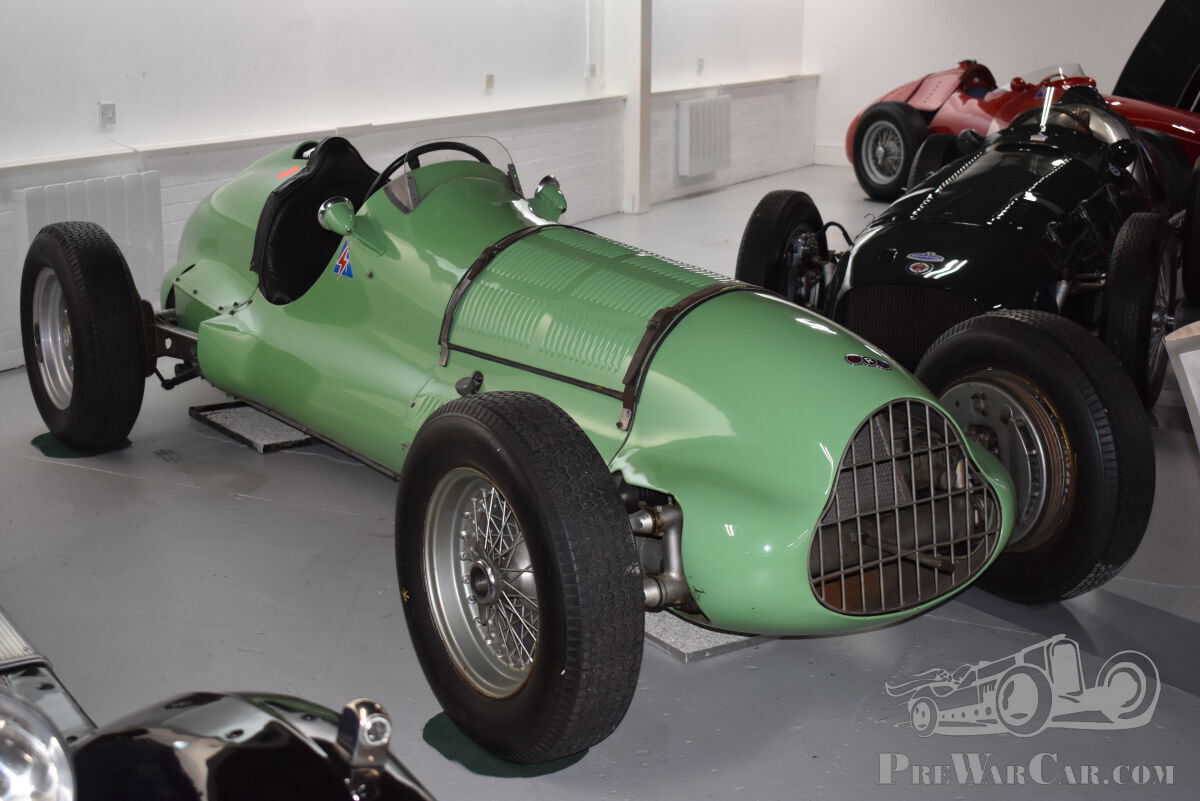
GP2 looked presentable when it was on display at Donington... (Zack Stiling photo)
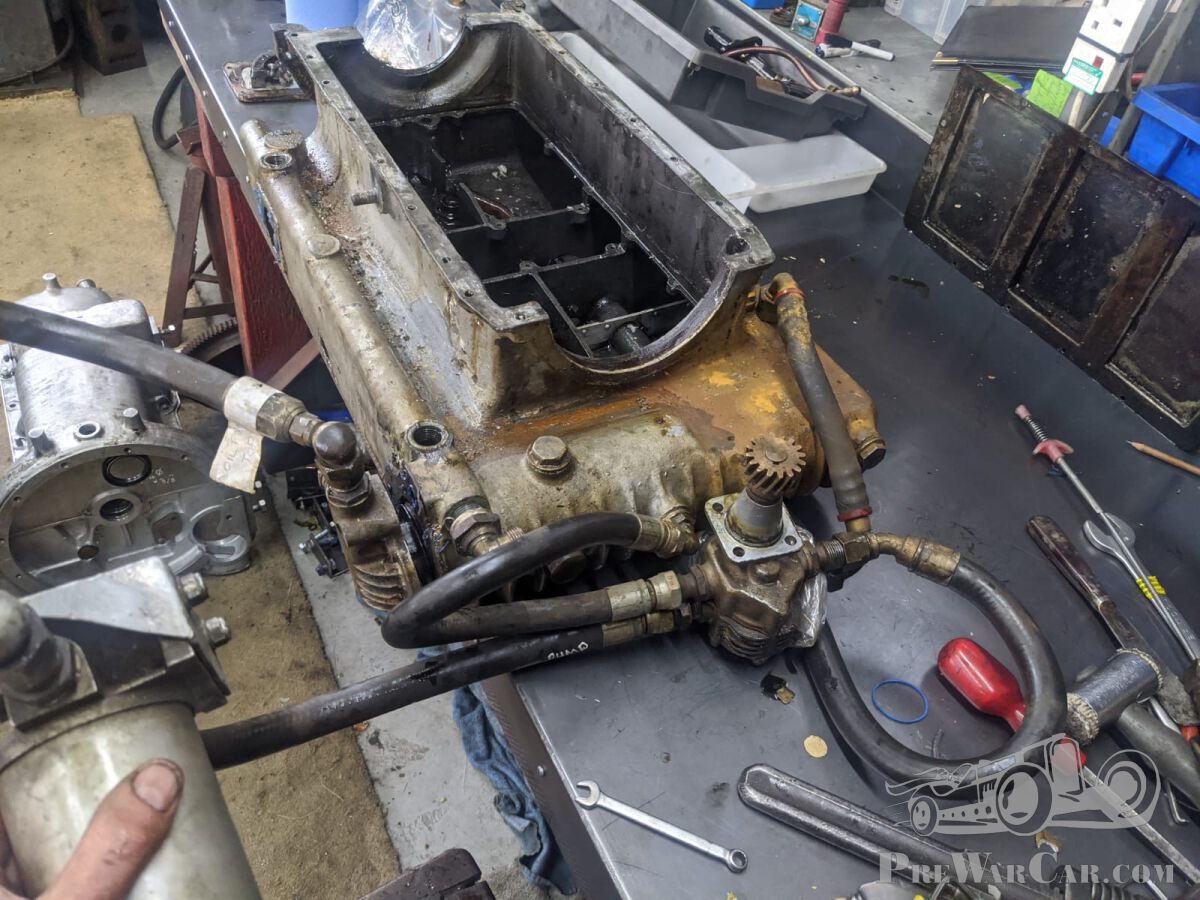
...but when it all came to pieces, the engine was a ghastly sight
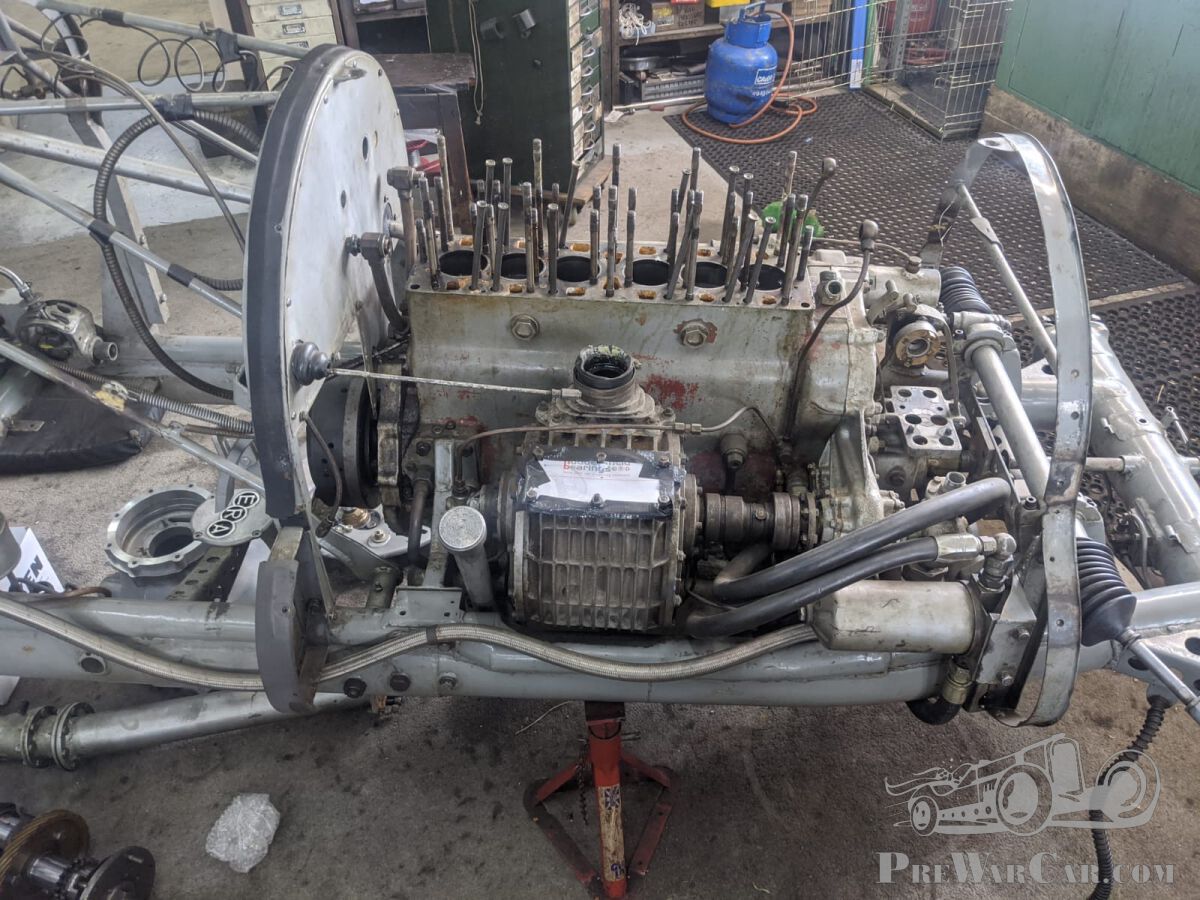

A transaxle was very much ahead of the curve in 1939

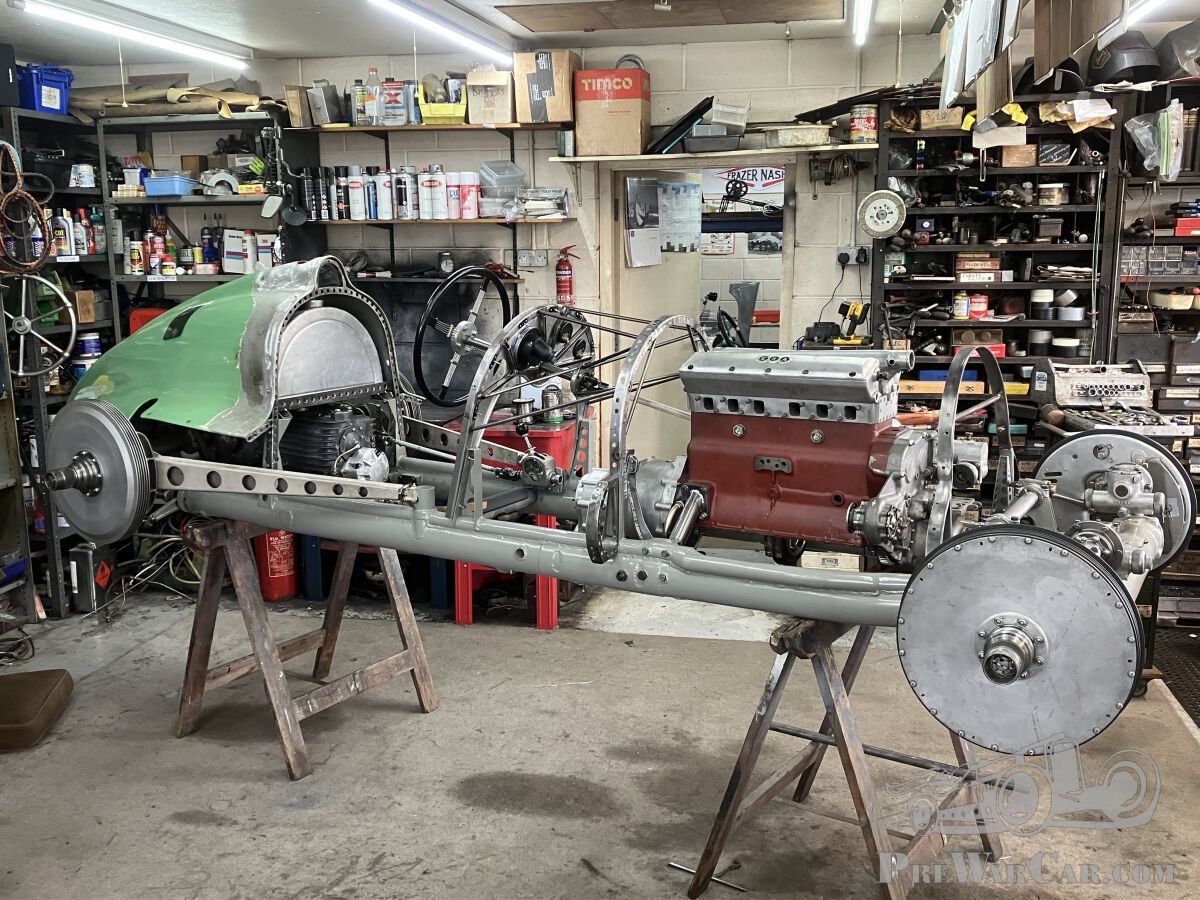
Even in skeleton form, GP2 is a thing of beauty

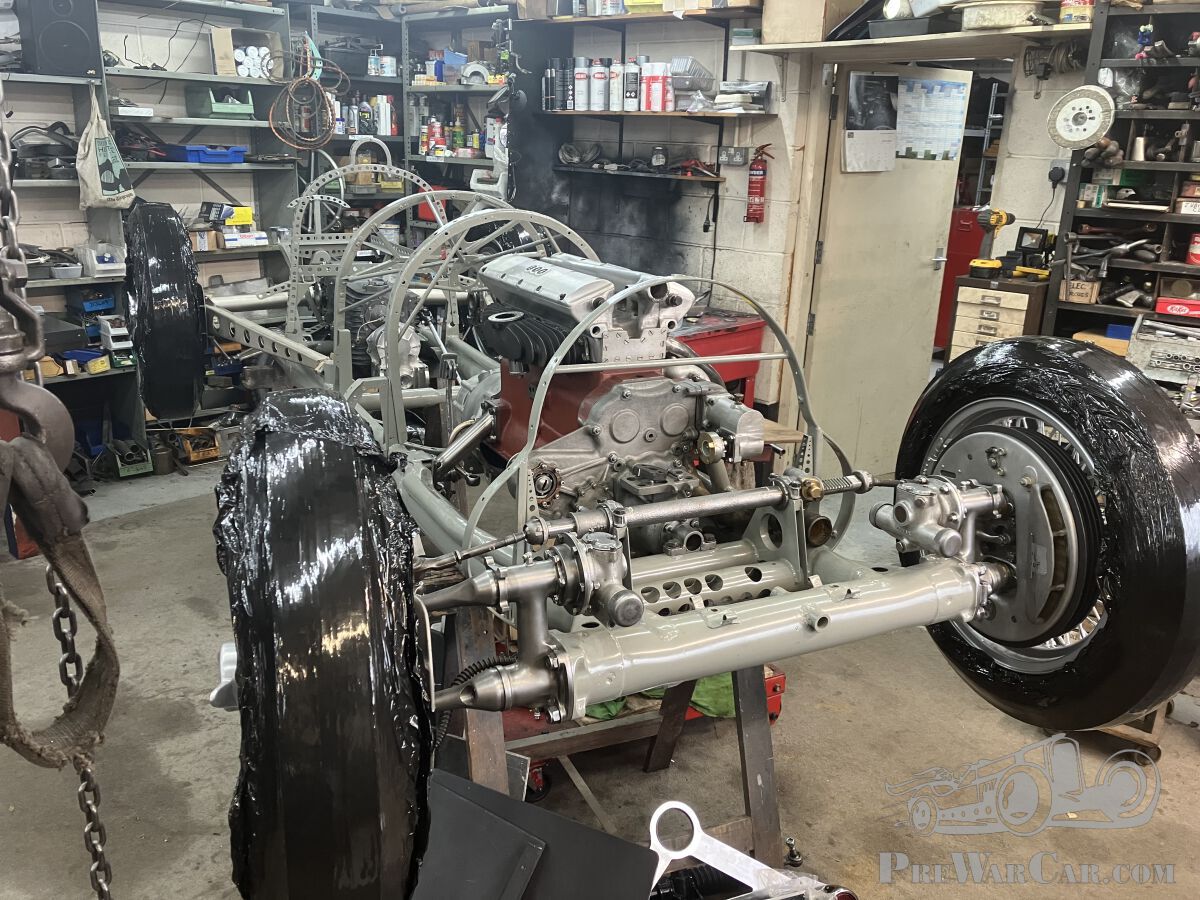
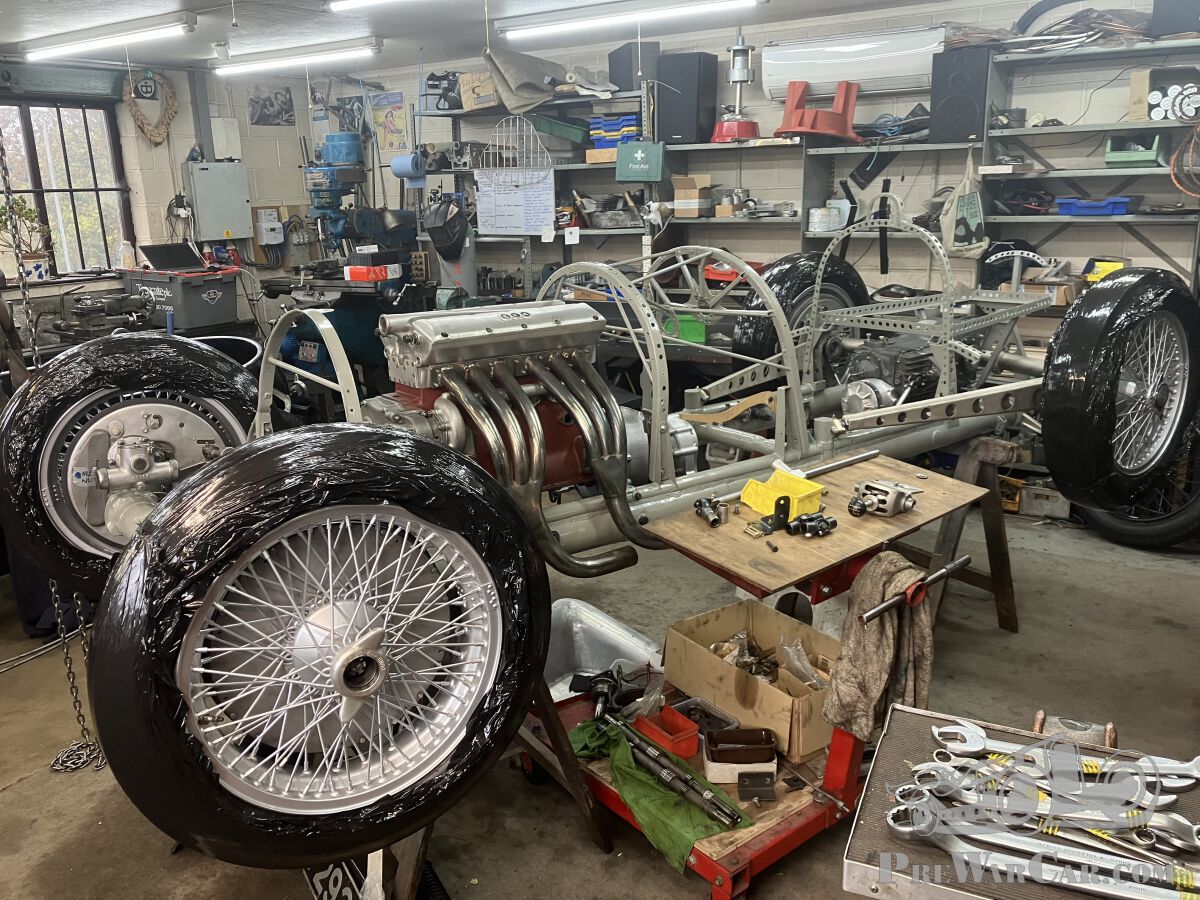

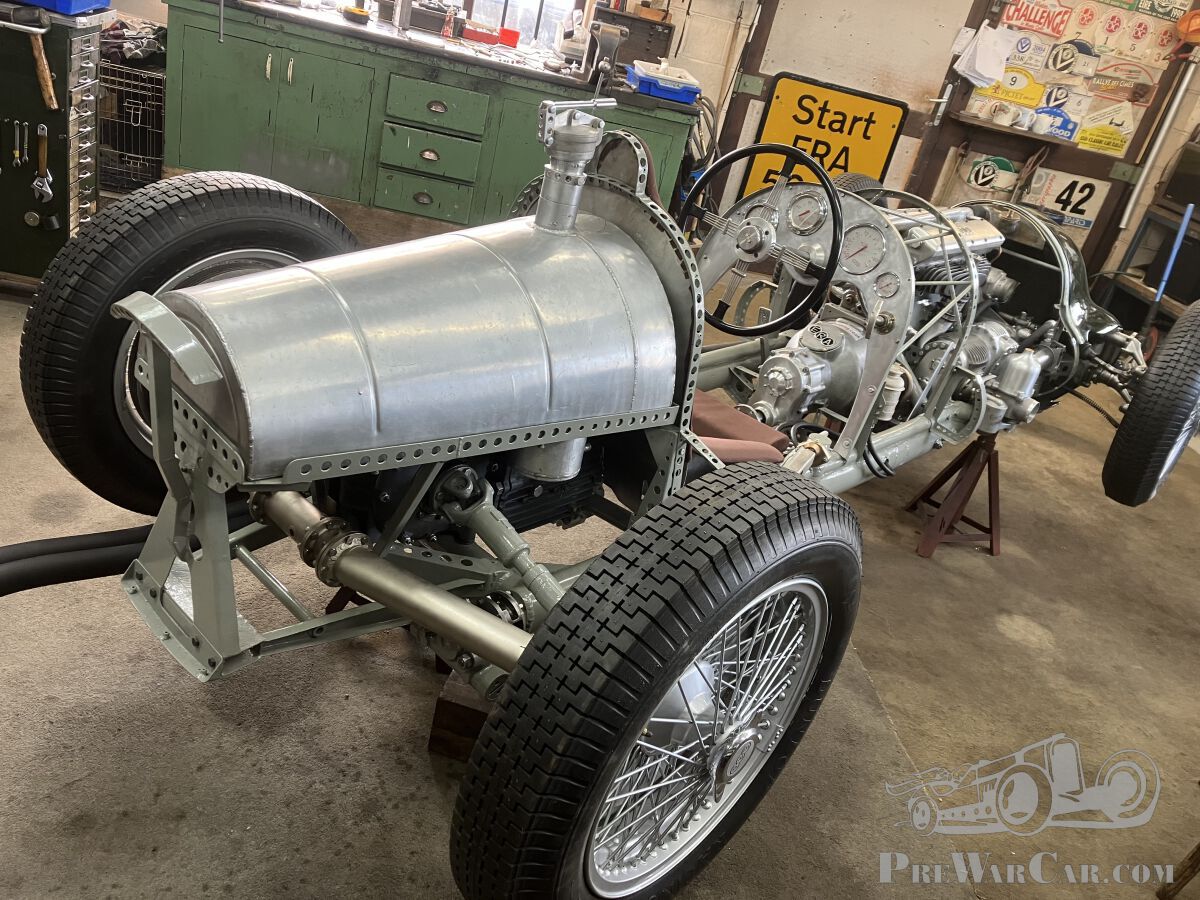


Only two or three E-type engines were made; both Zoller and Roots blowers were fitted in period
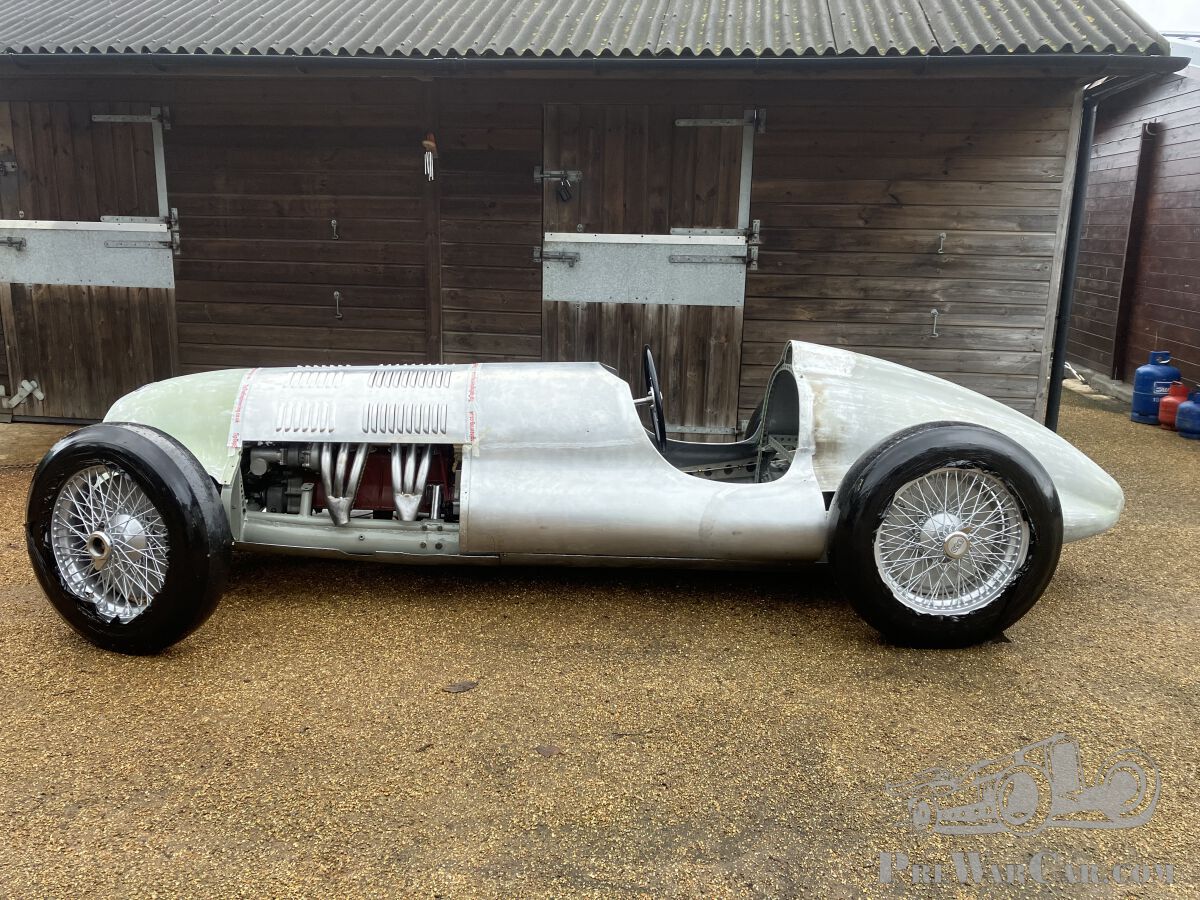
The "ERA green" like that used on R1A and R3A had to disappear, as period photographs showed that GP2 had clearly been a darker shade


Jolyon Harrison gets ready to put GP2 through its paces on its début outing at Prescott

Tip Top Engineering's James Baxter and Jack Bond look justifiably proud of their handiwork


Usually, there’s no mistaking an ERA. At a time when all racing cars looked different, the ERA A-, B-, C- and D-types were easy to spot among grids comprised of everything from three-litre Maseratis to little Austin Sevens, and very often they’d be dicing at the front of the pack. ERAs were only built to contend the 1,100 c.c., 1½-litre and two-litre classes, but frequently outran much large machinery, a feat made all the more impressive when one considers that the works was nothing more than the garage adjacent to Raymond Mays’s house in the small Lincolnshire town of Bourne.
However, there are two ERAs in existence today which are very different from the rest—the E-types, GP1 and GP2, which were the last cars constructed by ERA before the war. While types A to D had represented a gradual evolution, the E-types were a significant departure from what had gone before. Earlier cars had used modified versions of the Riley six-cylinder engine block, but the E-type’s block was redesigned so that the crankcase split line is much higher, almost at a level with the crankshaft, with a much deeper sump. The gearbox was an all-new design with a transaxle and a beautiful finned magnesium casing. Instead of a simple ladder-frame, the E-types used tubular chassis and torsion-bar rear suspension. They also sported much more curvaceous bodies which foreshadowed the cigar shape of post-war Grand Prix cars. The histories of these cars are closely interwoven, but while GP1 has been widely campaigned in the 21st century, GP2 has only recently come back on the scene after many years out of the spotlight and a carefully-researched restoration.
GP1 was constructed in 1938 and had a brief pre-war competition career, but GP2 did not appear until 1939 and saw little use before the onset of war brought motor sport to a halt. It was then sold by the works in 1946 to racer Leslie Brooke, who kept it for a year but sold it back in 1947 following the purchase of the company by Leslie Johnson and its relocation to Dunstable. It thus became the only works racer at the time, as all other ERAs including GP1 had been sold, and Johnson would pilot the car himself.
In racing, GP2 proved that it was extremely quick but, unfortunately, also extremely unreliable. It was very often the case that Johnson would go and set the fastest lap in practice, but then retire from the race itself within a few laps for any number of reasons—universal-joint failure, a cracked fuel tank, damaged bearings and a broken supercharger being among the reasons for retirement. It’s a pity, because it would have been a tour de force if only it could have lasted the race. It did manage to finish fourth in the 1947 British Empire Trophy and completed the 1948 British Empire Trophy, having set a joint fastest lap with Reg Parnell’s Maserati 4CLT, in fifth (three of the top four finishers were ERA B-types). At Goodwood in 1949, third was achieved in the Chichester Cup and fifth in the Richmond Trophy, but other outings were less successful. Nevertheless, GP2 set the fastest practice lap at the 1948 British Grand Prix, claimed a new Montlhéry record in practice for the 1948 Coupe du Salon, and posted the second-fastest practice time in the 1949 Jersey International Road Race, beaten only by the record-setting Maserati of Luigi Villoresi.
GP2's 17-year-old saviour
One of GP2’s final outings was at the 1950 Grand Prix d’Europe at Silverstone where blower failure caused its retirement. Afterwards, it was separated from its original engine and a Bristol unit was installed. It became a test-bed for the development of the G-type, the last car ERA ever built, which ran in the 1952 season only. As ERA then withdrew from racing, GP2 probably would have been scrapped had Peter King, a 17-year-old apprentice with the firm, not stepped in to save it. After three years, King hadn’t realised his plans to fit a new engine, so he sold it in 1955 to Ken Flint and Verdun Edwards, who in 1954 had bought the chassis of GP1. Little else remained; GP1’s body had been destroyed in a fiery accident on the Isle of Man in 1950, and in 1951 the engine was sold to Rob Walker who used it to create the ERA-Delage. Consequently, Flint and Edwards transferred the body from GP2 to GP1, found a Jaguar XK engine, and turned GP1 into a road-going sports car.
With no further use for the skeleton of GP2’s chassis, Flint and Edwards sold it in 1958 to Jack Nicholson, a Formula Three driver who likewise installed a Jaguar XK engine, but had a brand-new streamlined sports-car body made for it by Williams & Pritchard, and then got the car registered 933 BAO. Nicholson sold it to Peter Lee of Chorley in 1965, and he kept it for just a year before selling it to its ultimate saviour Gordon Chapman, who committed to a long-term restoration to the specification intended by the ERA factory.
It just so happened that Flint and Edwards had also disposed of their GP1/GP2 hybrid in 1958. The new owner was Jim Berry, but Chapman, arch-enthusiast that he was, had purchased it from him in 1959 and was already in the process of restoring it when he acquired GP2 as well, so he already had the advantage of possessing GP2’s original body. The whereabouts of the original engine were completely unknown, but for a steady 30 years, Chapman placed a continuous advertisement in Motor Sport for ERA parts, and one lucky day, the telephone rang and a gentleman informed him that he had one of the original E-type engines and was prepared to sell. The deal was done and car and engine were united, although Chapman rebuilt it with a longer-stroke crank and shorter con-rods, turning it from a 1½-litre engine to a two-litre.
A long hibernation
After many years, the restored GP2 broke cover, and it had joined the V.S.C.C. competition circuit by the 1990s. After Chapman died in 1995, his daughters inherited GP2, while GP1 was sold to Duncan Ricketts. Although GP2 continued to race for a few more years, it ended up becoming a long-term static exhibit at the Donington Grand Prix Collection until its closure in 2018, after which it moved to the Silverstone Museum.
In 2021, the chance arose for Jolyon Harrison to buy the car, which had looked well enough on display but, on closer inspection, was quite unfit for serious driving. A second restoration was in order, and with it the opportunity to improve on the work already done. Jolyon entrusted the operation to James Baxter of Tip Top Engineering in Yorkshire, for whom ERAs are something of a specialism.
James describes its condition when it reached his workshop: “It was a bit of a sad museum piece. All the tyres were deflated, the engine had seized, and the body had some repairs done by museum curators, which had actually done damage. It was all a bit forlorn and certainly not able to be used. It looked like a running car, but when you took the body off, it was all grimy and horrible underneath, like it had stood for 20 years. You’d have been a fool to go and run it.”
With various options available, the decision was taken to restore the car to its specification circa 1947. Post-war, GP2 was fitted first with a Zoller and then with a Roots supercharger. While Jolyon and James acquired it with a Zoller, they made the decision to go back to a Roots. With a commitment to authenticity, the engine was also taken back to its original 1,500 c.c. Says James, “Instead of revving to 6,000 r.p.m like it used to do, we’re hoping in time to rev to 7,000, or maybe higher.”
With reliability having been a major problem in period, they did concede that some subtle alterations would be advisable: “We put three shell bearings along the crankshaft. Many ERAs have a Hyatt roller centre bearing, but we put shells all the way down as we didn’t like having the oil feed only at the beginning and end of the crank. The transmission, chassis and gearbox are all exactly as they were.”
The body underwent some revisions, too. The sloping scuttle was flattened and the seating made lower to bring the car in line with photographs from the early part of 1947. “We thought it would be much more cool to recreate the first guise with the lowline propshaft. That was eliminated in 1947 because they thought there’d be two fewer gear trains to avoid without the dropped-down prop. They were going for mechanical efficiency, but they lost aerodynamics because they had to raise the cockpit.”
Ready to race again
The finished car made its début at the V.S.C.C. Prescott meeting in August, 2024, where it drew a lot of attention in the paddock. On that inaugural outing, the aim was not to break any records, only to get to the top of the hill, and to that end it was a success. “We’re not expecting it to be super-reliable straight out the box. We’ve got to get used to starting the car and running it. Jolyon drove it for the first time ever at Prescott, and then did Harewood in late August. It then did V.S.C.C. Mallory Park and the Goodwood Revival with me driving.”
James is well-acquainted with earlier ERAs, so we might ask how the E-type compares. “It drives absolutely beautifully. It’s got the same quick steering, so you can respond to the back end stepping out. The gear-change is slower as it’s not a preselector like all the others, so you’ve just got to be patient. The brakes are lovely, the shock absorbers are lovely, and we’re aiming to build our confidence in driving it as the mechanical performance gets better.”
This year will perhaps be even more interesting than the last, as GP2 is being prepared for the full season of V.S.C.C. speed events and race meetings, with Jolyon tackling the hill courses and James the circuits. It’ll certainly be a car to watch…
The V.S.C.C. race season begins with the Silverstone meeting on April 5th. Speed events start with the Curborough Speed Trials on May 4th and Wiscombe Park Hill-Climb on May 11th.
Words: Zack Stiling
Photographs supplied by James Baxter
With thanks to Neil Kirby for the motor sport photography
Published:
Tuesday February 25th, 2025
Facebook
LinkedIn
Twitter
WhatsApp
Email
Copy
Comments
Daniel Nicholson
11 February, 00:02
Thankyou James for the beautiful restoration . This car ERA GP #2 sat 47 years at the Donington G.P collection thanks to the foresight of Tom Wheatcraft. To see the rolling chasis of my grandfathers car restored to driving condition is a proud moment for me. This article and the ERA history unfortunately is not correct . I have the missing history and will reach out to you .
Read more
Christopher Ian Knapp
07 June 2025, 16:47
I saw the car at Harewood today. It looked and sounded wonderful. Bravo! I'll be cheering it on at Goodwood in September.
Read more