The global magazine and marketplace for classic car enthusiasts, by enthusiasts.


Filter
Make a choice:
- Cars
-
Make >>
-
Year >>
-
- Bikes
-
Location >>
- Parts & more
-
Make of car >>
-
Manufacturer >>
-
Category >>
- Bicycles & more
-
Year >>
-
Countries


A Lancia like no other: Pinin Farina's beautiful Tipo Bocca
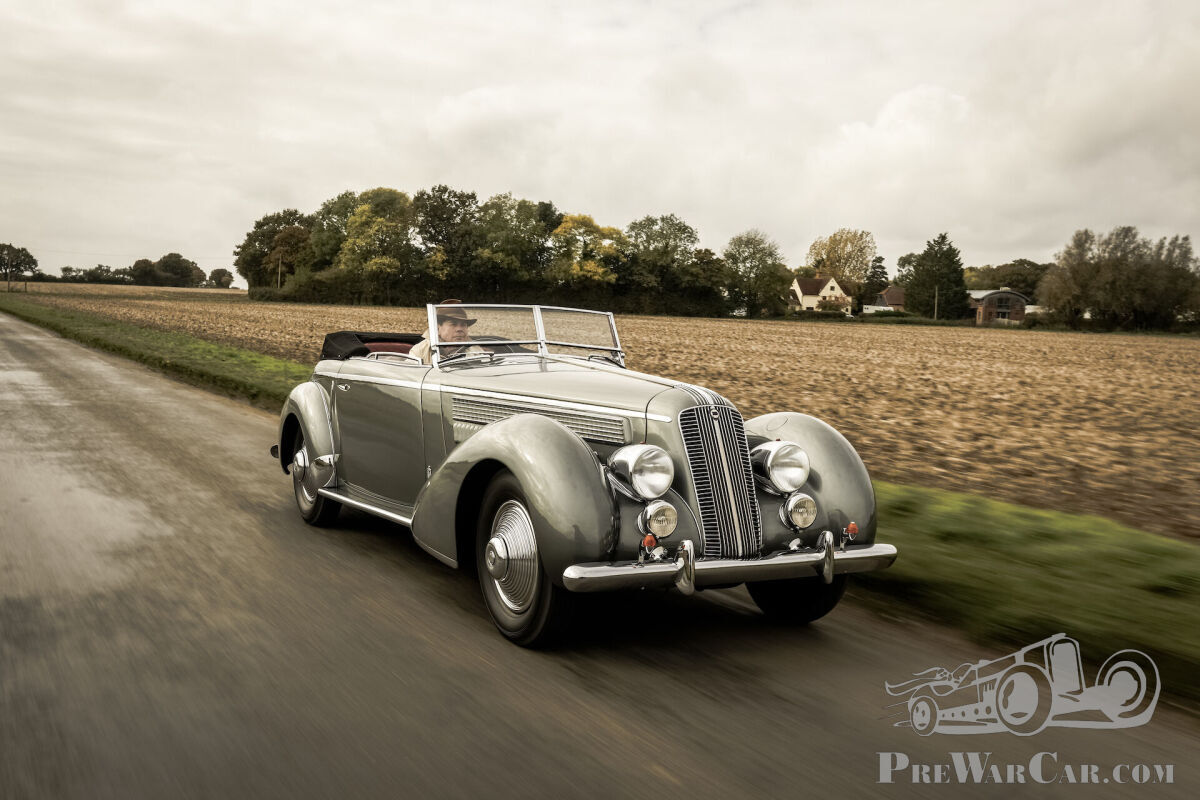
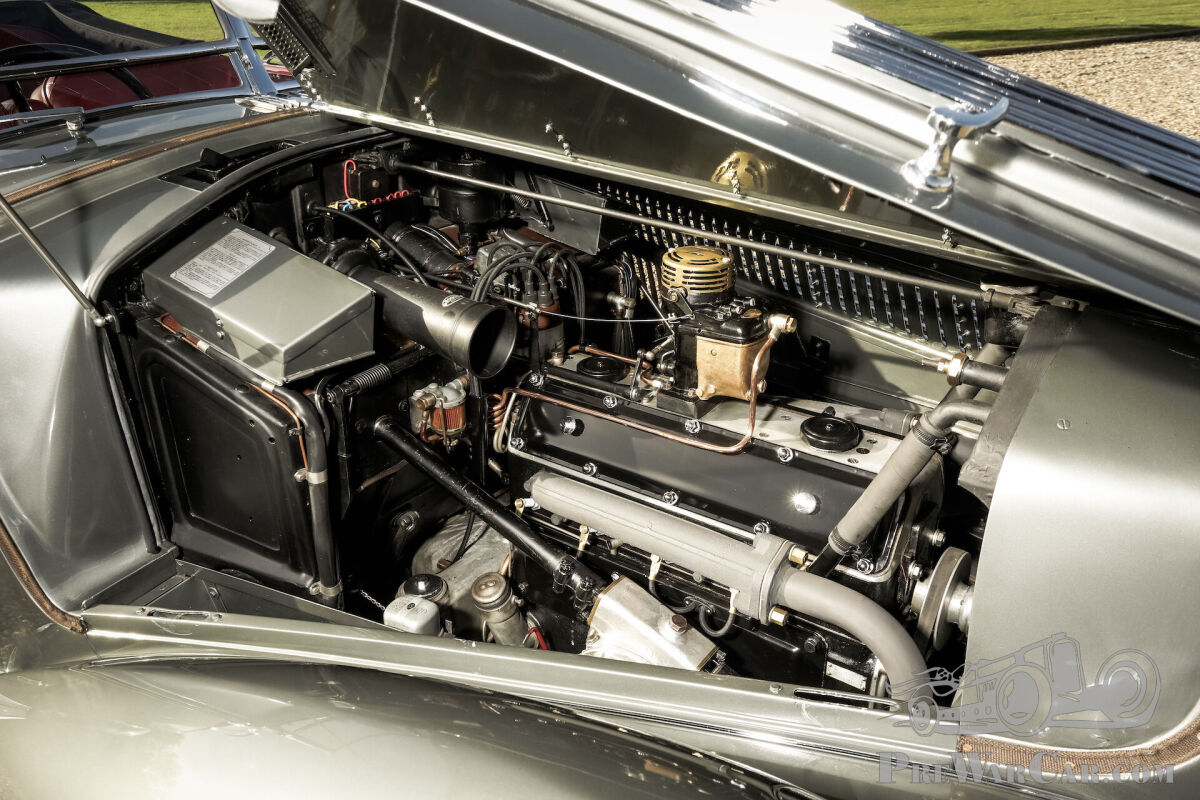
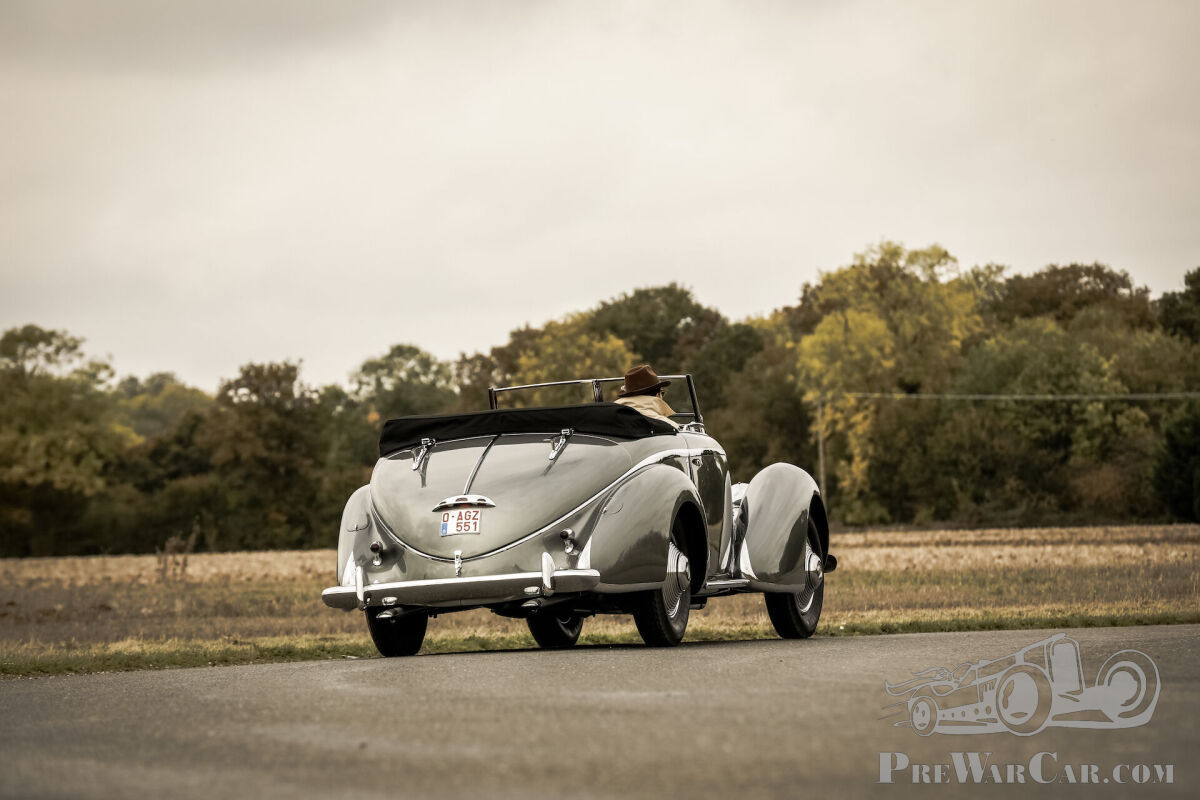


Prewar Lancias have a reputation for being advanced and sophisticated machines, largely thanks to the Lambda and Aprilia with their unitary construction, narrow V4 engines and sliding-pillar suspension. The Aprilia might even be called futuristic, with such remarkably streamlined bodywork which anticipated postwar themes.
The Aprilia arrived in 1937, though, and Lancia’s other models of the ’30s were much less radical. They were conservative, upright designs utilising traditional body-on-frame construction, though still with sliding pillars and narrow vee-angle engines. The flagship of the time was the Astura, a V8-powered luxury car of sober appearance but very high quality. The separate chassis, however, meant that clients could stipulate the most extravagant bespoke coachwork that their hearts desired, like this one-of-six Tipo Bocca by Pinin Farina, so called for Piedmontese Lancia agent Count Franco Bocca, who commissioned them in 1936.
The glamorous cars toured the motor shows in the winter, and this one was reserved for the1937 Berlin Motor Show. Obviously its owner was rich, as the Tipo Bocca body almost doubled the Astura’s price, accounting for £600 of the £1295 total. Somehow, though, it ended up in America, where it spent 30 years out of sight in New York before a 39-year restoration was undertaken by a Swiss collector.
Mick Walsh enthuses over Bocca’s streamlined beauty in the March issue of The Automobile, on sale now.
Words by Zack Stiling
Photographs by Tony Baker
Published:
Tuesday March 11th, 2025
Facebook
LinkedIn
Twitter
WhatsApp
Email
Copy