The global magazine and marketplace for classic car enthusiasts, by enthusiasts.


Filter
Make a choice:
- Cars
-
Make >>
- Bikes
-
Location >>
- Parts & more
-
Make of car >>
-
Manufacturer >>
-
Category >>
- Bicycles & more
-
Year >>
-
Countries


Vauxhall’s new charger: the 3-Litre that time forgot
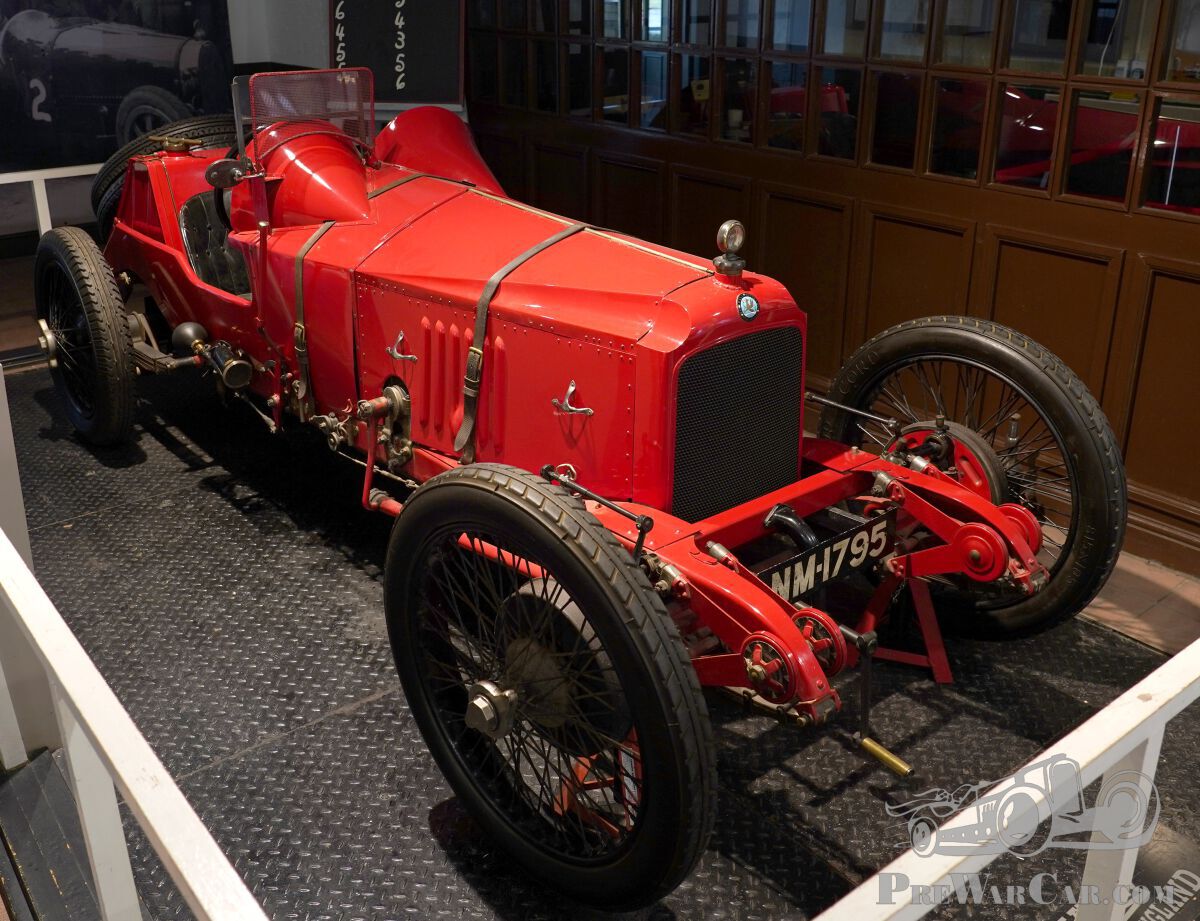


Most cars intended for a single purpose are forgotten. This Vauxhall of 1922 could have fallen into the ditch of futile failure, the unfulfilled brainchild of its company’s short-sightedness. Although unsuccessful for its intended purpose, this still-born GP machine would triumph despite initial shortcomings.
By 1922, Vauxhall Motors had developed a reputation for sophistication, turning a secure profit in vehicles for the roadgoing market. In racing, the company had seen moderate success prior to the First World War, with track equipped Prince Henry and 30/98 models. Their durability had swiftly found them a regular place in reliability trials and hill climbs. Yet, the firm’s new 1922 3 litre would be a radical shift from what had come before. Vauxhall’s new crimson charger took steps away from its luxury counterparts. Originally conceived for the 1921 Grand Prix, Vauxhall’s new racer prioritized innovation over convention.
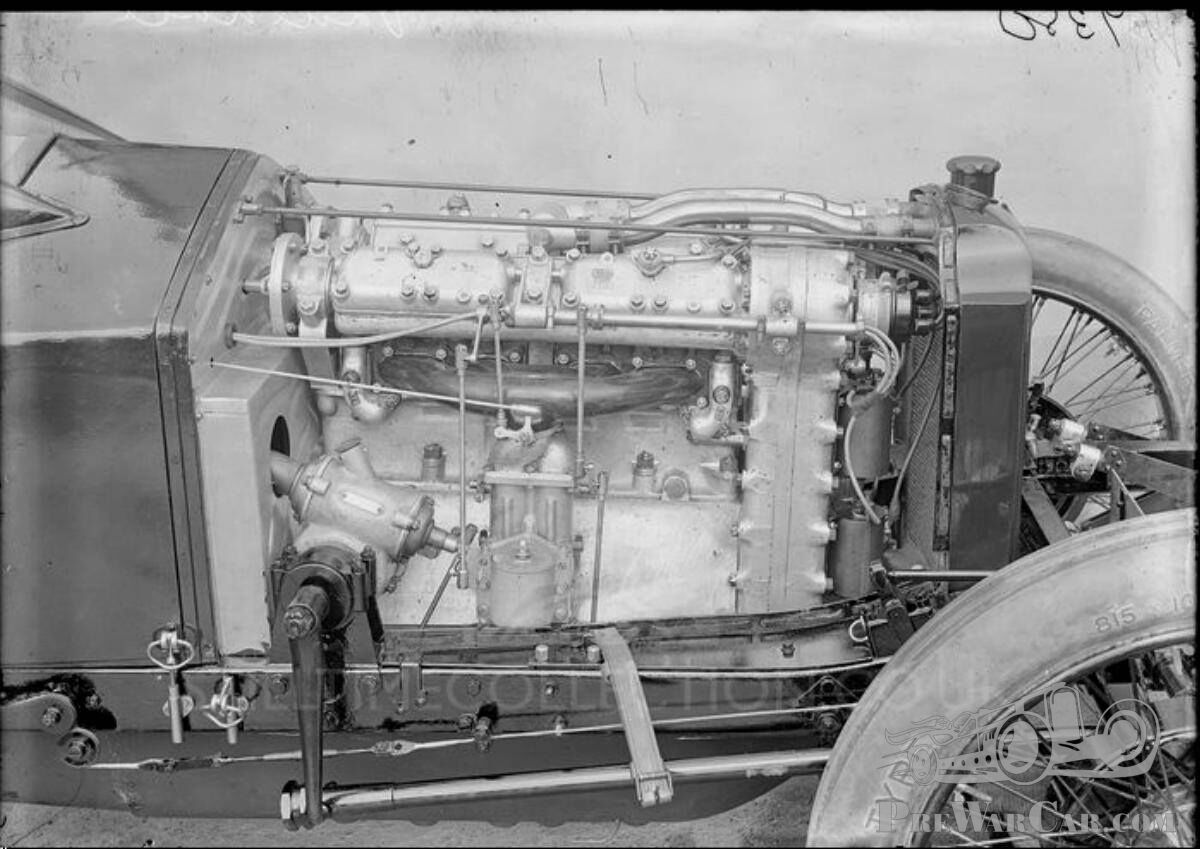
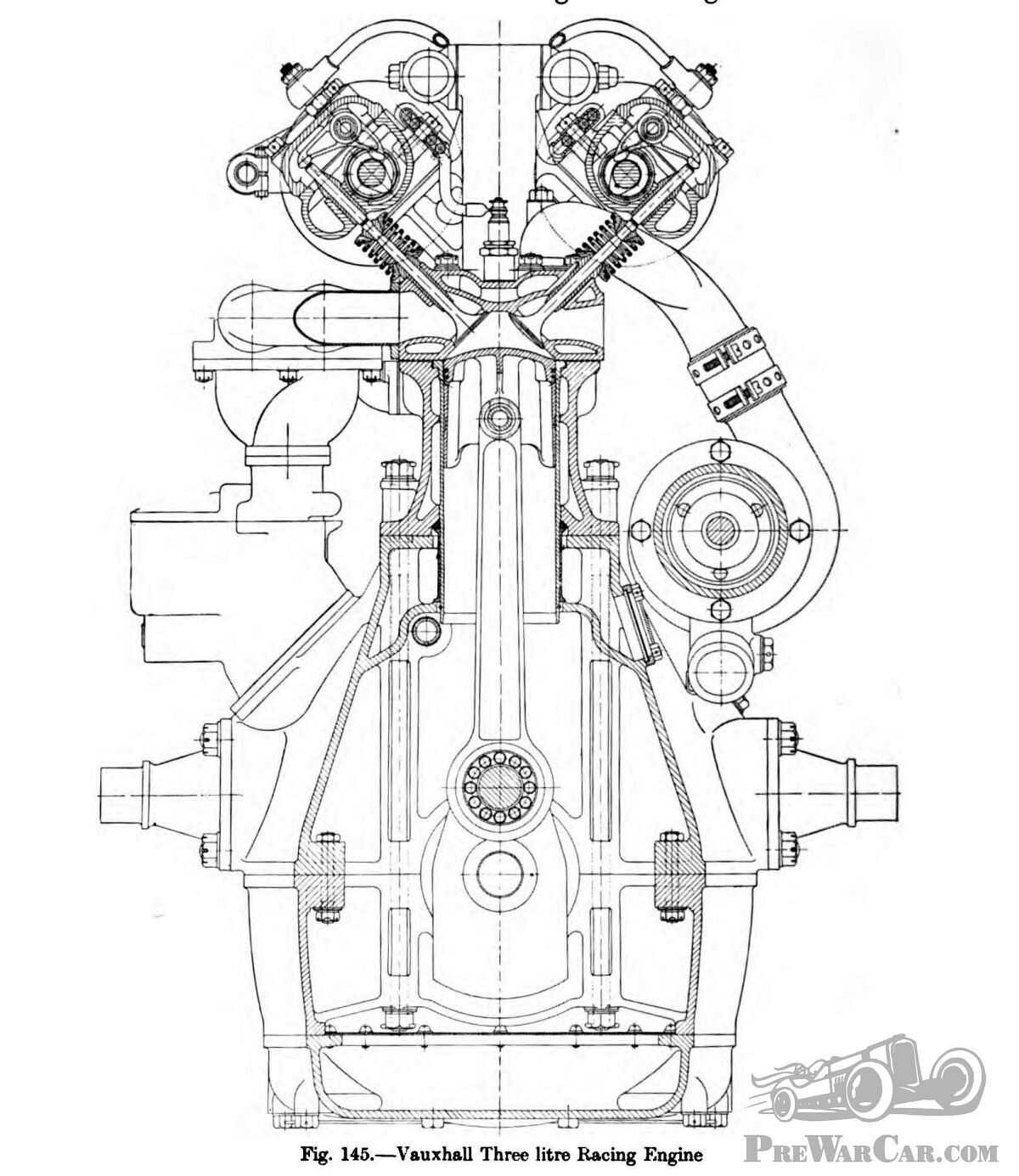
Engine researcher and designer Sir Harry Ricardo was employed by Vauxhall head, Percy Kinder to design a radical heart for this new machine. Ricardo would opt for a four-cylinder, supercharged engine. His 16-valve core for Vauxhall’s thoroughbred, would hold an impressive crankshaft speed of 4,500 rpm delivering 129 brake horsepower. Statistically, Vauxhall’s 3 litre engine ranked as one of the most state of the art of its time, with an aluminium central block, six ball type main bearings and bronze cylinder heads.
Another impressive enhancement came in the braking system. Rather than standard cable operated or mechanical linkages, a Westinghouse designed compressed air system was employed allowing for braking on all four wheels if required. Clearly, Ricardo and chassis designer C.E King were keen to invest in the latest developments despite a long trial period to prove their reliability. Yet, time spent on developing these advancements would ultimately come at a considerable cost.
1922 would see a change to the entry formula for competitors in the Grand Prix. This would lead to 3 litre cars being excluded from contemporary Grand Prix racing in favour of 2 litres. The lack of foresight by Vauxhall’s design team, despite well-publicised rule changes, continues to remain a mystery. The impact of this alteration would render Vauxhall’s challenger obsolete, despite being mechanically ahead of its rivals. Instead, Vauxhall entered three prepared cars into the 1922 Isle of Man TT race, with driver Osborne Payne coming third. The cars would later capture further success, winning multiple 3 litre championships at Brooklands in October 1922. Of the five cars eventually constructed, four are currently known to exist in various states of repair. One of the TT competitors is now on display at Brooklands Museum in Surrey, England. A remarkable survivor from what could have been a life of obscurity.
Text by Alexander Simmons-Miller
Published:
Friday November 21st, 2025
Facebook
LinkedIn
Twitter
WhatsApp
Email
Copy