The global magazine and marketplace for classic car enthusiasts, by enthusiasts.


Filter
Make a choice:
- Cars
-
Make >>
-
Year >>
-
- Bikes
-
Location >>
- Parts & more
-
Make of car >>
-
Manufacturer >>
-
Category >>
- Bicycles & more
-
Year >>
-
Countries


Vintage Ardennes Trial 2026: where competition and jazz meet
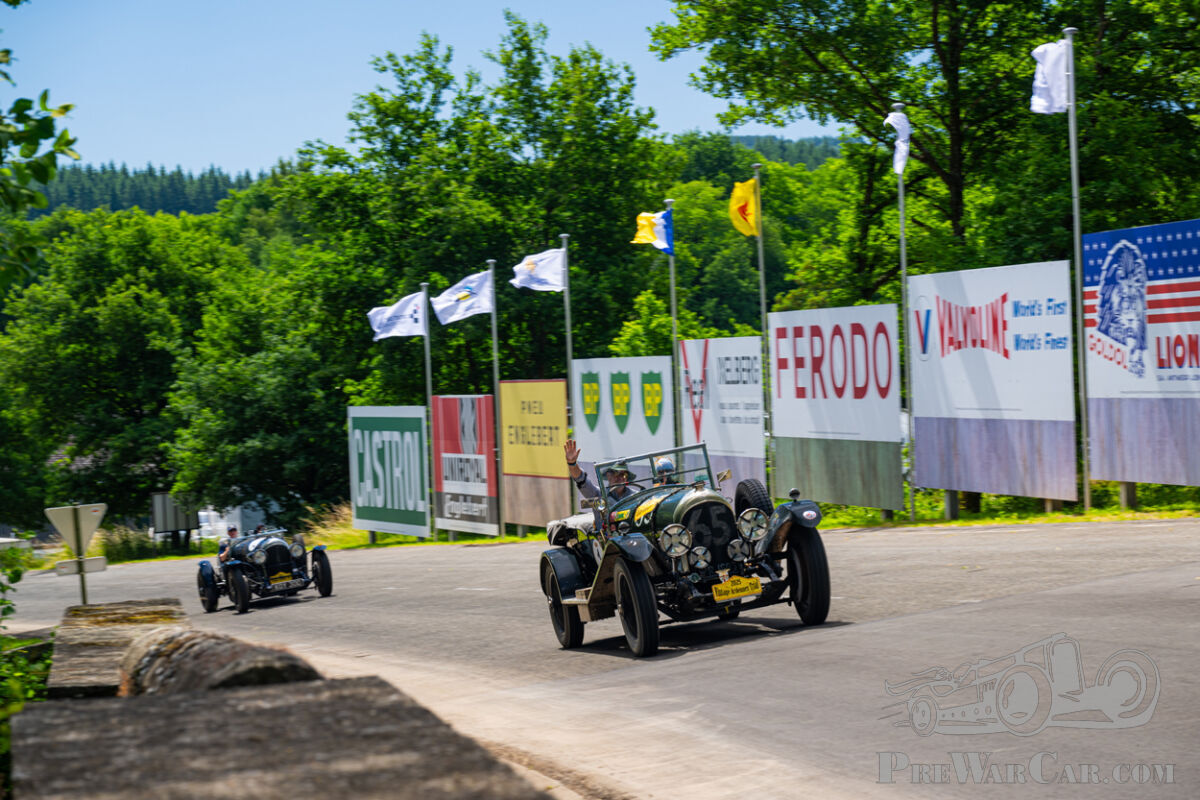
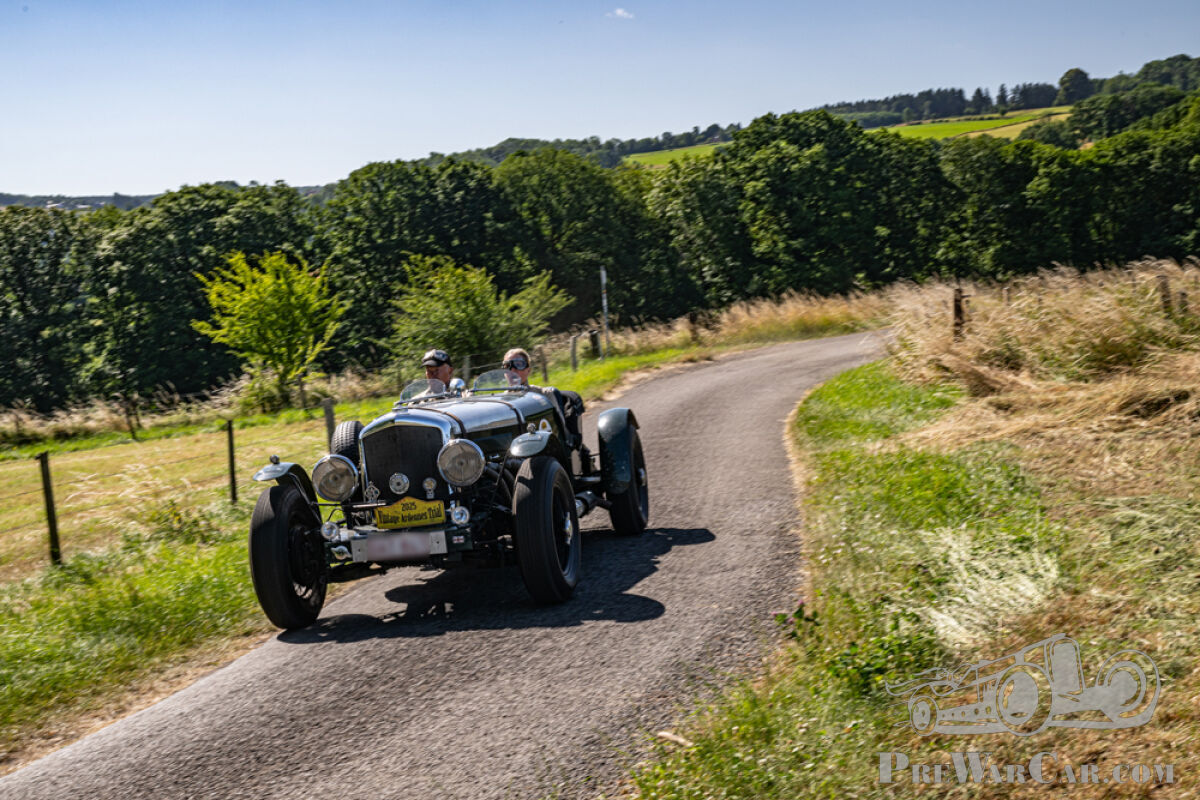
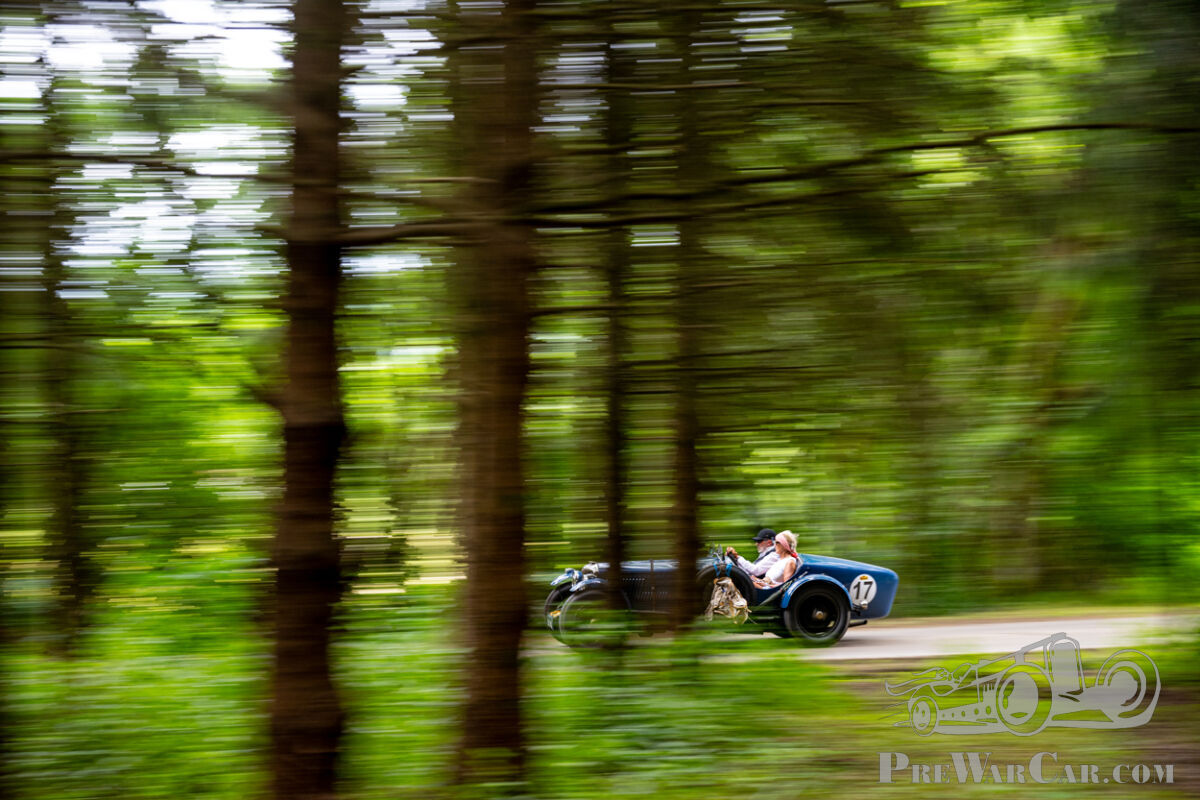
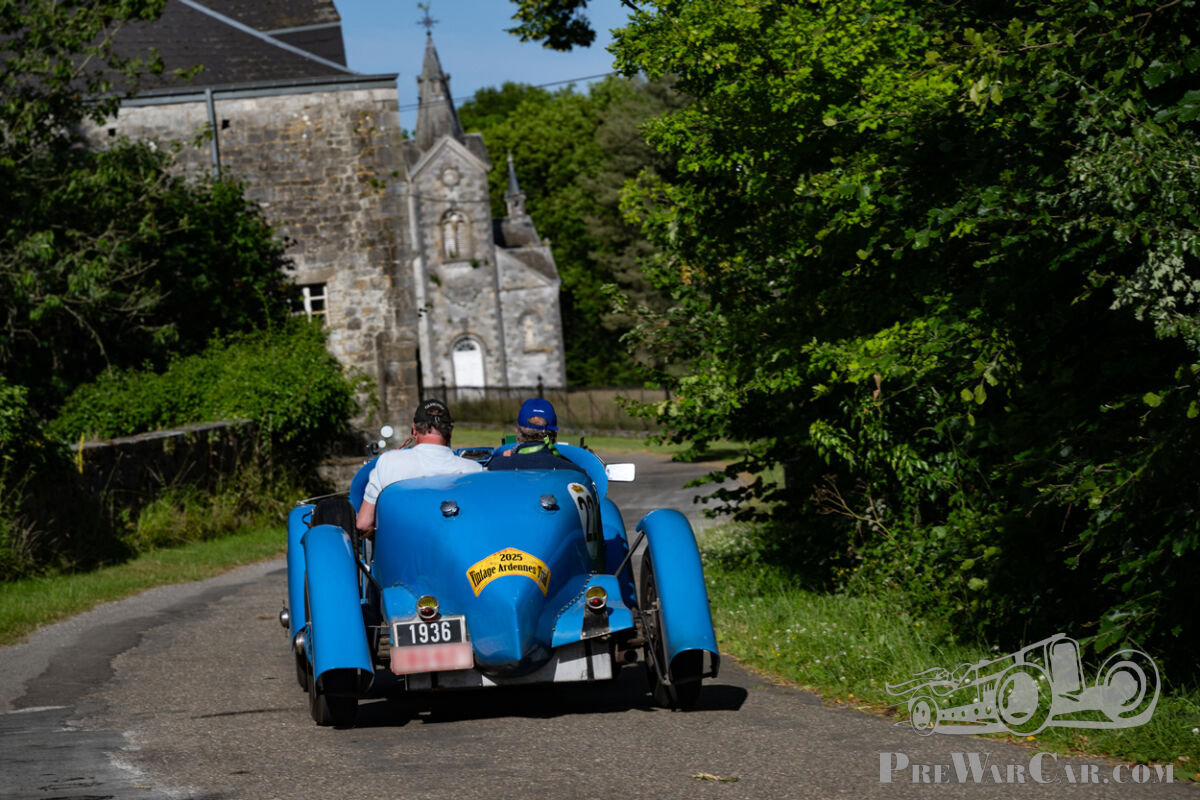
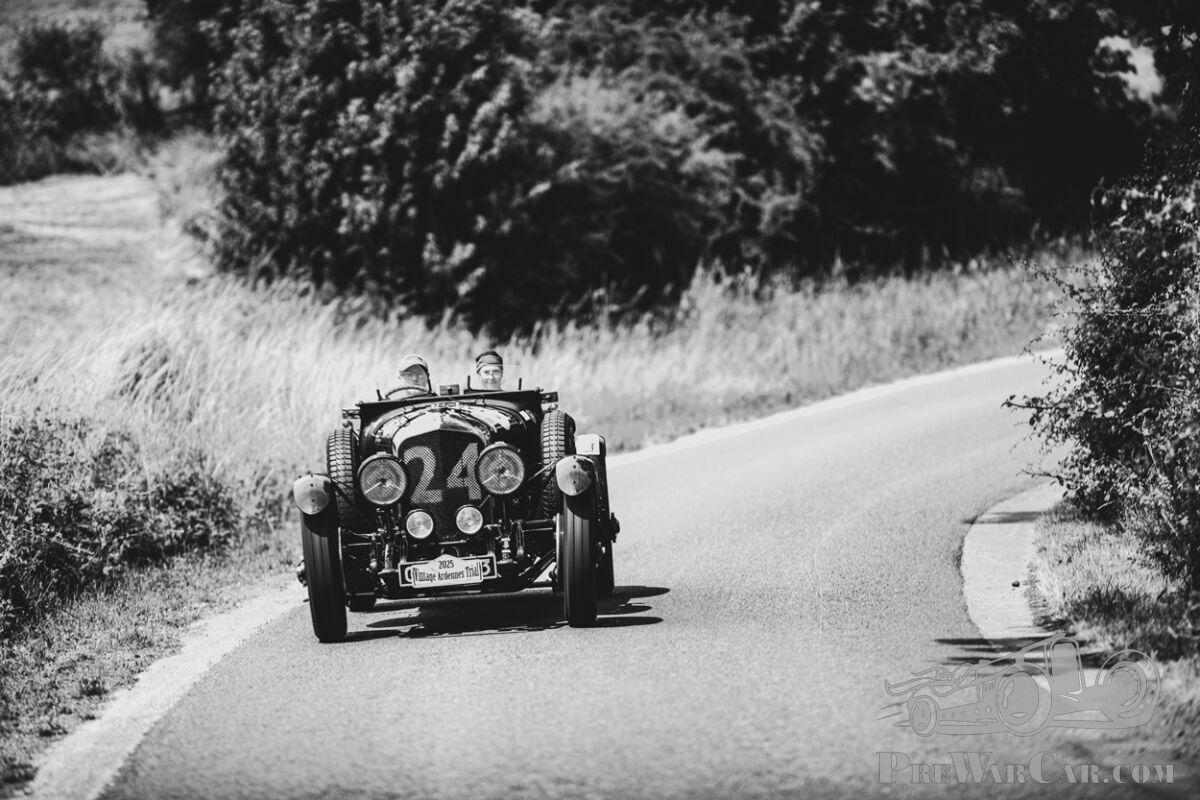


If there is one region perfectly suited to rallies for classic cars, it is the Belgian Ardennes. Narrow ribbon roads winding through dense forests, rolling valleys shrouded in morning mist, and villages where time seems to stand still. We have often sent our vintage cars in that direction, and recently we spoke with the organiser of the Vintage Ardennes Trial 2026, who will host a three-day event this June. The scenery may be self-evident — but a successful rally never is.
On the phone he sounds energetic, almost hurried. “Just a moment,” he says, “I’ve just been called about a wheel for my 1935 Salmson.” The Salmson, it turns out, is no museum piece for purists. Quite the opposite. “It’s not a car for purists,” he laughs, “but it’s wonderful to drive. We use it for many rallies.”
That sums up Pierre Barré: passionate, committed, yet firmly grounded in practicality. He respects those who push their cars to the limit, he says. “But I’m a little more careful with my own machines.”
Together with his friend Michaël Demortier, he is organising the Vintage Ardennes Trial in June 2026 — a three-day pre-war event that is already attracting international attention. Pierre himself has competed in renowned rallies such as the Shamrock Rally and the Flying Scotsman. Not merely to participate, but to observe. “You see how they approach it, how they design regularity tests, how the organisation operates. I wanted to understand that.”
In Belgium, purely pre-war regularity rallies with a competitive edge are rare. That, they felt, needed to change. With their experience and a strong team, they decided to create it themselves.
Last year saw the inaugural edition. Interest was immediate and strong — notably many British entrants, even more than Belgian. And more striking still: a large proportion are returning.
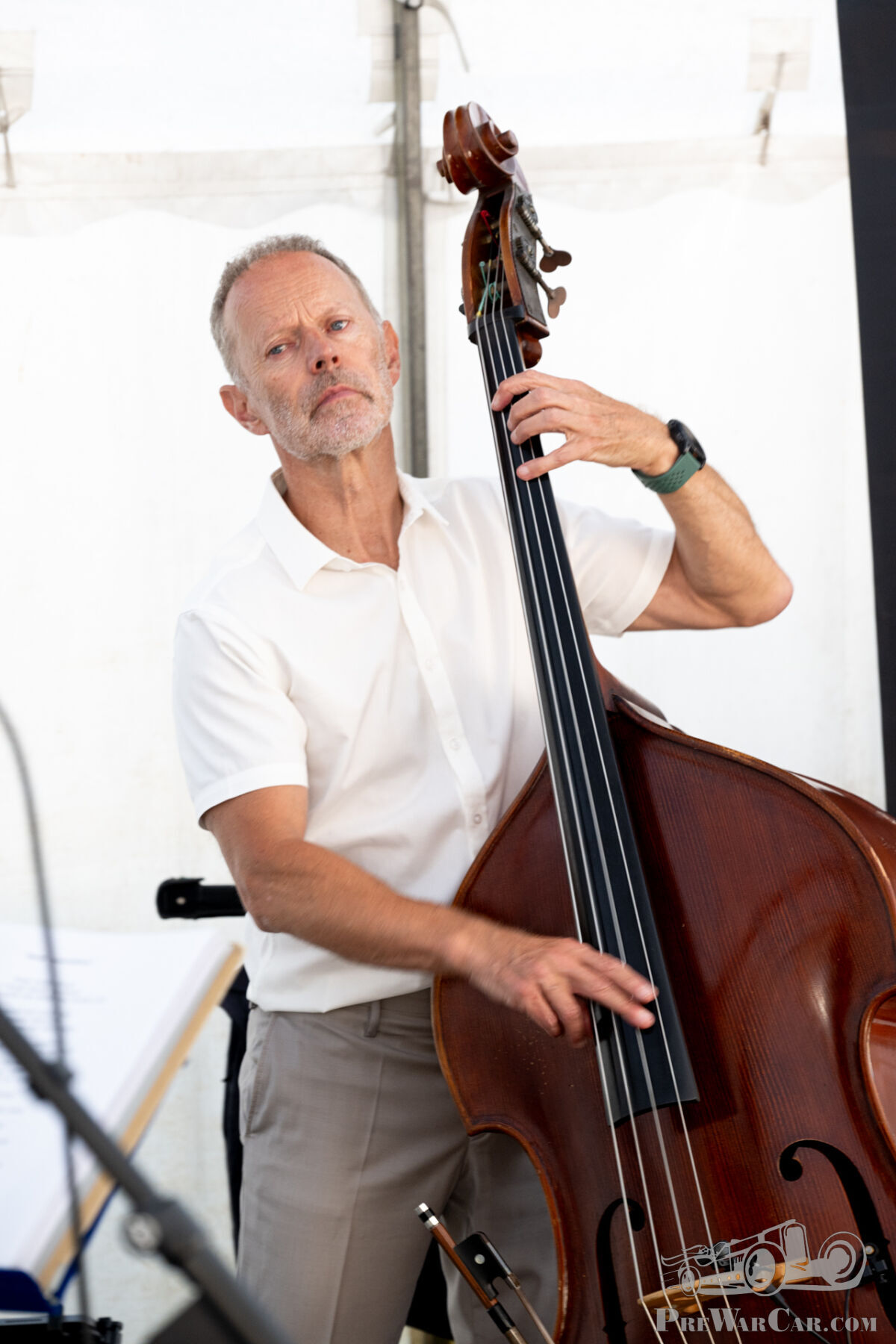
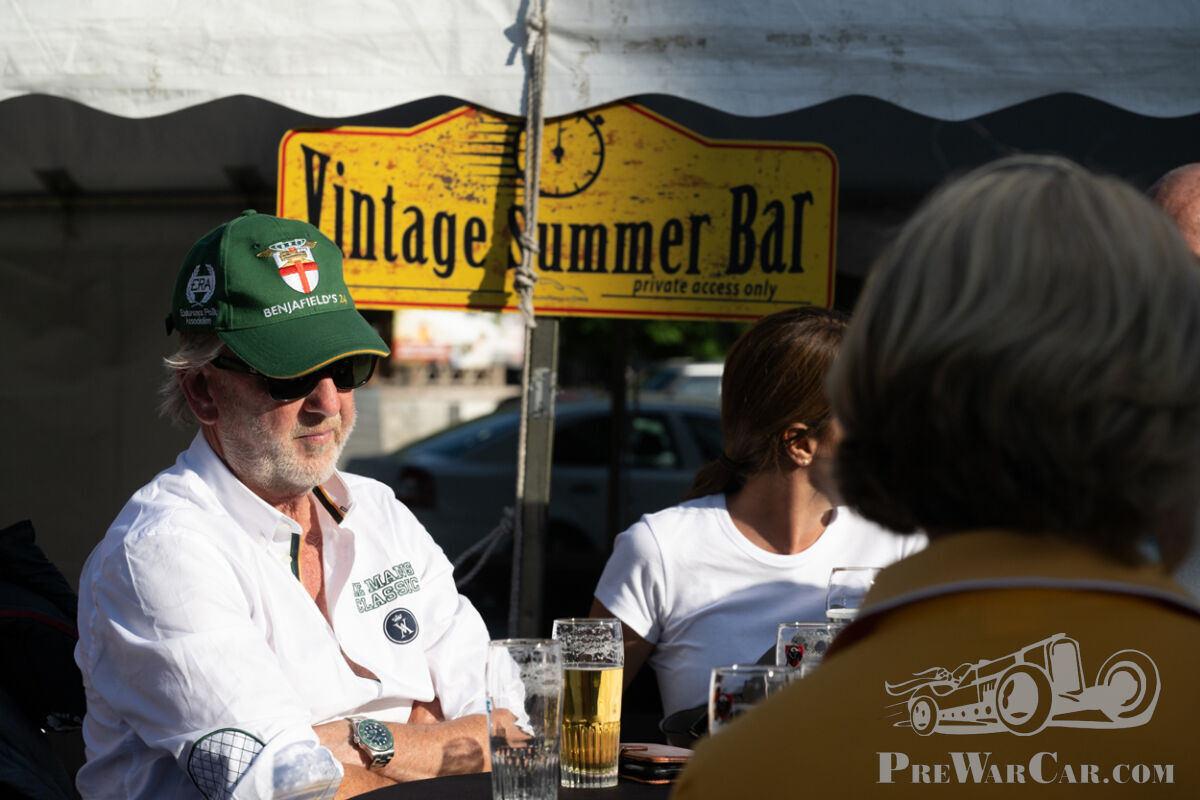
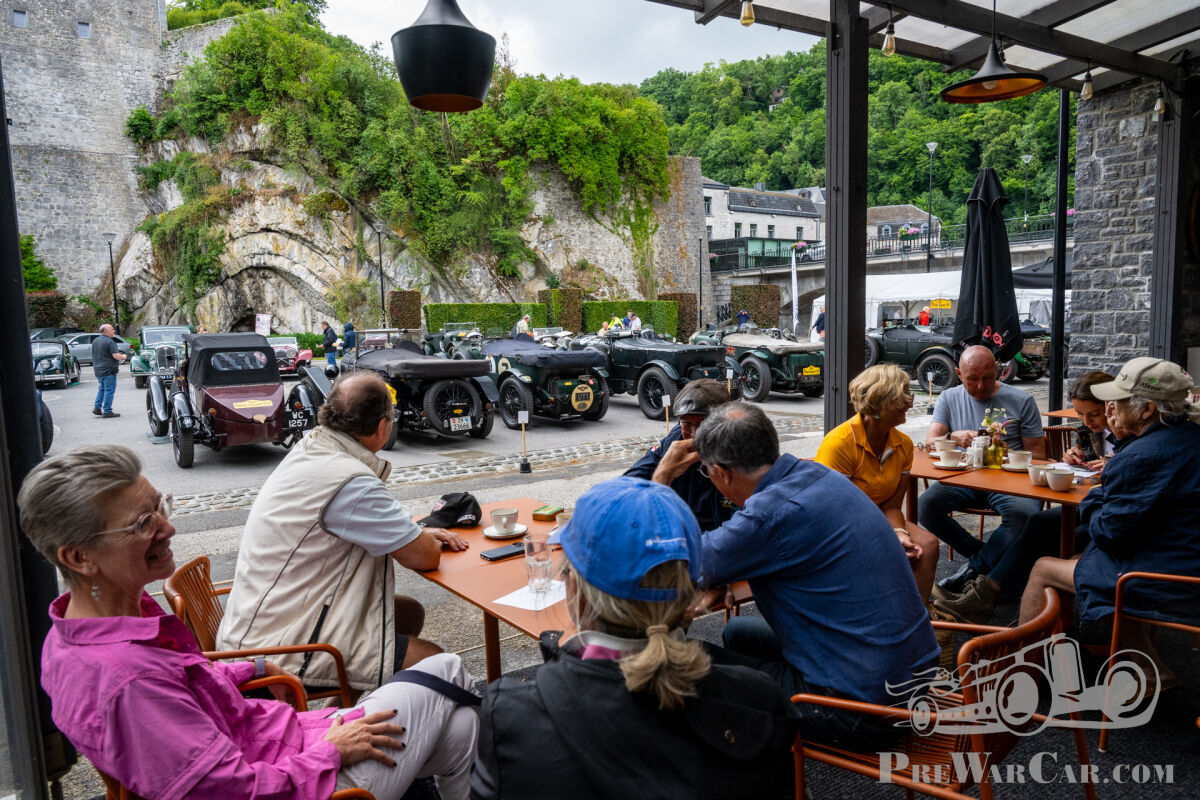
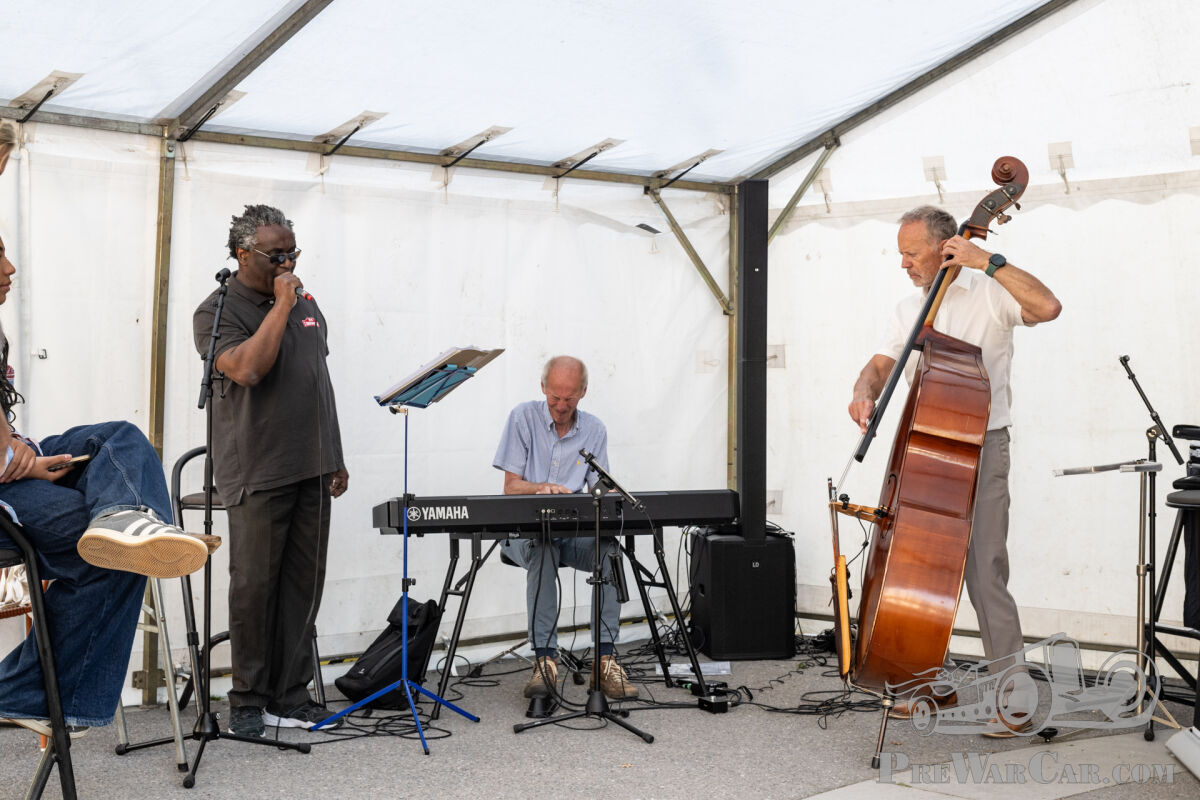
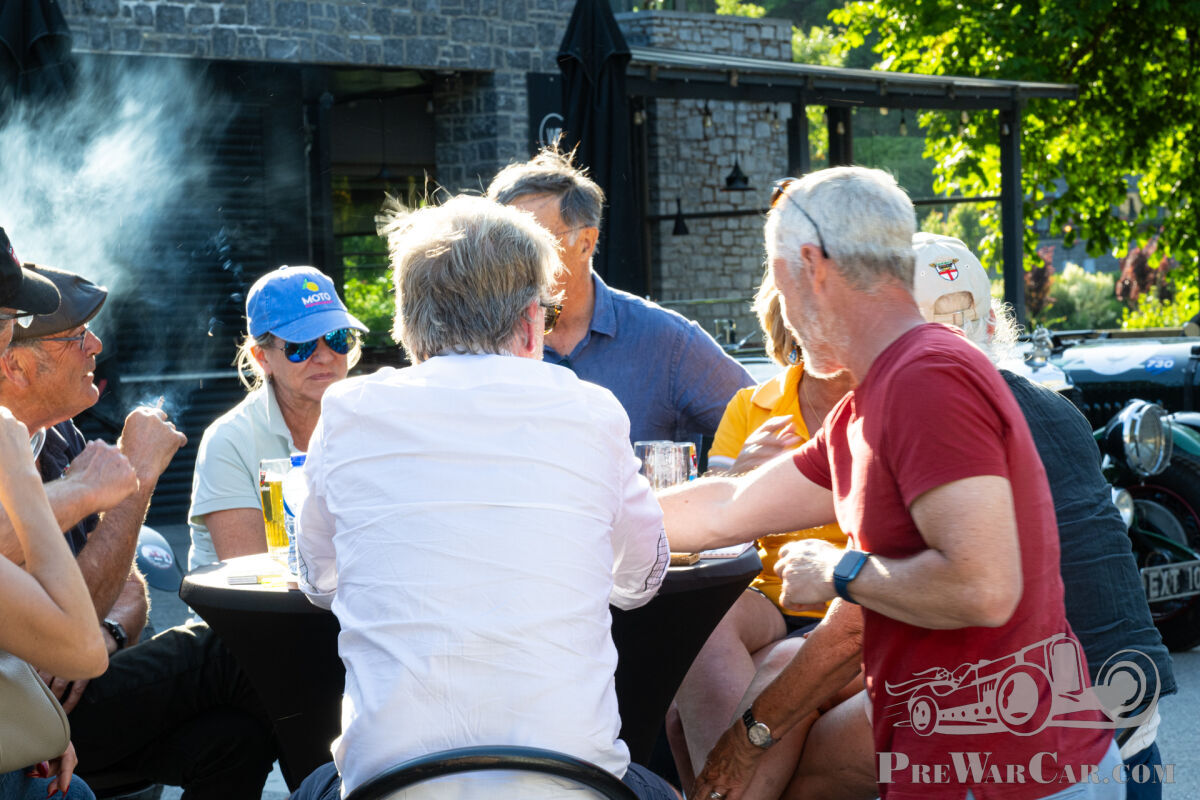
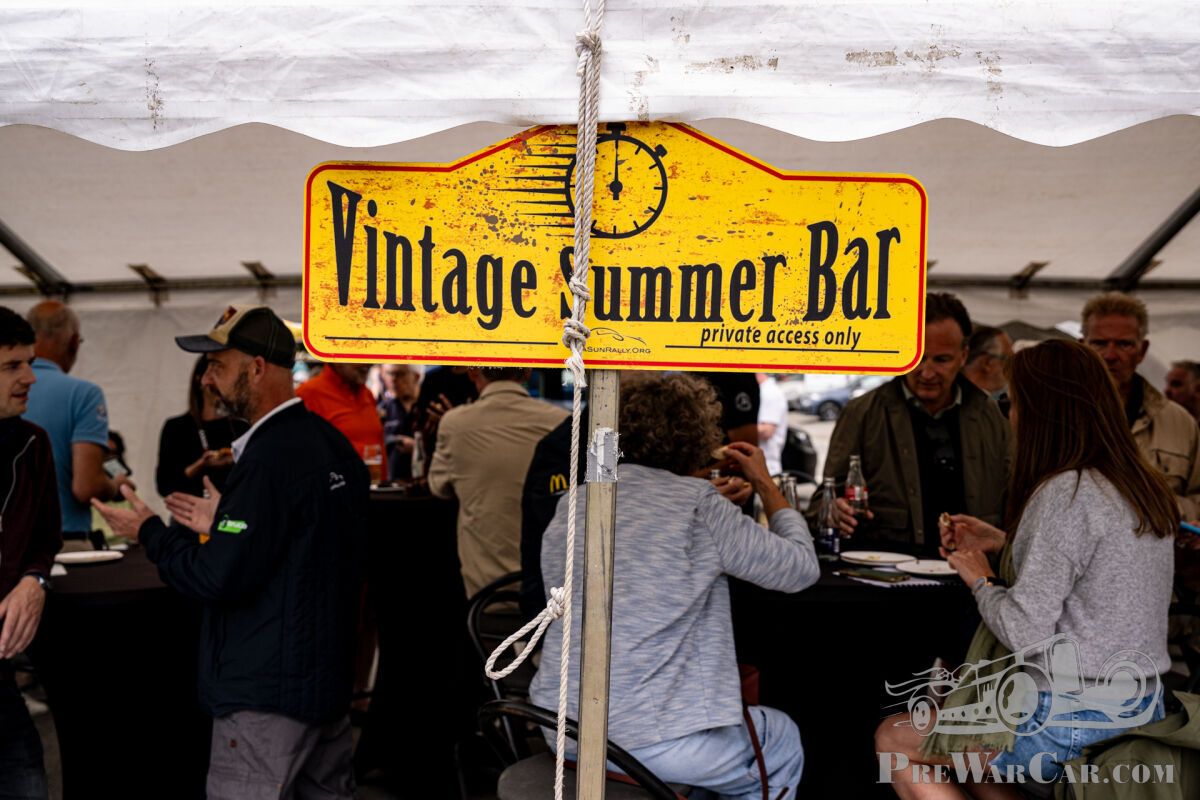
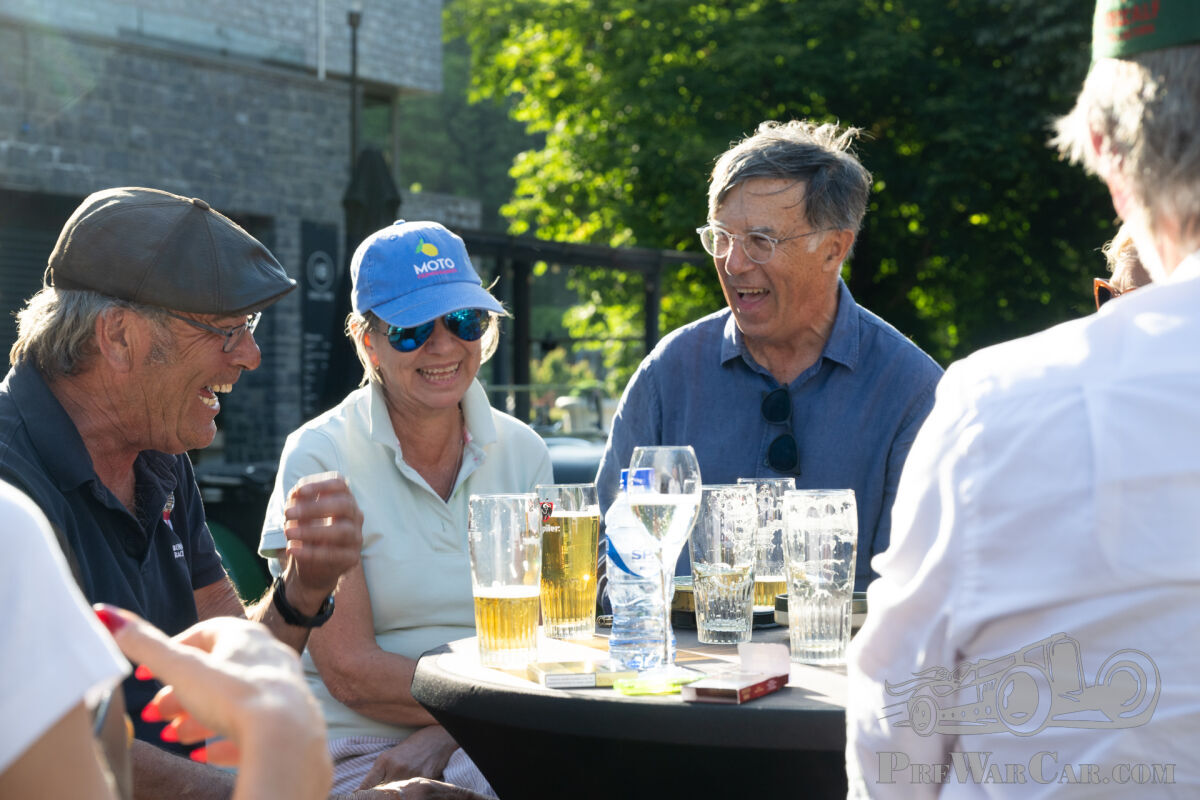
Ask Pierre what matters most, and he does not begin with classifications or time controls. “The atmosphere.” Each evening featured a vintage summer bar. Fine beers. And live music. “Jazz from the vintage era, with a wonderful singer, among the cars.” His voice betrays pride. “Live music is one of the things I love most. It was already so when I worked in television. I like to combine motorsport with music.”
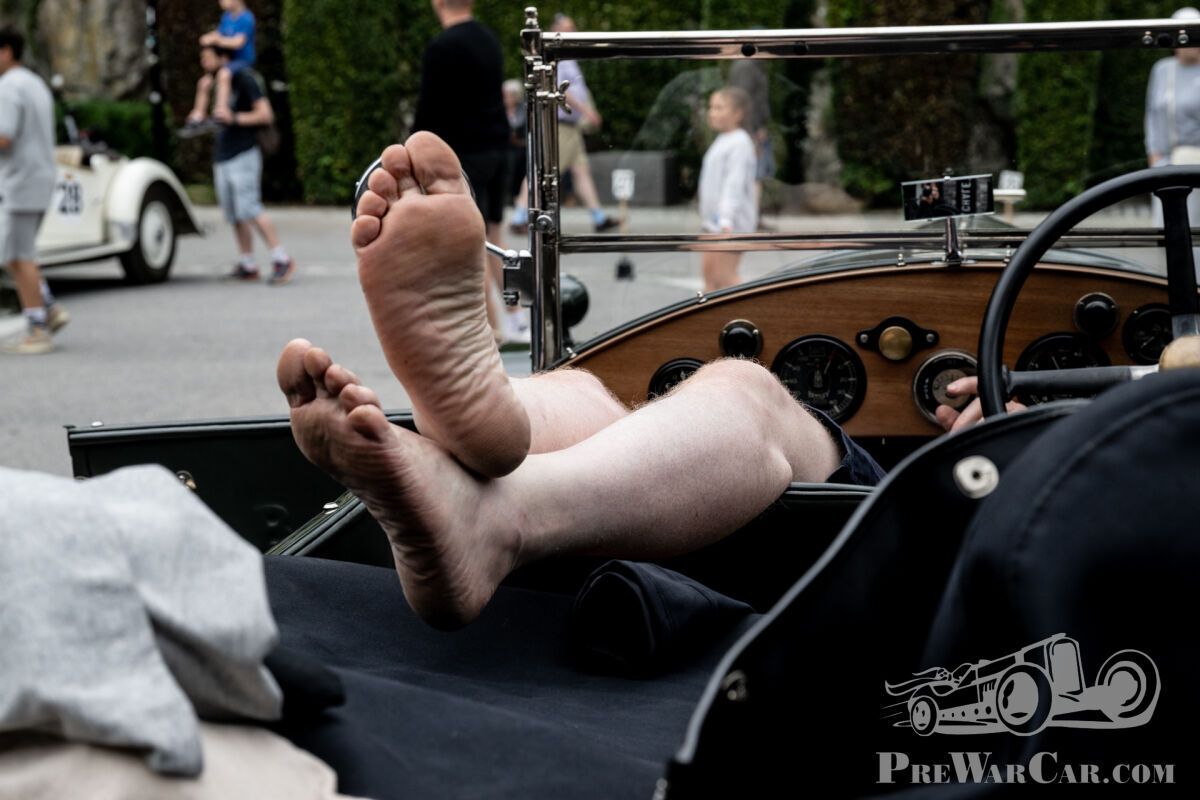
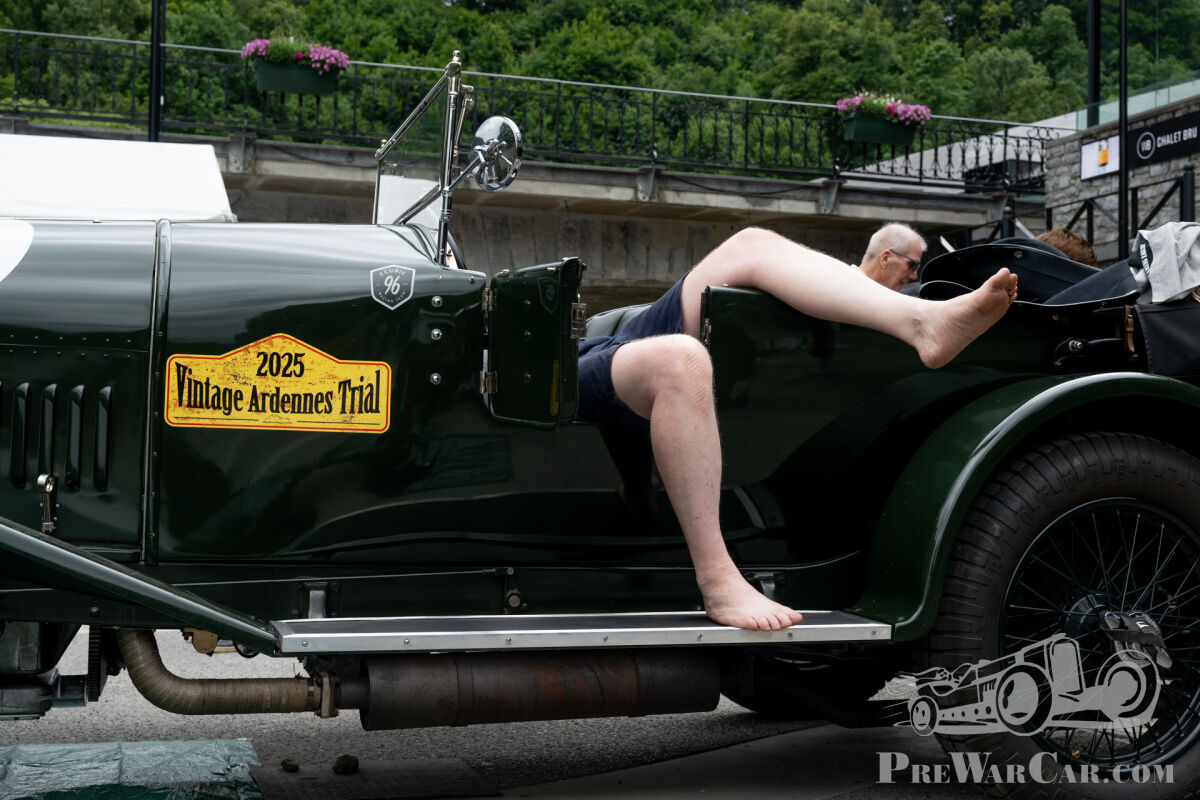
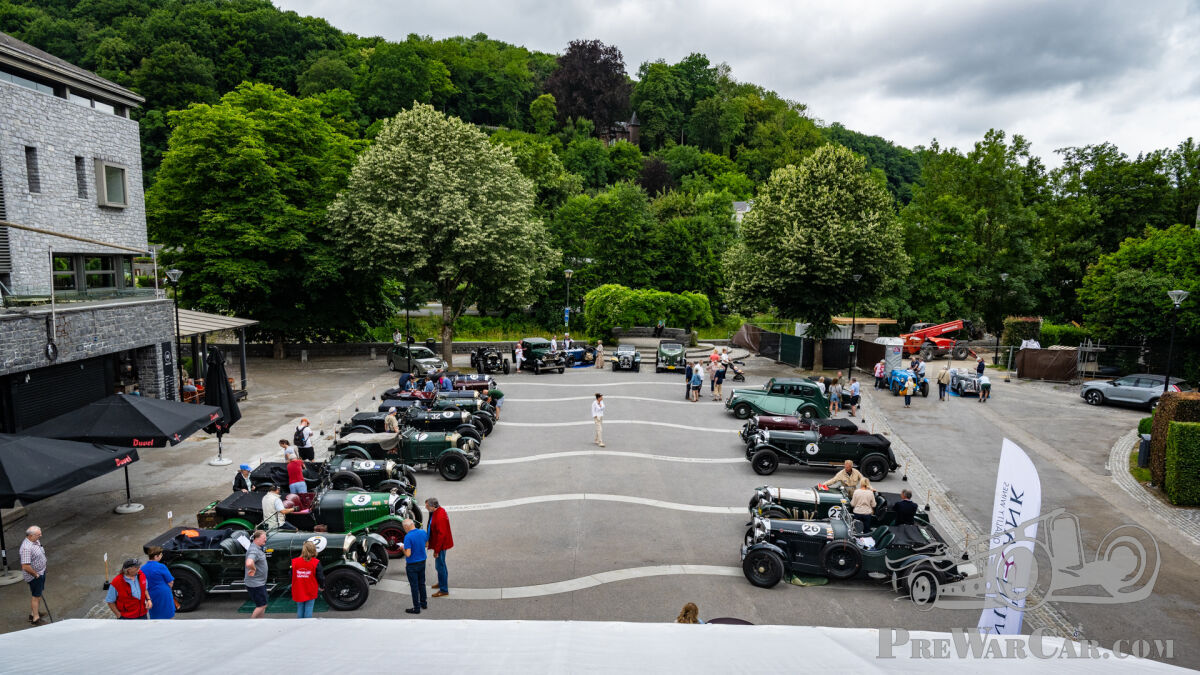
The image is almost cinematic: pre-war Bentleys, Alvises and Lagondas glowing in the evening light, a double bass softly setting the tone, glasses clinking. One participant lay beneath the dashboard of his Bentley — two legs sticking straight into the air. Around him, jazz played on. It captures the spirit perfectly: serious, but never sterile.
The rally features three categories: a Touring Class and two regularity classes — Original Pre-War and Upgraded Pre-War. Pierre clearly prefers original cars, yet does not exclude modified examples. “They can still be magnificent, even with small modifications.”
The name Trial was chosen deliberately. “I found ‘rally’ too vague. A trial is a competition with classifications. It must be clear that this is a regularity contest, not just a touring drive.” Precision, timing and control are key.
Notably, the event runs from Monday to Wednesday, based in Durbuy. “We have extensive experience with other rallies,” Pierre explains. “Weekdays mean lighter traffic. Fewer cyclists, fewer hikers. We drive on narrow roads. At weekends, it is simply busier.”
Durbuy is small and charming, yet overrun with tourists at weekends. “For participants and residents alike, this is better. It may be more difficult for those who work, but in terms of safety and comfort it is the right choice.” And the entrants? “They are always pleased with it.”
After the first edition, every detail was evaluated. “Even if it is a game, it must be perfect. People expect that. I compete in rallies myself, and that is what I want too.” This mentality translates into meticulous attention to route books, time controls, hospitality and communication. Small errors are not dismissed — they are addressed.
Pierre also notes a difference between pre-war trials and general historic rallies. Whereas at post-war events roughly 30 percent drive purely to win, 30 percent compete in a relaxed manner, and the rest come mainly for the atmosphere, the Vintage Ardennes Trial is different.
“A larger proportion truly wants to win.” Competition is therefore sharp — yet always embedded in camaraderie.
For the upcoming edition, ten Irish cars have already registered. In a field of thirty entries, that creates a distinctly international atmosphere.
The oldest participant? A British entrant with a 1906 Bianchi — a moving piece of history that will soon crackle along Ardennes roads.
It illustrates what the Vintage Ardennes Trial has become: no local curiosity, but a meeting point for serious pre-war enthusiasts from across Europe.
The Ardennes provide the scenery. The cars bring the heritage. Yet it is the combination of competition, attention to detail and evening jazz among the vintage machines that sets the event apart. Or, as Pierre himself puts it: “I like to combine motorsport with music.”
And precisely there — between the scent of petrol and the resonance of a double bass — history breathes again.
Details:
- Event: Vintage Ardennes Trial
- Date: 22–26 June 2026
- Location: Durbuy, Belgium
- Entry fee: between €145 and €3,690
- More information >>
Published:
Monday February 23rd, 2026
Facebook
LinkedIn
Twitter
WhatsApp
Email
Copy
Comments
Hans Ciers
27 February, 20:47
Please can you send me more information about the race because I will look to participate whit the only Citroën who ever did Le Mans in 1932.thanks
Read more