The global magazine and marketplace for classic car enthusiasts, by enthusiasts.


Filter
Make a choice:
- Cars
-
Make >>
-
Year >>
-
- Bikes
-
Location >>
- Parts & more
-
Make of car >>
-
Manufacturer >>
-
Category >>
- Bicycles & more
-
Year >>
-
Countries


Sightseeing with the Argo Motor Co
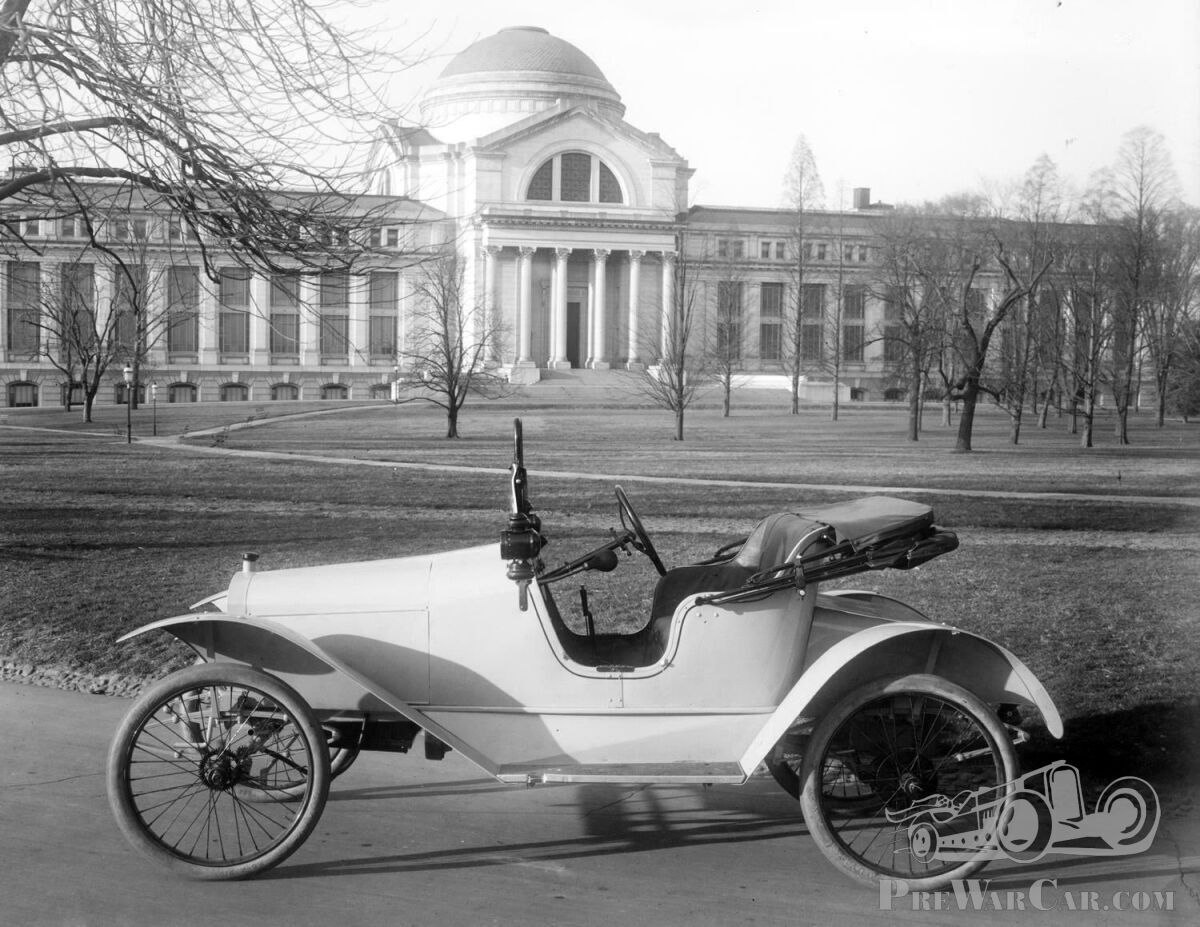
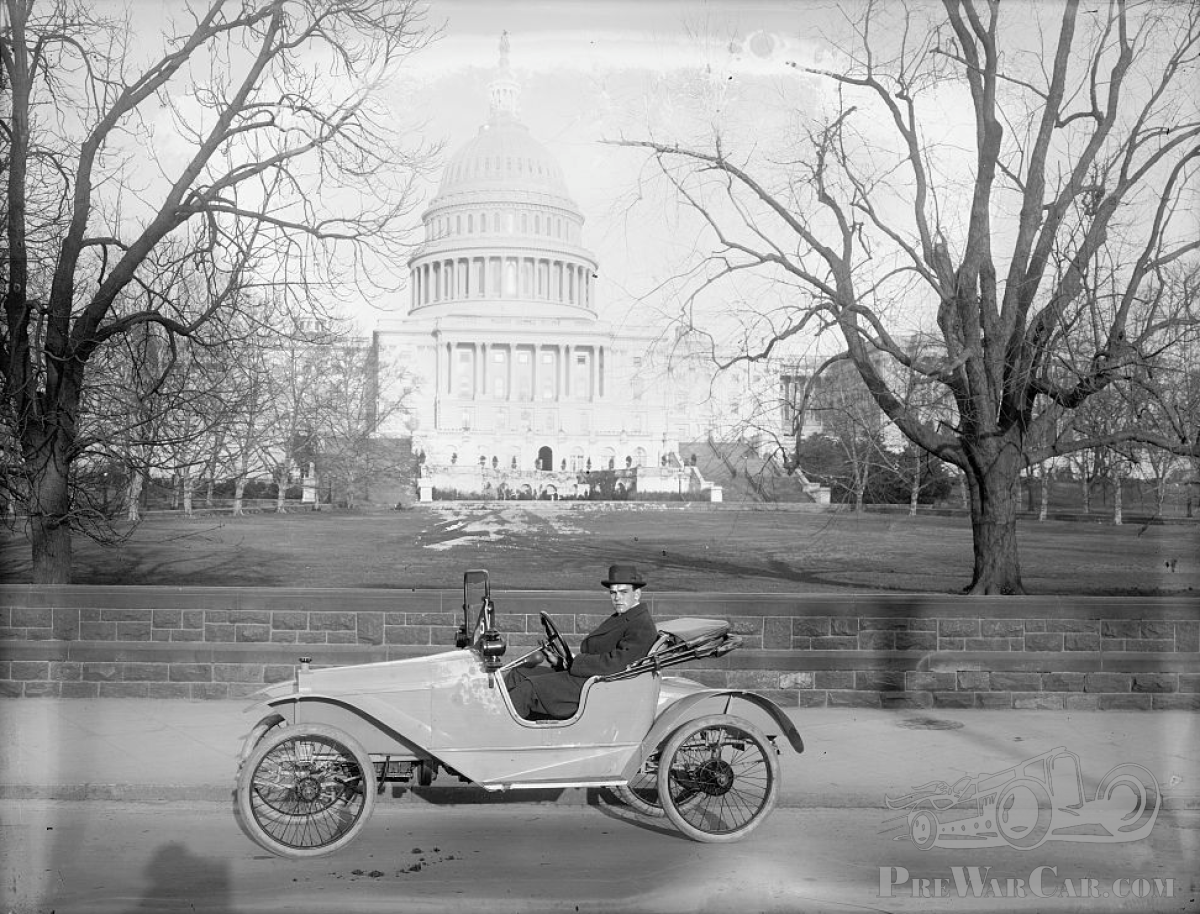
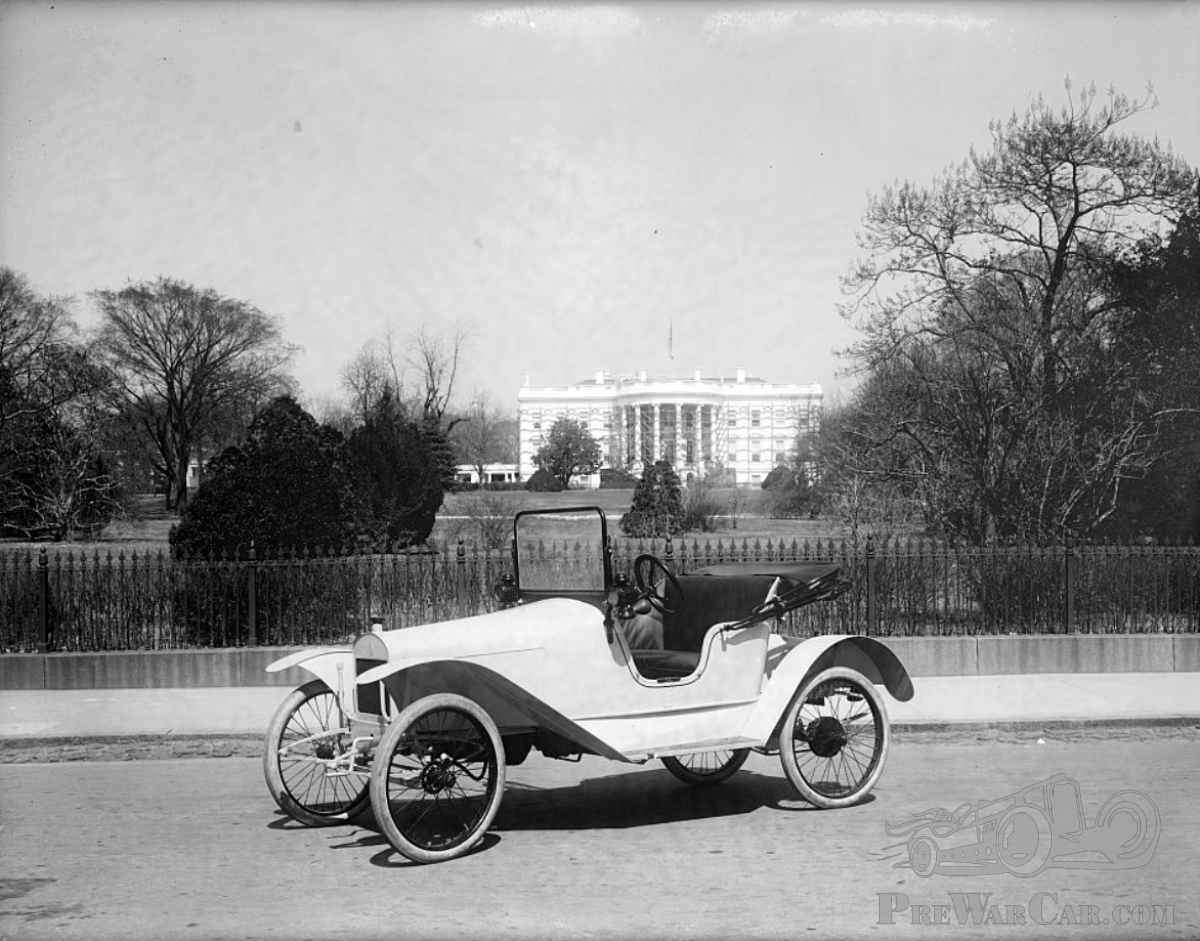
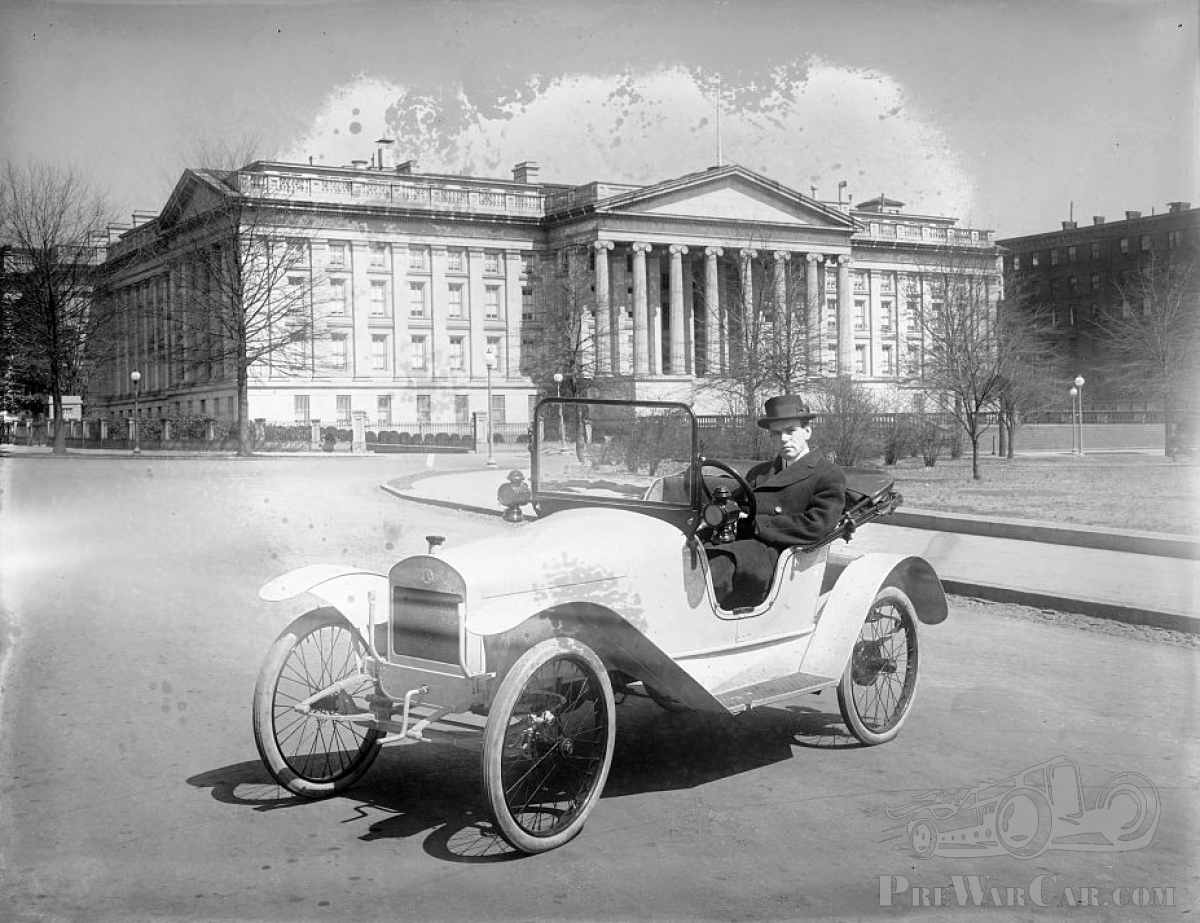


What if you consider yourself to be a promising new motor manufacturer and need a fitting background to promote your novel vehicle? You park it in front of a significant location, of course. Well, that’s what the men behind the Argo Motor Company did back in around 1915. Recognise these buildings? They’re all still there, unlike the Argo.
Argo Motor Company
It did look promising though. In the first place Argo’s instigator wasn’t exactly just any budding car builder: Benjamin Briscoe had been one of the leading forces behind Buick. And what’s more he offered his little car for the starting price of only $295, clearly hoping to join the Ford league, or even beat it.
By 1915, Henry Ford had already made headlines outside the automotive world as the wizard behind the assembly line, streamlining and simplifying the production process of his cars so that he could offer the famous model T for an ultra-low $390. So the Argo Motor Co surely must have had something cooking over in Jackson, Michigan. How did they do it? Well, for one thing, they didn’t start from scratch. Wikipedia tells us that: “The factory had been previously used by the Standard Electric Car Co to build an electric car.”
But the same entry also mentions: “In 1916 it (Argo’s previous model) was replaced by a conventional 22hp assembled touring car in an attempt to rival Ford at producing a ‘motor car for the millions’. The 1916 model sold for $405 in two-seater form.” Well, that’s a 37% price increase in one year already. This while Ford, by the same time, had managed to further lower the price of its model T to $345. Another 12% less…
No wonder Argo was short-lived. By 1917, when the company was only three years old, Briscoe sold the whole project to a man named Mansell Hackett, who once again altered the vehicle and changed its name — now to the Hackett Motor Car Company. It lasted another two years…
Words Jeroen Booij. Pictures Library of Congress.
Published:
Wednesday May 11th, 2022
Facebook
LinkedIn
Twitter
WhatsApp
Email
Copy