The global magazine and marketplace for classic car enthusiasts, by enthusiasts.


Filter
Make a choice:
- Cars
-
Make >>
-
Year >>
-
- Bikes
-
Location >>
- Parts & more
-
Make of car >>
-
Manufacturer >>
-
Category >>
- Bicycles & more
-
Year >>
-
Countries


Why 1917 Renault cars do not exist: the great factory disaster
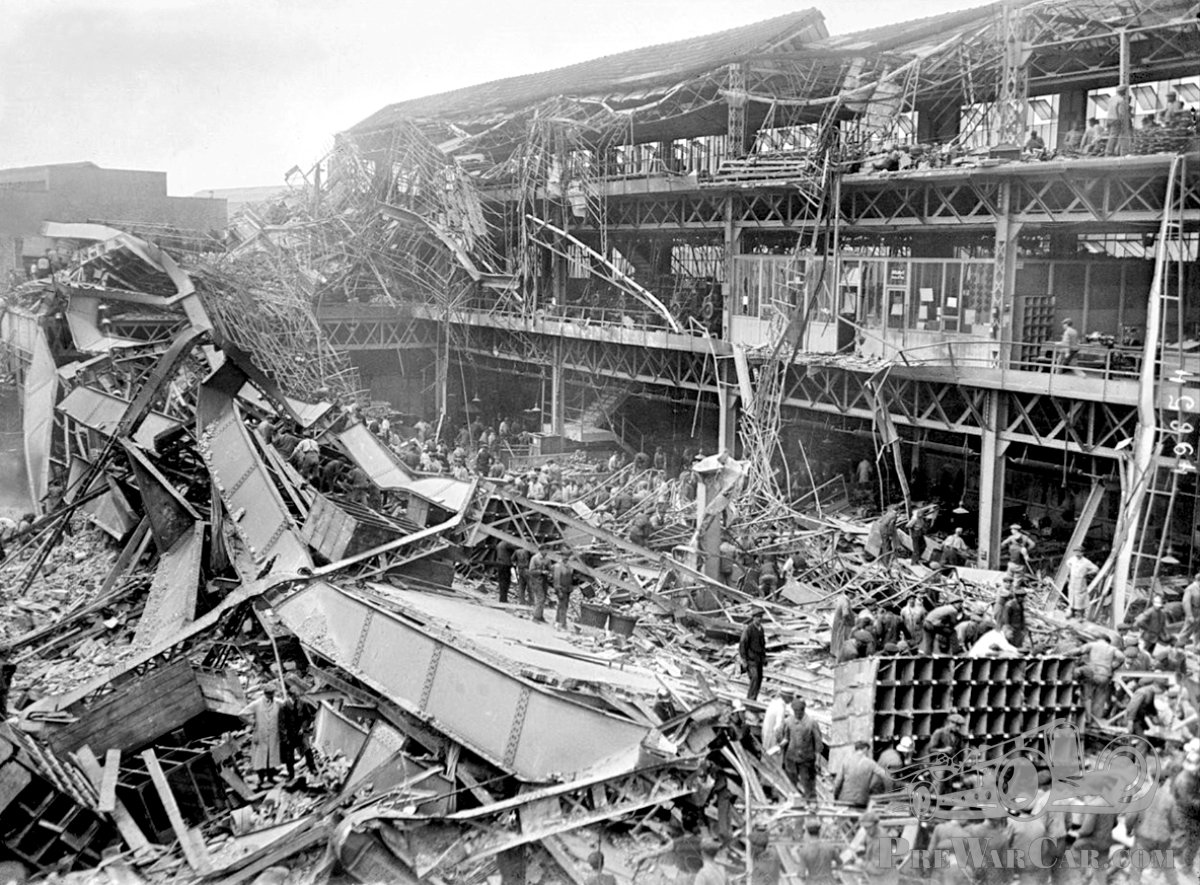
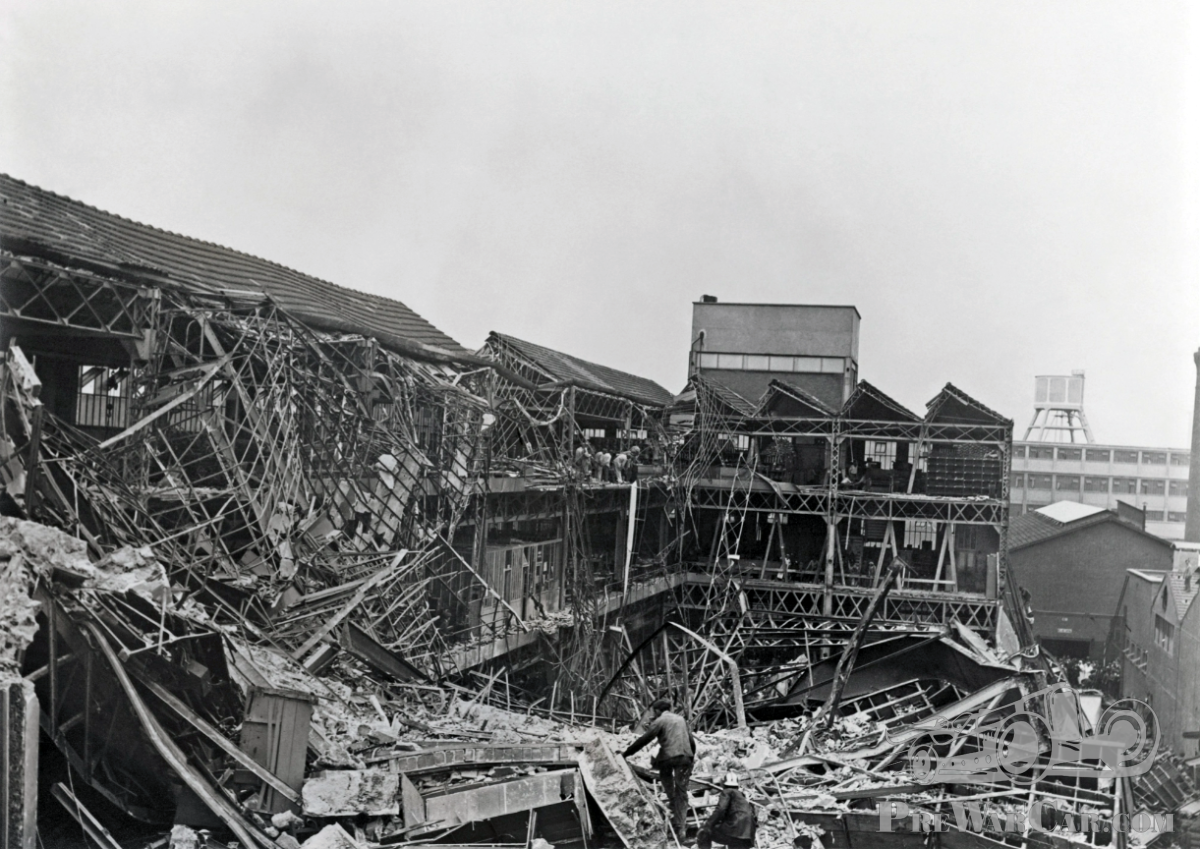
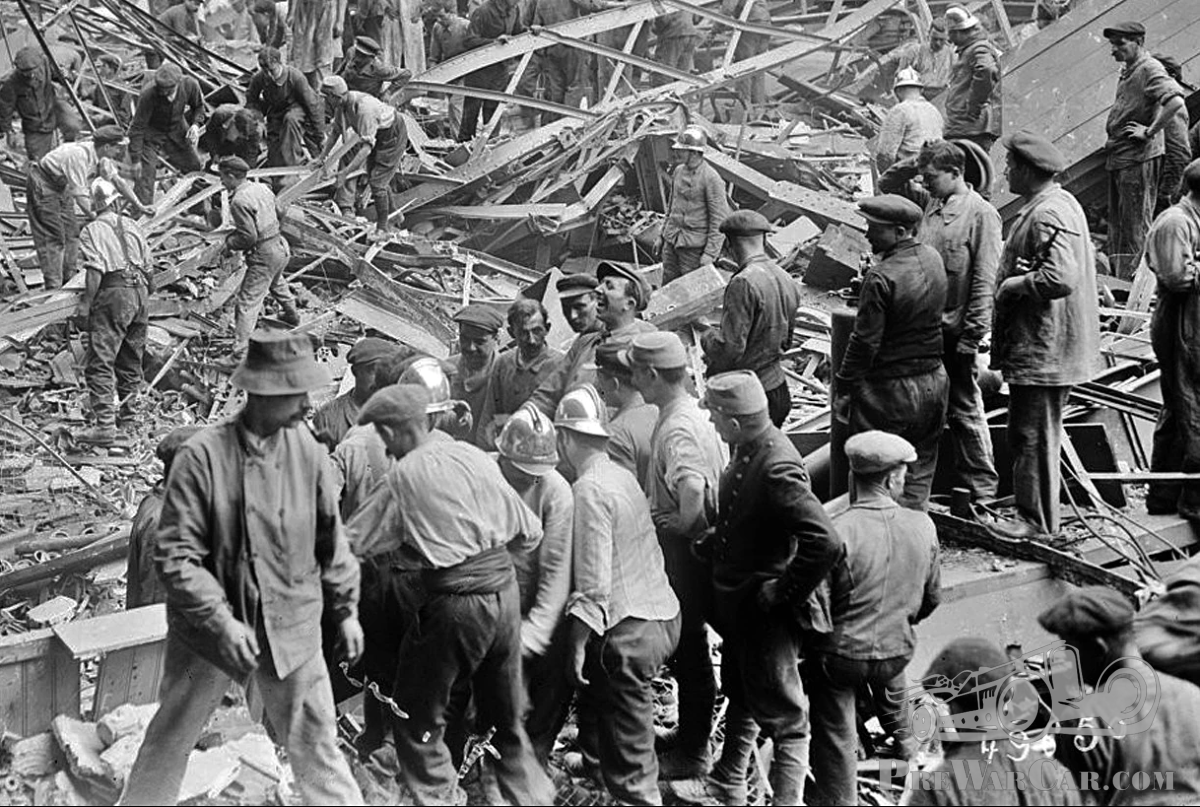
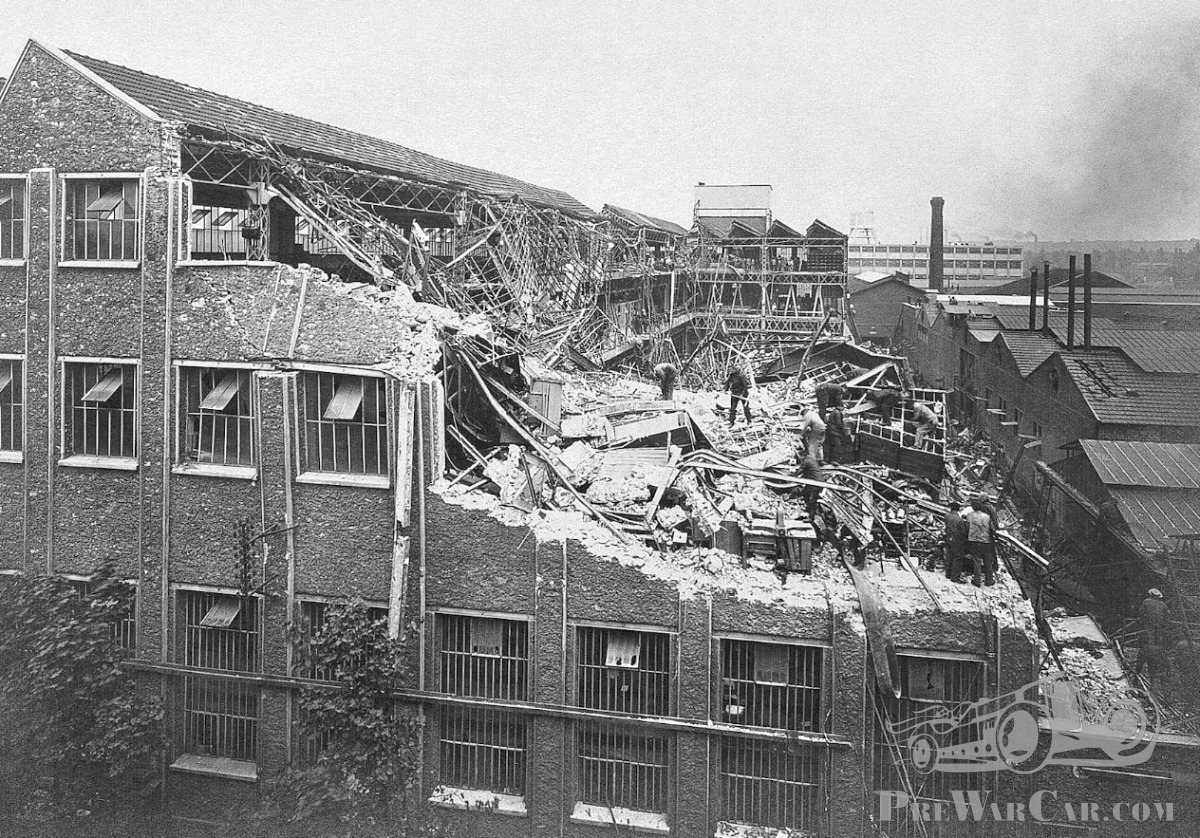


This article is not so much about cars as it is about a car factory — and one that wasn’t very much involved in building cars at the time, on top of that. Still, it makes for some interesting, if not sad, reading — we think.
You may have heard of the great fires at GM’s plant in Livonia in 1953 and at Jaguar’s Browns Lane factory in 1957. But did you know about the disaster that struck the Renault factory at Billancourt 40 years earlier, in June 1917? The difference here is that it wasn’t a fire that caused the catastrophe.
In 1917, Renault was an industrial concern fully engaged in production for WWI, mostly small tanks. On the morning of June 13 that year, tragedy struck the great factory in Billancourt, near Paris, when an explosion-like noise shook the area at 10:10 a.m., and a cloud of dust rose over the site — Building C4 had collapsed as a result of about 100 lathes weighing 7 to 8 tons each installed on the upper floors of the premises. Emergency responders rushed in: firefighters as well as military units. By the afternoon, 19 bodies had been recovered from under the rubble. By nightfall, the death toll had reached 26, including two women and a 13-year-old apprentice, Eugène Blary.
The French nation, already numb from war, was deeply shaken, and a public funeral on June 18 drew no fewer than 30,000 mourners, among them French president Poincaré and Louis Renault himself. A lengthy judicial investigation followed. Reports pointed to poor structural maintenance, ignored warning signs, and the dangerous overloading of machinery. Fault was ultimately shared between the builder, for using inferior materials, and Renault, for exceeding structural limits. After 12 years (!) of investigation, the court ruled in 1929 that no one would be held legally responsible.
Today, the location at 58 Avenue Émile Zola bears no visible trace of the disaster. But in the cemetery at Avenue Pierre Grenier, the graves of Renault workers — among them young Eugène Blary — quietly honour the lives lost too soon in this great industrial tragedy.
Words: Jeroen Booij
Pictures: La Contemporaine, Bibliothèque Nationale de France
Published:
Monday December 8th, 2025
Facebook
LinkedIn
Twitter
WhatsApp
Email
Copy
Comments
Walter Nieuwkoop
09 December 2025, 18:51
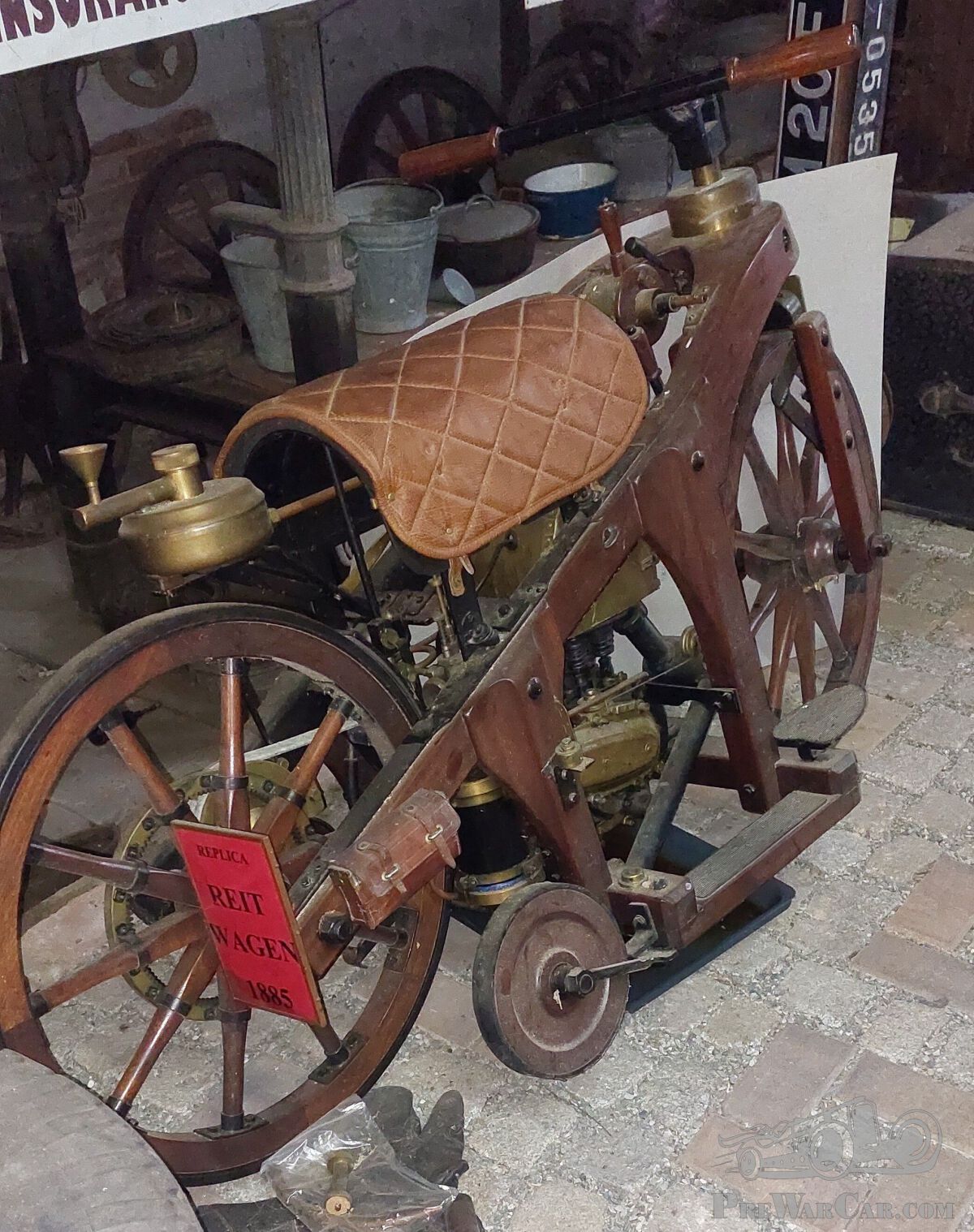
Very sad. The loss of lives is always tragic. I was reminded today about a factory fire at Daimler. Godfried Daimler build a "Reiteagen" in 1885. Basically a wooden framed bike with a 1 cylinder engine. Apparently the fire destroyed everything and no original bikes exit. Only a handful replicas are around. And i recently sold mine which was collected today. Sad to see it go.
Read more