The global magazine and marketplace for classic car enthusiasts, by enthusiasts.


Filter
Make a choice:
- Cars
-
Make >>
-
Year >>
-
- Bikes
-
Location >>
- Parts & more
-
Make of car >>
-
Manufacturer >>
-
Category >>
- Bicycles & more
-
Year >>
-
Countries


What was this ex-Glasgow police car doing in Paris?
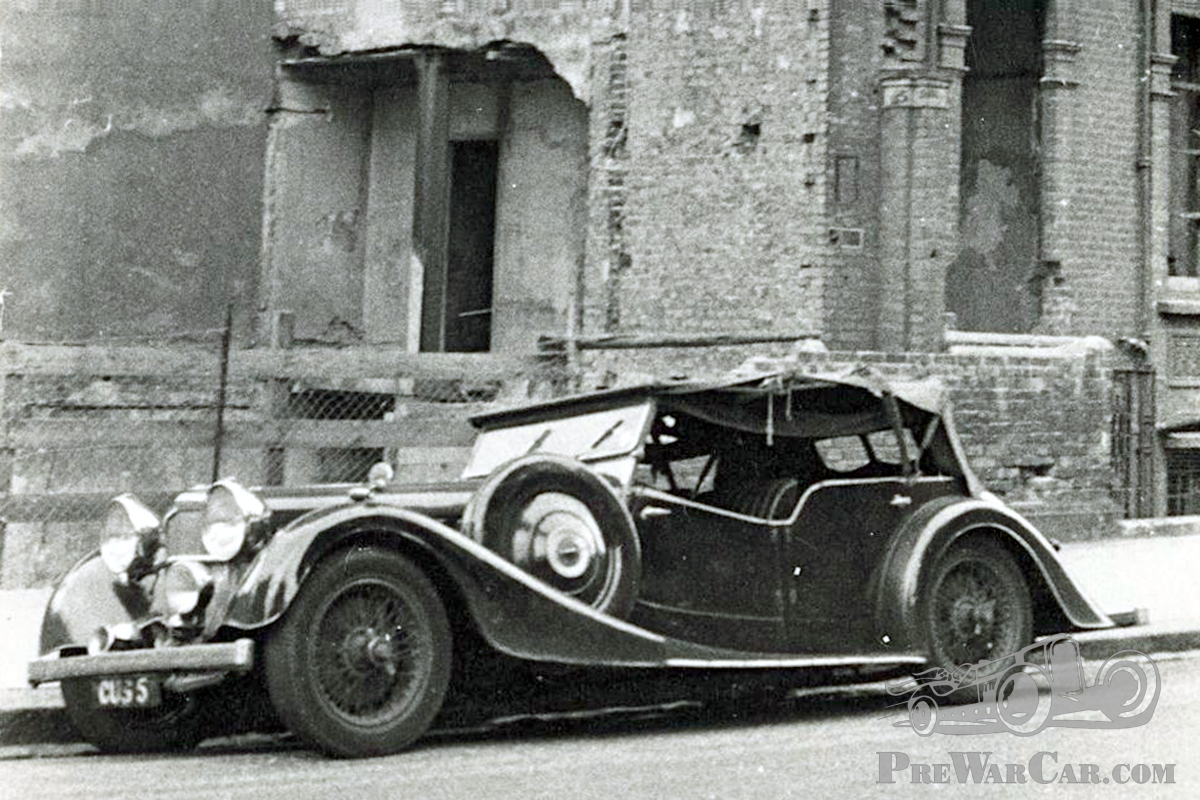
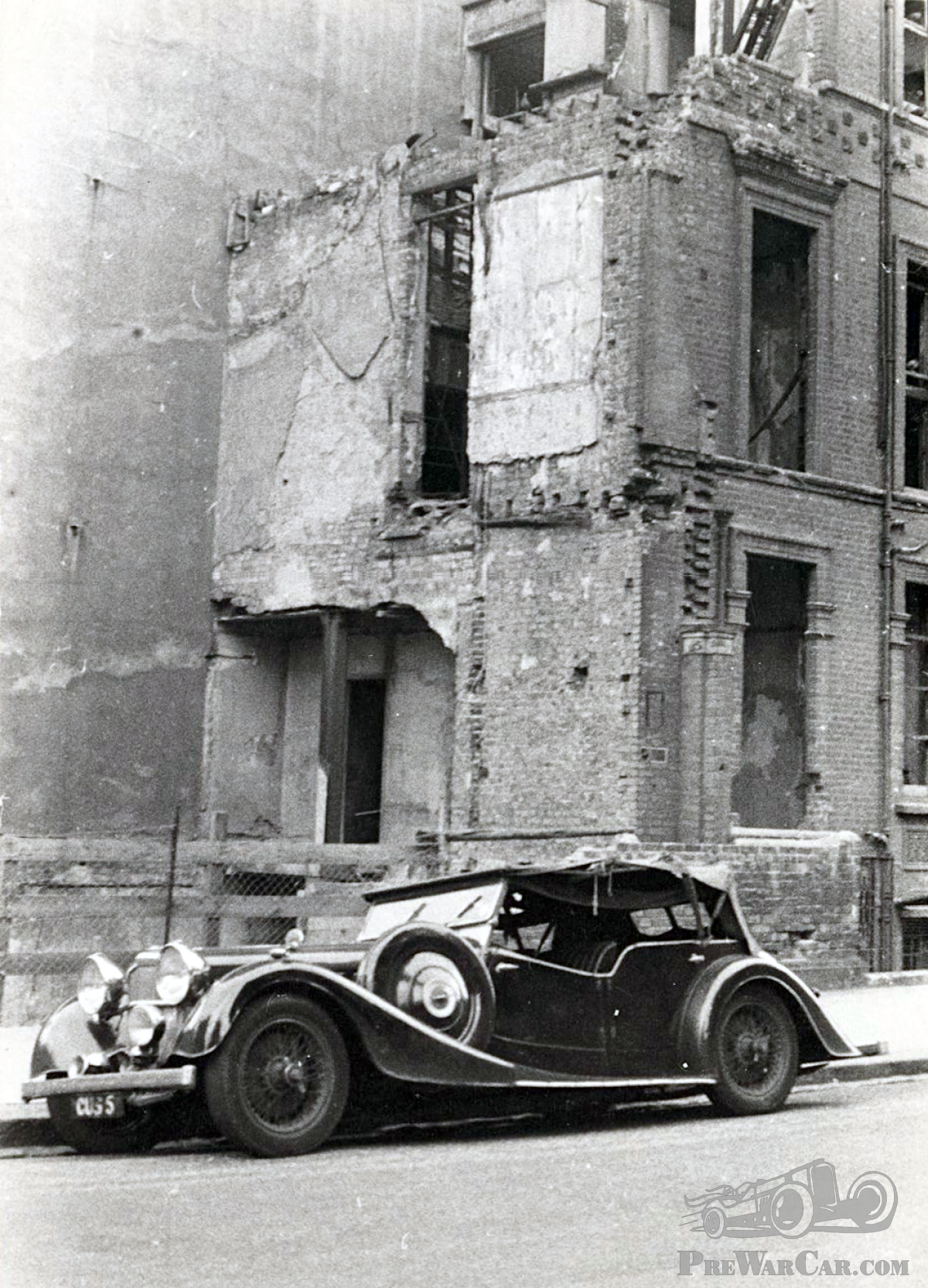


This picture had us intrigued. It comes with the following caption: “Paris – damage from WW2 and antique car.” It is dated 1957–1959. Interesting for a number of reasons. The damage to the houses, at least 12 years after the war had ended, seems long overdue for repair. But let’s say people had other things on their minds.
No, it’s the car that catches our attention. Considered “antique” already in the late 1950s, there is no doubt this is a fine British tourer of the 1930s. Jaguar? Lagonda? Bentley, perhaps? MG SA? No—it’s an Alvis Speed 25 with a Charlesworth Tourer body. If you look closely, you’ll see that the registration plate may read CUS 5 or CUG 5.
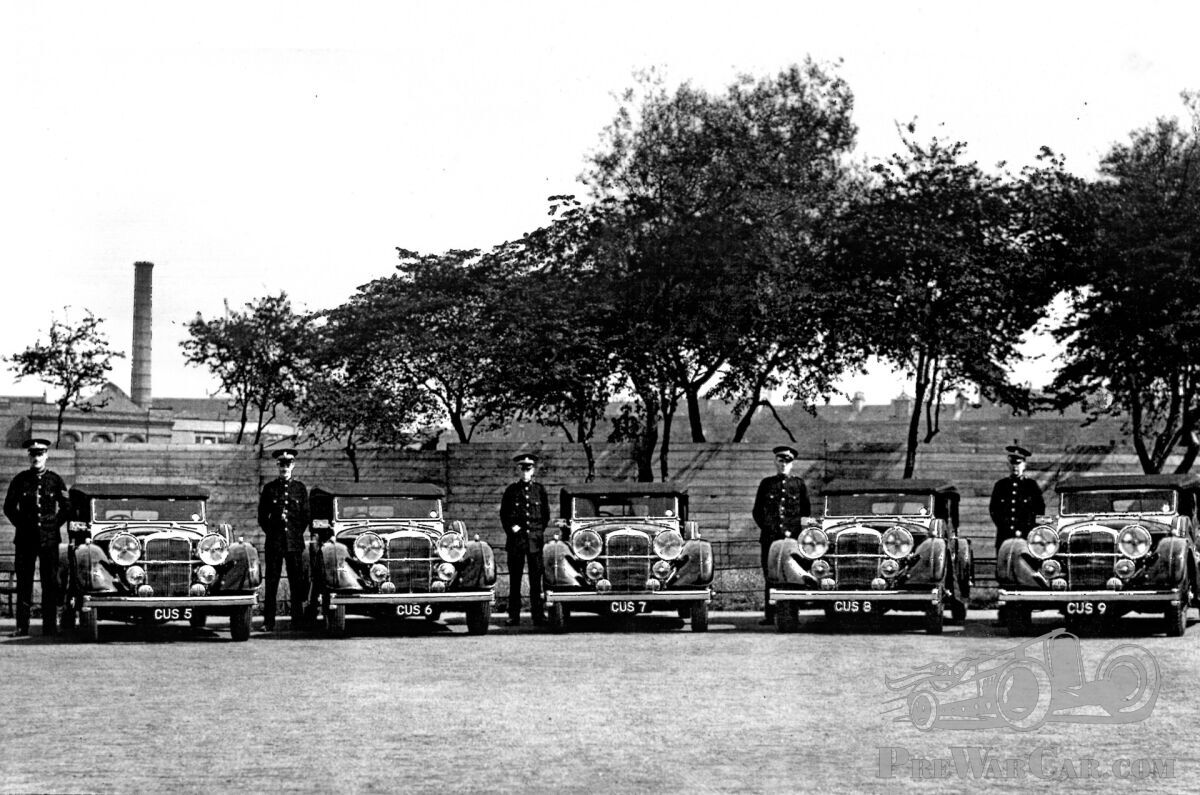
We typed in that first number, and to our great joy we found immediately that the Alvis Register knows this particular car—and even has a wonderful picture of it. This Tourer was sold new to the Glasgow Police in 1933. In fact, it was one of five that went to the forces of law and order, all with consecutive number plates.
So, when this picture was taken, the Charlesworth Tourer was some 25 years old—enough to be considered an antiquity. That also makes it highly unlikely it was still in service with the Glasgow police, chasing Scottish gangsters. So what was it doing in Paris?
Words: Jeroen Booij
Picture: New York Public Library
Published:
Monday August 25th, 2025
Facebook
LinkedIn
Twitter
WhatsApp
Email
Copy
Comments
Trevor Wooding
01 September 2025, 08:02
CUS9 definitely still exists, it is a navy blue car that was previously owned by a friend of mine in Belgium, highly active in Alvis circles. I believe the car is now in Wales . It featured a rather nice police 'Bobby' radiator mascot.
Read more
brian mcmillan
27 August 2025, 00:32
Doug Young in Brisbane had CUS8. It is now owned in Perth.
Read more
David Ward
26 August 2025, 13:13
on the uk DVLA vehicle information site it shows that CUS5 had a log book last issued in 1988, CUS6 had the same in 2011, neither cars show a recent mot or roadtax record, all the other registrations are not showing as recognised anymore
Read more
David Scott
26 August 2025, 09:28
With regard to the "where and when", I would suggest this was, in fact 1949 or 1950 and the owner was an Army type, posted to France for some reason, somewhat "ratty" sporting cars being often owned by military types, especially RAF?
Read more
David Scott
26 August 2025, 09:00
Growing up in South London soon after the war, I can tell you that there were plenty of war-damaged buildings right up into 60s and 70s, that excellent ITV series "The Sweeney" ( still available on DvD) is largely set in South London, and you didn't have to look far to find a "bomb site", usually with a villain like my dodgy" Uncle" Jack selling completely worn-out old cars from it. It was a well-known trick of cabbies to take gullible tourists, usually americans, who wanted to see a "WWII bomb site" round to one of the any slum clearance sites as many of the bomb sites had been cleared? South London, even Blackheath where we lived after my parents and grandparents house on the Heath was badly damaged by incendiaries, was seen as much more down market than North London and thus less remunerative to restore or redevelop? To this day it's difficult to persuade a black cab to go "Sarf of der river". But it was still a brilliant place to grow up!! I was very privileged to have had such an interesting family and life there, London was undoubtedly a "foreign country" to the rest of the UK, as I found out when we left London for a modest seaside resort on the South Coast, we may as well have come from Arcturus!
Read more
Mark Sampson
26 August 2025, 04:09
The car looks quite drivable except for the top, which has collapsed from neglect. If it had been left outside for any number of years, it would show more damage. So I suspect that it had been stored in a shed for a long time, perhaps due to unavailable repair parts. Whether that storage began before or after WWII, or if the location is indeed Paris, we may never know. I hope that 68 years after this photo, the car has been restored, and is still with us.
Read more
Anthony Green
25 August 2025, 18:49
Yes, you’re right. Upon reflection, it is plausible. There were factories on the Paris outskirts that were targeted by both sides. Plus railway marshalling yards where collateral damage often occurred. I reacted a little too quickly early this morning. My apologies to Jeroen Booij and to The New York Public Library.
Read more
Frank Mertens
25 August 2025, 16:20
According to the Alvis Speed 25 register CUS 5 was delivered on June 16, 1939. Alvis Speed 25’s were not produced until 1936.
Read more
Anthony Green
25 August 2025, 07:18
With respect, the photo doesn’t look very much like Paris, despite the caption. Also, brick buildings are extremely rare in Paris, if not non-existent, and the city-proper suffered very limited bomb damage during WW2. In sum, to find a war-damaged brick building in Paris in the 1950s would have been very difficult. But regrettably I can’t offer a credible alternative…
Read more
Ben Stephens
25 August 2025, 11:08
I don’t think it is entirely implausible. Areas of Paris in the Western Suburbs which had industry were hit, both at the start and mid war by both Germans and Allies.
There are some fairly well known photos taken in places such as the Rue de Championet showing brick built buildings after the bombing. I am not sure when the reconstruction took place, but, reading books such as Paris Vagabond makes you realise it was a slow pace in places like Paris, as they cleared areas to make way for more modern housing etc.
Read more
There are some fairly well known photos taken in places such as the Rue de Championet showing brick built buildings after the bombing. I am not sure when the reconstruction took place, but, reading books such as Paris Vagabond makes you realise it was a slow pace in places like Paris, as they cleared areas to make way for more modern housing etc.