The global magazine and marketplace for classic car enthusiasts, by enthusiasts.


Filter
Make a choice:
- Cars
-
Make >>
- Bikes
-
Location >>
- Parts & more
-
Make of car >>
-
Manufacturer >>
-
Category >>
- Bicycles & more
-
Year >>
-
Countries


Wrestling the 1898 Mors V4 to Brighton? Not quite
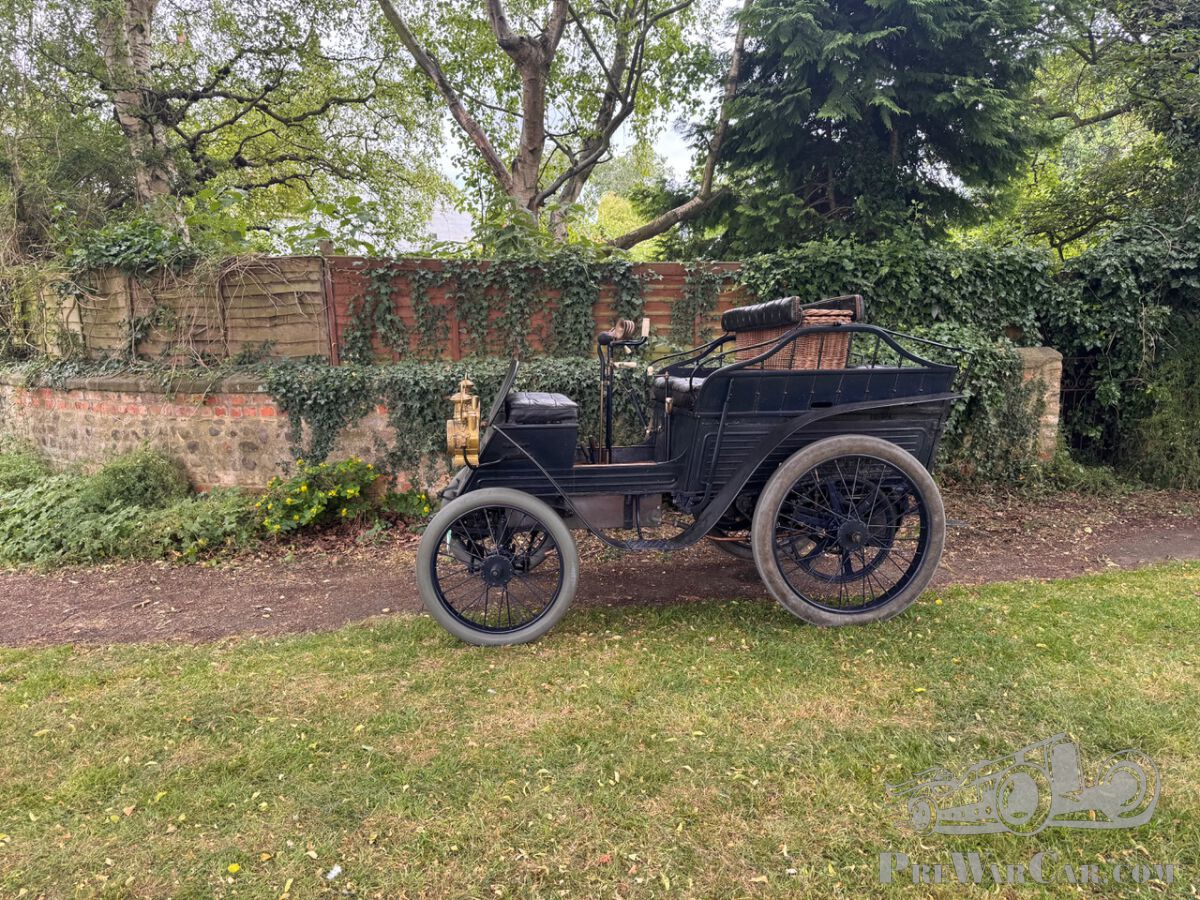
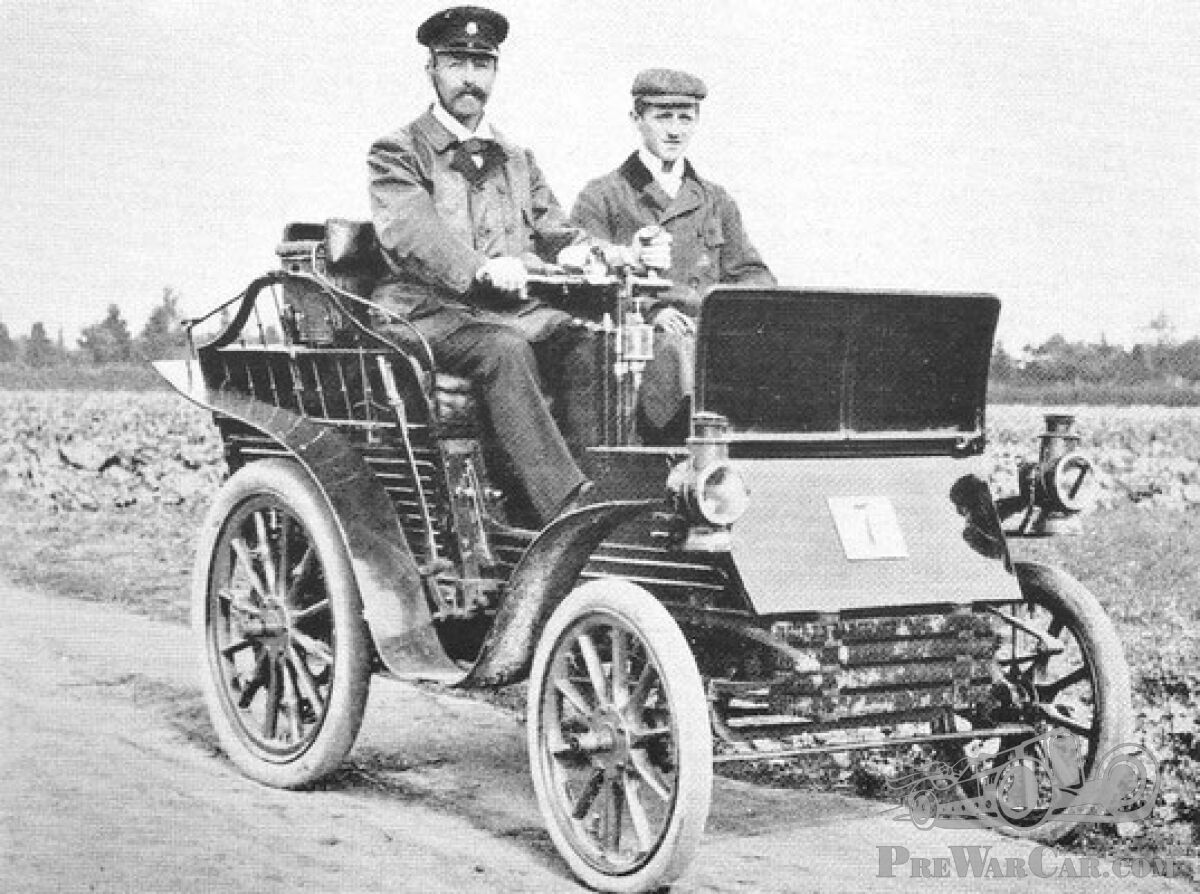
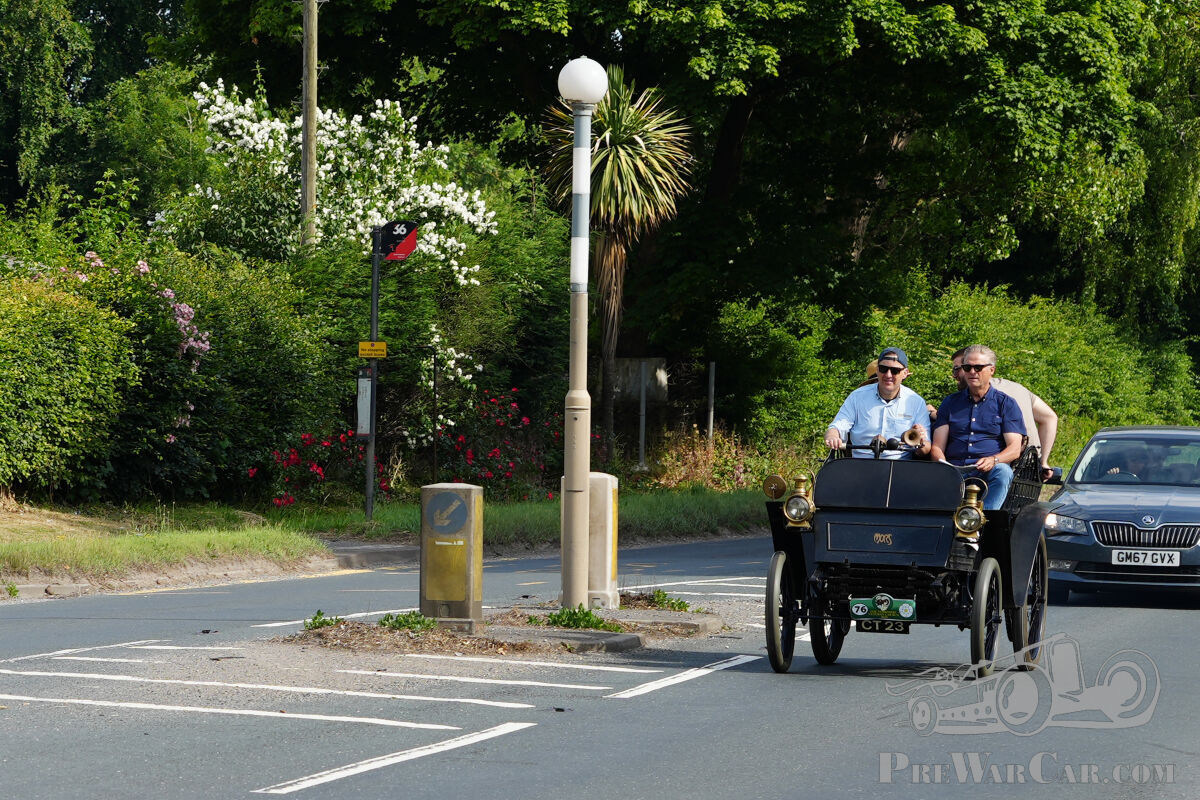
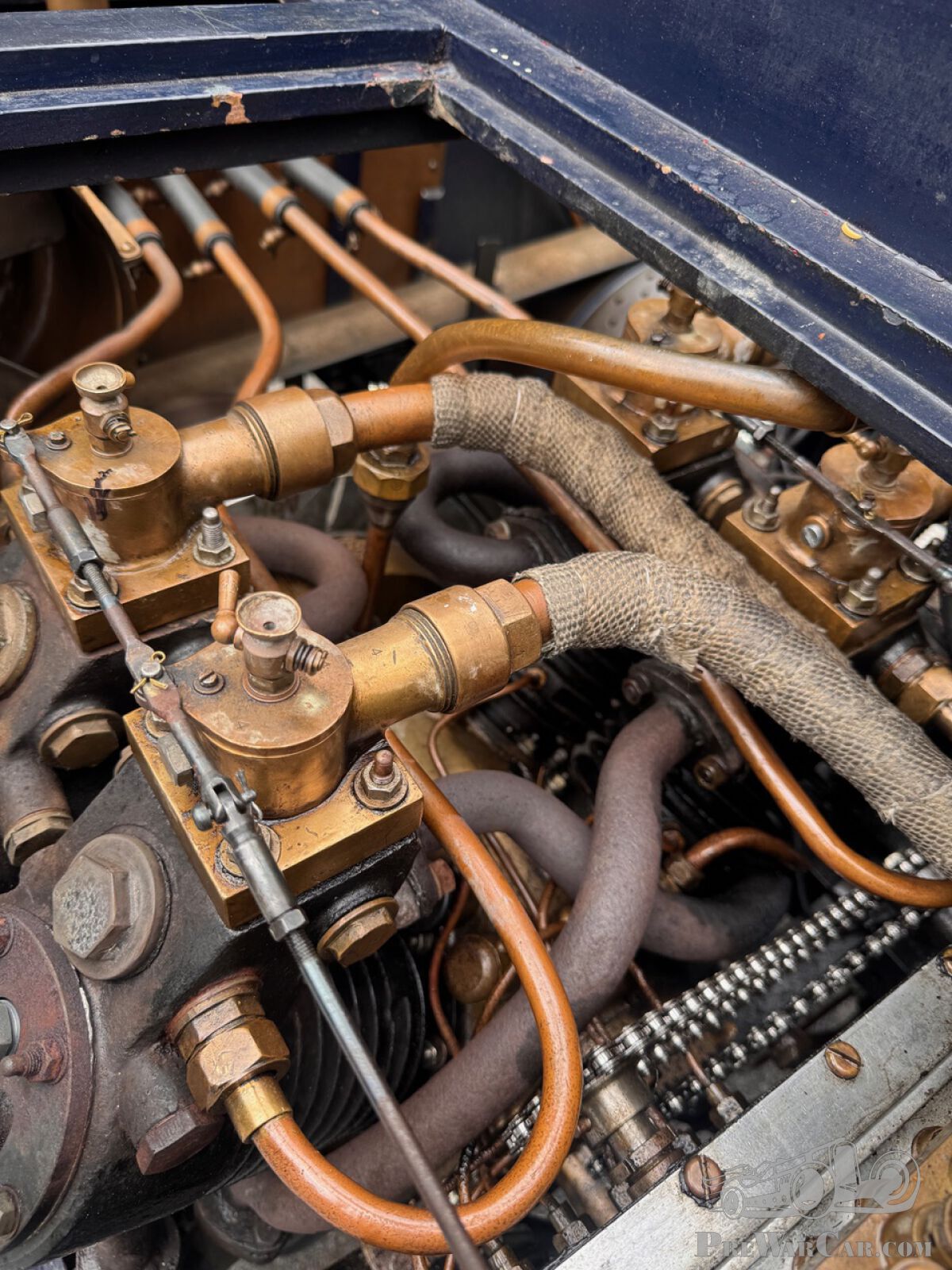
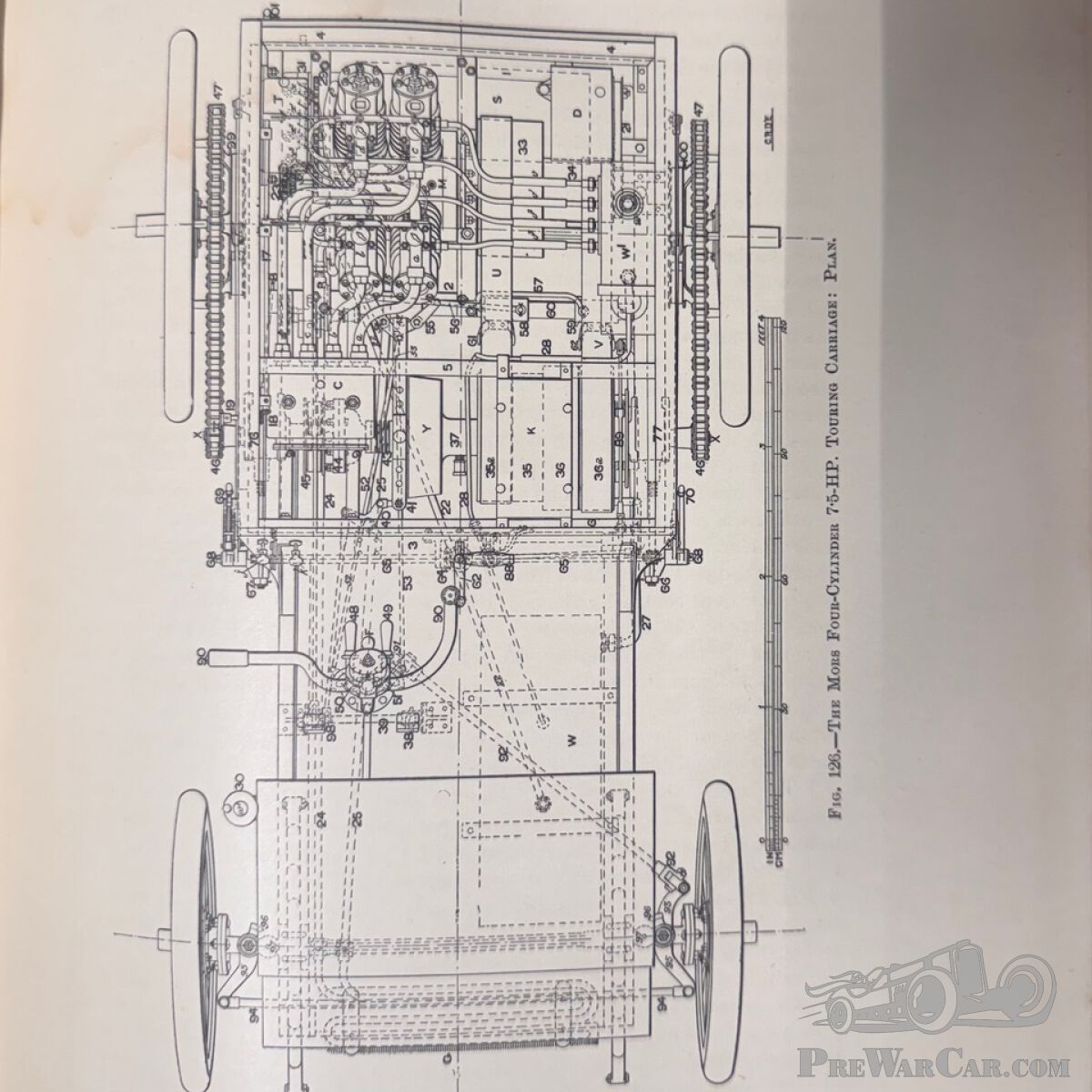
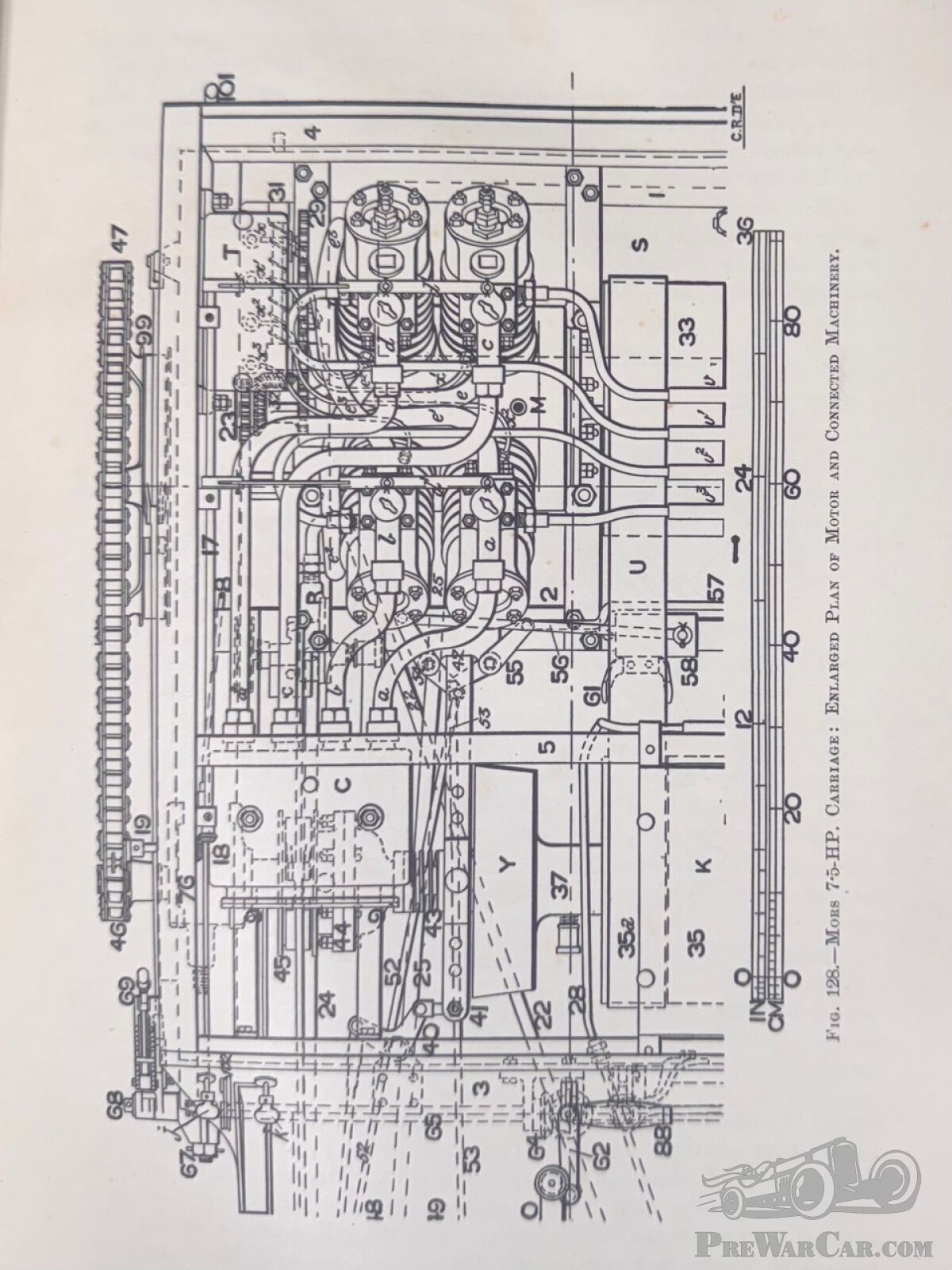
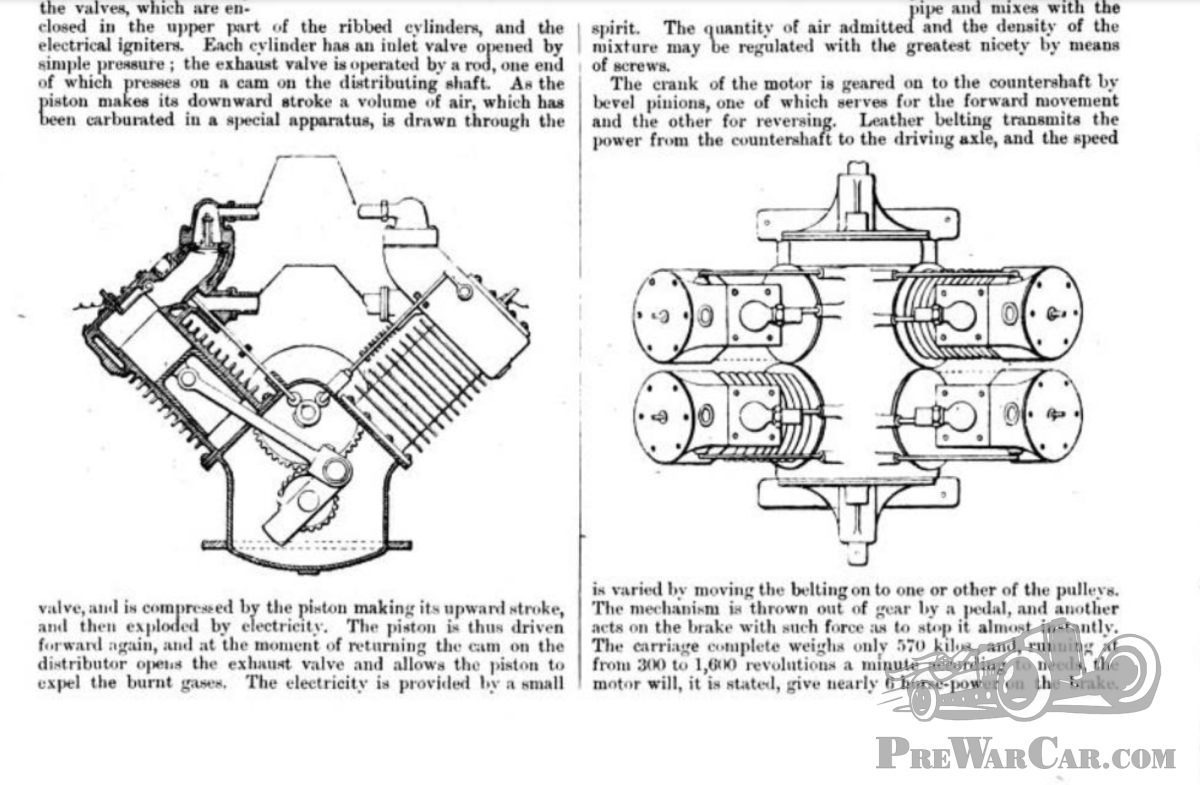
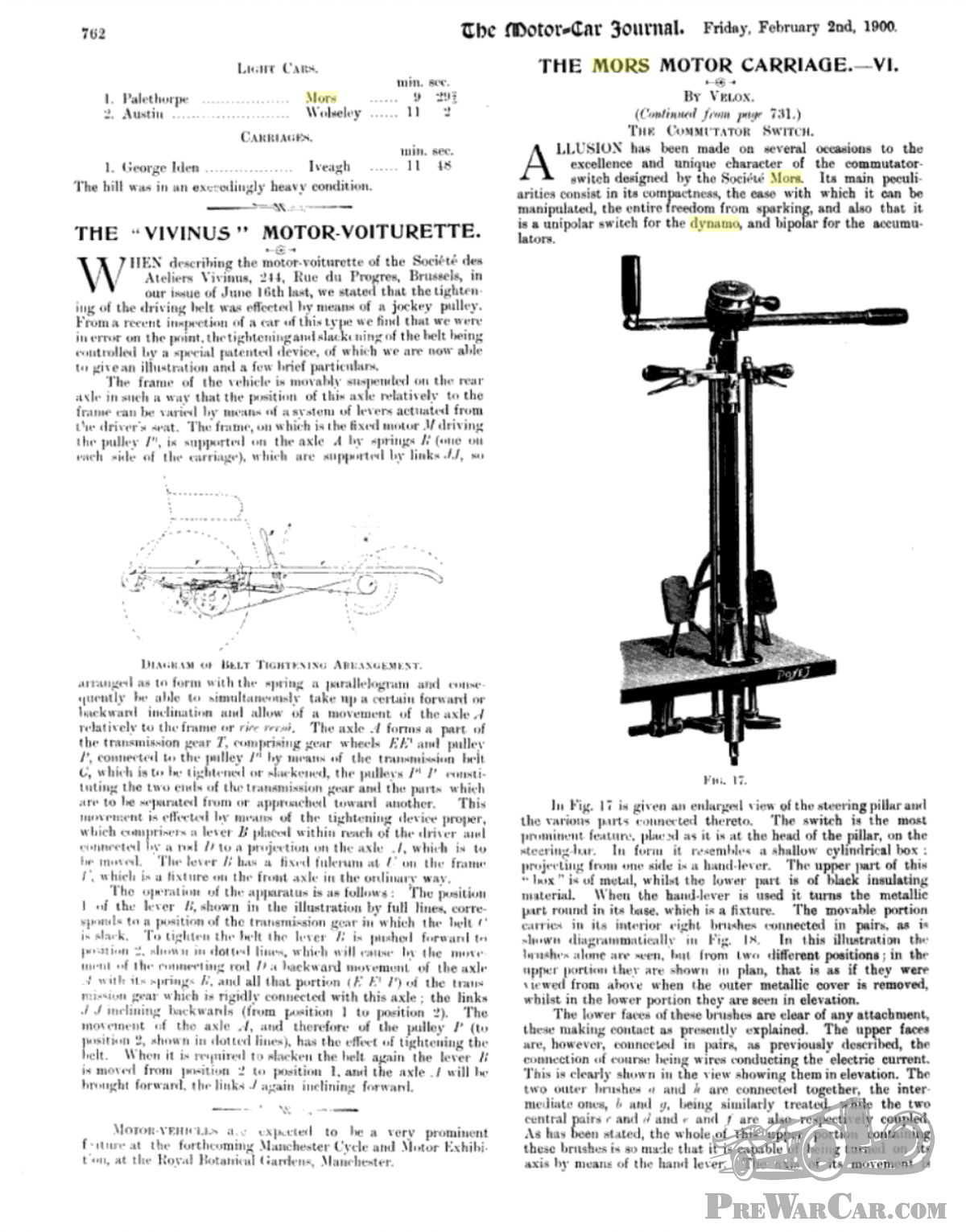
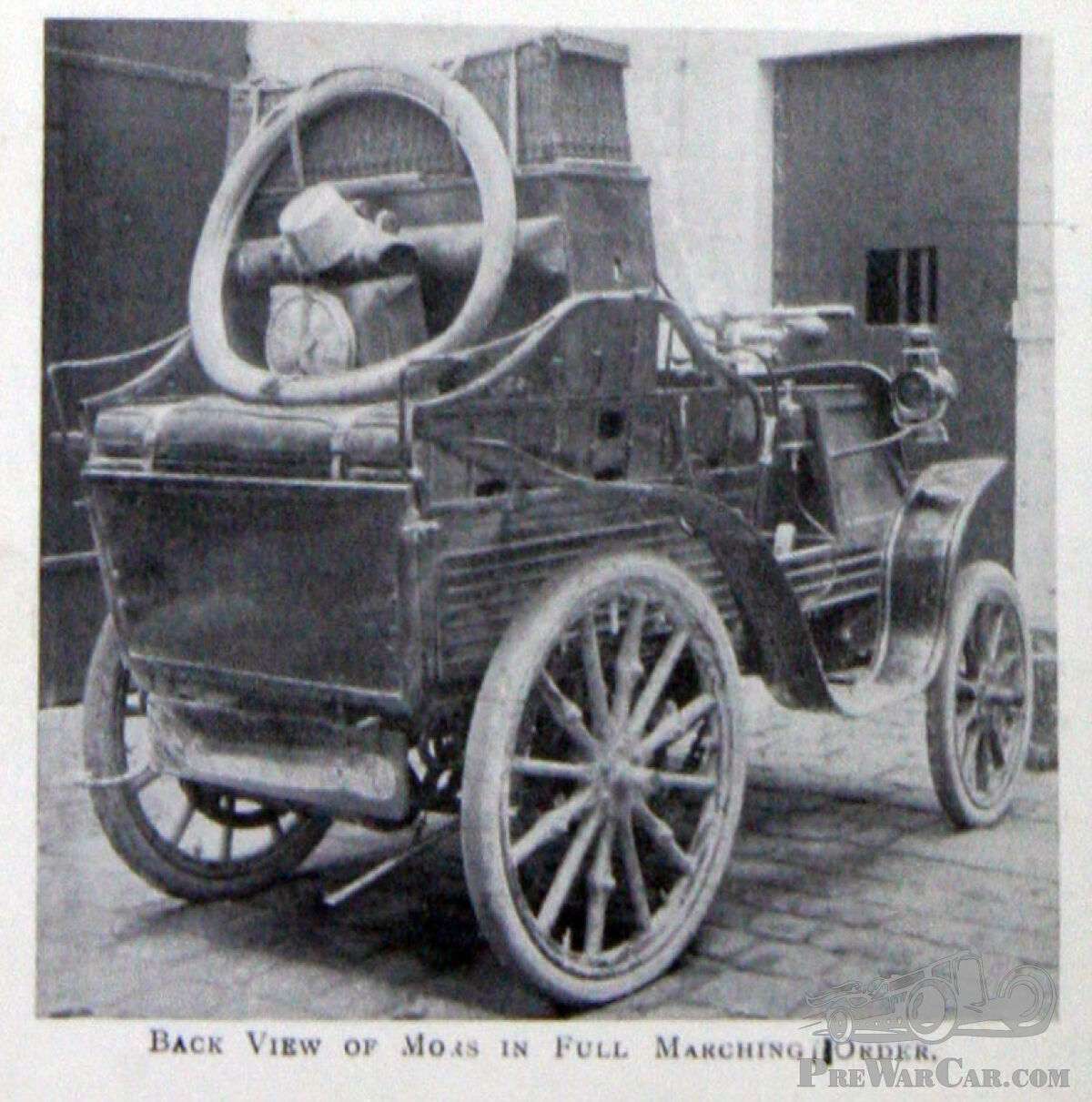
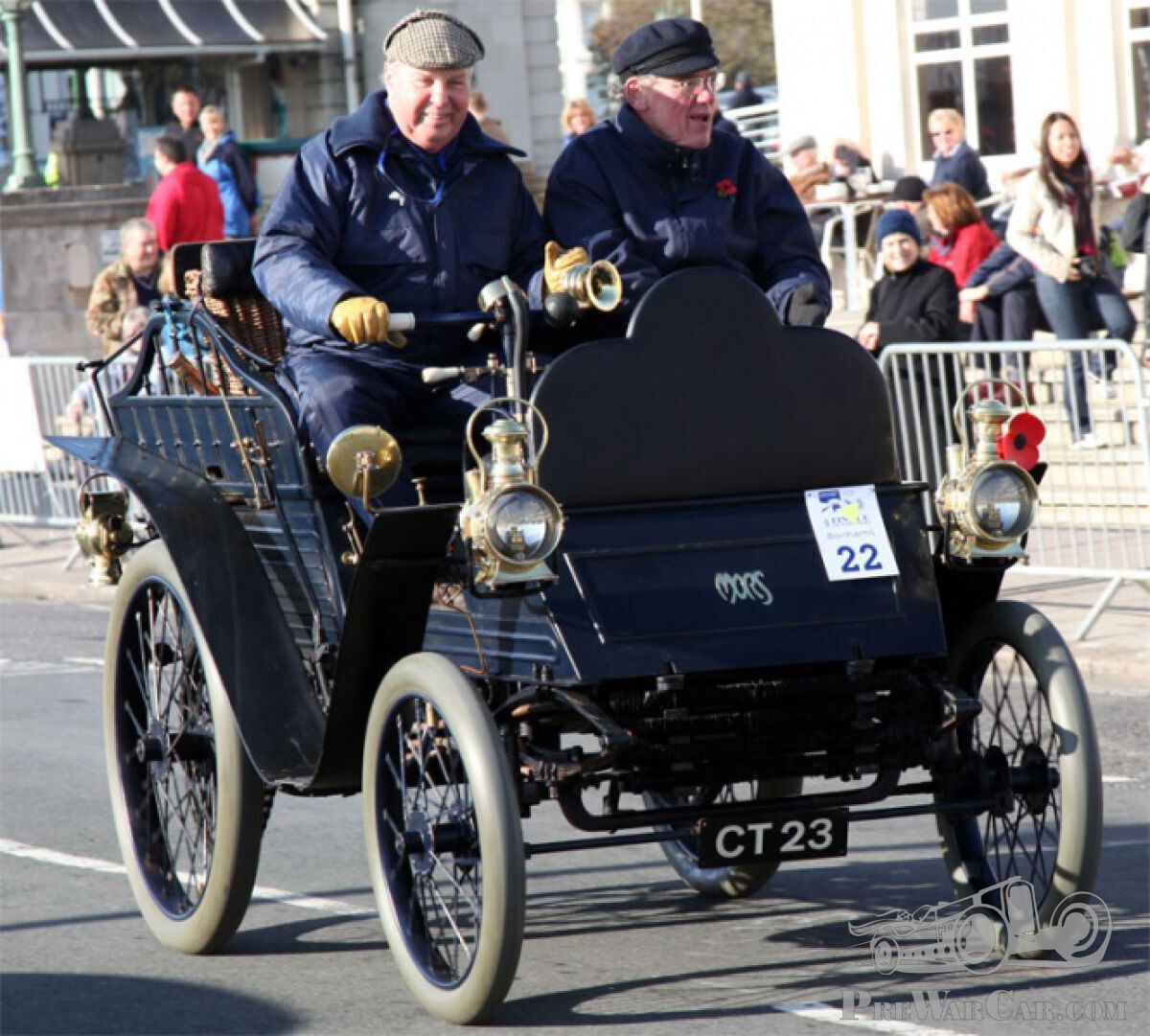
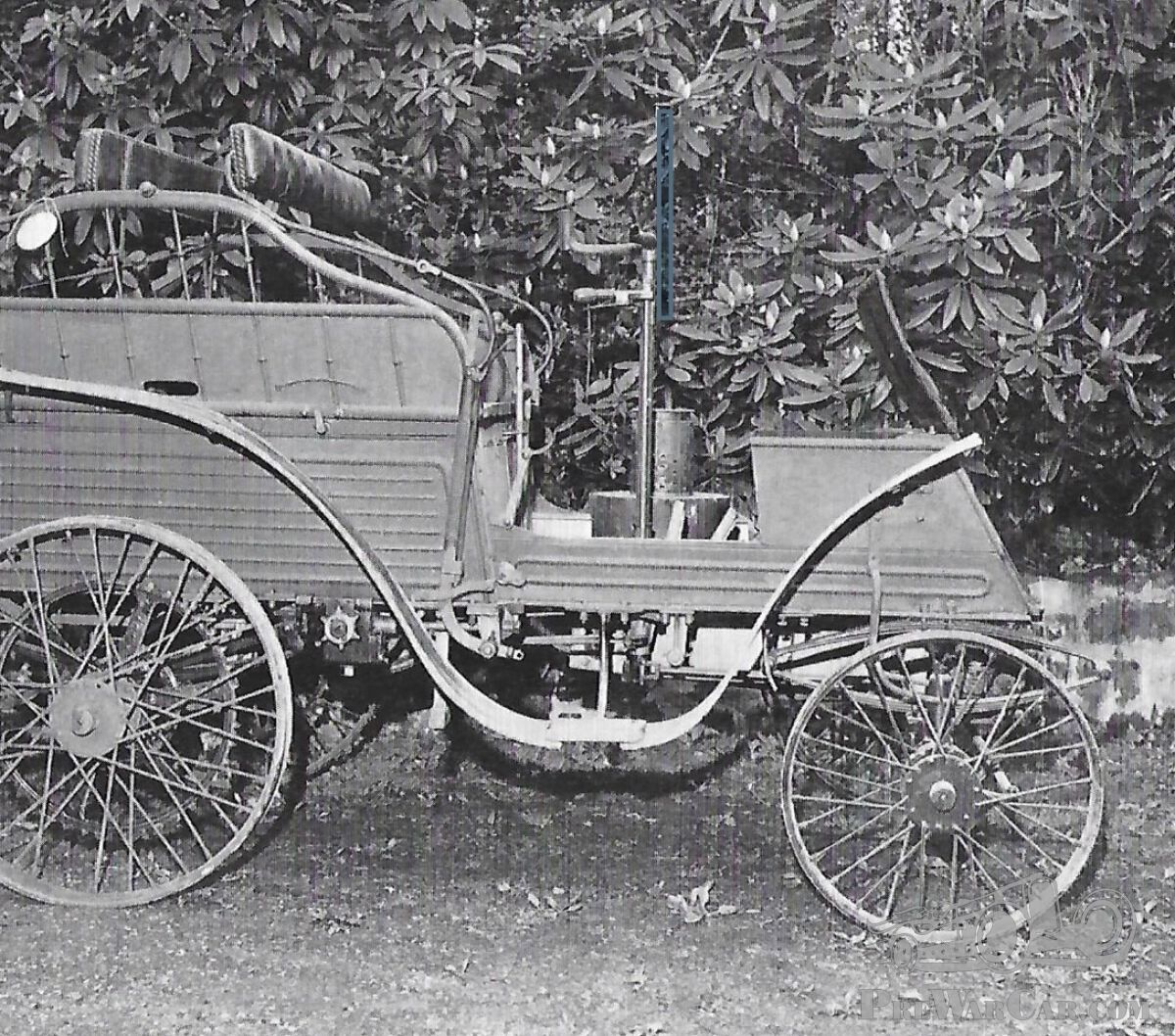


With the London to Brighton Veteran Car Run approaching soon, we’ve already taken a look at the mouth-watering entry list of over 400 vehicles. One of the cars that immediately caught our attention is a Mors Dog Cart. We first came across this car earlier this year at the Yorkshire Veteran Car Run and were instantly impressed. After all, this is not just a simple chassis with four wheels – it’s a well-engineered 1898 car with a V4 engine. Yes, you read that correctly: a V4, a genuine four-cylinder. What must it be like to drive such a machine? We thought it was worth looking into further.
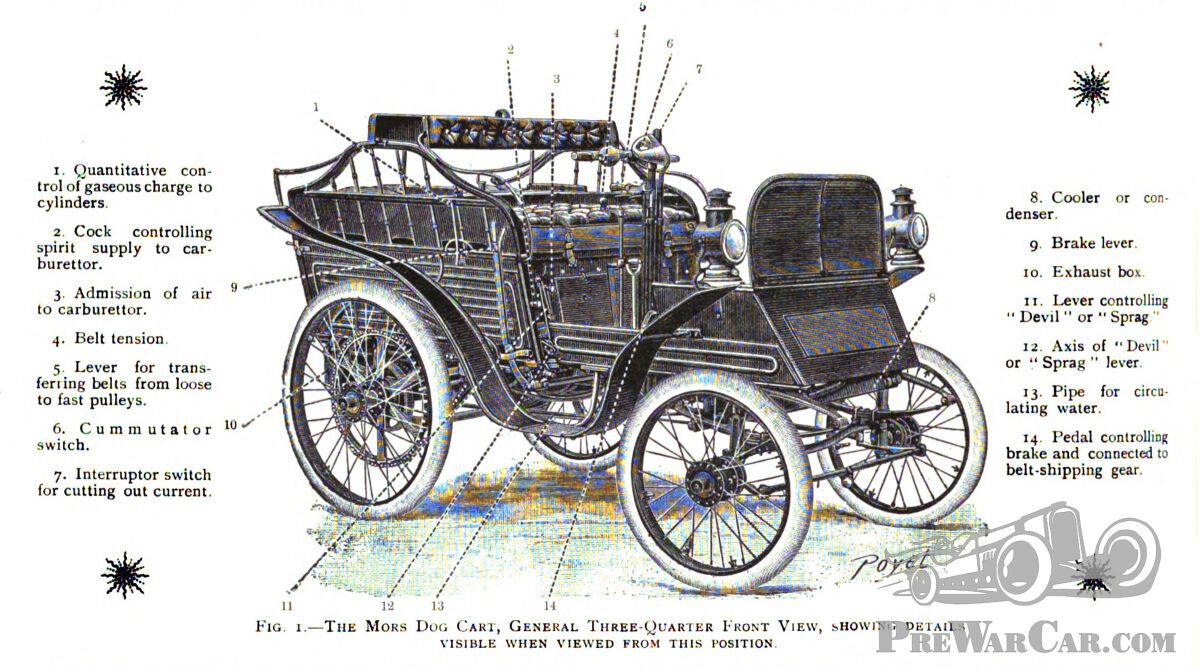
The first thing we found was an old drawing explaining the controls. There’s a lever for fuel delivery, another for manually feeding petrol into the carburetor, one for the air intake. Add to that a lever to tighten the belt, one to move the belt between pulleys, a handbrake, and finally a footbrake. That makes seven already – and we’re probably forgetting one or two. before even gripping the steering wheel with both hands. Quite the challenge.
But it’s a challenge the new Canadian owner is eager to take on. Together with veteran car specialist Evan Ide, they have tested the Mors extensively to get it ready for this year’s Run. Both are no strangers to early motoring, taking part each year with a small group of veterans, but despite its age, the car surprises with its composure. Evan describes it as “one of the nicest driving veterans I’ve piloted – very relaxing, with impressive hill-climbing even with four on board. It will crawl in high gear and pull away again without complaint. The brakes are excellent at low speeds, though like any early car you have to keep the pace under control.”
Short history of the car
This particular Mors began life in 1898, supplied by Friswell Ltd. It was exhibited at the Automobile Club Show in Richmond in June 1899, where Mr. Friswell himself drove it in a rally. Decades later, in 1963, the car resurfaced in Ireland before passing into the collection of the late Robert Brooks, the well-known auctioneer and early motoring enthusiast. Last year, it crossed the Atlantic to its current owner.
Mors built nearly 200 V4-powered cars in 1898, yet as far as records show, this is the only one that survives today.
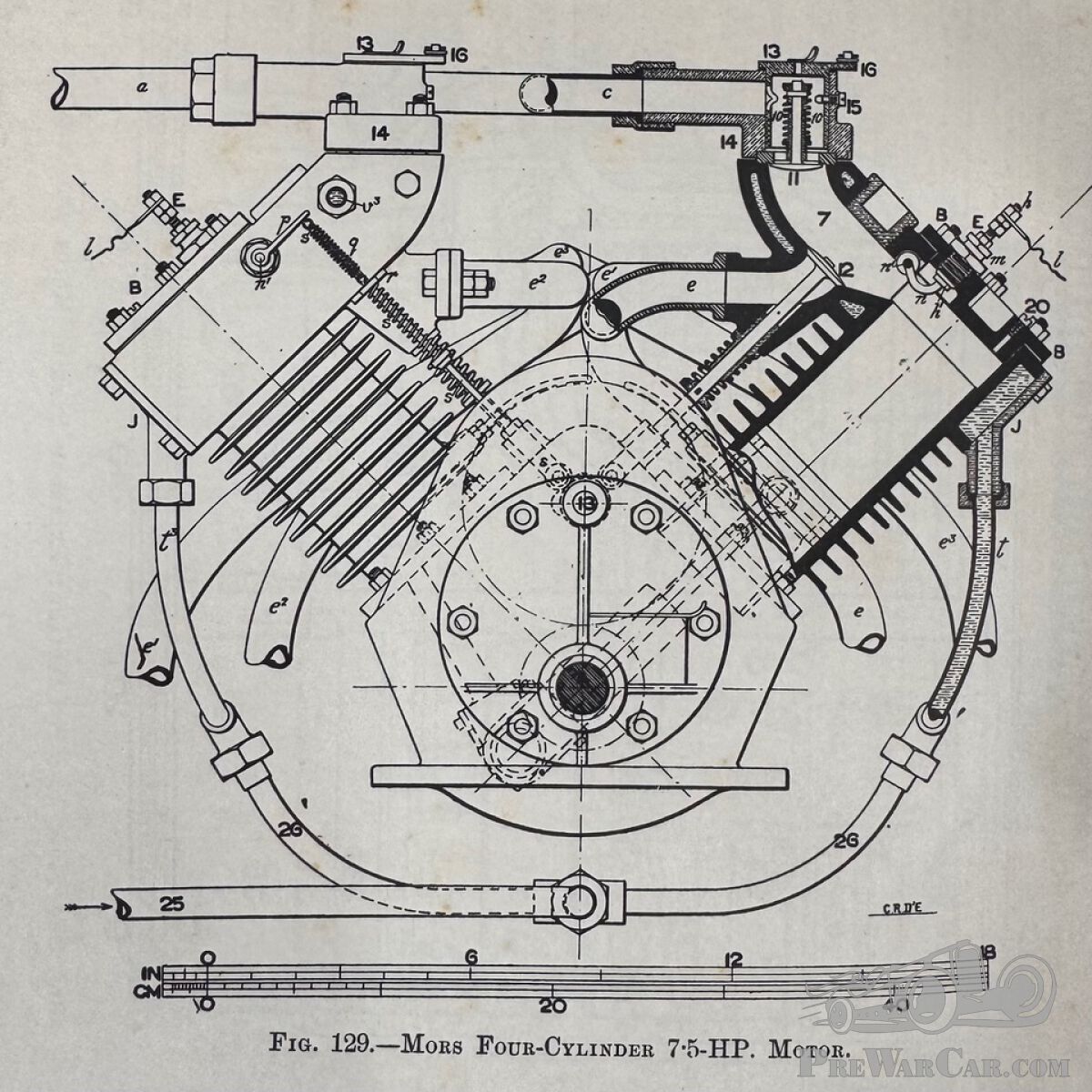
The heart of the Dog Cart is its cleverly designed V4. When we asked Evan what he thinks of the engine, he was quick to reply: “The car is an engineering marvel. The four cylinders are mounted to a bronze crankcase and, in true Mors fashion, have air-cooled barrels with water-cooled heads. A small fan was added some time ago to help cool the rear cylinders, and I’ve never had an issue with overheating.”
Evan continues: “Mors developed what I consider a very clever and advanced intake system. Each cylinder has its own throttle around the intake valve, and elegantly bent pipes lead to a central plenum. A single bowl feeds four separate throats, and each intake pipe is shaped to ensure the same length – the exhaust is designed in the same way. This layout solved a common problem with multi-cylinder engines using atmospheric intake valves, where backflow can disrupt the mixture and make the engine run erratically, especially at idle. By keeping each intake separate, Mors avoided this issue, and it’s one of the reasons the engine runs so smoothly.”
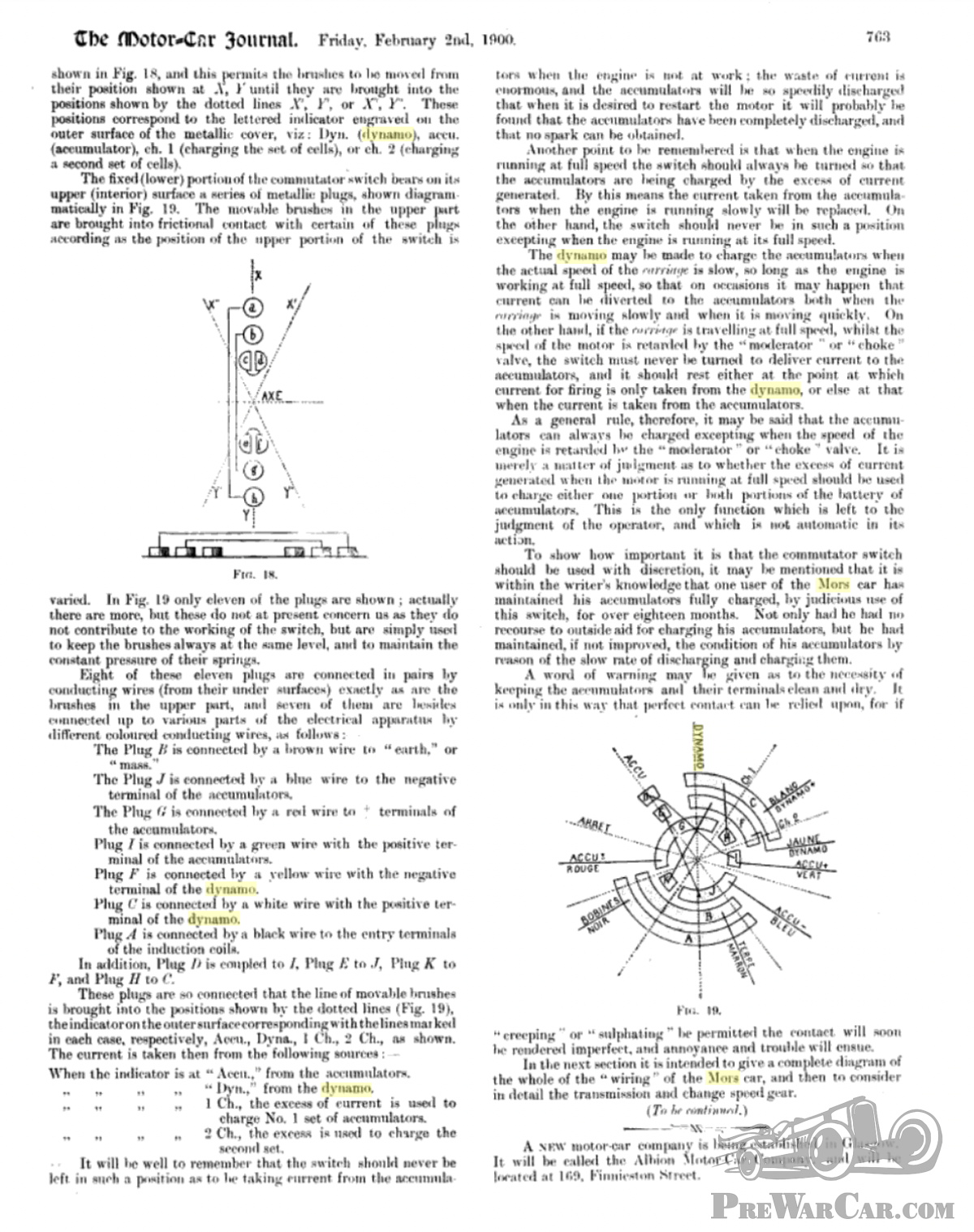
He adds: “Like most Mors cars, this one originally had a make-and-break ignition system powered by a low-tension dynamo. That dynamo not only ran the ignition coil but also charged the starting battery – very advanced for the period. Unfortunately, at some point it was replaced with a trembler system, but I’m working to put the original setup back. If anyone has ever seen a Mors dynamo, I’d love to hear about it.”
Since its acquisition, the Mors has required only careful fettling and a return to period-style pneumatic tyres. As with all veterans, there’s always more to do, but the immediate goal is clear: the London to Brighton Run.
The 1898 Mors will carry start number 20 in the 2025 London to Brighton Veteran Car Run. It is scheduled to set off from Hyde Park at 6:56 a.m. on Sunday, November 2nd. We can’t wait to see it in action!
Text by Laurens Klein
Published:
Monday October 13th, 2025
Facebook
LinkedIn
Twitter
WhatsApp
Email
Copy
Comments
Peter Flower
19 October 2025, 13:17
If there is a manual pump to deliver fuel to the engine, does this mean that there is no aspirational venturi effect? Does the fuel enter the cylinders in a stream, or in an aerosol?
Read more