The global magazine and marketplace for classic car enthusiasts, by enthusiasts.


Filter
Classic Mercer for sale - Mercer cars for sale
-

1929 Fiat 514 Lusso
Make: Fiat Model: 514 Lusso Year: 1929 Chassis: 514 036491 Vintage & Prestige is proud to offer this stunning example of a 1929 Fiat 514 Lusso. The Fiat 514 was the flagship medium-sized car made by Fiat at the time. It was produced for a sh.. -
Rolls-Royce Phantom I Barker Enclosed Limousine
49WR is a long type chassis with engine number KT45; the chassis was completed in September 1928. In November 1928 the chassis was sold to Barker & Co. (Coachbuilders) Ltd. as stock. Barker built the beautiful 7-seater Enclosed Limousine body on the chassis. Early in 1929 Barker sold 49WR to their customer Mr Morris, who lived at 11A, Portla.. -
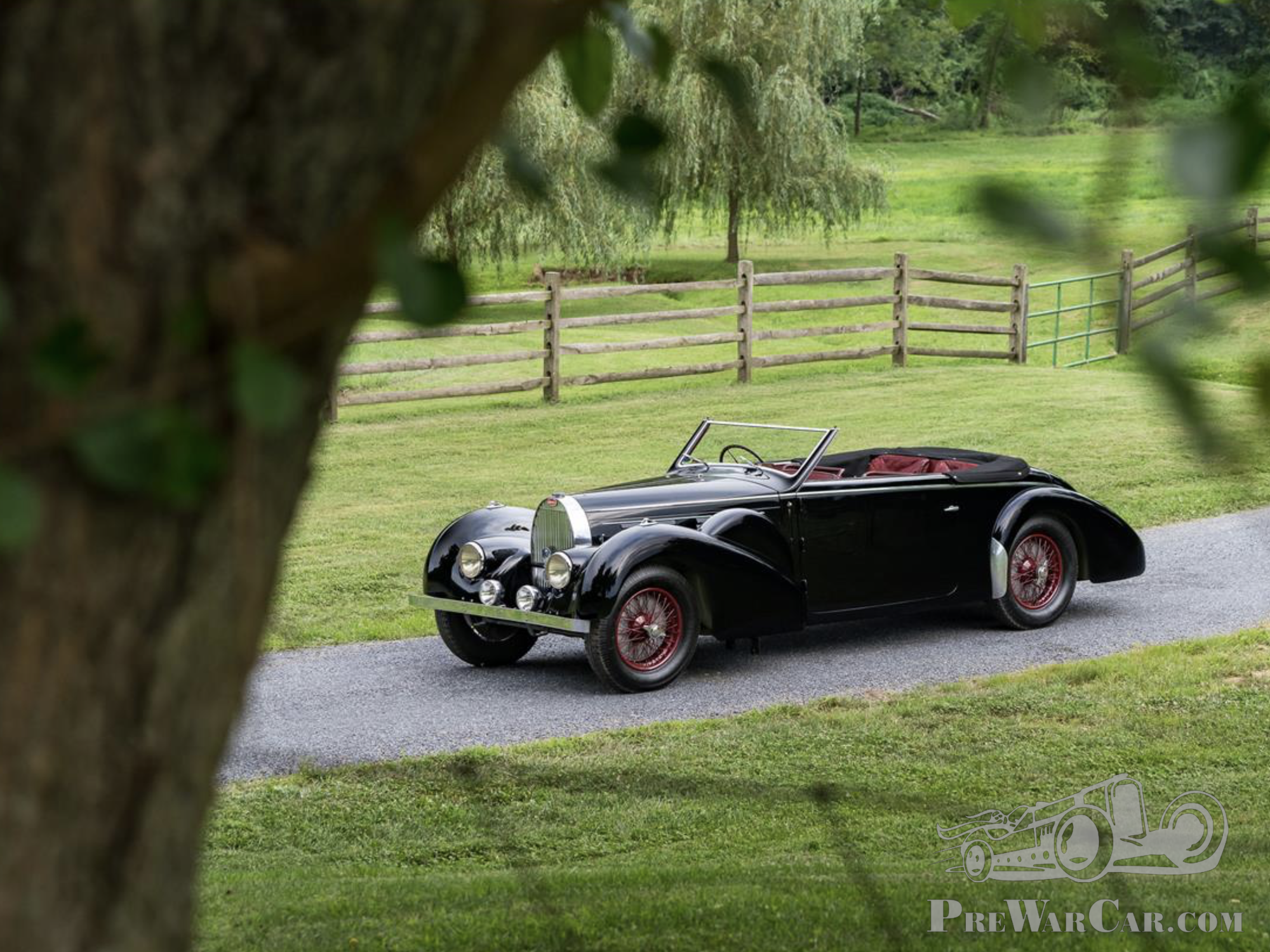
Deposit Taken - 1938 Bugatti Type 57 Stelvio Cabriolet Ex Lord Howe
1938 Bugatti Type 57 Stelvio Cabriolet A Matching numbers car with original engine number 496 in situ. - Chassis # 57679 USA Registered.- Engine # 496- Ordered New By Francis Curzon, The 5th Earl Howe- Featuring A Rich History & Unique .. -
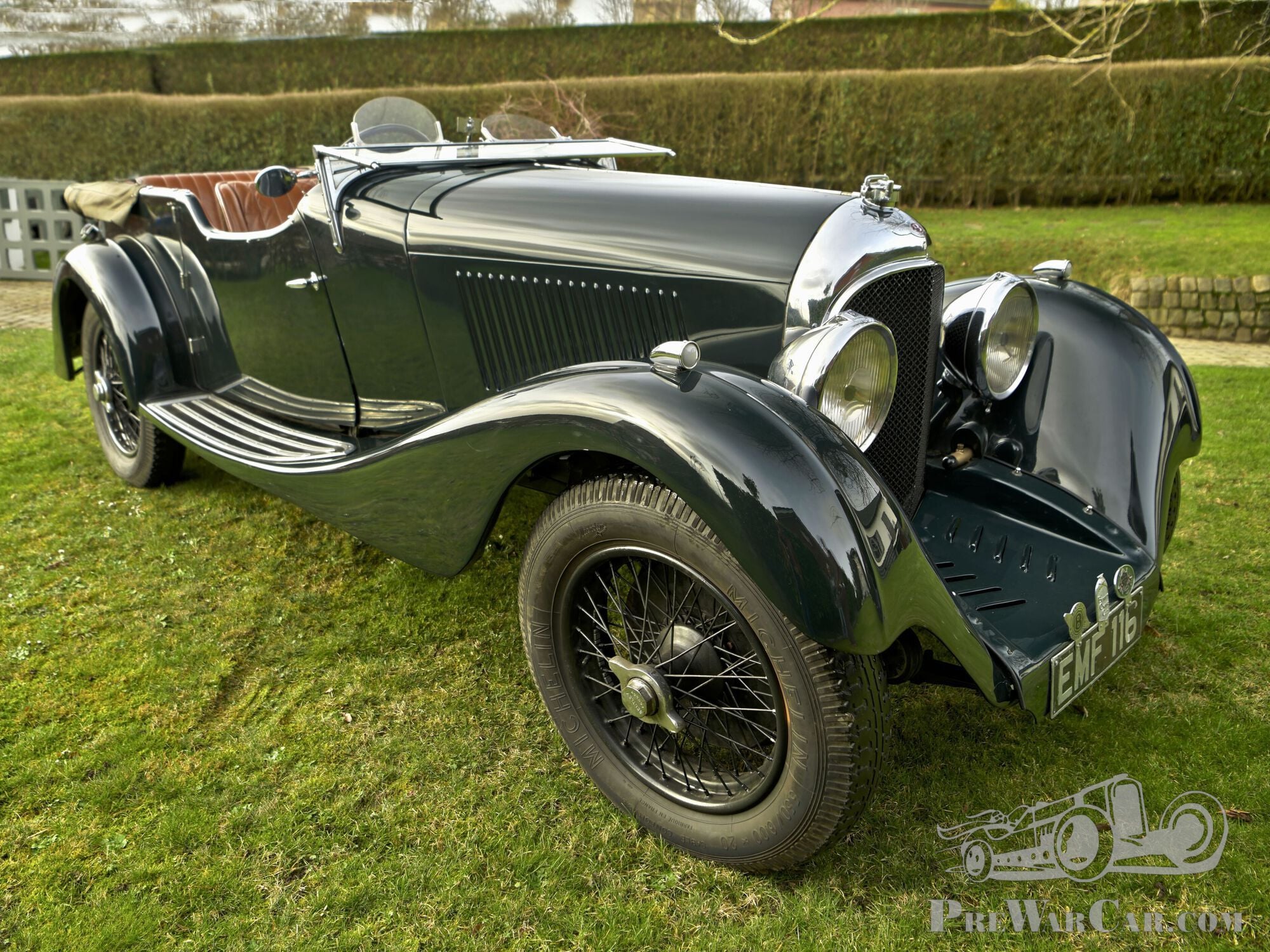
1931 Bentley 3 litre red label speed model Vanden Plas drophead
1931 Bentley 3 litre red label speed model Vanden Plas drophead Chassis Number: RC33 Registration Number: EMF116 Engine number: RC396E The second to last W.O. Bentley ever built. This car was finished by Rolls Royce along with three other examples after their takeo.. -
1933 Rolls Royce Phantom 2 Henley Roadster LHD
1933 Rolls Royce Phantom 2 Henley Roadster LHD Chassis number: 219AMS Registration Number: TBA A painstaking resration of this rare Left hand Drive Phantom 2. This car started life as a Newport Sedanca built in the USA. It in recent years had a nut & bolt restoation at simpl.. -
Talbot 110 / 105 Special
1937 TALBOT 110 / 105 SPECIAL Registration: DYE 64First registered in May 1937 as a Talbot 110 Saloon, bought in 2004 by current owner as a “rolling Chassis”. Subsequently rebuilt over a period of several years as a Sporting Talbot 2 seat special.The original 110 chassis was shortened to 9 foot and a completely new 2-seater body bu.. -
1924 Rolls Royce Silver Ghost Barrel sided tourer.
1924 Rolls Royce Silver Ghost Barrel sided tourer. Chassis Number: 100RM Registration Number: HC4713 100RM started life with a Cockshoot body but was subsequently rebodied as a barrel sided tourer as we find it today. This has for some years been the personal car of noted .. -
1937 Wolseley 18/80 Salon De Ville
1937 Wolseley 18/80 Salon De Ville Chassis Number: 218/2658 RegistrationNumber: TFF693 A Star of the Dad's Amry film with Catherine Zeta Jones at the wheel; This Delightful Woleseley has had a major body off restoration. This is a car capable of running easily at modern tr..




Mercer
US, 1910 – 1925; 1931
(1) Mercer Autocar Co, Trenton, N.J., 1910
(2) Mercer Automobile Co, Trenton, N.J., 1910 – 1925
(3) Elcar Motor Car Co, Elkhart, Ind., 1931
The Mercer car was named after Mercer County, New Jersey, where the Mercer car was made. The most famous Mercer car of all was the Mercer Type 35 Runabout of 1911, designed by Finlay R. Porter. The specification of this Mercer car was ordinary enough, embracing at first a 5-litre, 4-cylinder, Continental-built T-head engine that produced a little over 10bhp per litre at a leisurely 1.700rpm. There were 3 forward speeds. The classic ‘body work’ consisted of a bolster tank, two bucket seats, and a monocle windscreen. However, in common with other speedsters, the Mercer car weighed very little and could pull a high axle ratio, which helped the Mercer car to attain a guaranteed 70mph. In 1912, by contrast, a few Mercer cars were made with the Owen Magnetic’s Entz transmission. A more efficient, L-head engine giving up to 89bhp at 3.000rpm according to tune was substituted in 1915. Also, the Mercer car had a 4-speed gearbox. This 22 Series was designed by E.H. Delling. However, some of the old Raceabout’s character was lost, in that the body of the new version had sides and a bench-type front seat, instead of the two stark bucket seats of the first type. Indeed, full touring Mercer cars were offered as well. The Mercer Series 4 and 5, beginning in 1919, had yet another designer in A.C. Schultz, and even had an electric starter. Nevertheless, these Mercer cars were still European in concept in that the engines had a fixed head and a magneto, and drove through a plate clutch and, however much they had compromised with popular taste, the Mercer car could still attain 75mph. A six with an ohv engine made by Rochester was introduced at the same time, and sixes alone were made from 1923. The old line of Mercer cars finally died two years later. However magnificent they may have been, the Mercer car bore too little relation to what the public wanted to survive. Production never exceeded 500 Mercer cars a year. An attempt was made by the Elcar Motor Co and the engine by Continental. The latter was a straight-8 providing 140bhp and 100mph.
Source: Georgano, encyclopedia of motorcar; TRN
The information is written with the greatest of care. However, if you have any suggested amendments please contact us at office@prewarcar.com



Featured
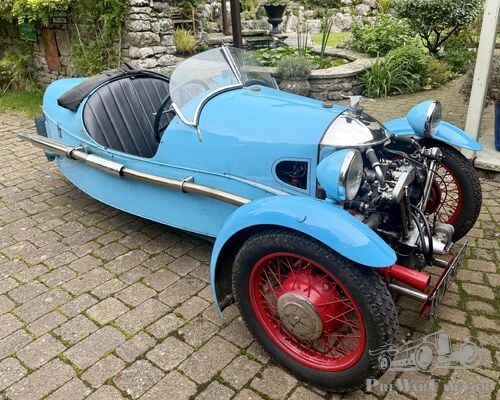
1933 Morgan Three-Wheeler Super Sports, Beetle Back • Show-Specification Car
First registered24 March 1933RegistrationXJ 6336 - original and transferableChassis numberD174Engine numberDTZE 94 H 31..
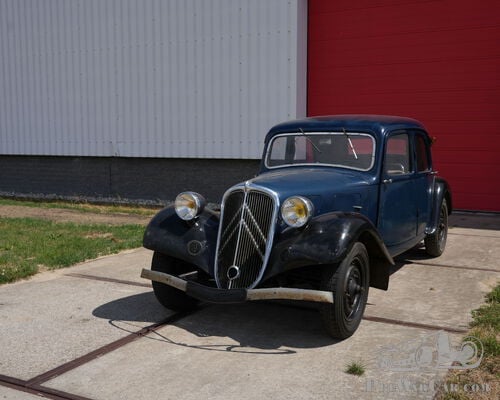
1935 Citroën Traction Avant
Early-production Traction AvantExceptionally original, unrestored conditionRecently part of a major museum collection
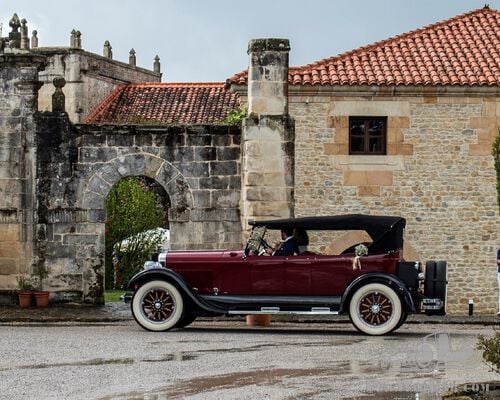
1925 Lincoln Model L Phaeton by Brunn - Excellent provenance
Retaining its original matching-numbers engine and chassis (both numbered 24576), the car benefits from an extensively documented history and..