The global magazine and marketplace for classic car enthusiasts, by enthusiasts.


Filter
Make a choice:
- Cars
-
Make >>
-
Year >>
-
- Bikes
-
Location >>
- Parts & more
-
Make of car >>
-
Manufacturer >>
-
Category >>
- Bicycles & more
-
Year >>
-
Countries


The other DB2: France’s forgotten PreWar pioneer
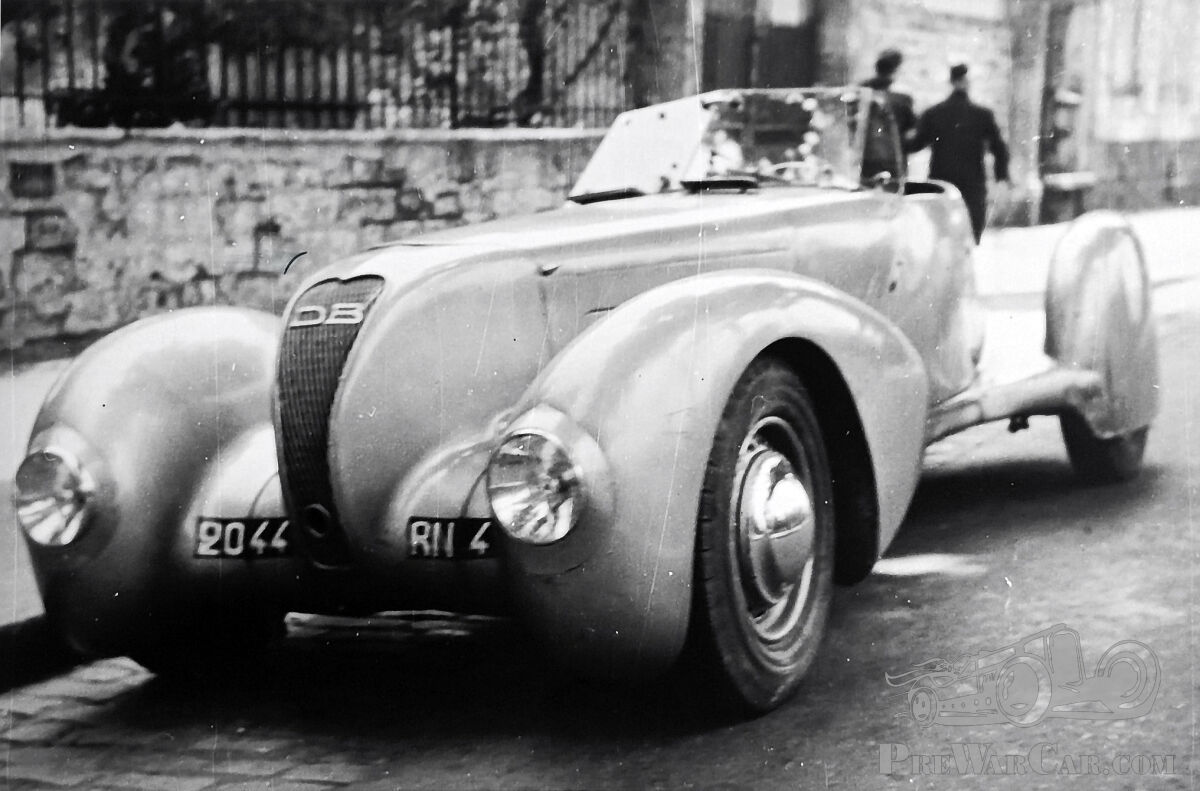
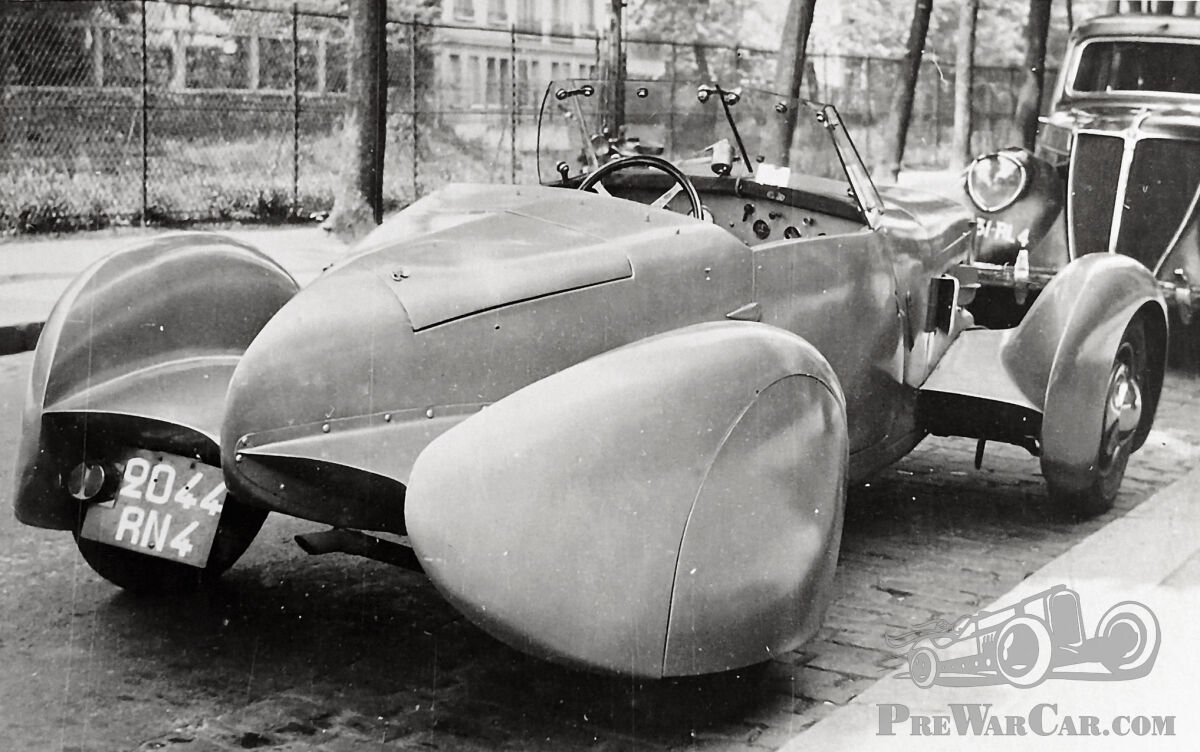
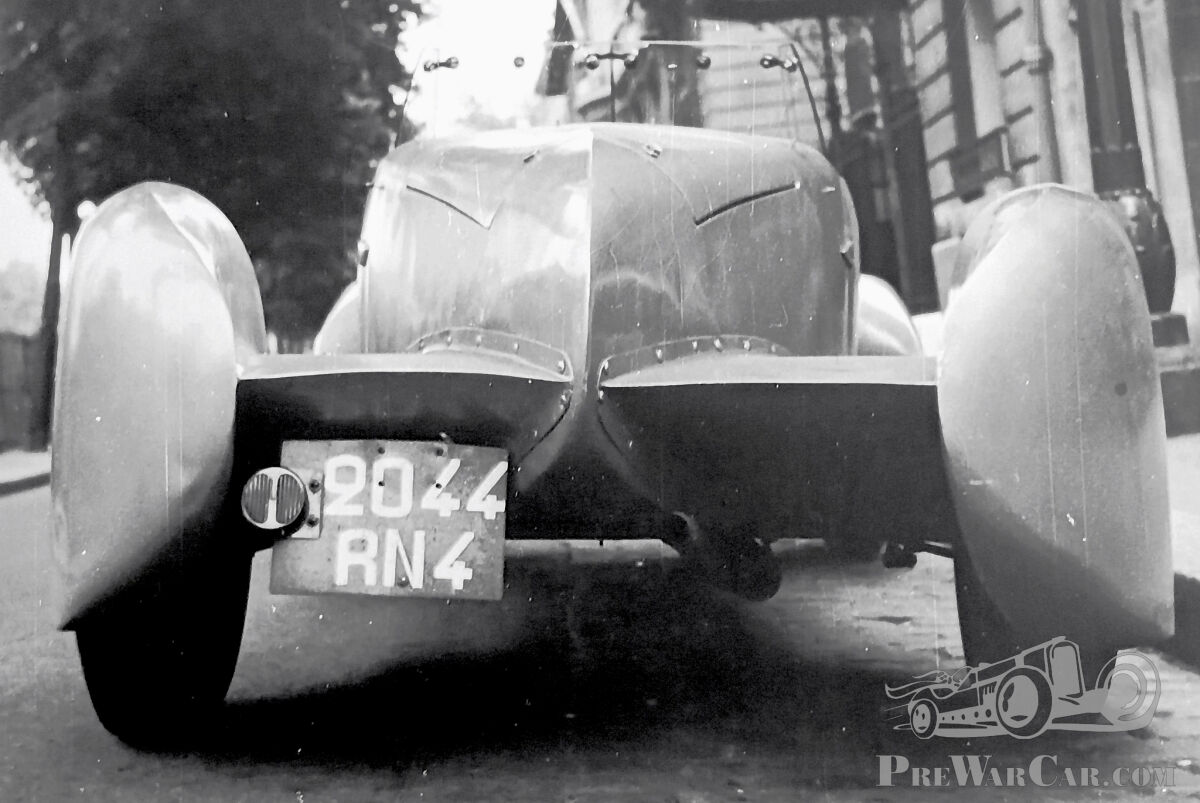


In classic motoring, the initials DB seem to be the trademark of Aston Martin and its saviour, David Brown. But in France, DB stands for Deutsch-Bonnet – the racing and sports-car marque established by Charles Deutsch and René Bonnet in Champigny-sur-Marne, near Paris. This delightful little creature is the Deutsch-Bonnet DB2. Unlike that other, British DB2, it is a lightweight two-seater from the late 1930s with almost insect-like lines.
DB cars are perhaps best known for their Panhard flat-twin engines and aerodynamic aluminium bodies, but this early DB2 used Citroën Traction Avant 11CV mechanicals, just like its predecessor, the one-off DB1 racer. Powered by Citroën’s 1,991cc engine, it produced 75hp and, with a total weight of around 850kg, was reportedly capable of more than 160km/h. That is not even too far behind the much later and considerably more powerful Aston Martin DB2.
Yes, there was also a Deutsch-Bonnet DB4, DB6 and DB7. The French marque was highly active in competition, particularly at Le Mans, but also in the Mille Miglia and even on American racing circuits. All the early models, including the road cars, were designed with motorsport in mind. The DB2 itself was originally built to compete in the 12 Hours of Paris in September 1939 – an event that, in the end, never took place.
How many were made? We are not sure. Our research suggests that the first DB2 was originally a streamlined, aerodynamic coupé. However, as the car never had the opportunity to prove itself in competition, it was sold shortly after the war. It was not until 1949 that its new owner converted it into a roadster. Could it have been a one-off, like the DB1? These photographs were taken on the streets of Paris – but were they captured before or after the war? If the DB2 really was a one-off that was transformed from a coupé into a roadster, then surely they must have been taken after 1949.
Words: Jeroen Booij
Pictures: via Panhard & Levassor Club UK
Published:
Friday September 4th, 2026
Facebook
LinkedIn
Twitter
WhatsApp
Email
Copy
the car behind is clearly a RENAULT "VIVA GRAND SPORT" 1937. Personely, I think that the photo is a pre-war's time , because even four years later in France, times was not to the "insouciance" symbolized by this kind of Car!!!