The global magazine and marketplace for classic car enthusiasts, by enthusiasts.


Filter
Make a choice:
- Cars
-
Make >>
-
Year >>
-
- Bikes
-
Location >>
- Parts & more
-
Make of car >>
-
Manufacturer >>
-
Category >>
- Bicycles & more
-
Year >>
-
Countries


The invincible Itala: Peking-Paris star heads to Rétromobile
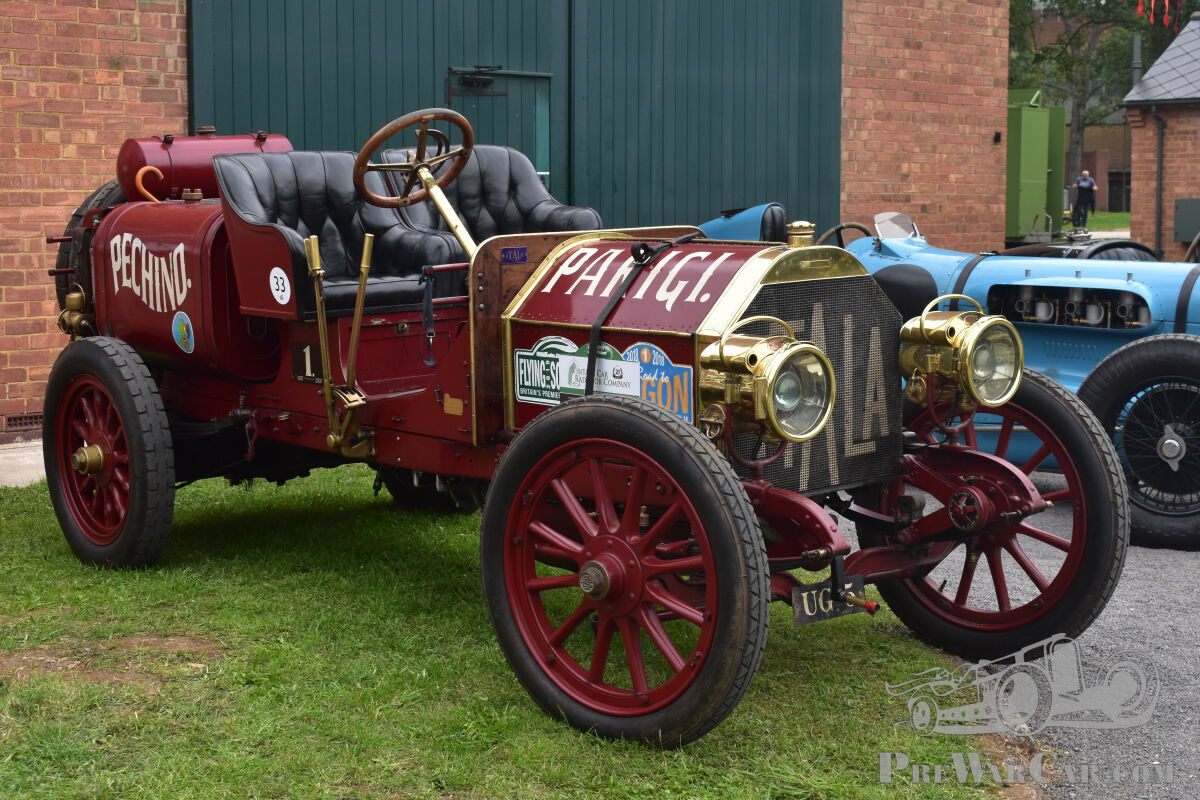
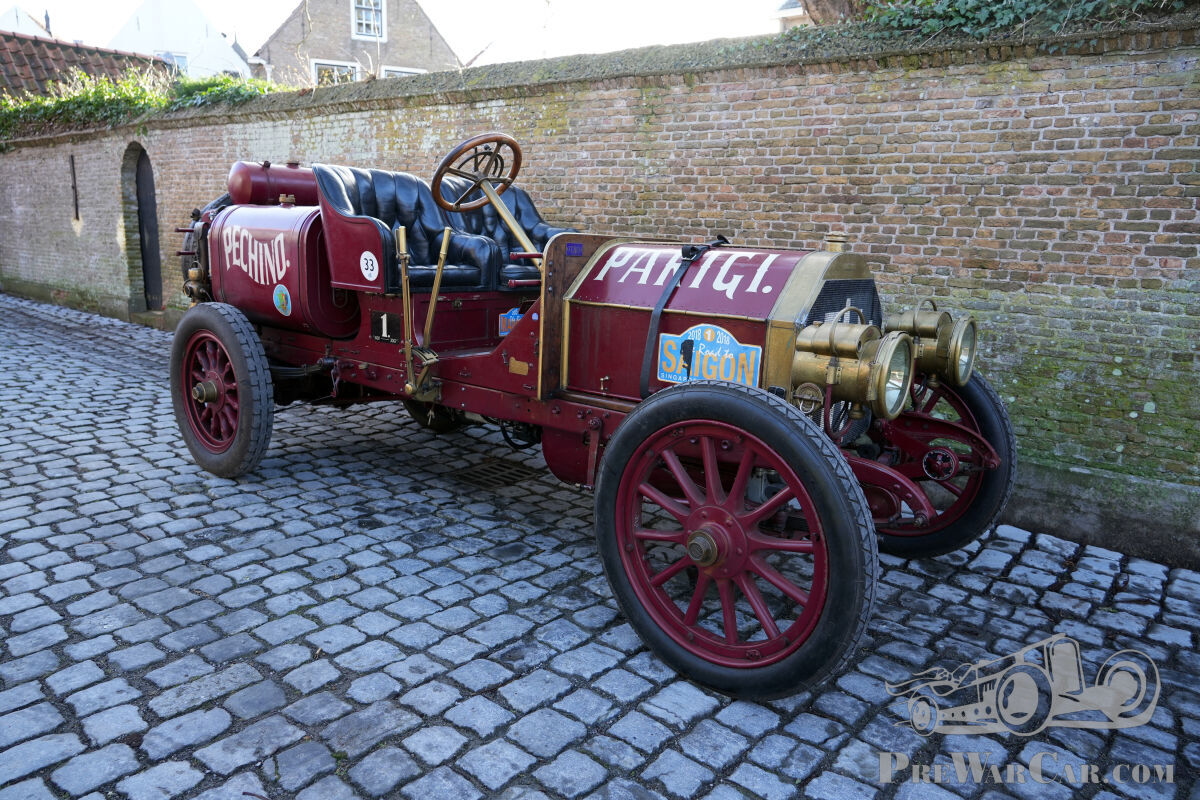
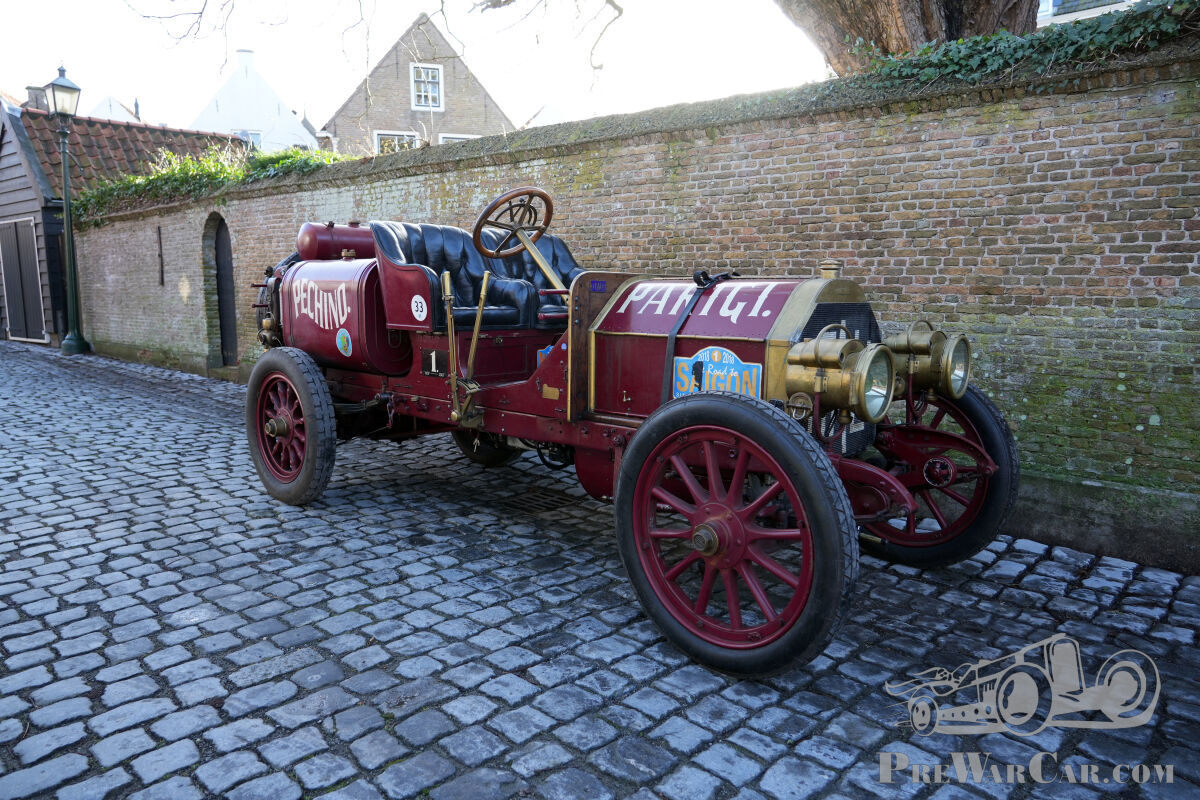
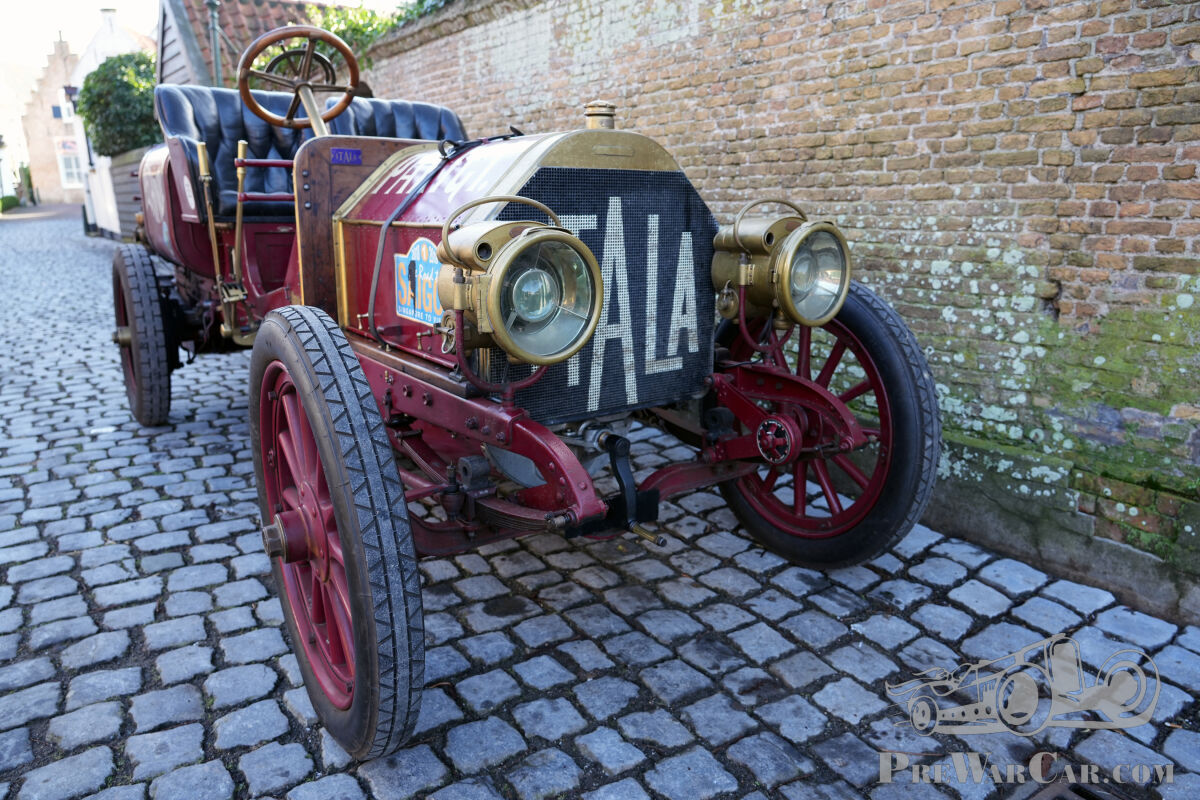
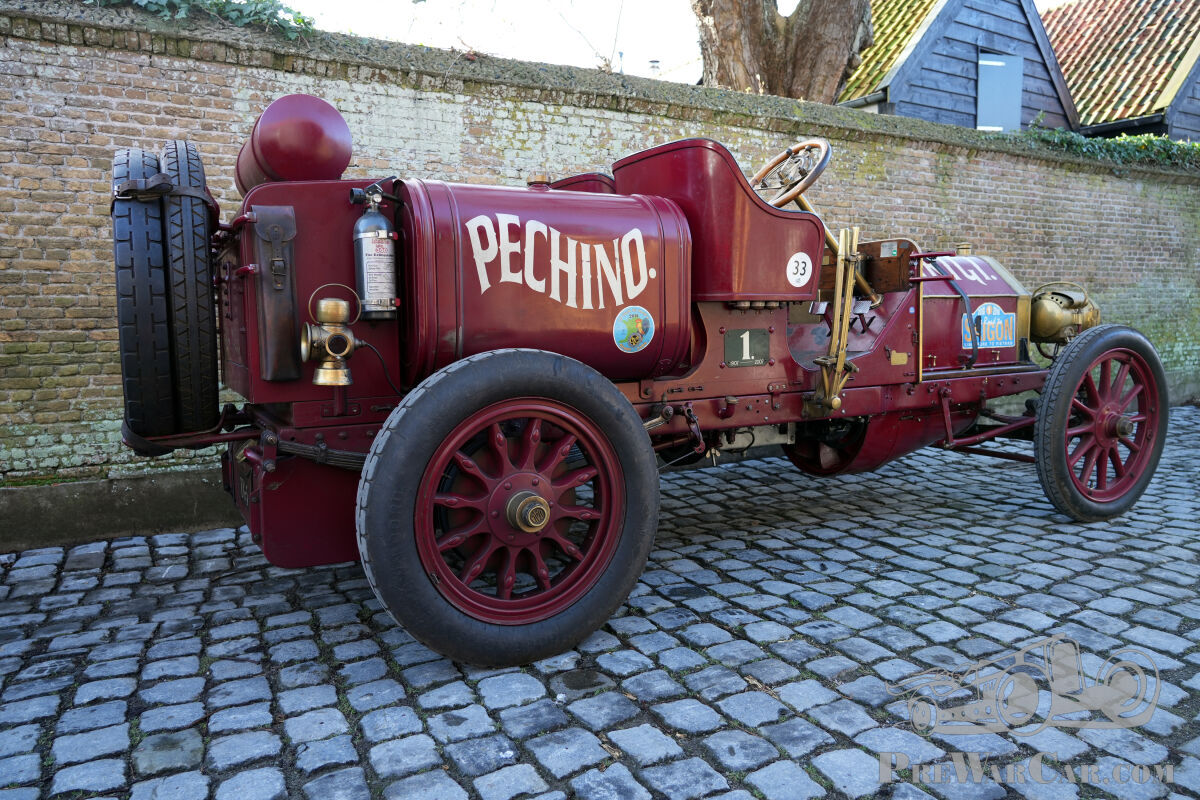
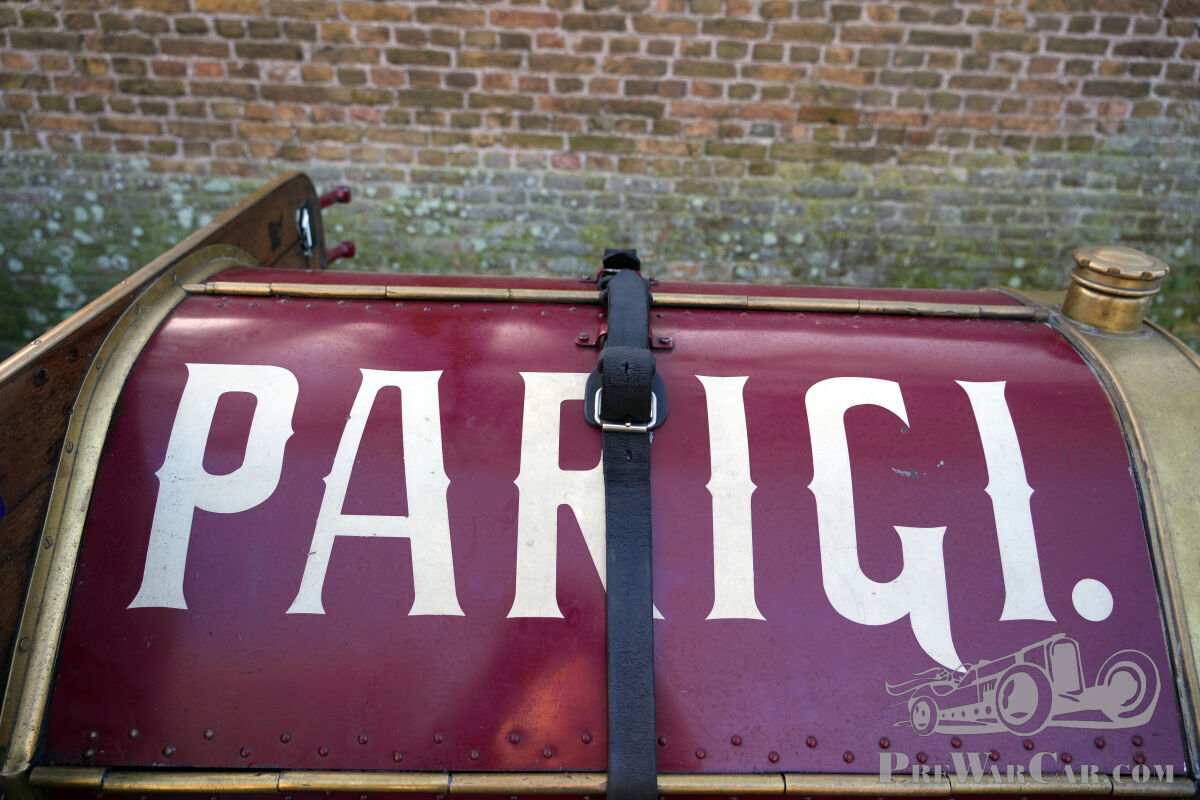
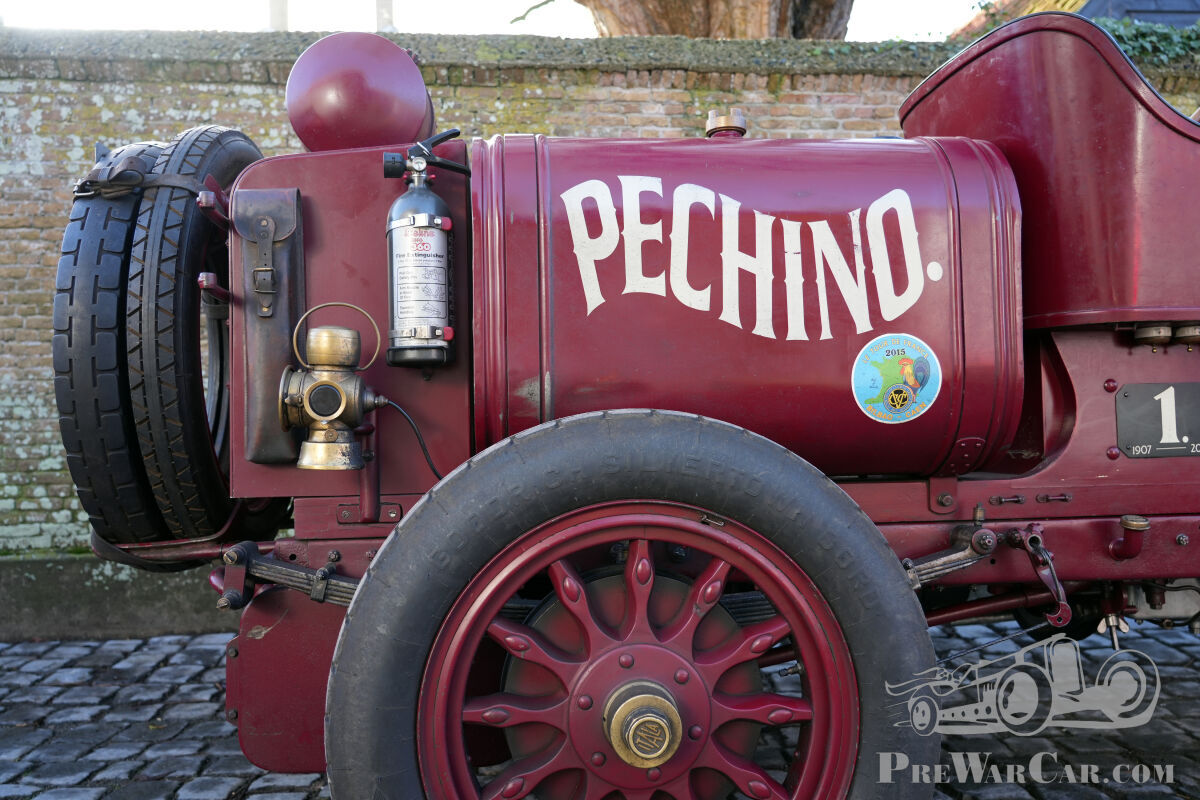
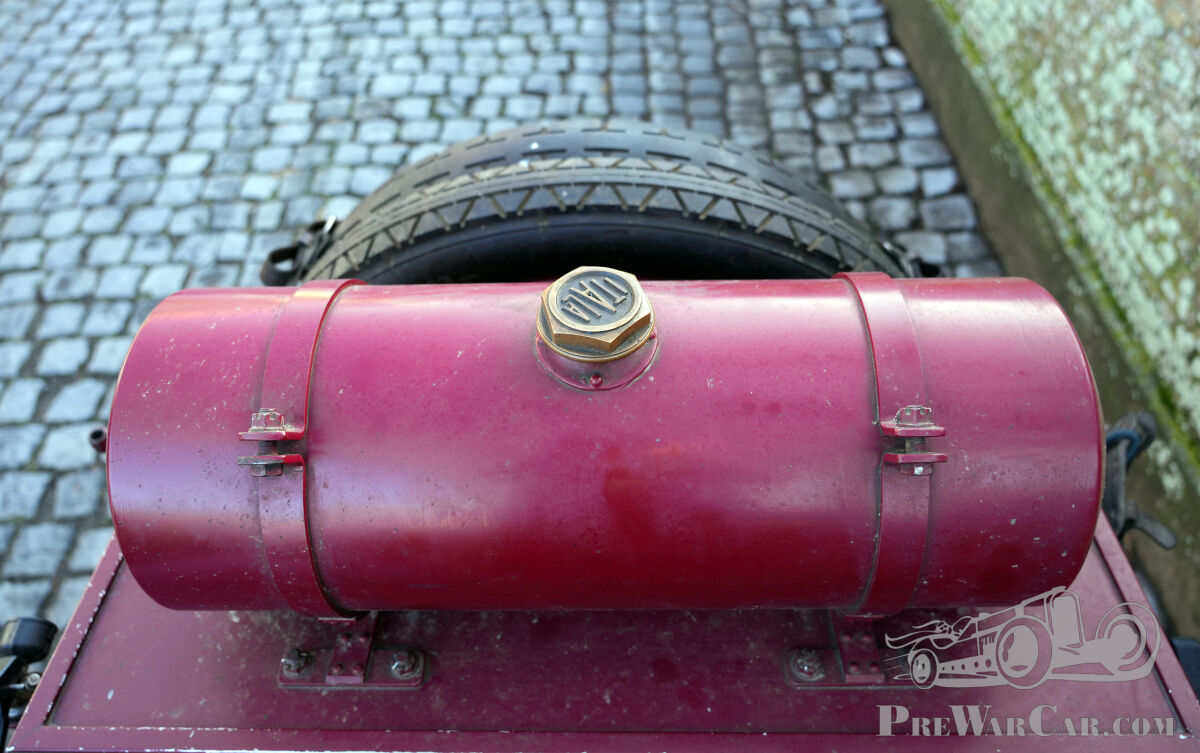
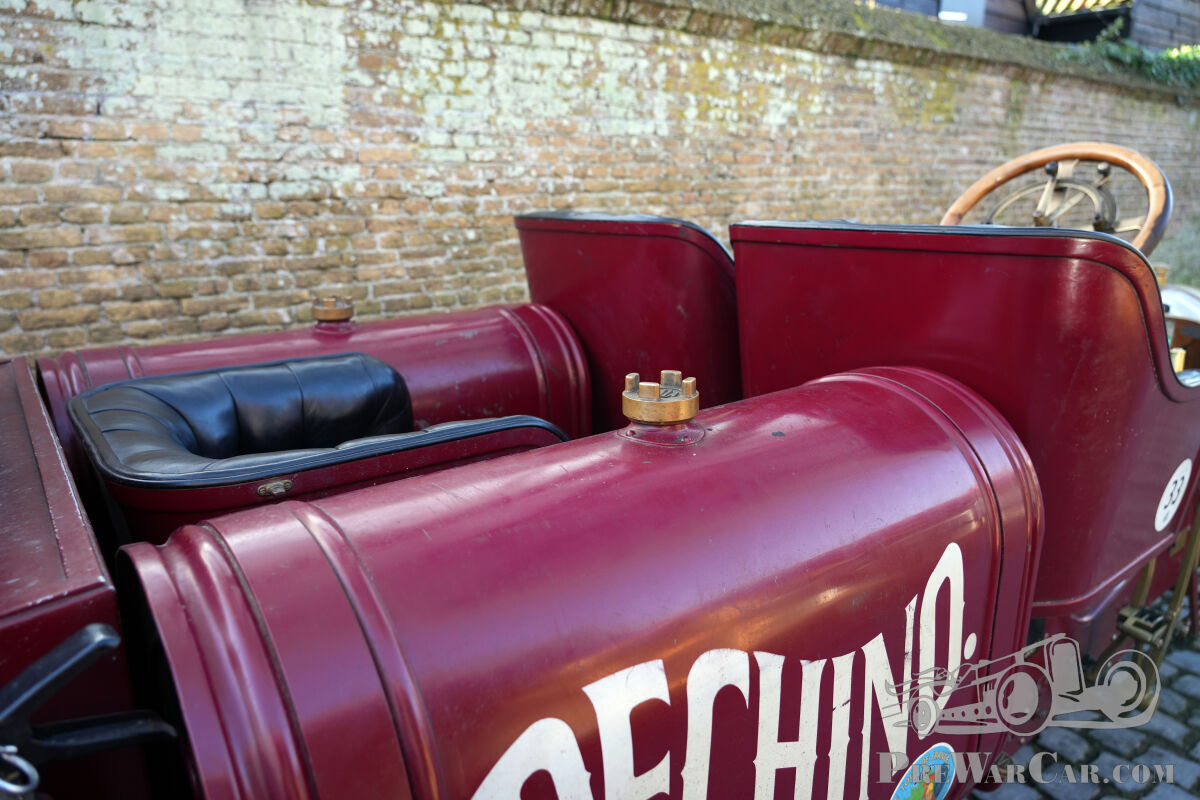
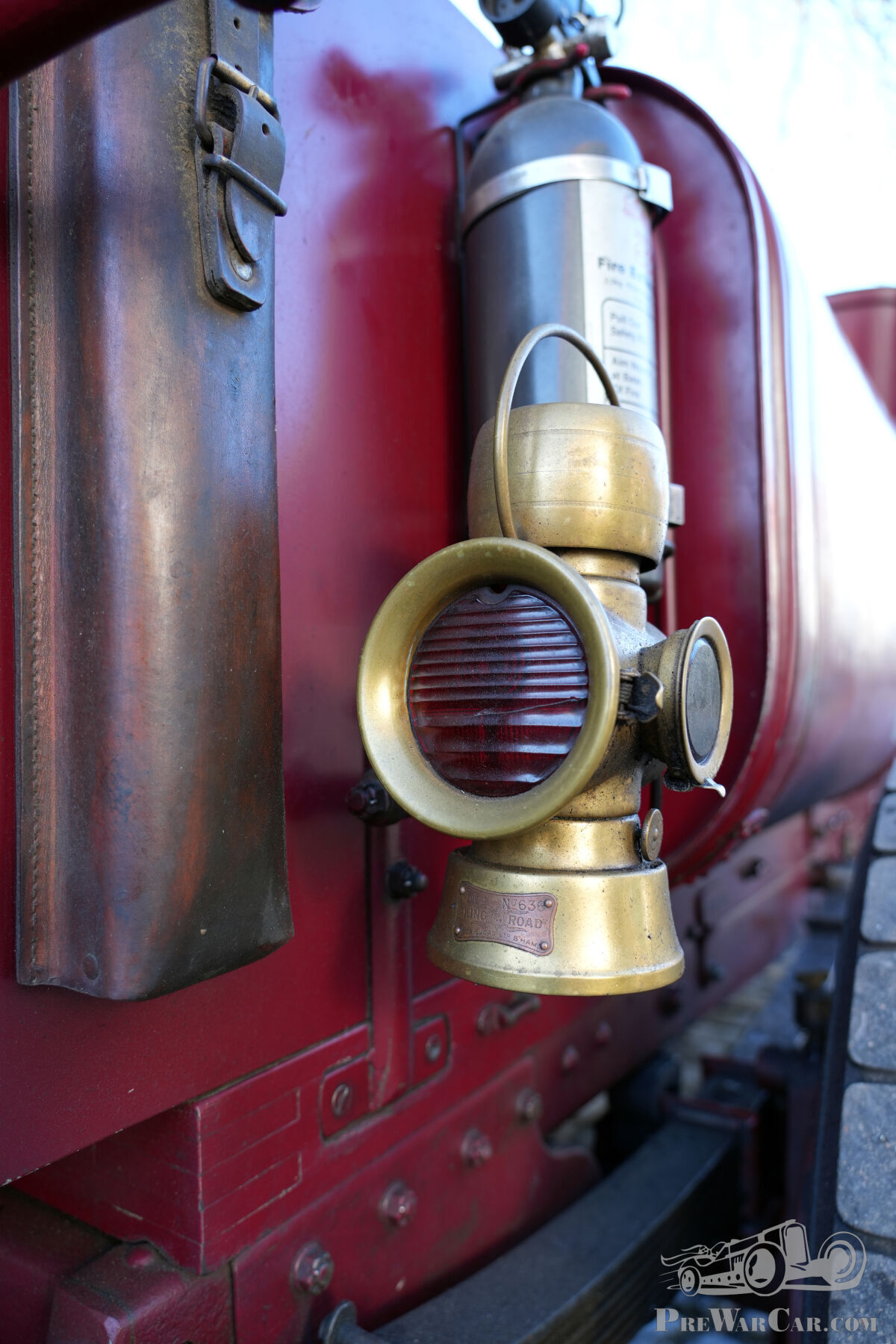
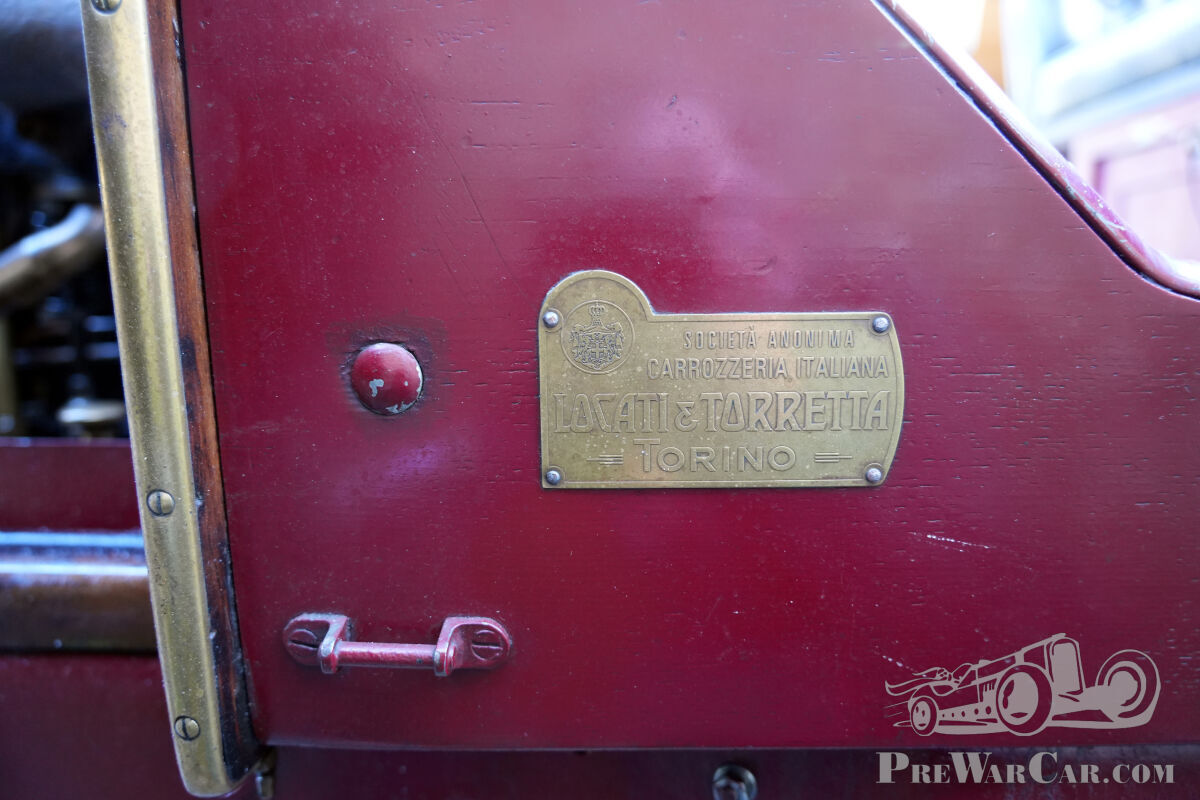
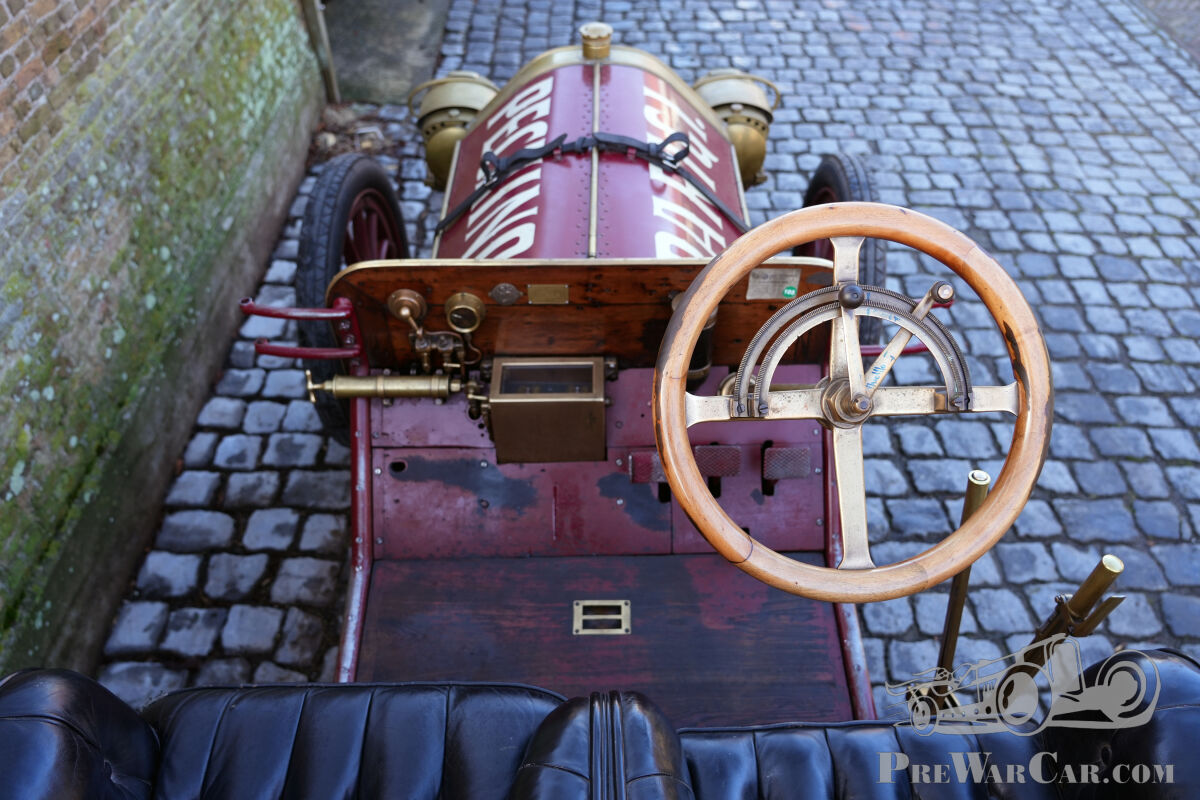
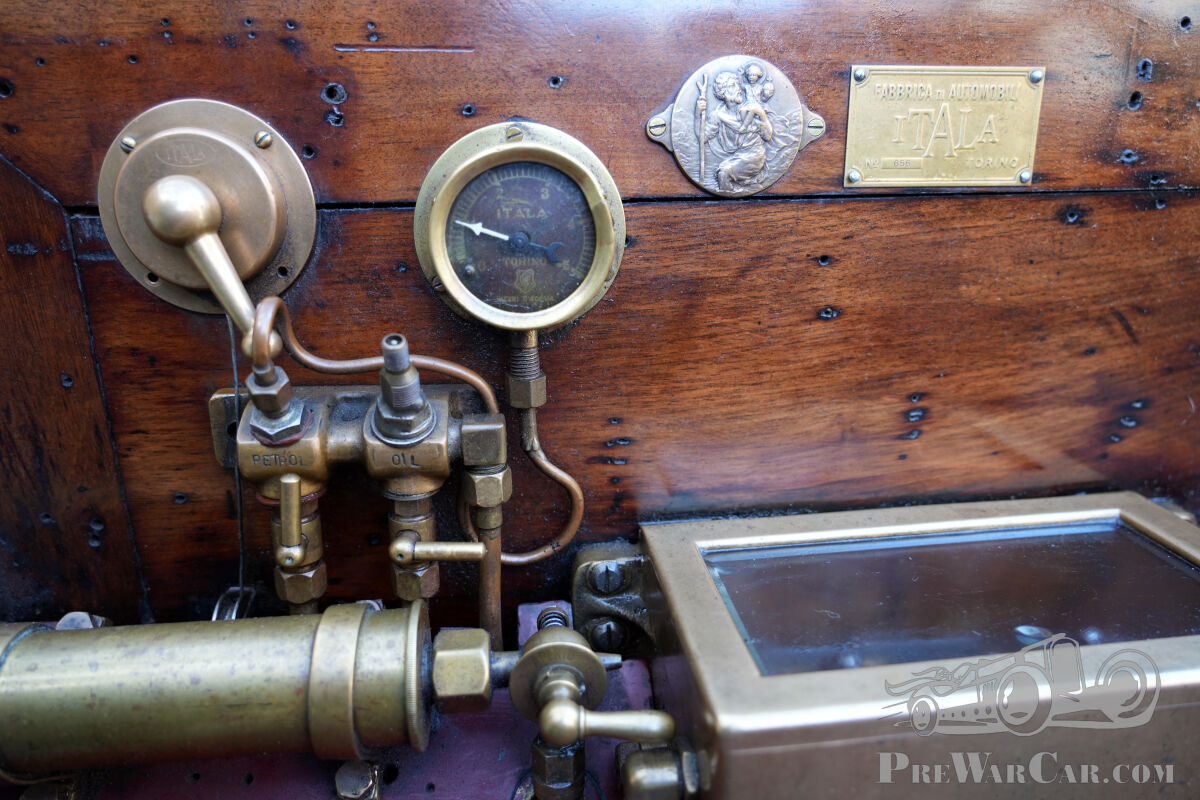
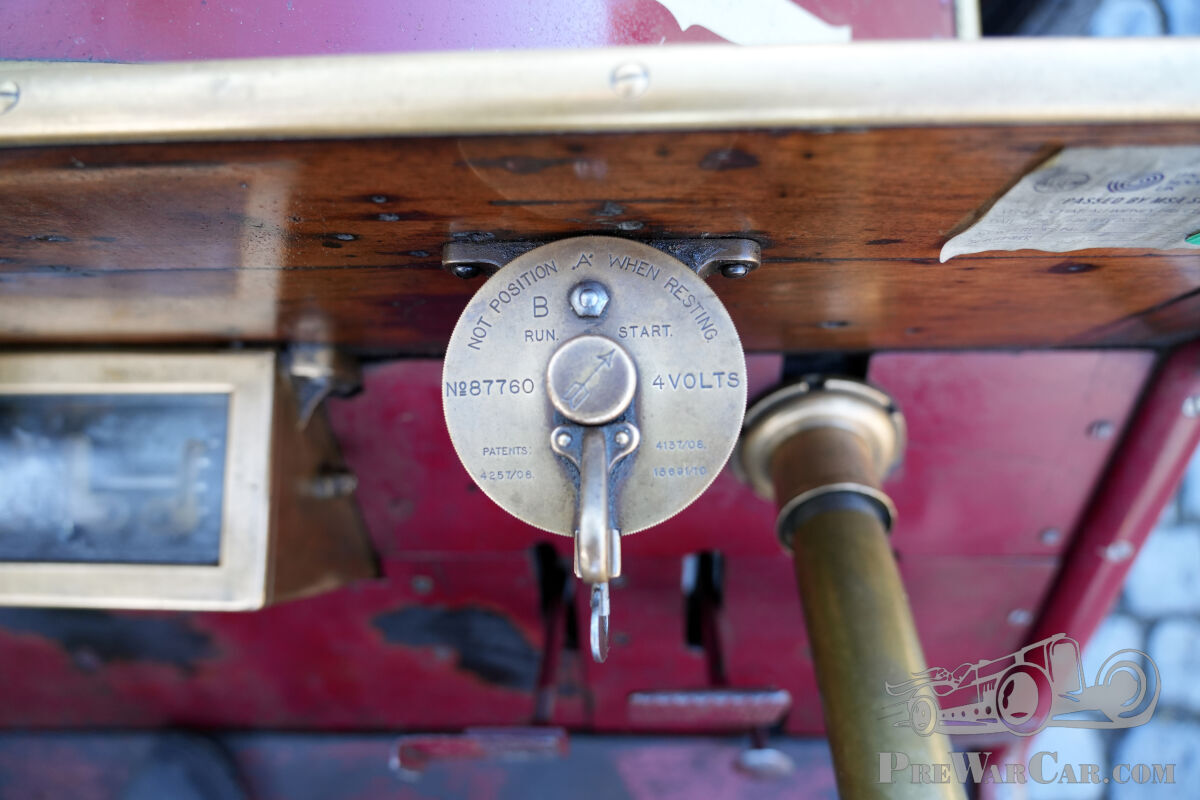
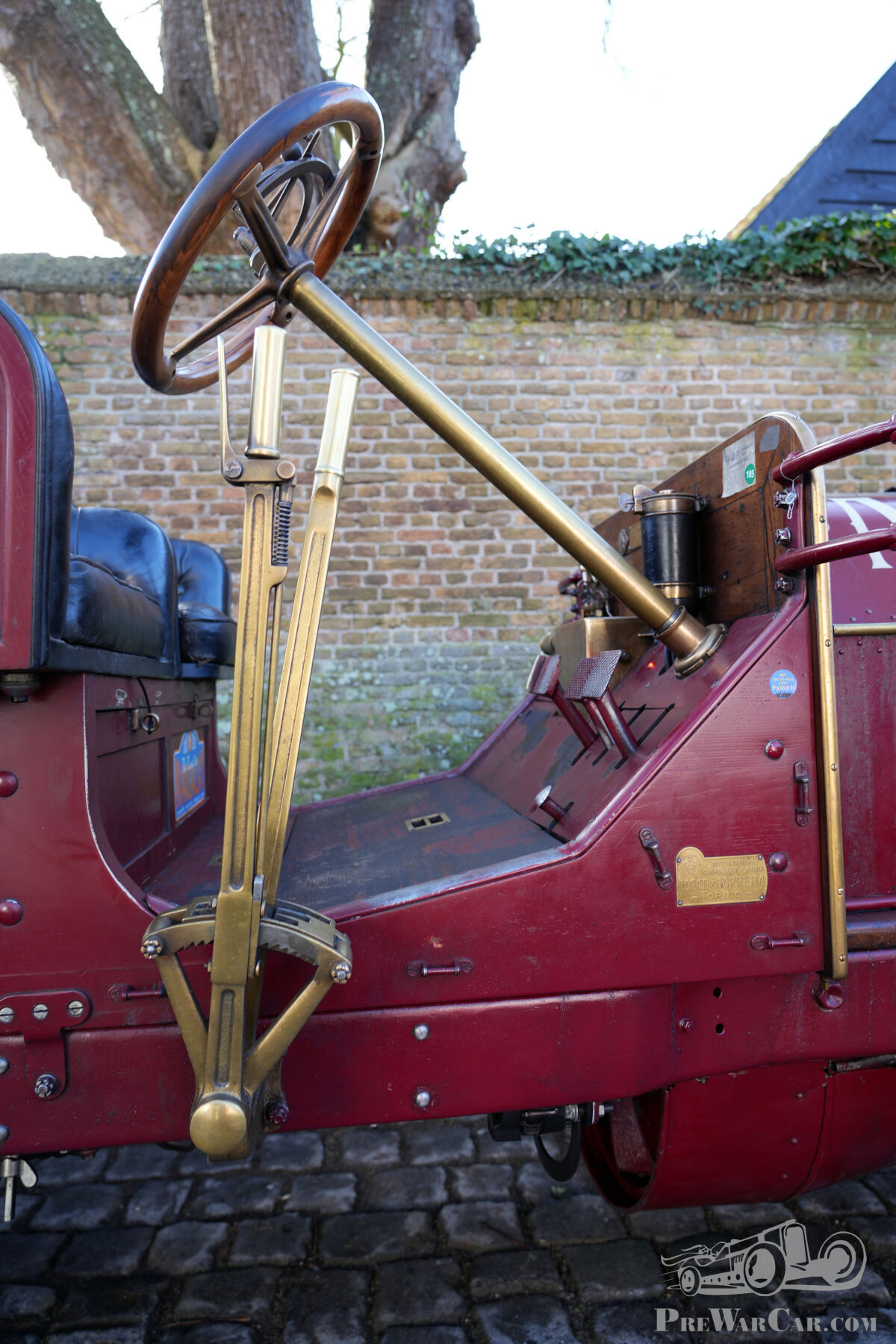
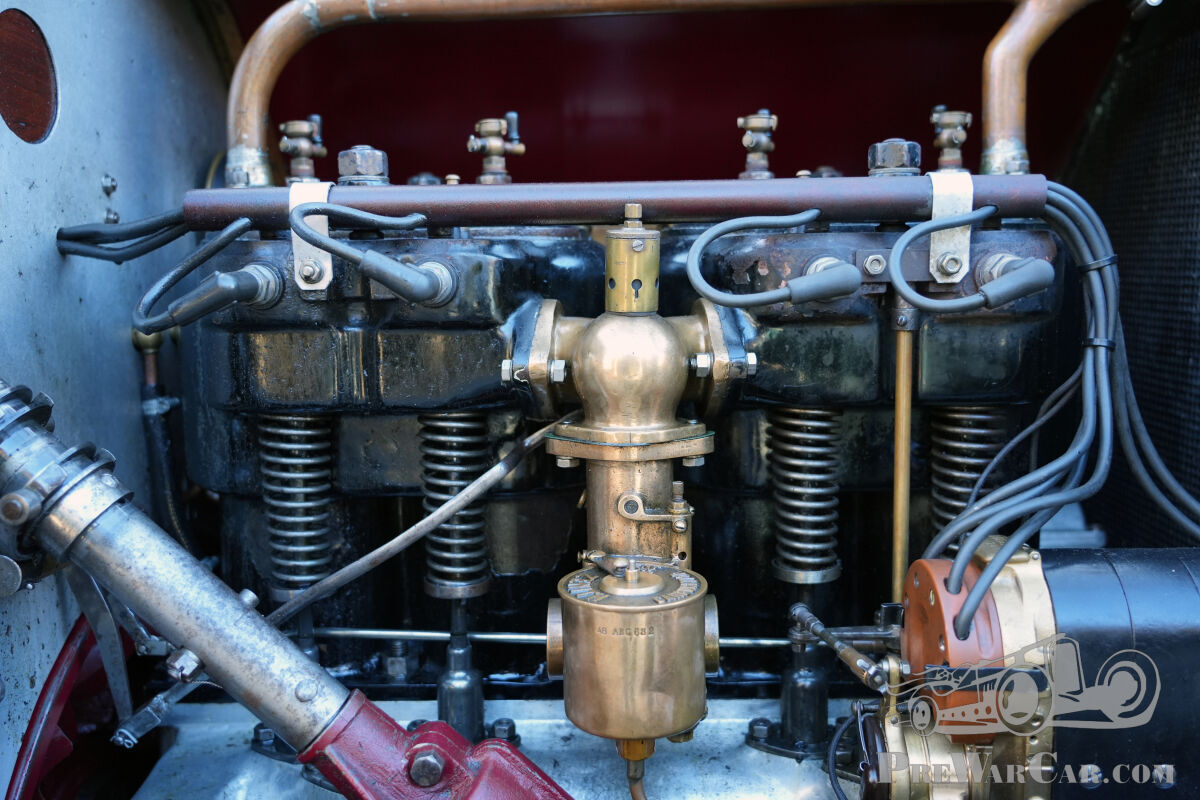
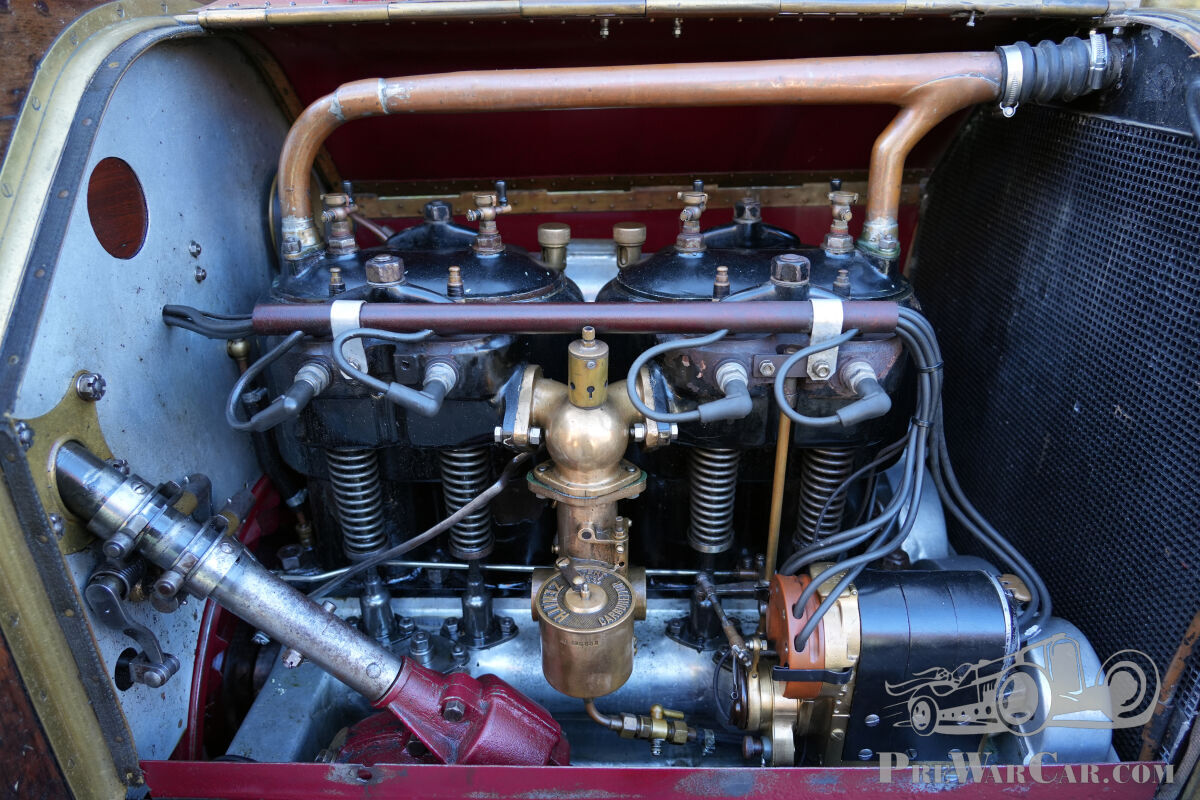
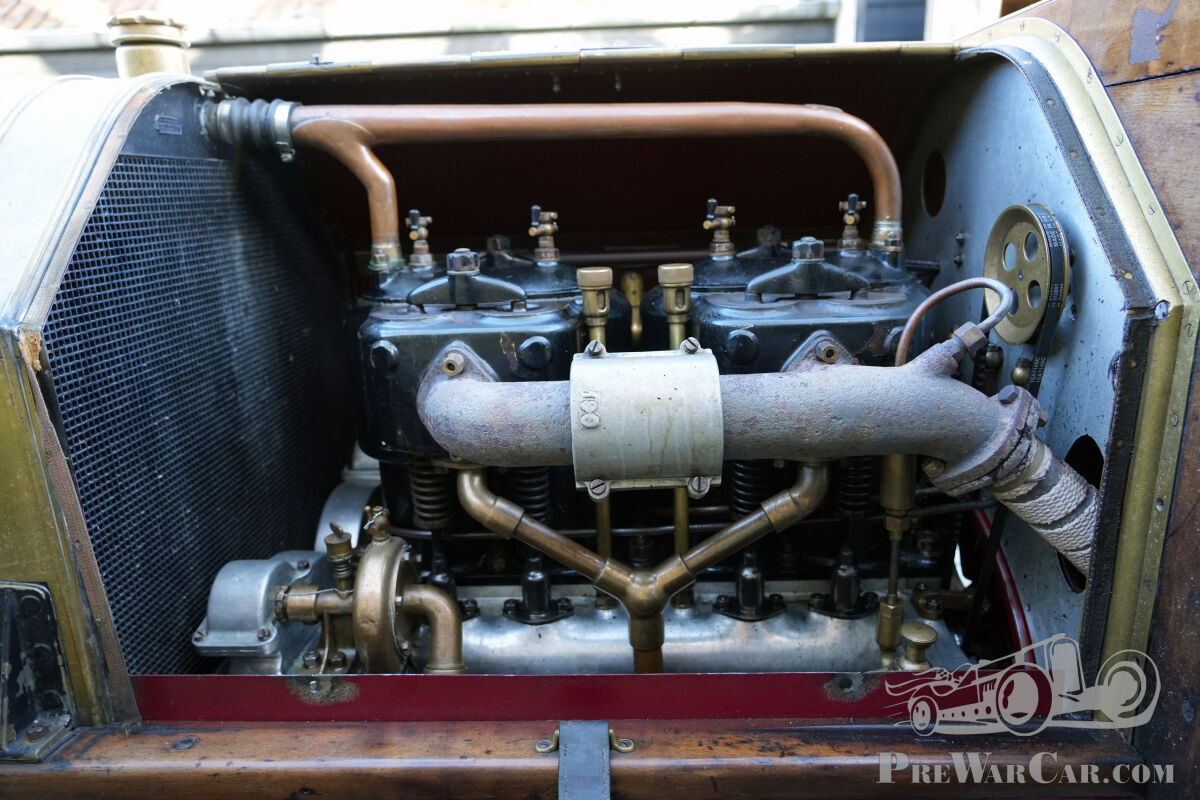


If we wind back the clock to February, 1907, what a different world we find ourselves in. In the cities of Europe, the great men of the age are striding around their boardrooms, all puffed up with the prosperity of the age of empire. A thick coat is called for for the journey home, for the chill is severe, and even though they know that cook has prepared a plump fowl for their dinner on their return, the smell of hot onions drifting across from the soup seller outside the railway station provides a temptation almost too great to resist. The vicious nipping of the cold is enough to make even the hardiest soul yearn for the comforts of hearth and home—and yet our Edwardian friends can't take up their armchair and tobacco for more than two minutes without feeling restless again. After all, there's a vast world outside and it's all at their feet. Territories still uncharted... jungles untamed and mountains unconquered... and a wonderful new contraption called the motor car which promises the ability to go absolutely anywhere...
That insatiable wanderlust, that yearning for discovery, mixed with a healthy love of competition, was all that was really needed to result in the headline that appeared as if out of the blue in the January 31st edition of Le Matin: PARIS-PEKING AUTOMOBILE—A Stupendous Challenge.
There had been city-to-city races before, of course, and they had been done in the name of progress and discovery as well as sport, but they had taken place on actual roads. There was danger, but only the danger of speed; in the Paris-Madrid, there had been no risk of perishing alone in the wilderness, or depending on the goodwill of people to whom the motor car, and indeed the entire western way of life, was incomprehensible. Nevertheless, the Count de Dion was one of the first to declare his interesting in the challenge: "The roads are abominable and often exist only as lines on a map. However, it is my belief that if a motor-car can get through, the de Dion-Bouton will get through. I take up this challenge provided I have one other car against me as competitor and travelling companion. This is a real Jules Verne undertaking... But nothing is impossible."
So the entries came in, each with the boast that they could not only competently negotiate the precipitous Mongolian mountains and the lifeless dunes of the Gobi Desert, but that they could also do it faster than anyone else. There were 40 entries in total, but only five were as good as their word and shipped their cars to the French Embassy in Peking, where the 9,300-mile race started on June 10th. There were two De Dions, a Spyker from the Netherlands, an unlikely three-wheeled Contal, and, most impressively of all, a mighty seven-litre, 40hp Itala.
Enter the aristocratic adventurer
The challenge had proved irresistble to Prince Scipione Borghese of Italy who, besides being an aristocrat, industrialist and politician of immense stature, was a dauntless adventurer in his free time. He ordered a brand-new 40hp model from Itala built to his own specifications, with extra-thick chassis rails and, with such a reputation and such equipment, was immediately a firm favourite to win the race.
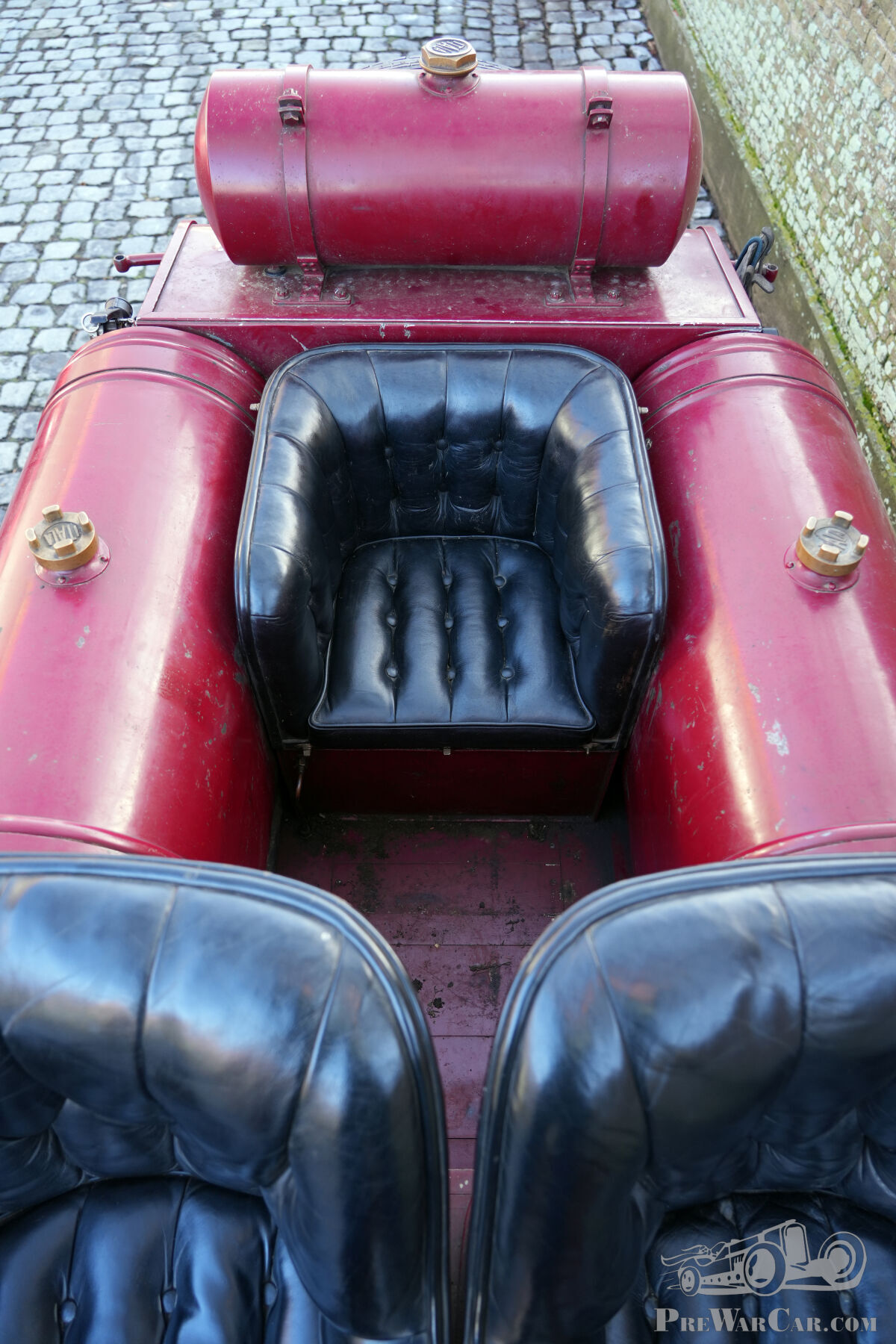
Itala, of course, was one of Italy's most prestigious manufacturers at the time, and the 40hp was a worthy rival to any Mercedes, Napier or Panhard. It had four pair-cast cylinders of 130 mm bore by 140mm stroke and a four-speed gearbox. On a good road surface, it would struggle to return 8½ miles per gallon, but the prince could afford that. He specified that the bodywork aft of the driver's seat should be just a flat platform, on which could be mounted enormous petrol tanks, oil and water tanks, a tool chest and such provisions as might constitute general baggage. Extra-wide Pirelli tyres adorned the wooden artillery wheels. The mudguards were simply steel planks, easily removed, and a framework was devised over which a sun canopy could protect the occupants during the daytime, and a tent could provide shelter at night. In the event, the mudguards and the sun canopy would soon be discarded.
It was as good as any car could possibly be, but even its makers refused to believe that it could complete the race and begged Prince Borghese to withdraw his entry, lest he fail and their reputation be hurt. The prince's mind was set, however, and young Ettore Guizzardi was game, too. He was 25 years old and had been allocated the task of riding mechanic. He had already been given a second chance at life and was indebted to the prince; as a 15-year-old he was firing a locomotive which his father was driving when it derailed and crashed down an embankment near Borghese's villa. His father did not survive, but when Ettore woke up he was in one of Borghese's bedrooms, being nursed back to health. A well-trained engineer, with his mechanical nous and Borghese's aptitude for survival, they were a team to be reckoned with.
An indefatigable crew
When the race got underway, it was as eventful as anyone would have expected. Fortunately, there were no rules except to reach the end, an no one would be penalised for using initiative. The drivers witnessed some wondrous sights, from nomadic trains of camels winding through the desert to mountain sunsets which were simultaneously red and orange and purple, but they scarcely had time to enjoy them, because the way was fraught with hazards and any misstep could spell disaster. Frequently did the Itala have to be dug out of deep mud. This was a frightful chore for Borghese and Guizzardi to do themselves, although friendly Mongols could be relied on to lend a hand, if there were any to be found. Raging rivers had to be forded with the help of oxen, and every precaution taken to avoid flooding the car's engine and electrics.
The most frightening episode for the Itala crew happened in Russia, near Lake Baikal, where they had only to perform the seemingly simple task of crossing a bridge. Alas, it was but a wooden bridge built for nothing more than rustic peasant carts, and was far too flimsy for anything of the Itala's weight. Halfway across, the planks gave way completely and the Itala went crashing through. Fortunately, it had not far to fall and it and its occupants were largely unhurt. Siberian labourers were apparently impressed by their courageous expedition and helped to rescue them, agreeing to rebuild the bridge in their own time. After that, the easiest way ahead was to drive fearlessly between the tracks of the Trans-Siberia Railway, accompanied by a policeman with a red flag to signal to approaching trains to beware. So it went on, day after arduous day, until they eventually arrived in Paris on August 10th, well ahead of any of the other teams.
Even then, the excitement was not quite over for the Itala. It was scheduled to go on a tour of various countries and, with the two De Dions, it went on display at the 1908 Olympia Motor Show in London. Before being shipped from Italy to America, however, it was dropped into the dock at Genoa. Although it was recovered, it had been heavily damaged and remained abandoned for many years until it was restored and given a permanent home in the Museo Nazionale dell'Automobile in Turin, where it may be seen today.
From Peking to Paris all over again
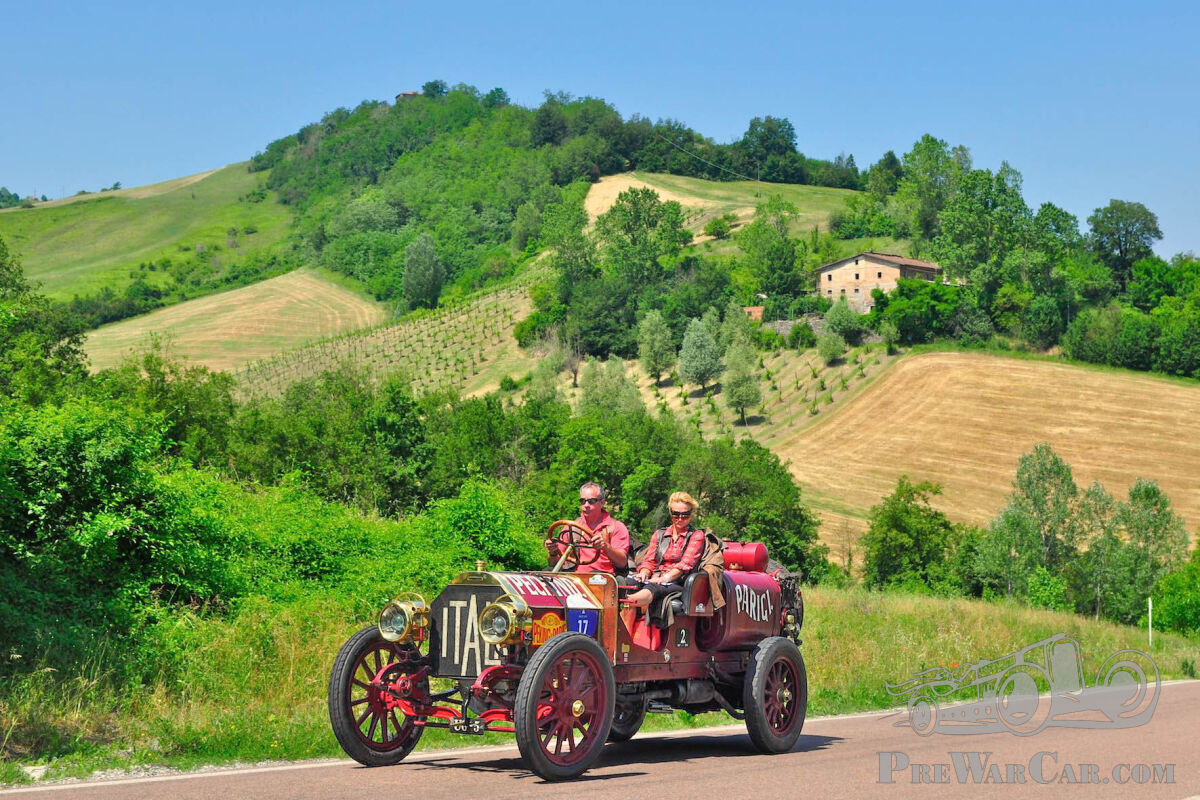
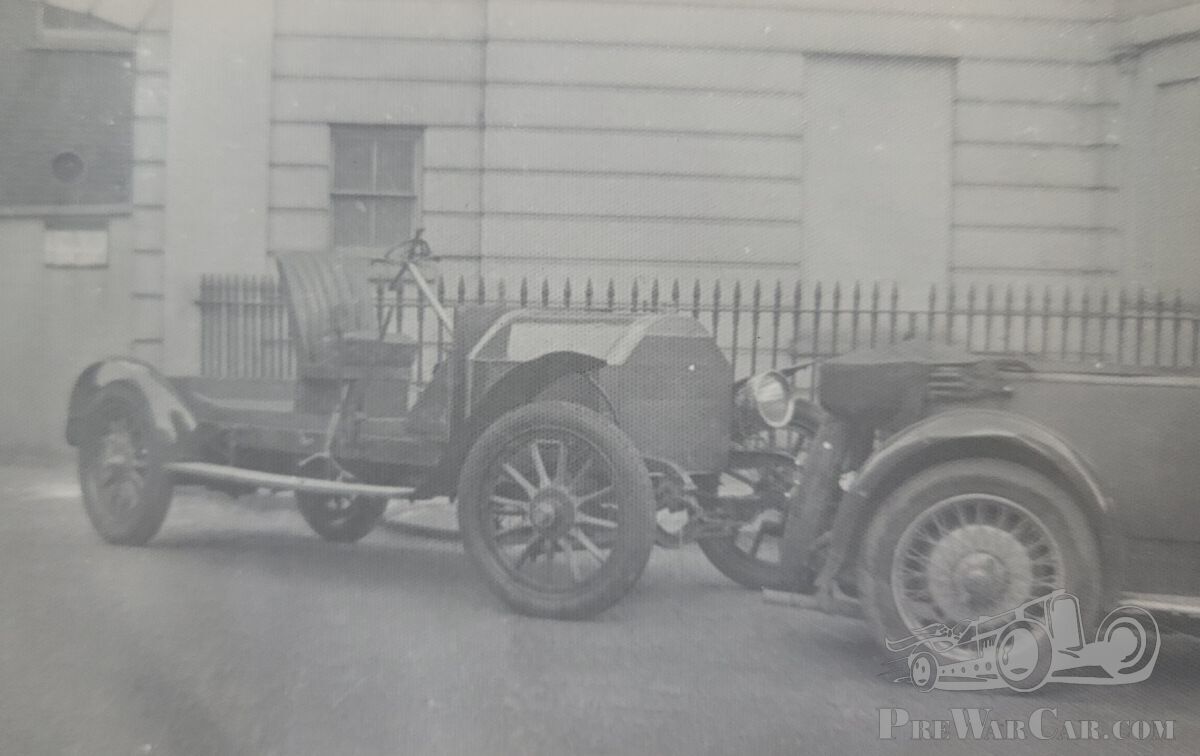
What of the Itala seen here, however? It is not the original Paris-Peking car, though it is a dead-ringer for it. This car, a 1907 40hp model just like Borghese's, was discovered in England circa 1950 by an enthusiast, Group Captain Samuel Cuthbert Rexford-Welch, who was driving in a night rally when he caught the glint of brass in his headlamps. Compelled to investigate, he found the derelict remains of the Itala lying, exposed to the elements, on an Oxfordshire farm, where it had been for more than 30 years. Dash the rally, he thought, and waited for the dawn to break and the farmer to show up. They agreed a sale, and Rexford-Welch tied the wreck behind his Lagonda and towed it back to London, where he restored it in his garage on Baker Street.
After being enjoyed on many events in the 1950s and into the 1960s, when it once again was laid up and disappeared from view. It only resurfaced in 2005 when its next owner bought it and restored it again with a view to competing in the 2007 Paris-Peking centenary rally. That it completed successfully, and ever since it has been a familiar sight at events around the world, including Pebble Beach and other long-distance endurance rallies.
Visitors to Salon Rétromobile will also be able to admire it, because it will be appearing on the PreWarCar.com stand for the duration of the event, along with a collection of other superb pre-war cars including Achille Varzi's Alfa Romeo 6C 1750 SS and the unique Eritrean Lancia Dilambda racing special.
The show opens tomorrow, January 31st, and runs to February 4th. Be sure to come and find us. Tickets are available here.
Words: Zack Stiling
Published:
Tuesday January 30th, 2024
Facebook
LinkedIn
Twitter
WhatsApp
Email
Copy
Comments


Bart Kleyn
02 February 2024, 01:58
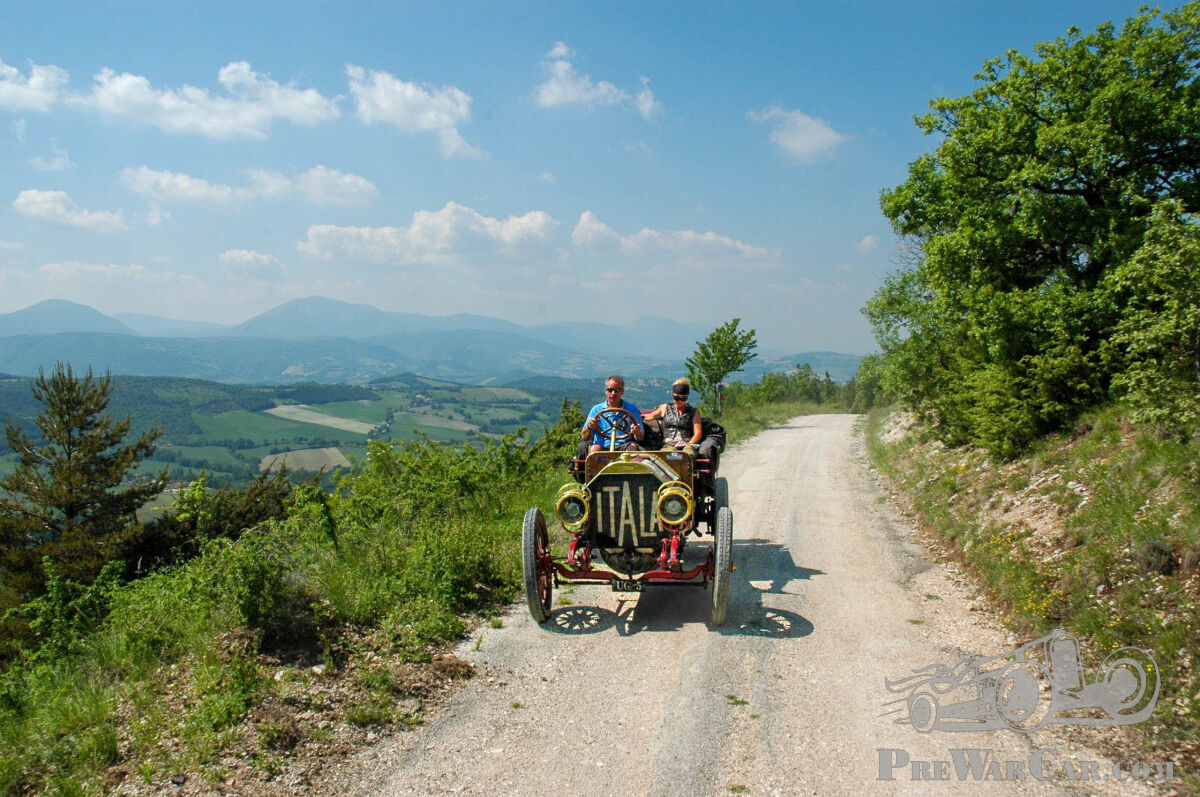
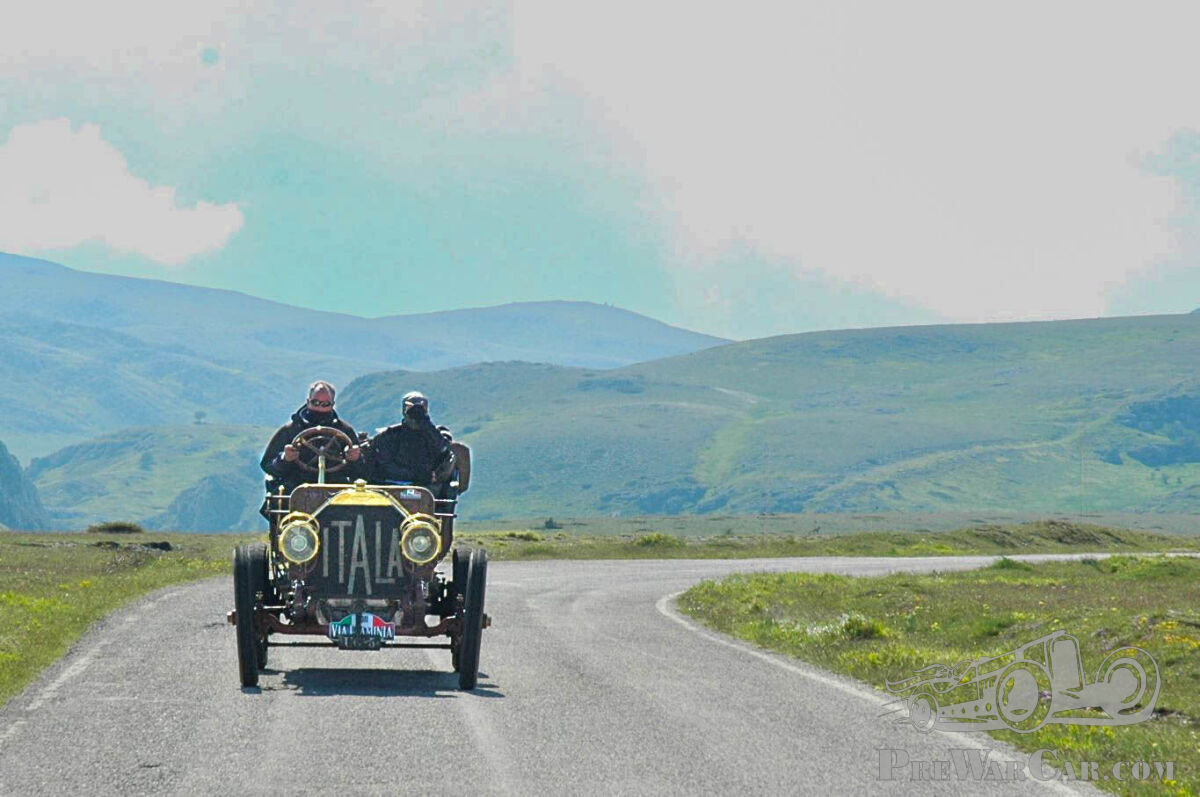
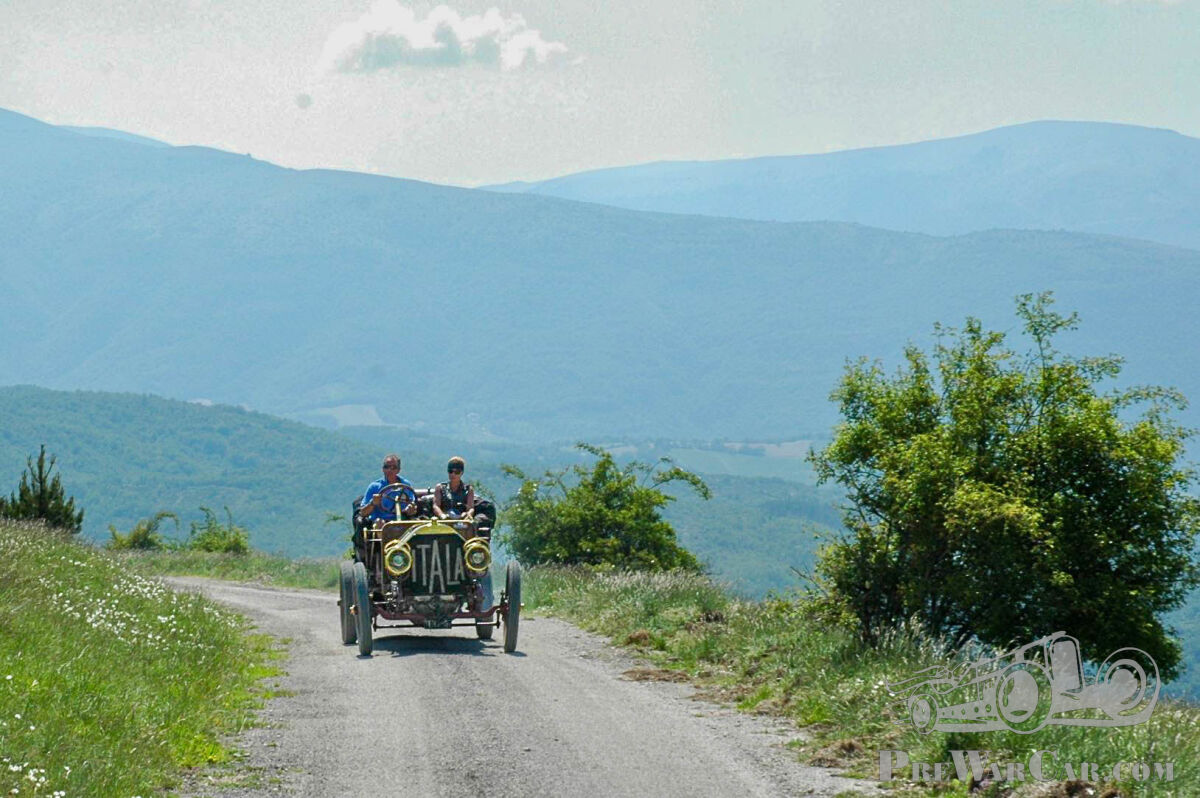
Some pictures dating back to 2011 on the Via Flaminia pre-war rally in Italy.
Read more
Philippe Nogen
04 February 2024, 15:15
Comment passer sous silence que l’ authentique Itala du Peking Paris était presente à Rétromobile sur le stand du Musée d'Automobile de Turin …
------------------------------------------------------
It's hard to overlook the fact that the authentic Itala from the Peking-Paris was on display at Rétromobile on the Turin Automobile Museum stand...
Read more
------------------------------------------------------
It's hard to overlook the fact that the authentic Itala from the Peking-Paris was on display at Rétromobile on the Turin Automobile Museum stand...
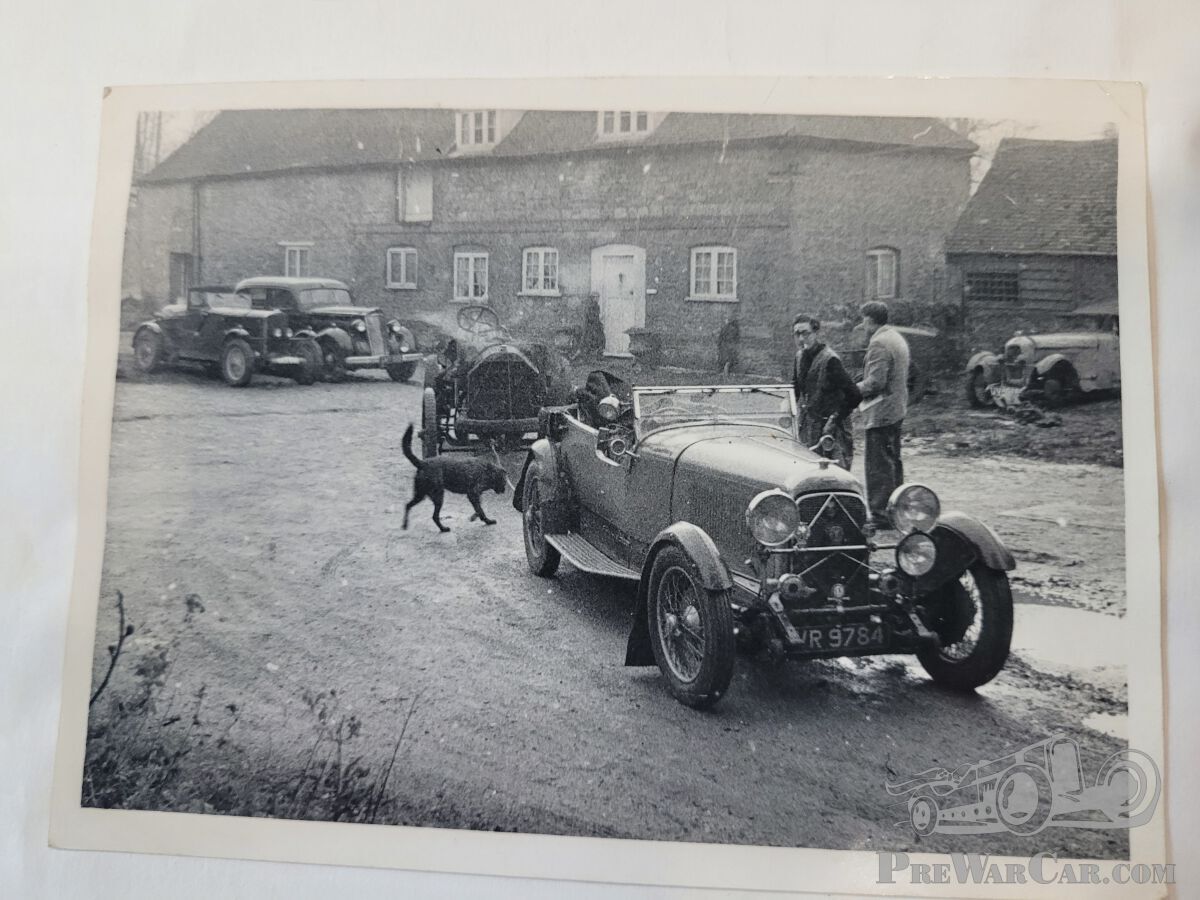


Laurens Klein
01 February 2024, 22:33
It is true, there are photos in the old photo album of the towing. See attached.
Read more
Michael Schlenger
31 January 2024, 10:33
Do we know what percentage of the Itala allegedly found on an farm in Oxfordshire and after 30 years of decay just towed to London (pretty unlikely in my opinion) is actually from 1907? The whole story appears too good to be true to me, but it's a nice one and even if the car is largely a recreation, it's quite fascinating.
Read more
Graham Rankin
31 January 2024, 19:42
The story of that Itala is completely true as far as I know and consistent with the many conversations I had with Rexford-Welch (Rex) a few decades ago. I should dearly have liked to have bought the car, the rolling chassis/radiator of which is substantially original as the photos show but David Ayre had first choice having been a longer-standing friend. All parts are designed and engineered to the highest standard and Itala was at the top of the tree at that time along with Mercedes and F.I.A.T. etc. What David has done with that car is nothing short of heroic—both from the immaculate restoration point of view and the incredible journeys he has successfully undertaken. All hats are off.
Read more
Michael Schlenger
01 February 2024, 01:35
Many thanks for the comment, very much appreciated. So, the frame, the engine and the radiator appear to be original Itala parts dated 1907 which is the most important thing. I assume the year of manufacture can be derived from the vehicle no and has been confirmed by an independent source. That would be fantastic, since it's not always reliable what the the owners of historic cars tell or would like to believe. Provided that the history of this car is sufficiently proven by independent sources (not just assertions), I agree with your statement: hats off!
Read more