The global magazine and marketplace for classic car enthusiasts, by enthusiasts.


Filter
Make a choice:
- Cars
-
Make >>
-
Year >>
-
- Bikes
-
Location >>
- Parts & more
-
Make of car >>
-
Manufacturer >>
-
Category >>
- Bicycles & more
-
Year >>
-
Countries


Hershey goes electric: three electric cars at RM Sotheby’s
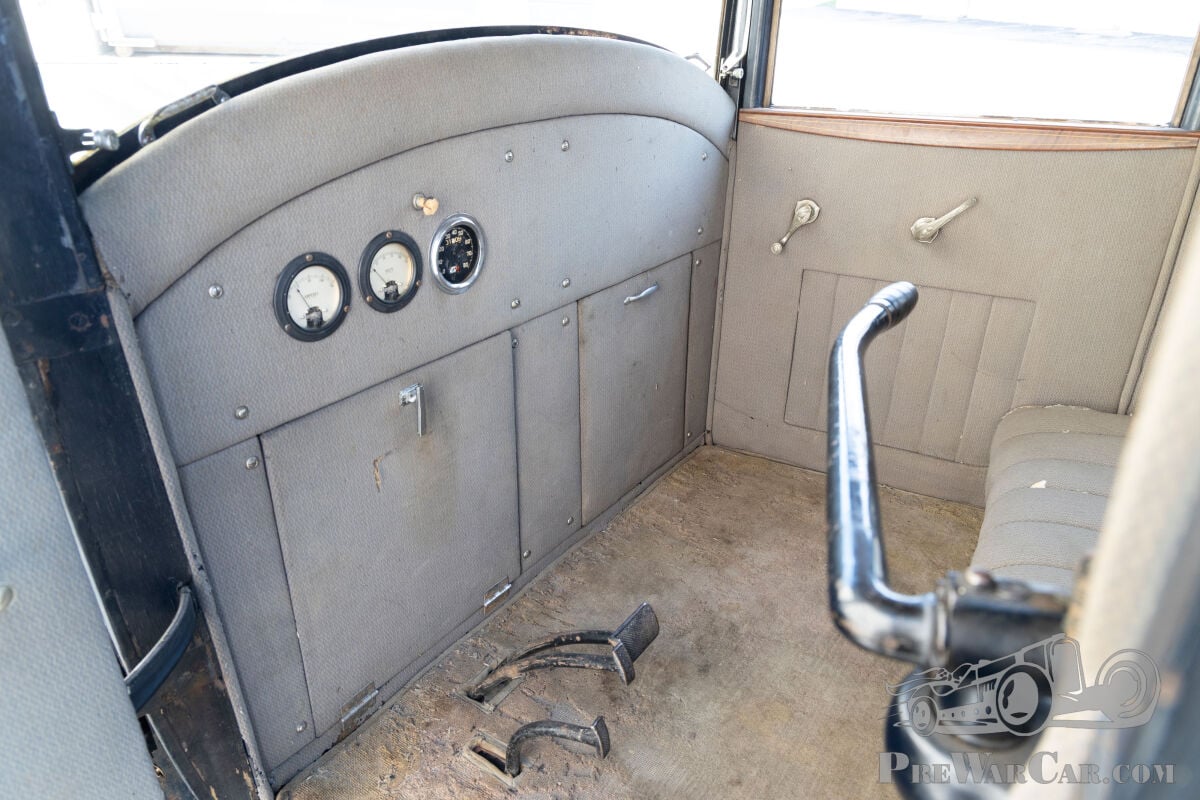


Hershey comes with a few certainties. You always learn something you did not know, drink a glass of apple cider somewhere, return home with parts you had no idea you needed when you set off, and RM Sotheby’s brings a wide selection of pre-war cars to its auction during the AACA Fall Meet. This year, something caught our attention amid all the brass, chrome and petrol-powered rumbling: three electric cars. Hershey is moving with the times – although these cars were already doing so more than a century ago.
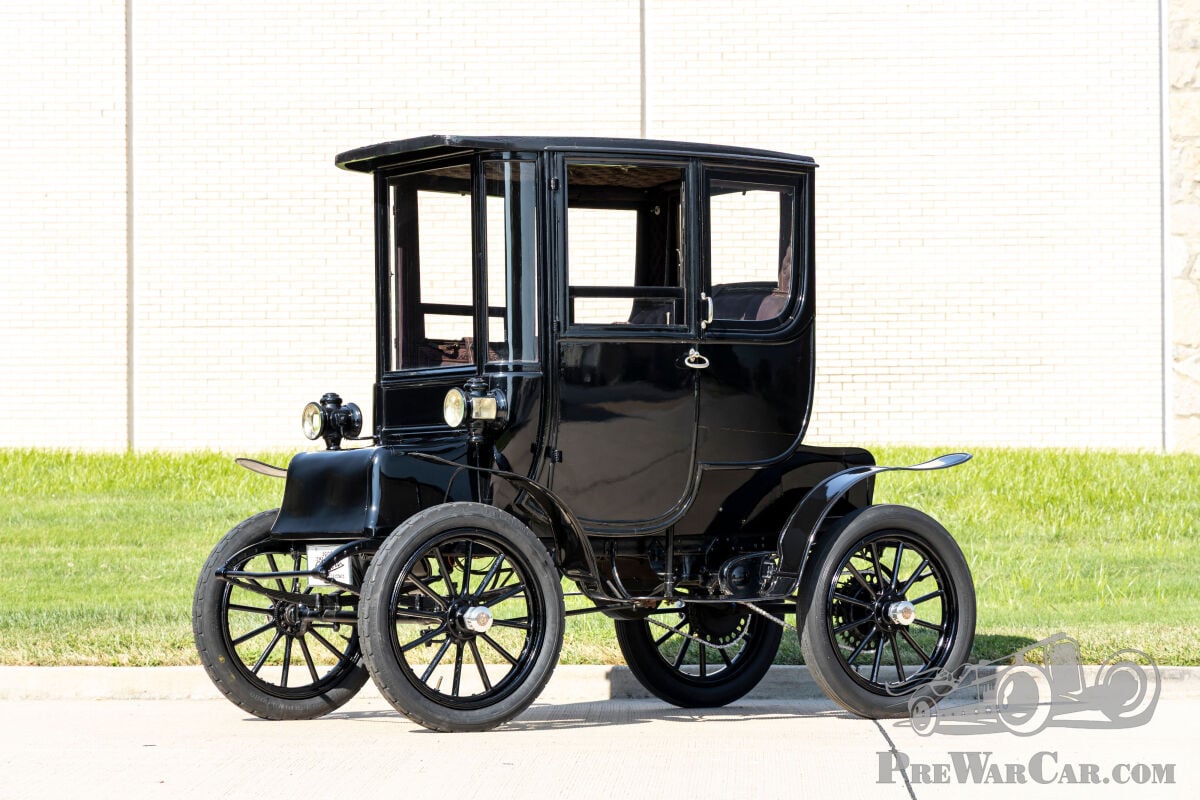
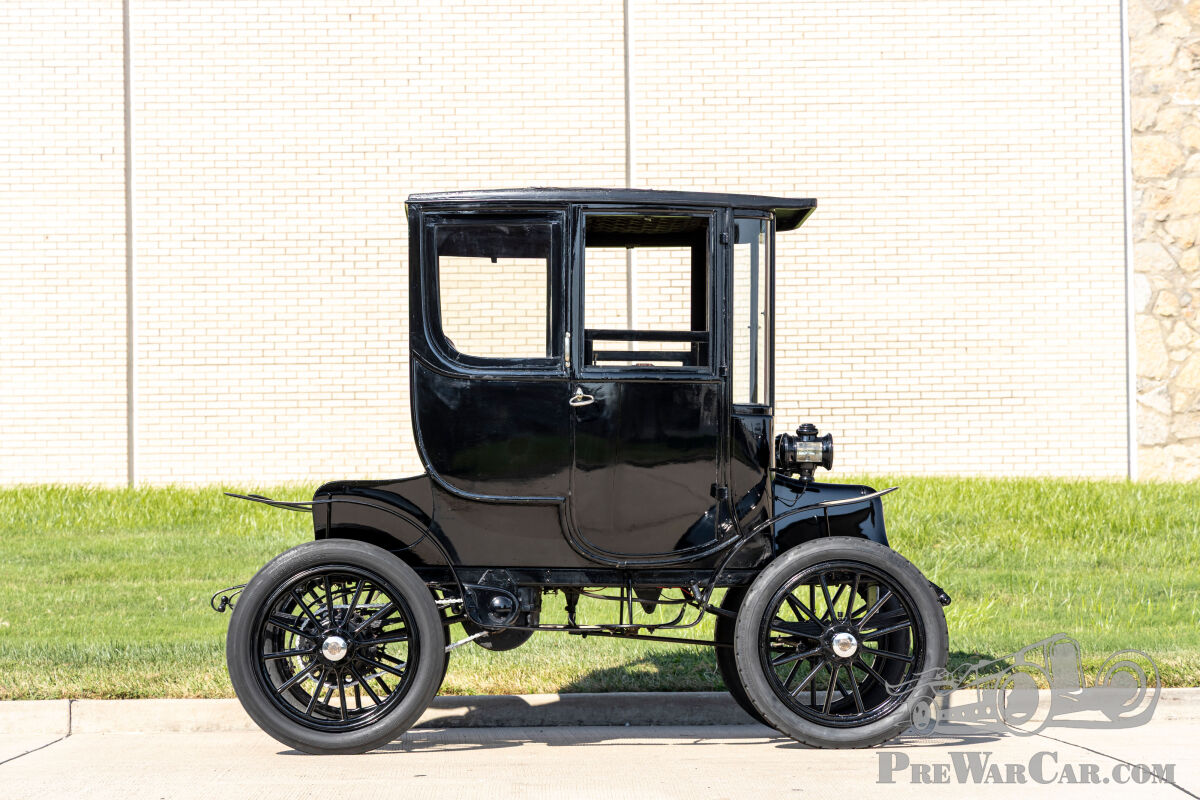
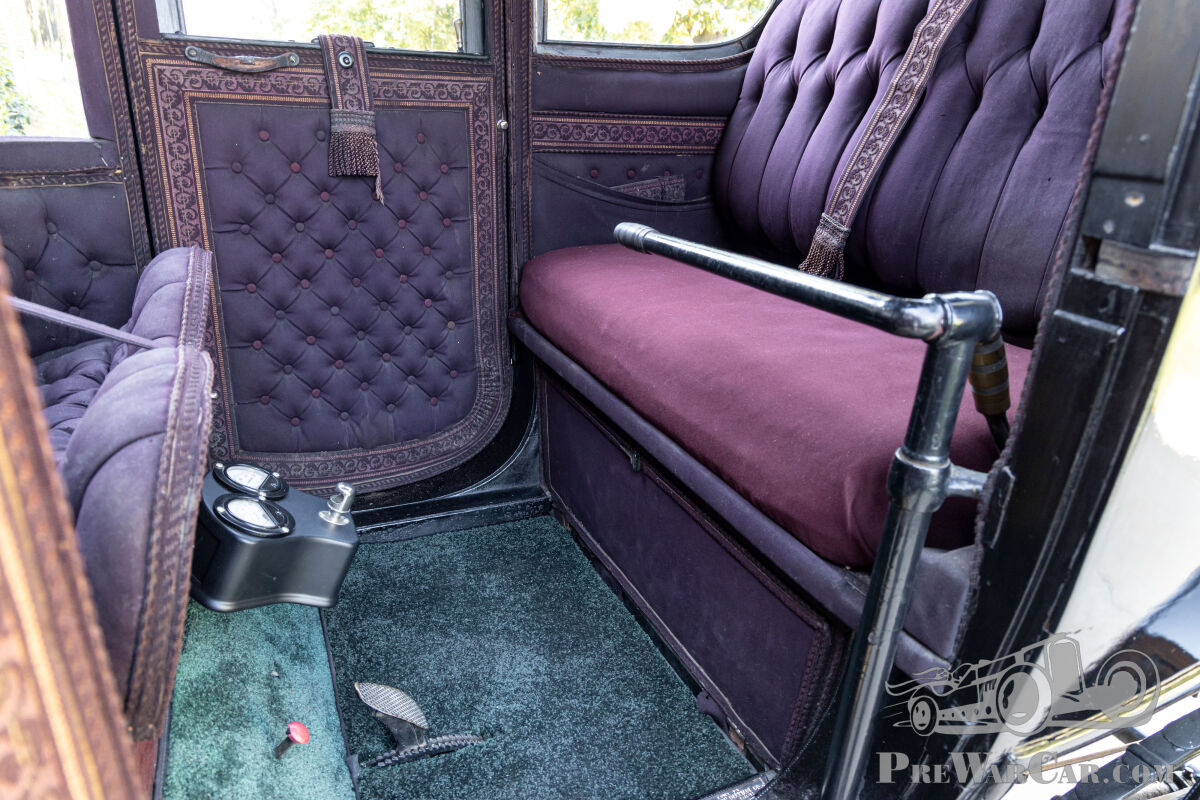
1909 Detroit Electric Model D, Type K Brougham
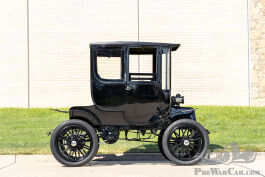
The oldest of the three is the 1909 Detroit Electric Model D, Type K Brougham. According to RM Sotheby’s, this is the earliest surviving Detroit Electric and one of only two known examples featuring the early twin-chain drive. Its first owner did not enjoy it without incident for very long. Just days after buying the car, he left the controller in a high-speed position while it was standing in his barn. The resulting fire damaged the car and destroyed the barn. The Detroit was repaired and survived, complete with a story that will undoubtedly be retold more than once at Hershey.
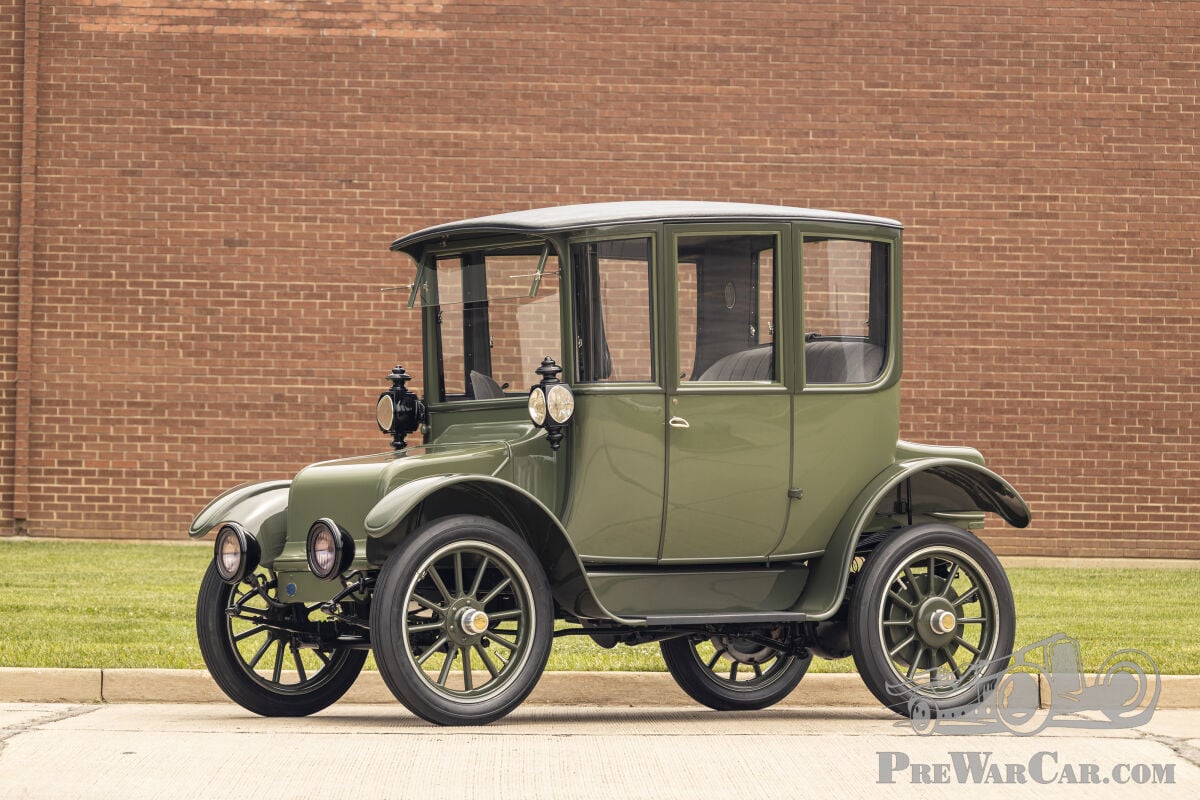
1918 Rauch & Lang Model B26 Brougham
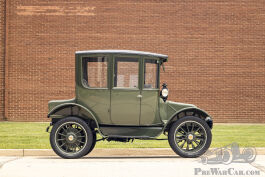
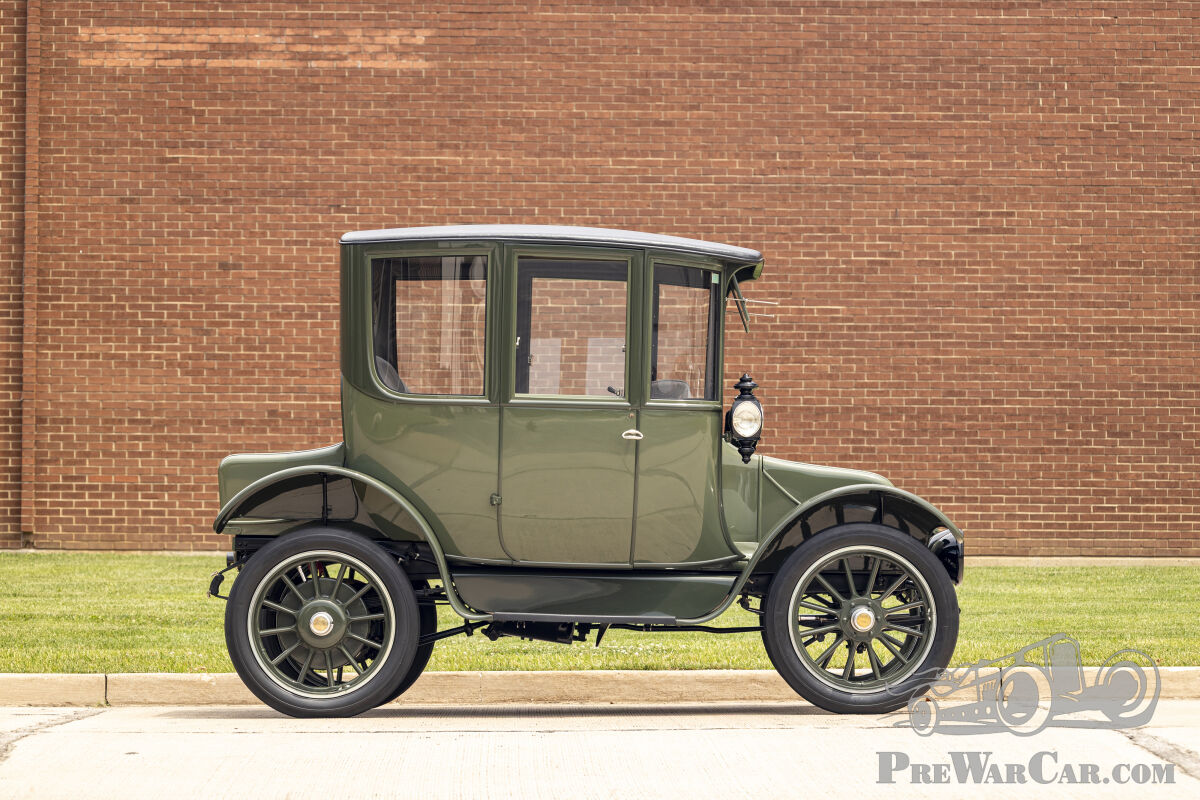
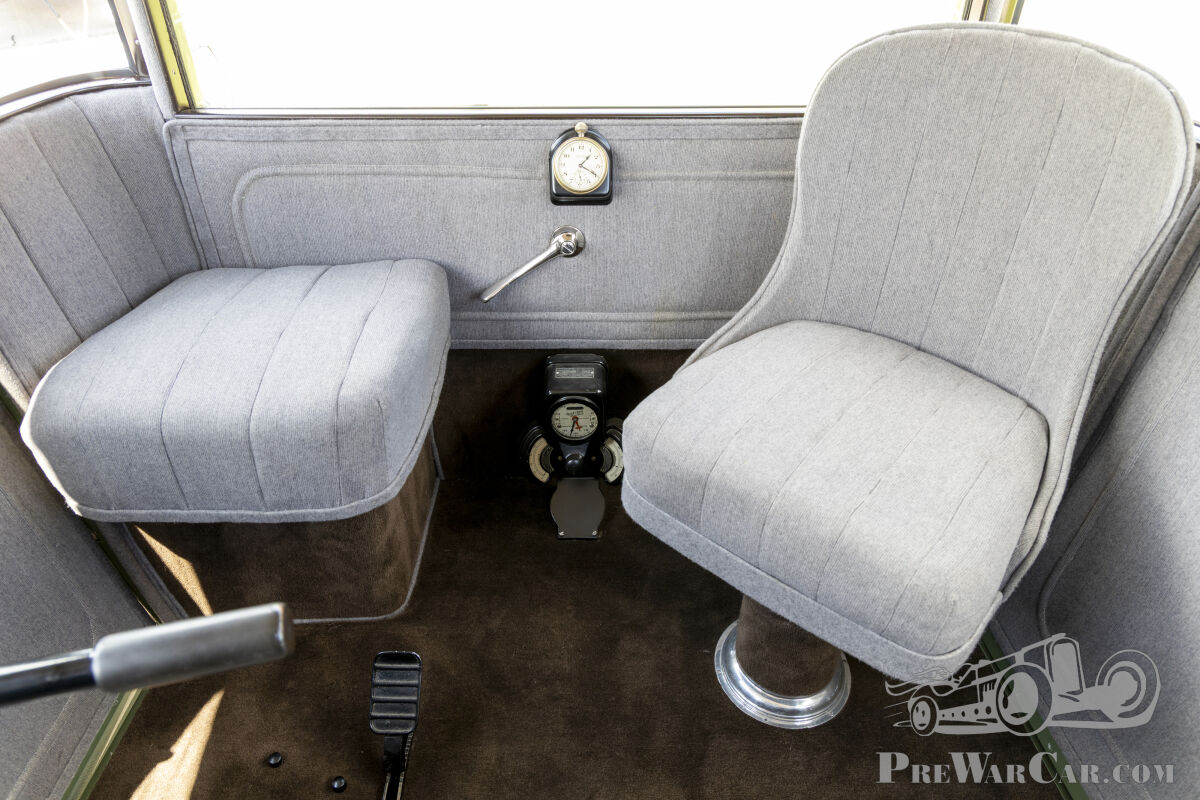
The 1918 Rauch & Lang Model B26 Brougham tells a different story. This dignified, carriage-like motor car spent many years in the collection from which the Crawford Auto-Aviation Museum emerged. It was later thoroughly restored in two shades of green, with a grey wool interior. In 2019, it received an AACA First Junior award at Hershey. For anyone who associates an electric classic primarily with silent motoring, this is a reminder that serious concours contenders can also be found among cars without an engine beneath the bonnet.
1937 Detroit Electric Model 99 Coupe
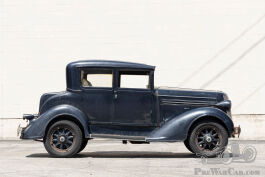
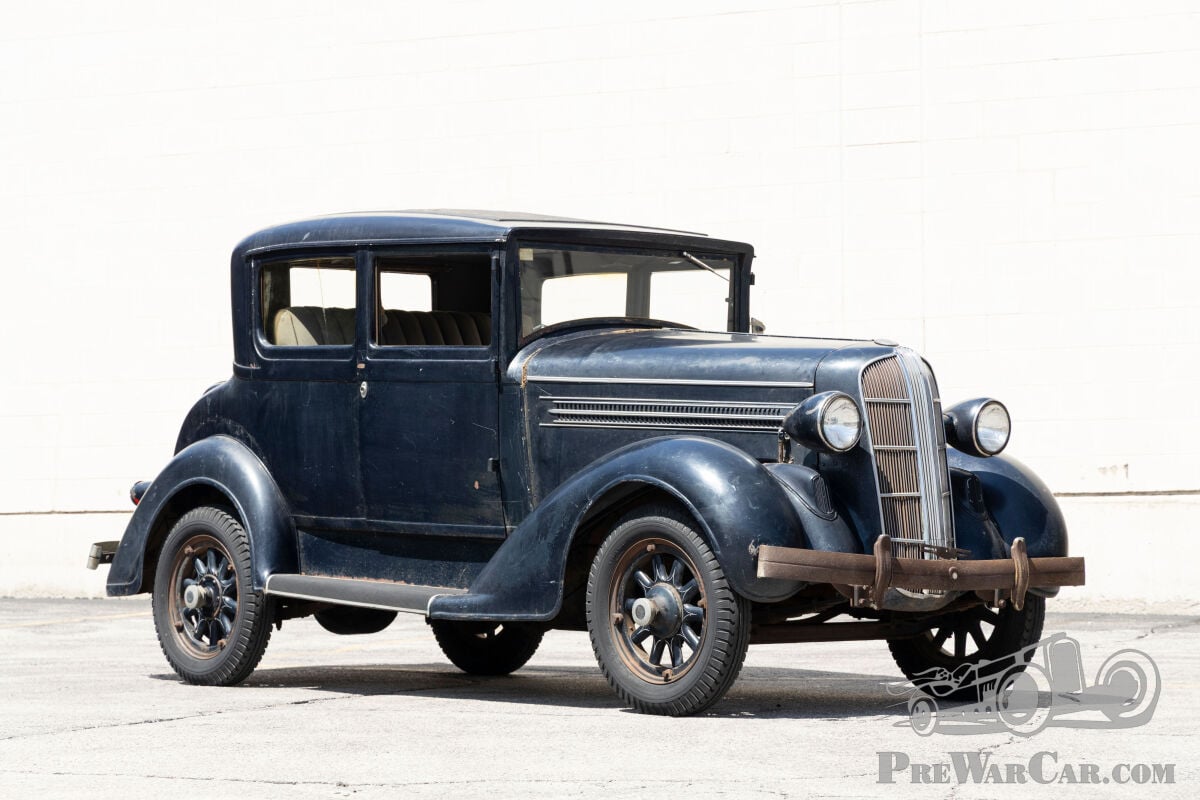
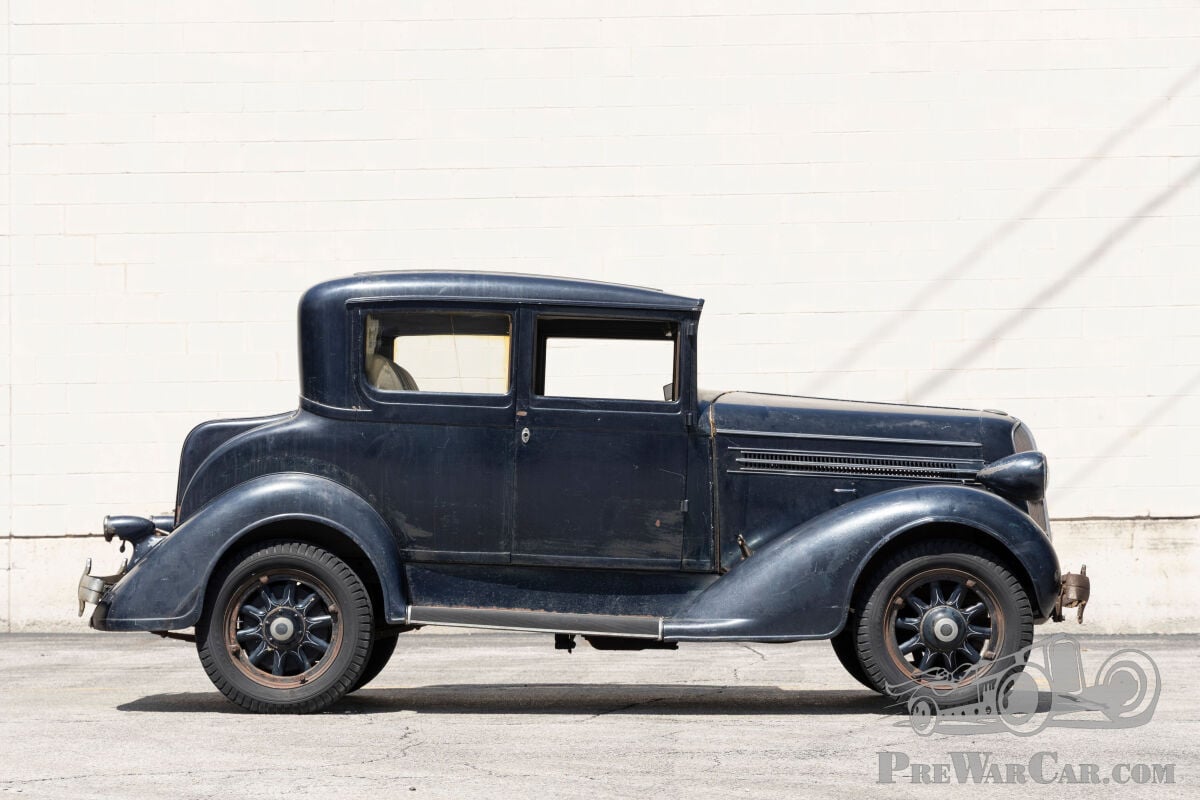
Then there is the most striking of the three: the 1937 Detroit Electric Model 99 Coupé. From the outside, it appears to be doing its best to look like an ordinary 1930s coupé. Beneath the bodywork and behind the controls, however, it remains resolutely old-fashioned: the driver still steers with a tiller. According to the auction house, it is the last Detroit Electric built to have survived intact. The car remains largely unrestored and is said to be operational with its newer batteries. It even spent part of its later life as a teaching aid at a technical school.
Three electric cars built over a period of almost thirty years, and all three quintessential Hershey material: unusual, historically fascinating and guaranteed to start a conversation that lasts longer than you intended.
Details:
- Event: The Hershey Auction by RM Sotheby's
- Date: 7–8 October 2026
- Location: The Hershey Lodge, Hershey, Pennsylvania, USA
- See all listings>>
Published:
Wednesday September 30th, 2026
Facebook
LinkedIn
Twitter
WhatsApp
Email
Copy