The global magazine and marketplace for classic car enthusiasts, by enthusiasts.


Filter
Make a choice:
- Cars
-
Make >>
- Bikes
-
Location >>
- Parts & more
-
Make of car >>
-
Manufacturer >>
-
Category >>
- Bicycles & more
-
Year >>
-
Countries


Live from the centre of the classic car world: Salon Rétromobile 2025
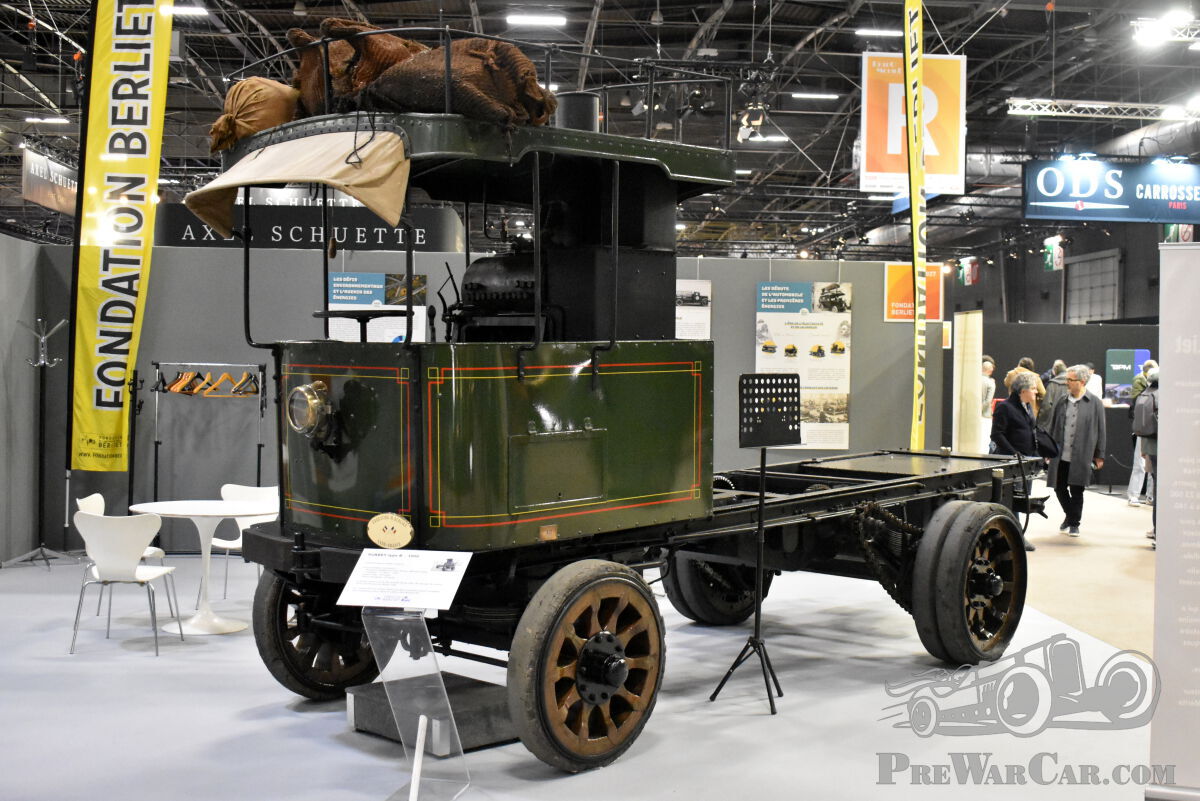
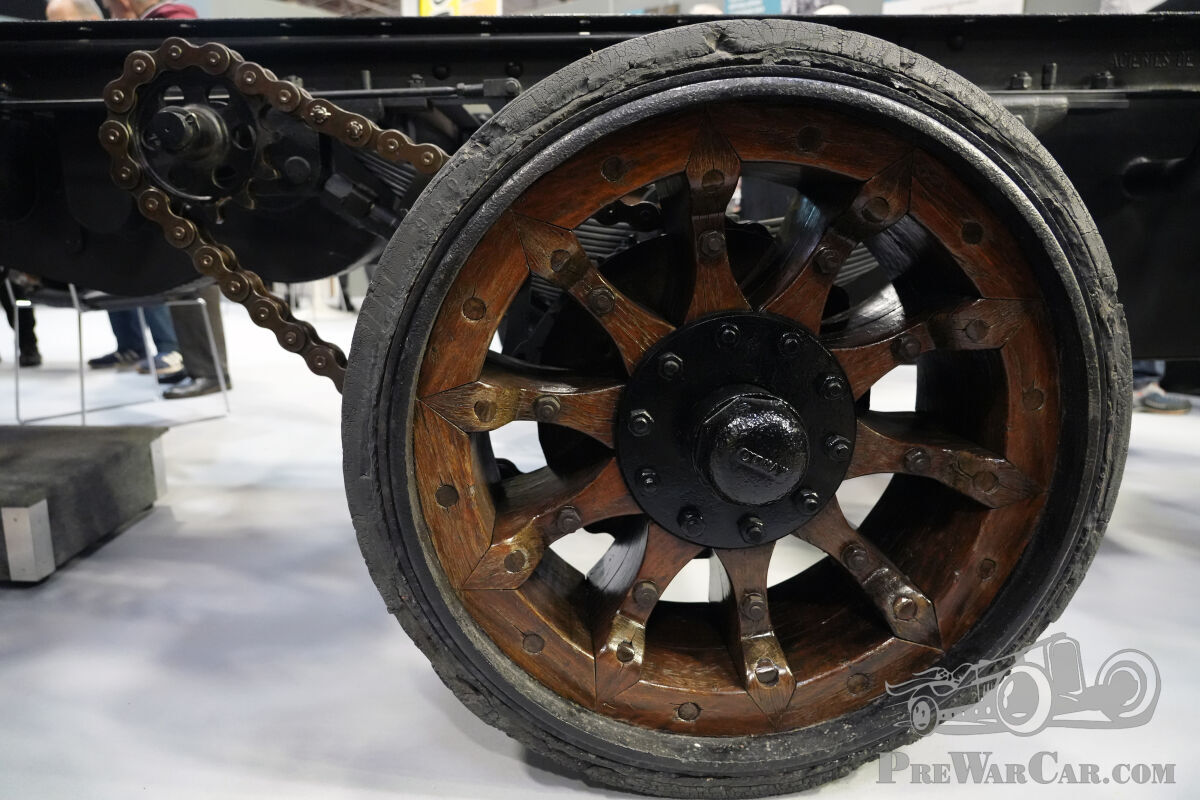
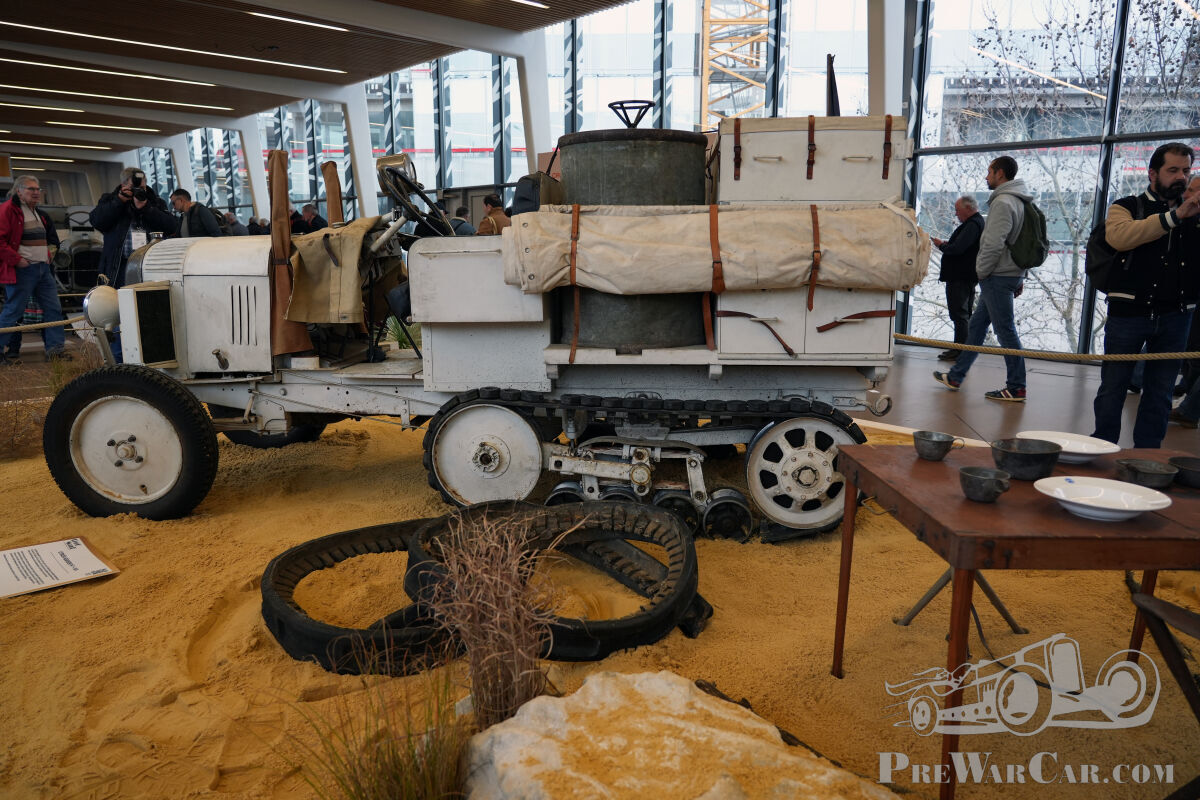
The Berliet Foundation is showing the impressive 1909 Purrey camion à vapeur
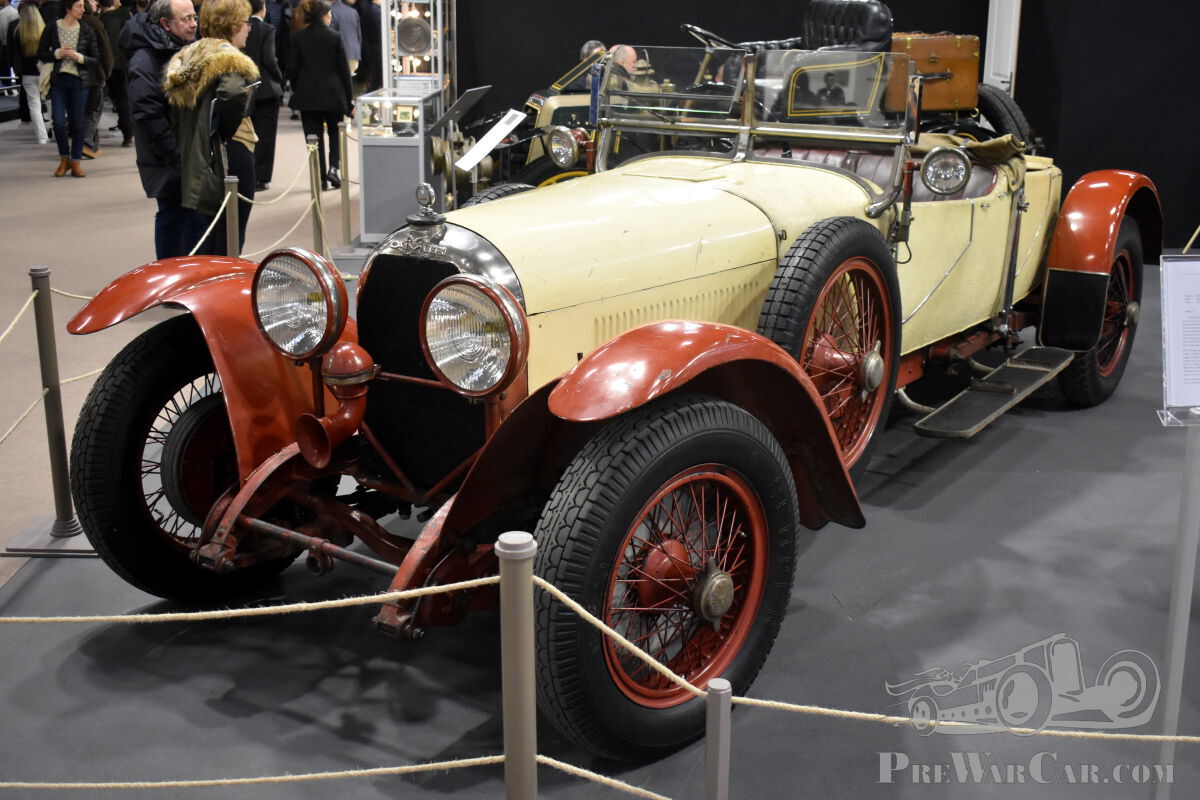
Christoph Grohe's marvellous Austro-Daimler has period racing pedigre
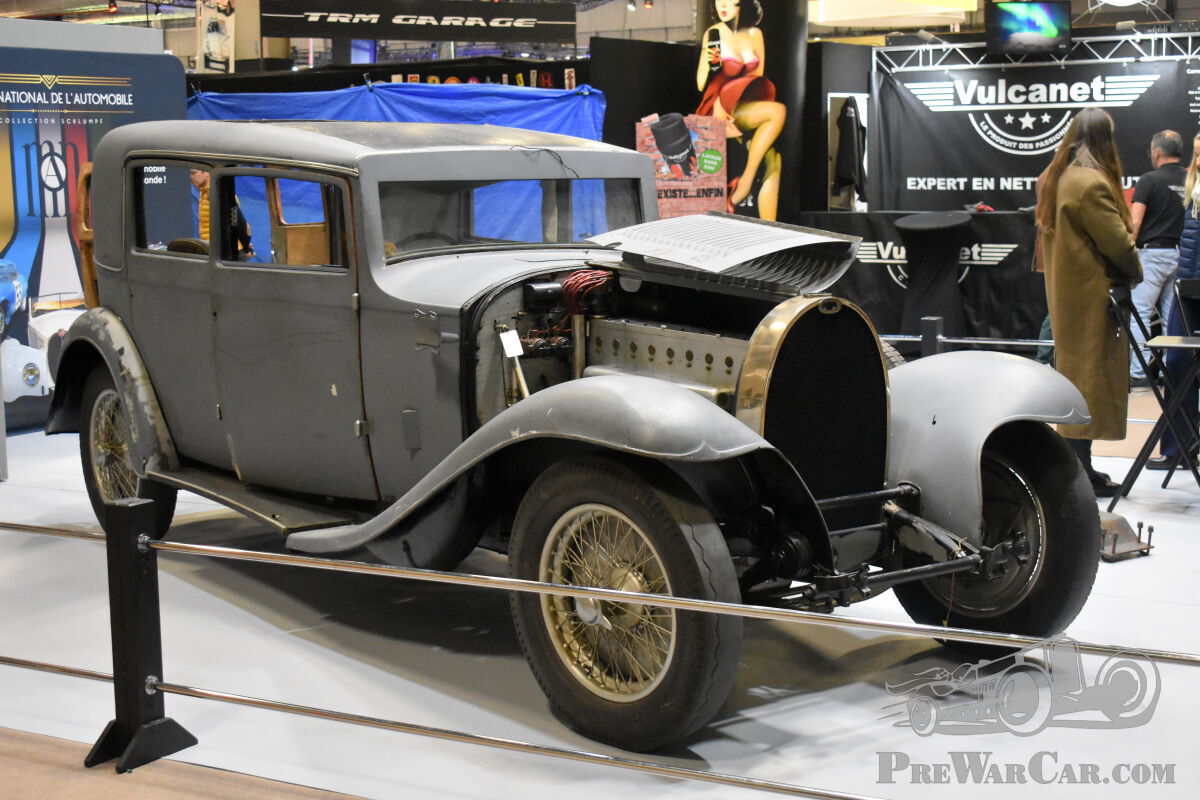
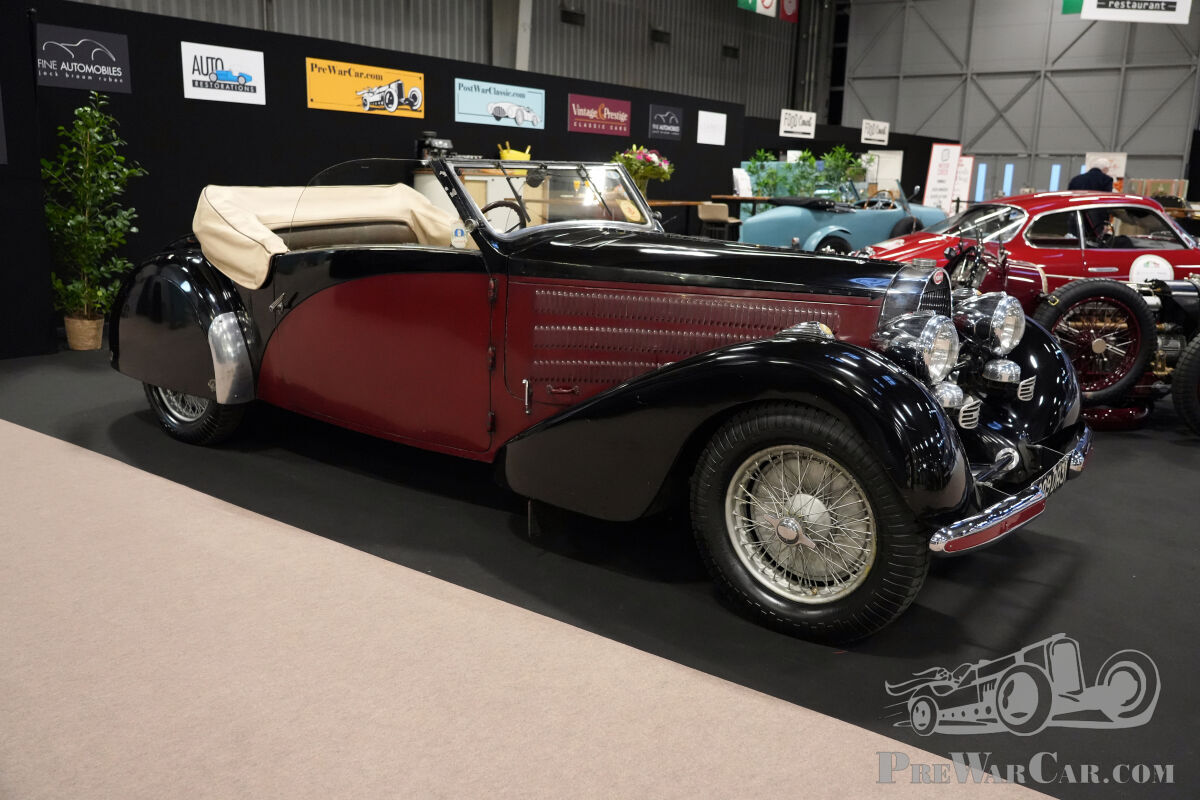
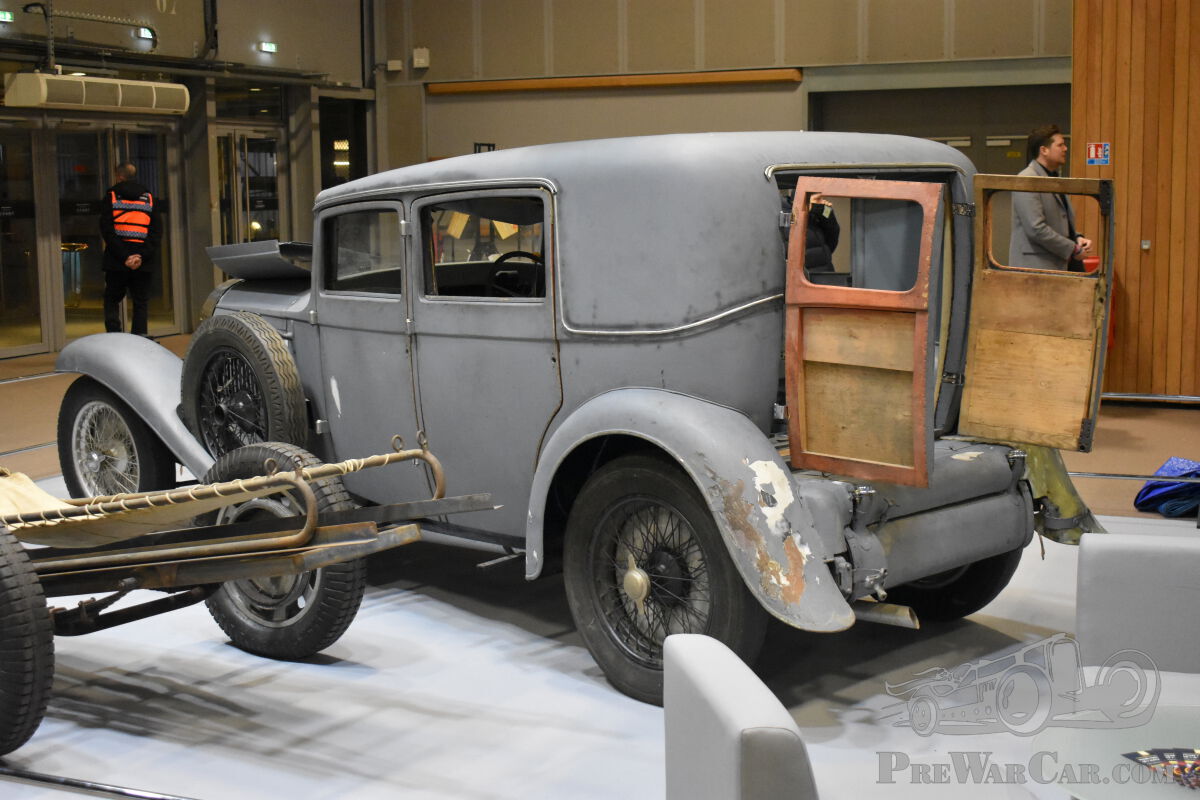
Bugatti Type 46 with fascinating ambulance conversion was visiting from Mulhouse
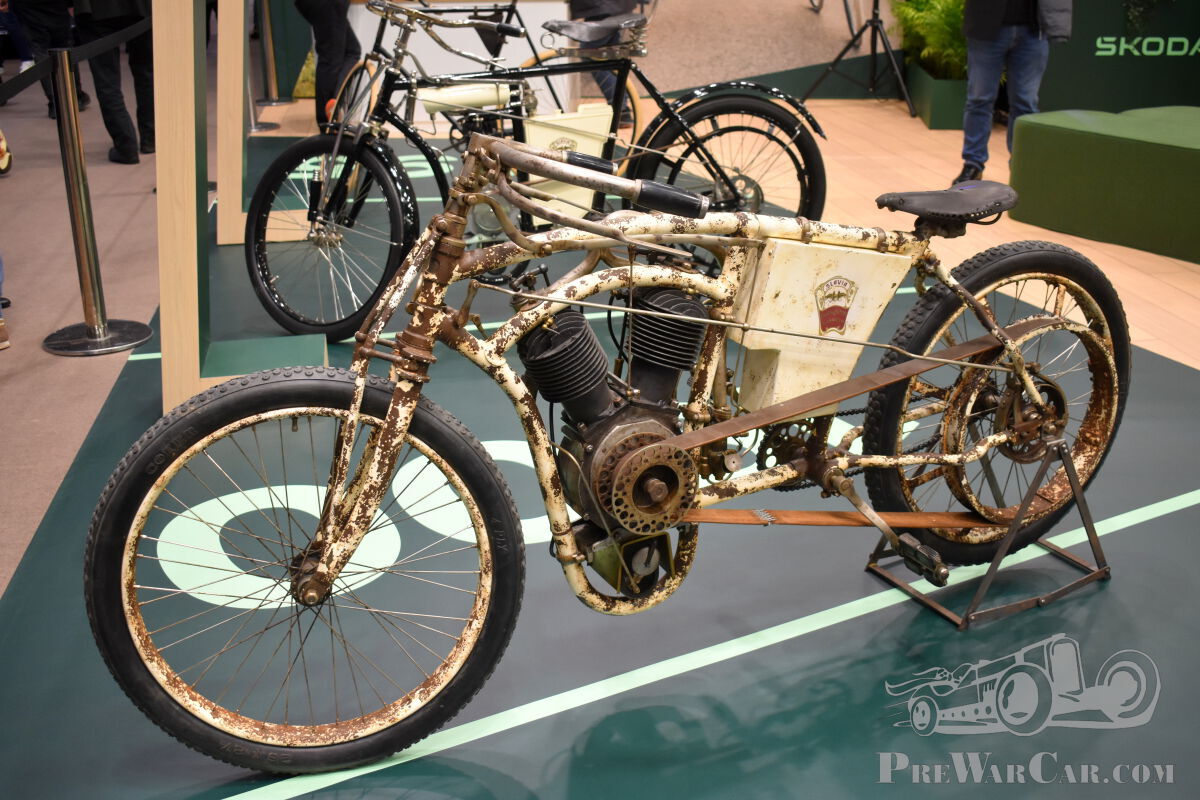
The fearsome-looking Laurin & Klement CCR was a force to be reckoned with in early motorcycle racing
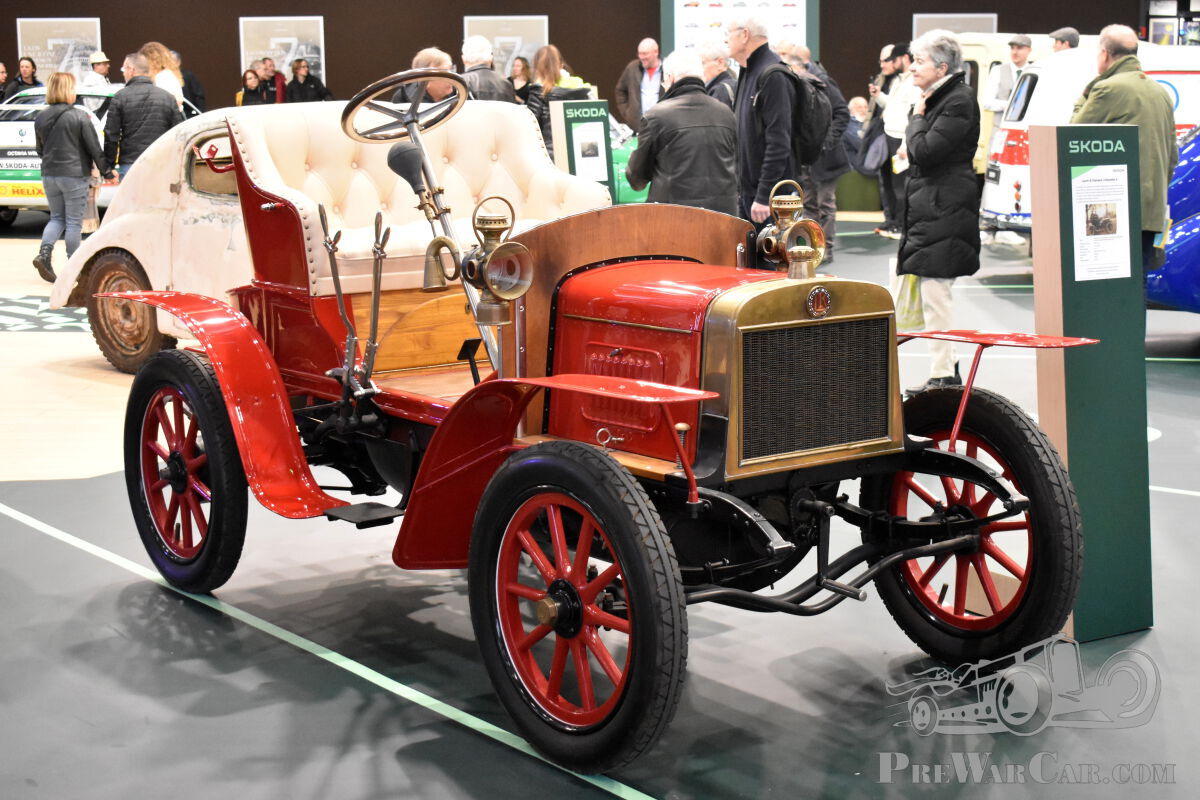
c.1906 Laurin & Klement Type A takes us to the very beginning of Škoda's car-making history
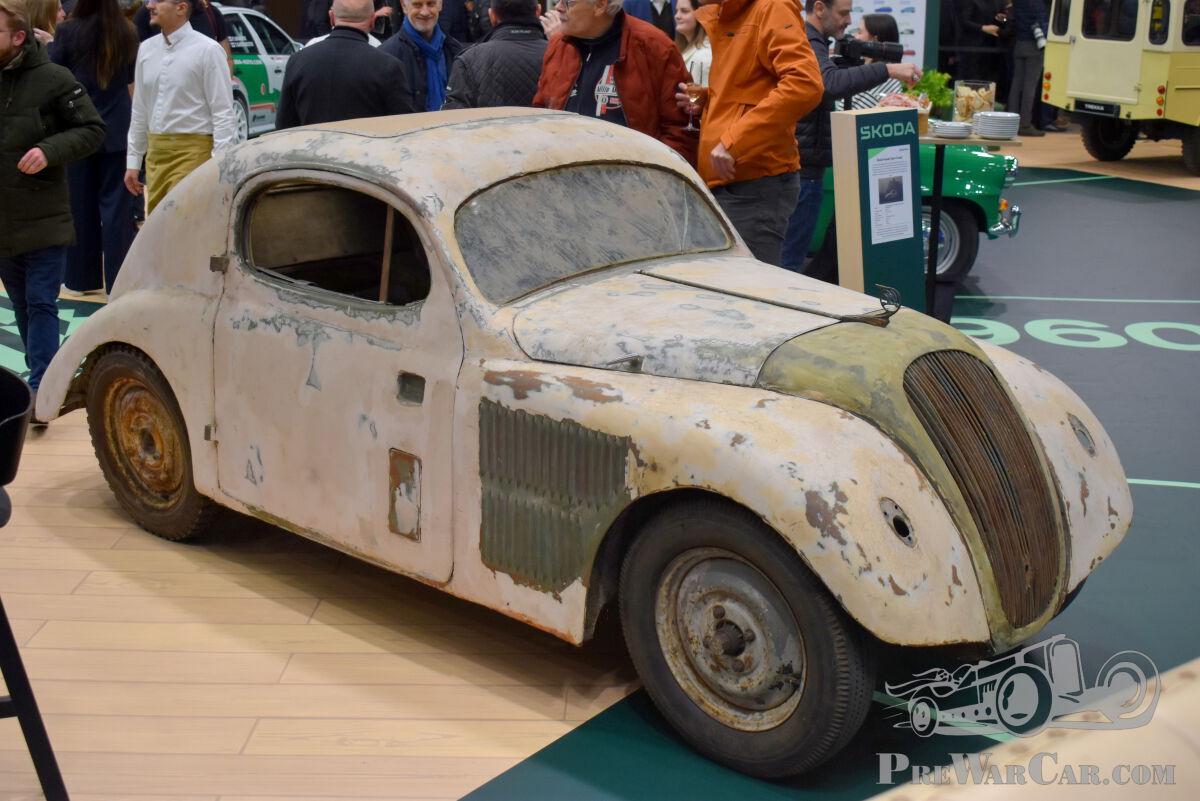
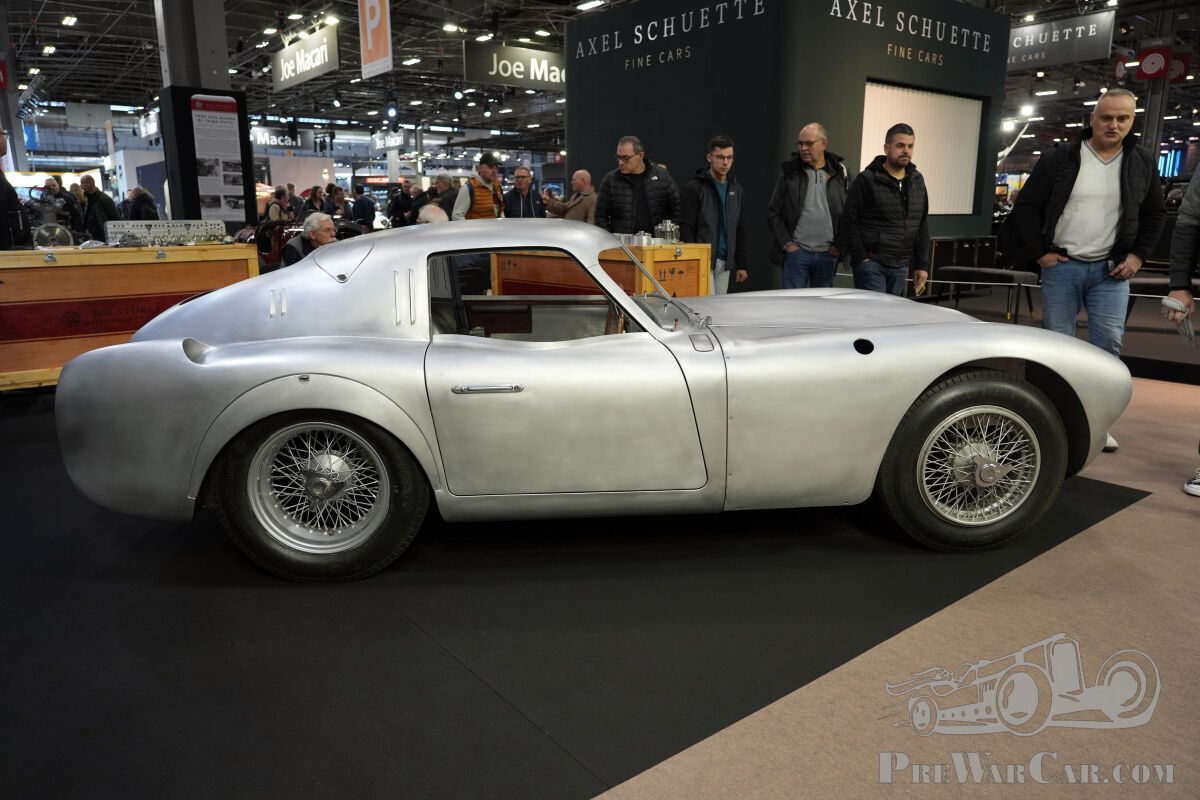
The remarkable Škoda Popular Sport Coupé is a new addition to the Škoda historic collection
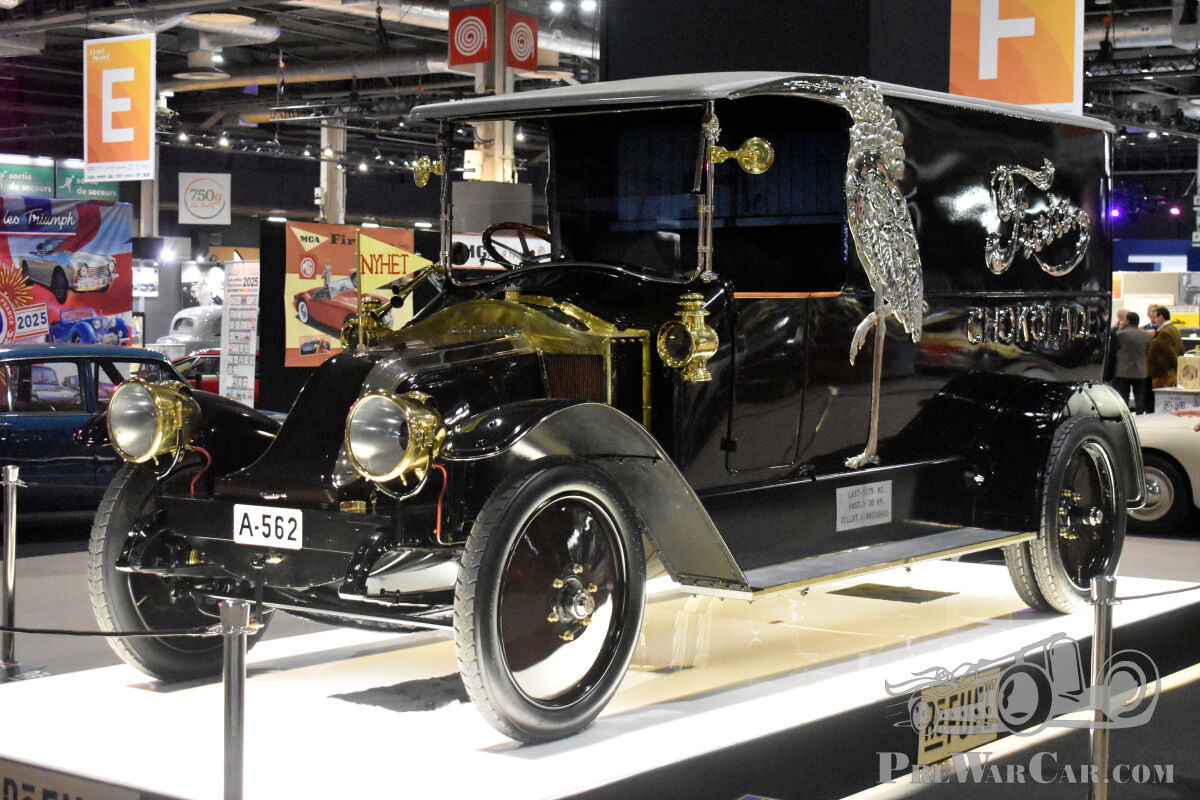
The striking 1913 Renault BC in Freia Chokolade livery
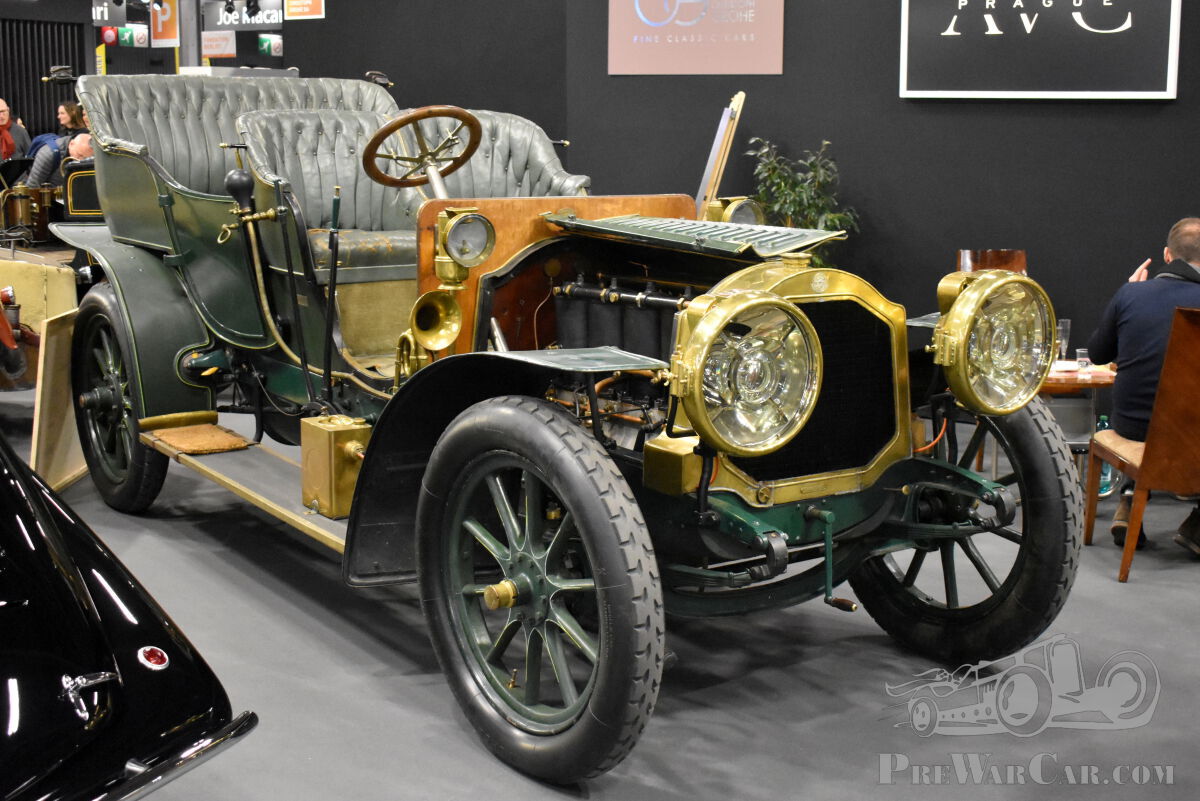
A.V.C. has a wonderful display including this 1908 De Dion-Bouton 30hp built for Karl Wittgenstein
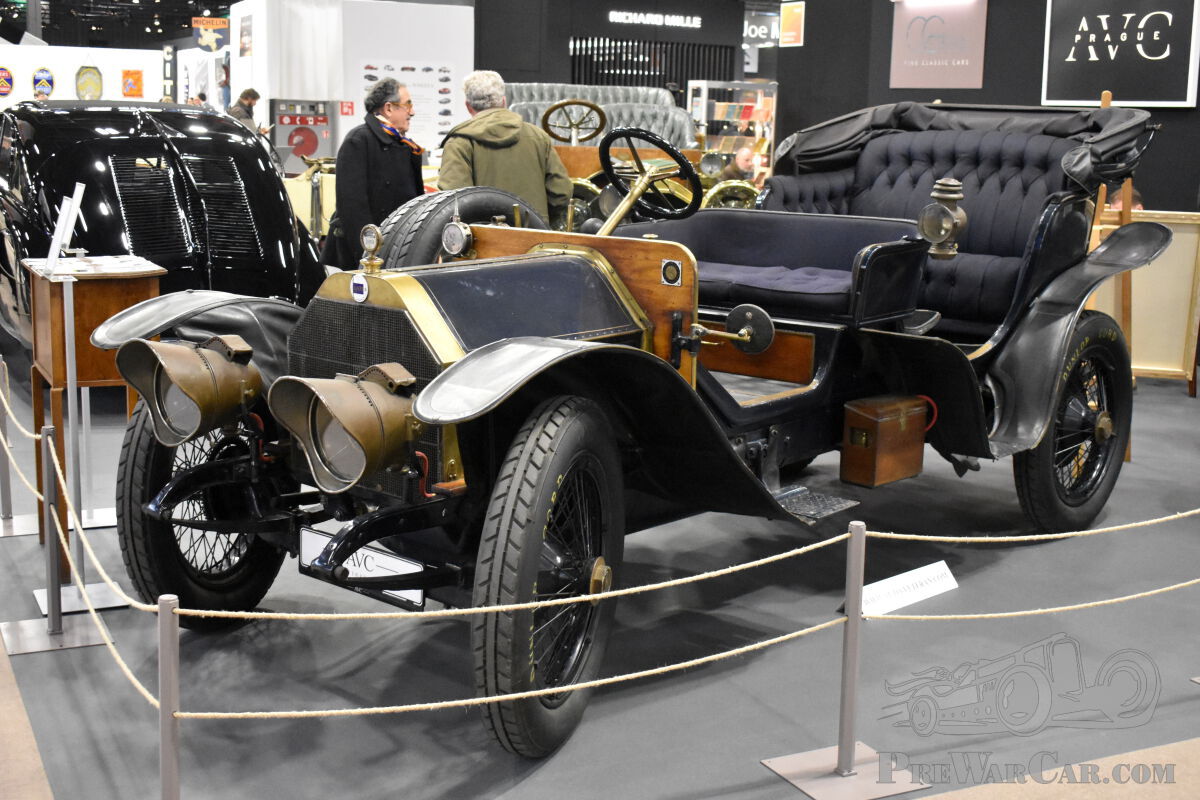
A.V.C.'s glorious American-bodied 1912 Lancia 30hp Victora
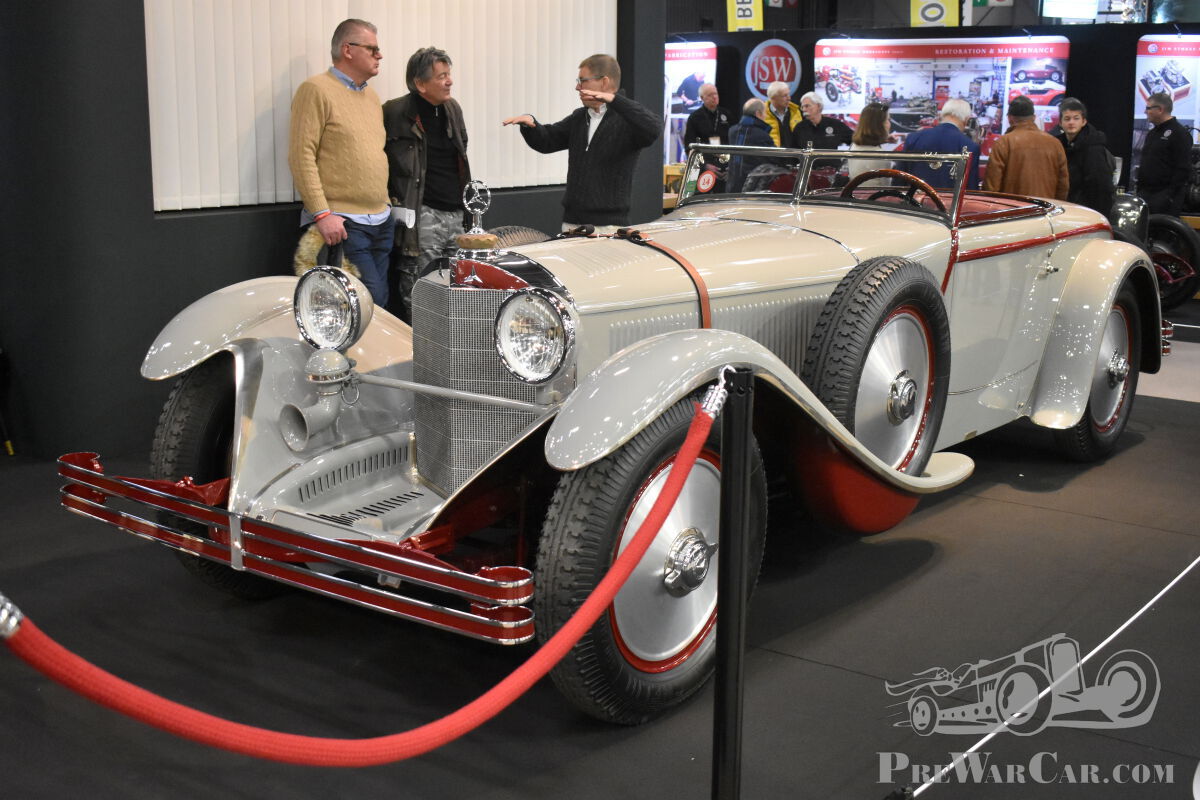
The glorious Saoutchik-bodied 1928 Mercedes-Benz 680S
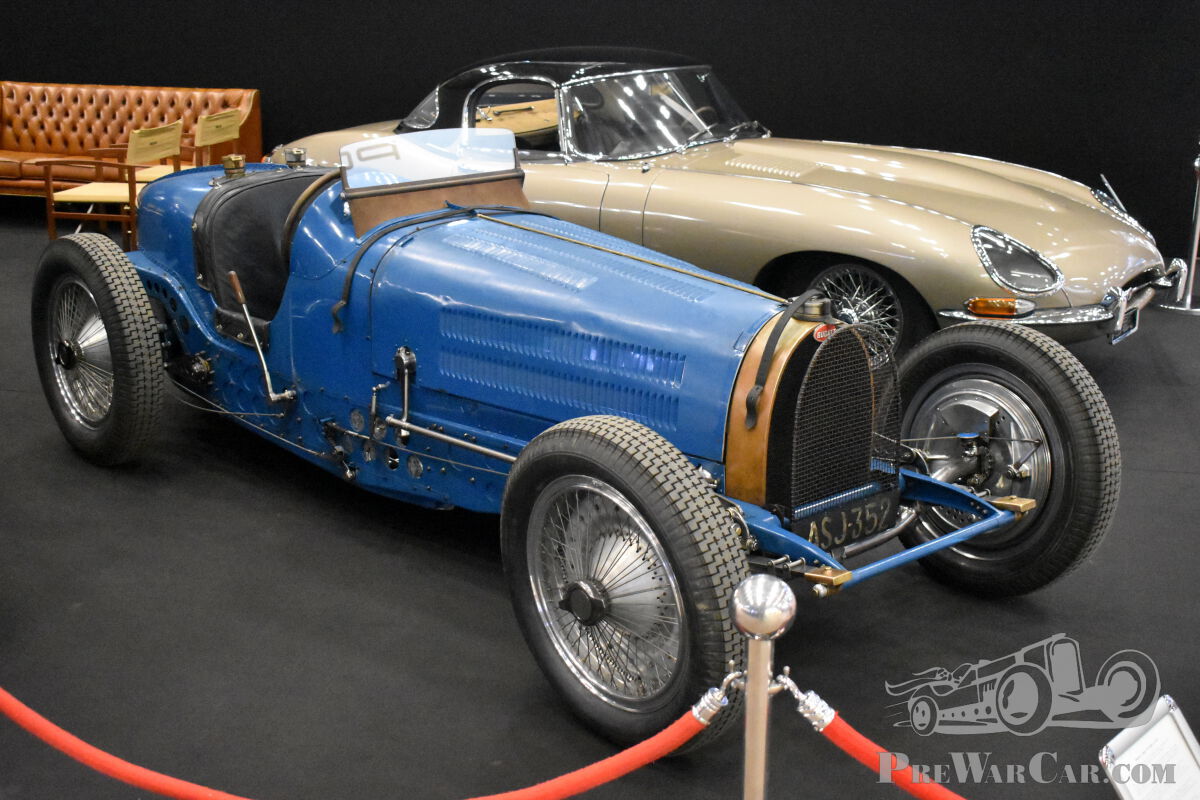
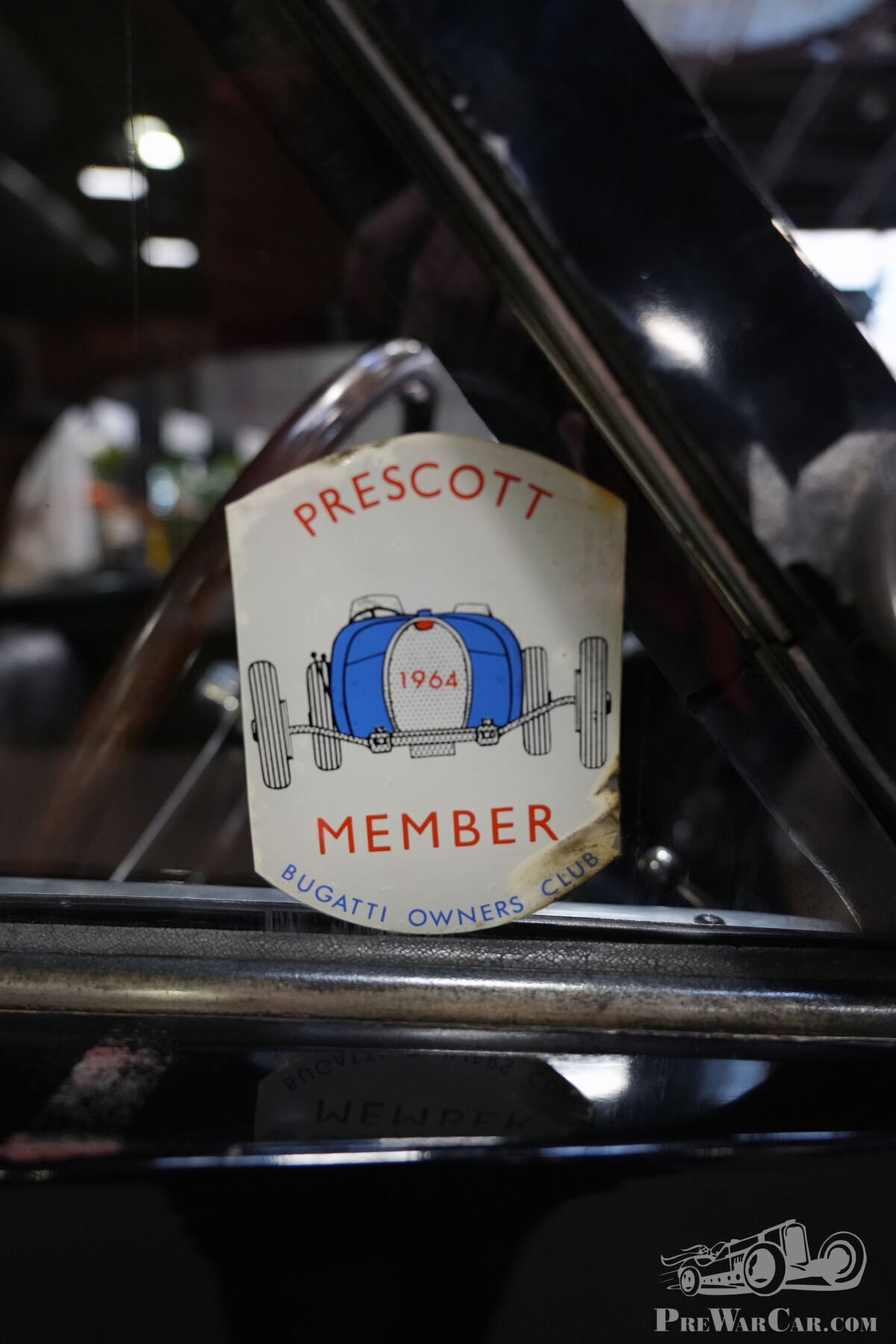
Phœnix Green's very well-used Bugatti Type 59
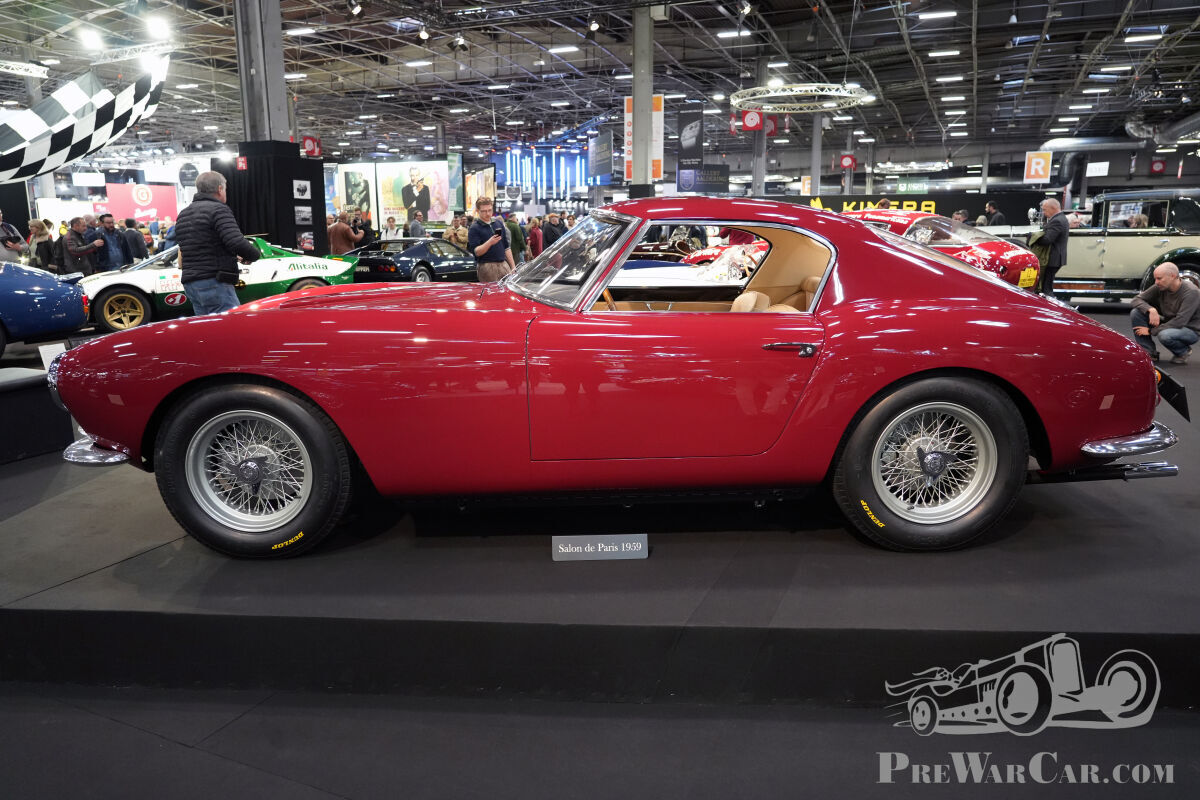
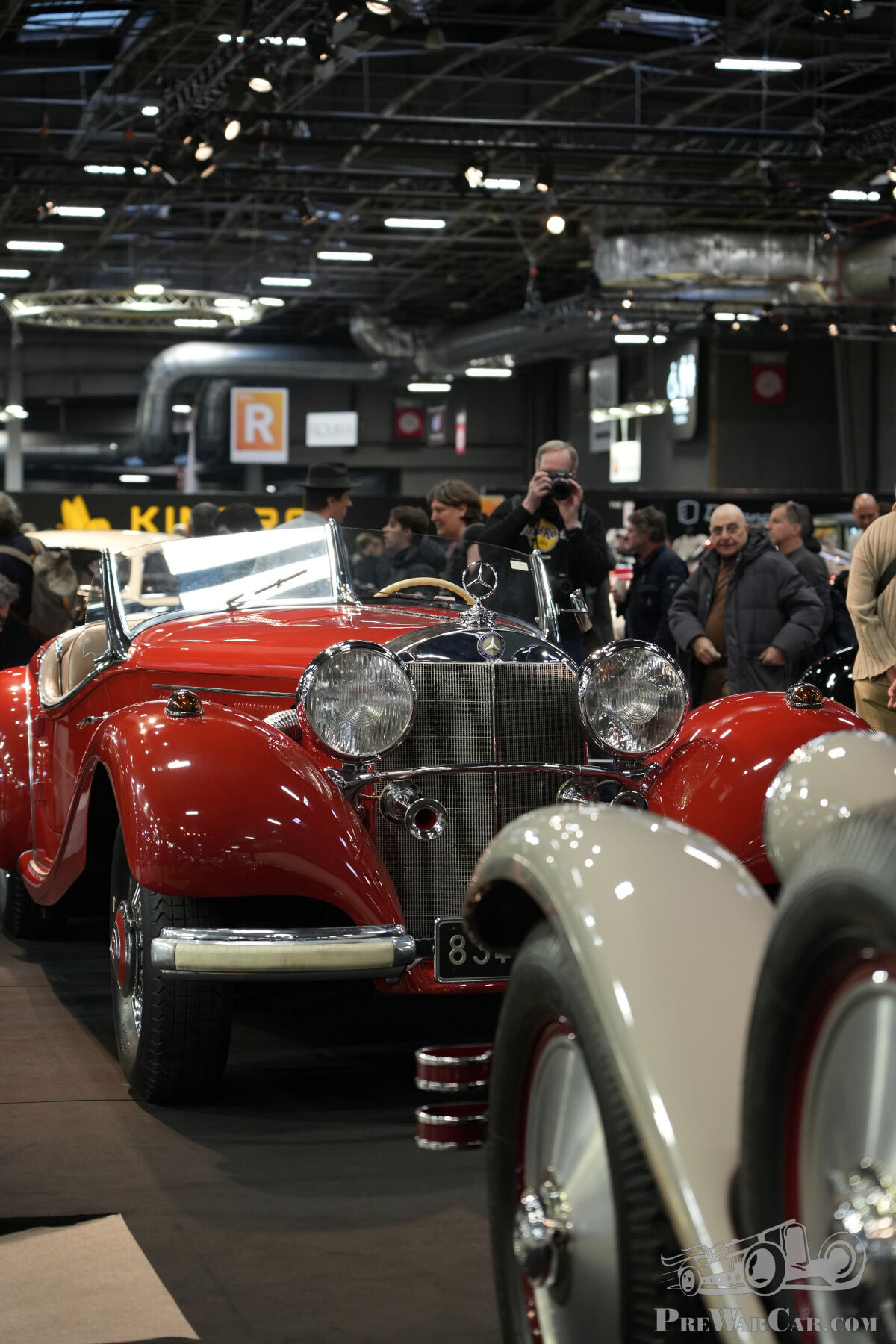

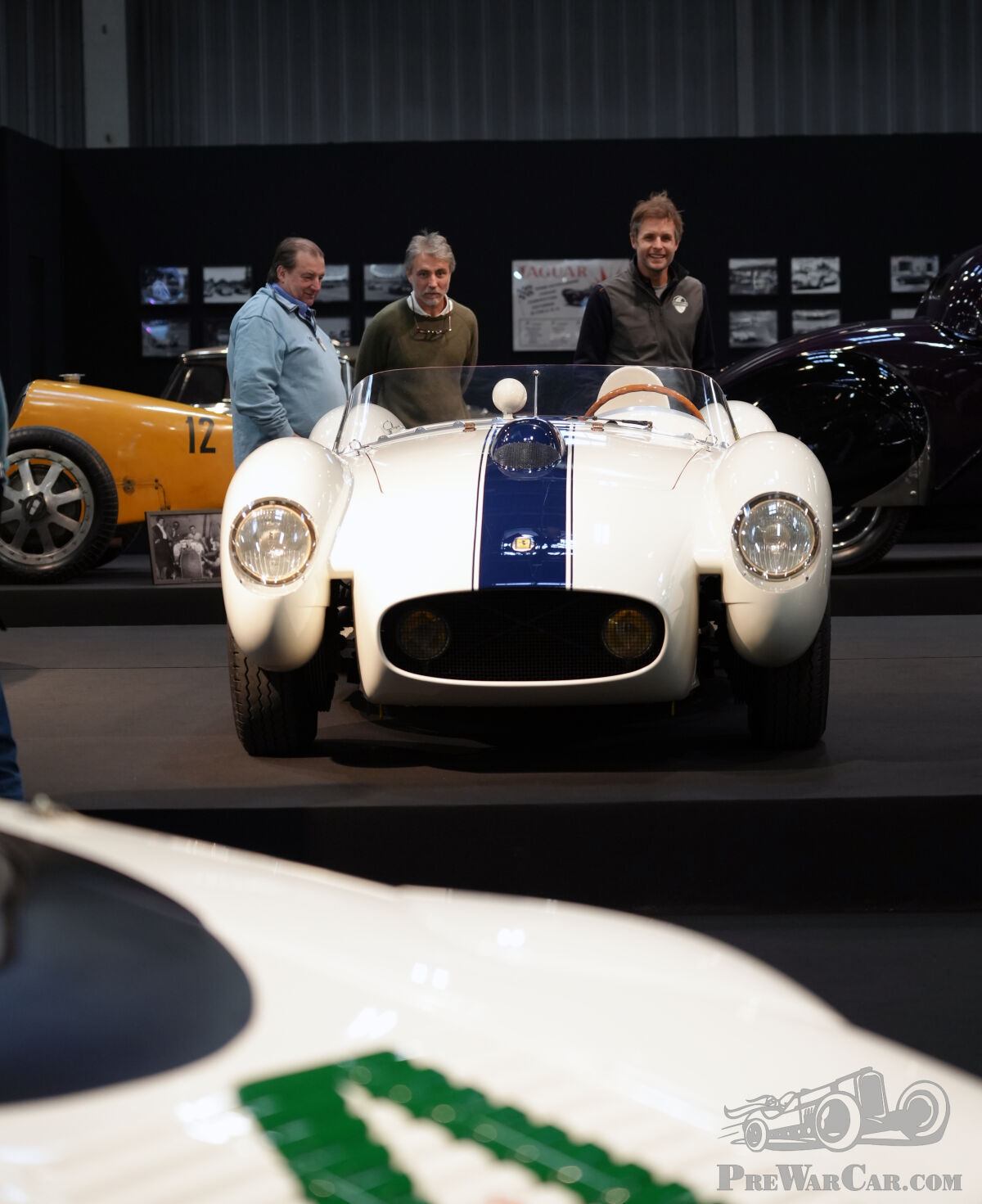

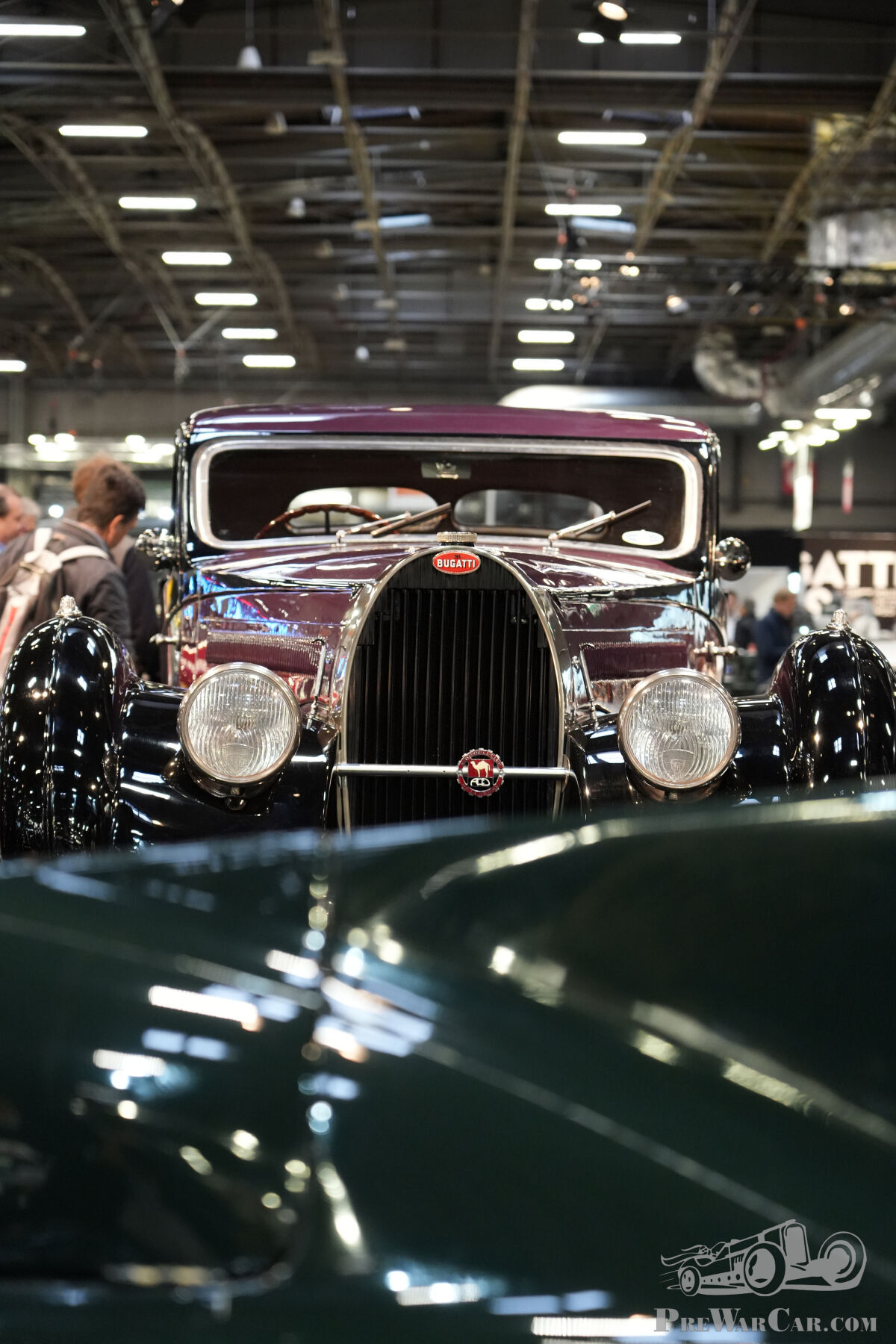

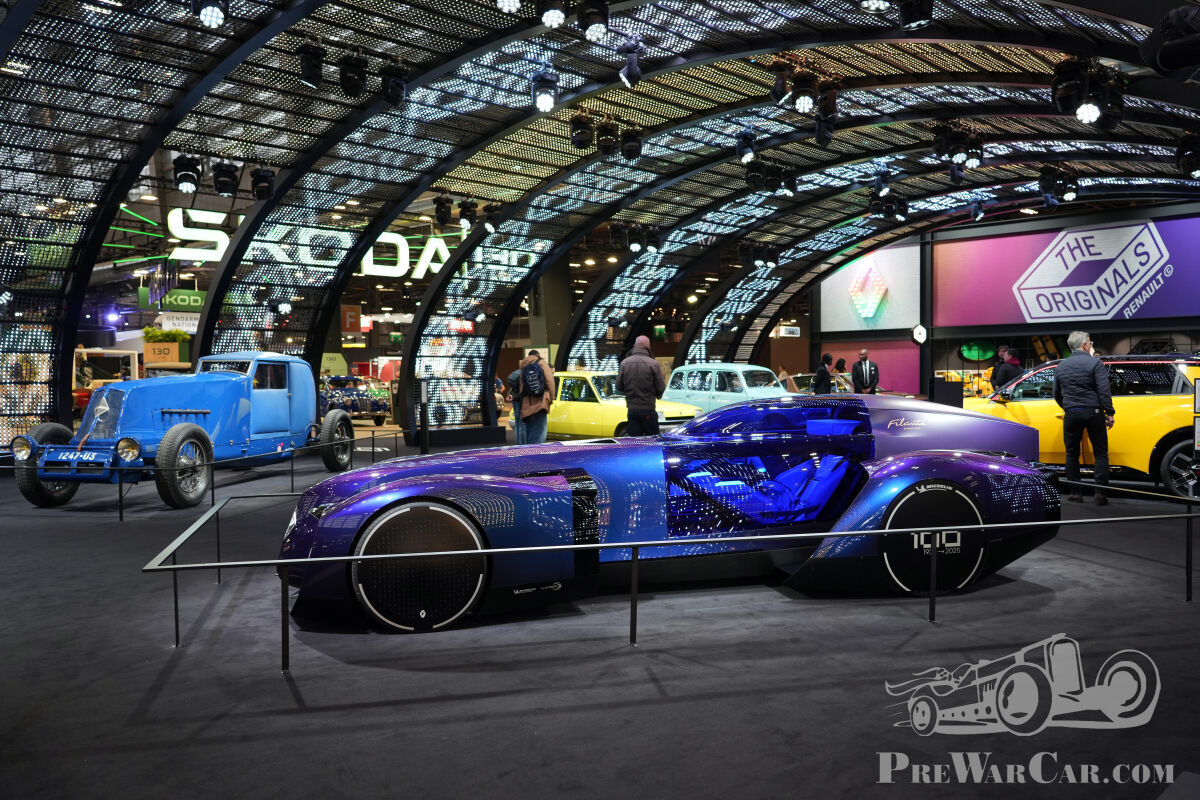
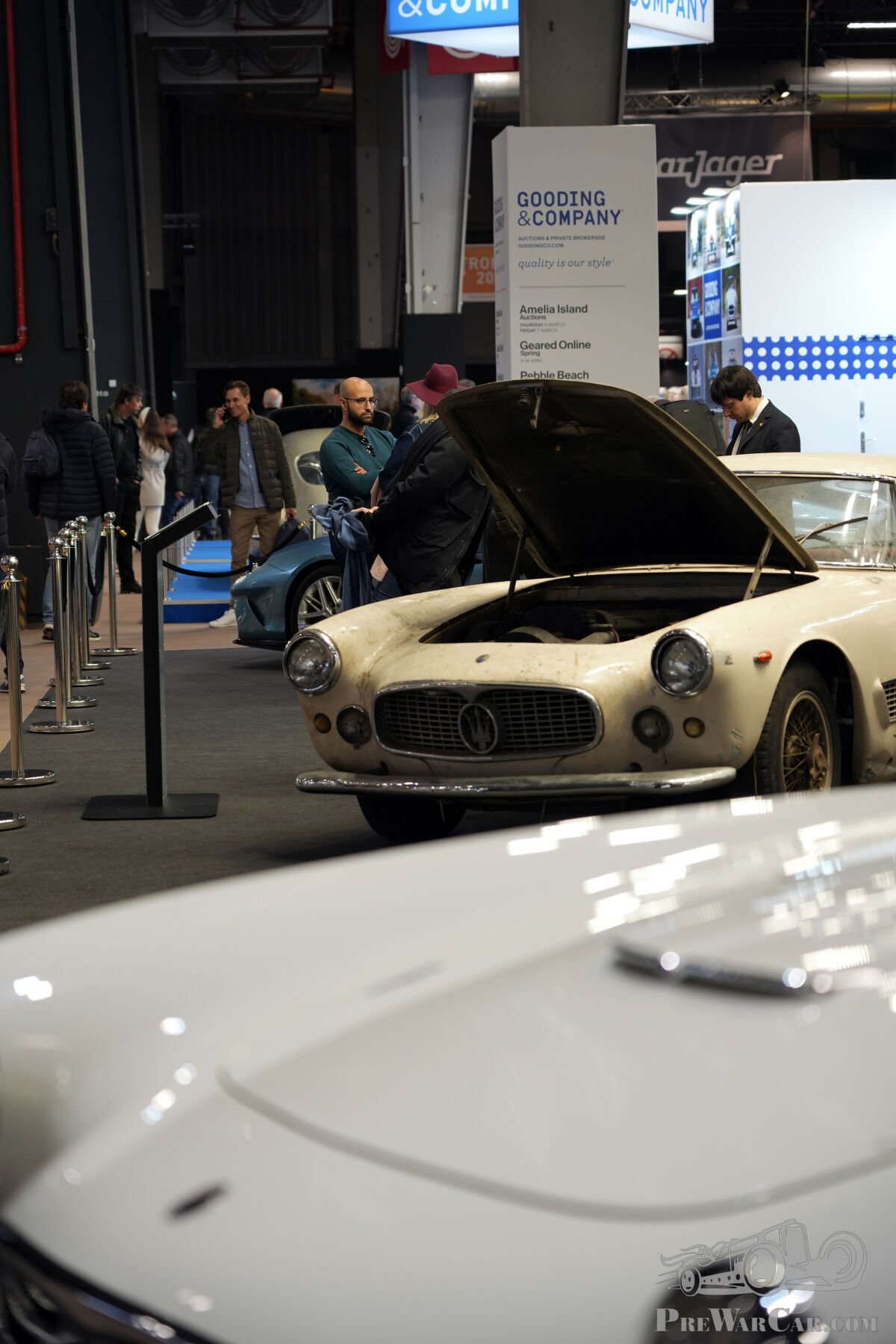
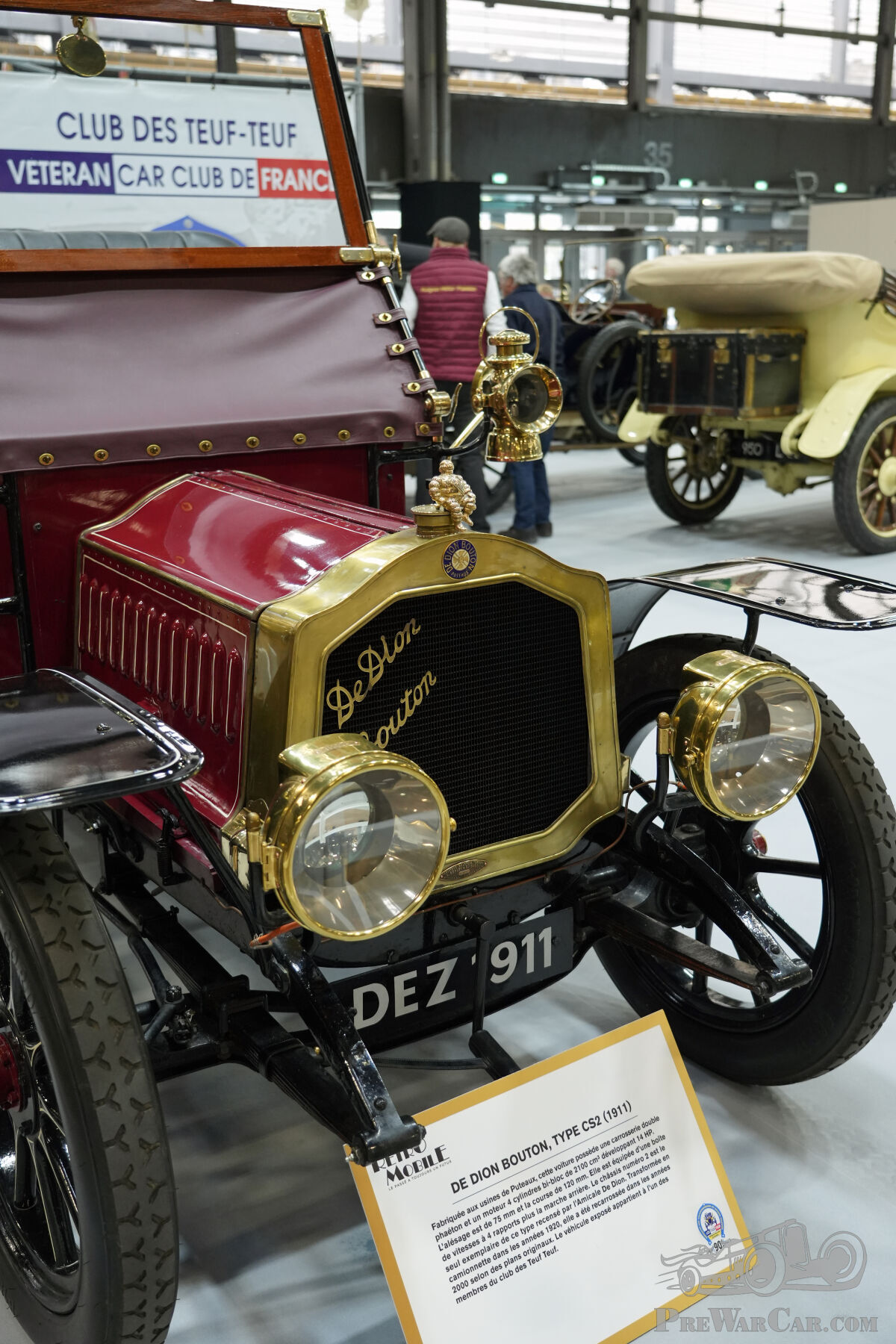
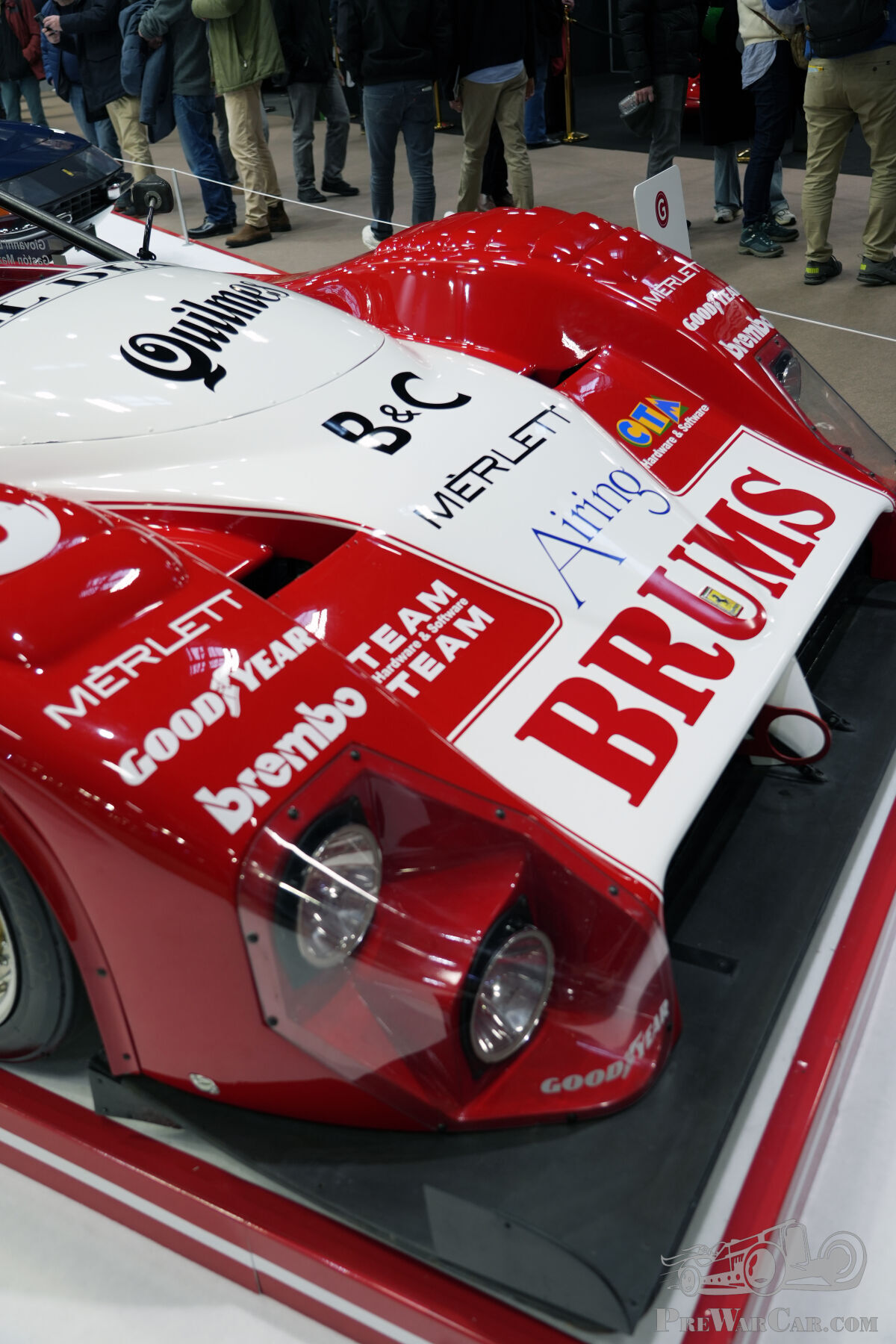
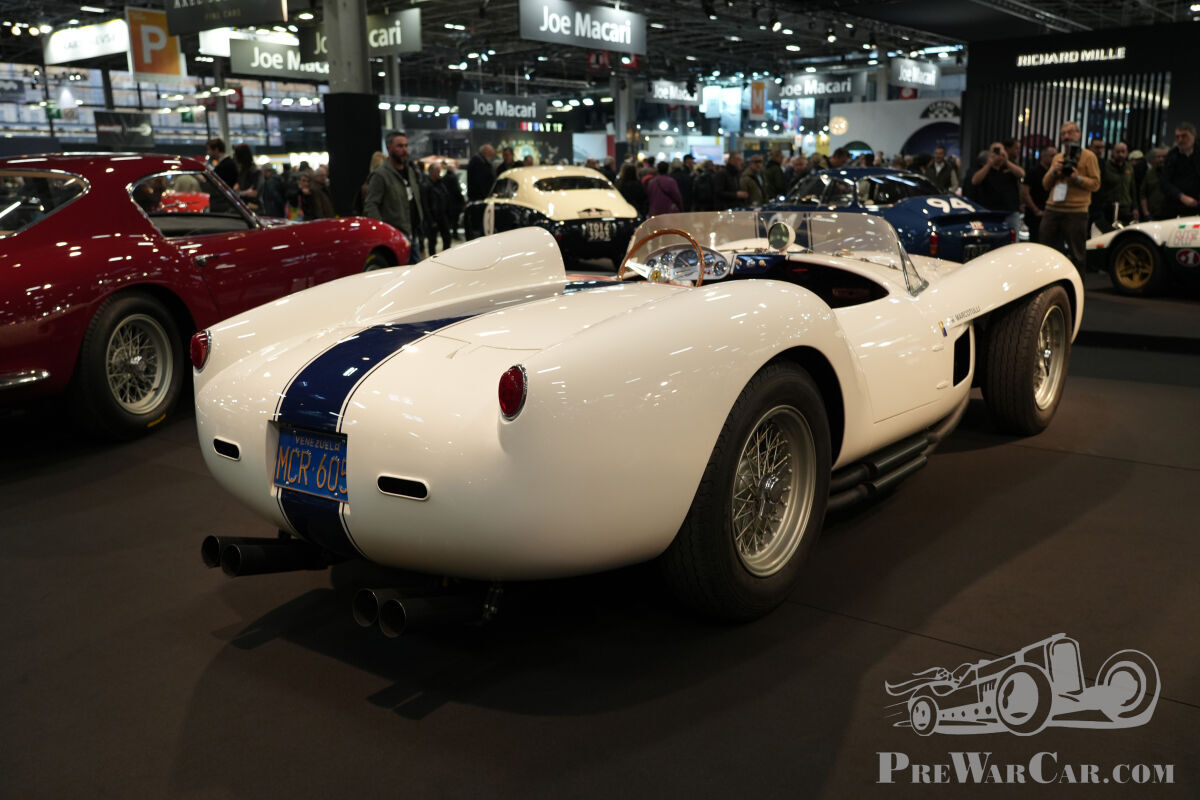
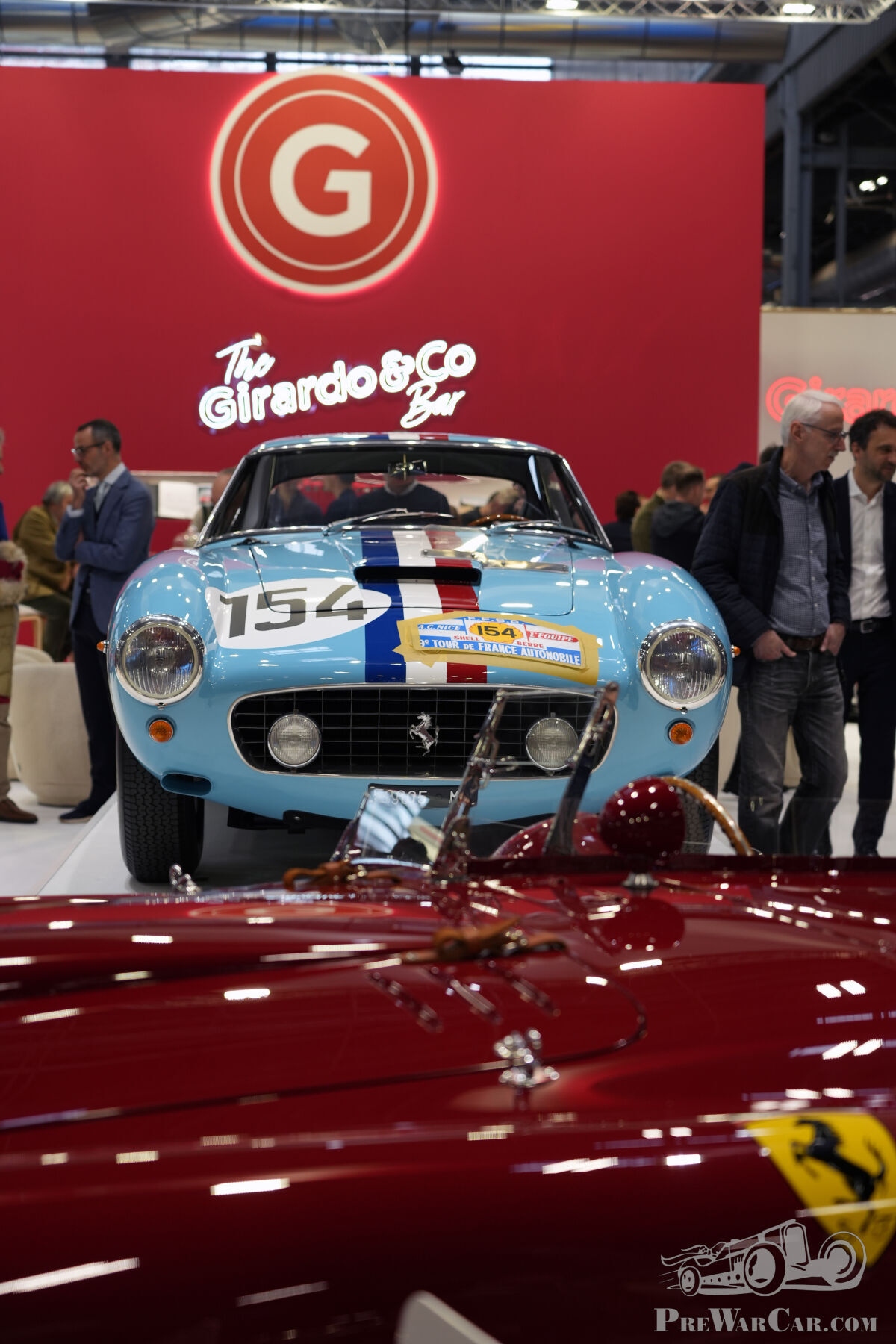

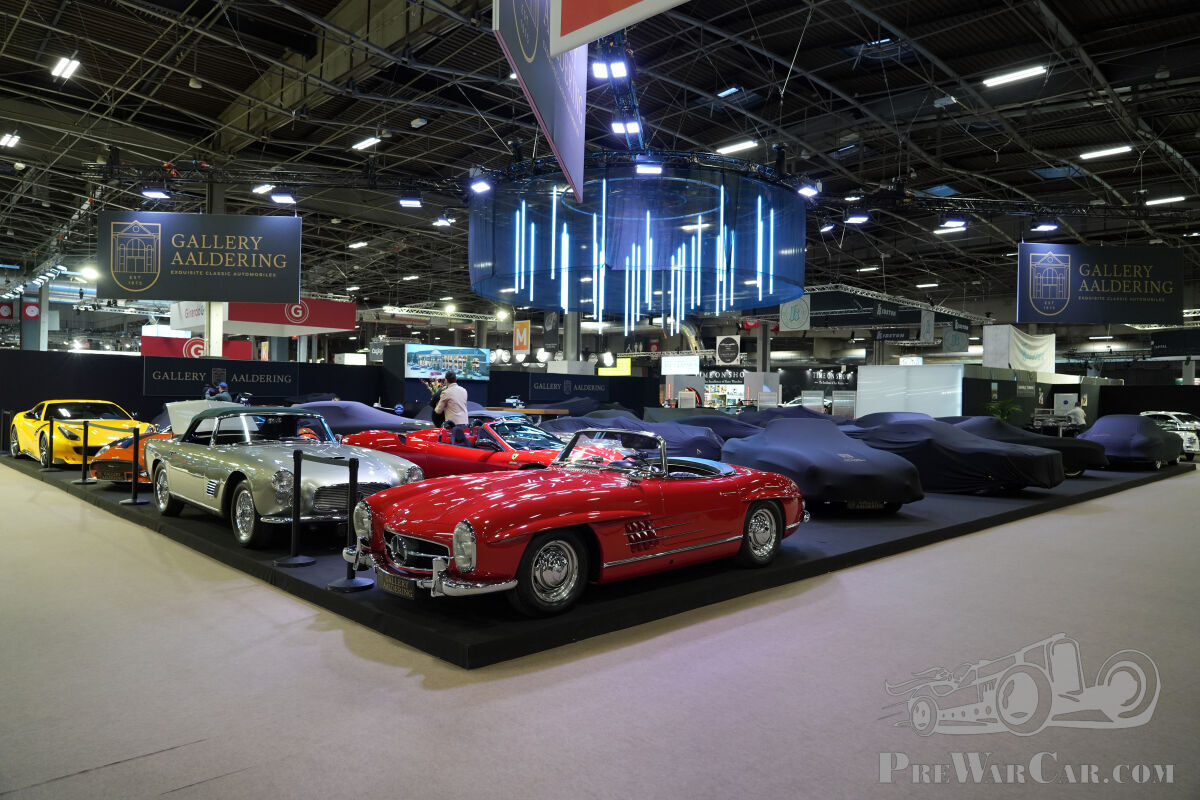
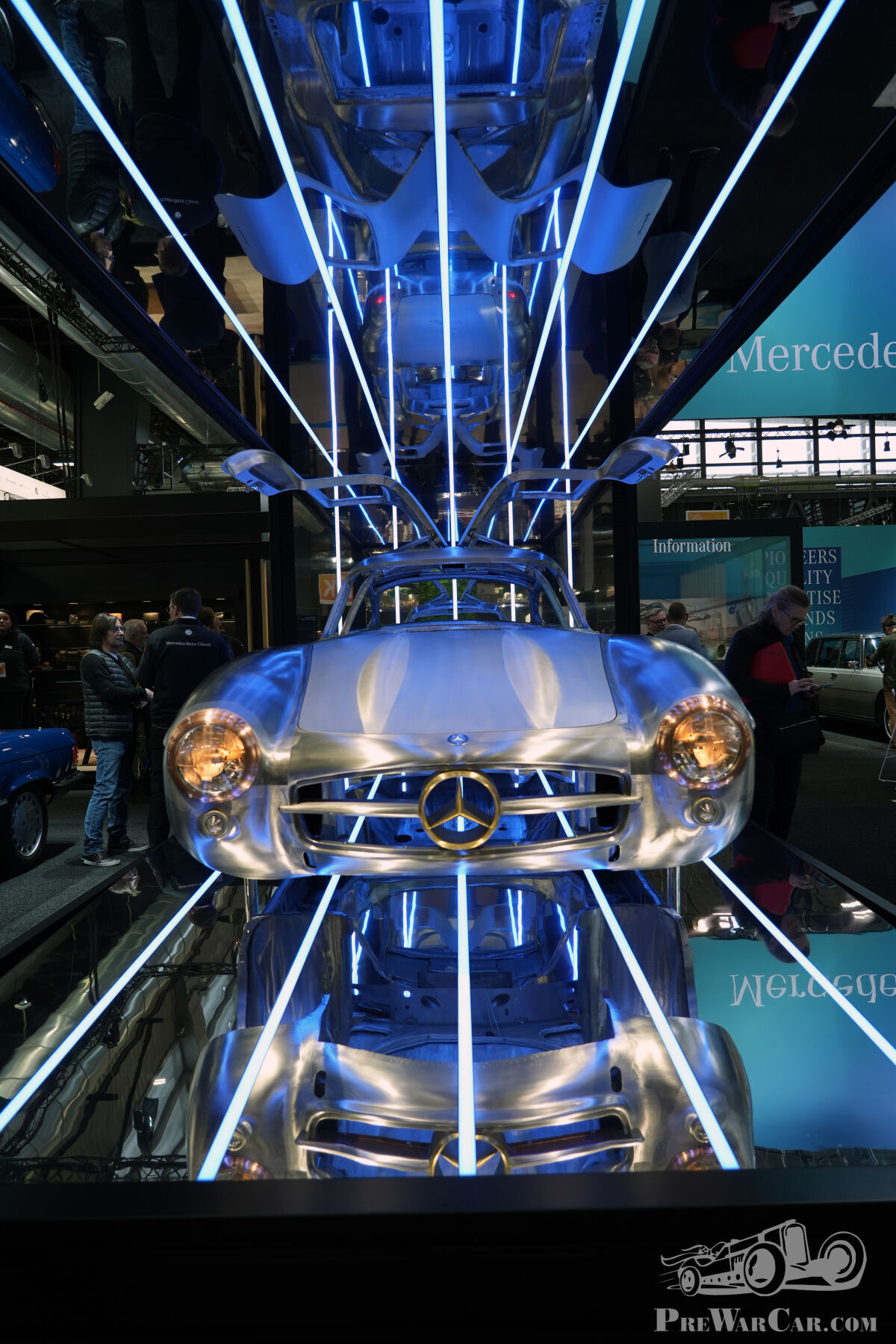
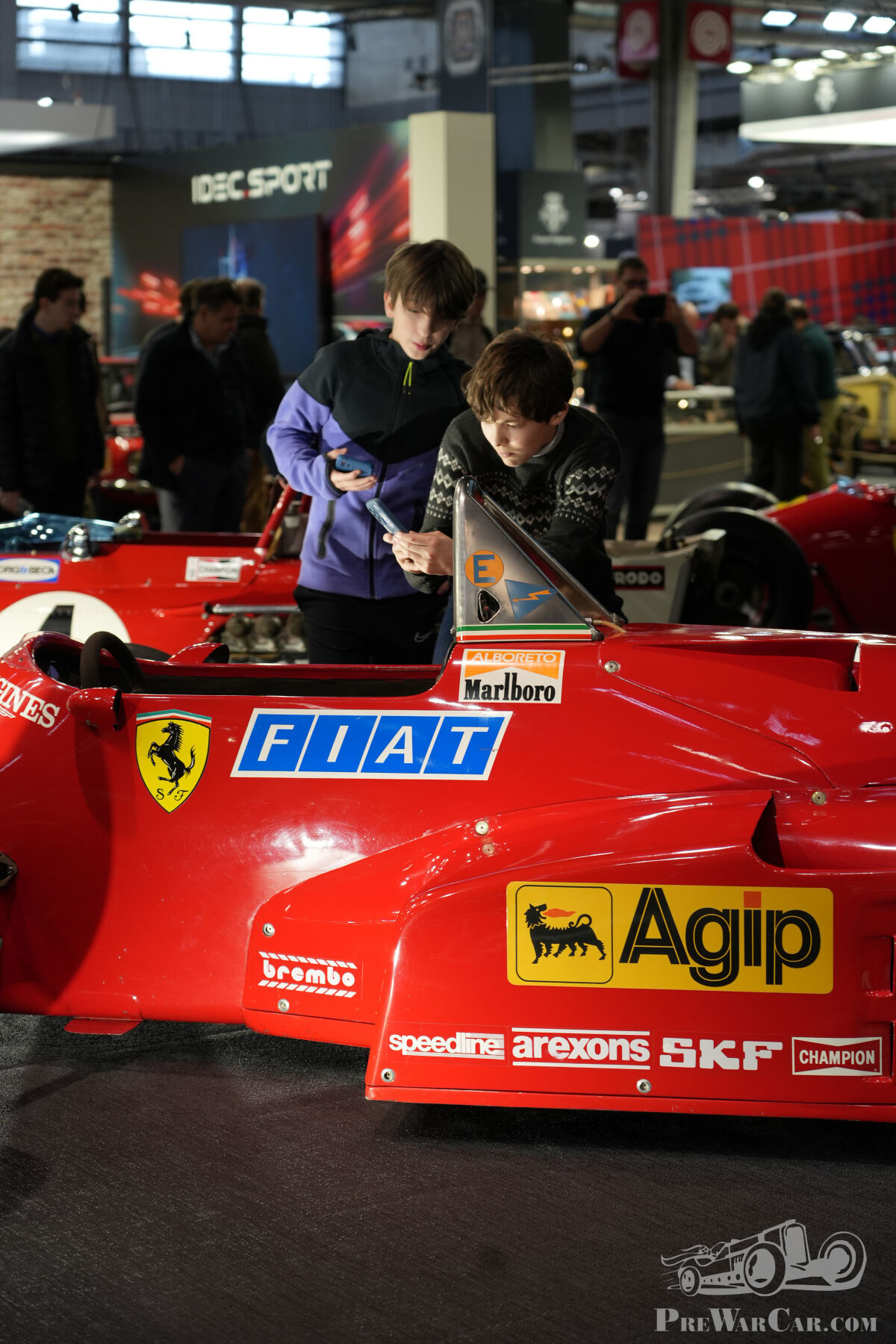
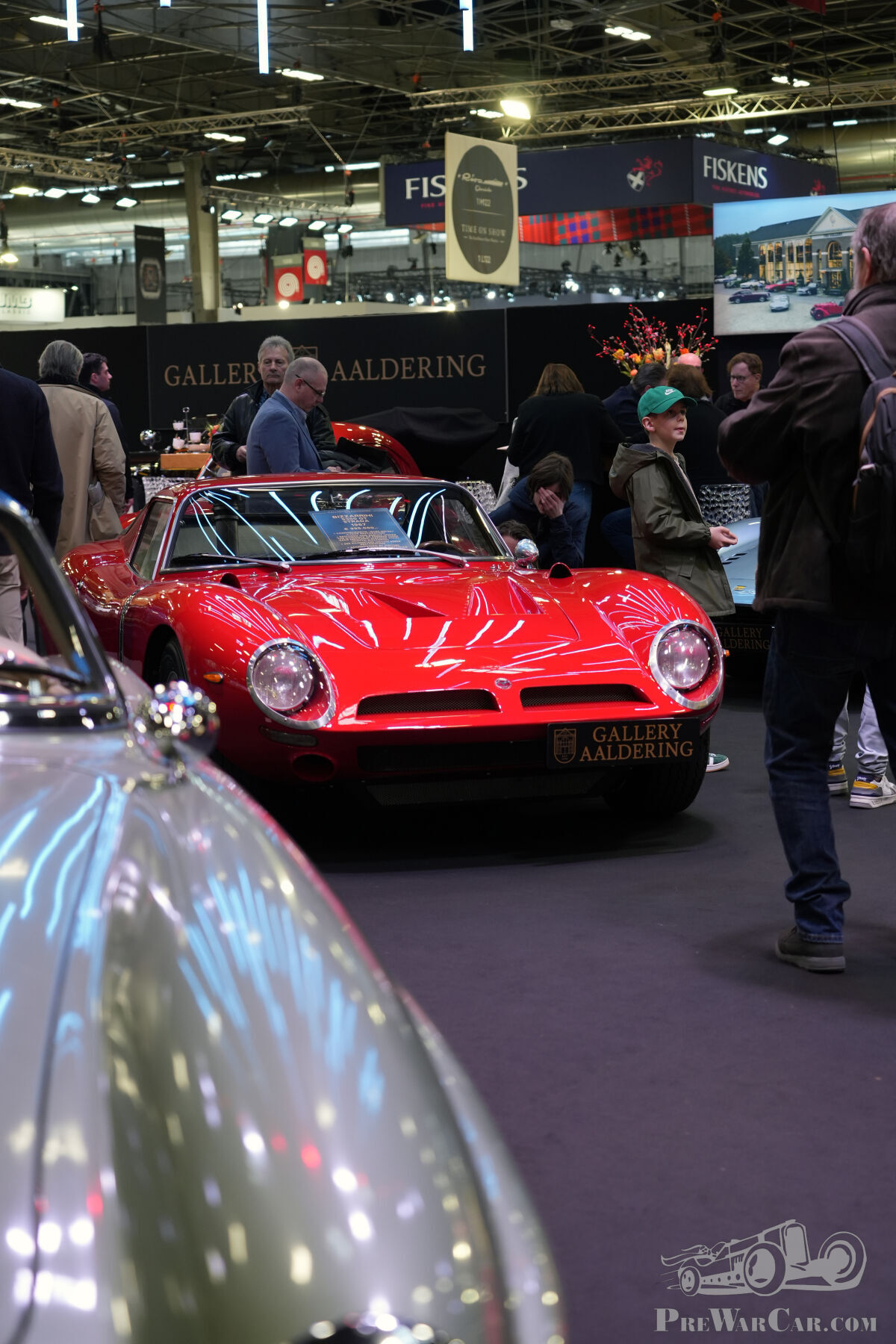
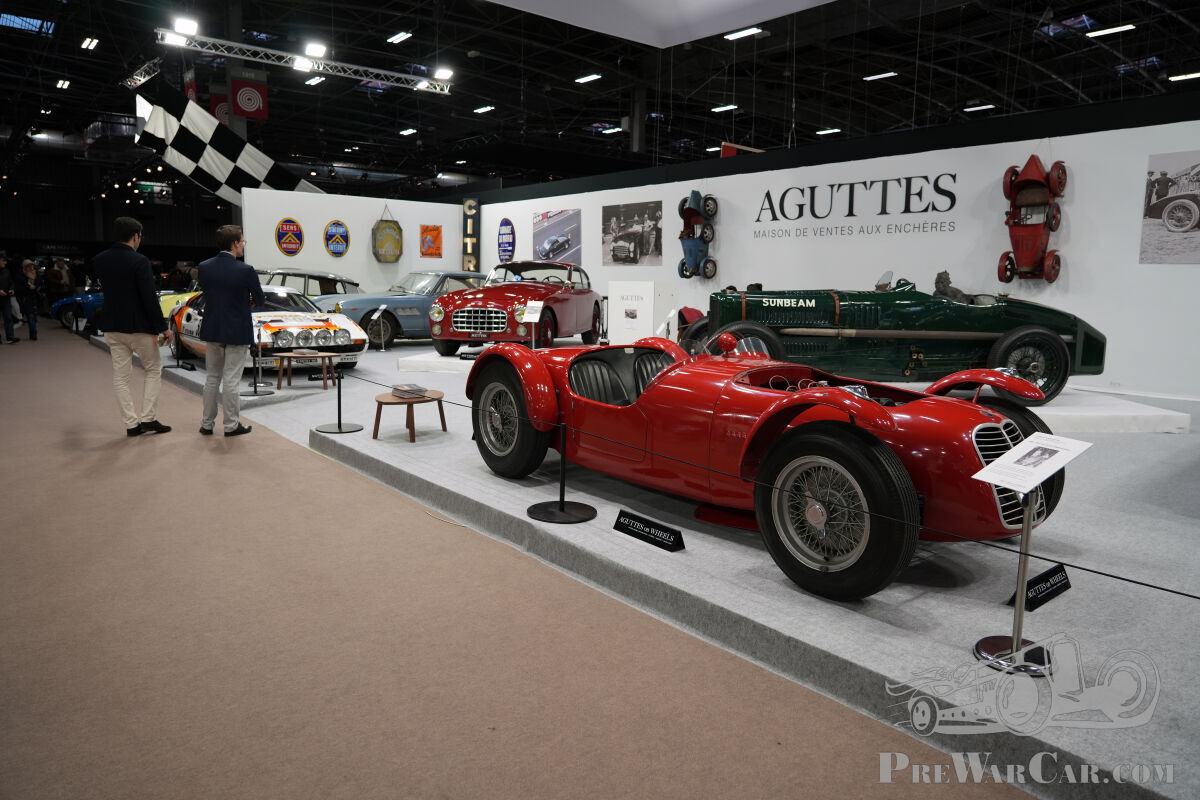
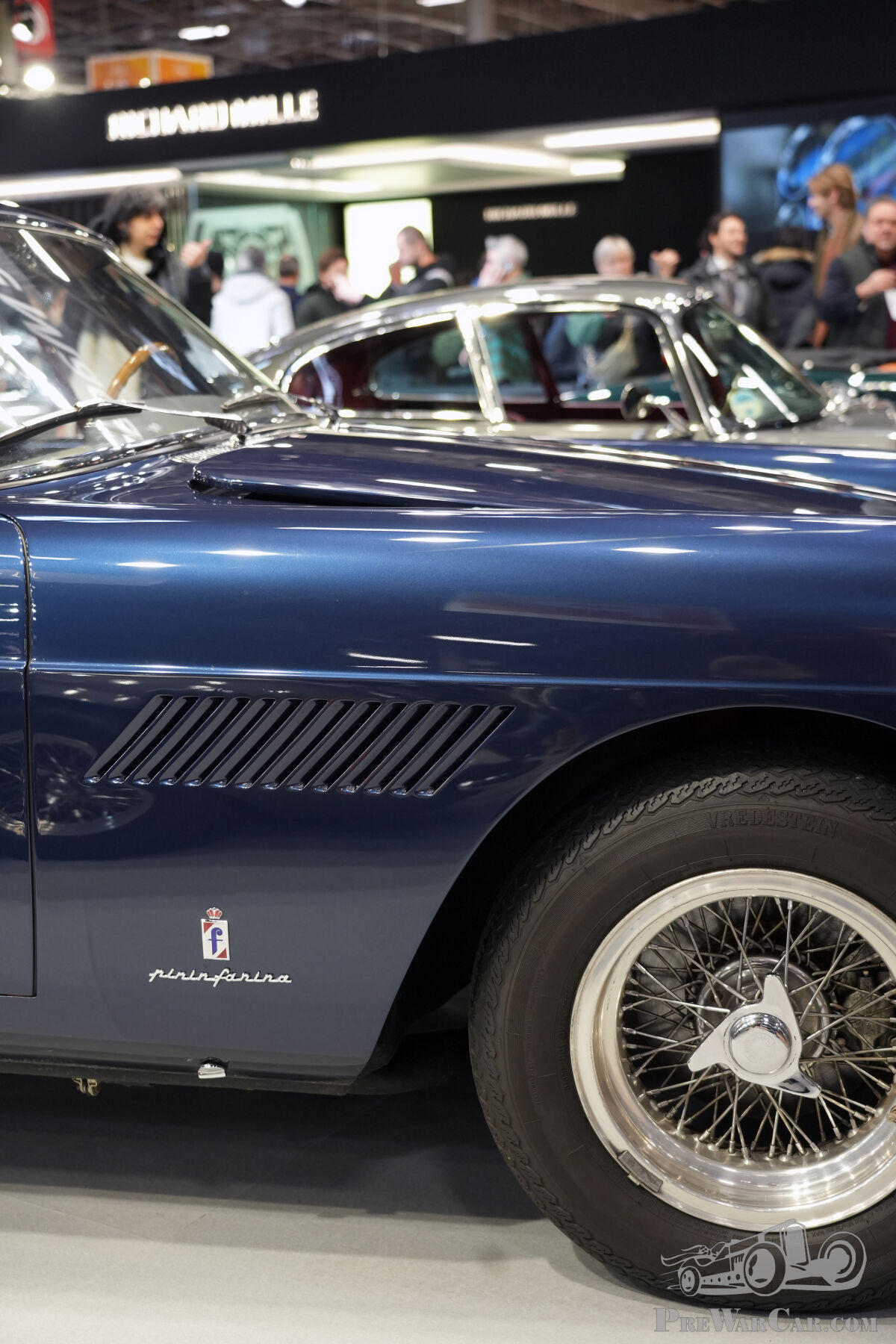
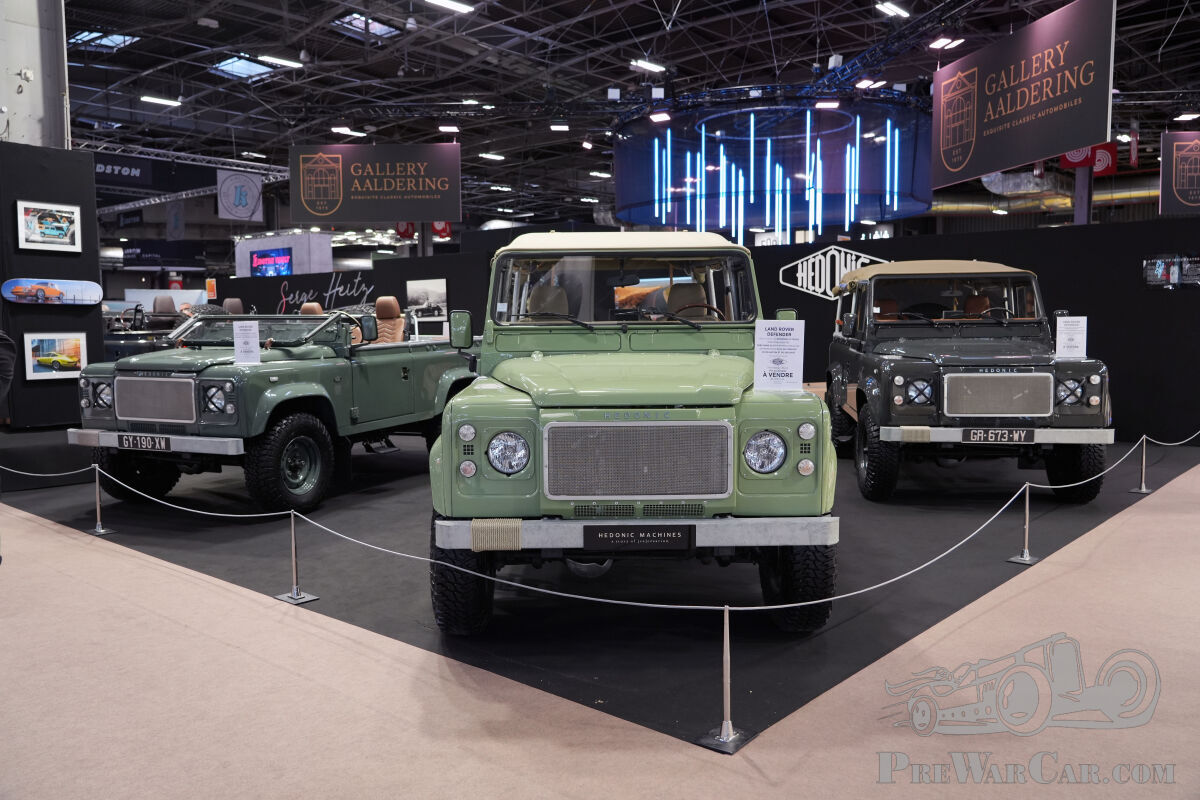
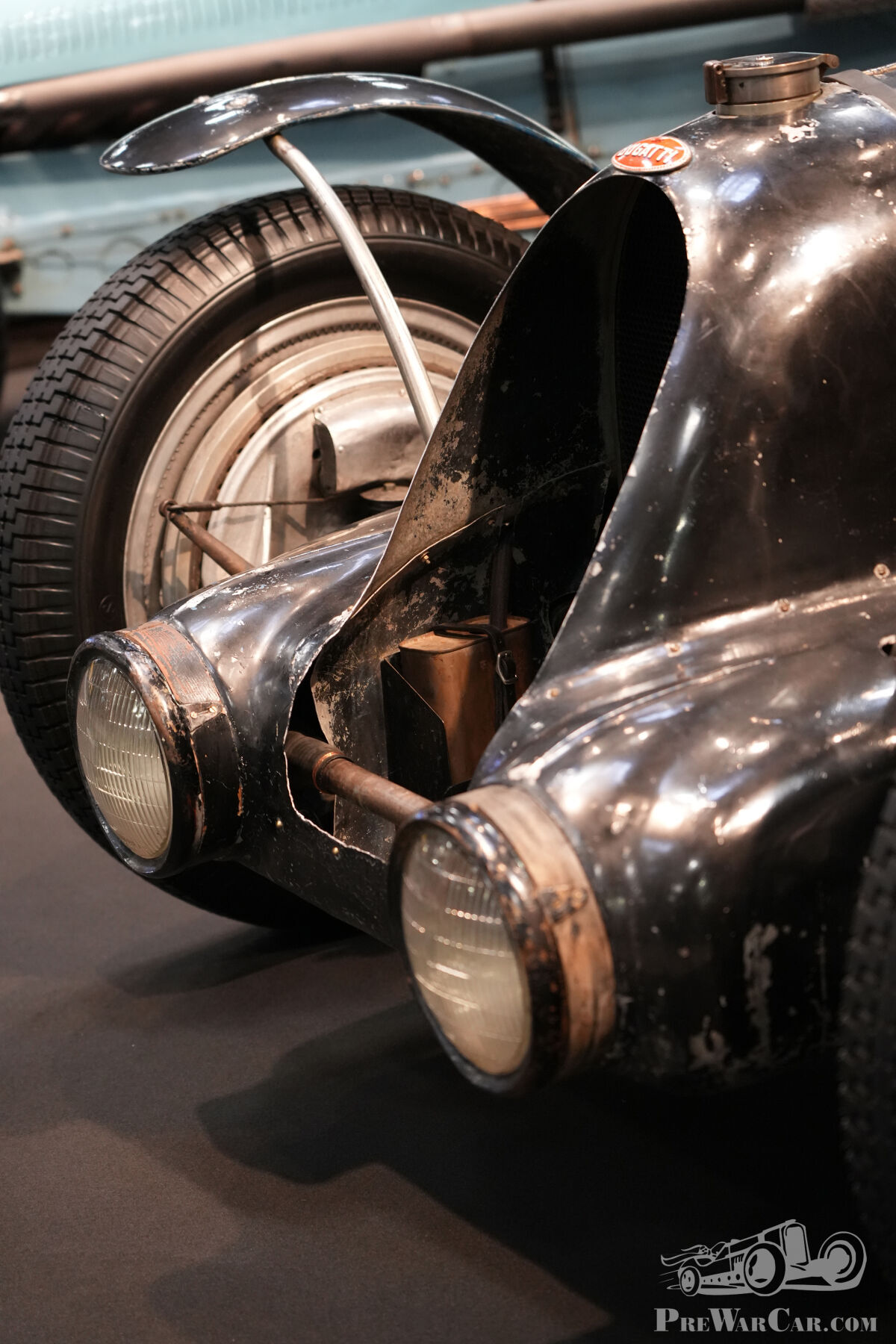


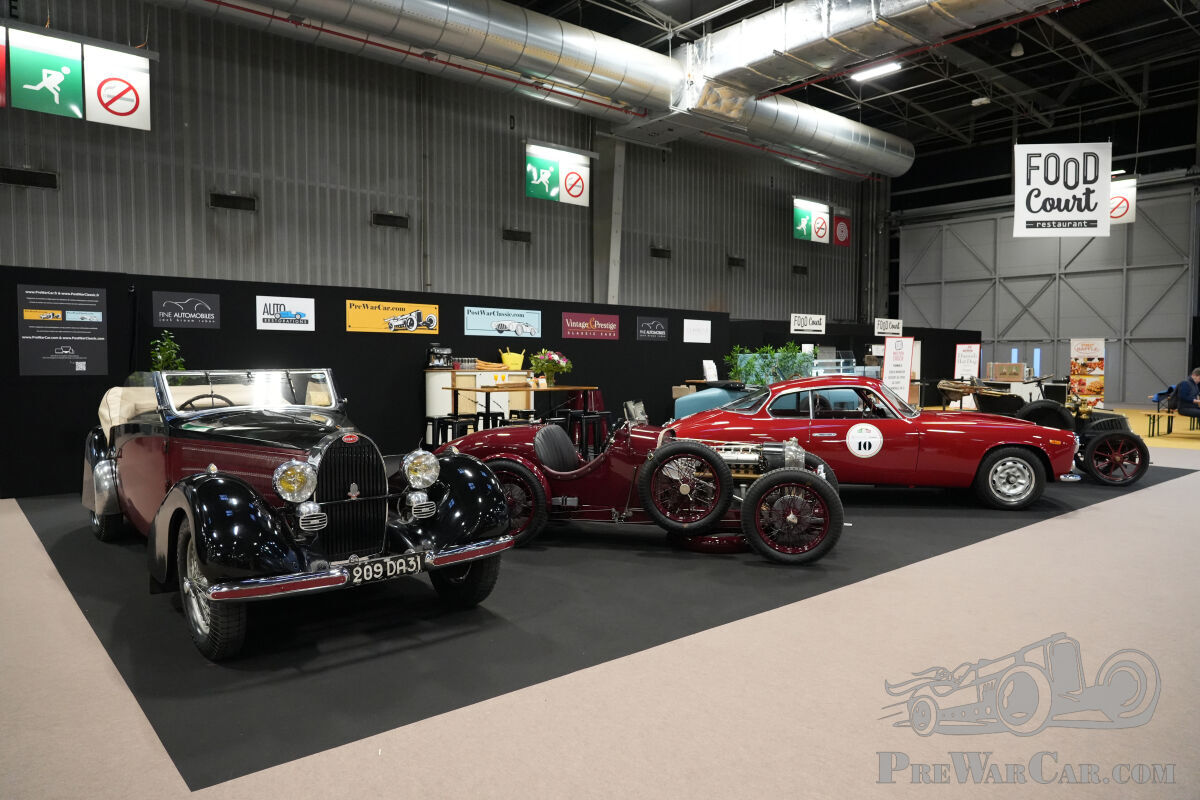
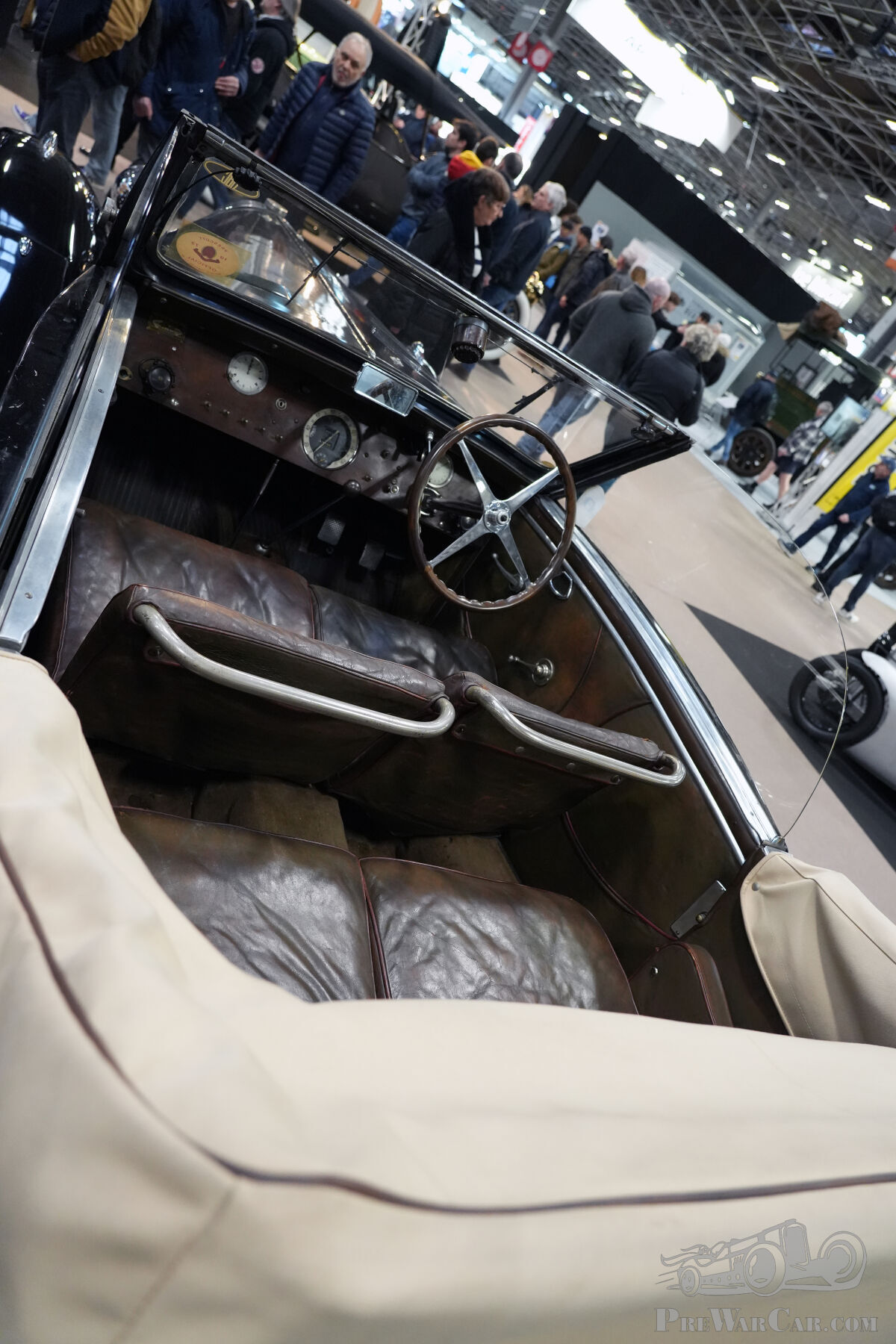
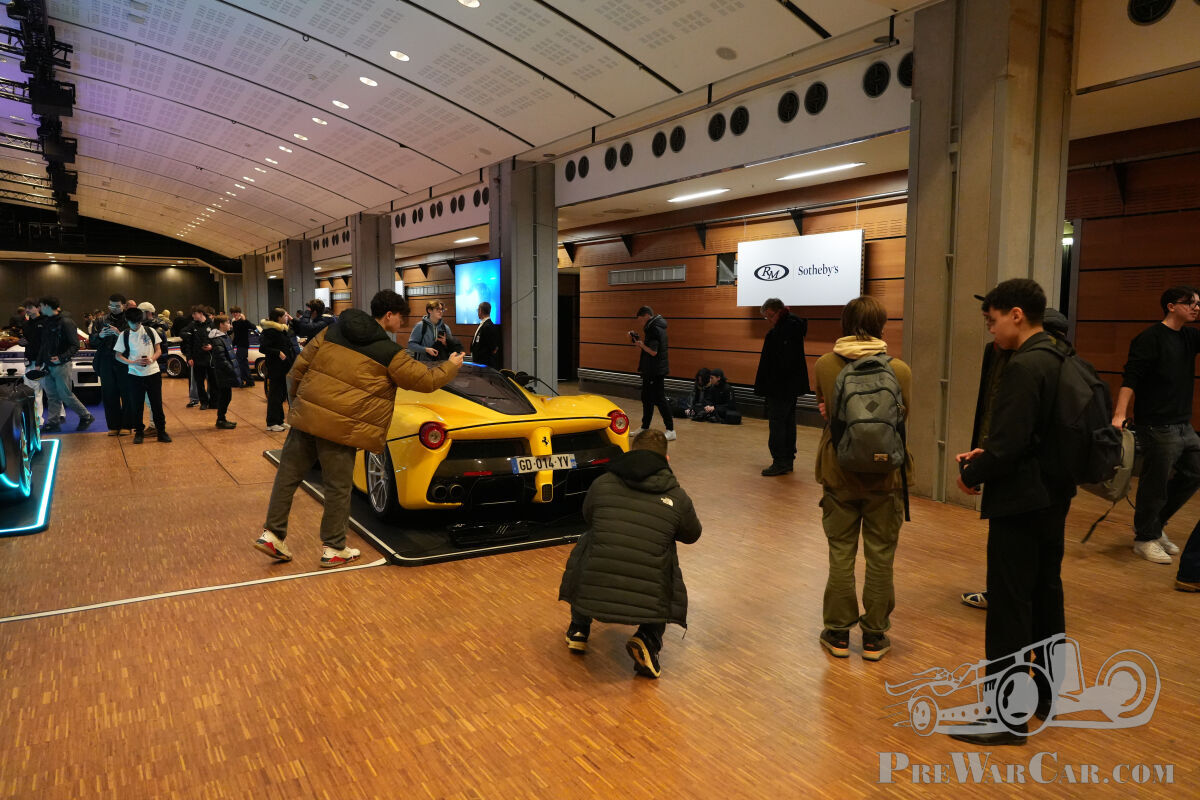
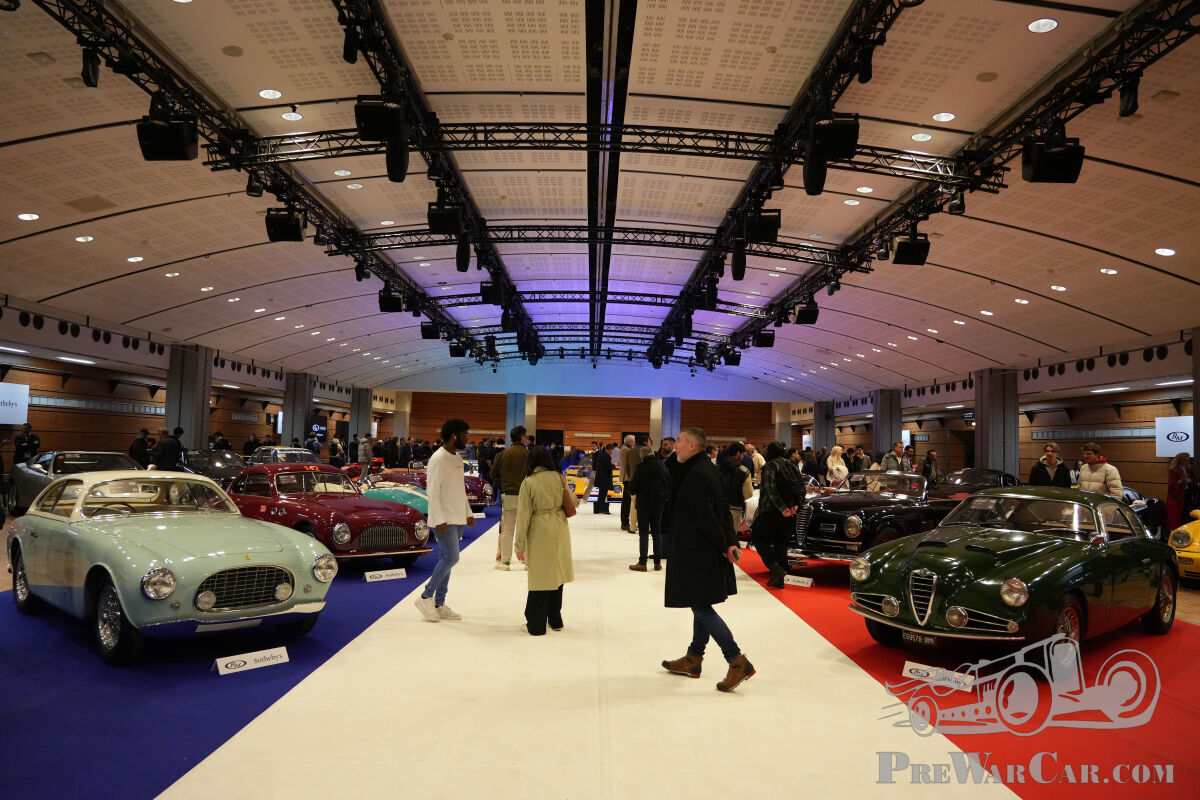
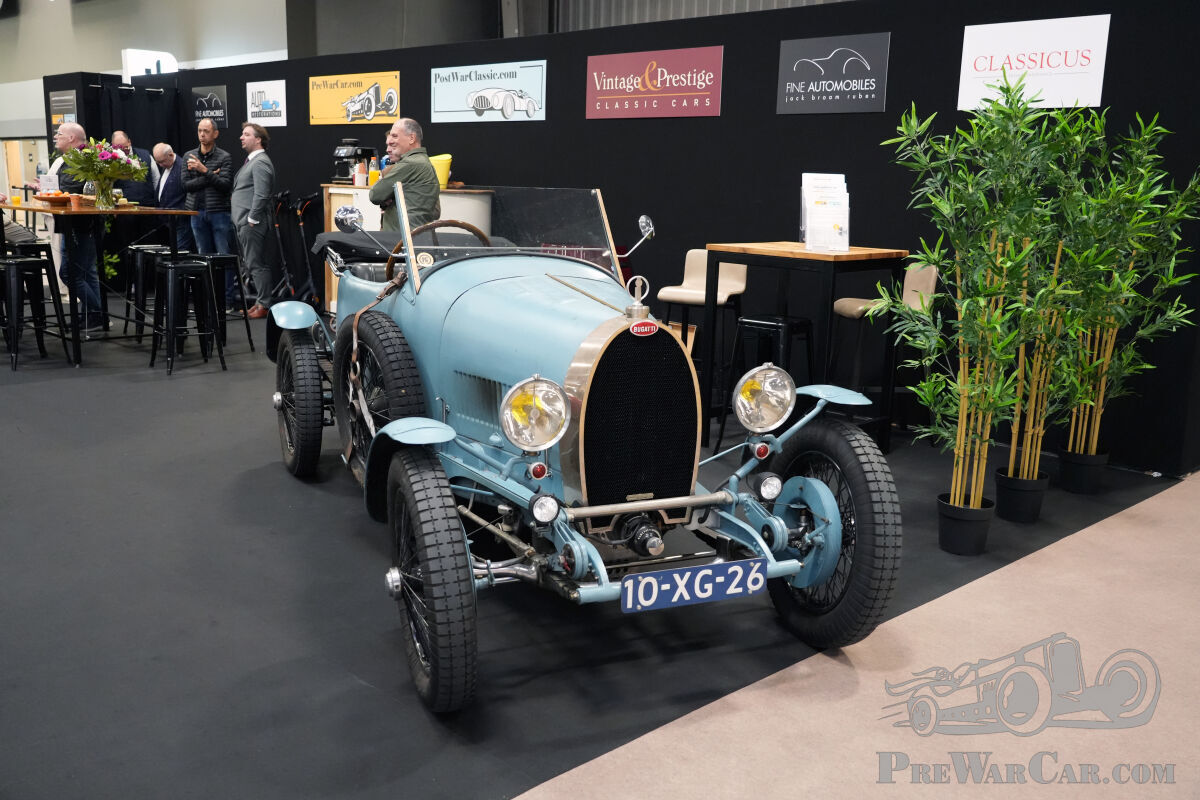
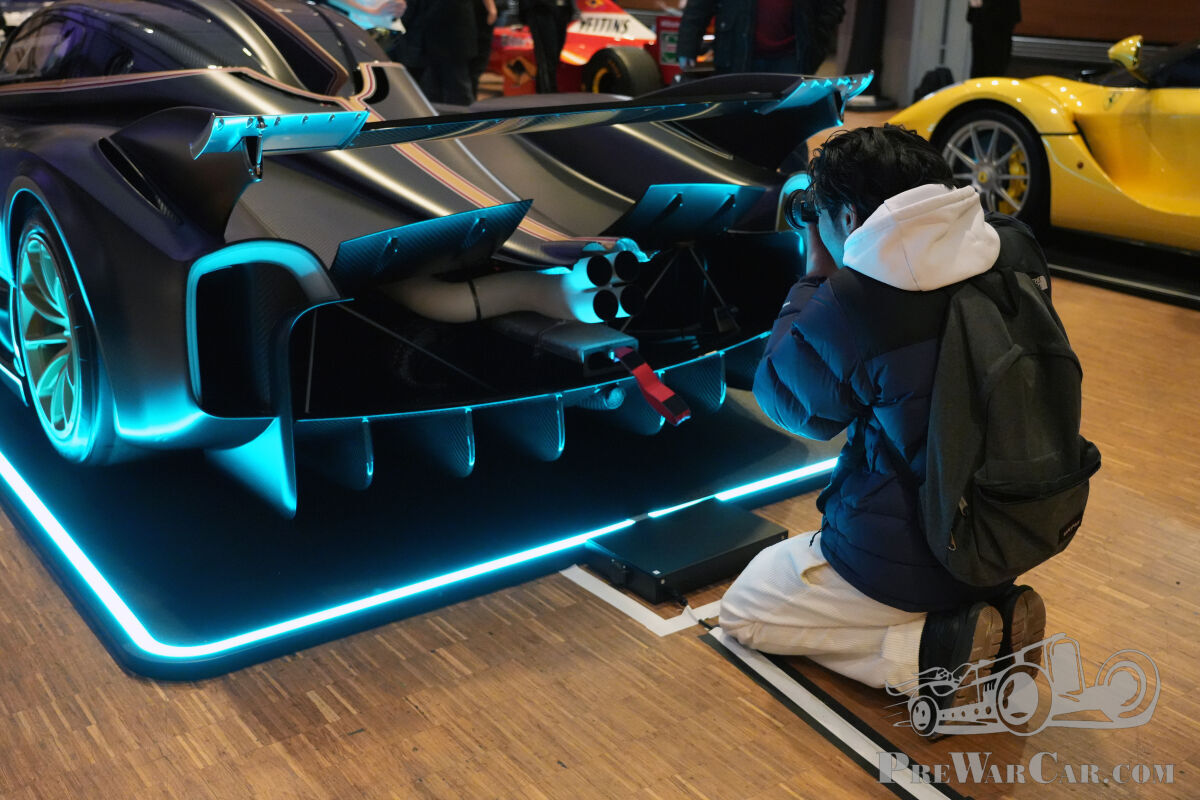
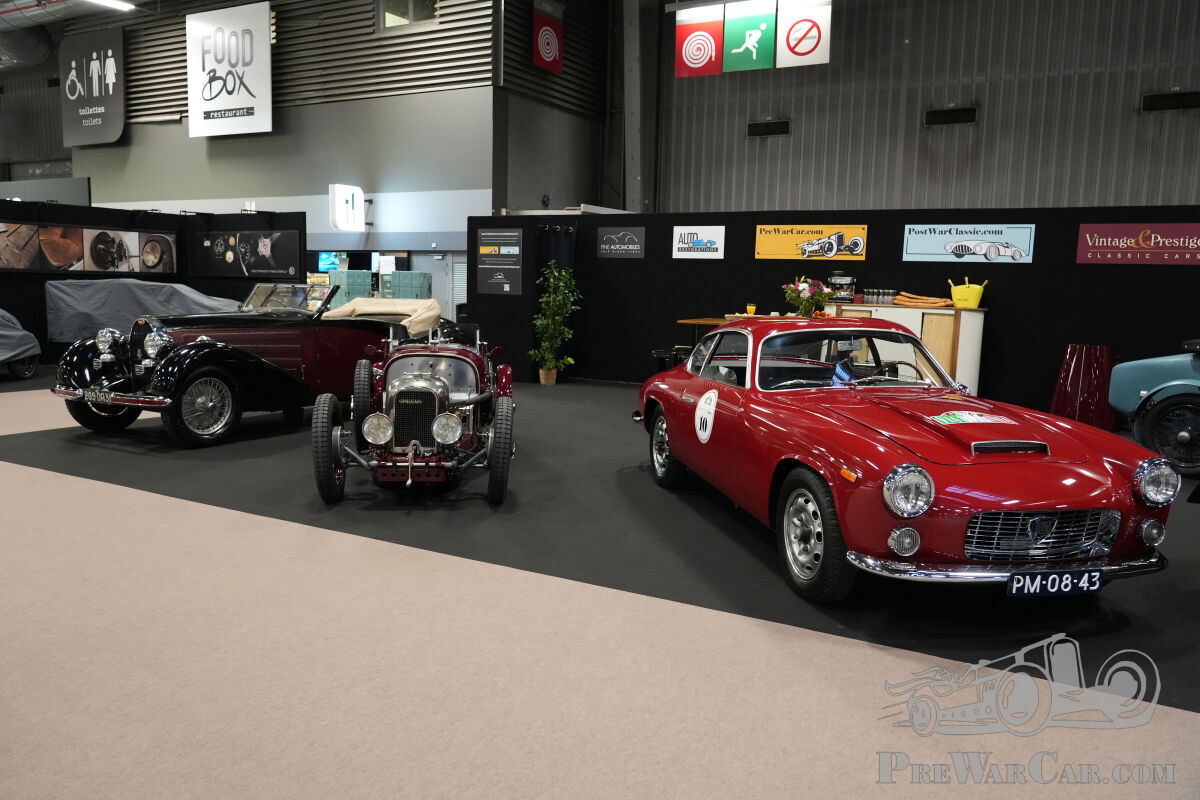
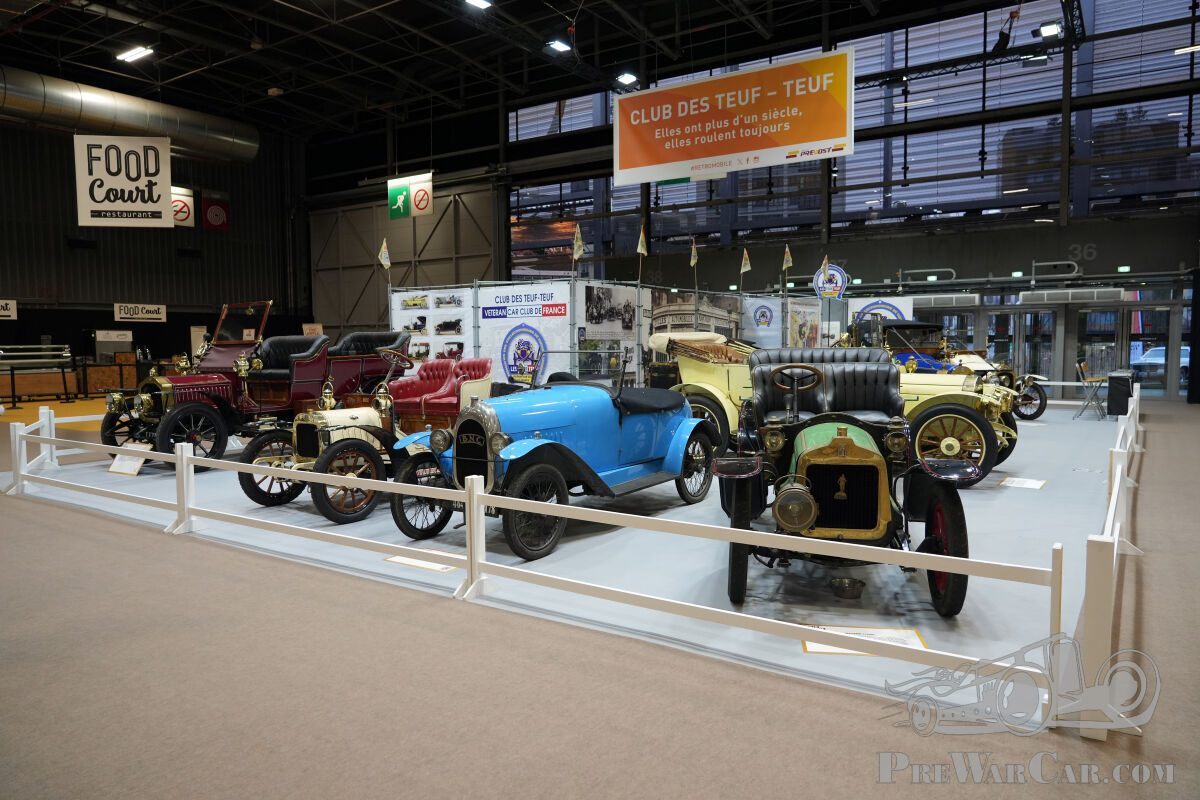
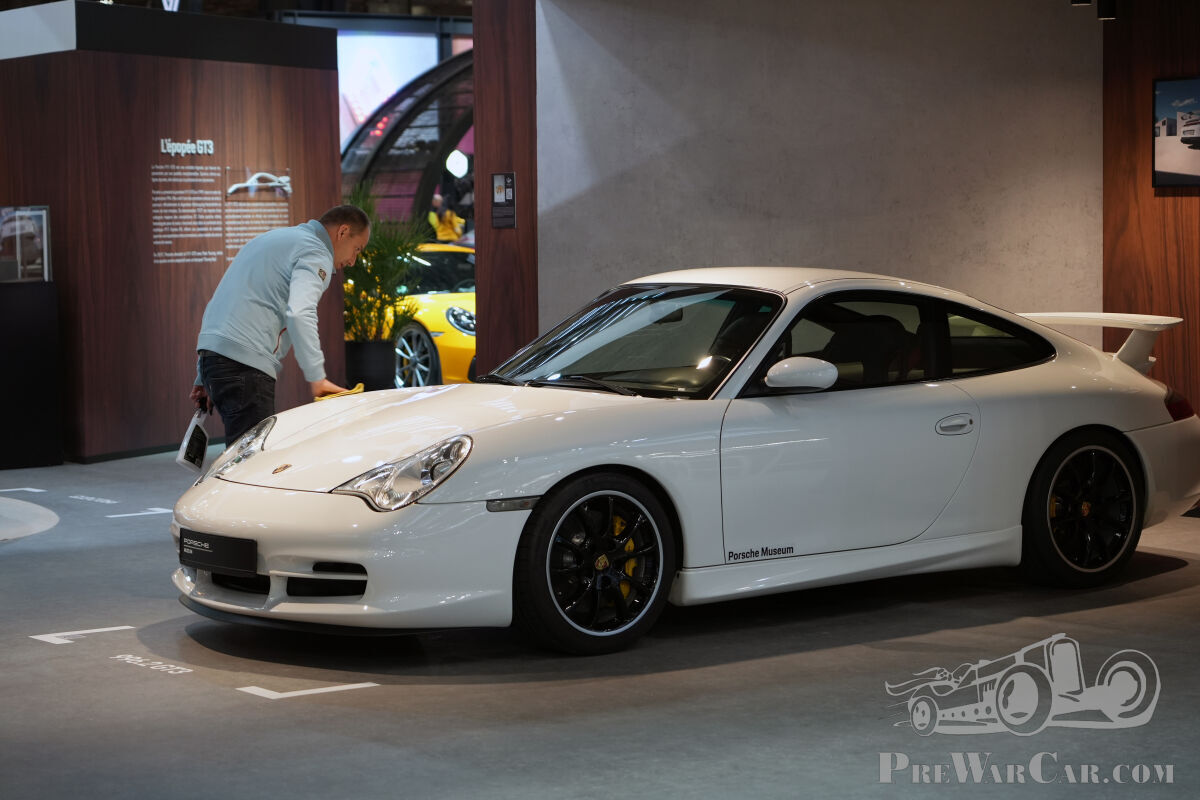
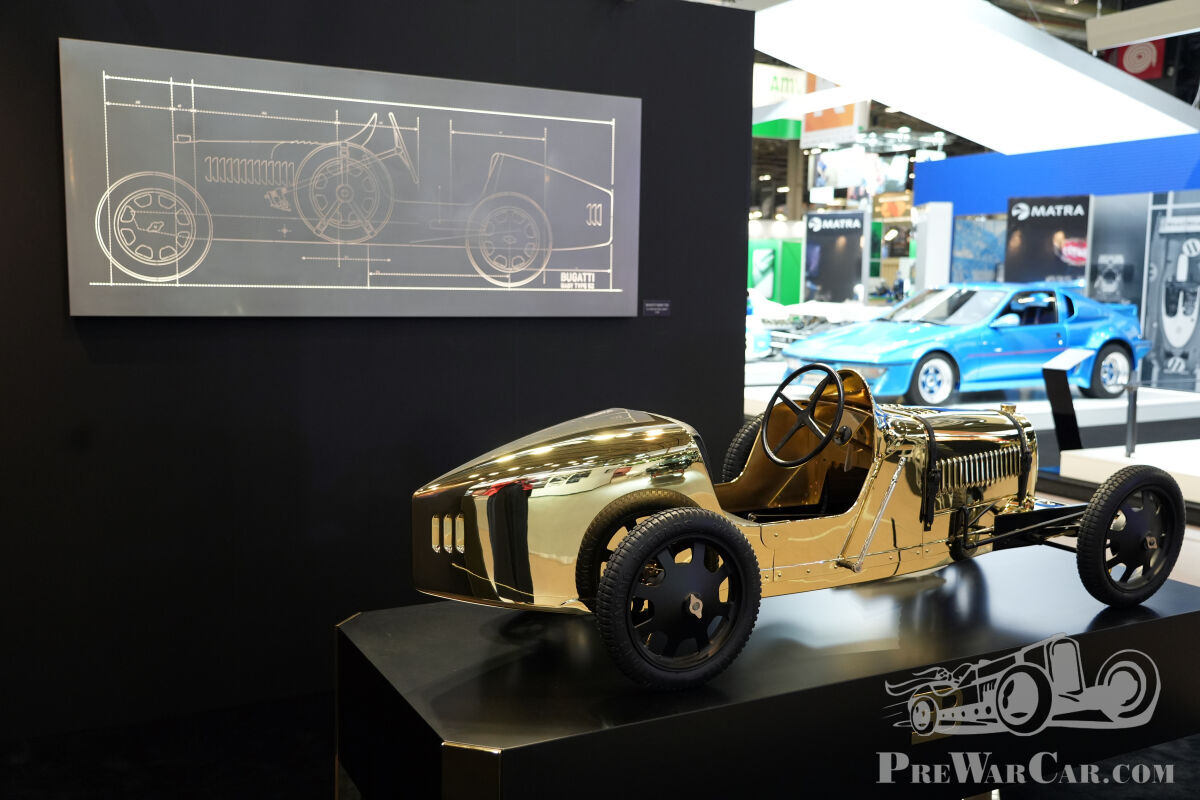
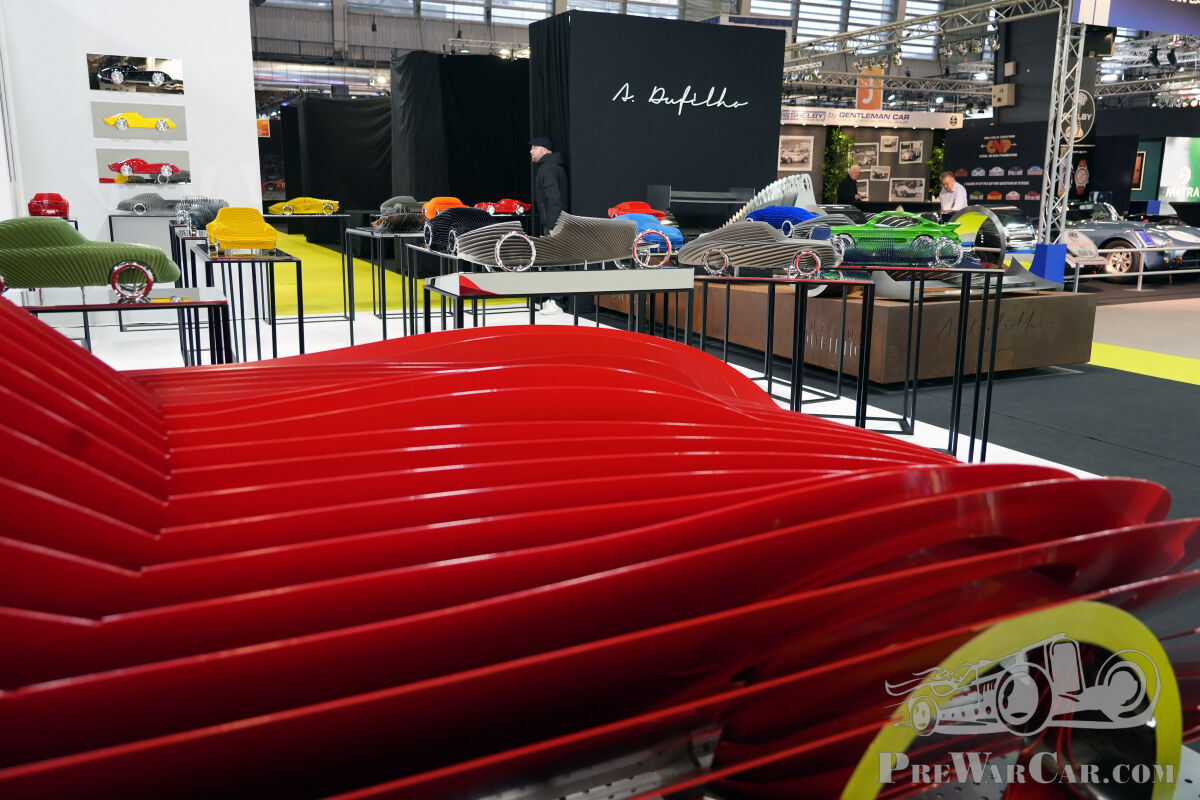
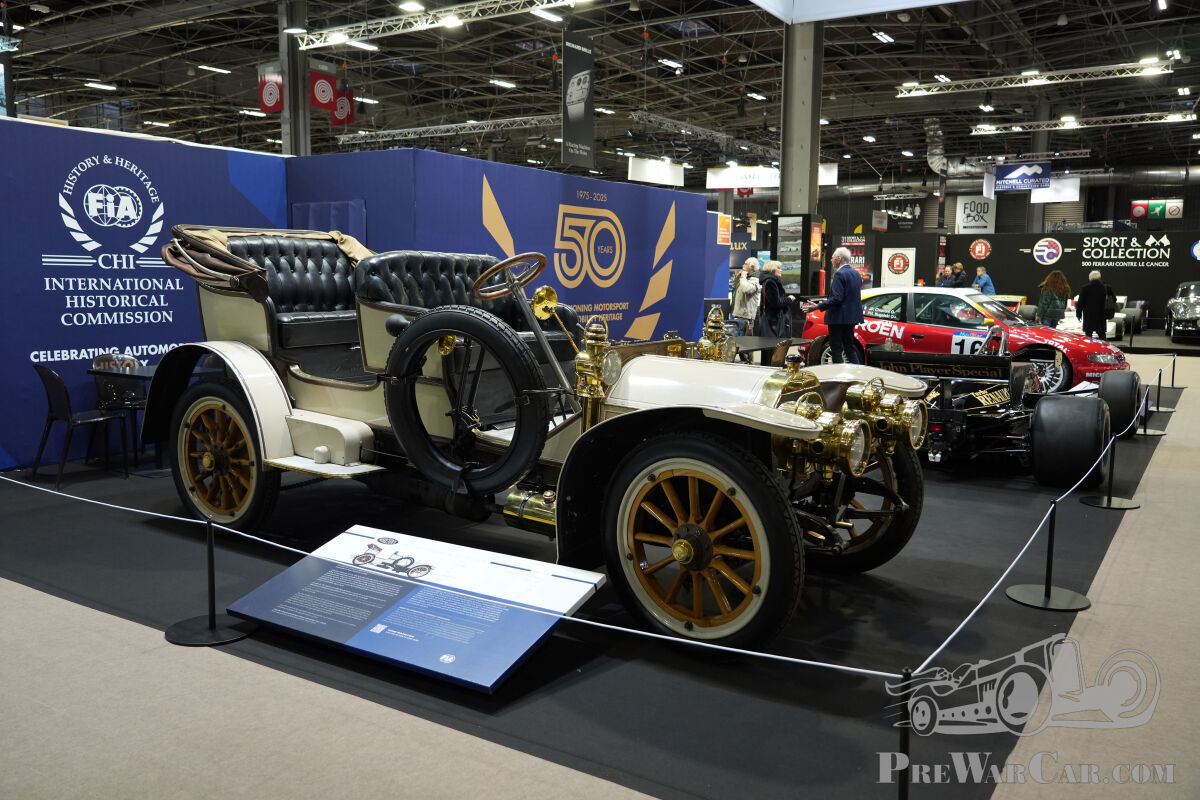
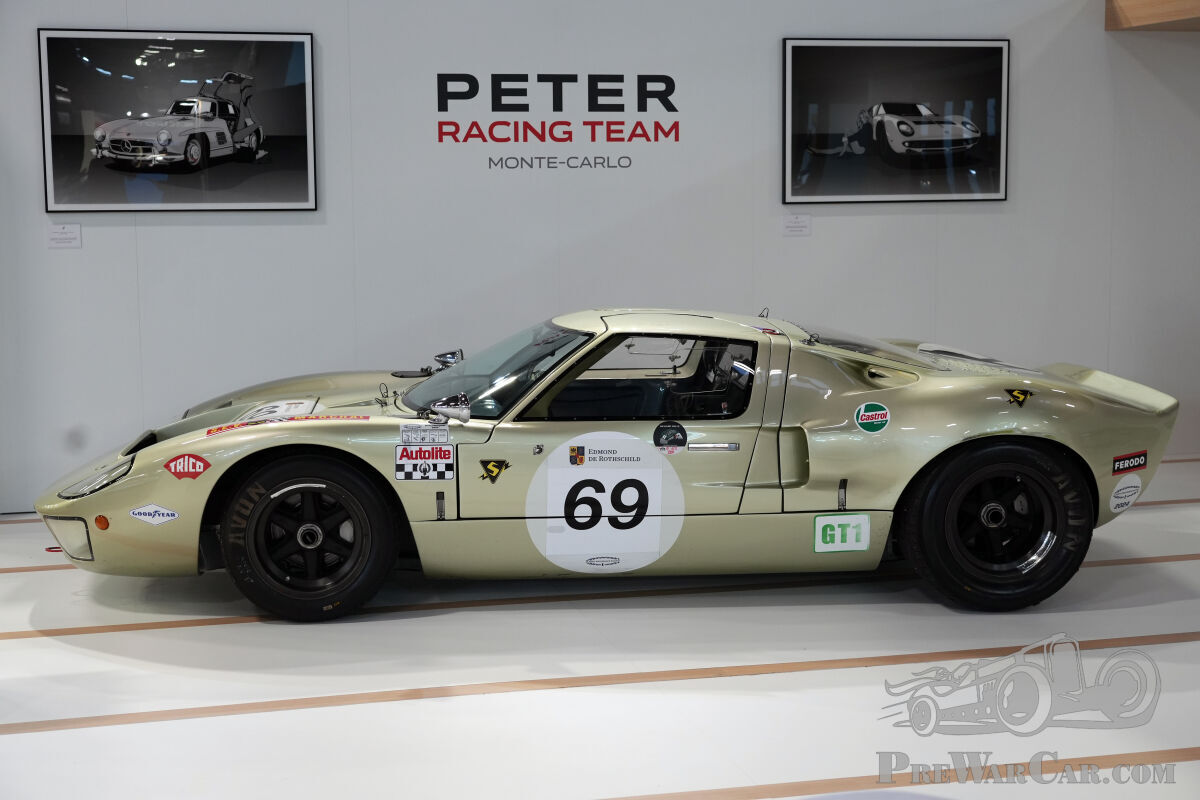
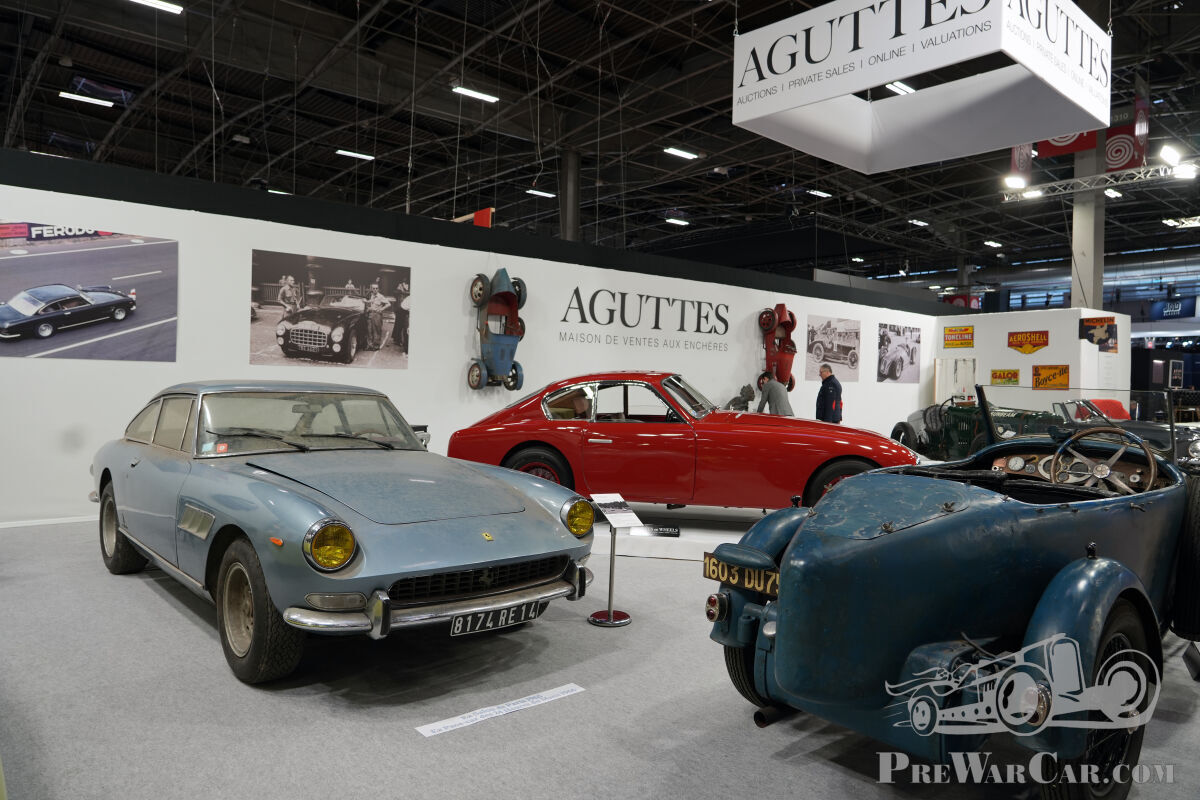
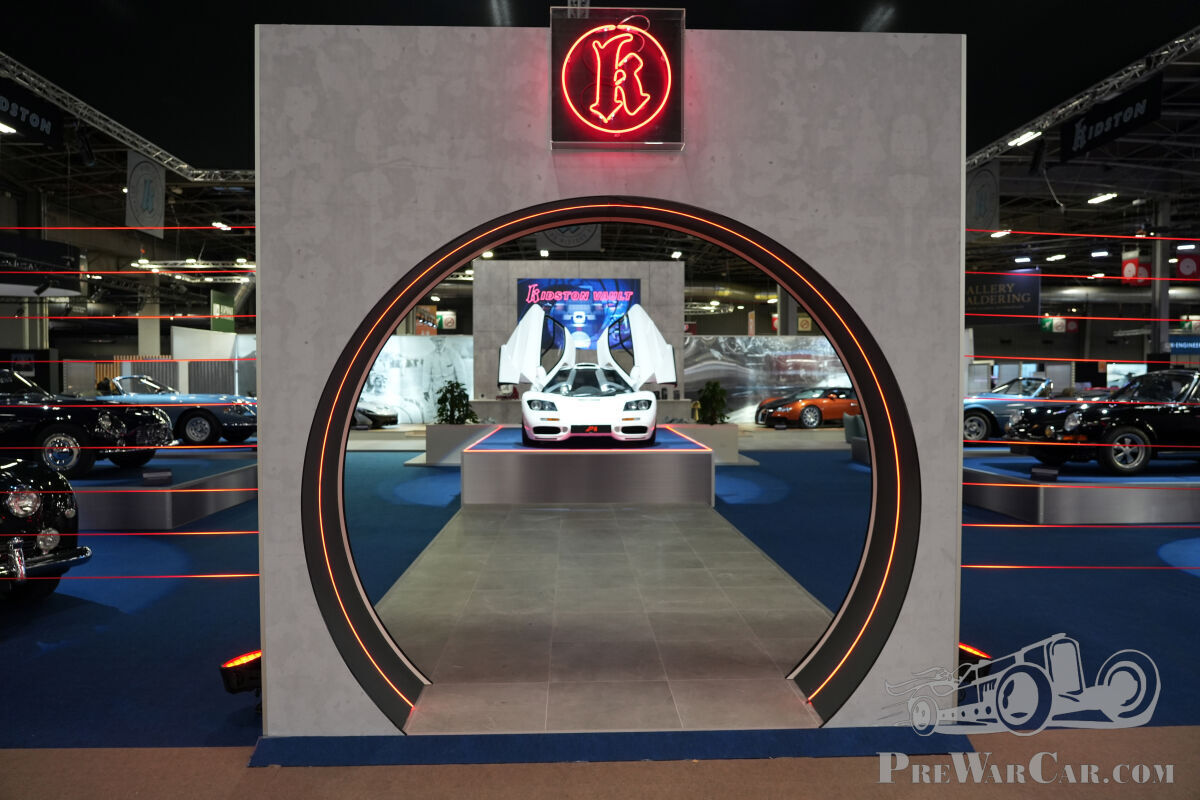
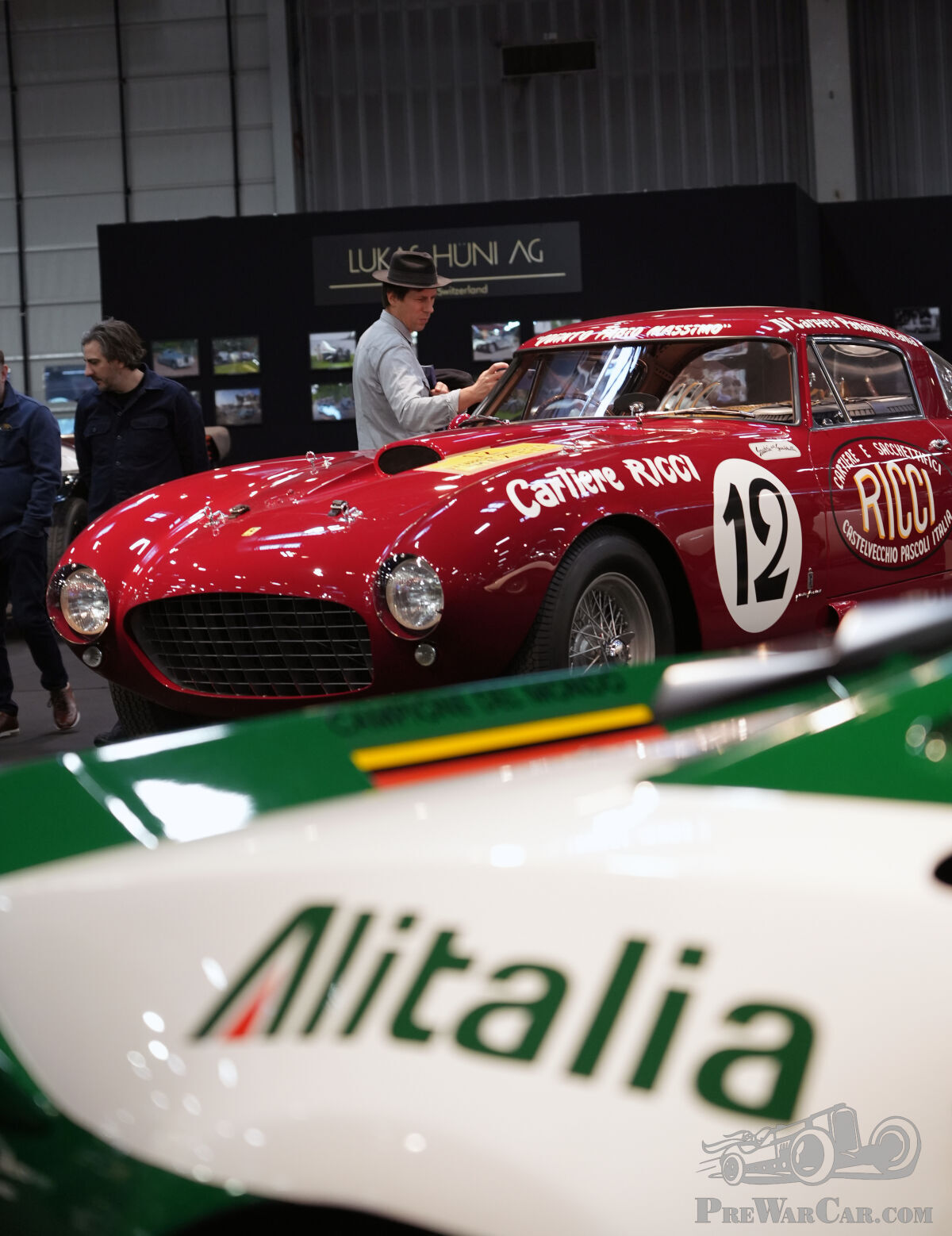
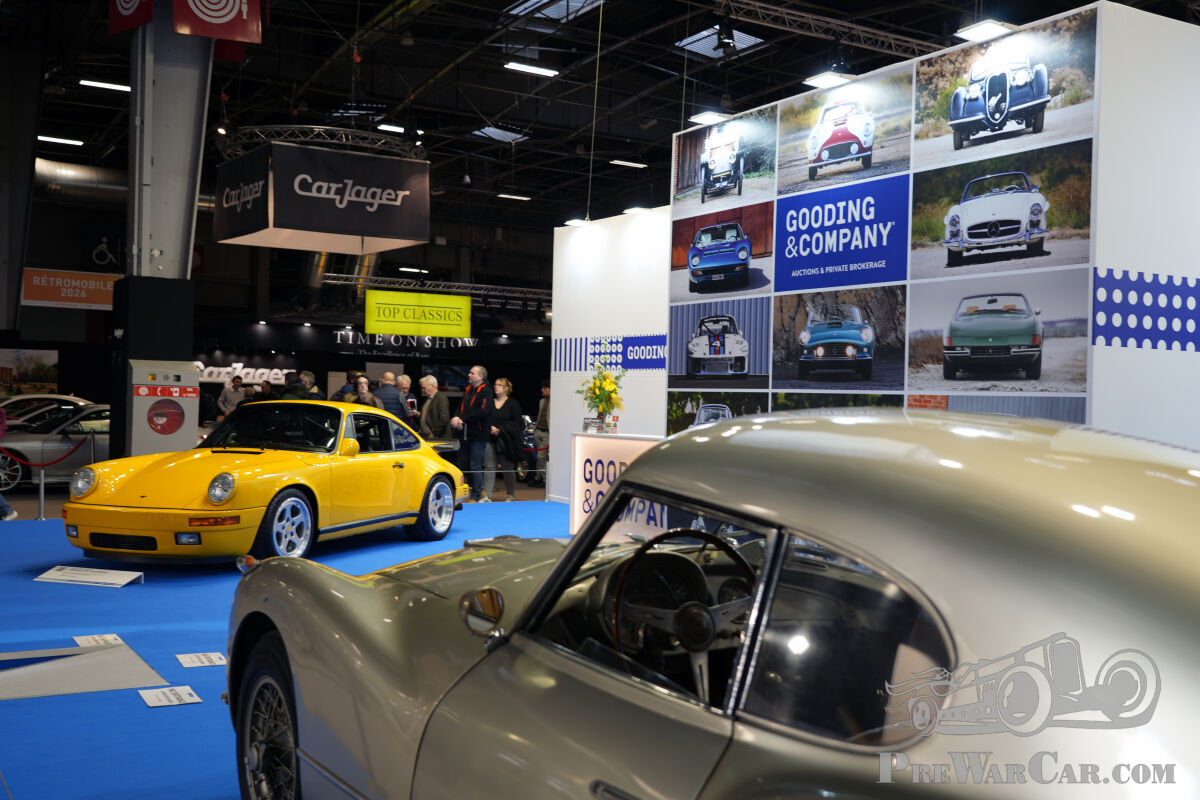
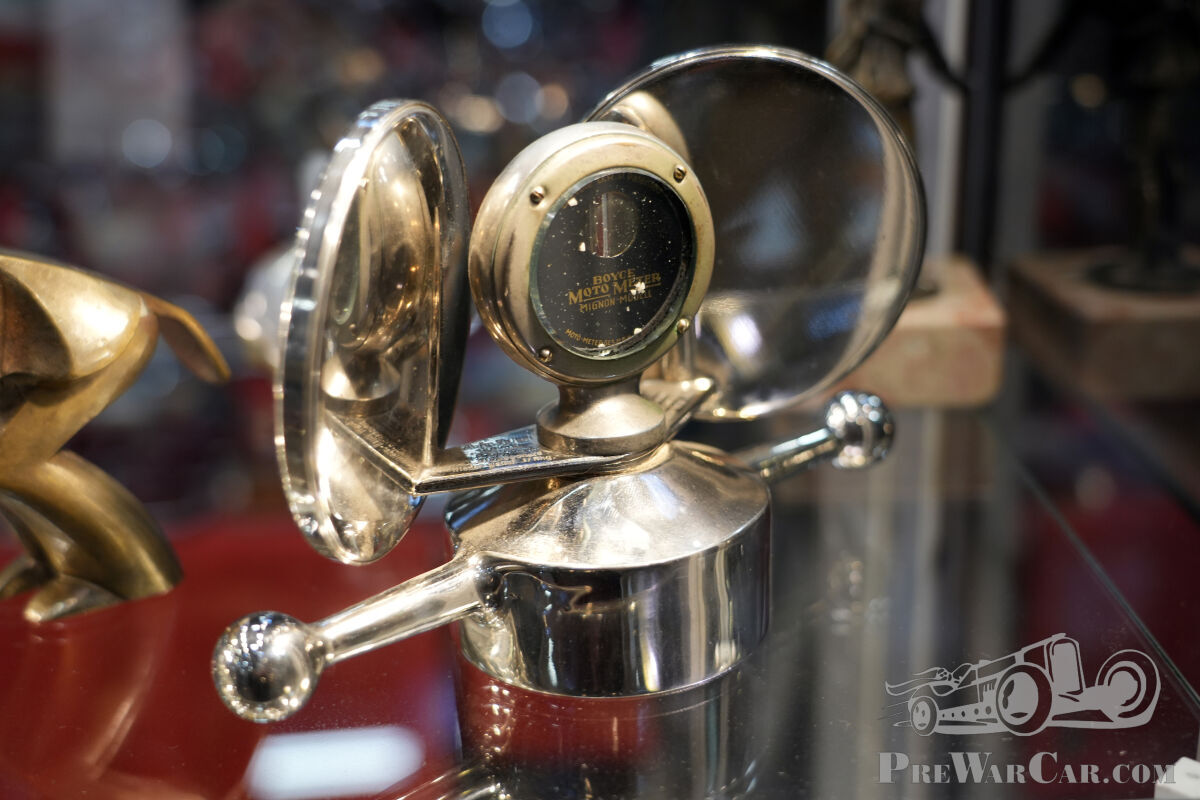
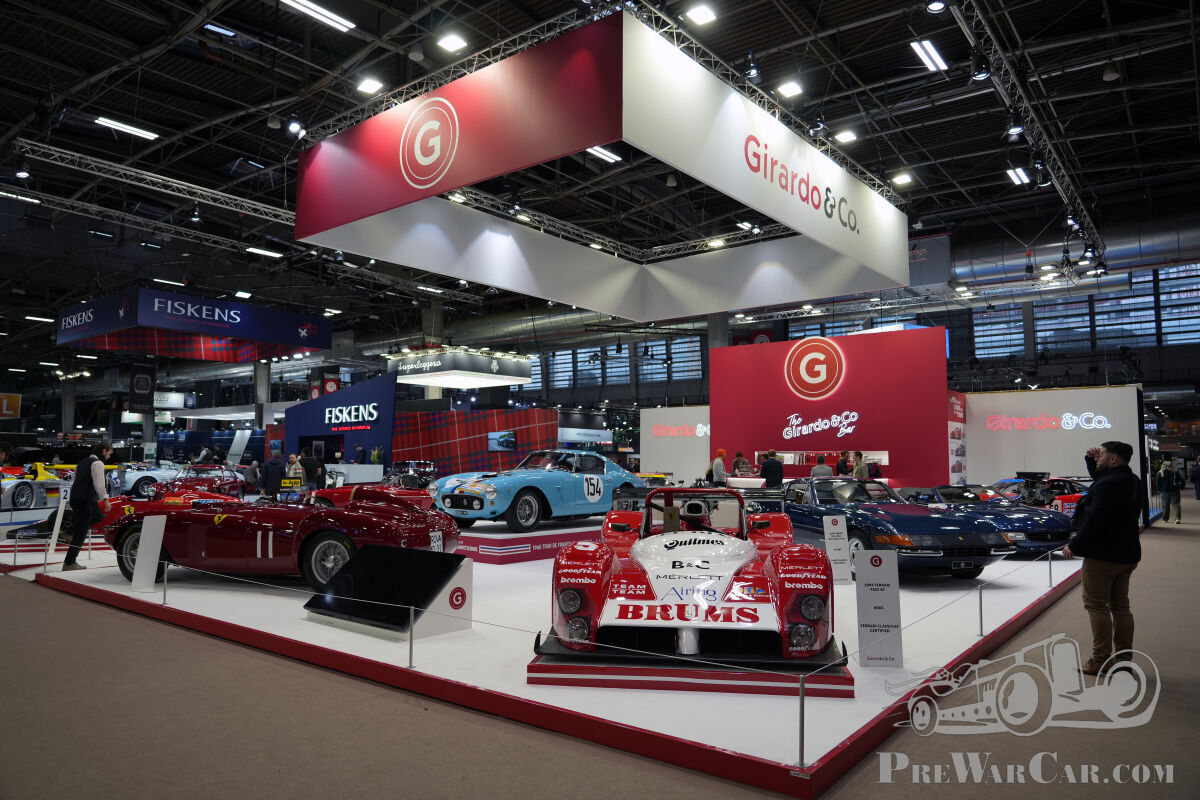
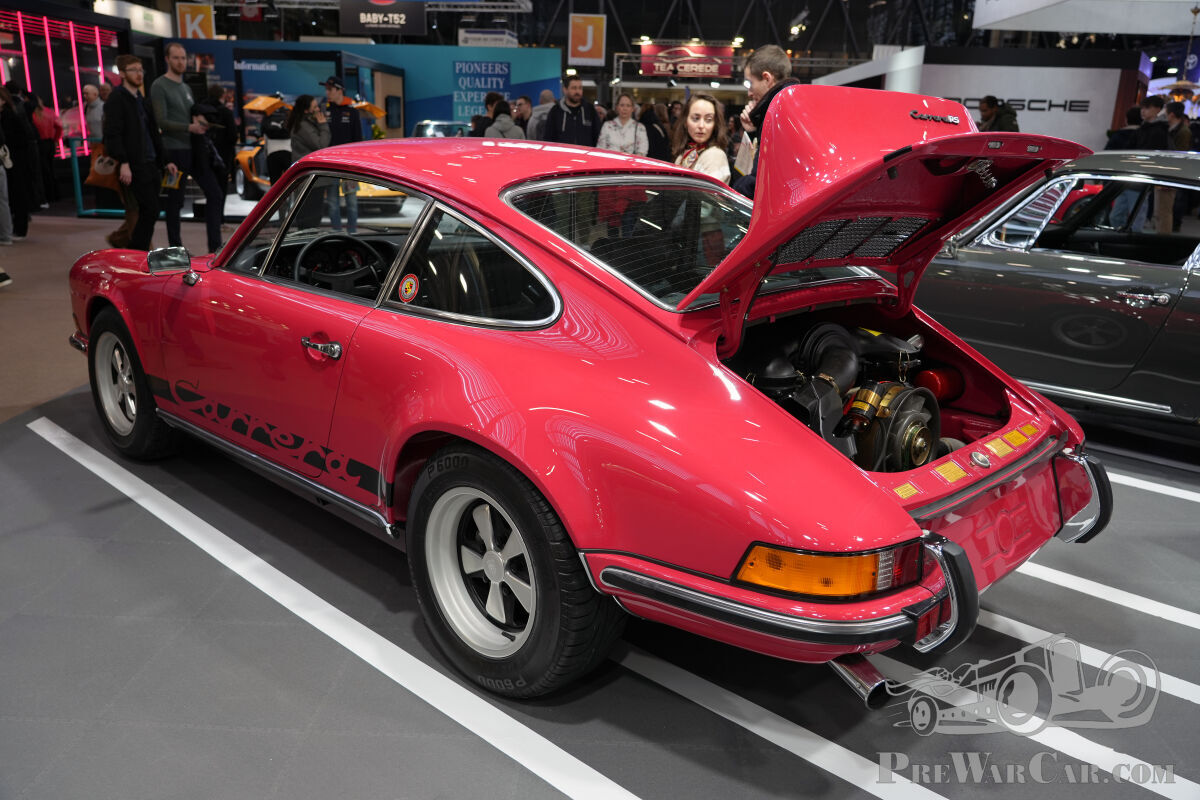
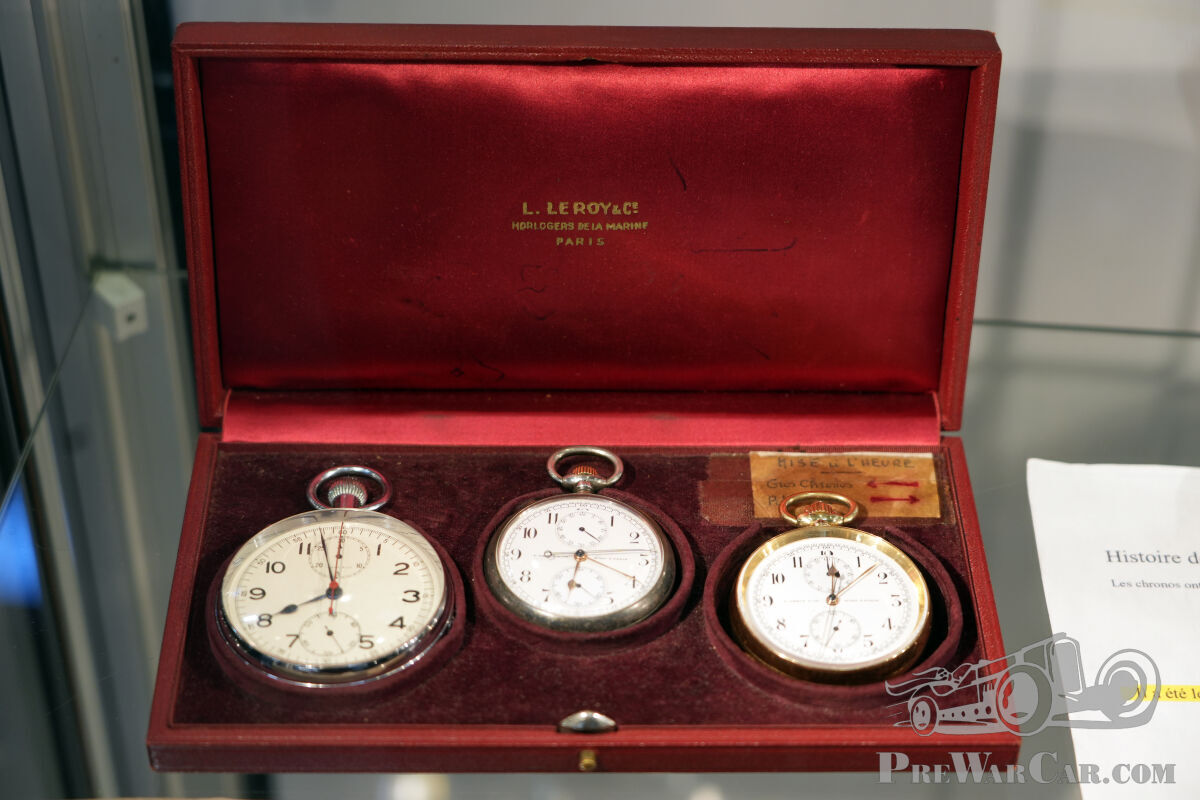
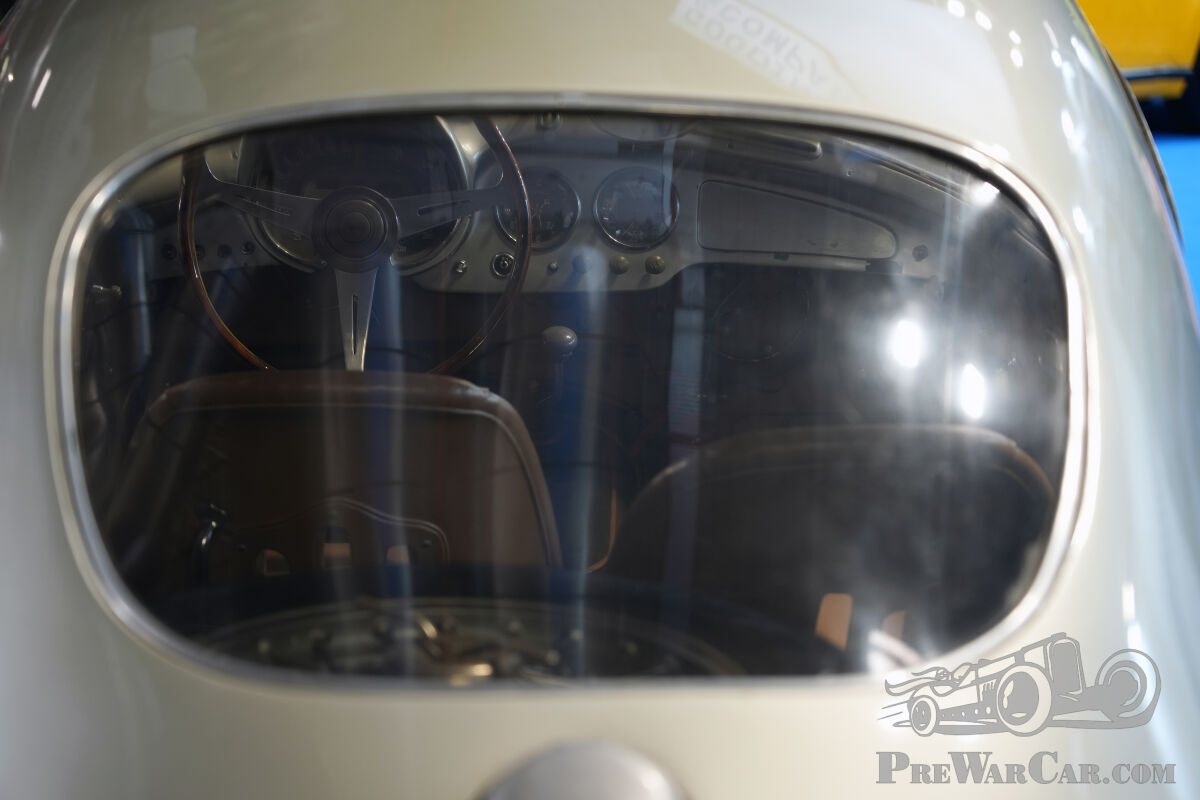
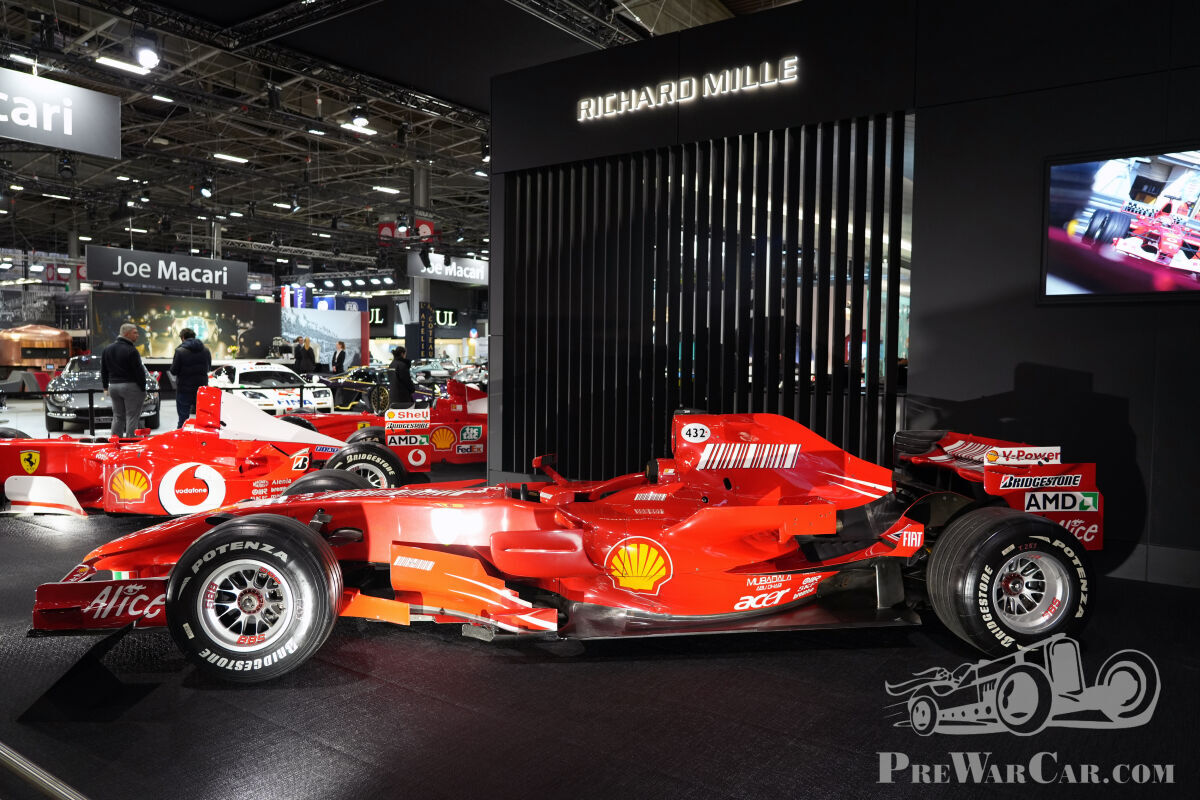
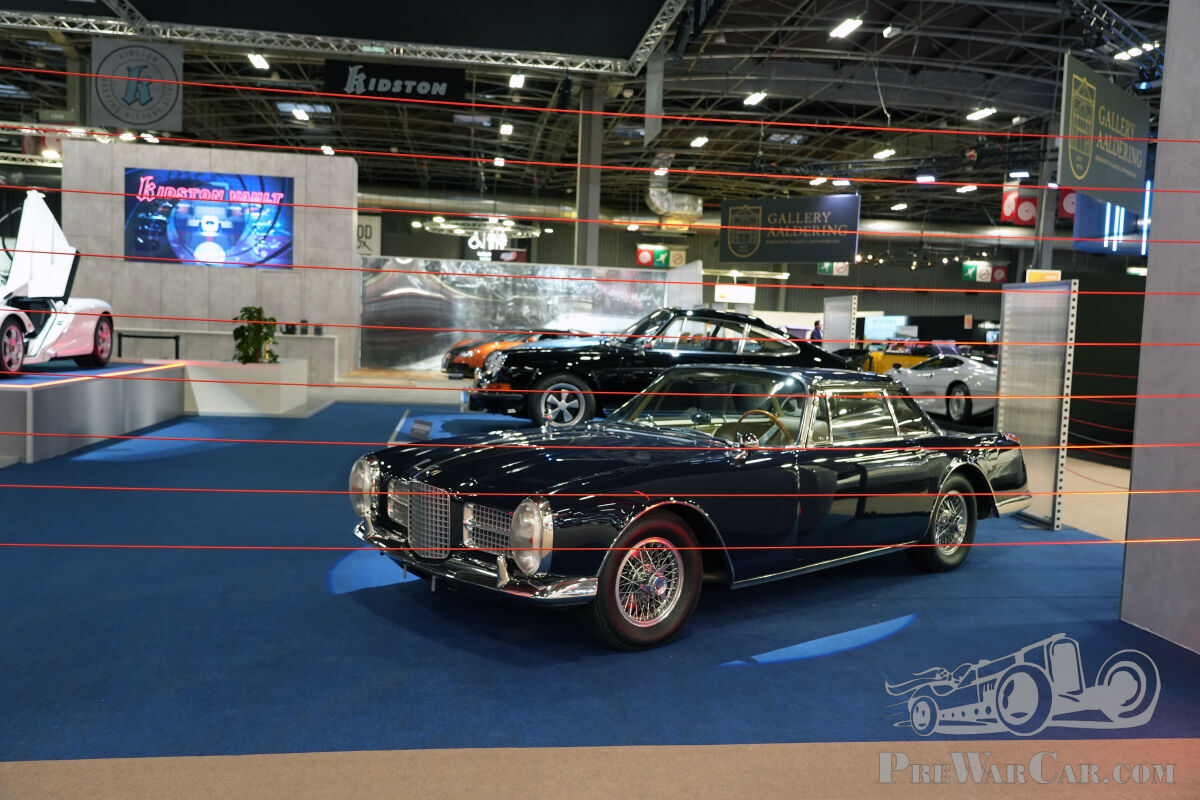
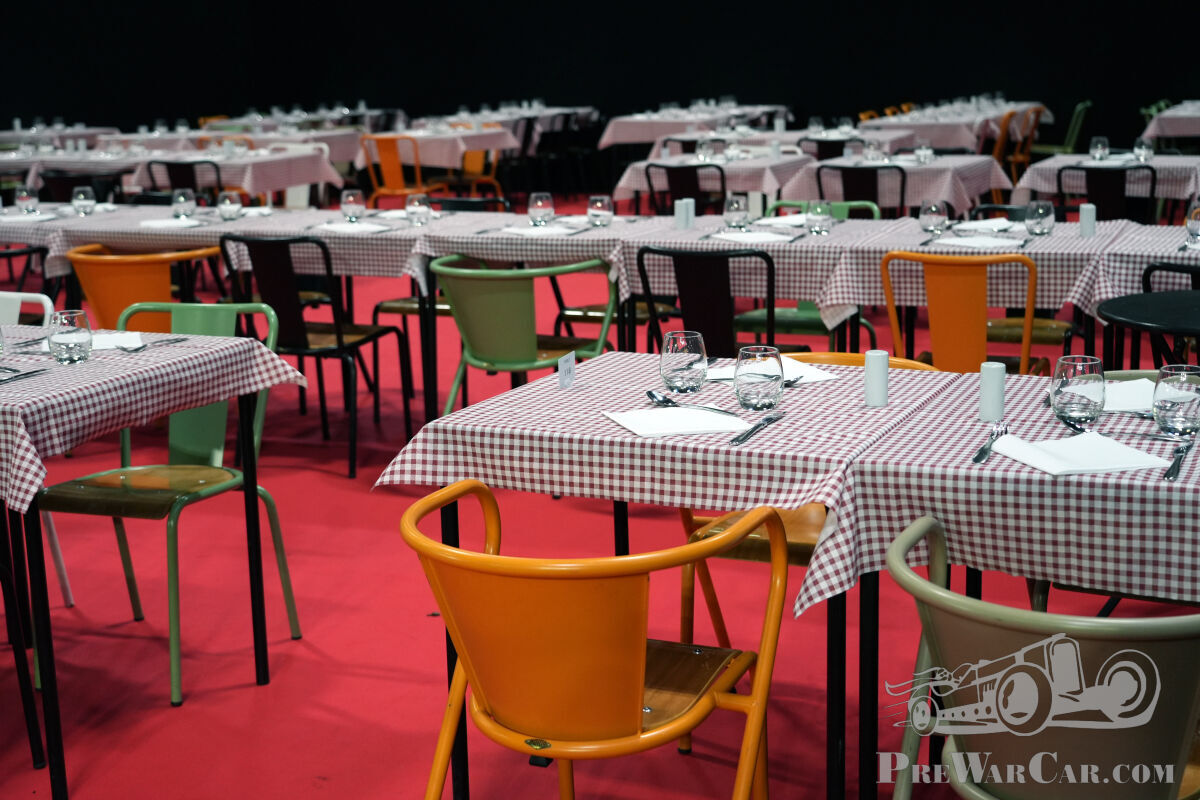
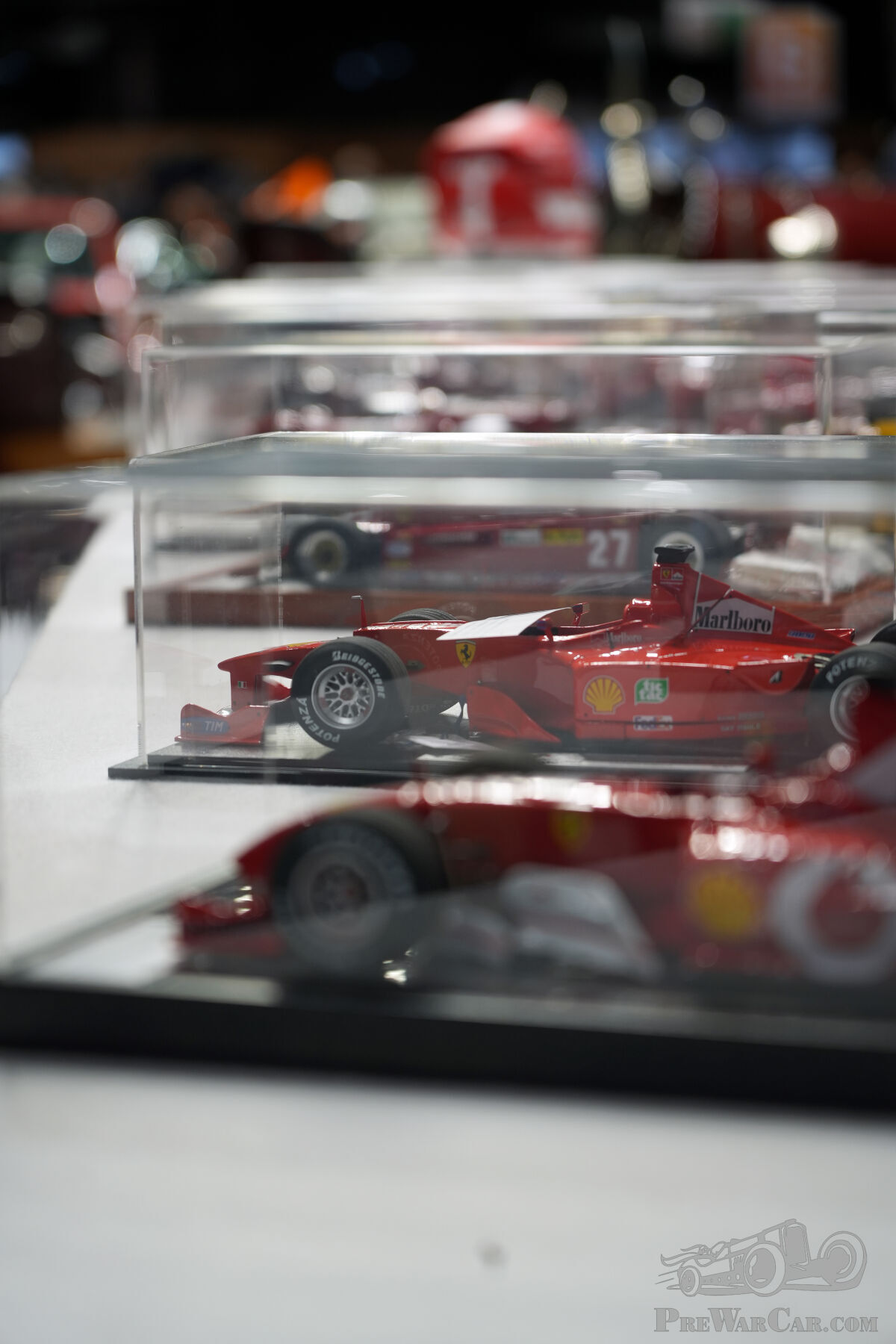
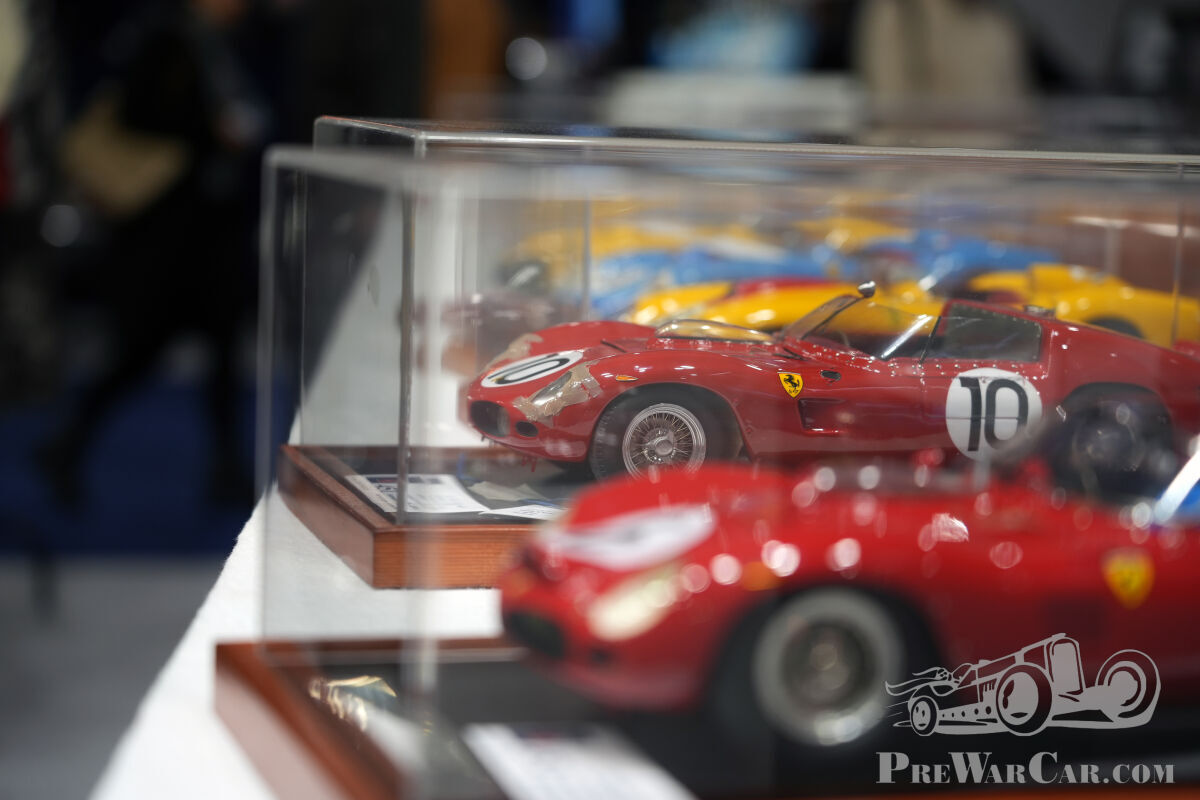

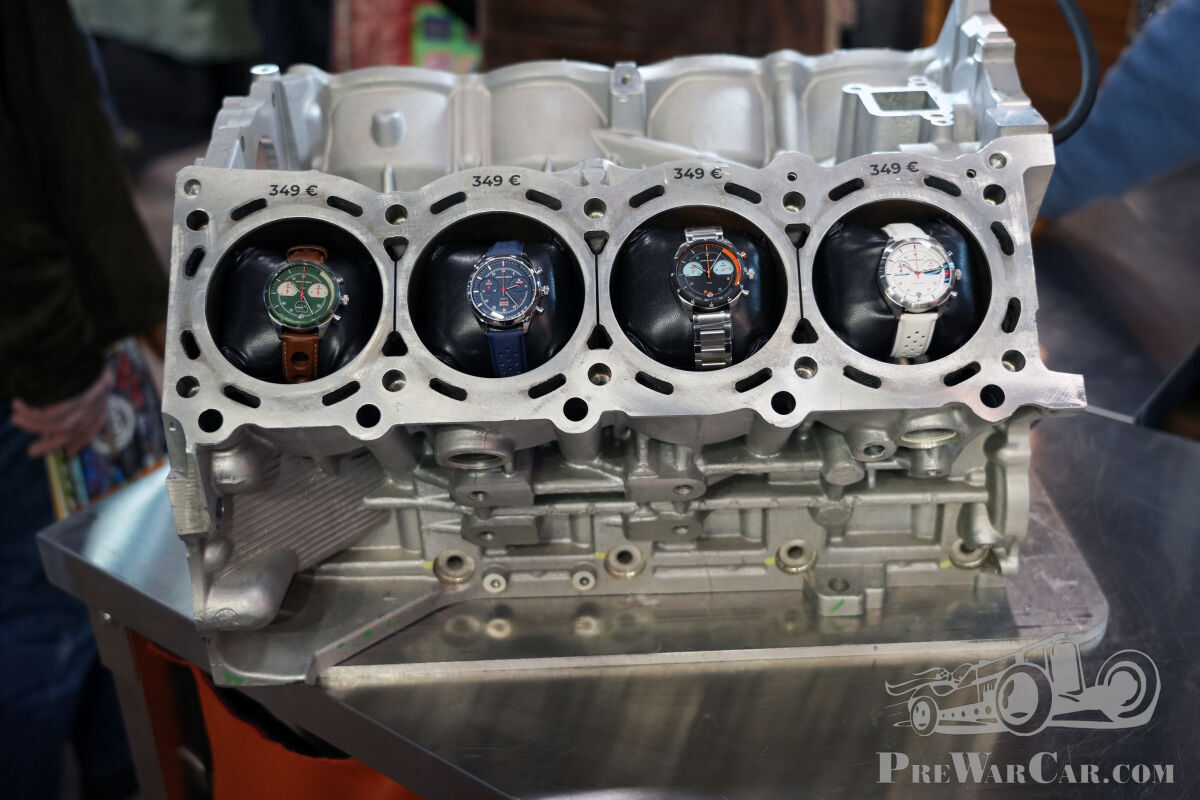
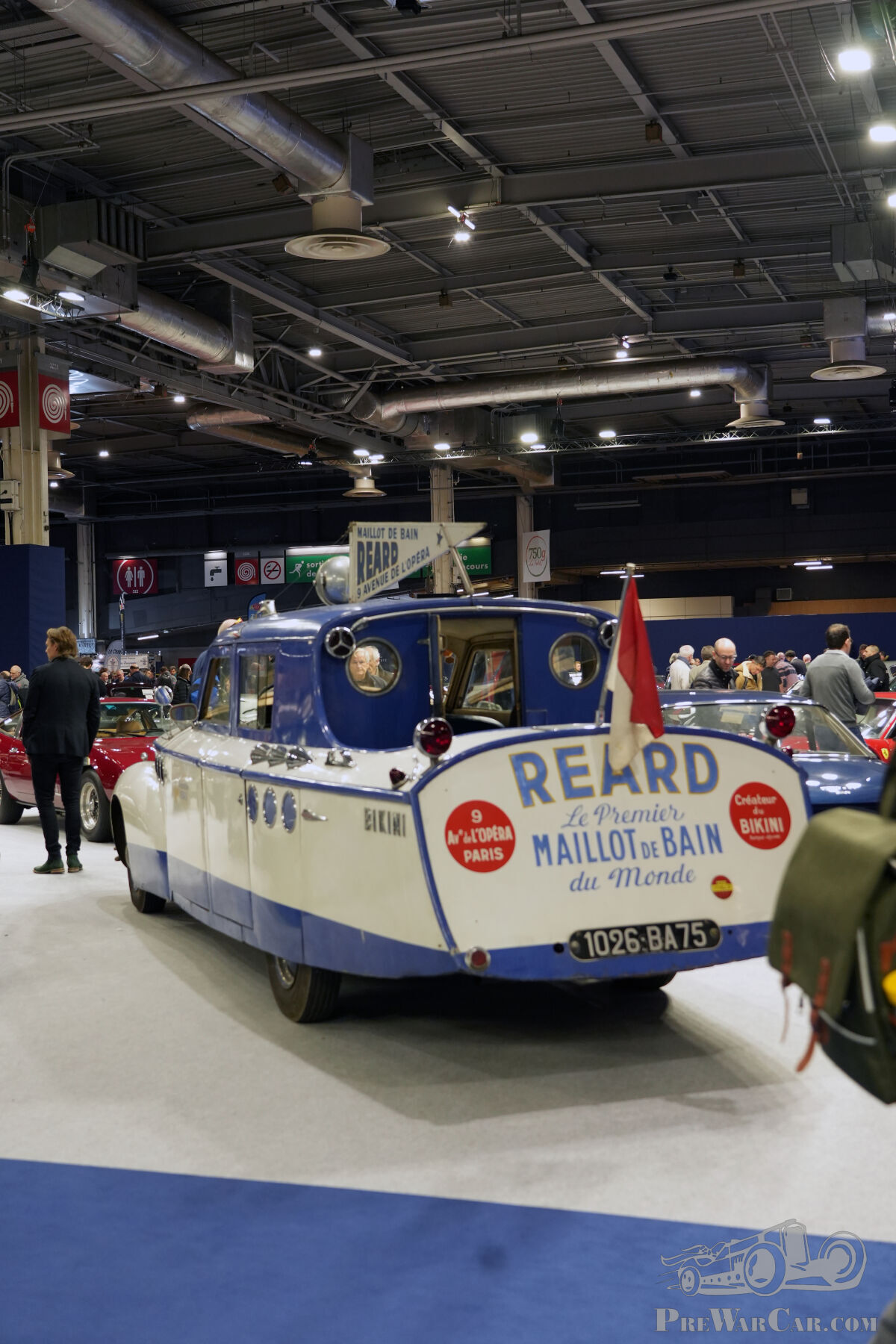
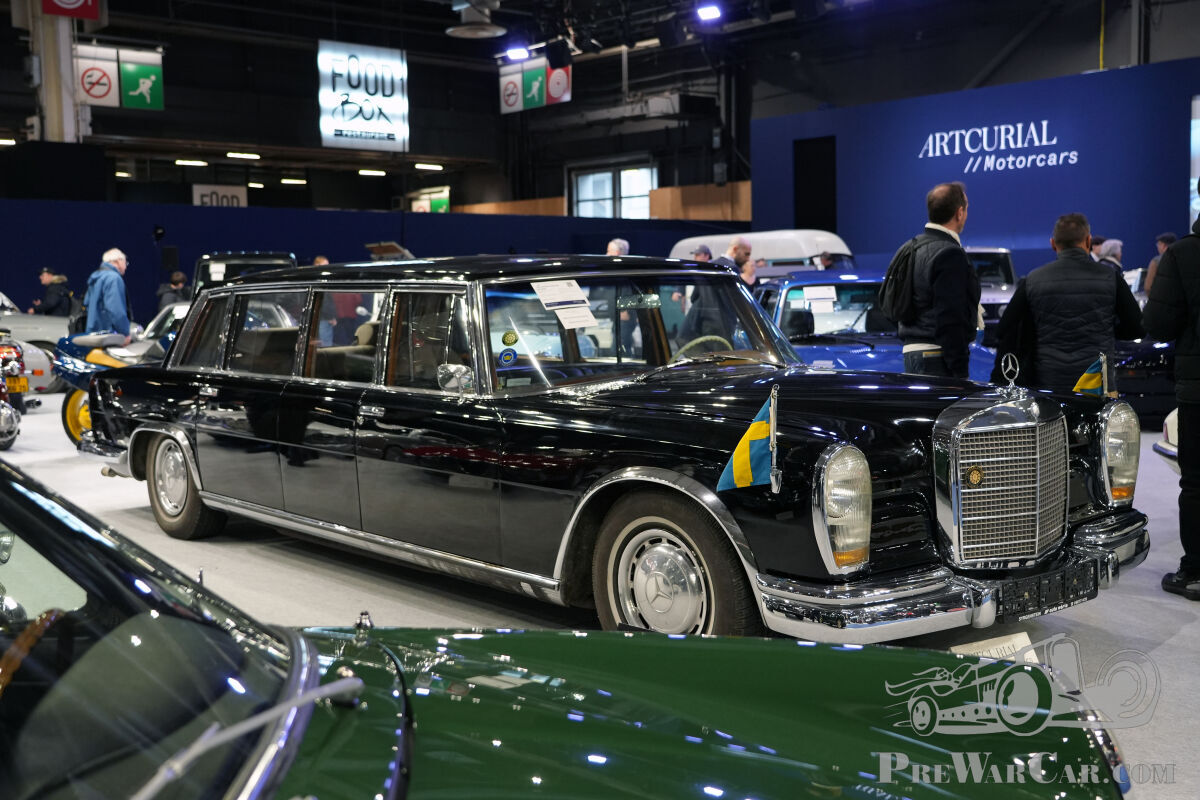
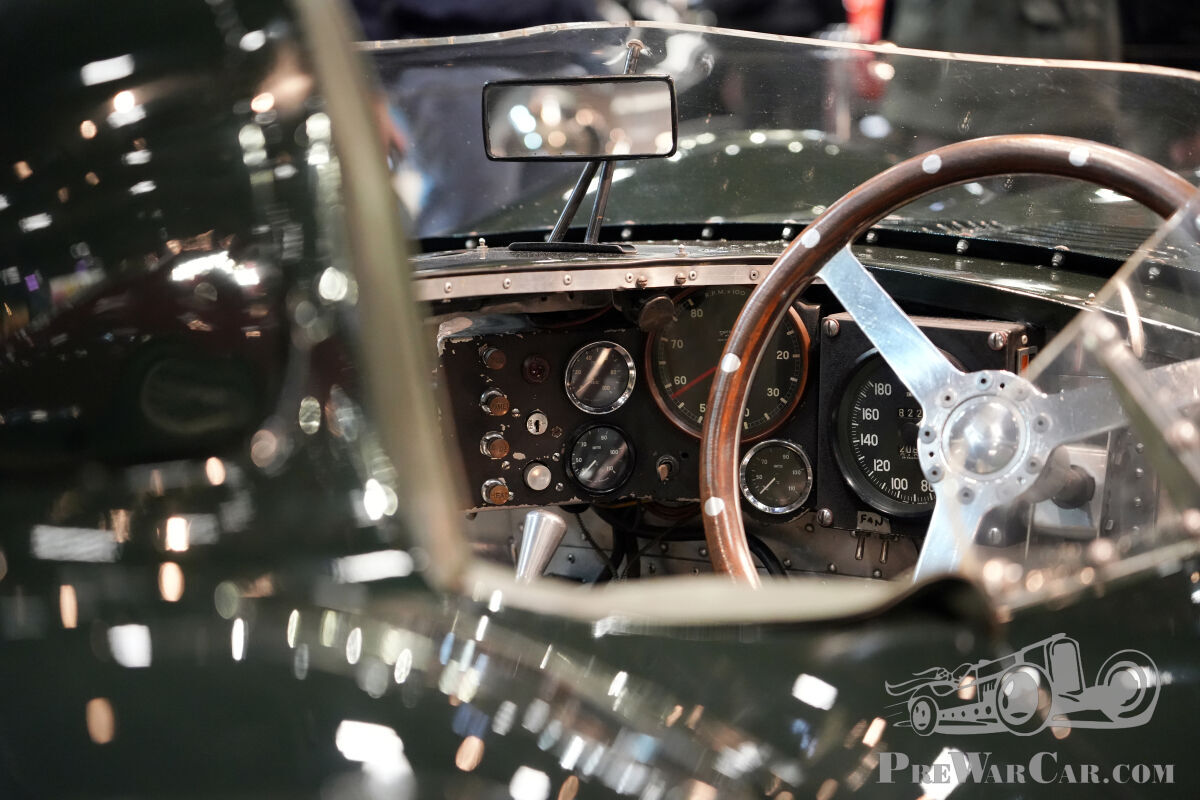
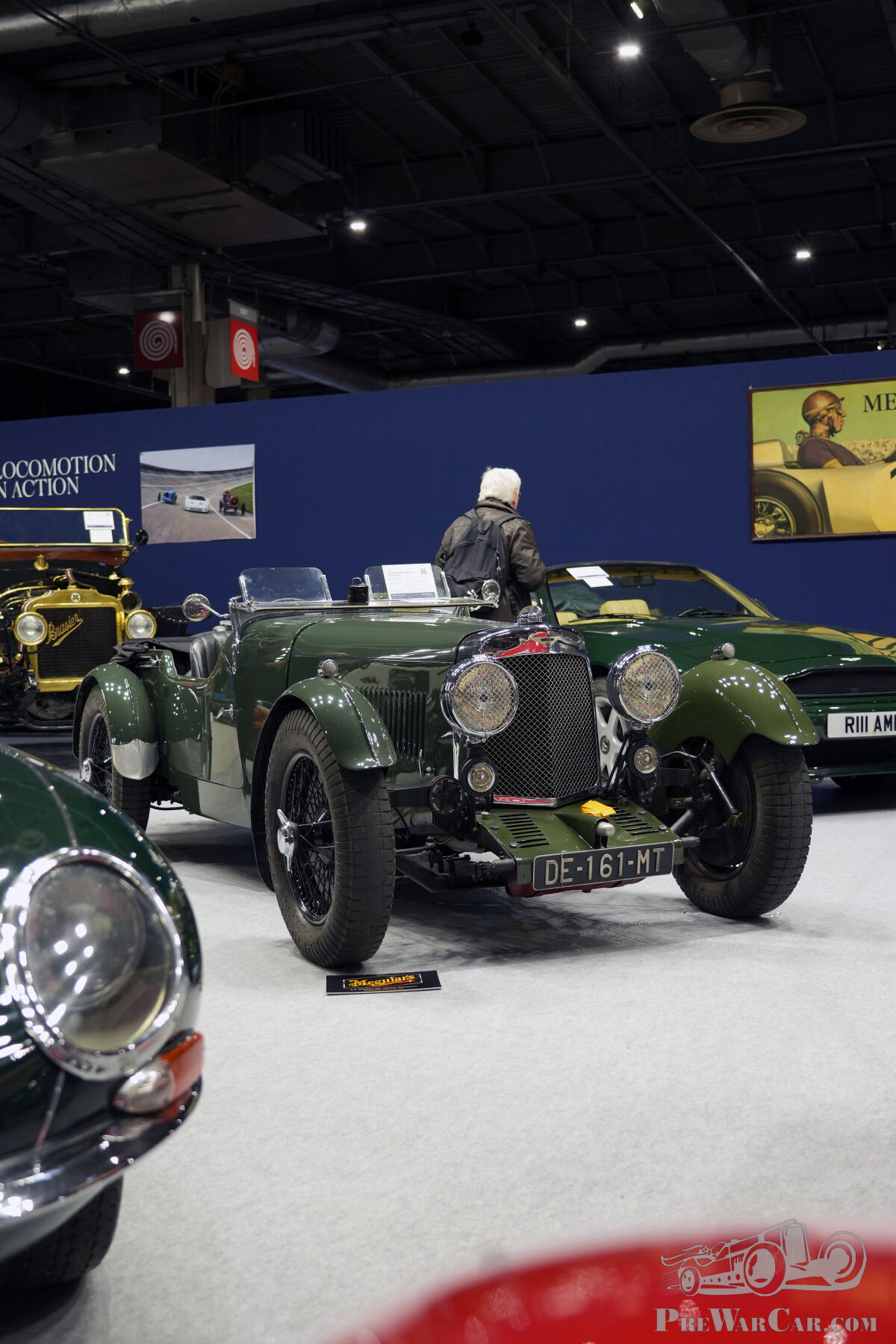
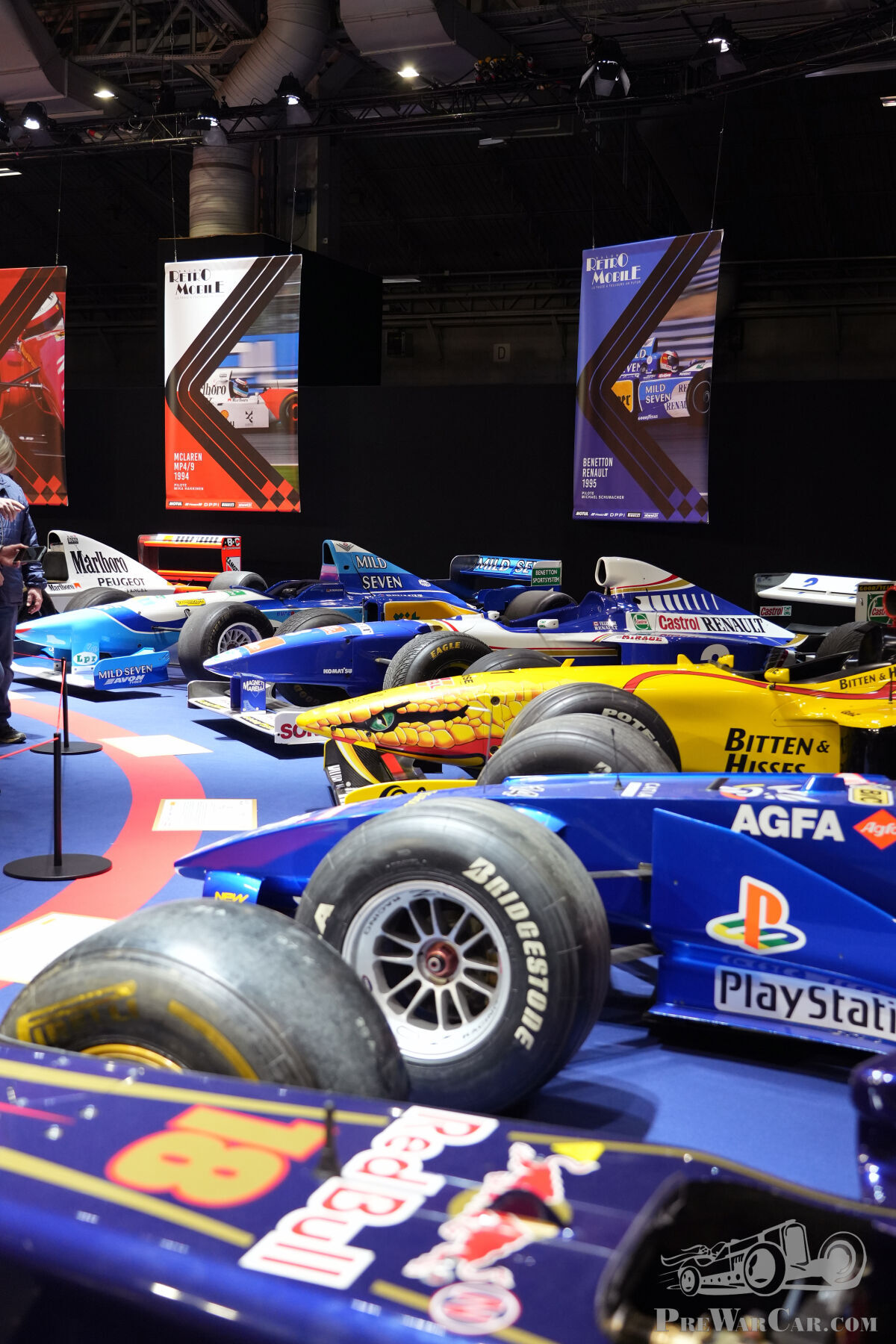
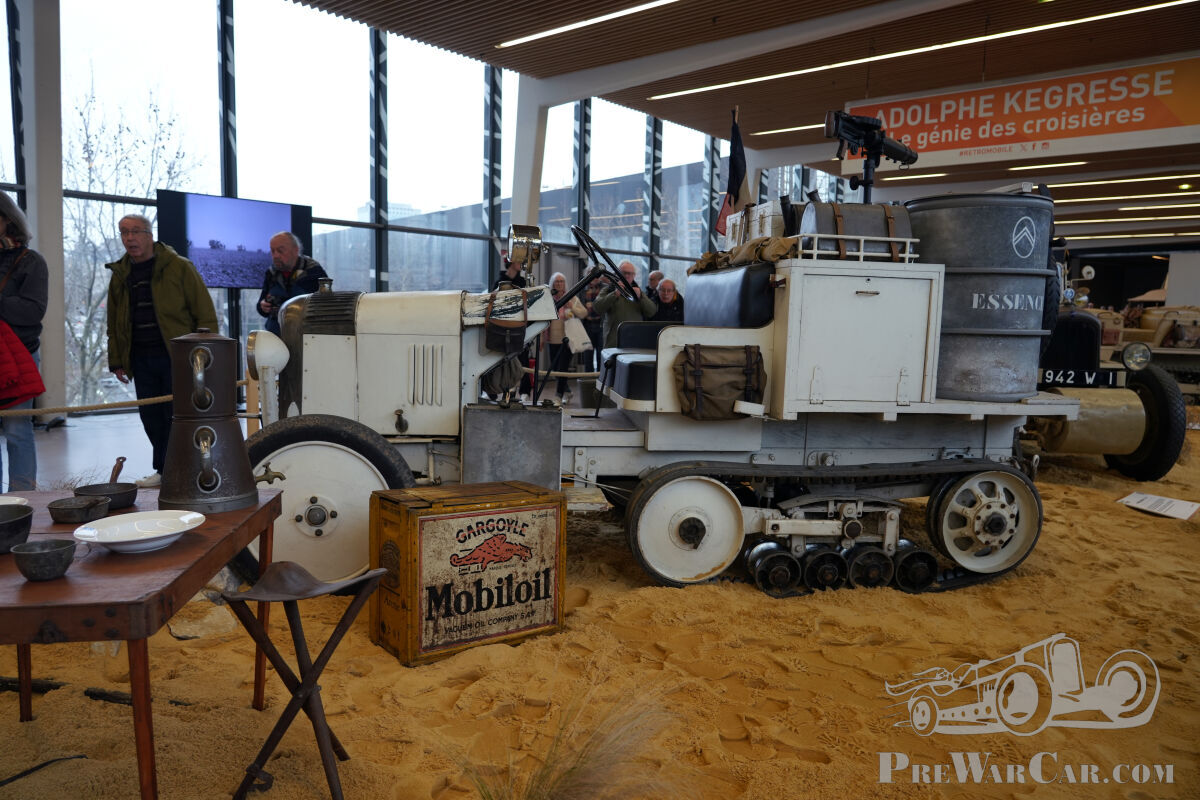
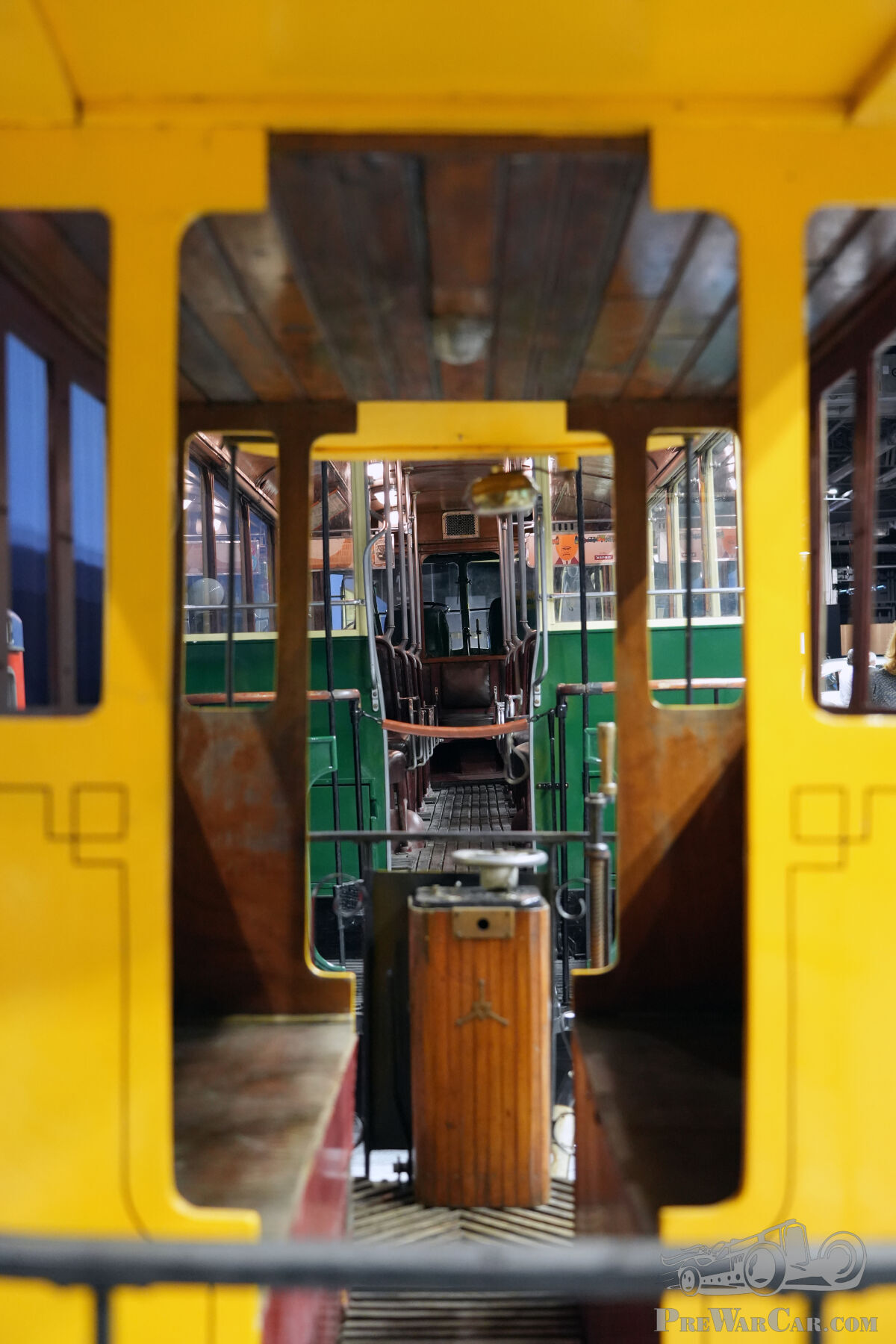
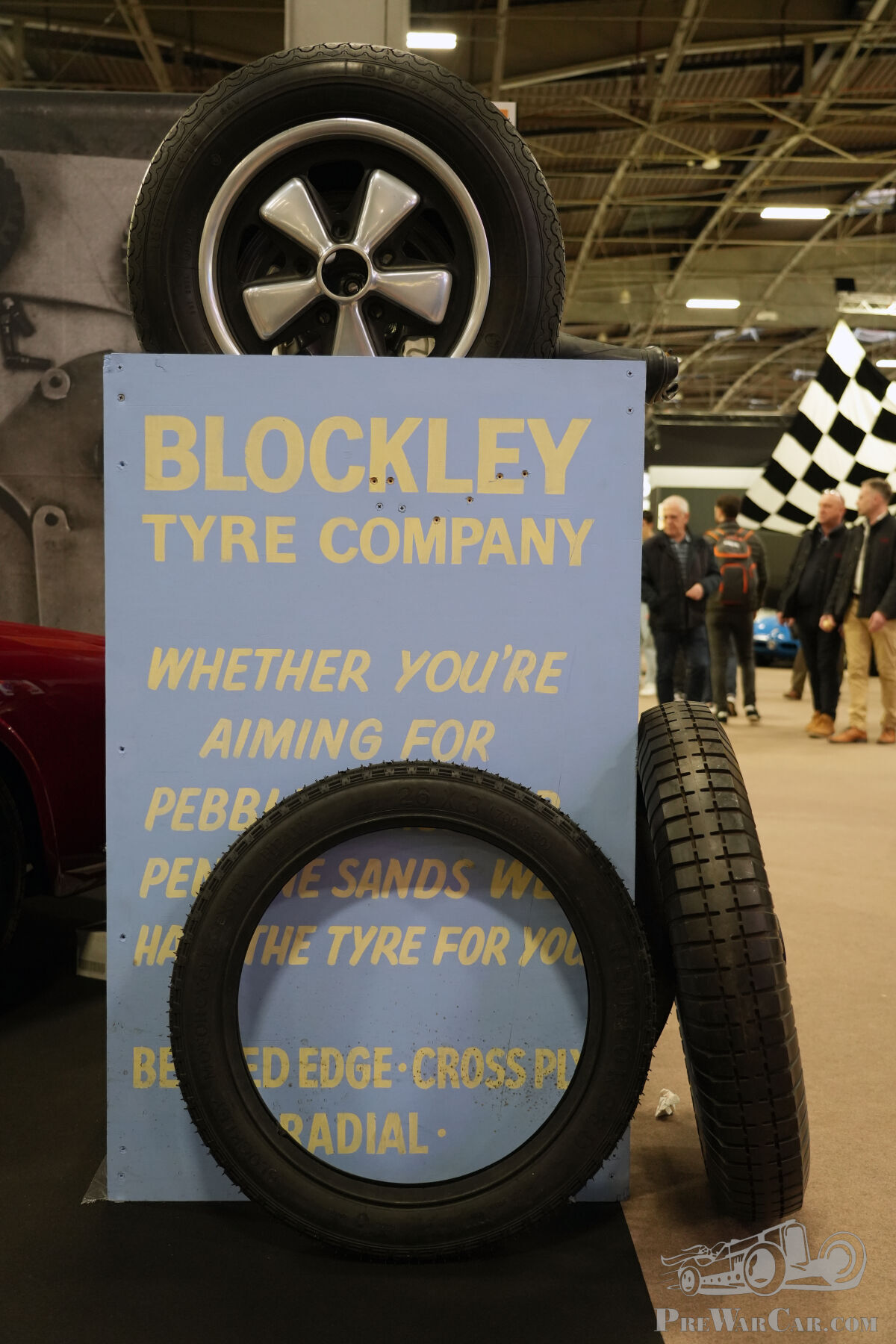
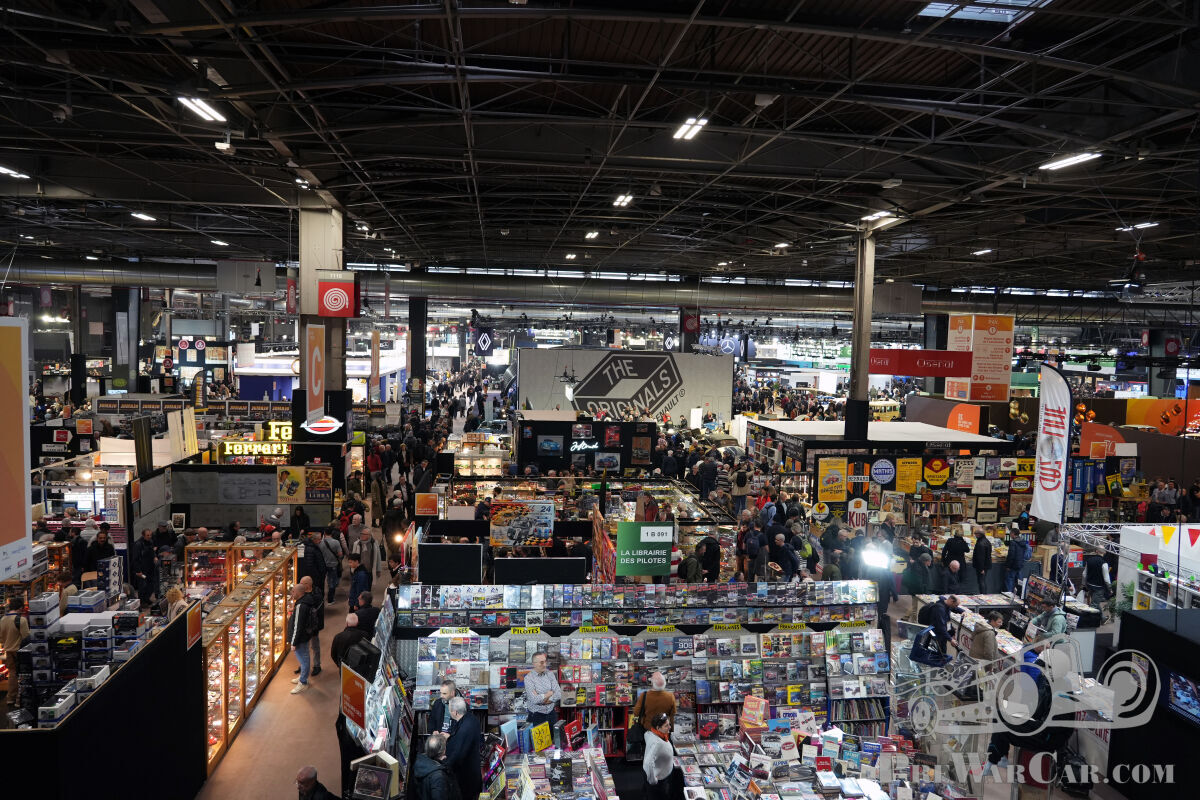
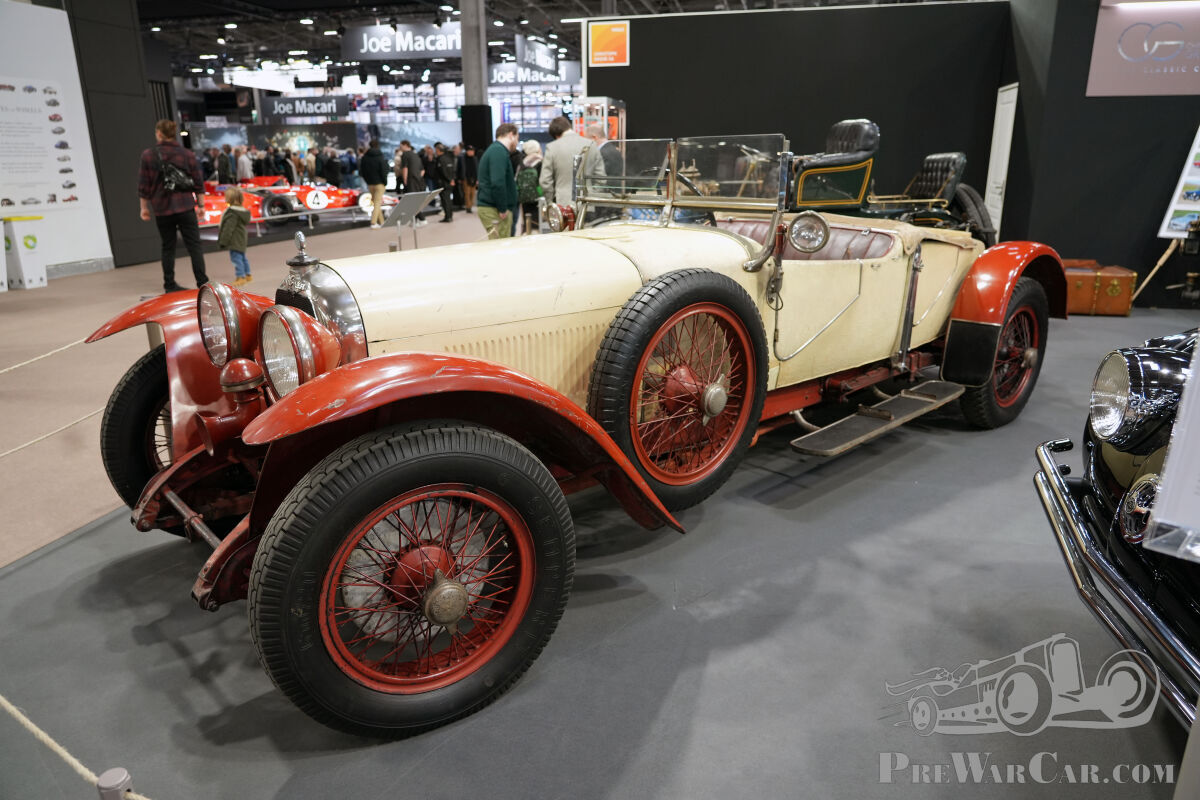
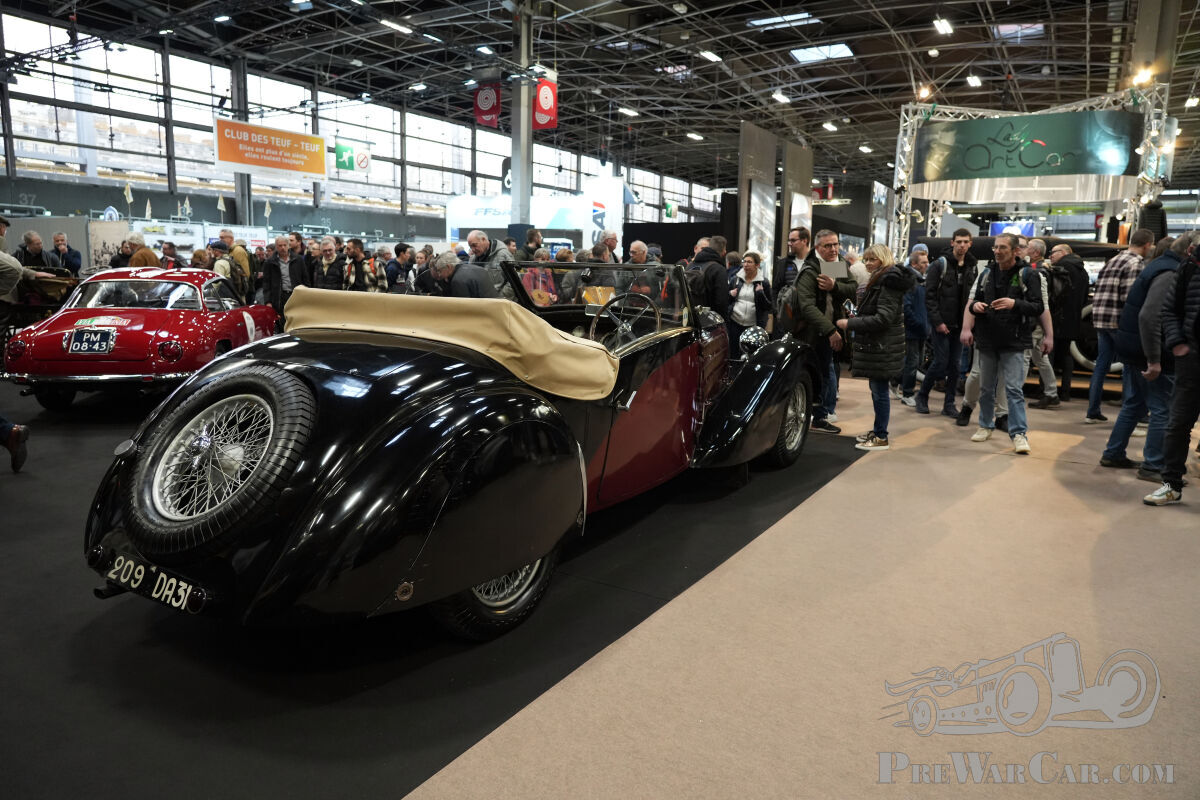
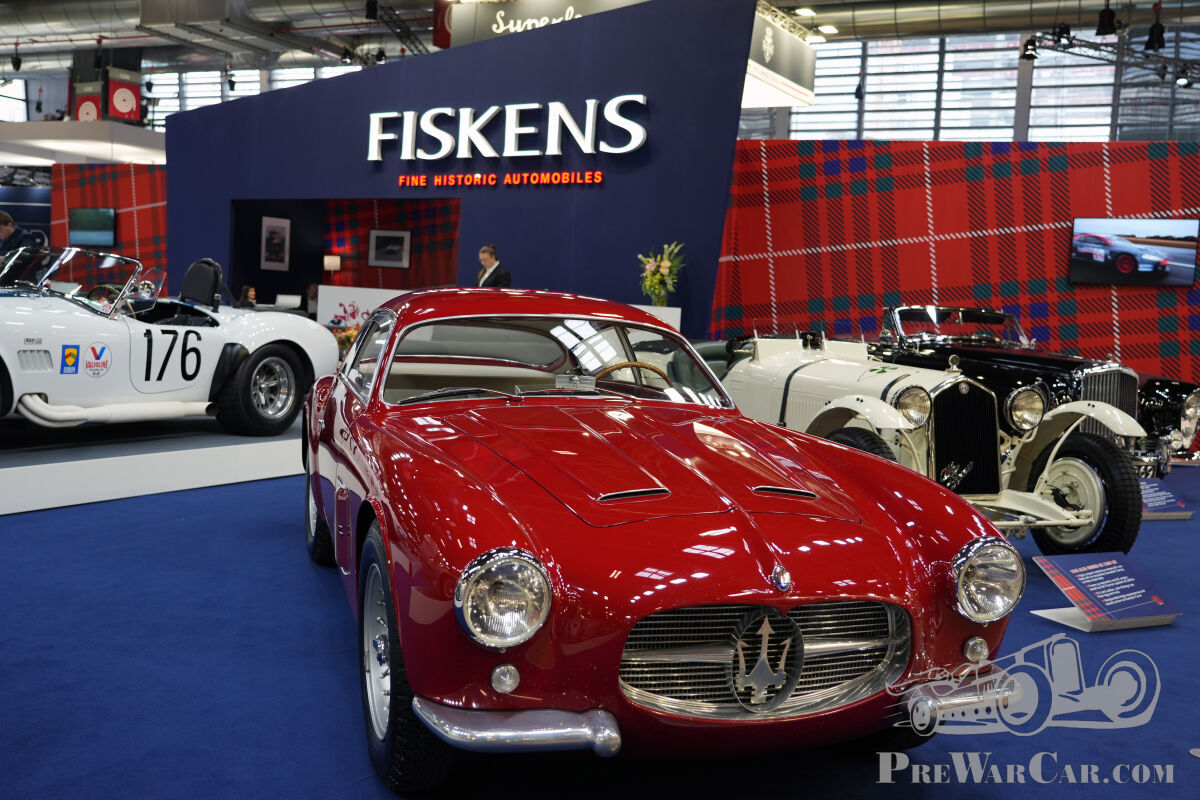
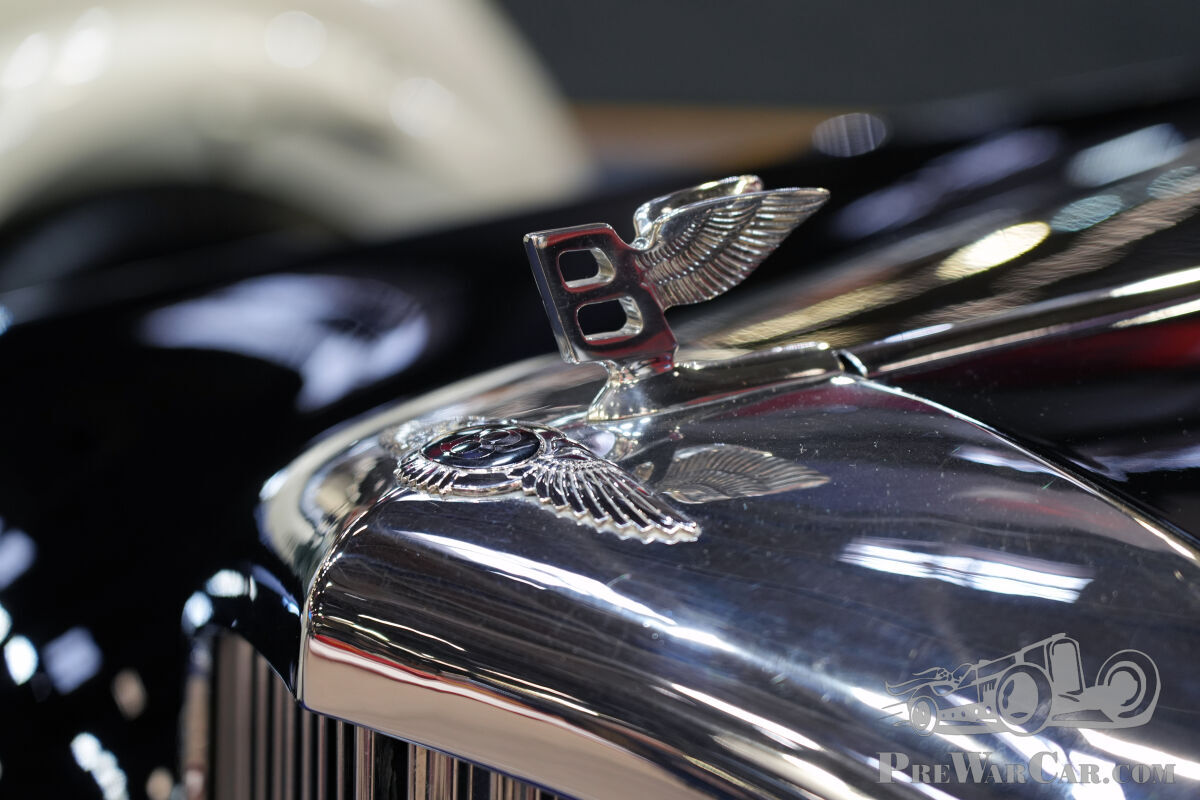


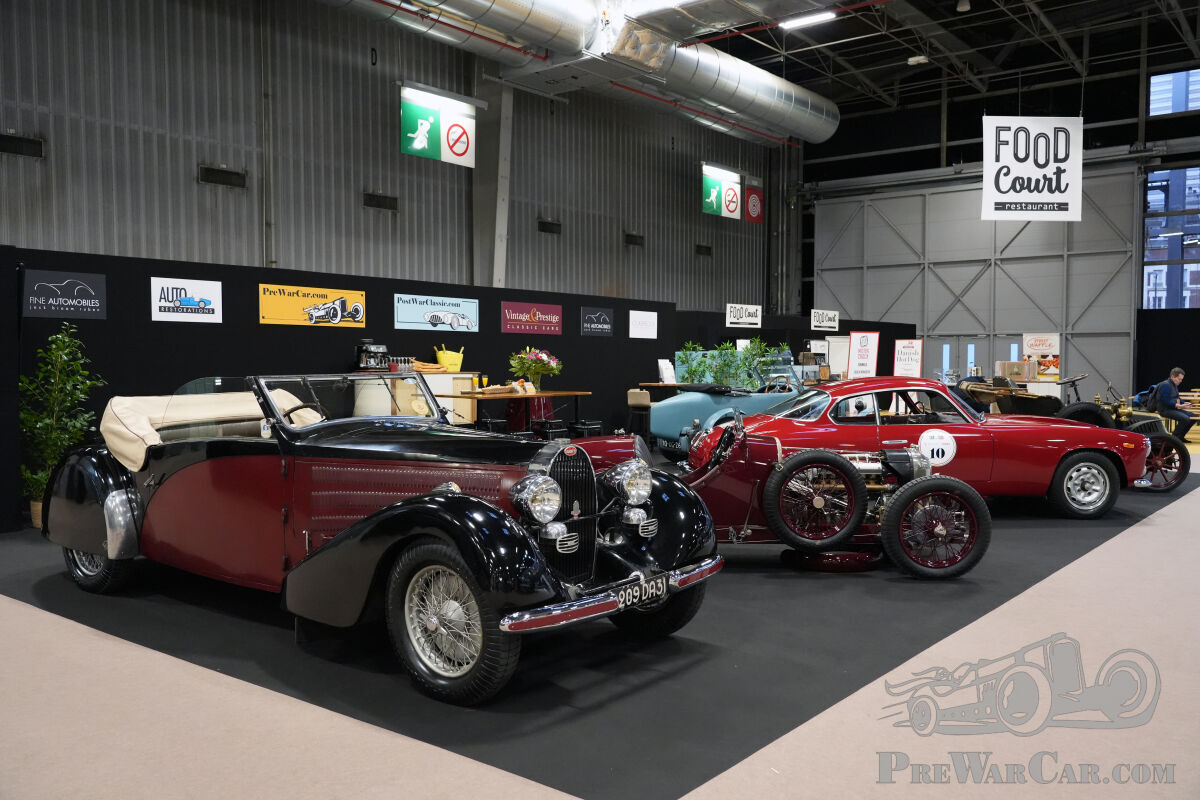
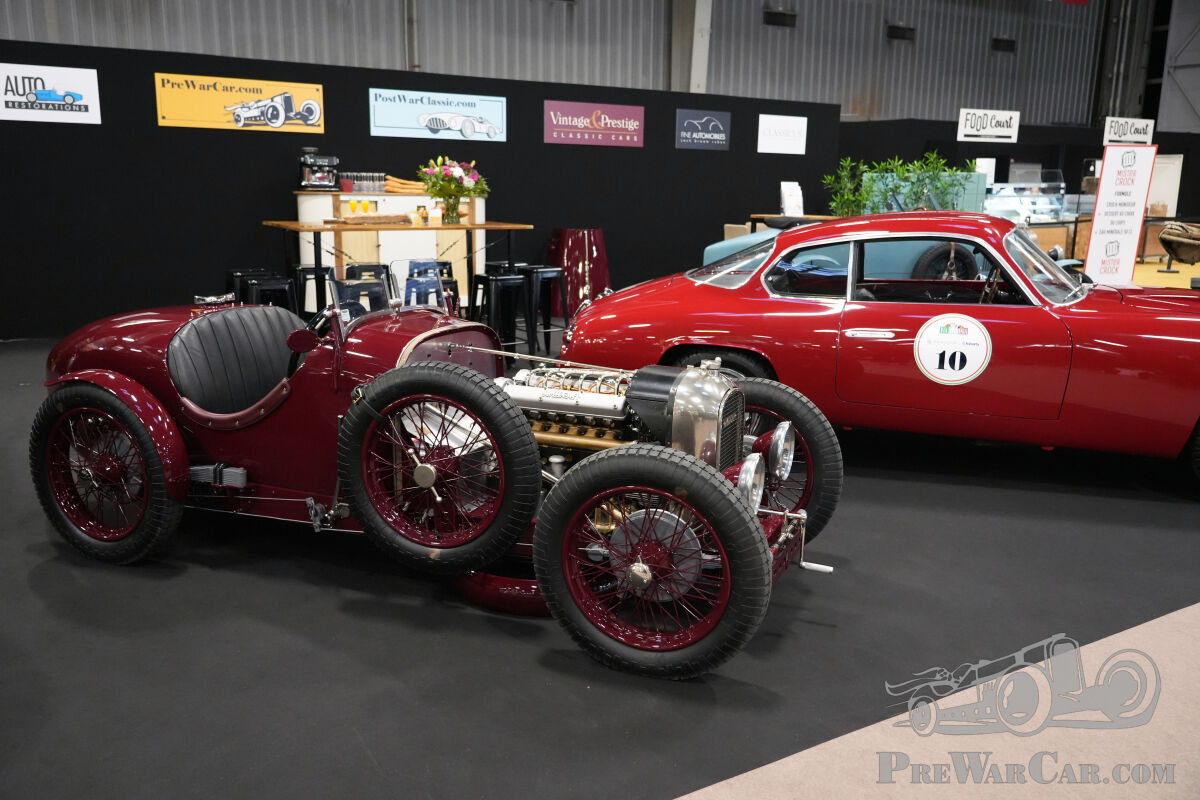
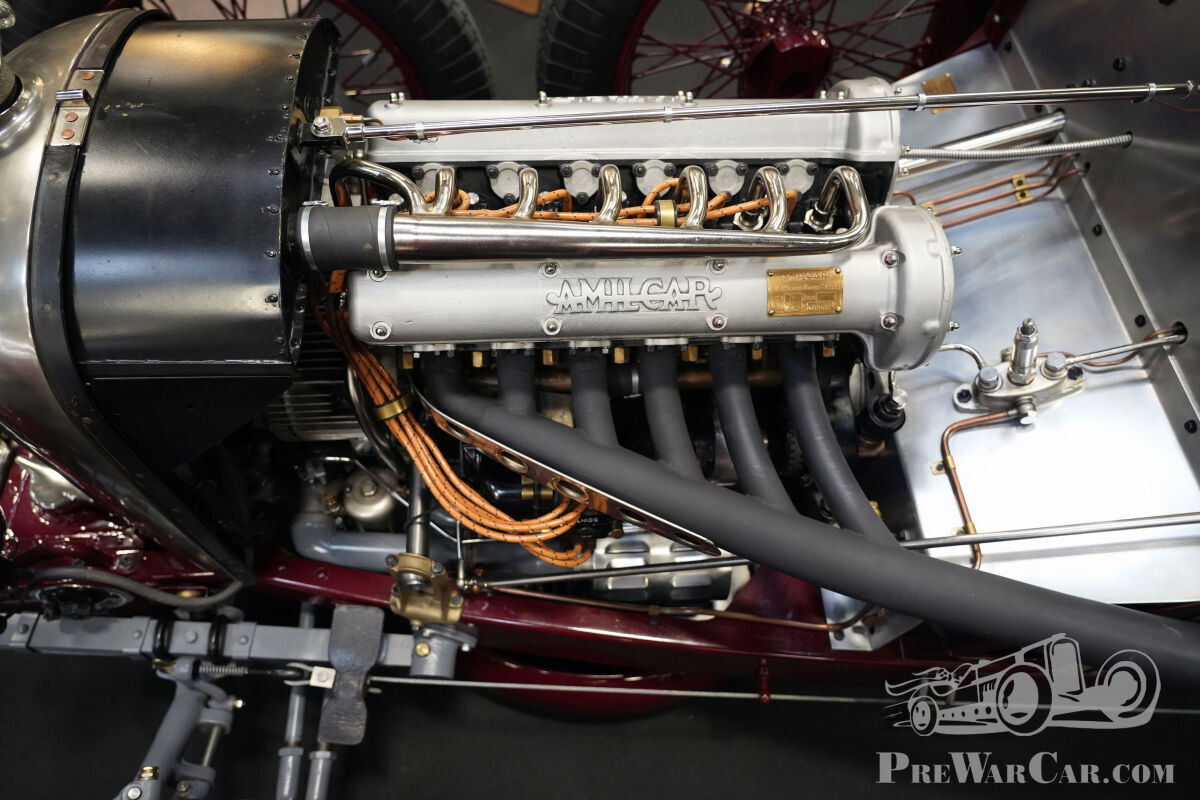
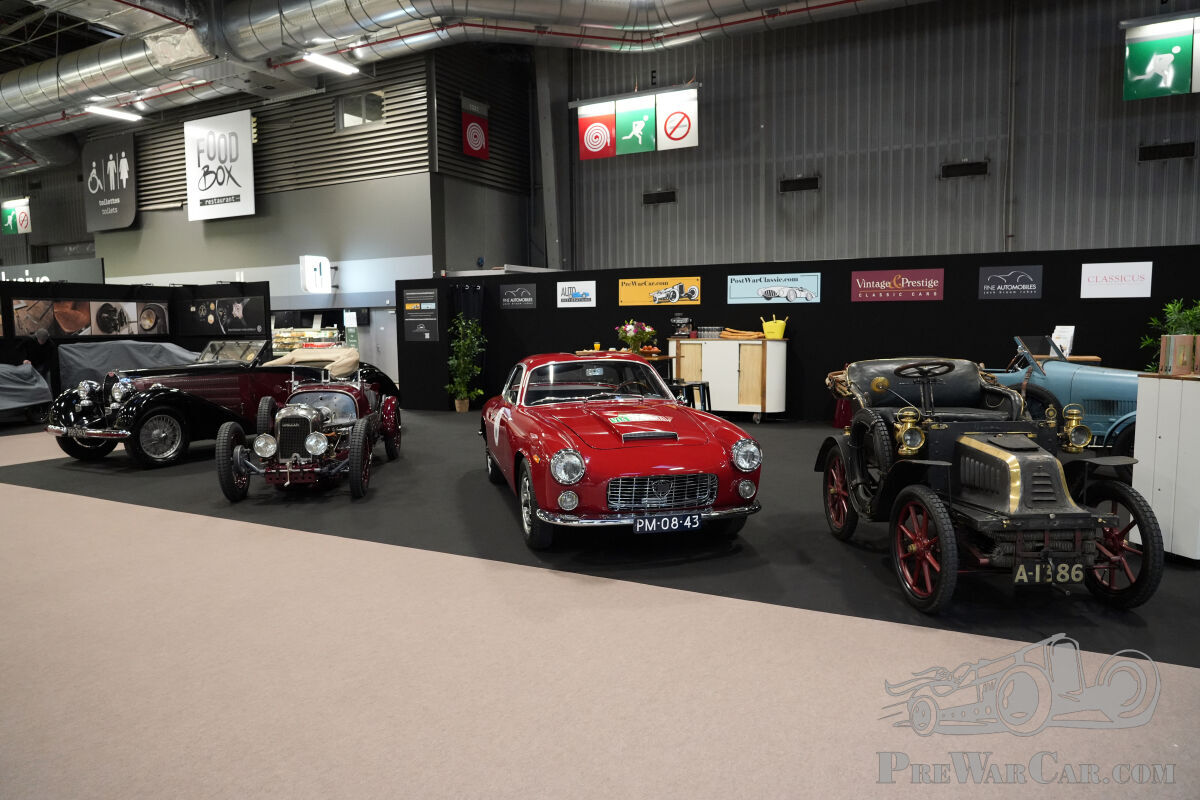
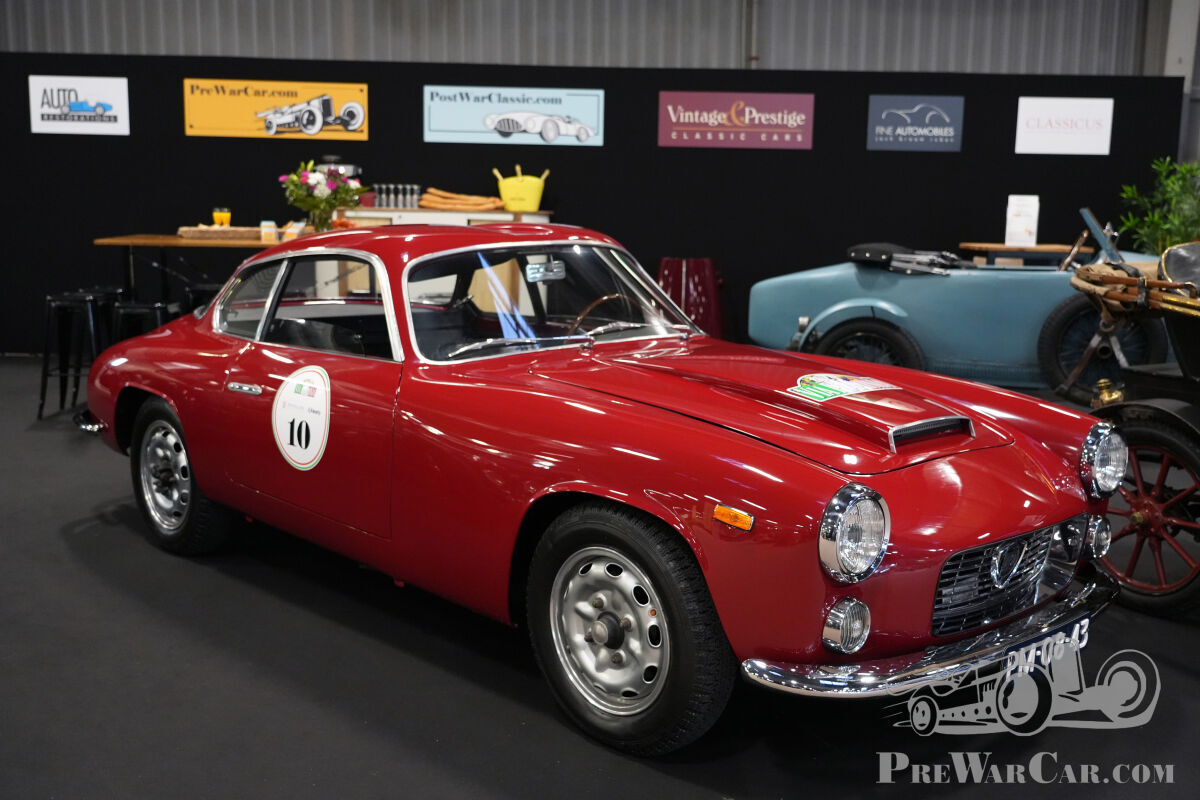
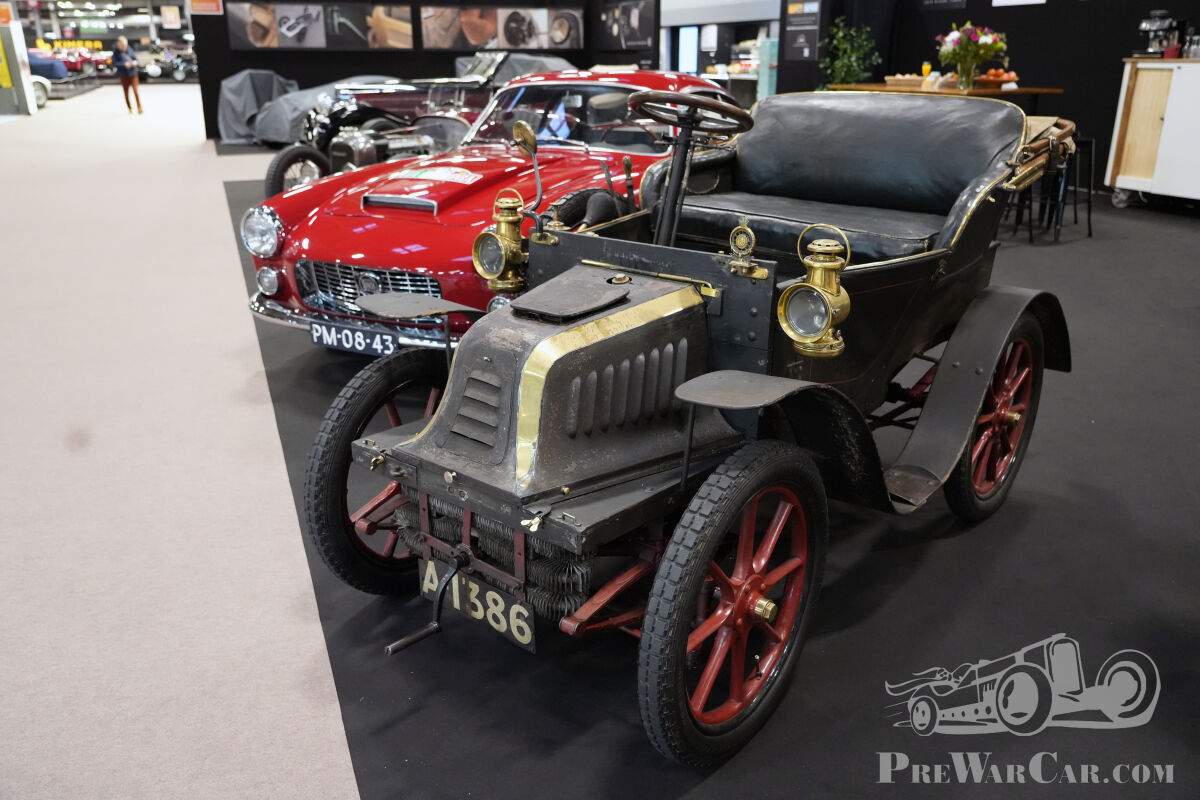
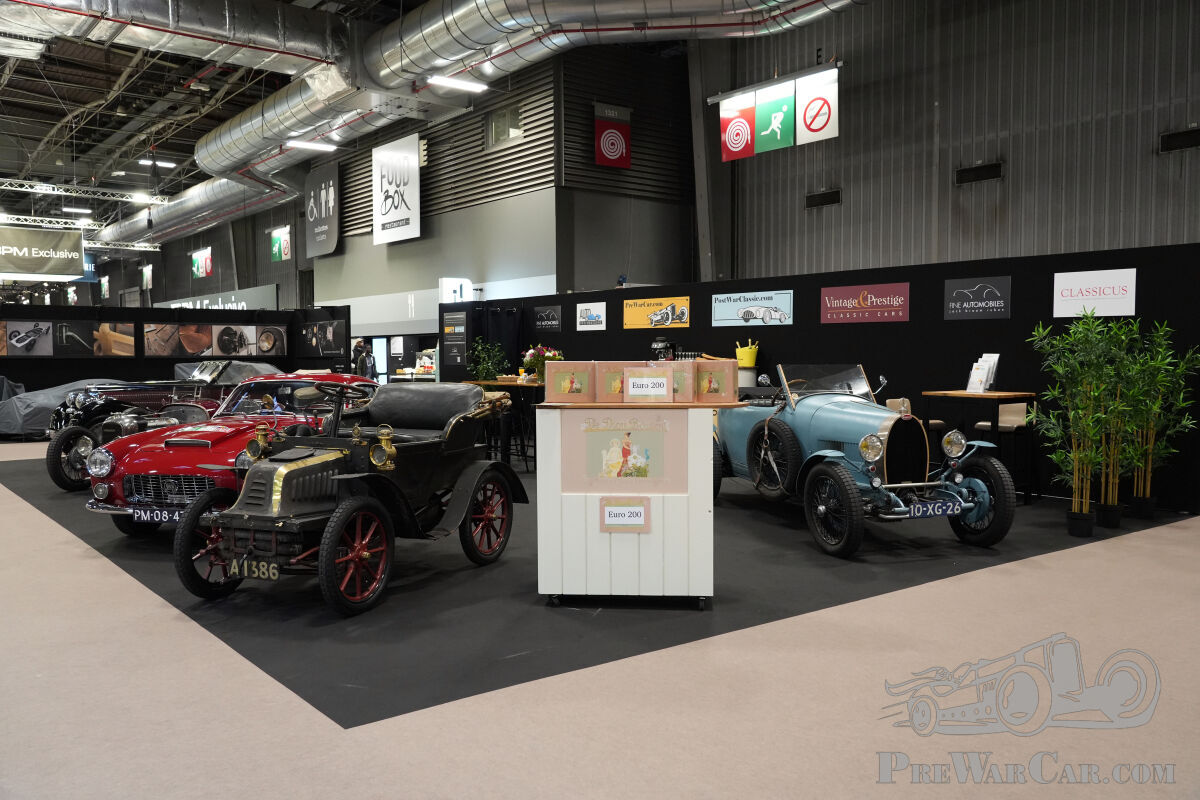
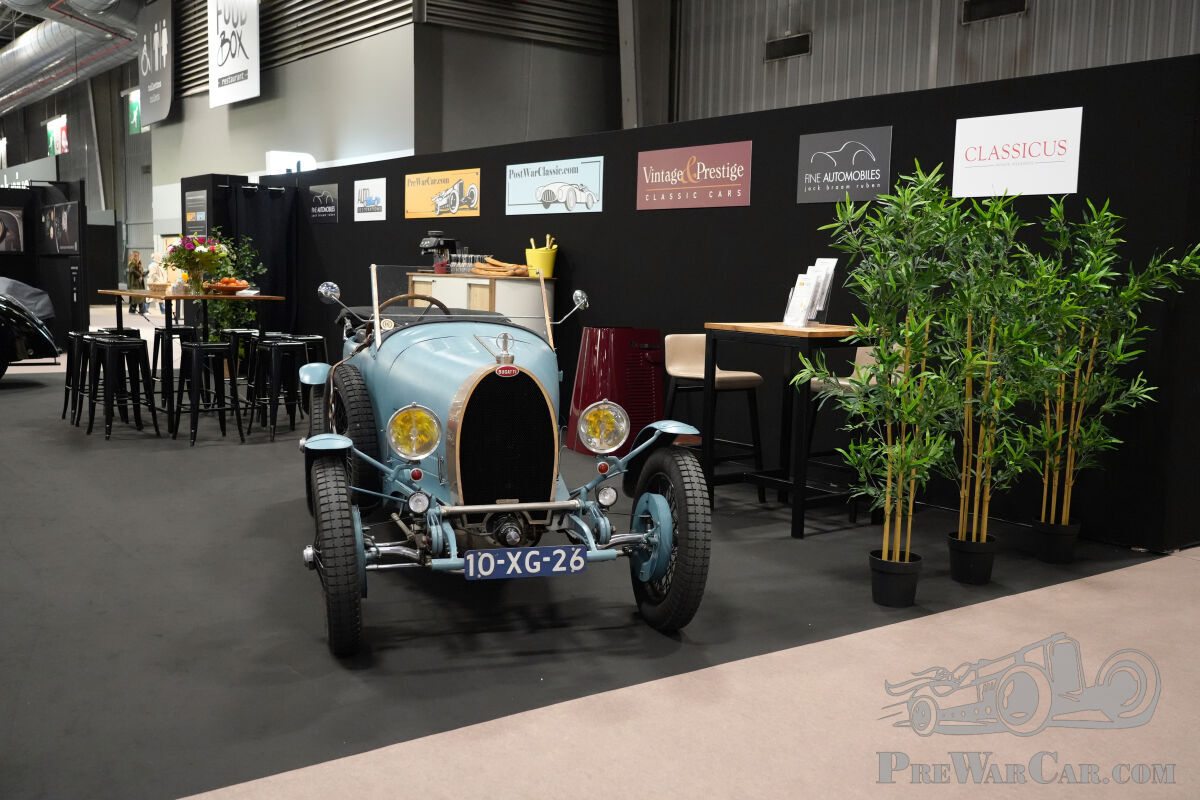
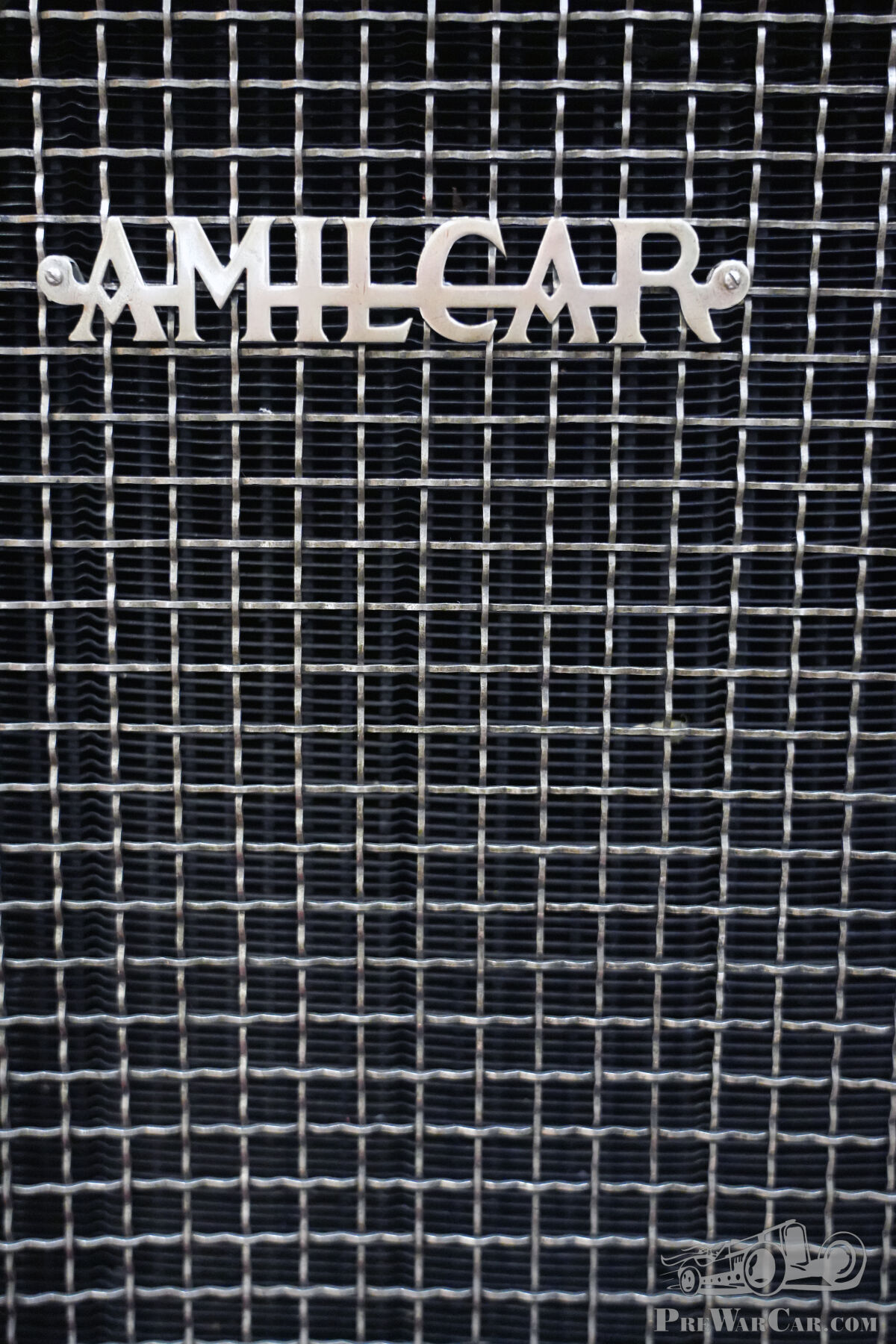
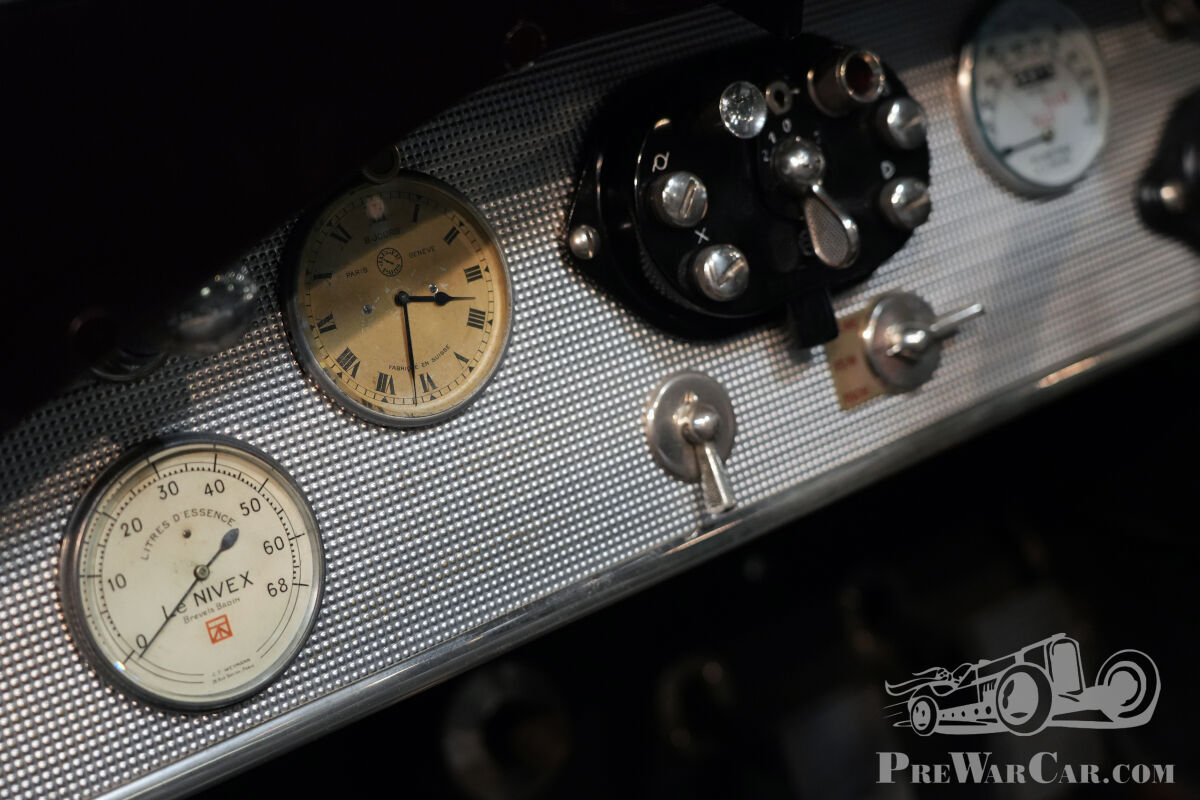
The doors opened this morning to Salon Rétromobile 2025 and the crowds have been flooding in. The PreWarCar.com and PostWarClassic.com stand has been busy with visitors, attracted by the various cars on display—a 1902 Peugeot Bébé, 1927 Amilcar C6, 1929 Bugatti Type 40, 1934 Bugatti Type 57 Stelvio and 1960 Lancia Flaminia Zagato. If you haven’t done so yet, make sure you come to see us at some point over the weekend.
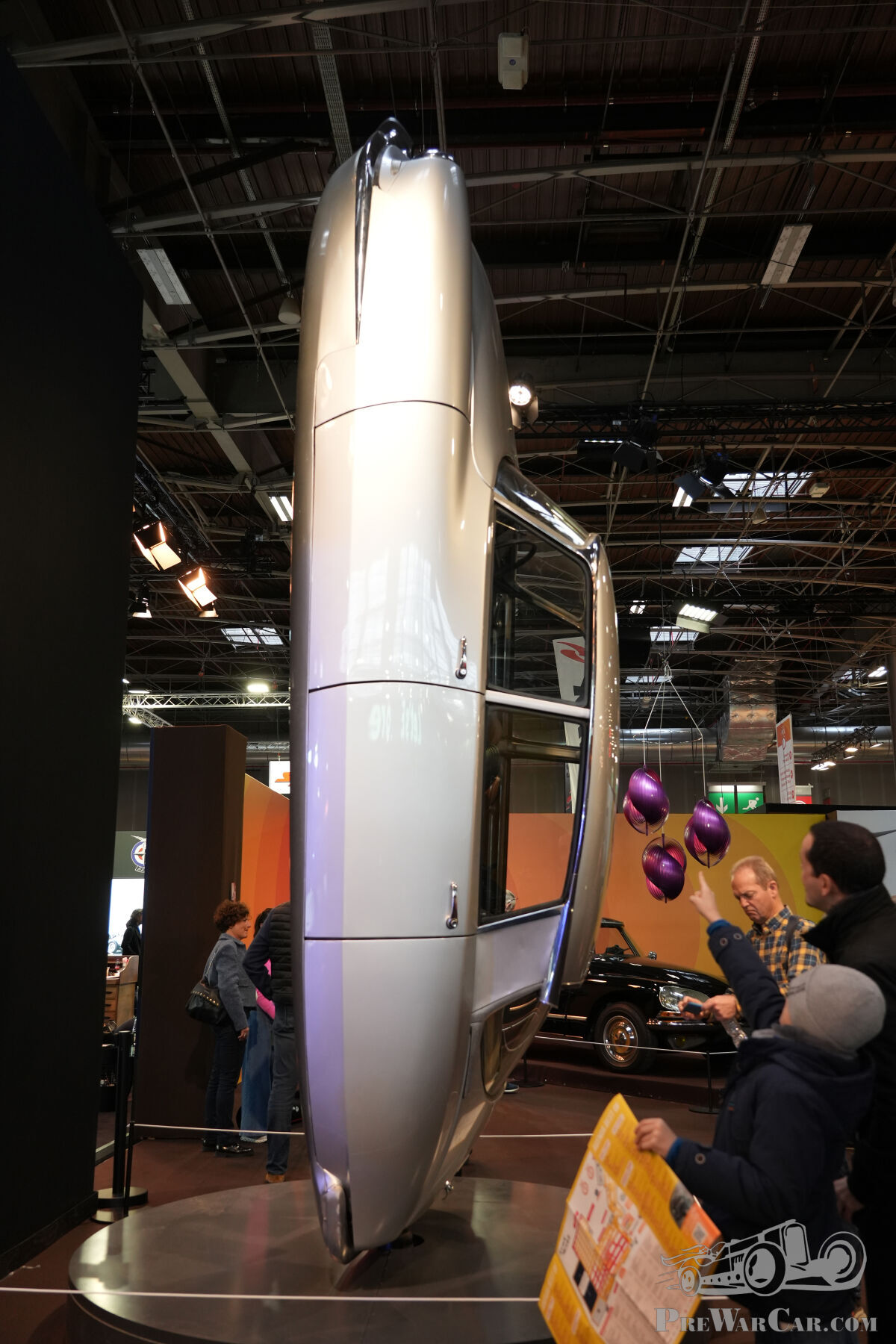
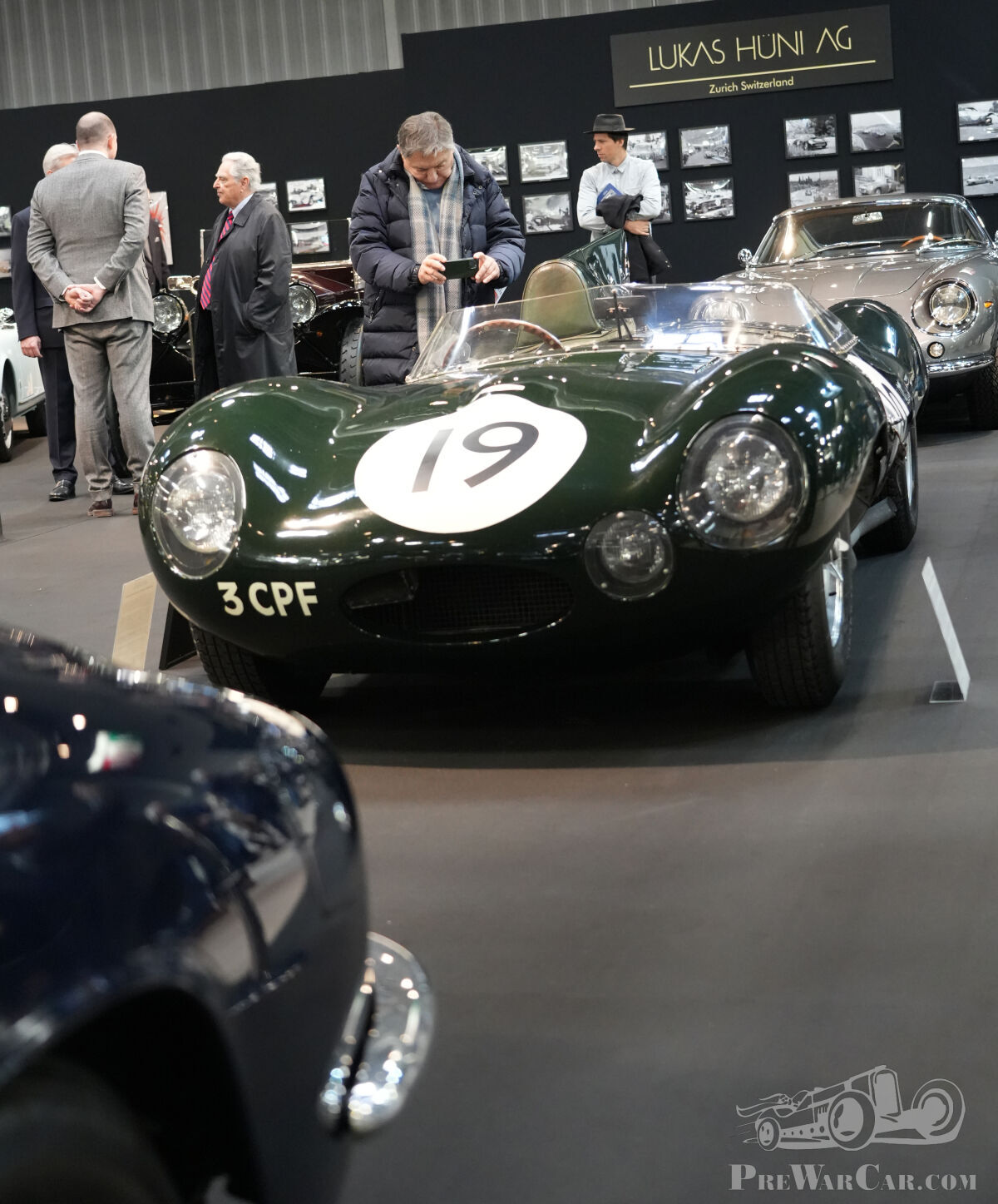
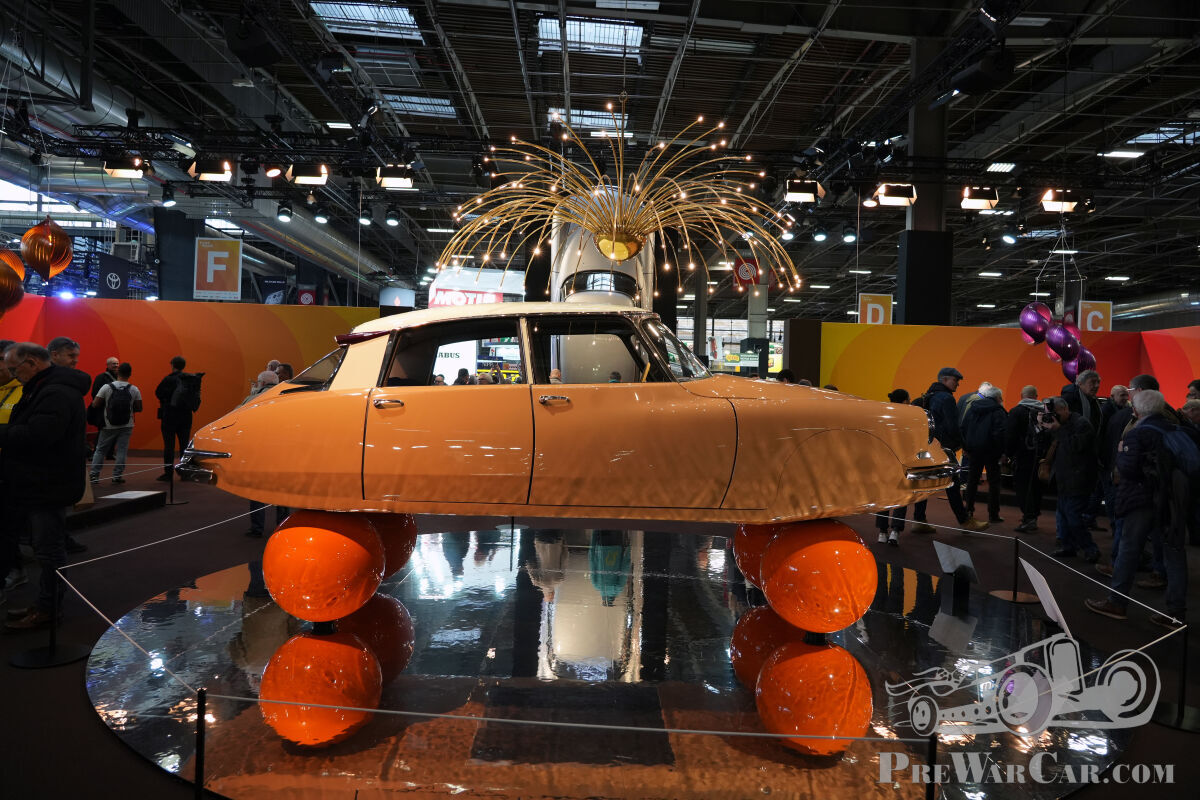
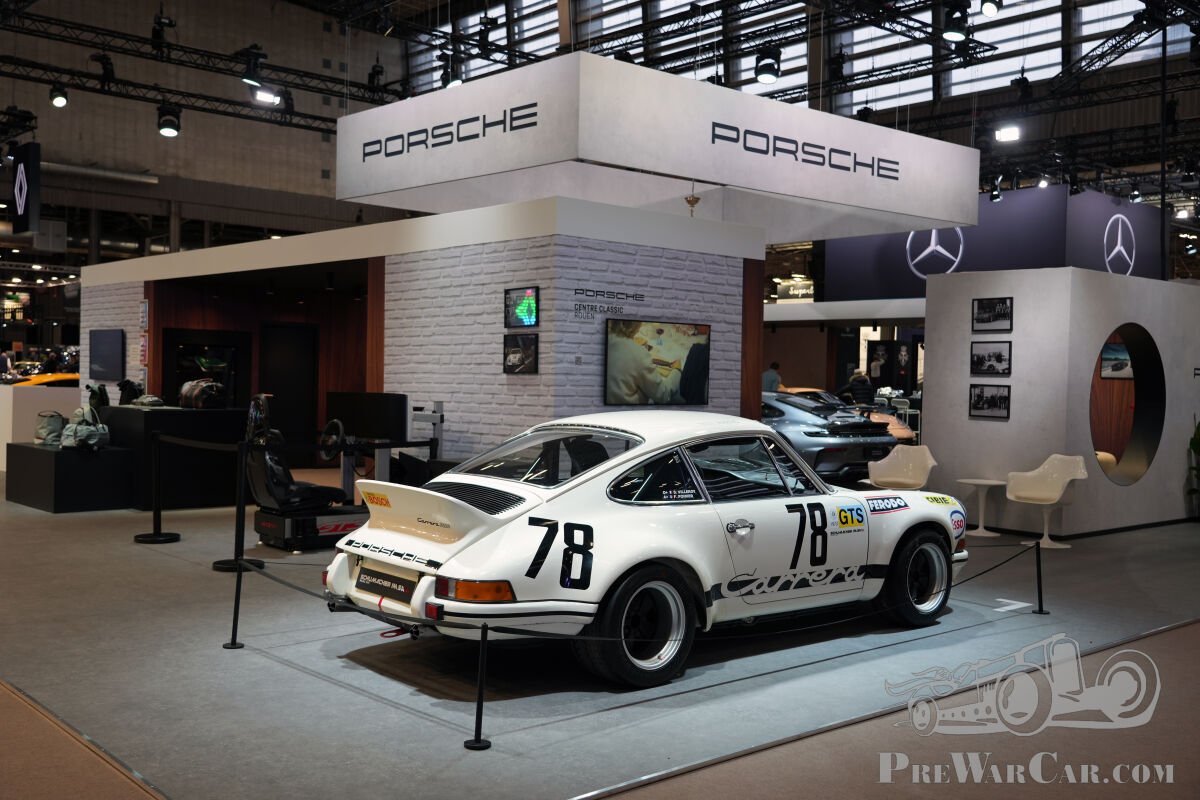
Needless to say, there are many other wonderful cars on display besides ours. The special exhibition of Citroën-Kégresses really needs to be seen, and scattered throughout Hall 1 are no fewer than six original Bugatti Type 59s—almost all the total production run!
Other kinds of fascinating, rare and even unique vehicles abound, such as the 1909 Purrey steam lorry exhibited by the Fondation Berliet, and a remarkable Norwegian Renault van extravagantly decorated in the livery of chocolate-maker Freia. Our friends at Cristoph Grohe and the Auto Veteran Company have really excelled themselves with an unrestored 1927 Austro-Daimler ADM Three-Litre Sport torpedo raced extensively between 1928 and 1932. As always, there’s too much to list, so you’d best come to Paris and see it for yourself.
UPDATE: FRIDAY, FEBRUARY 7TH
Now that we've been at Rétromobile a few days, we've had a chance to have proper look round and select some favourite exhibits. There are dozens of cars we'd love to take home, but these are just a few of those which appeal the most:
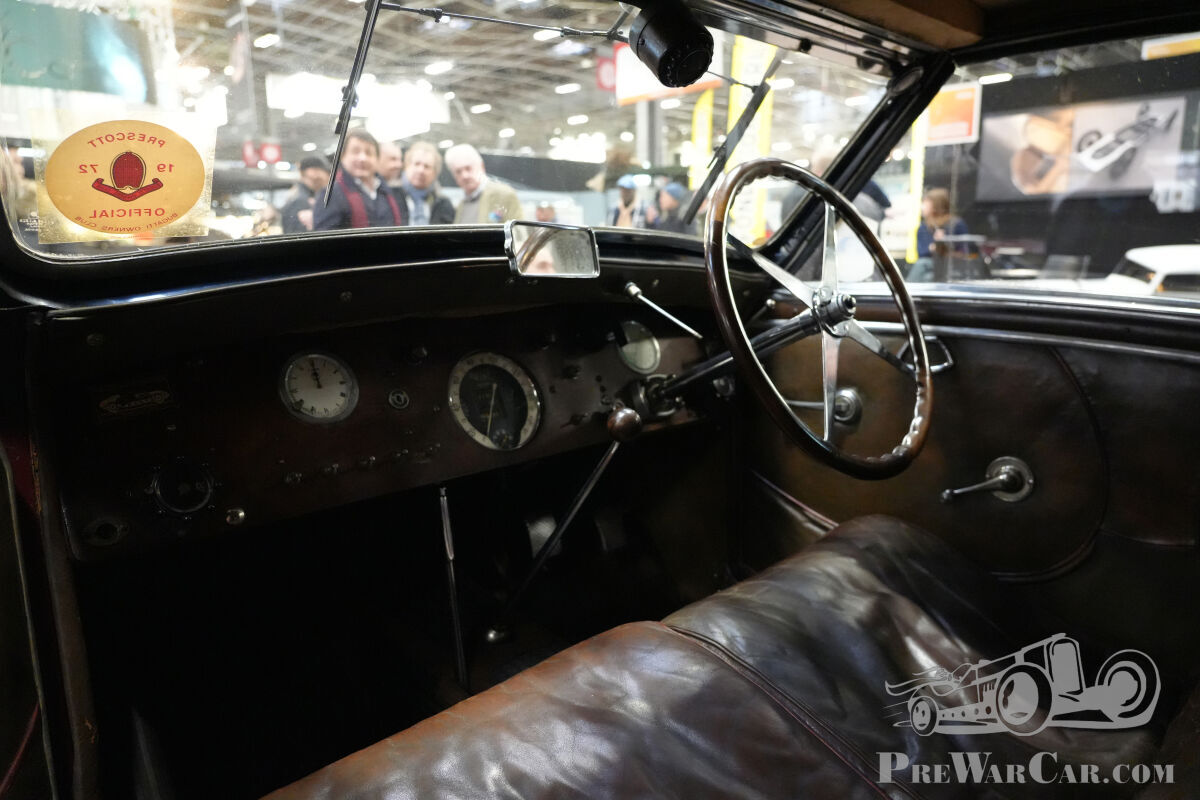
1931 Bugatti Type 46 ambulance
Musée National de l'Automobile
After the Type 41 Royale, which was too large and expensive to be a serious force on the market, Bugatti's flagship luxury car was the Type 46, which could certainly compete with the likes of Rolls-Royces and Hispano-Suizas. Chassis 46549/46552 (it was renumbered by the factory) spent its early life in Strasbourg with a four-door berline body, but in the Second World War it was converted into an ambulance. Despite the modifications made to the body, it is said to be the only Type 46 chassis still to retain its original coachwork, and is beautifully displayed in unrestored condition.
Škoda manufacturer exhibition
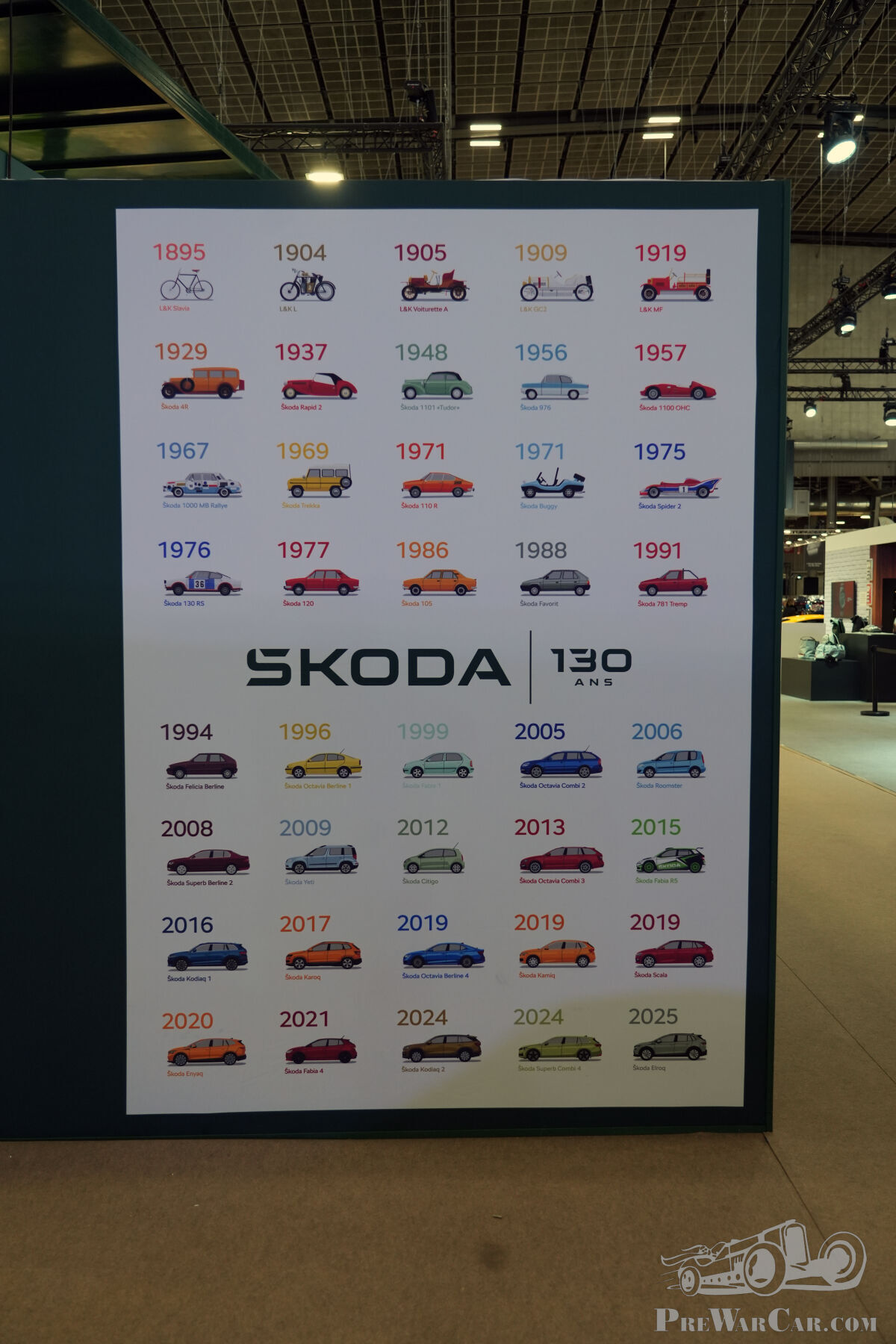
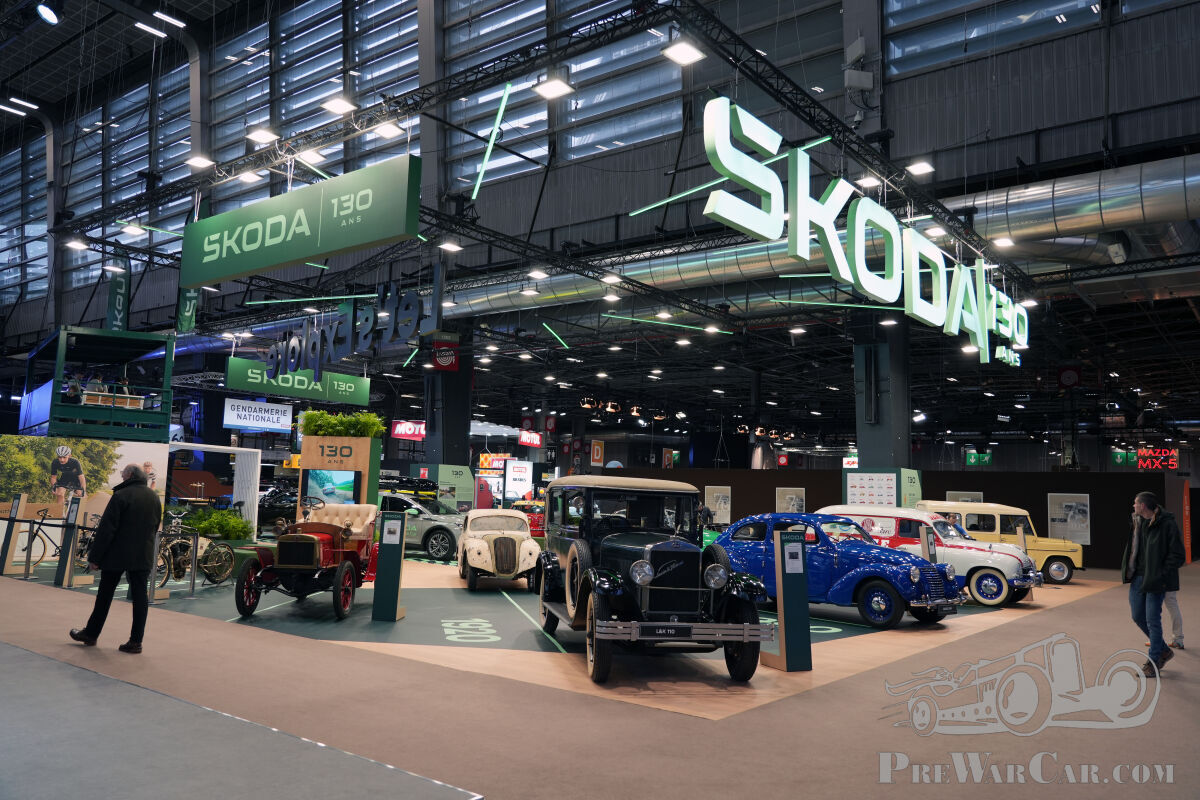
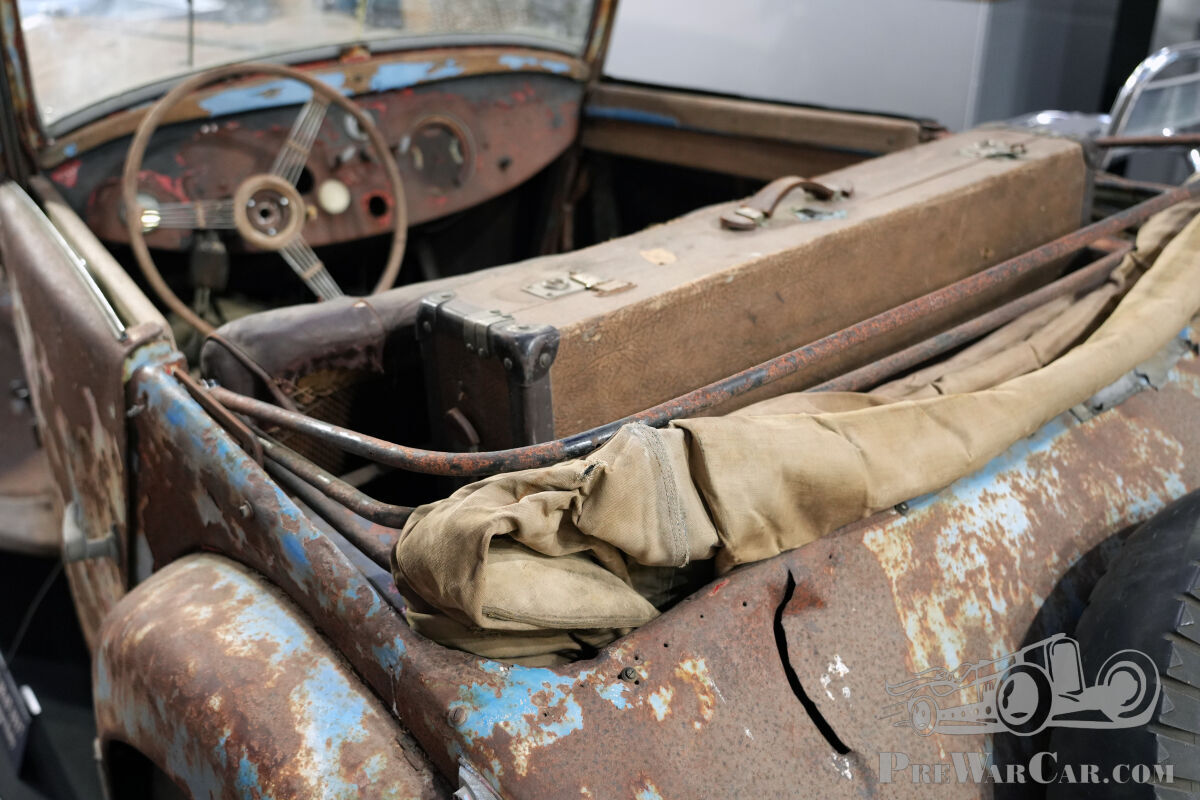
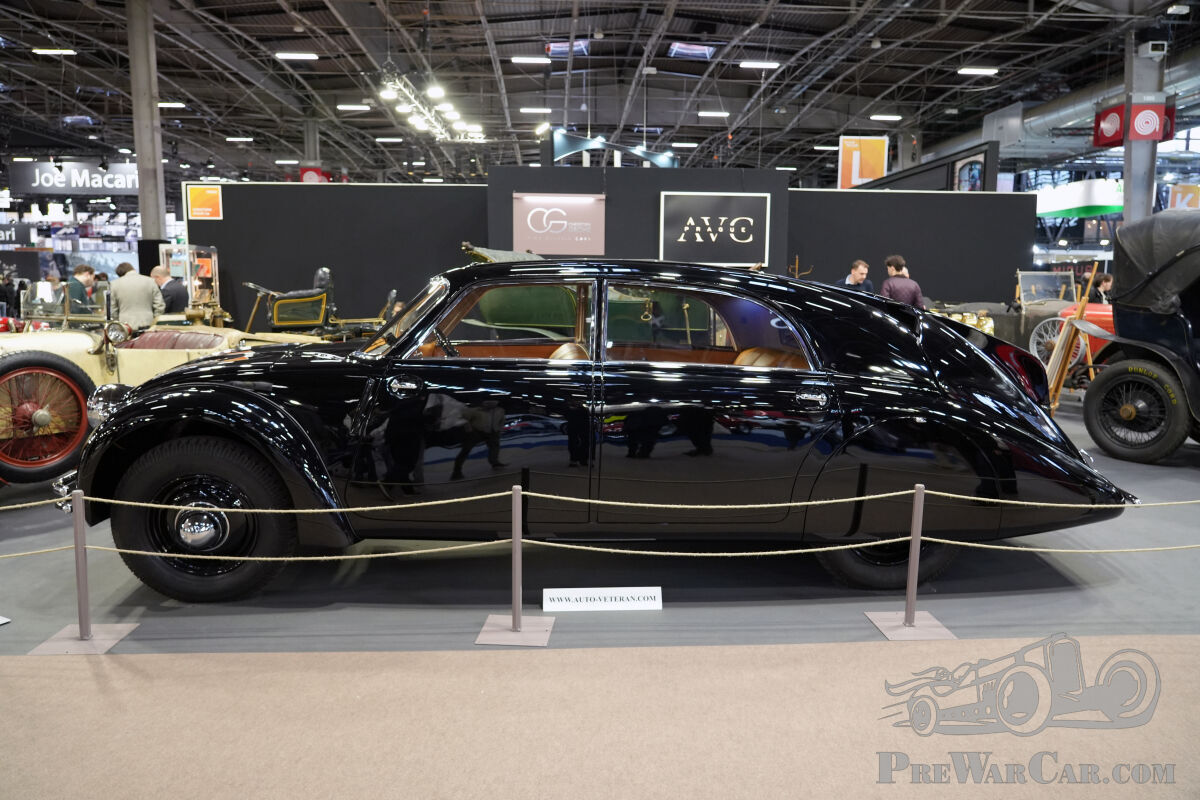
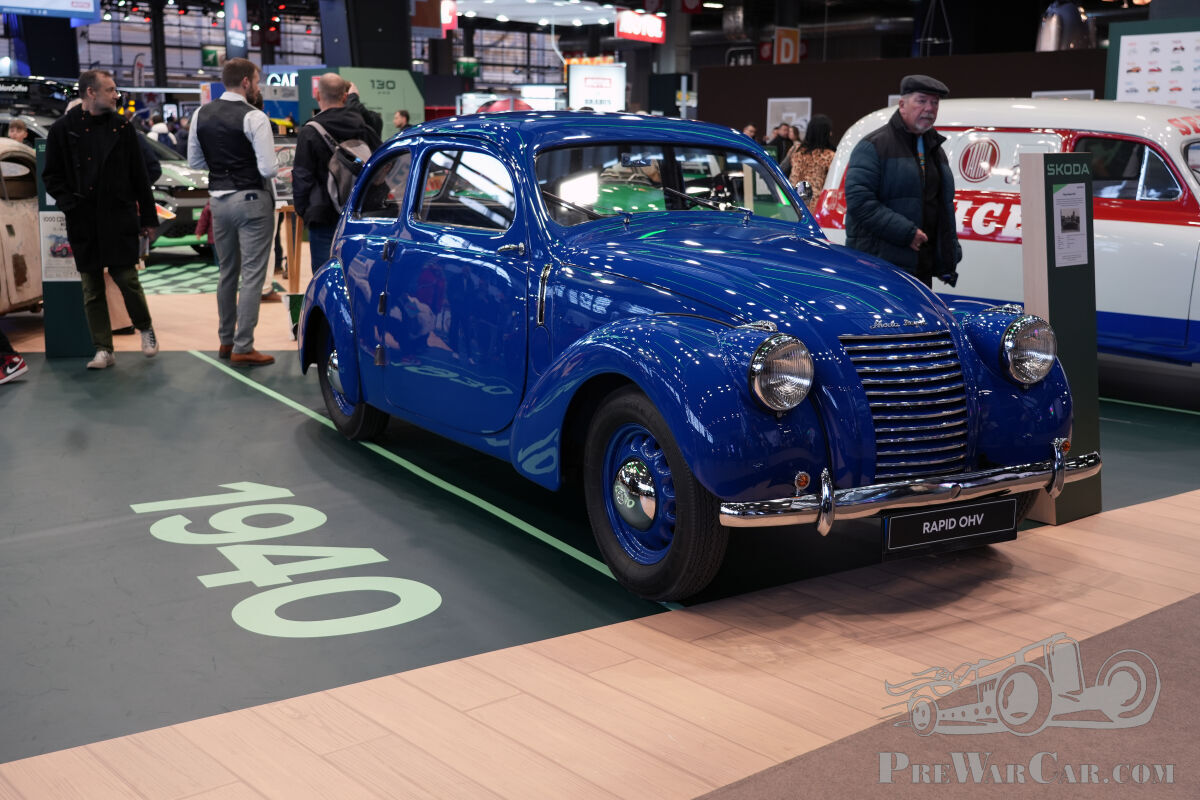
While many manufacturers rummage through their historic collections to find an interesting car or two to display at Rétromobile alongside a modern example, Škoda has really pulled out all the stops, presenting no fewer than 11 historic vehicles, of which seven are pre-war. Starting with the late 19th-century Laurin & Klement Slavia bicycle, a 1902-04 Laurin & Klement BZ motorcycle and a 1905-10 Laurin & Klement CCR racing motorcycle, such as has been previously discussed in these pages, the cars begin with a 1906/07 Laurin & Klement Type A (without the charming lady automobilist who accompanied it last time), and progress viâ an oily-rag 1929 Laurin & Klement 110 and a 1940 Škoda Rapid streamlined saloon, but the star may well be the extraordinary 1934 Škoda Popular Sport Coupé, a lovely little airline coupé displayed very much dans son jus. Having spent the last 40 years in a private collection, it is displayed having been acquired by Škoda in mid-2024.
1913 Renault BC van
Refuel by Amcar
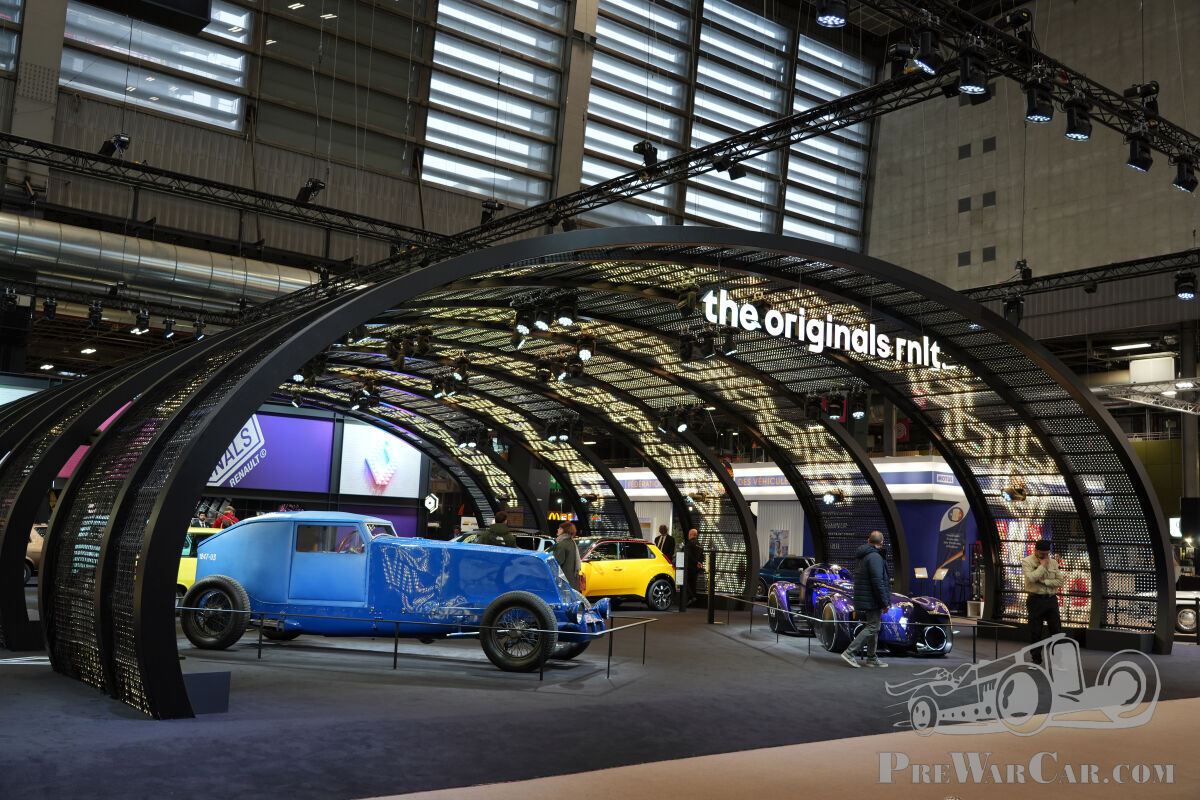
We do not know much at present about this striking van, but we understand the bodywork was built largely from scratch by an enthusiat looking to recreate an example seen in period photographs promoting the Norwegian chocolate-maker Freia. The highly decorative van, with a huge silver stork leaning over the cab, beautifully captures the feeling of prosperity that characterised the Edwardian period, but perhaps needs to be seen to be believed.
1908 De Dion-Bouton 30hp Roi-des-Belges and 1912 Lancia 30hp Victoria
Auto Veteran Company
Two of the finest Edwardians at the show are seen in the oily-rag pair displayed by the A.V.C. The De Dion wears Austrian coachwork by Anton Winkler & Johann Corjup of Vienna, having been supplied new to one of Vienna's most prominent industrialists, Karl Wittgenstein, by the local dealership of Hermann Plum. Believed to have had only four owners from new, since 1960 it has been divided between two Swiss collectors. The Lancia also retains much history from new, having originally been sold through Adams Lancia in New York and bodied by J. M. Quinby. Having survived in unrestored condition, it is probably the best survivor of all 30hp Lancias.
1928 Mercedes-Benz 680S Type Cannes Torpedo-Sport Roadster
Axel Schuette
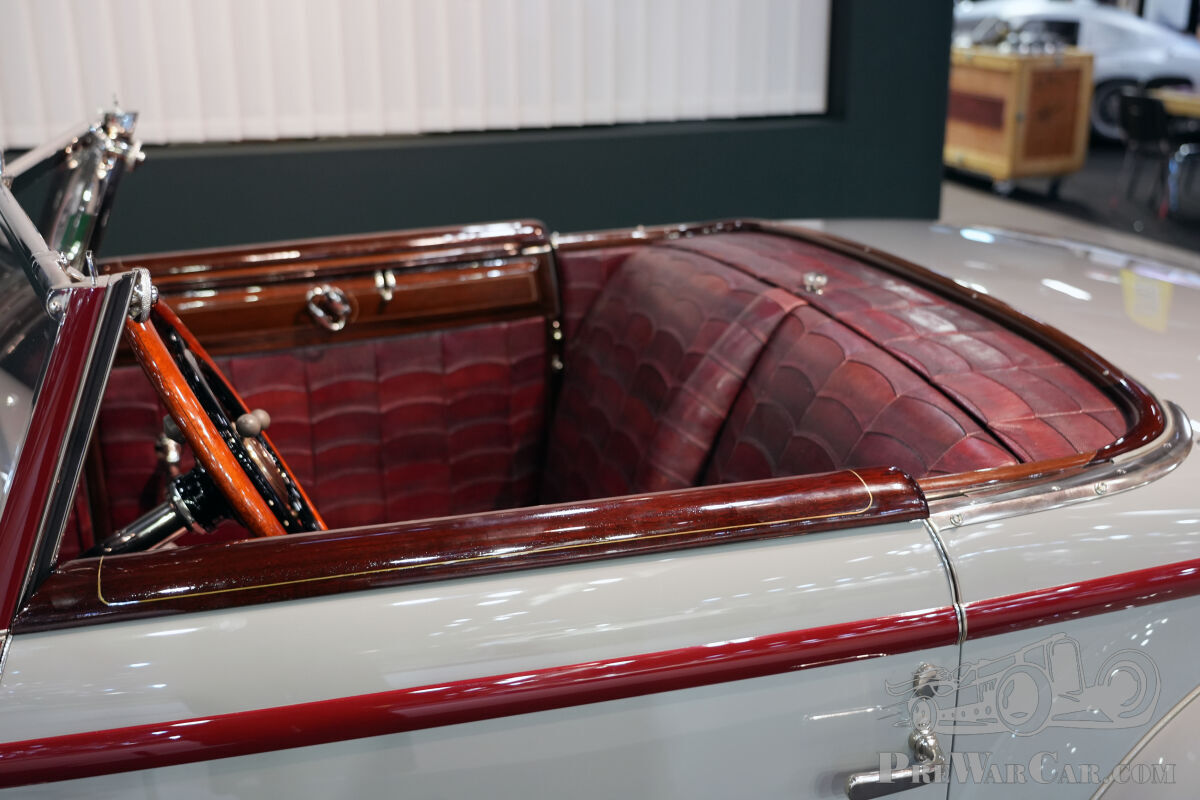
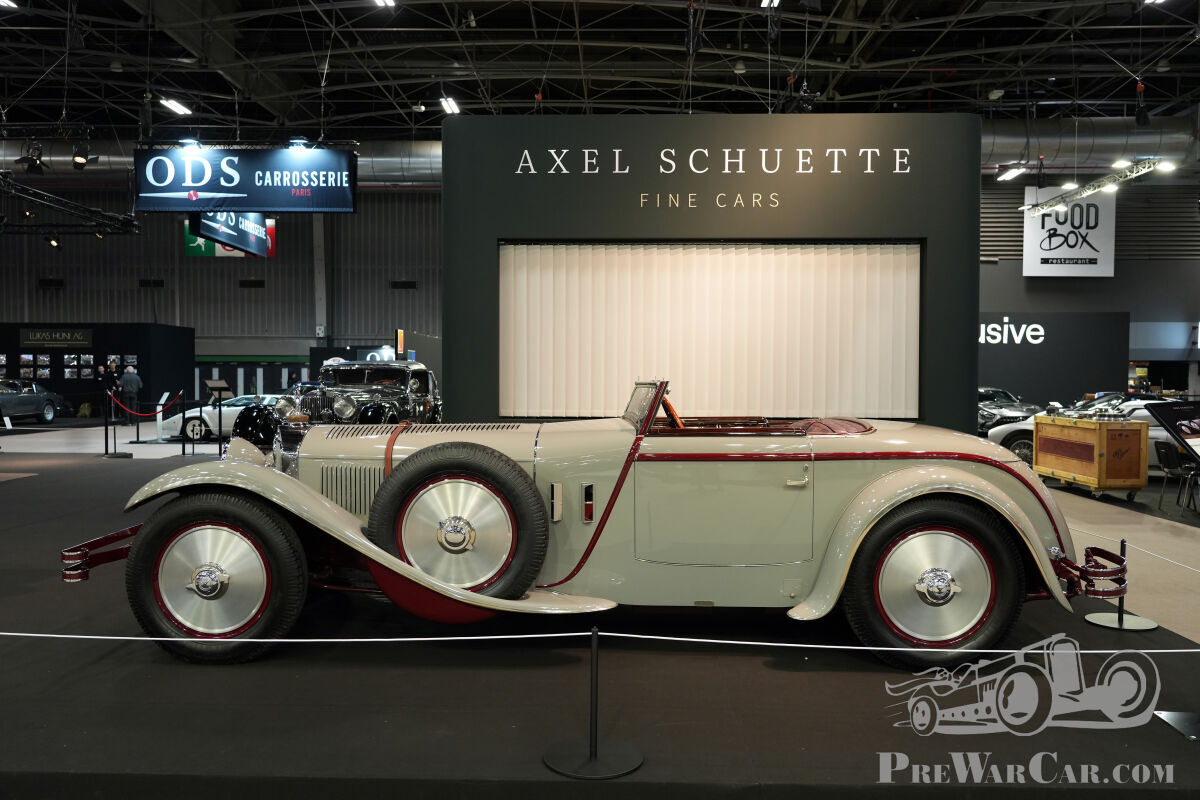
There are a number of large pre-war Mercedes at this year's Rétromobile, but our favourite is this early 680S with supremely rakish Saoutchik bodywork, in Dove Grey with a red lizard-skin interior. Fascinatingly, it was built for Mr. and Mrs. Charles Levine, American millionaires who had made their fortune recycling brass during the Great War before establishing the Columbia Aircraft Co. However, their circumstances were less favourable by the late '20s and they were unable to pay for the Mercedes, so it sat in the New York showroom and was ultimately displayed at the 1929 New York Auto Salon. From there, it was bought by Frederick Henry Bedford Jr., the young director of Standard Oil, who soon used it to sweep his future wife off her feet. After he died aged 61 in 1952, his wife couldn't bear to part with the car and so parked it in the garage, where it remained until a restoration, sadly not entirely faithful to original specification, took place in the 1980s. It then spent about 20 years in the Owls Head Transportation Museum until the Bedford family sold it in 2006, since when it has received a more appropriate restoration including the recreation of the original lizard-skin upholstery.
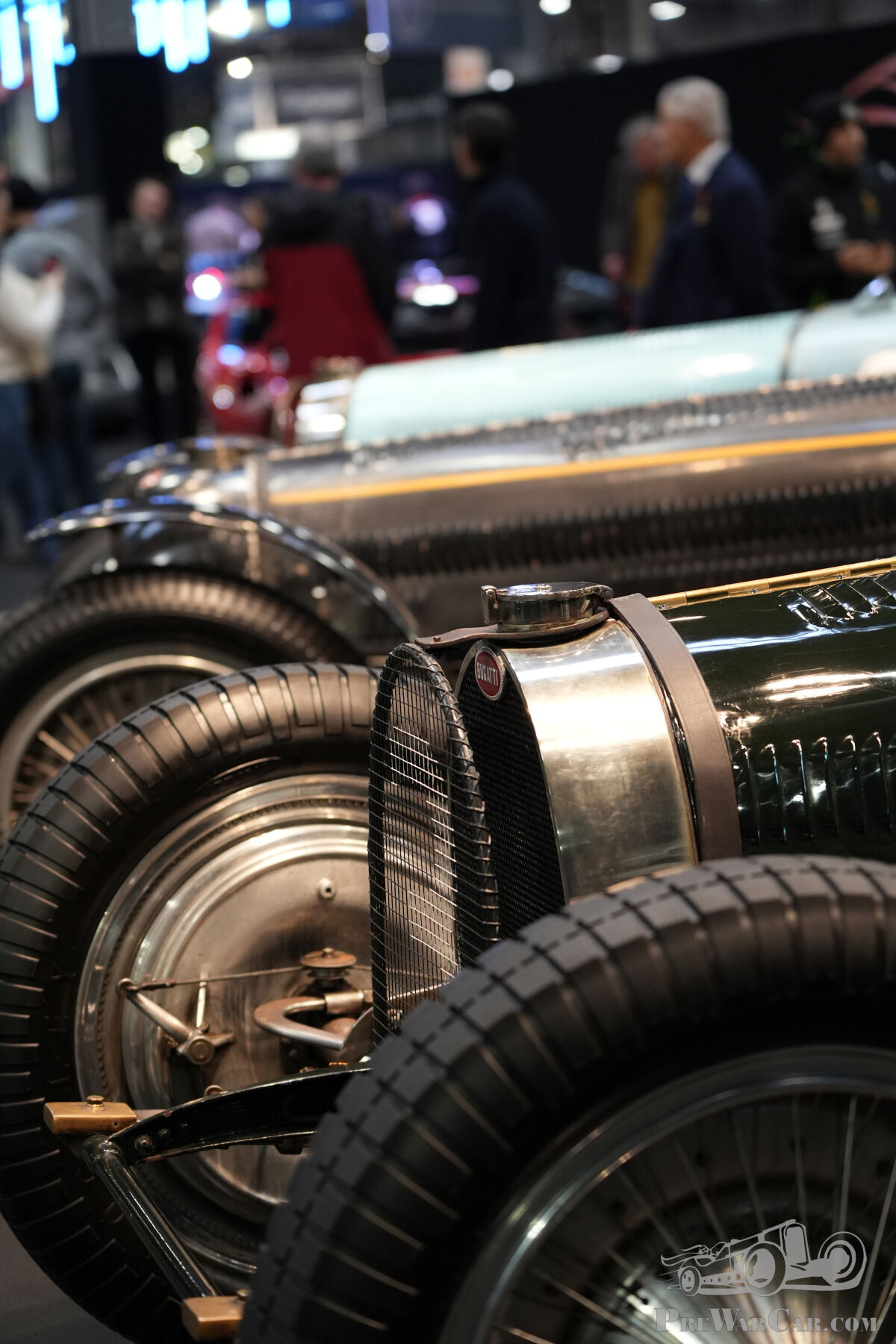
1933 Bugatti Type 59
Phœnix Green Garage
We can have our pick of Type 59s, including the famous ex-King Leopold of Belgium racer, but one of our favourites is Frame 8, thought to have been the prototype frame, which remained at the Bugatti factory until 1968. It was raced extensively between 1934 and 1936, most significantly driven by Jean-Pierre Wimille, at venues such as San Sebastián (with Brivo), Montlhéry (in practice, with Benoist), Tunis, Monaco and the Nürburgring. In the present long-term ownership, the car was put back on the road in 2000, since when it has been driven extensively across Europe and has almost certainly been enjoyed more enthusiastically than any other Type 59 over the quarter-century which has since passed.
Published:
Wednesday February 5th, 2025
Facebook
LinkedIn
Twitter
WhatsApp
Email
Copy