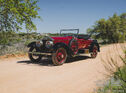
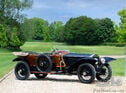
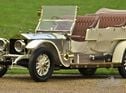
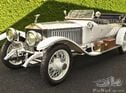
To Be OFFERED AT AUCTION at RM Sothebys' The Monterey Auction event, 13 - 15 August 2026.
$1,500,000 - $2,000,000 USD
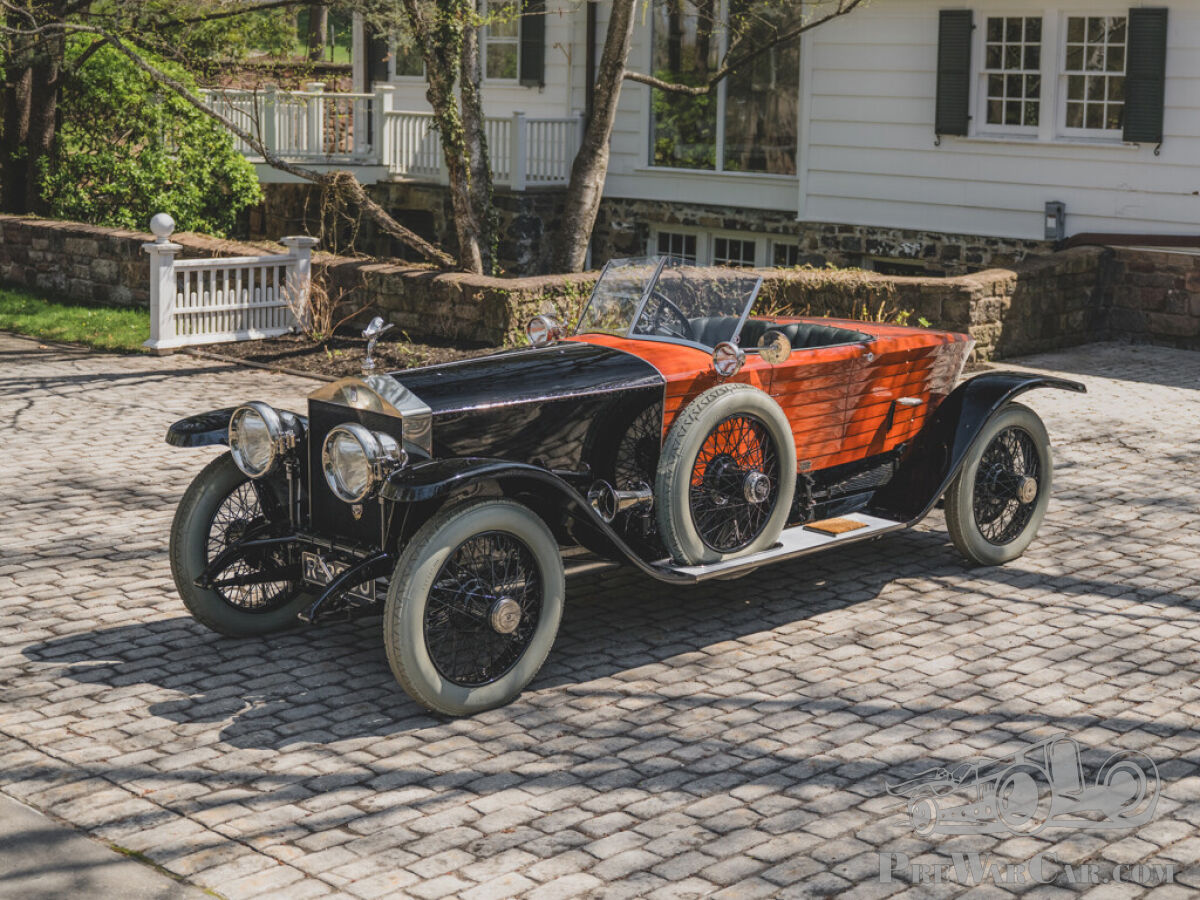
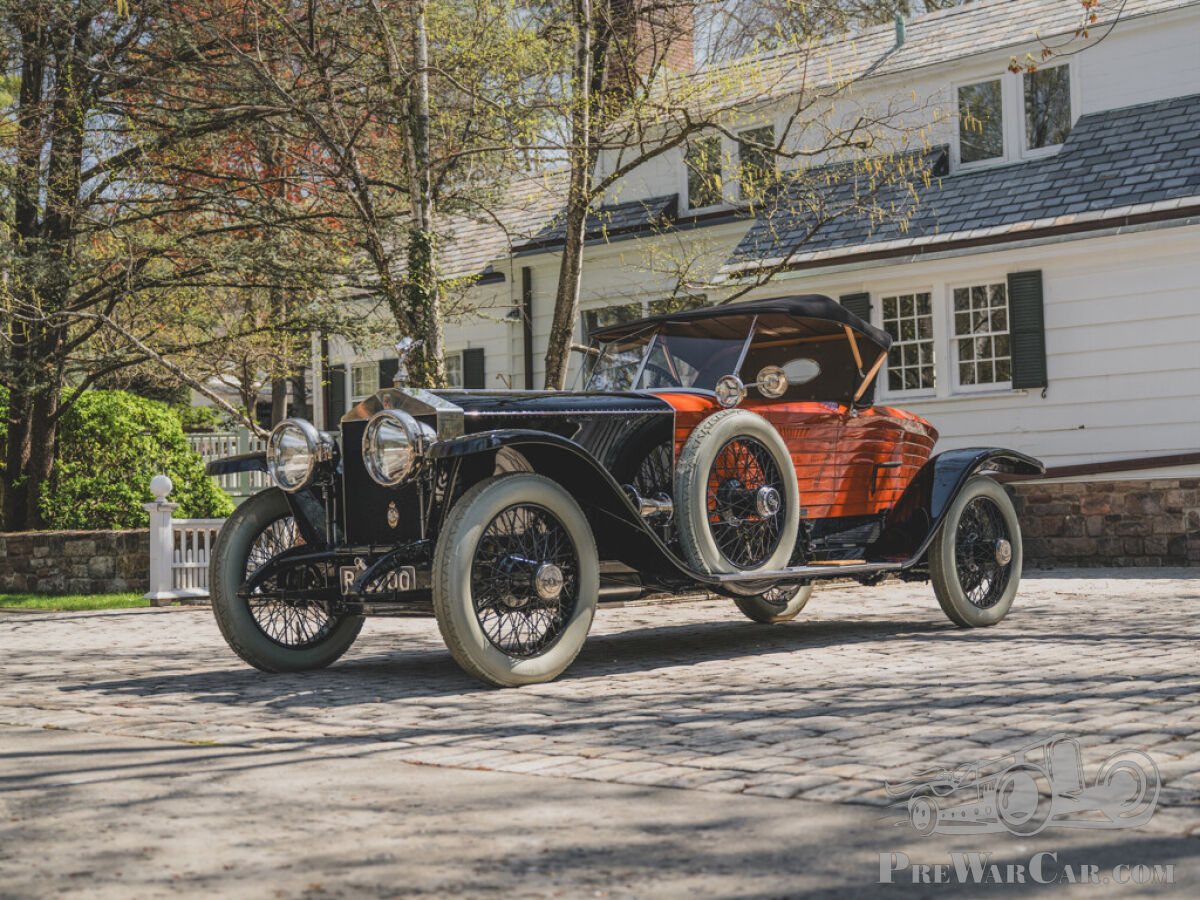
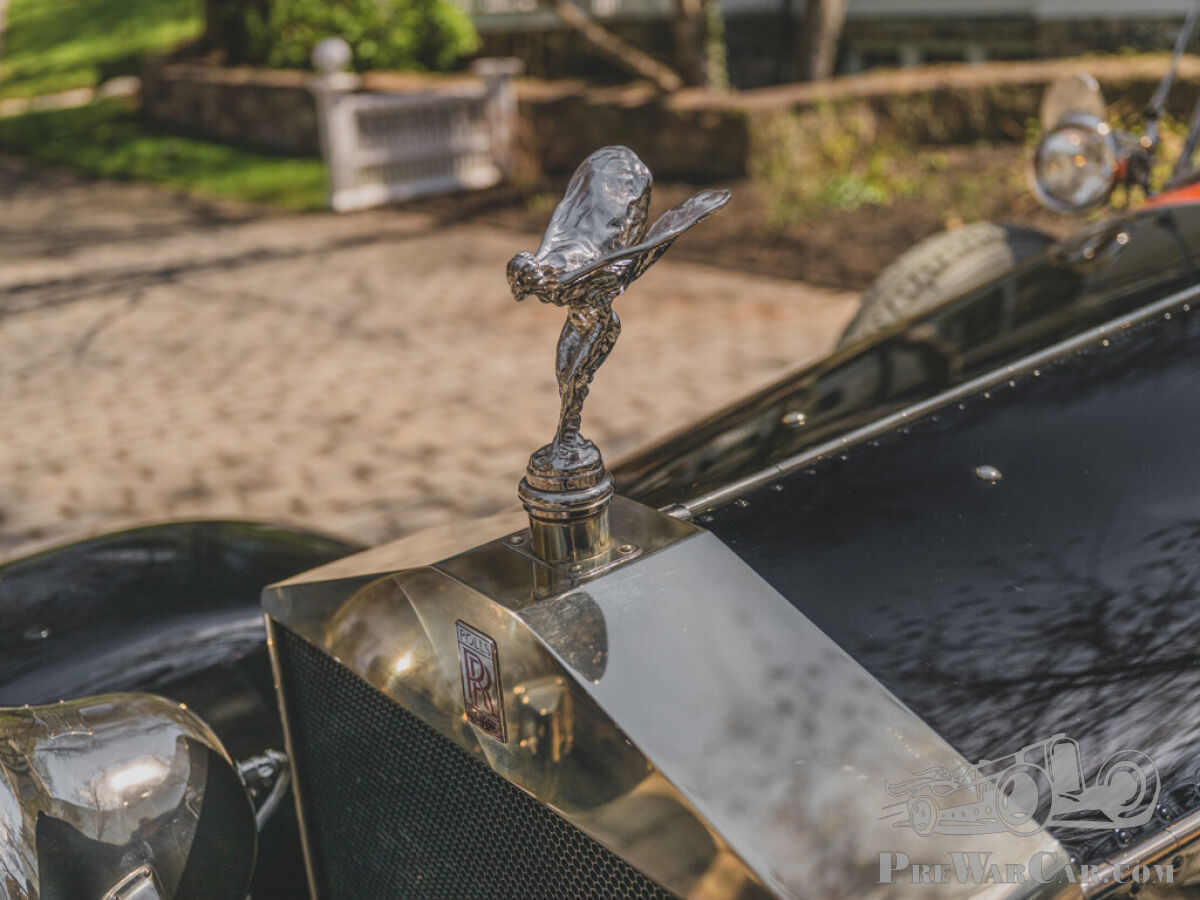
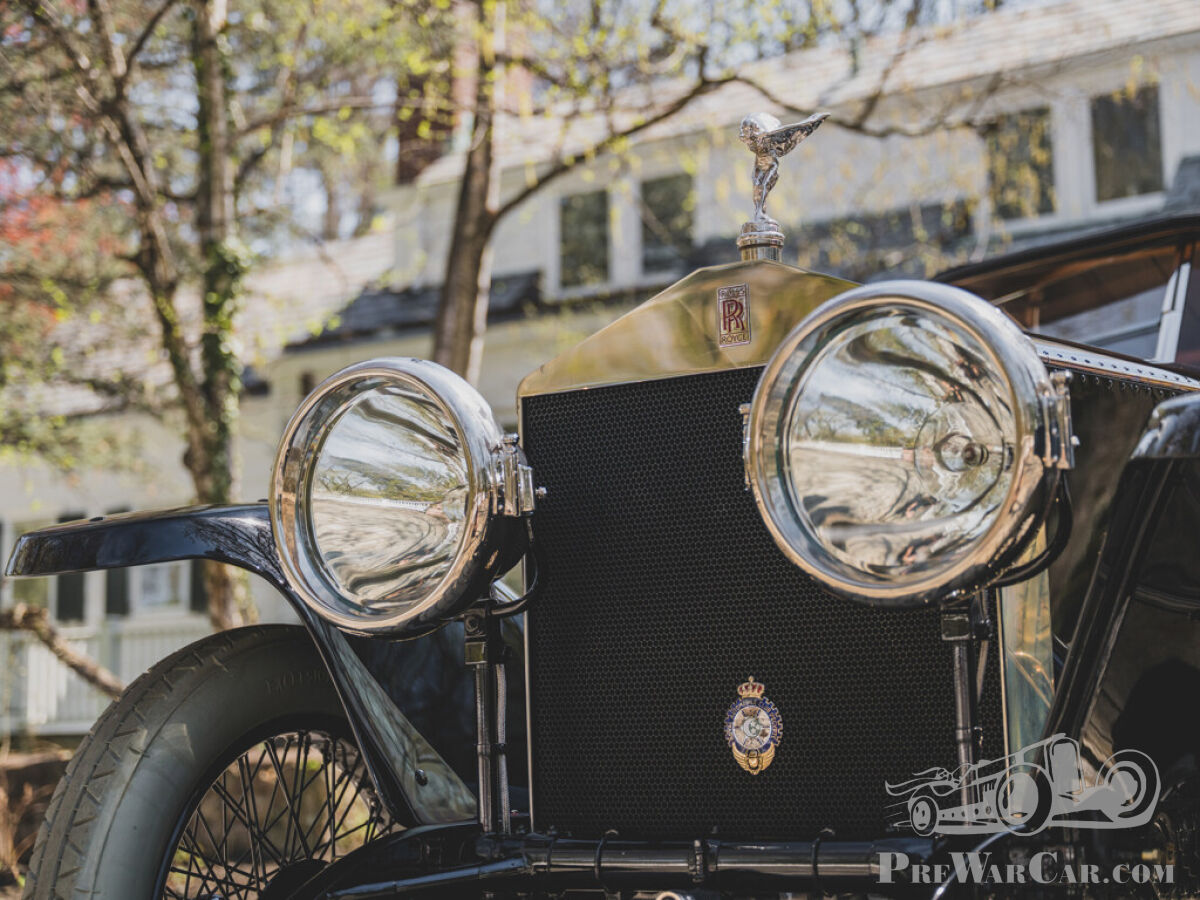
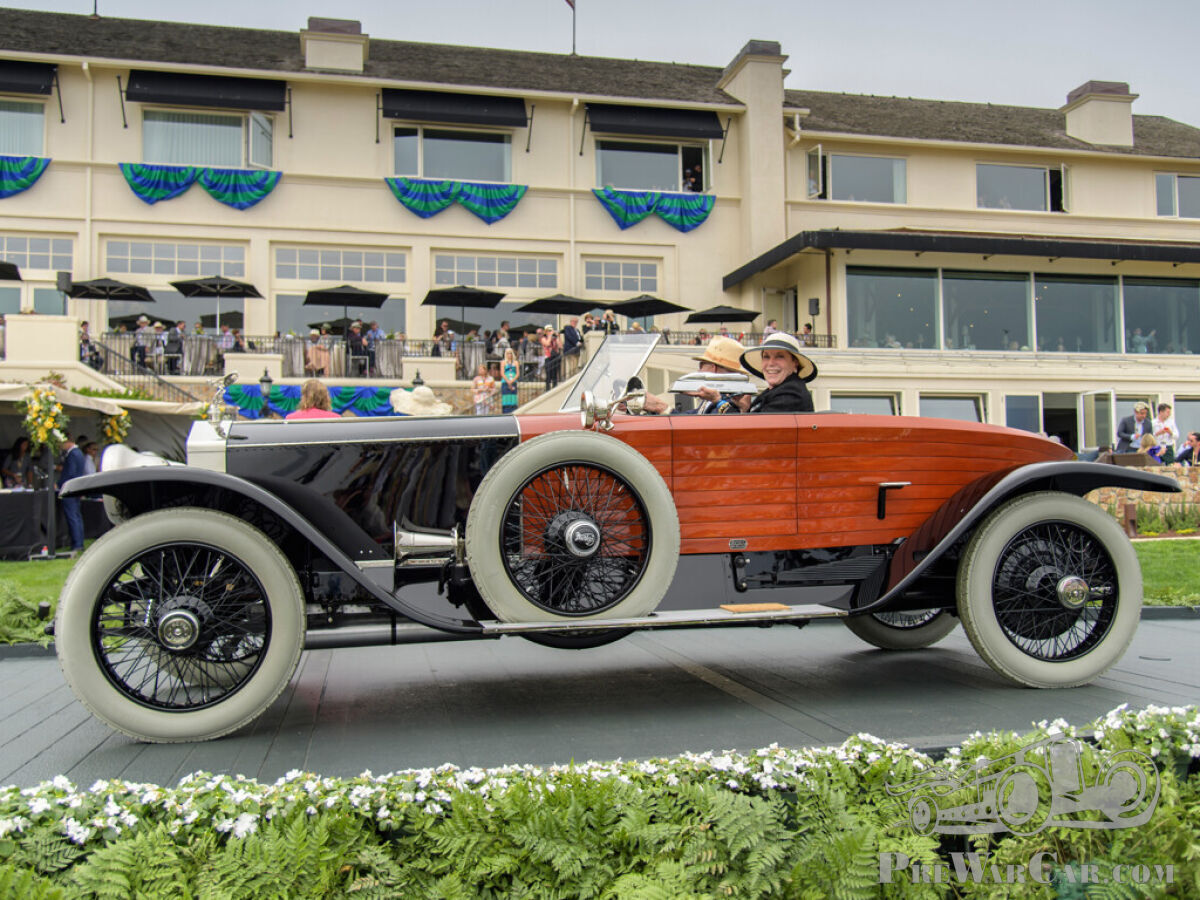
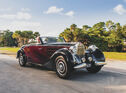
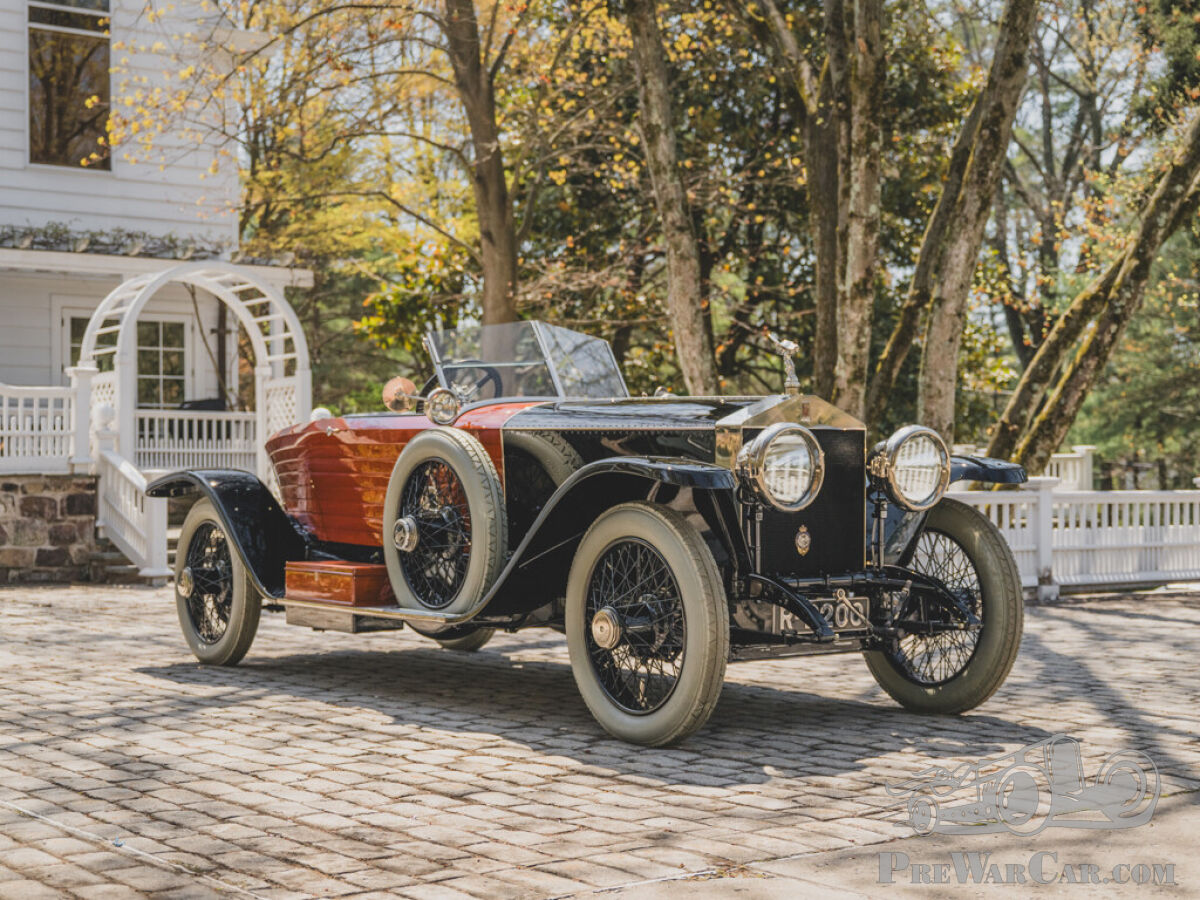
- Among the most famous and recognizable “parallel bonnet” Silver Ghosts
- Formerly owned by noted collectors Bob Barrymore and Joseph and Margie Cassini
- One of the cars featured in Melbourne Brindle’s Twenty Silver Ghosts
- Basis of a well-known Franklin Mint Precision Model
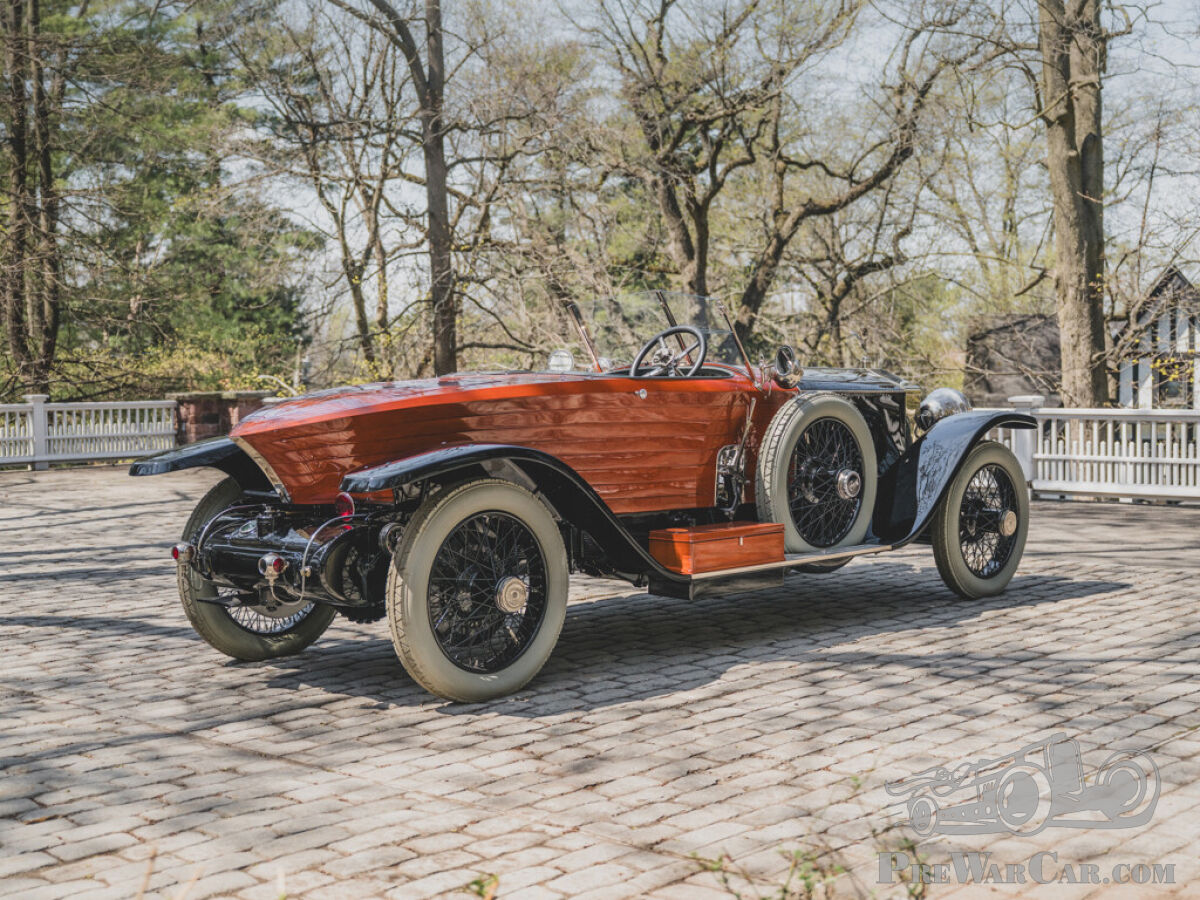
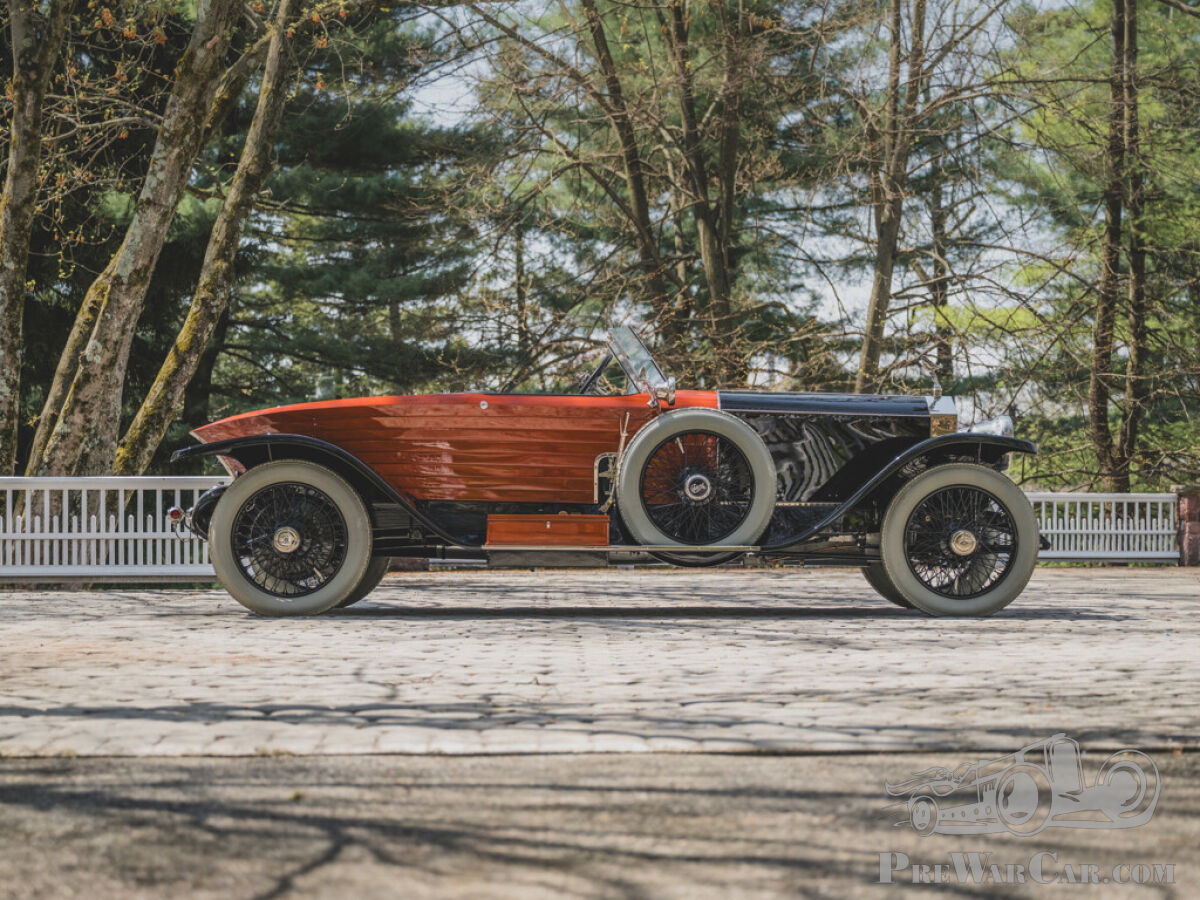
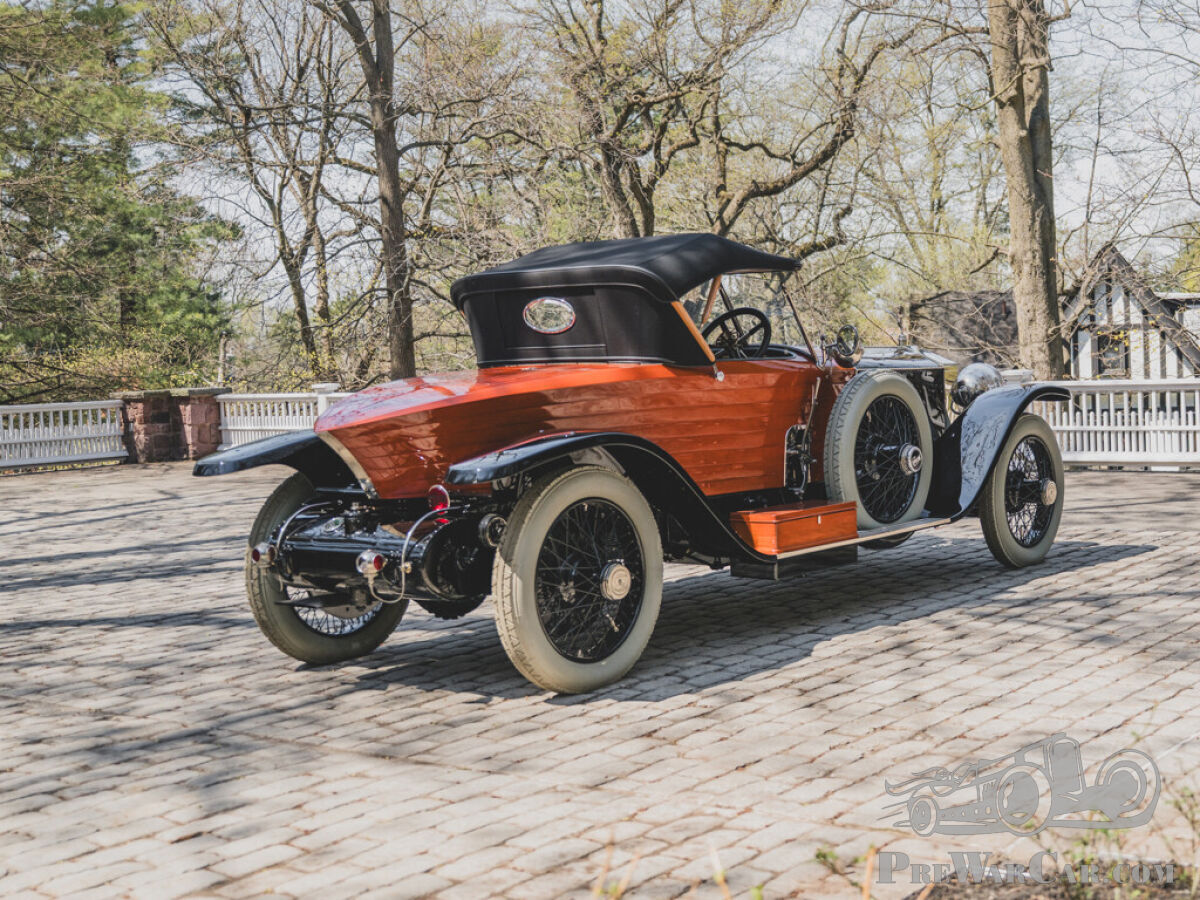
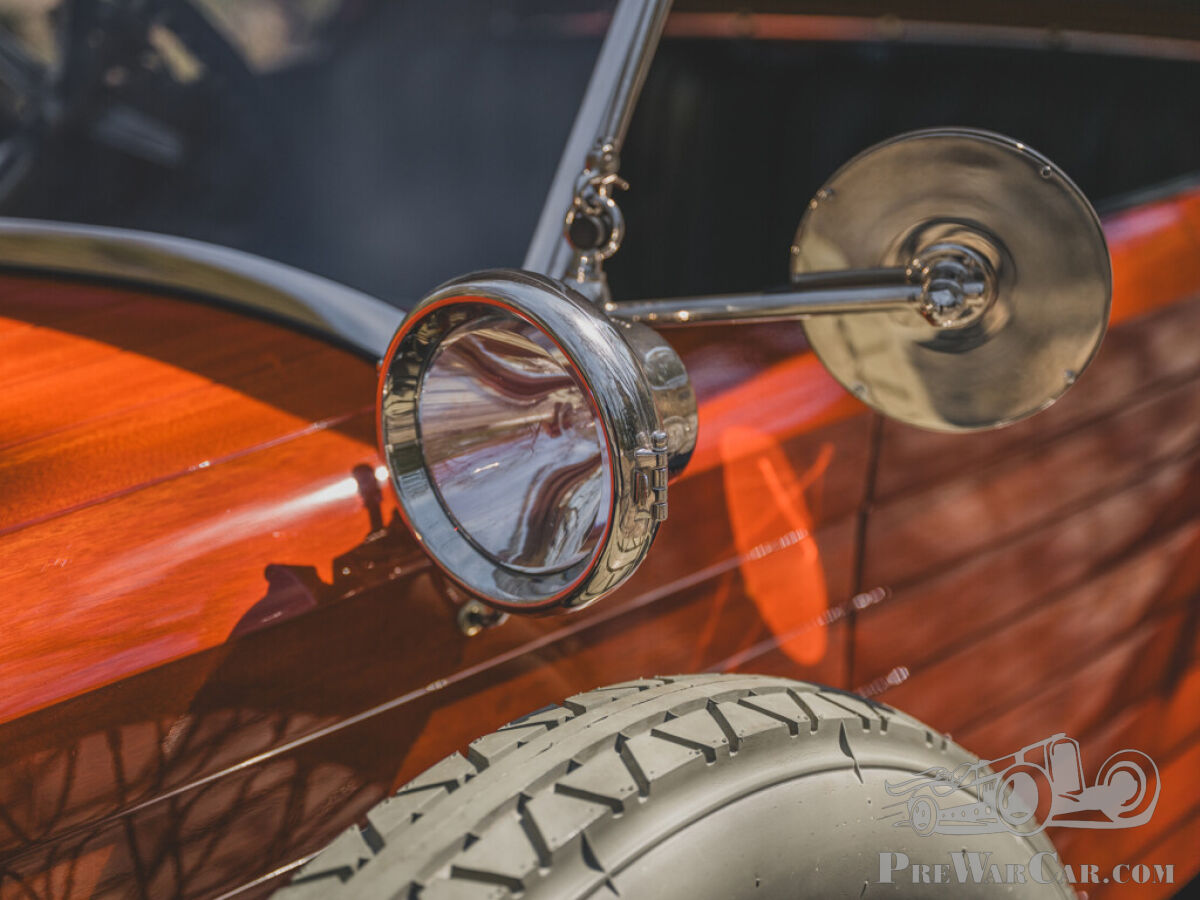
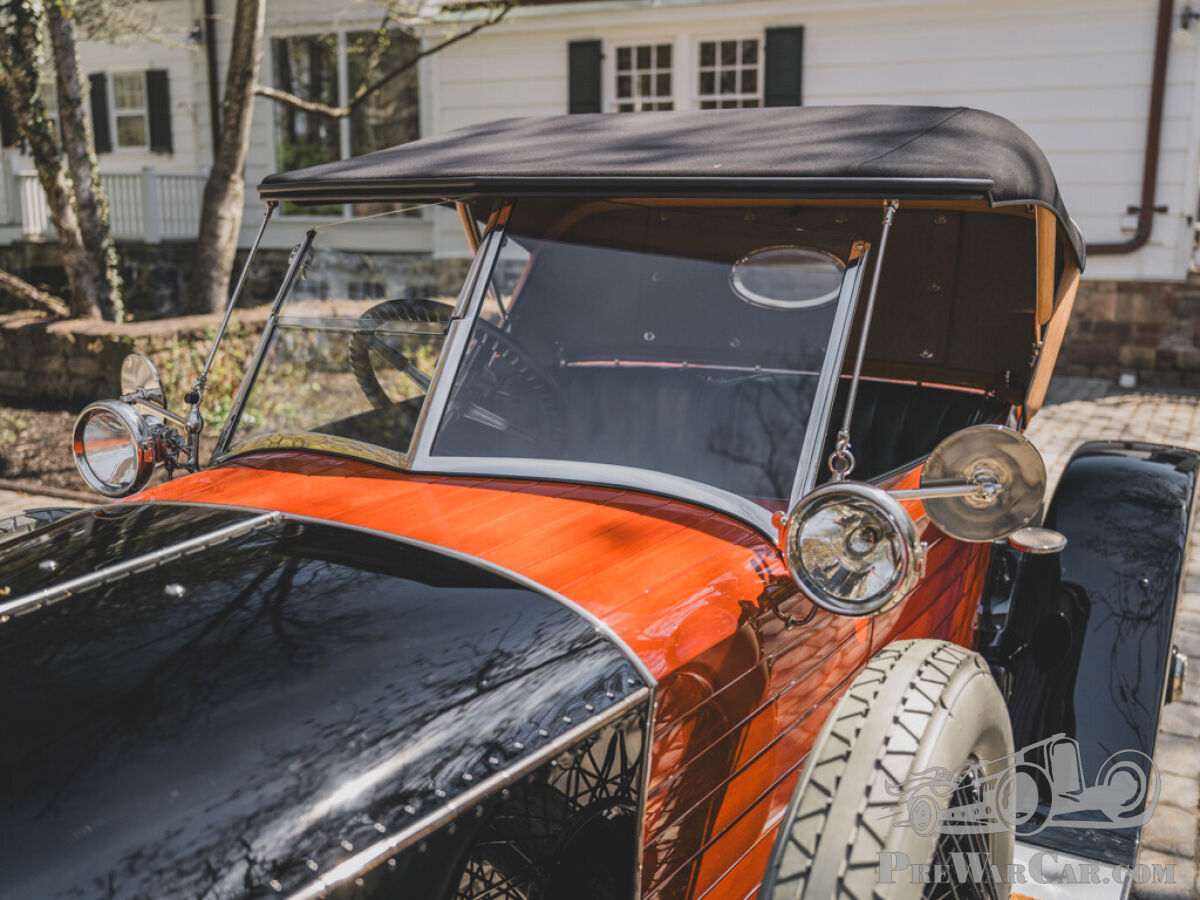
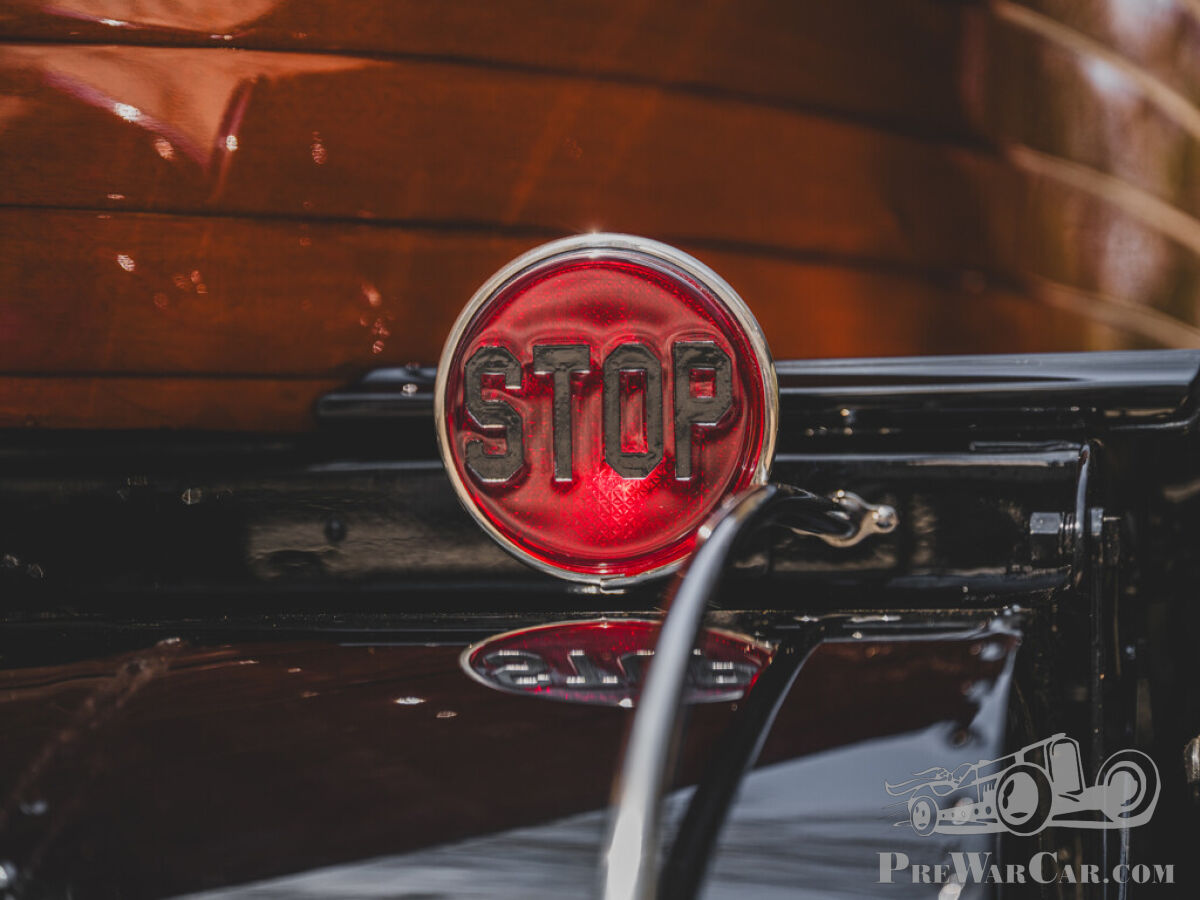
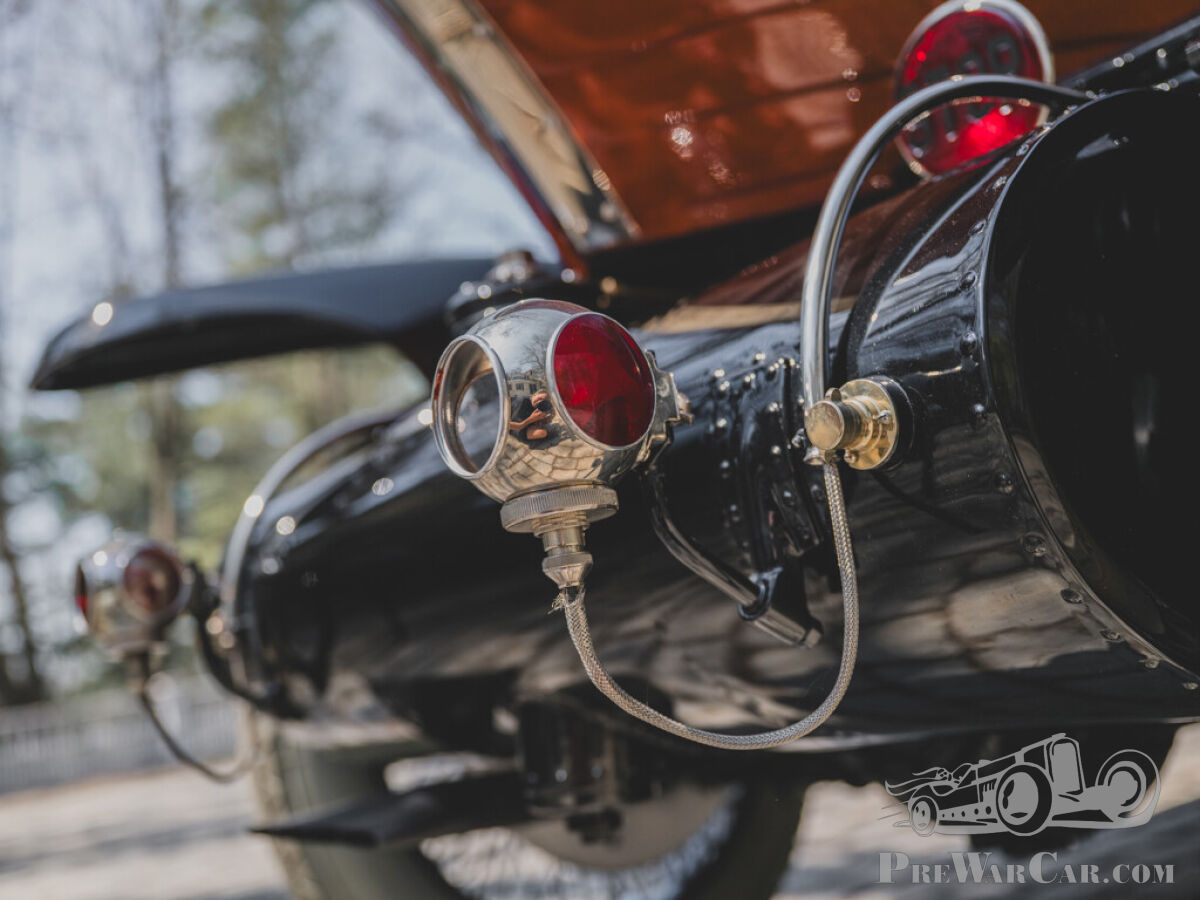
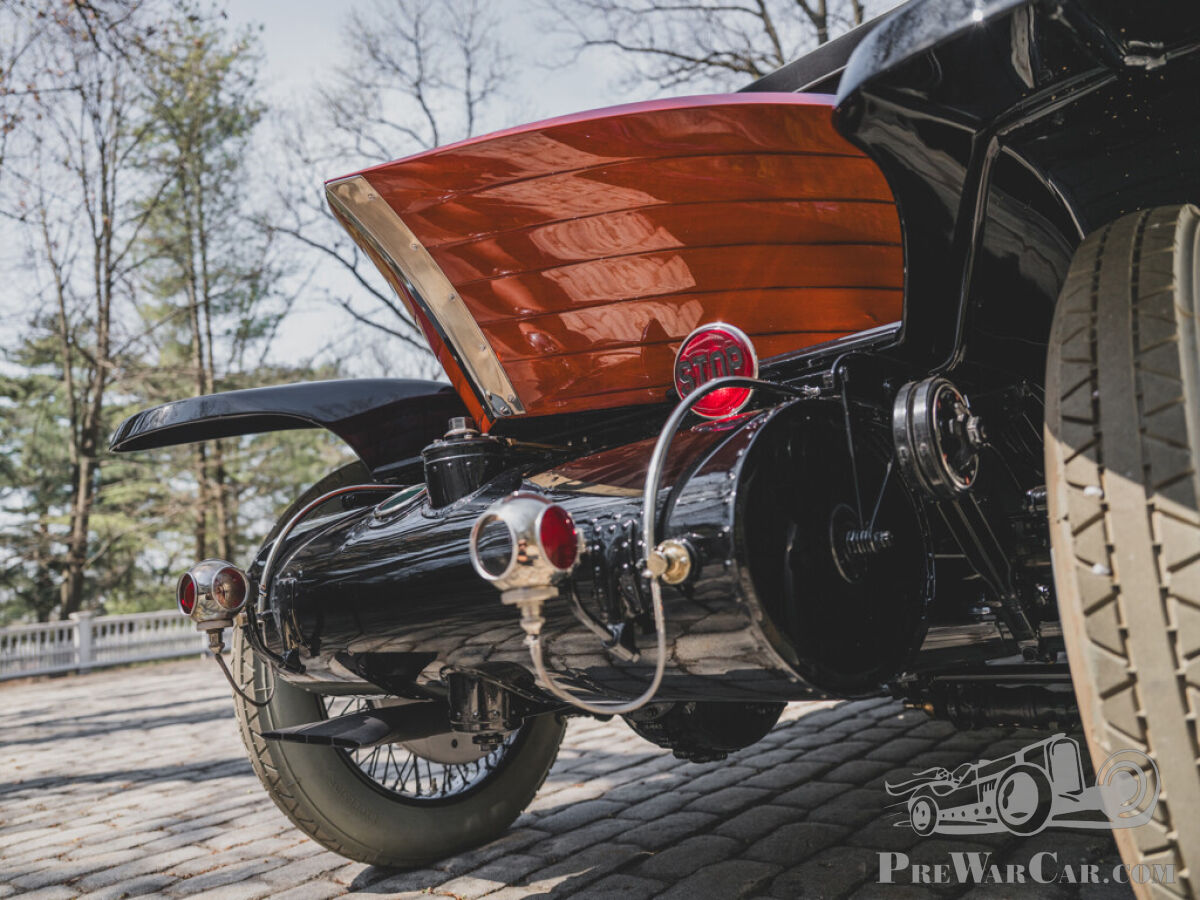
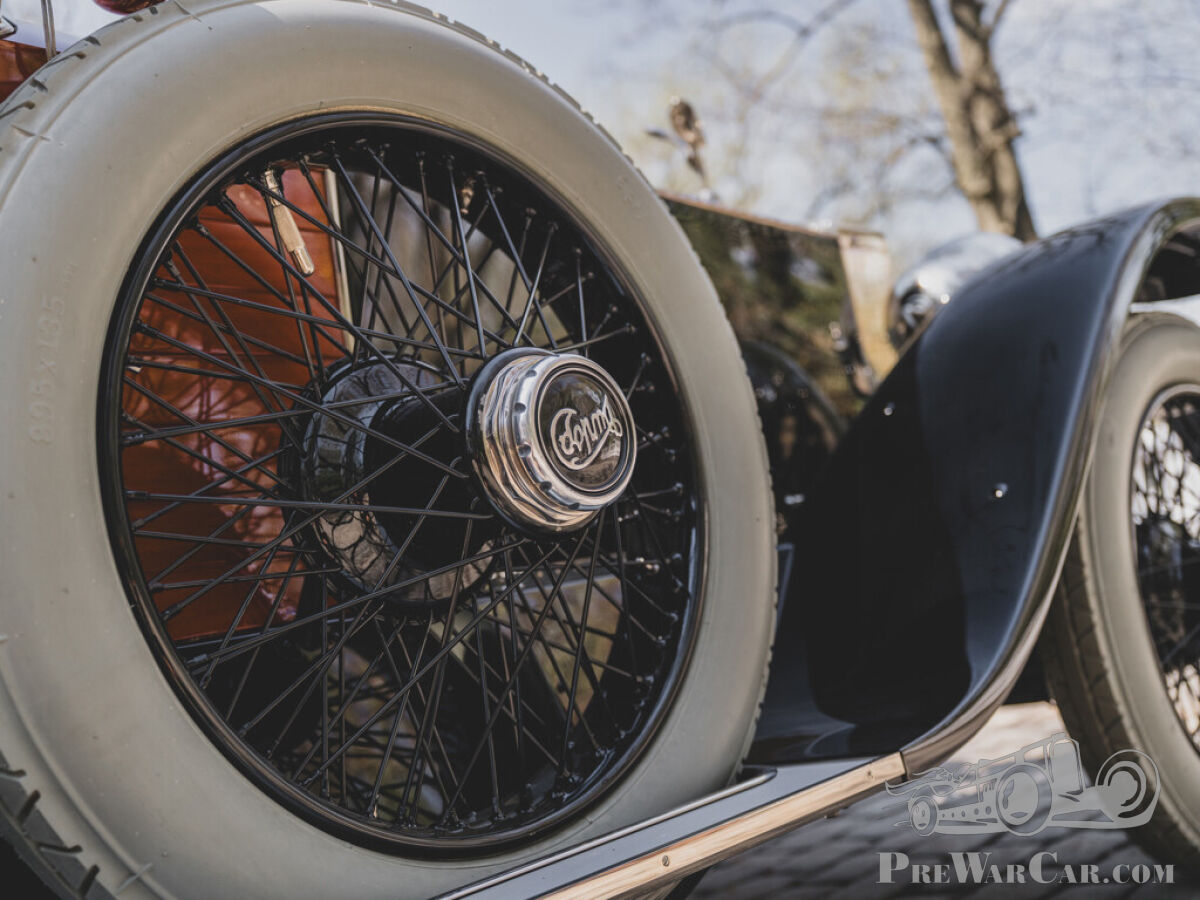
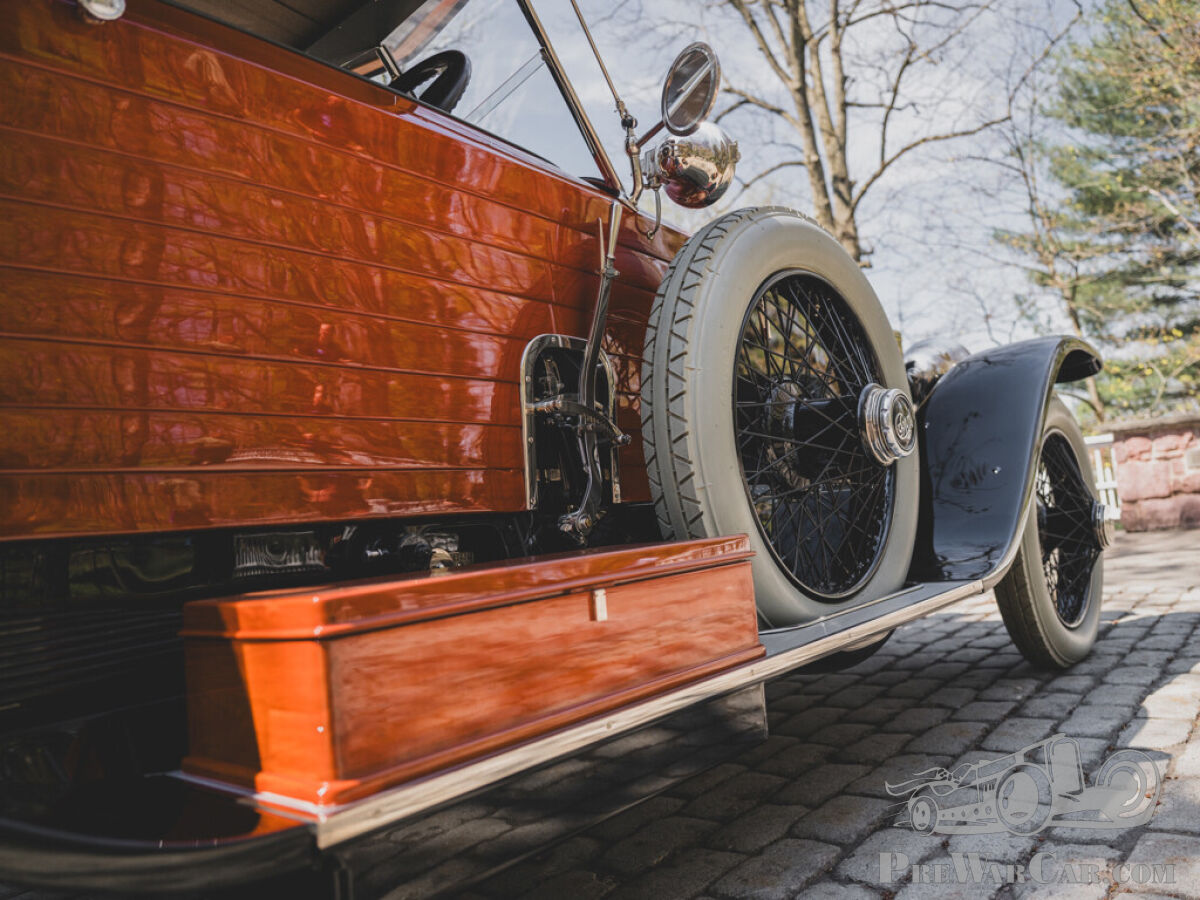
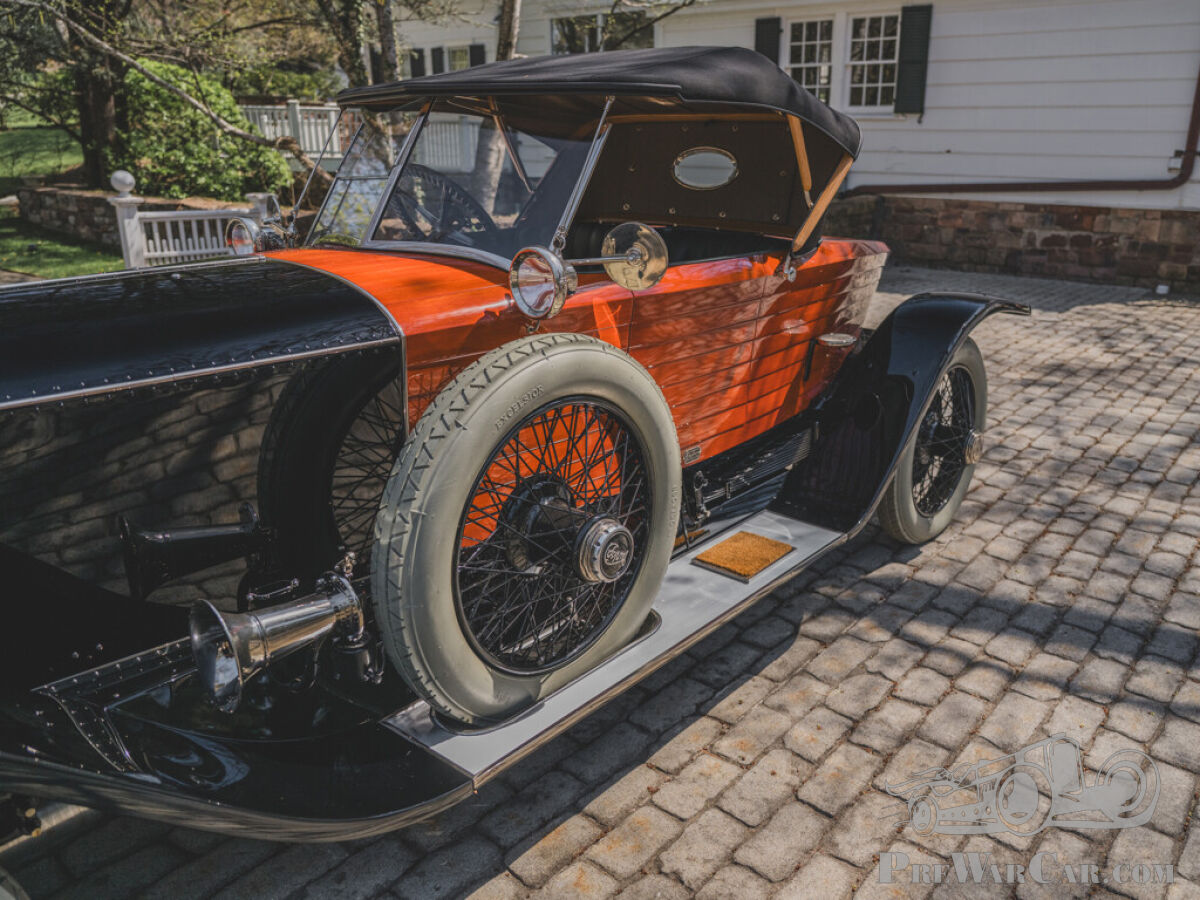
- Still wears all of its original Cuban mahogany coachwork
- Surely the sportiest survivor of its kind, and a masterpiece of fine design and craftsmanship
I bought this in the way I buy many cars: I saw it, and thought it was just stunning. We had an earlier Silver Ghost, went on the events and drove it a lot, and really liked the people who were on the events; it was a great car to campaign. I was in love with early Rolls-Royces. Beyond that, one of my other passions is I have a 1942 Chris-Craft runabout; I love wood, because it has been part of my career and part of my hobbies for all of my life. – S.M.
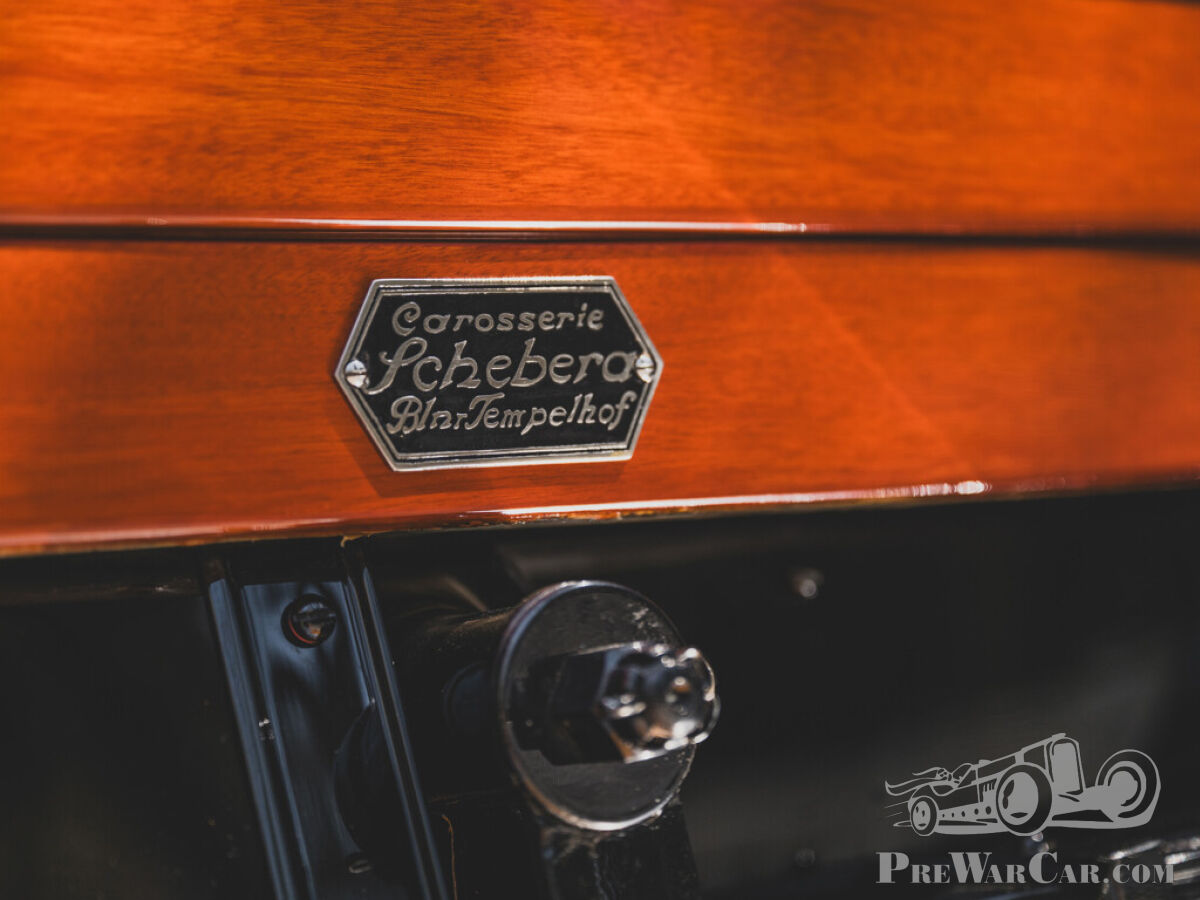
The story of this Rolls-Royce is more appropriately the story of its coachbuilder. Jacob Schapiro had his start as the first man in Berlin to run a fleet of taxi cabs, which he built himself; he invested this fortune into the likes of BMW and NSU when they were still fledgling companies, and shortly the fortune multiplied. In sum, in the heady years before World War II, Mr. Schapiro was one of the wealthiest men in Germany, controlling some 40 percent of the country’s automobile market.
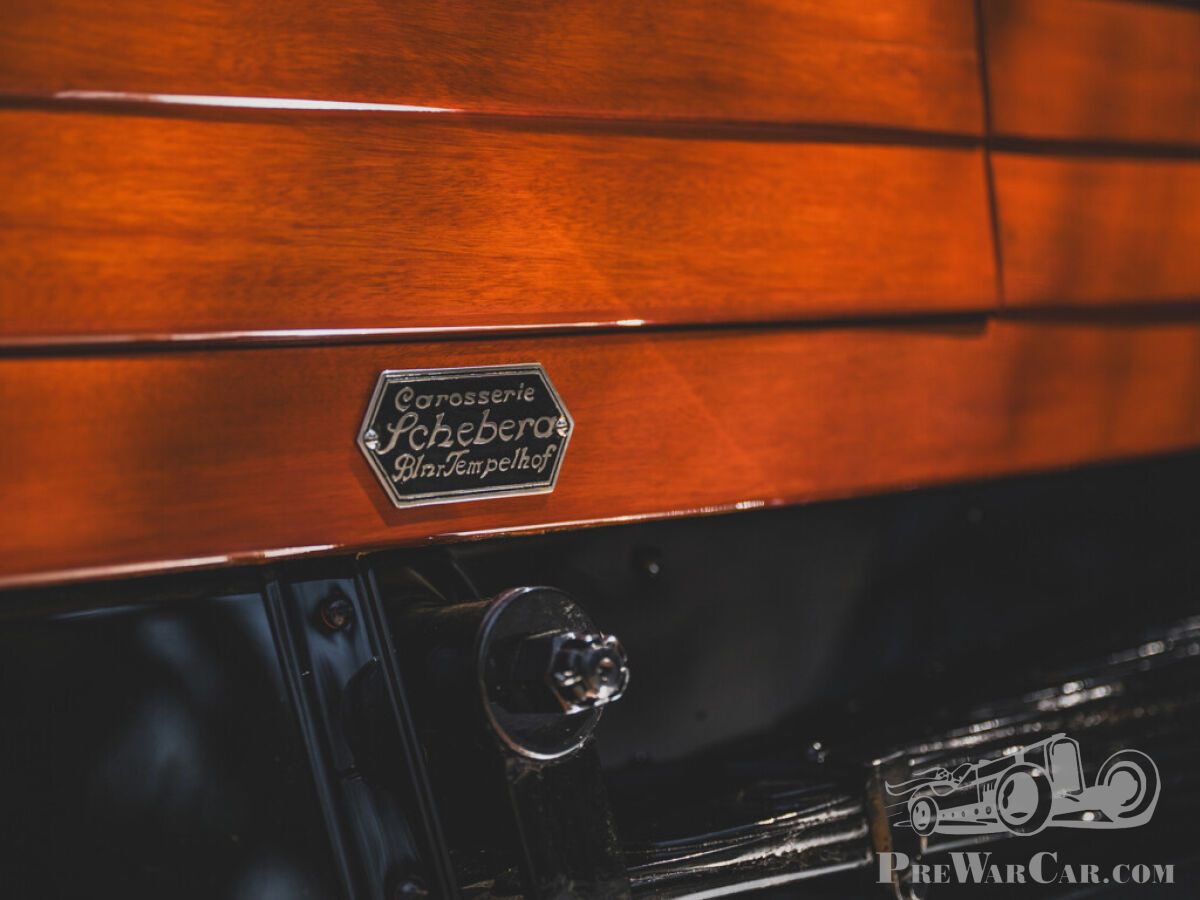
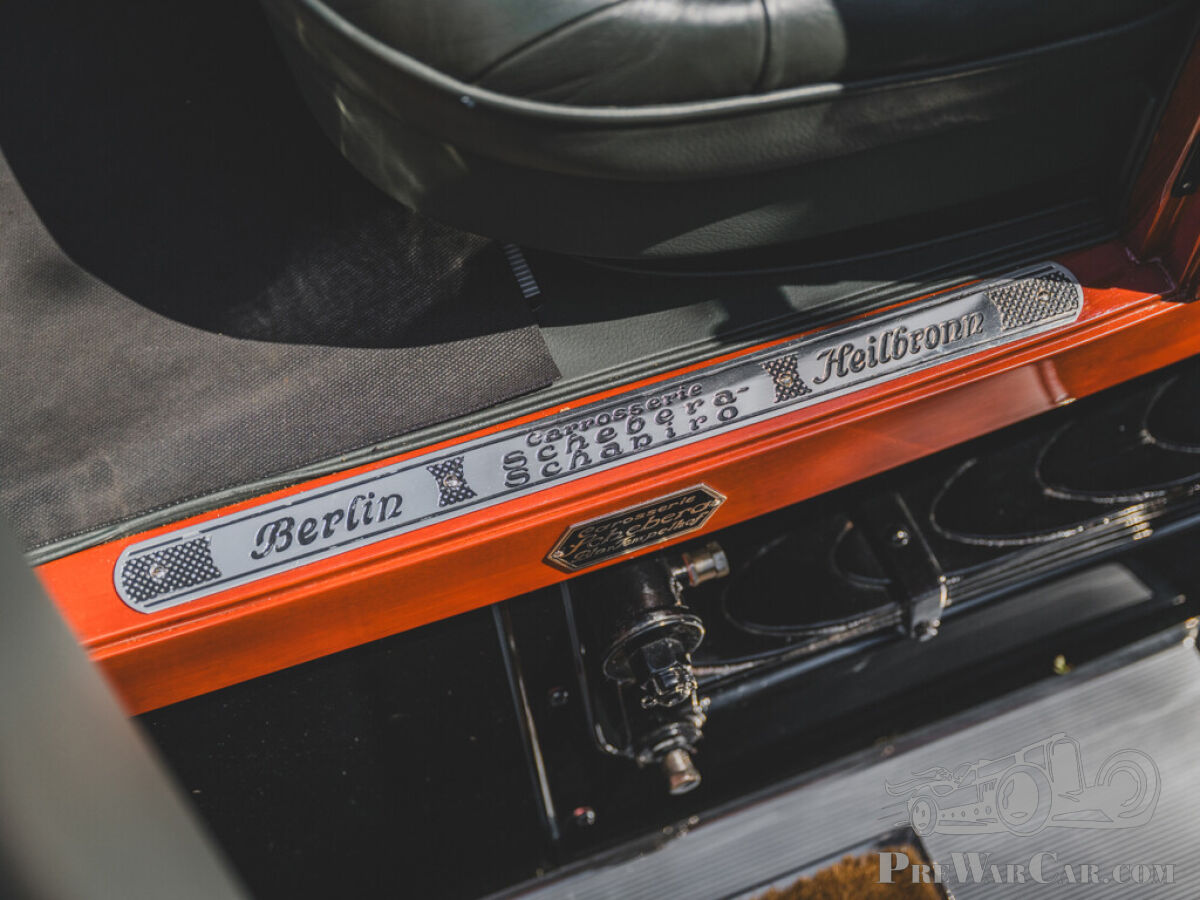
One of his lesser investments, in scale but certainly not in quality, was the 1919 acquisition of a small coachbuilding house by the name of Schebera, which was rechristened Schapiro-Schebera anon. Whether Schapiro-Schebera was intended as another wing of the Schapiro empire, or was simply a novelty for a man who clearly loved automobiles, is not known. What is known is that the tiny firm was capable of some truly exceptional work, witnessed most readily in their finest surviving creation, this Rolls-Royce Silver Ghost.
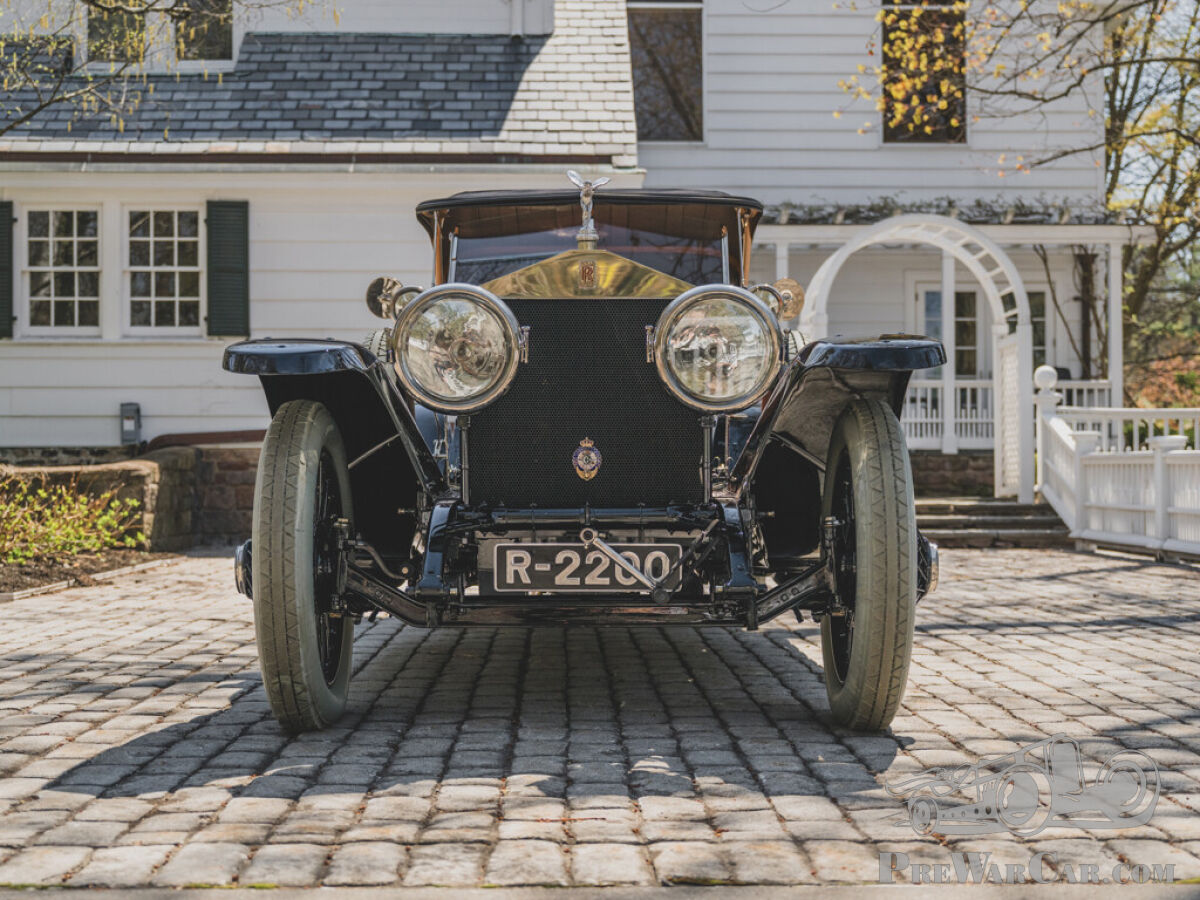
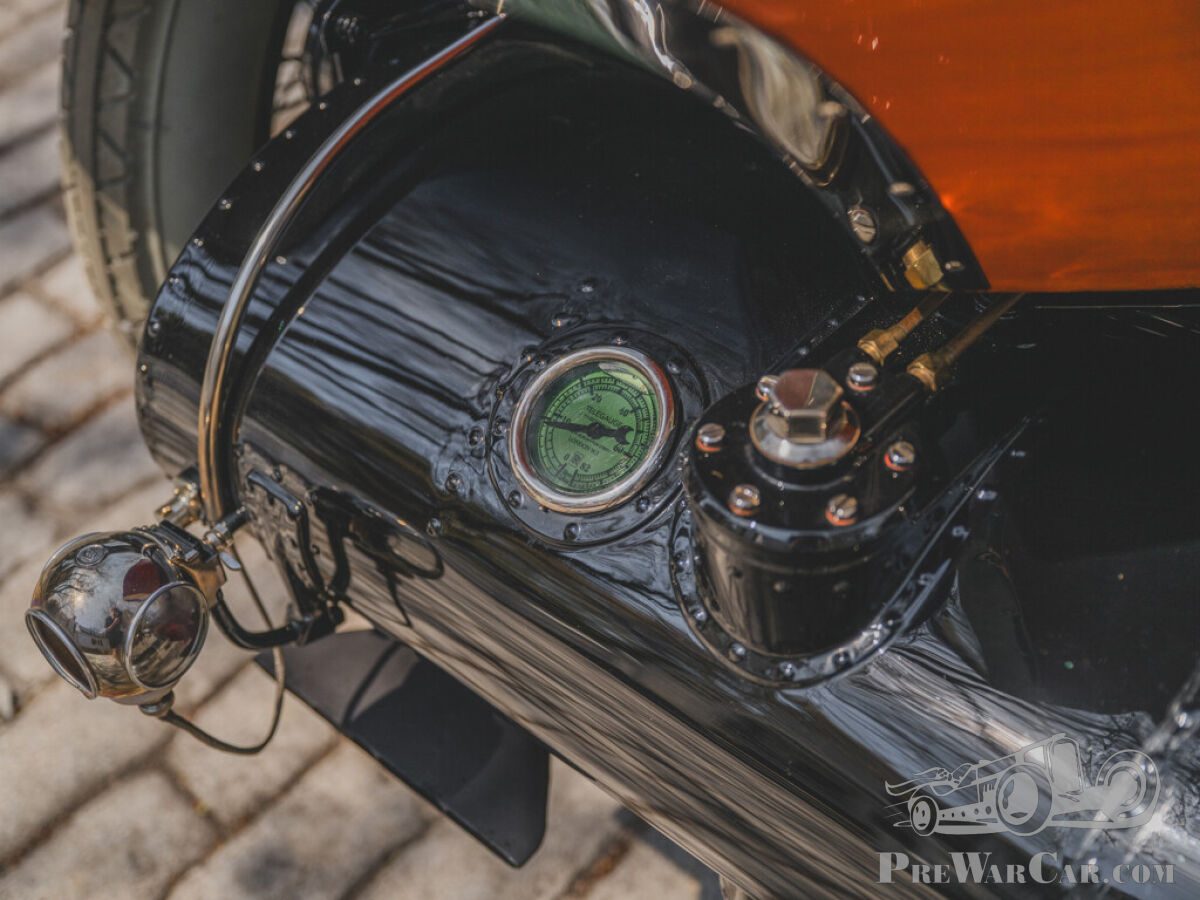
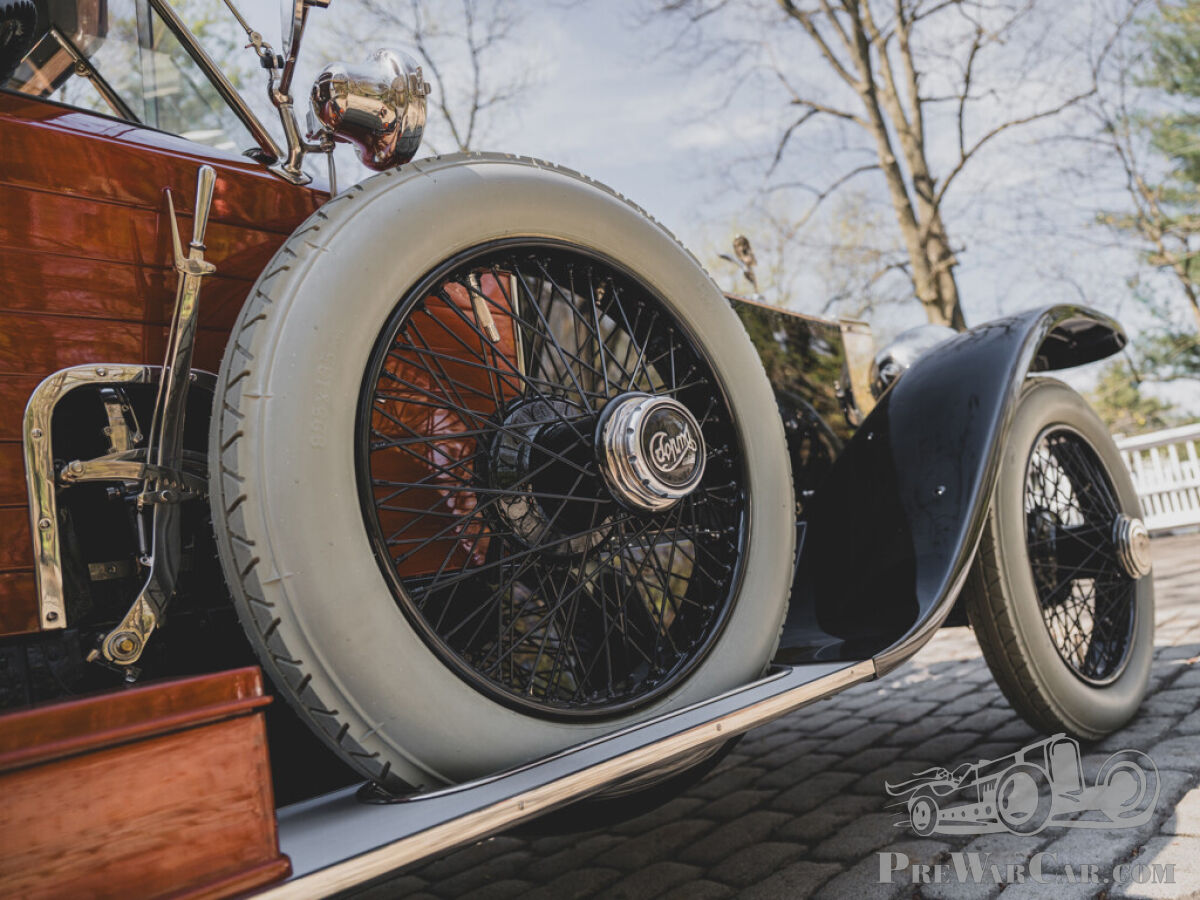
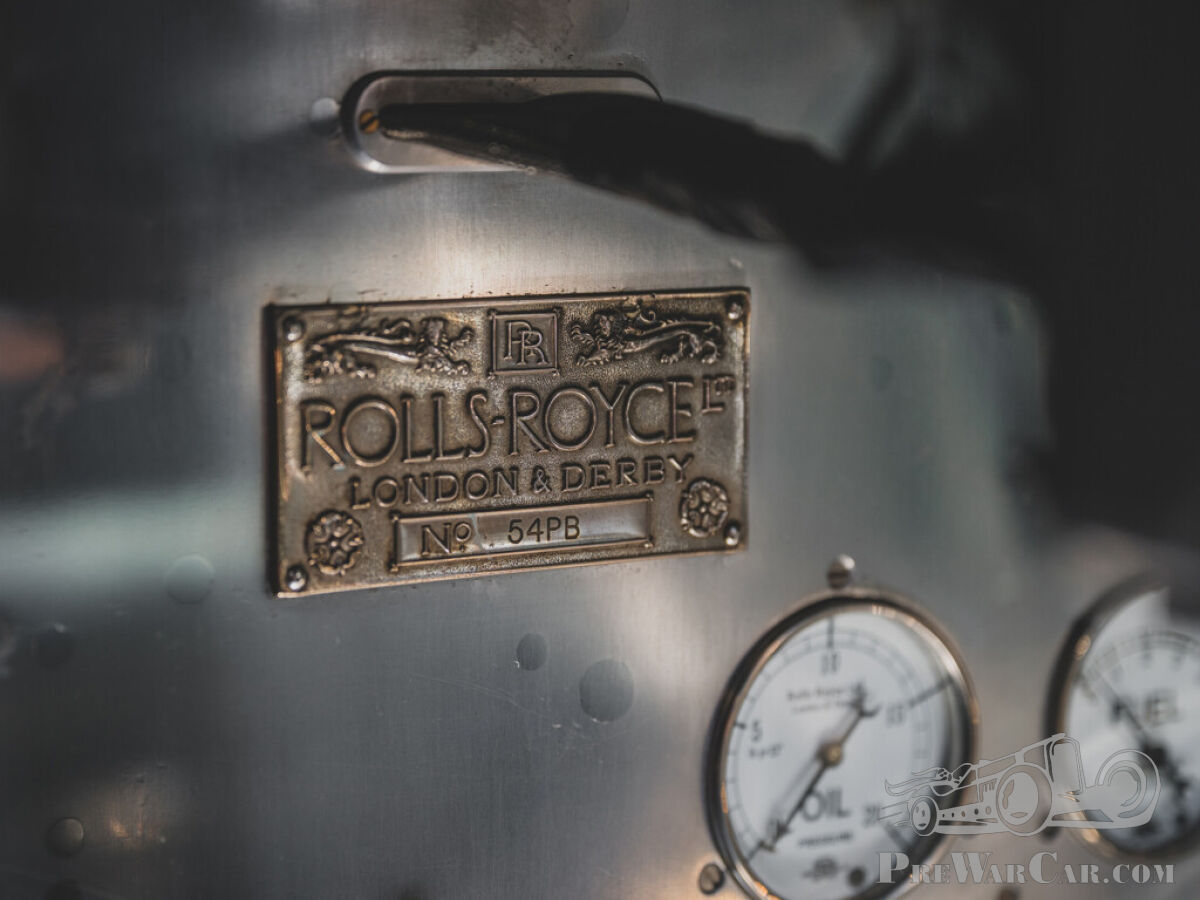
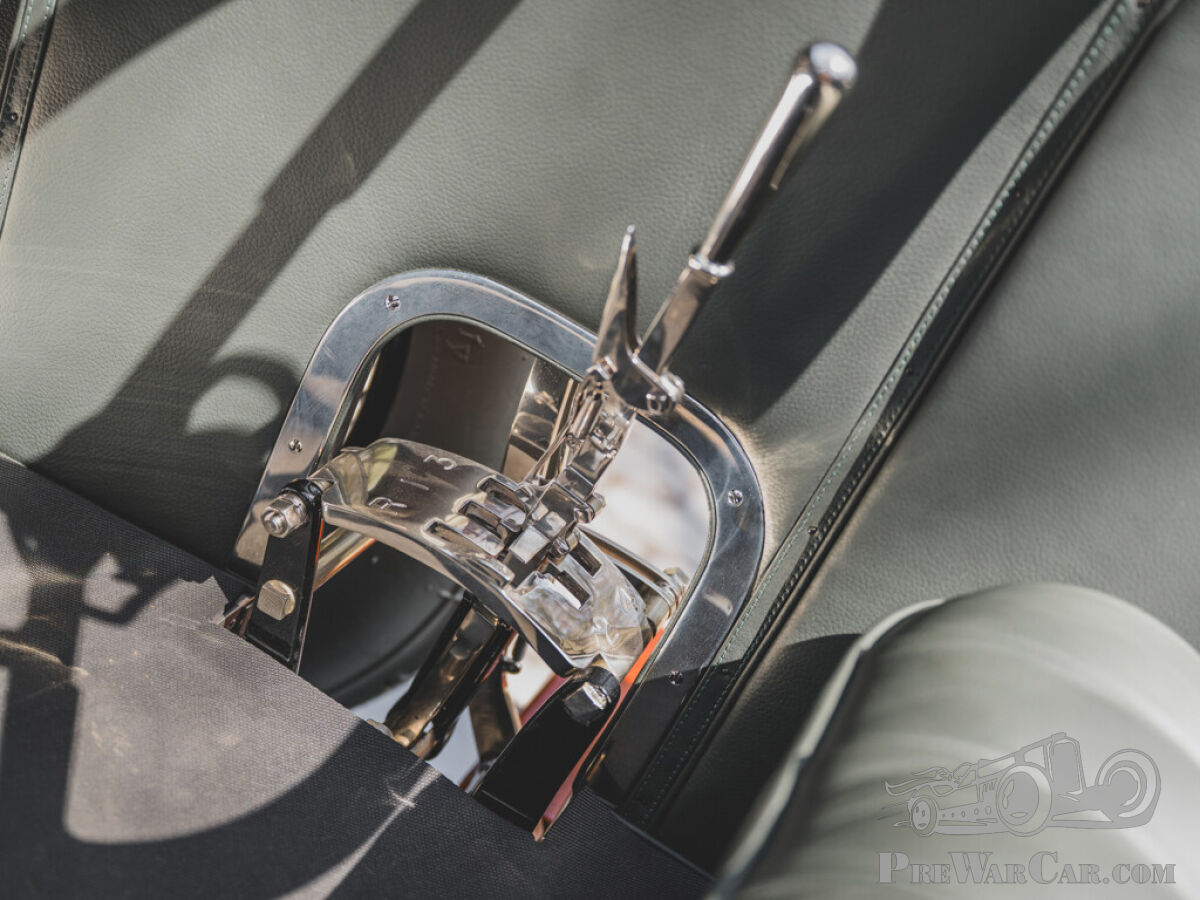
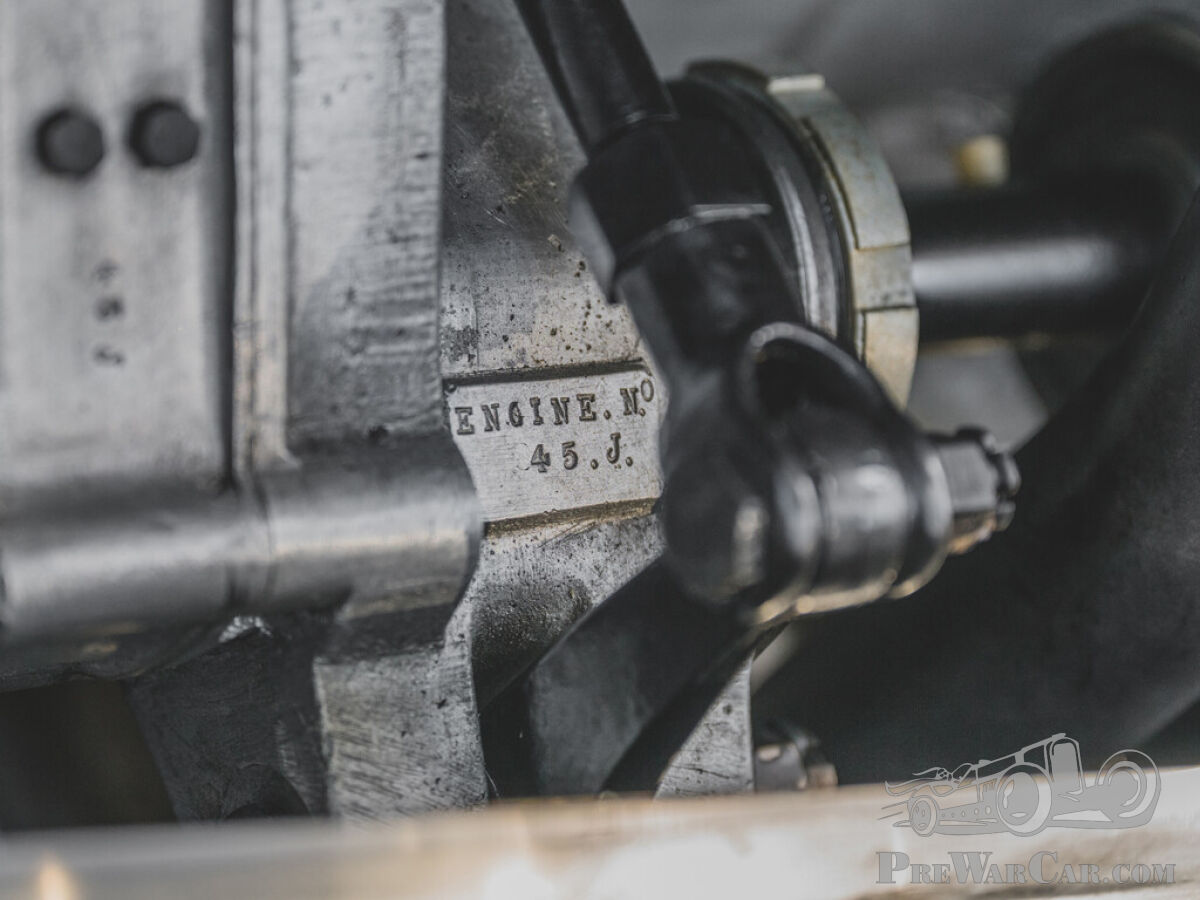
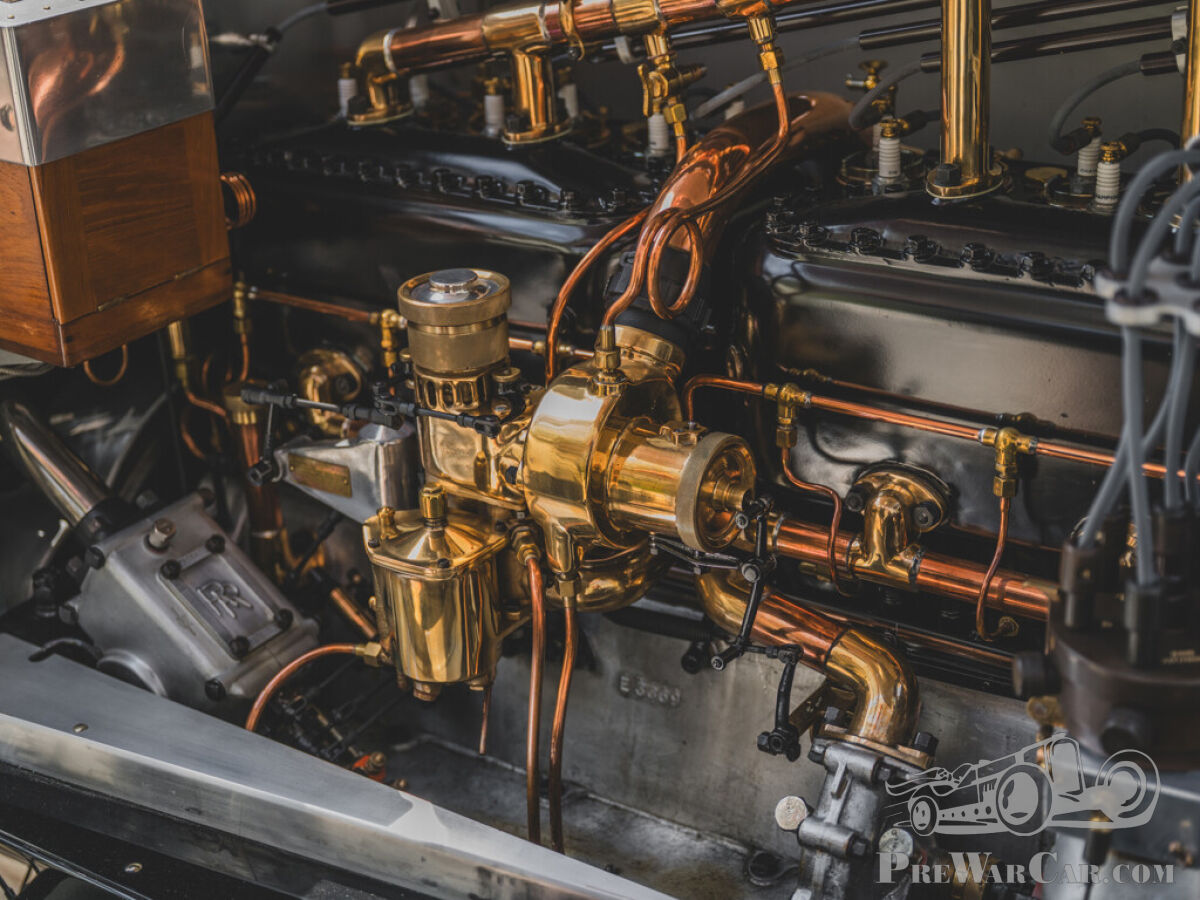
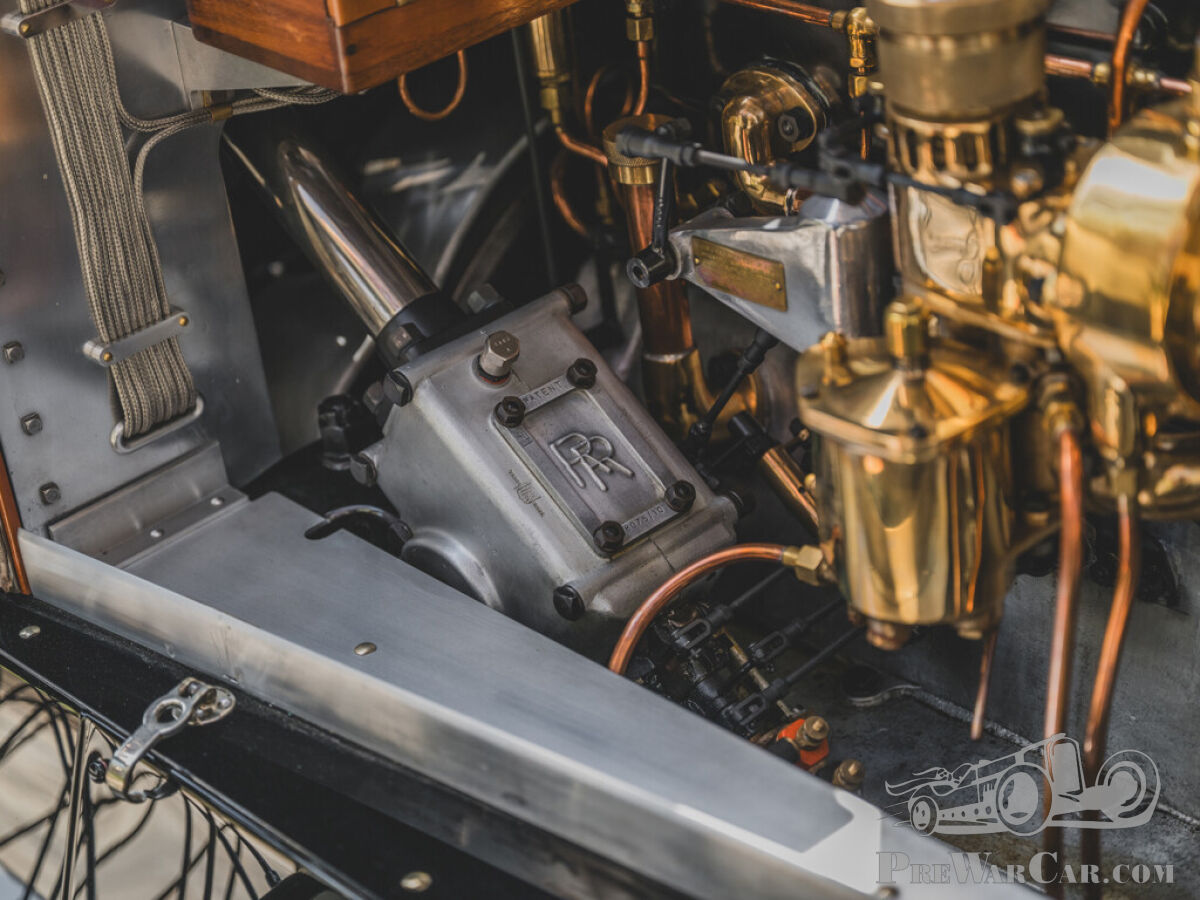
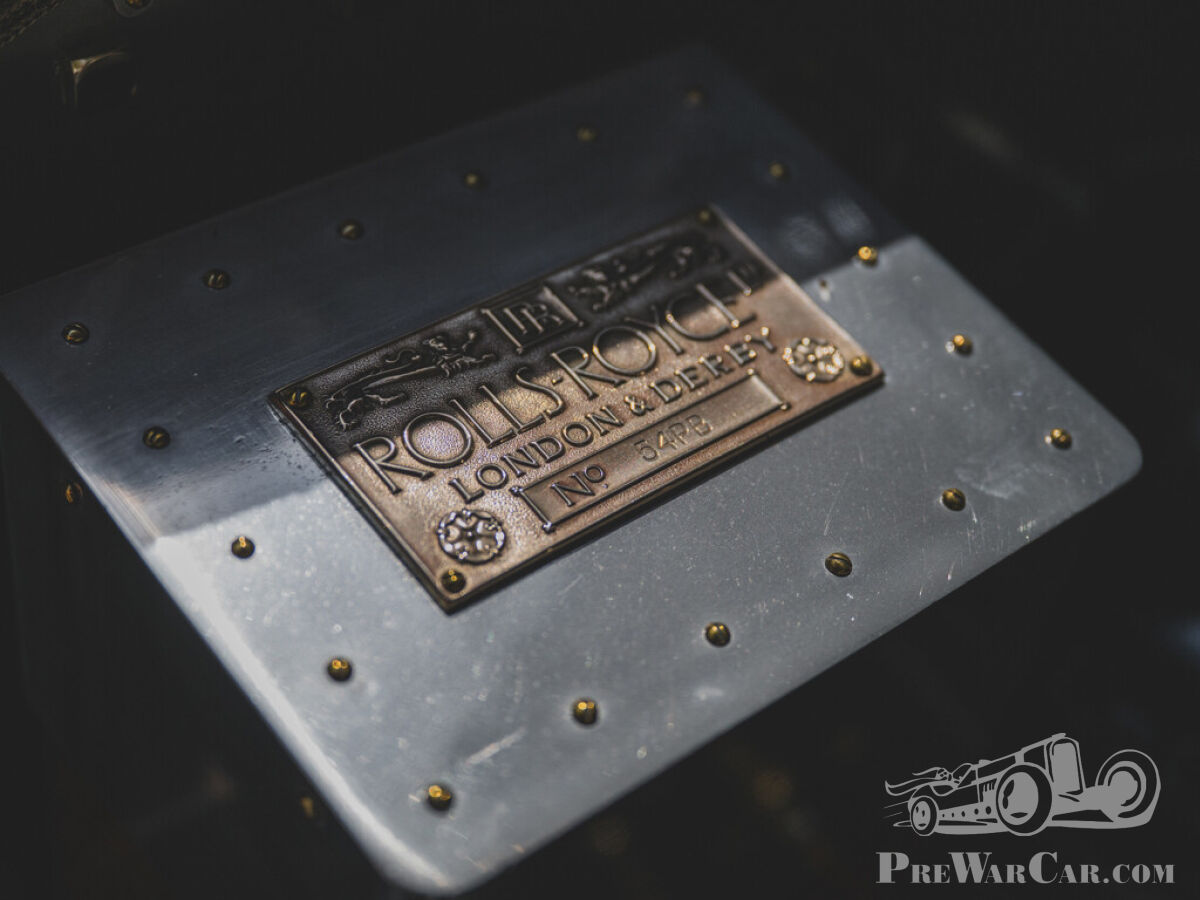
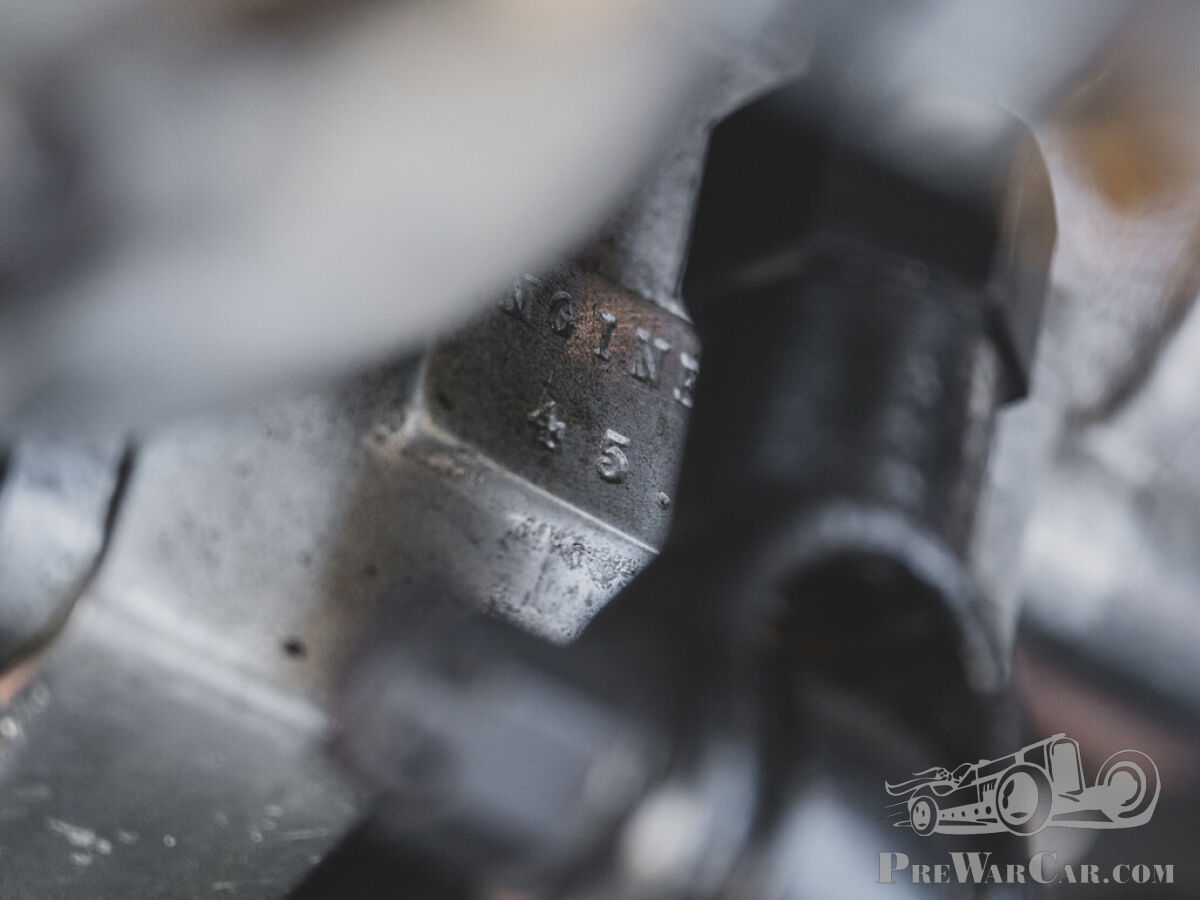
Chassis number 54PB, the car was ordered in 1914 and equipped to the sought-after London-to-Edinburgh specification, with, among other modifications, high-compression pistons, as recorded in the research of historian Derek Du Toit and as noted by “LE-type” on its build record; it was also specified with Colonial equipment to suit more rugged driving conditions, including increased ground clearance with raised driveline and larger wheels, 22-inch radiator, larger-capacity fuel tanks, louvered bonnets, and a four-speed transmission—an unusual combination of both packages, as it were.
Originally shipped to Rolls-Royce France, the Silver Ghost was soon transferred to the Garage Majestic of Brussels. The chassis’ actual delivery was likely then delayed by the outbreak of World War I; as such, the intended enclosed formal coachwork may have never been created. Thus it appears that, due to the war, the car was not actually bodied and completed until 1919, when it became a very early product of the Schapiro-Schebera
atelier for a Belgian client, one A. Lanser.
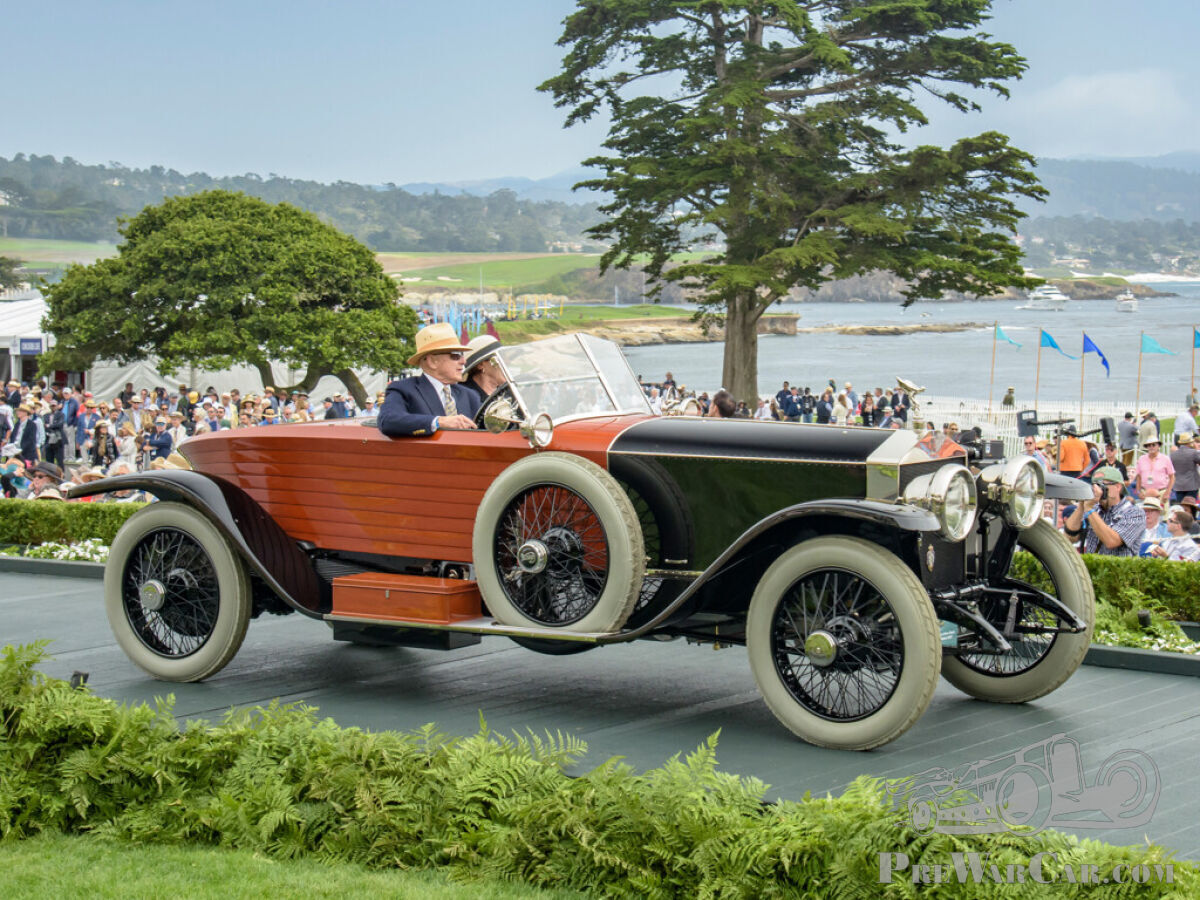
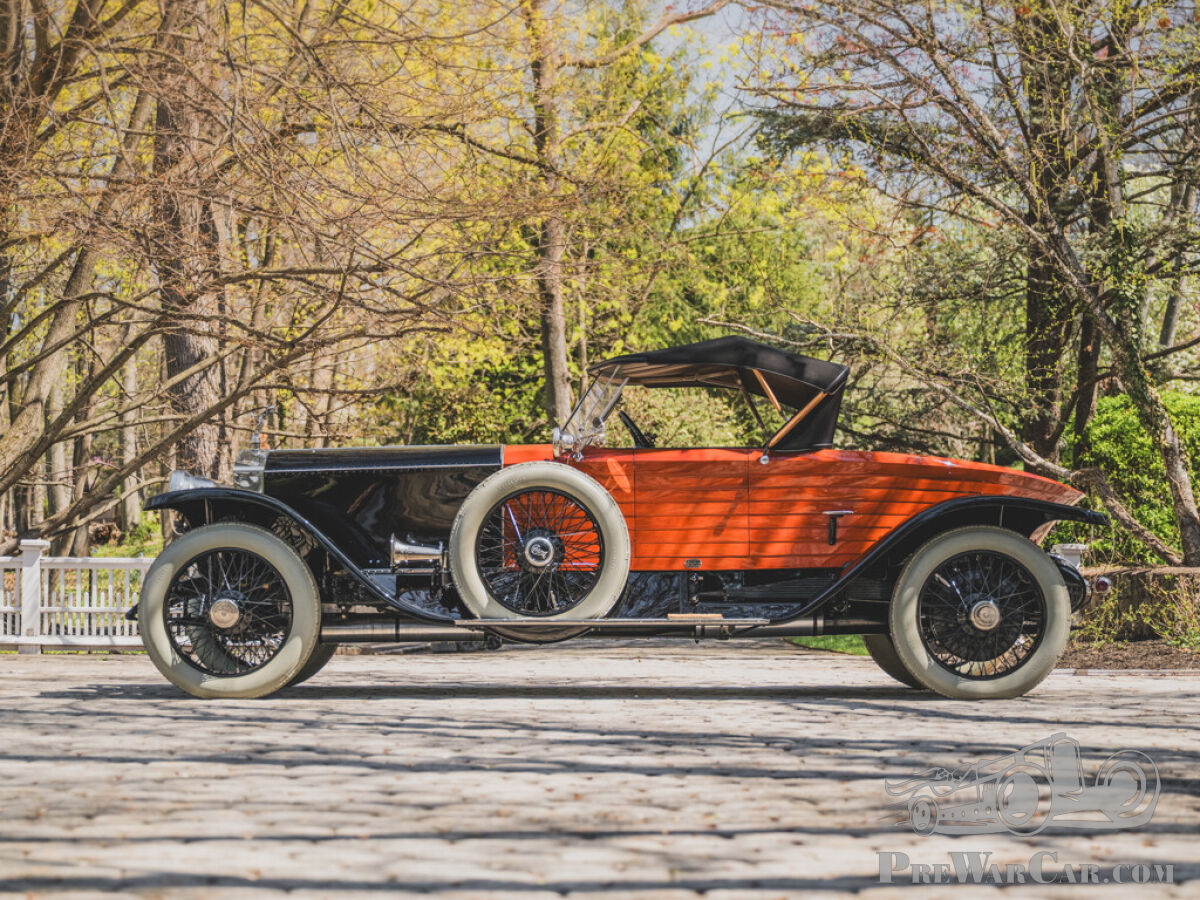
The body is a two-passenger version of the design known in-period as a skiff, first developed and popularized in the early Teens by the French coachbuilder Labourdette. Traditional skiff bodies were made of planked wood, fashioned together over an inner framework with shipbuilders’ glue and brass rivets, then sanded and varnished in the manner of a classic wooden boat, hence the name.
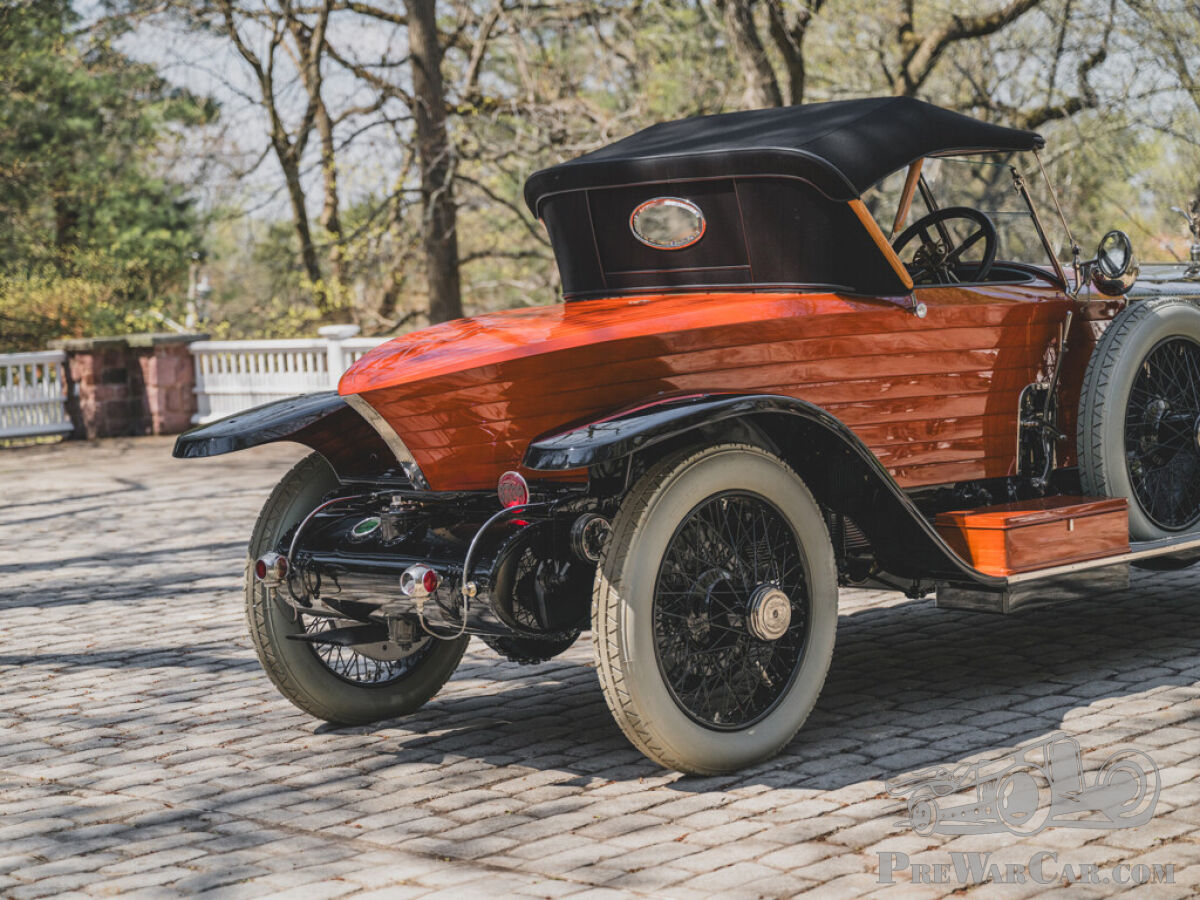
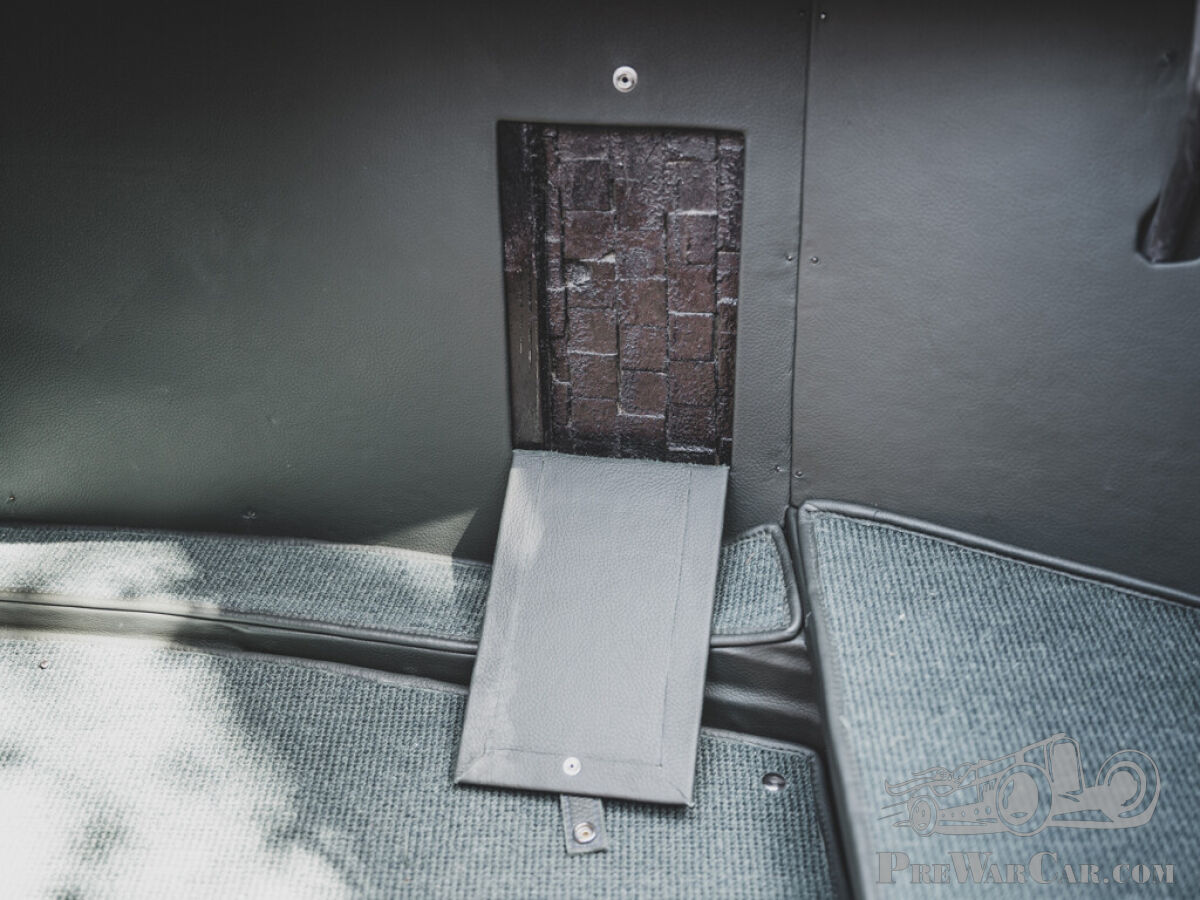
Schapiro-Schebera’s work was typically innovative. Normal skiff construction utilizes strips of wood, steam-bent and screwed or riveted to numerous internal transverse ribs. This skiff’s hull, as it were, was instead composed of only three pieces of wood per side, each a piece of Cuban mahogany from 5/16- to 3/8-inch thick and 8 to 10 inches wide, bent over very few ribs with no fasteners; the visual illusion of overlapping planks was then created by scoring grooves in each piece and planing away wood at a slight angle below each groove. Additional interior support was created by laminating in numerous tiny tiles of wood, each no larger than a ring box, in a grid pattern behind the planking, secured with glue and reinforced with horsehair. It was, in essence, a classically German interpretation of a French design—light, graceful, but practical and solid!
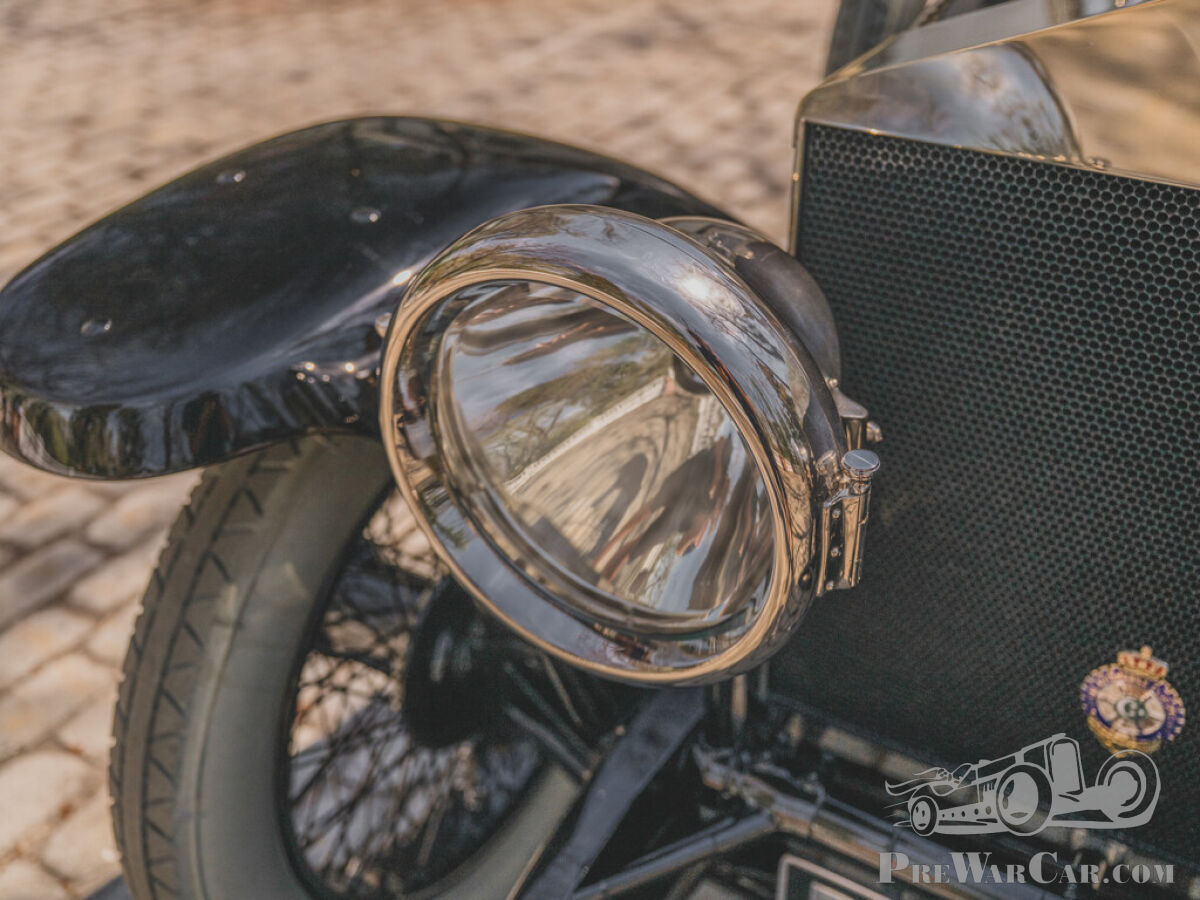
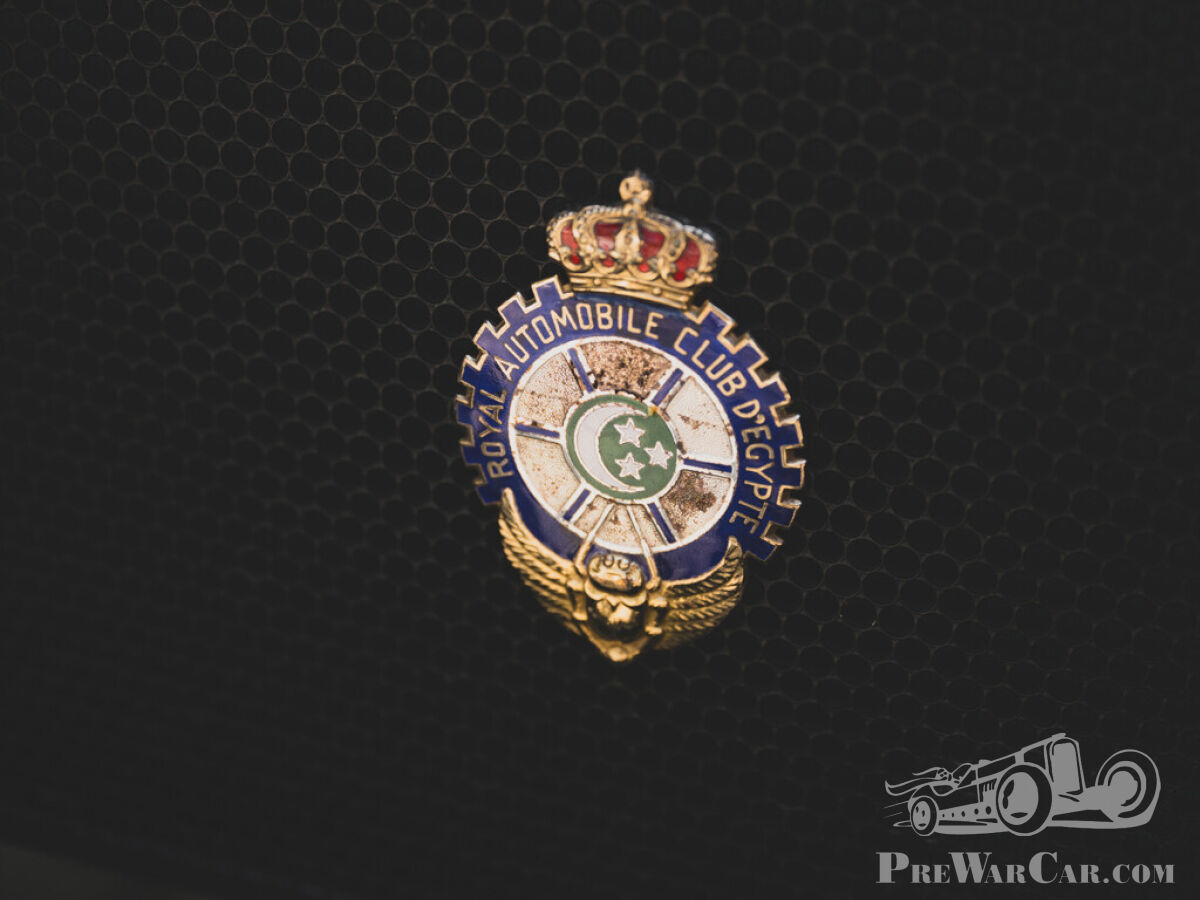
OUT OF EGYPTNot many years after its completion, the Schapiro-Schebera skiff’s history grew as exciting as its lines. It was acquired in 1925 by Messrs. A. Souraty & Cie of Cairo, Egypt, believed to have been automobile dealers, whose important role was bringing the car to the Land of the Pharaohs. It would remain there well into the early 1950s, passing through a handful of known owners in the shadow of the Pyramids.
In 1956, British enthusiasts Dr. Robin O. Banard and H. Vivian learned of the car’s existence and traced it to its owner, a Mr. Platt, in Cairo. Mr. Platt made an unlikely offer to loan the Rolls-Royce to the duo in return for their bringing it back to the United Kingdom and undertaking necessary restoration work. Fortunately the dry Egyptian climate had served to preserve the car well, as had the fact that, based upon the condition of its engine, it was still a relatively low-mileage automobile. When minor damage to the tail of the skiff had been repaired and general reconditioning completed, Mr. Platt visited the two “loanees” and was pleased enough with the work that he sold them the car. (One wonders what would have happened if he had not.) During the Barnard and Vivian ownership, the car was used as the basis for one of Melbourne Brindle’s iconic paintings, depicting it in a fanciful scene honoring its Egyptian history, in the now-famous book
Twenty Silver Ghosts.
Messrs. Barnard and Vivian retained chassis number 54PB until 1985, when they sold it to the prominent American Rolls-Royce collector, Robert “Bob” Barrymore, a well-loved and remembered figure from La Jolla, California. Mr. Barrymore and his wife, June, maintained the car as the centerpiece of their collection. In this period the car was also faithfully captured in a Franklin Mint Precision Model—an example of which, interestingly enough, is held by the Smithsonian’s American Art Museum.
Mrs. Barrymore sold the Rolls-Royce in 2002 to longtime collectors and concours stalwarts, Margie and Judge Joseph Cassini III of New Jersey, in whose hands the car was considerably freshened and then brought to the Pebble Beach Concours d’Elegance in 2005, later being awarded at the Cranbrook Concours and the Concours d’Elegance of the Eastern United States. In 2009 the Rolls-Royce was, in turn, sold by the Cassinis to the noted Brass car enthusiast Bill Roper, who in turn passed it in 2011 to Hendrik Fredriksen of Denmark—from whose collection Sam and Emily Mann at last purchased it, in 2015.
PRESERVING A PIECE OF ARTThis Rolls, consistent with the marque’s reputation, is a joy to drive. Its lighter-weight coachwork, combined with a more aggressive engine specification, makes for brisk acceleration; its large brakes, smooth and strong stopping. Unique to these earlier Ghosts, it provides light steering and all the safe, reliable travels that becomes the Ghost’s reputation. Additionally, the worldwide Silver Ghost Association conducts several driving and social events throughout the year, offering friendly and technical-supported use. – S.M.
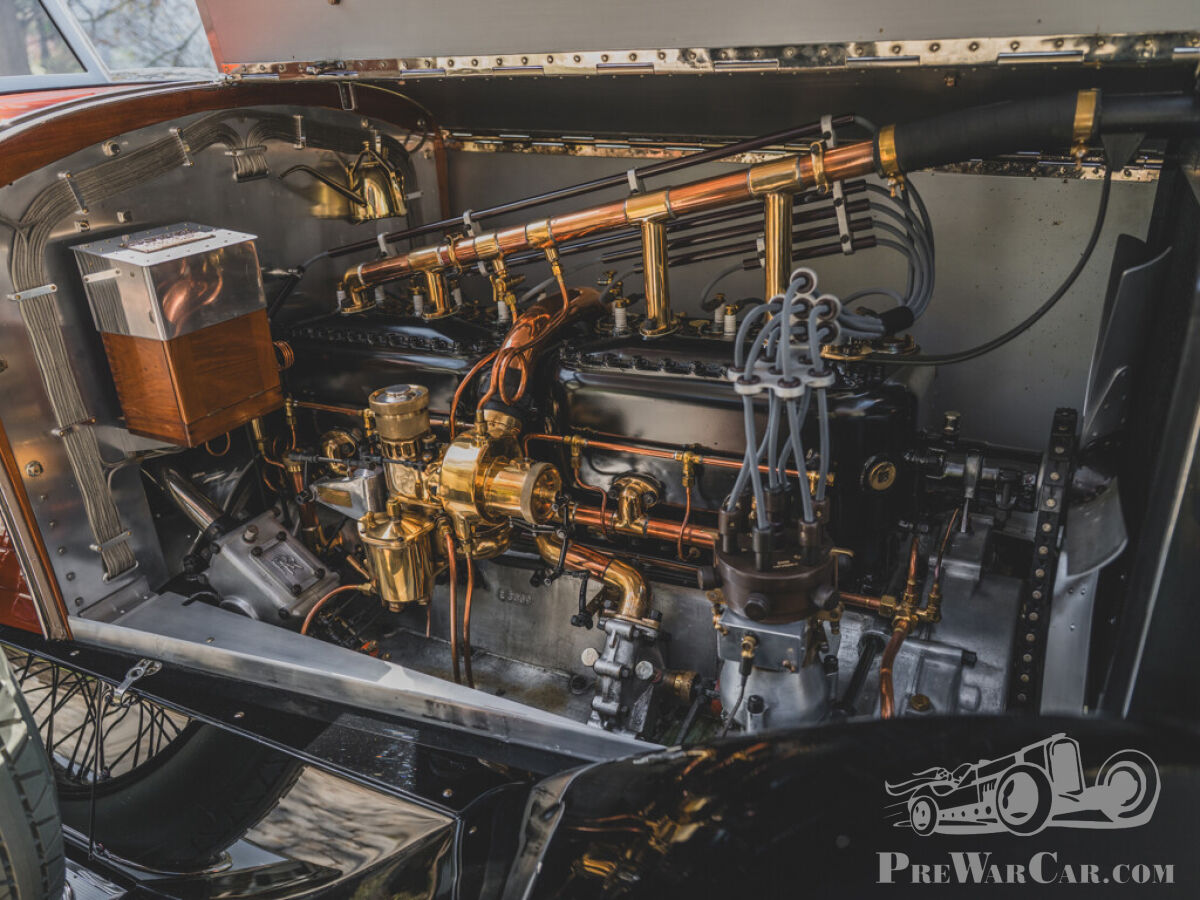
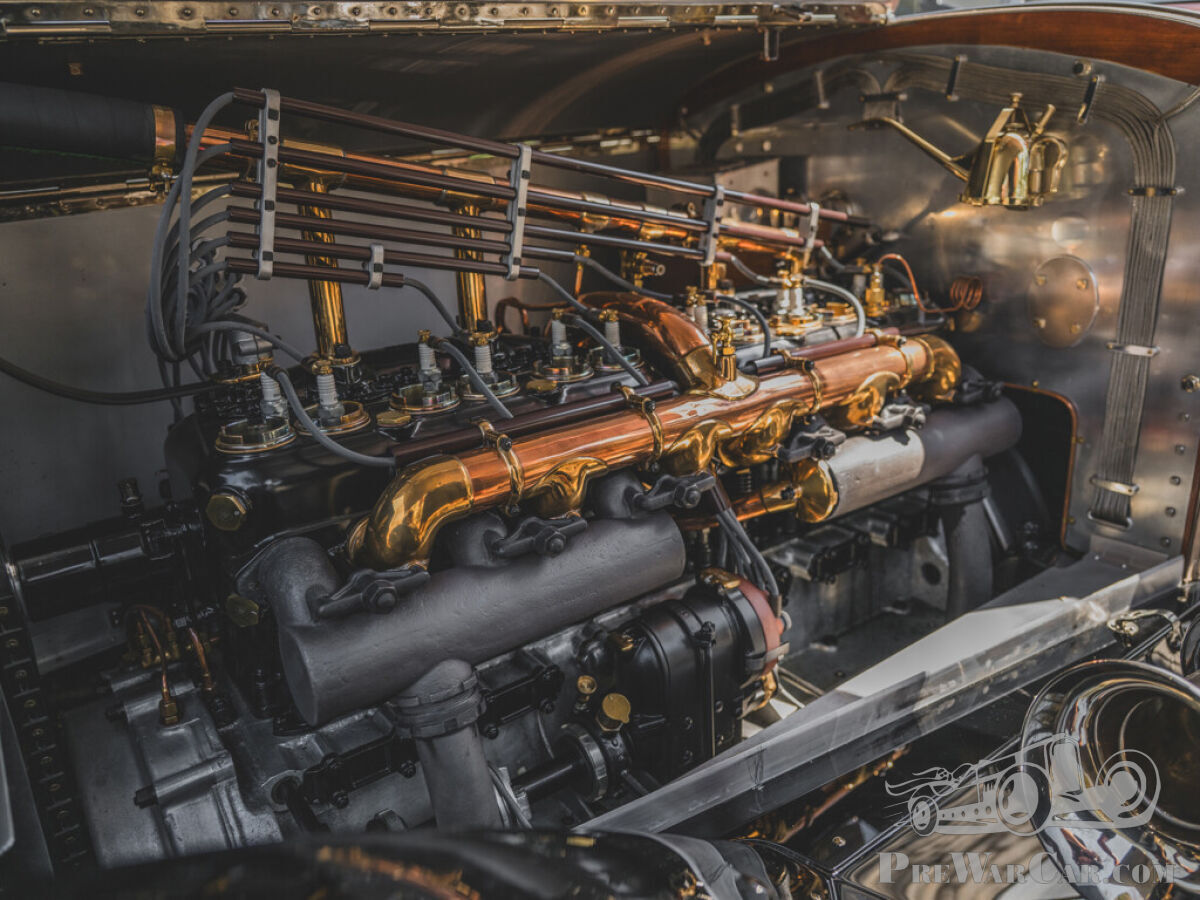
The Manns found the Silver Ghost to have been relatively lightly used in recent years, and thus, while still quite solid and presentable, to be in need of considerable freshening once more. This began with a complete mechanical restoration, undertaken by the noted Silver Ghost specialist Jonathan Wood of Essex and well-known American guru Fred Buess, invoices and correspondence from which effort is included within the history file.
Paint was performed by Scott Bronowski, while refinishing of the wooden bodywork was entrusted to the talented Chris Messano of California. Mr. Mann recounts that Schapiro-Schebera’s innovative and excellent construction, as well as a lifetime in benevolent climates and decades of enthusiast ownership, had resulted in the body remaining in overall excellent condition. On only a couple of pieces was discoloration from age so prominent that it could not be readily removed. The supply of Cuban mahogany having been exhausted since the 1940s, an English chifforobe of appropriate age and material was acquired, and from it very thin sections of wood cut and laminated carefully onto these two small areas.
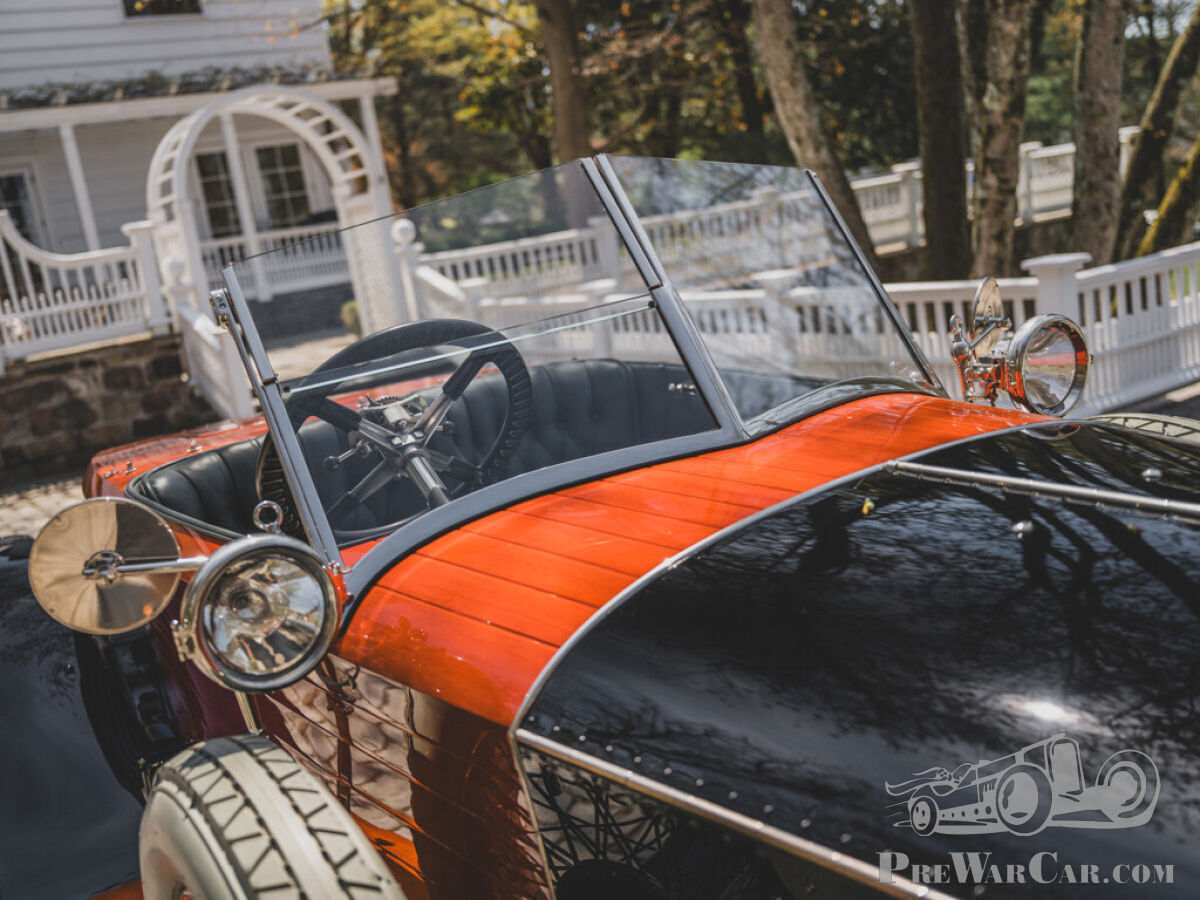
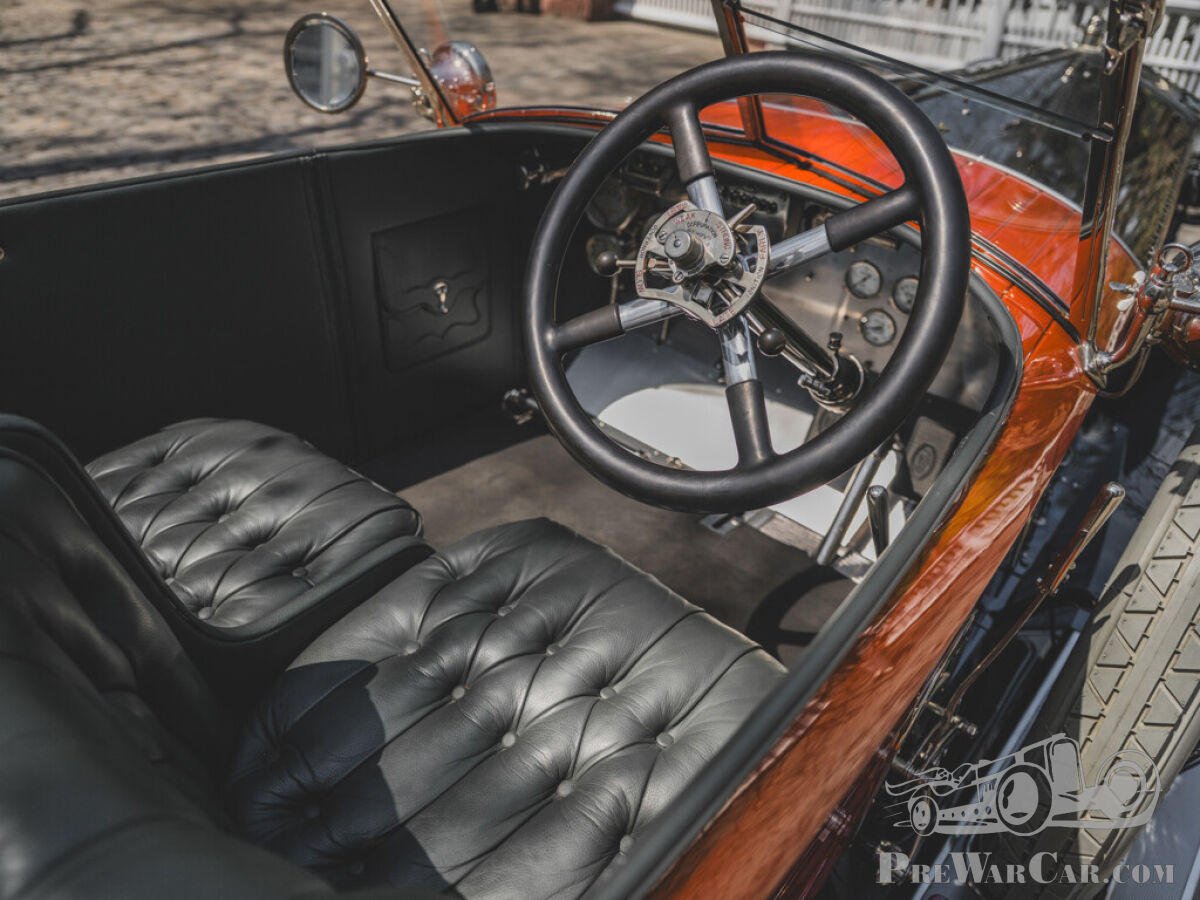
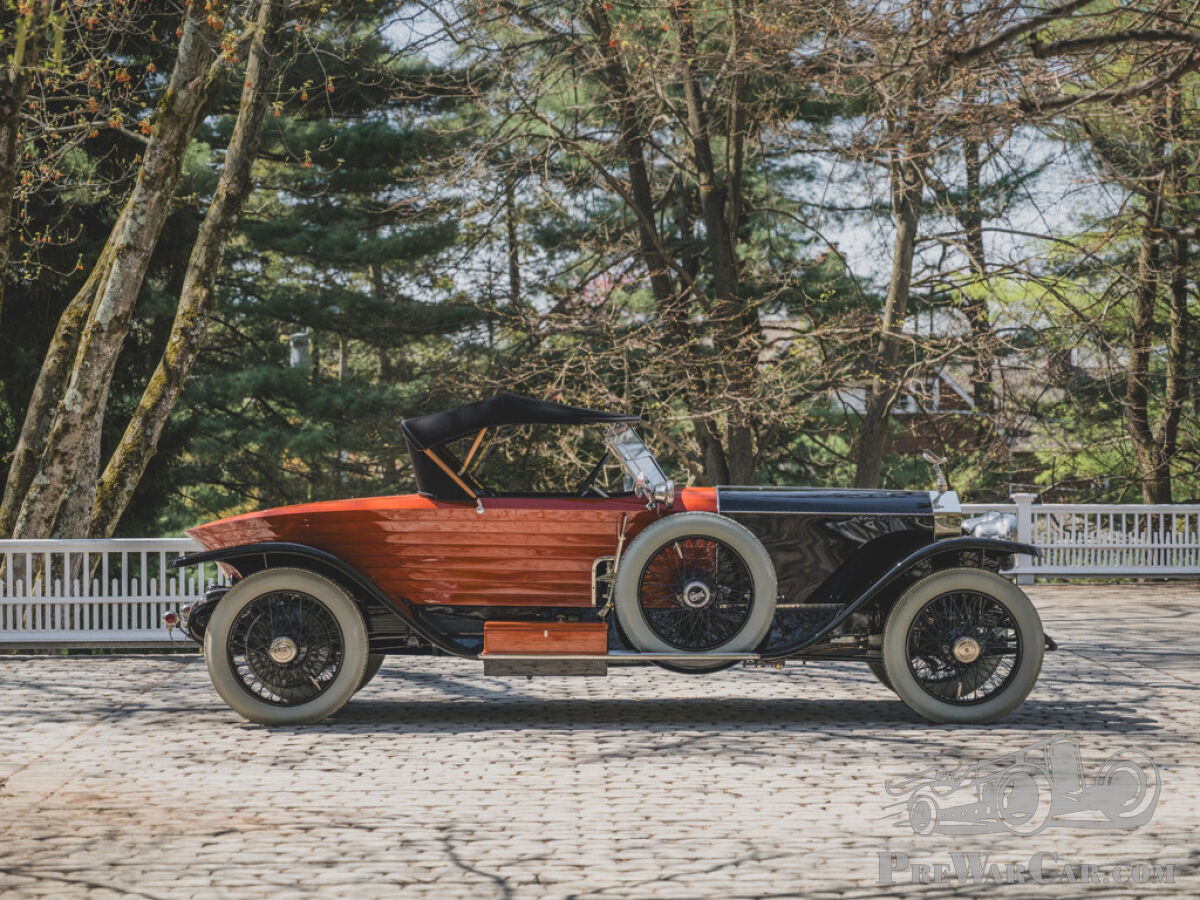
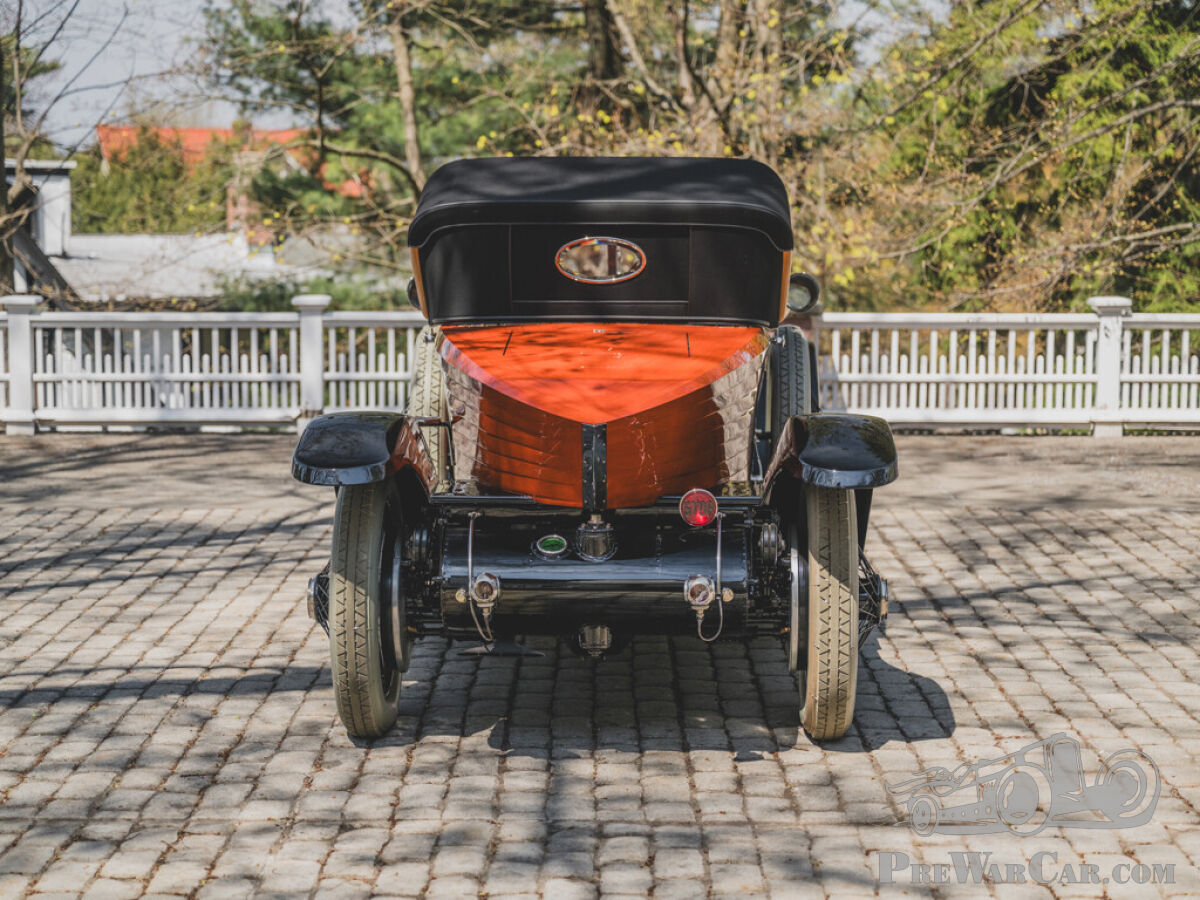
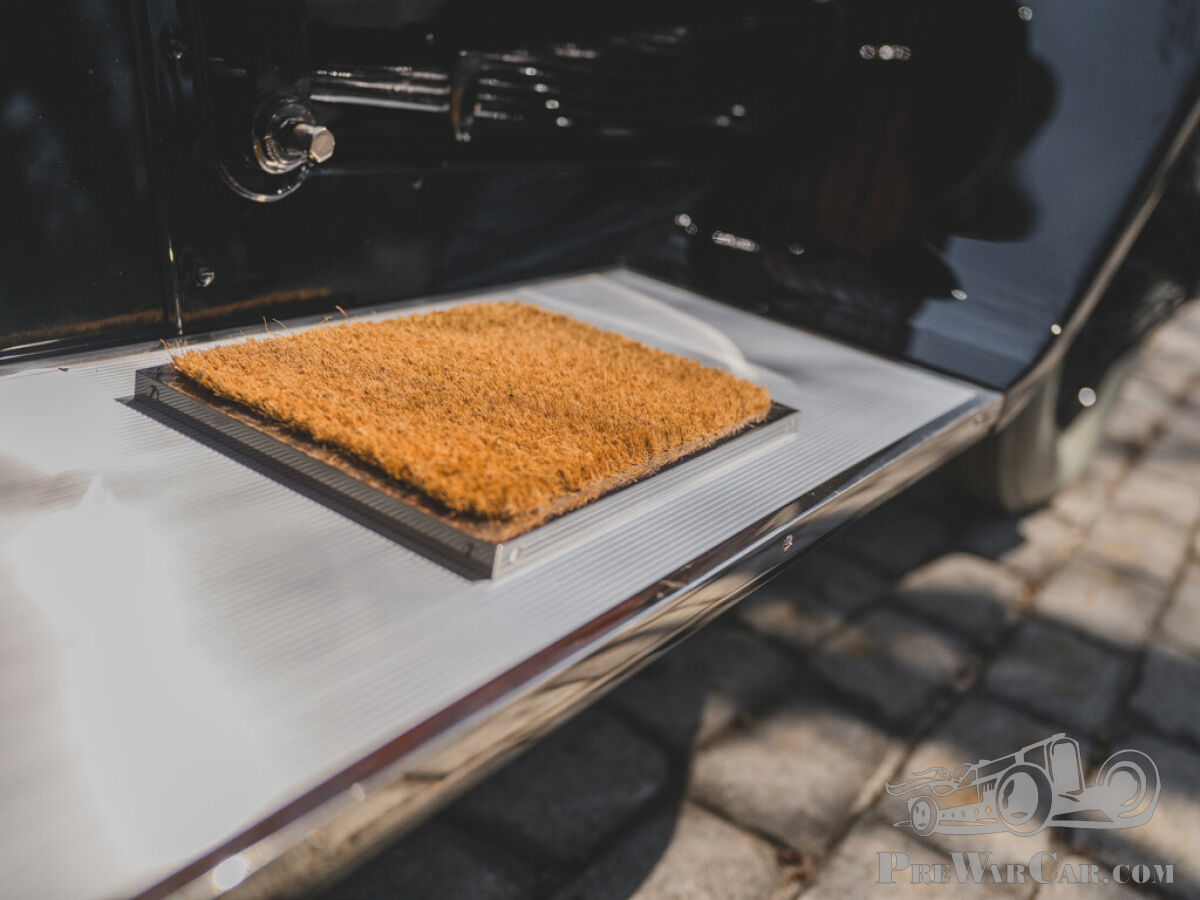
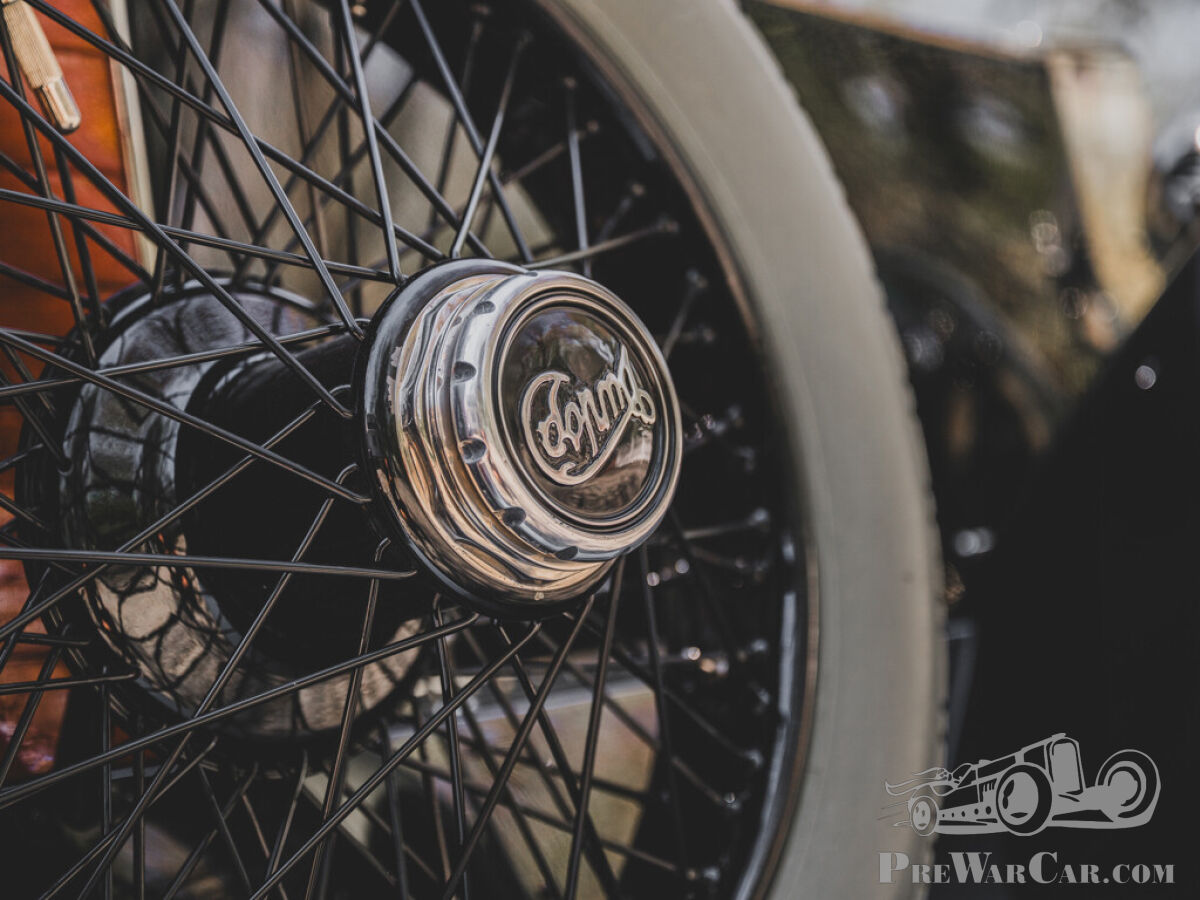
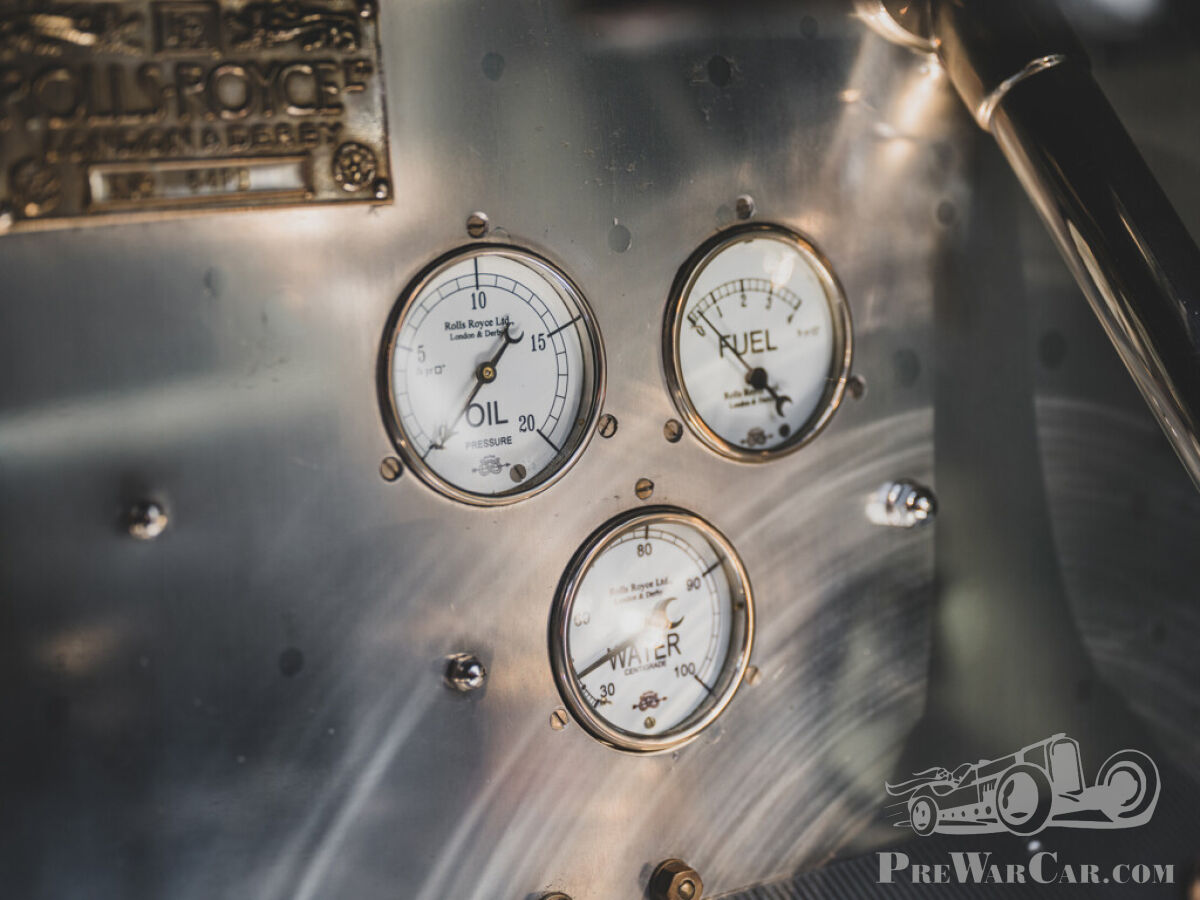
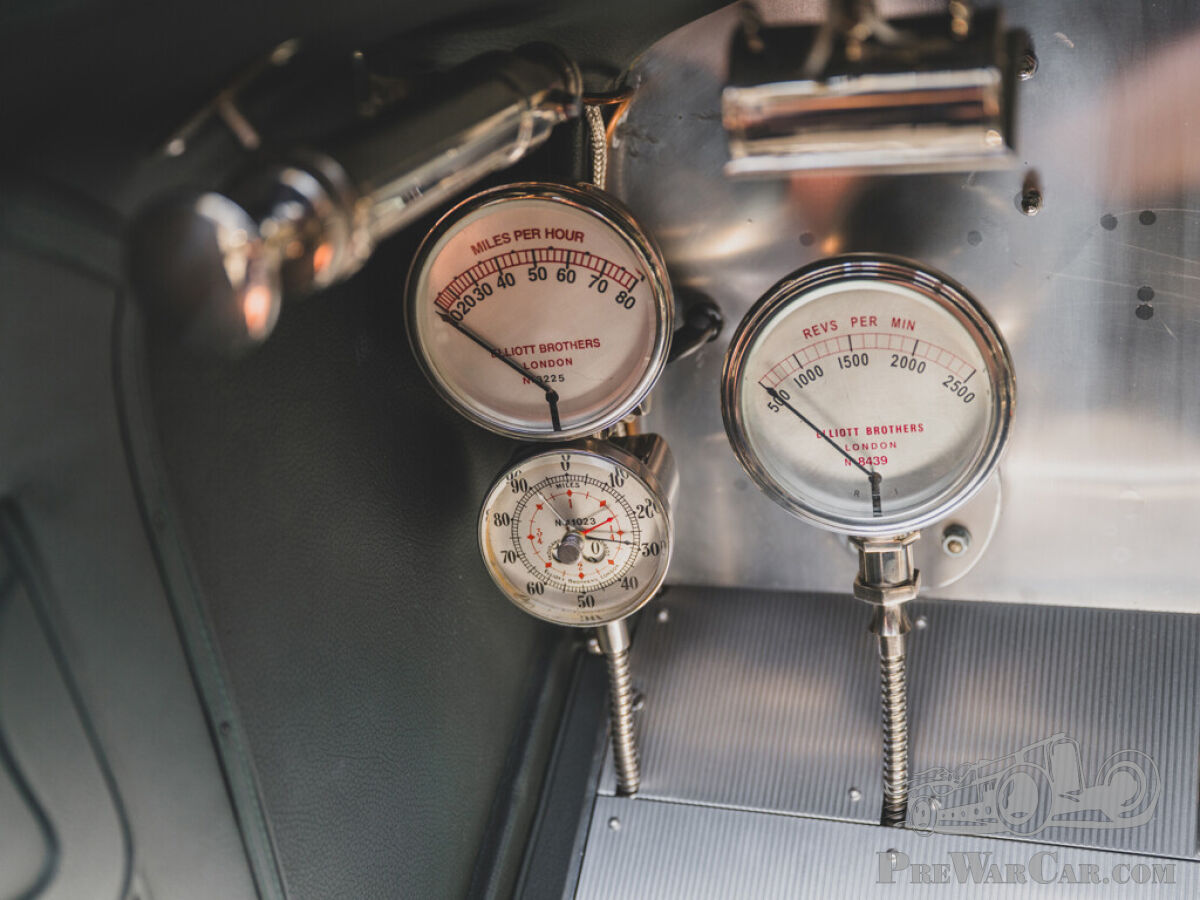
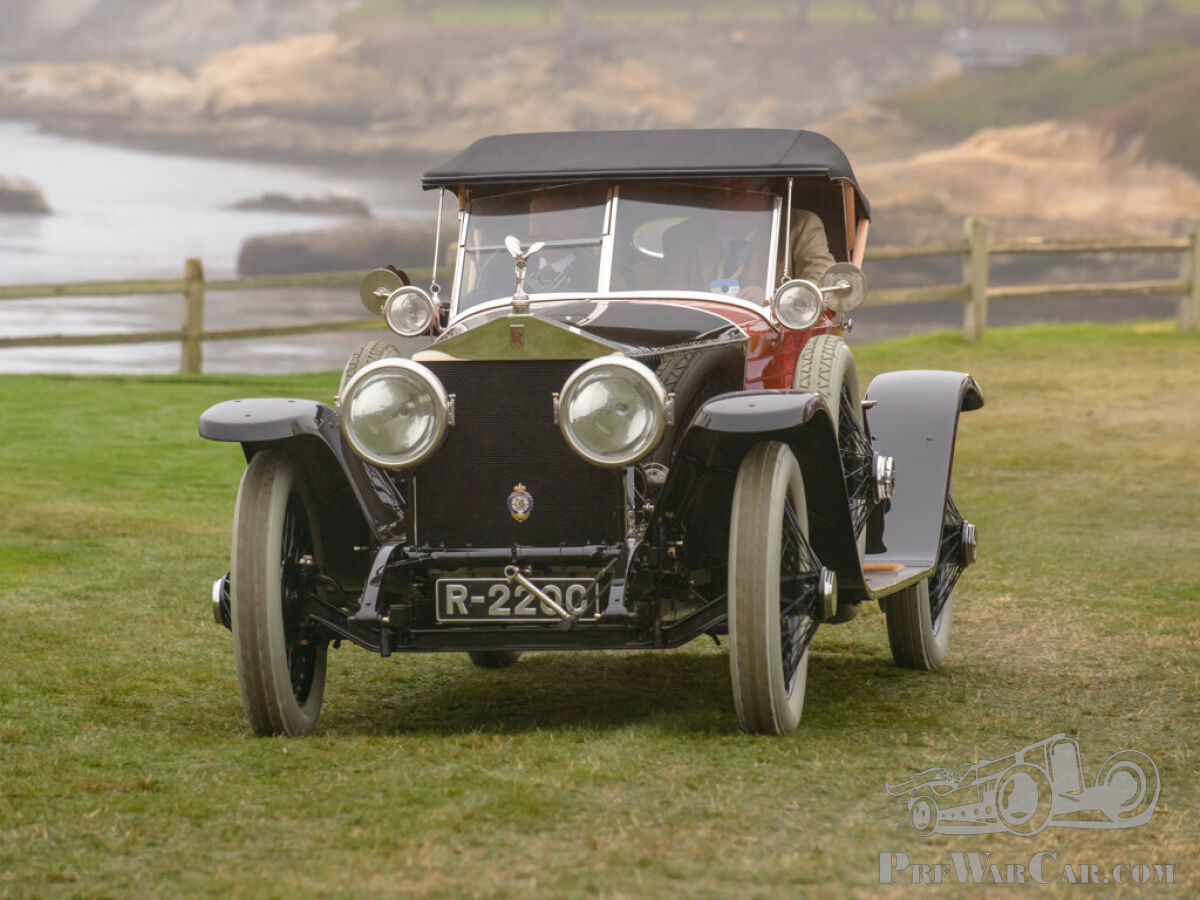
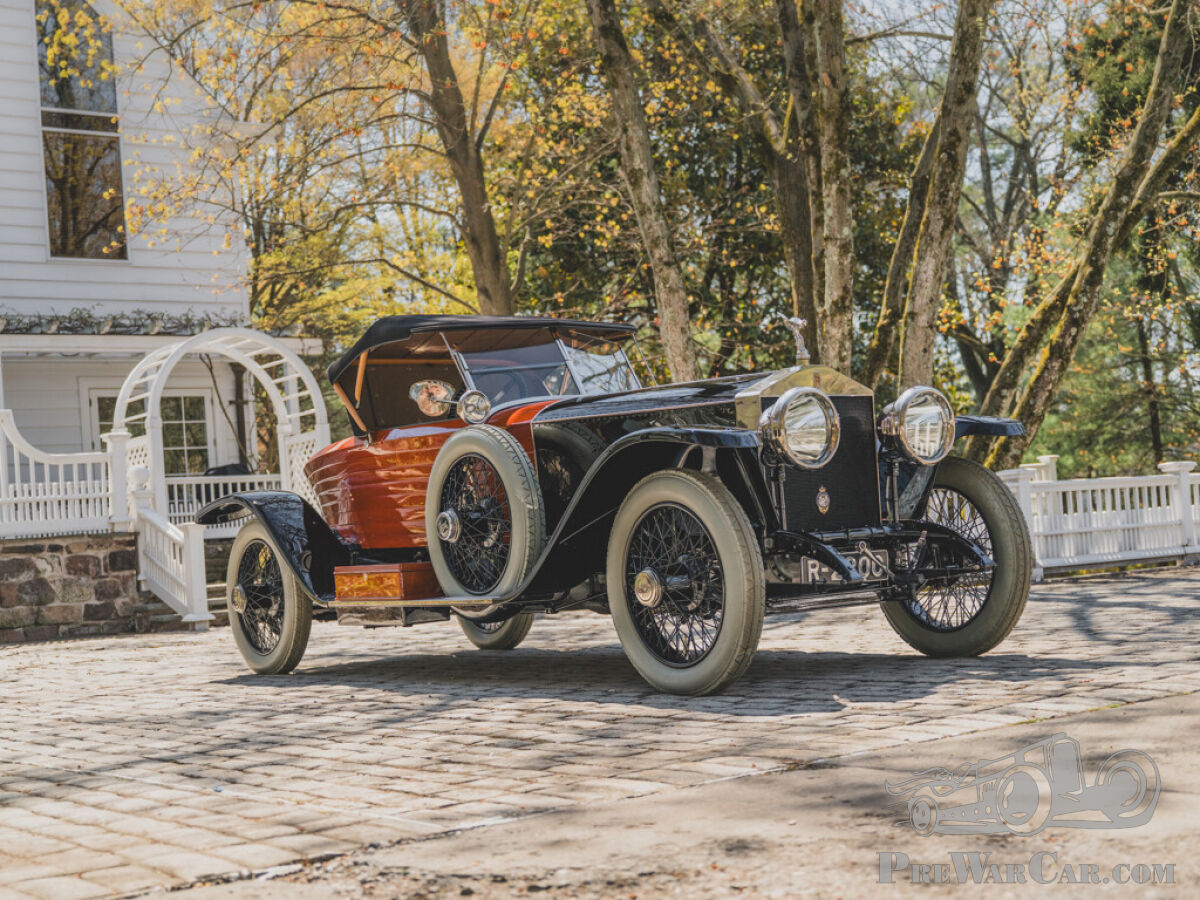
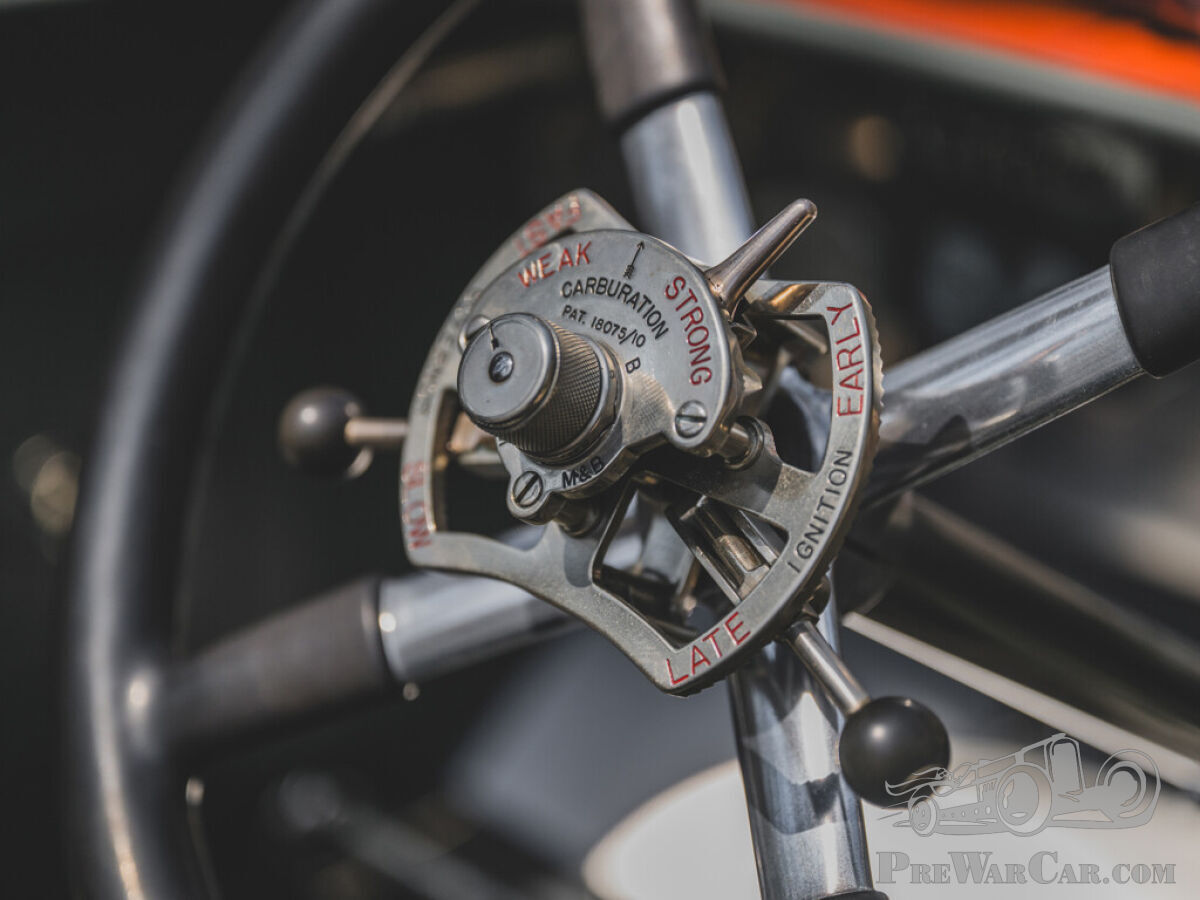
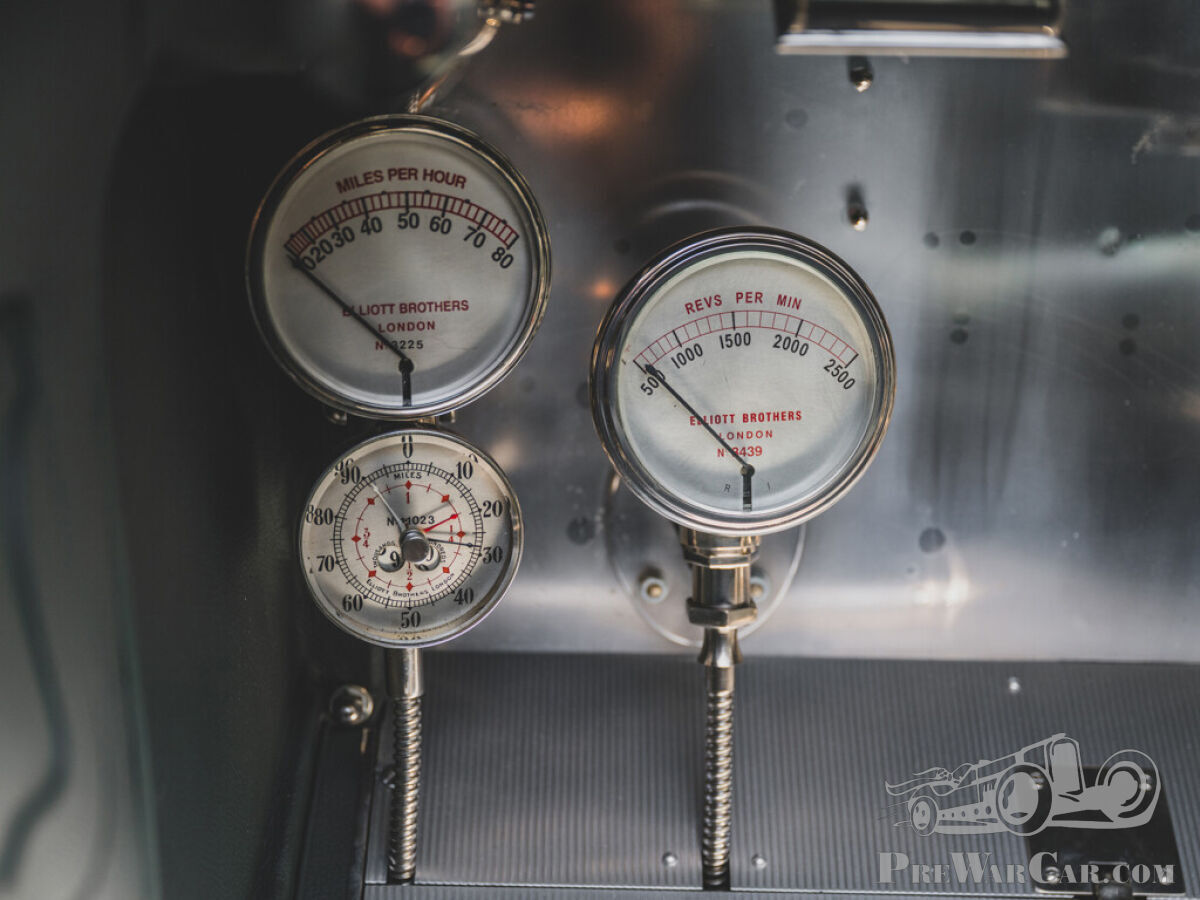
Later, non-original additions to the body, such as a toolbox on the running board and a “rumble seat,” were removed, with the latter converted into a most pleasing small storage compartment for touring. Most prominently, the rather awkward top was replaced by a new design, drawn by Mr. Mann, with a slight backward rake to its irons, reminiscent of Packard roadsters of the era, which is much more flattering to the car’s rakish lines. As was done originally, the new interior, finished by Michael Maestas, features the original polished satin aluminum ribbed floors and firewall, a wonderful foil for one another.
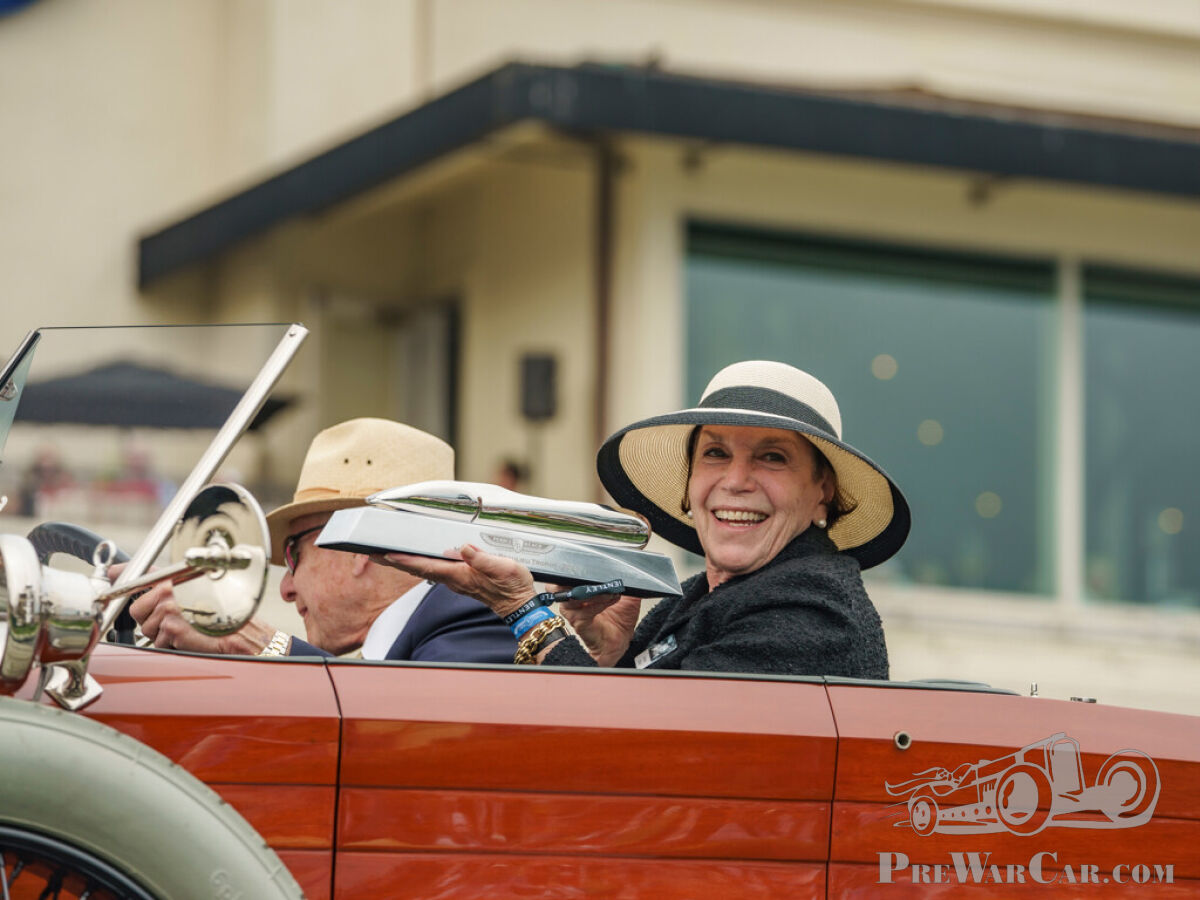
Since restoration, the Schapiro-Schebera skiff has been shown by the Manns at the 2021 Pebble Beach Concours d’Elegance, where it became yet another First in Class winner from the collection. It has also been displayed at the prominent Audrain Automobile Museum in Newport, Rhode Island, as part of their 2023 exhibition, “Wonders in Wood on Land & by Sea.” Mr. Mann heartily recommends the car for the Silver Ghost Association’s numerous rallies, as these are well-supported with technical help and make for a most unusual touring experience.
Most poignantly, through Mr. Mann’s research, it was reunited with Nora Schapiro London, the daughter of its creator, who had moved stateside with her father in 1940, eventually married the opera tenor George London, and became herself a significant supporter of the performing arts in New York City. Mrs. London and her family were able to visit the car at the Manns’ collection and be taken for rides in it, a fitting coda to the story of a Rolls-Royce which has always been, wonderfully and beautifully, something beyond the ordinary.
The design of a two-passenger car is one of a base and a superstructure, which in a successful design work either very well together, or equally in opposition to one another. If you look at the boattail Rolls-Royce, everything sweeps towards the rear, and the top opposes the curve and in turn complements it. The result is one of the most graceful and sporting of all Silver Ghosts, with a modern appearance for a very ancient vehicle. – S.M.To view this car and others currently consigned to this auction, please visit the RM website at
rmsothebys.com/auctions/mo26/.