The global magazine and marketplace for classic car enthusiasts, by enthusiasts.


Make a choice:
- Cars
-
Make >>
-
Year >>
-


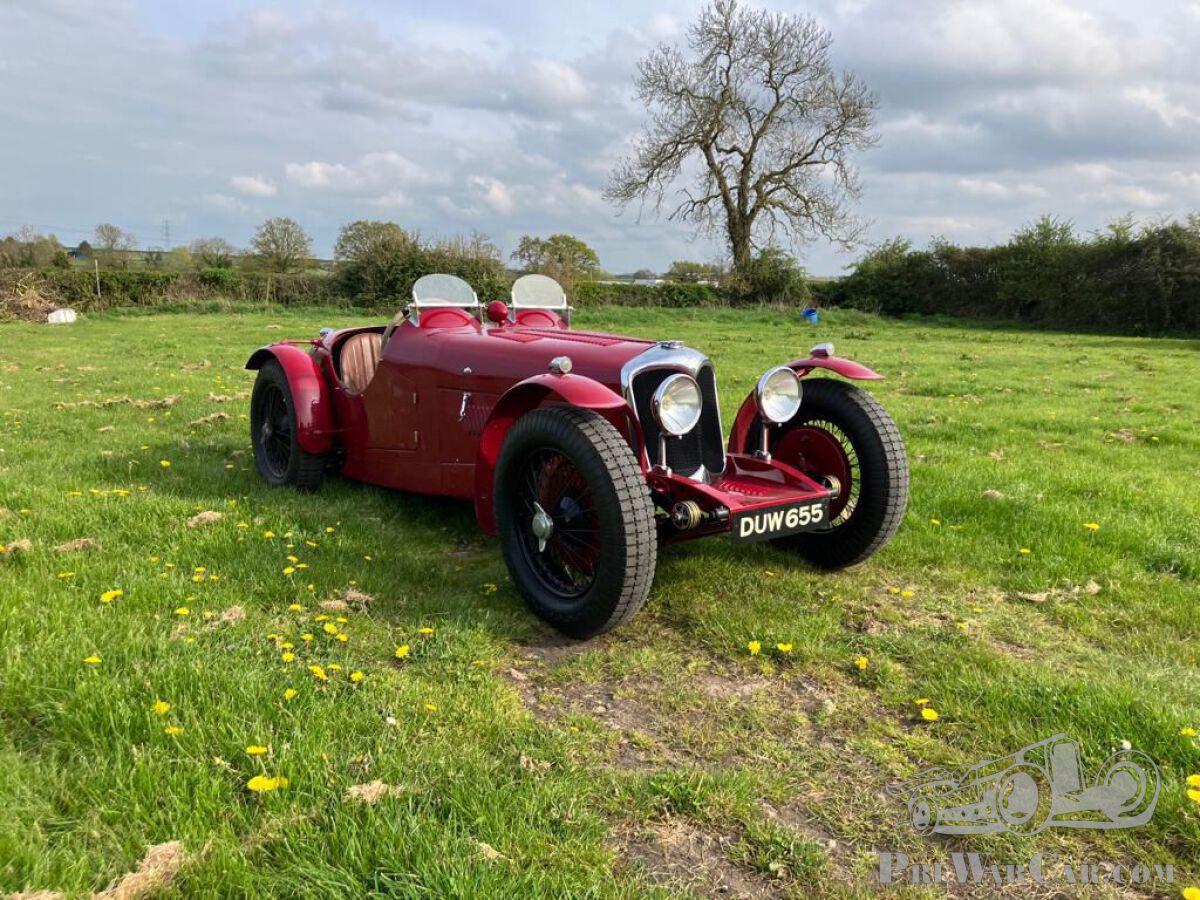
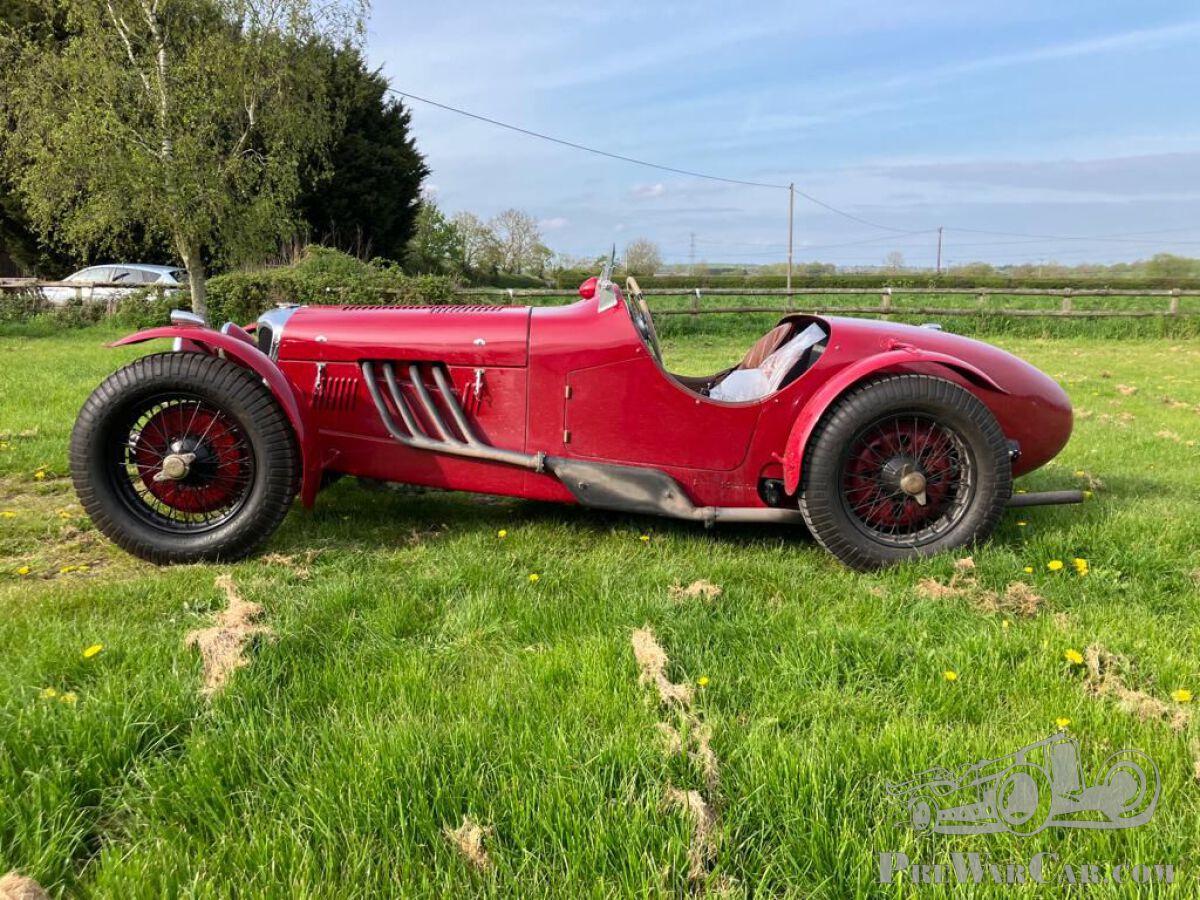
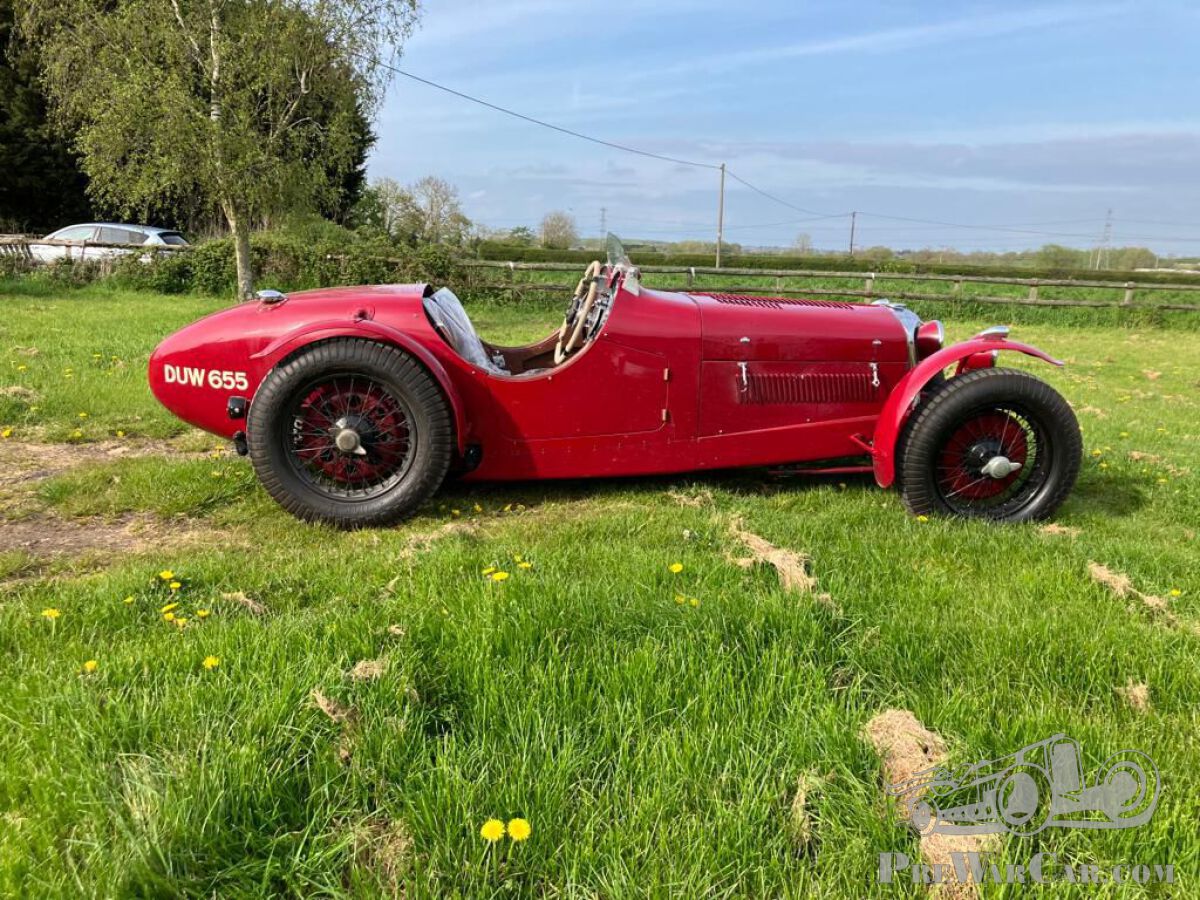
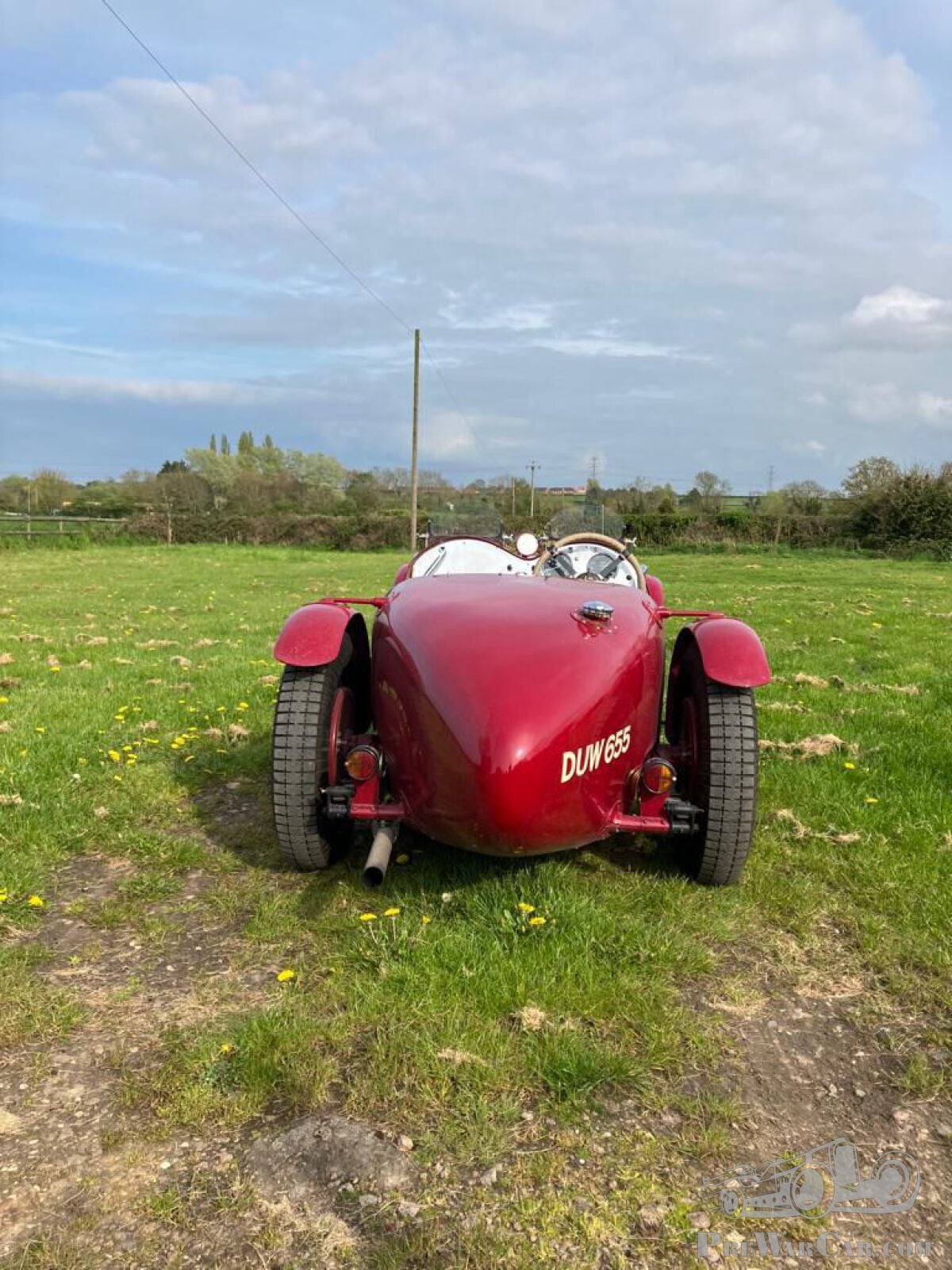
Riley 12/4 Sports Special


Riley 12/4 Sports Special
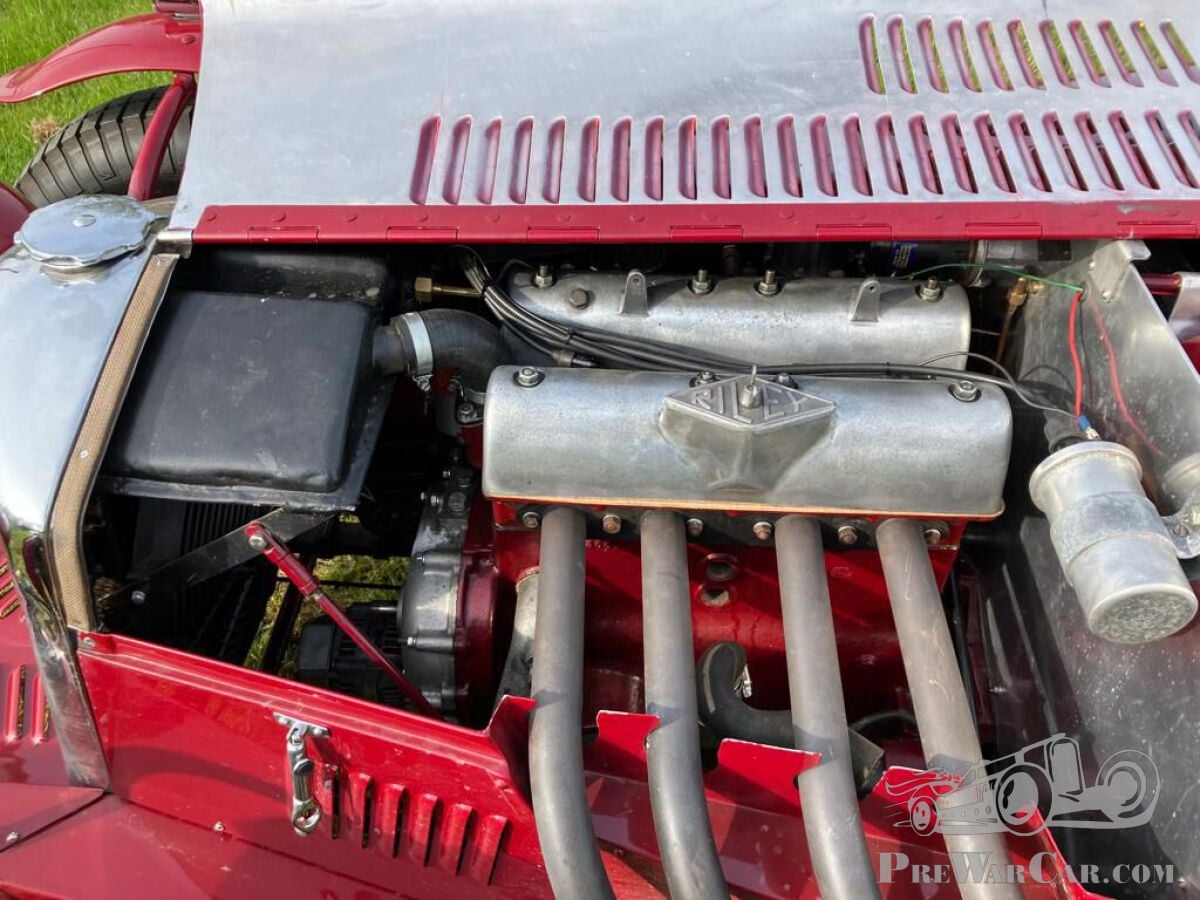
The 1937 Riley 12/4 Sports Special sits at the intersection of two important British motoring traditions: Riley's sophisticated pre-war engineering and the long-standing culture of building "specials" from older chassis.
The Riley 12/4: An Advanced Sporting Car
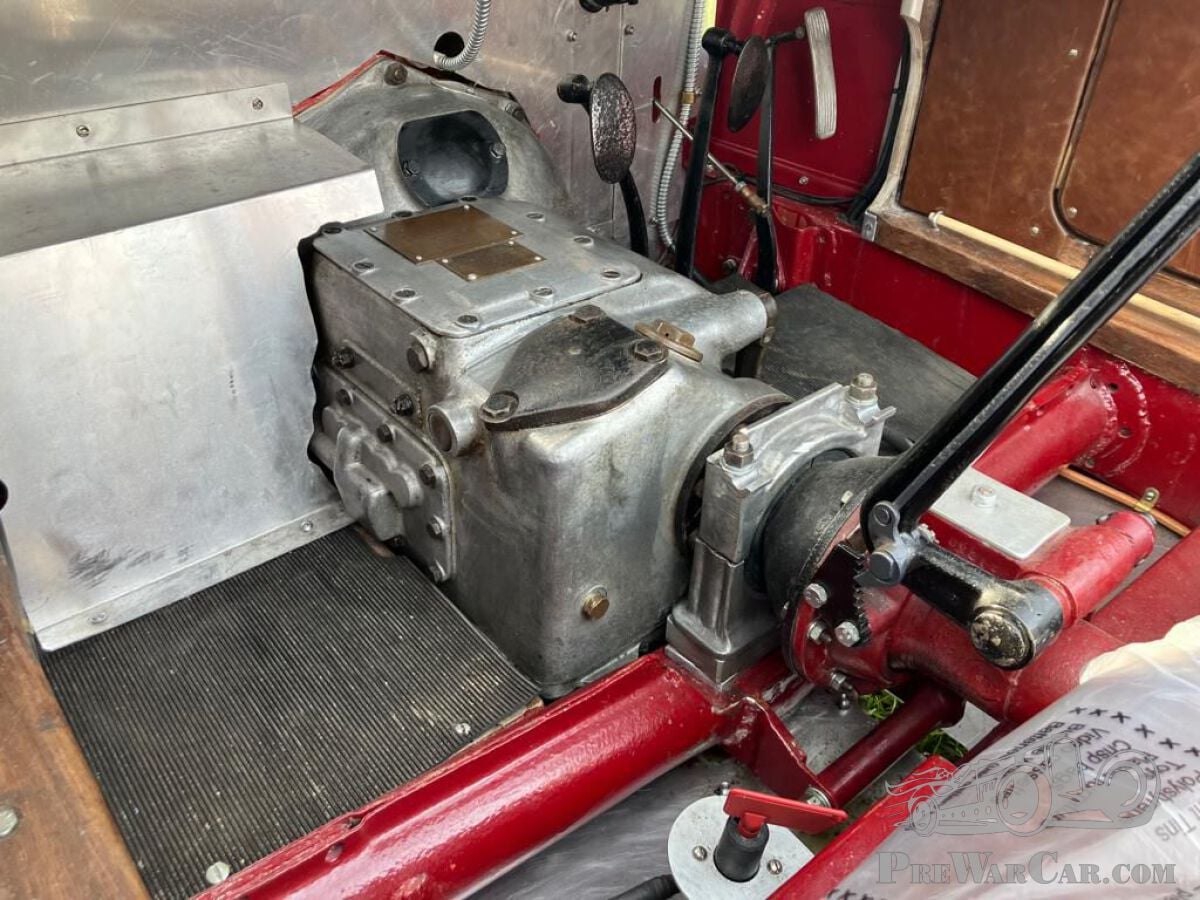
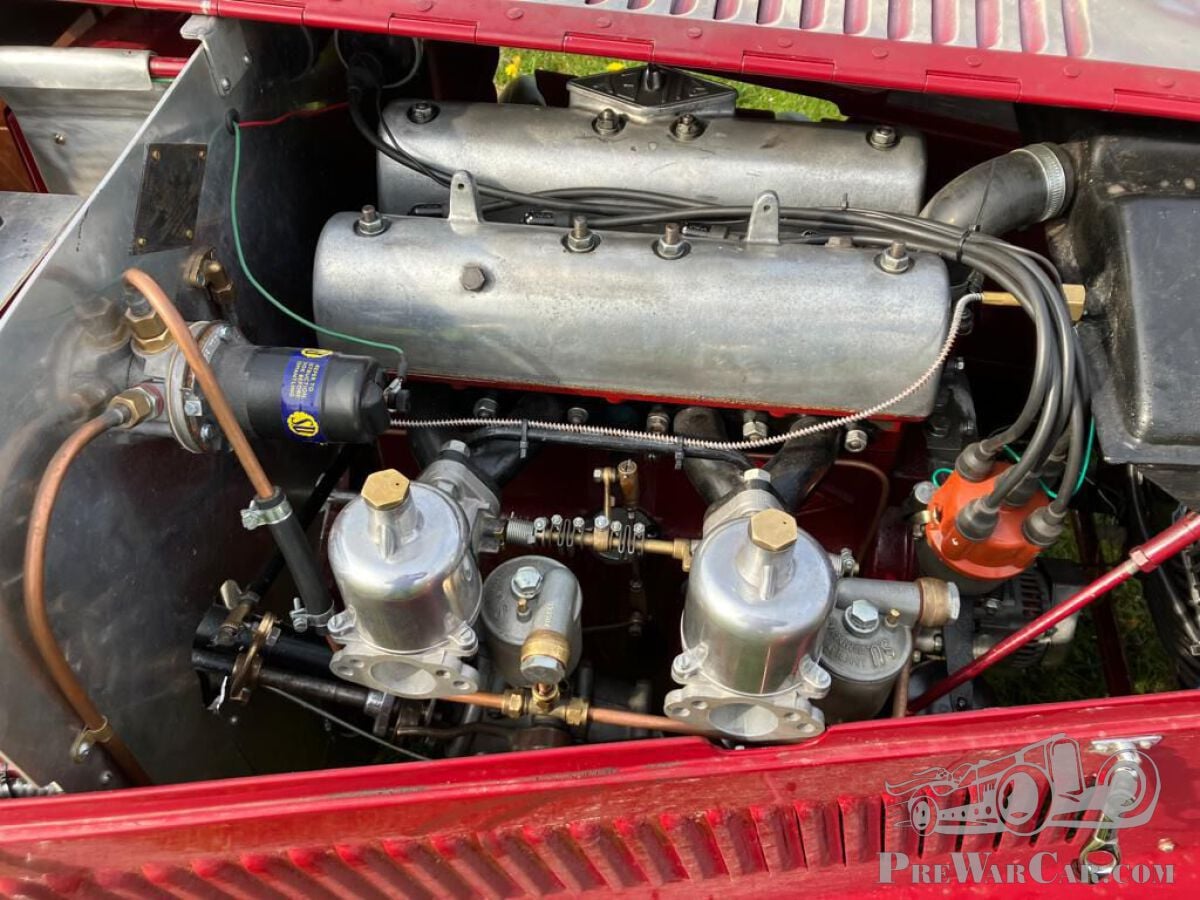
The underlying Riley 12/4 was introduced in 1935 as Riley's new 1½-litre model. It replaced the older six-cylinder 12/6 and featured a remarkably advanced 1,496cc four-cylinder engine designed by Hugh Rose. The engine used twin camshafts mounted high in the block and was known for producing impressive performance from modest displacement. Many cars were equipped with the famous Armstrong Siddeley/Wilson pre-selector gearbox, allowing rapid gear changes that felt almost futuristic in the 1930s.
The 12/4 range included:
- Falcon saloons
- Kestrel sporting saloons
- Lynx tourers
- The more competition-focused Sprite sports model
By 1937, Riley offered one of the most diverse and sporting ranges in Britain, drawing heavily on the marque's success in rallies, trials, and racing.
What Is a "Sports Special"?
A Sports Special is usually not a factory body style. Instead, it is a custom-built sports car created from an existing chassis and mechanical components.
In Britain, especially after World War II, enthusiasts often removed heavy saloon bodies from worn but mechanically sound cars and replaced them with lightweight two-seat sports bodies. Riley chassis were particularly popular because they offered:
- Strong ladder-frame construction
- Excellent engines
- Good handling
- Competition pedigree
- Pre-selector gearboxes that gave a unique driving experience
As a result, hundreds of Riley-based specials were created from the 1940s through the 1970s. Many survive today and are highly respected in the vintage racing and rally world.
The 1937 Cars That Became Specials
Many surviving "1937 Riley 12/4 Sports Specials" began life as ordinary Kestrel, Falcon, or Adelphi saloons.
For example, documented cars have been traced to:
- 1937 Adelphi saloons later rebodied with aluminum sports coachwork.
- 1937 Kestrel chassis shortened and lightened to create competition cars.
- Wide-track 1937 Kestrels converted into long-distance touring specials inspired by the factory Sprite.
Because each special was built individually, no two are exactly alike.
Influence of the Riley Sprite
Many 1937 specials imitate the appearance of the factory-built Riley Sprite.
The Sprite was Riley's dedicated sports model, introduced to capitalize on the company's competition success. It used the 12/4 engine, lightweight bodywork, and sporting chassis modifications. Only a small number were built, making originals rare and valuable today.
Consequently, later builders often created "Sprite-style" specials using more common saloon chassis. These replicas captured the look and spirit of the factory sports cars while being far more affordable.
Competition Heritage
Riley's reputation in the 1930s was built on motorsport. Factory and privateer Rileys competed successfully in:
- Monte Carlo Rally
- MCC Trials
- Brooklands events
- Hill climbs
- Endurance races
The 12/4 engine became especially prized because it responded well to tuning. Competition versions could produce substantially more power than standard road cars, and many specials were built specifically for VSCC racing, hill climbs, and historic rallying.
Why Enthusiasts Love Them Today
A 1937 Riley 12/4 Sports Special offers something unusual:
- Authentic pre-war engineering
- Strong performance for a 1.5-litre car
- Lightweight construction
- Distinctive vintage styling
- Eligibility for many historic events
Unlike a factory-restored saloon, a special often reflects the personality and craftsmanship of its builder. Some are faithful recreations of period competition cars, while others are unique one-off creations.
In that sense, there isn't one single story behind "the" 1937 Riley 12/4 Sports Special. Most are individual machines built upon the excellent foundations of Riley's 1937 12/4 chassis and engine—a combination that has remained popular with vintage enthusiasts for nearly ninety years.
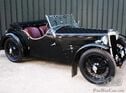
This Riley 12/4 Special is a 1937 car, it was built by Steve White in 2022/23. Purchased by the currant owner soon as it was completed. Since the owner has had the pleasure of compeating at Prescott, Shelsley and Loton Park hill climbs, aIso entered into race at Mallory Park.
It is obviously in great condition and had minimal use, the pre-selector box is a big benefit. The car comes with the buff log book and supported with VSCC Documents.
More listings from this user
 Rod Briggs AC6 Special
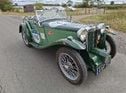 MG PB Mille Miglia
Similar listings Riley 12/4 Sports Special 1937 for sale
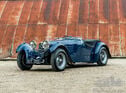 1935 Riley MPH 14/6
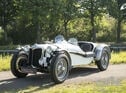 The famous white Riley 12/4 from 1936 with Race History ex New Zealand
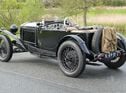 1939 Riley Special
 1936 Riley Special
Share:
Facebook
LinkedIn
Twitter
WhatsApp
Email
Copy
Details Riley 12/4 Sports Special 1937 for sale
Year:
Make:
Type:
12/4 Sports Special
Price:
On request
Advert ID:
904348
More info:


- A.C.
- Albert
- Albion
- Alldays
- Alta
- Alvis
- Arab
- Ariel
- Armstrong Siddeley
- Arrol-Johnston
- Aston Martin
- Atalanta
- Austin
- Autovia
- BSA
- Bat
- Bean
- Beardmore
- Bedford
- Beeston
- Belsize
- Bentley
- Beverley Barnes
- British Salmson
- Briton
- Brough Superior
- Calcott
- Calthorpe
- Century
- Chater Lea
- Clyno
- Coventry-Premier
- Crossley
- Cubitt
- Dennis
- E.R.A.
- English Mechanic
- Frazer Nash
- G.N.
- G.W.K.
- Gwynne
- H.E.
- H.R.G.
- Hillman
- Humber
- Imperial
- International
- Invicta
- Jackson
- Jaguar SS
- Jensen
- Jowett
- Lagonda
- Lanchester
- Lea Francis
- Leyland
- MG
- Marendaz
- Maudslay
- Maxim
- Morgan
- Morris
- Napier
- New Carden
- Phoenix
- Premier
- Railton
- Raleigh
- Raymond Mays
- Riley
- Rolls-Royce
- Rover
- Santler
- Siddeley
- Singer
- Standard
- Star
- Straker-Squire
- Sunbeam
- Surrey
- Swift
- Talbot
- Thornycroft
- Triumph
- Trojan
- Vauxhall
- Victor
- Vulcan
- Waverley
- Wolseley (-Siddeley)
Other British cars for sale
Advertiser Classicmobilia
- Name: Classicmobilia
-
Address:
1 Farjeon Court 1 Old Farm Park
MK7 8RE Milton Keynes

Contact user