The global magazine and marketplace for classic car enthusiasts, by enthusiasts.


This item can no longer be bought or sold on our website.
See available Humber cars for sale here
See available Humber cars for sale here
Make a choice:
- Cars
-
Make >>
-
Year >>
-


1904 Humber 10/12HP Twin Cylinder Rear Entrance Tonneau
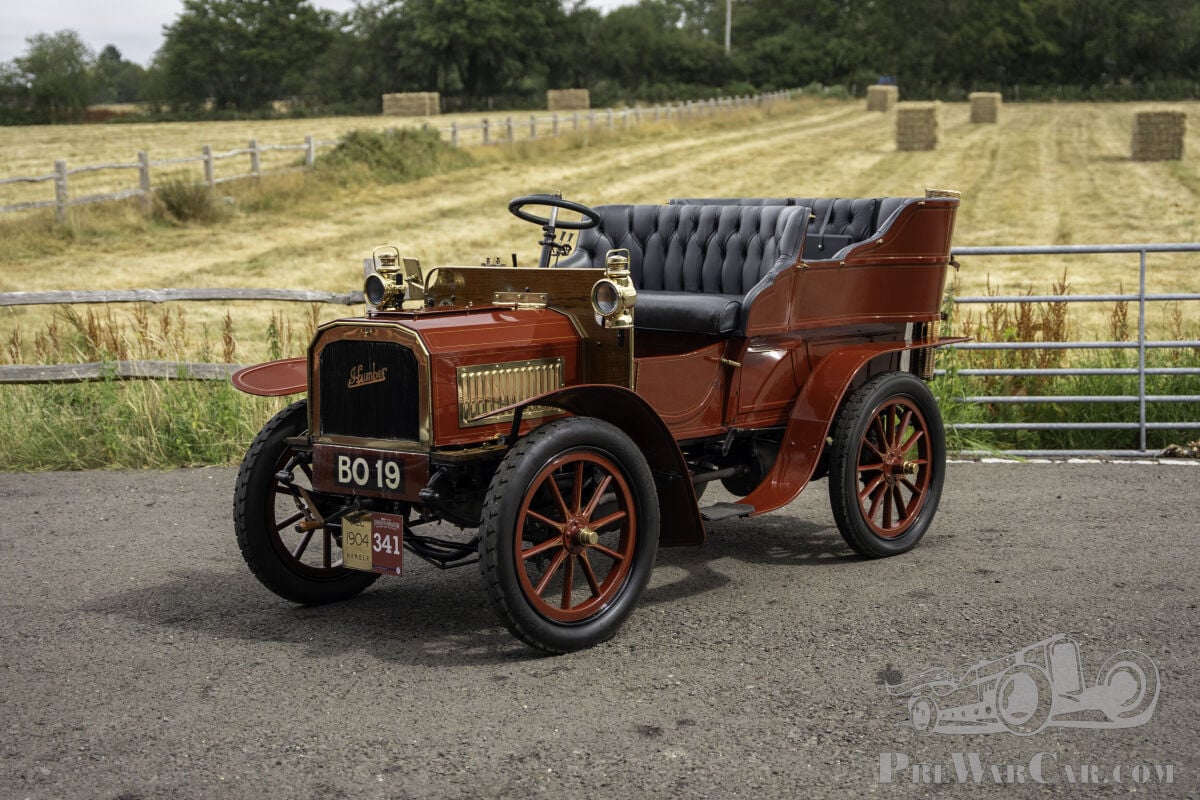
1904 Humber 10/12HP Twin Cylinder Rear Entrance Tonneau
1904 Humber 10/12HP Twin Cylinder Rear Entrance Tonneau - VCC Dated Registration No. BO19 Chassis No. 3127 Engine No. 191VCC Dating No. 1049 Founded in 1868 as a Bicycle maker, Humber later became part of ..
More listings from this user
 1899 Benz Velo 3.5HP Dogcart - VCC Dated
 1901 De Dion Bouton 4.5HP Vis a Vis - VCC Dated
 1903 Oldsmobile Model R 5HP - VCC Dated
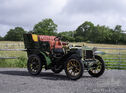 1903 Panhard Et Levassor 7HP Twin Cylinder Rear Entrance Tonneau - VCC Dated
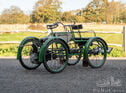 1900 Humber De Dion Engined Quadricycle - VCC Dated
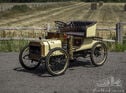 1903 Beeston Humberette 5HP - VCC Dated
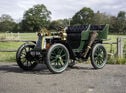 1902 Renault Type G 8HP Rear Entrance Tonneau - INC ENTRY LONDON TO BRIGHTON 2026
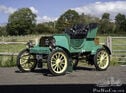 1903 Franklin 10HP 4 Cylinder Runabout - VCC Dated Example



- A.C.
- Albert
- Albion
- Alldays
- Alta
- Alvis
- Arab
- Ariel
- Armstrong Siddeley
- Arrol-Johnston
- Aston Martin
- Atalanta
- Austin
- Autovia
- BSA
- Bat
- Bean
- Beardmore
- Bedford
- Beeston
- Belsize
- Bentley
- Beverley Barnes
- British Salmson
- Briton
- Brough Superior
- Calcott
- Calthorpe
- Century
- Chater Lea
- Clyno
- Coventry-Premier
- Crossley
- Cubitt
- Dennis
- E.R.A.
- English Mechanic
- Frazer Nash
- G.N.
- G.W.K.
- Gwynne
- H.E.
- H.R.G.
- Hillman
- Humber
- Imperial
- International
- Invicta
- Jackson
- Jaguar SS
- Jensen
- Jowett
- Lagonda
- Lanchester
- Lea Francis
- Leyland
- MG
- Marendaz
- Maudslay
- Maxim
- Morgan
- Morris
- Napier
- New Carden
- Phoenix
- Premier
- Railton
- Raleigh
- Raymond Mays
- Riley
- Rolls-Royce
- Rover
- Santler
- Siddeley
- Singer
- Standard
- Star
- Straker-Squire
- Sunbeam
- Surrey
- Swift
- Talbot
- Thornycroft
- Triumph
- Trojan
- Vauxhall
- Victor
- Vulcan
- Waverley
- Wolseley (-Siddeley)