The global magazine and marketplace for classic car enthusiasts, by enthusiasts.


This item can no longer be bought or sold on our website.
See available Morris cars for sale here
See available Morris cars for sale here
Make a choice:
- Cars
-
Make >>
-
Year >>
-


1932 Morris Ten Saloon | Brightwells | Auction Ends: Wed 24th Jun
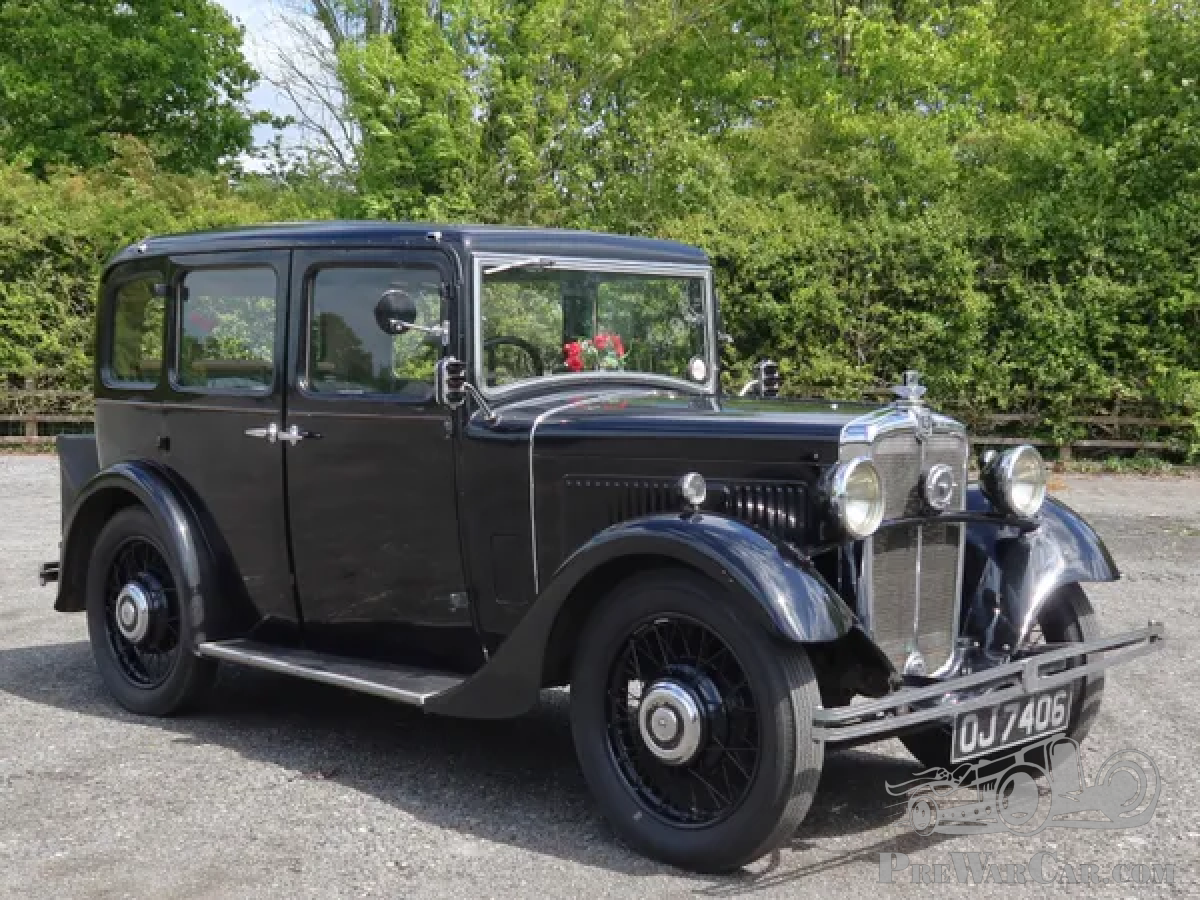
1932 Morris Ten Saloon | Brightwells | Auction Ends: Wed 24th Jun
In the current ownership for 47 years; body-off restoration in the early 1980s and in regular use since; only 1,450 miles on rebuilt engine; Wilcot Robot indicators; Dunhill luggage trunk; a gorgeous little Morris that is a credit to its long-term owner
More listings from this user
 1914 Humber Tourer | Brightwells | Auction Ends: Wed 16th Sept
 1934 Austin 10/4 Colwyn Cabriolet | Brightwells | Auction Ends: Wed 16th Sept
 1925 Donnet-Zedel G2 Saloon | Brightwells | Auction Ends: Wed 16th Sept
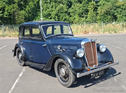 1936 Morris 12 | Brightwells | Auction Ends: Wed 16th Sept
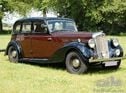 Morris Twenty Five. A very rare, large Morris.
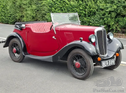 1936 Morris 8 Tourer | Brightwells | Auction Ends: Wed 16th Sept
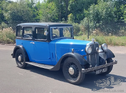 1934 Morris 10/6 Saloon | Brightwells | Auction Ends: Wed 16th Sept


- A.C.
- Albert
- Albion
- Alldays
- Alta
- Alvis
- Arab
- Ariel
- Armstrong Siddeley
- Arrol-Johnston
- Aston Martin
- Atalanta
- Austin
- Autovia
- BSA
- Bat
- Bean
- Beardmore
- Bedford
- Beeston
- Belsize
- Bentley
- Beverley Barnes
- British Salmson
- Briton
- Brough Superior
- Calcott
- Calthorpe
- Century
- Chater Lea
- Clyno
- Coventry-Premier
- Crossley
- Cubitt
- Dennis
- E.R.A.
- English Mechanic
- Frazer Nash
- G.N.
- G.W.K.
- Gwynne
- H.E.
- H.R.G.
- Hillman
- Humber
- Imperial
- International
- Invicta
- Jackson
- Jaguar SS
- Jensen
- Jowett
- Lagonda
- Lanchester
- Lea Francis
- Leyland
- MG
- Marendaz
- Maudslay
- Maxim
- Morgan
- Morris
- Napier
- New Carden
- Phoenix
- Premier
- Railton
- Raleigh
- Raymond Mays
- Riley
- Rolls-Royce
- Rover
- Santler
- Siddeley
- Singer
- Standard
- Star
- Straker-Squire
- Sunbeam
- Surrey
- Swift
- Talbot
- Thornycroft
- Triumph
- Trojan
- Vauxhall
- Victor
- Vulcan
- Waverley
- Wolseley (-Siddeley)